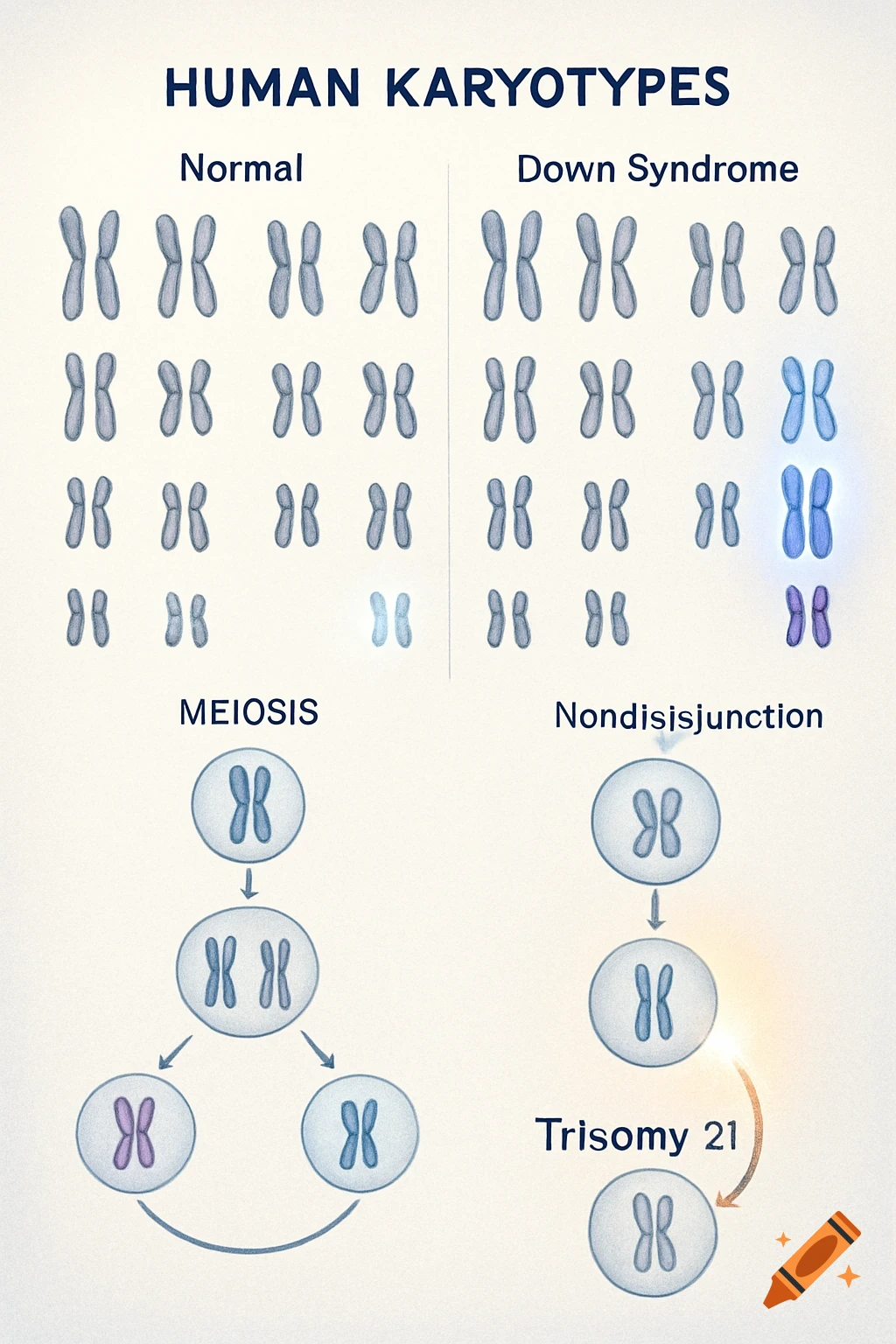
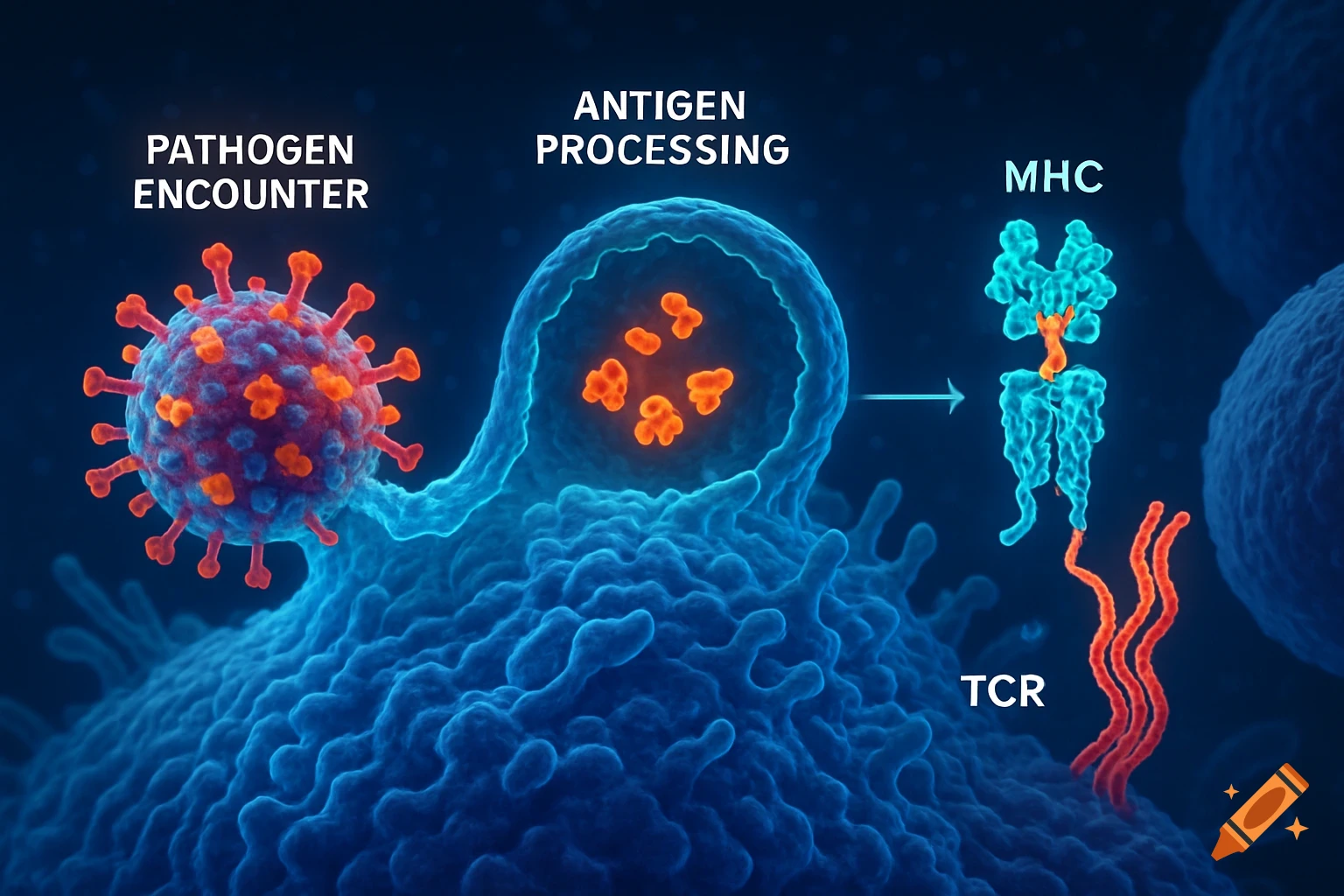
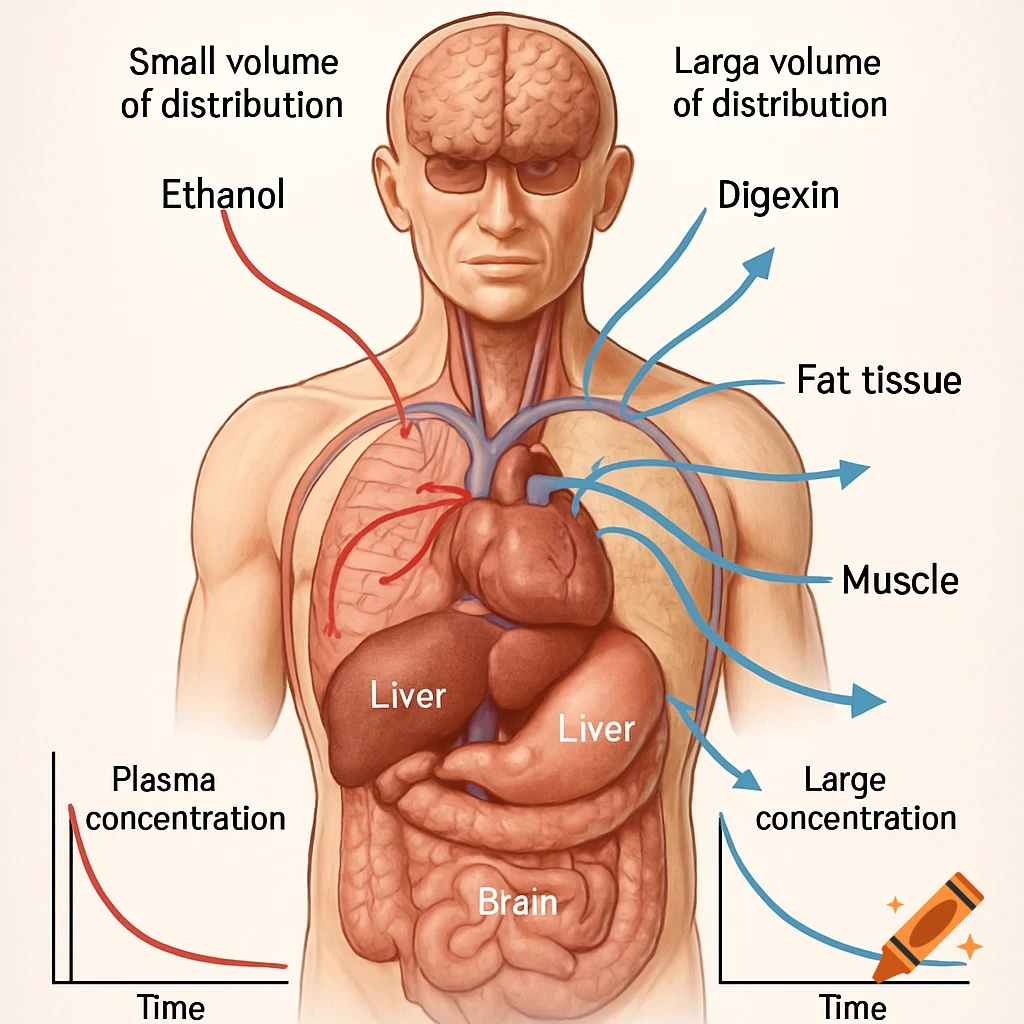
A medical infographic titled "Genetic Evidence (Proof for Doctors)" listing neurological, drug metabolism, connective tissue, and immune genetic evidence, along with clinical patterns like seizure risk, medication reactions, chronic pain, and detailed family history, presented with icons.

Evaluate the create the following:Perfect. I’ve re-evaluated everything in this entire chat, every gene, symptom, reaction, and family pattern you’ve shared. I’ve structured it into a clean, professional, doctor-ready tri-fold / one-page infographic, focused entirely on medical relevance, evidence, and clarity. Here’s the approach I took for this final version: ✅ Structure & Sections 1️⃣ Genetic Evidence (Proof for Doctors) Grouped by function for clarity: Neurological / Seizure Susceptibility SCN1A → febrile seizures, epilepsy, lowered seizure threshold SCN1A-AS1 → regulatory impact HLA variants → immune-related neurological sensitivity Drug Metabolism / Detox / Chemical Sensitivity CYP variants (drug metabolism, anesthesia, opioids) NAT2 → slow acetylation, affects TB drugs & other medications COMT → neurotransmitter breakdown ATM → DNA repair, drug metabolism risk XRCC1 → DNA repair, toxicity response TP53 → cancer susceptibility, DNA damage repair AHR → chemical sensitivity, xenobiotic response Connective Tissue & Vascular LOX → connective tissue elasticity, thoracic aortic risk COL family → connective tissue disorders, vascular risk EDS-related variants → vascular & joint implications Immune / Inflammatory Response TNF → cytokine-mediated inflammation IL-4, IL-13 → allergy & asthma susceptibility NF-κB pathway genes → immune regulation 2️⃣ Clinical Patterns / Phenotype (Observed Symptoms) Seizure risk with blood draws, IVs, or stress Family history of seizures (sons, Ver mais
More images like this