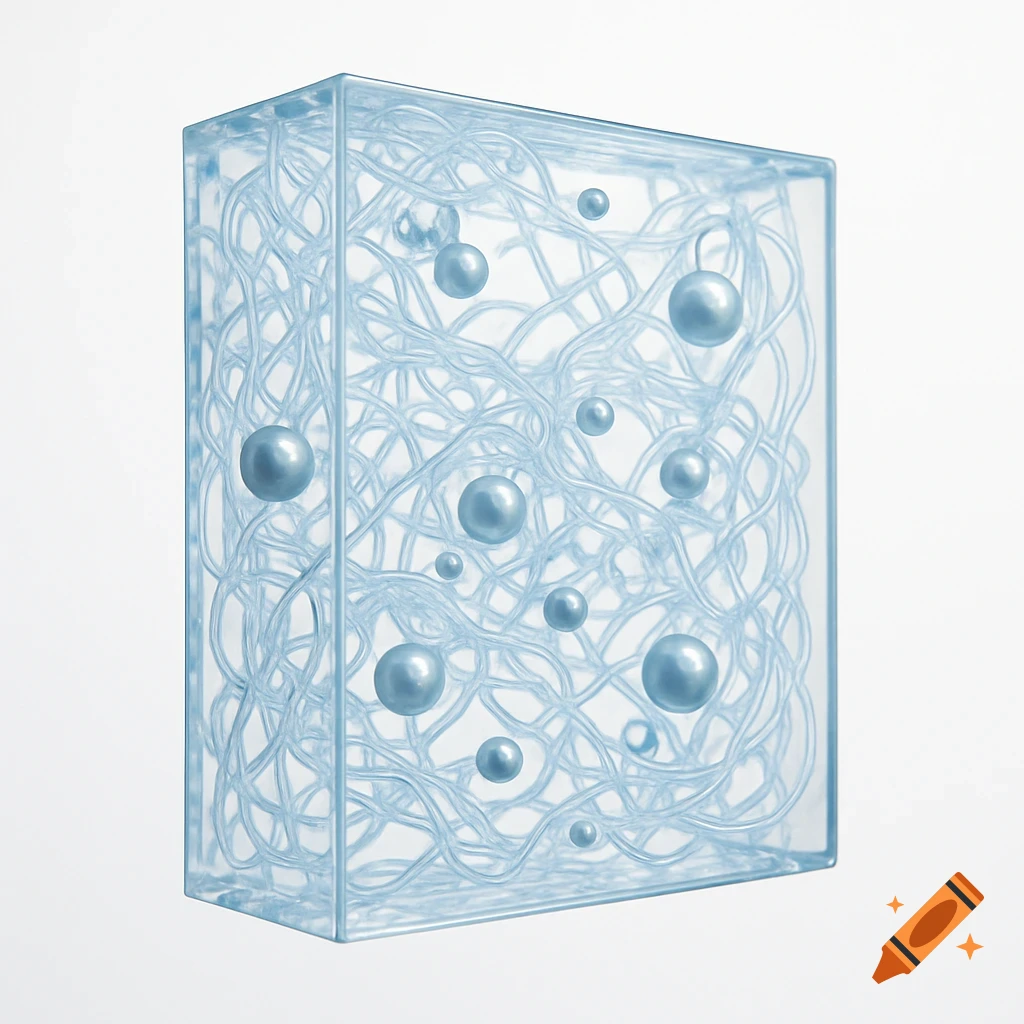
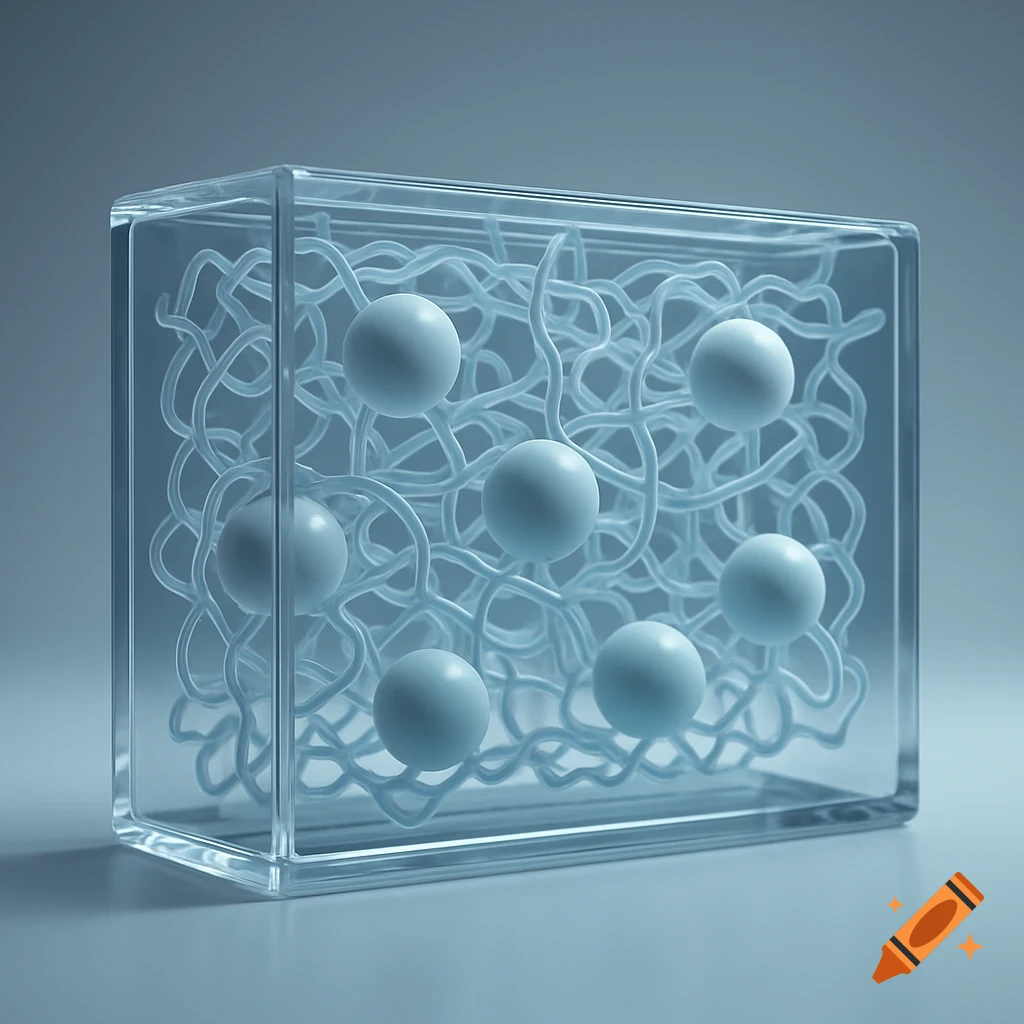
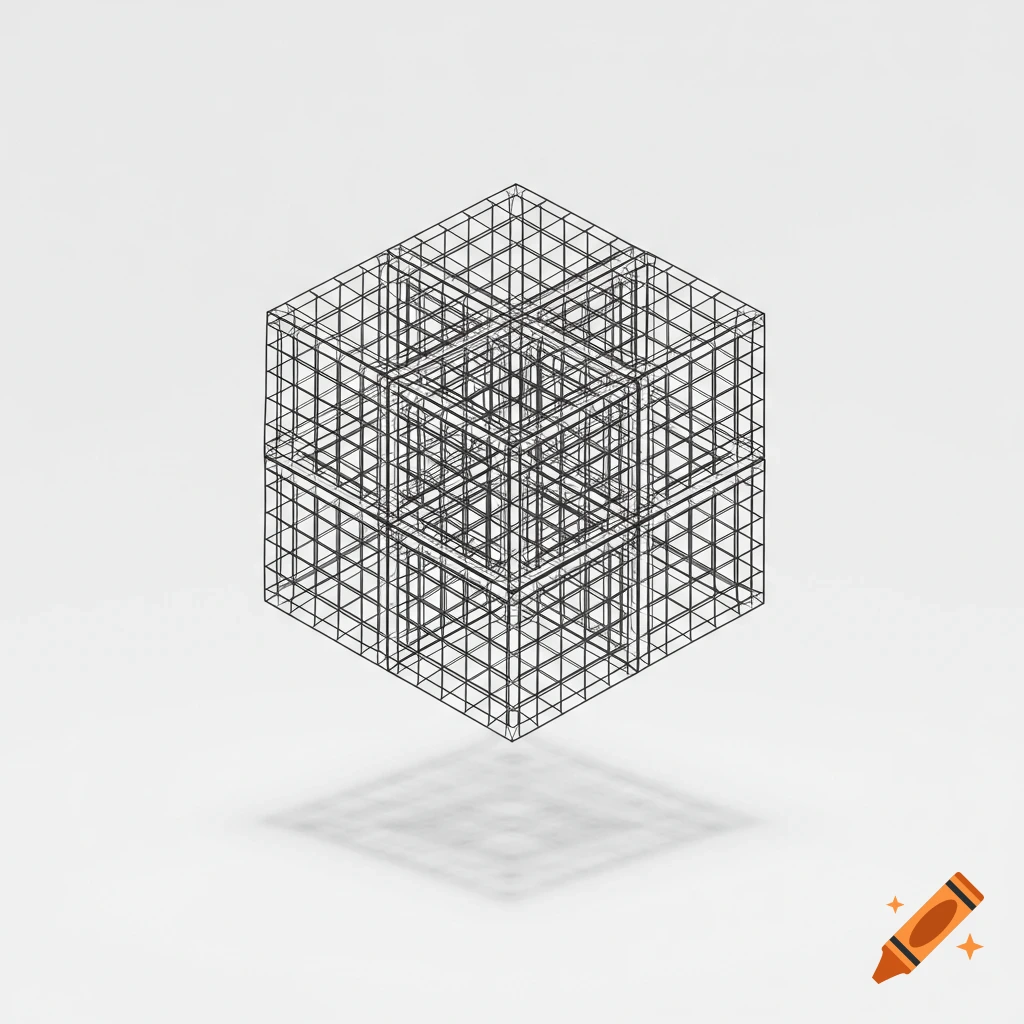
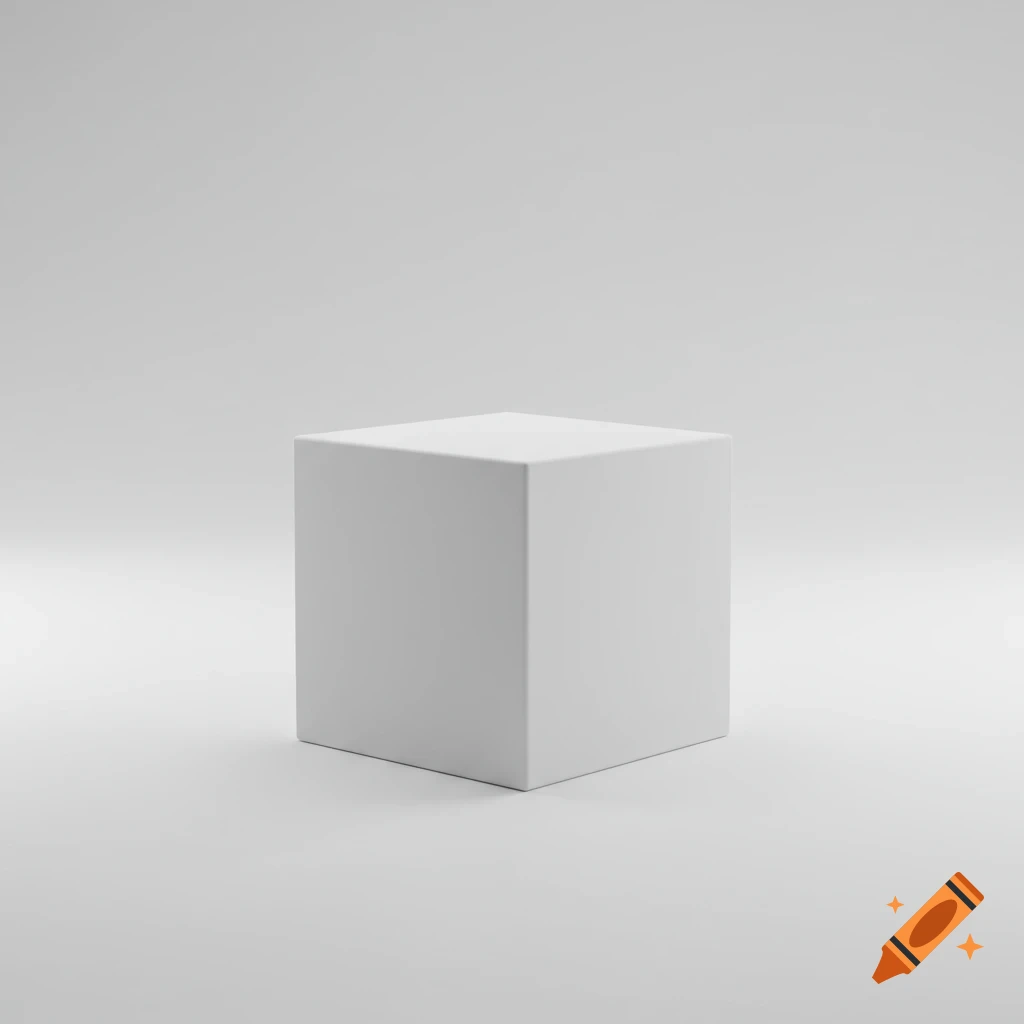
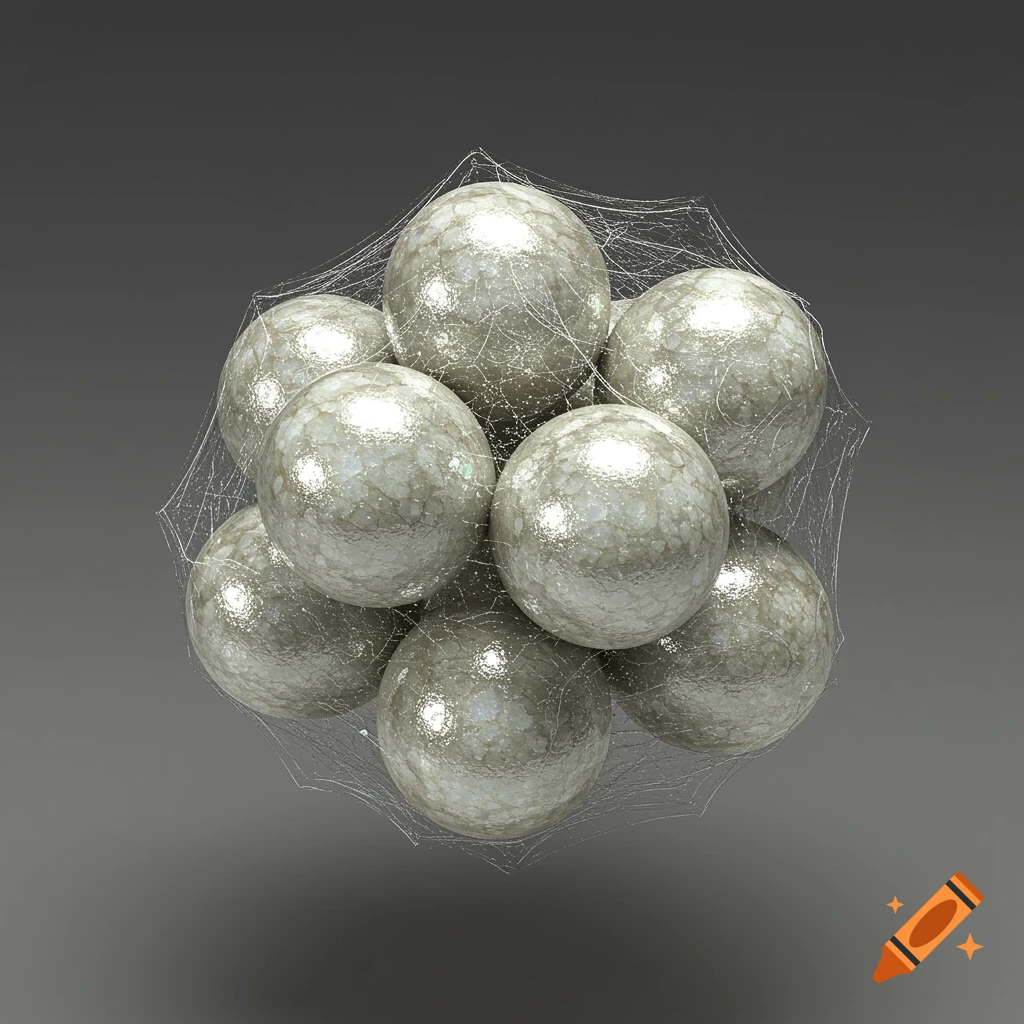
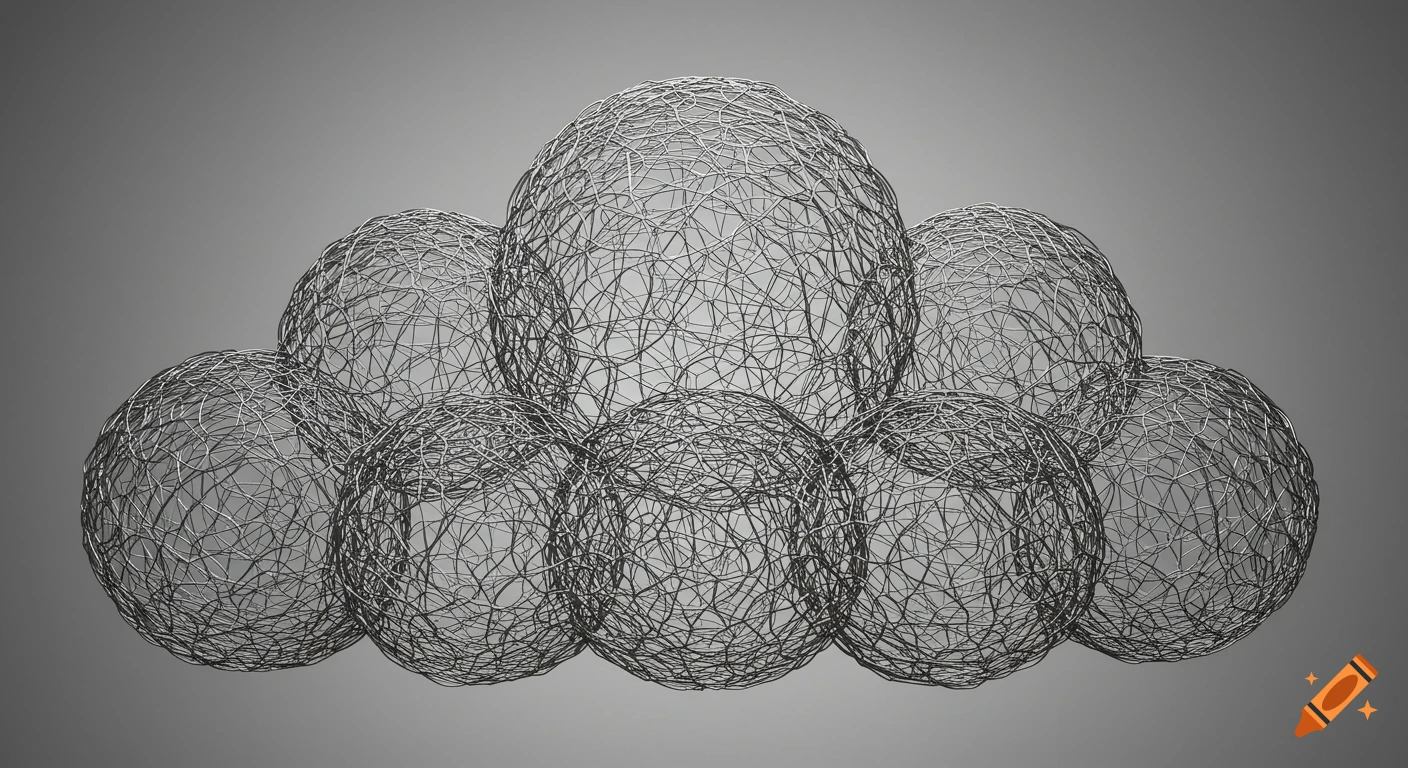
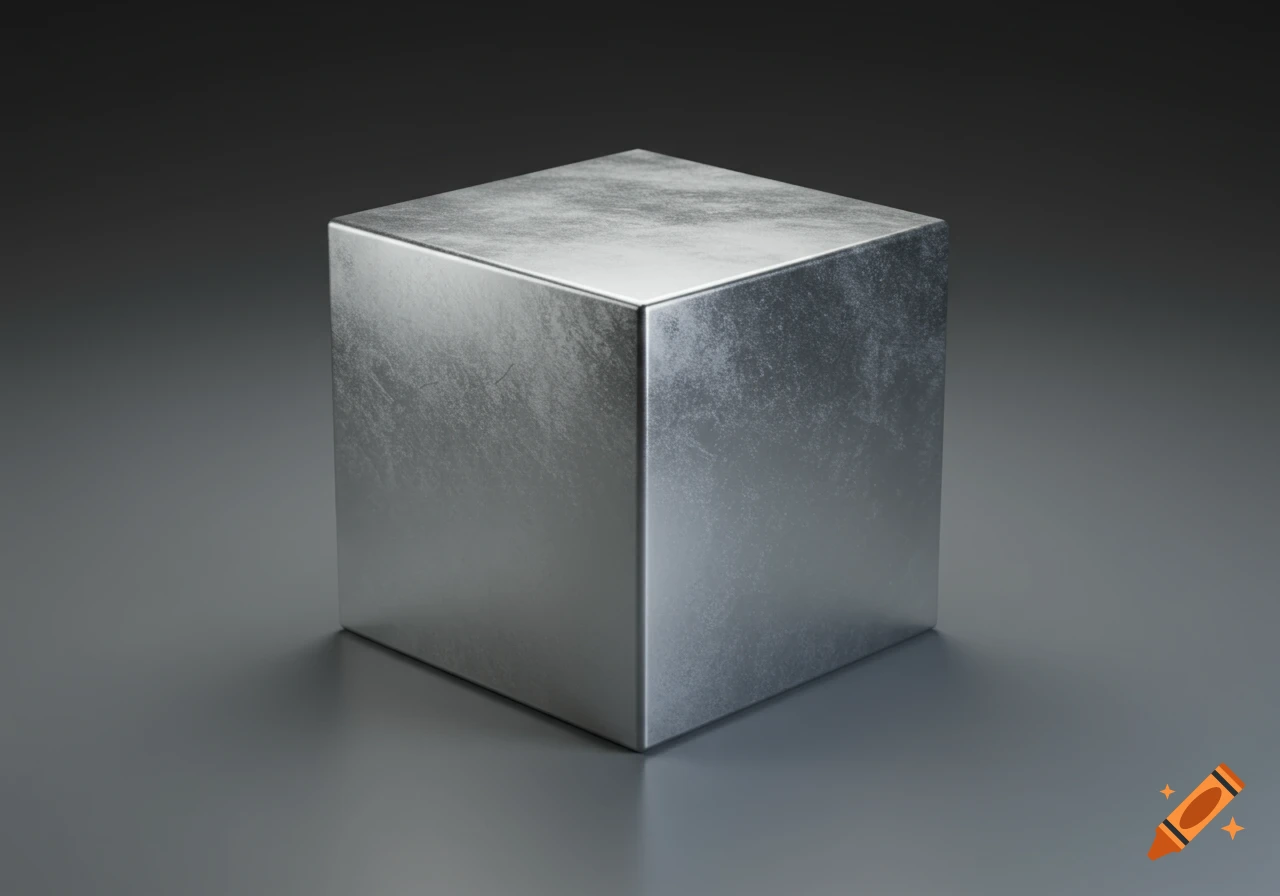
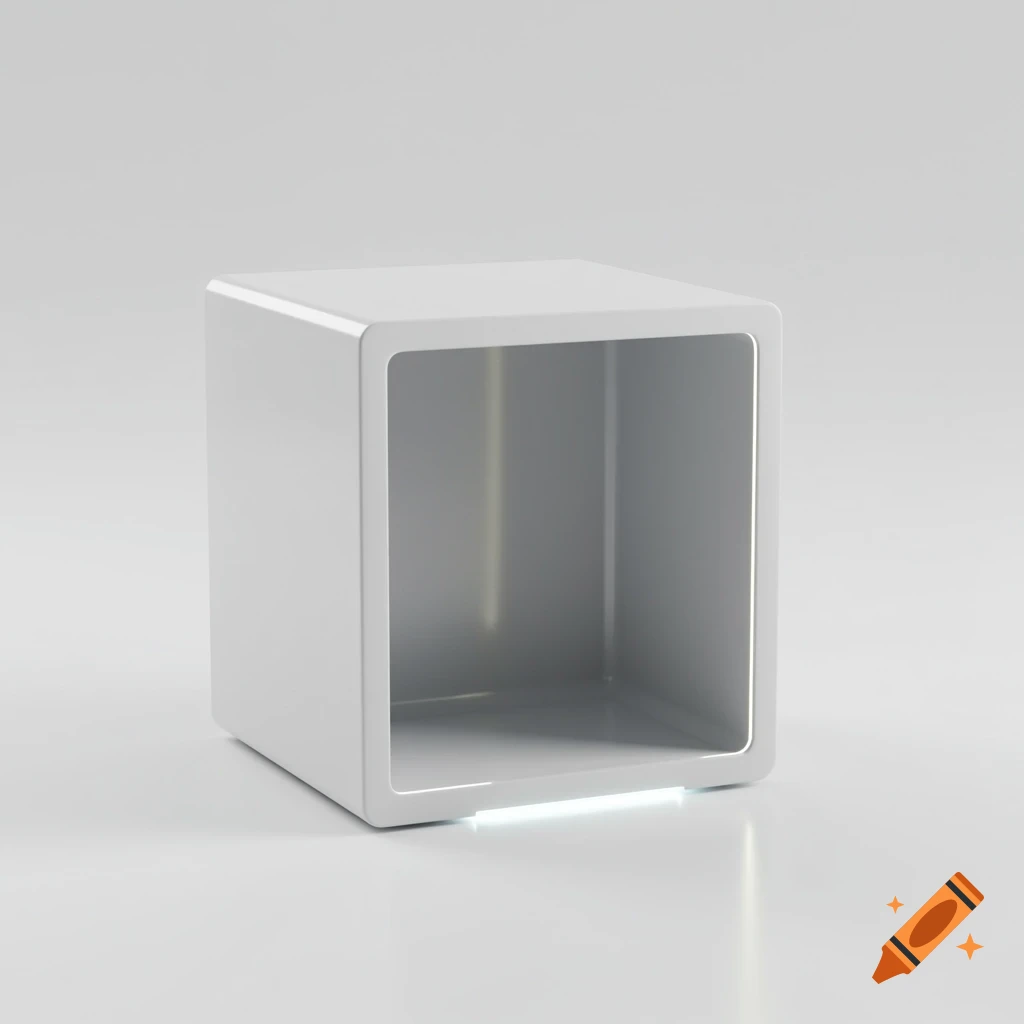
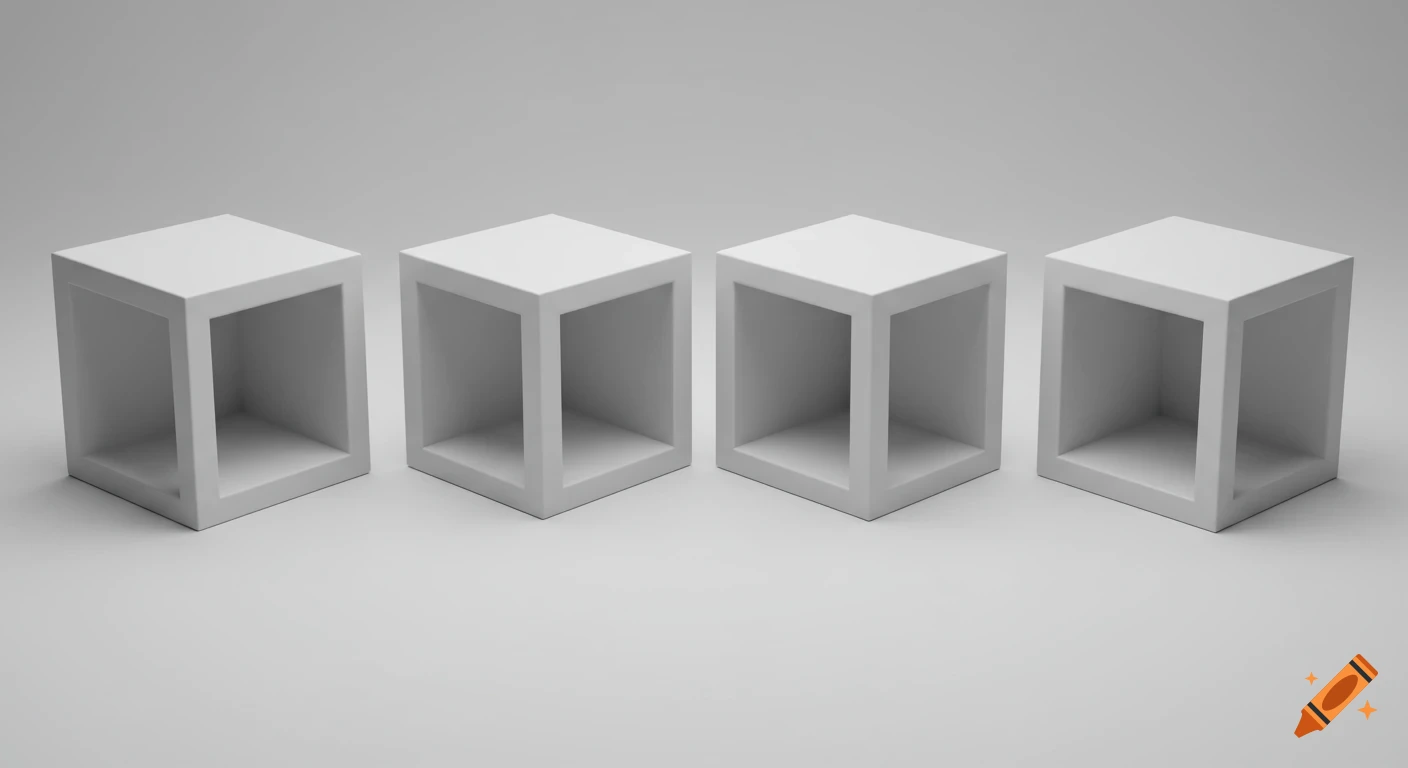
A white 3D rendered porous cube filled with various sized spheres, showing dimension labels of 177.8 mm.

1) Base Solid Start with a cube: 7.0 in (177.8 mm) per edge. All model units are millimeters. 2) Void Definition Create 60 spherical voids inside the cube. Void diameters: 1–3 in (radii 12.7–38.1 mm). 3) Overlap / Connectivity Rule For any two spheres (r₁, r₂) that must connect, let d = distance between centers. Require a penetration ≥ 20% of the smaller diameter: penetration = (r₁ + r₂ − d) condition: (r₁ + r₂ − d) ≥ 0.4 × min(r₁, r₂) In this model, a slightly higher value was used: penetration = 0.42 × min(r₁, r₂) Thus placement distance is: d = (r₁ + r₂) − 0.42 × min(r₁, r₂) 4) Placement Strategy Begin with one sphere near the cube center. Add spheres iteratively: choose a parent from existing spheres pick a random direction place the new sphere at distance d from the parent Maintain a minimum 3.0 mm outer wall. Sphere centers must satisfy: [r + 3 , 177.8 − (r + 3)] on x, y, z axes. 5) Mesh Generation Final mesh is the cube minus the union of all spheres. Use: voxel grid 200 × 200 × 200 marching cubes at 0.5 iso‑level This produces a watertight mesh with the outer cube and interconnected internal void surfaces. 6) Exact Sizing Voxel meshing slightly enlarged the cube, so a final uniform scale was applied: scale = 0.9950000064 Final bounding box = 177.8 mm on all sides (exact 7 in). Ver mais
More images like this