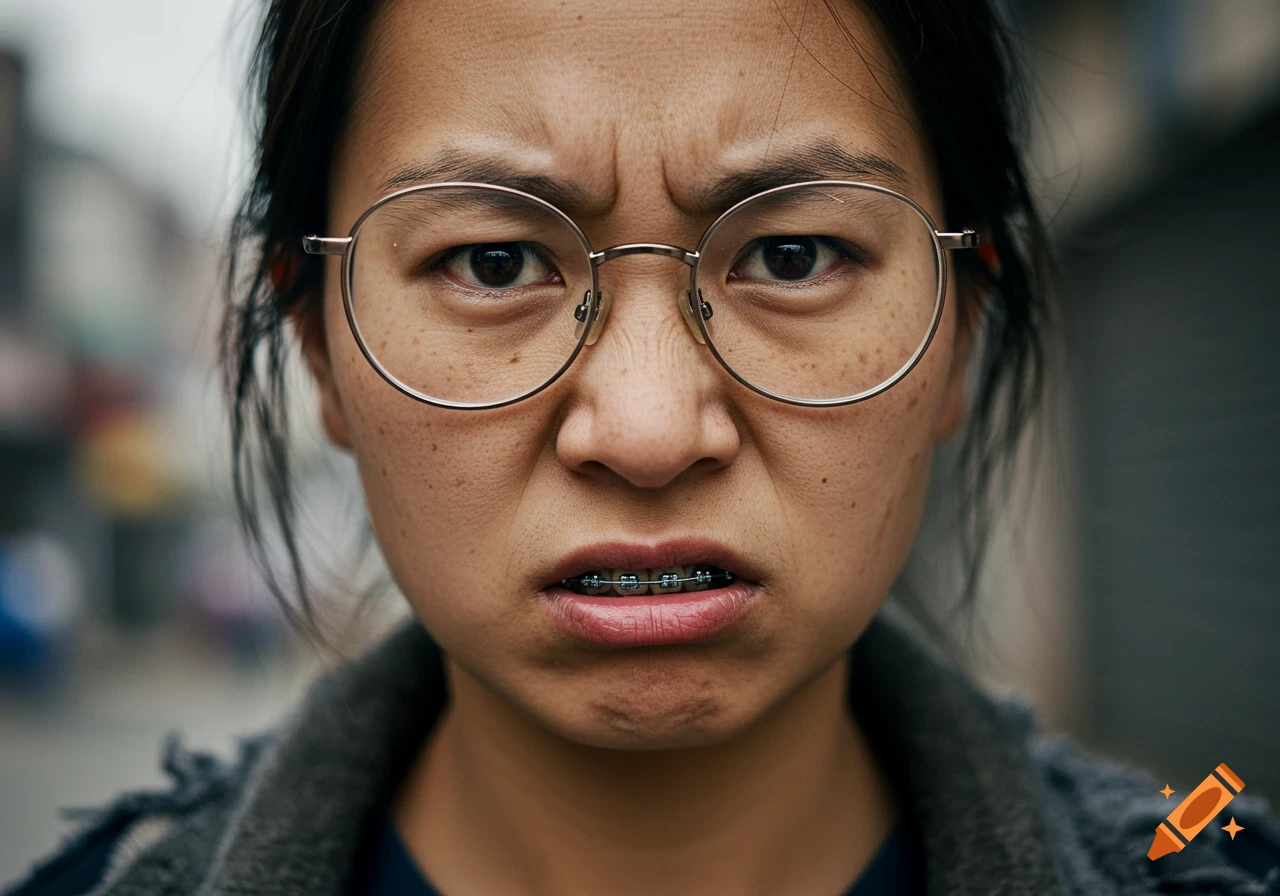
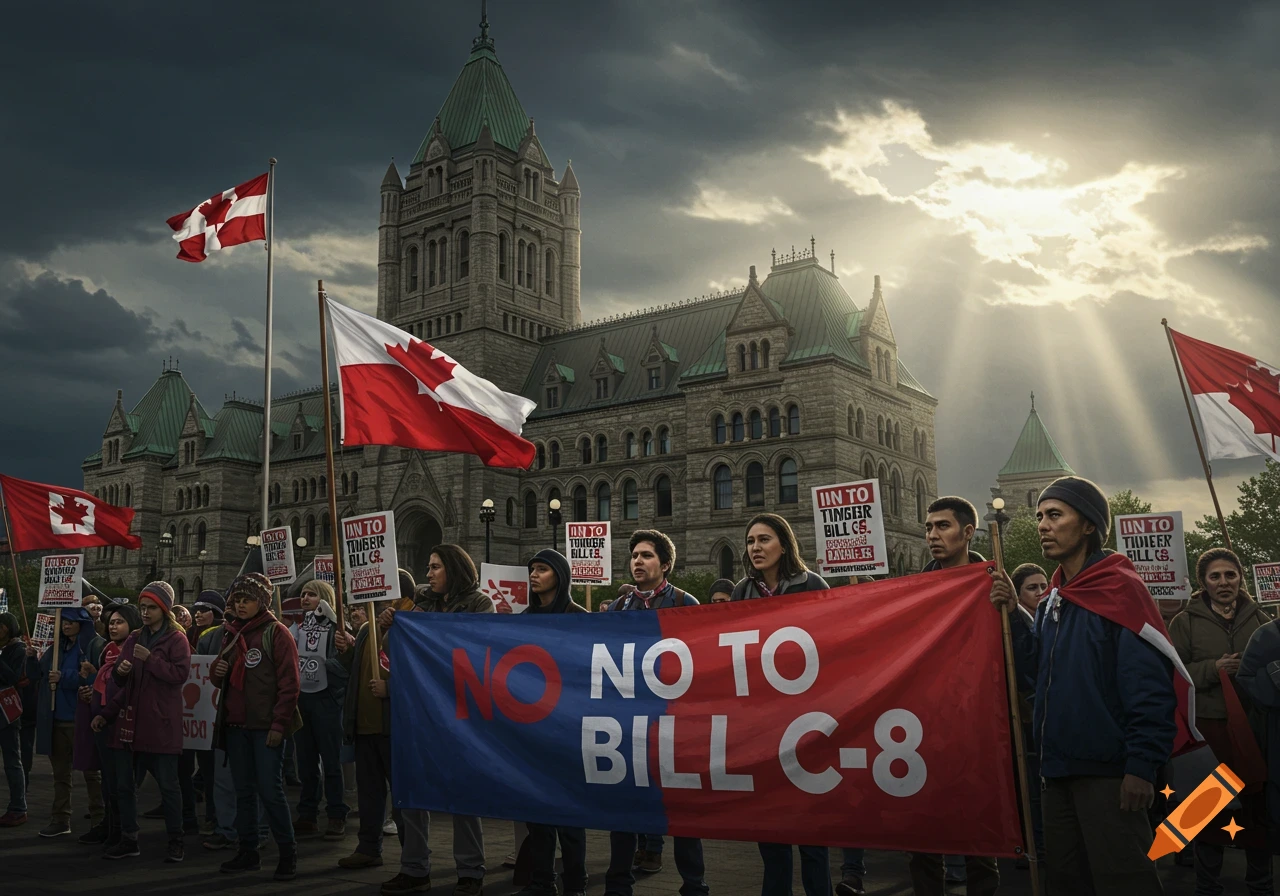
Photorealistic image of a group of Asian individuals wearing face masks outdoors, standing near a sign that reads Stop Anti-Asian Hate.

Hate crimes targeted towards Asians rose nearly 150% across major U.S. cities from 2019 to 2020.[125] As the pandemic progressed, about 40% of Asian and Black Americans reported that people felt uncomfortable around them.[126] The harassment against those of Asian descent ranges in its forms; these include both verbal and physical attacks, and even acts of vandalism.[127] Some attest the increase in attack rates to the negative expressions used by President Donald Trump, an example of this being when he referred to the COVID-19 virus as "kung flu."[128] Studies found that for Asian Americans, the racism they experienced due to COVID-19 was strongly linked to issues such as anxiety, depression, stress, and lower self-esteem.[129] Asian American youth were especially vulnerable, experiencing things like being blamed for the virus, anti-Asian slurs, and increased harassment, bullying, and social exclusion.[129] Asian Americans disproportionately hold positions as high-risk essential workers, and many regions heavily affected by COVID-19 have an abundance of Asian-owned businesses.[130] Suggestions for aiding in the support of Asian Americans throughout this time include ensuring Asian inclusion in businesses, preventing the use of Anti-Asian rhetoric, and encouraging a dialogue that accounts for the acknowledgement of Asian American treatment and support throughout this time.[130] Ver mais
More images like this