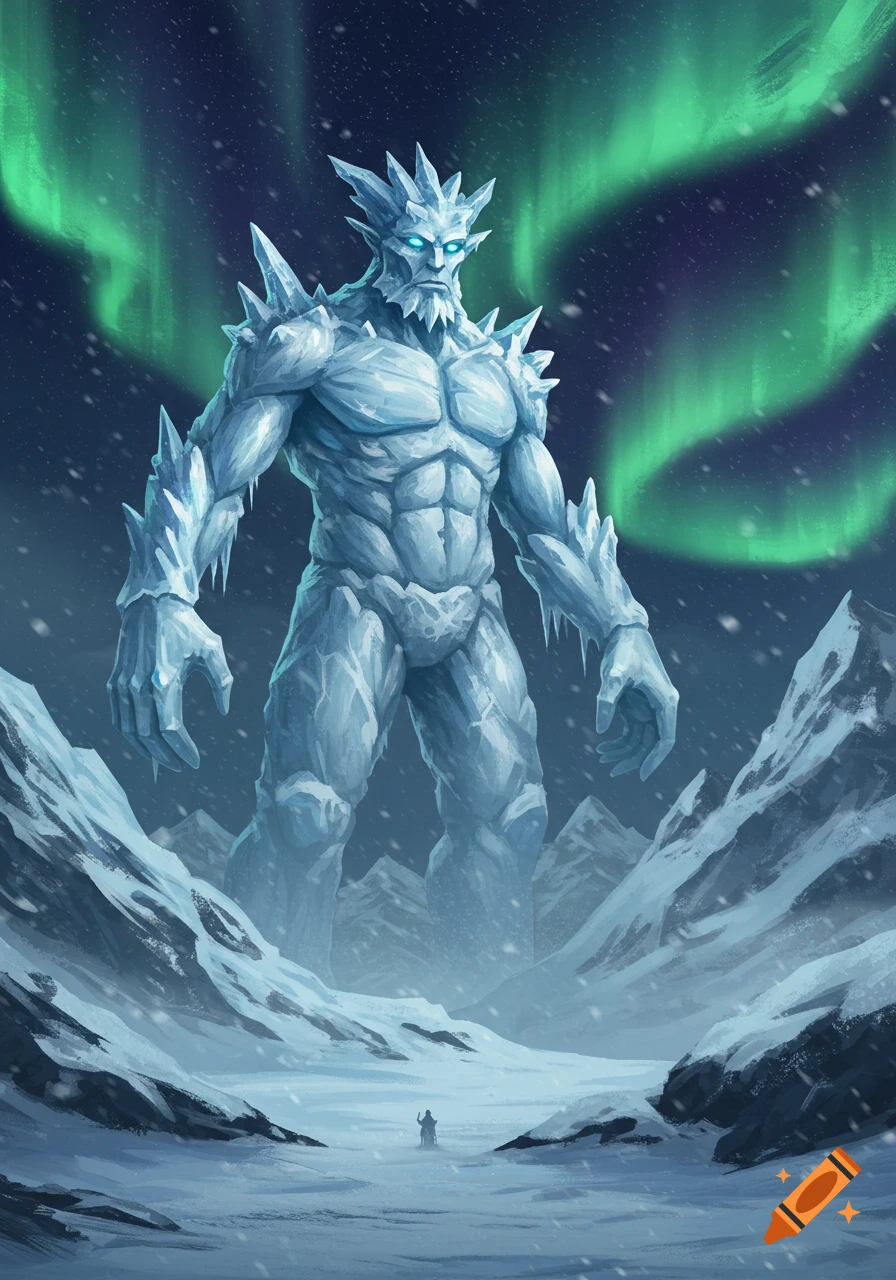
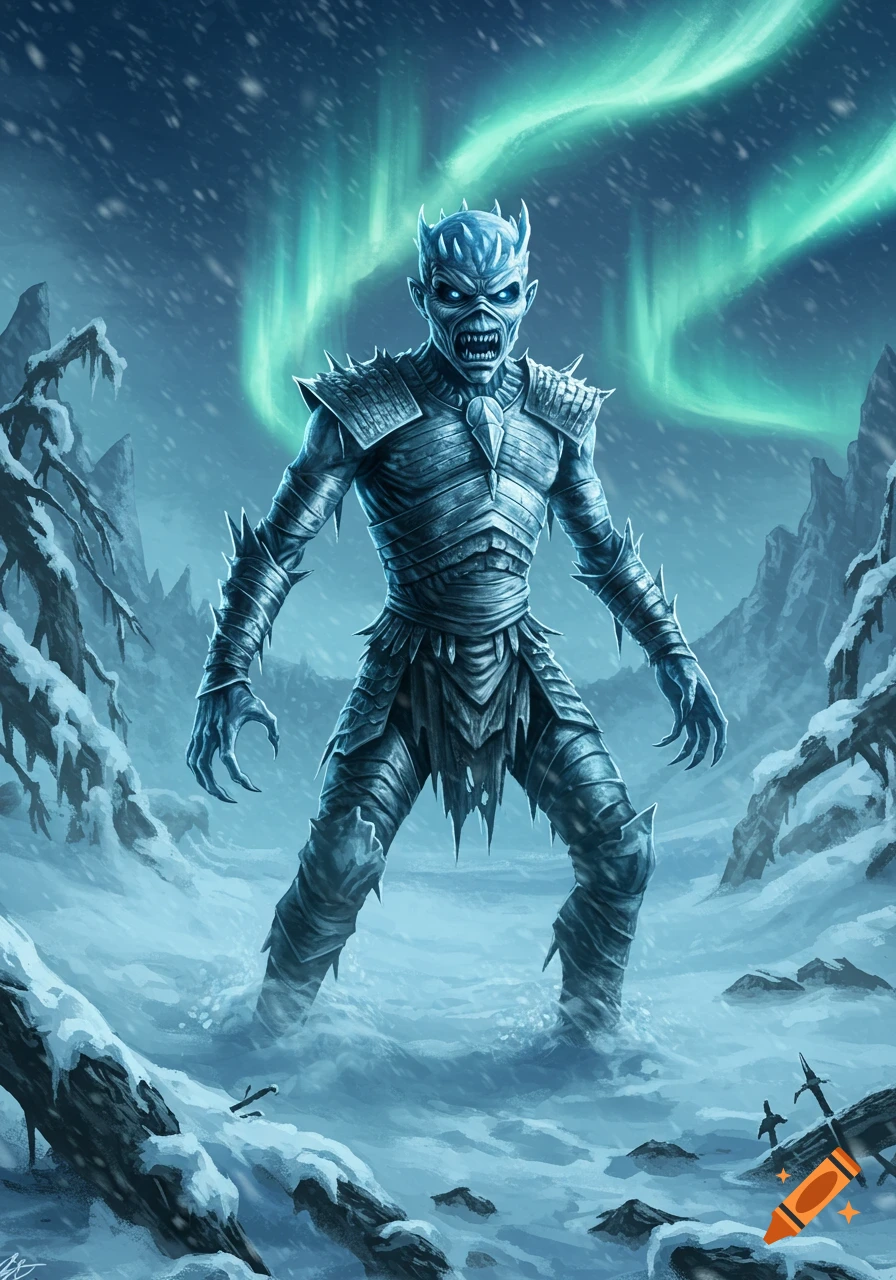
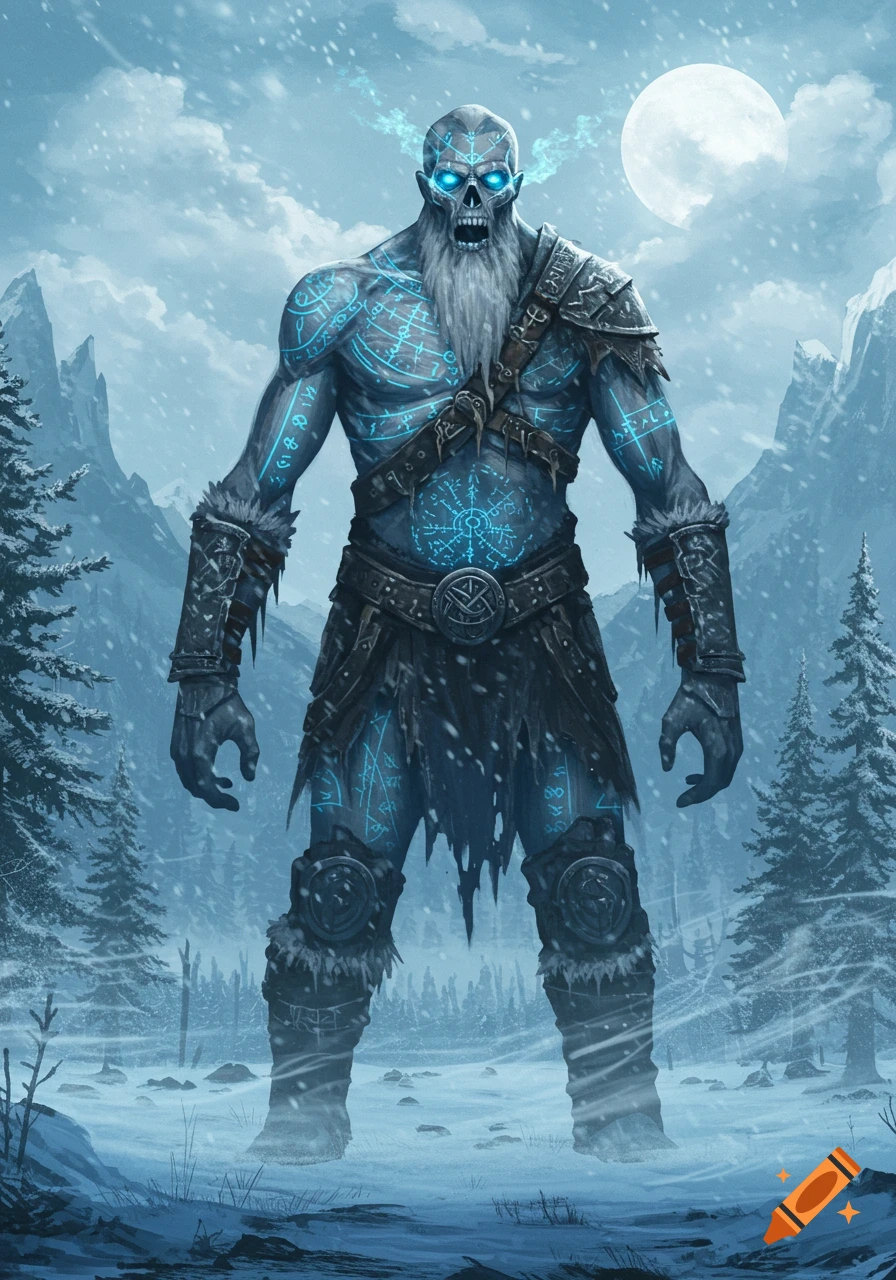
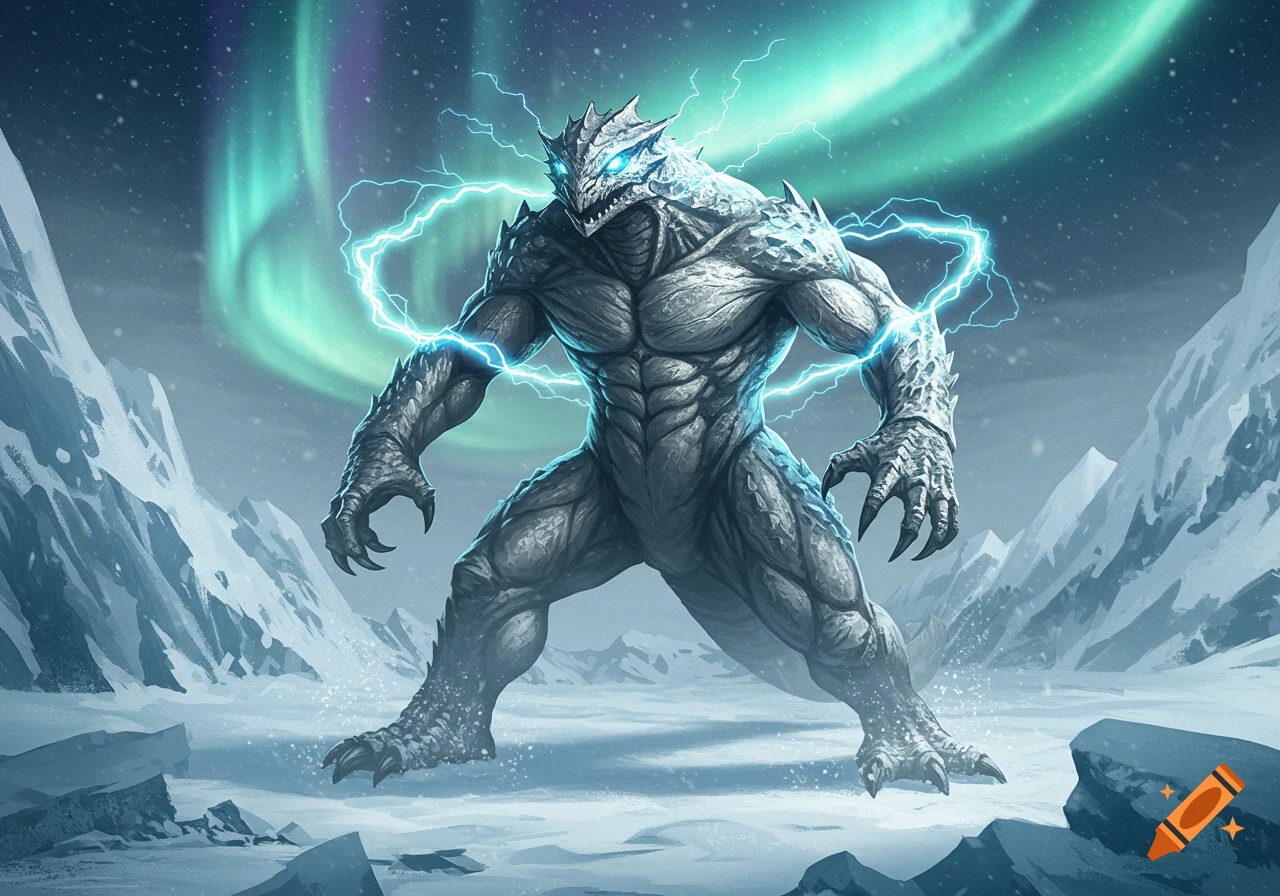
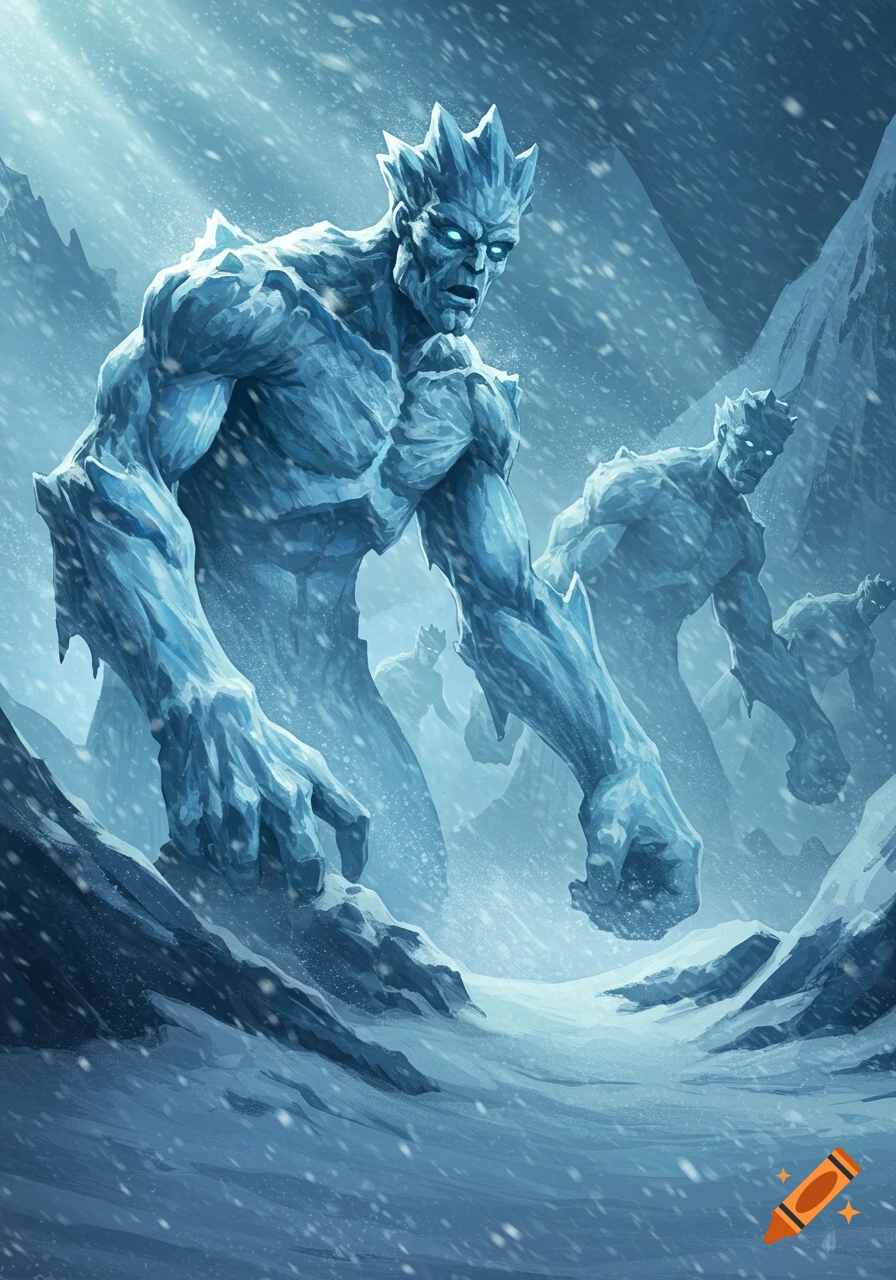
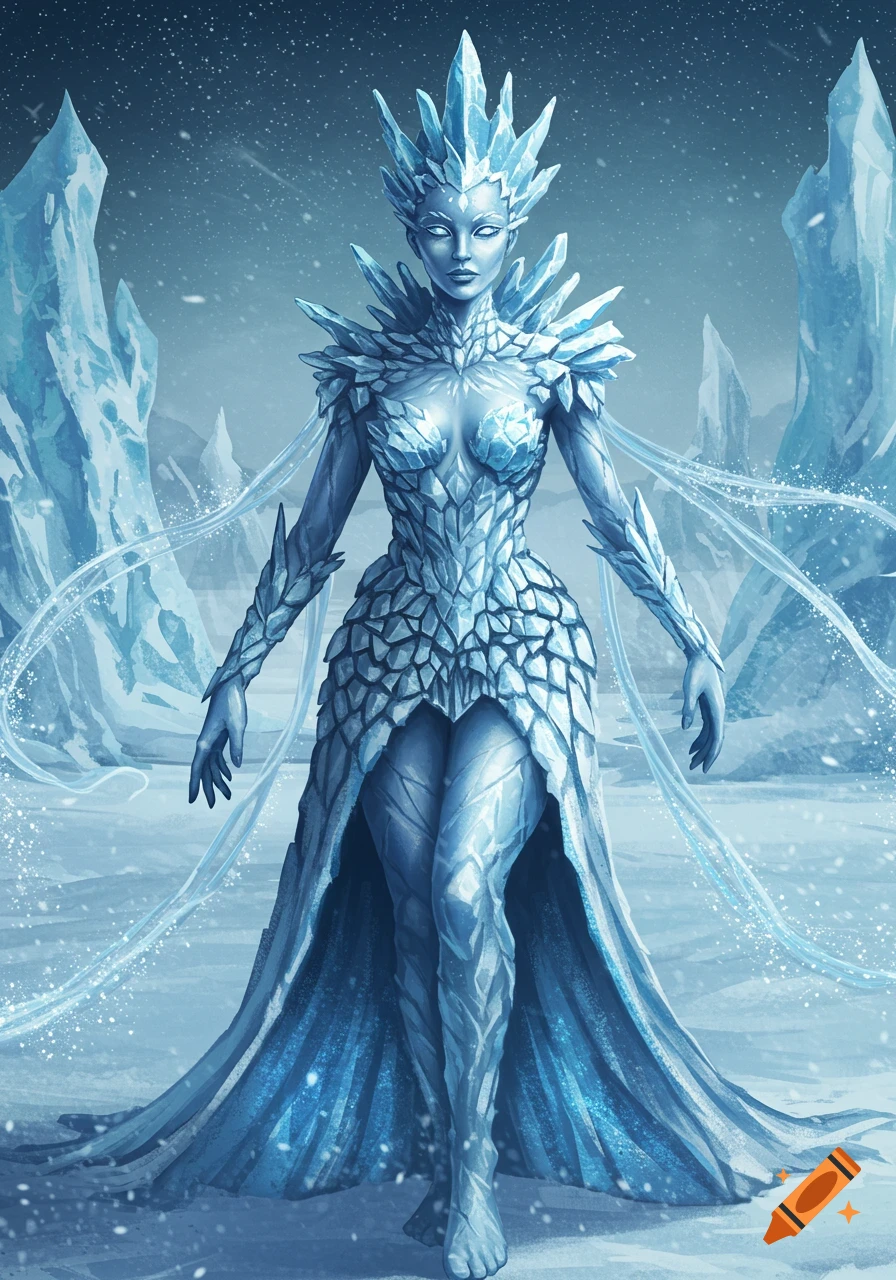
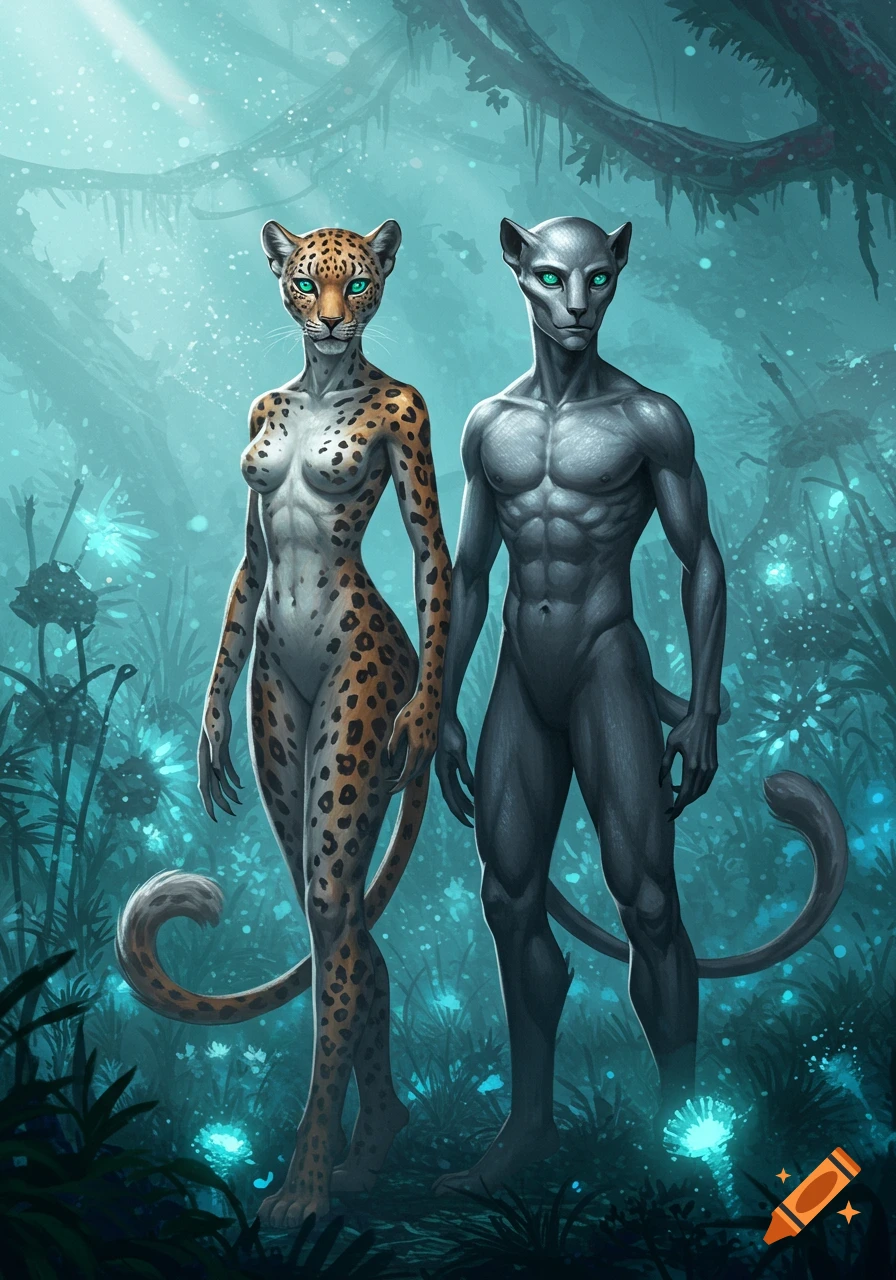
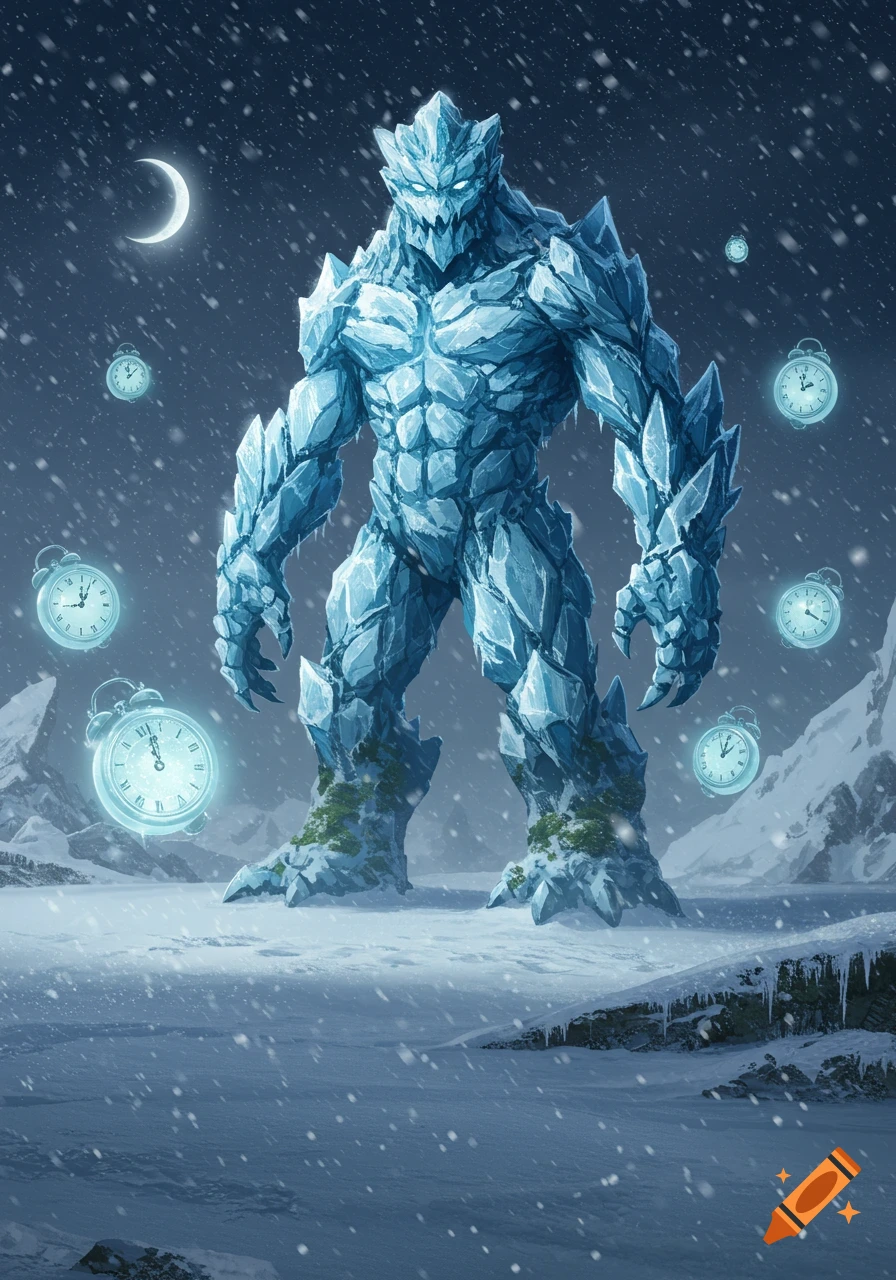
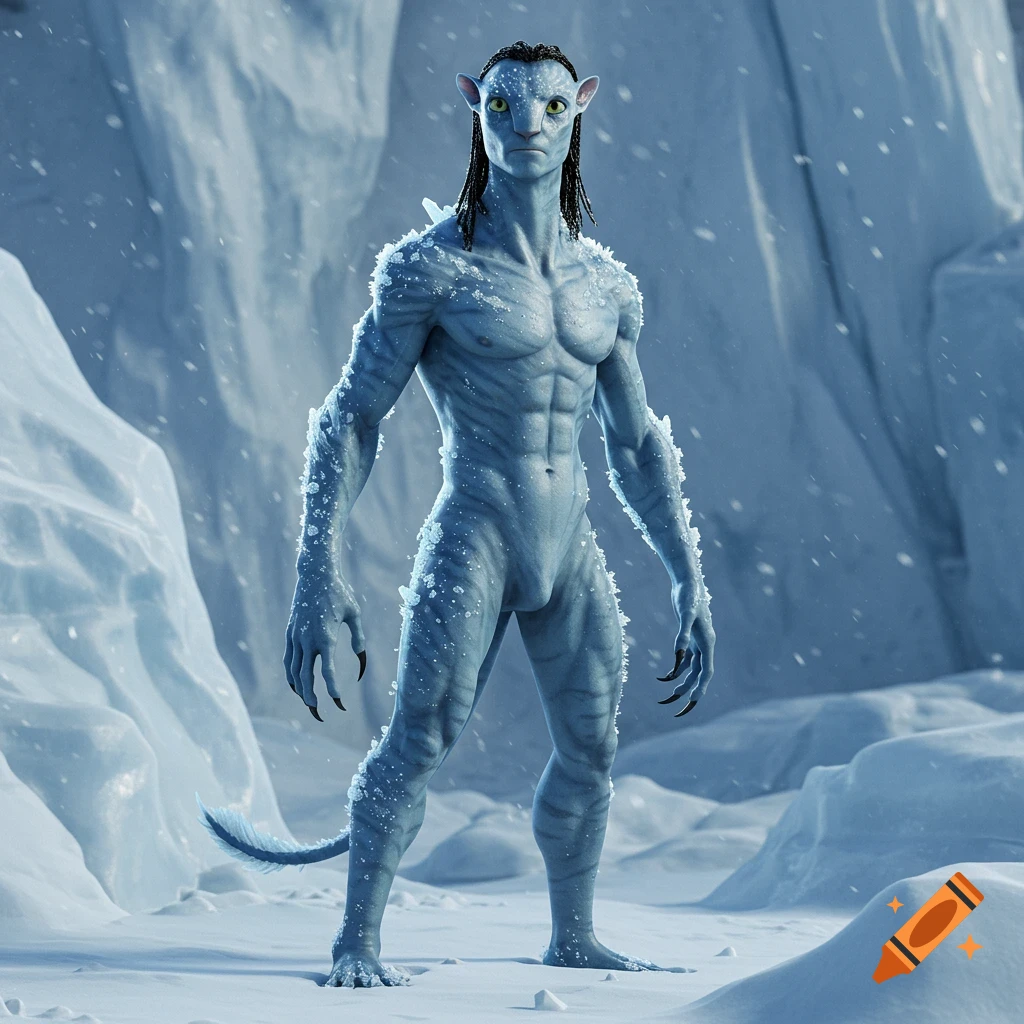
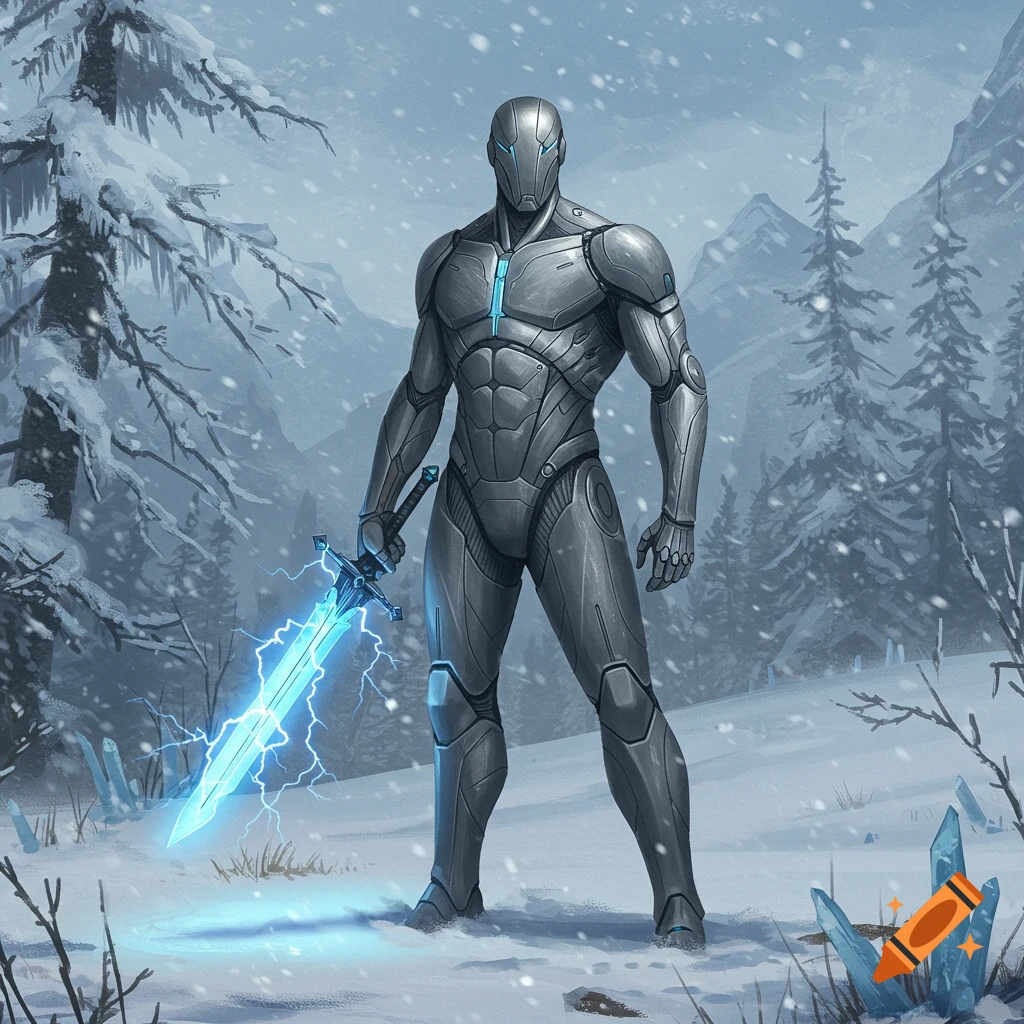
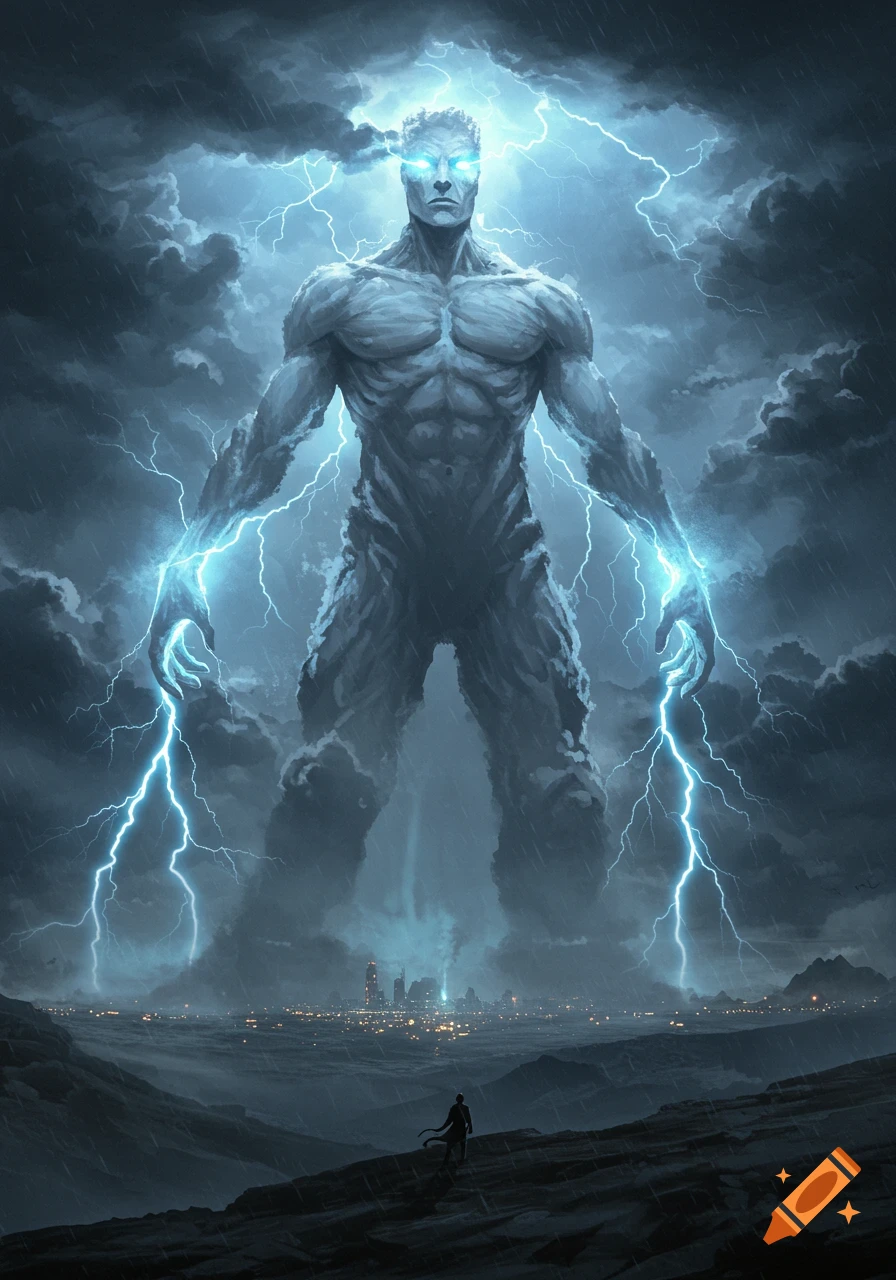
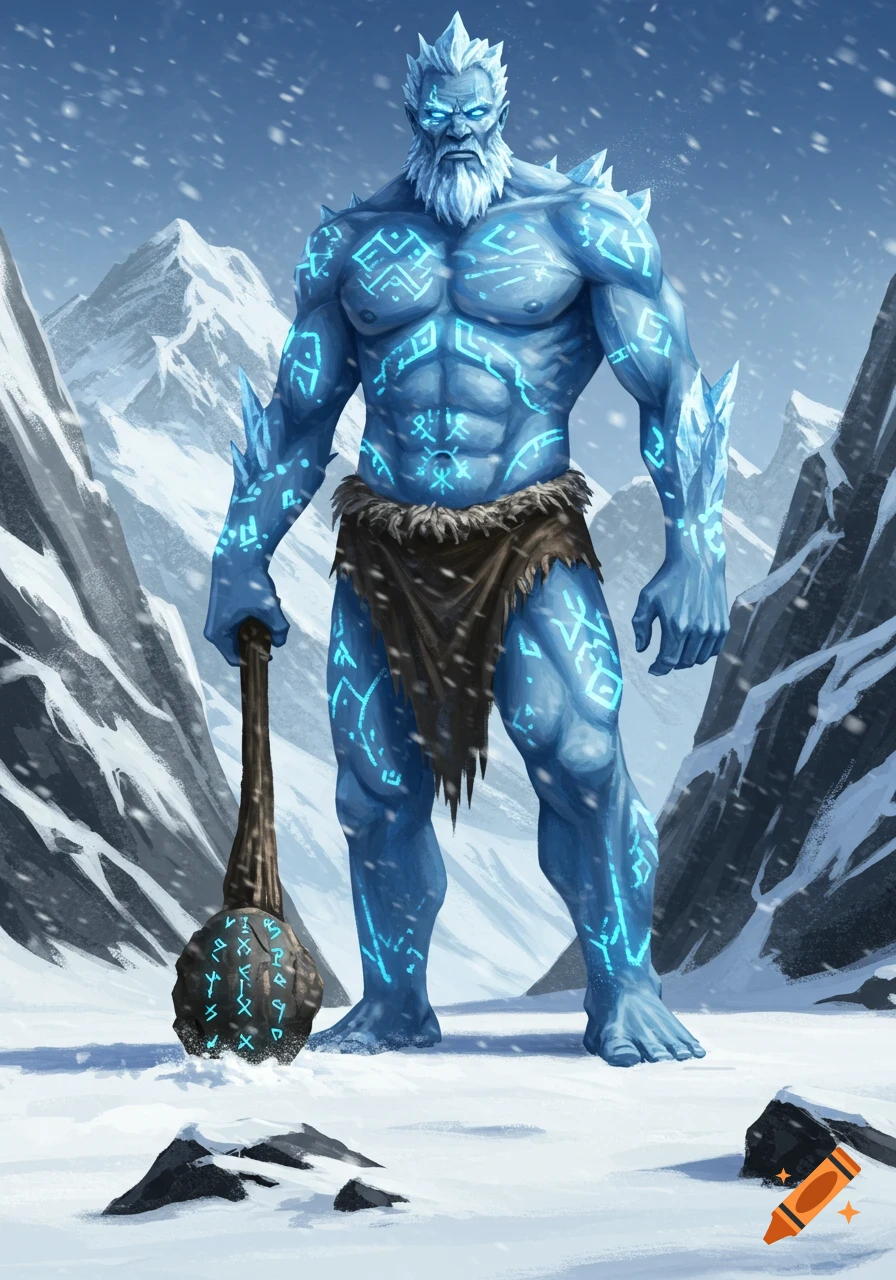
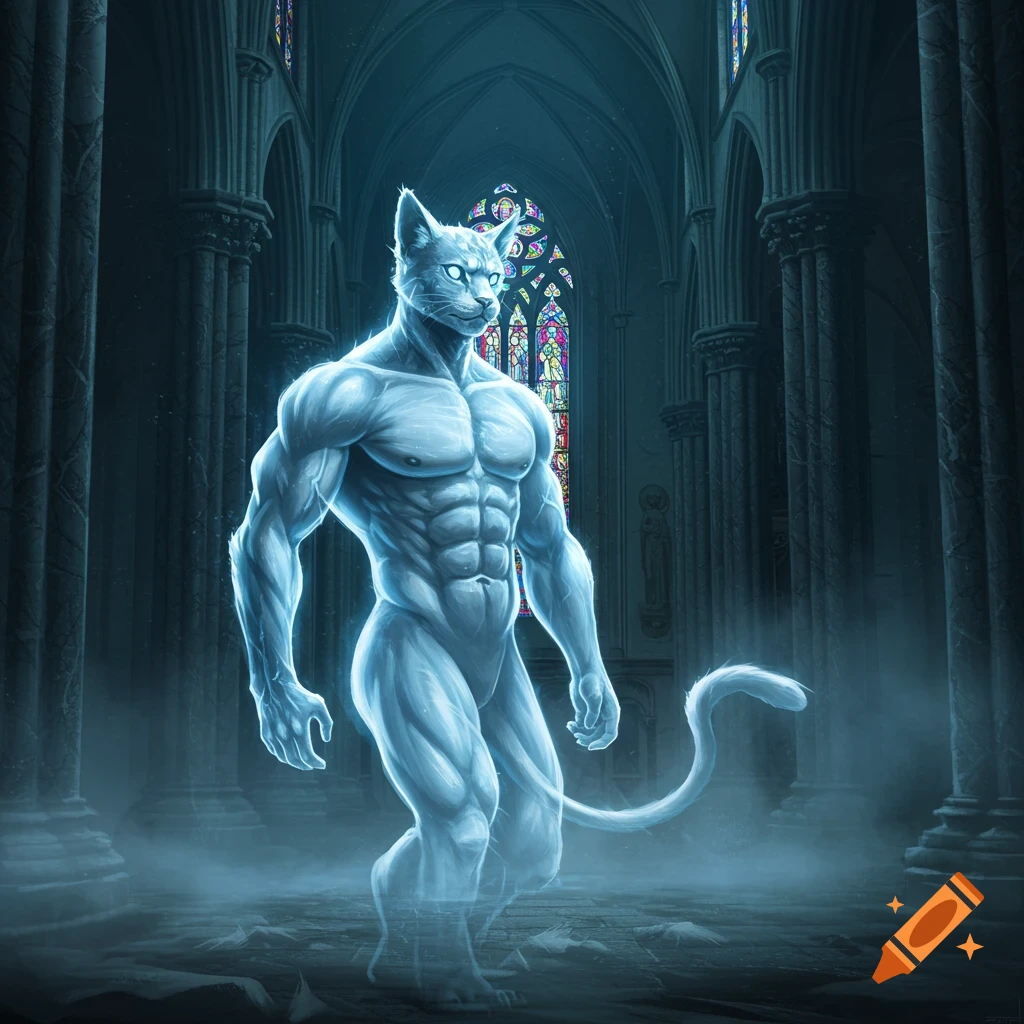
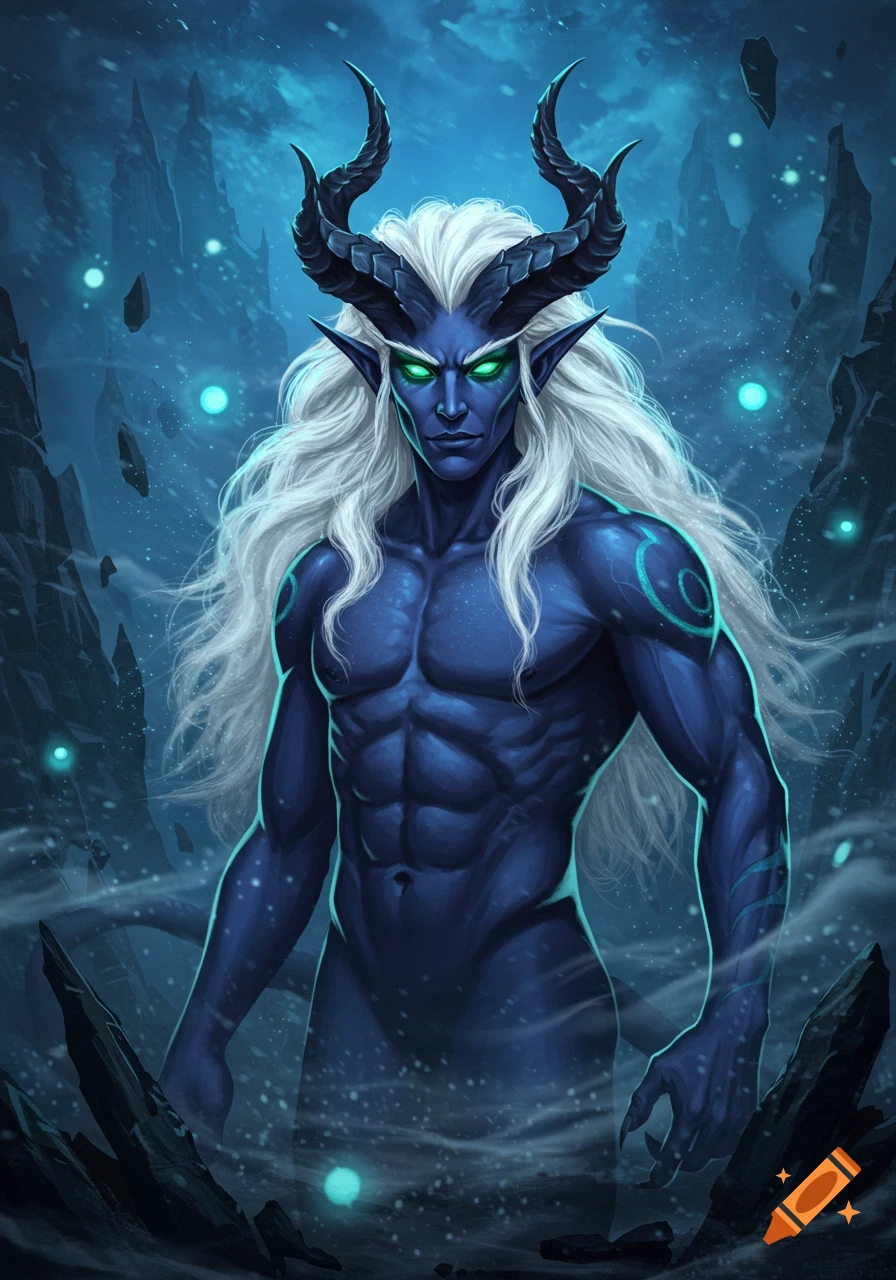
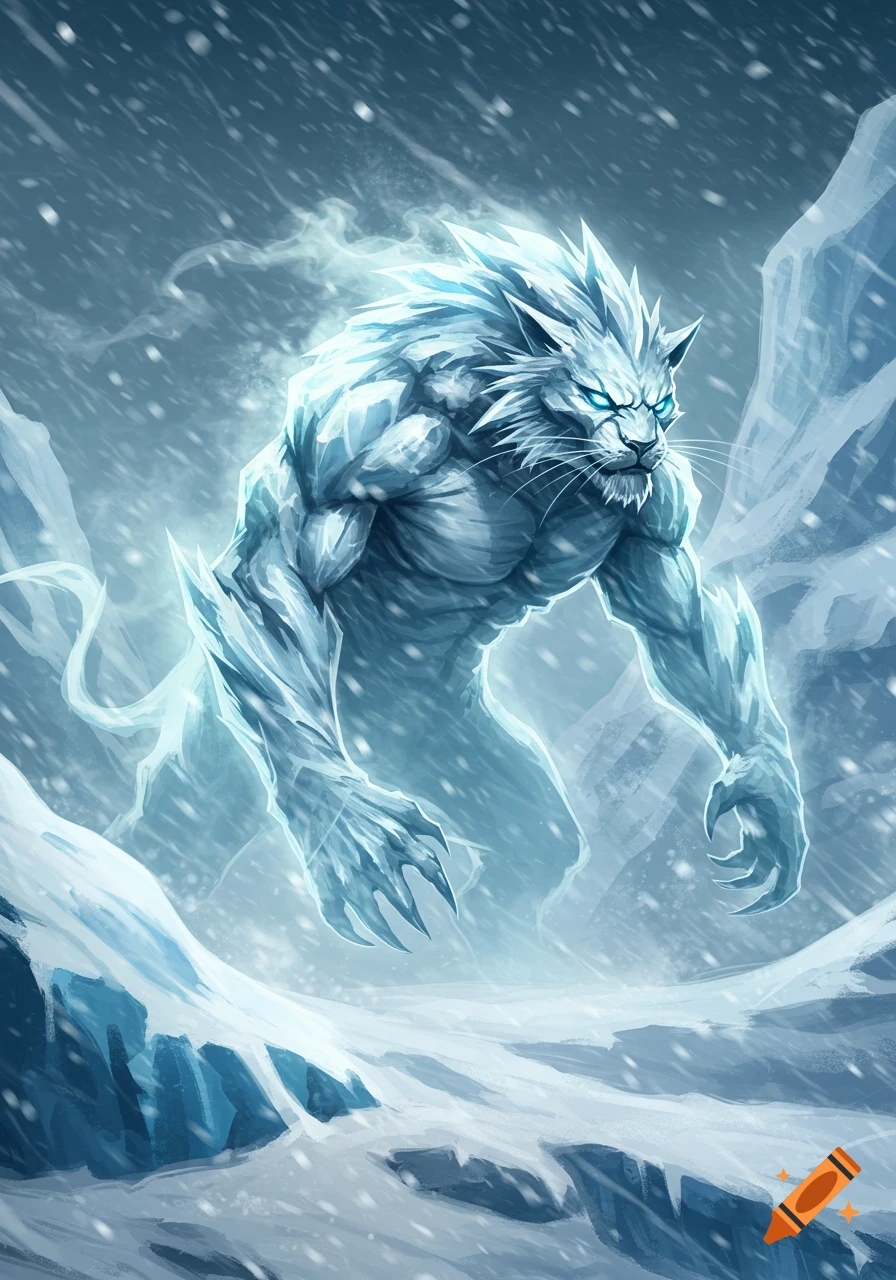
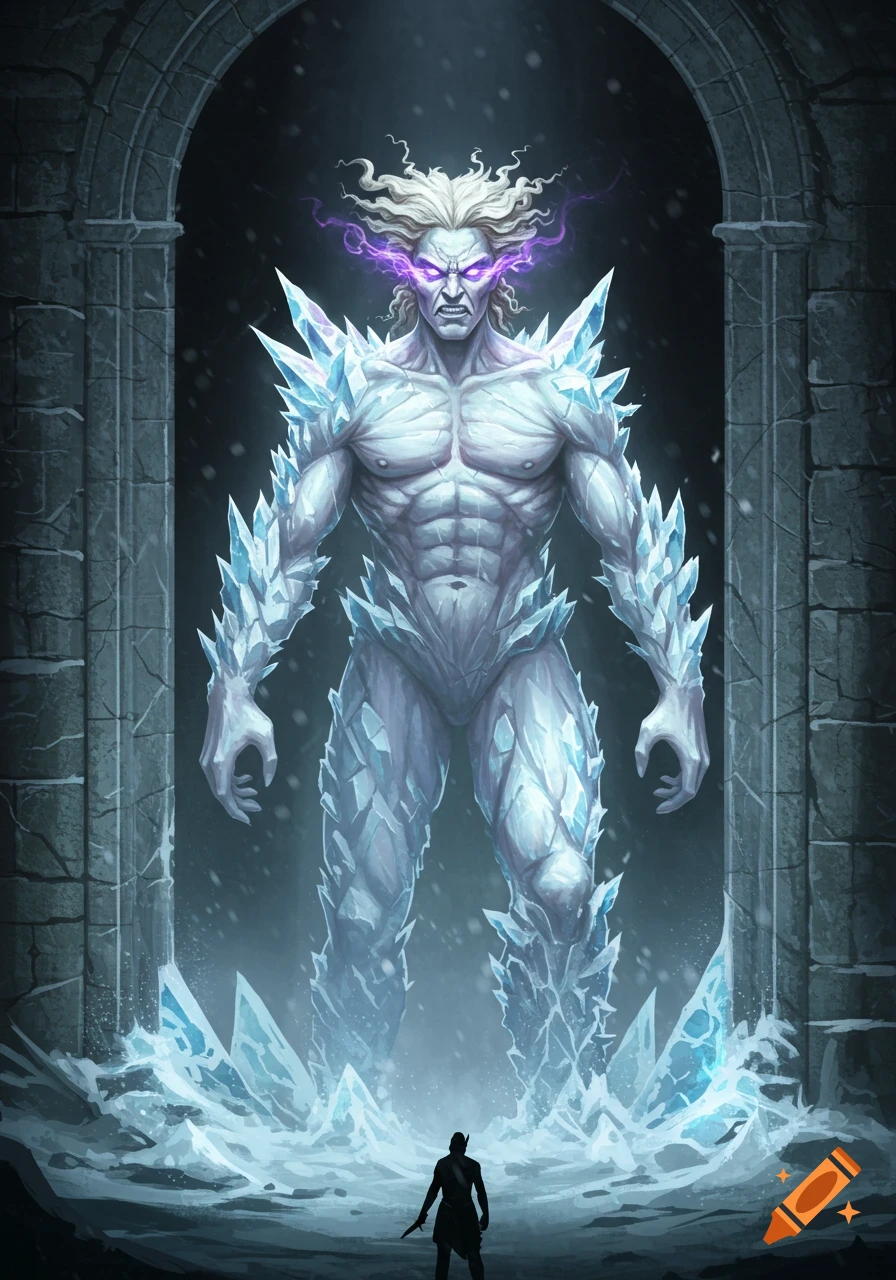
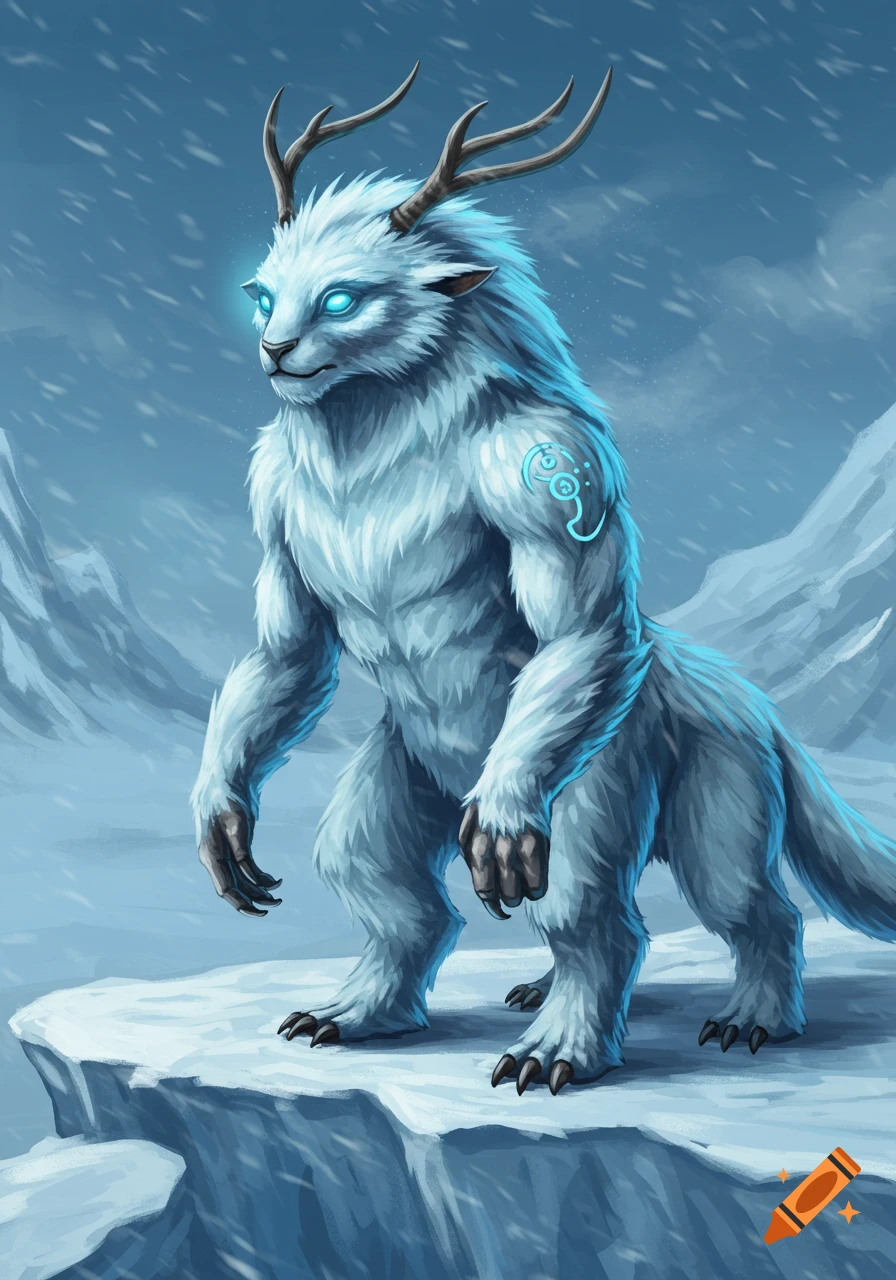
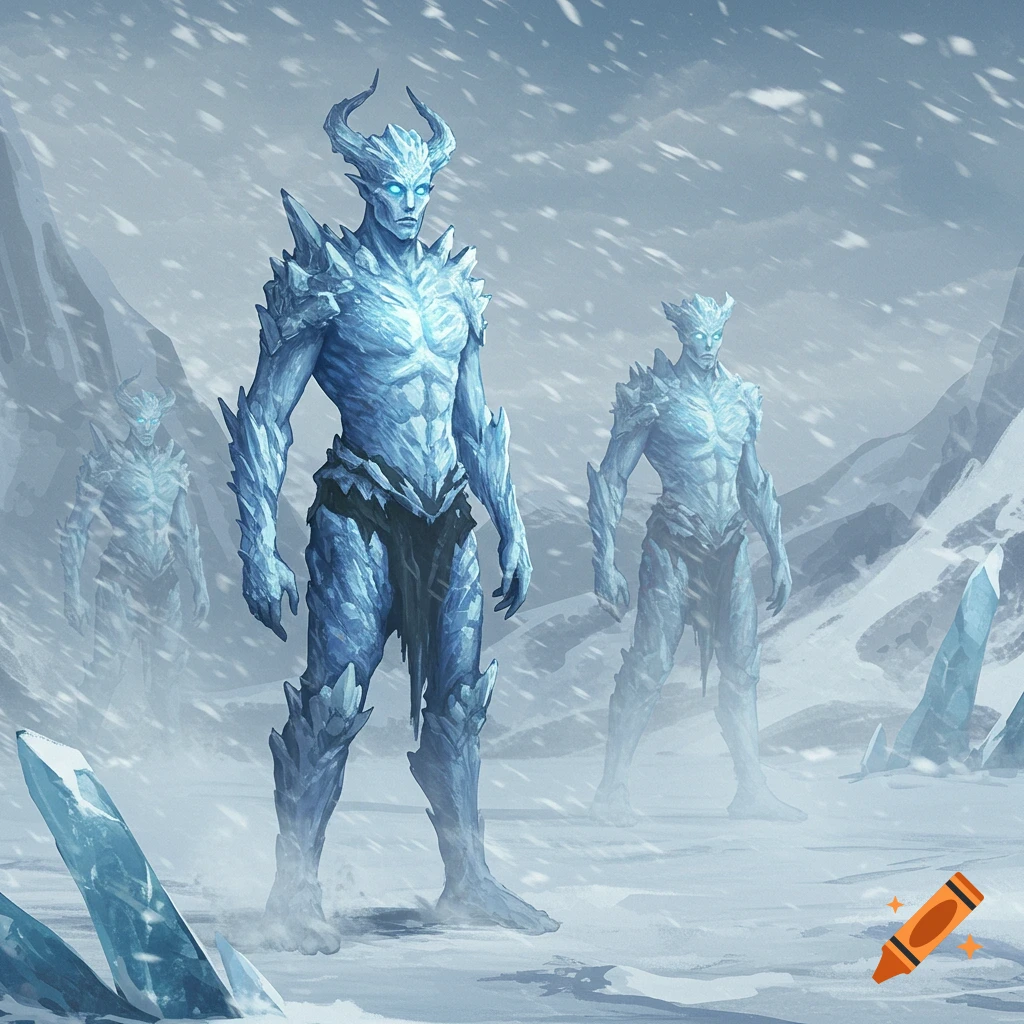
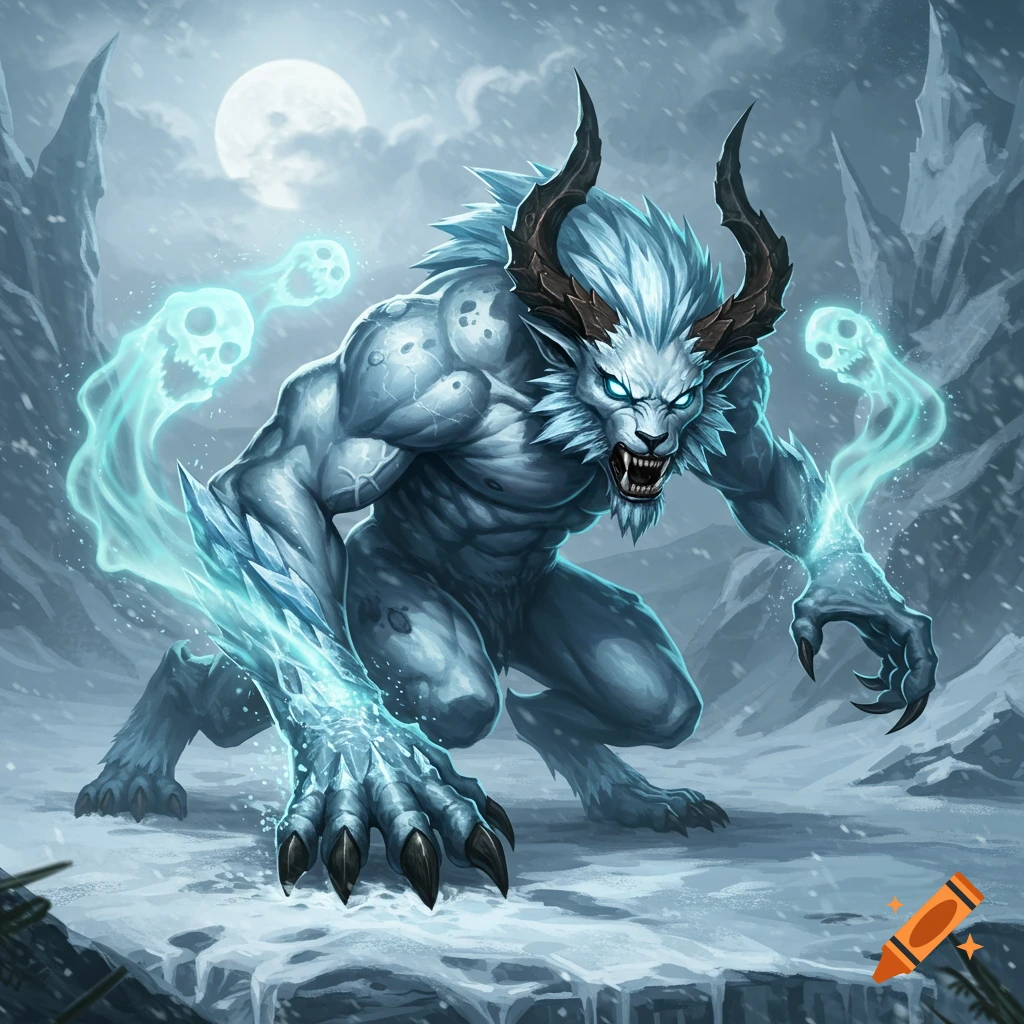
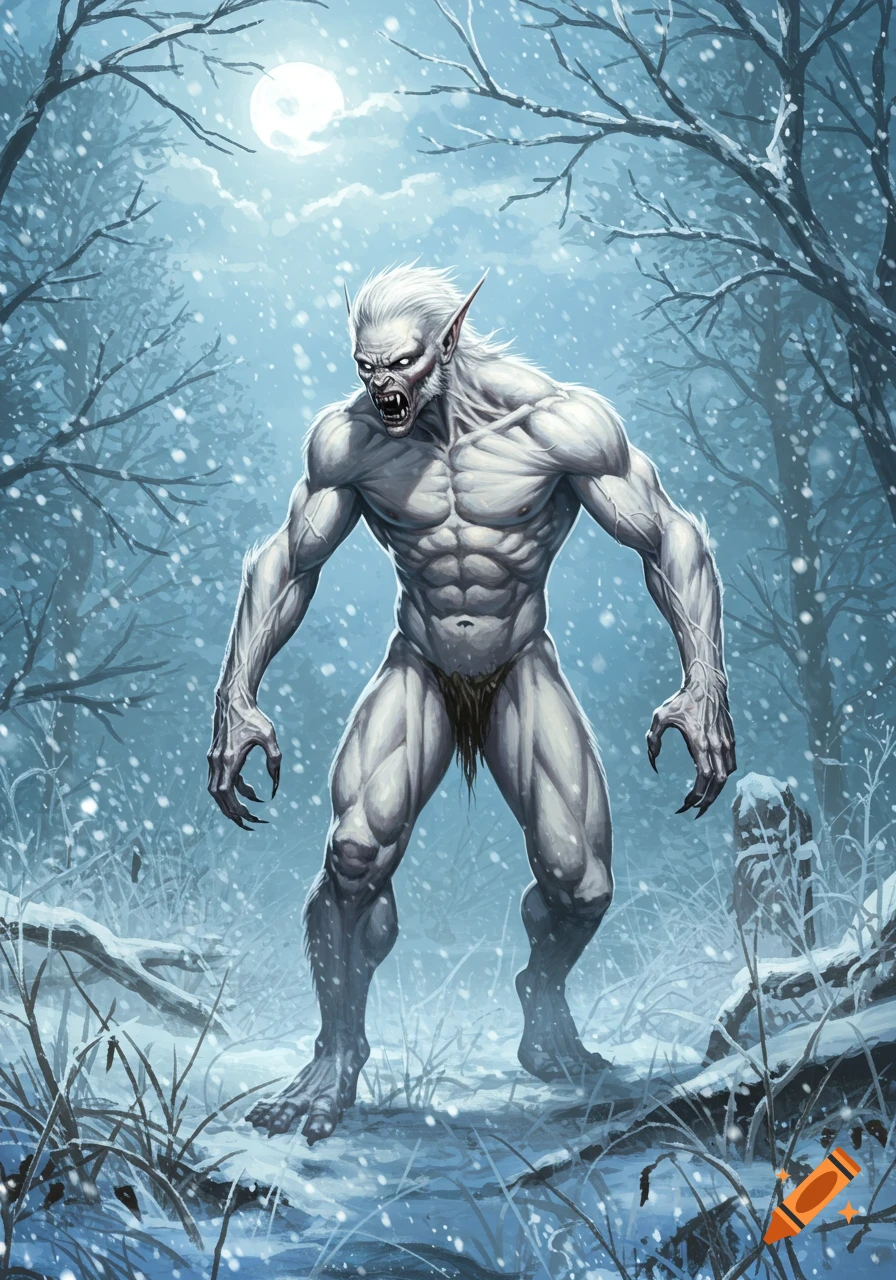
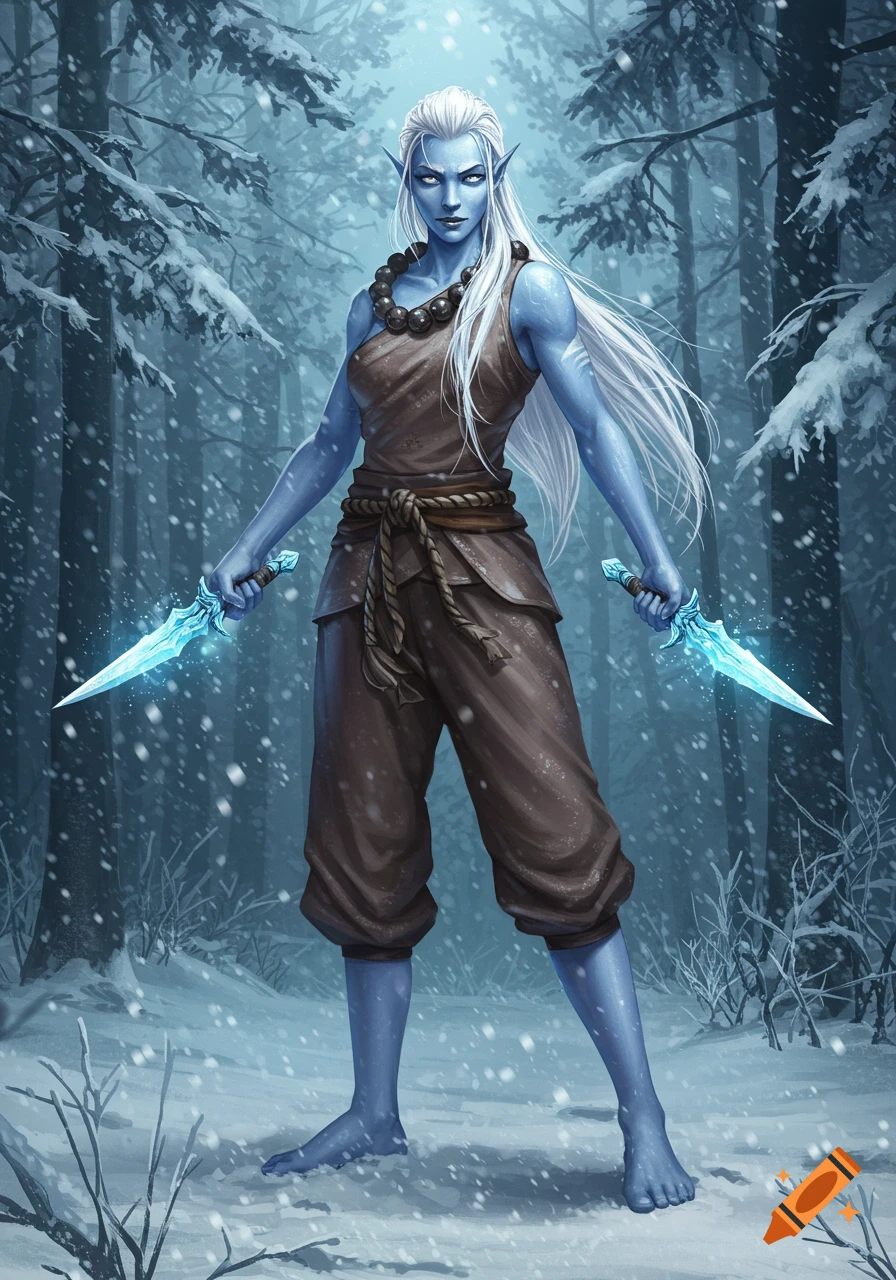
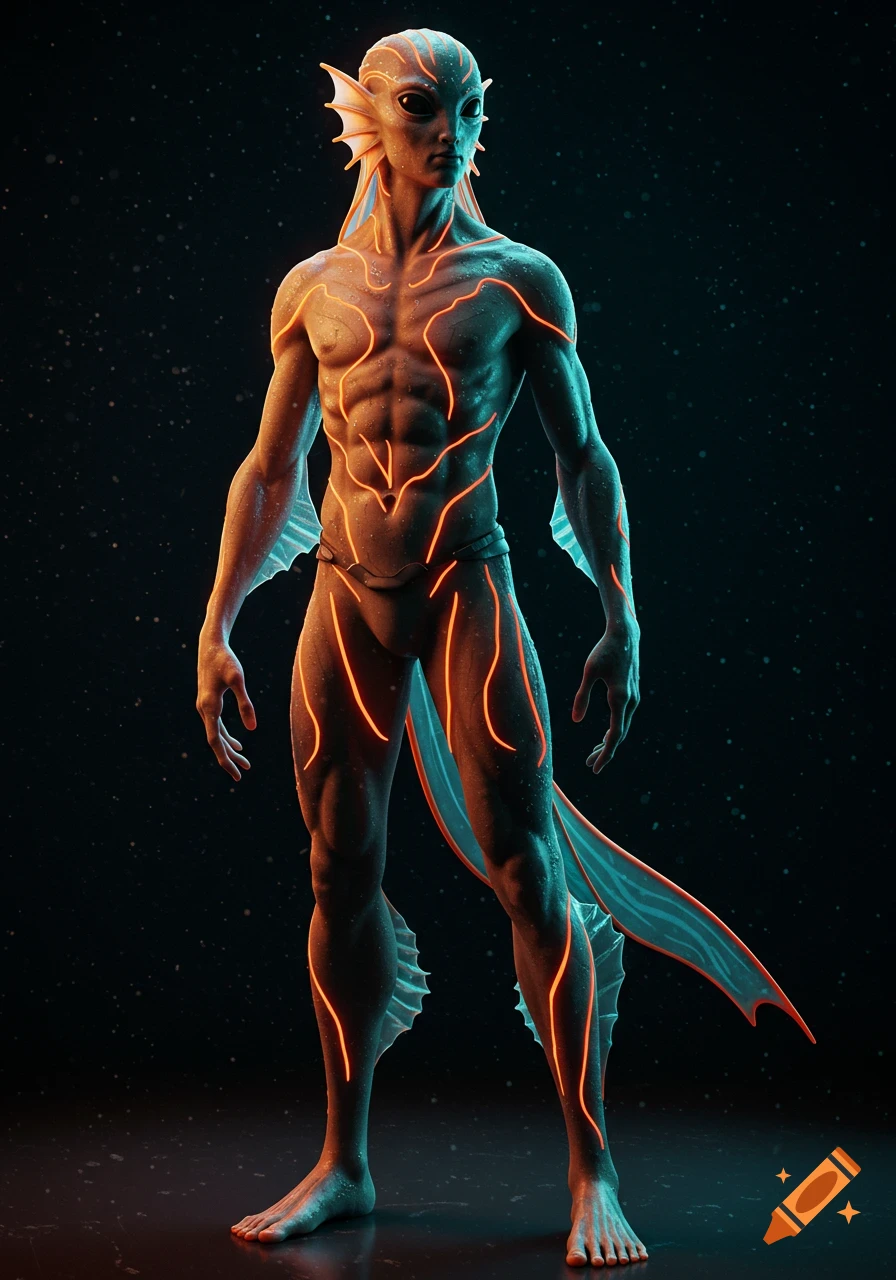
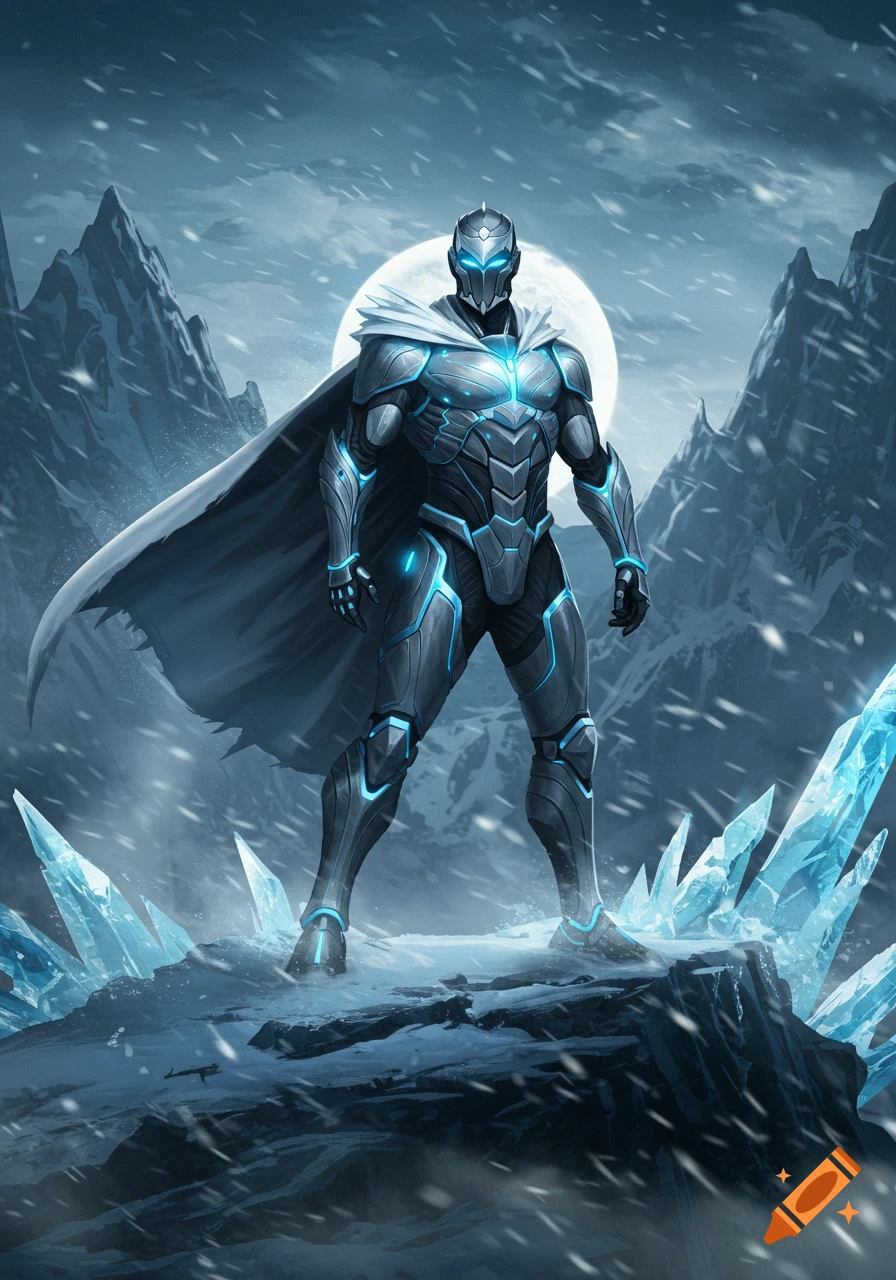
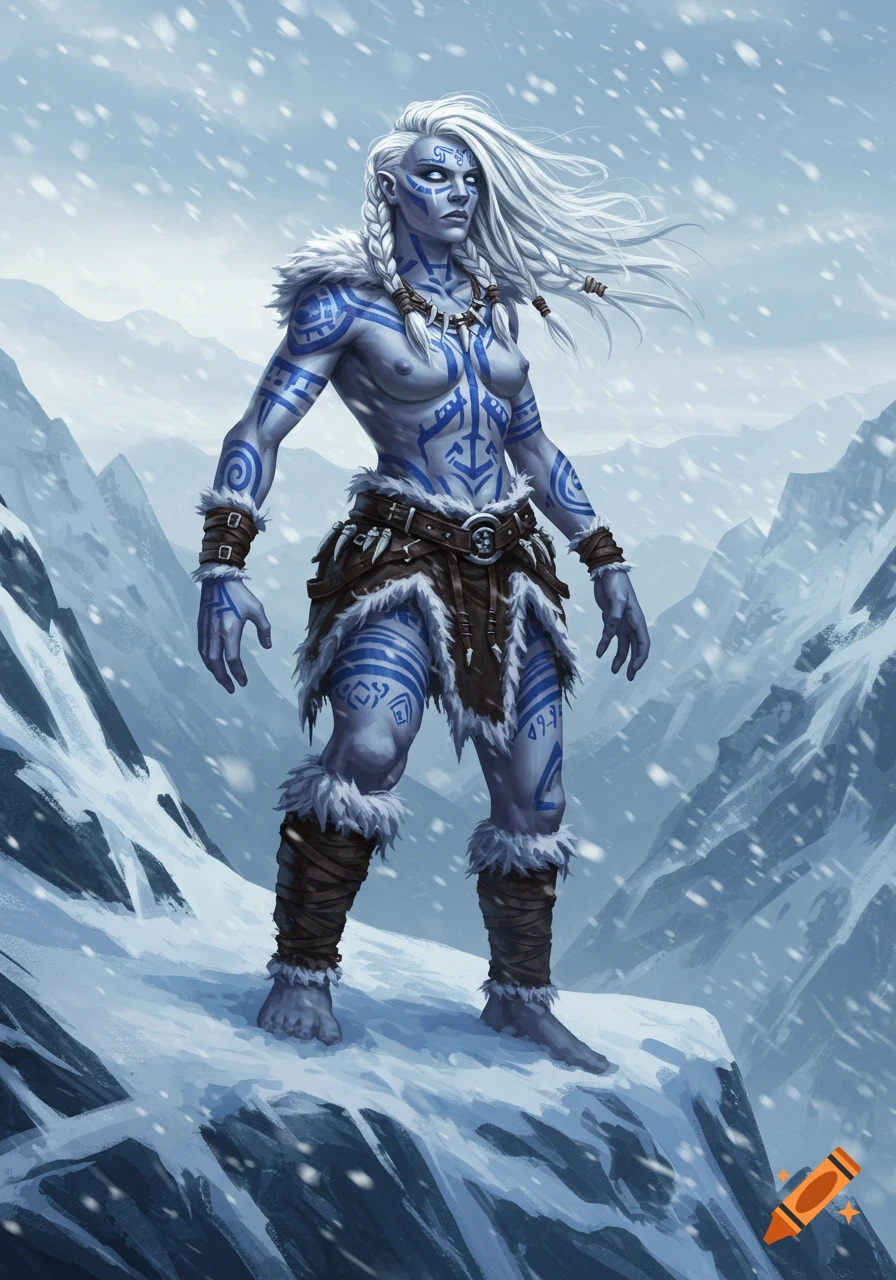
A tall, muscular, pale blue Na'vi-like creature with glowing bioluminescent veins stands in a snowy, icy landscape.
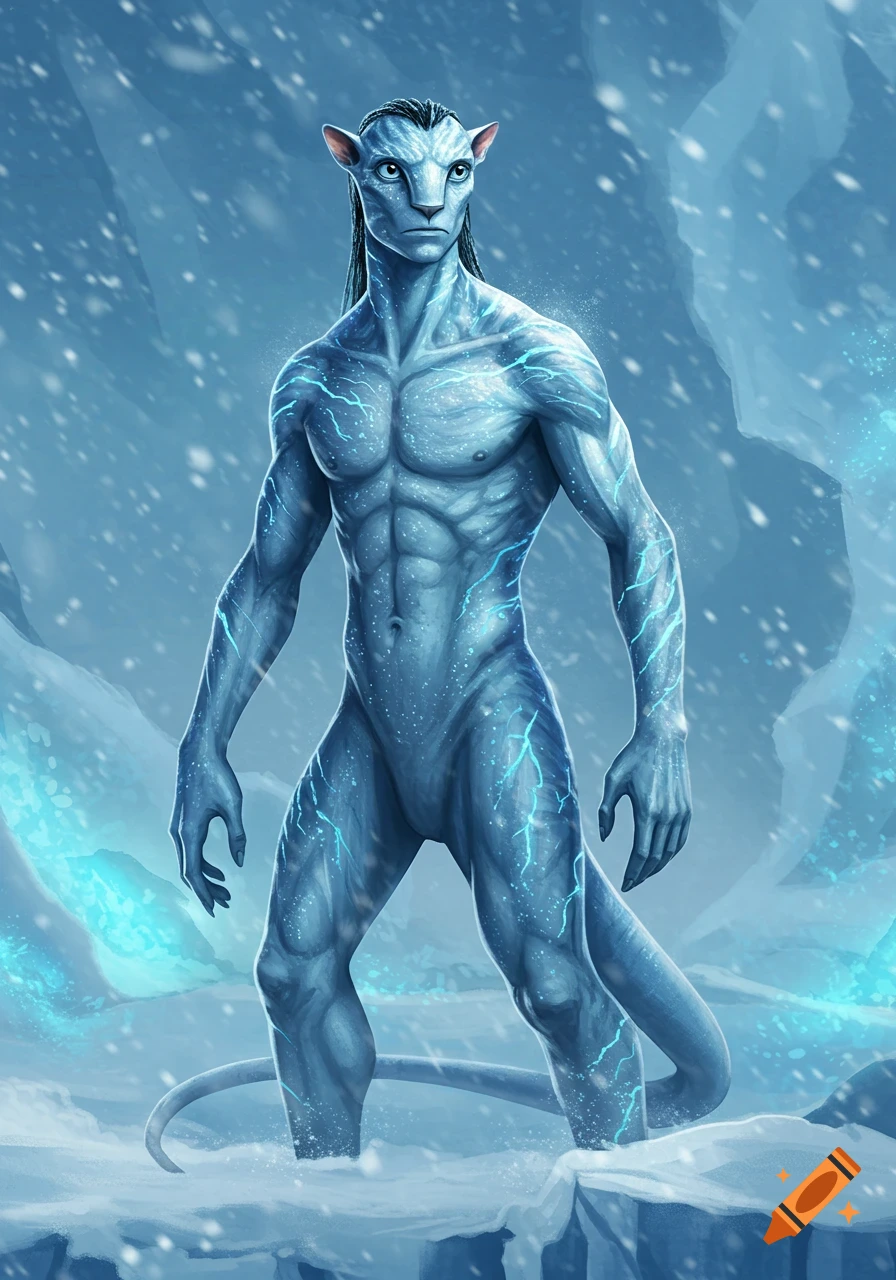
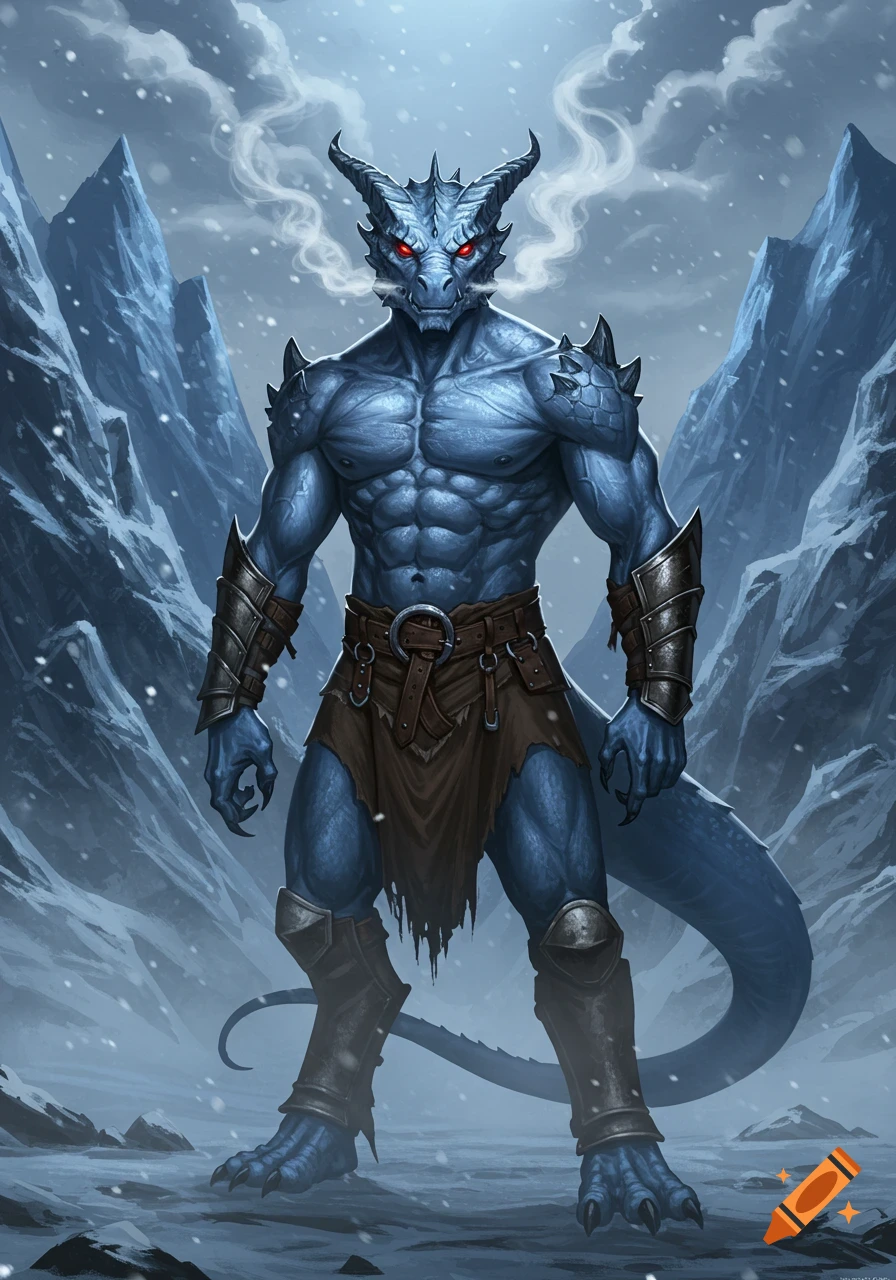
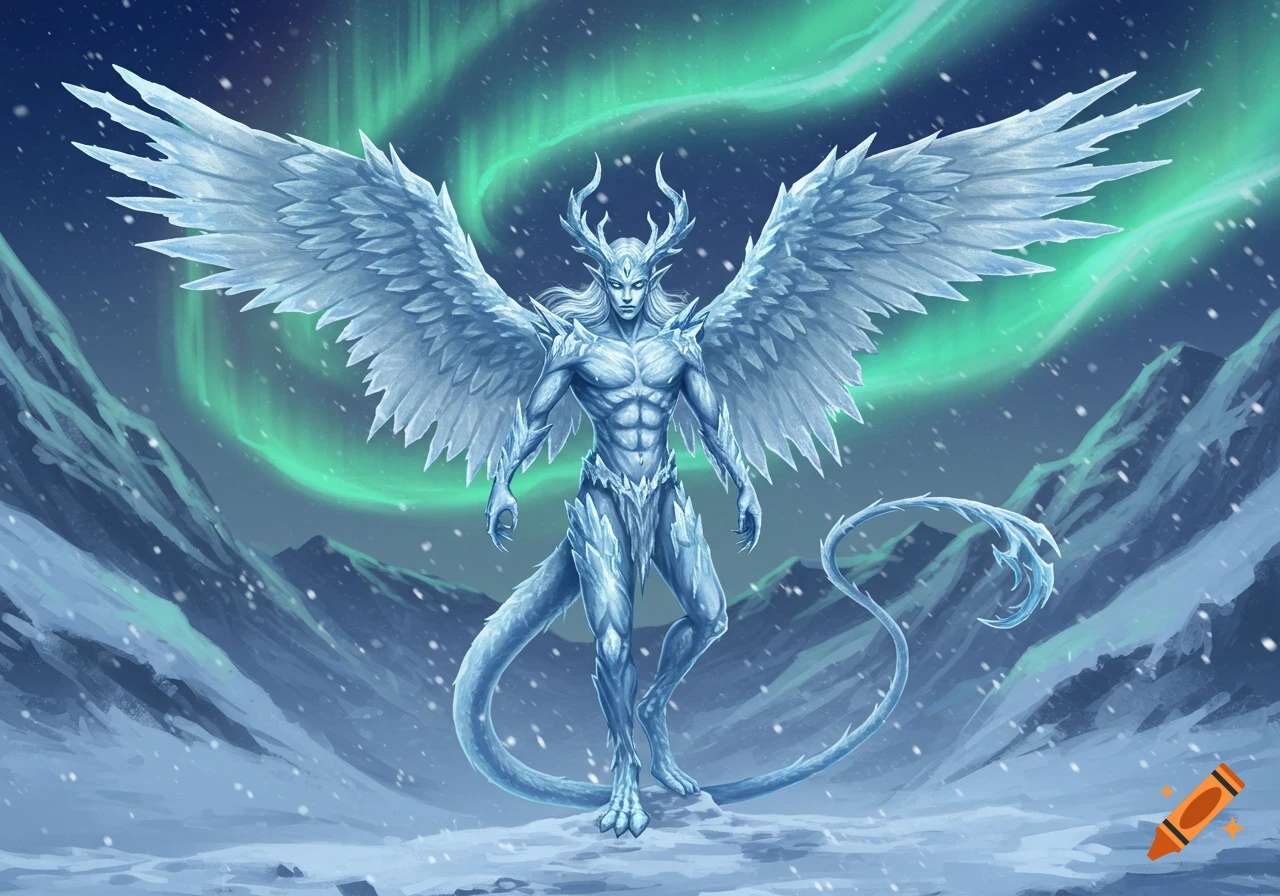
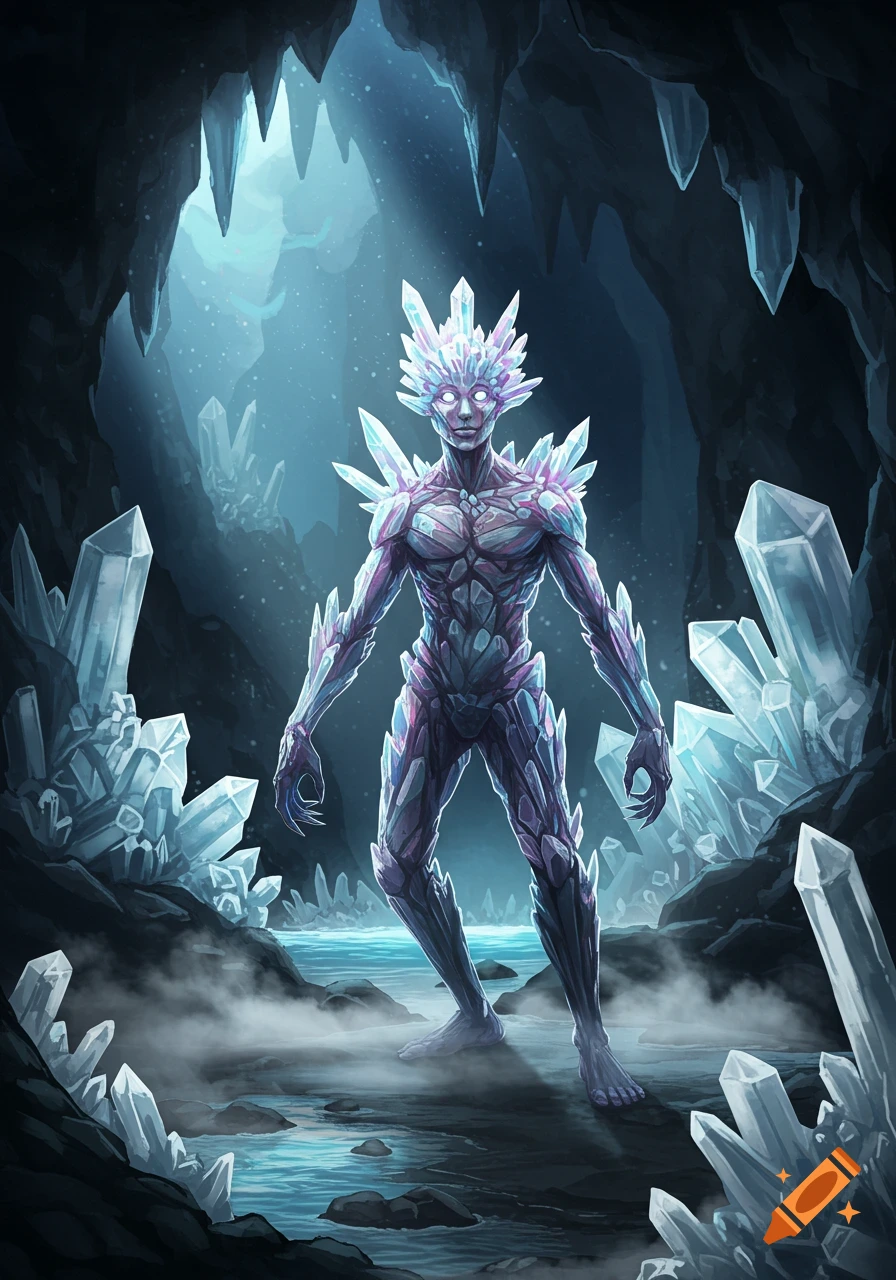
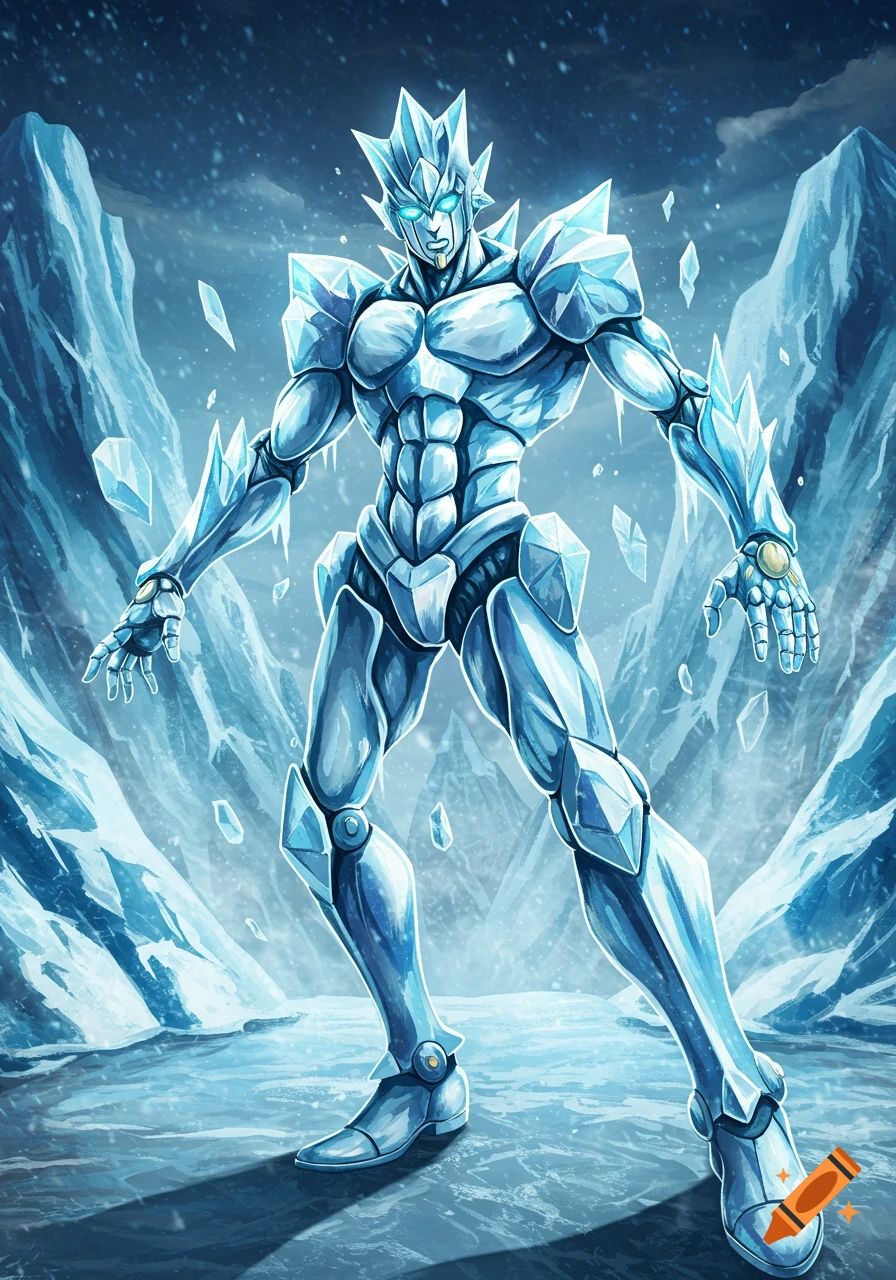
❄️ Tall but Broad • Y’all still Na’vi tall (10-11 ft), but broader in shoulder and hip, to retain body heat and distribute weight evenly across snow. Think polar bear meets highlander elf. • Muscle mass is dense — from trekking through knee-deep snow and climbing frozen cliffs. You don’t skip leg day. Ever. ❄️ Shorter Tails, Thicker Cores • Your tails are shorter and thicker to conserve heat. They’re used more for balance during ice trekking than emotional flair. • Your torsos are thicker and stronger than forest or reef Na’vi. Core strength is EVERYTHING out here. ❄️ Skin Adaptation • Pale blue to near-white skin with veins of bioluminescence that glow like frozen rivers. Think soft blues, violets, even pale gold in spring. • Skin is slightly textured, almost like light scales or frost ridges, to help with wind resistance. ❄️ Hands & Feet • Large, webbed fingers and toes (but not for water) — they help spread weight across snow and grip icy surfaces. • Clawed slightly to help dig, climb, or catch prey that burrows beneath snow. ⸻ 👁️ FACIAL FEATURES – THE EYES OF ICE • Larger, crystal-clear eyes adapted to low light and snow glare. • Eyelids have a thin inner membrane that functions like ski goggles against whiteout conditions. • Cheekbones are high, noses slightly broader for warming cold air before it hits the lungs. • Ears are shorter and fur-lined, pulled closer to the head. Ver mais
More images like this