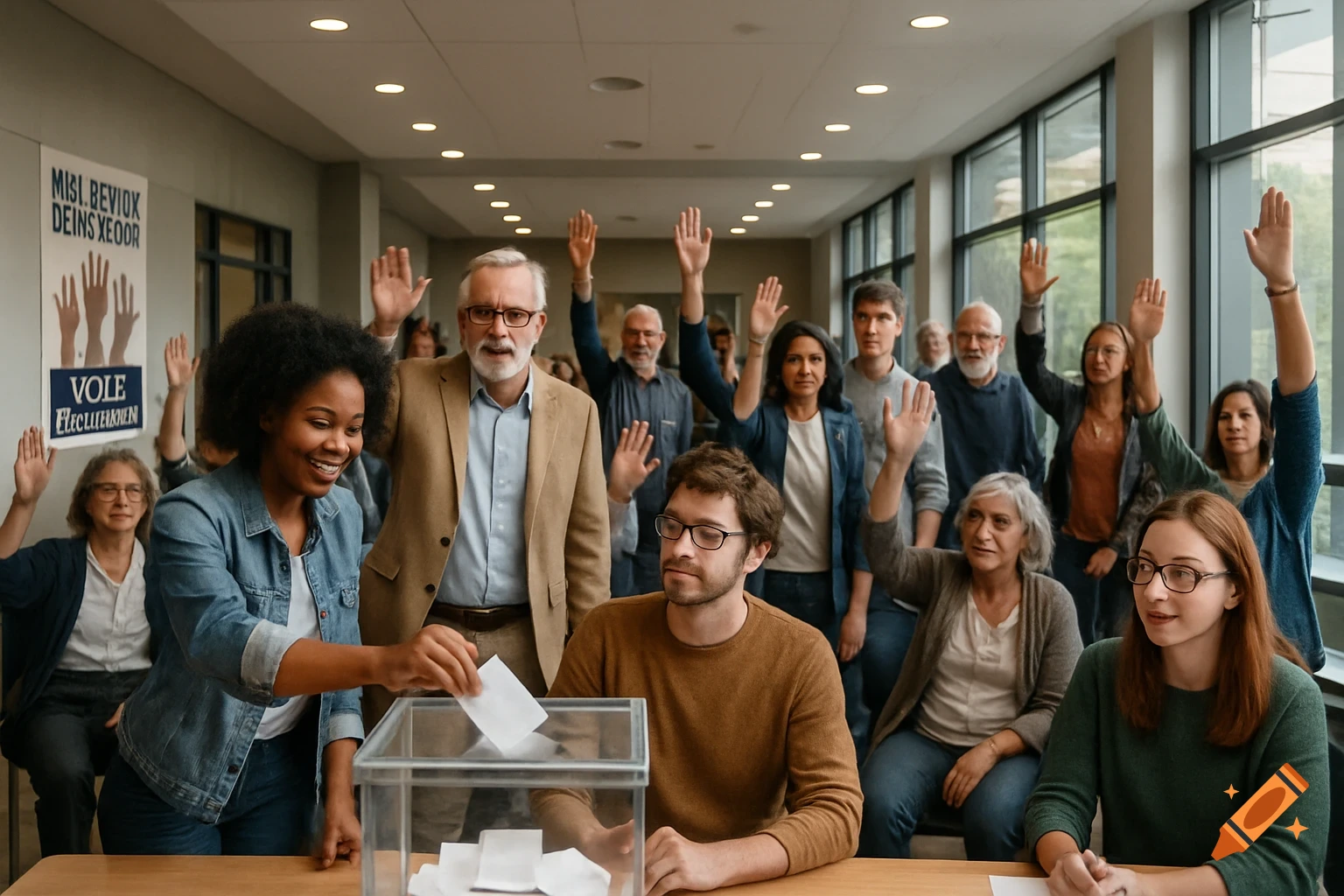
Photorealistic scene of a diverse group of people attending a support group meeting in a community center.

According to the Inter-Agency Standing Committee (IASC) Guidelines on Mental Health and Psychosocial Support, the pandemic produced long-term consequences. Deterioration of social networks and economies, survivor stigma, anger and aggression, and mistrust of official information are long-term consequences.[27] While some consequences reflect realistic dangers, others stem from lack of knowledge.[220] Many community members show altruism and cooperation in a crisis, and some experience satisfaction from helping others.[221] While most adolescents experienced a decline in mental health during the pandemic, some reported improvements due to changes in their lifestyle and reduced social pressures that lead to behavioral changes.[222] Some may have positive experiences, such as pride about coping. One study examined how individuals cope and find meaning across 30 countries.[223] The study reported that people who were able to reframe their experiences in a positive way had lower levels of depression, anxiety, and stress. Gender, socioeconomic factors, physical health, and country of origin were not associated with outcome measures. Another study of nearly 10,000 participants from 78 countries found similar results, with 40% reporting well-being.[224] Another study reported that positive stressor reframing allowed individuals to view the adversity as a growth opportunity, rather than a crisis to be avoided.[223] Once recovered from COVID-19, many will continue to experience Ver mais
More images like this