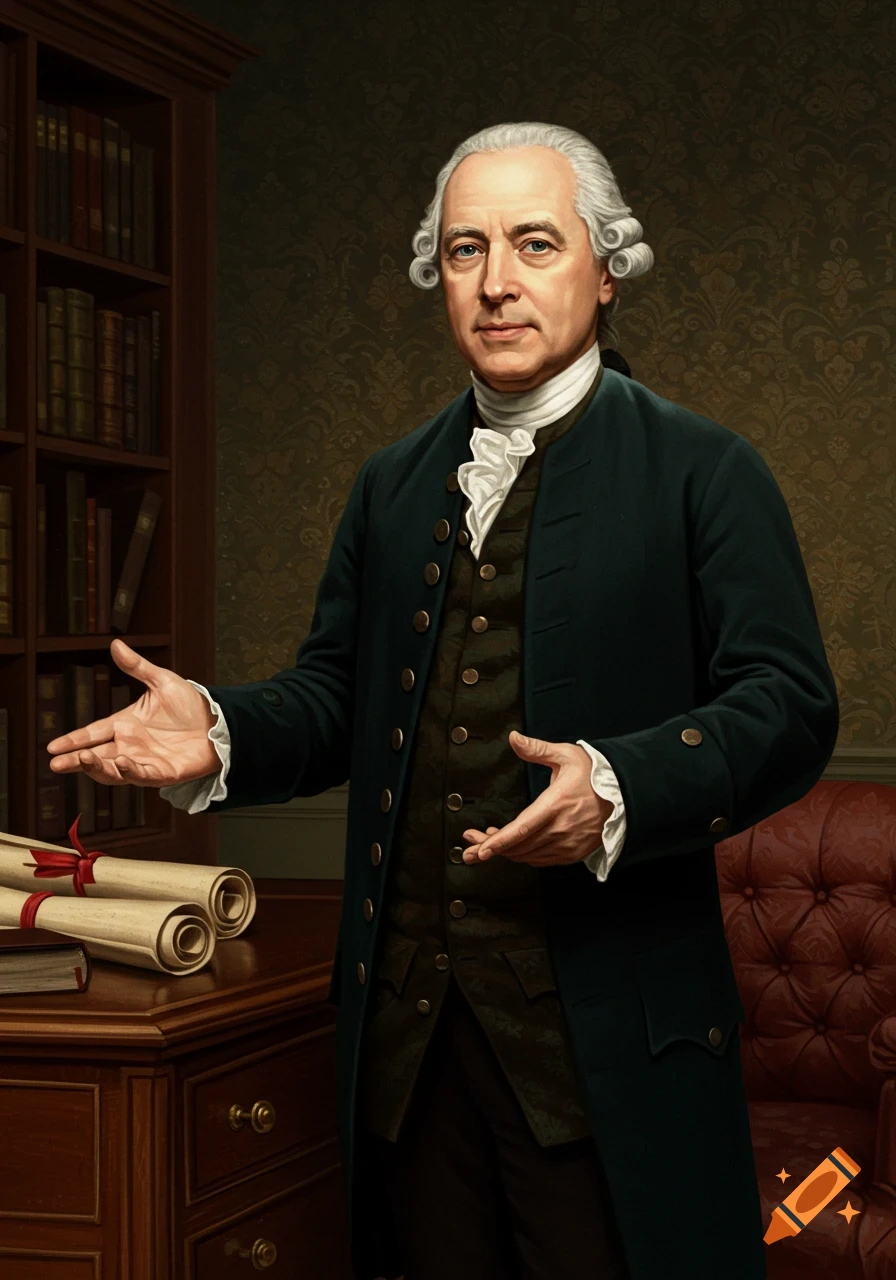
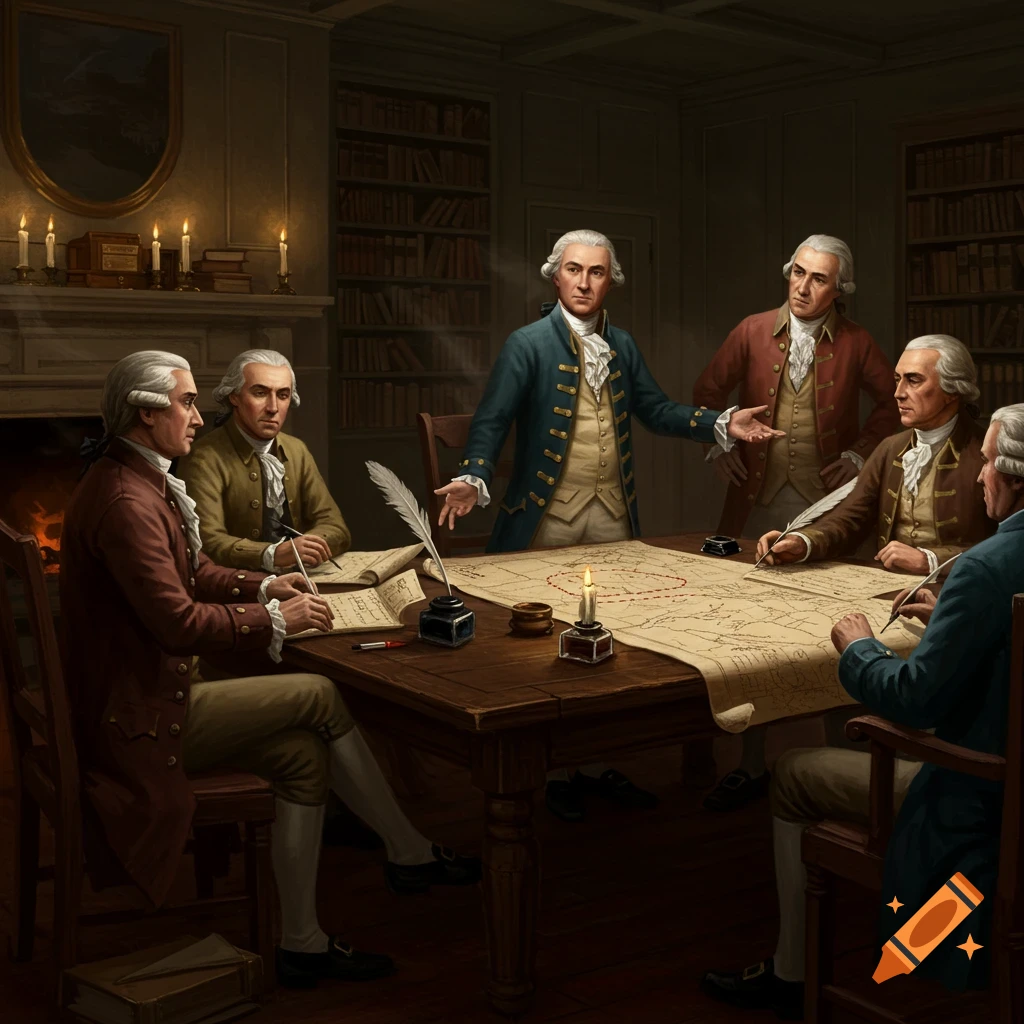
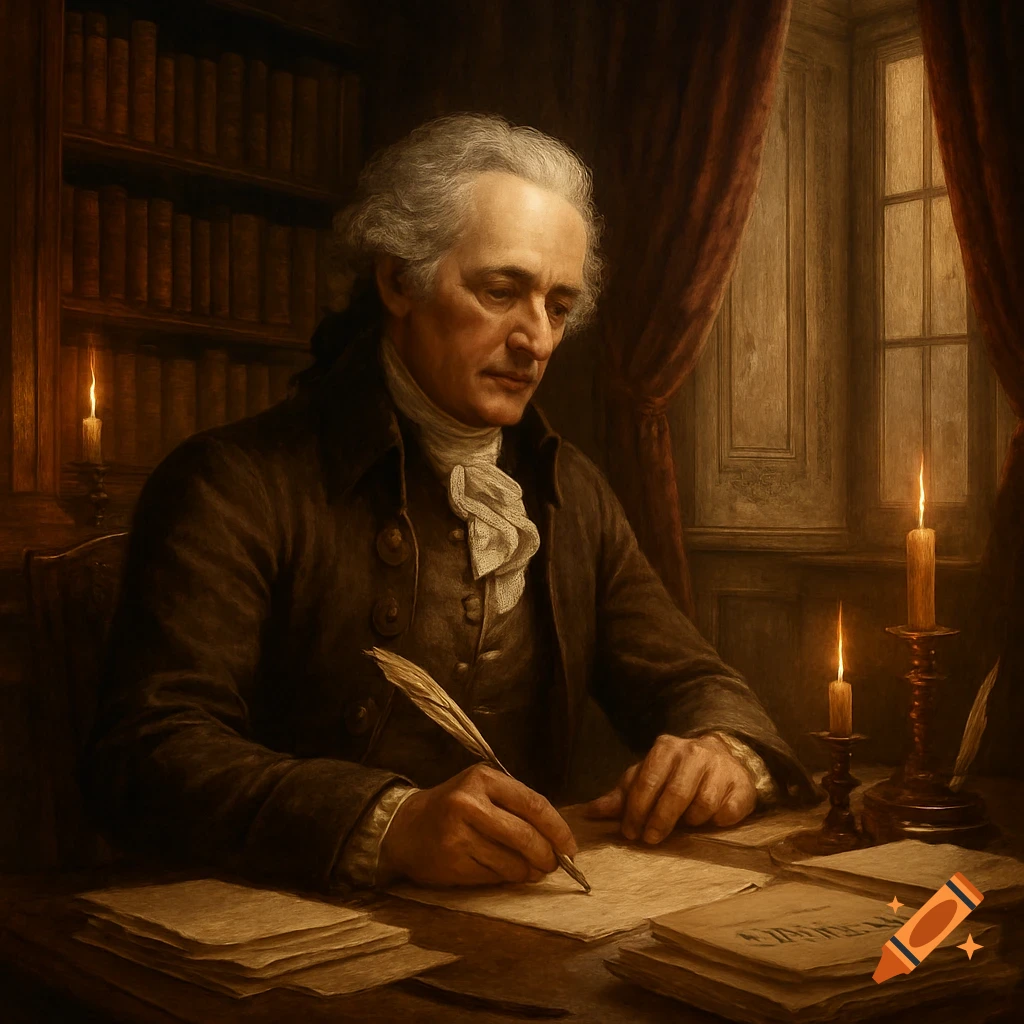
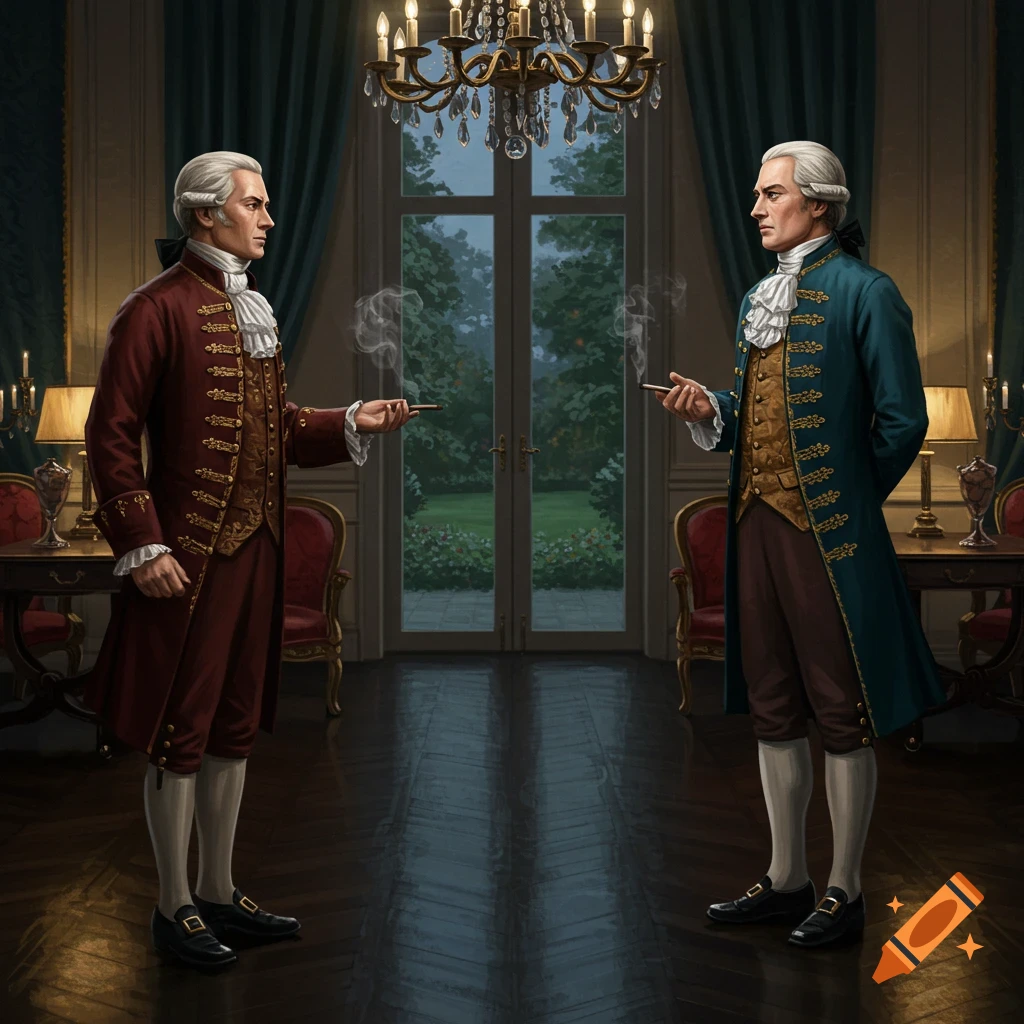
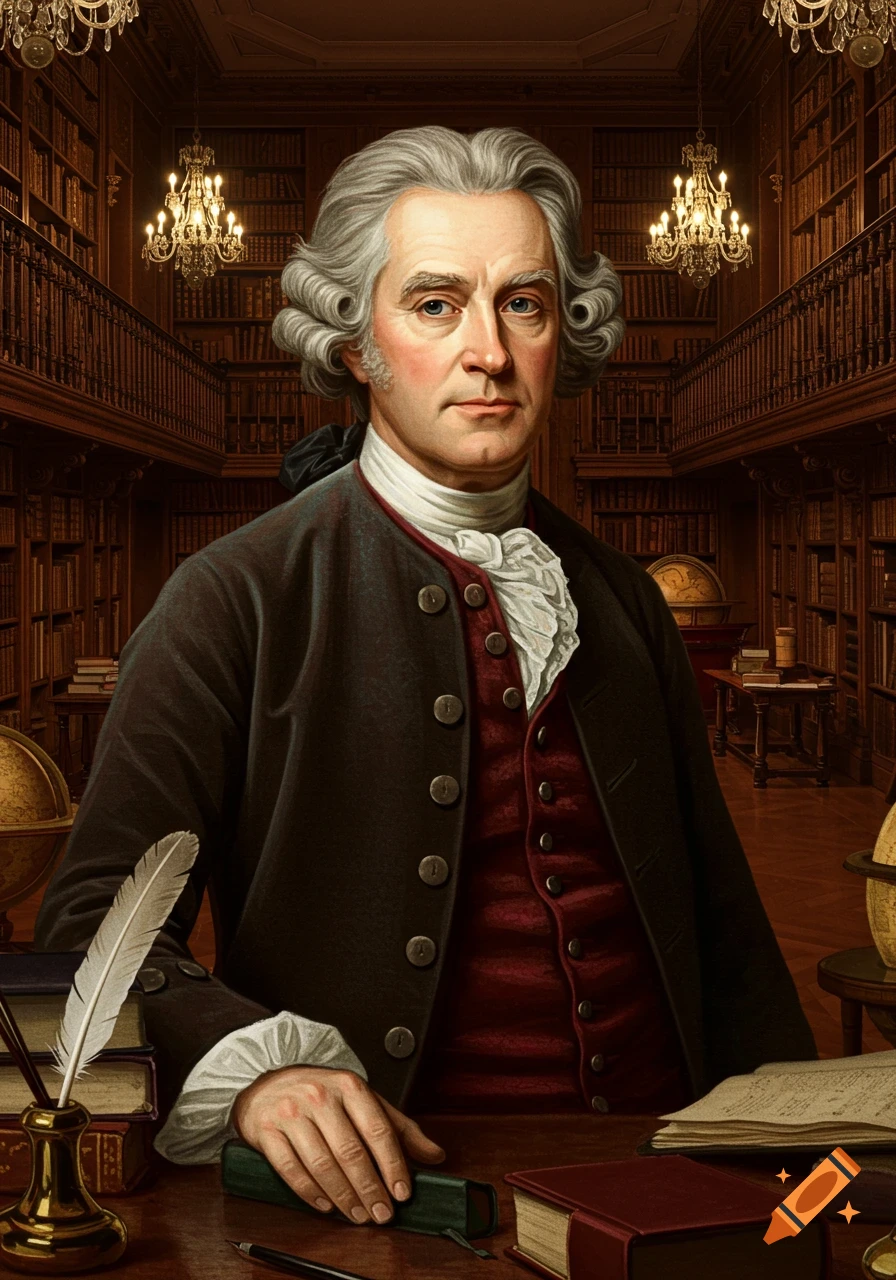
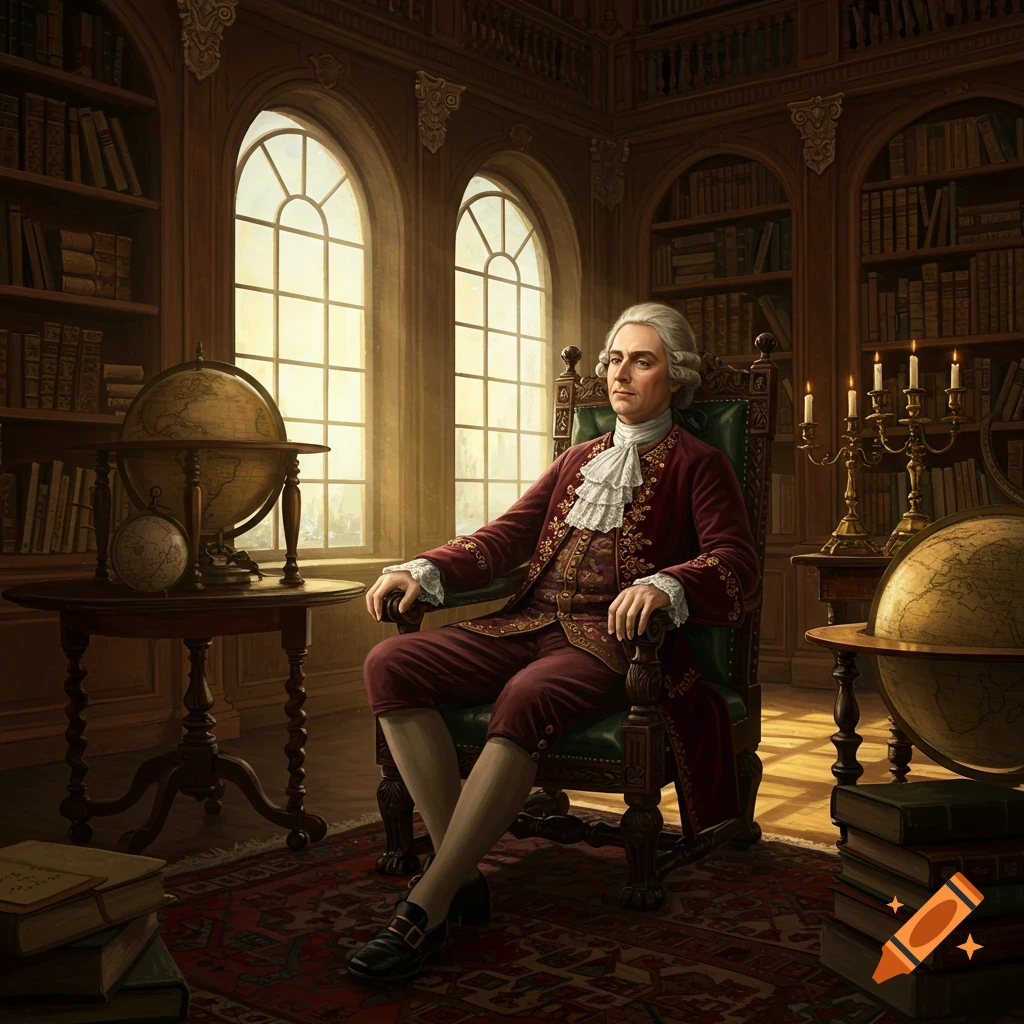
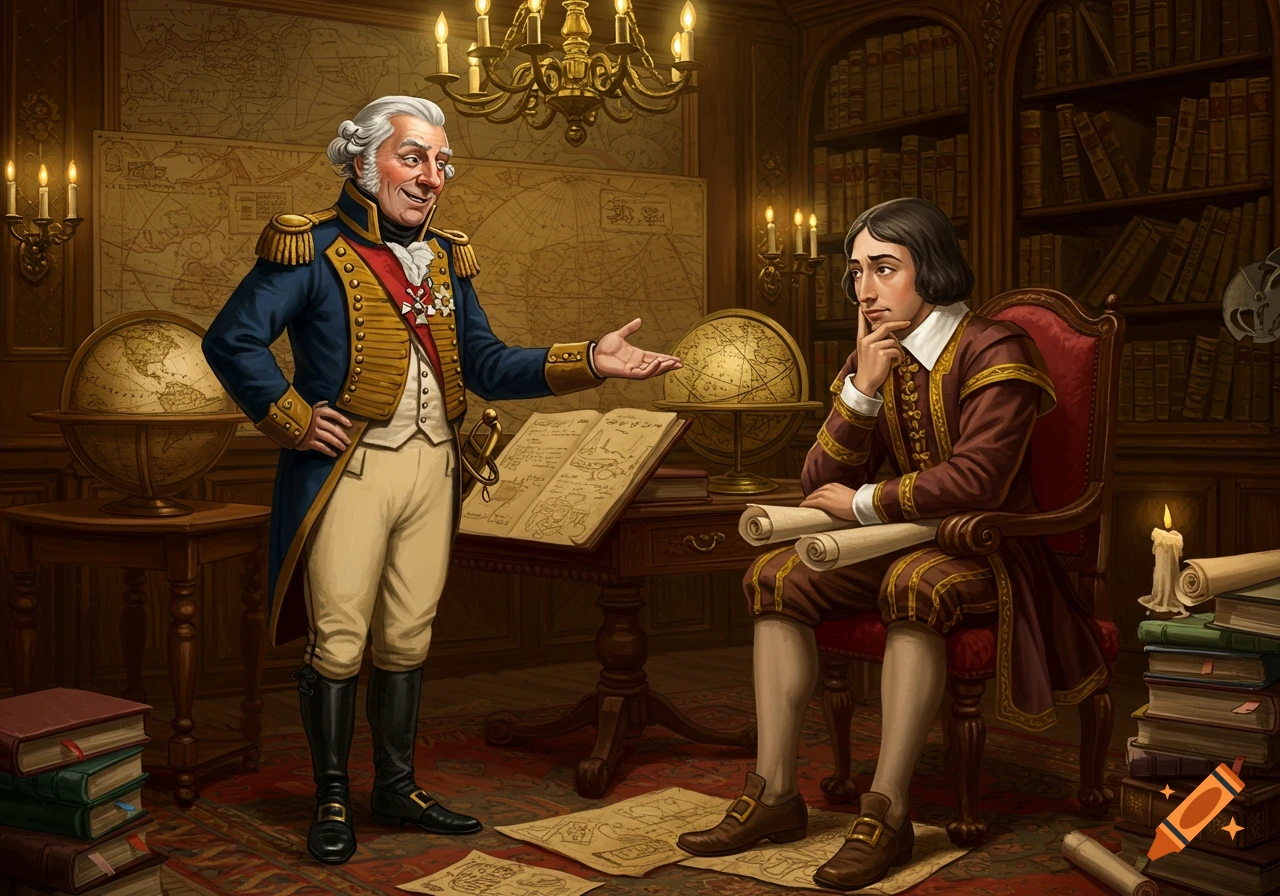
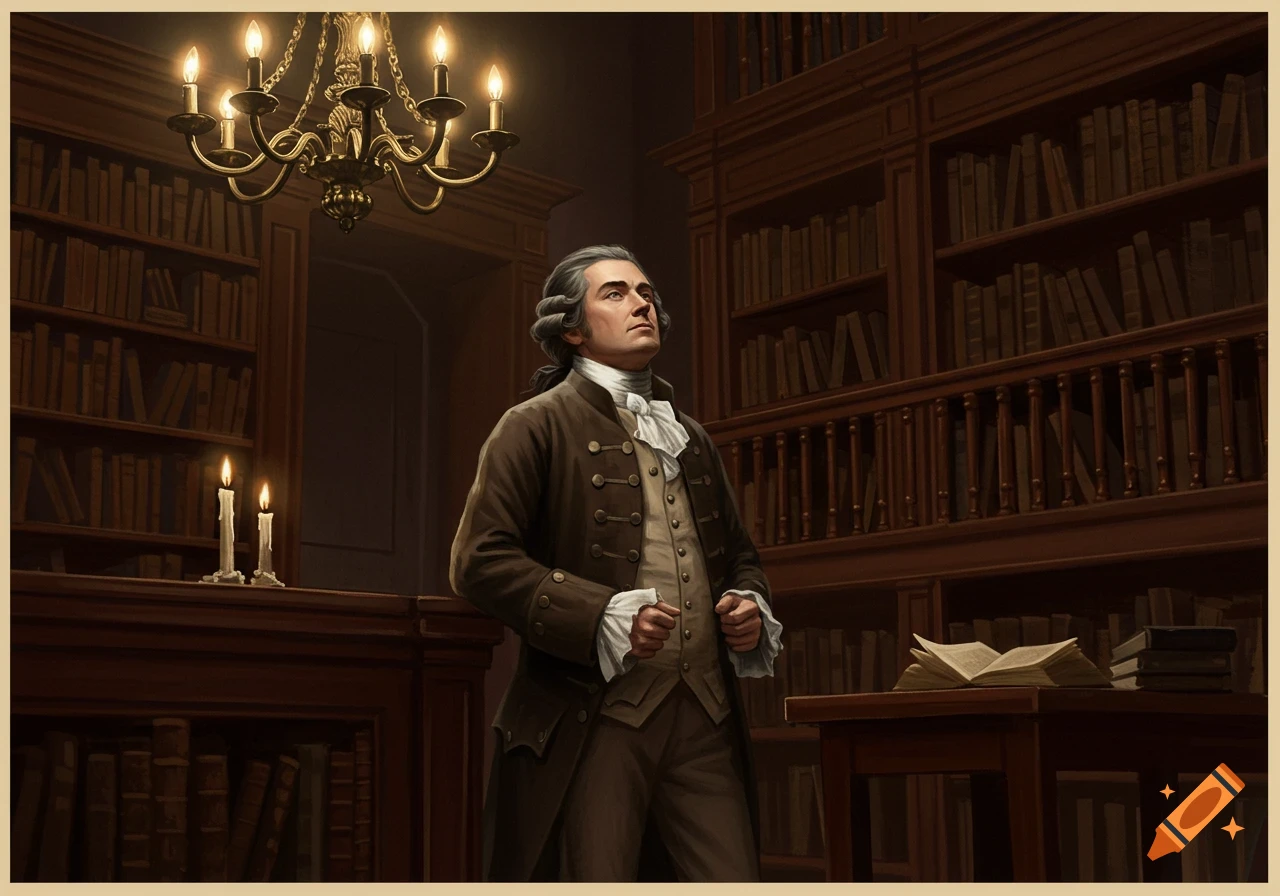
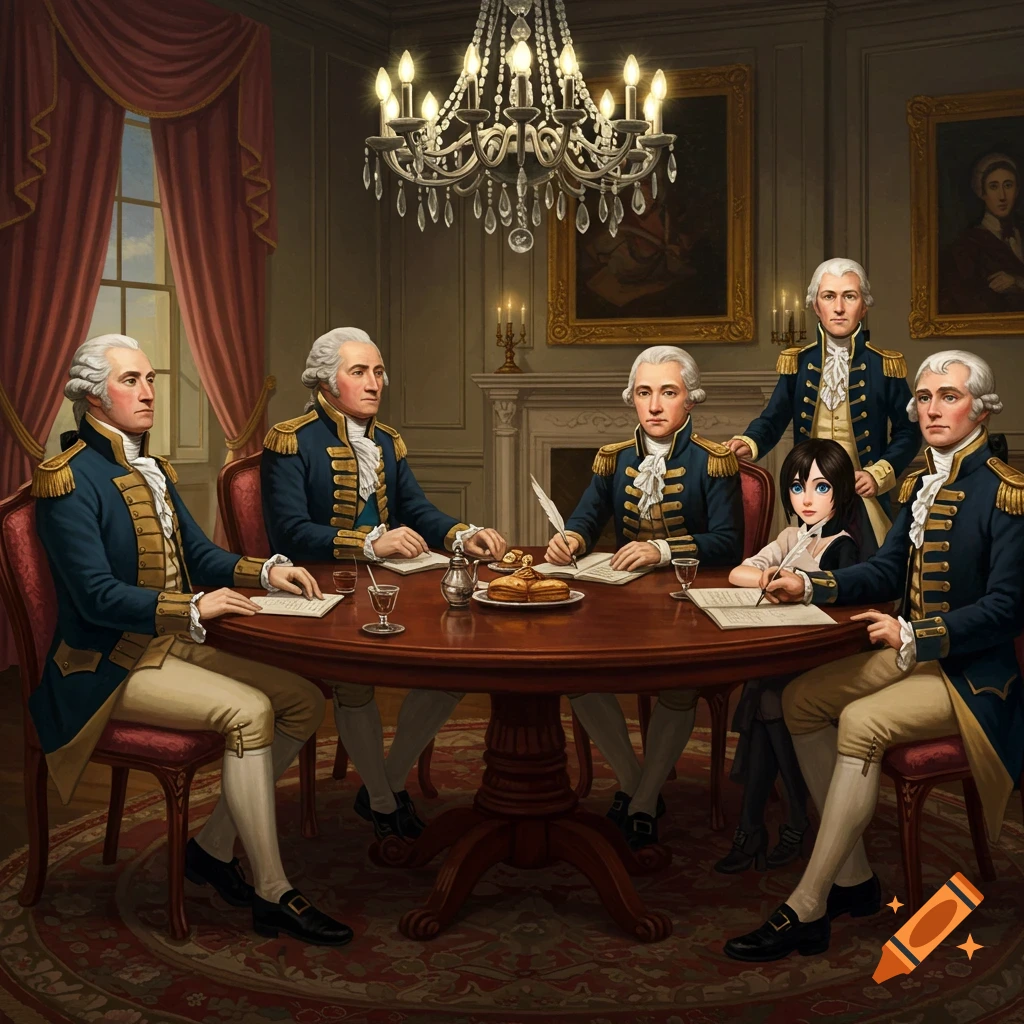
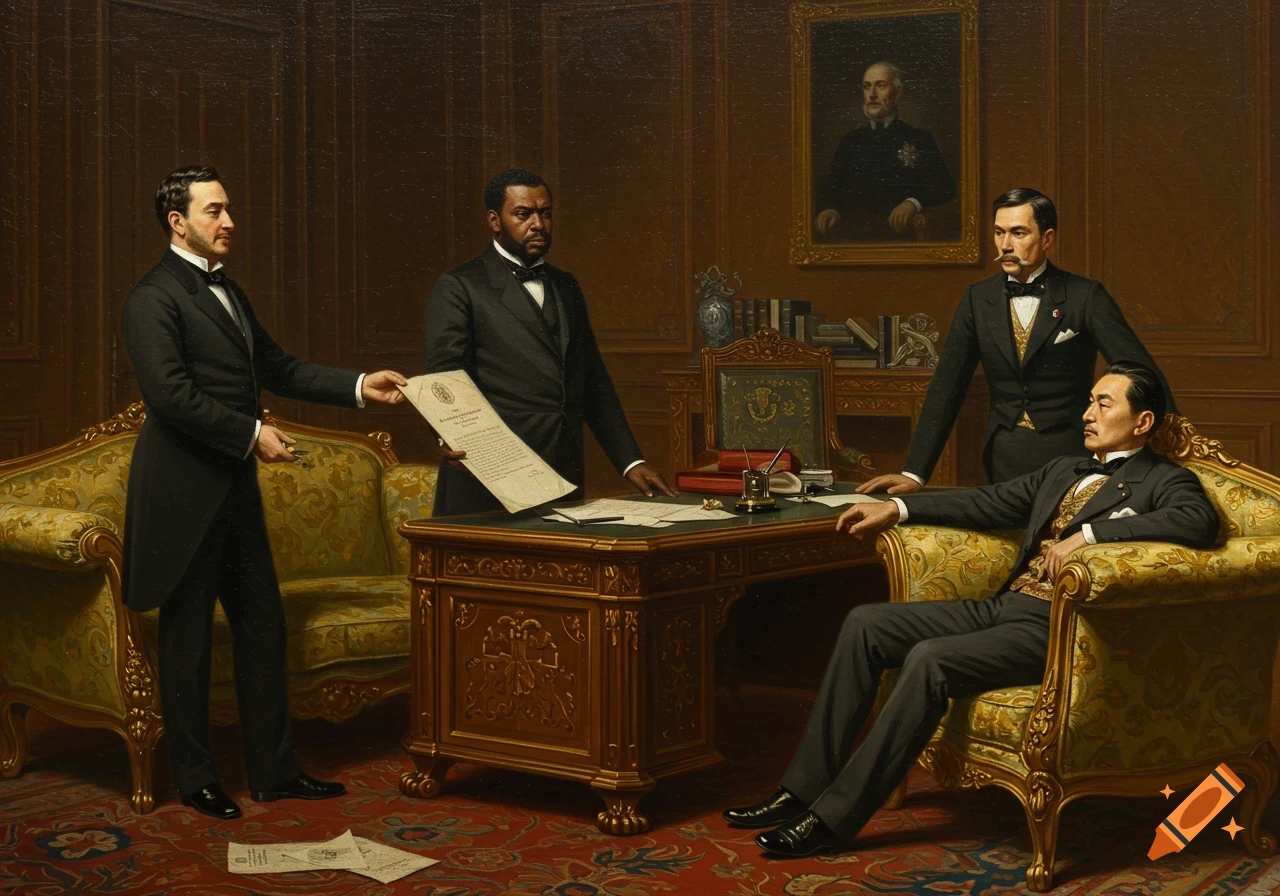
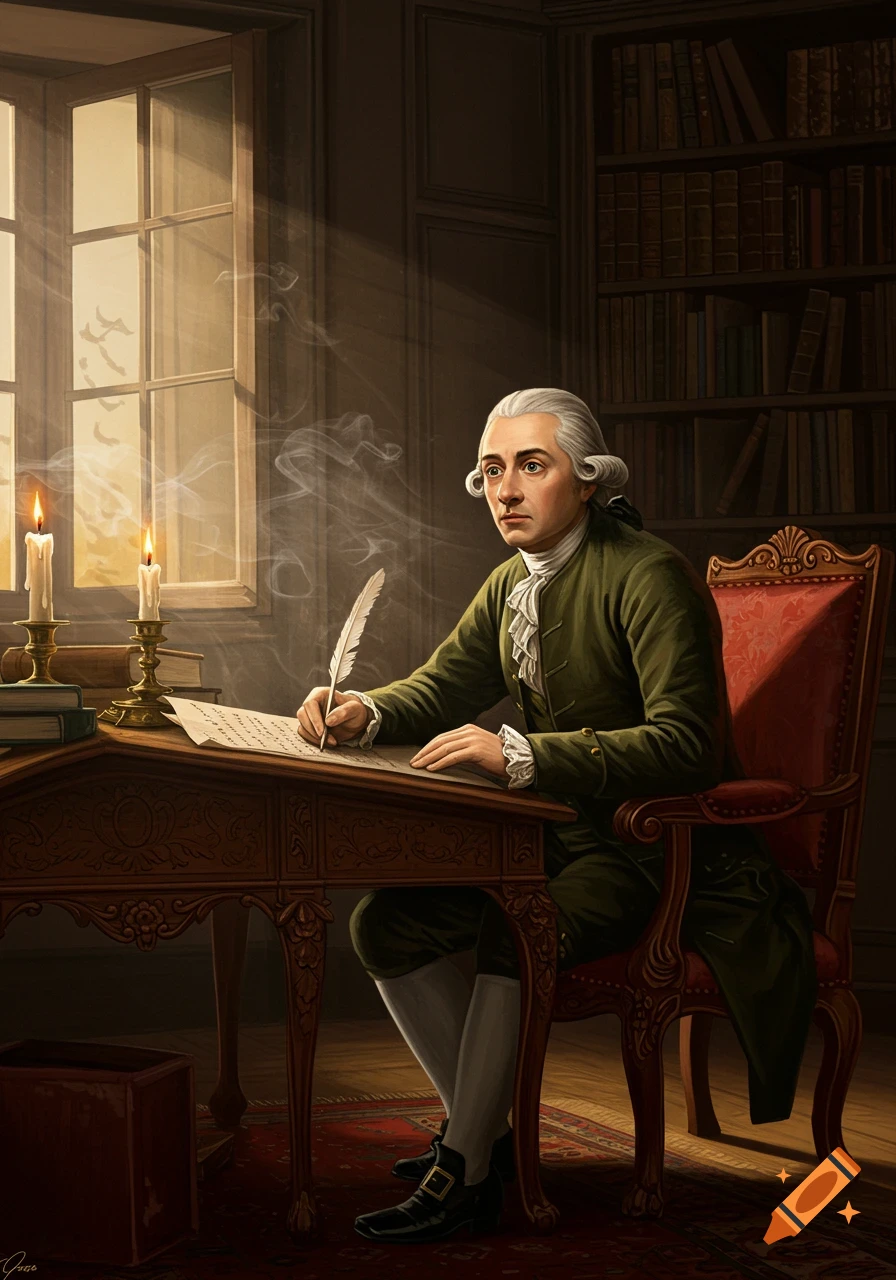
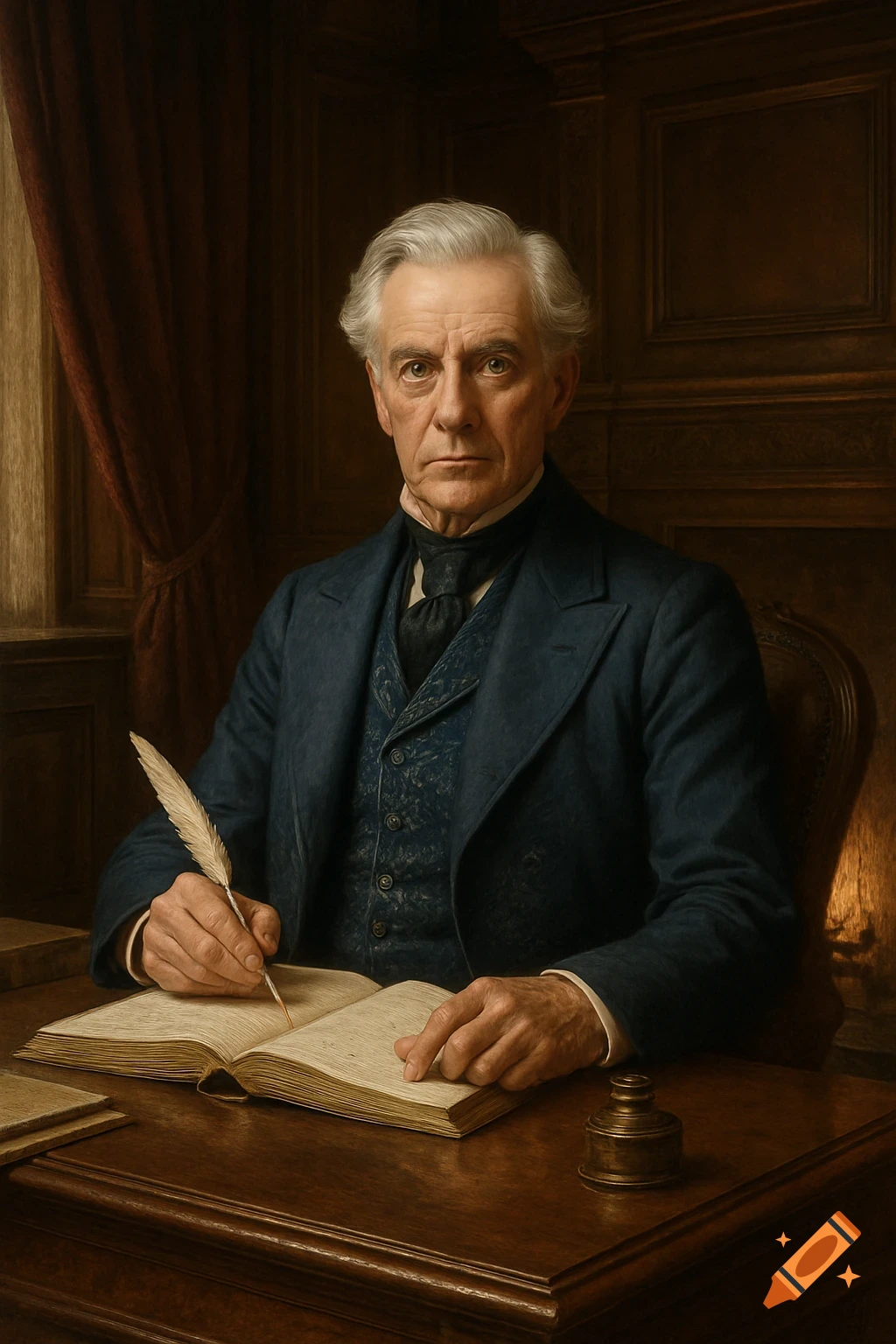
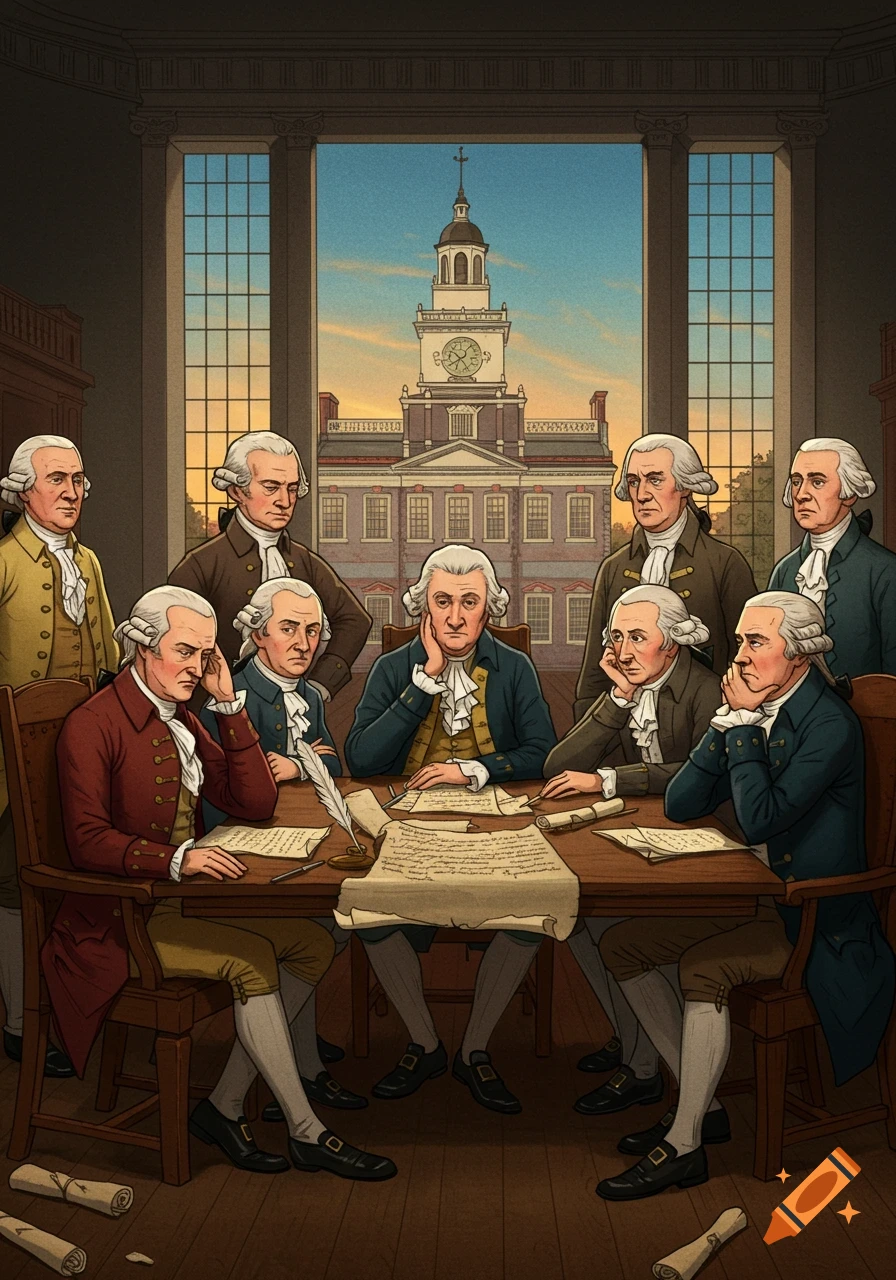
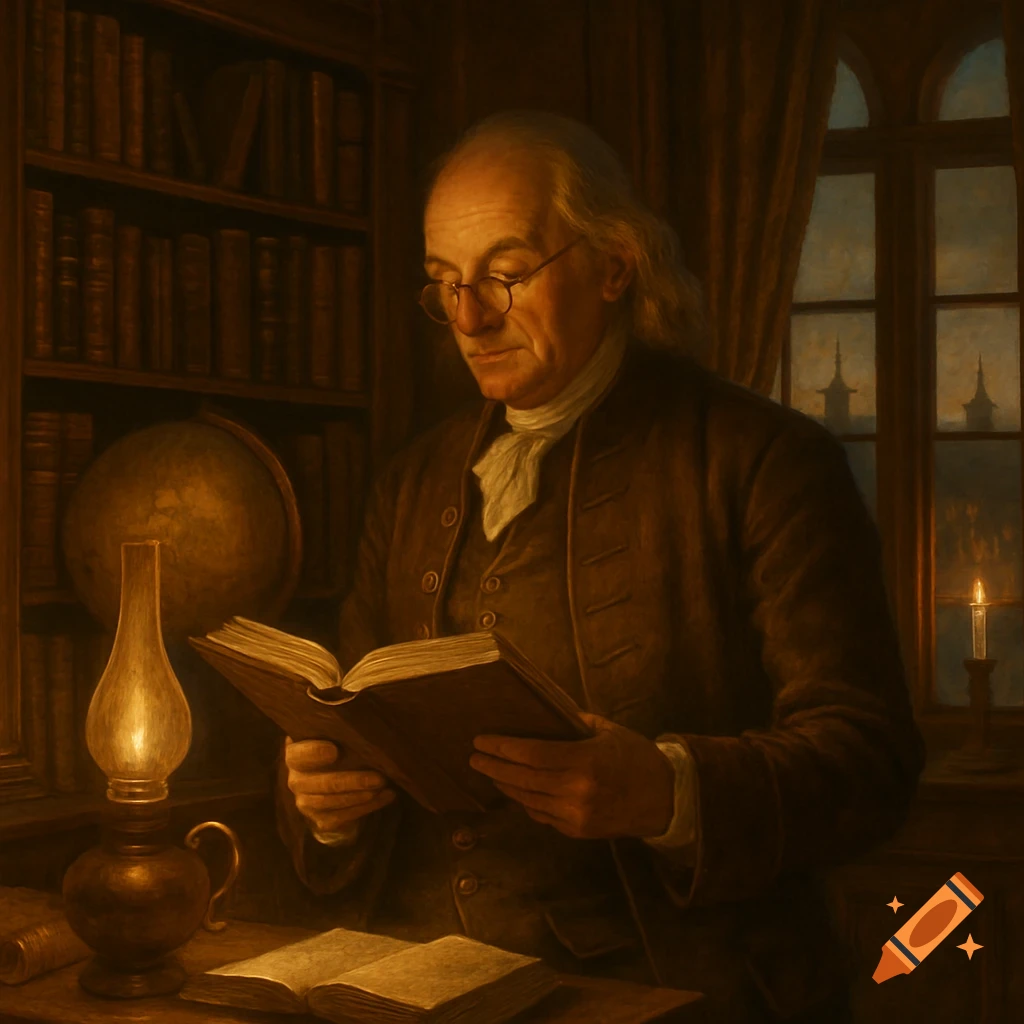
Academic painting of Maximilien Robespierre in a dim room with overturned chairs and bloodied papers, gazing out a window at a night street.

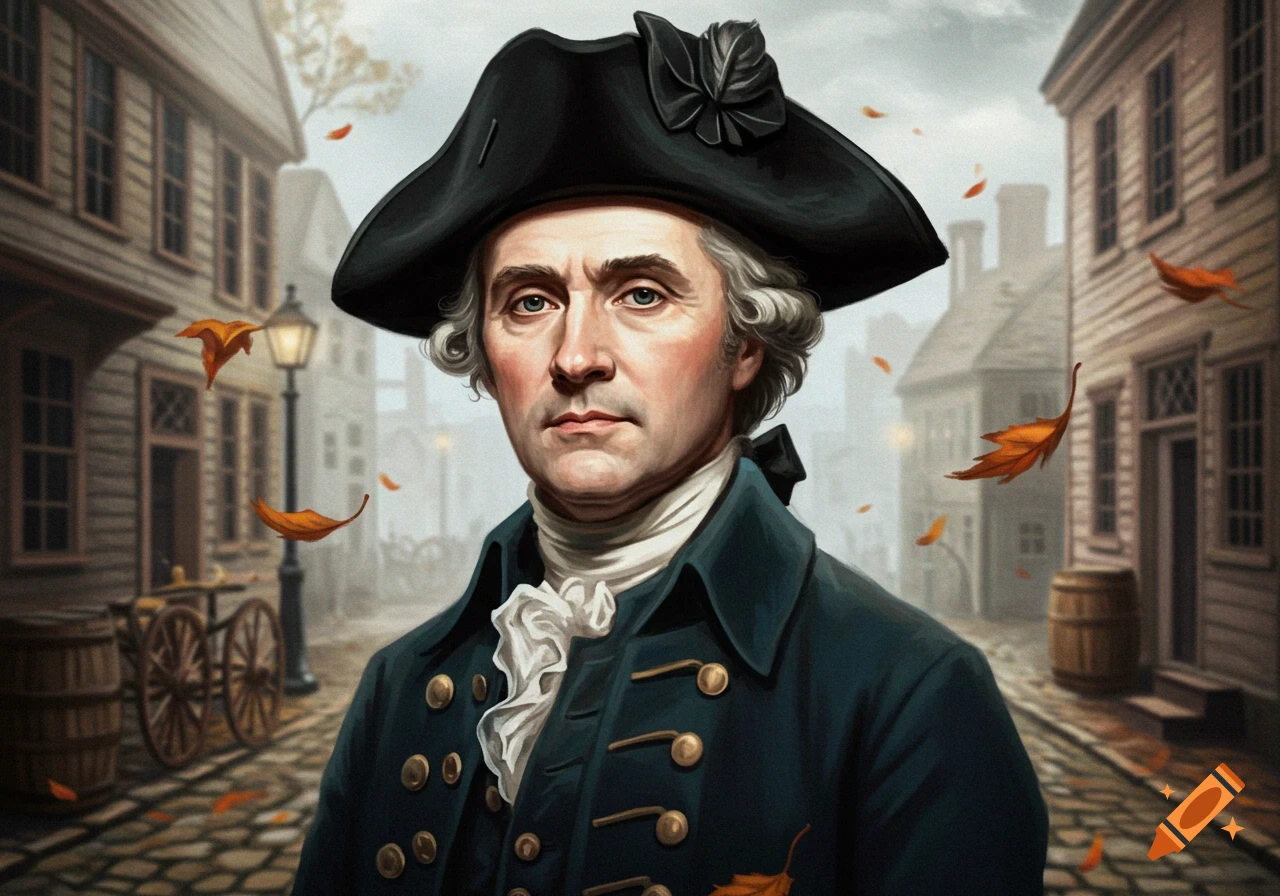
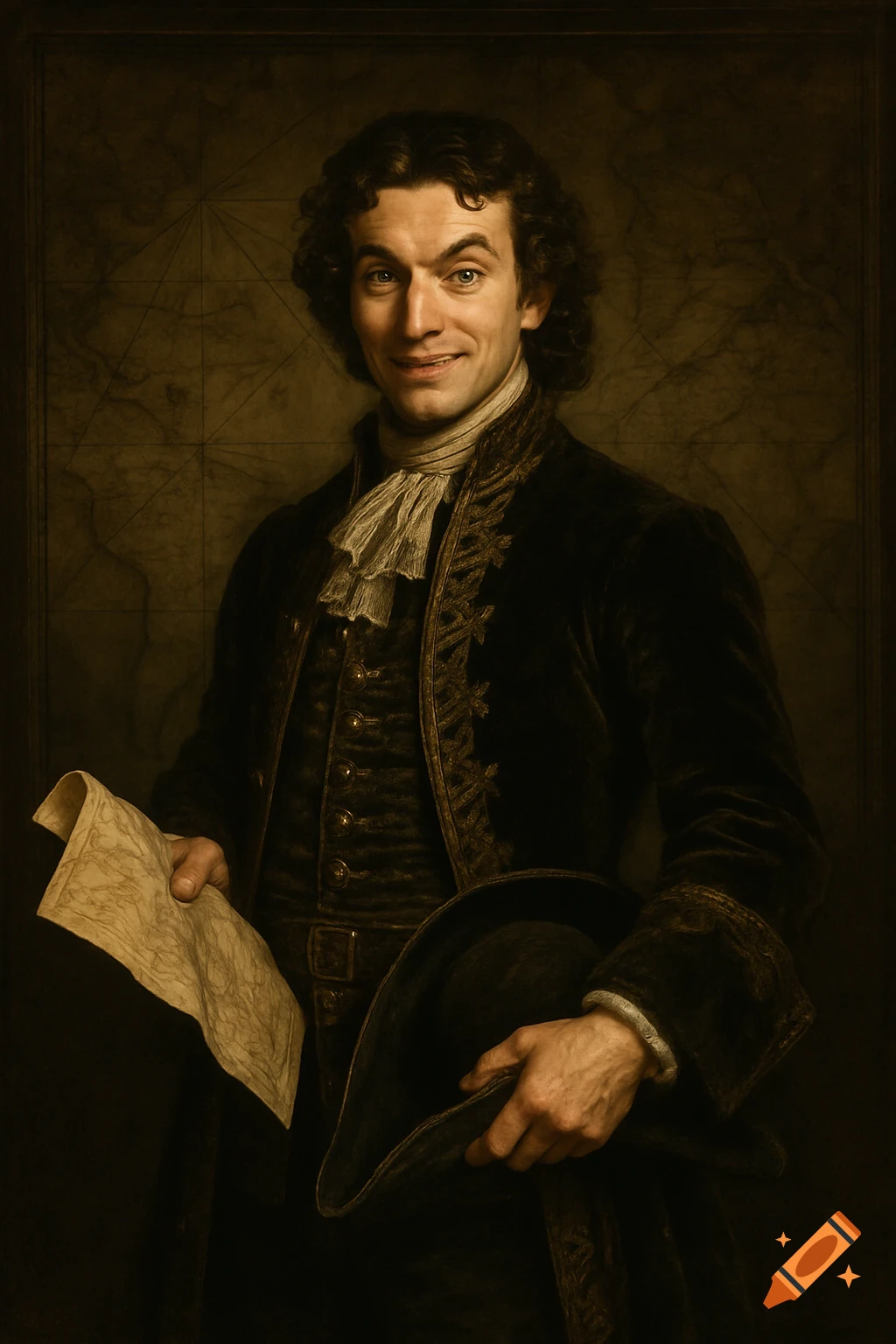
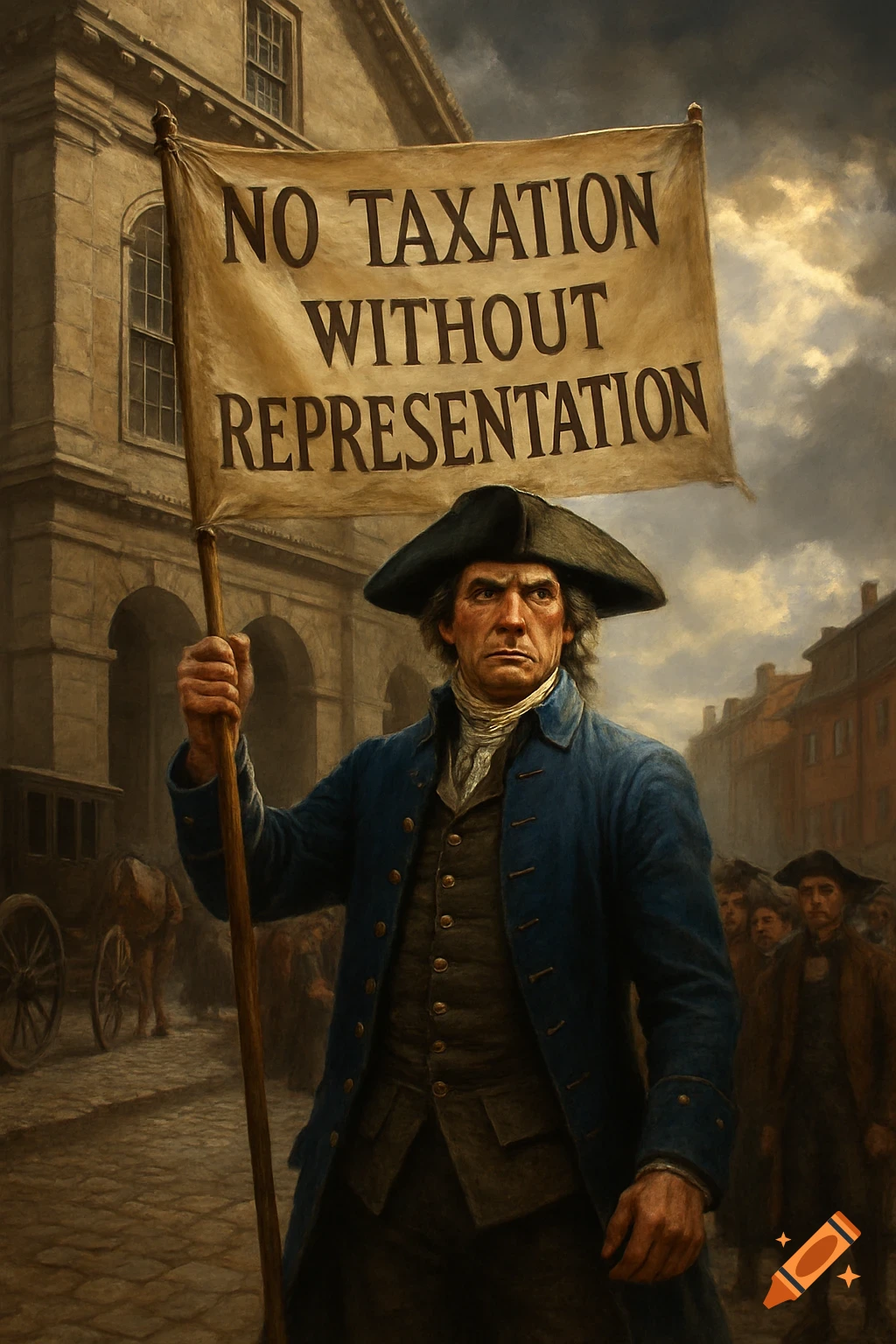
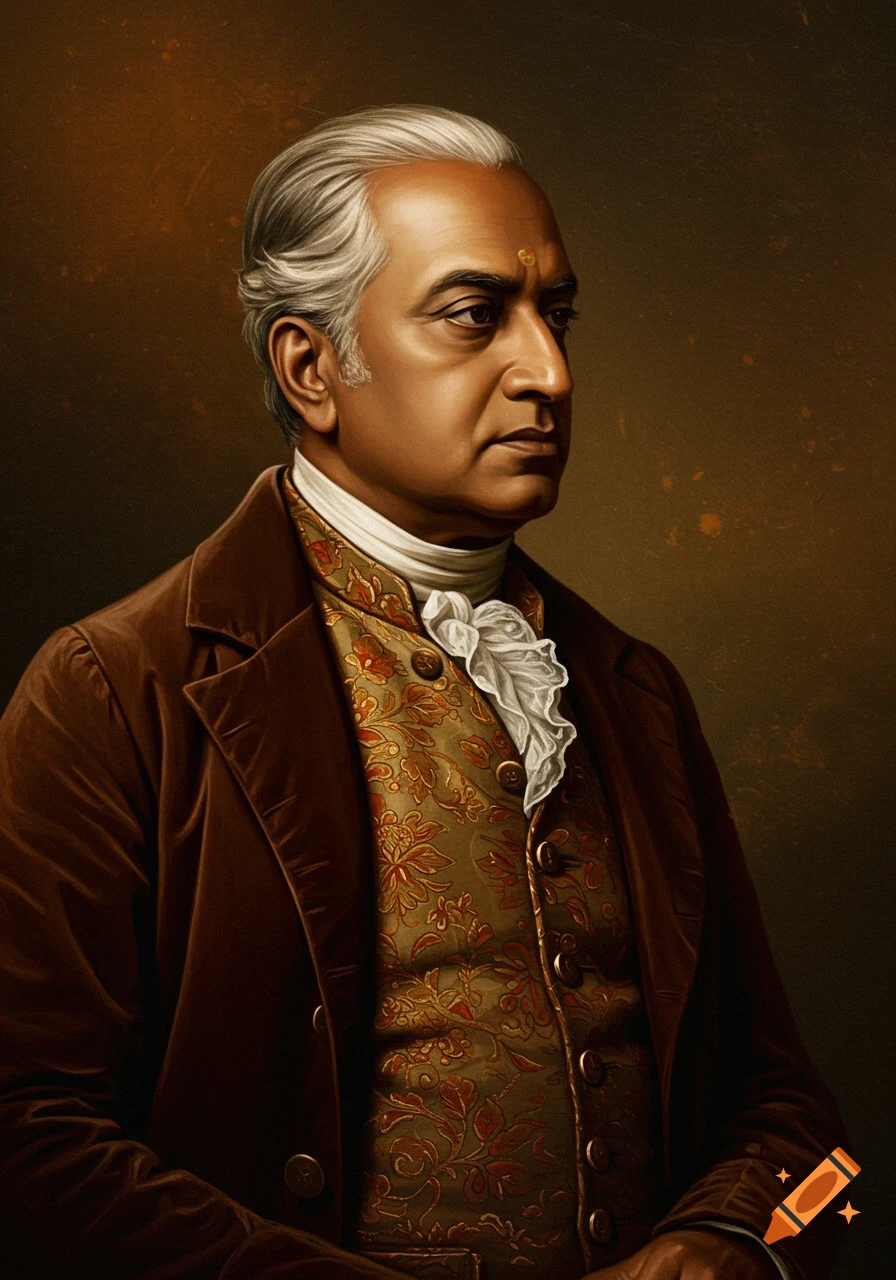
A monumental 19th-century academic history painting in the style of Jean-Paul Laurens and Jean-Léon Gérôme. The scene depicts Maximilien Robespierre at the Hôtel de Ville on the night of 9 Thermidor, shortly after being declared under arrest by the Convention, but before his final downfall. The atmosphere is tense, nocturnal, tragic, suspended between hesitation and catastrophe. The setting is a large dimly lit first-floor chamber inside the Hôtel de Ville, richly detailed with dark wooden panels, revolutionary papers, overturned chairs, wax stains, scattered documents, and signs of exhaustion after a day of political chaos. The composition is theatrical but psychologically restrained, typical of French academic historical painting of the late 19th century. The main figure occupies the right side of the painting: Maximilien Robespierre, shown in three-quarter profile near a tall window, dressed in elegant but slightly disheveled conventionnel attire — dark green coat, pale waistcoat, subtle revolutionary fashion without luxury. His clothes are wrinkled and fatigued from the turmoil of the day. His face is closed, pale, exhausted, rigid with anxiety and disbelief. He stares through the window toward the streets below, unable fully to grasp the collapse unfolding around him. His posture suggests a man who senses the trap closing but still cannot decide how to act. Outside the window, unseen crowds fill the streets below. Their presence is suggested through an ominous Ver mais
More images like this