Political cartoon of a man labeled 'CENTRAL AMERICA' constricted by a snake, with a man labeled 'U.S.' looking on.
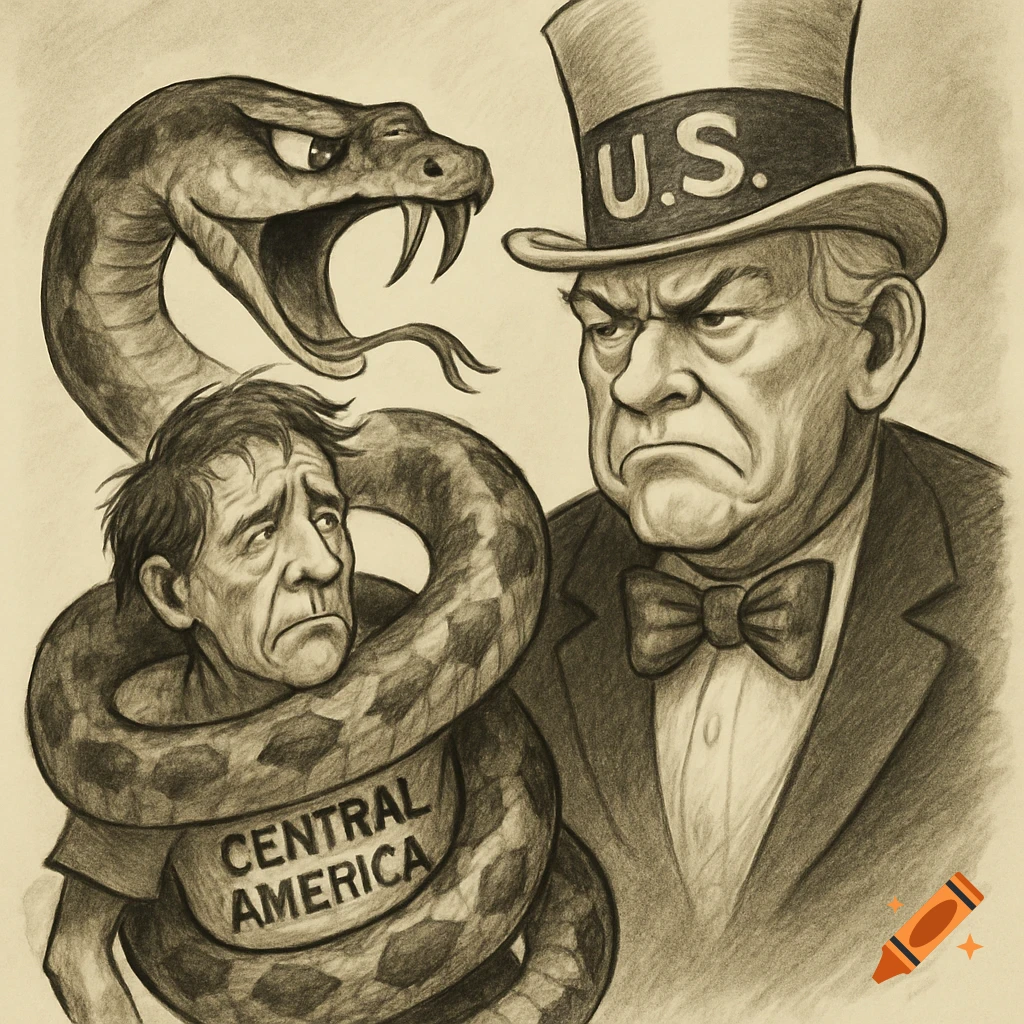
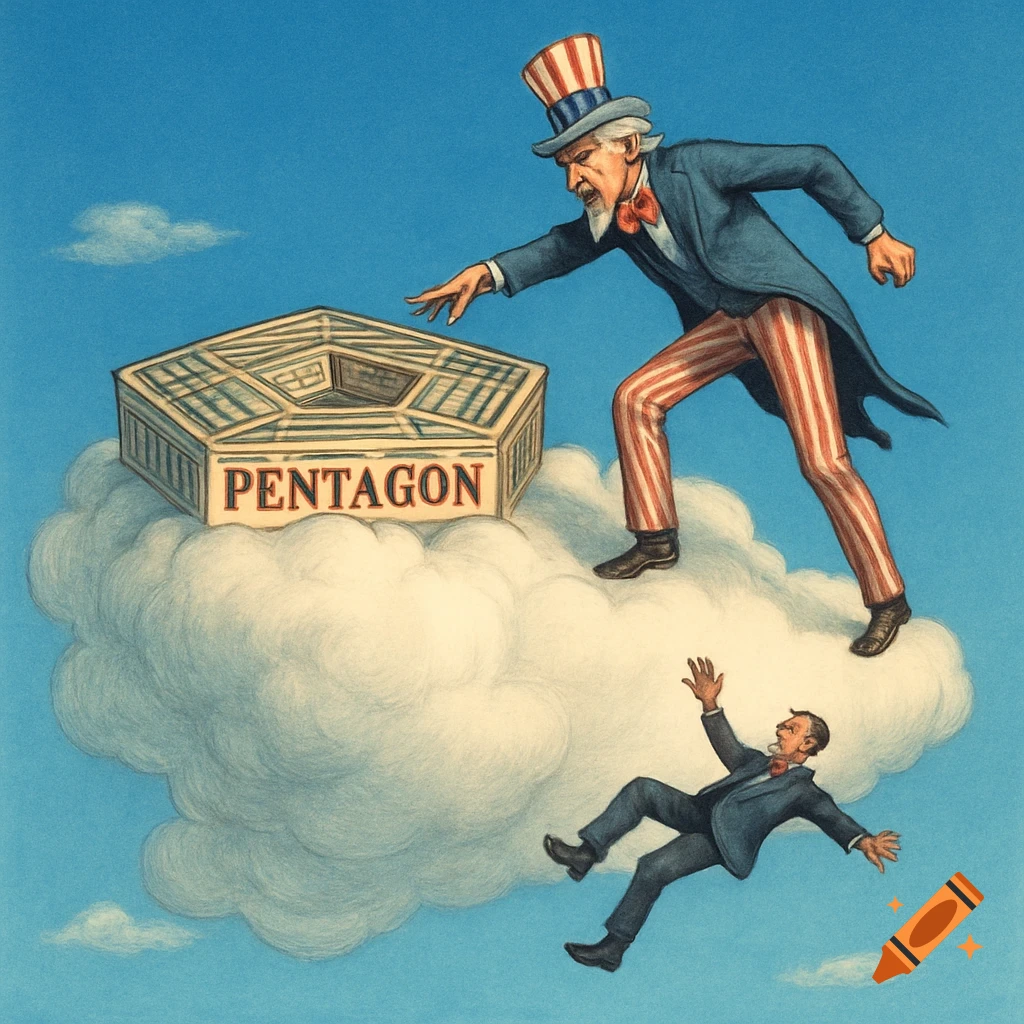
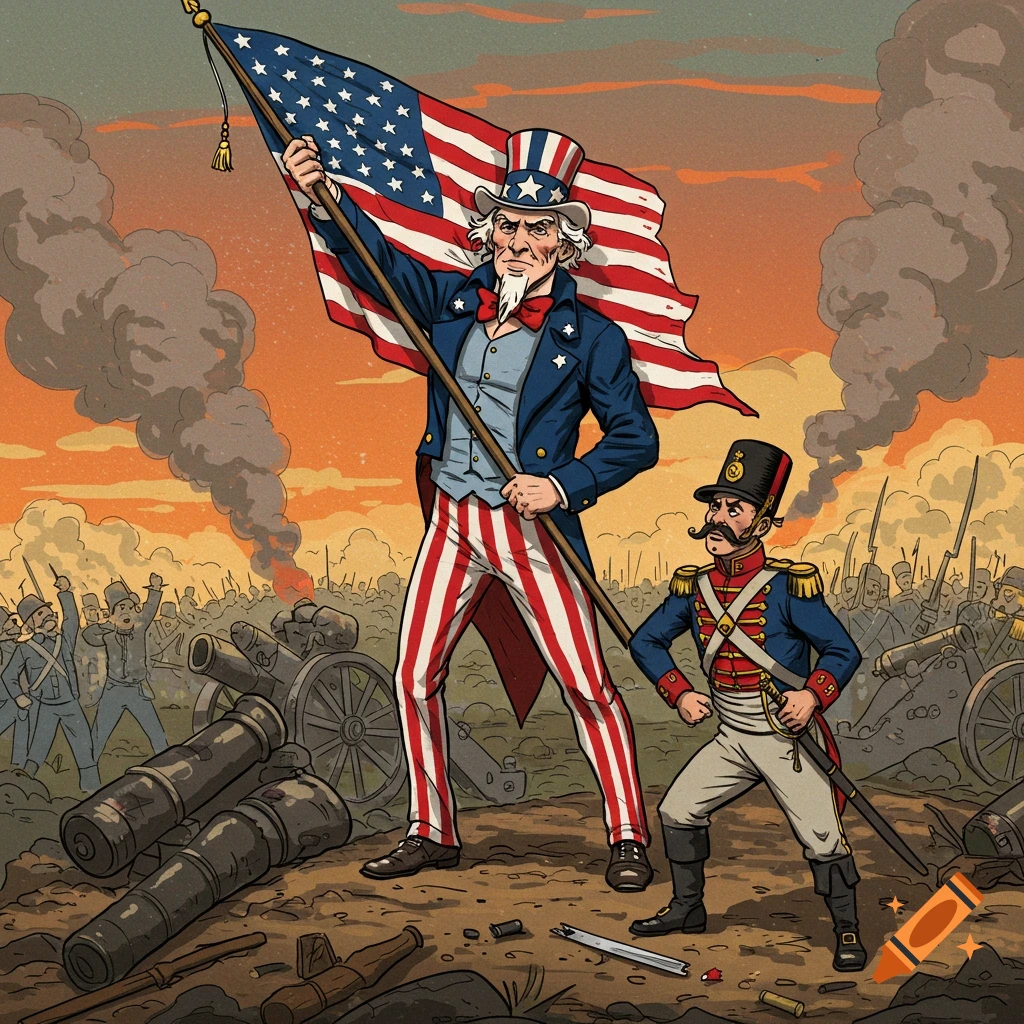
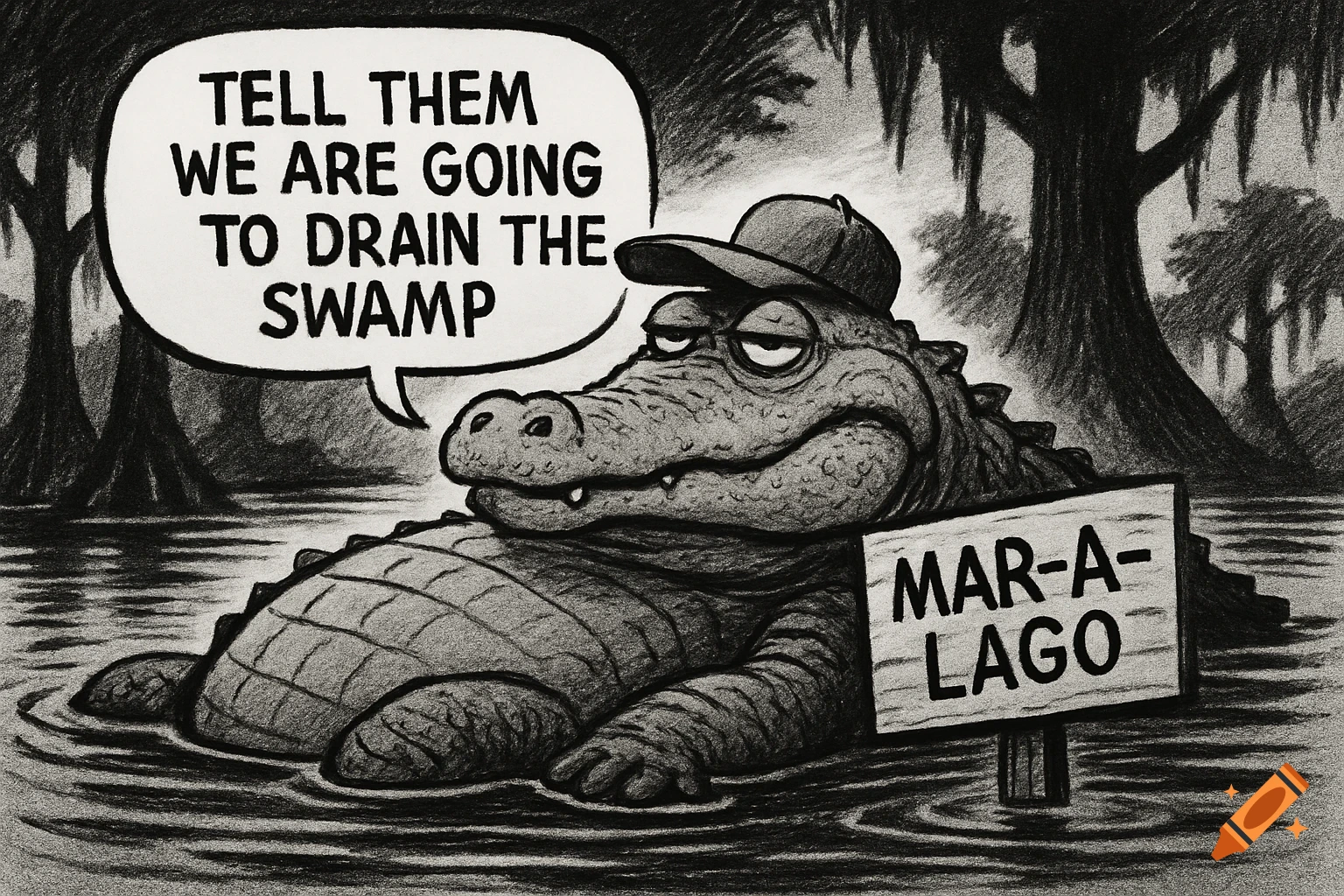
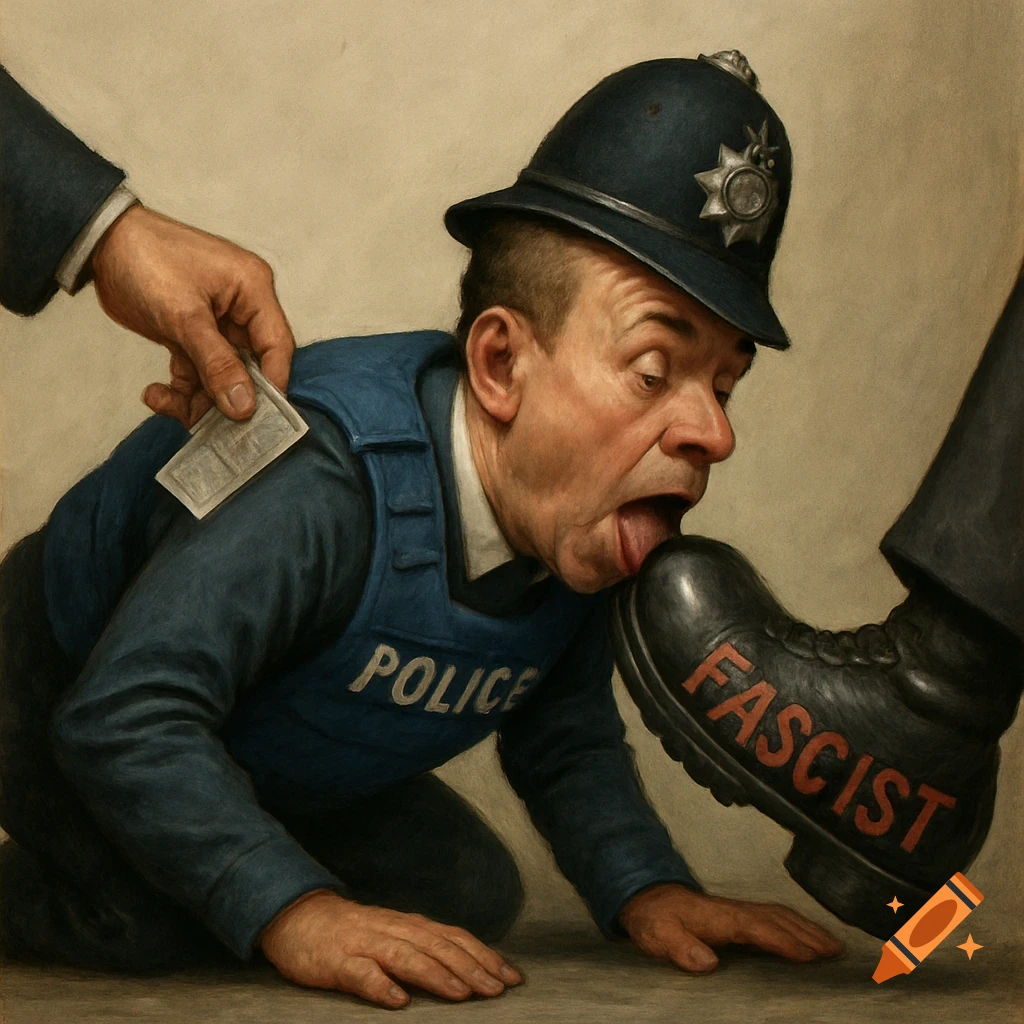
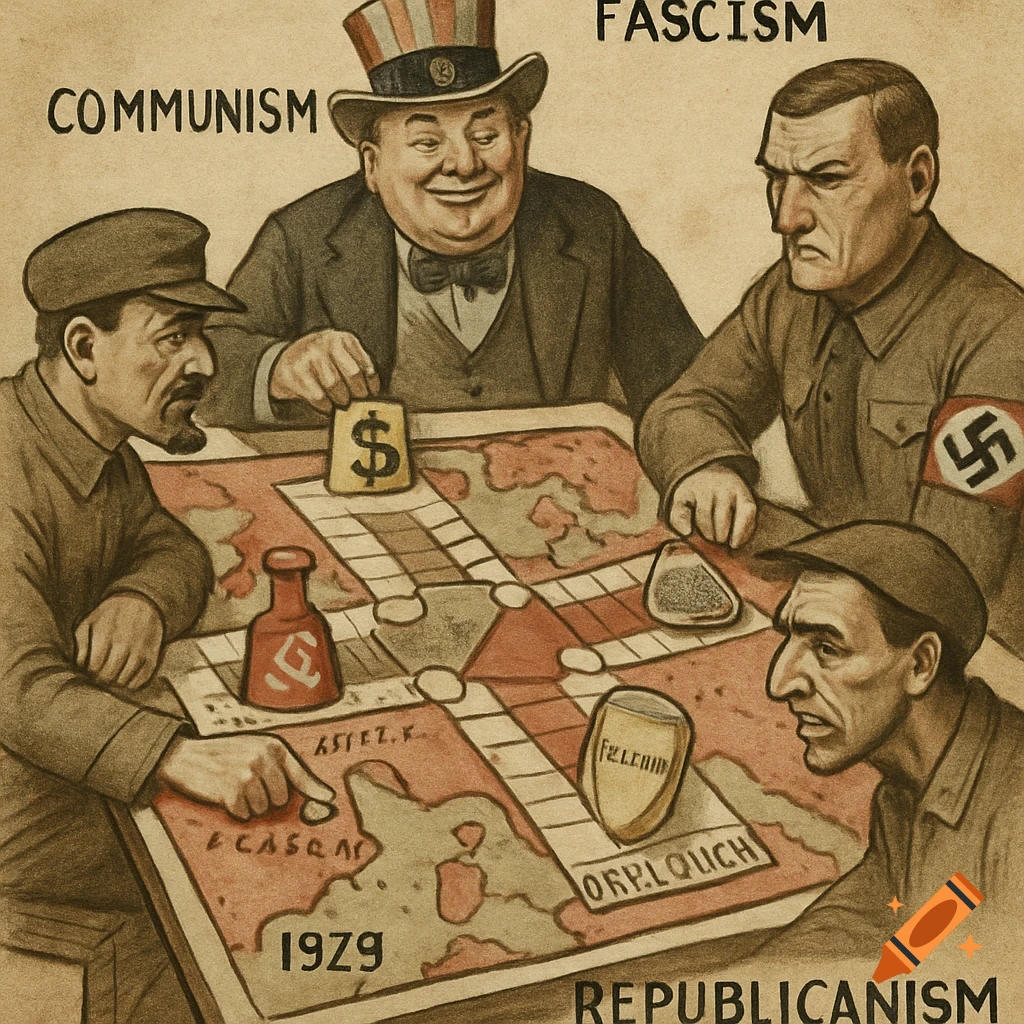
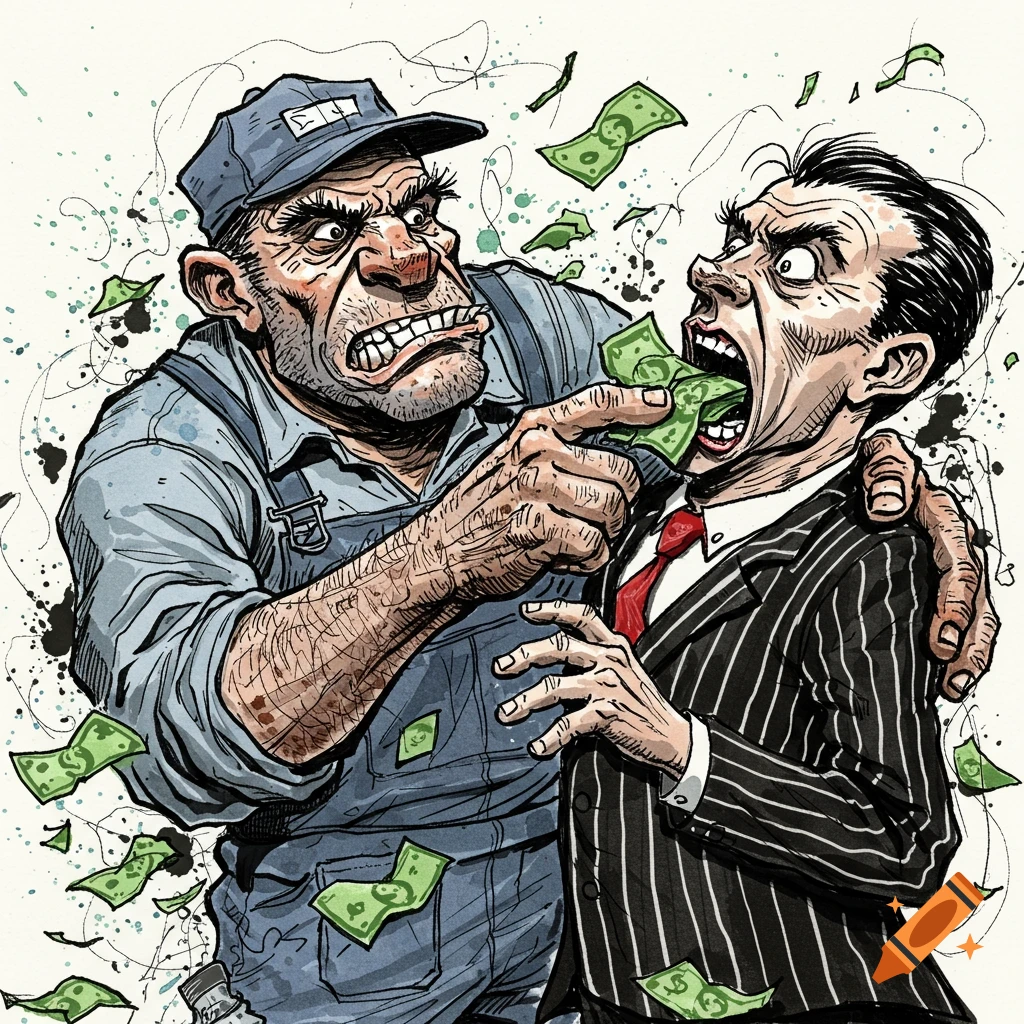
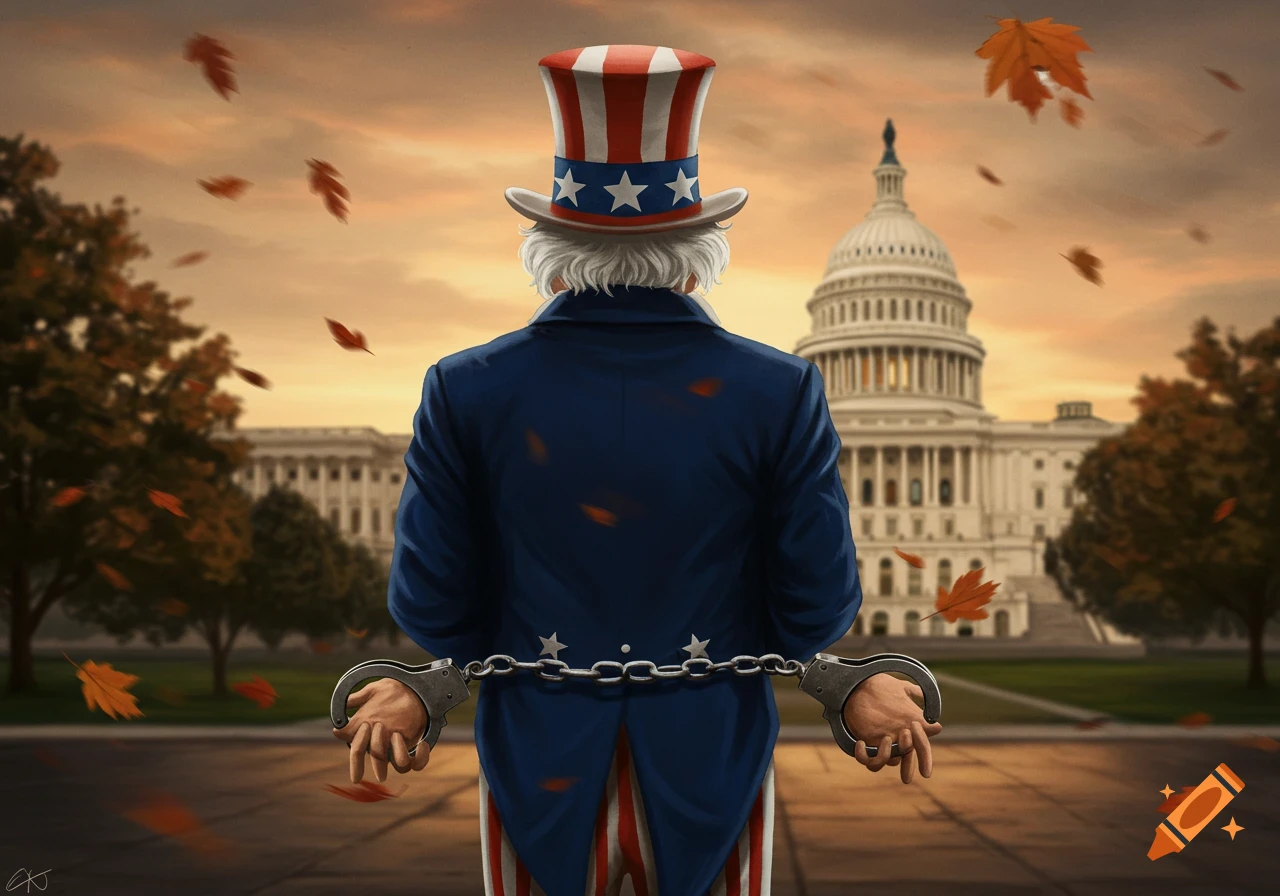
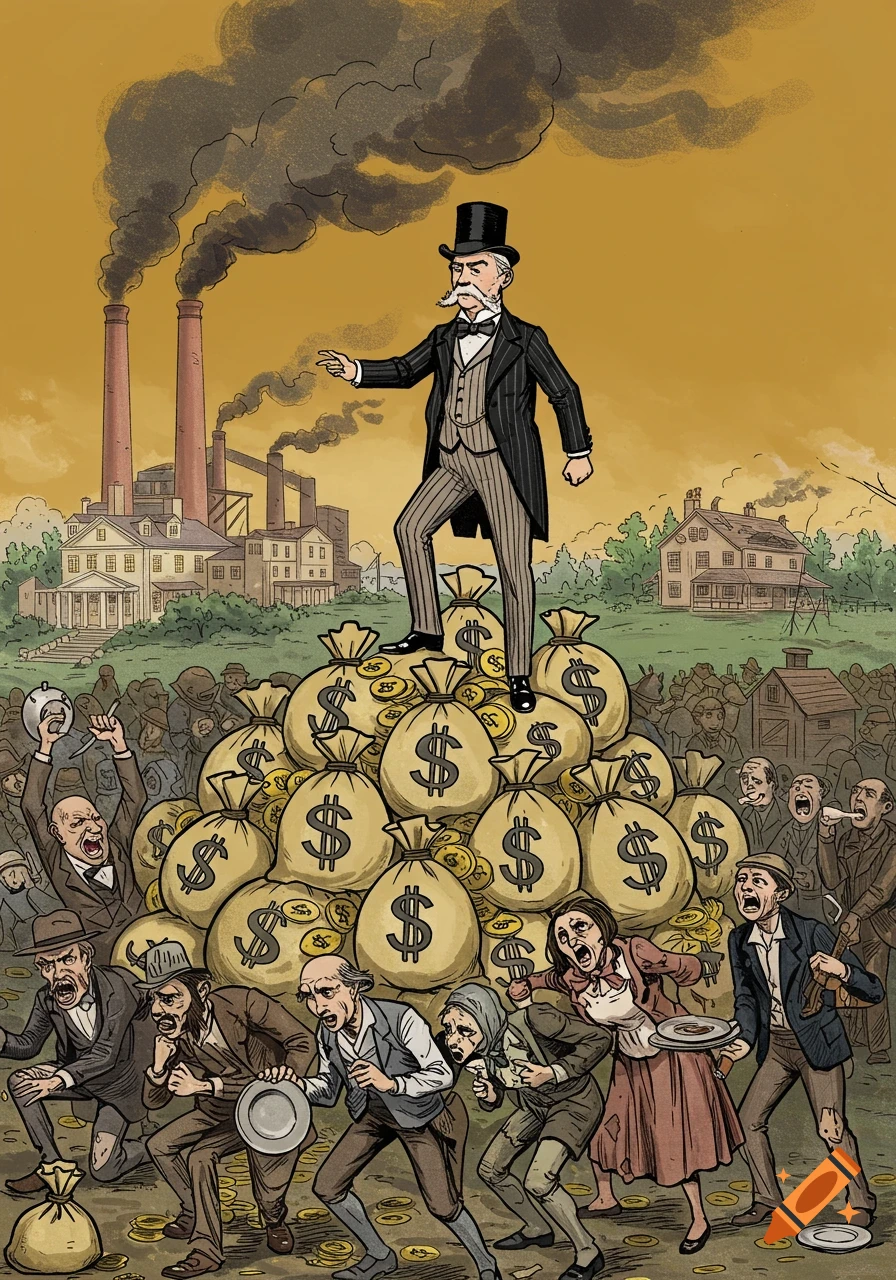
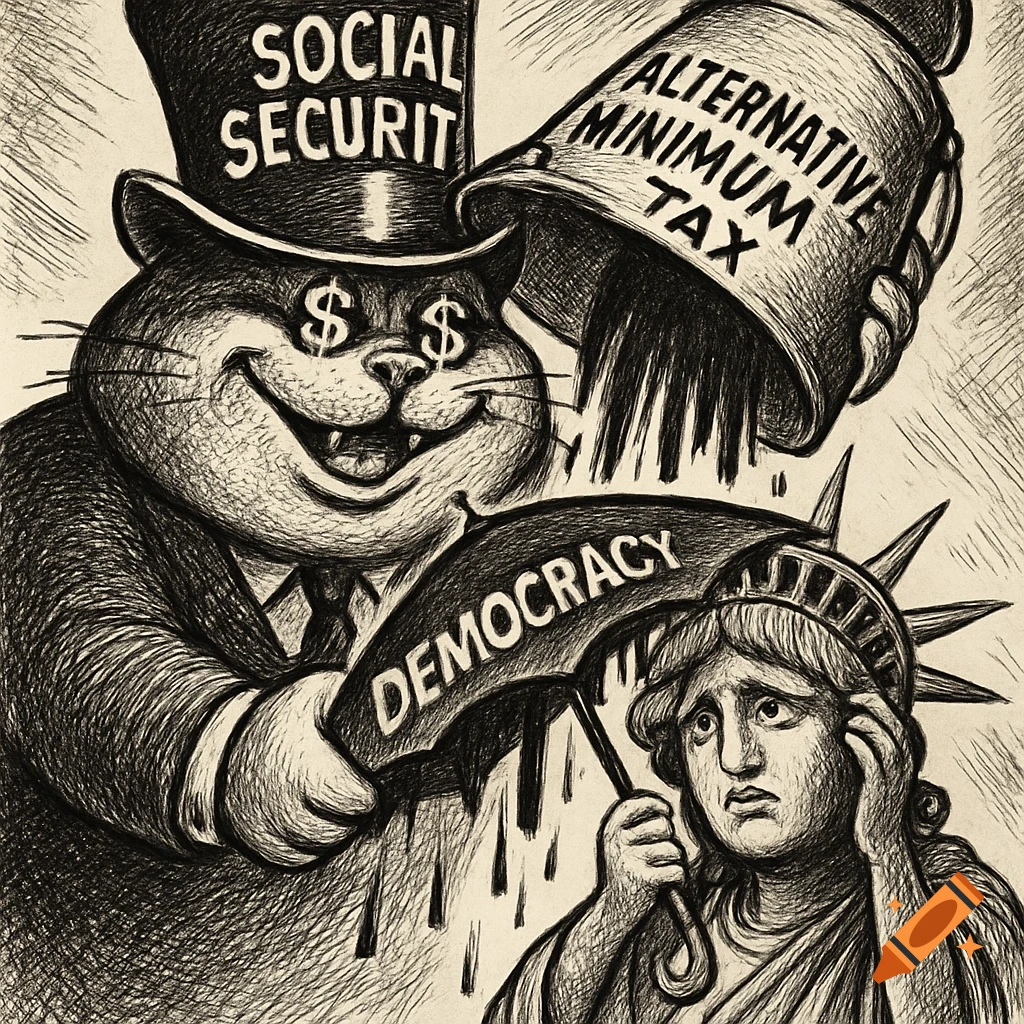
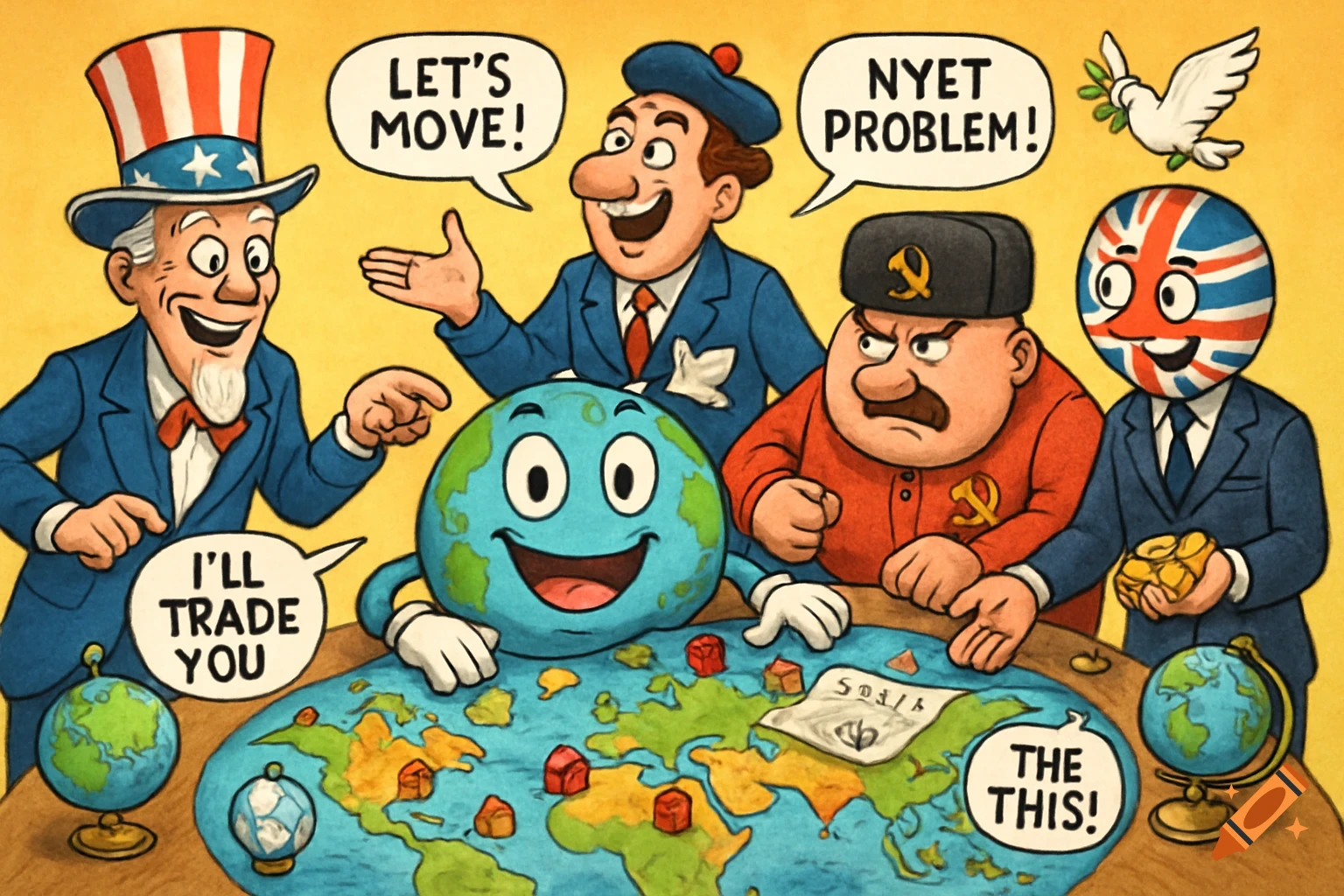
Political cartoons employ several key elements to convey a message. These include symbolism, where objects represent ideas; exaggeration to highlight a problem or feature; irony, contrasting what is with what should be; analogy, comparing unlike things with shared characteristics; and labeling to clarify and emphasize points. Symbolism: Cartoonists use objects or images to stand for larger concepts or ideas. For example, a snake might symbolize a politician's deceptive nature or a dove might symbolize peace. Exaggeration: This technique involves overstating a feature, trait, or problem to make a point. It can be used to emphasize the absurdity of a situation or the magnitude of a problem. Irony: This element involves contrasting what is happening with what should be, or what is expected. It can be a powerful tool for highlighting the hypocrisy of a situation or the absurdity of a political stance. Analogy: This involves comparing two unlike things that share some characteristics. An analogy can be used to explain complex ideas in a simpler way or to draw parallels between different situations. Labeling: Cartoonists often use labels to clearly identify figures, objects, or ideas in the cartoon, helping the viewer understand the context and meaning. You will create your own political cartoon about a US intervention or foreign policy during the 1970s or 80s (Think Ford, Carter, or Reagan). Your cartoon should include aspects of a political cartoon that are described above. Your Ver mais
More images like this