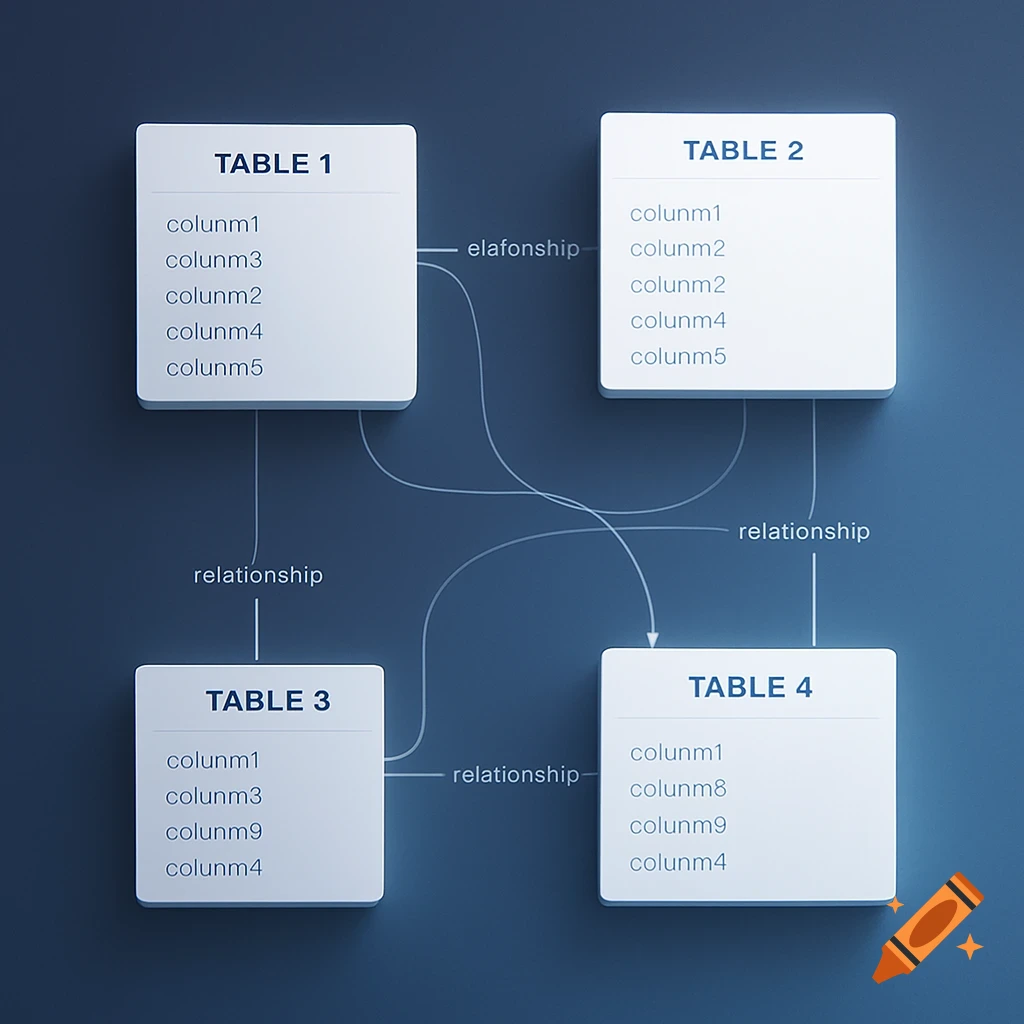
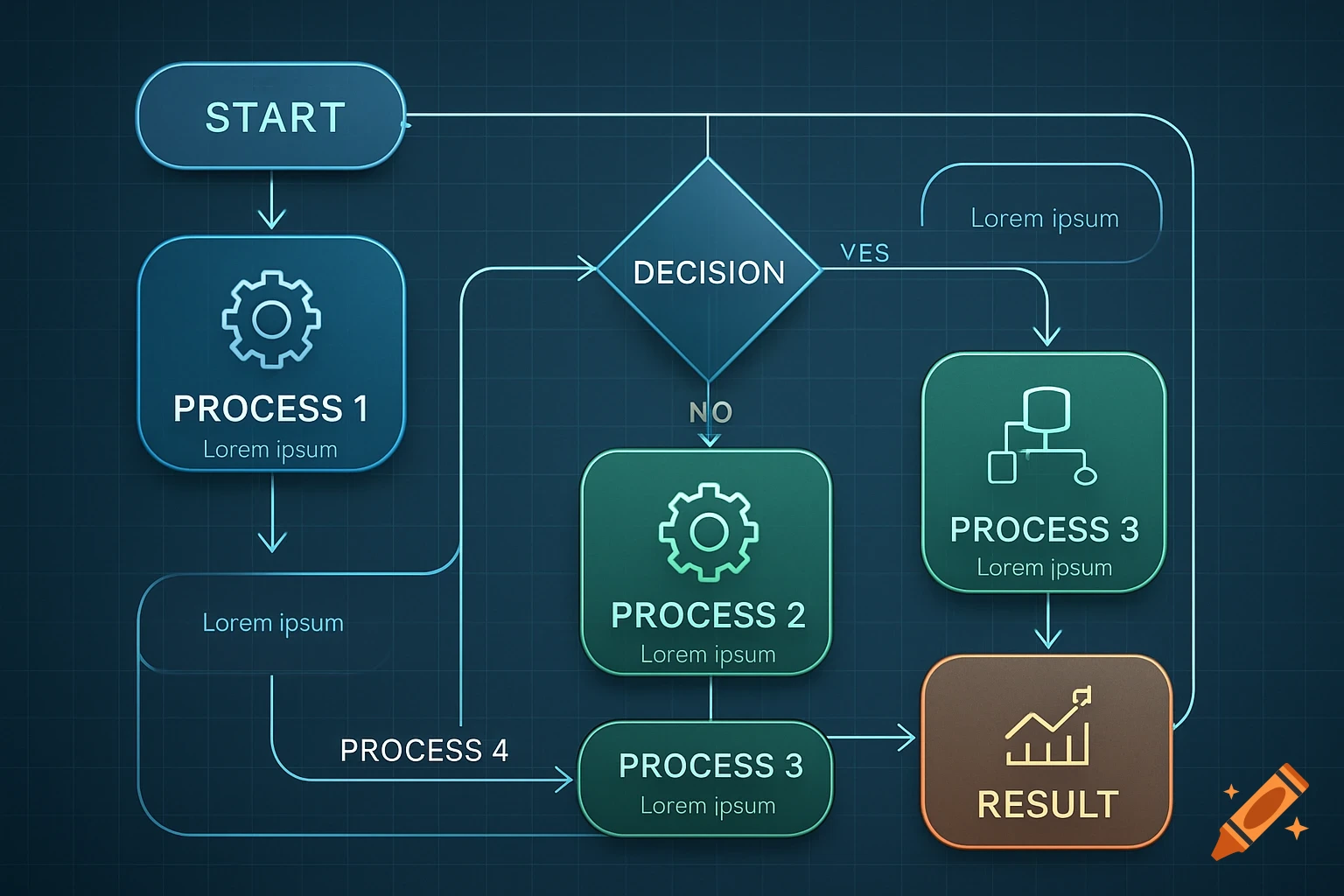
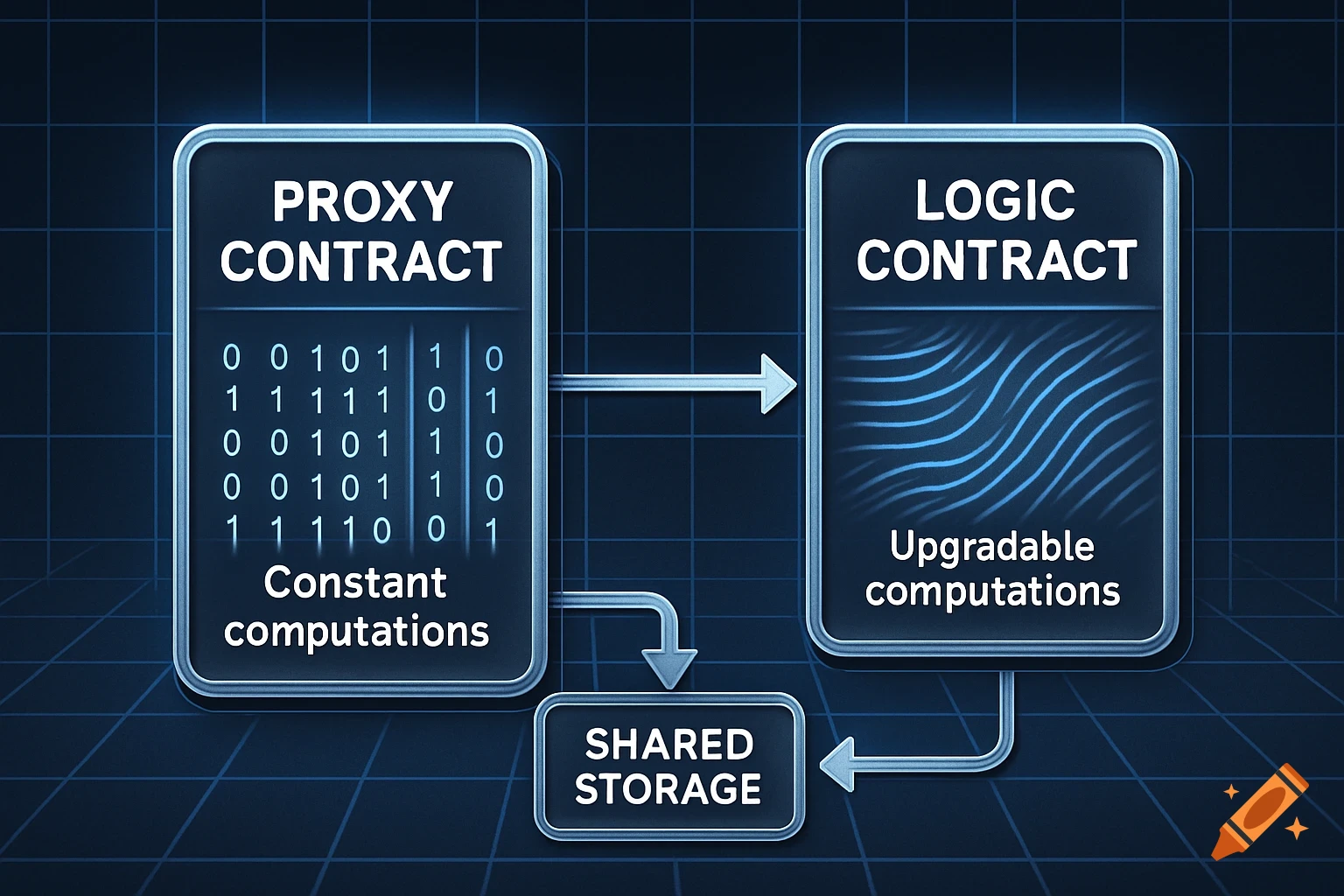
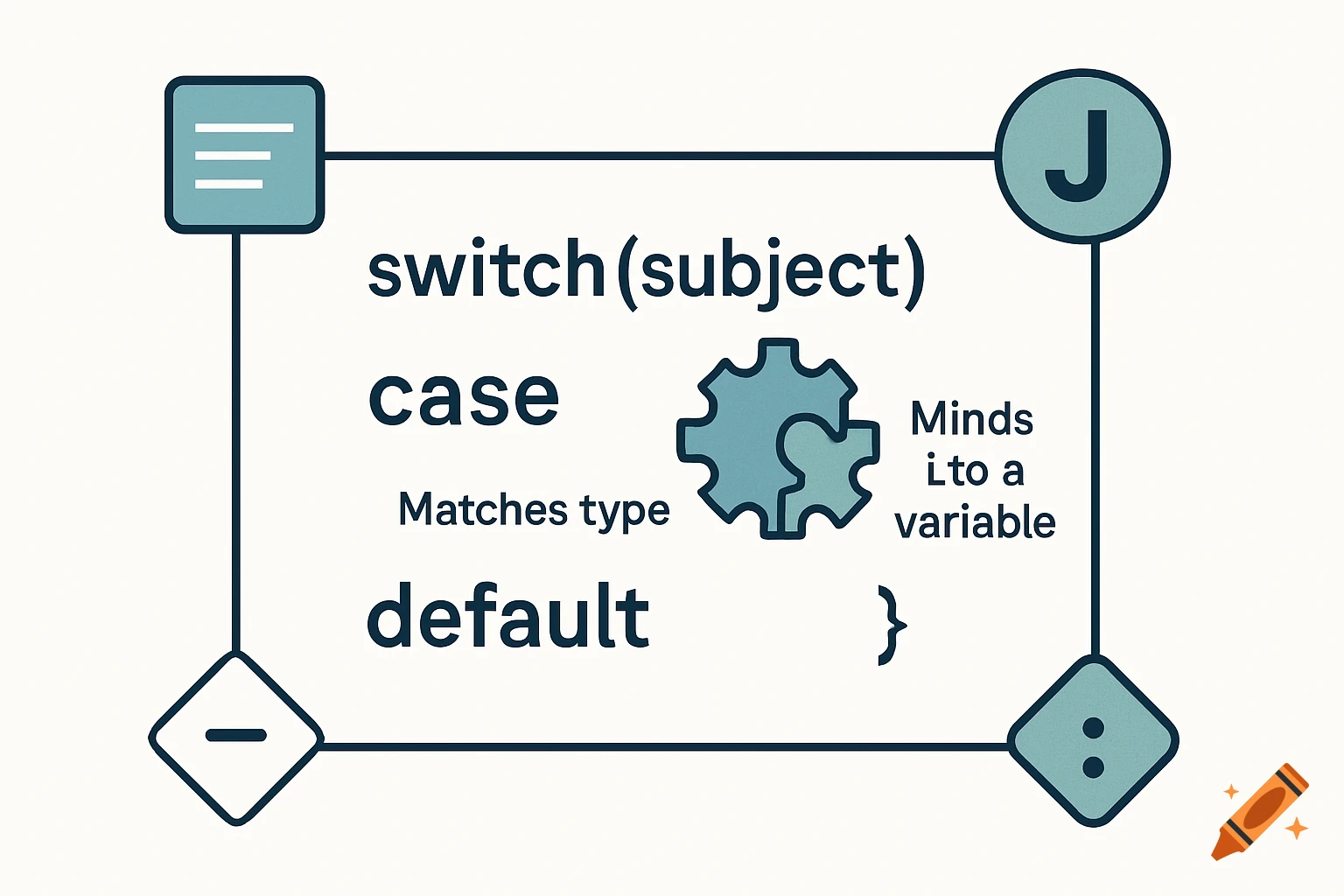
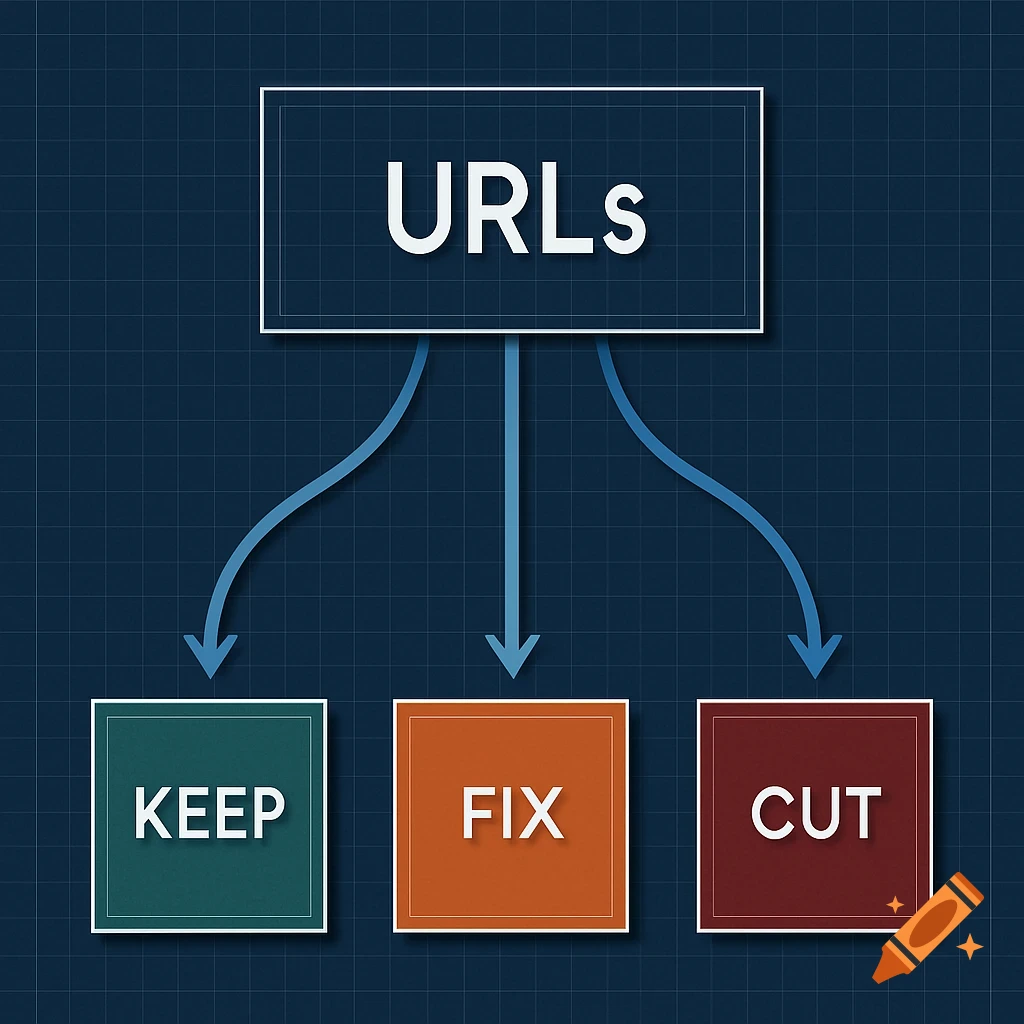
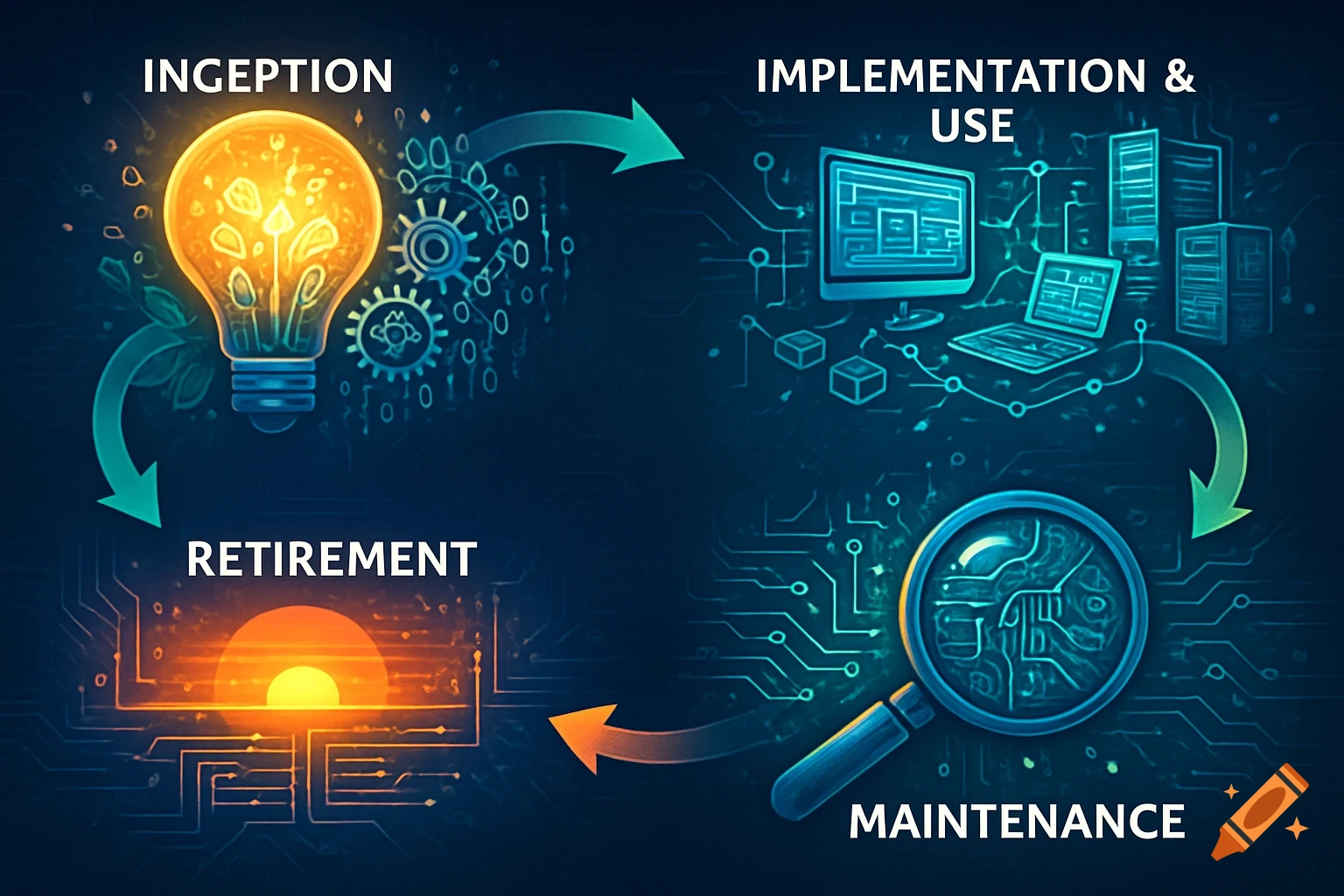
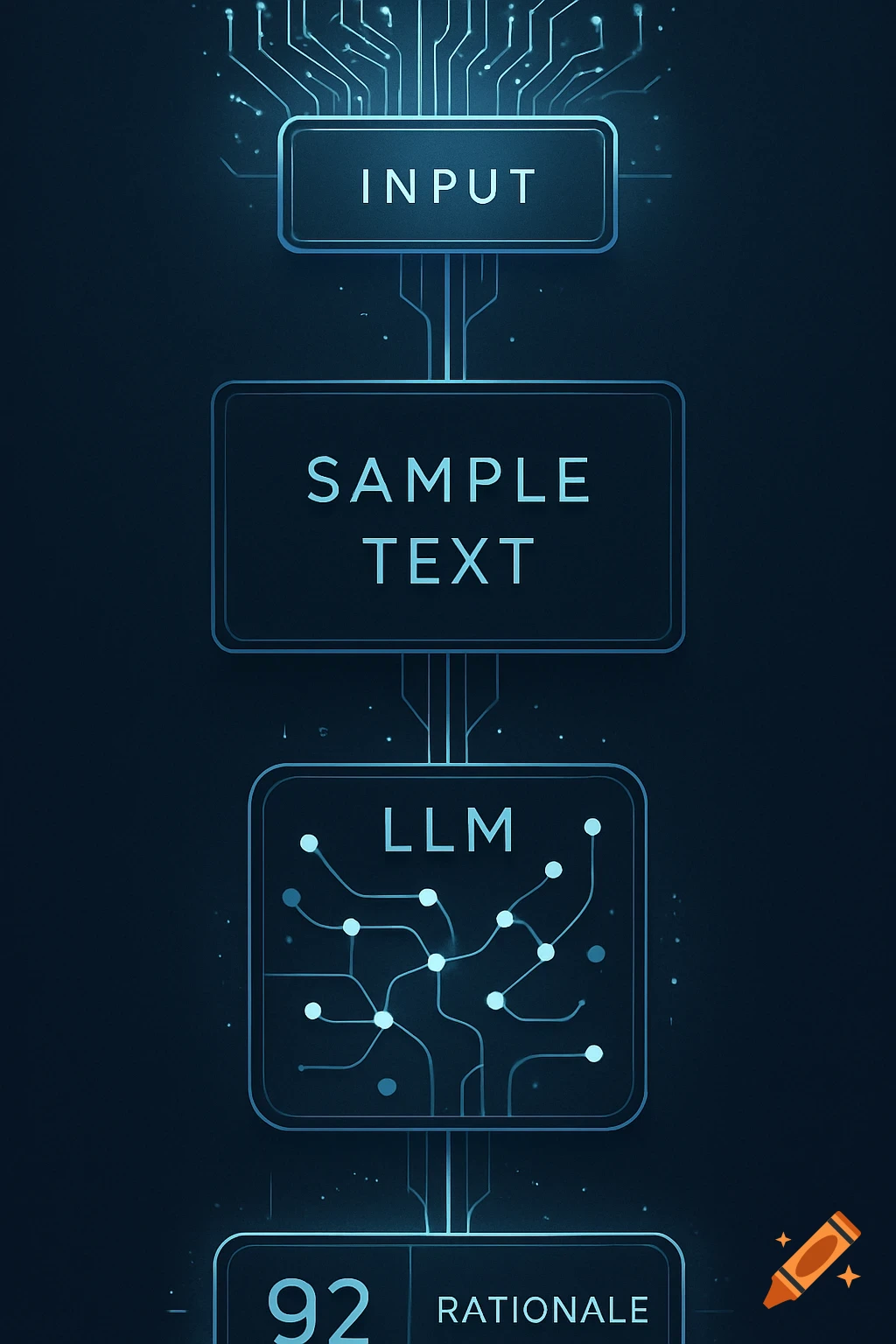
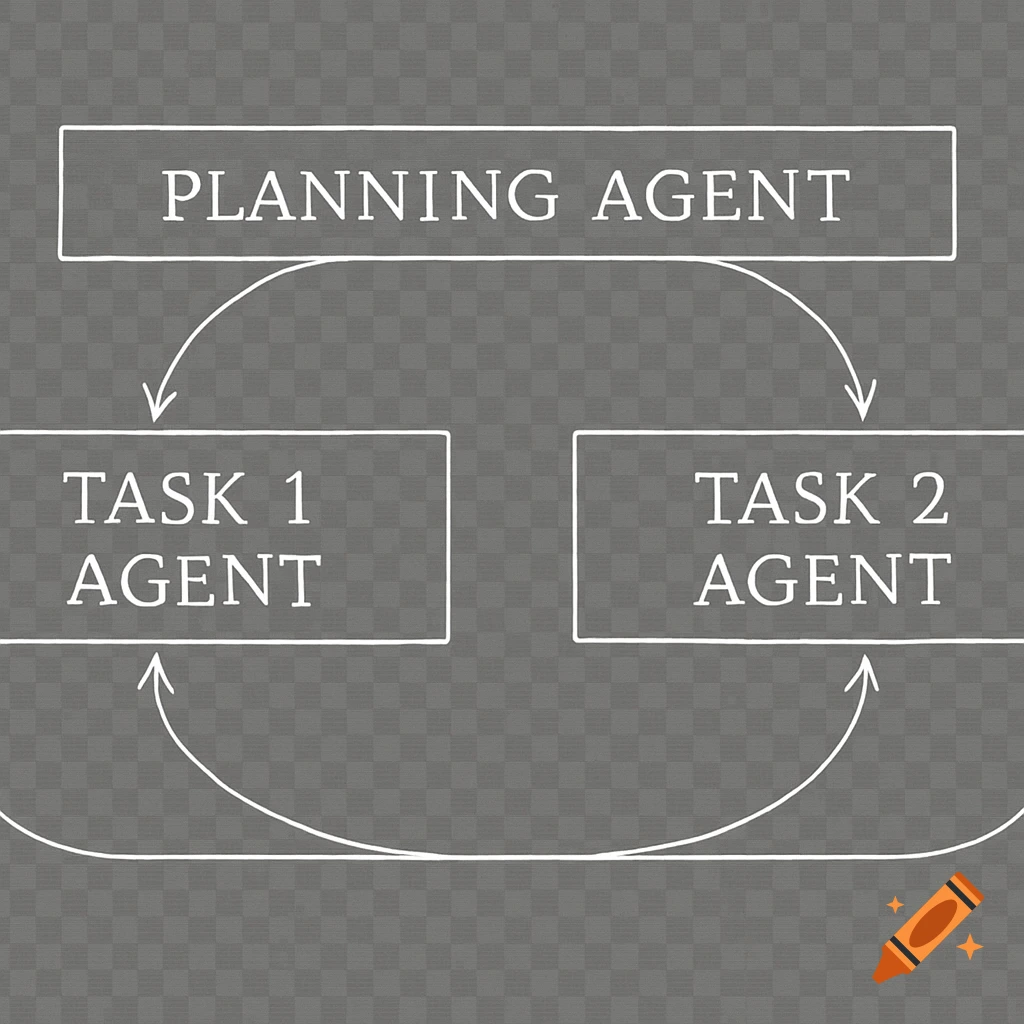
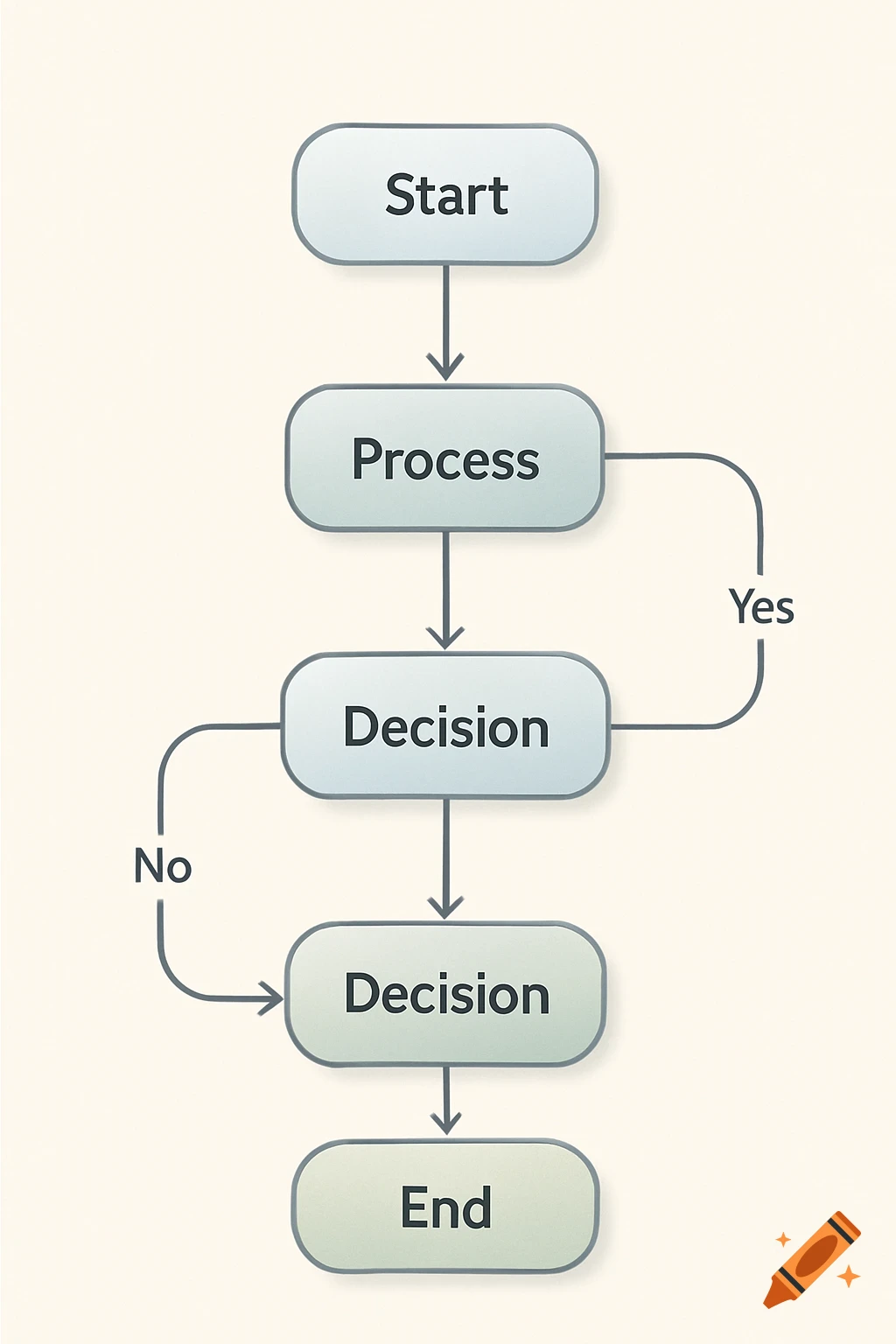
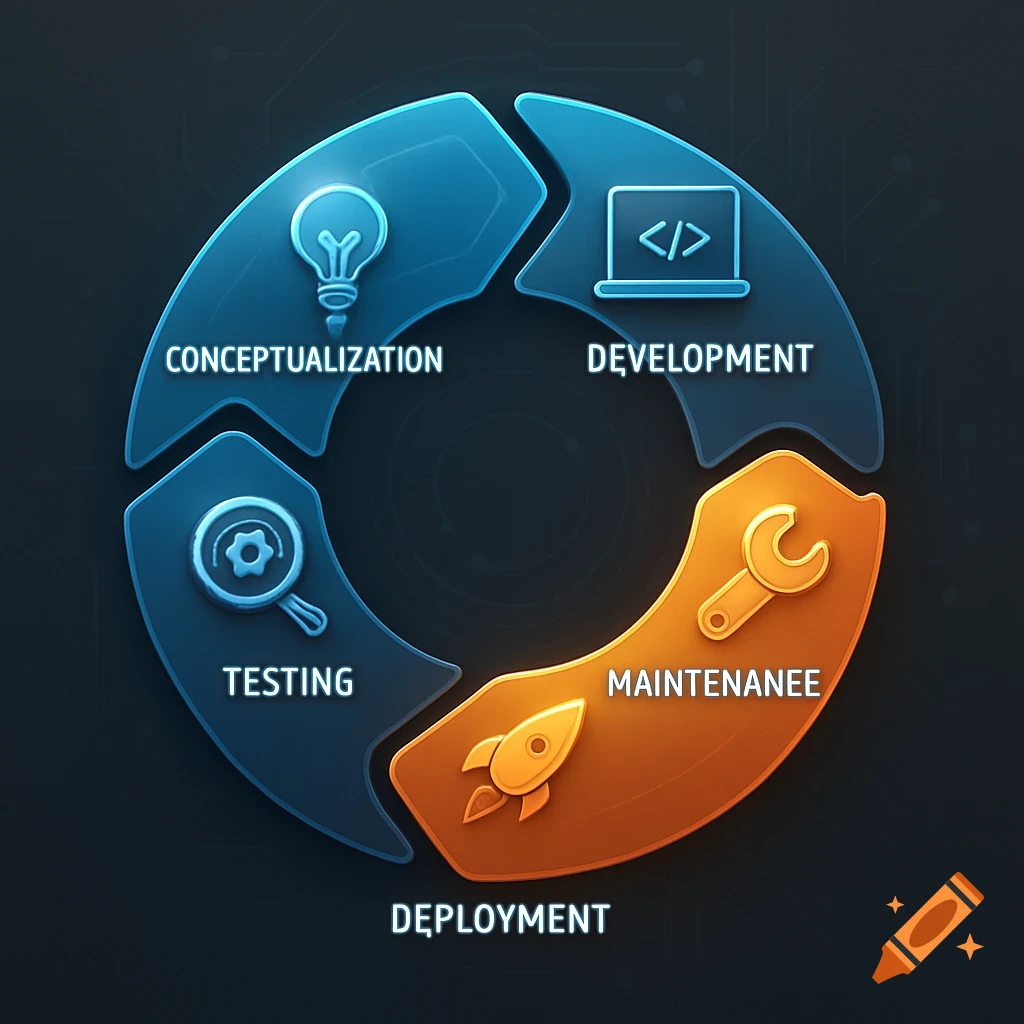
Diagram comparing standard LLMs and LLM 2.0 concepts with lists of features and practices.
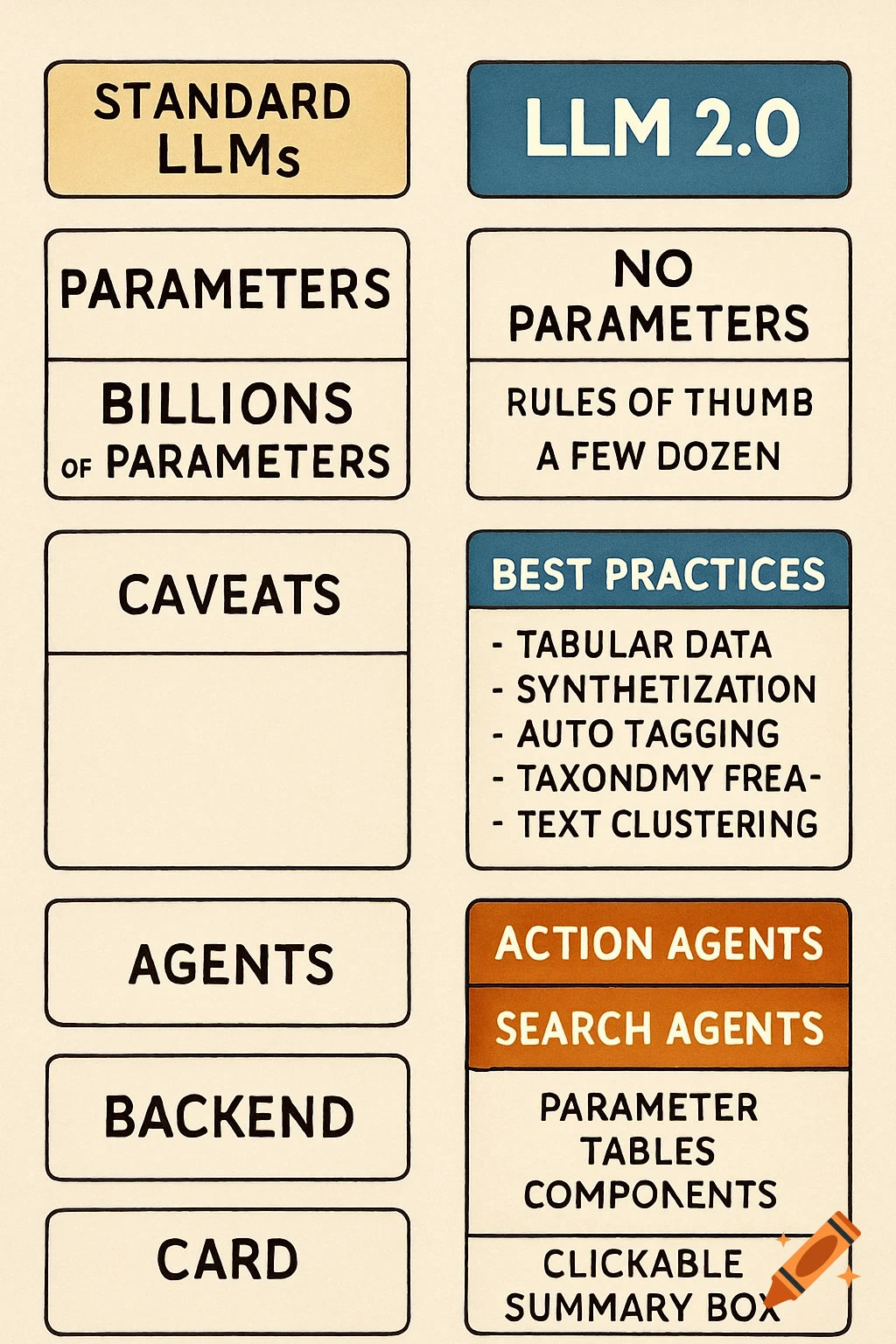
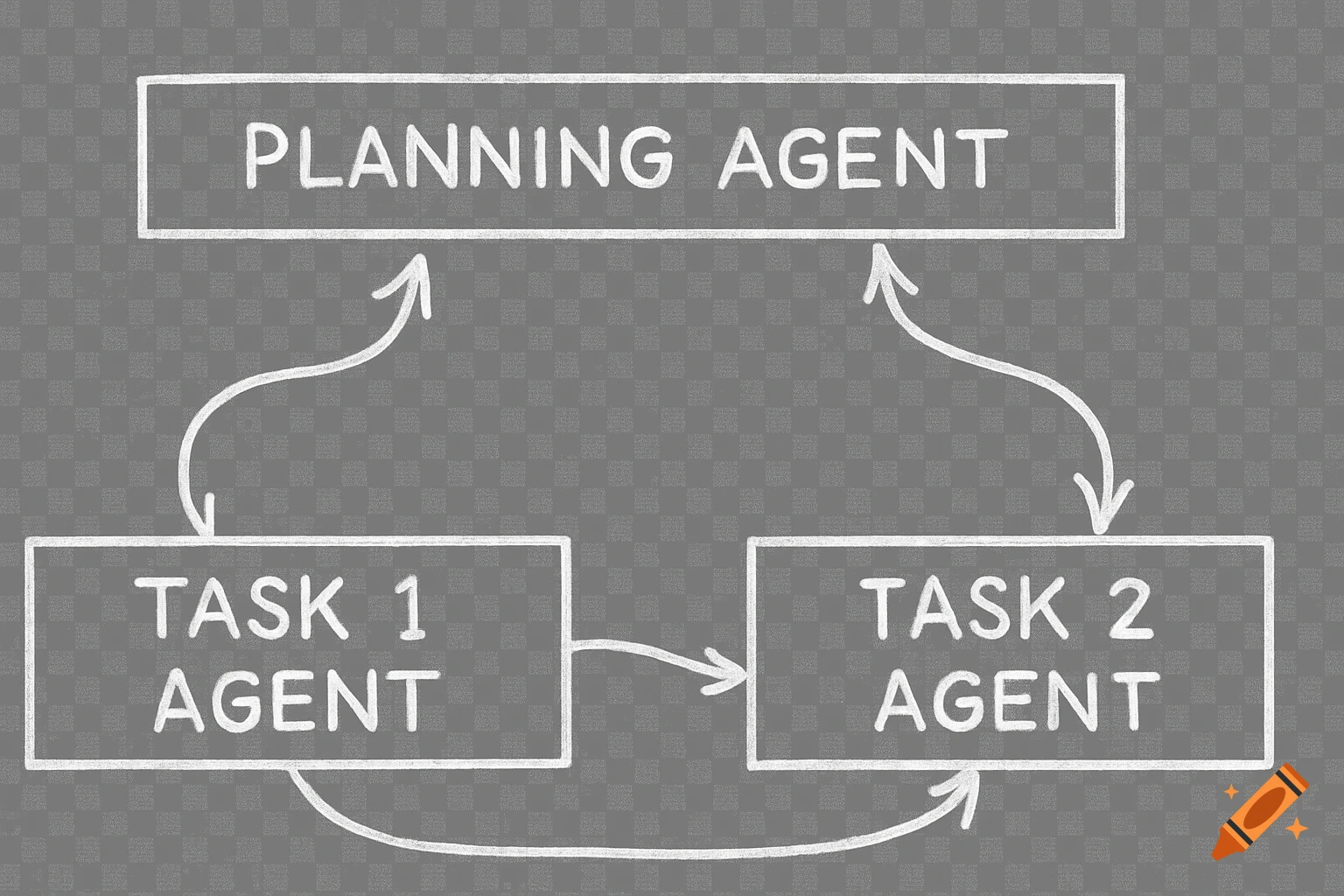
It features the main concepts attached to LLM 2.0, with examples, rules of thumb, caveats, best practices, contrasted against standard LLMs. For instance, OpenAI has billions of parameters while xLLM, our proprietary LLM 2.0 system has none. This is true if we consider a parameter as a weight connecting neurons in a deep neural network: after all, the xLLM architecture does not rely on neural networks for the most part. Yet, xLLMs has a few dozen intuitive parameters easy to fine-tune, if the word “parameter” is to be interpreted in its native form. The picture below is an extract from the Python code. Agents — Action agents are home-made apps to perform tasks on retrieved data: tabular data synthetization, auto-tagging, auto-indexing, taxonomy creation or augmentation, text clustering for instance for fraud detection, enhanced visualization including data videos, or cloud regression for predictive analytics (whether the data comes from PDFs, Web, databases or data lakes). Tasks not included in this list (code generation, solving math problems) are performed using external agents. Agents — Search agents detect user intent in the prompt (“how to”, “what is”, “show examples” and so on) to retrieve chunks pre-tagged accordingly. Alternatively, they can be made available from the UI, via an agent selection box. Backend — Parameter, tables, and components linked to corpus processing. See also frontend. Card — A clickable summary box in the response featuring one element of the See more
More images like this