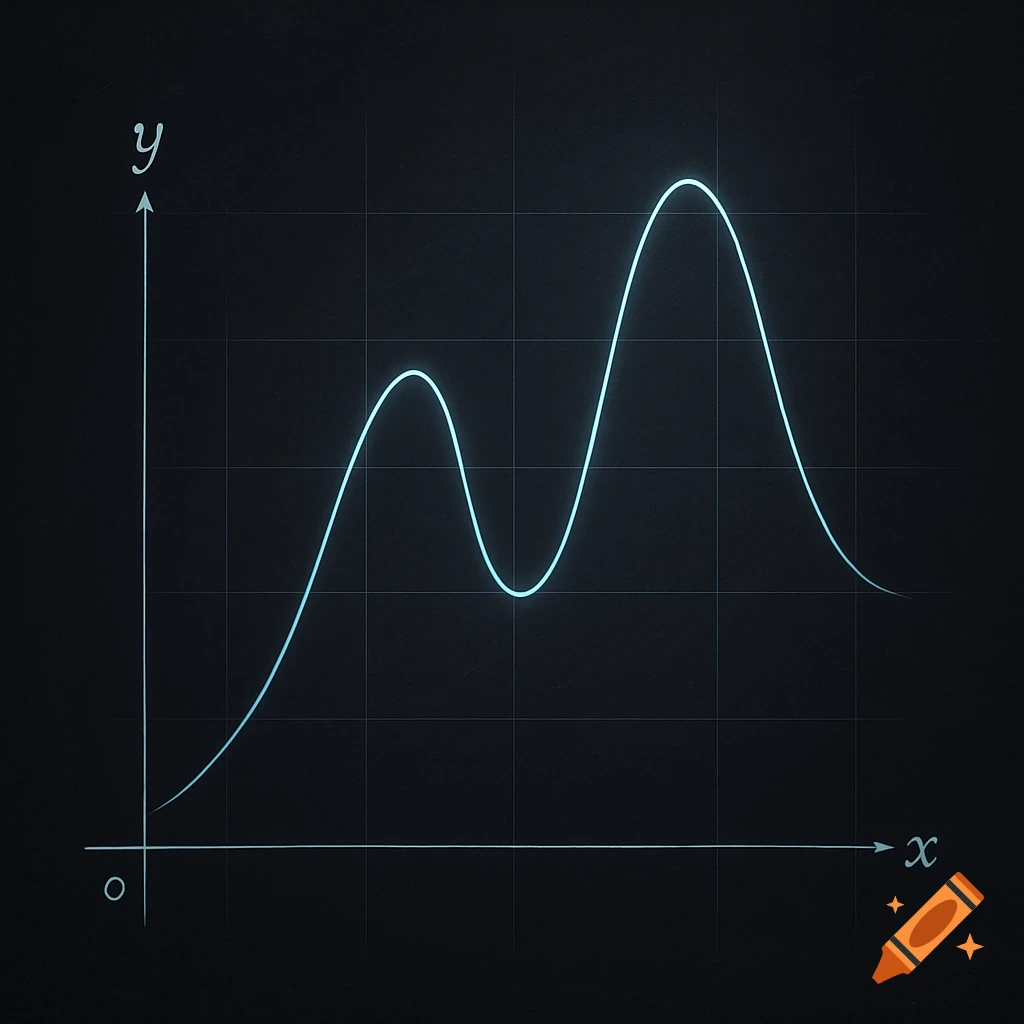
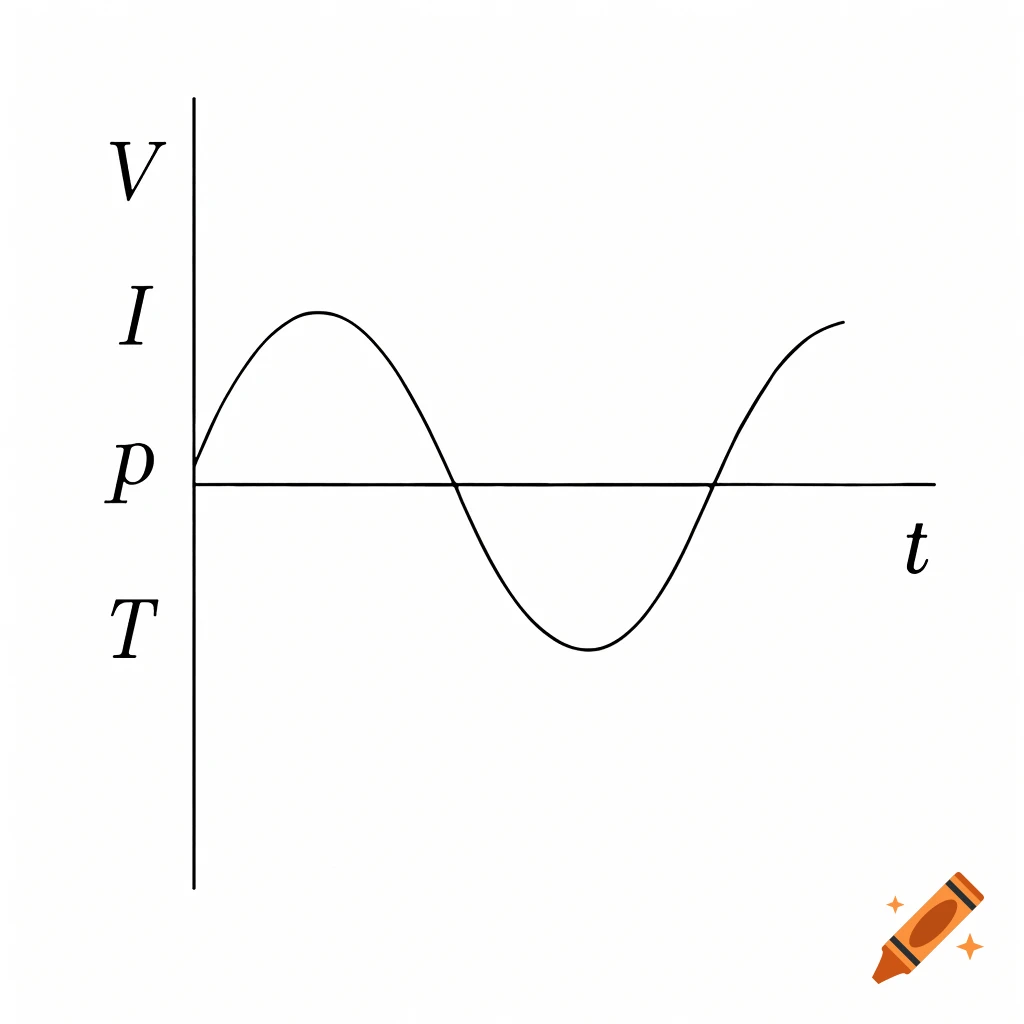
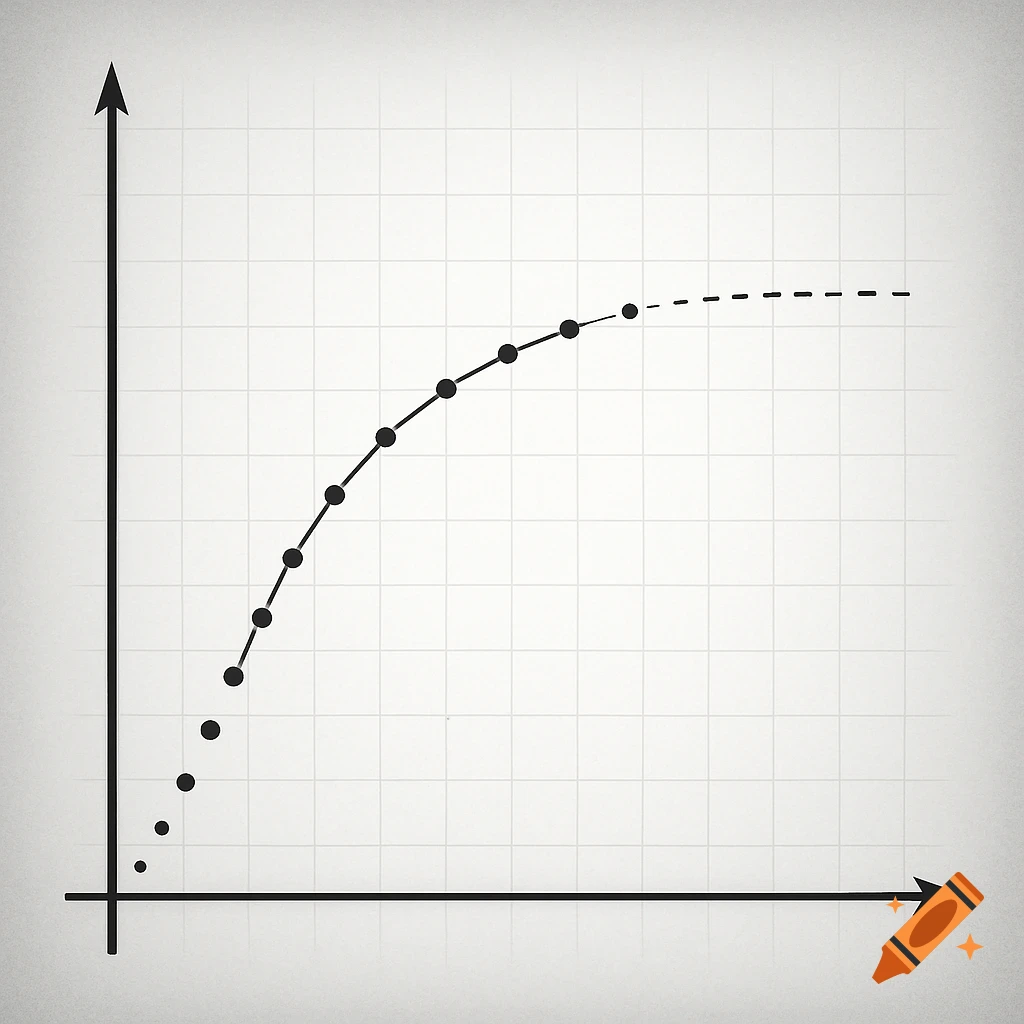
A black and white line graph showing the oscillating population sizes of snowshoe hares (prey) and Canada lynx (predator) over 10 years.
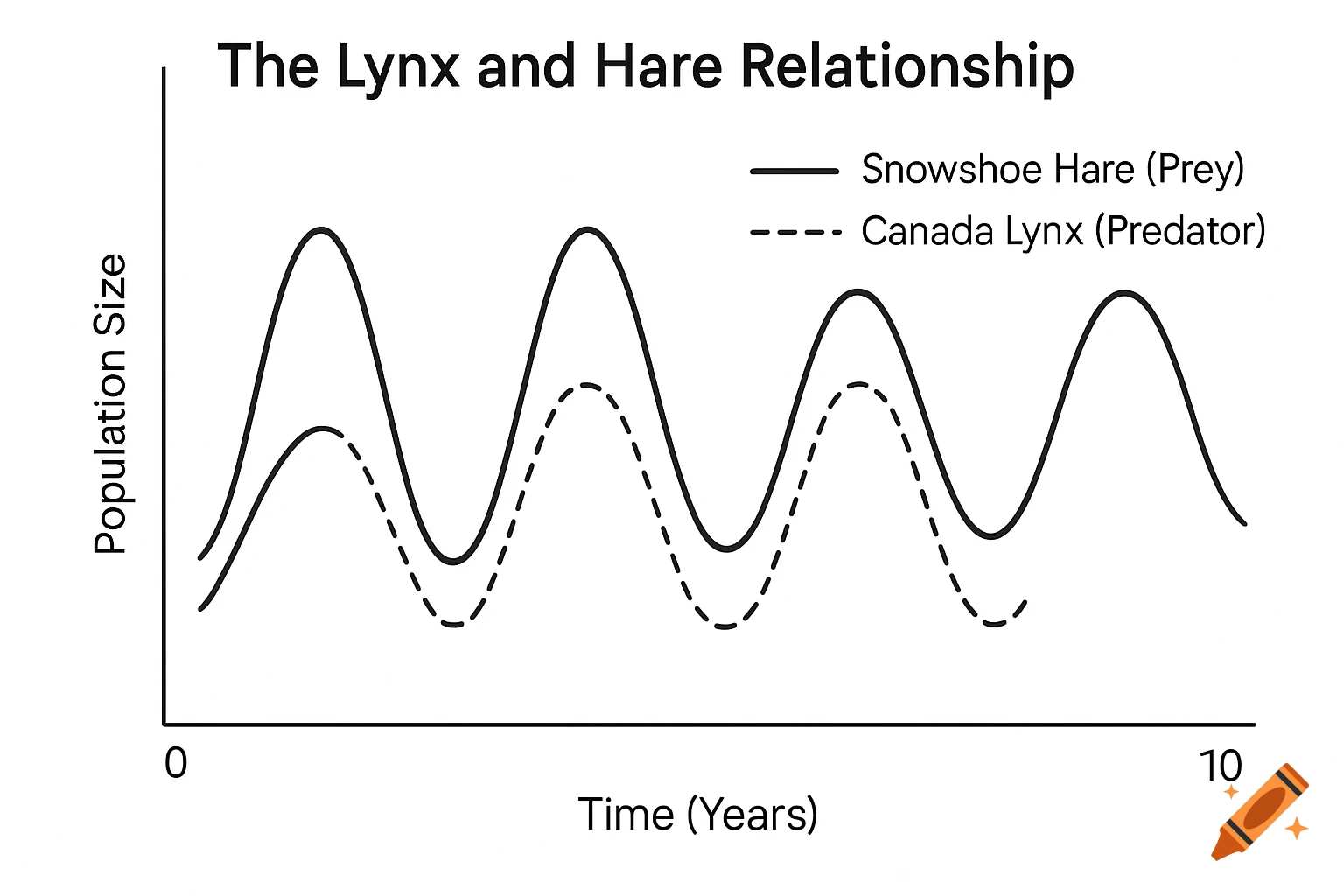
### **Biology 20 Module 3 Assignment Answers** #### **Question 3: The Lynx and Hare Relationship** **Answer:** The Canada lynx and snowshoe hare share a classic **predator-prey relationship**, where the lynx relies heavily on hares for food. This dynamic creates the famous 10-year population cycles seen in their numbers. --- #### **Question 4: Sketching the Population Cycle Graph** *(3 marks)* **What to draw:** - **X-axis:** Label as "Time (Years)" showing a 10-year span. - **Y-axis:** Label as "Population Size." - **Two wavy lines:** 1. **Snowshoe Hare (Prey):** - Starts low, rises sharply, peaks early, then crashes suddenly. 2. **Canada Lynx (Predator):** - Follows the hare’s pattern but lags slightly behind (peaks after hares). - **Key detail:** Show the cycles repeating every ~10 years. *Tip:* No exact numbers needed—just focus on the rise-and-fall pattern! --- #### **Question 5: Why Hare Populations Boom and Bust** *(1 mark)* **Answer:** - **Boom:** When plants are plentiful, hares thrive and reproduce quickly. - **Bust:** - Hares overeat, stripping plants bare. - Plants fight back with bitter chemicals (secondary compounds), making food scarce. - Starvation and predators (like lynx) then crash the hare population. --- #### **Question 6: Why Lynx Populations Follow the Same Cycle** *(1 mark)* **Answer:** - **Boom:** When hares are abundant, lynx feast, breed more, and their numbers soar. - **Bust:** - As hares disappear, lynx starve or fail to raise kittens. - Only the Mehr sehen
More images like this