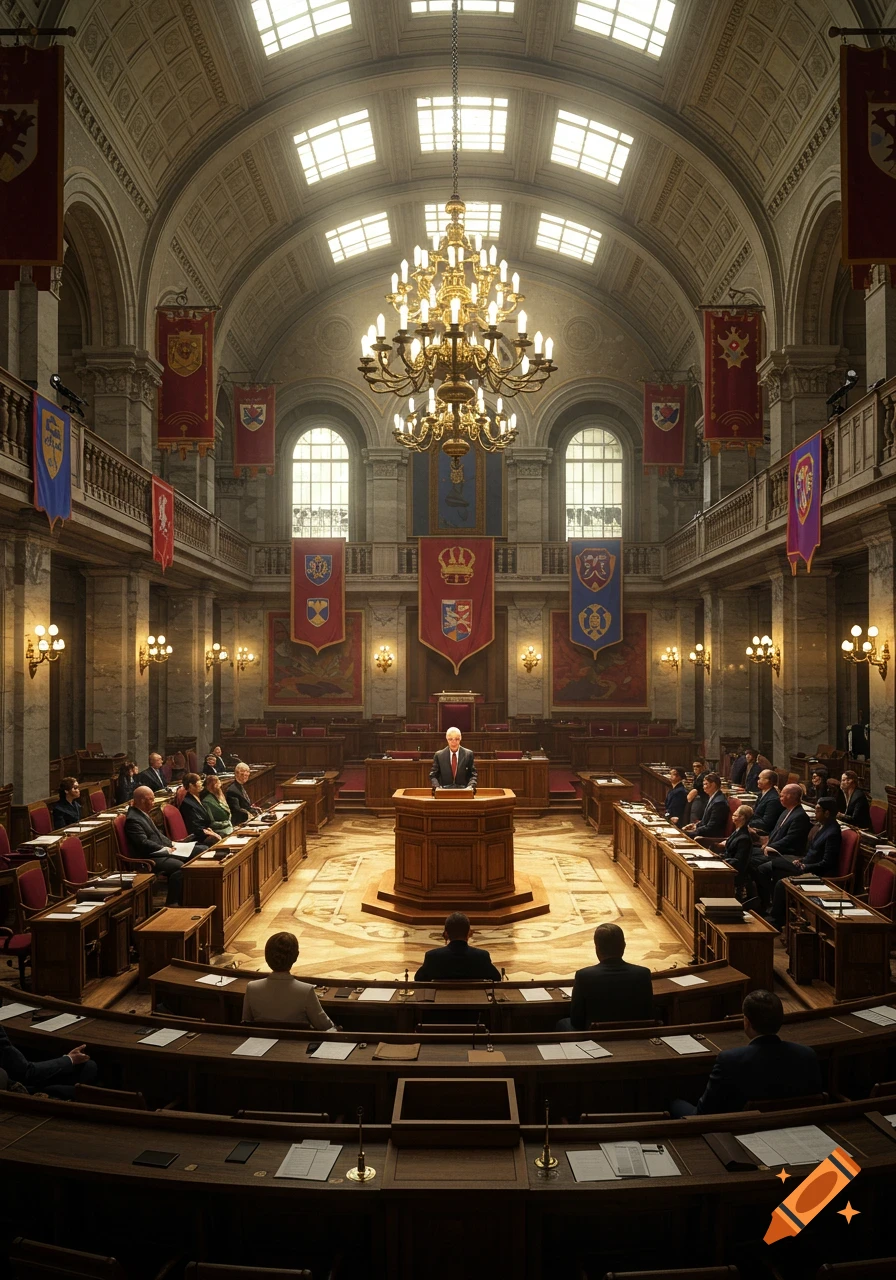
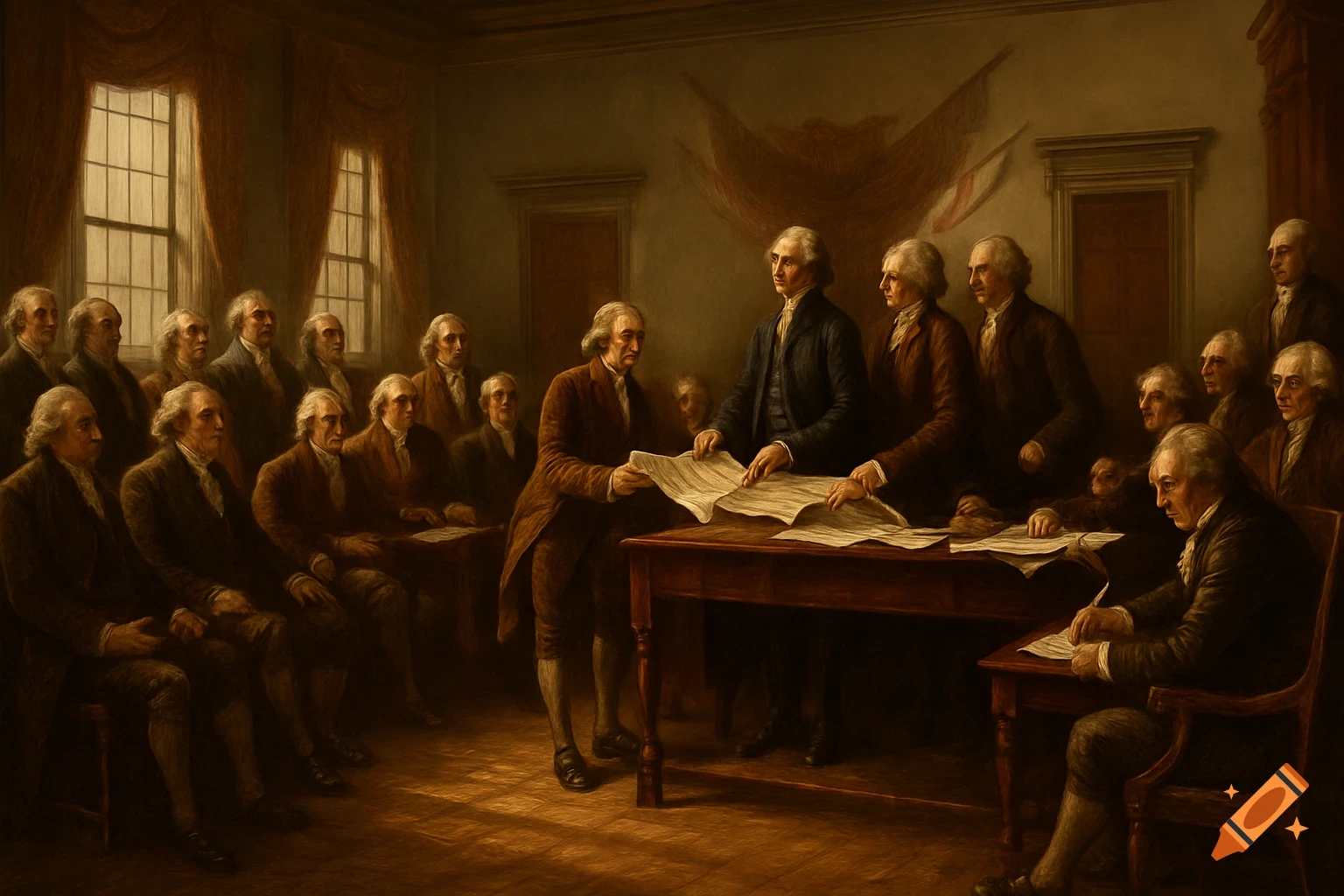
A vintage-style photograph of a formal legislative meeting in a grand hall, with men in suits seated at desks, a banner reading "ENHANCEMENT OF EDUCATIONAL TELEVISION" above, and a blackboard with garbled text.

A need of improvement to educational television -- as radio was not initially considered in further improvement of noncommercial broadcasting -- began in 1964 in the Democratic Party Platform with calls for a bolstering of education in general and a line dedicated to the enhancement of educational television throughout the U.S.[4] Public interest in educational television was brought about by the proposals by the Carnegie Commission on Educational Television and the Ford Foundation.[5] Provisions edit Title I edit Title I of the Public Broadcasting Act details the costs of upgrading educational broadcasting, both for radio and television, as well as establishes how much of the money budgeted to educational broadcasting can be granted to broadcasters in each state and how that granted money is used.[6] Title II edit Title II establishes the Corporation for Public Broadcasting (CPB) as a nonprofit corporation tasked with aiding in the creation, development, and funding of noncommercial educational television and radio networks and programming, as well as creating programming for noncommercial educational networks to use and broadcast to the public. Created programs that are controversial should be objective and present a balance of opinions. Likewise, the corporation cannot support any political candidate nor any political party. The CPB was granted $9 million to use during its first year of operation, no more than $250,000 of which was to be granted by the CPB to Voir plus
More images like this