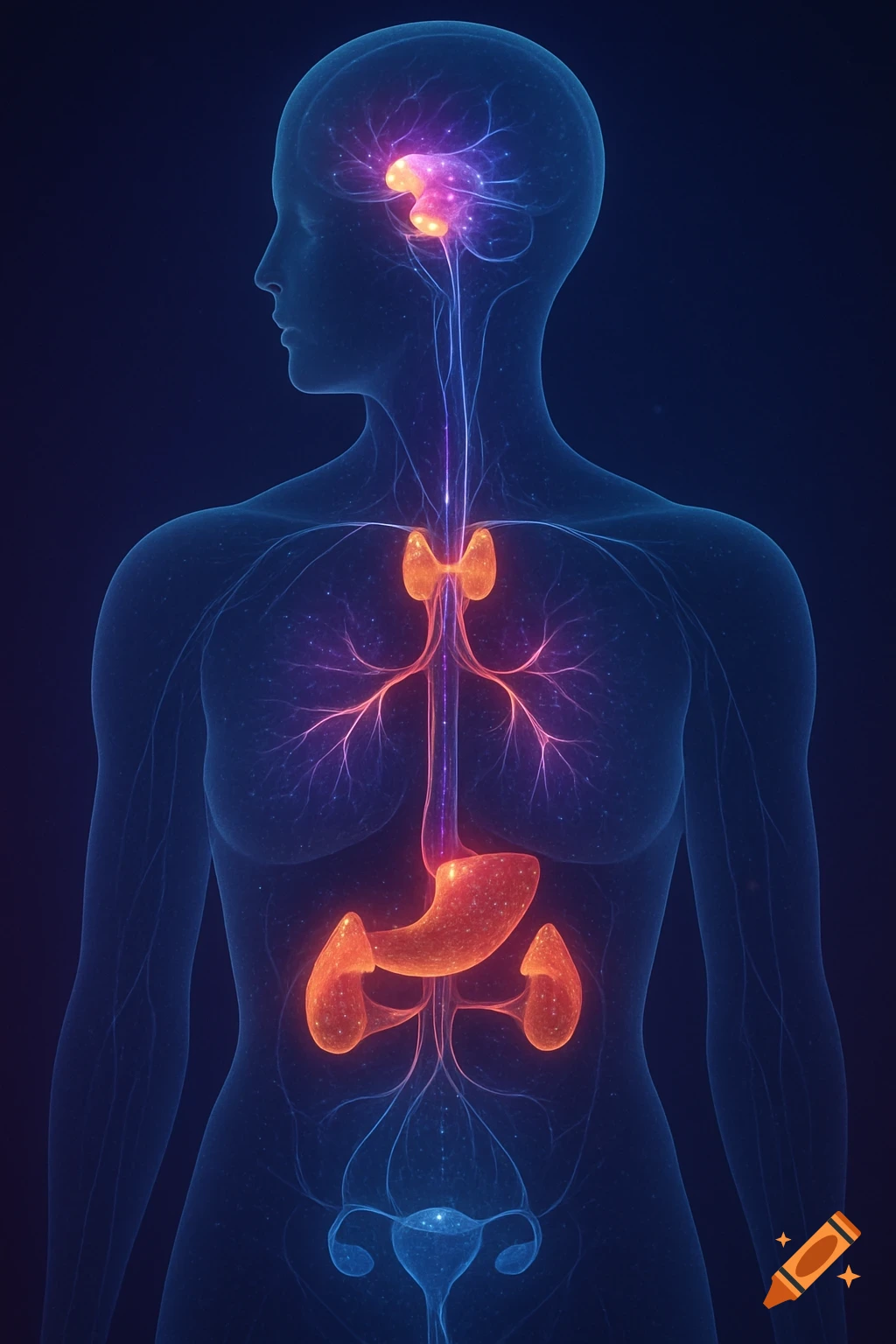
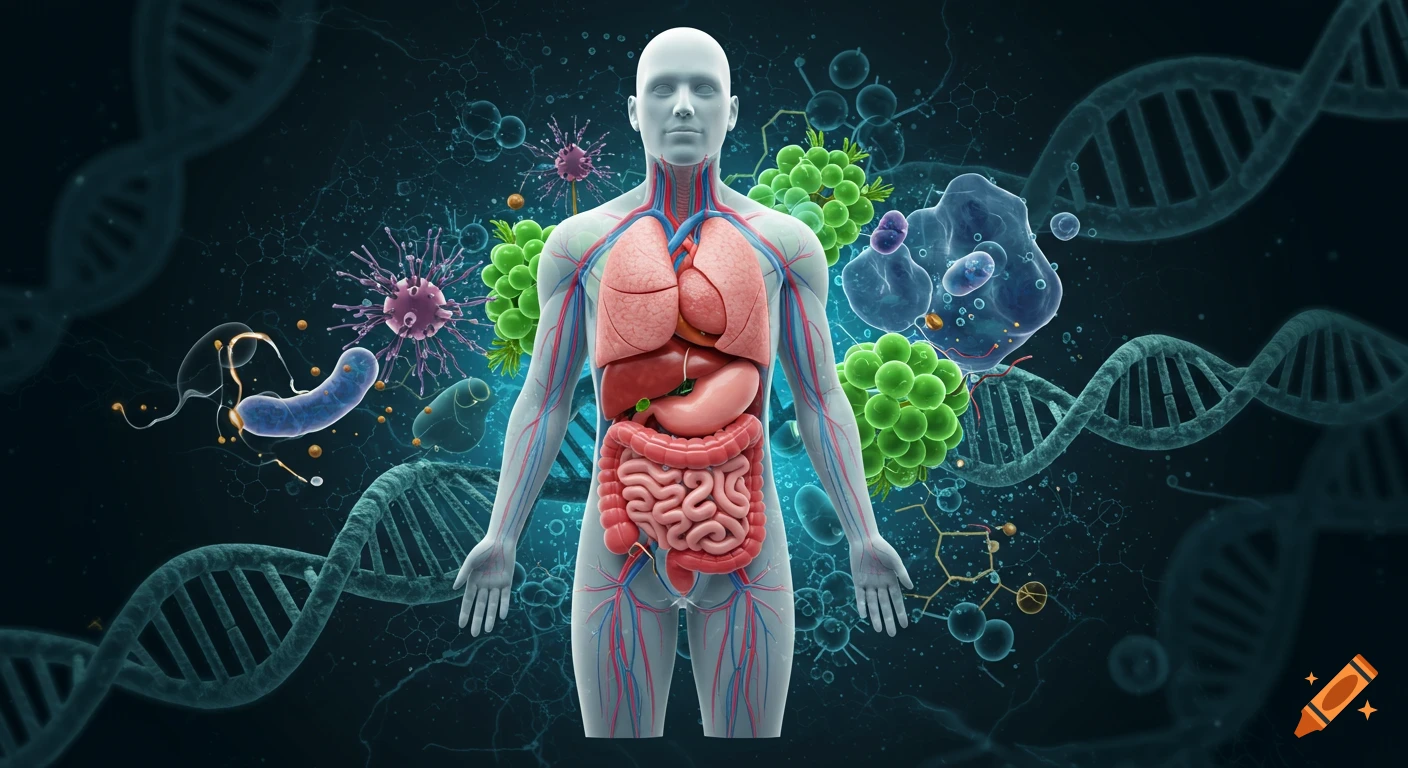
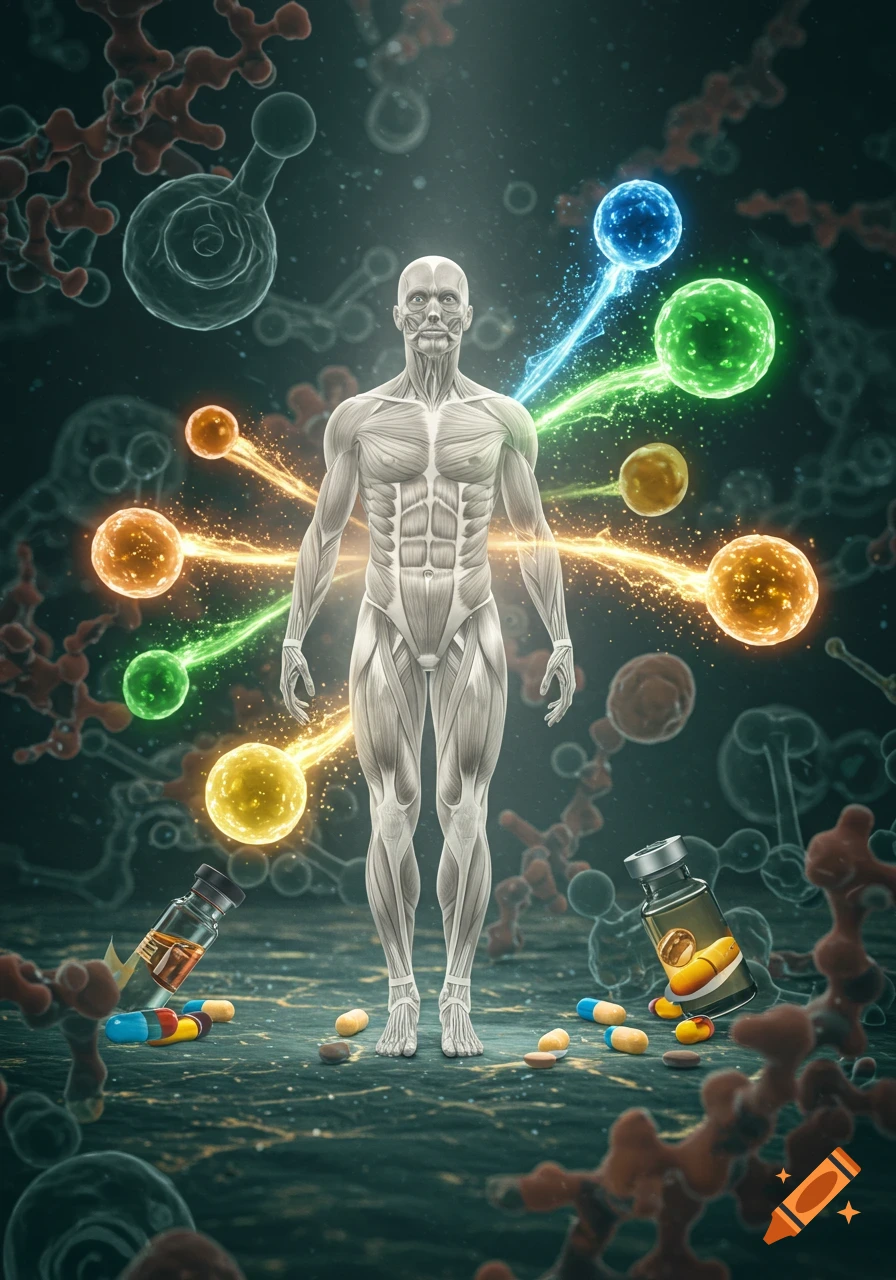
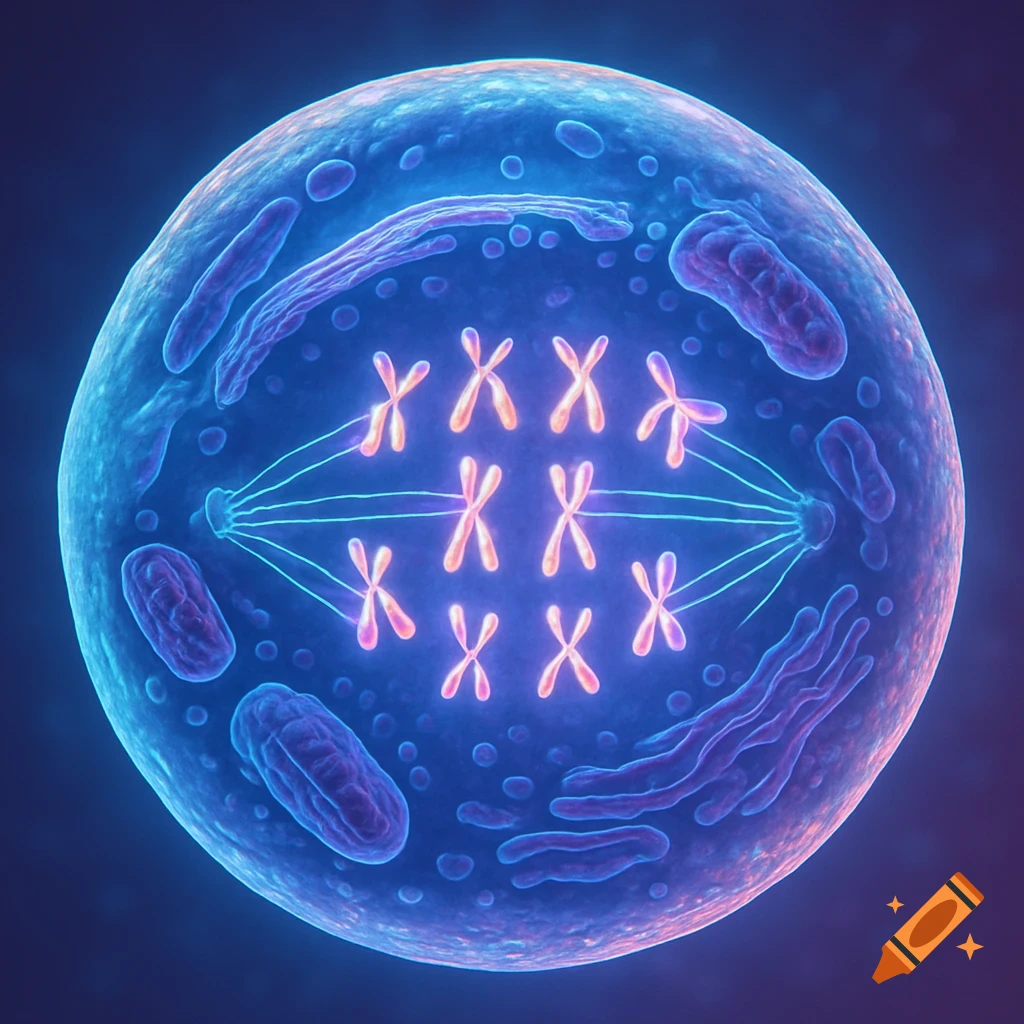
A stylized medical diagram illustrating Complete Androgen Insensitivity Syndrome (CAIS), featuring a female figure surrounded by medical text and chemical structures.

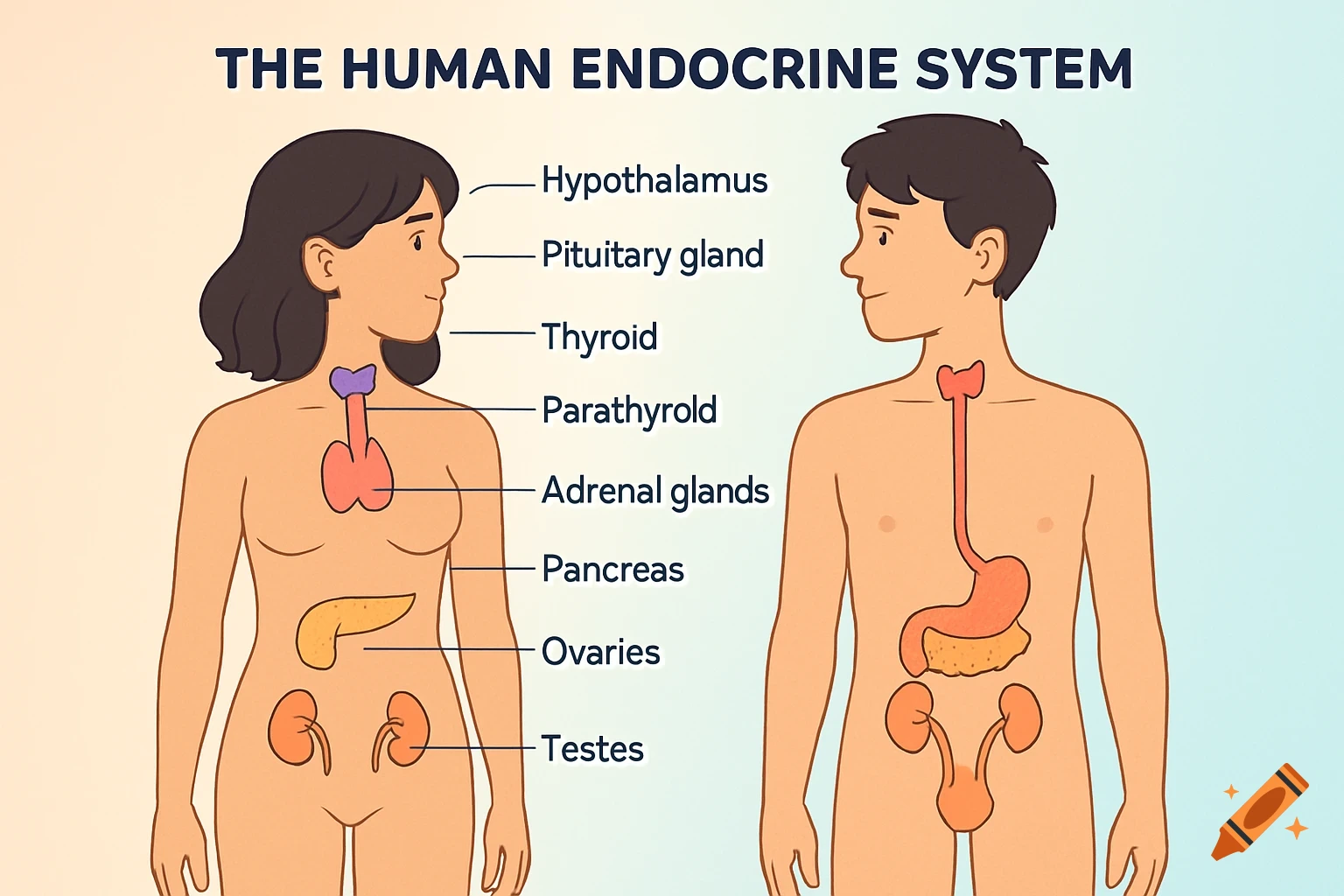
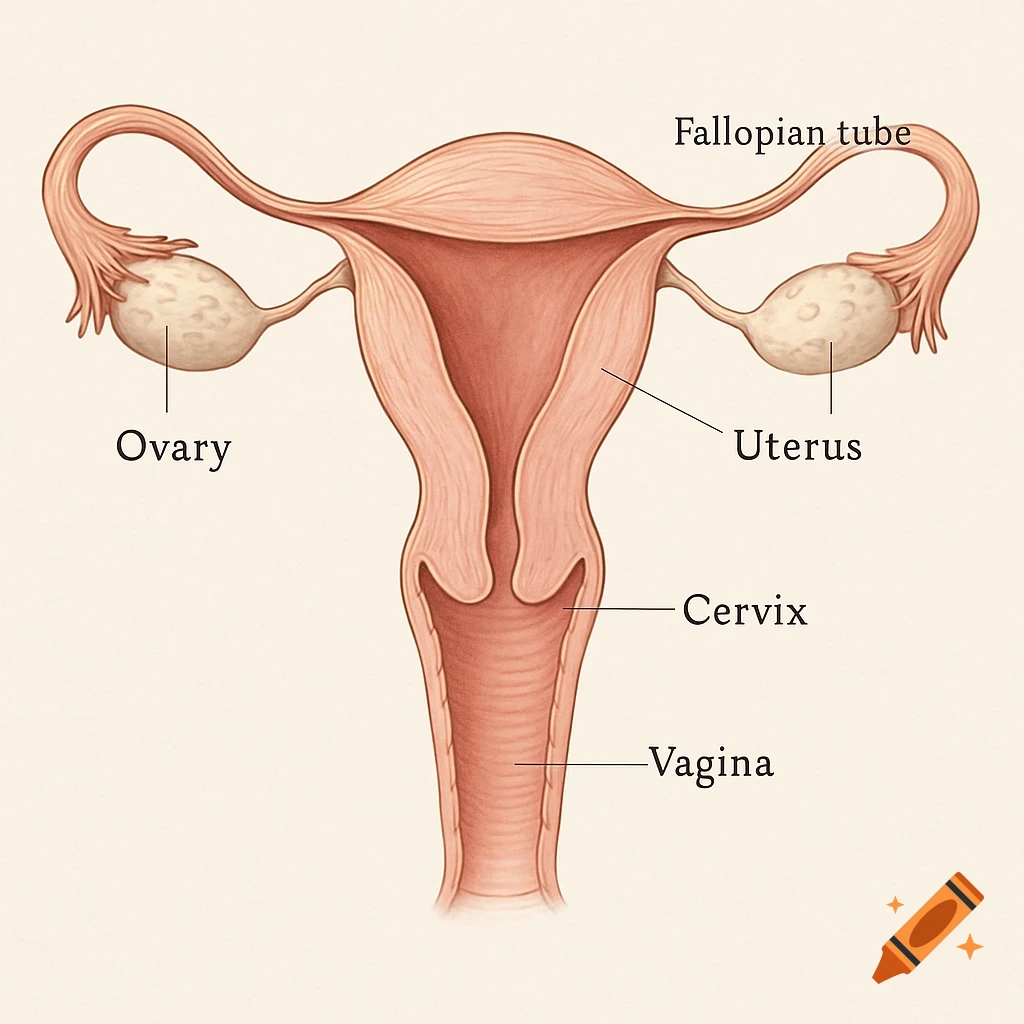
A 19-year-old girl went to the hospital because she had never had a menstrual period. She looked completely female. She had breasts, a normal female body shape, and had been raised as a girl all her life. So, the doctors started asking questions. Then came the surprise. She had no uterus. She had no ovaries. Her chromosomes were 46,XY—the pattern we typically associate with males. How is that possible? The answer is a rare condition called Complete Androgen Insensitivity Syndrome (CAIS). Here's what happened. Before birth, her body developed testes instead of ovaries because of her XY chromosomes. Those testes produced testosterone (a male hormone) and another hormone called Anti-Müllerian Hormone (AMH). AMH prevented a uterus and fallopian tubes from developing. Normally, testosterone would make the baby develop male external genitalia. But in her case, there was one crucial problem: Her body's cells couldn't respond to testosterone. Think of it like trying to unlock a door with the right key, but the lock is broken. The hormone was there, but the body's "locks" (called androgen receptors) couldn't recognize it. Since her body couldn't respond to testosterone, her external body developed along the typical female pathway. At puberty, some of the testosterone was naturally converted into estrogen, allowing her breasts to develop. So she grew up looking like any other young woman, but because she had no uterus, she never had periods. This is why biology is far more fascinating Voir plus
More images like this