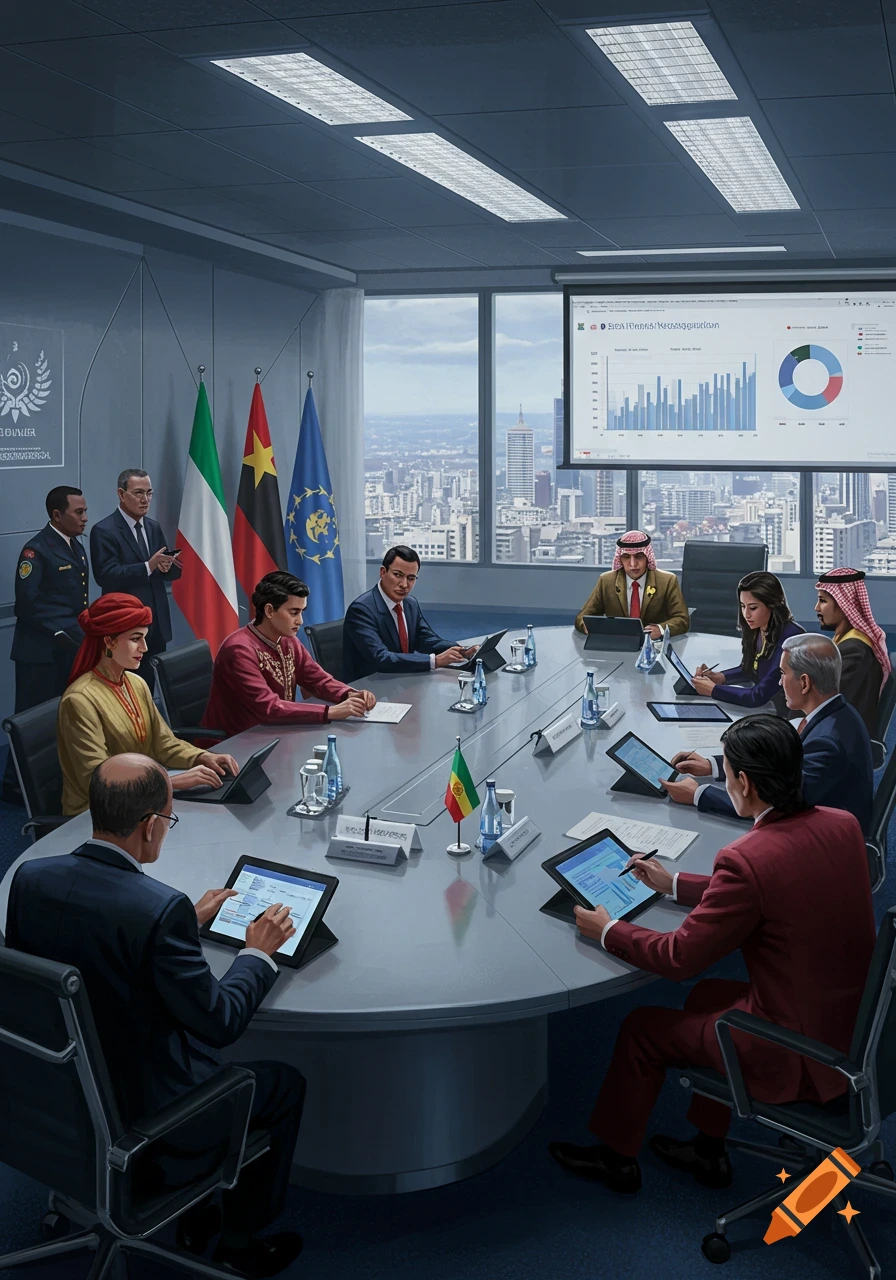
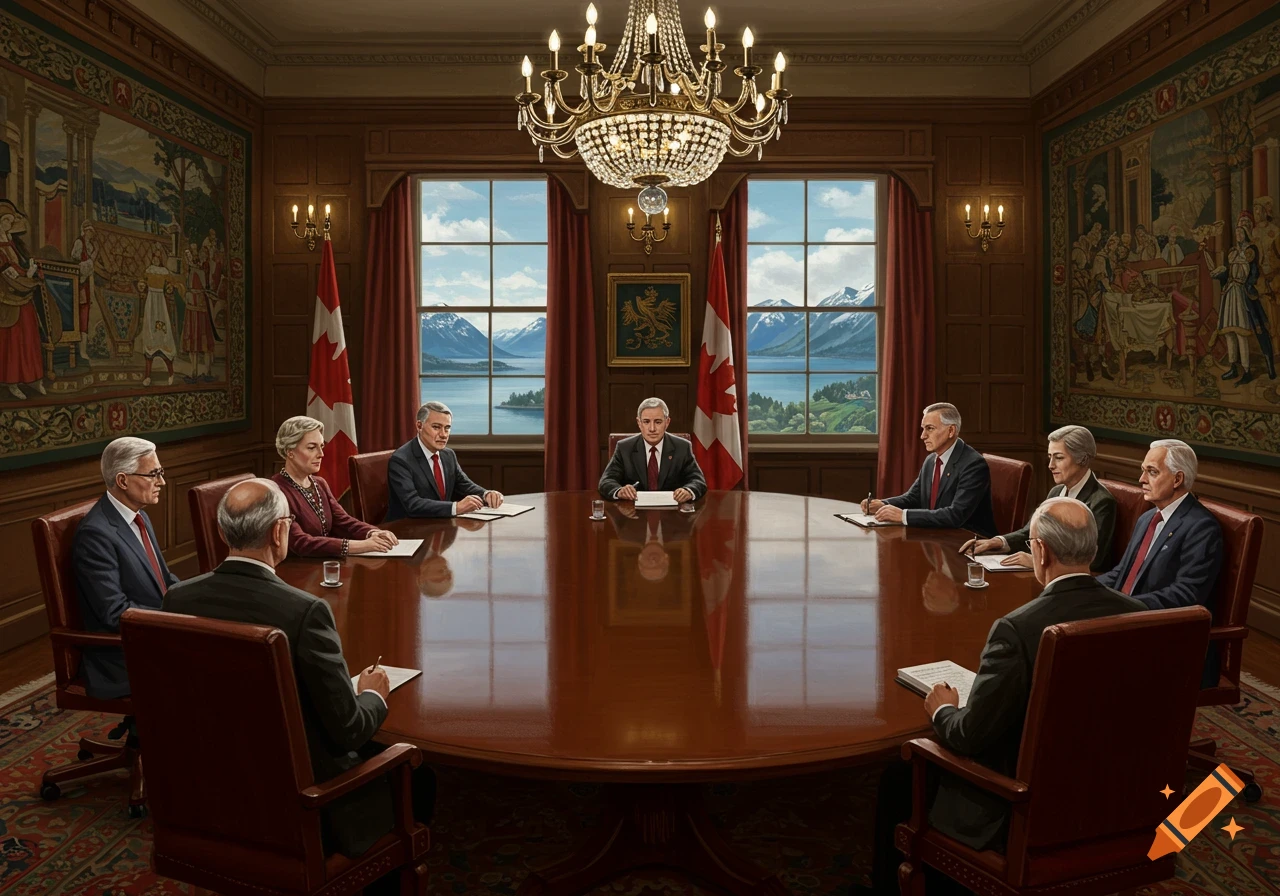
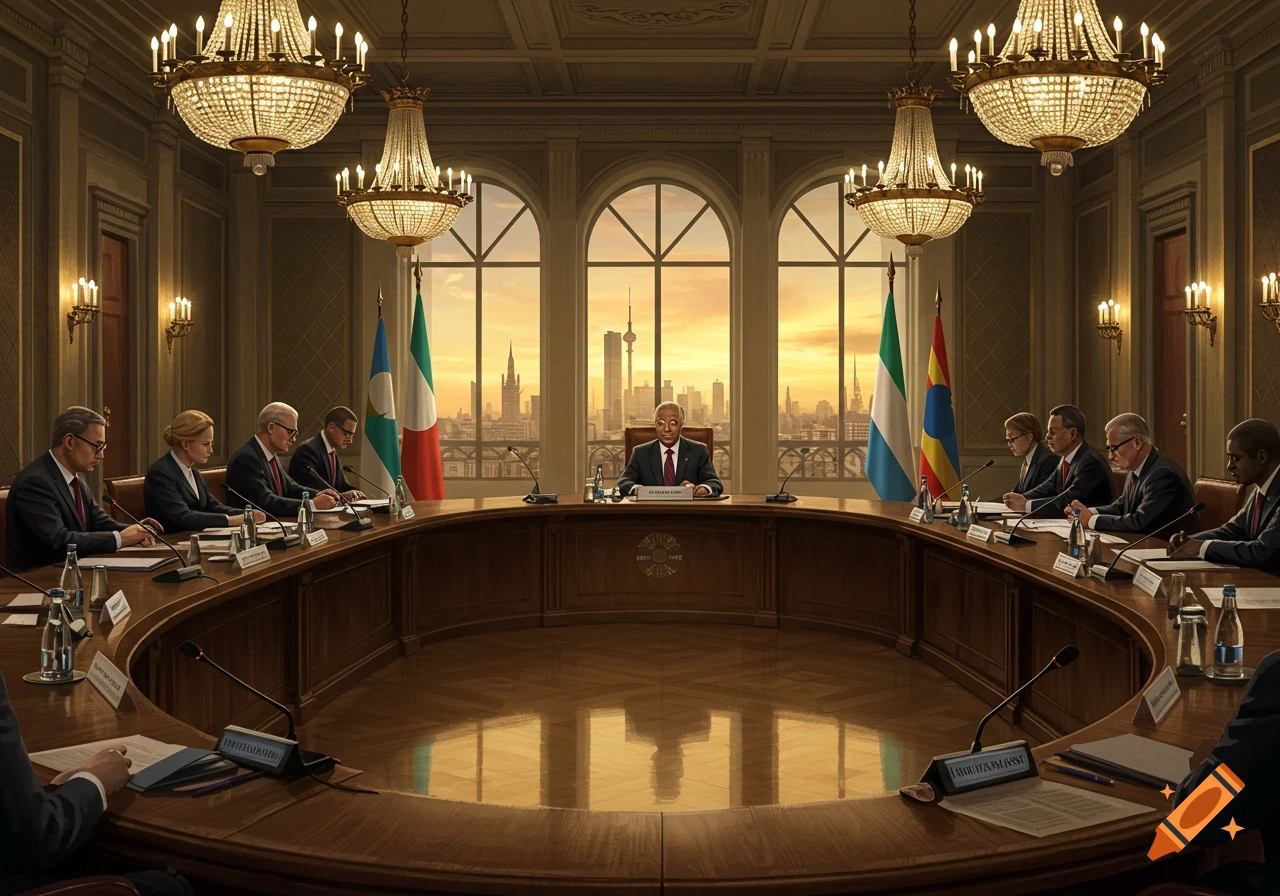
European leaders including Macron and von der Leyen at a conference table with a screen showing 'European Strategic Autonomy' and a Paris cityscape view.

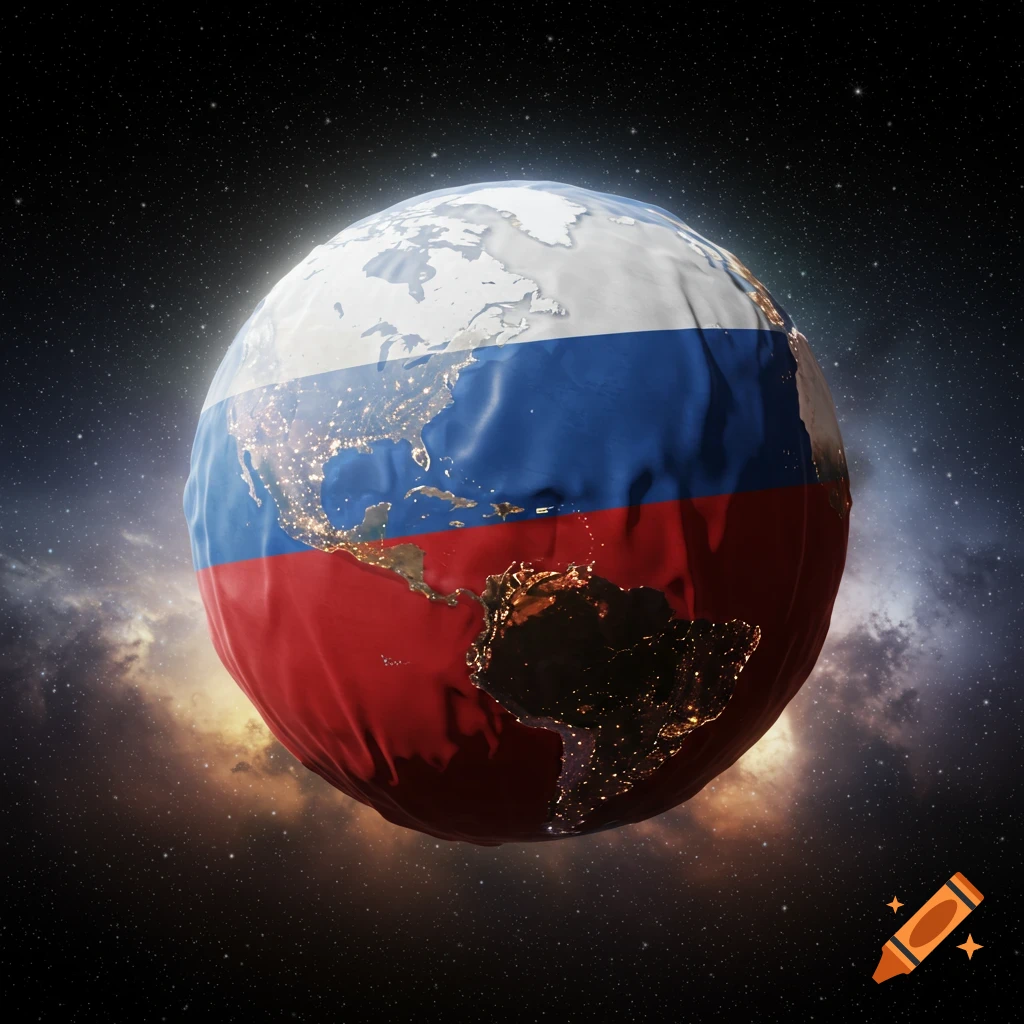
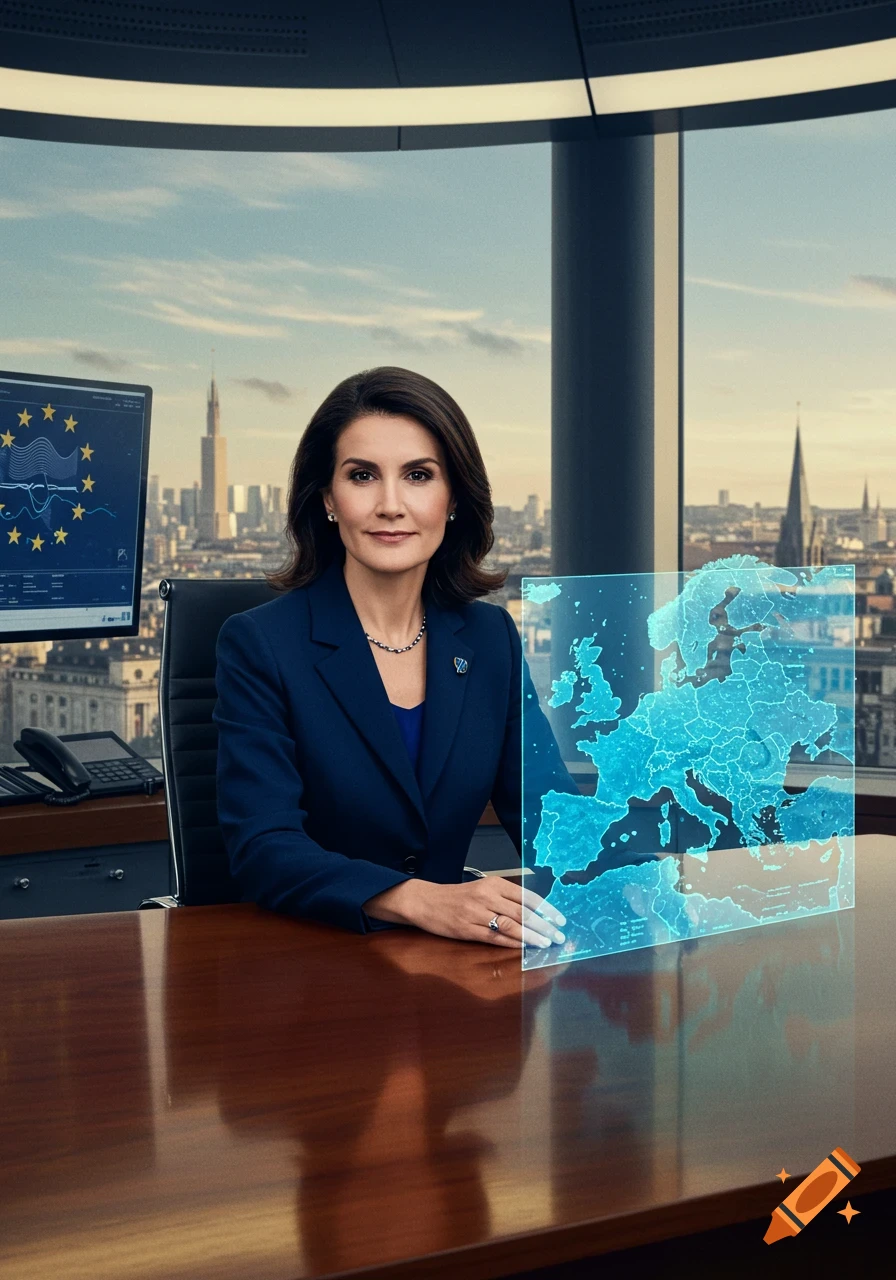
Europe wanted strategic autonomy. Now it's being handed the bill. ⚡ On January 7, 2026, the U.S. withdrew from 66 international bodies — the most extensive disengagement from multilateral governance since 1945. Climate frameworks, peacebuilding mechanisms, human rights monitoring, humanitarian coordination. Gone. The EU's response? Measured. Focused largely on climate. Reassuring rather than strategic. France's response? Explicitly political. Macron declined Trump's "Board of Peace" invitation, warned at Davos of a world drifting toward "the law of the strongest," and positioned France as a guardian of the UN Charter and international law. Two very different registers — from actors who are now expected to fill the same void. Here's the tension worth sitting with: European strategic autonomy has long been framed as a choice, a project, an ambition to build over time. What's happening now feels less like a choice and more like an inheritance — received under pressure, without the institutional readiness or political cohesion to match the scale of the responsibility. The multilateral system won't collapse. But its effectiveness increasingly depends on actors who weren't designed to lead it alone, at a moment when EU member states are already stretched between defence spending, ODA cuts, and competing domestic priorities. Autonomy without capacity is just exposure. What does European leadership in multilateralism actually look like when the architecture is fraying and the Ver más
More images like this