An infographic titled 'Spanish Comparatives & Superlatives' with rules, examples, and illustrations of people, books, and cars. It covers superiority, inferiority, equality, and irregular comparatives, and superlatives.

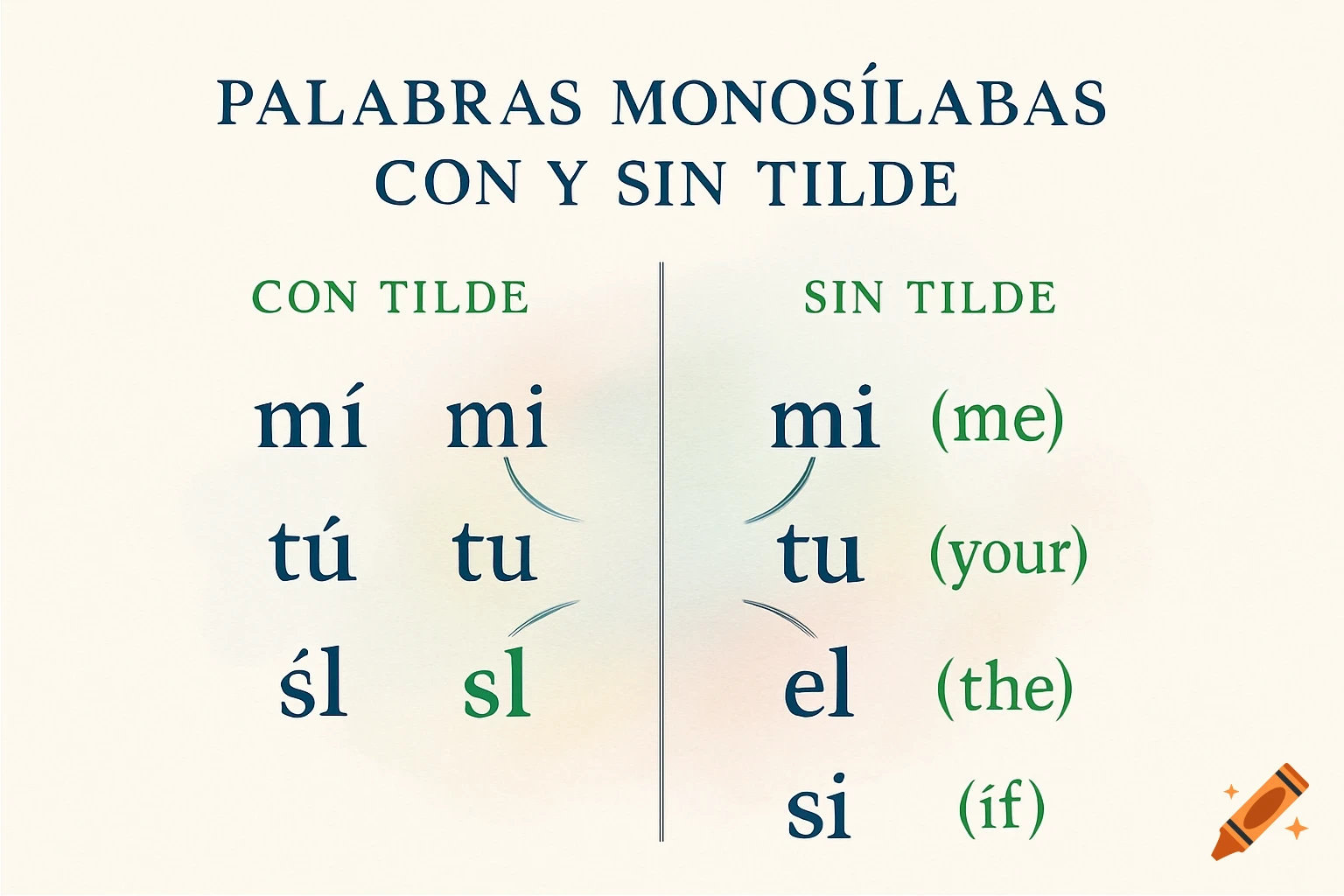
Create a infographic with the following information from a class handout: Spanish Comparatives & Superlatives — Quick Handout (Spanish 2) 🔹 What are comparatives and superlatives? Comparatives are used to compare two things (more than, less than, as…as). Superlatives are used to express the highest or lowest degree within a group (the most…, the least…, the best…, etc.). 🔸 COMPARATIVES 1. Superiority (more than) Use más + (noun/adjective/adverb/verb) + que Tengo más libros que tú. Soy más alto que mi hermano. Corro más rápido que tú. Hablo más que tú. 2. Inferiority (less than) Use menos + (noun/adjective/adverb/verb) + que Tengo menos dinero que tú. Soy menos alto que él. Corro menos rápido que tú. Estudio menos que mis amigos. 3. Equality (as…as) There are two main patterns: a. With nouns: Use tanto/a/os/as + noun + como (agreement with the noun!) Tengo tantos libros como tú. Tengo tanta tarea como tú. b. With adjectives/adverbs: Use tan + adjective/adverb + como Soy tan alto como tú. Corro tan rápido como tú. c. With verbs: Use verbo + tanto como Estudio tanto como tú. 4. ⚠️ Irregular Comparatives These do not follow the “más/menos” pattern: mayor = older / greater (más grande, for age or importance) menor = younger / smaller mejor = better (más bueno) peor = worse (más malo) Examples: Mi hermana es mayor que yo. Este restaurante es mejor que ese. El examen fue peor que el anterior. 🔸 SUPERLATIVES 1. Relative Superlatives (the most / the least) Use: el / la / los / las Ver más
More images like this