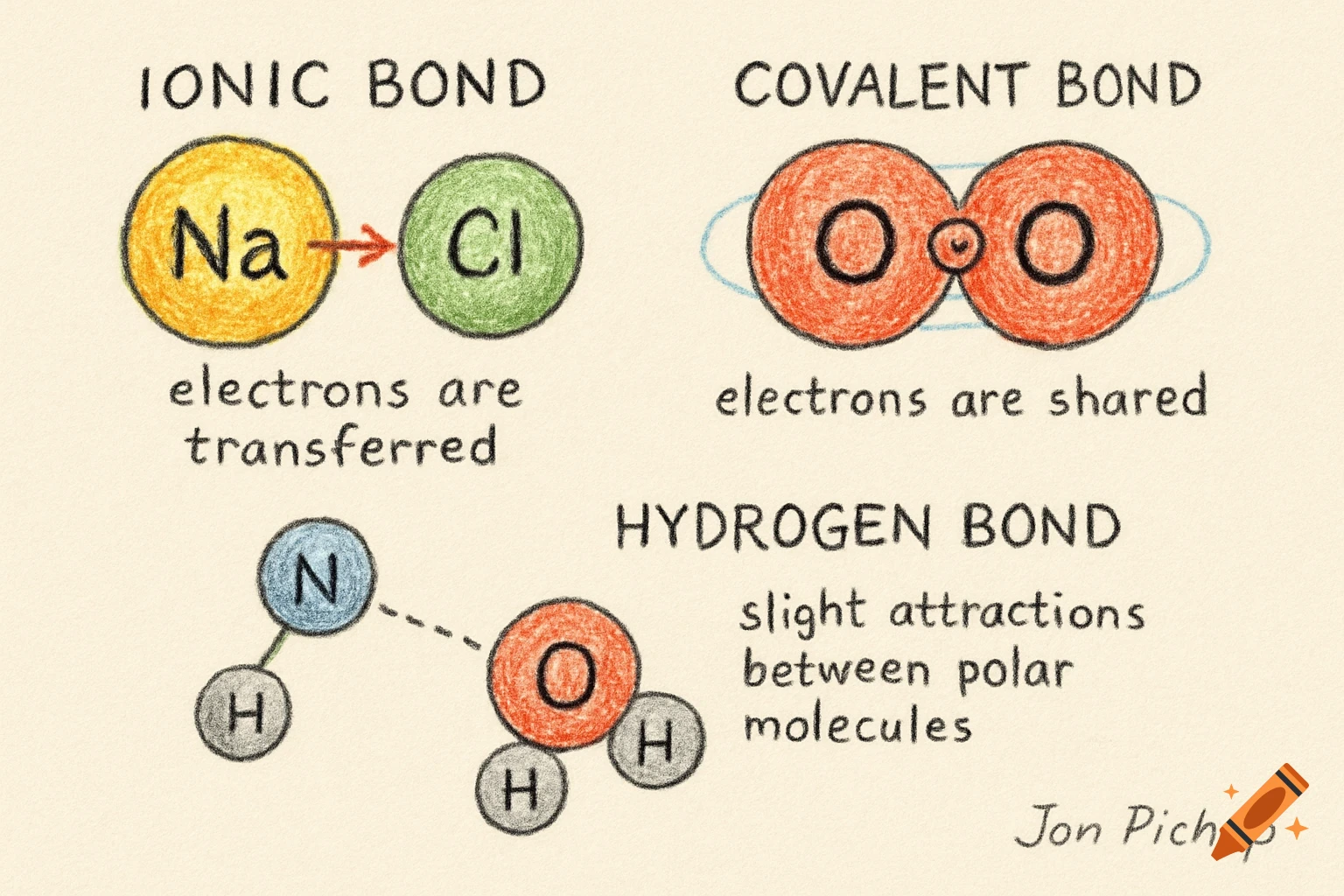
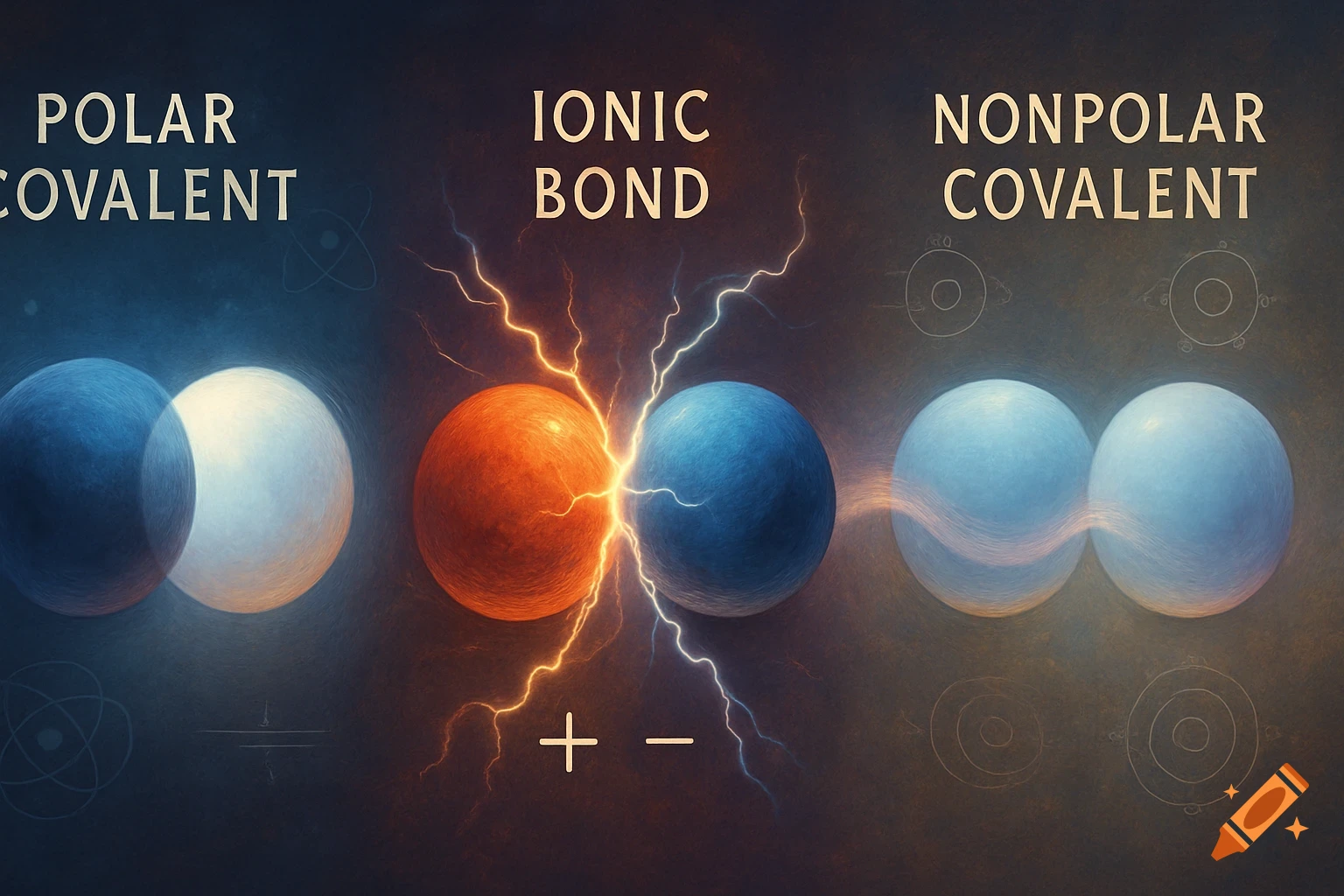
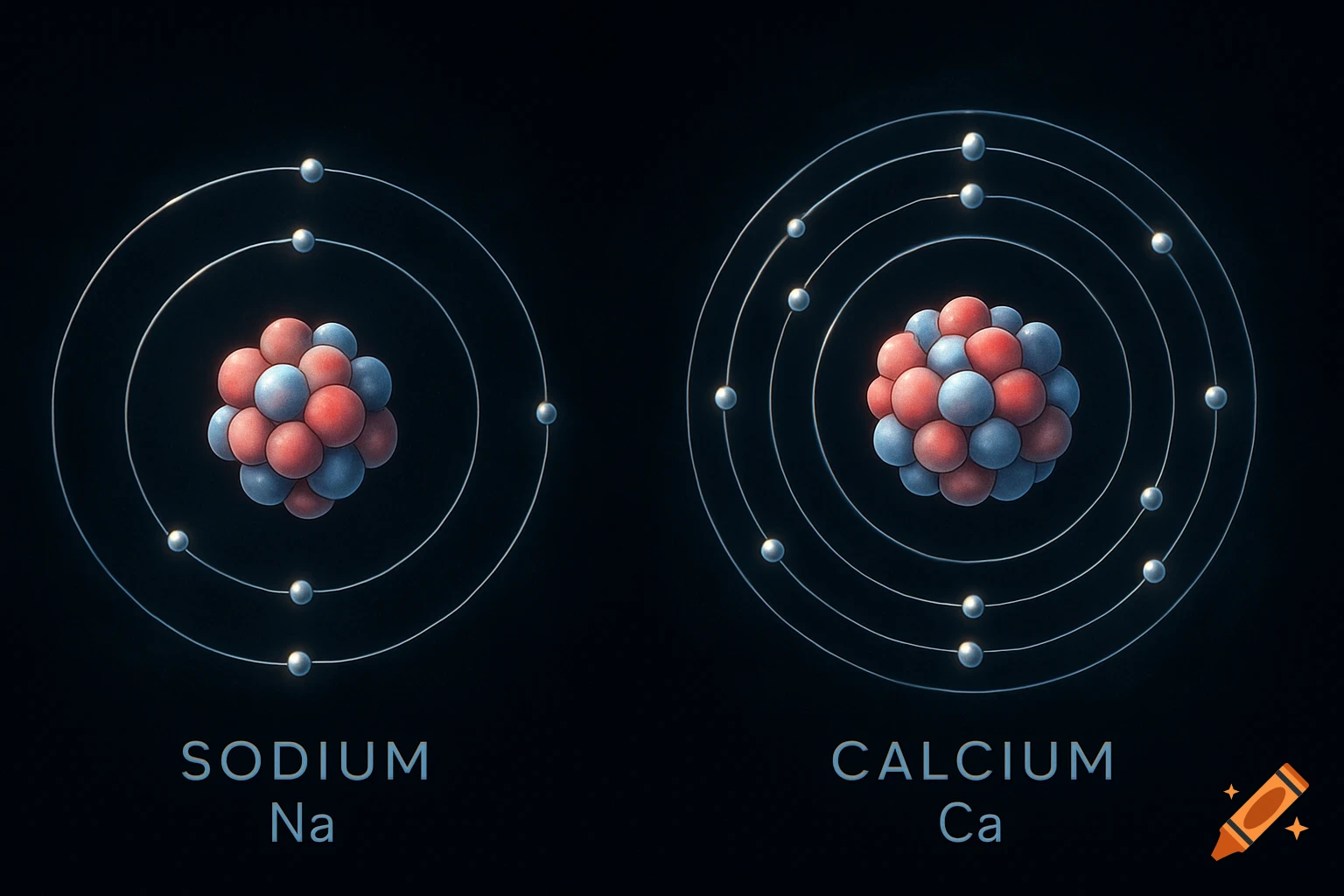
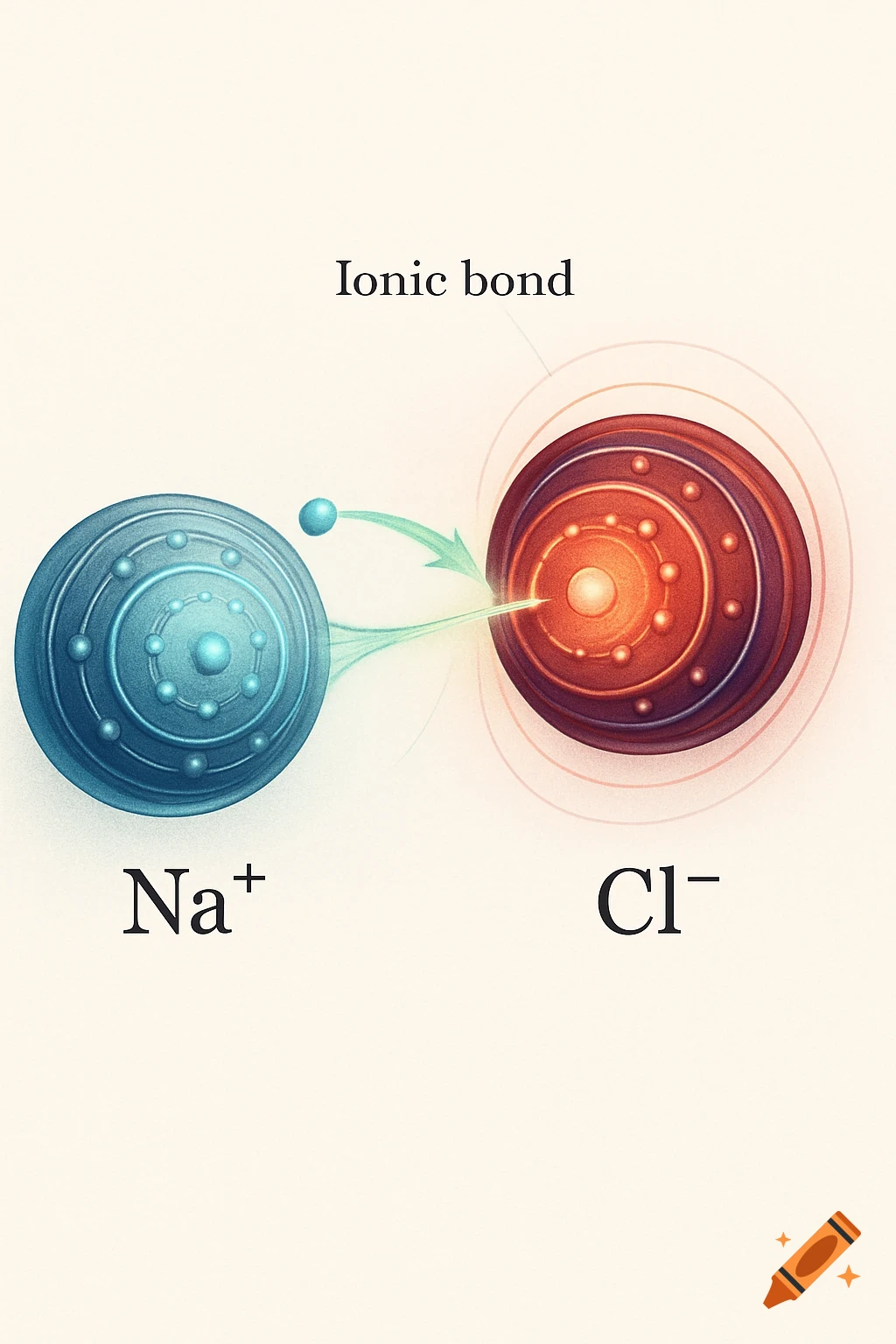
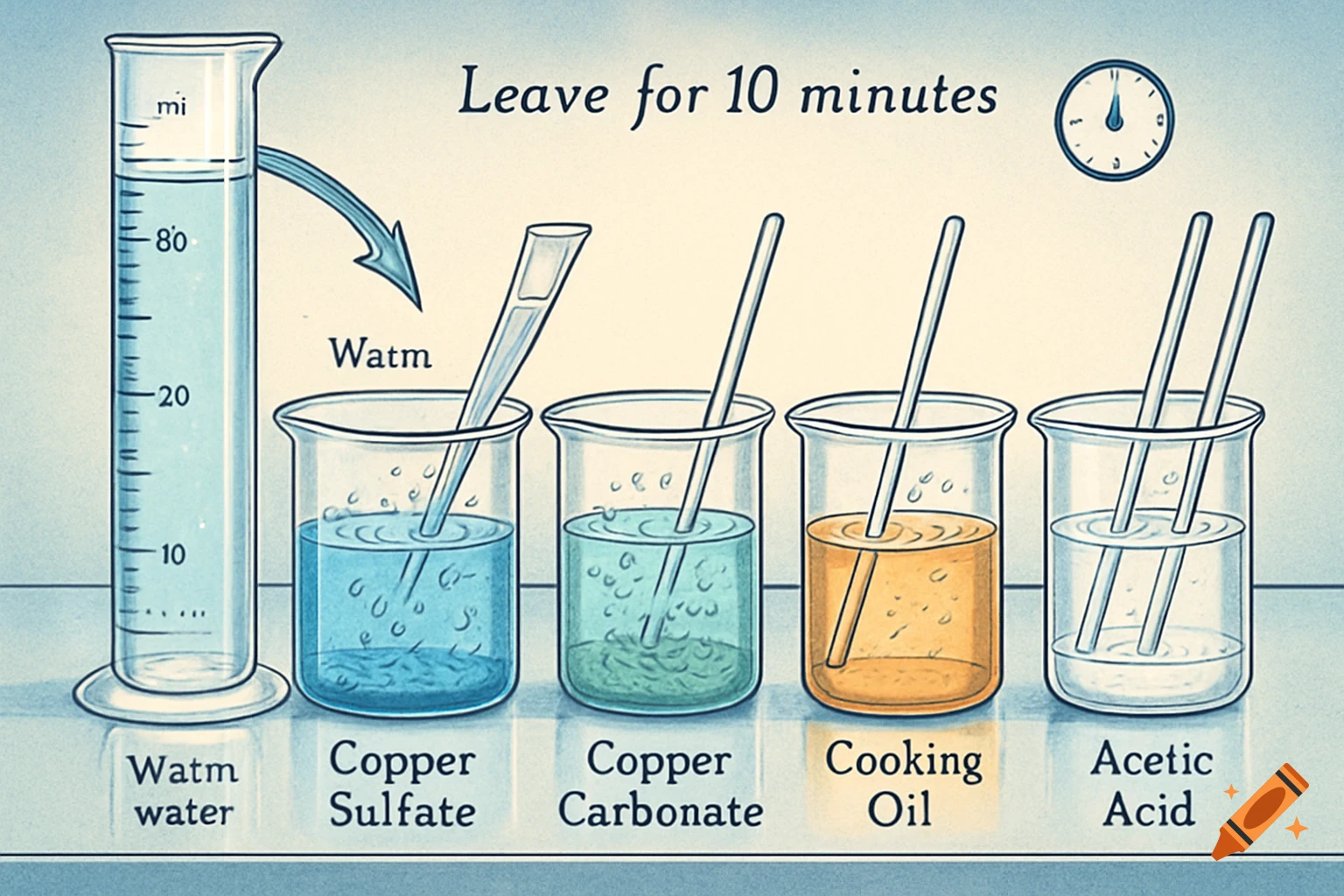
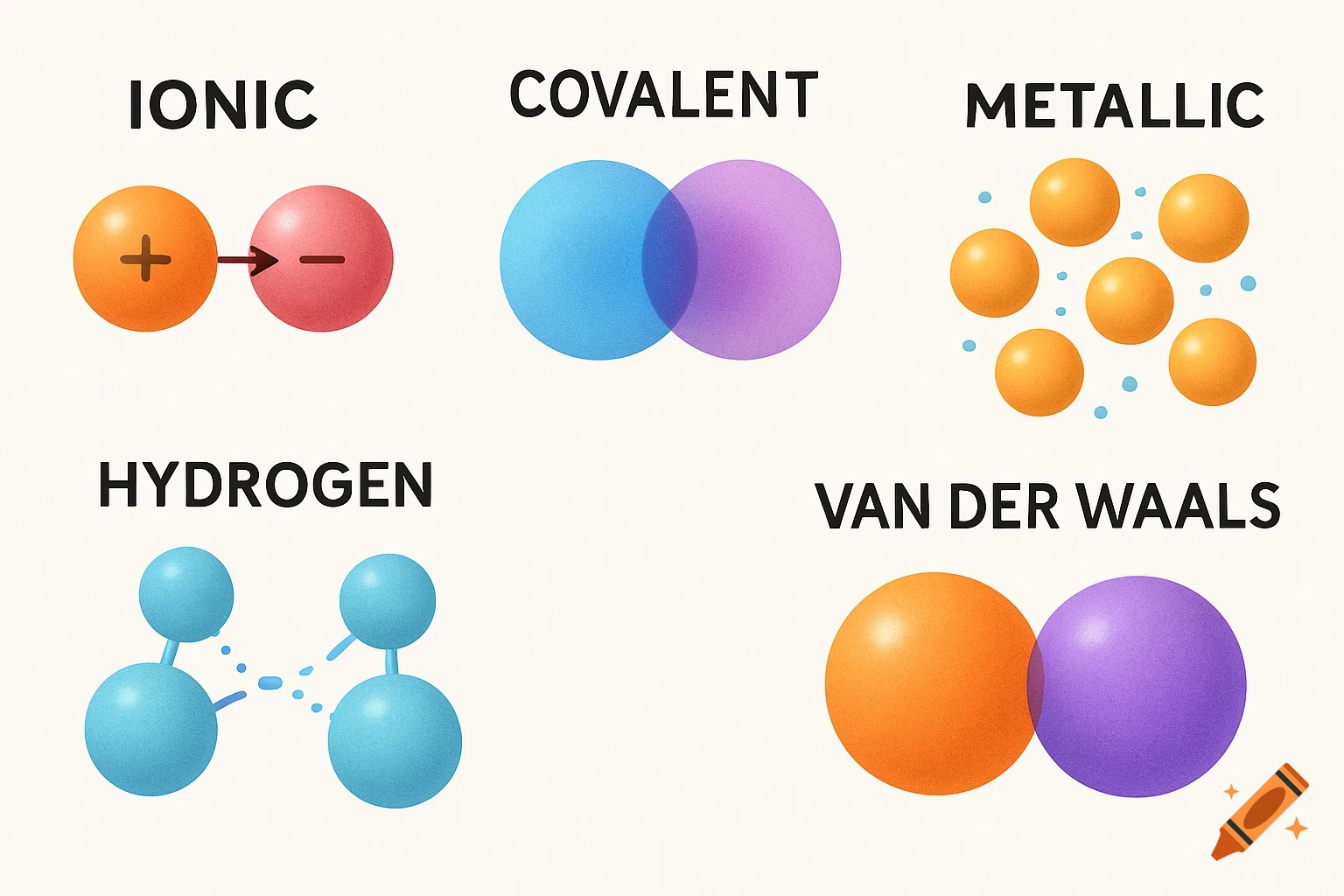
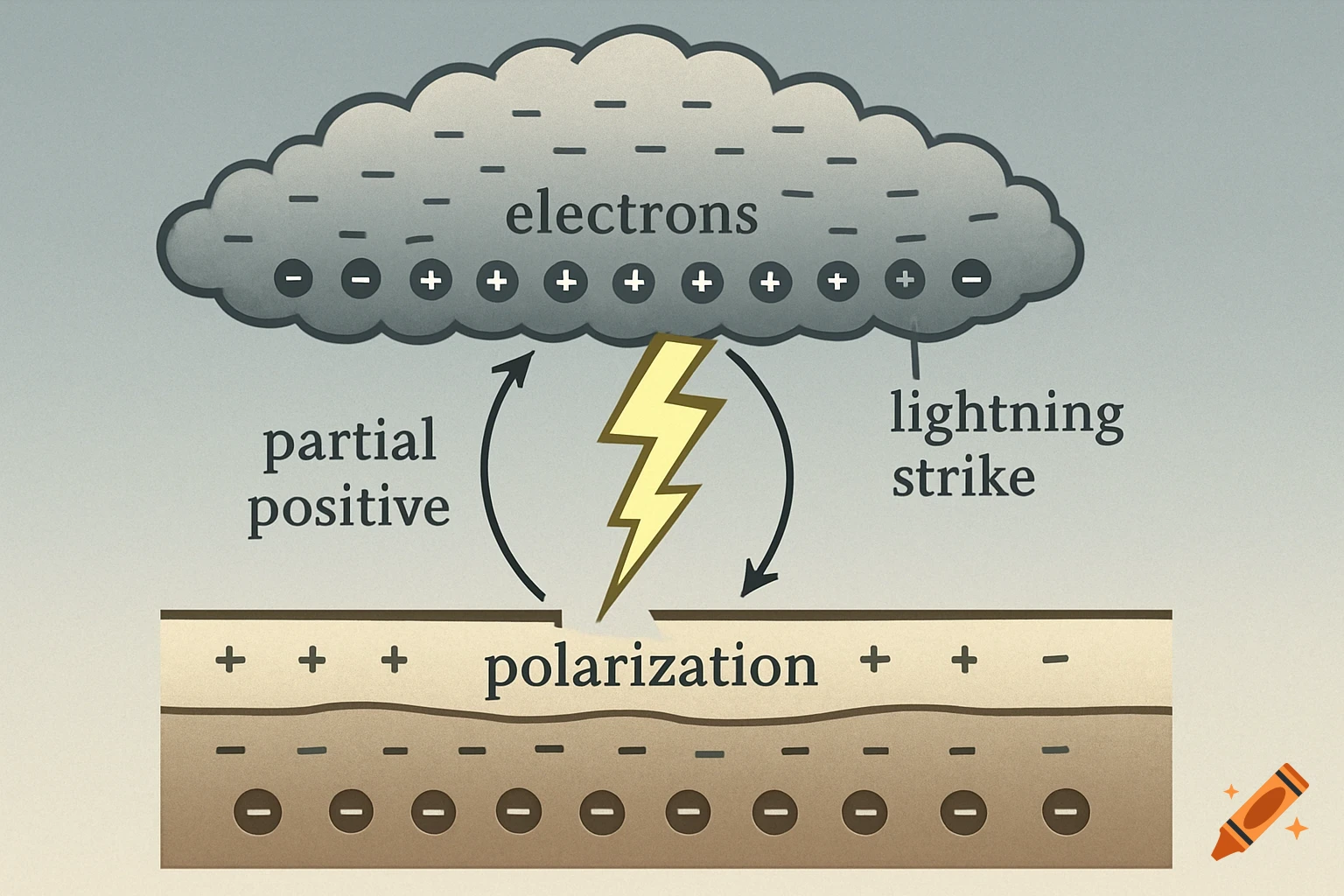
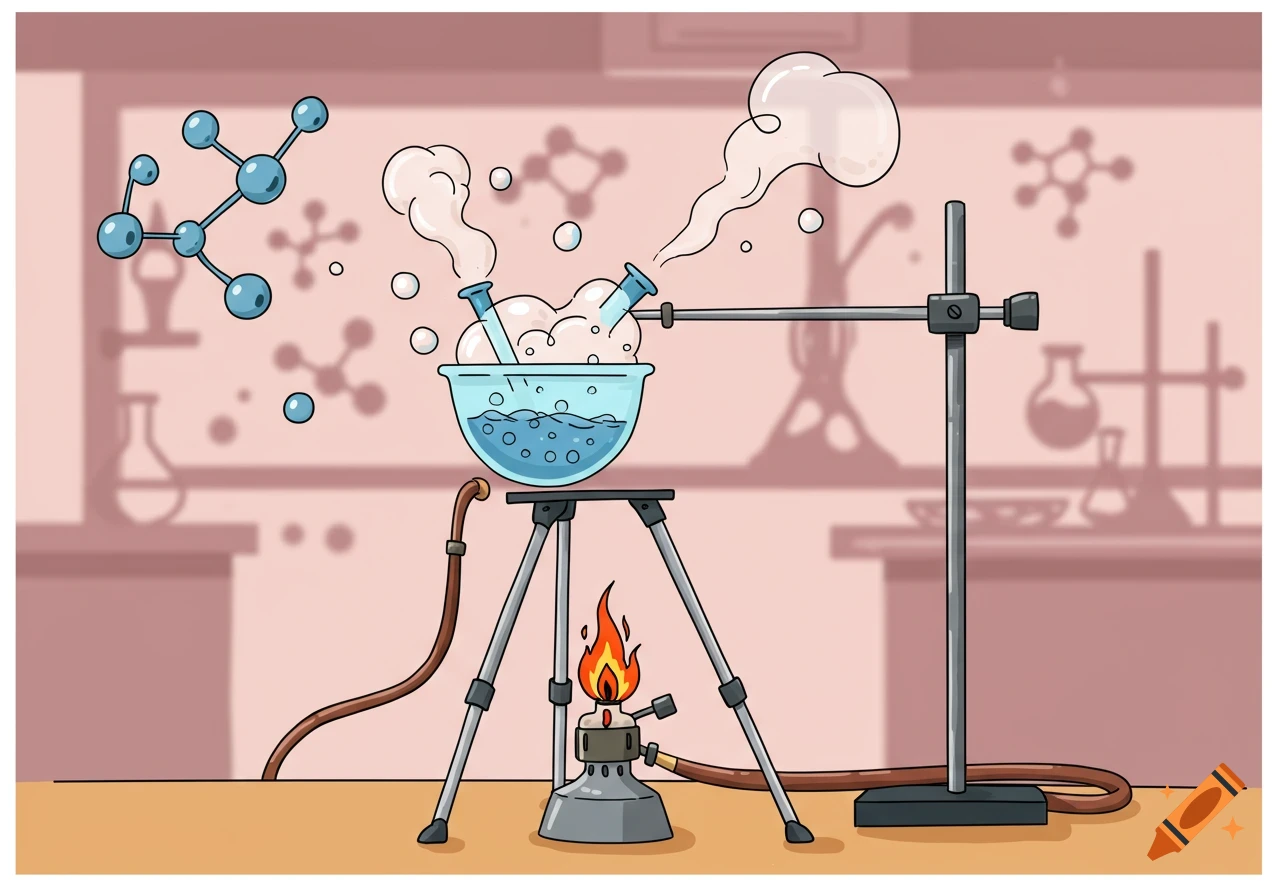
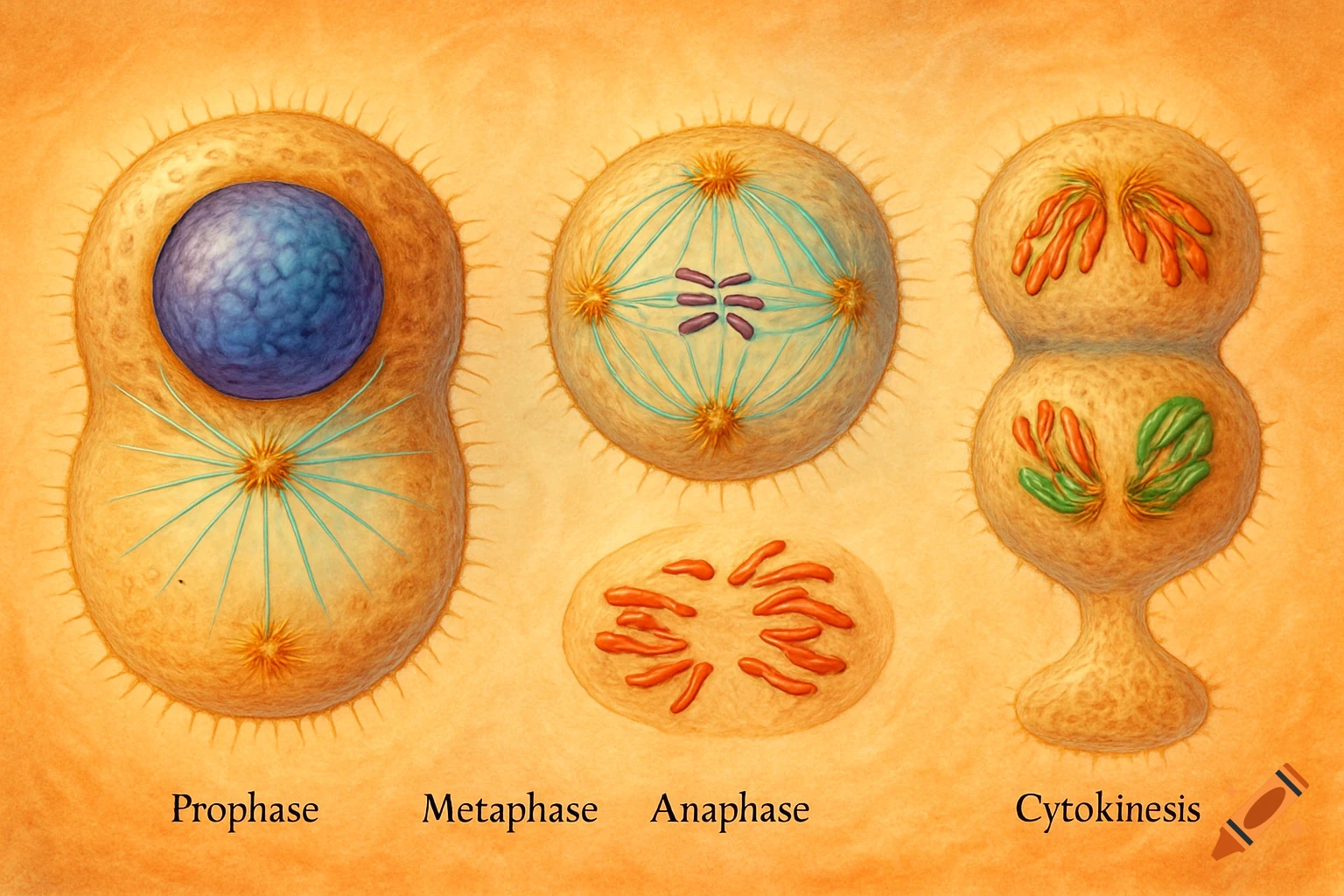
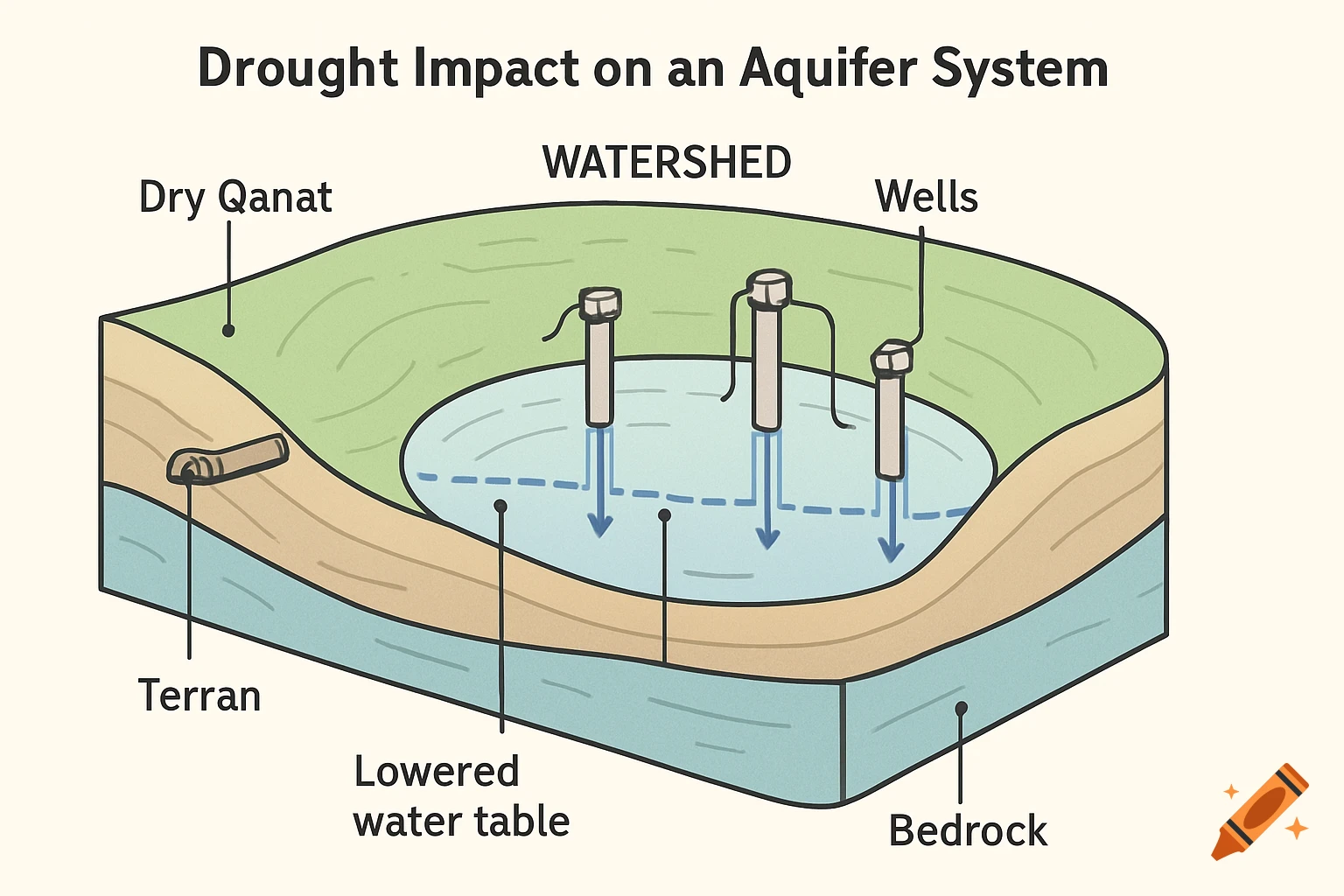
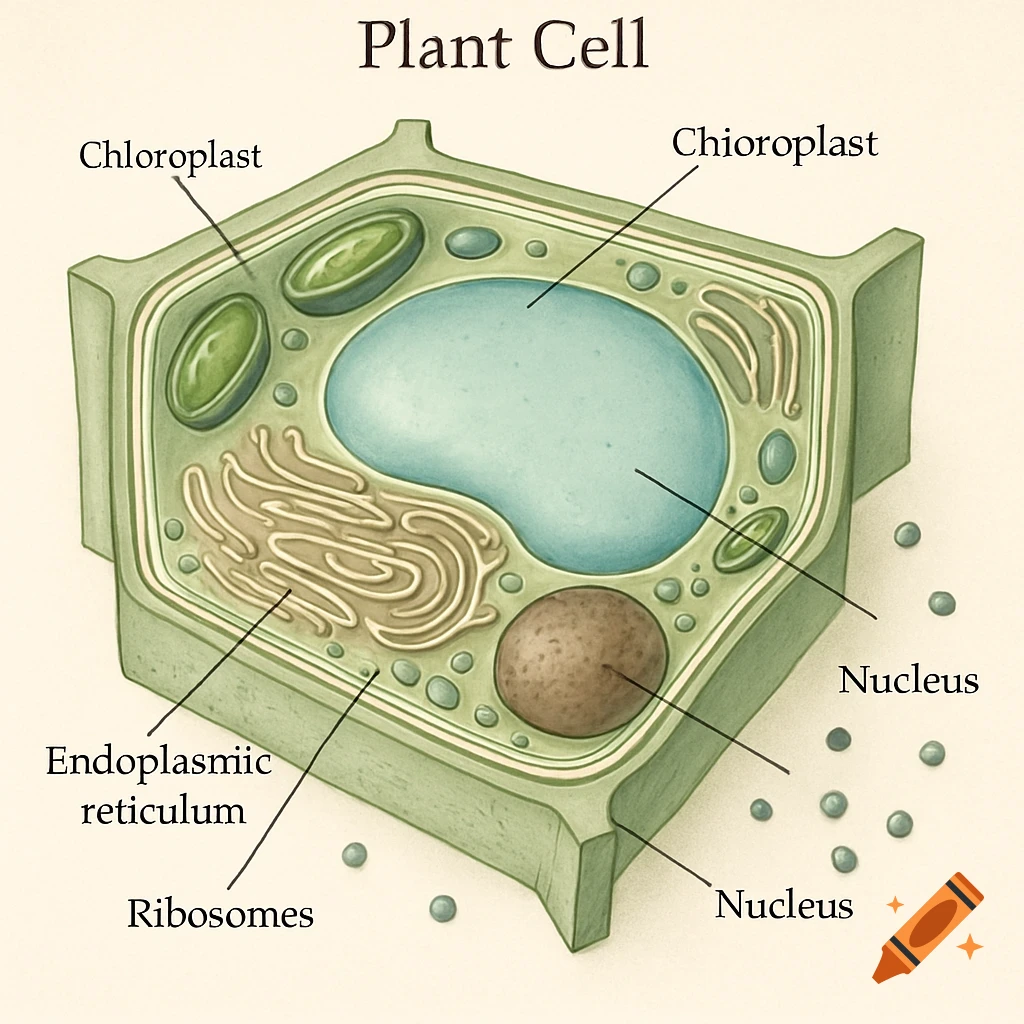
An educational diagram explaining the science of salts, showing crystal lattice structures, ion movement in a circuit, and real-world application with a shattered ceramic bowl and metal spoon.

Part 1: The Science of Salts What is the specific name of the 3D structure found in ionic compounds? Why do ionic compounds have high melting points? Define Dissociation in your own words. Part 2: Modeling Instructions: Use the descriptions above to draw the molecular behavior. Task A: The Shatter Effect Draw two boxes. Box 1 (Before Impact): Draw a perfect pattern of alternating positive (+) and negative (-) ions. Box 2 (After Impact): Show the layers shifted so that (+) is touching (+) and (-) is touching (-). Draw arrows showing them pushing apart (repelling) to create a crack. Caption: Explain in one sentence why the crystal broke in Box 2. Task B: The Circuit Draw a beaker of water with Salt (NaCl) inside. Show the Na+ and Cl- ions floating separately from each other (not touching). Draw arrows showing them moving freely. Critical Thinking: If you froze this water back into a solid block of ice, would it still conduct electricity? Why or why not? Part 3: Real-World Application Instructions: Read the everyday scenarios below. Use your knowledge of ionic properties (Brittleness, Solubility, Conductivity, Non-volatility, Hardness) to explain what is happening. Scenario 1: The Kitchen Accident Observation: You accidentally drop a glass bowl (made of ionic ceramic materials) and a metal spoon. The spoon just bounces, but the bowl shatters into tiny pieces. Question: Why did the bowl shatter while the metal spoon did not? Refer to the internal structure of the ions in your Ver más
More images like this