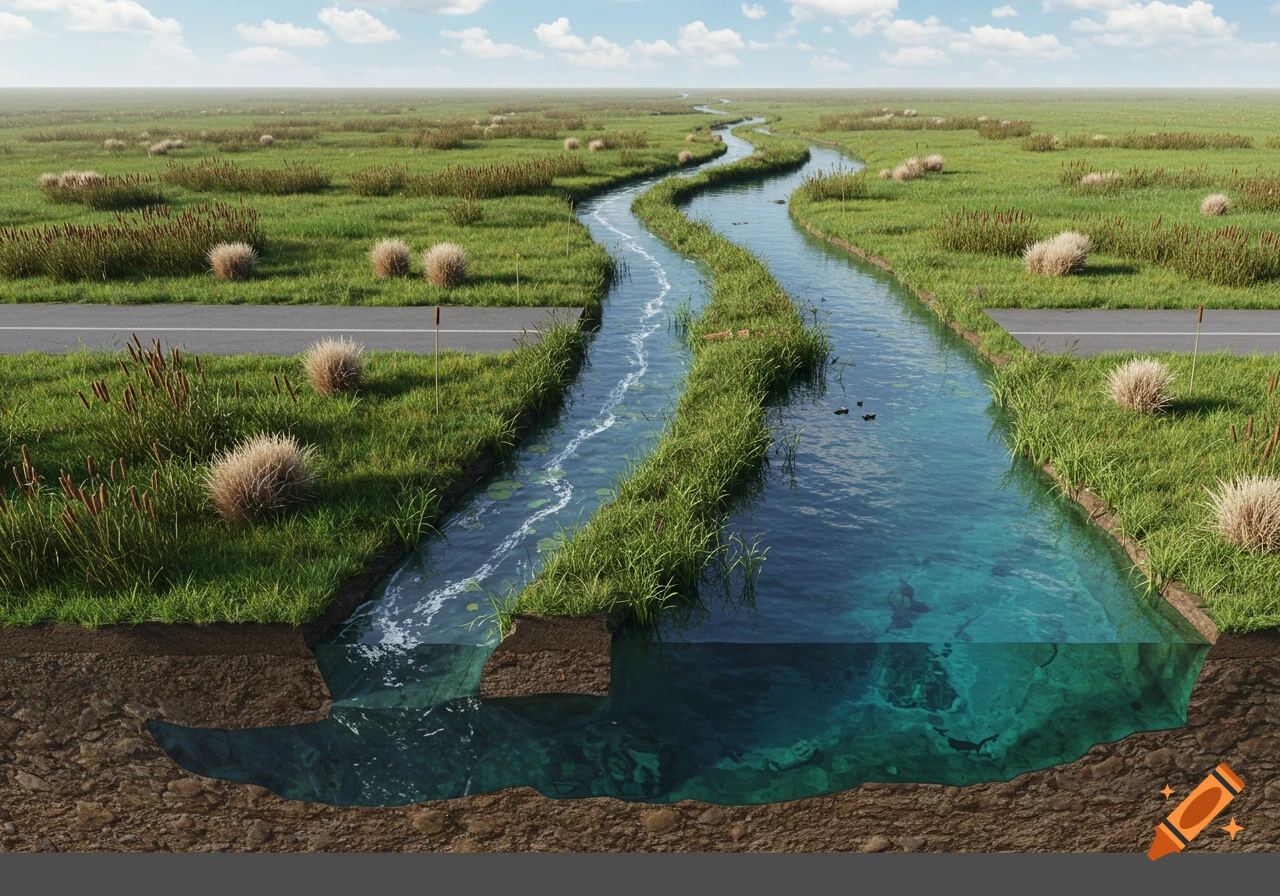
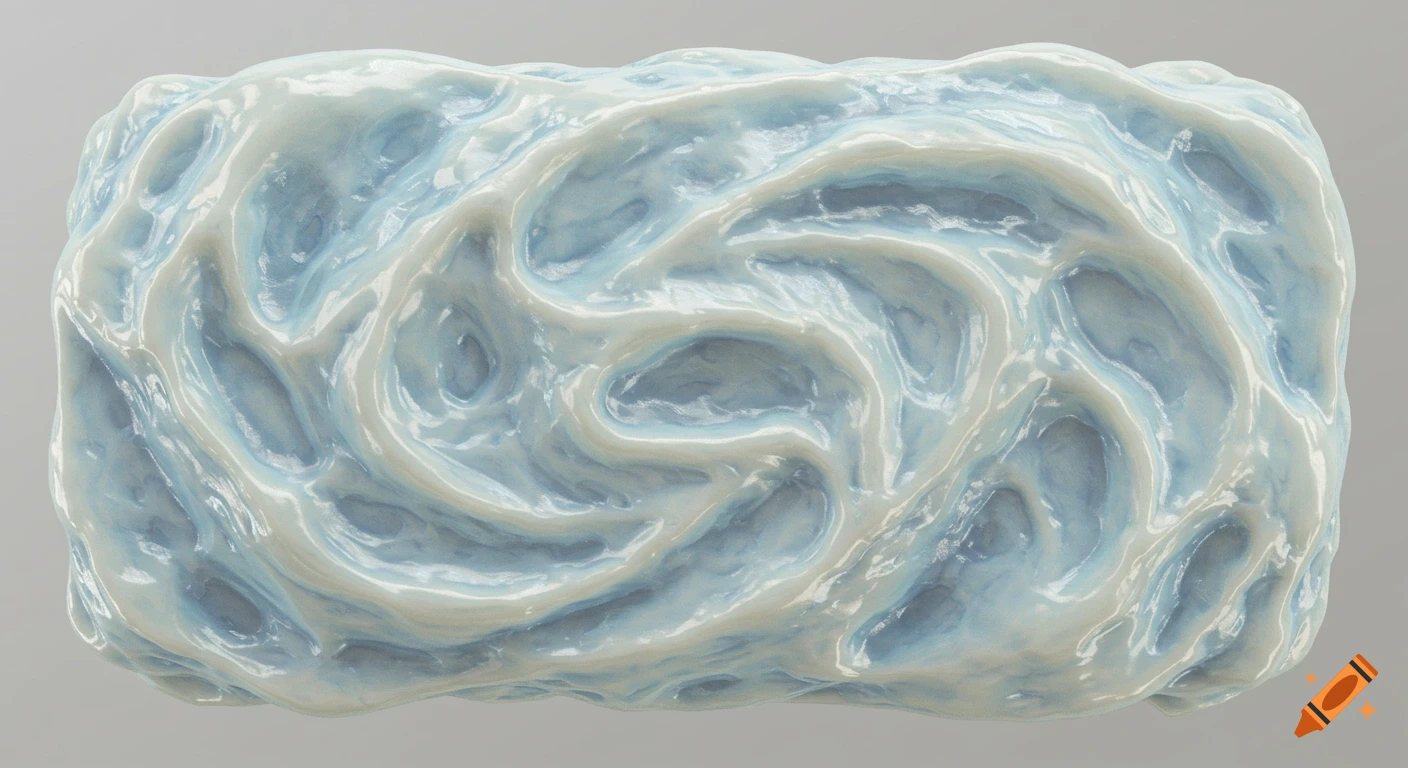
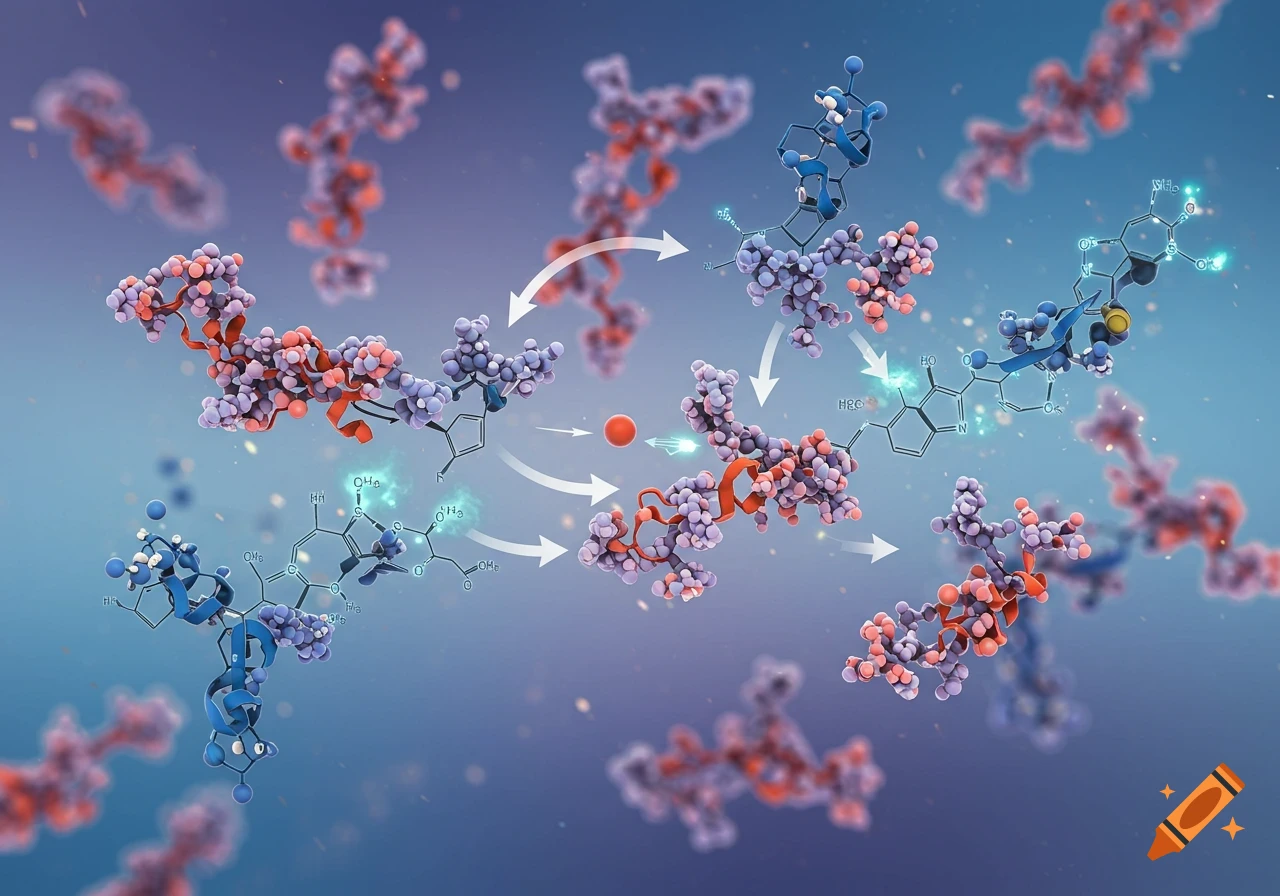
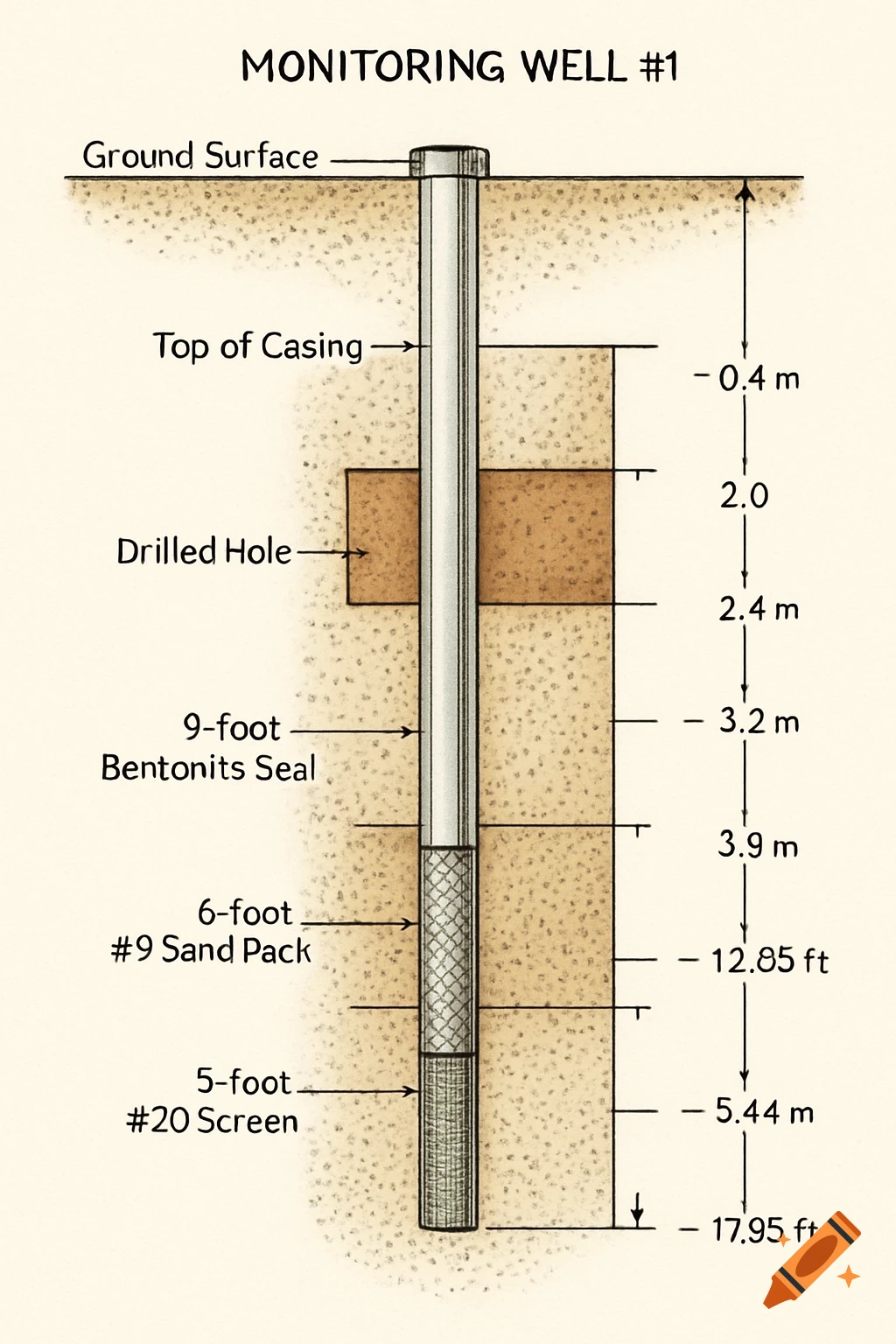
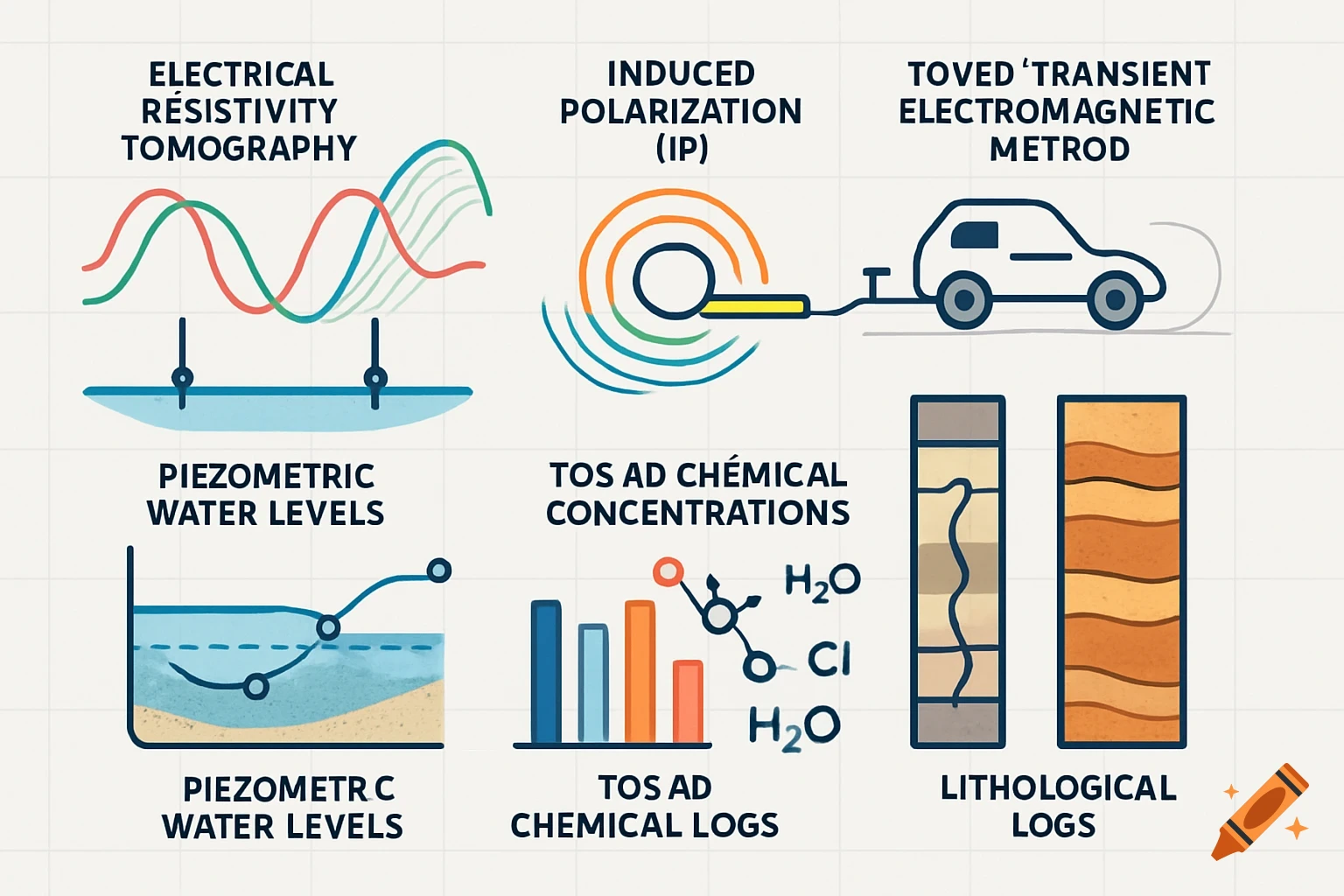
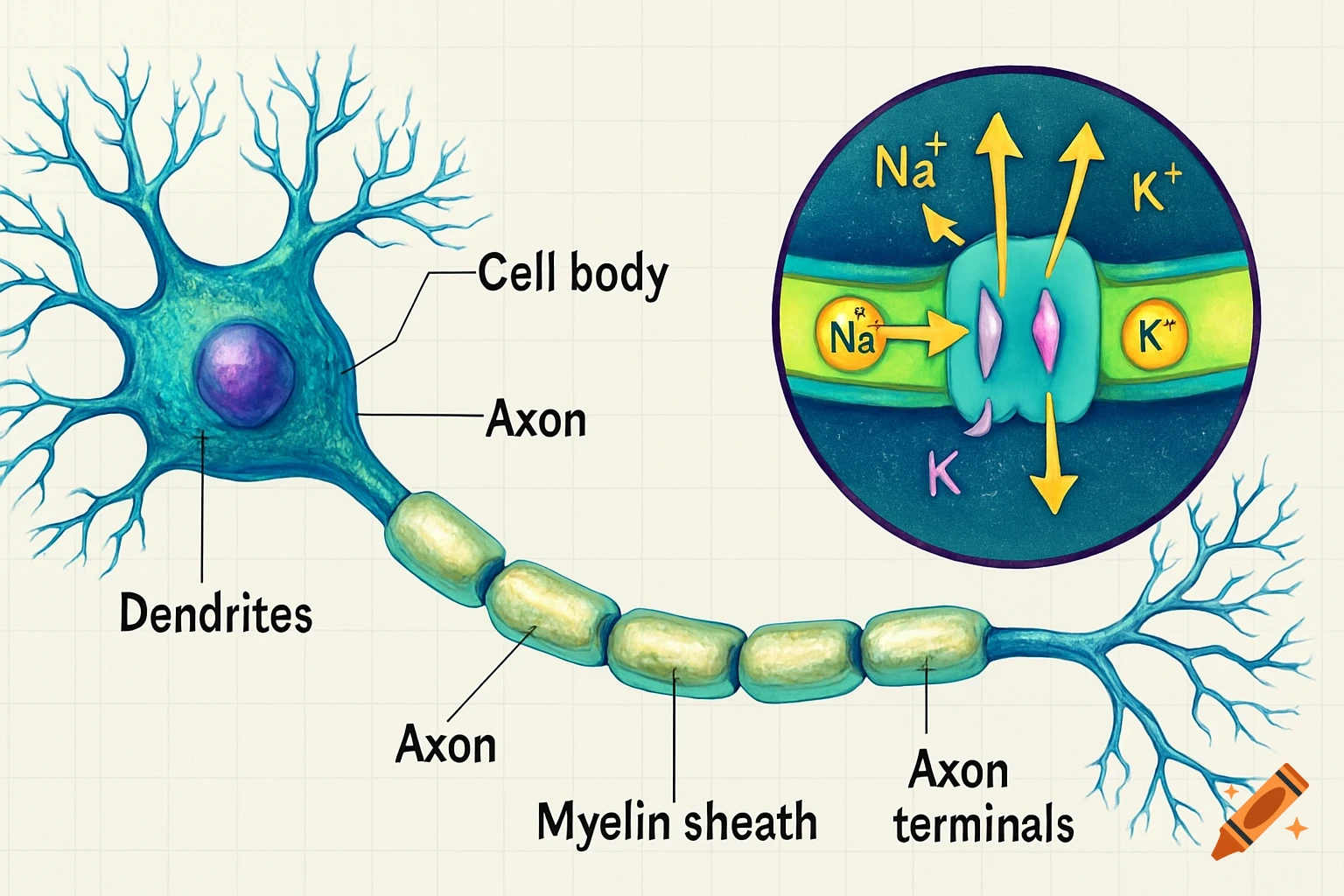
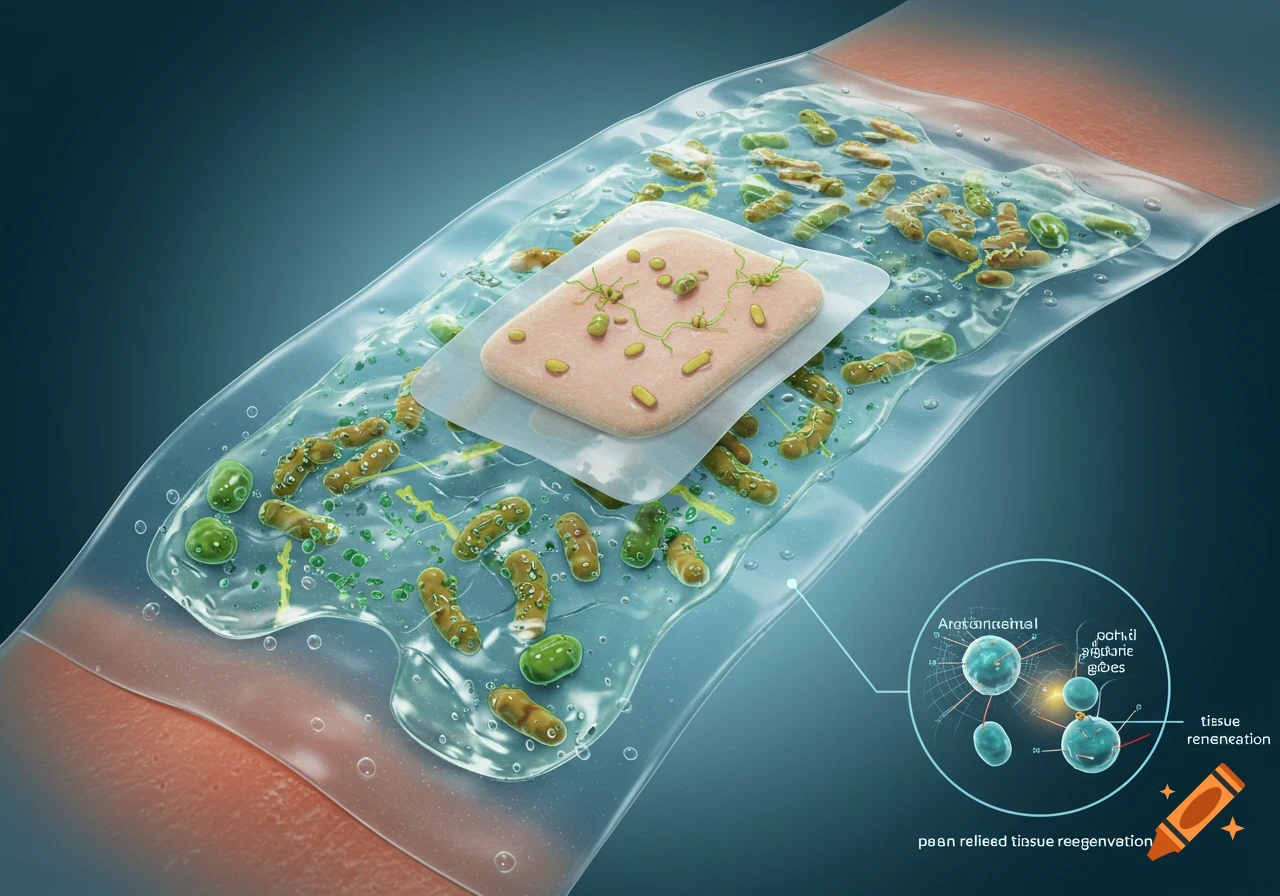
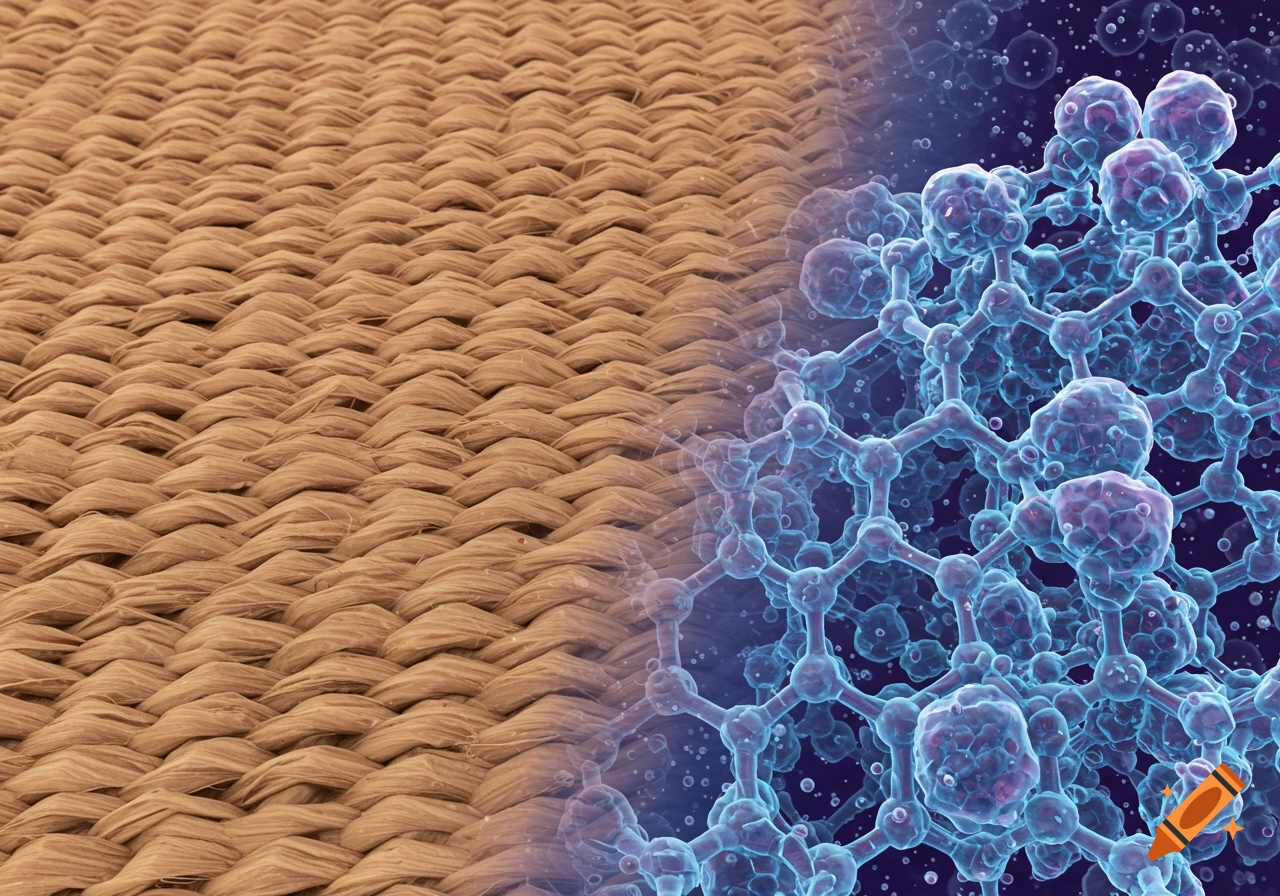
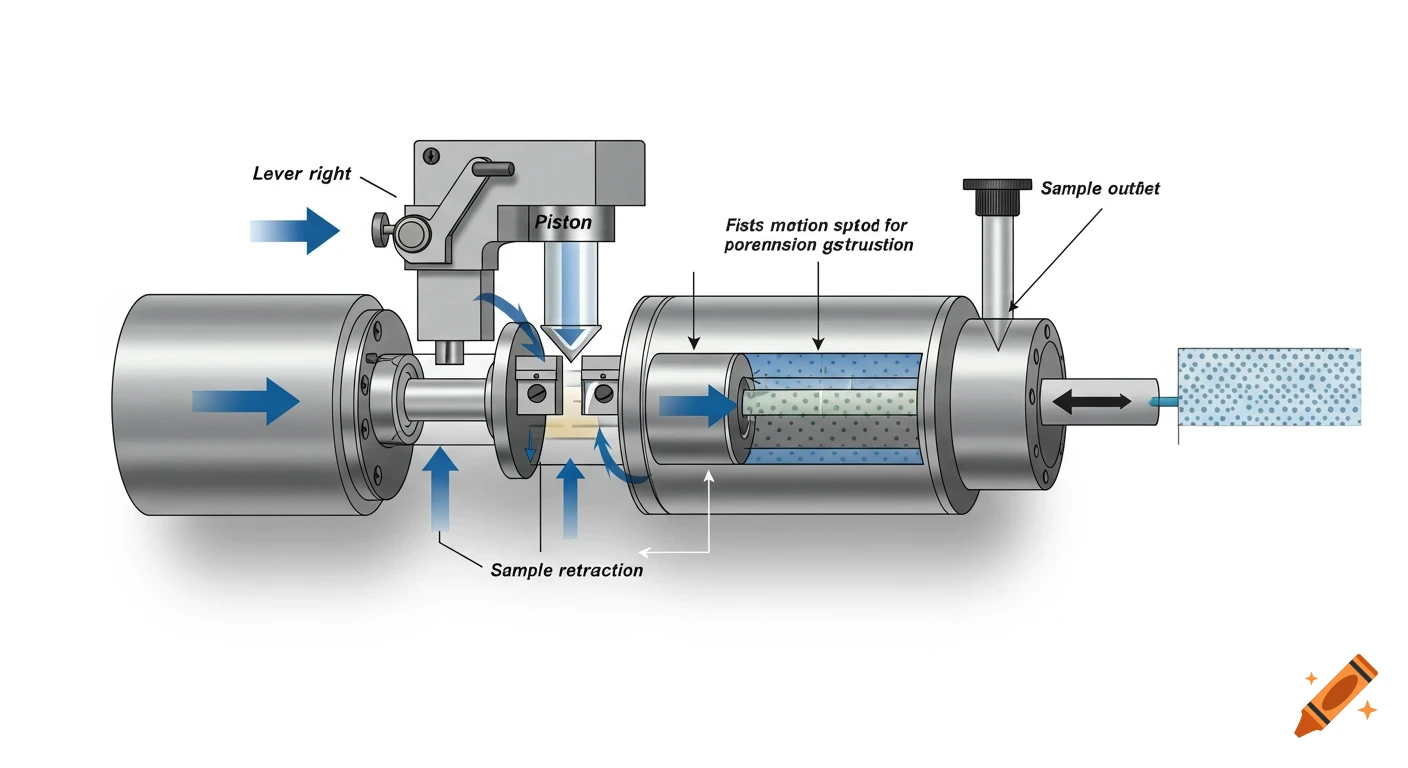
A conceptual model diagram illustrating two-fold strength enhancement. Panel A shows macro-scale physical strategies for 'Control' (high porosity) and 'Optimized' (tortuous path with small particles). Panel B shows micro-scale chemical/mineral strategies with bio-mineral carbonate bridges and a hygroscopic moisture buffer between two rocks.

Figure 1: Conceptual Model of the Two-Fold Strength Enhancement Panel A: The Physical Strategy (Macro-Scale) • Left Side (Control): Draw 5–6 large, irregular grey shapes (Limestone). Leave large white gaps between them. Draw a straight blue arrow passing through. Label: "High Porosity / Direct Water Path." • Right Side (Optimized): Draw the same large shapes, but fill the gaps with smaller orange circles of varying sizes. Draw the blue arrow again, but make it zig-zag and curve sharply around the small particles. Label: "Optimized Packing / Tortuous Path." ________________________________________ Panel B: The Chemical/Mineral Strategy (Micro-Scale) • Visual: Draw a "Magnifying Glass" icon pointing to a contact point between two large limestone grains. • Zoom-In view: Show the two grain surfaces nearly touching. • The "Bridge": Draw small, white crystalline "needles" or clusters filling the tiny space between the two grains. Label these: "Bio-mineral Carbonate Bridges (Aragonite/Calcite)." • The Buffer: Draw a light blue "halo" around the white crystals. Label: "Hygroscopic Moisture Buffer." Ver más
More images like this