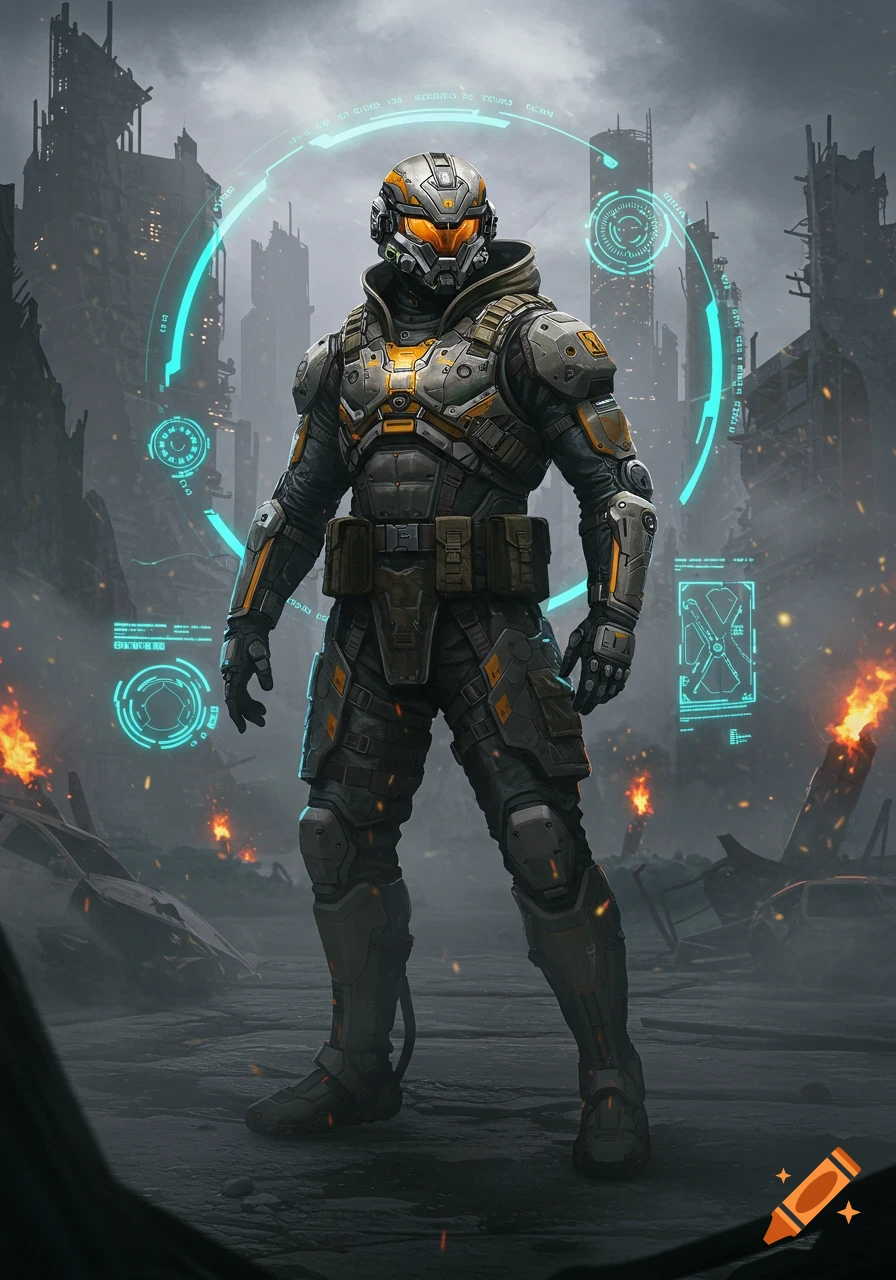
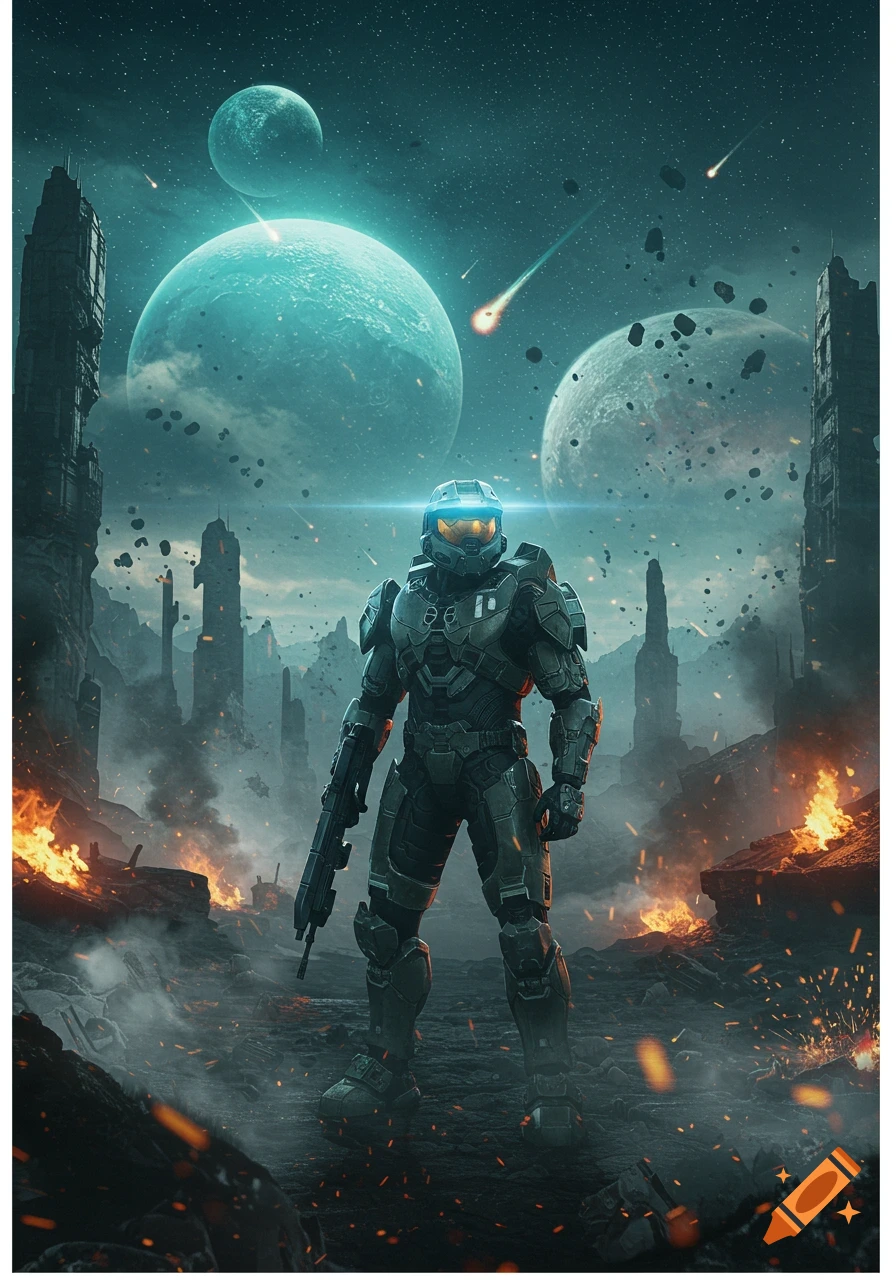
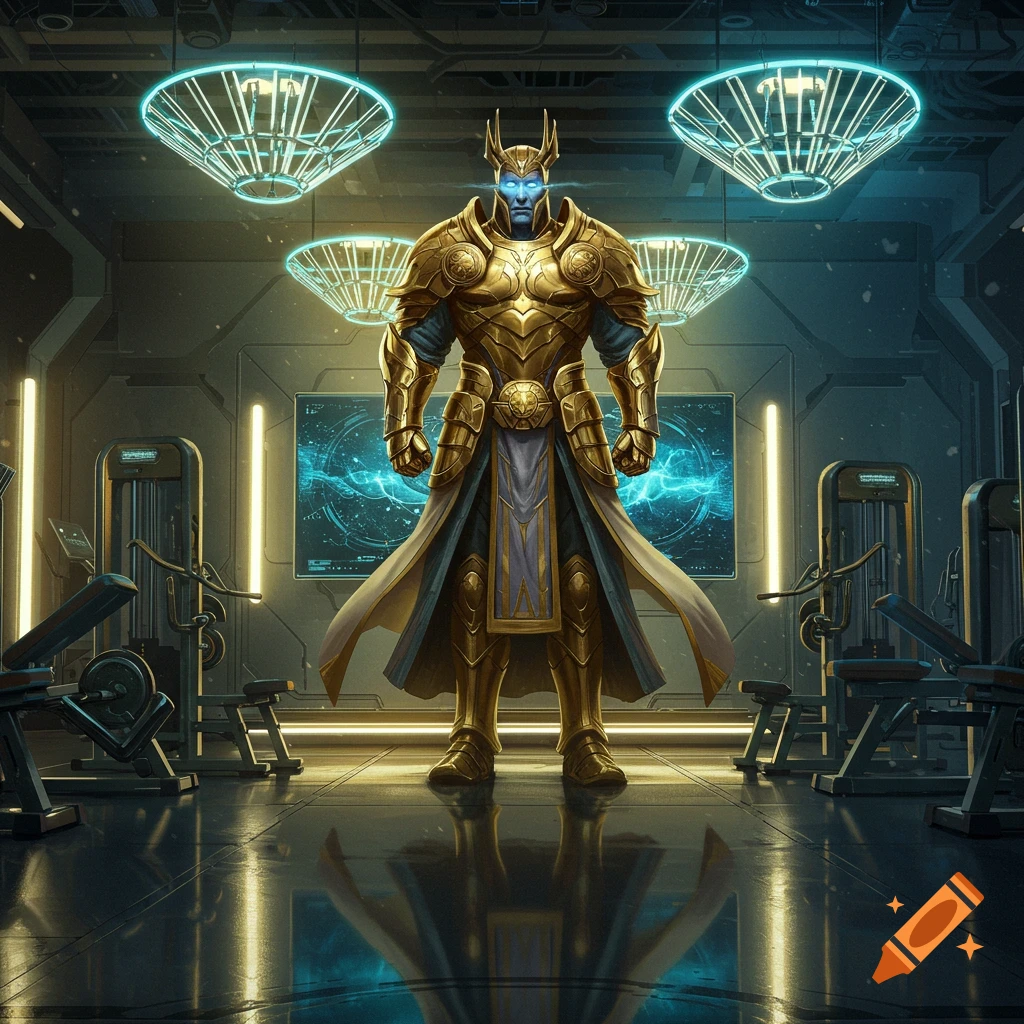
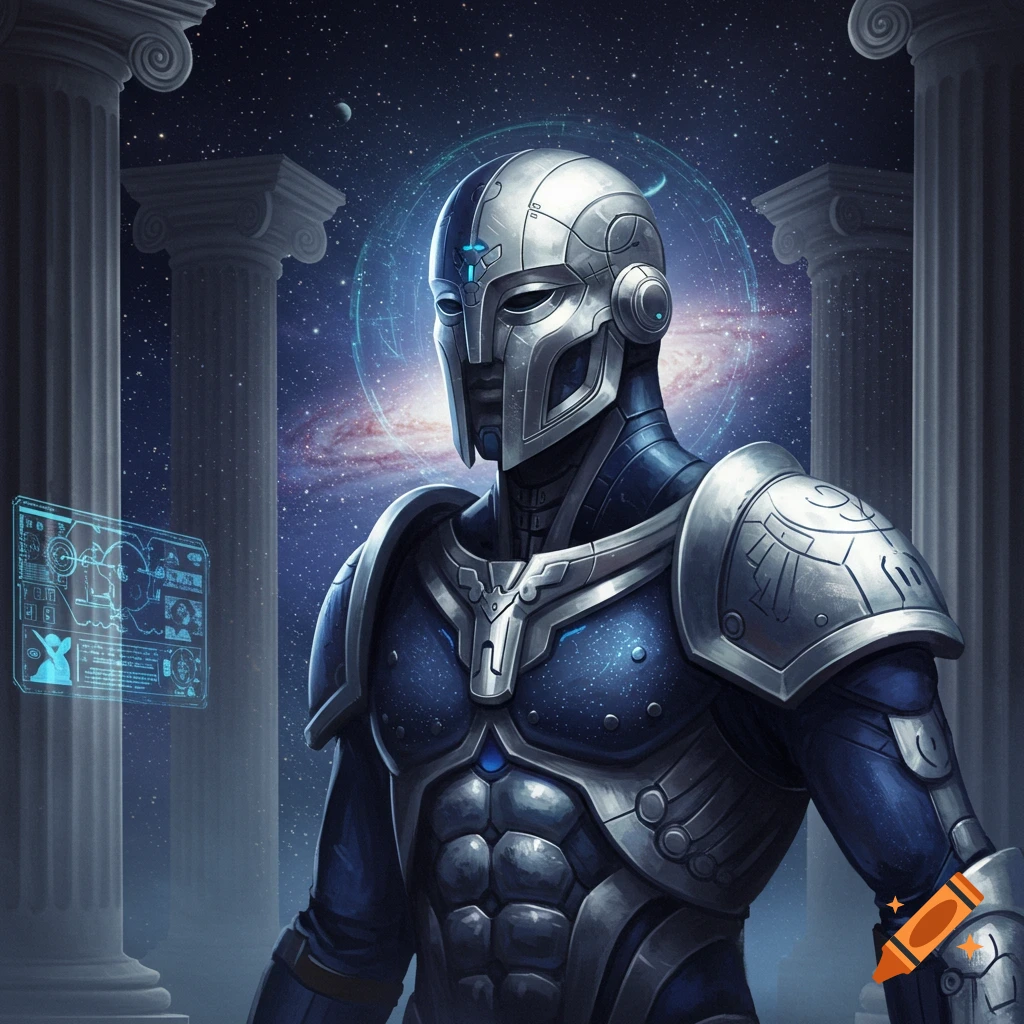
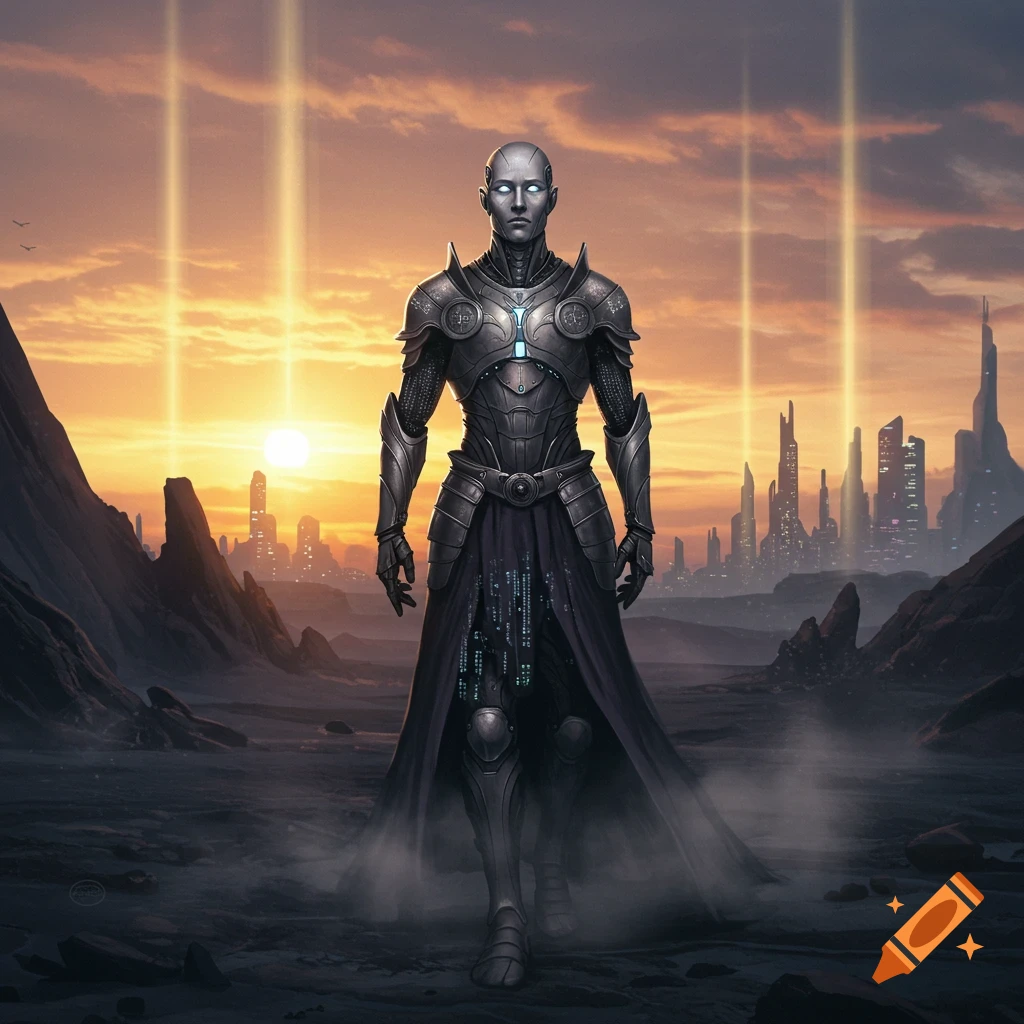
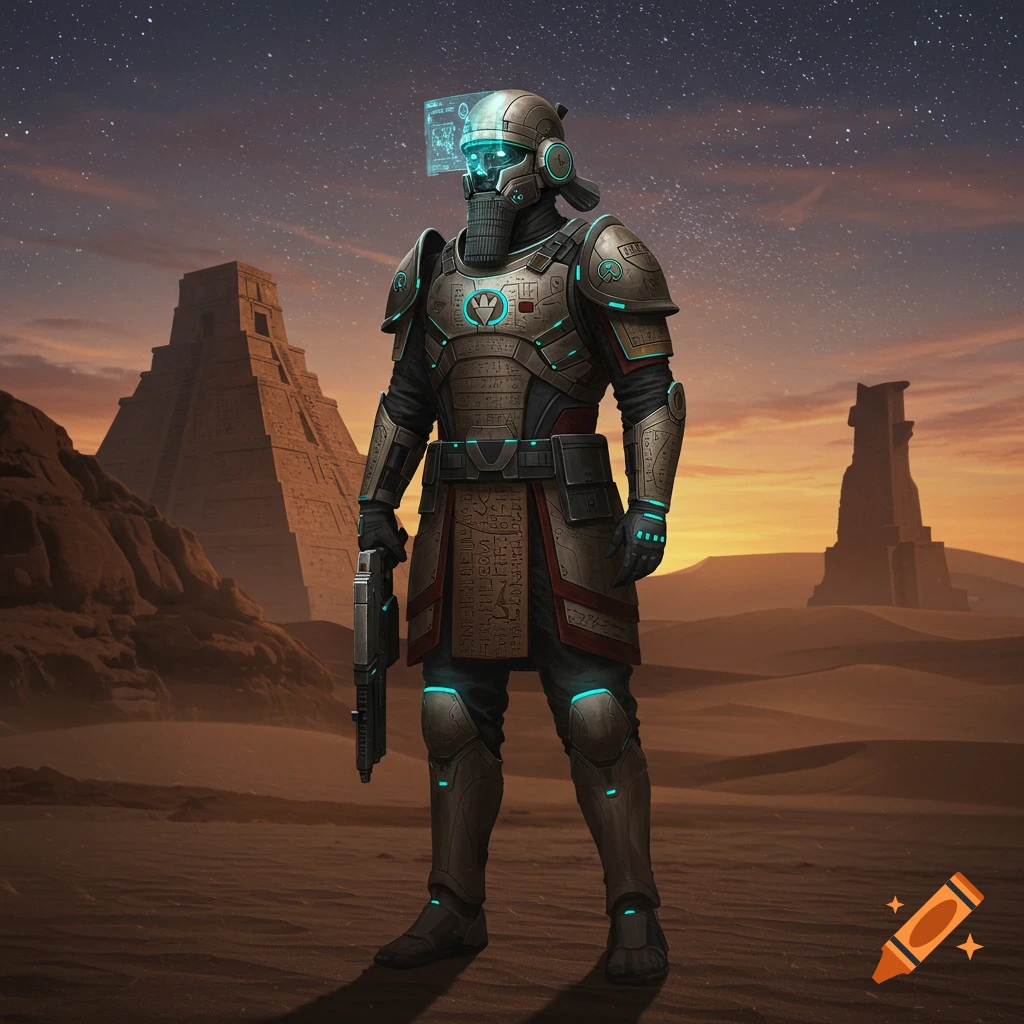
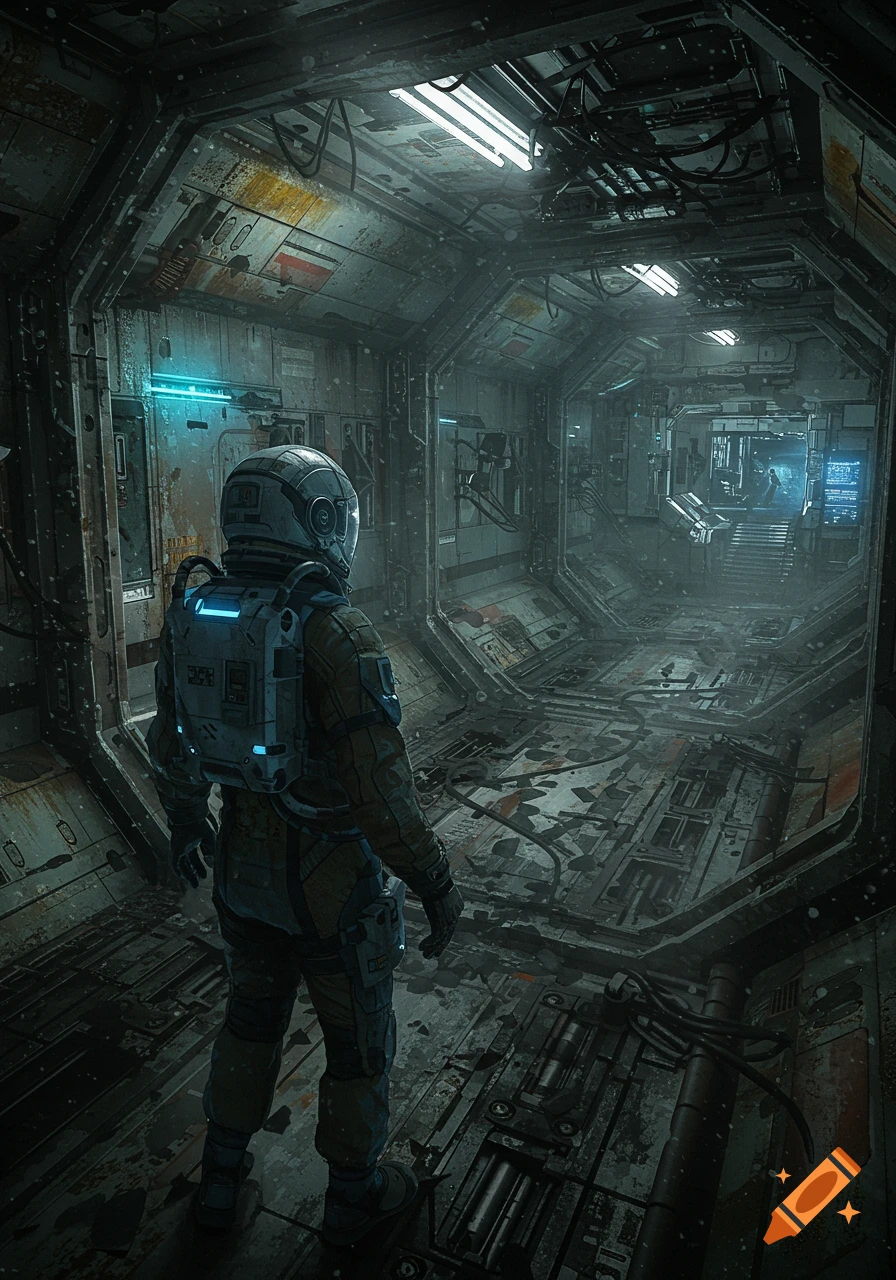
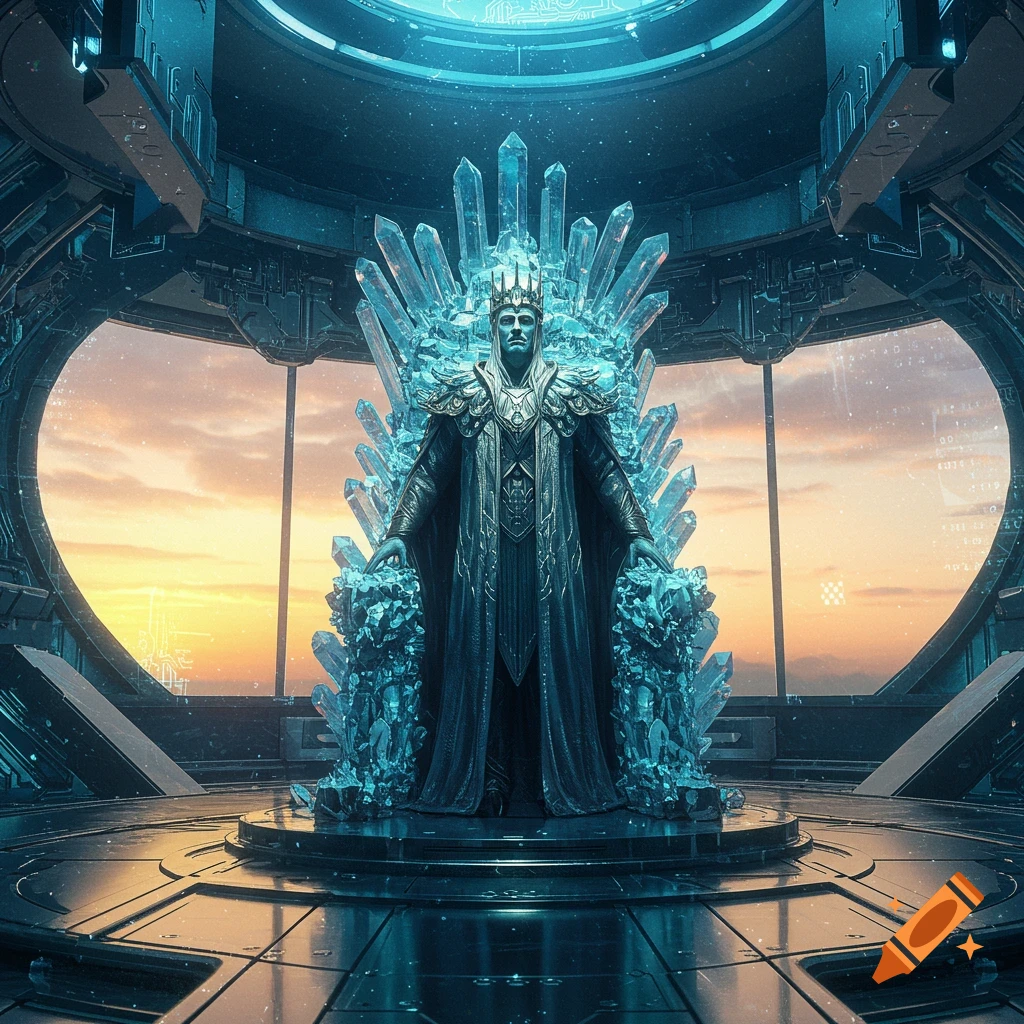
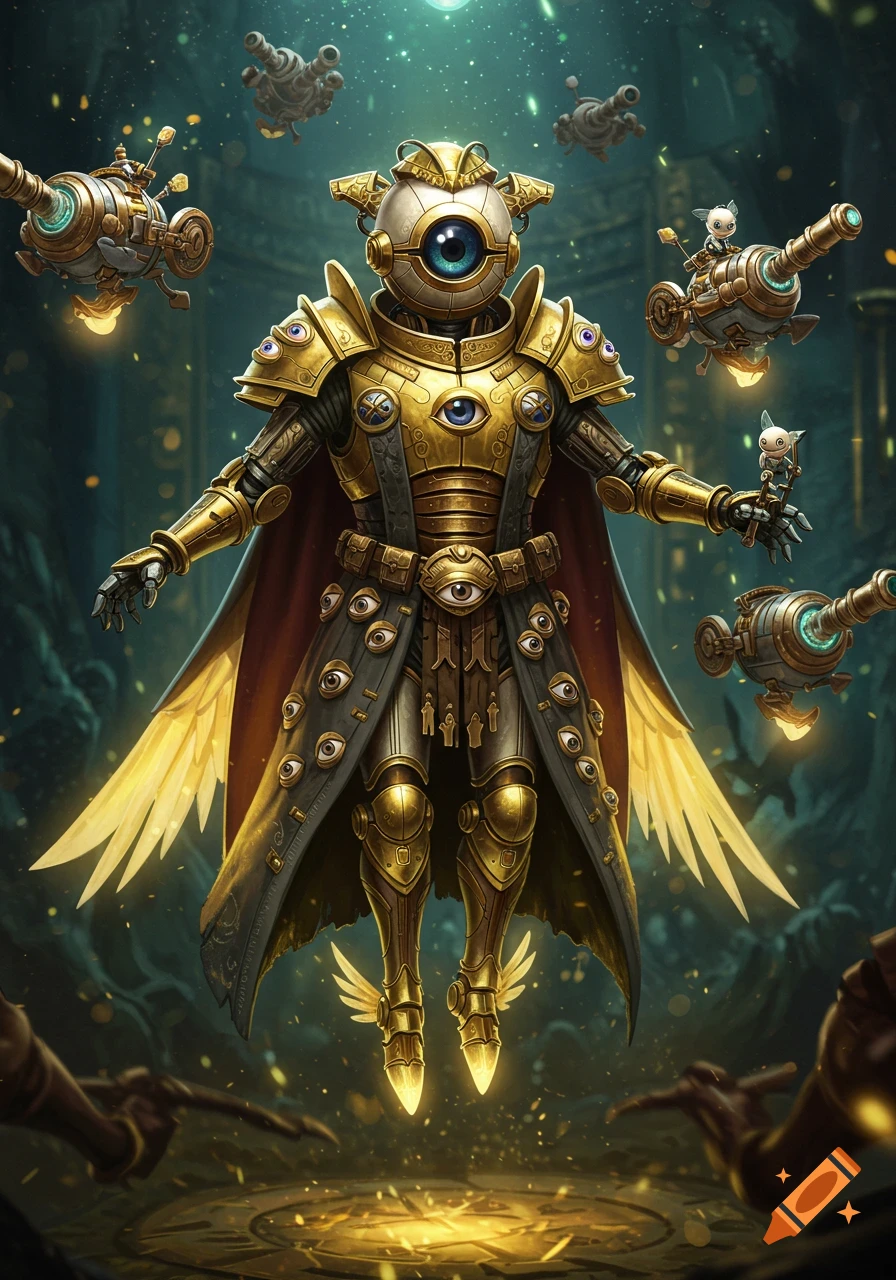
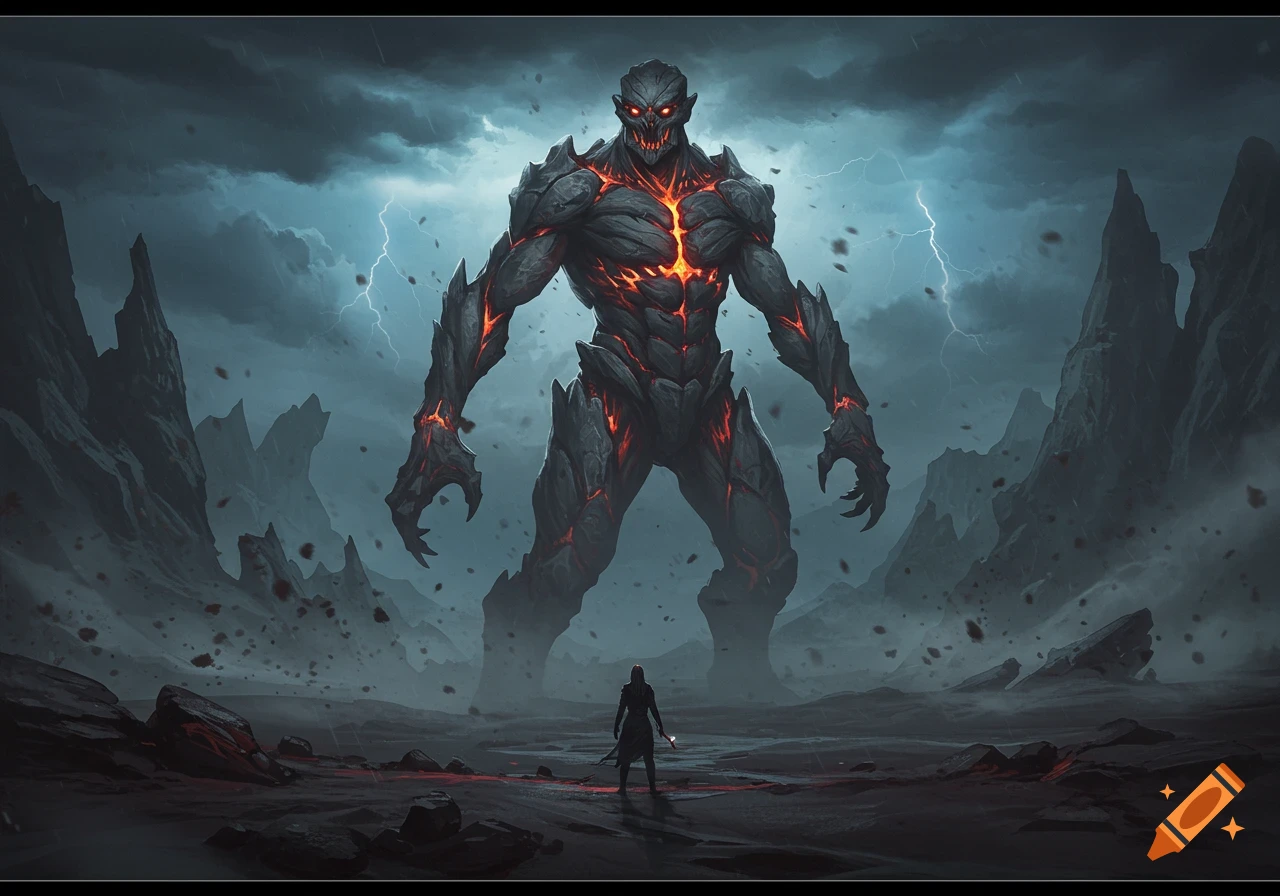
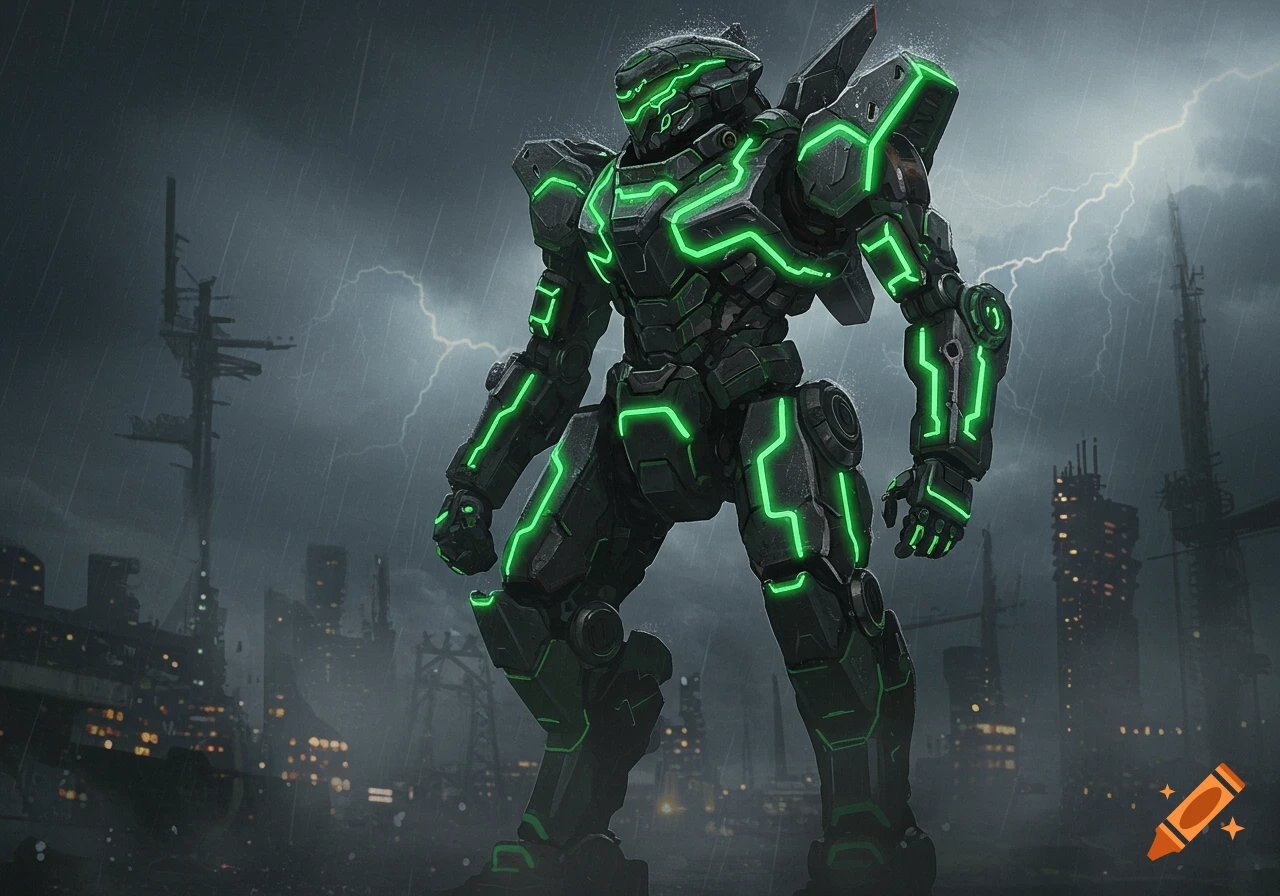
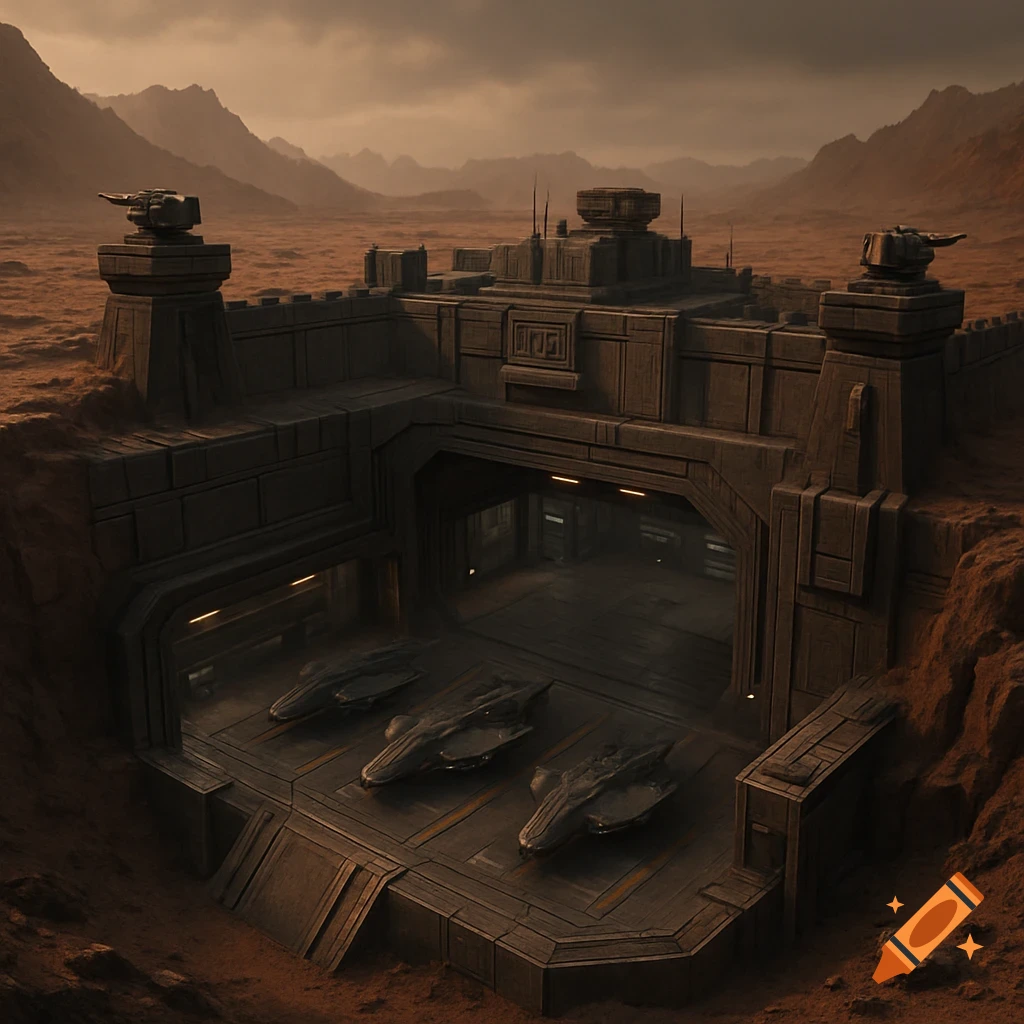
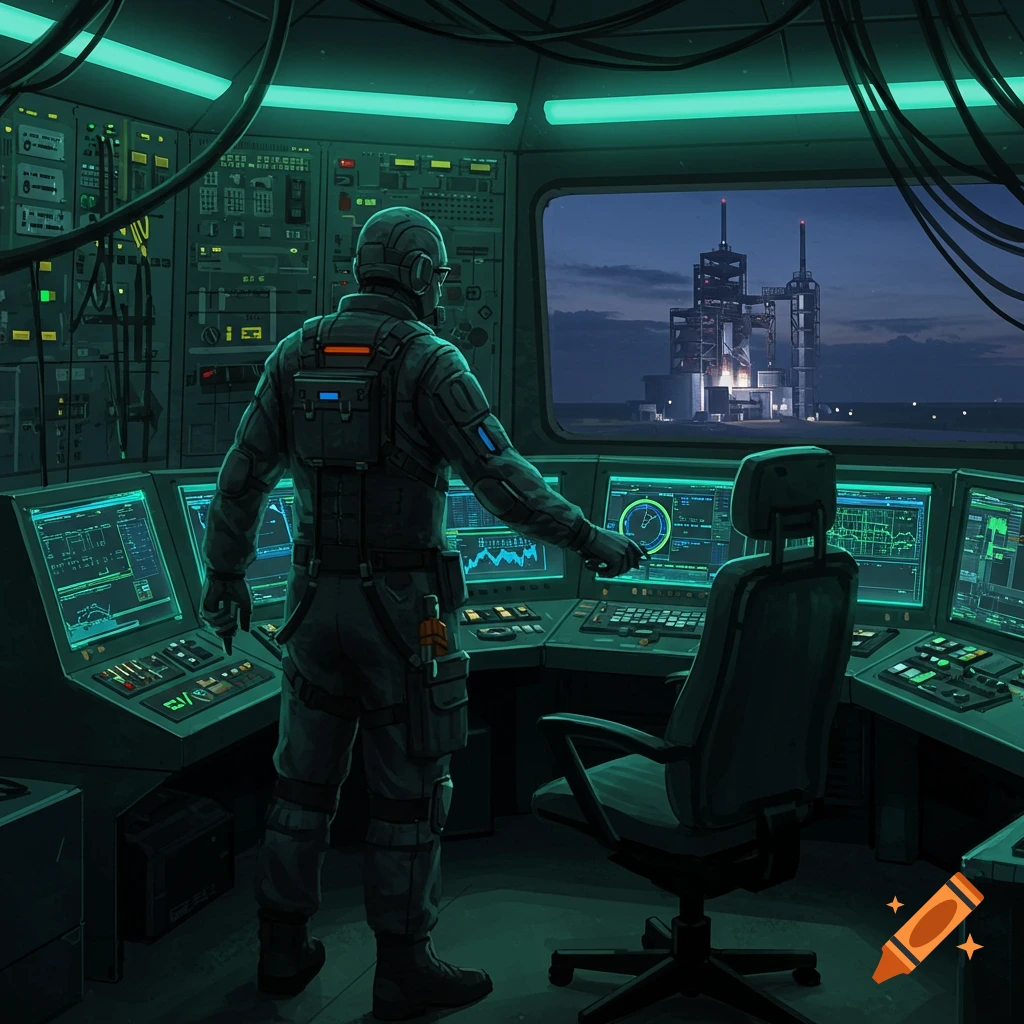
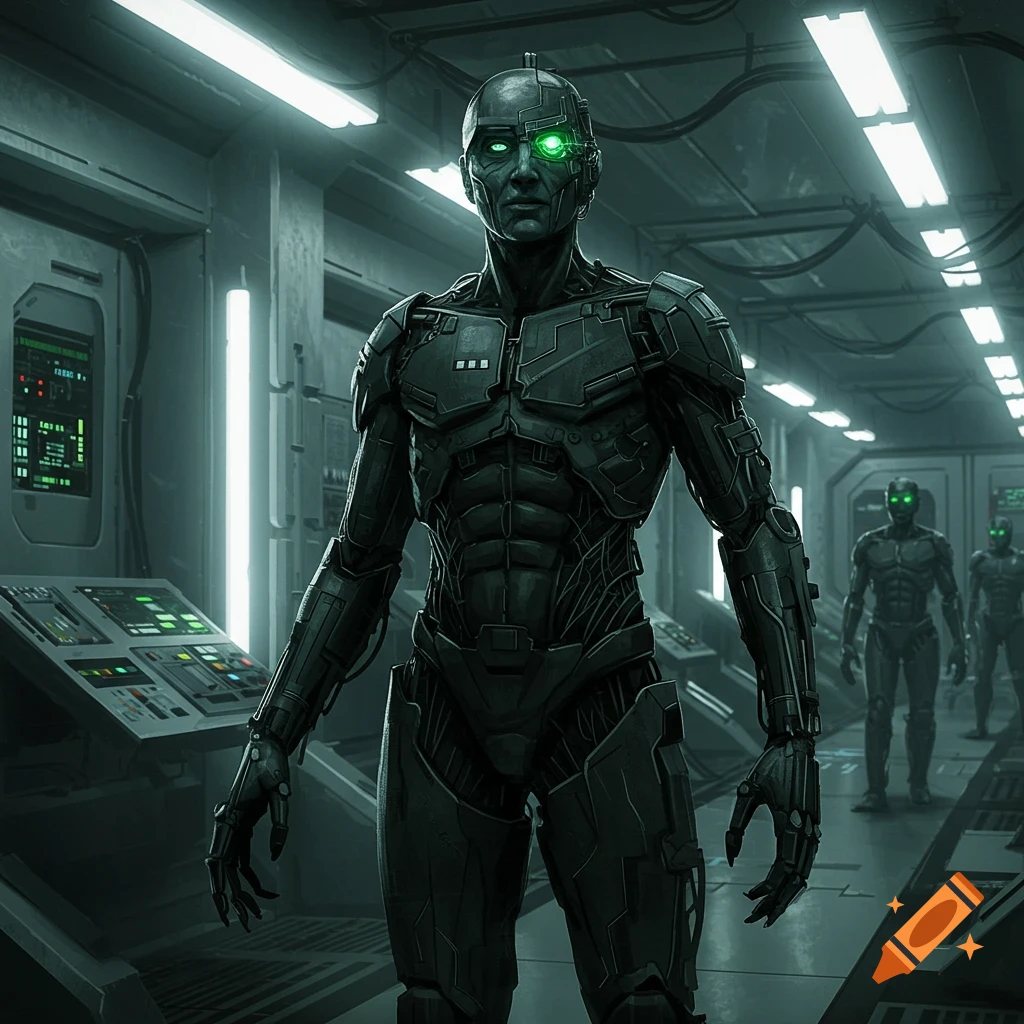
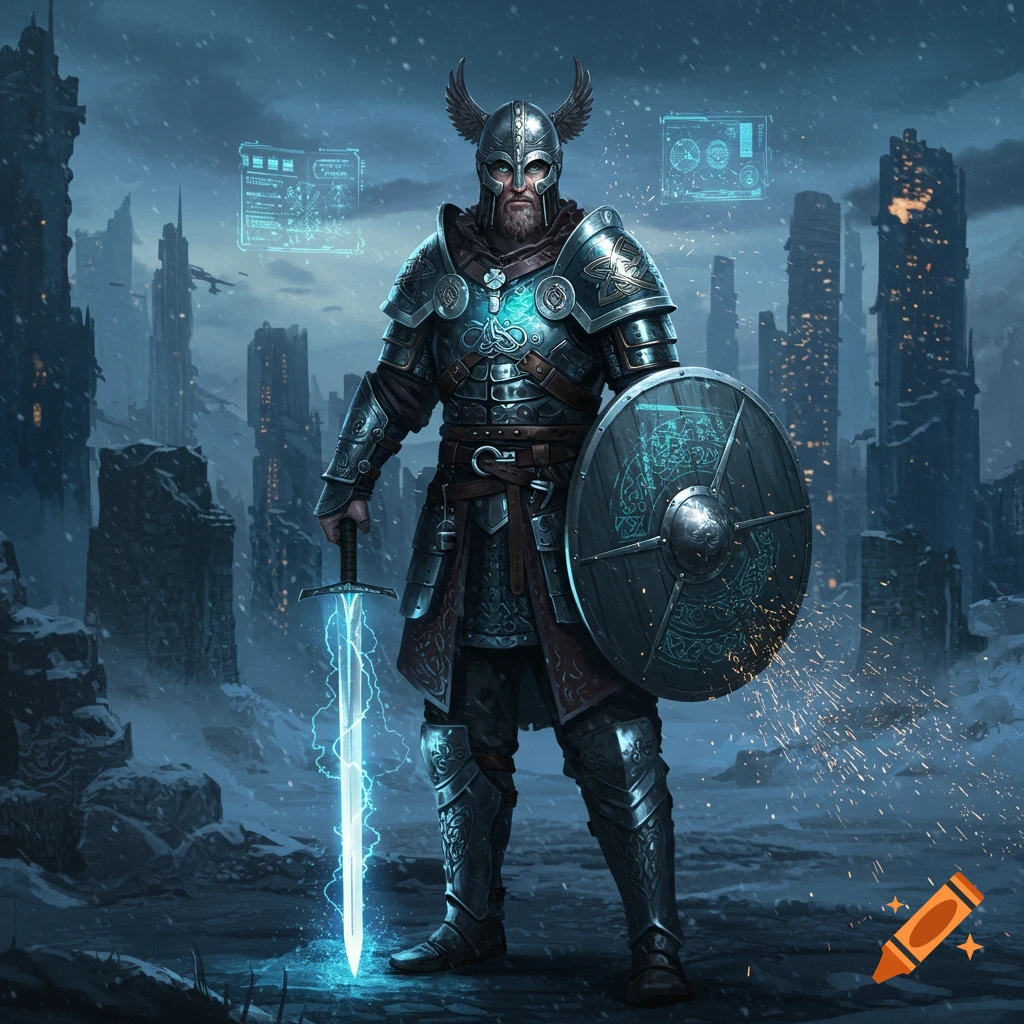
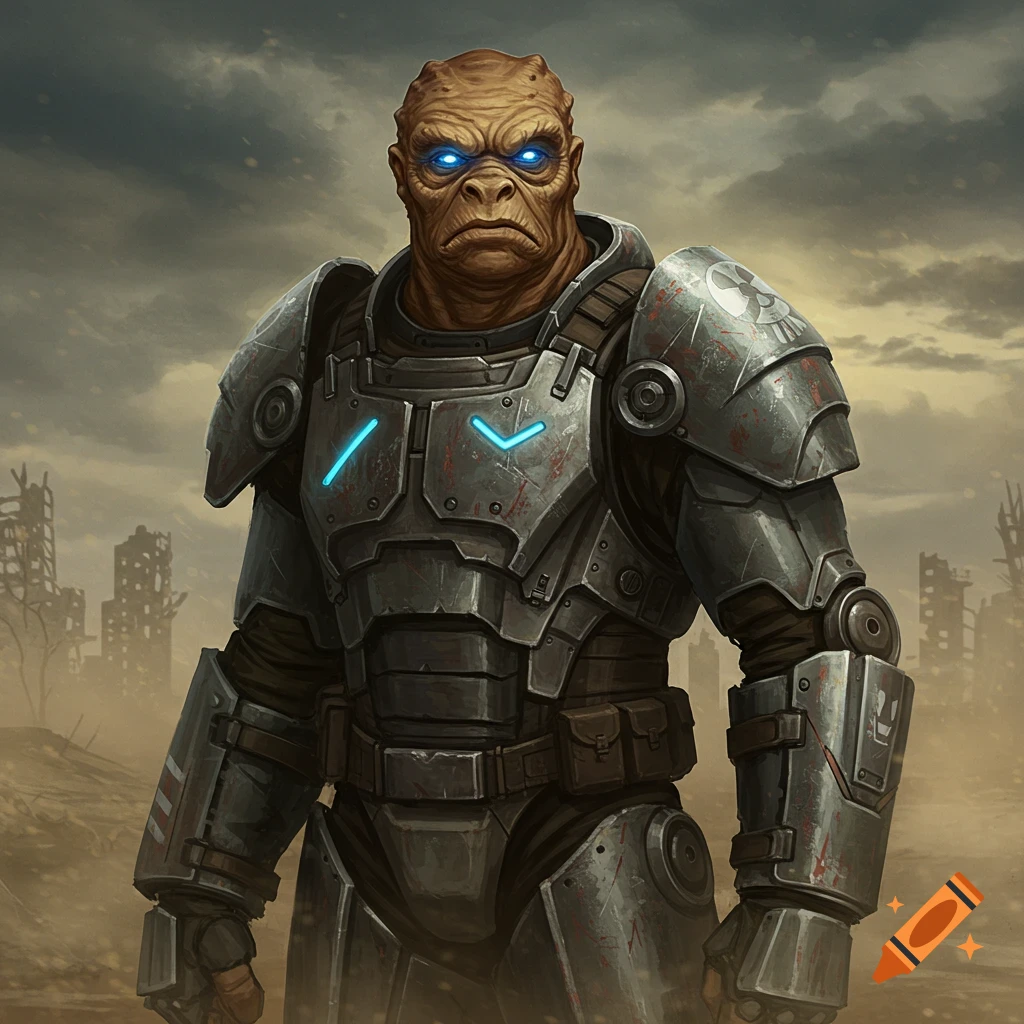
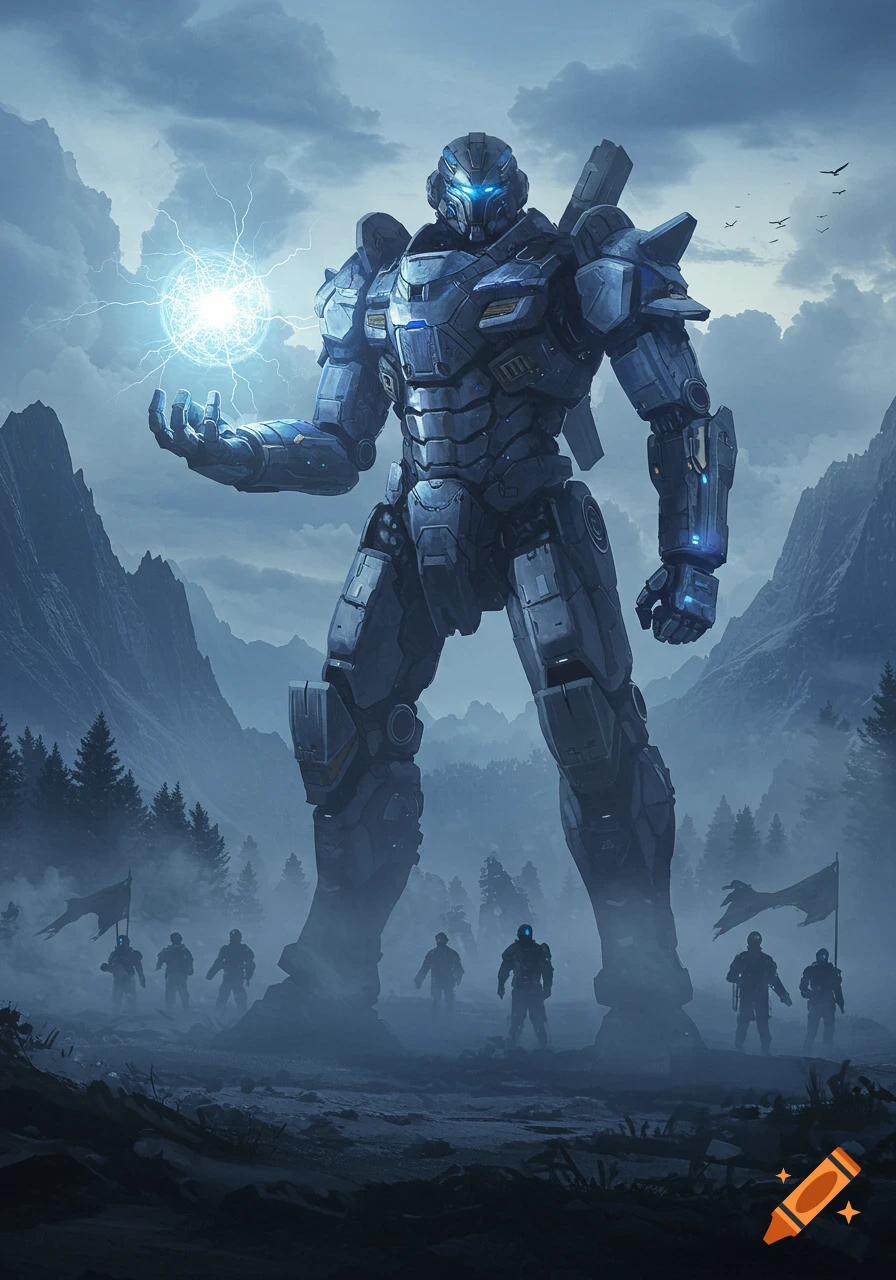
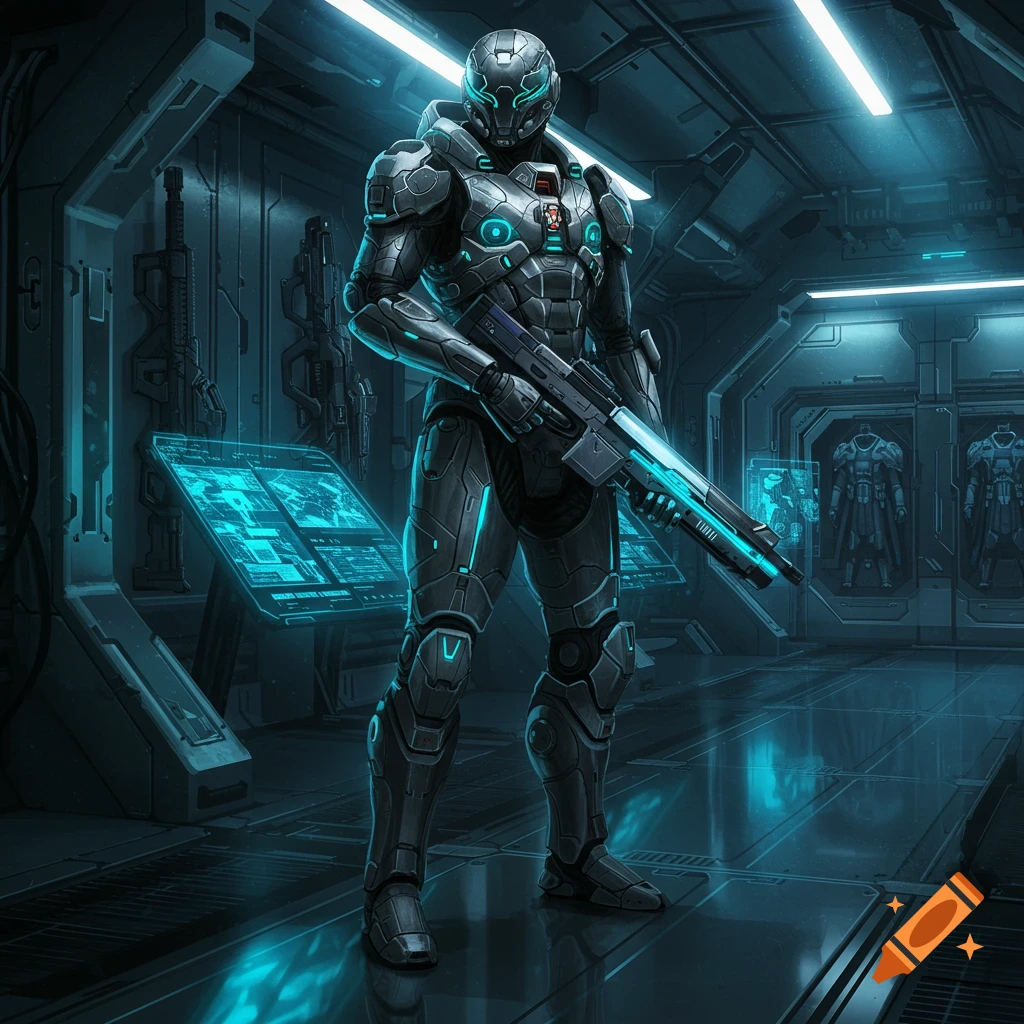
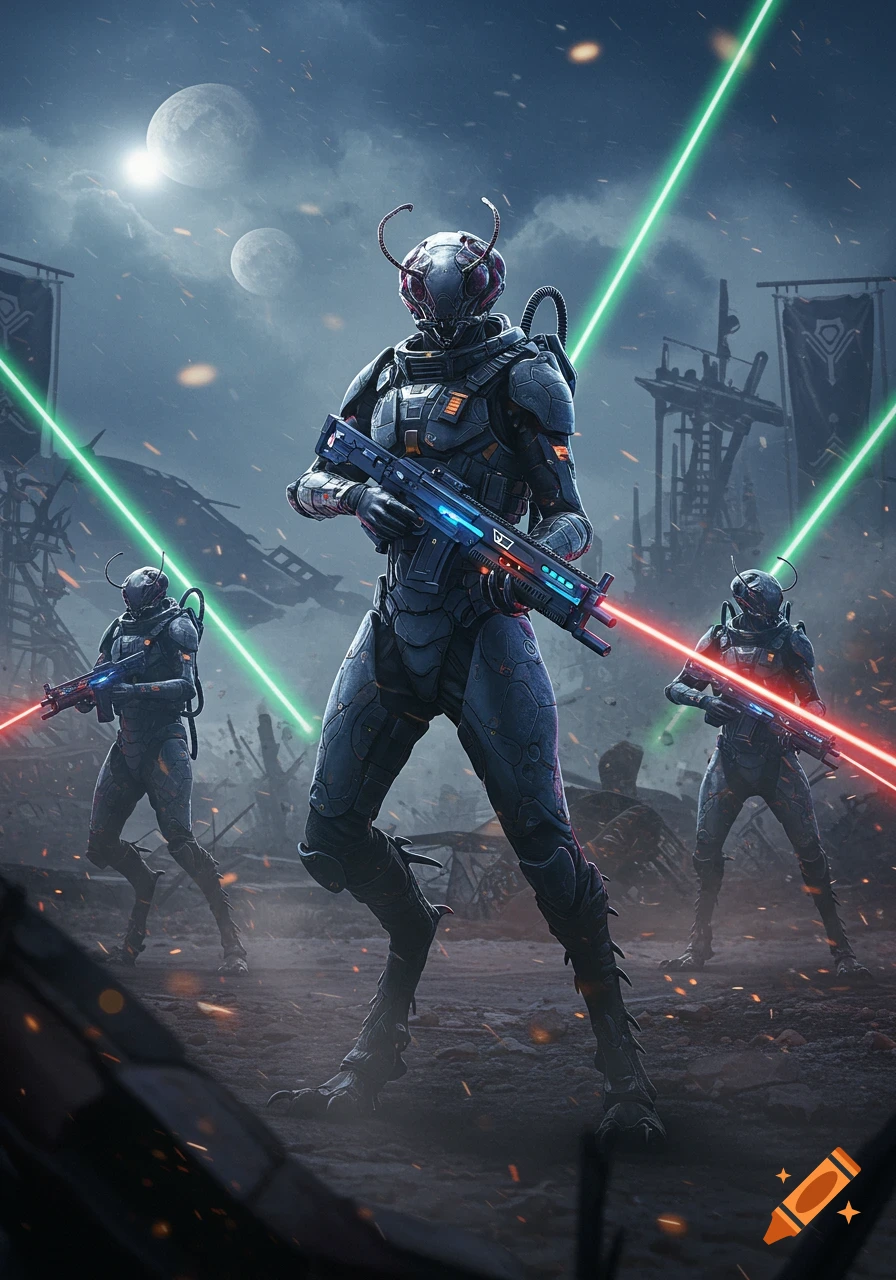
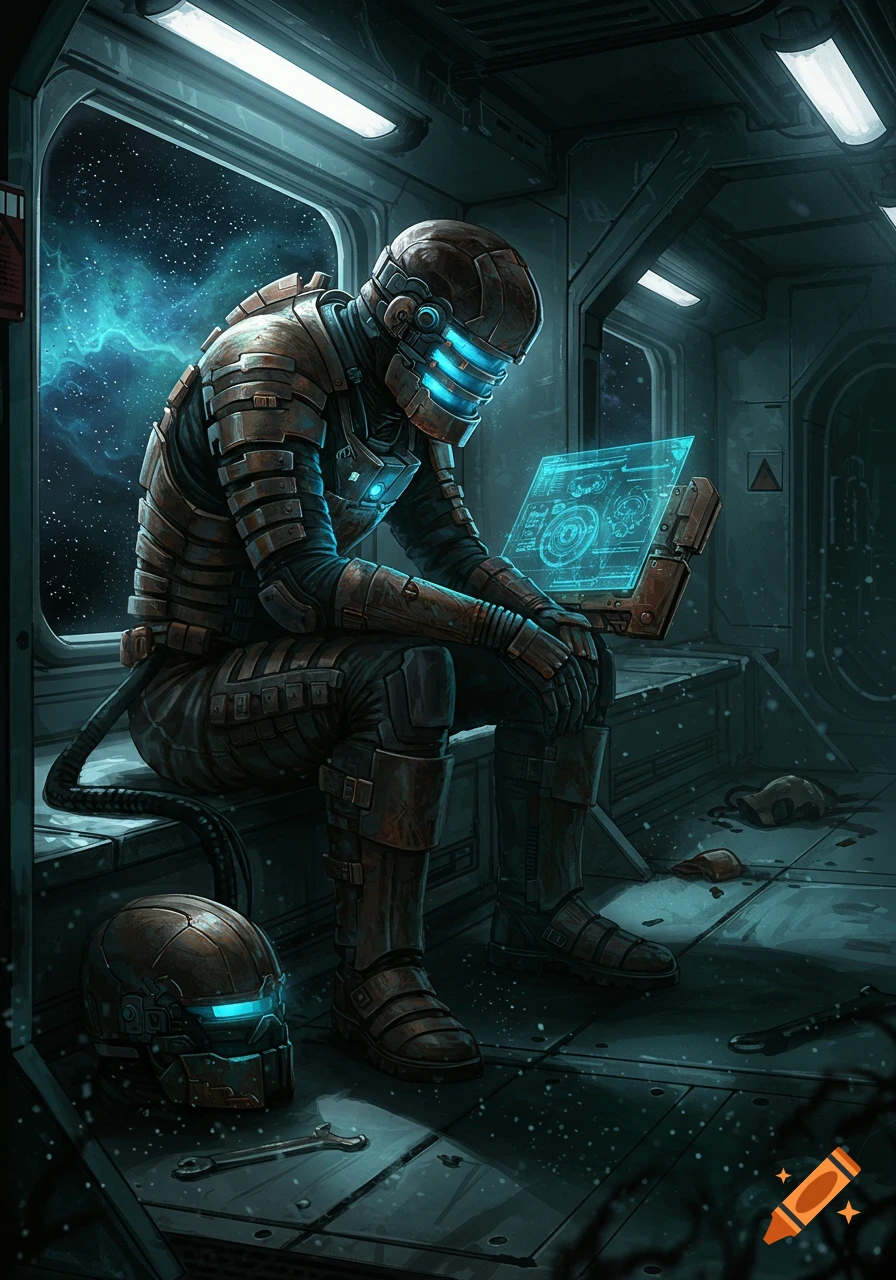
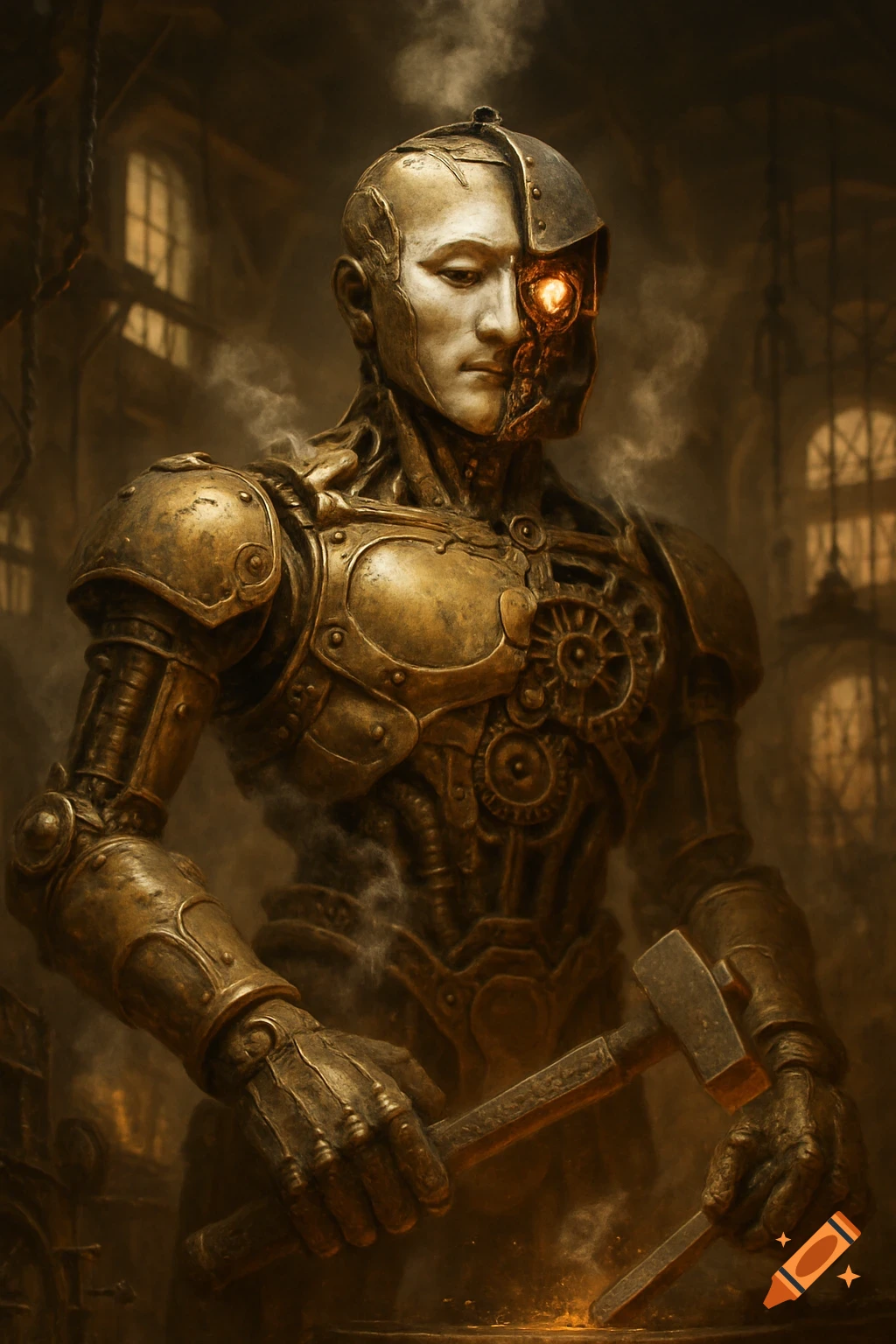
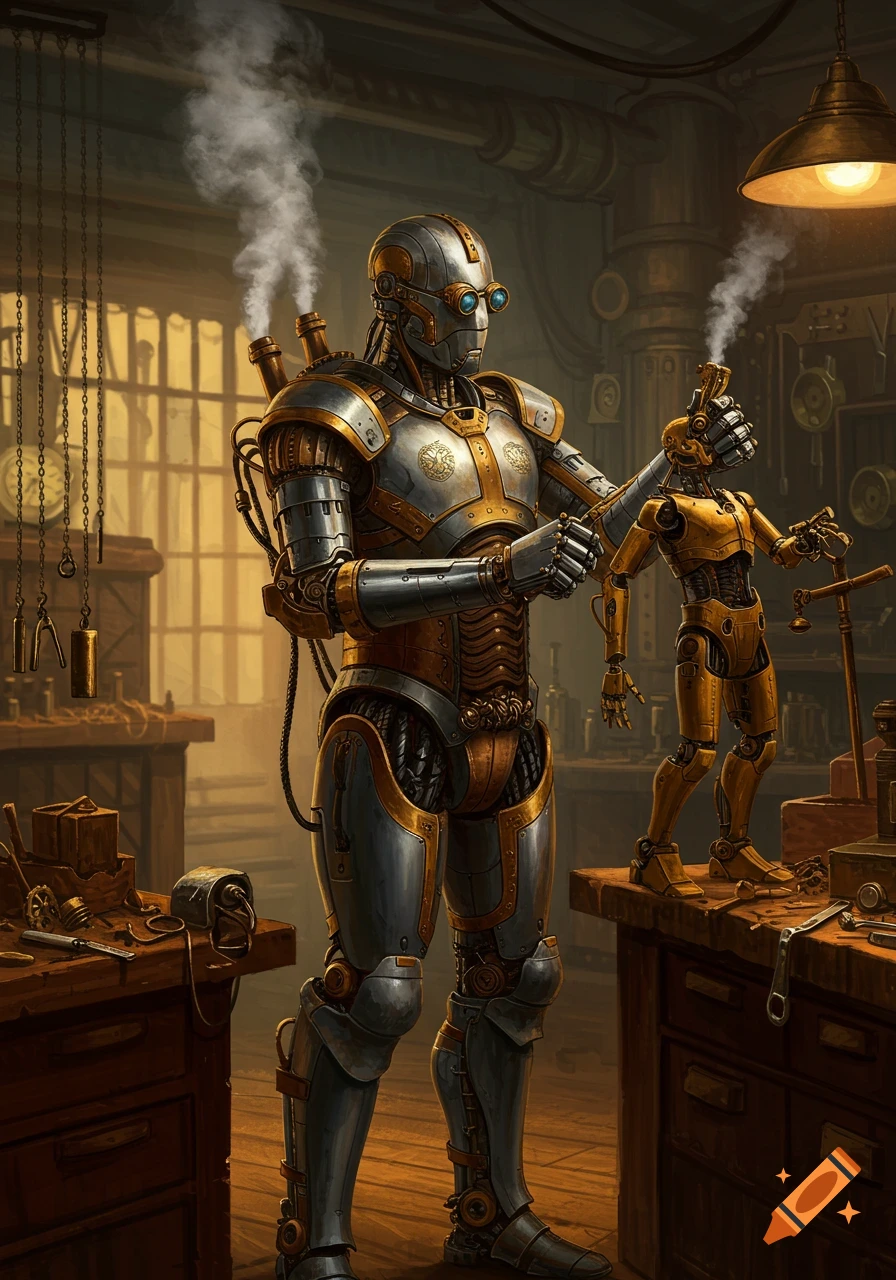
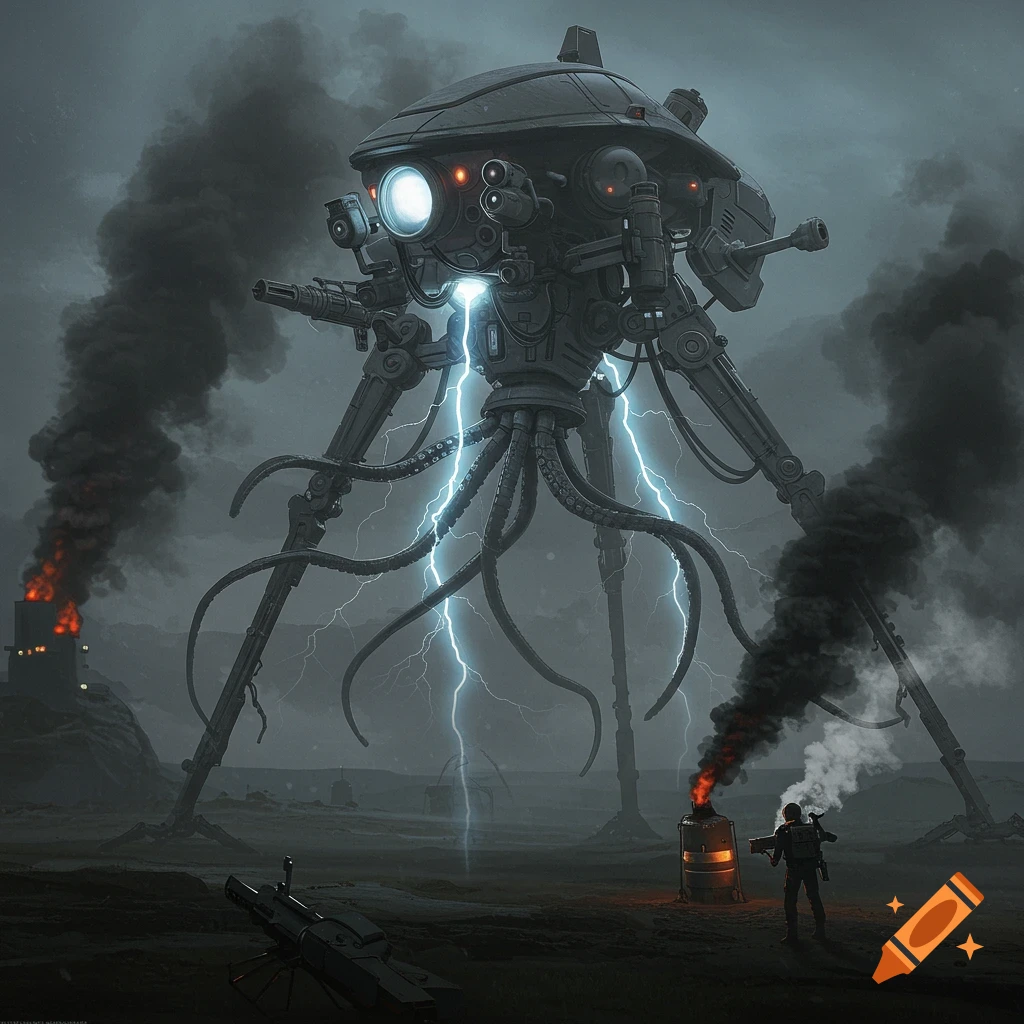
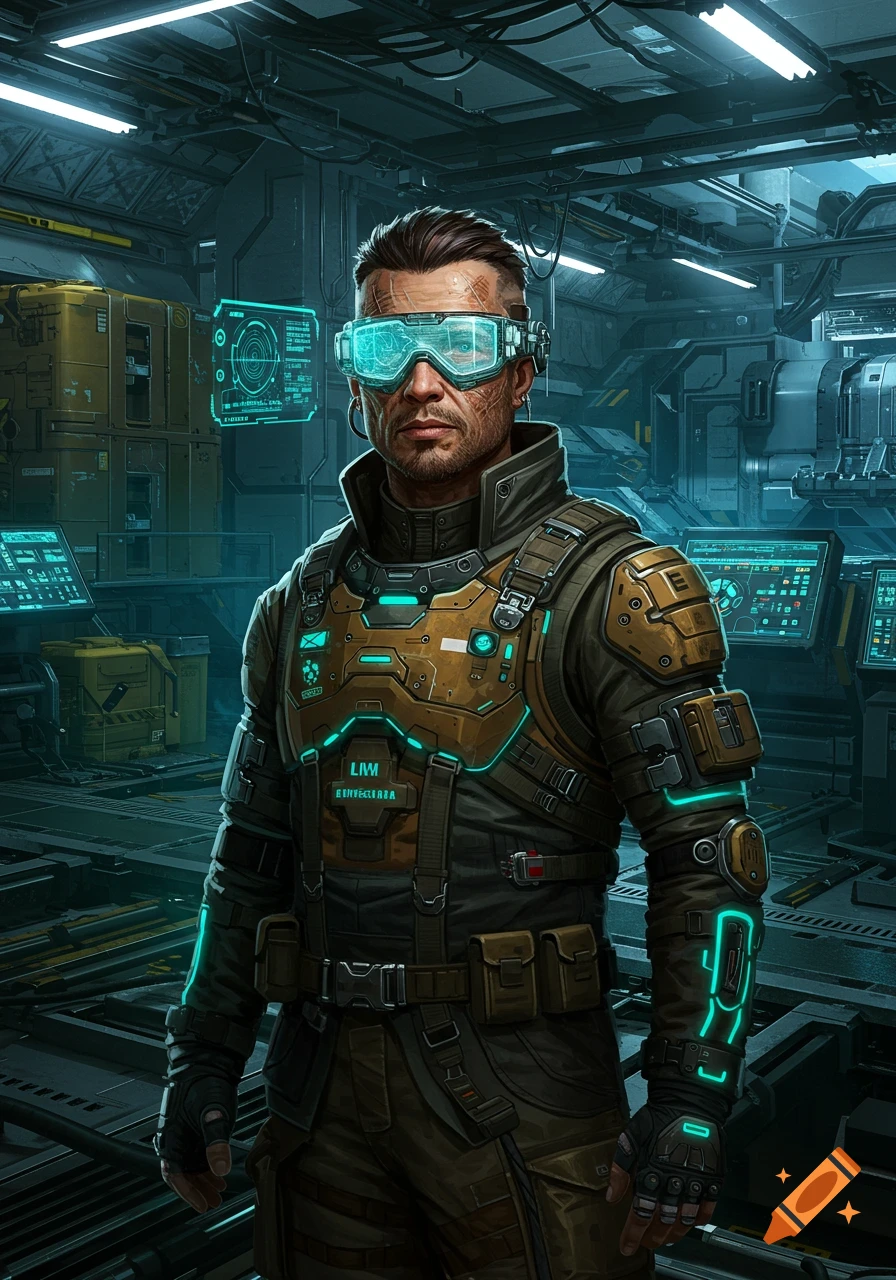
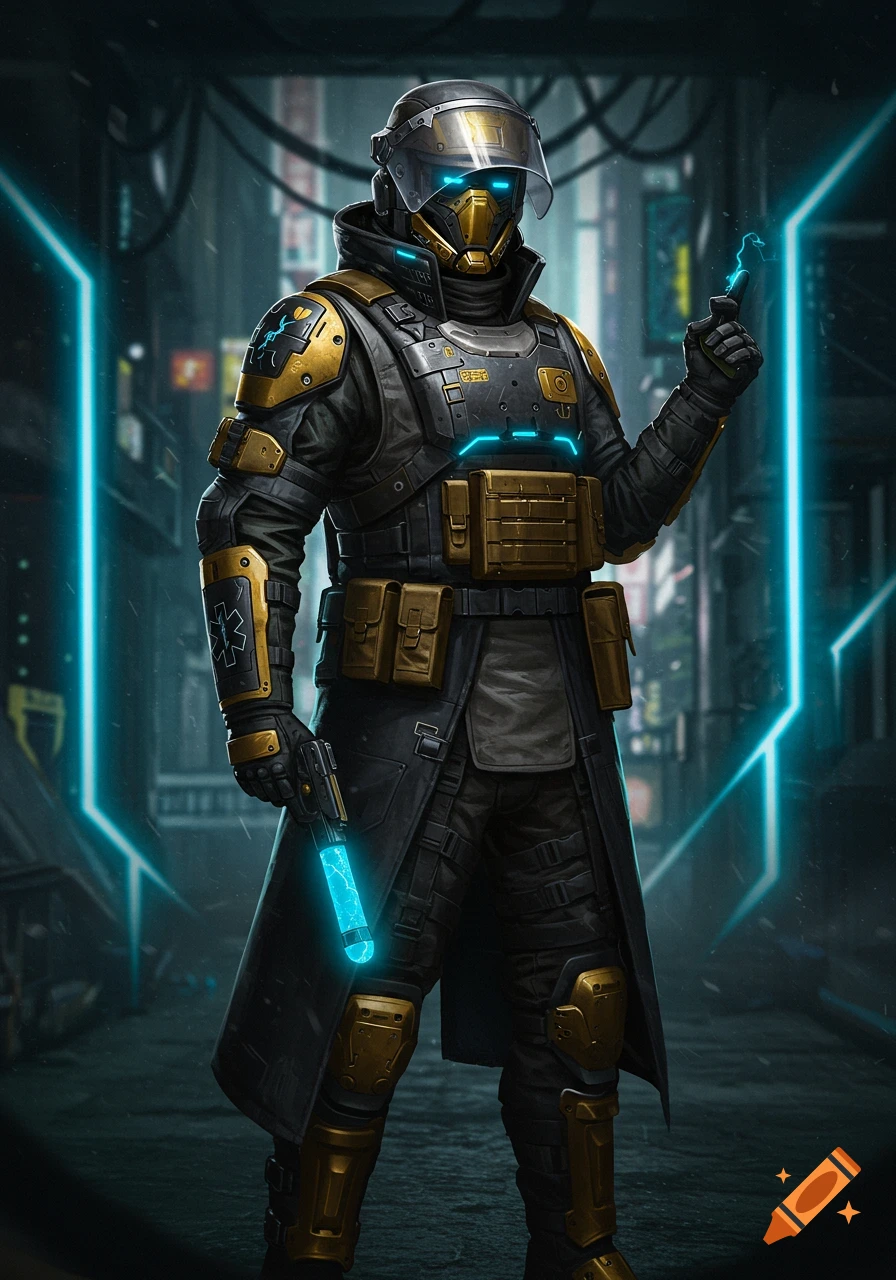
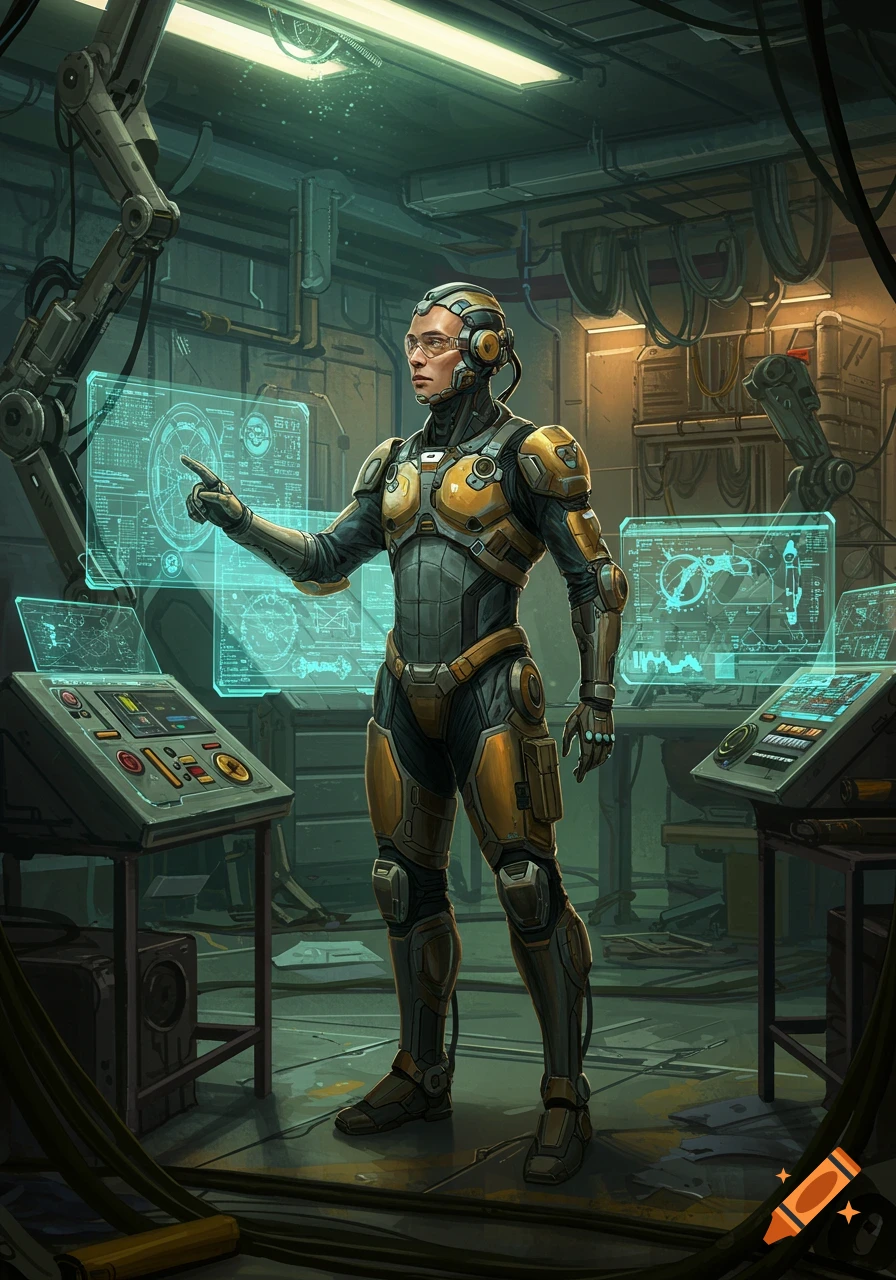
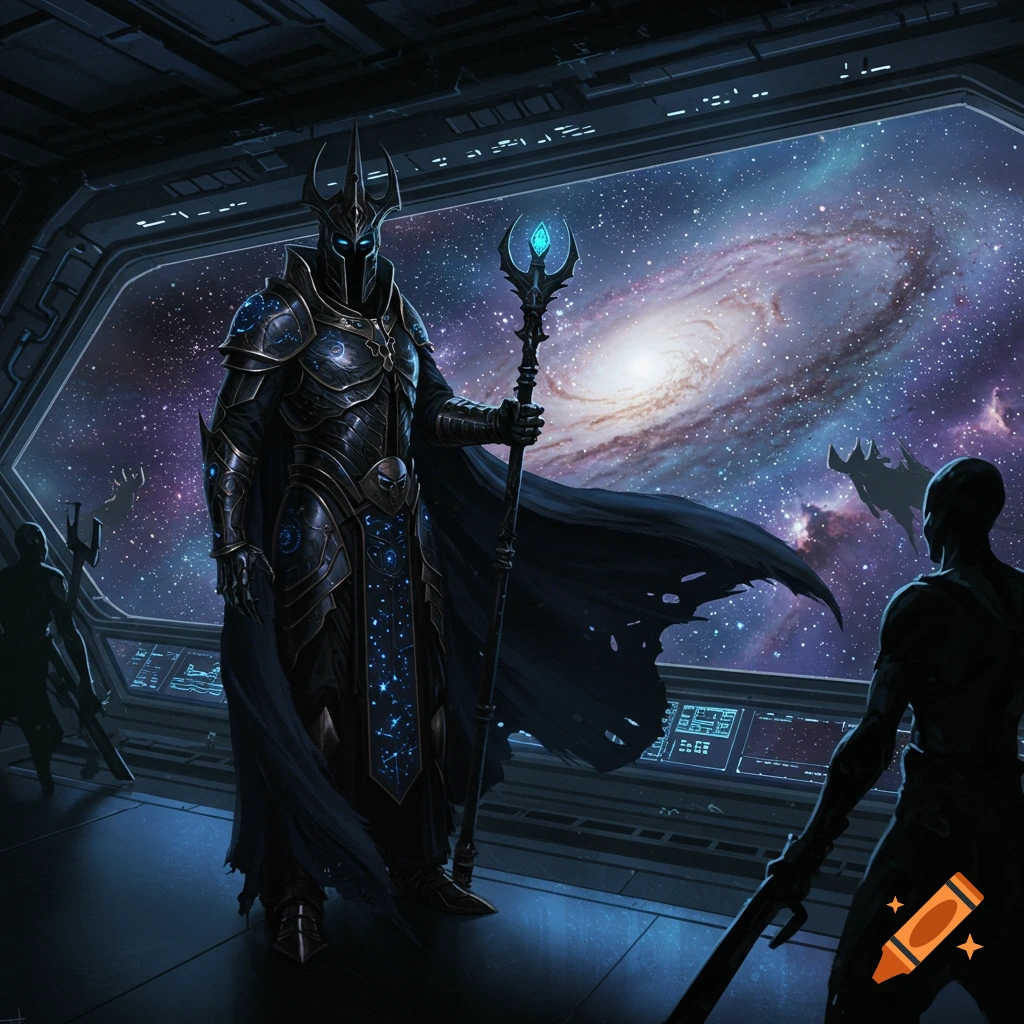
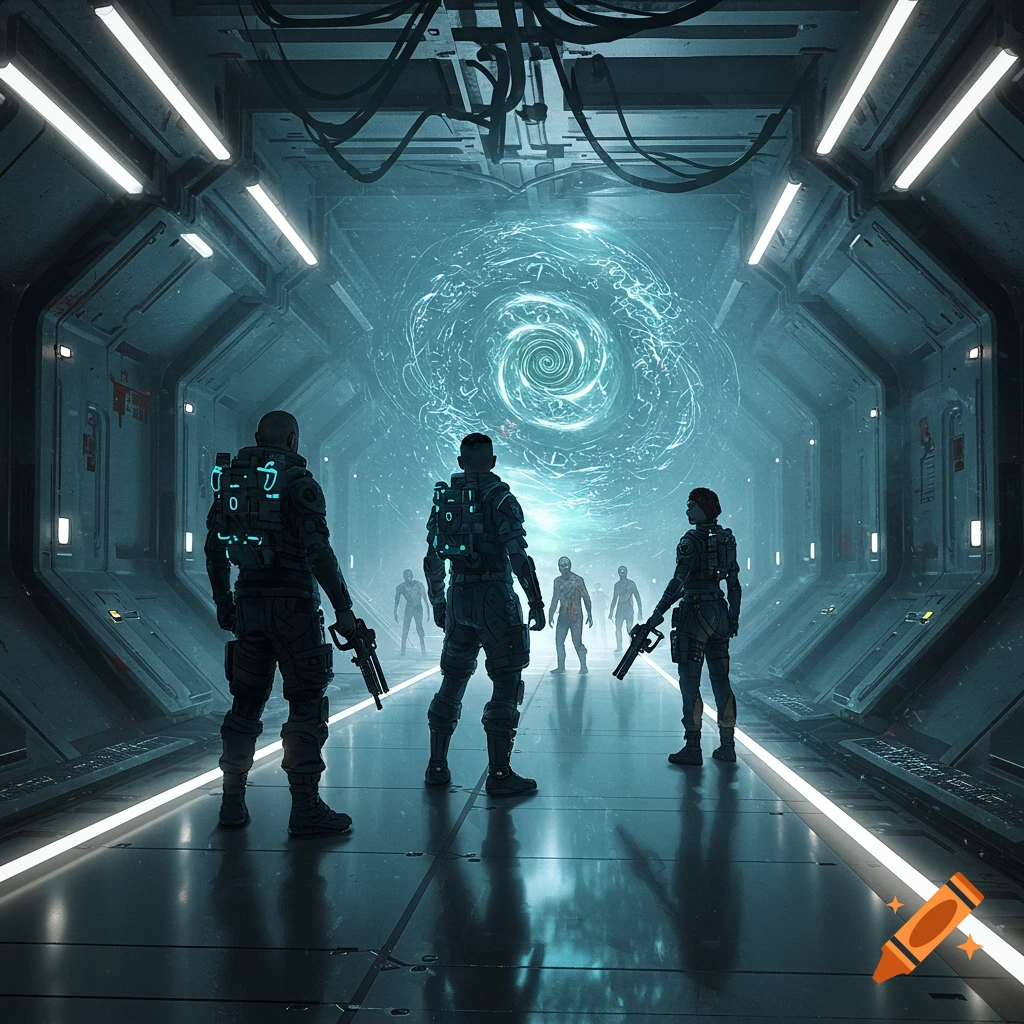
A futuristic warrior in armored suit with Kente cloth cape stands in a spaceship cockpit overlooking ancient-looking structures on an alien planet.

Part 1: The Visual Portrait (The Drawing) You must create a visual representation of your character. This can be a hand-drawn illustration, a digital painting, or a detailed mixed-media collage. Costume & Technology: Your character’s gear, clothing, or cybernetics should visually blend futuristic technology with historical African or diasporic aesthetics (e.g., Kente patterns, Adinkra symbols, Egyptian iconography, or structural elements inspired by traditional architecture like Great Zimbabwe). Setting: Place your character in an environment that hints at their world (e.g., an advanced subaquatic city, a bio-tech savanna, an interstellar spaceship). Part 2: The Analytical Explanation (2 Paragraphs) Your written component must be structured into three distinct sections: Character Profile: Provide basic demographics (Name, role, age, setting, powers/abilities, and technological gear). Historical Anchor (The "Why"): Explicitly connect your character to at least two specific historical concepts from the AP African American Studies curriculum. Example: If your character manipulates sound waves, connect this to the history of coded spirituals during enslavement or the political weight of Hip-Hop. If your character lives in an advanced underwater civilization, connect it to the mythos of the Middle Passage. Afrofuturist Framework: Explain how your character subverts historical trauma. How does your character reject historical erasure and offer a vision of Black survival, agency, Ver más
More images like this