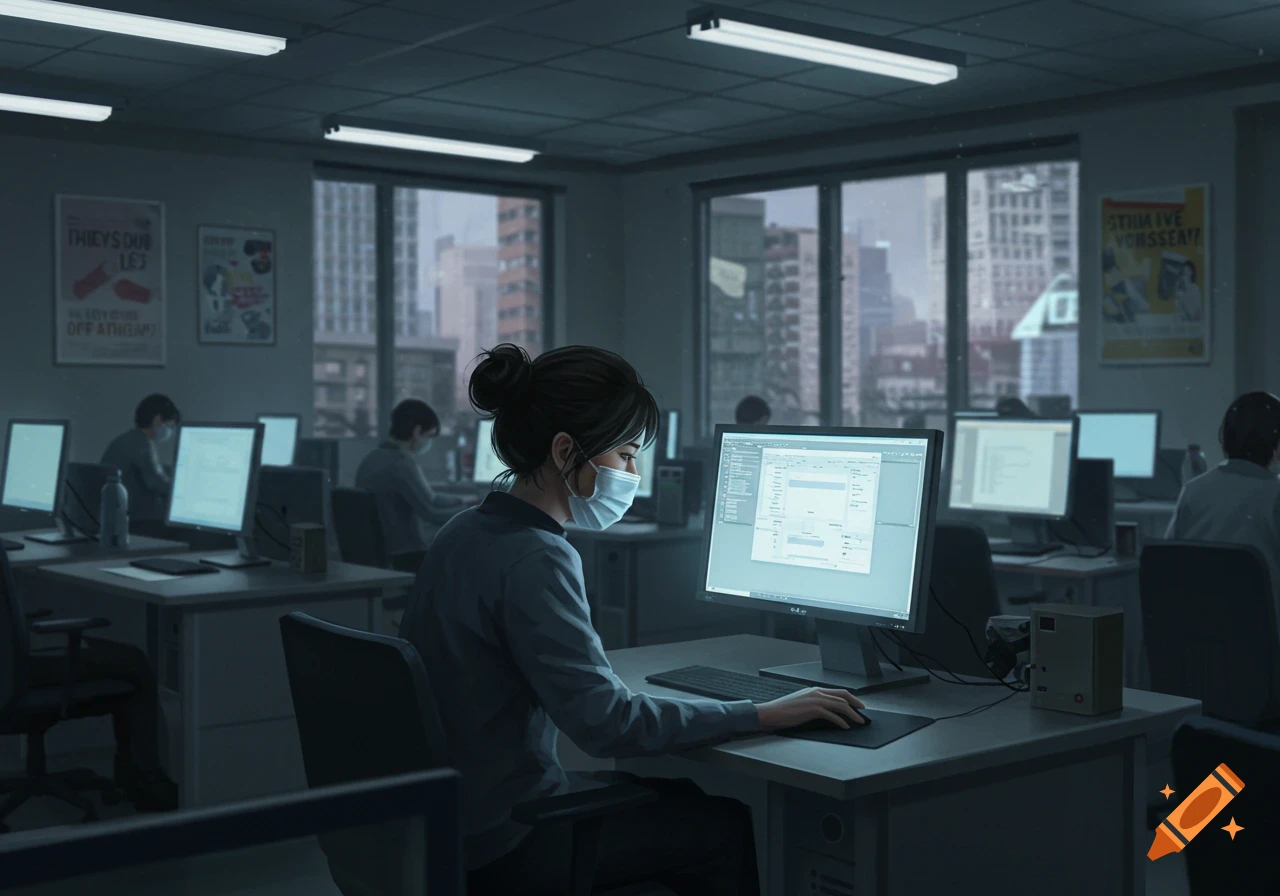
A woman wearing a face mask and headset writes in a notebook at a desk in a busy crisis support center office.

Studies reported that the outbreak had a significant impact on mental health, with an increase in health anxiety, acute stress reactions, adjustment disorders, depression, panic attacks, and insomnia. Relapses and increased hospitalization rates are occurring in cases of severe mental disorders, obsessive-compulsive disorder, and anxiety disorders. All of which increase suicide risks.[169] National surveys in China (and Italy) revealed a high prevalence of depression and anxiety, both of which increase suicide risks.[169] One Shanghai district reported 14 cases of suicides among primary and secondary school students as of June 2020, more than annual averages.[175] Domestic media reported additional suicides by young people even though topics like suicide are usually avoided in Chinese society.[175] A psychological intervention plan was developed by the Second Xiangya Hospital, the Institute of Mental Health, the Medical Psychology Research Center of the Second Xiangya Hospital, and the Chinese Medical and Psychological Disease Clinical Medicine Research Center. It focused on building an intervention medical team to provide online courses for medical staff, a hotline team, and interventions.[176] Online education and counseling services were created for social media platforms such as WeChat, Weibo, and TikTok. Printed books about mental health and COVID-19 were republished online. Free electronic copies were available through the Chinese Association for Mental Health.[177] A See more
More images like this