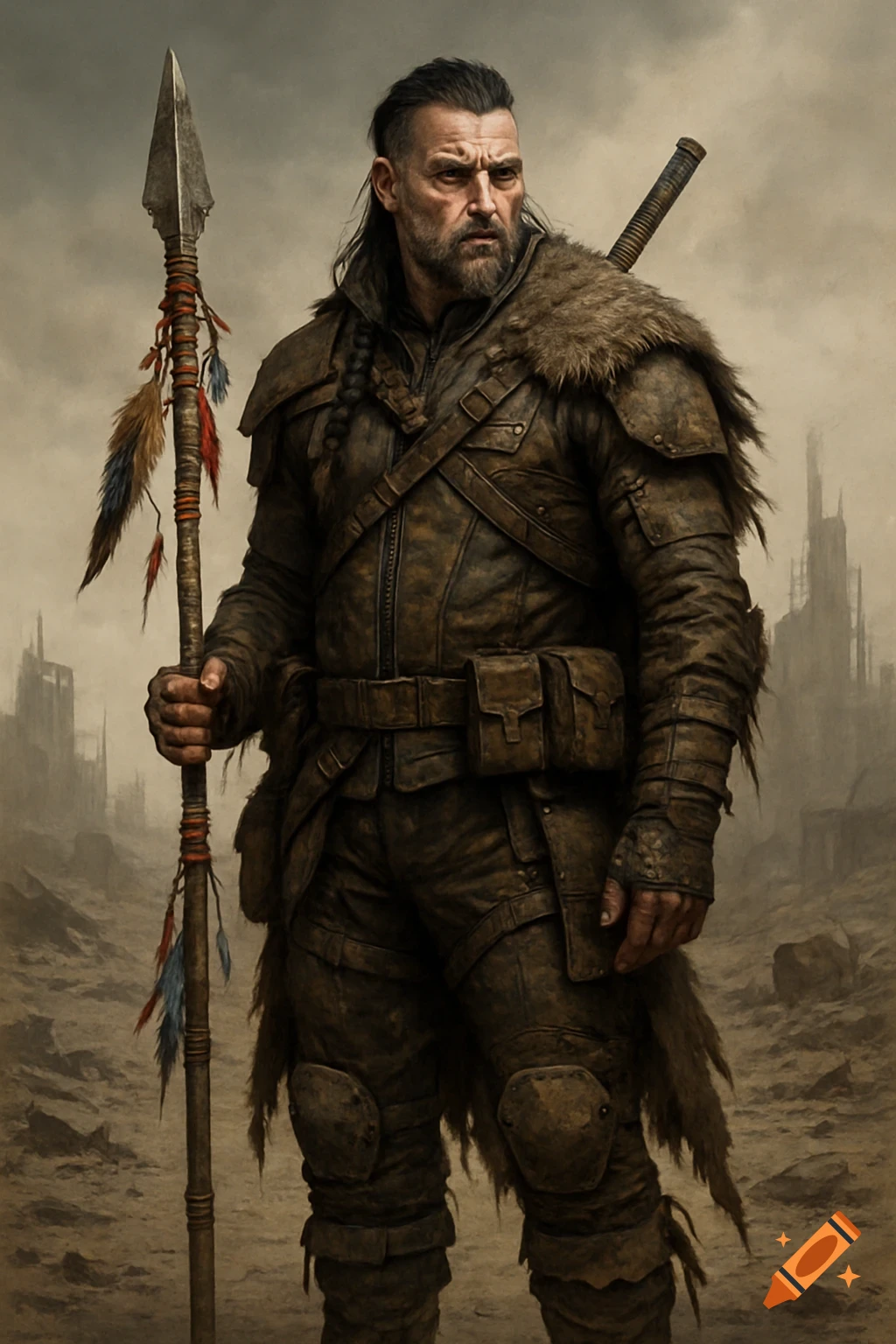
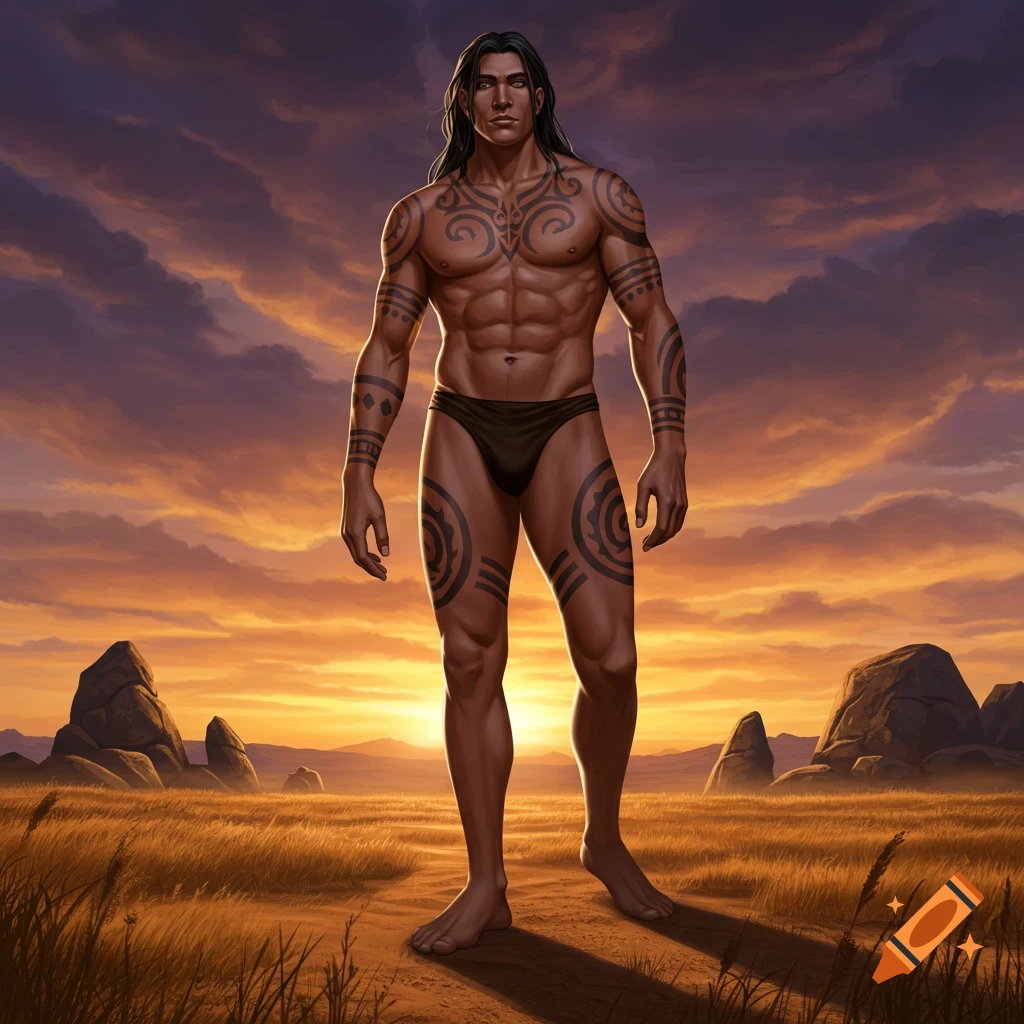
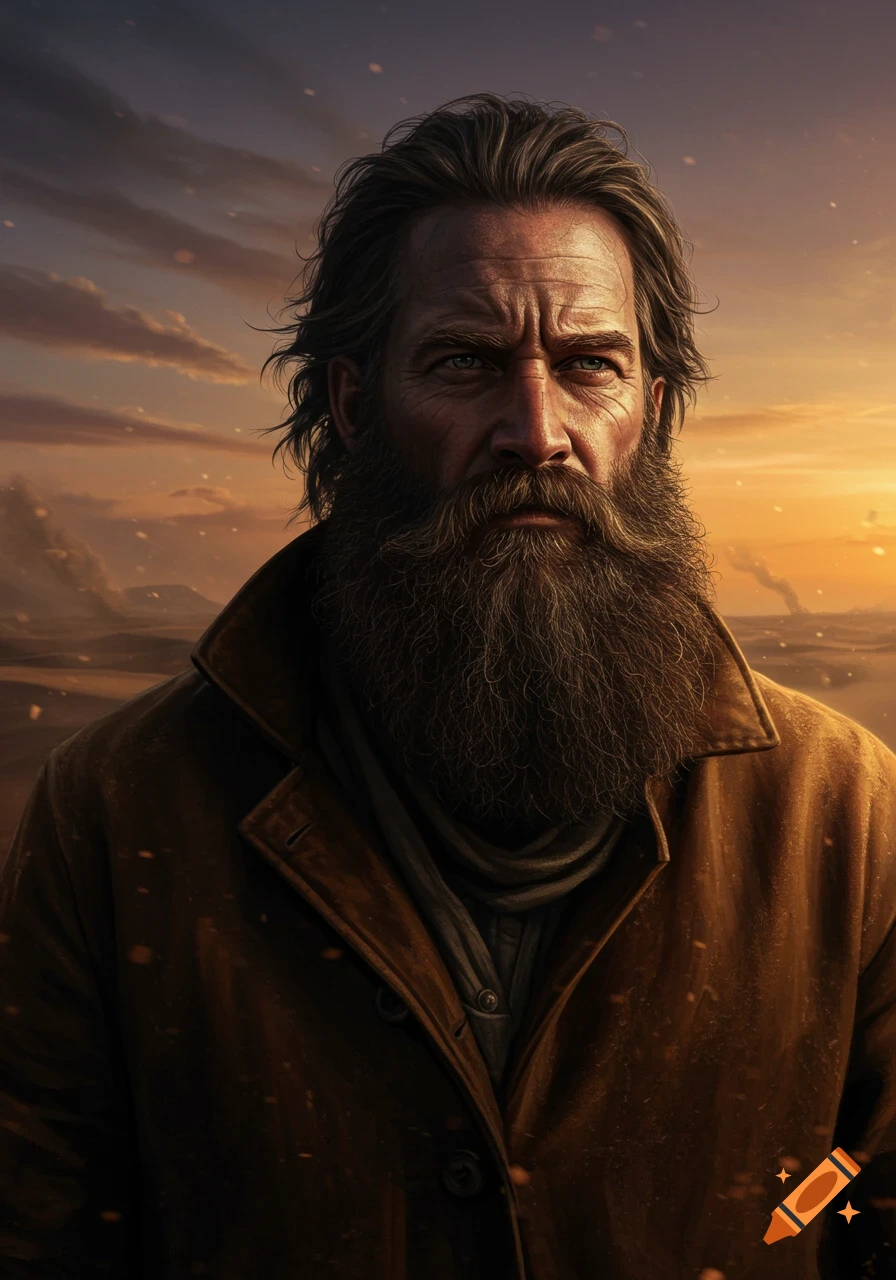
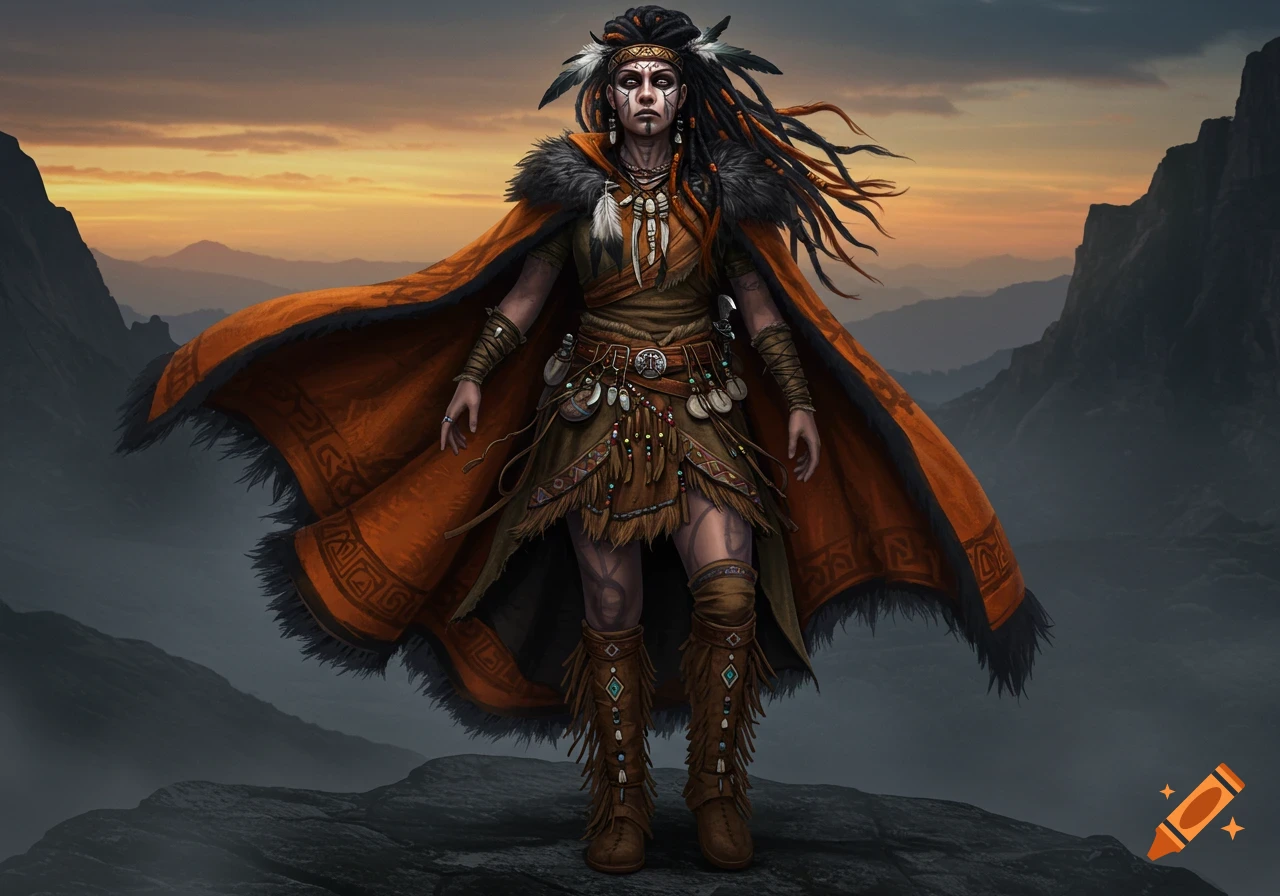
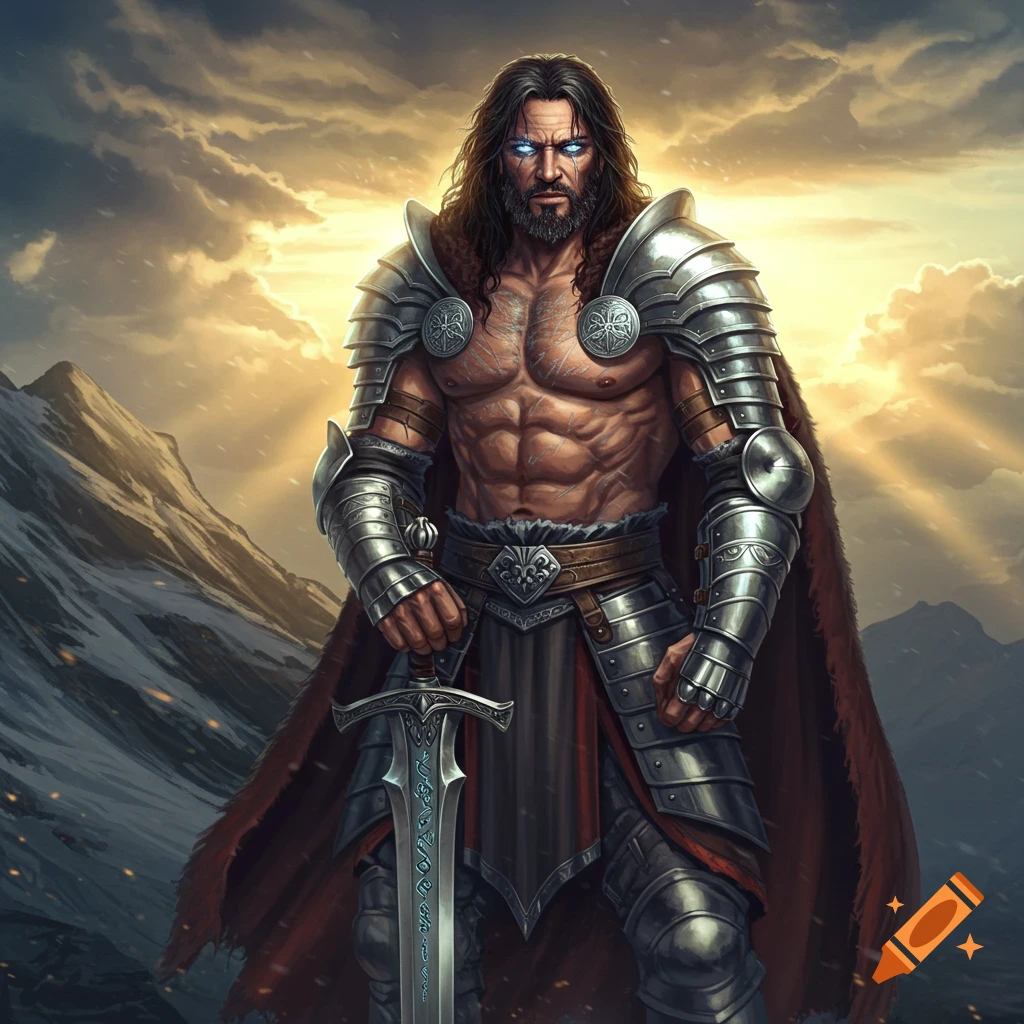
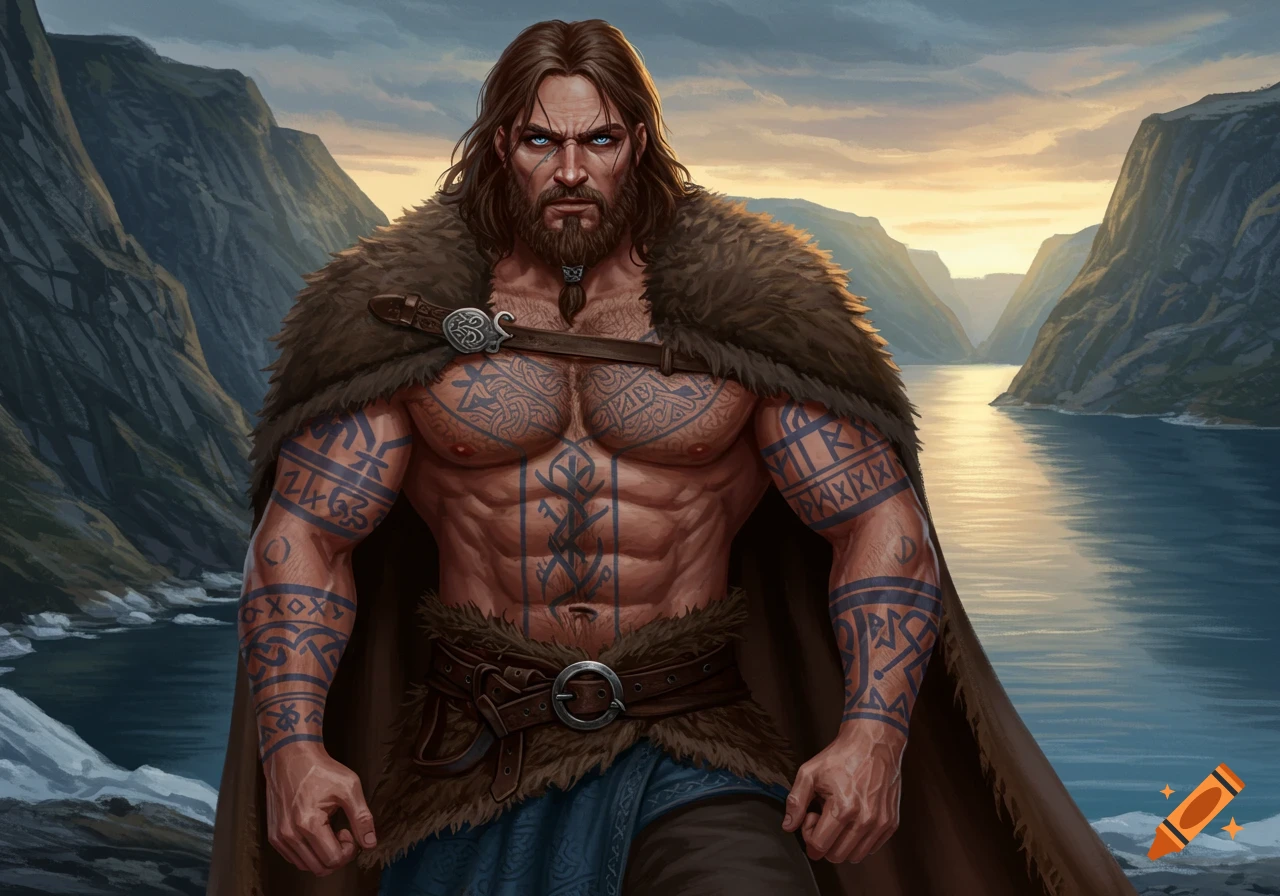
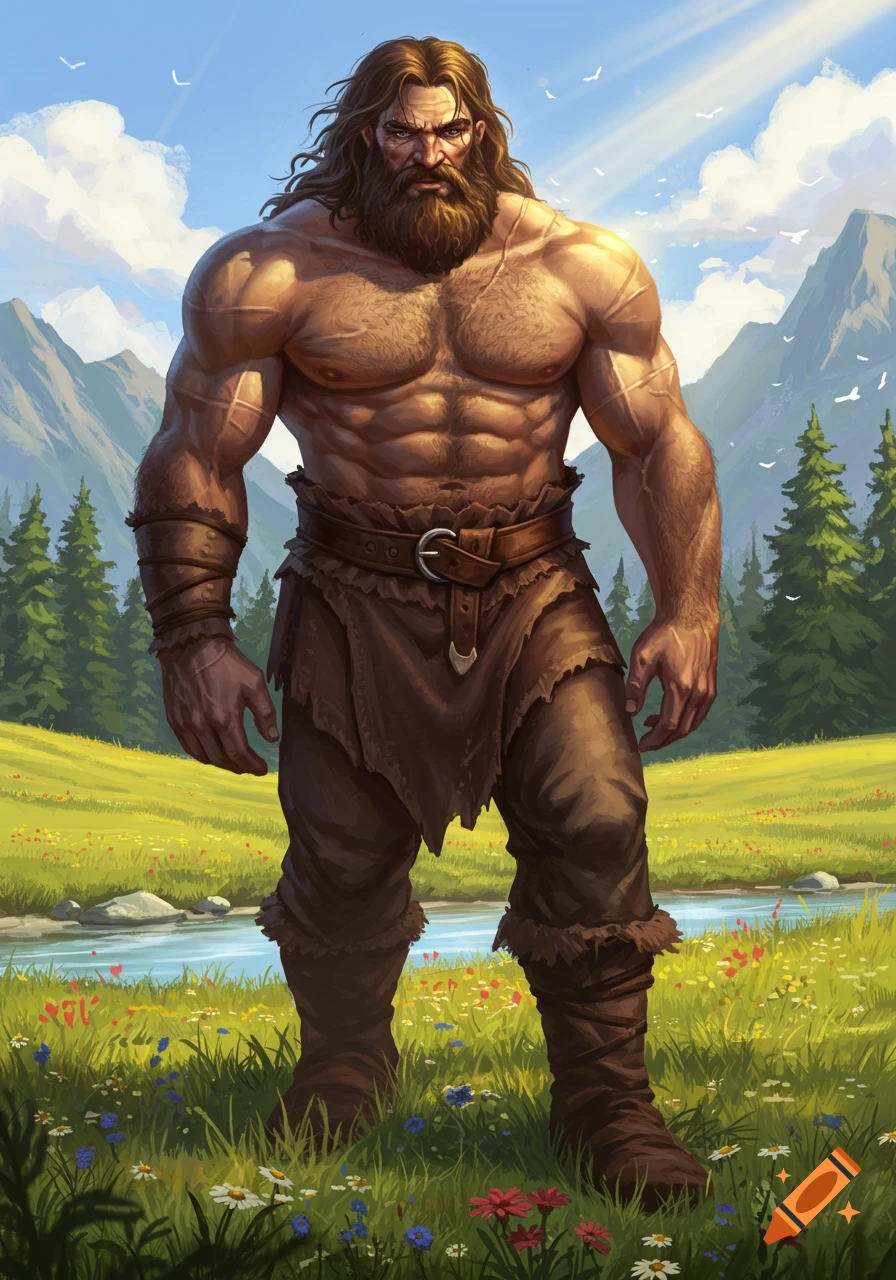
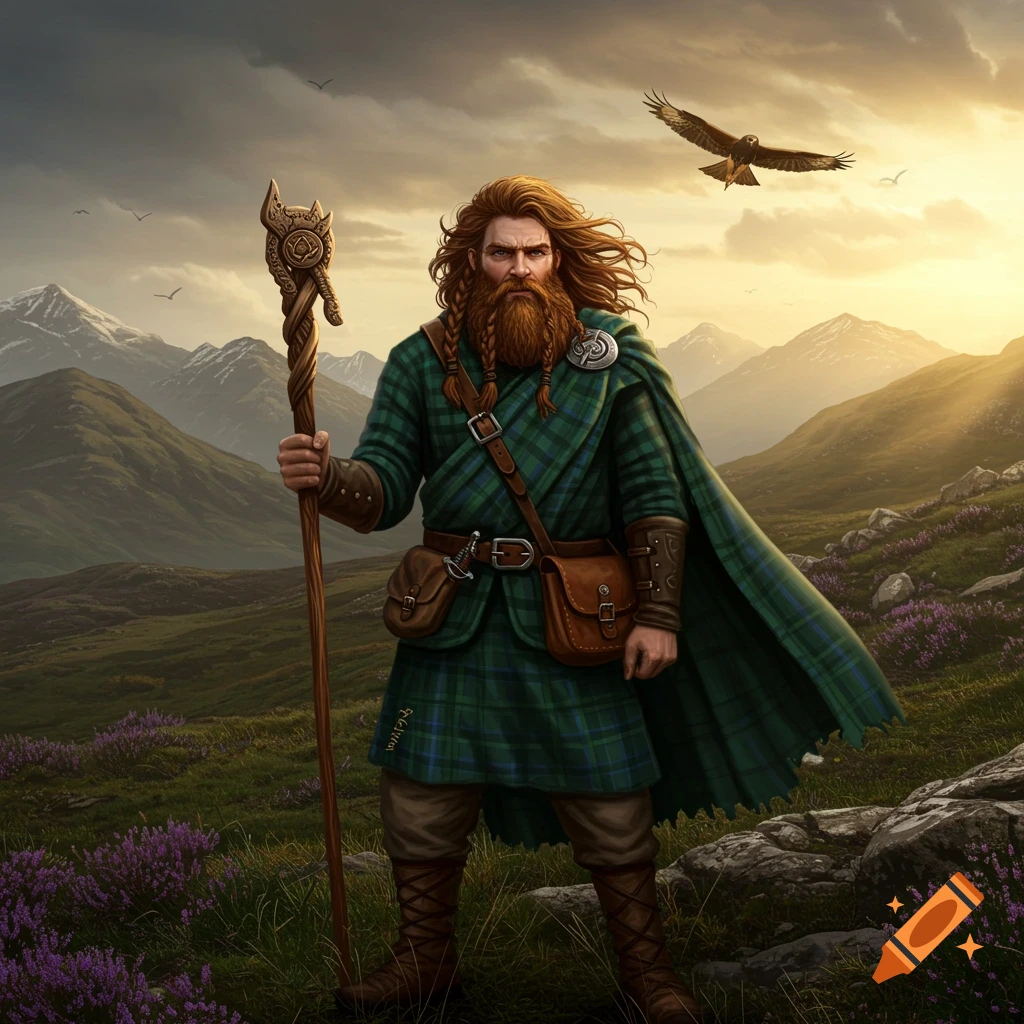
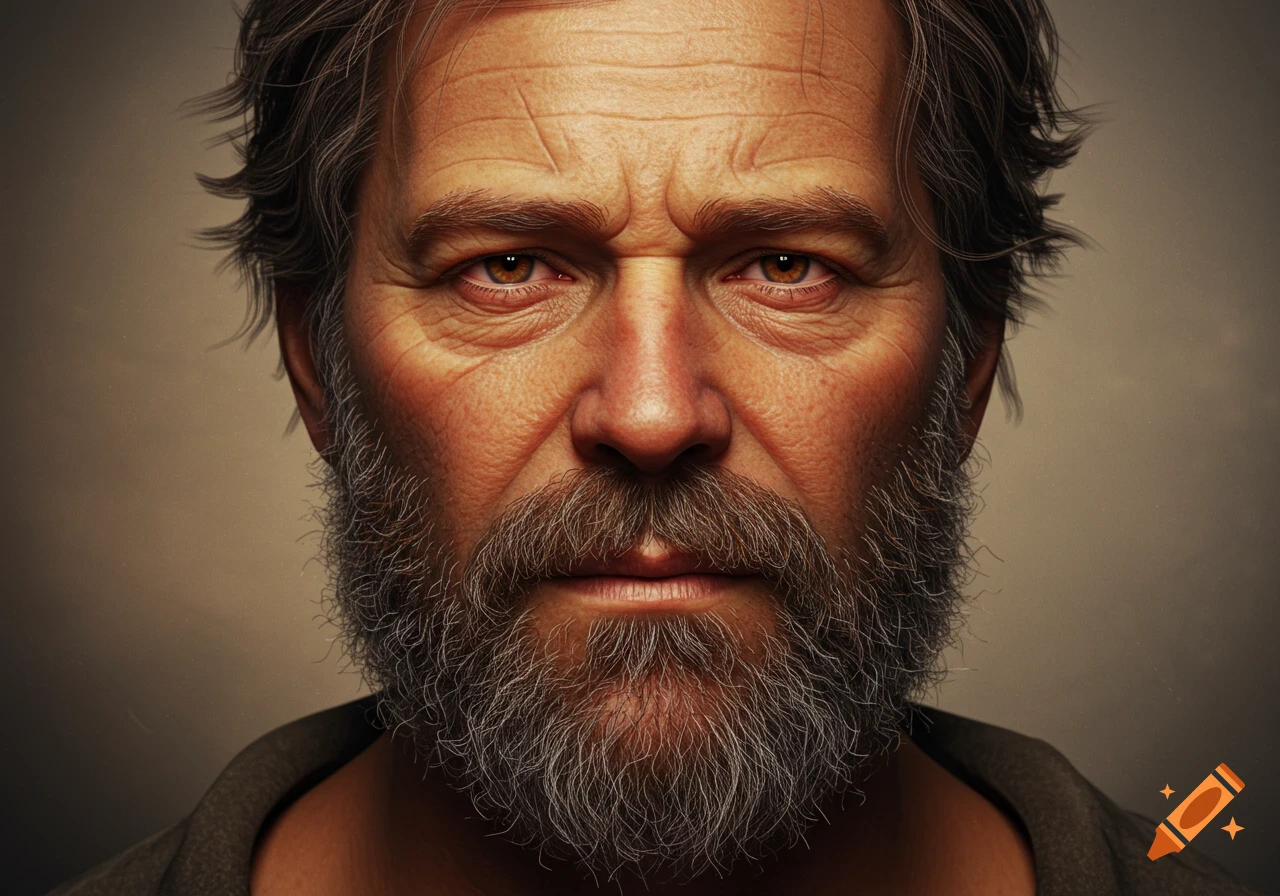
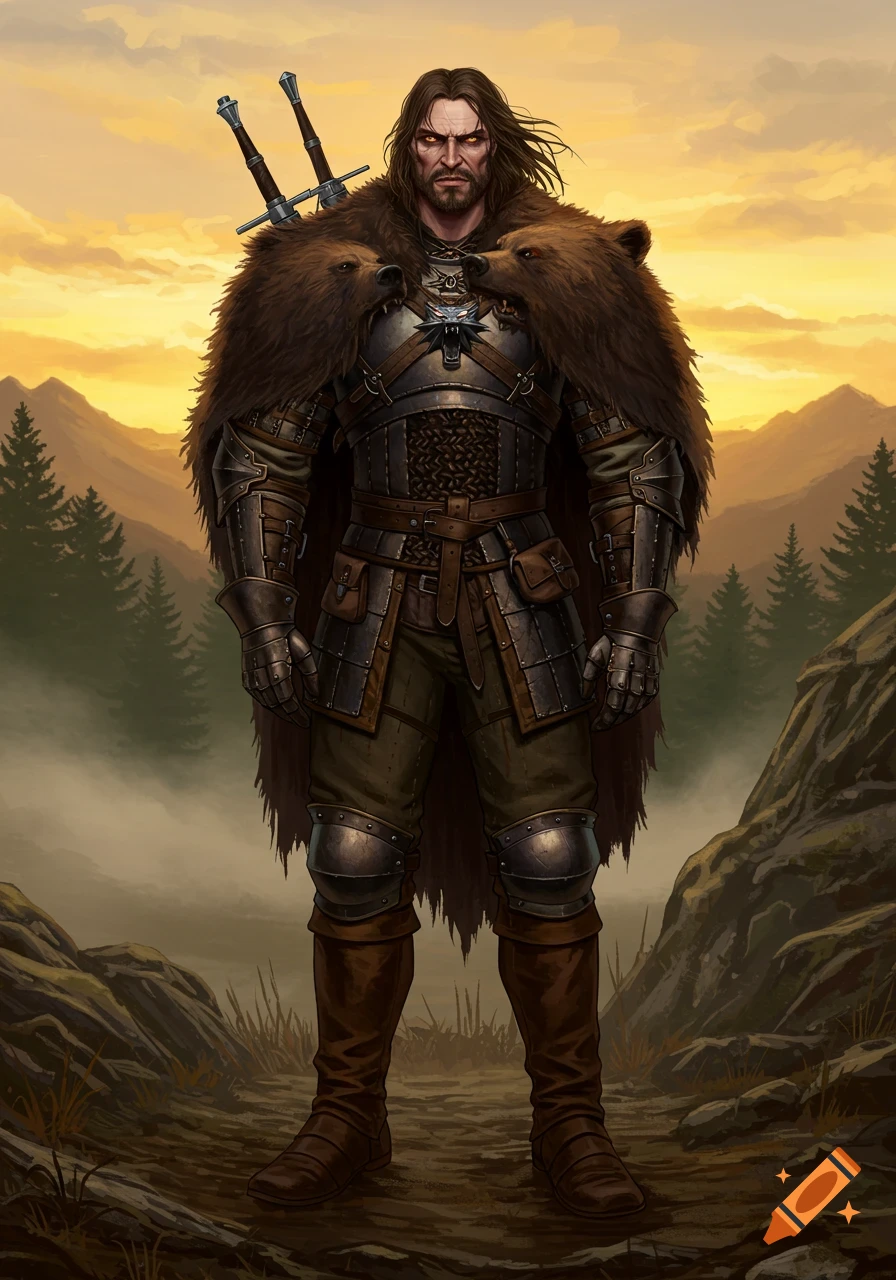
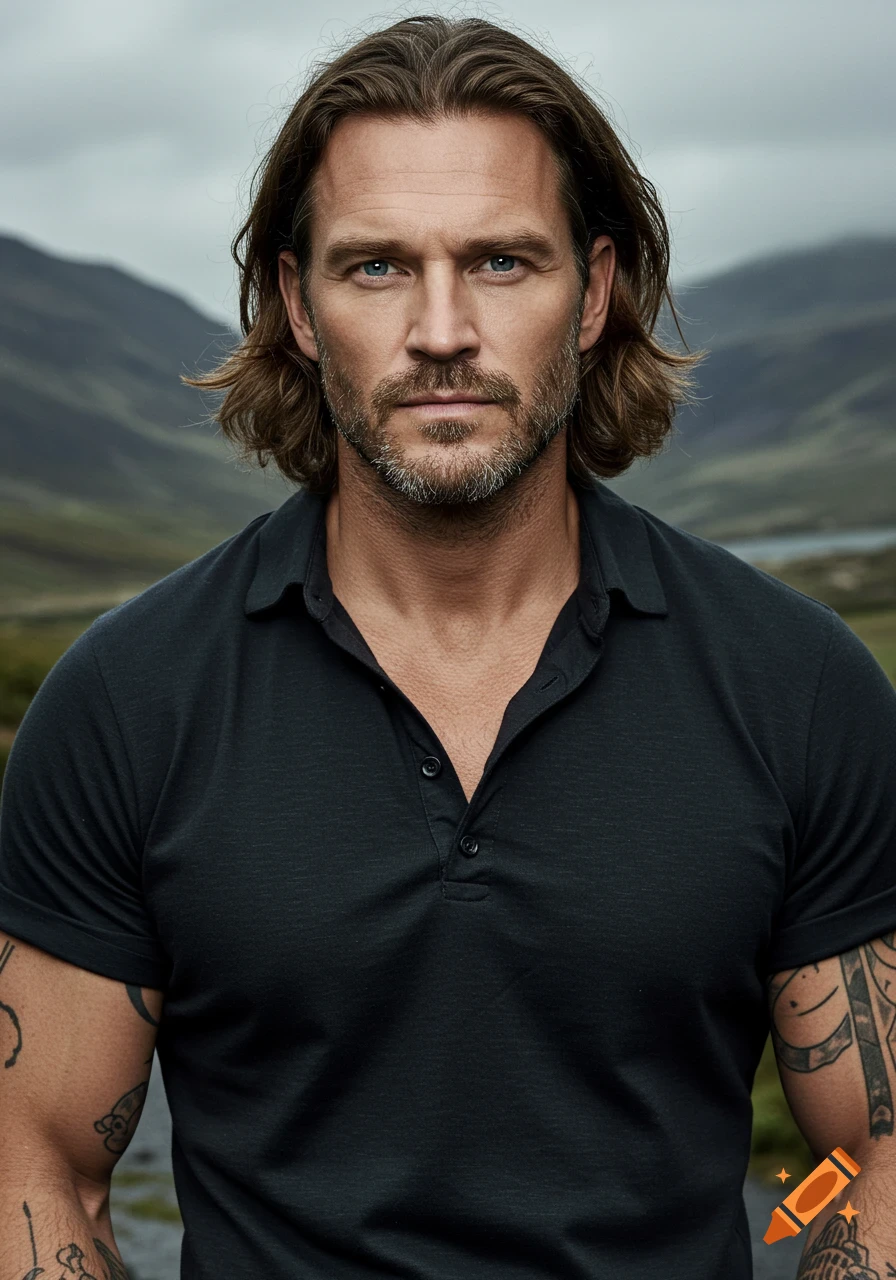
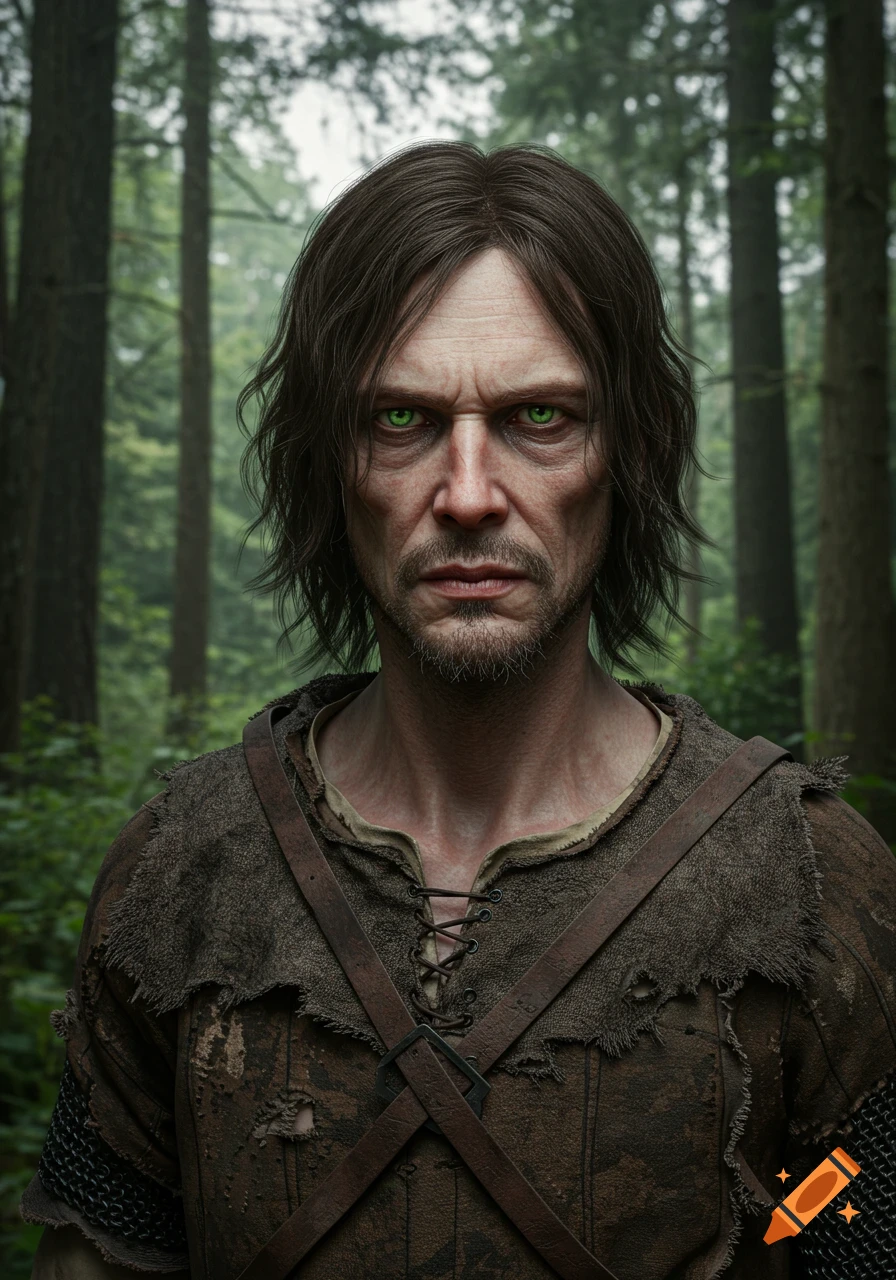
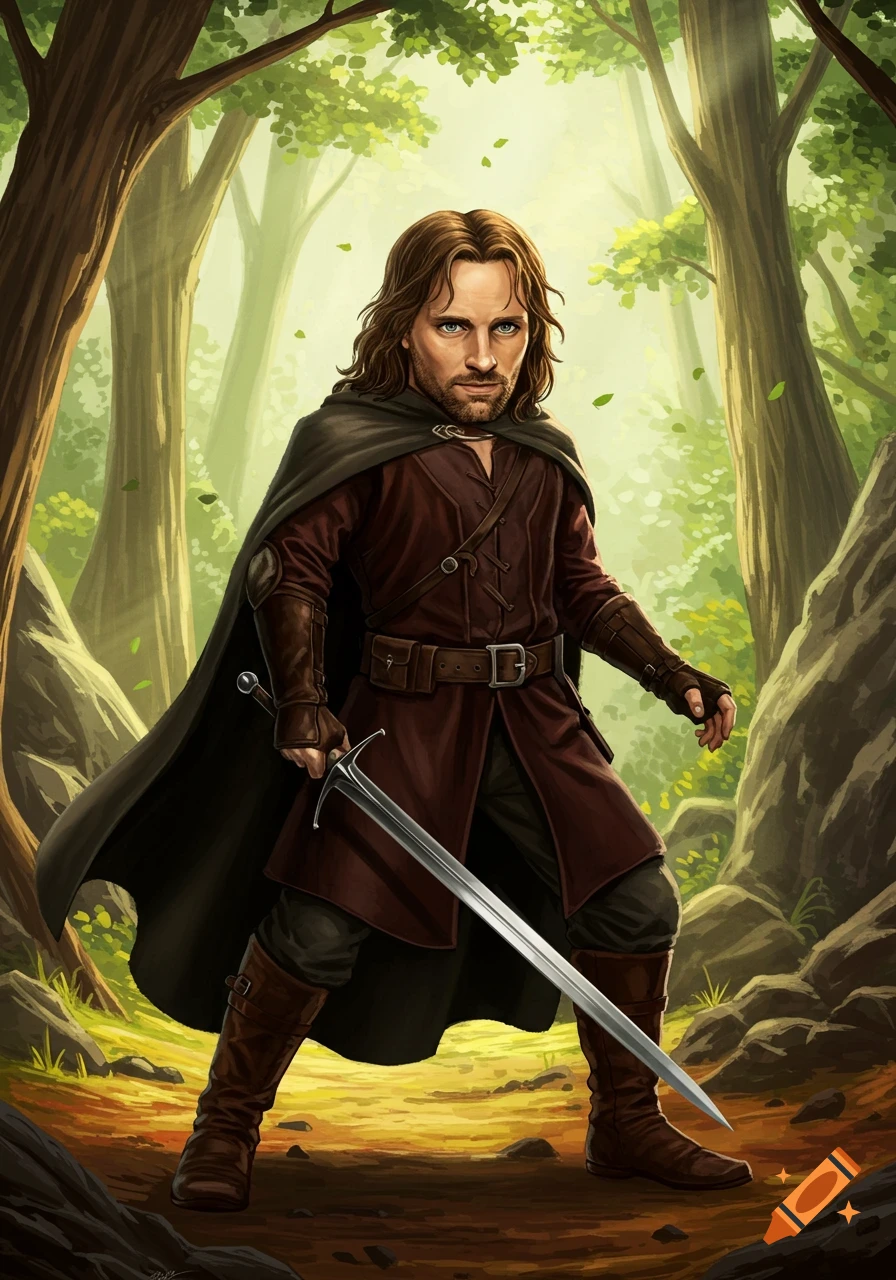
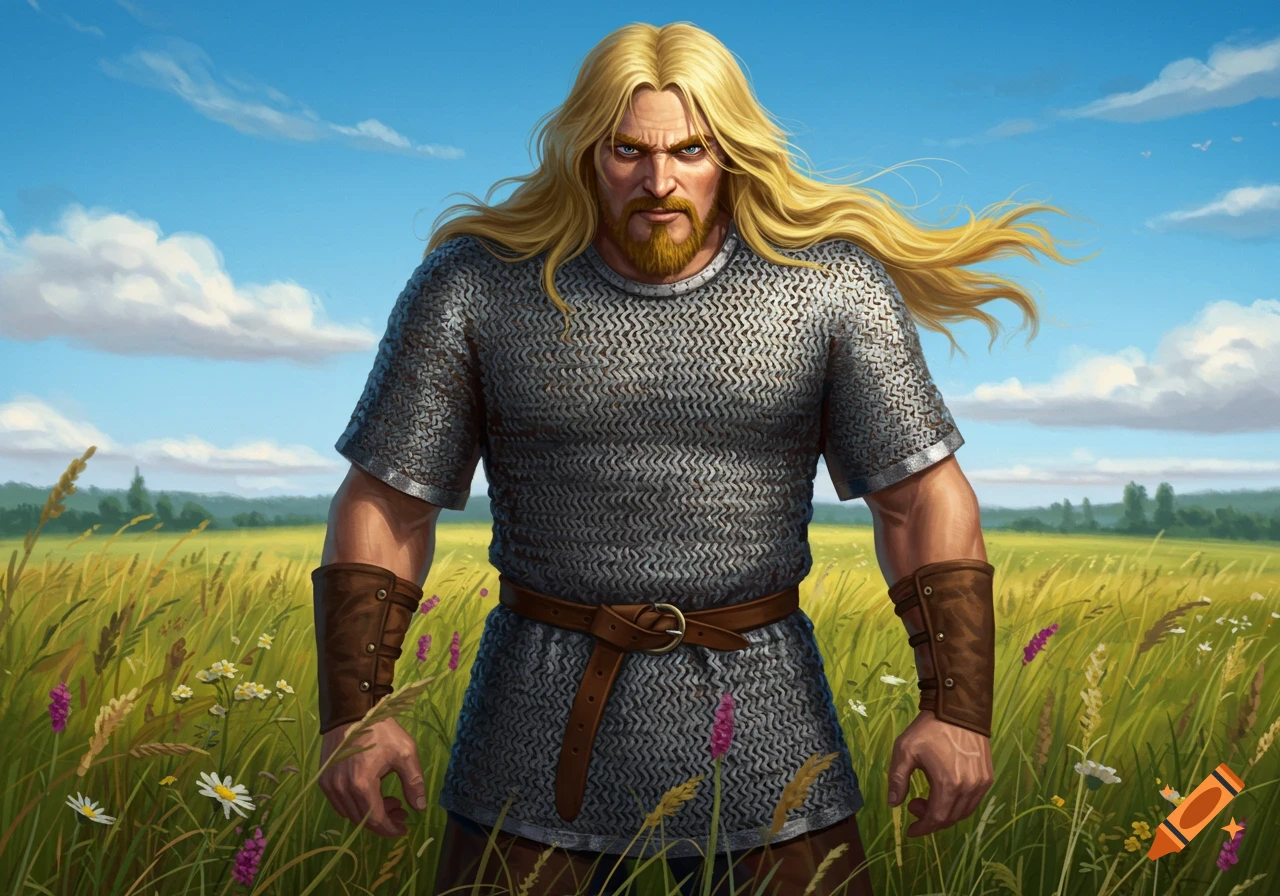
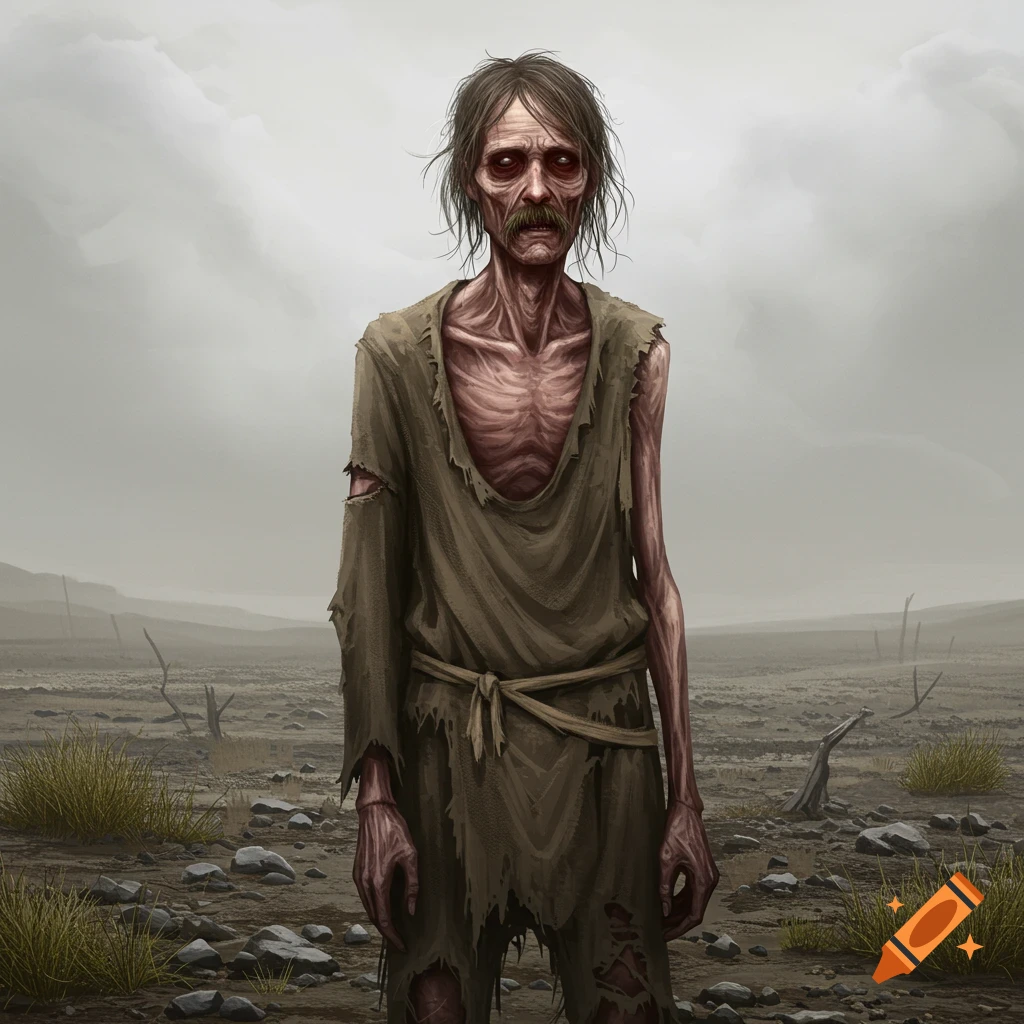
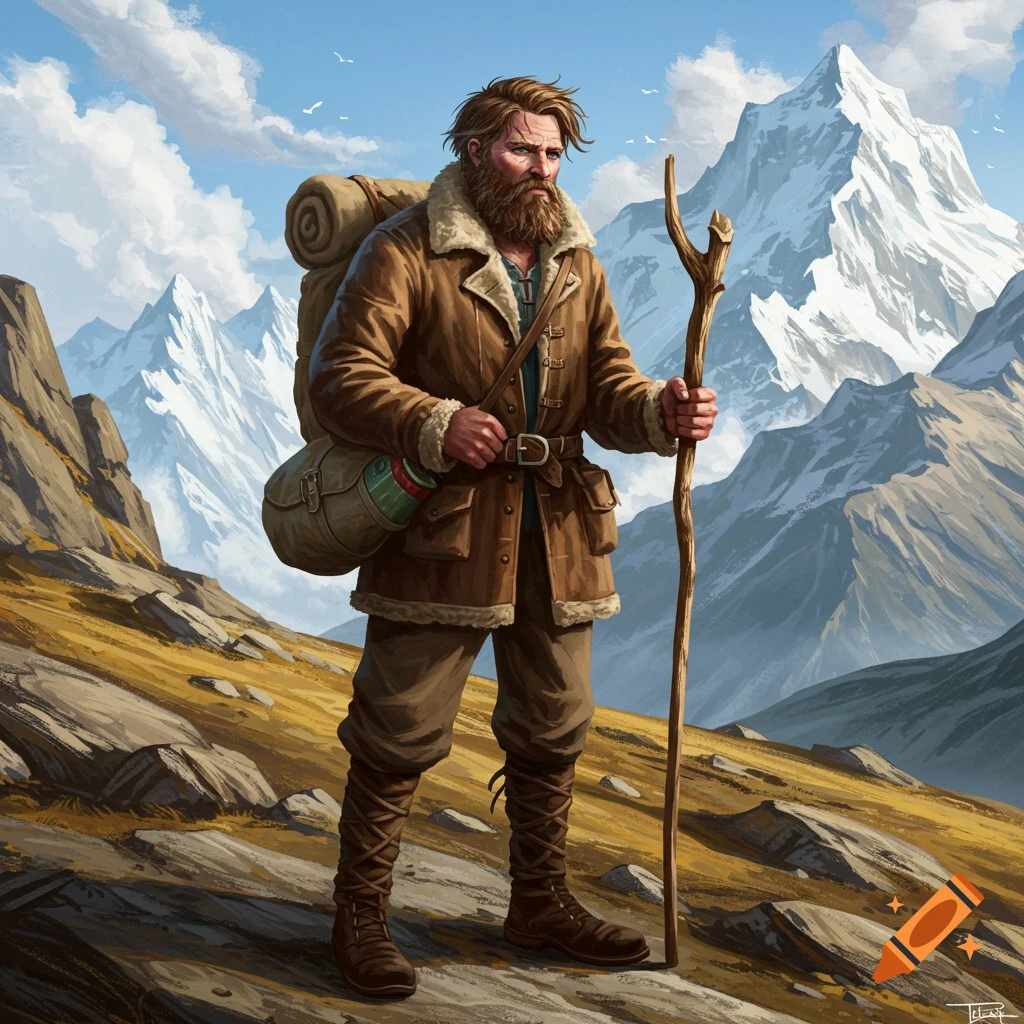
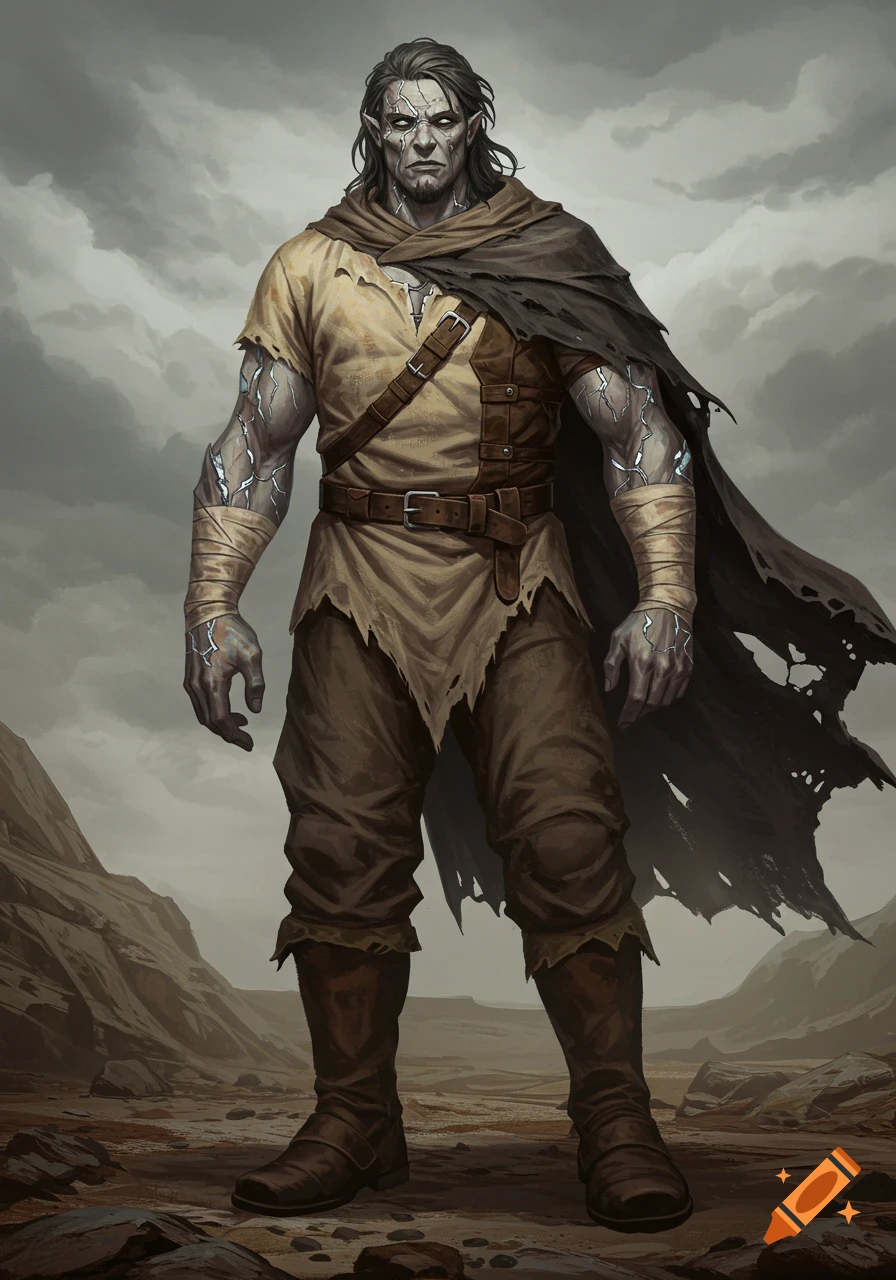
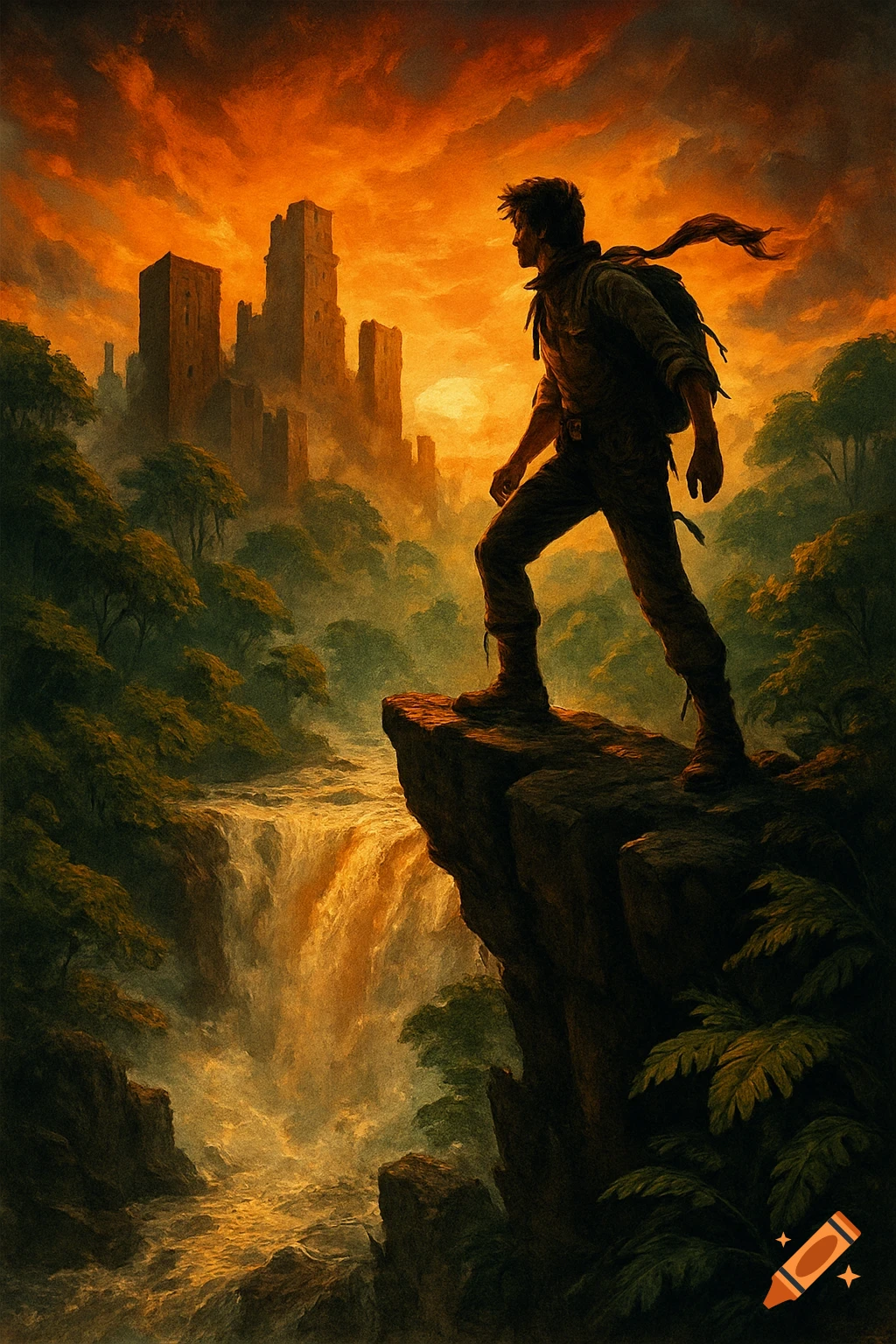
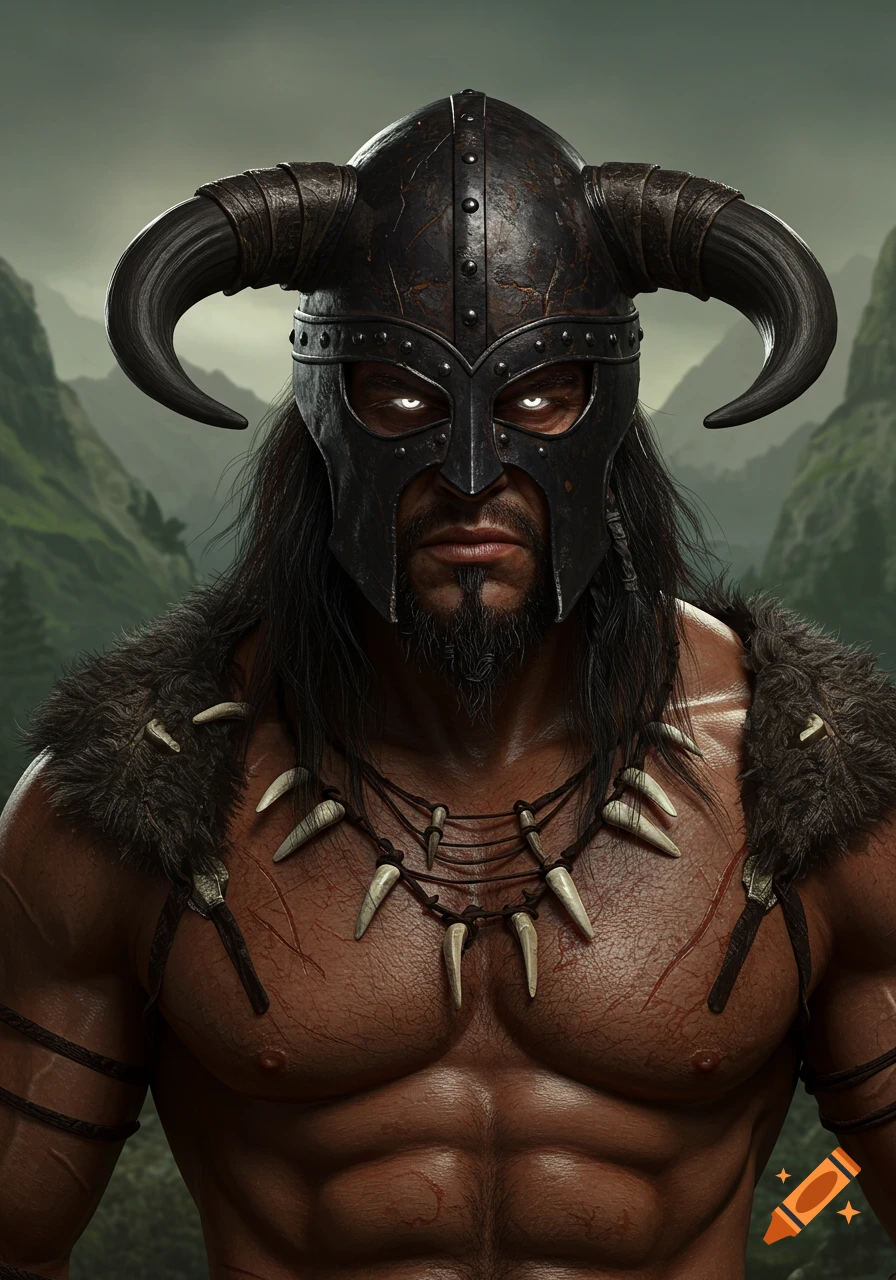
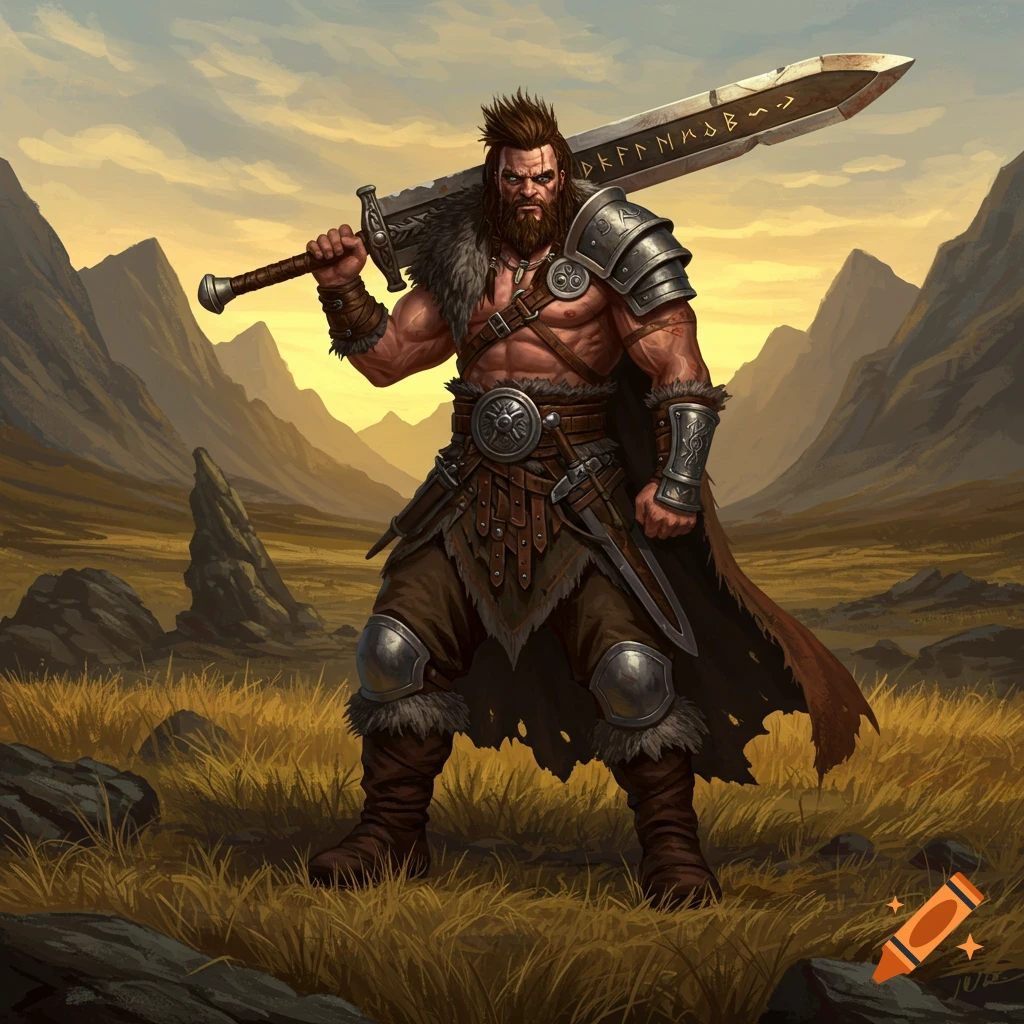
A weathered man in ragged clothing stands barefoot on a rock in a barren landscape under a sunset sky.

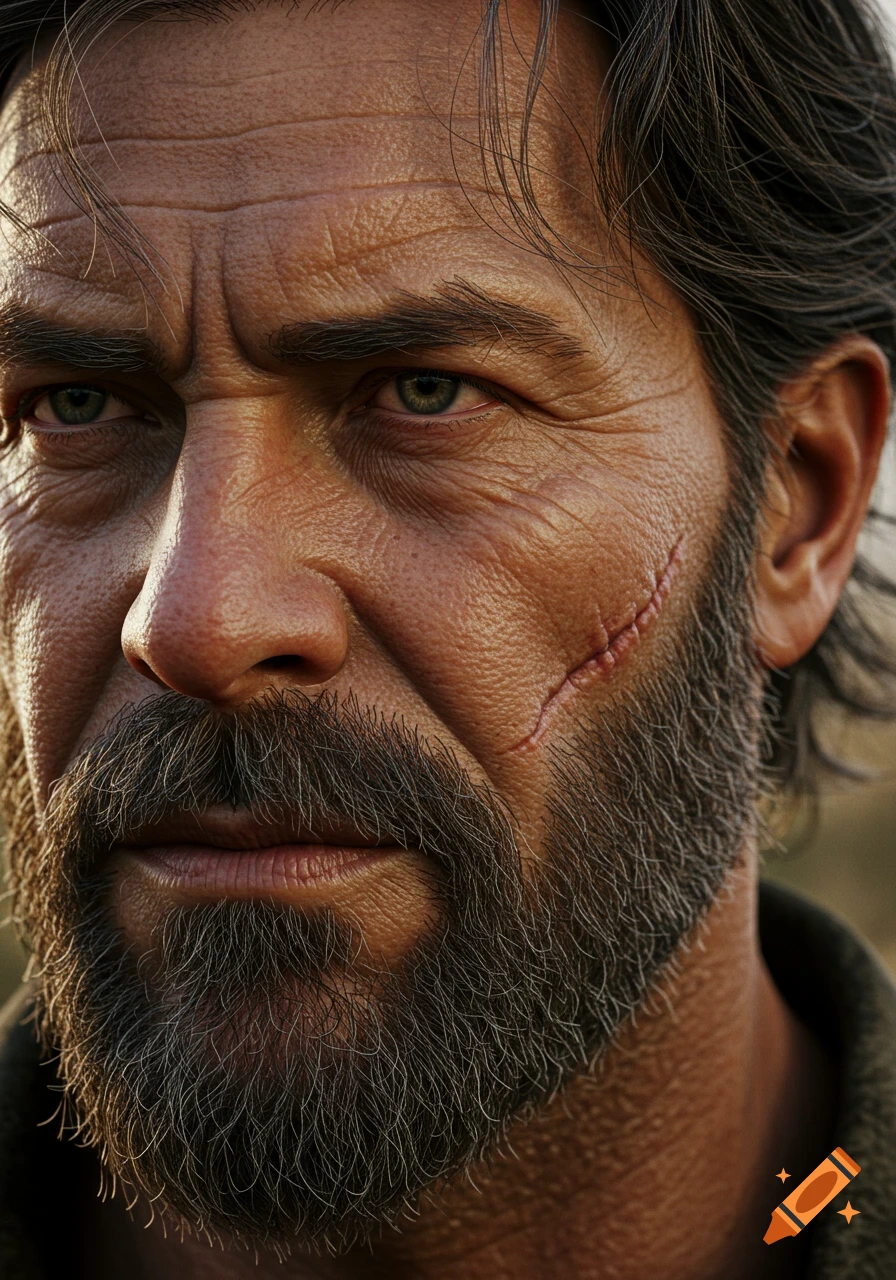
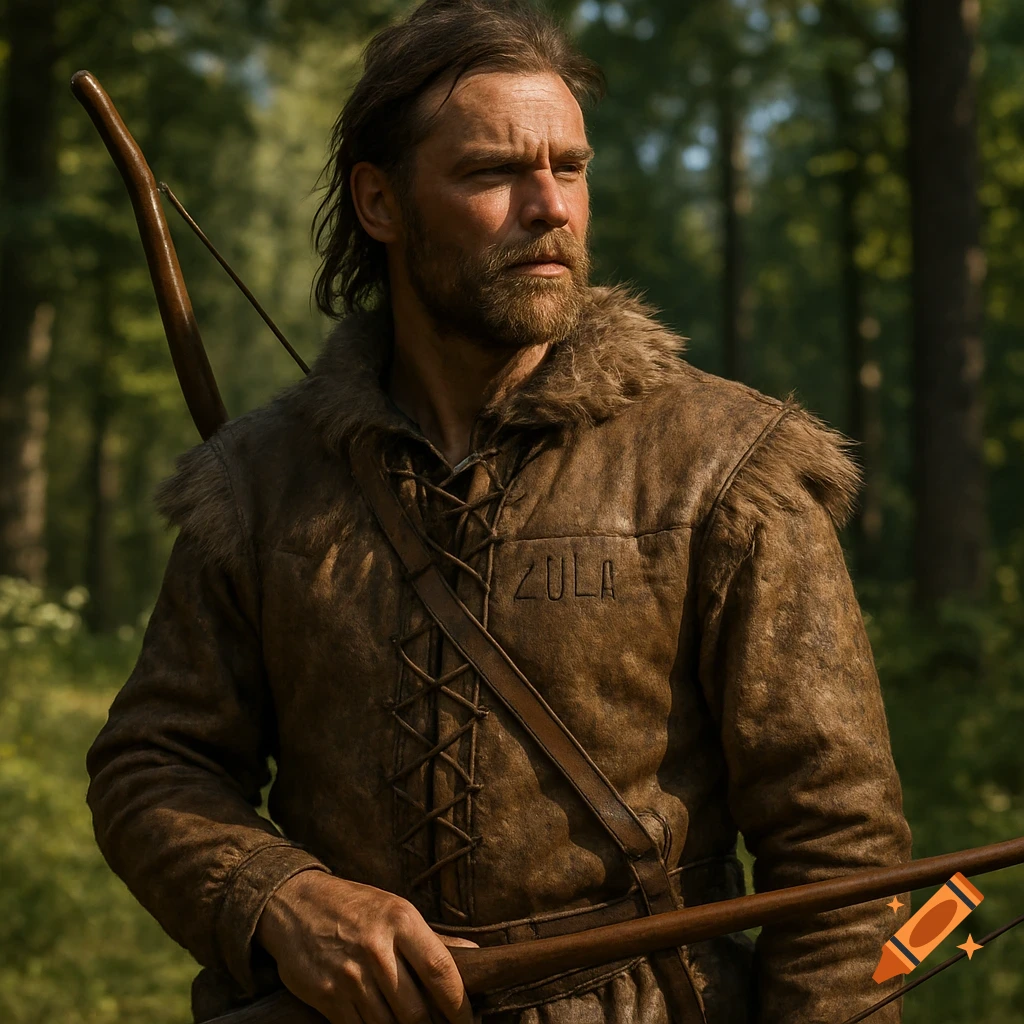
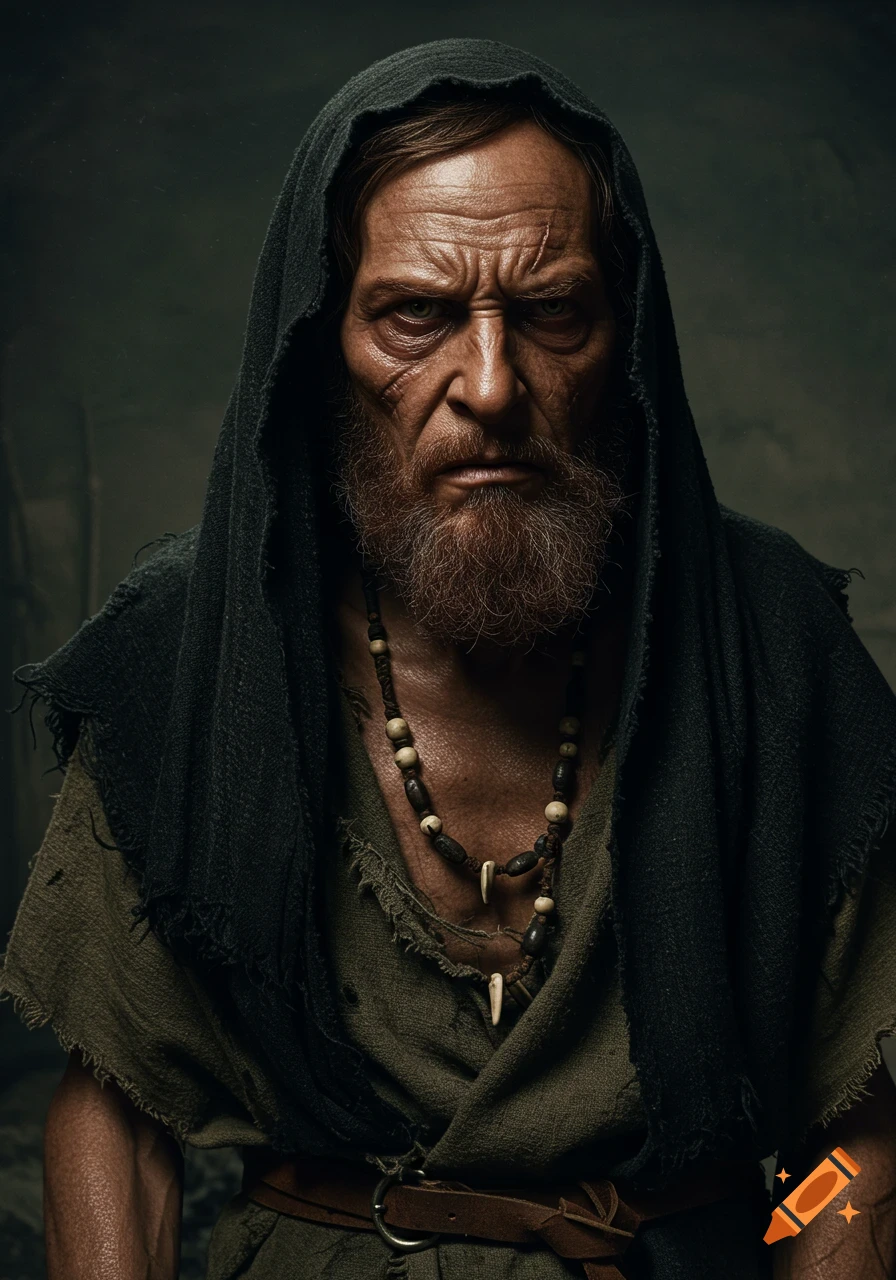
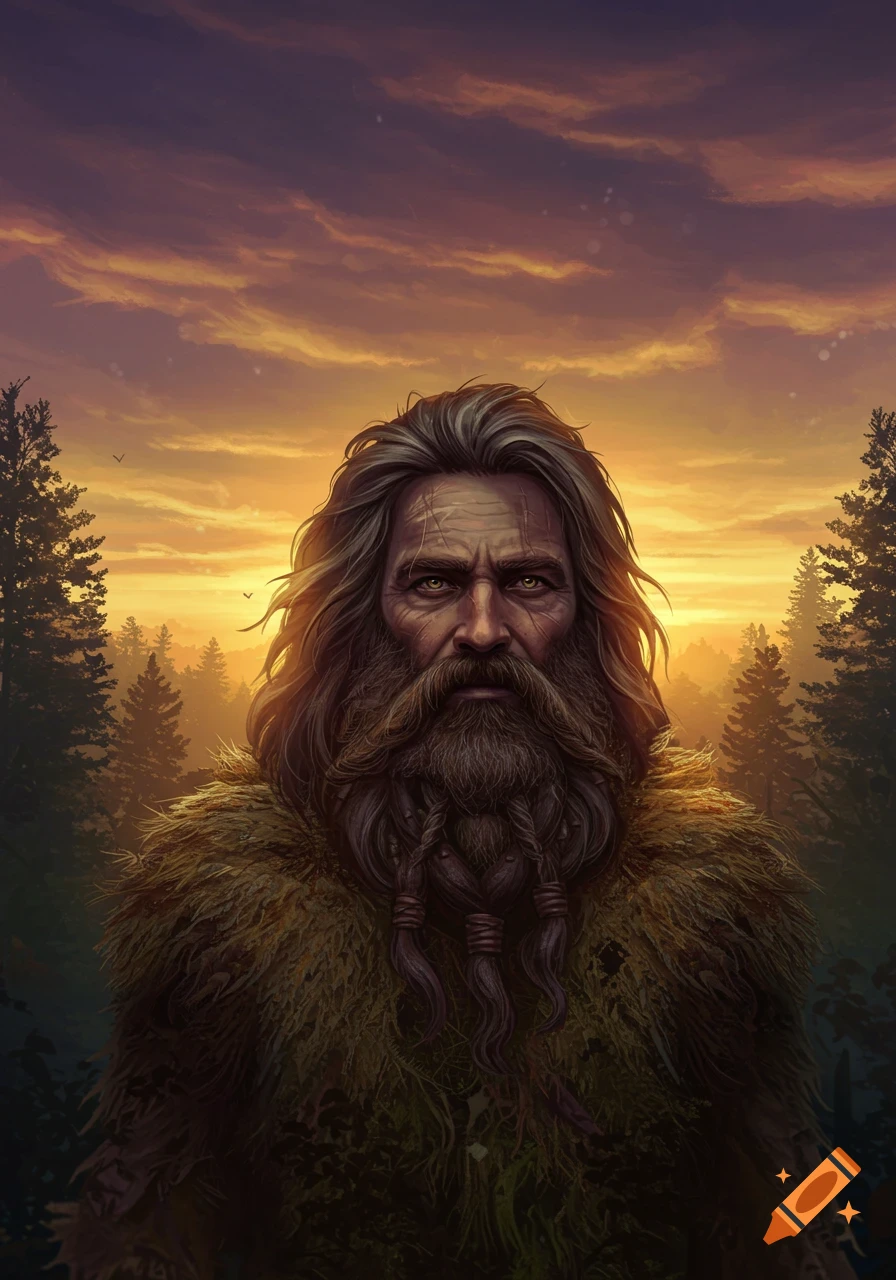
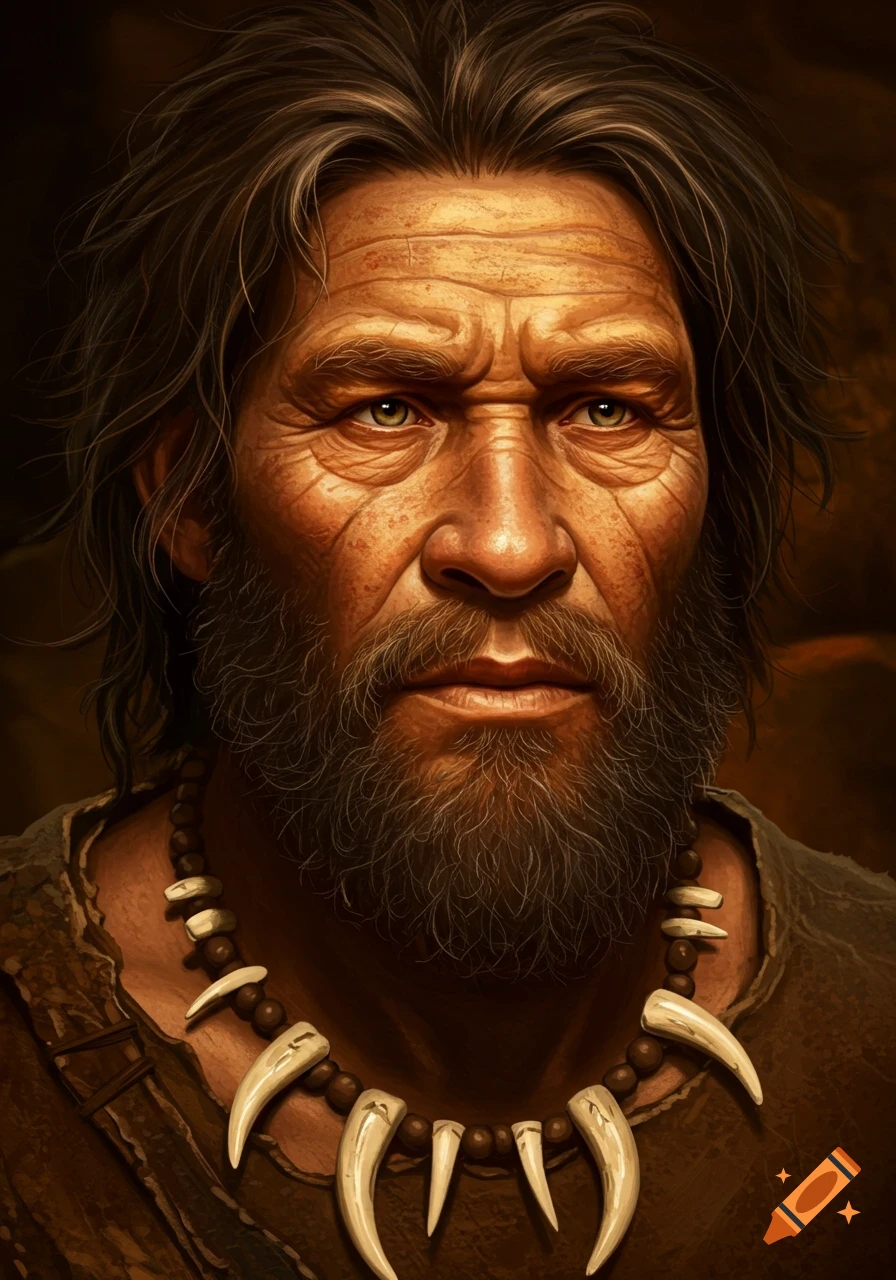
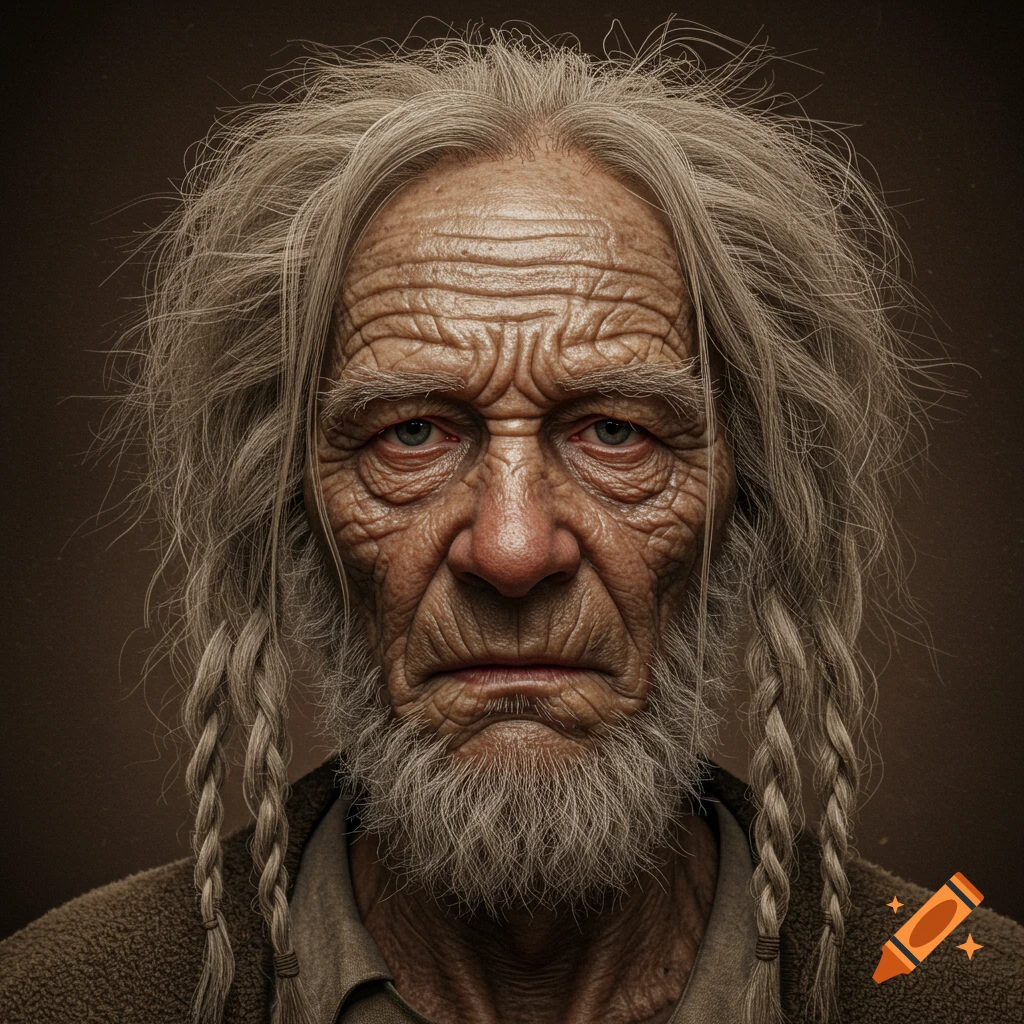
The Clothing (The "Patchwork" Look) Because they lacked professional tanning vats, their clothing was rarely the soft, supple leather you’d see in a modern store. The Texture: The skins were often stiff, "hair-on" hides. If they didn't have access to salt or chemicals, the leather would be hard and crinkly. The Stitching: Since they lacked thread, they used sinew (dried animal tendon) or thin strips of leather (thongs) to lace pieces together. This gave the clothes a bulky, jagged, and uneven appearance. The Smell: This is rarely mentioned in movies, but they would have a very strong scent of rancid animal fat (used to waterproof the leather) and wood smoke. 2. The "Weathered" Physicality The person’s actual body would have adapted to the environment in ways that looked shocking to "civilized" eyes: Leathery Skin: Years of unprotected sun and wind exposure turned their skin dark and deeply lined, even in young people. This was often called a "bronzed" or "parchment" texture. The "Thousand-Yard Stare": Rescuers often noted a specific look in the eyes—extremely hyper-vigilant and darting. A survivor’s pupils would be constantly scanning the perimeter for movement, a habit of living as both predator and prey. Calloused Extremities: Their hands would be thickened and scarred from manual labor, and if they lacked shoes, the skin on the soles of their feet could become as thick as a boot sole. 3. Grooming (The "Wild" State) Without steel razors or scissors, hair became a defining Mehr sehen
More images like this