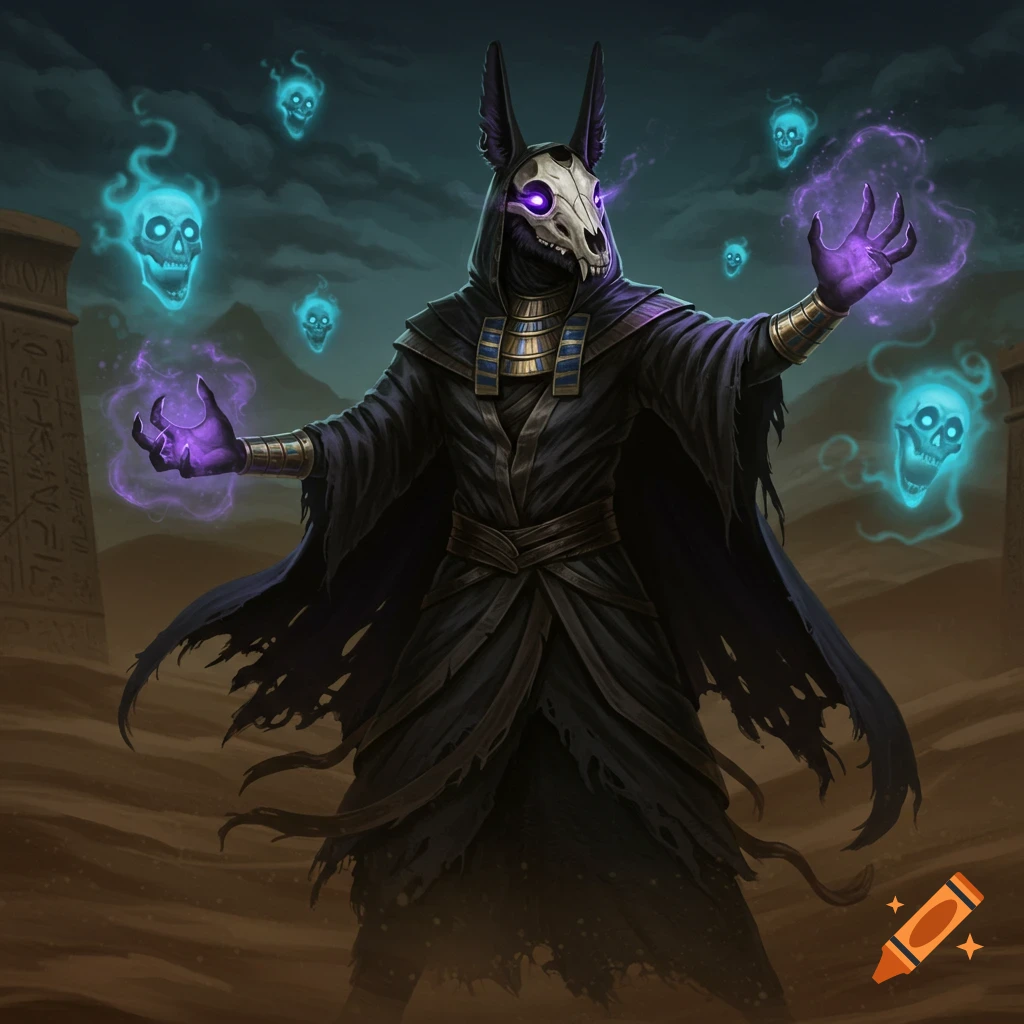
An allegorical illustration showing the Grim Reaper symbolizing plague, flanked by scenes from Antiquity and the Early Modern Period, connected by glowing lines and text boxes like "EXTRAORDINARY VIRULENCE" and "GENERATED TERROR" against a stormy sky.

Tu es mon prof particulier, je cherche à réviser le chapitre que je viens de te mettre en pièce-jointe. Je voudrais que tu génère une illustration qui reprenne les concepts principaux et me permette de retenir. Tu créeras l’illustration en te basant sur des connaissances en neuroscience pour maximiser l’apprentissage et la facilité d’apprentissage. voici mon cours : "Plague(s) Created Status courses @January 16, 2025 2:36 PM In progress History of pandemics Found in a variety of written sources from the Antiquity to the early Modern Period in Europe, meaning a Terrible and sudden mass catastrophe → Metonym for societal calamities in general Plague : Specific disease of human beings called bubonic plague → Set the standard by which other pandemics will be judge What makes the plague so distinctive and fearful ? → The Dance of Death ( 1493) by Michael Wolgemut, from the Nuremberg Chronicle of Hartmann Schedel 1. Extraordinary virulence = virulence refers to the capacity of disease to cause harm → Plague normally killed more than half of the people infected 2. It attacked people universally, no matter class or age →It preferably targeted men and women in the prime of life, of all classes 3. It generated terror → Mass hysteria, violence, religious revivals, and scapegoating I- An overview of the Three Plague Pandemics Humanity suffered three pandemics of bubonic plague. Each of them, consisting of a cycle of recurring epidemic waves, which lasted for centuries This cyclical Mehr sehen
More images like this