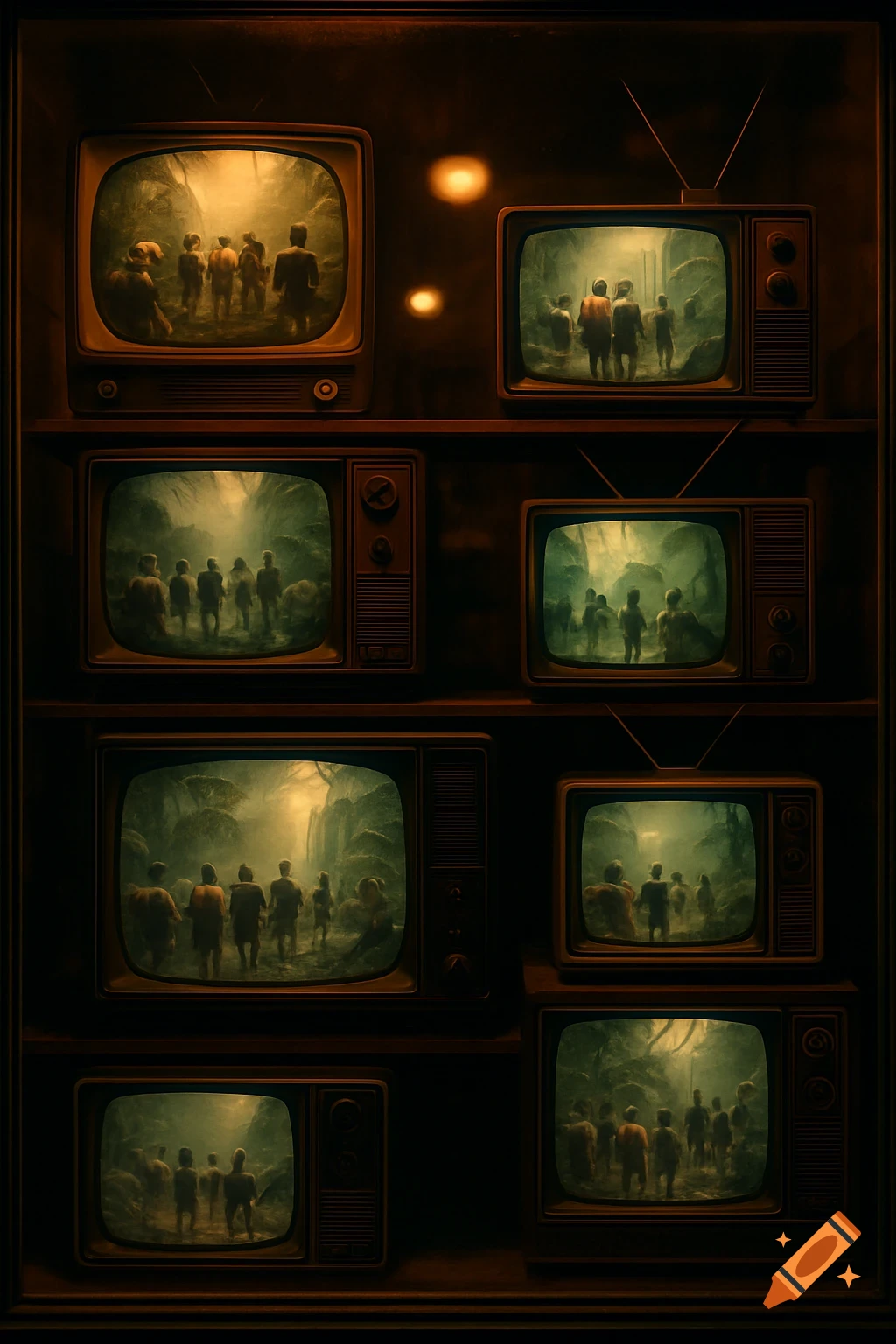
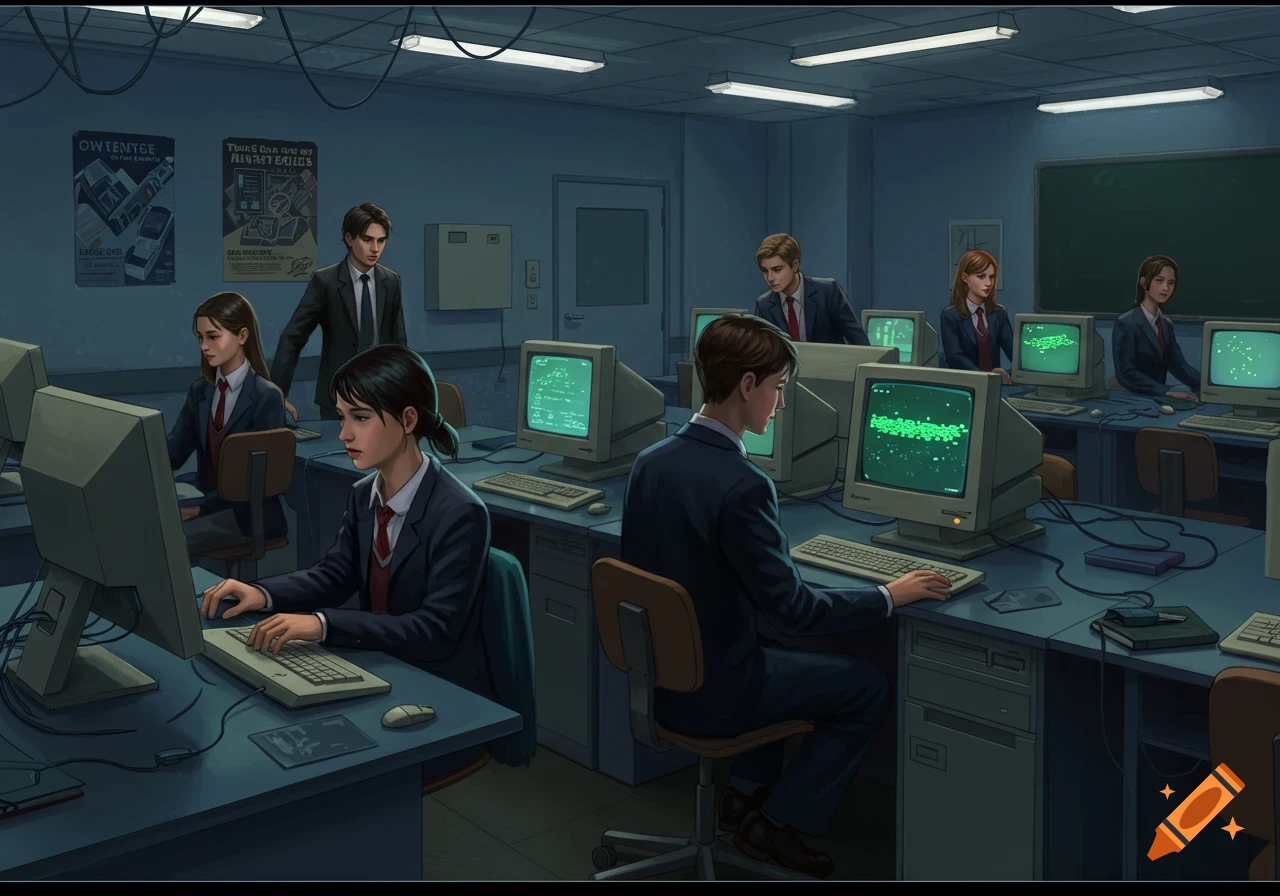
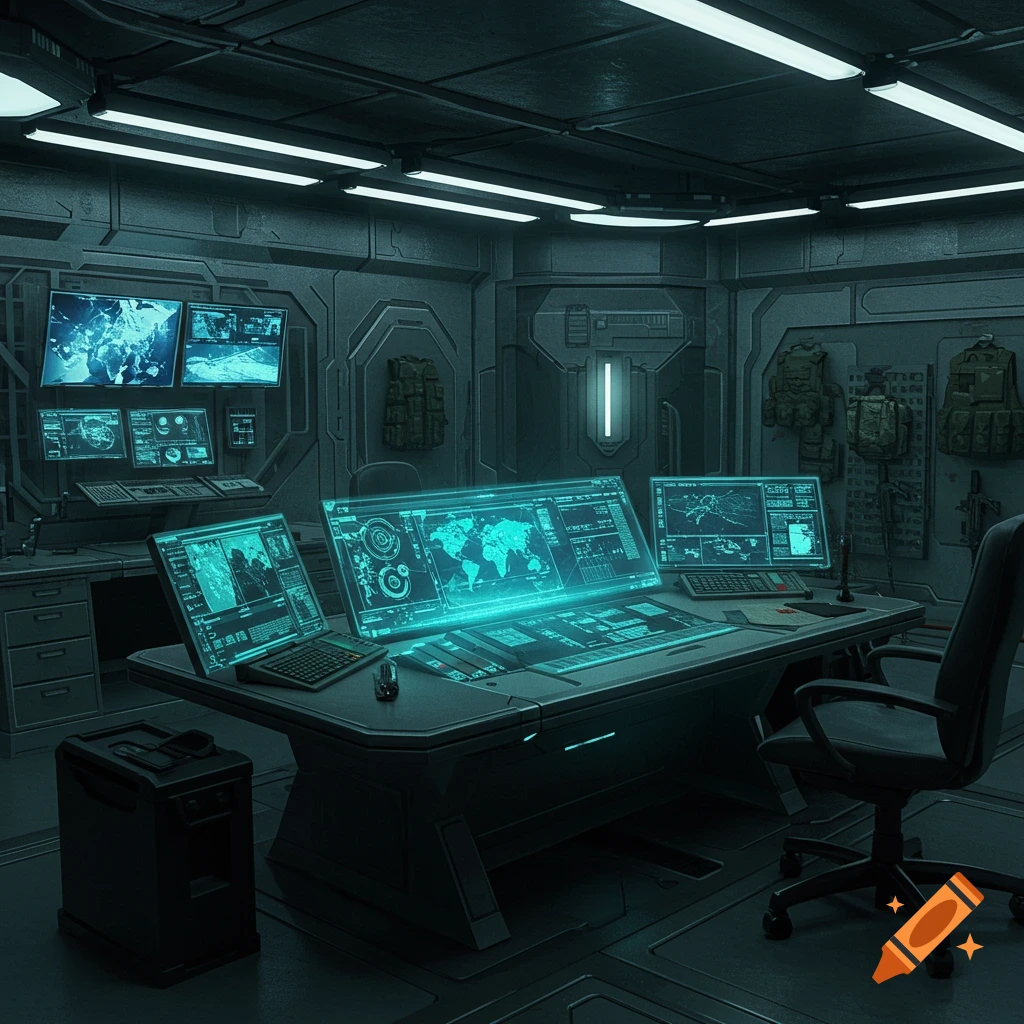
A vintage 1990s television control room with monitors displaying the PBS Kids Channel logo, dated September 6, 1999.

On September 6, 1999, PBS launched a 24-hour PBS Kids network in several markets, in conjunction with the overall introduction of the PBS Kids brand to provide a unified branding for the service's children's programming offerings. The separate network (referred to as the PBS Kids Channel in press materials) was available on high-tier subscription providers, and was also offered to PBS member stations for use on a "cablecast" service (a subscription-based local channel provided by the member station) or for use on the member station's free-to-air analog channel to provide a portion of the daytime PBS Kids programming on the station. Participating stations were required to pay an annual fee of $1,000 to use the feed. The channel was launched on over 30 PBS member stations with carriage methods ranging from a cable-only service, to a standard-definition digital subchannel, to analog simulcasts.[10] Additional affiliates would pick up the channel later throughout the fall and winter of 1999.[citation needed] FCC requirements mandated satellite providers to set aside 4% of their available channel space for noncommercial educational and informational programming. With these providers limited to offering one such service per programmer, PBS had put forth PBS Kids as a prospective channel to fulfill this mandate.[58] The channel was largely funded by satellite provider DirecTV.[59] It was partly created to compete against the Nick Jr. block and its sister network Noggin; at the Mehr sehen
More images like this