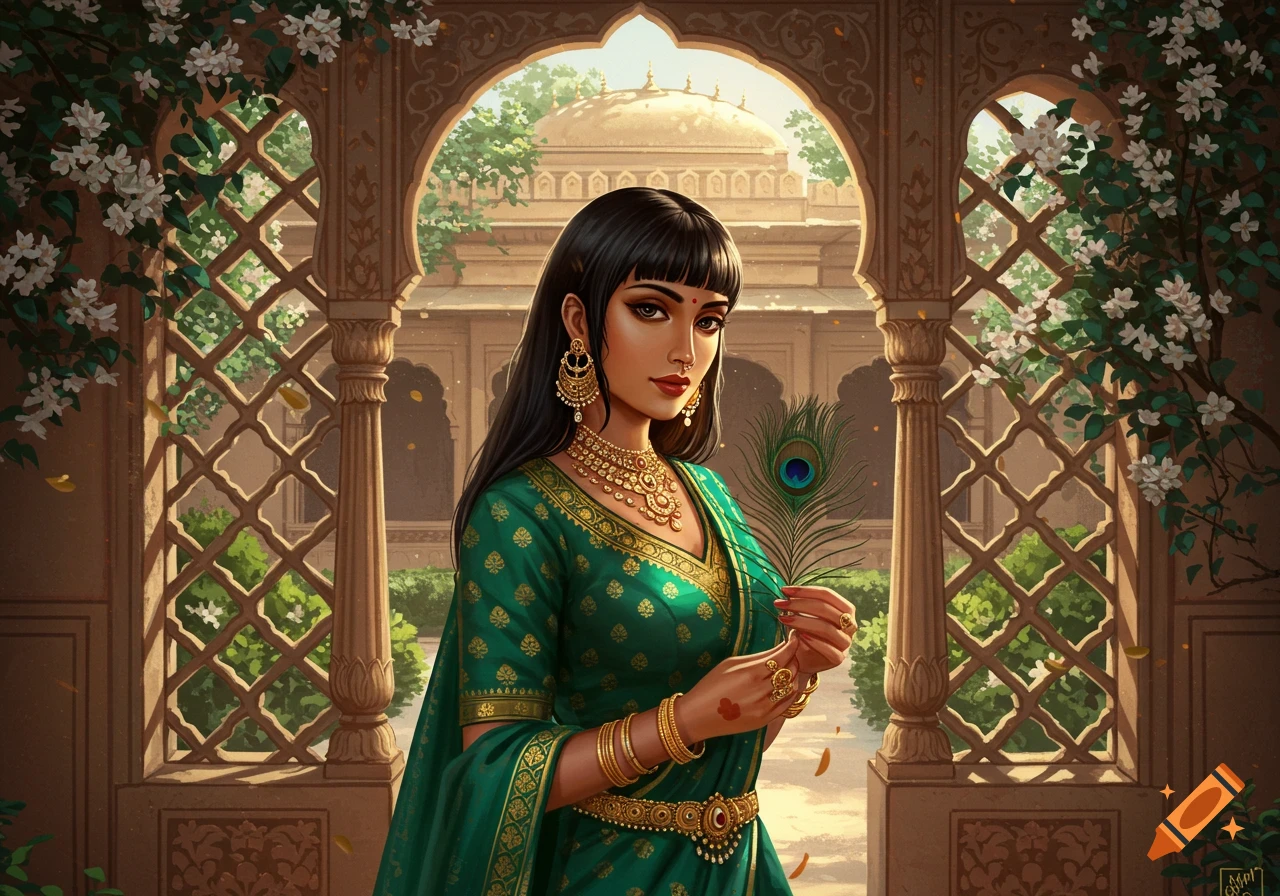
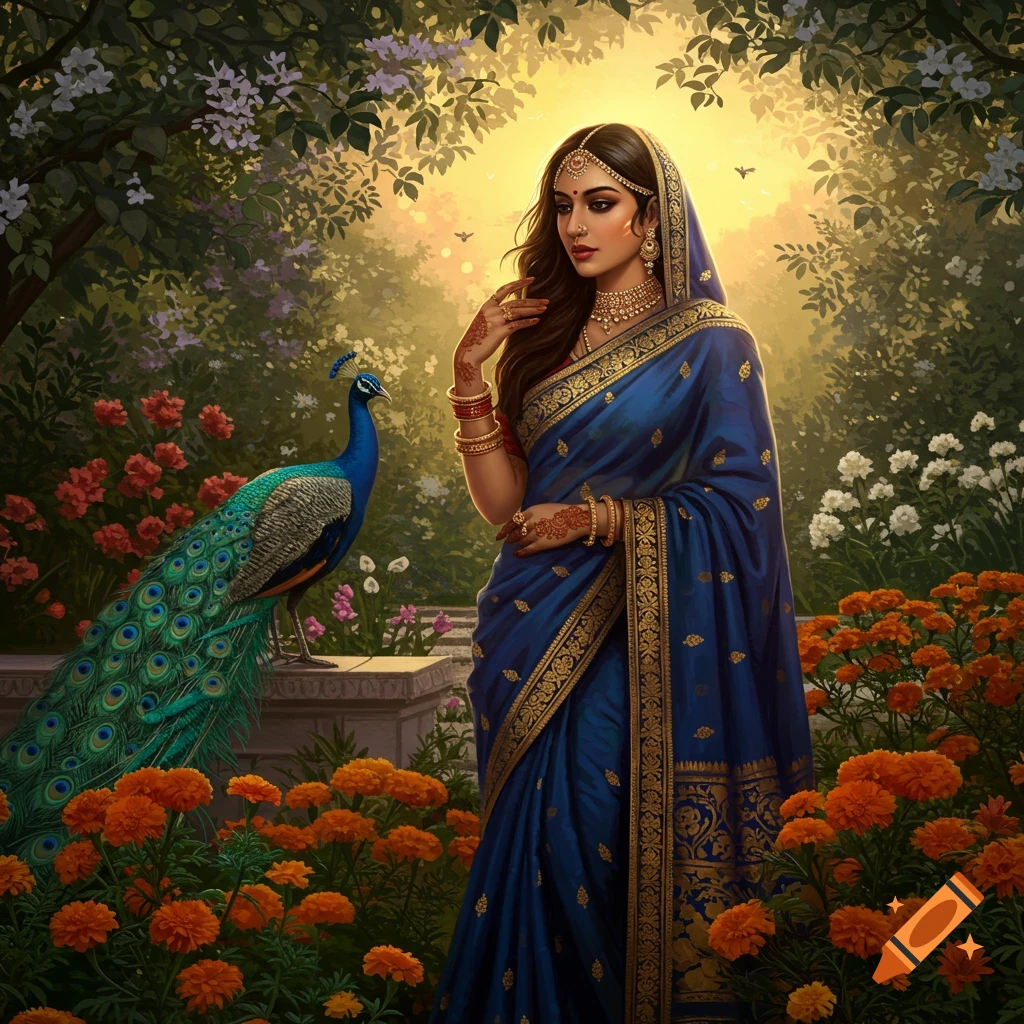
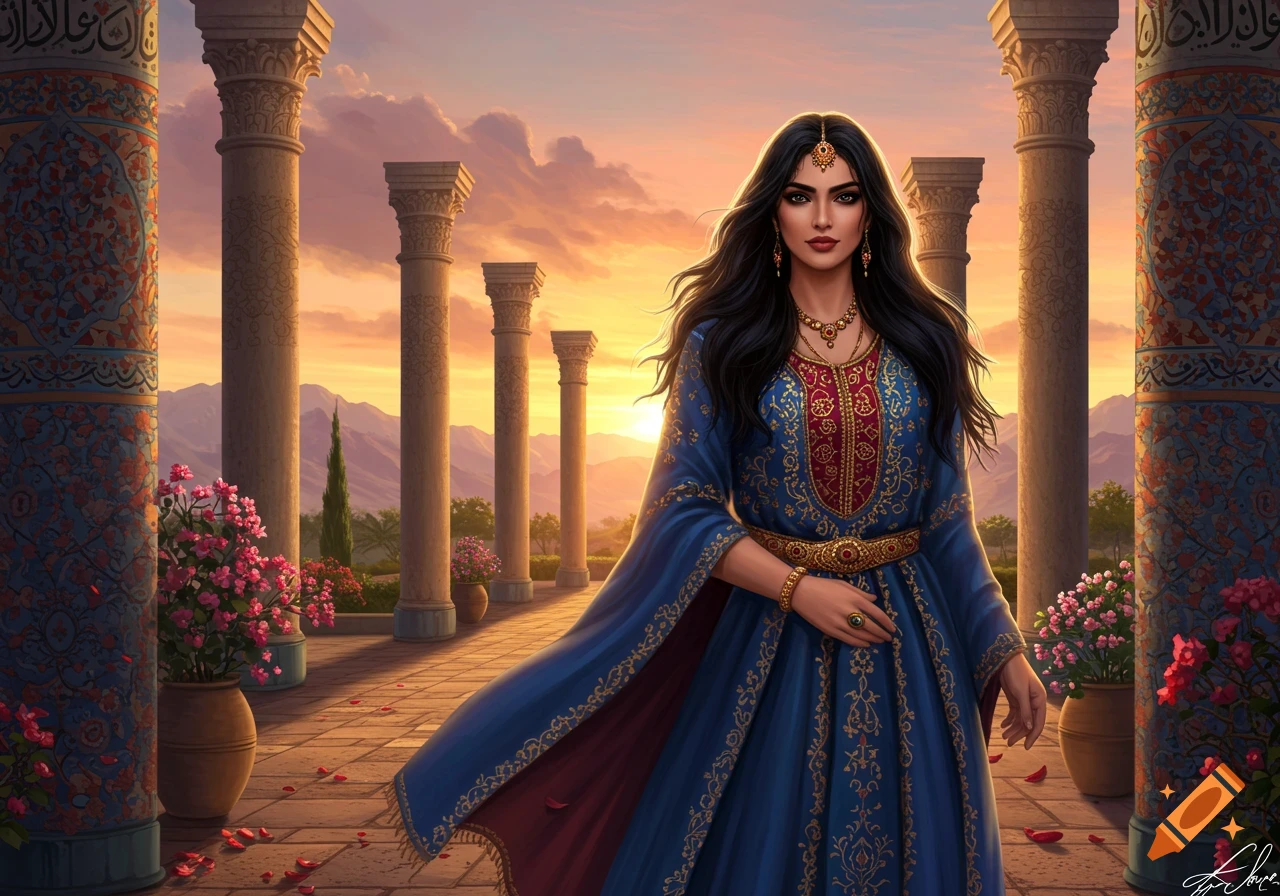
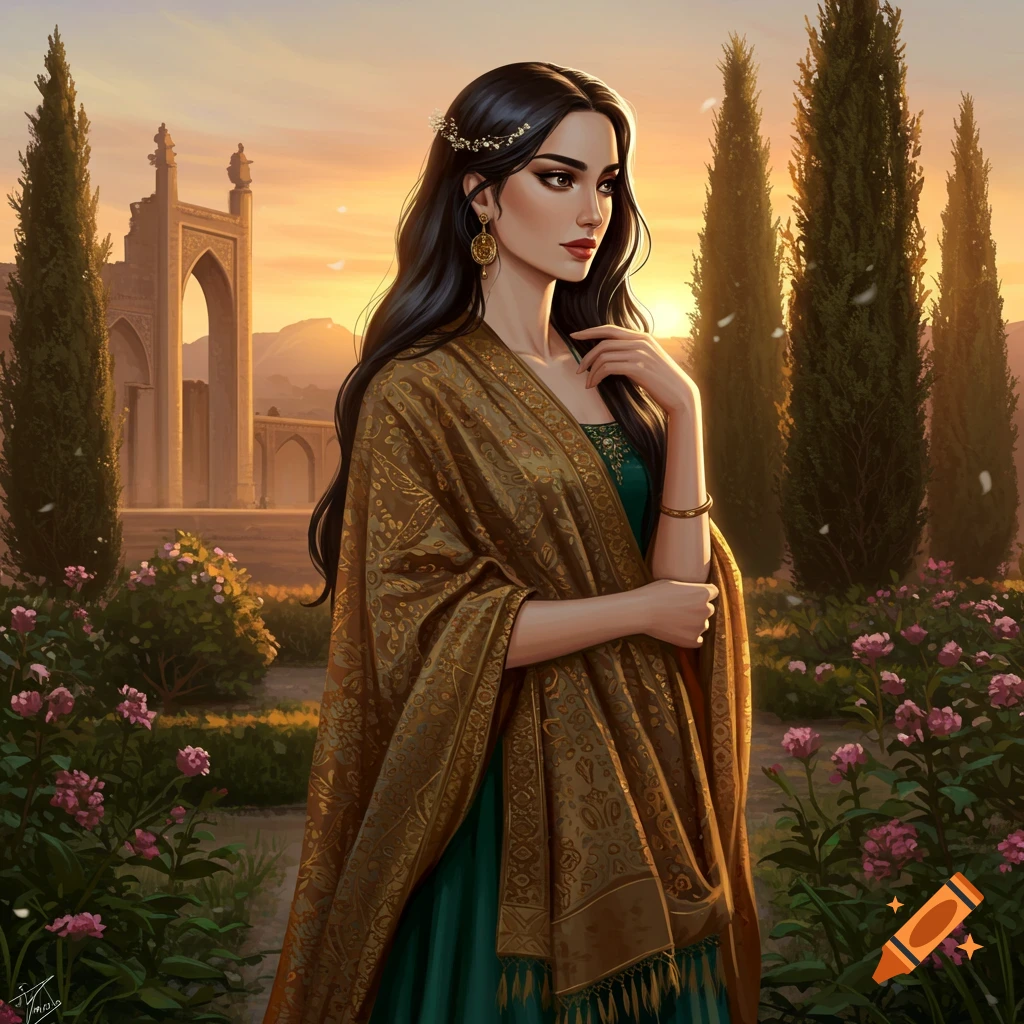
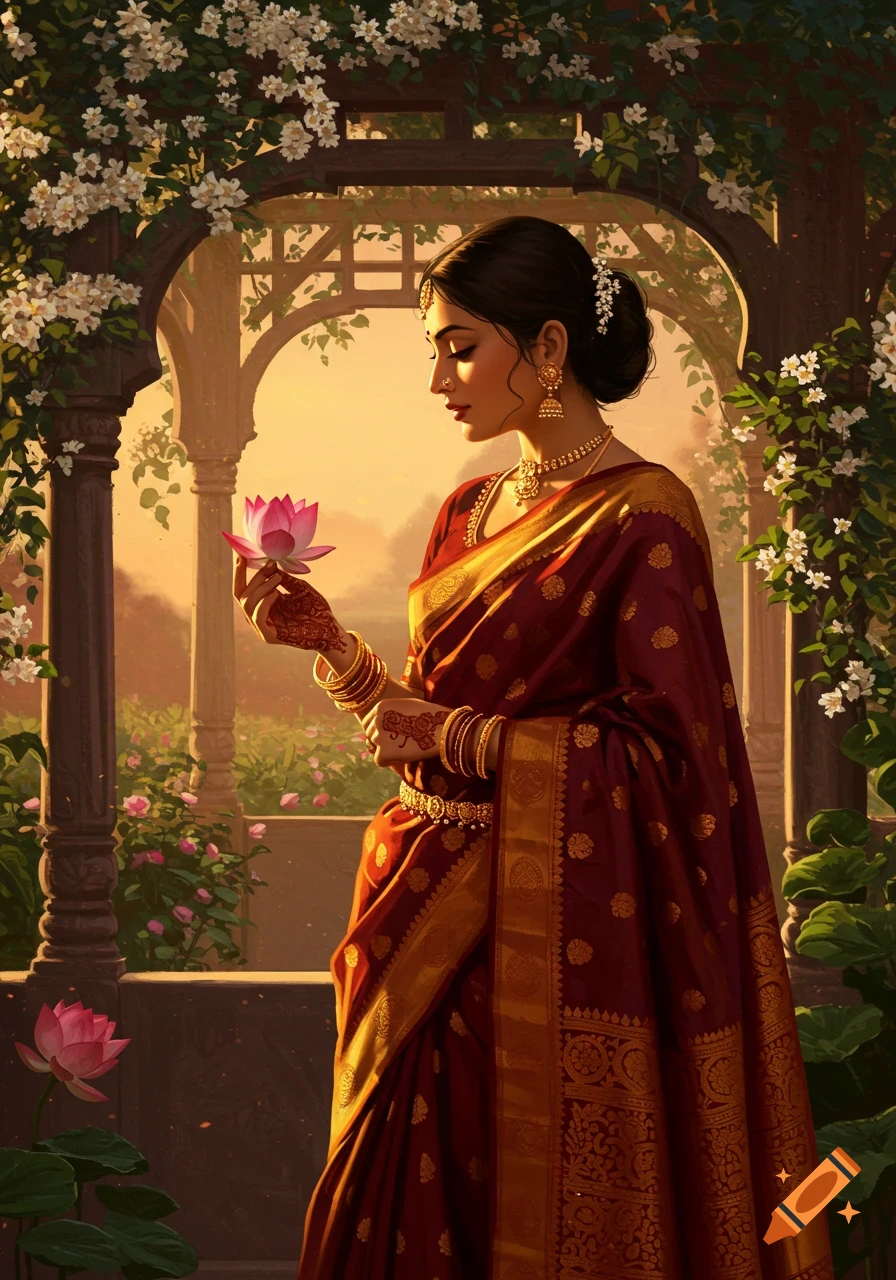
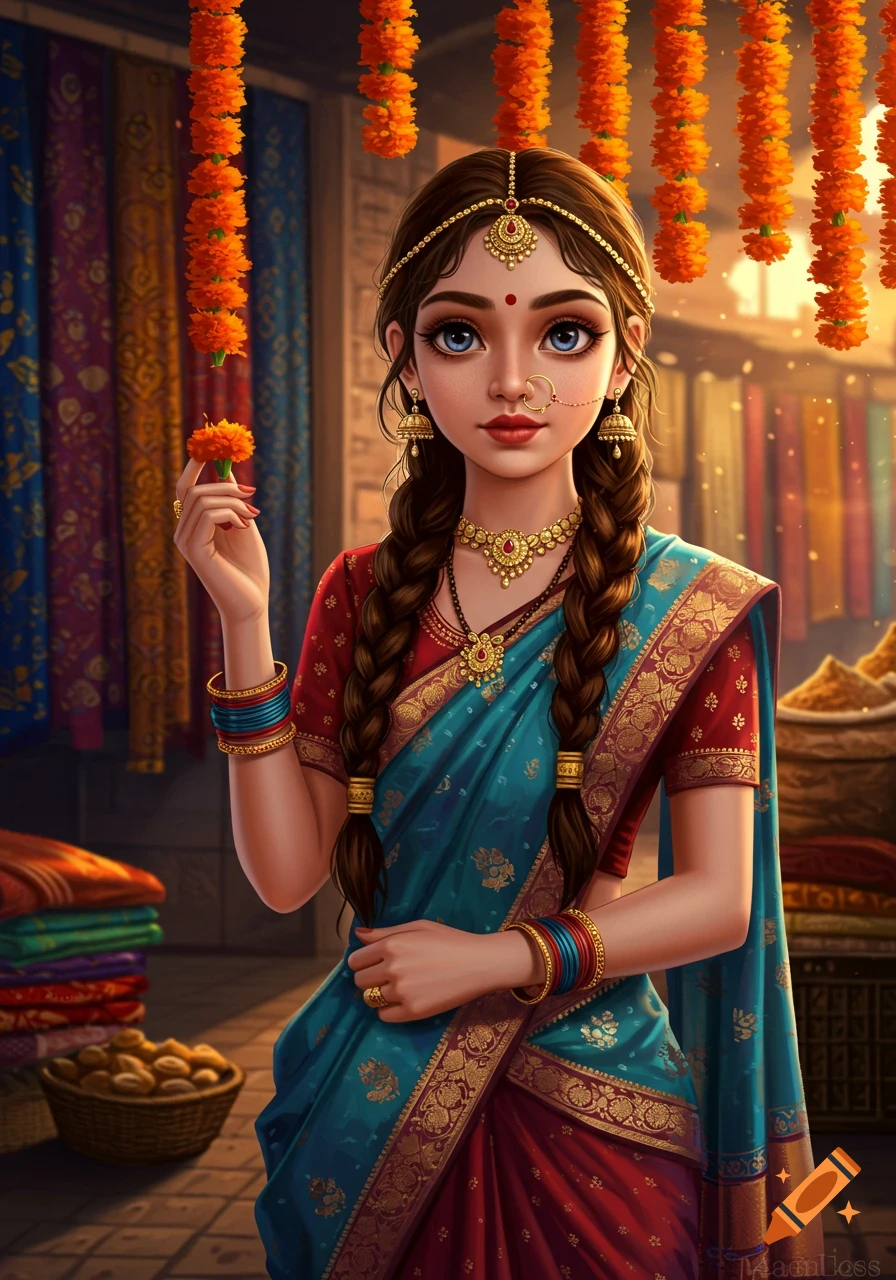
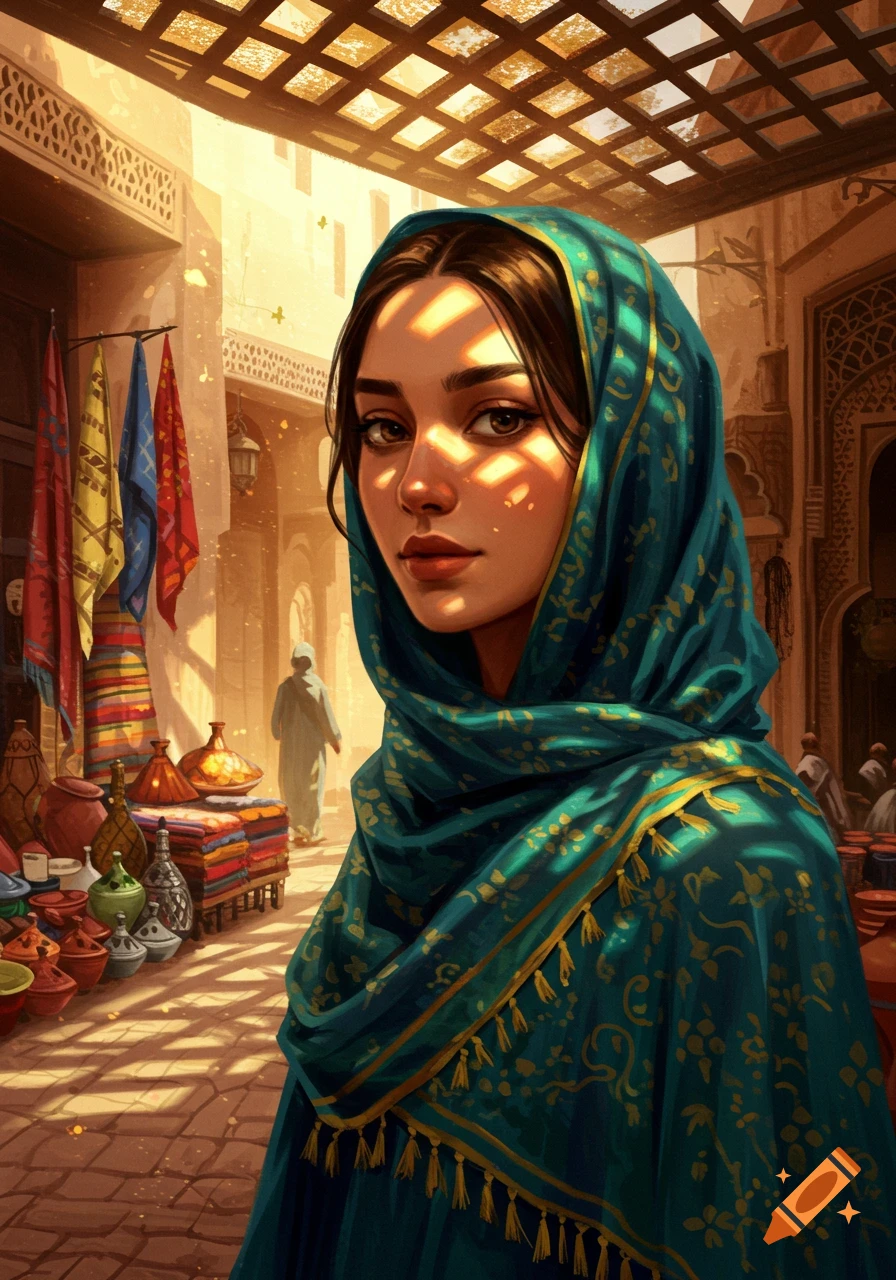
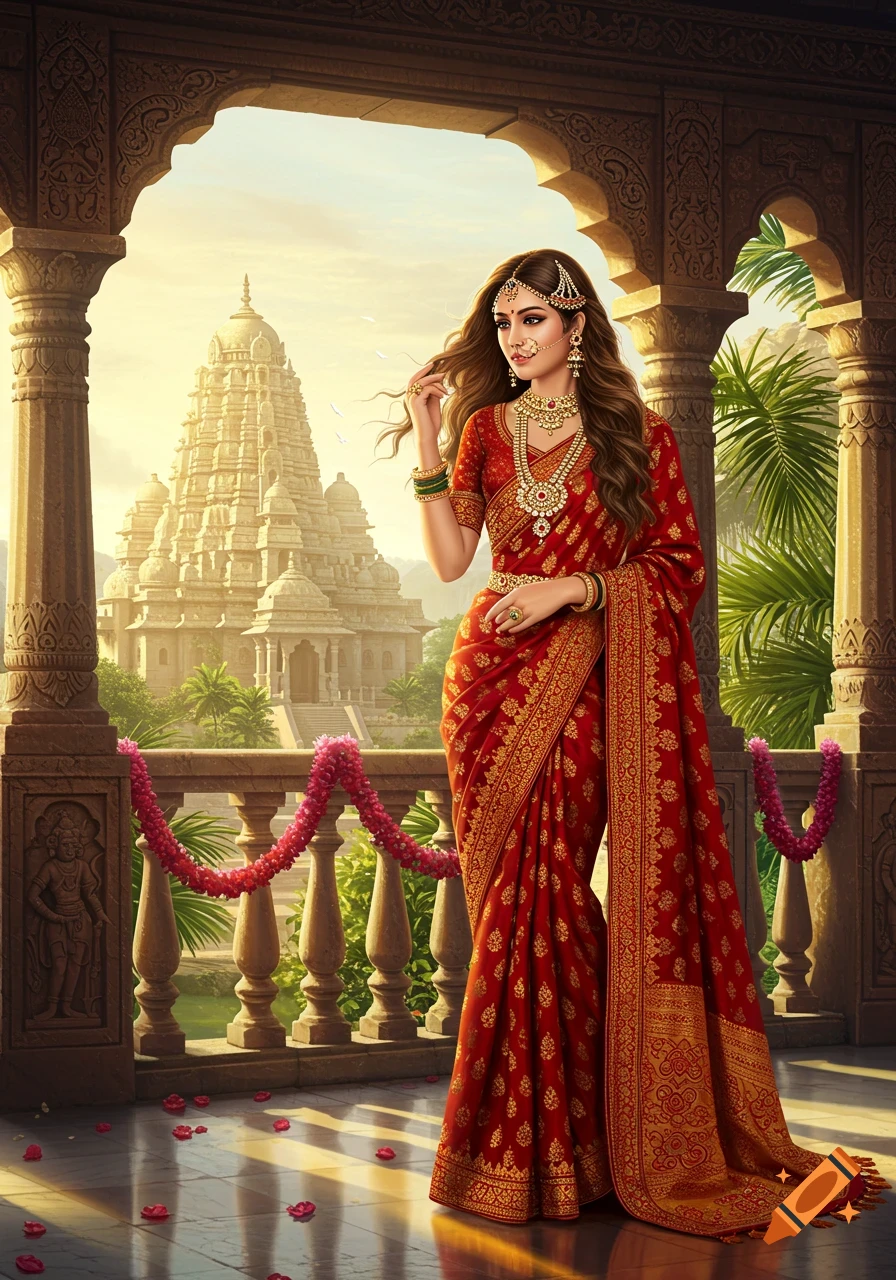
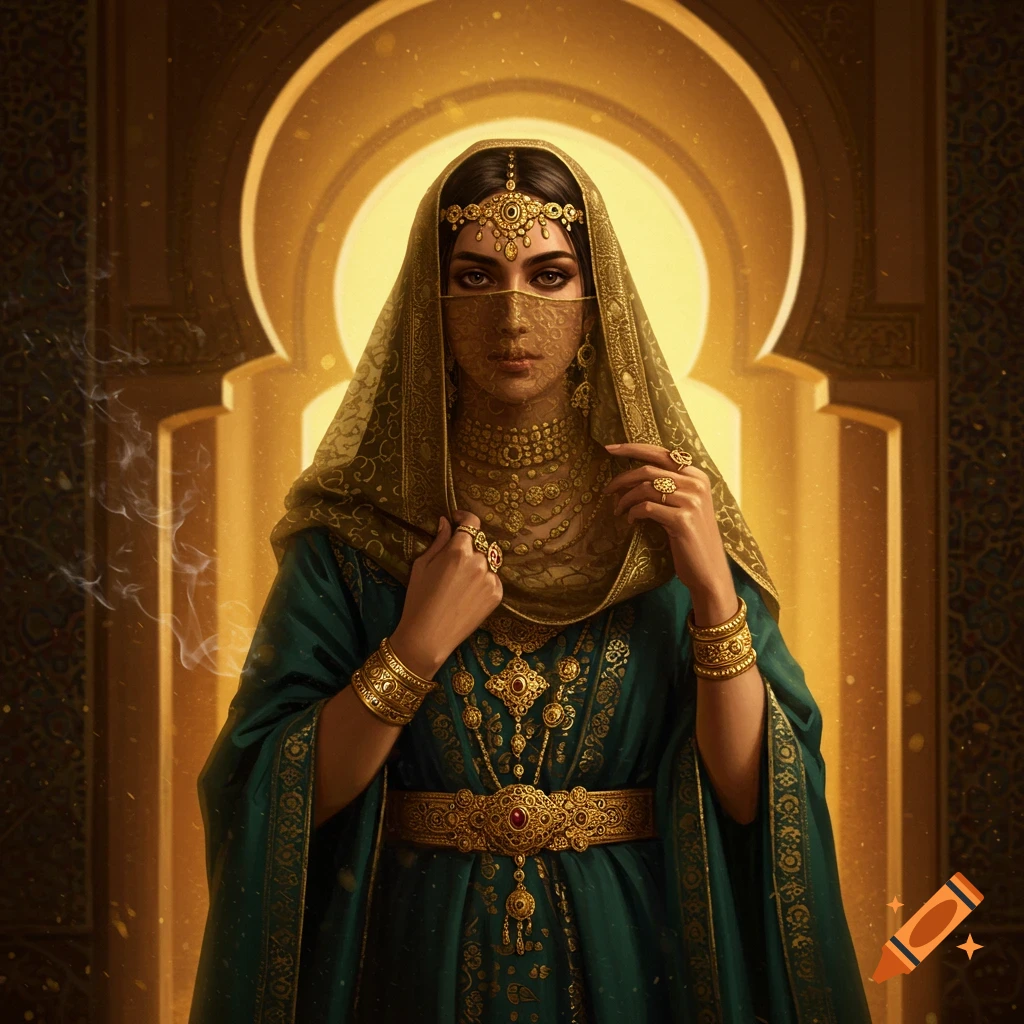
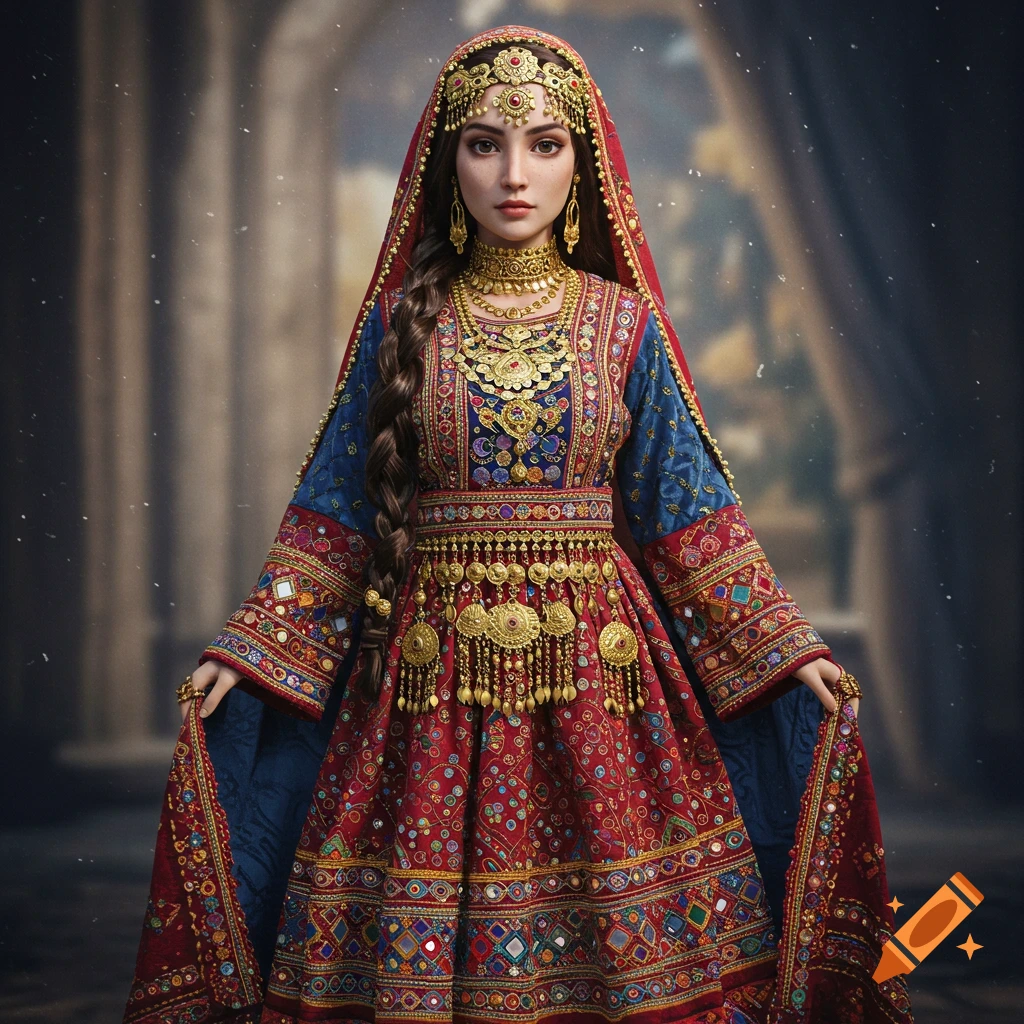
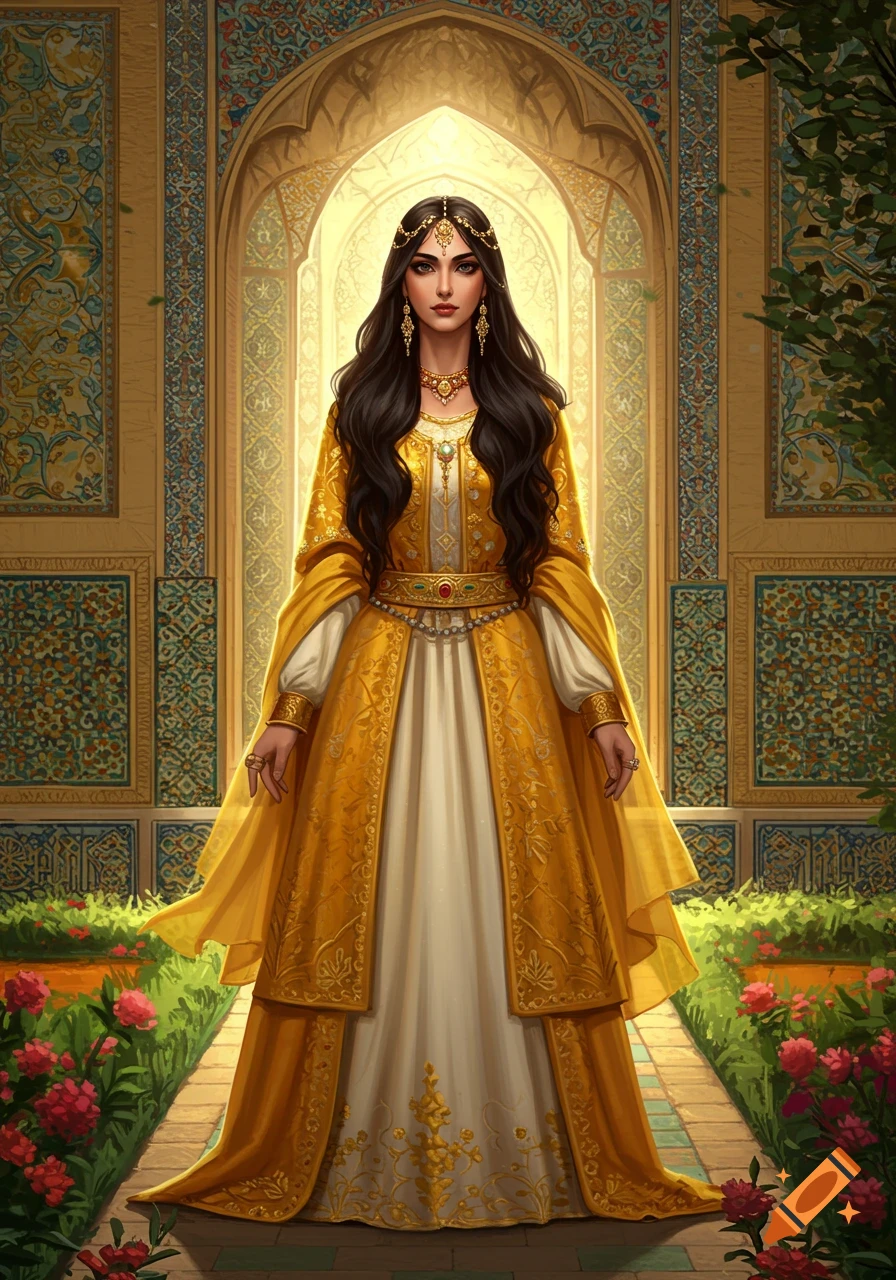
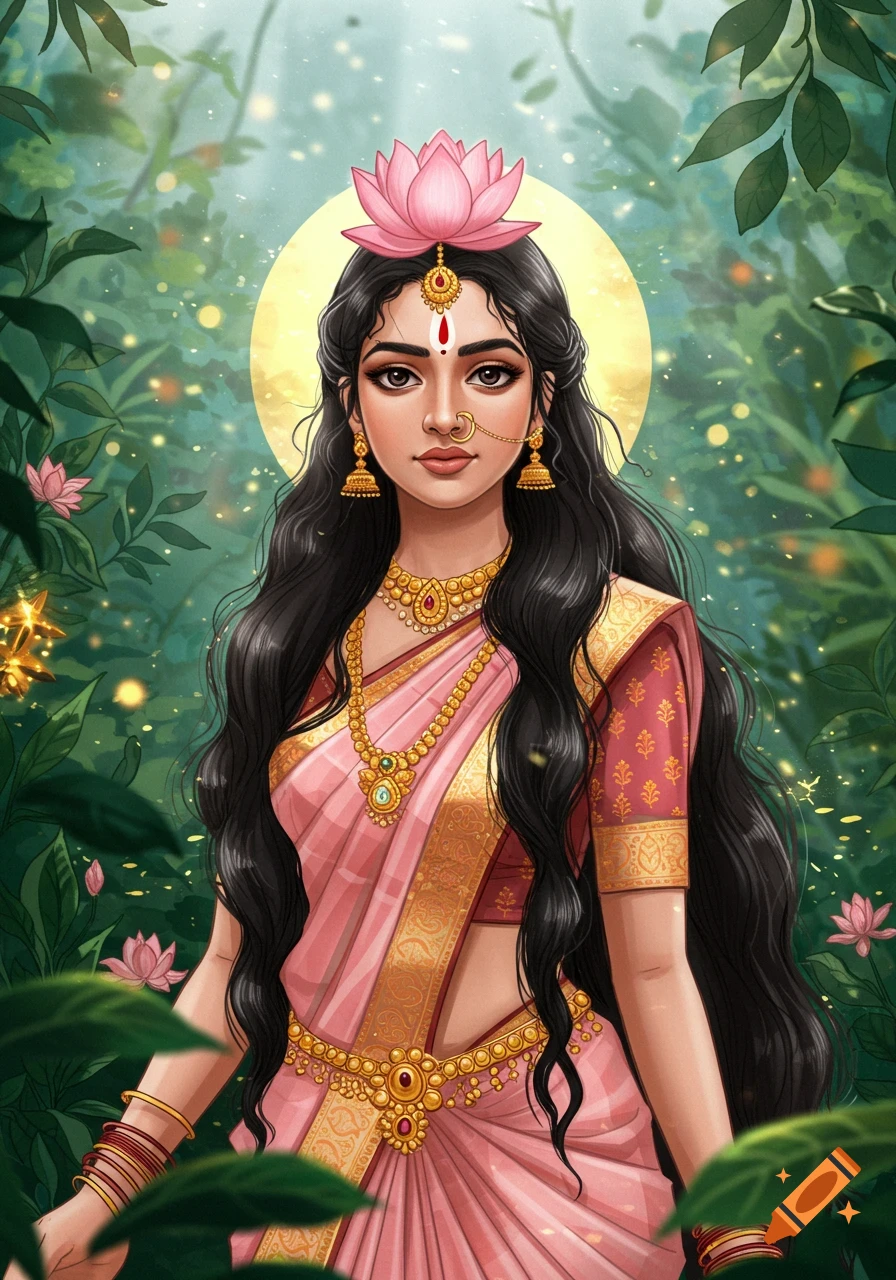
Portrait of a woman in a green veil, gold jewelry, and a halo in a garden setting.

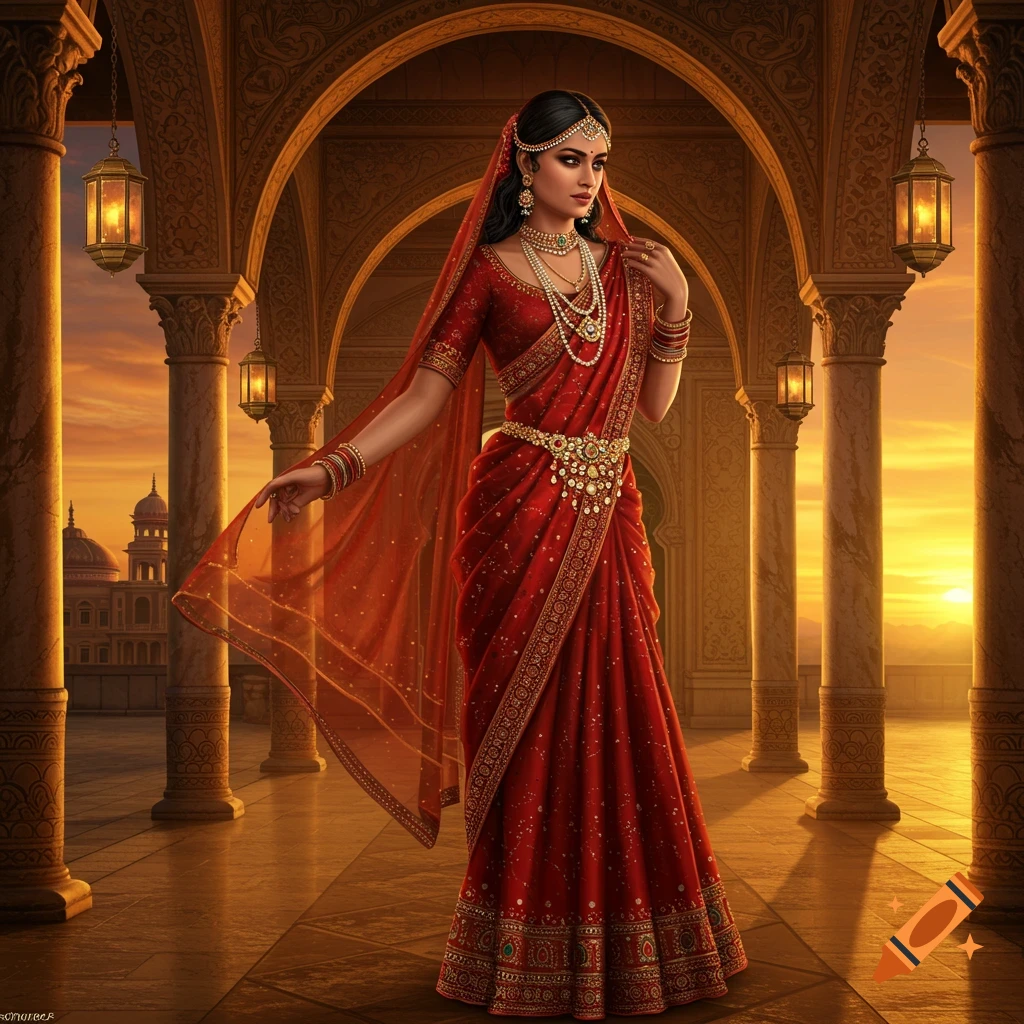
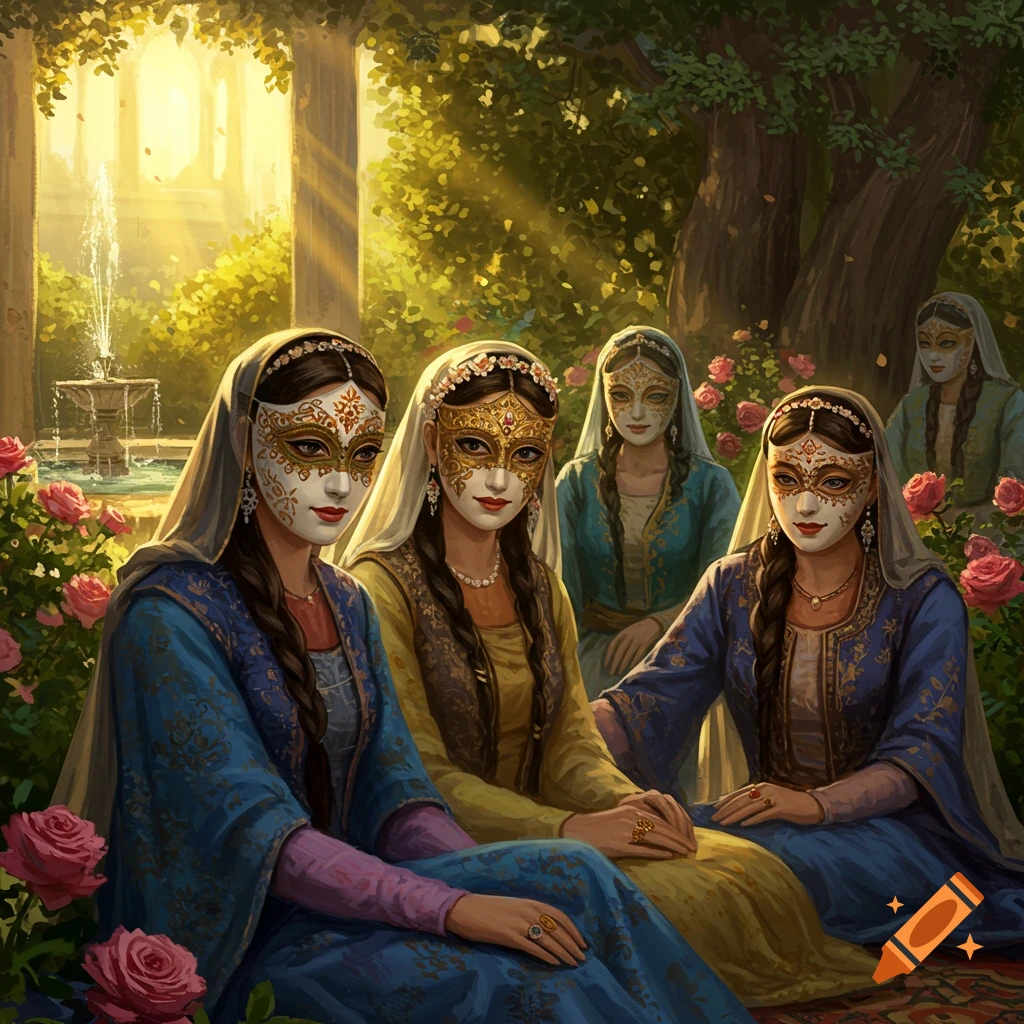
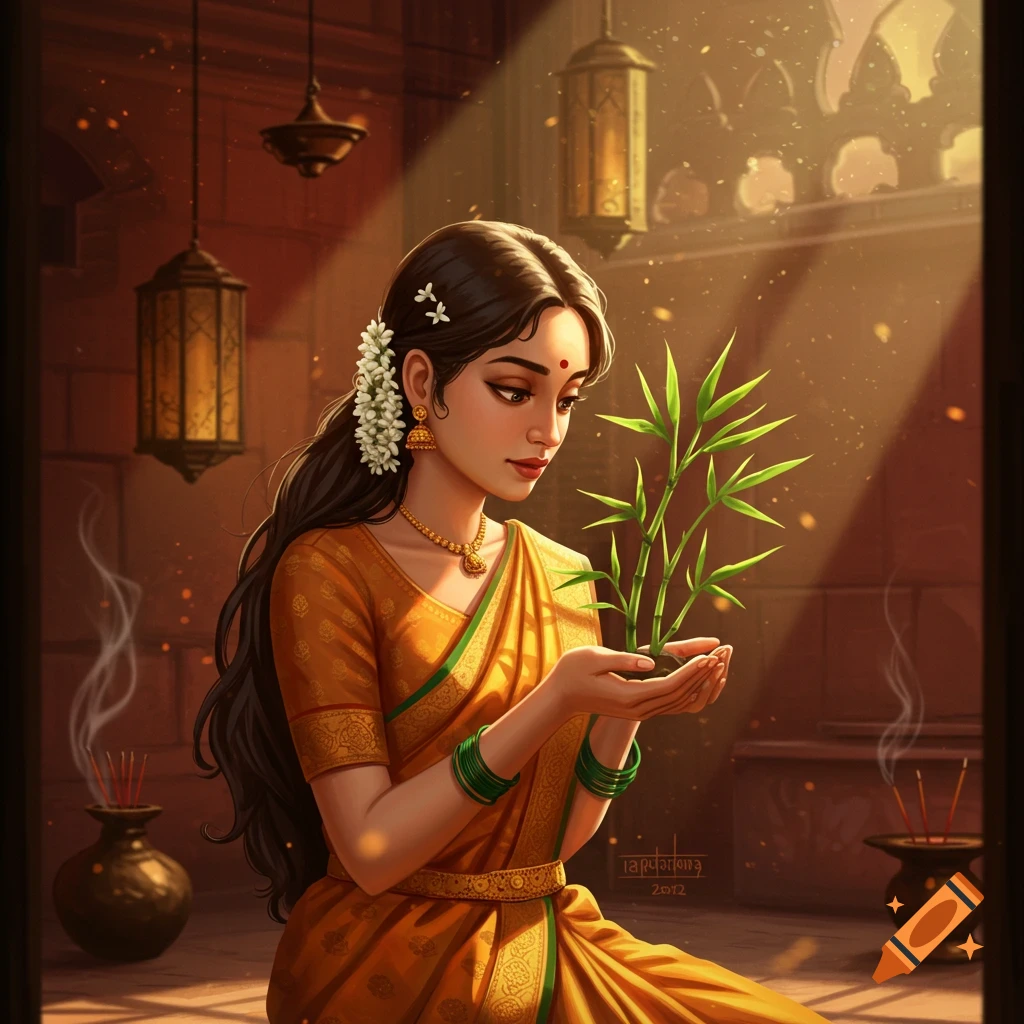
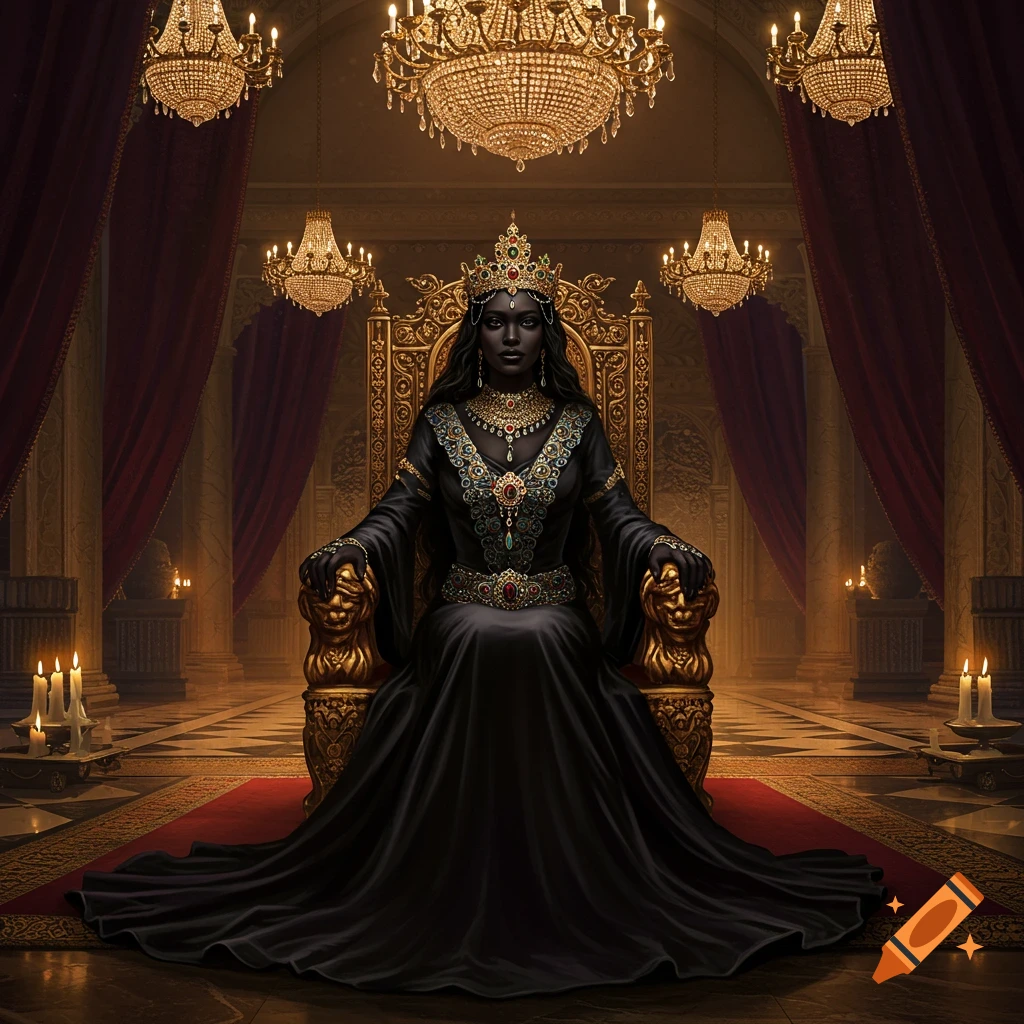
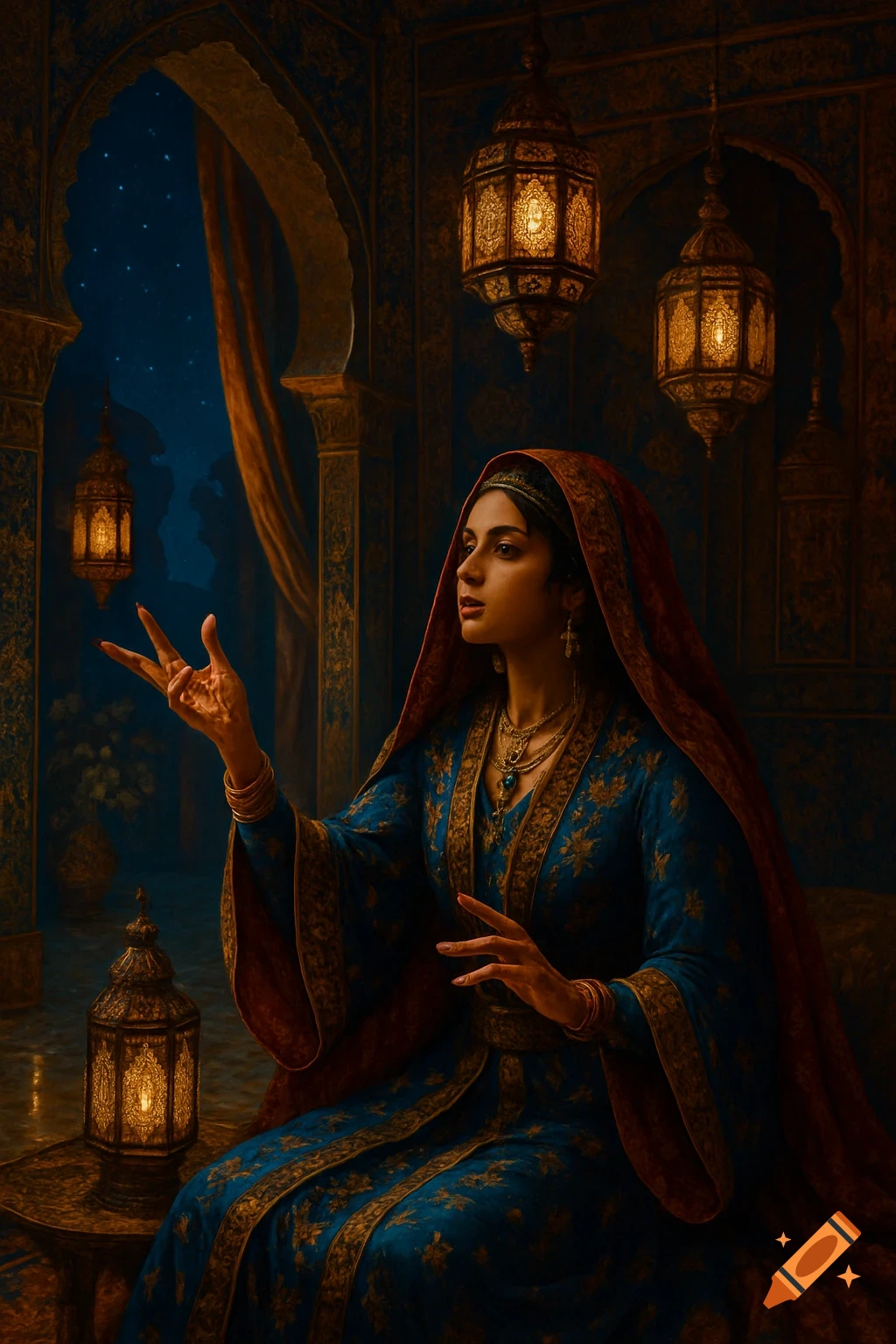
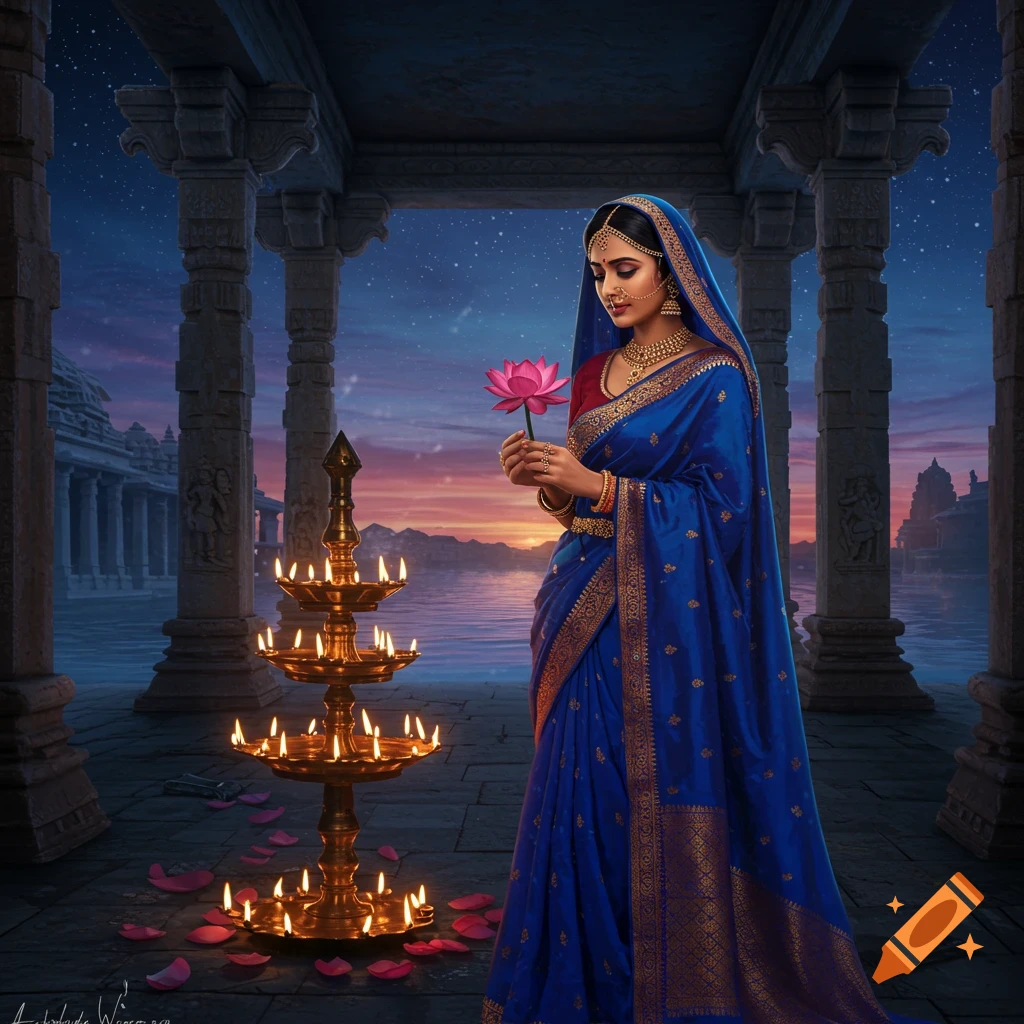
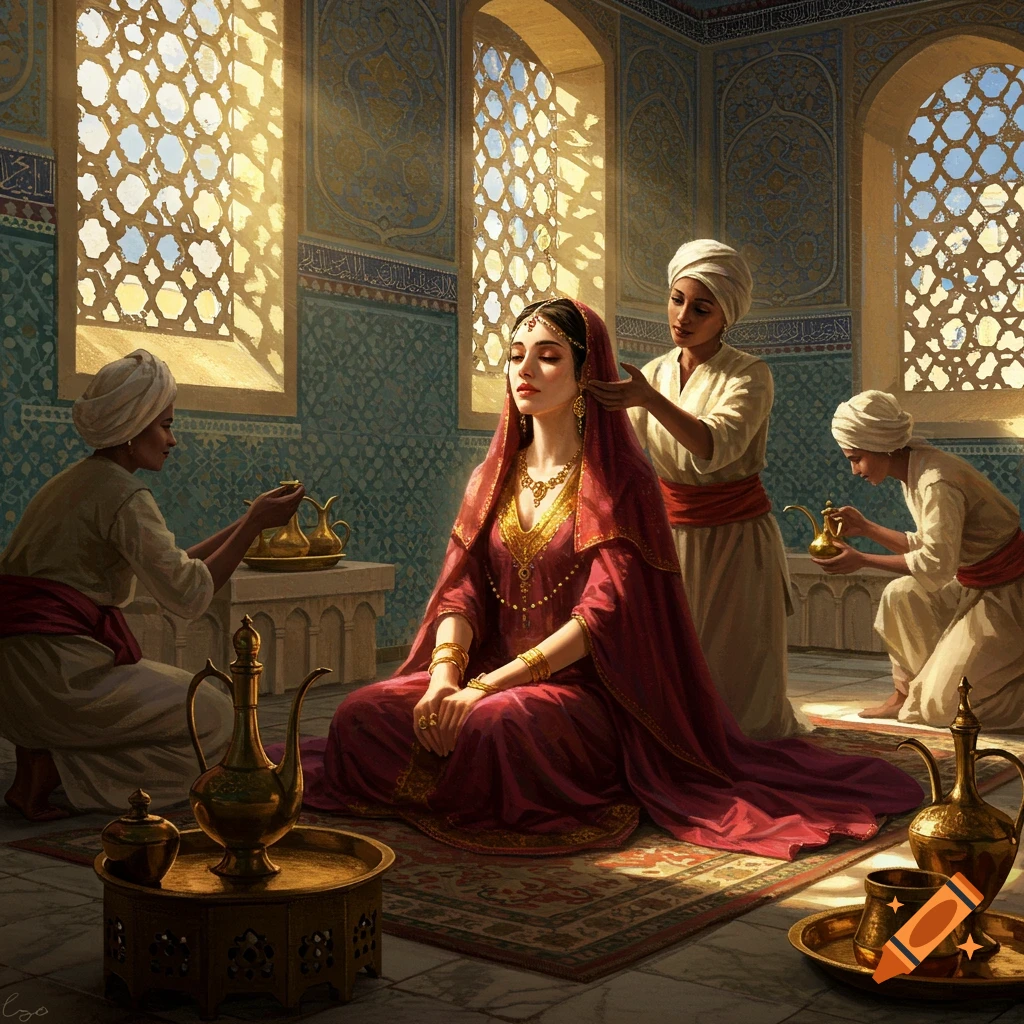
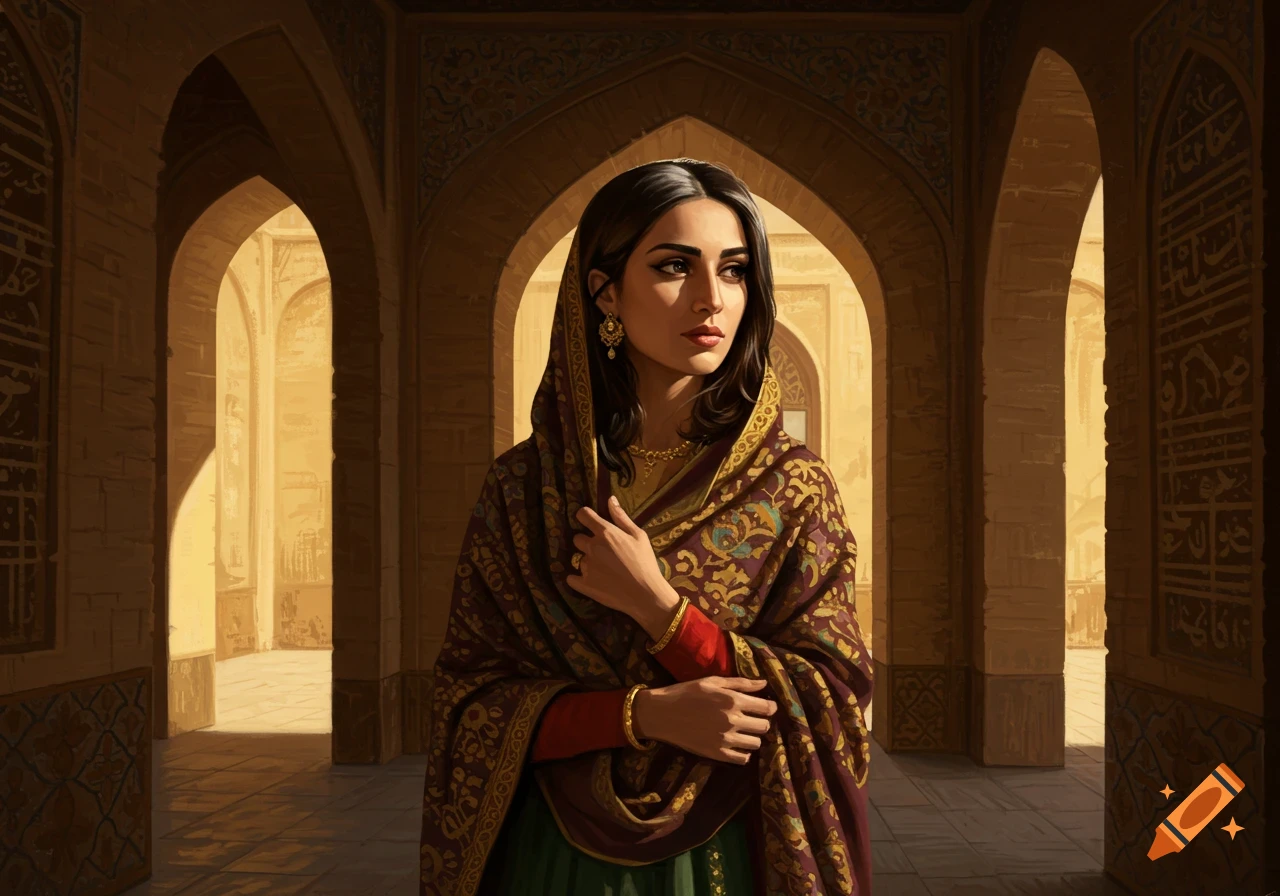
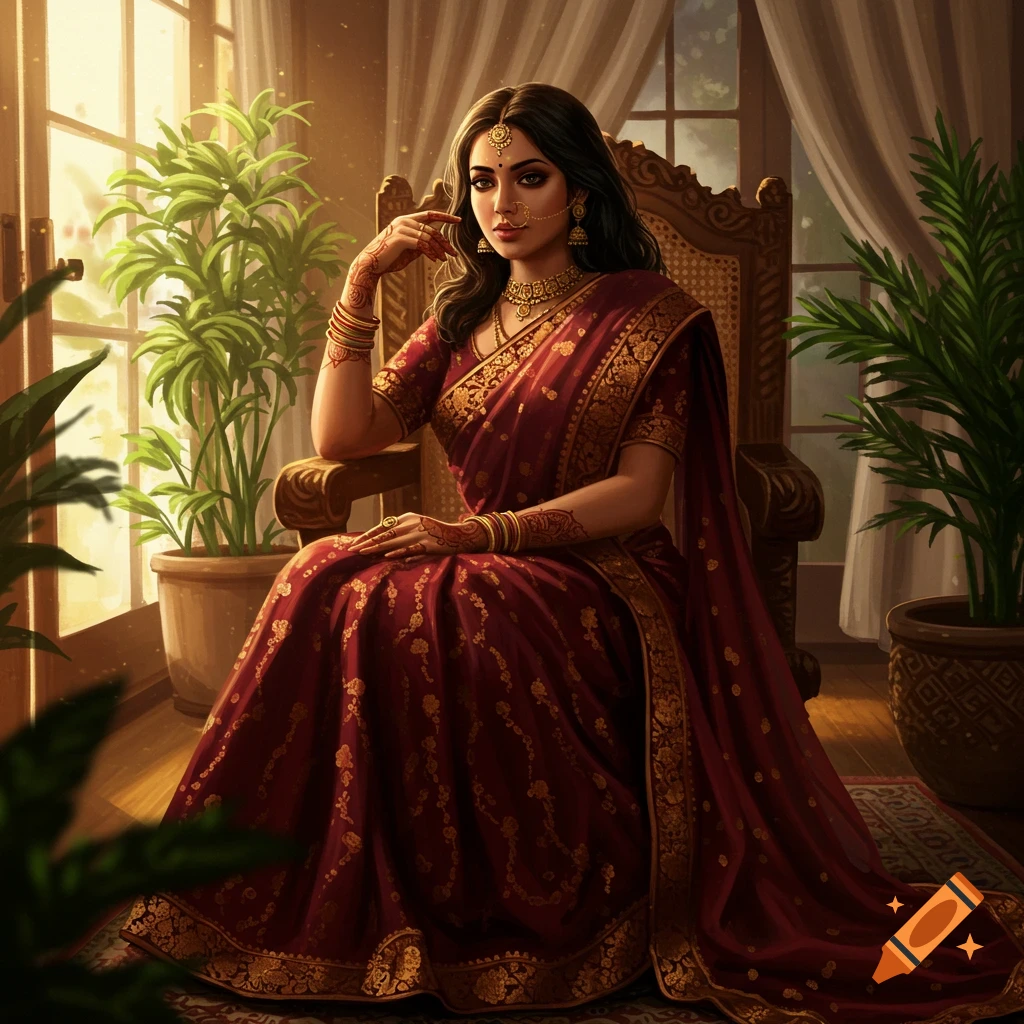
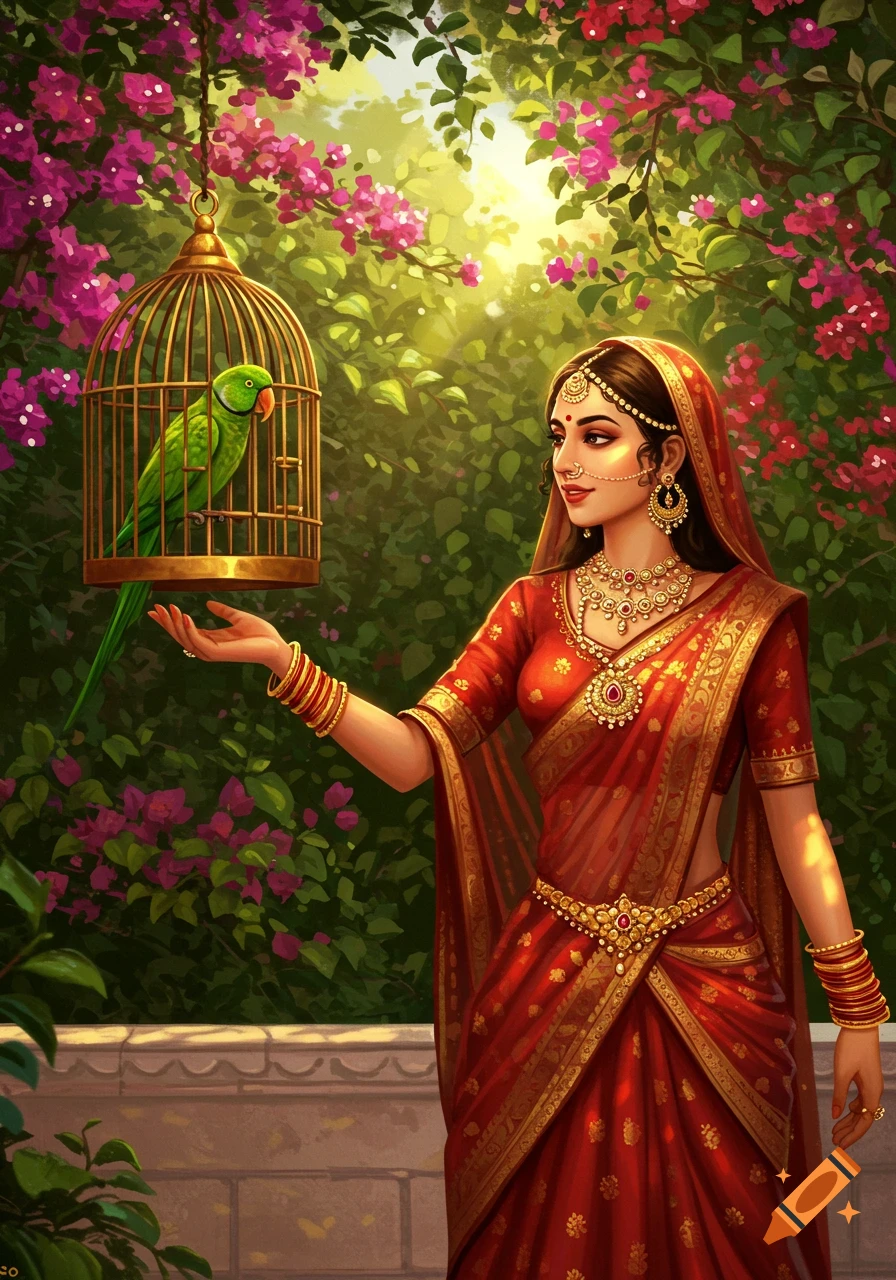
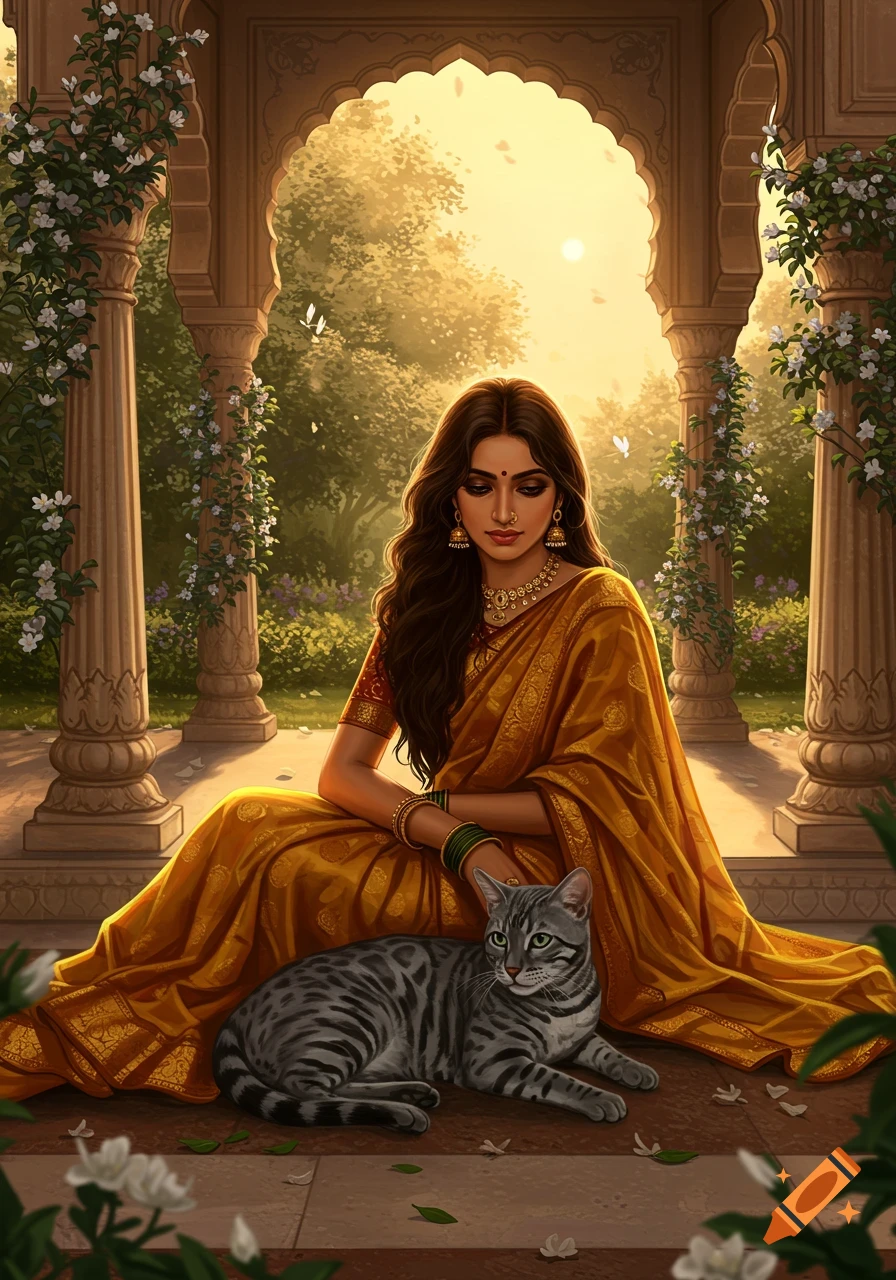
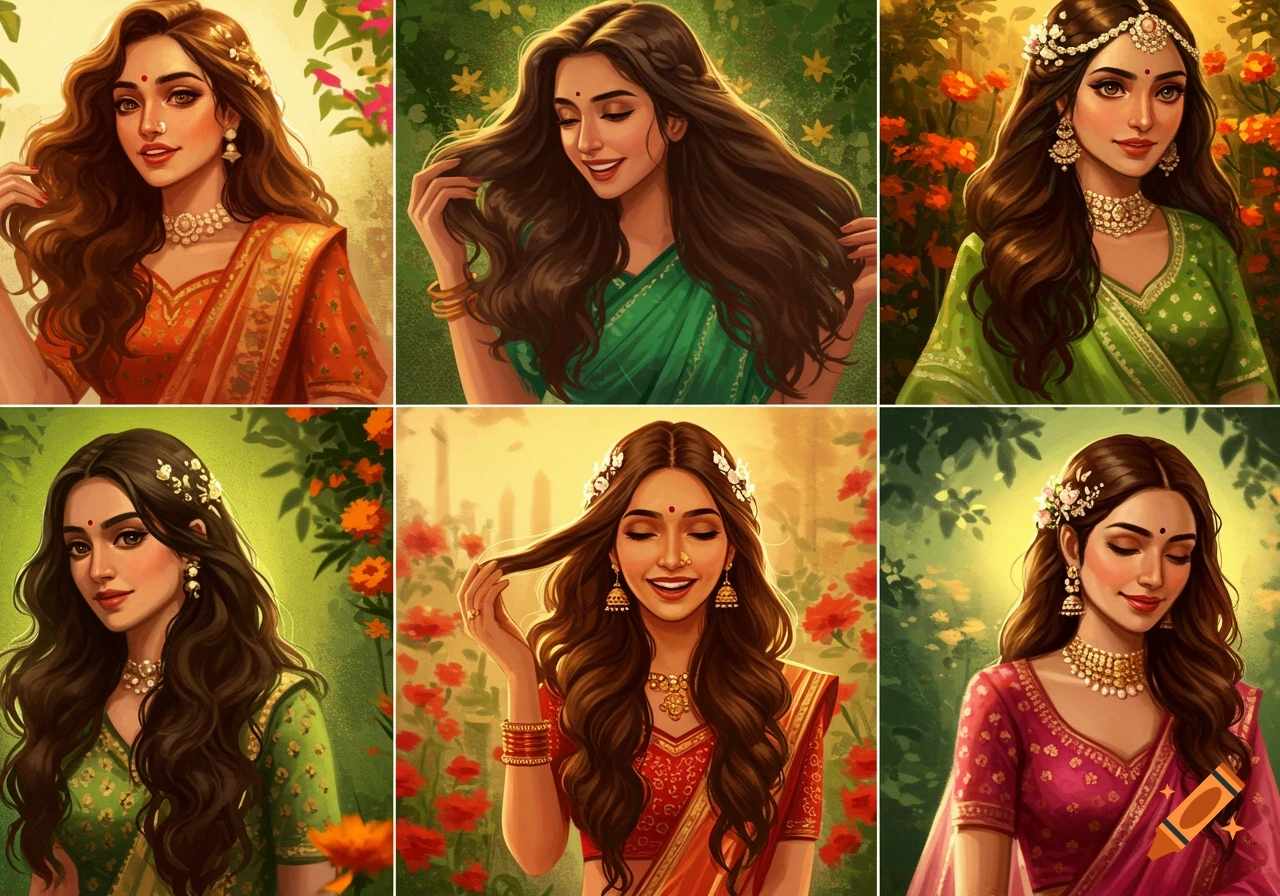
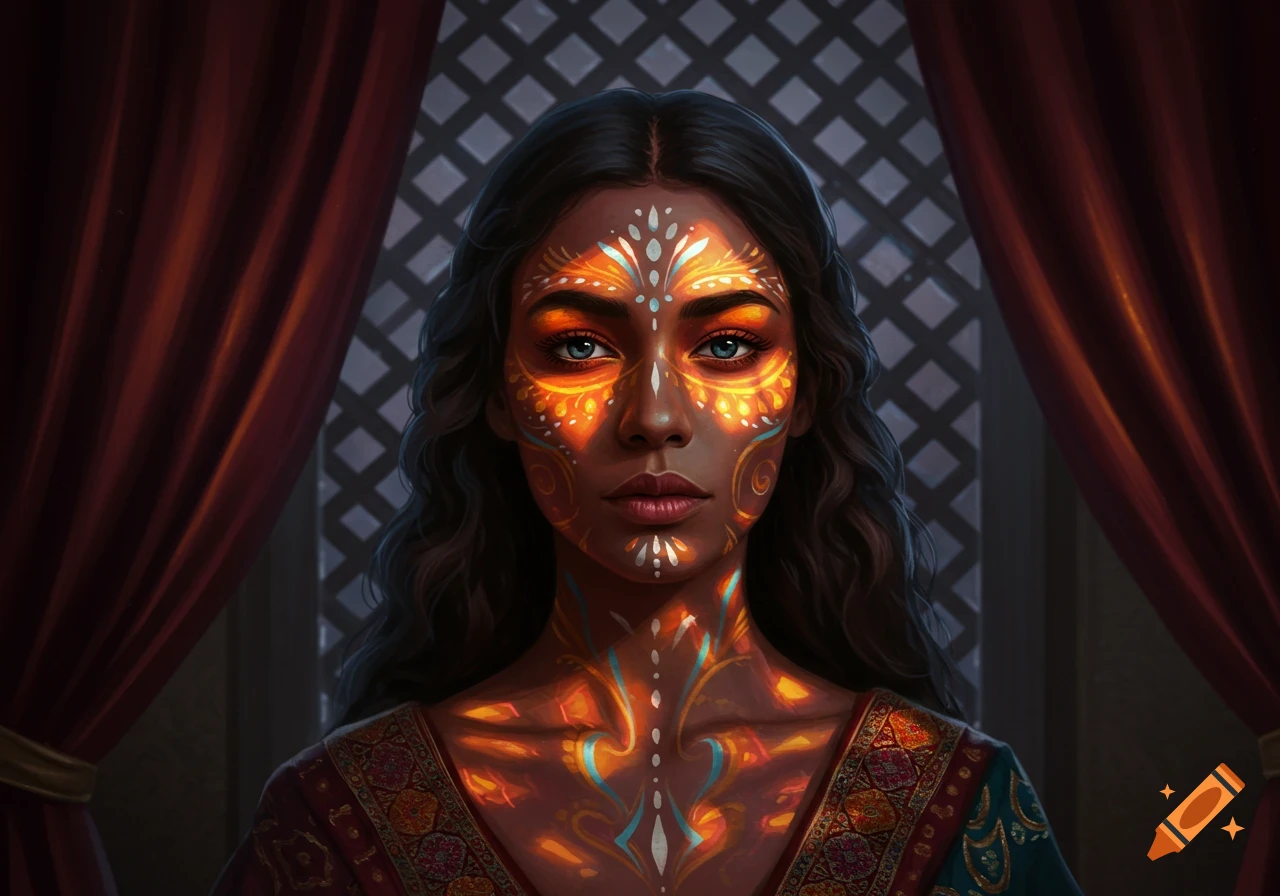
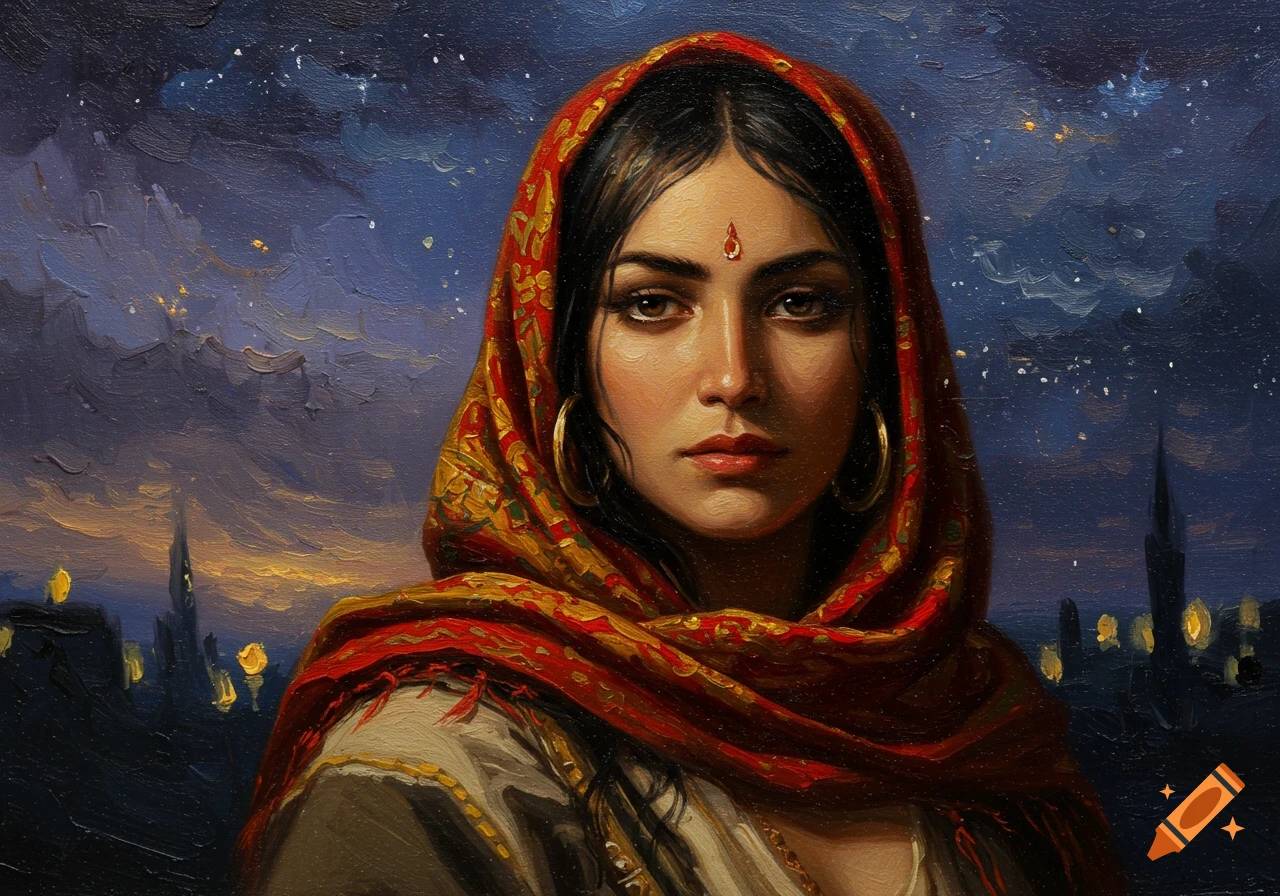
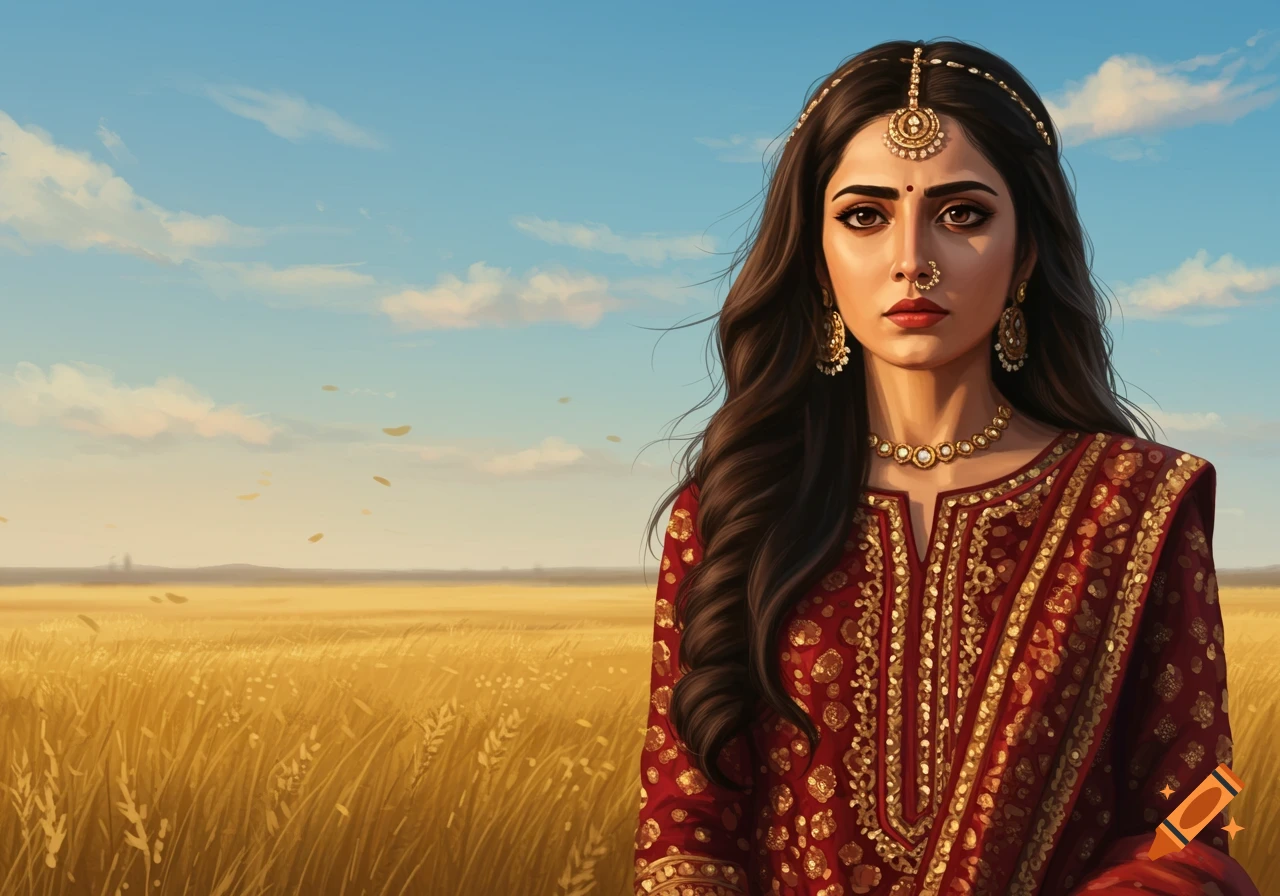
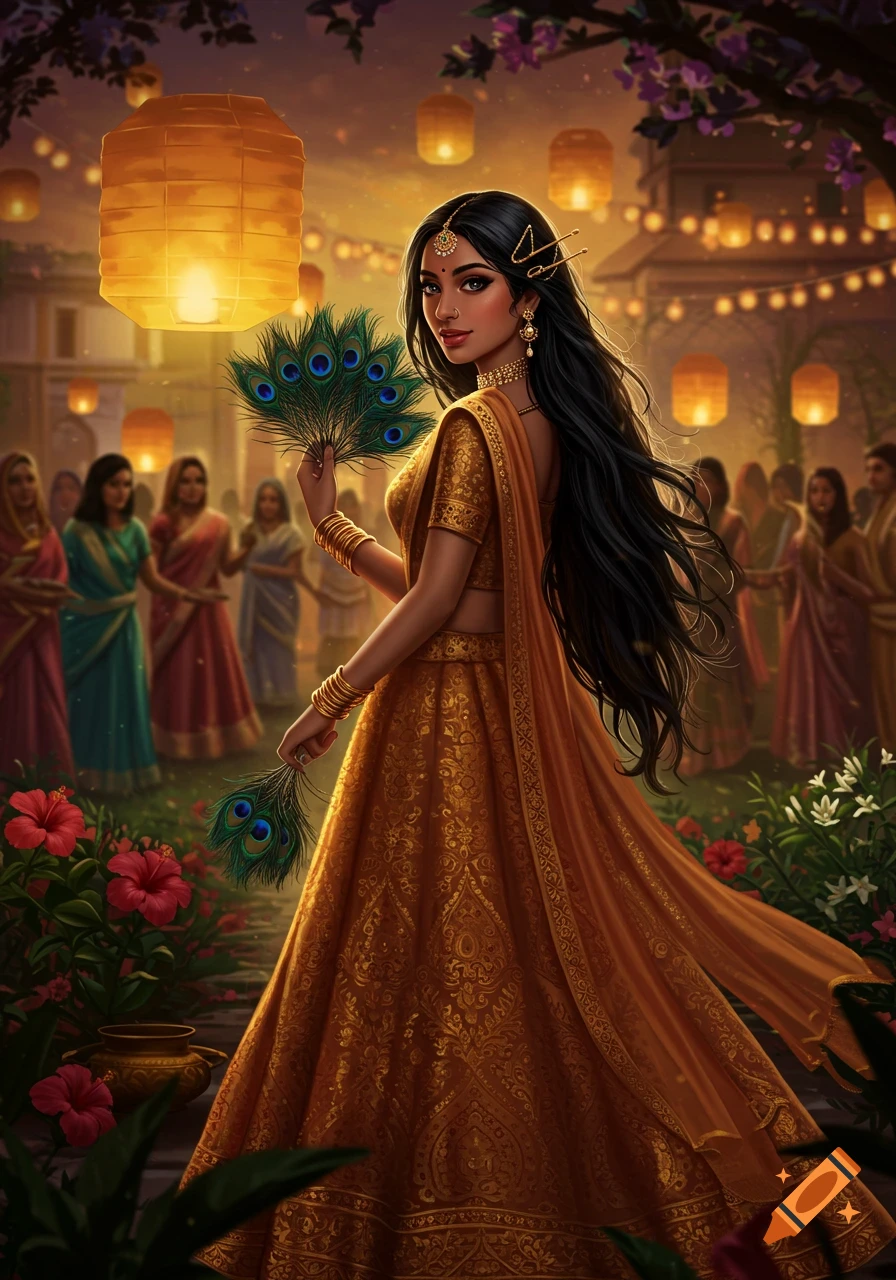
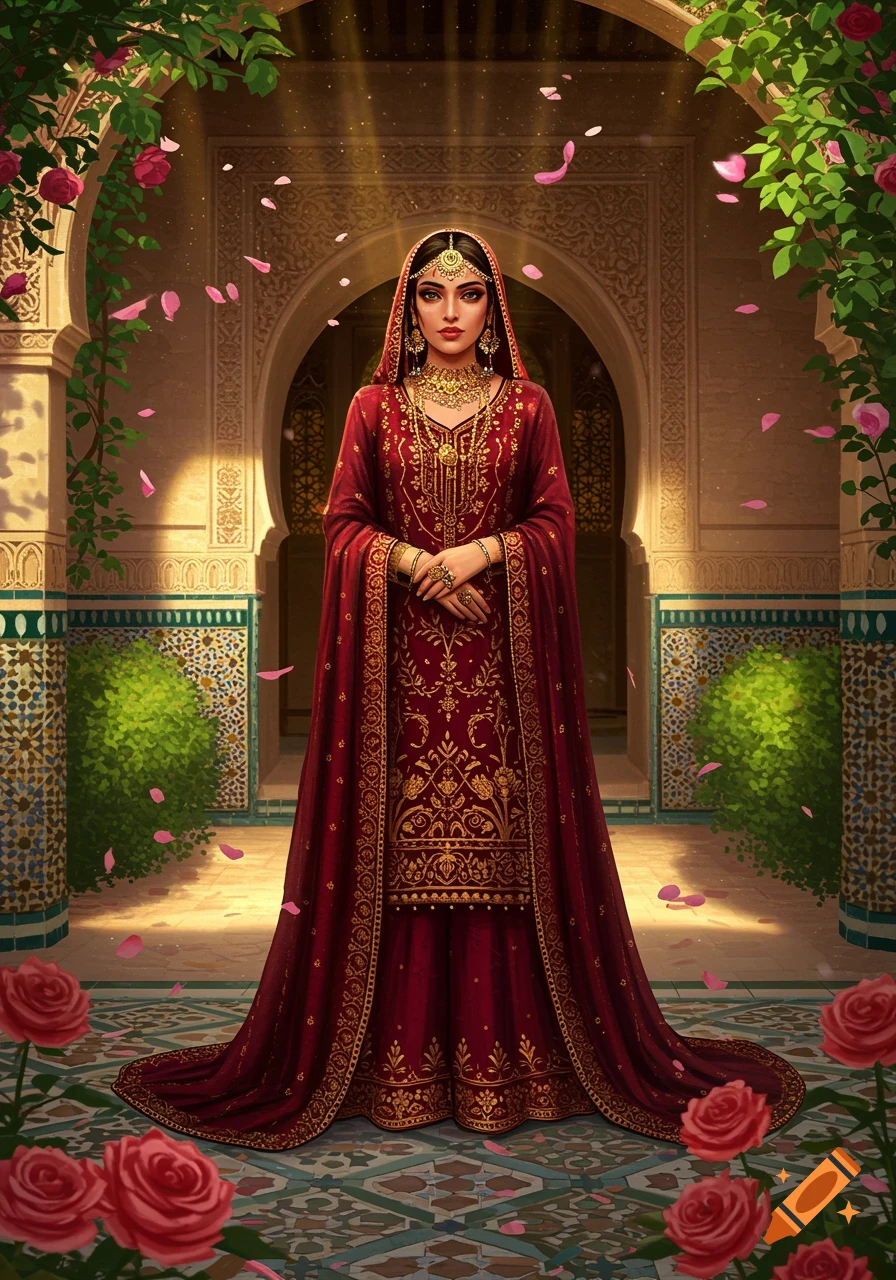
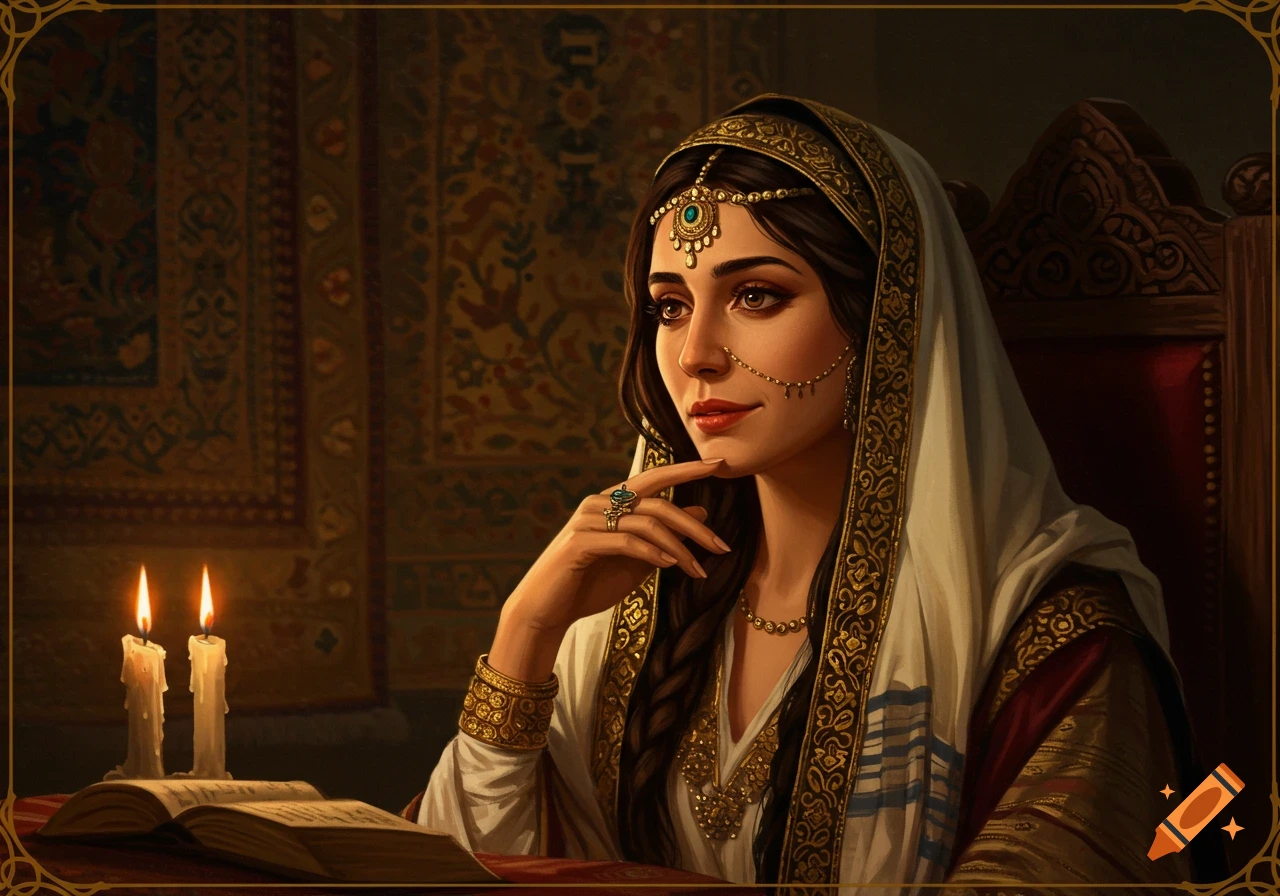
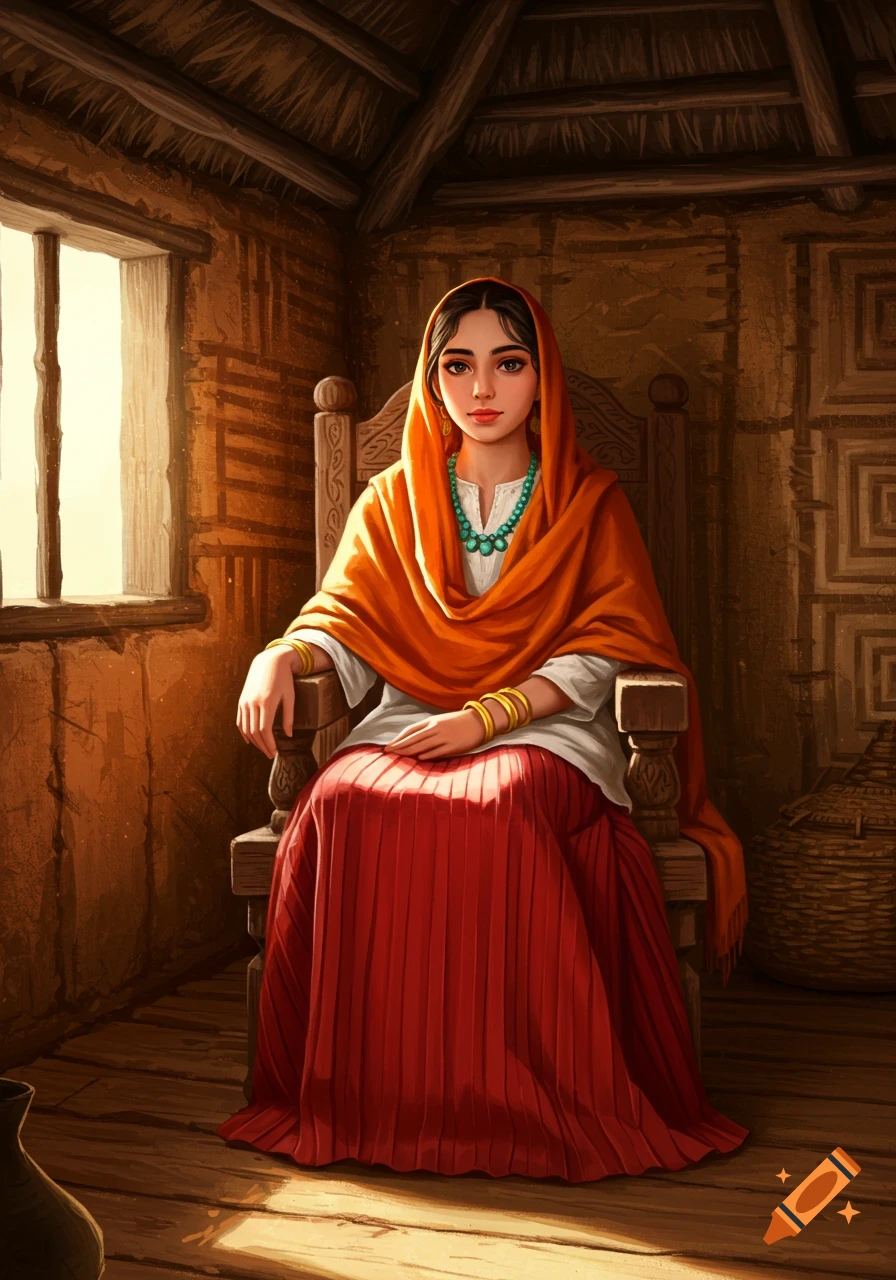
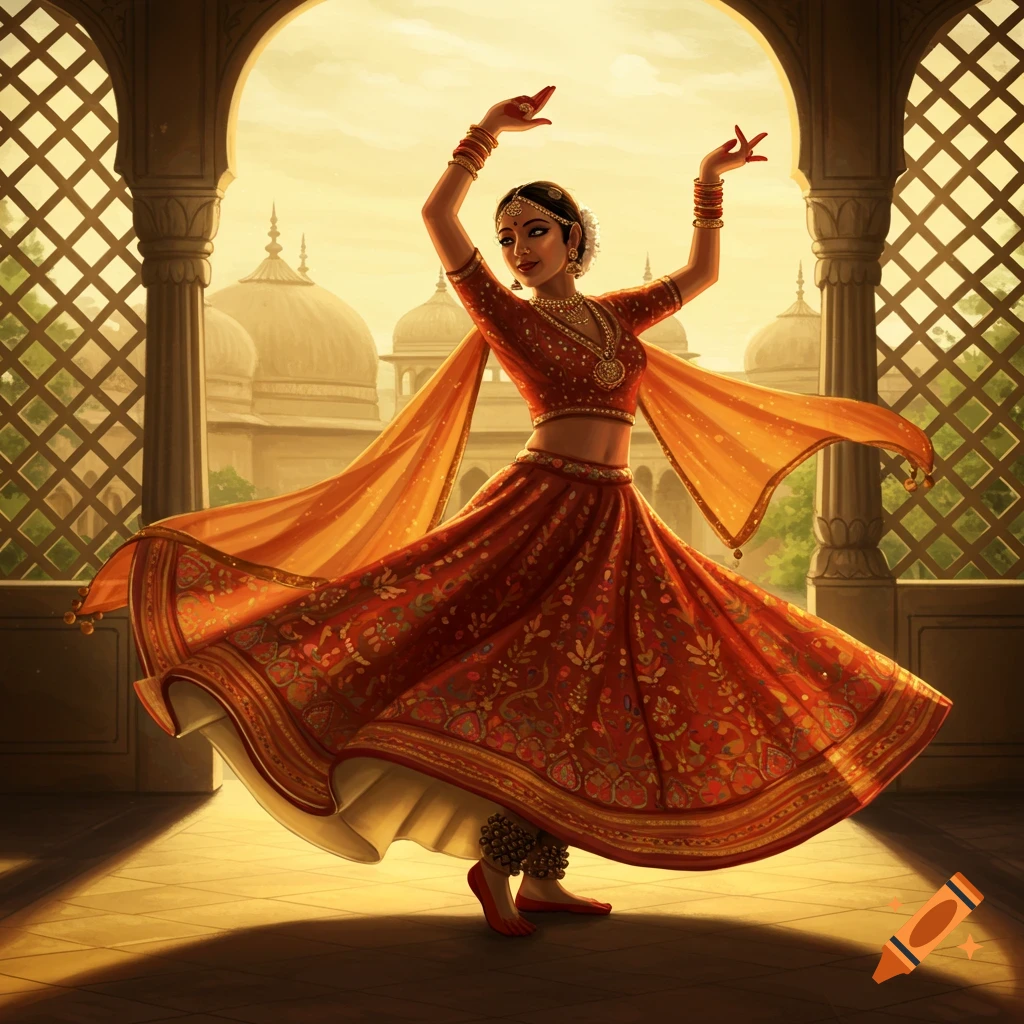
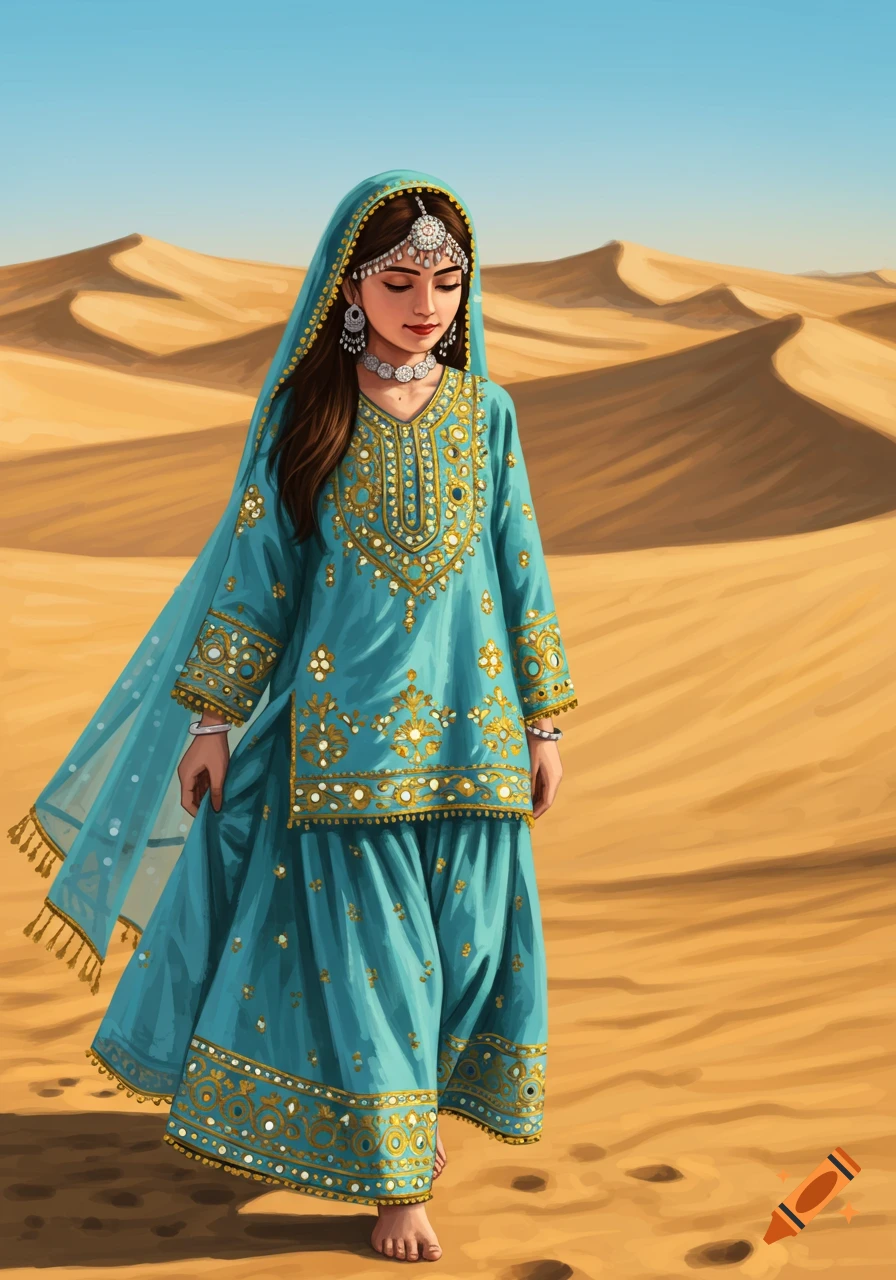
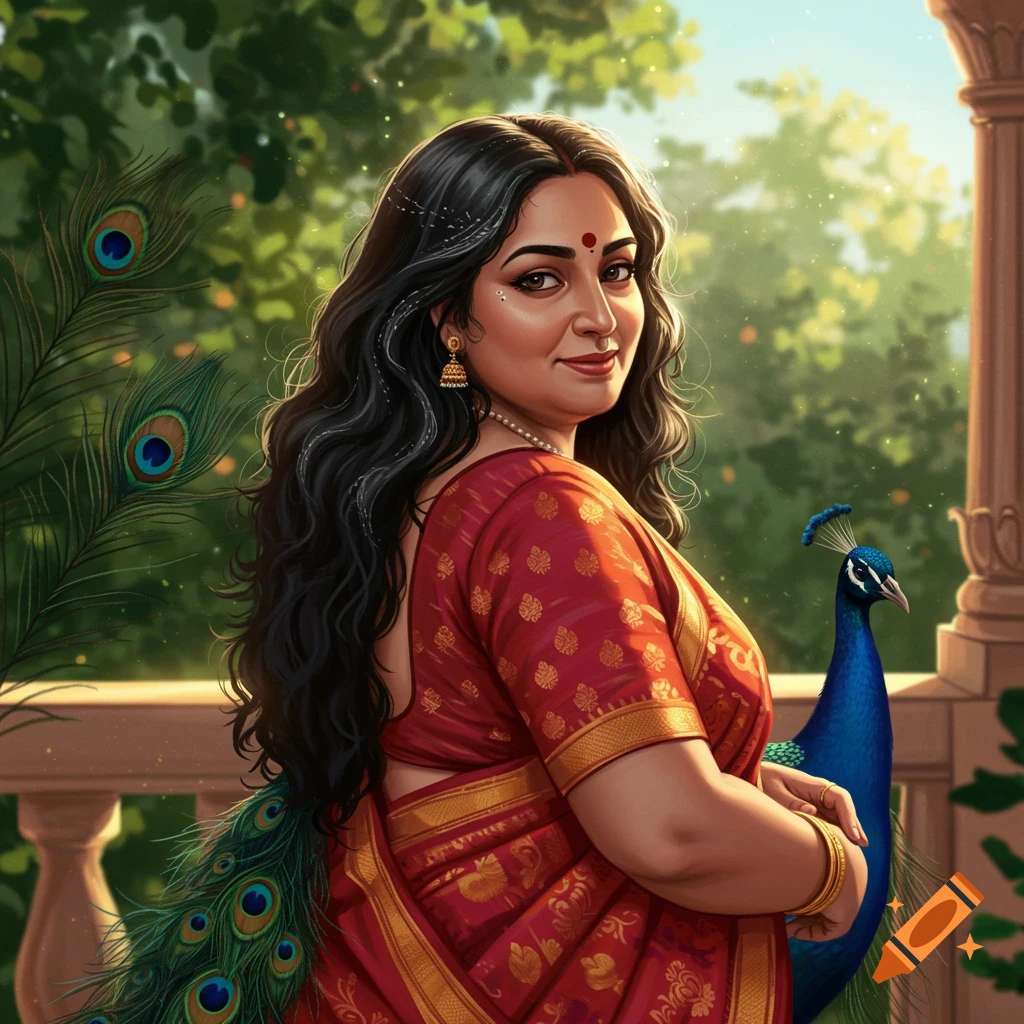
In the serene gardens of Paradise, the hoor stands as a symbol of celestial beauty, untouched by time, sorrow, or impurity. Her eyes are vast and radiant—like twin dark moons shimmering with divine tranquility, wide and expressive, reserved solely for the one she was promised to. The Qur’an likens her to a “hidden pearl”, shielded from the world, glowing with a purity that cannot be tarnished. Her skin is described as luminous and smooth, softly gleaming like polished ivory or moonlight on calm water. Every movement is graceful, as if she were woven from silk and starlight. Her presence emits a fragrance more delicate than musk, and her voice is like a melody from a place where sorrow never dwells. She is veiled in modesty and loyalty, limiting her gaze only to her beloved, reflecting emotional depth rather than superficial allure. Clothed in fine, radiant garments—green silk and brocade, encrusted with gold—she embodies elegance without excess. Her hair flows freely like rivers of shadowed silk, and her smile offers comfort deeper than rest. But beyond appearance, the hoor symbolizes divine reward and eternal companionship, a reflection of the soul’s peace and joy in the afterlife. Her beauty is not for display but for a bond forged in faith and fulfilled in eternity. She is not a product of earthly desire, but a creation of divine grace—a living metaphor of Paradise itself Mehr sehen
More images like this