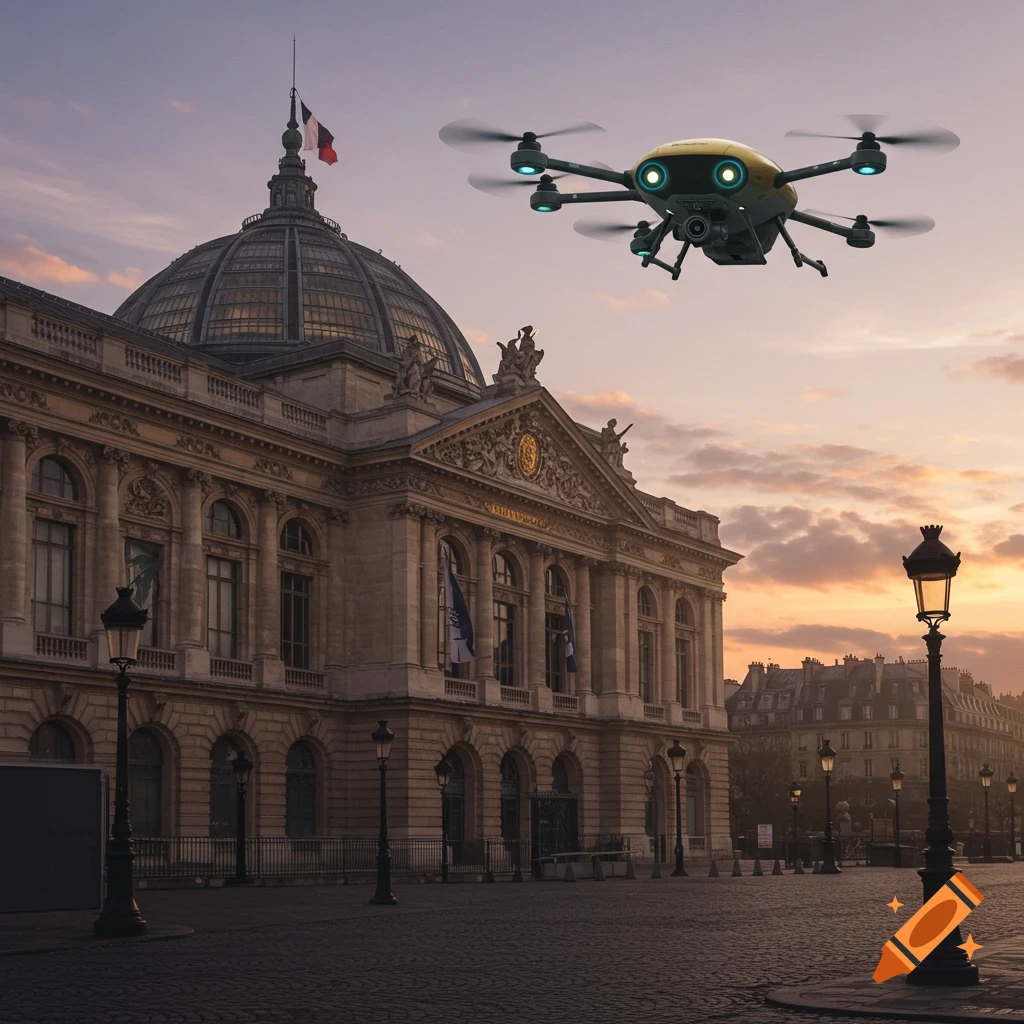
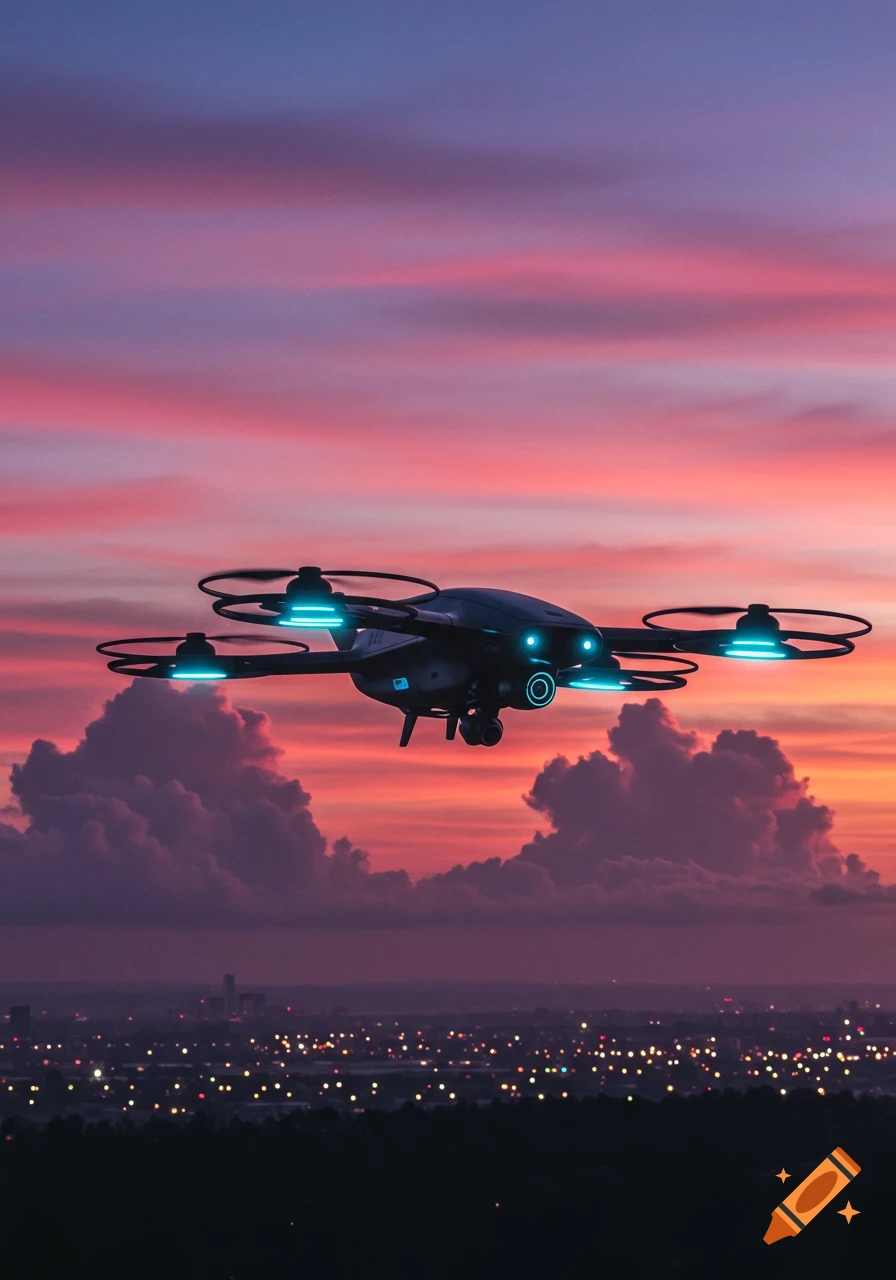
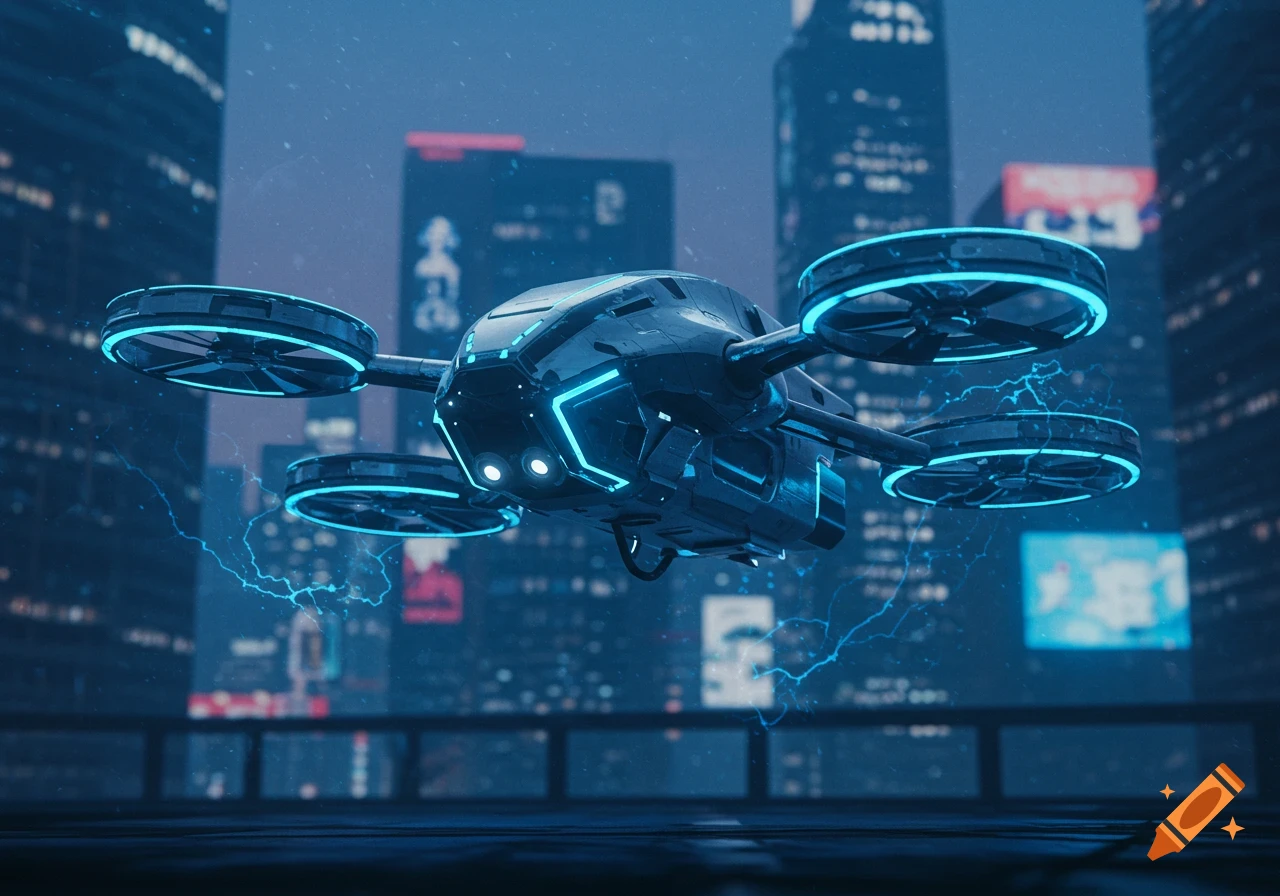
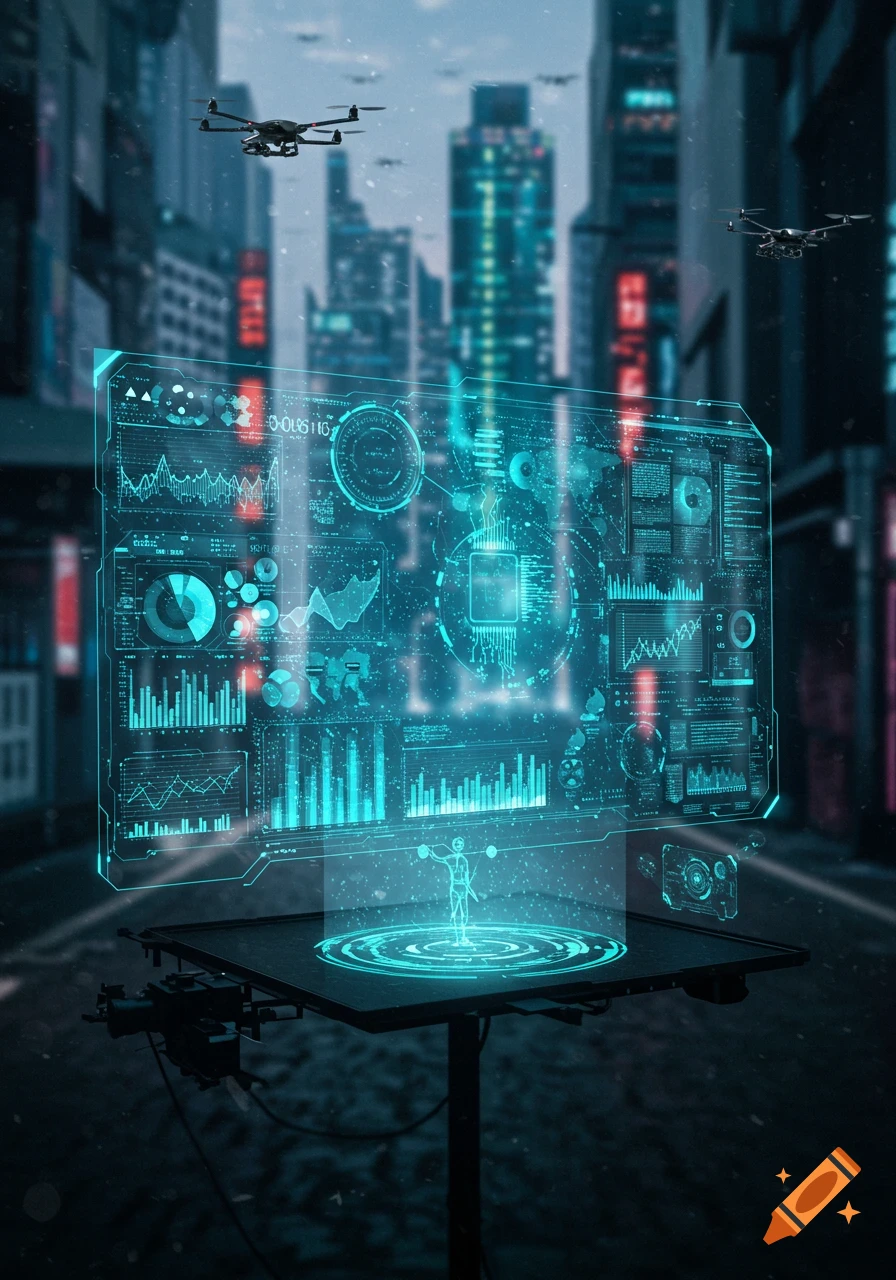
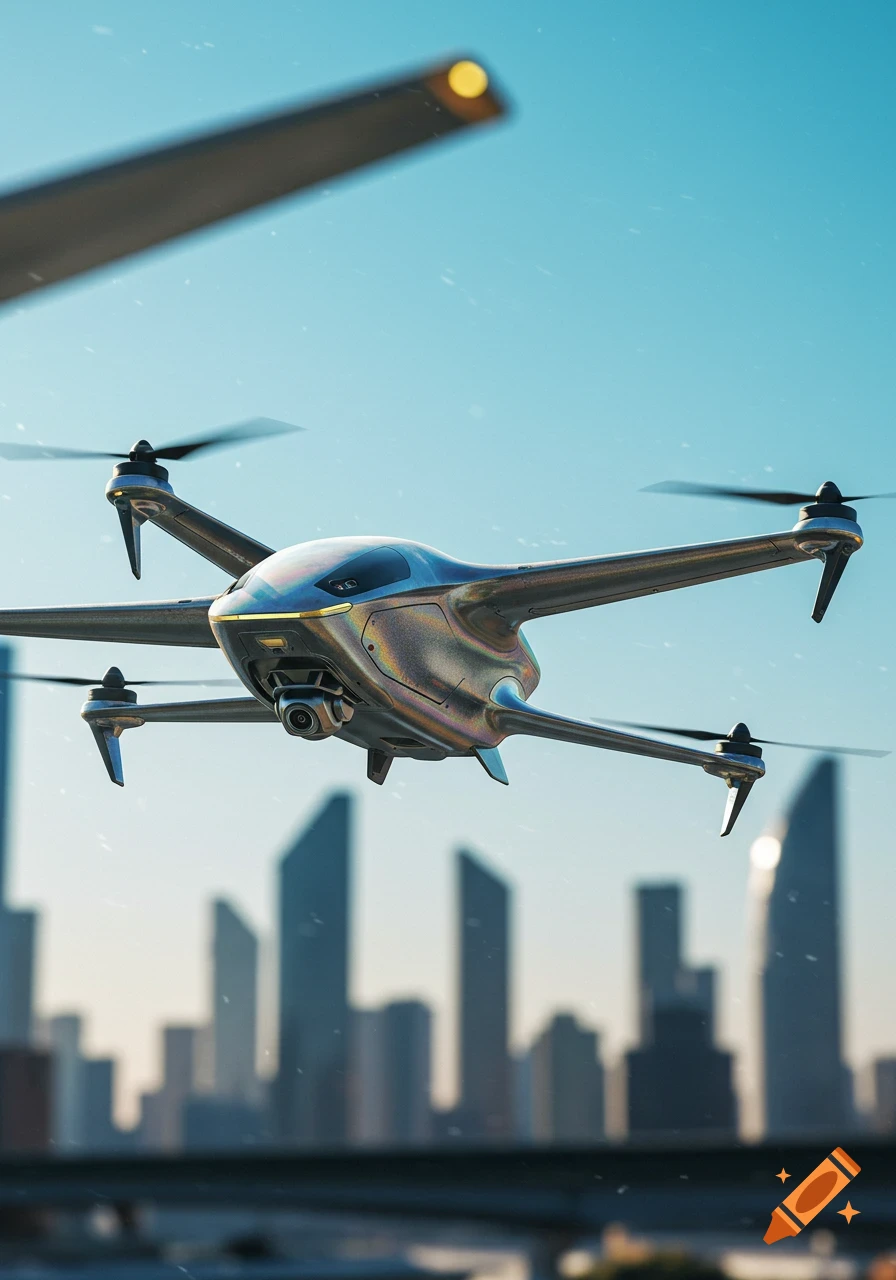
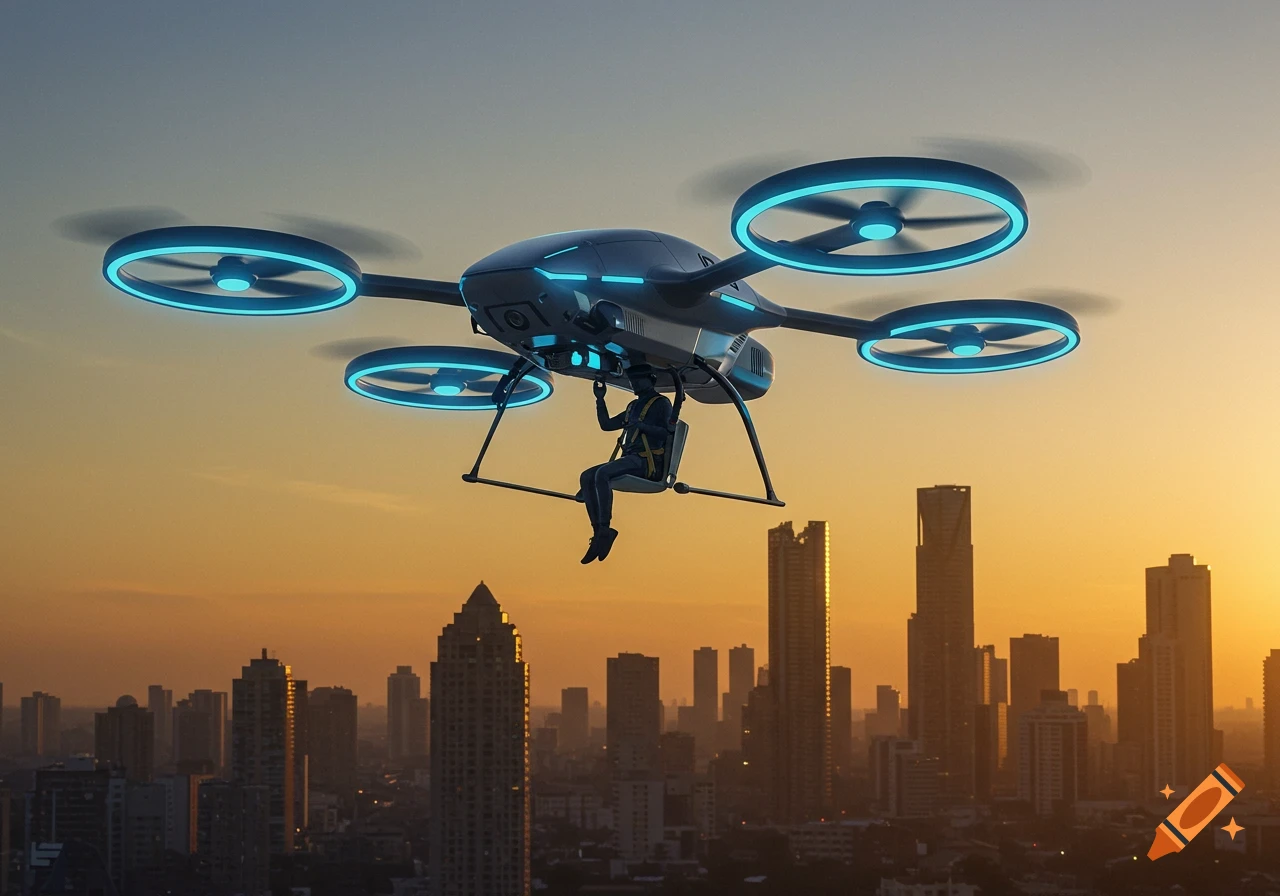
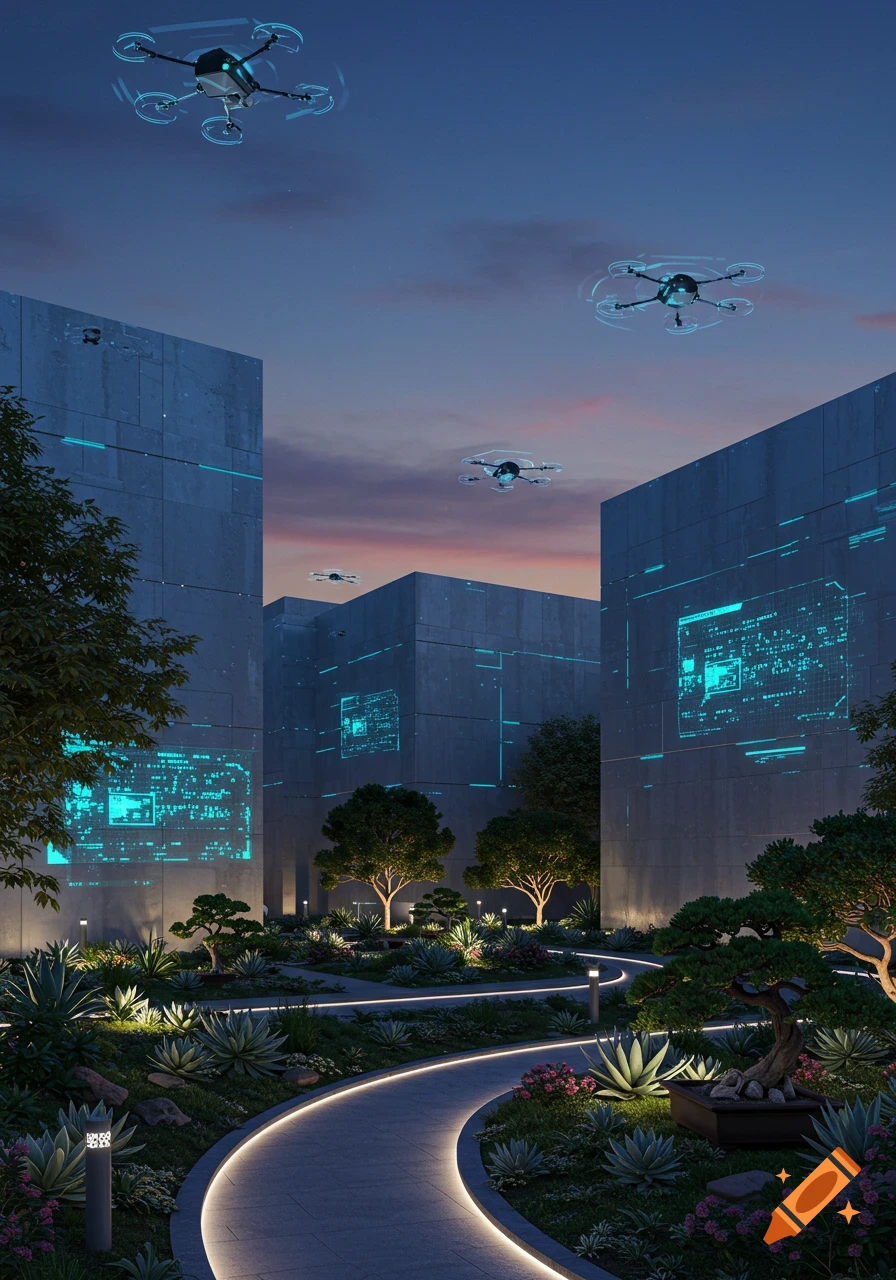
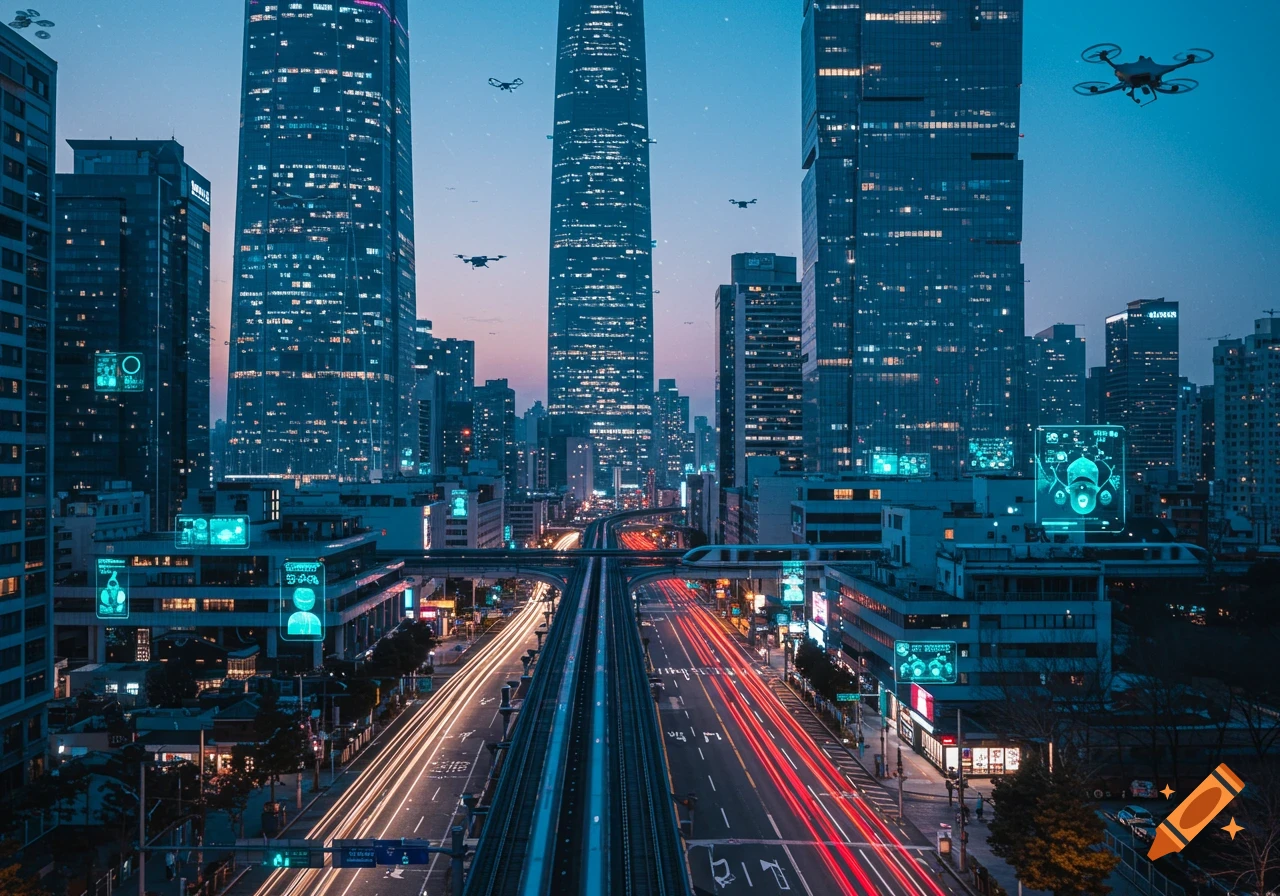
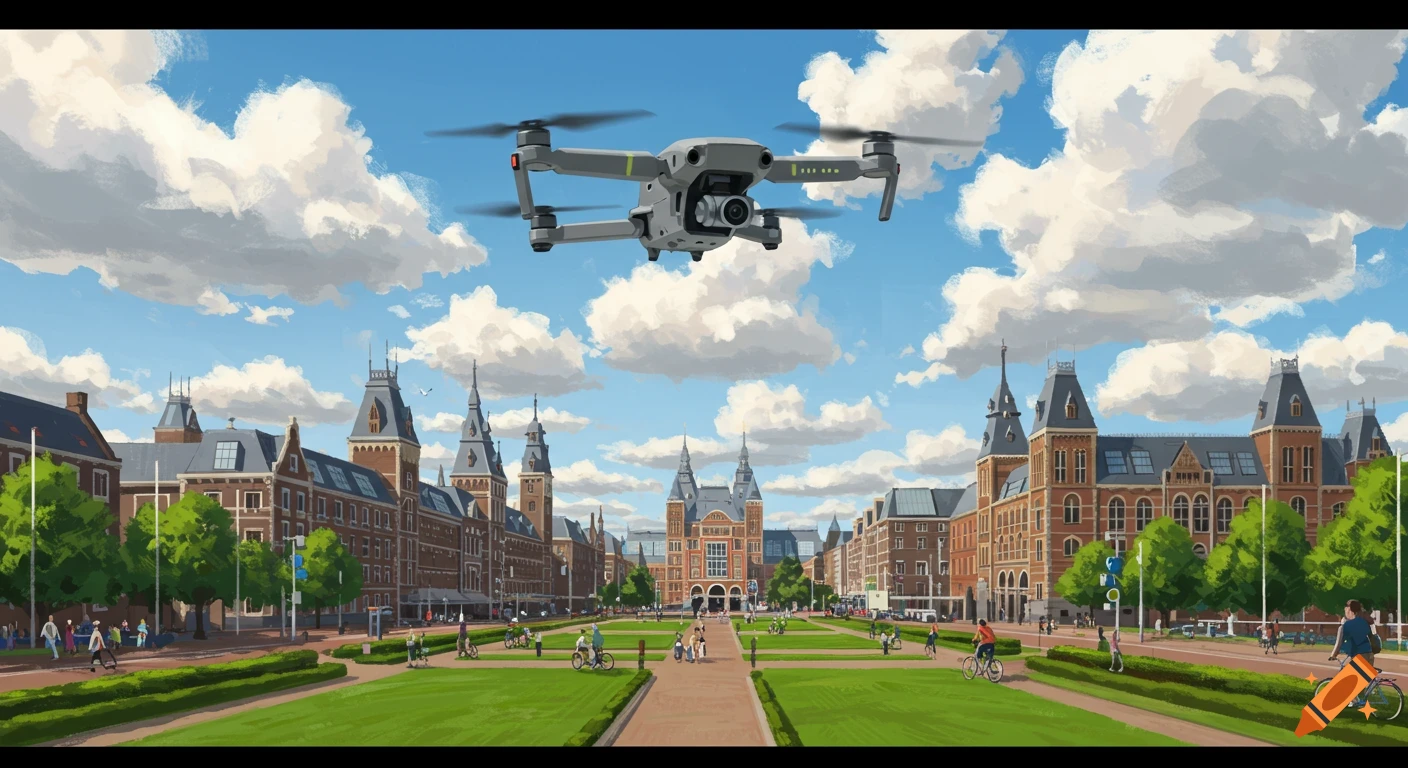
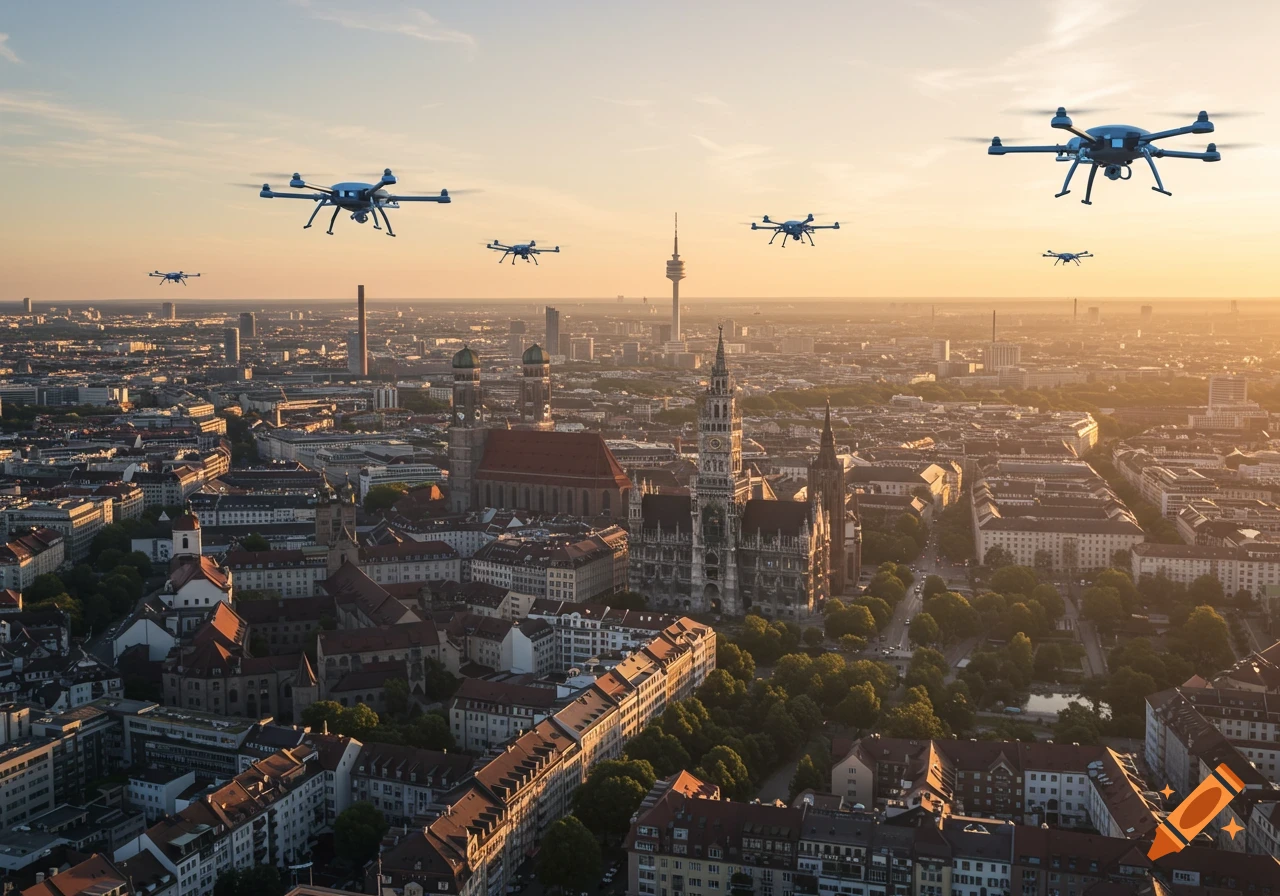
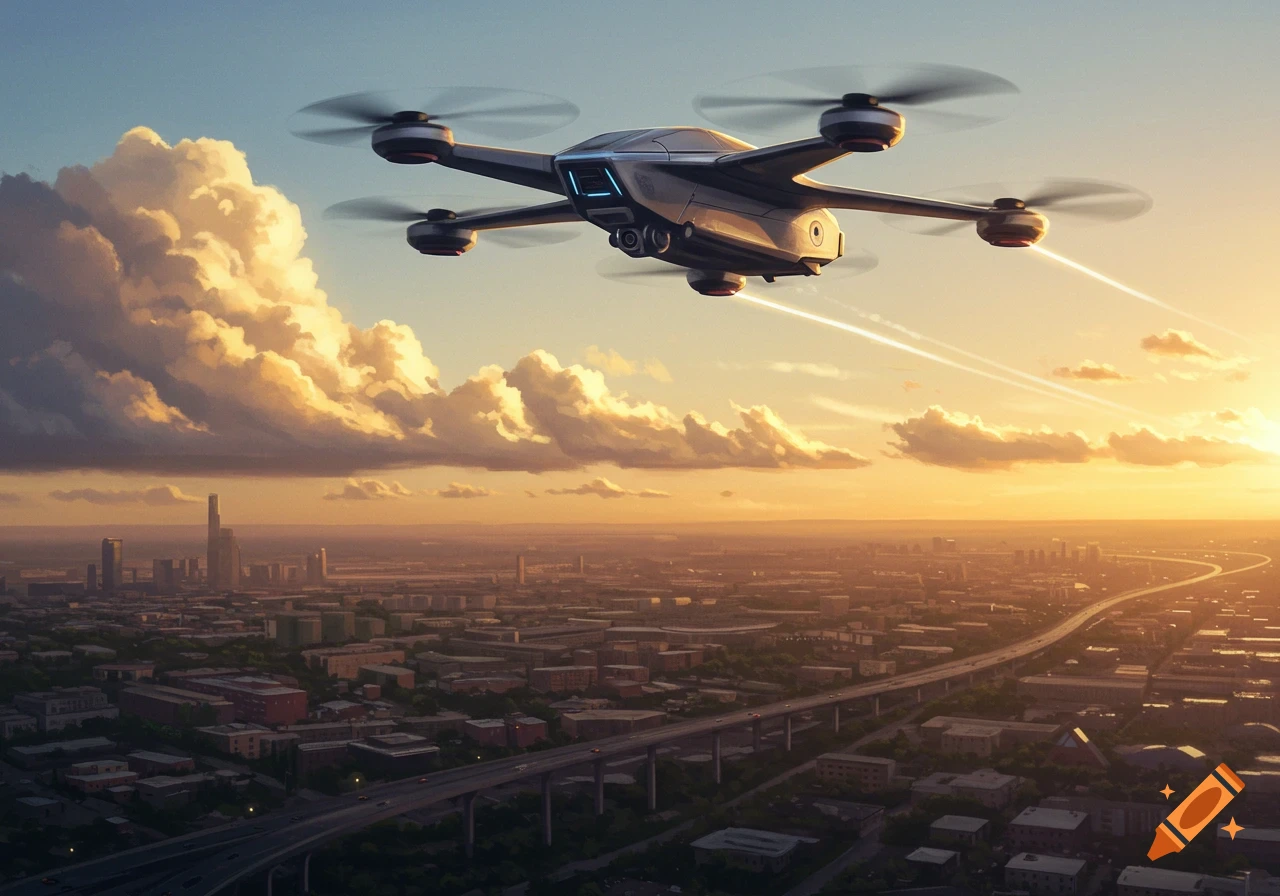
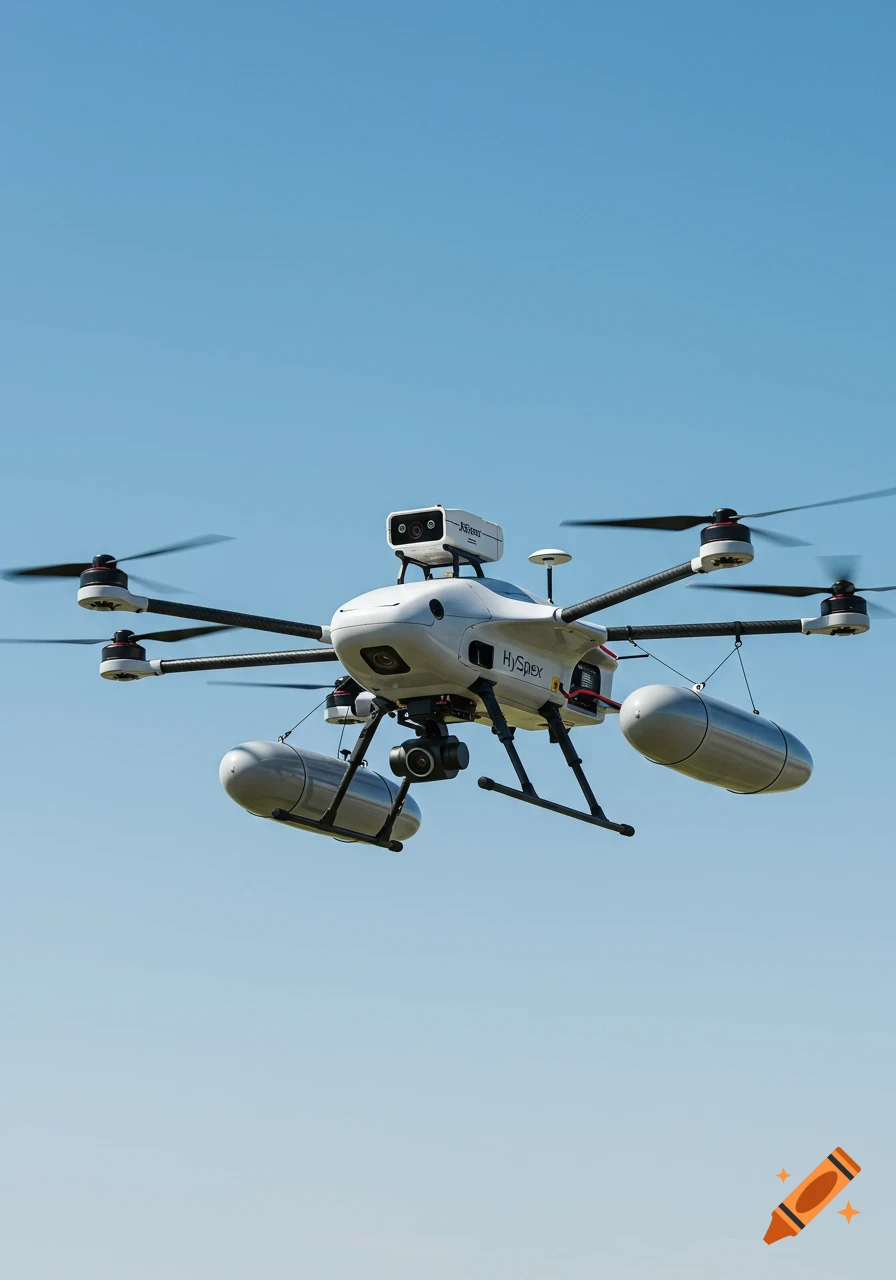
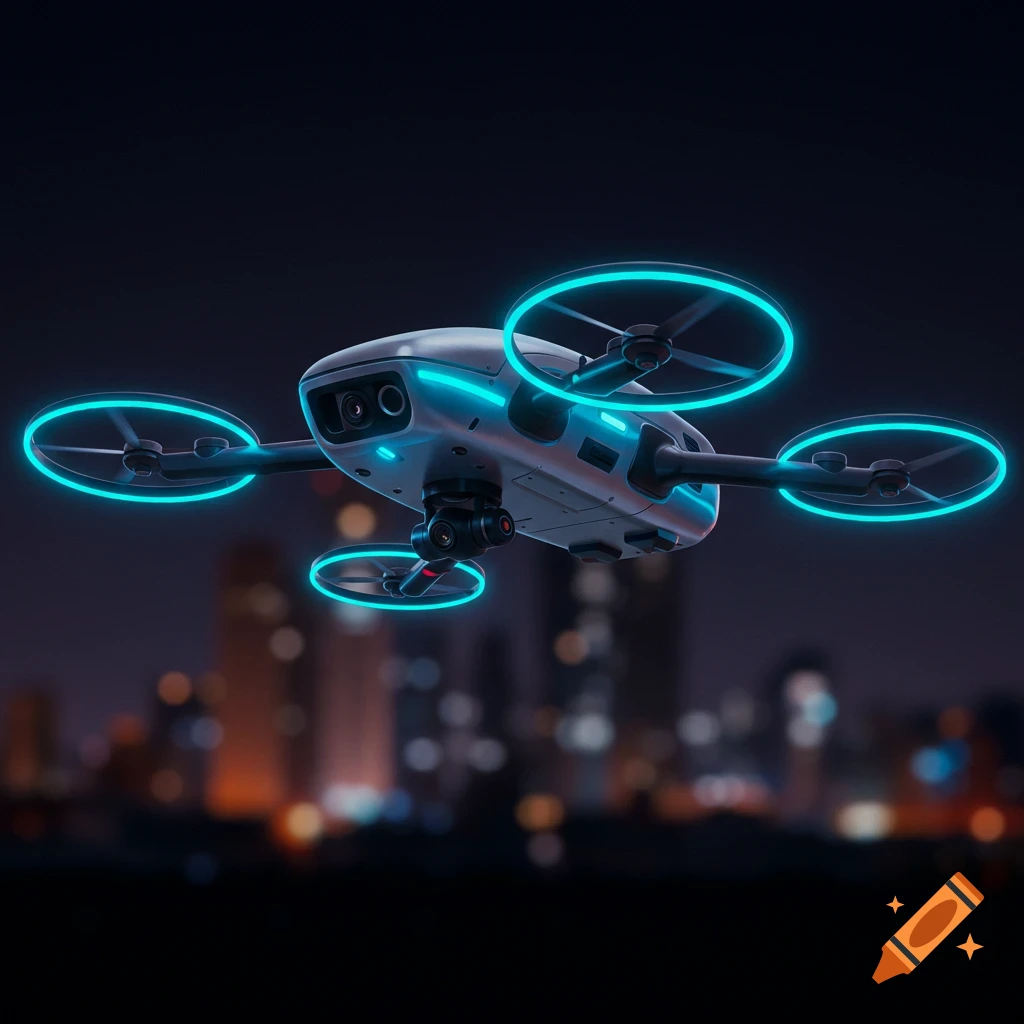
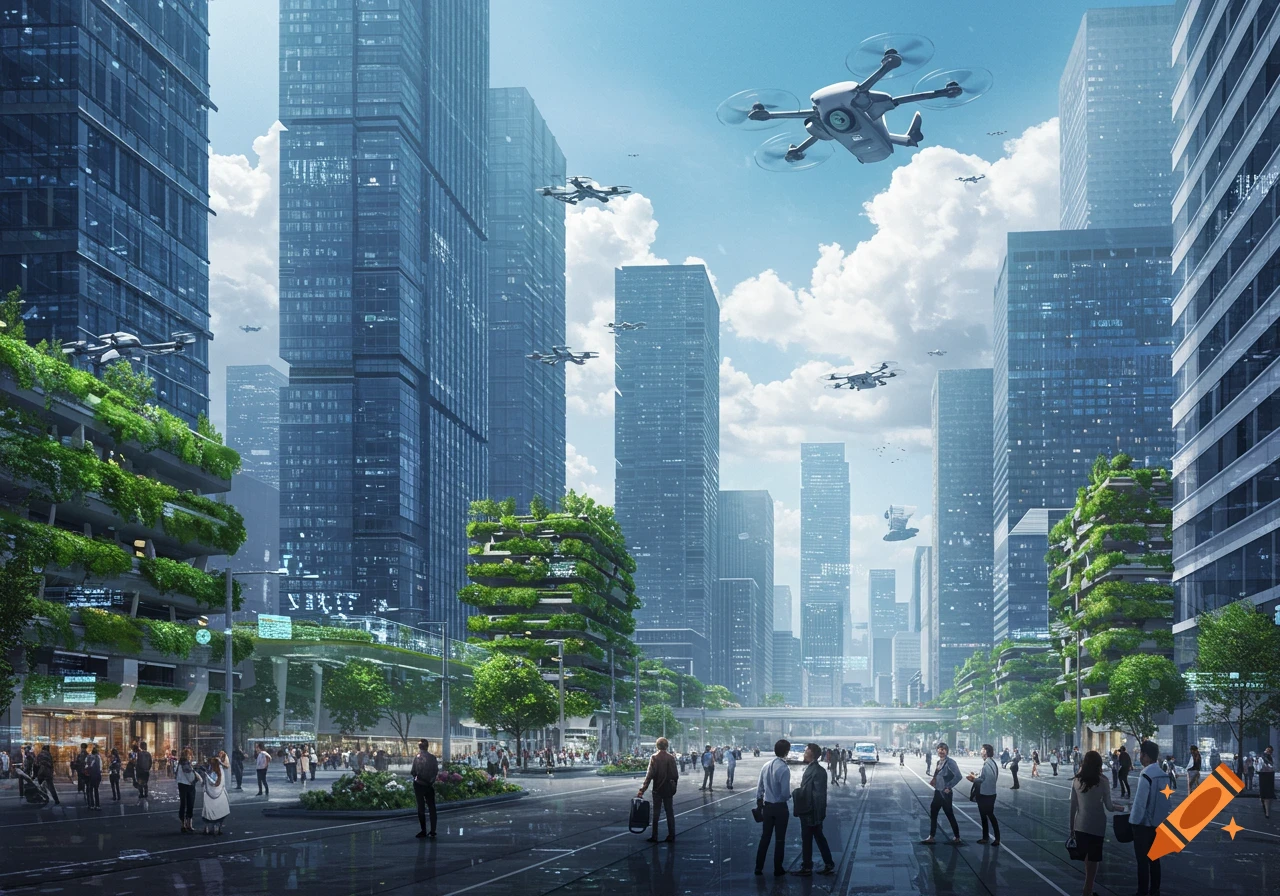
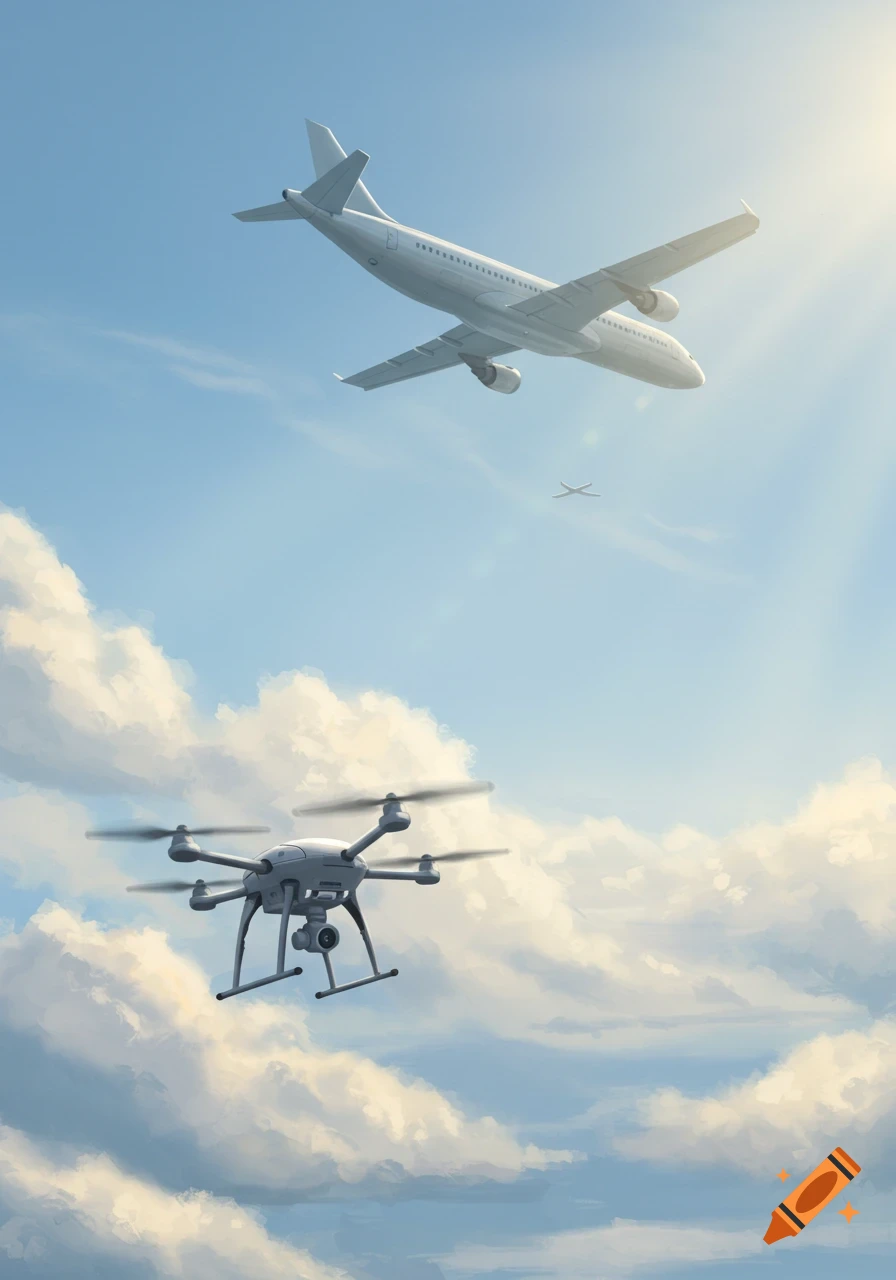
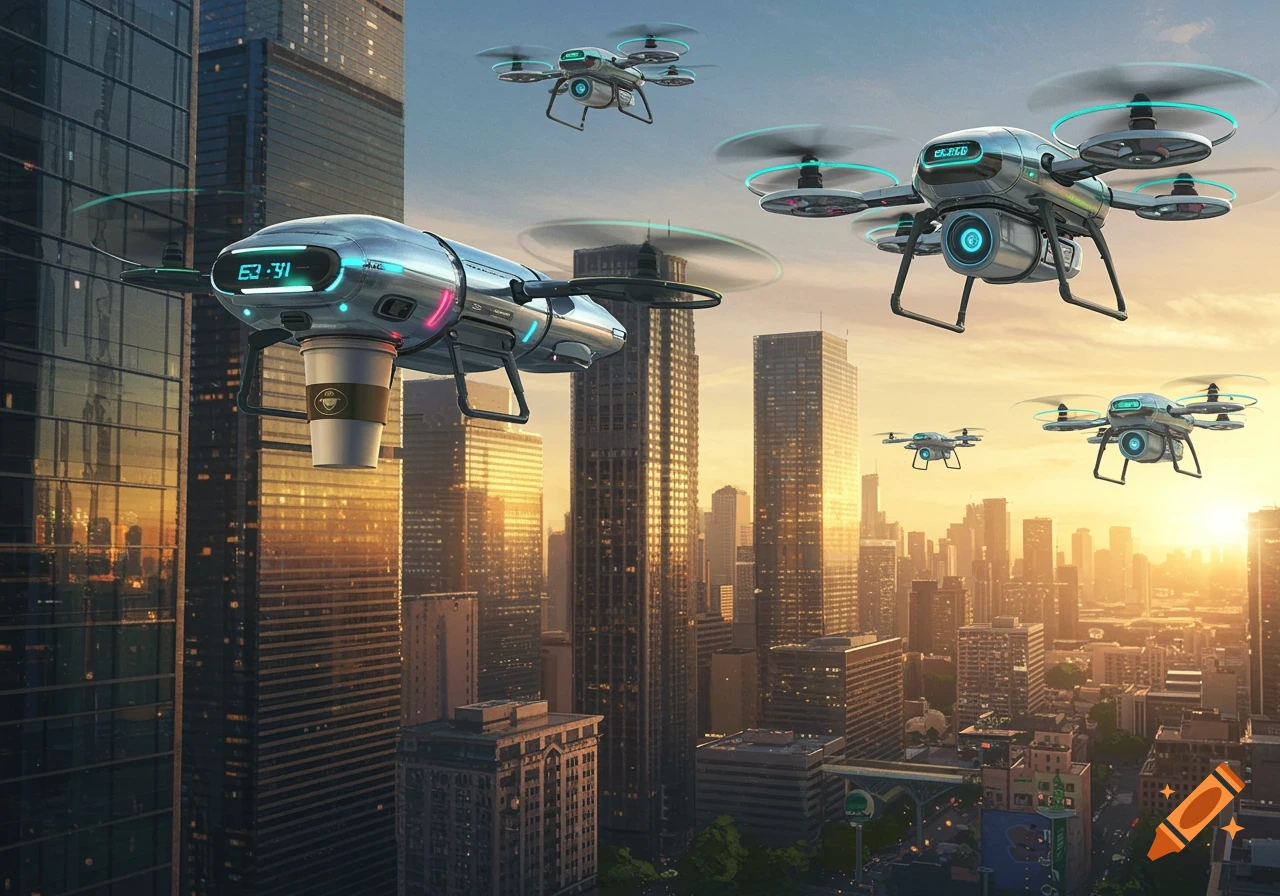
Two drones fly over a crowded city square with historic buildings, above a large screen displaying a question about drone surveillance and privacy.

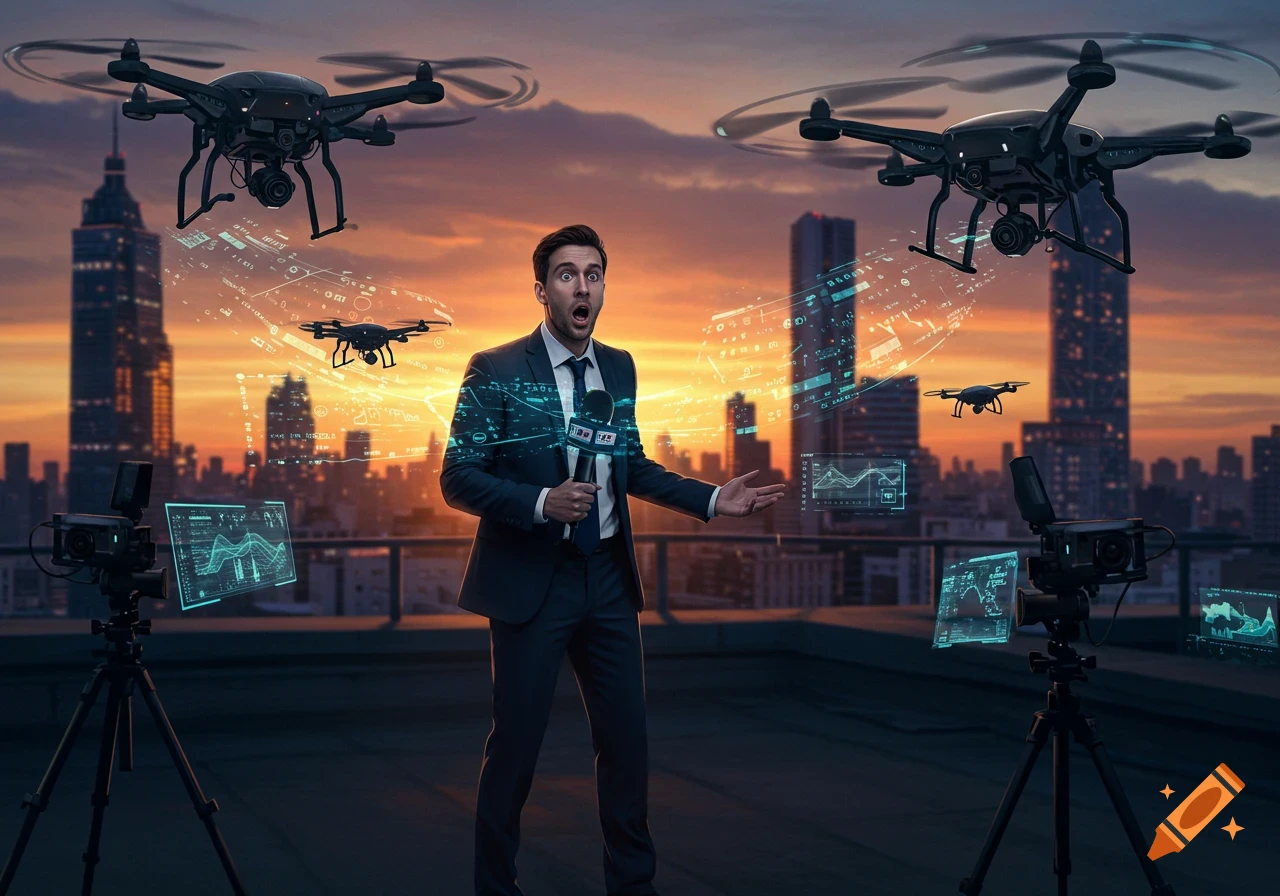
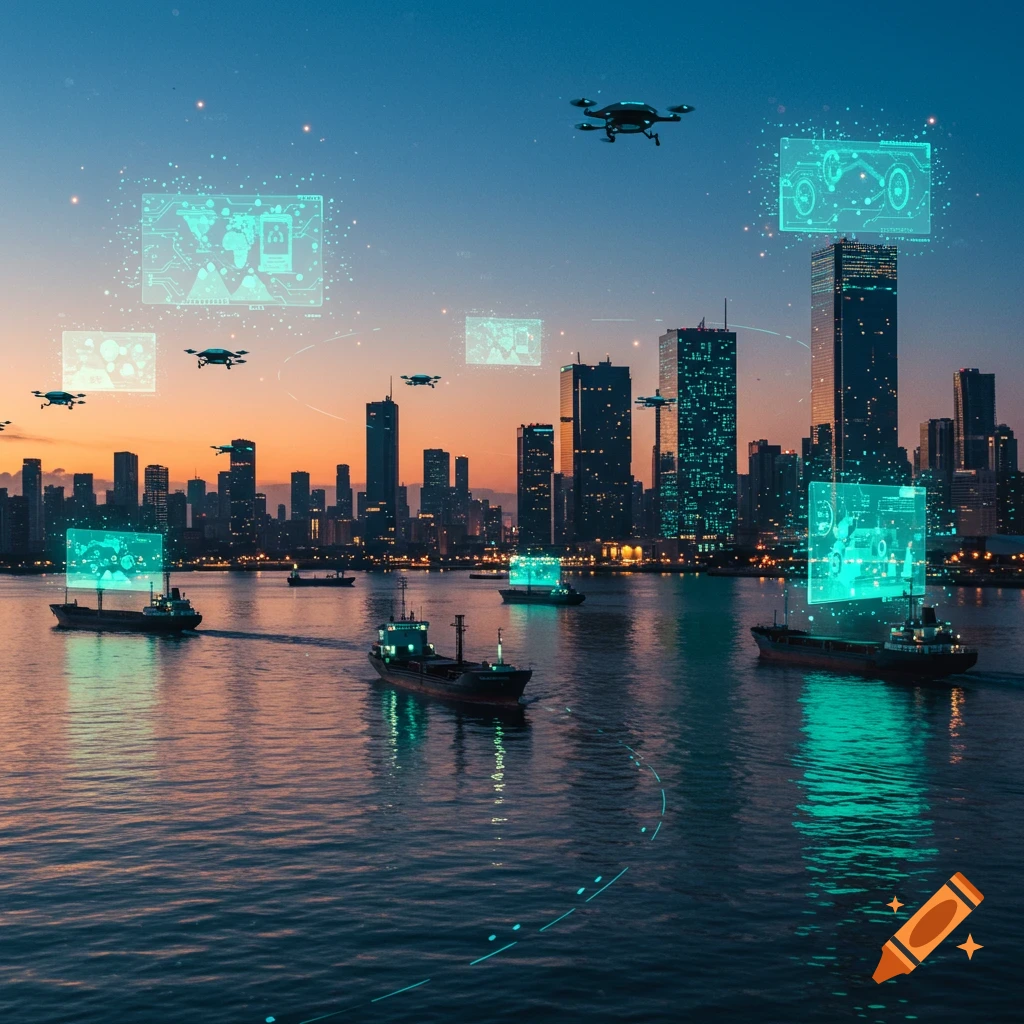
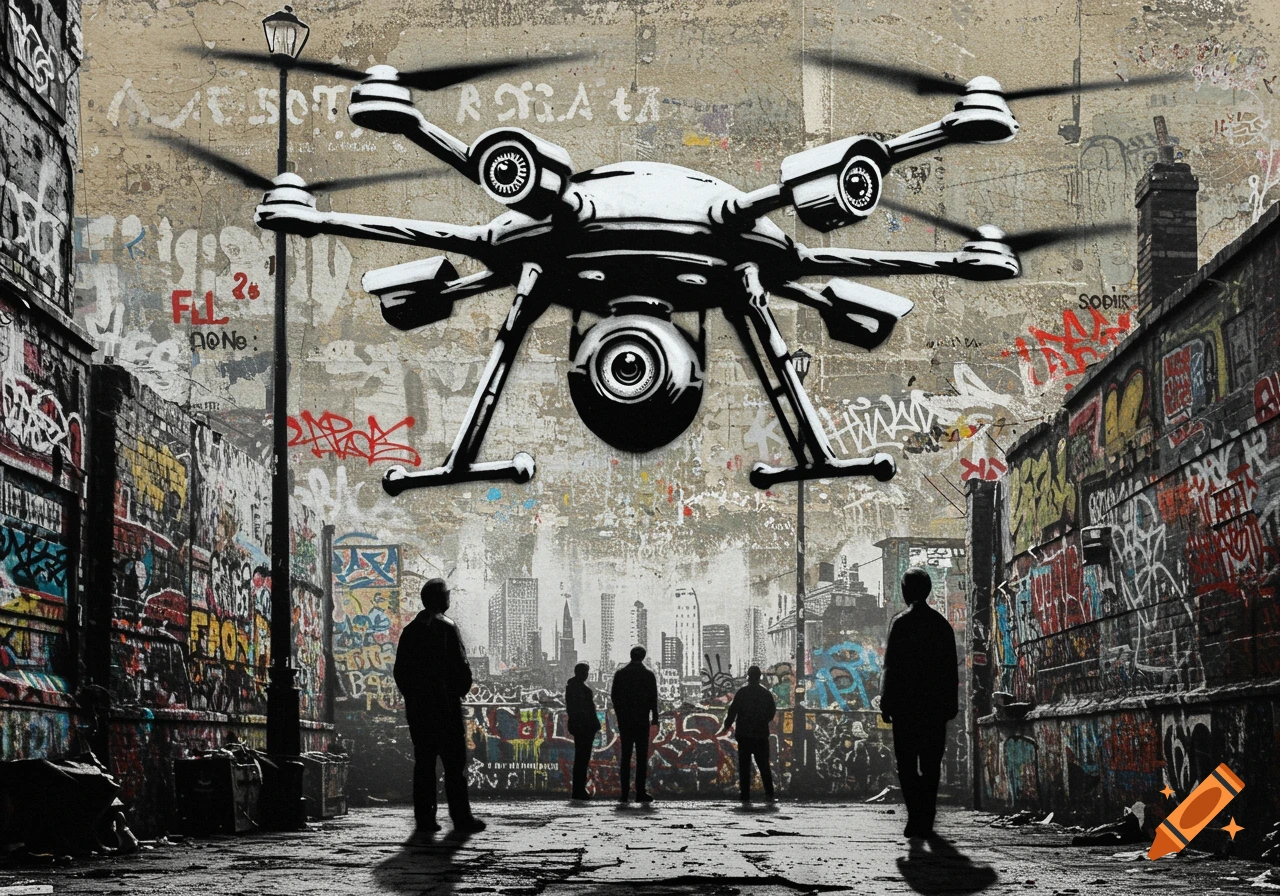
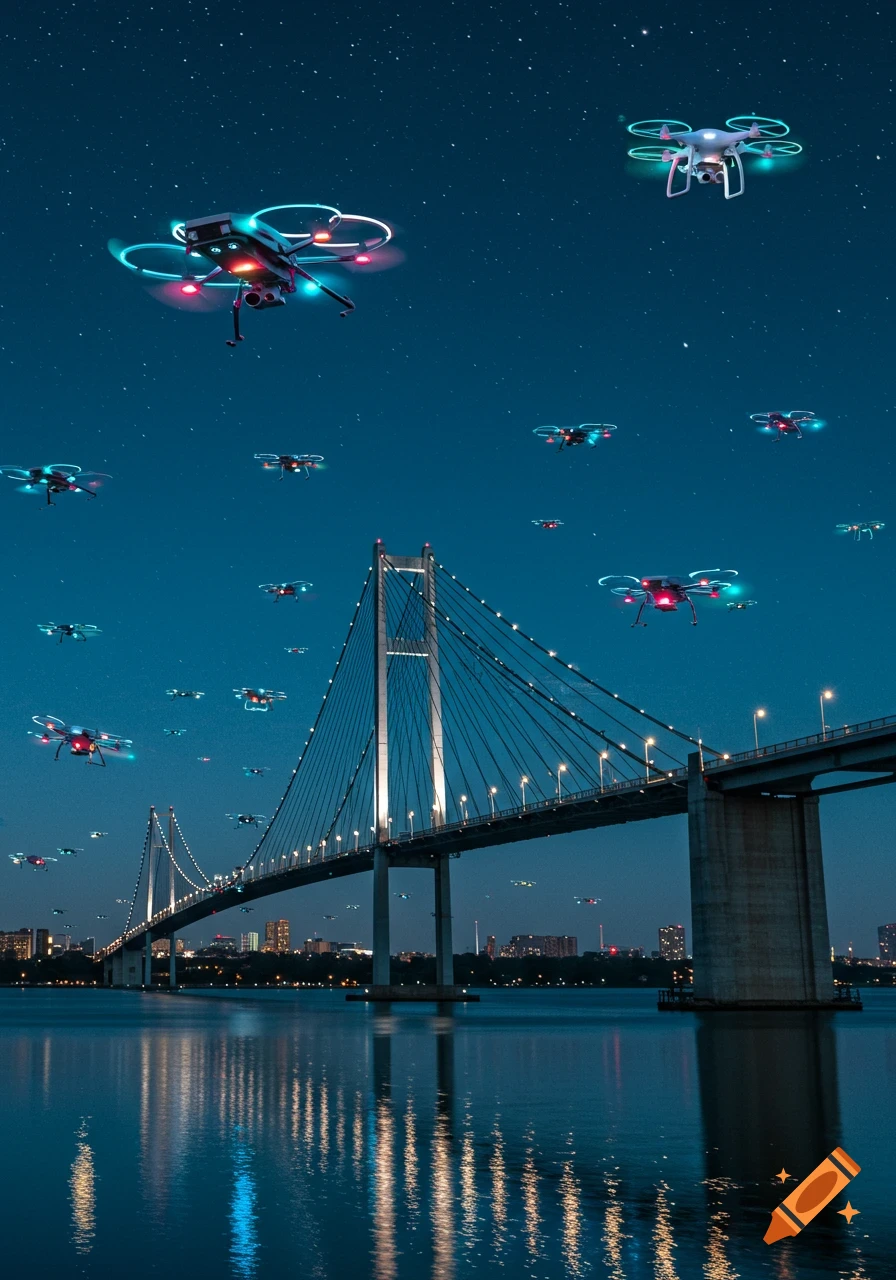
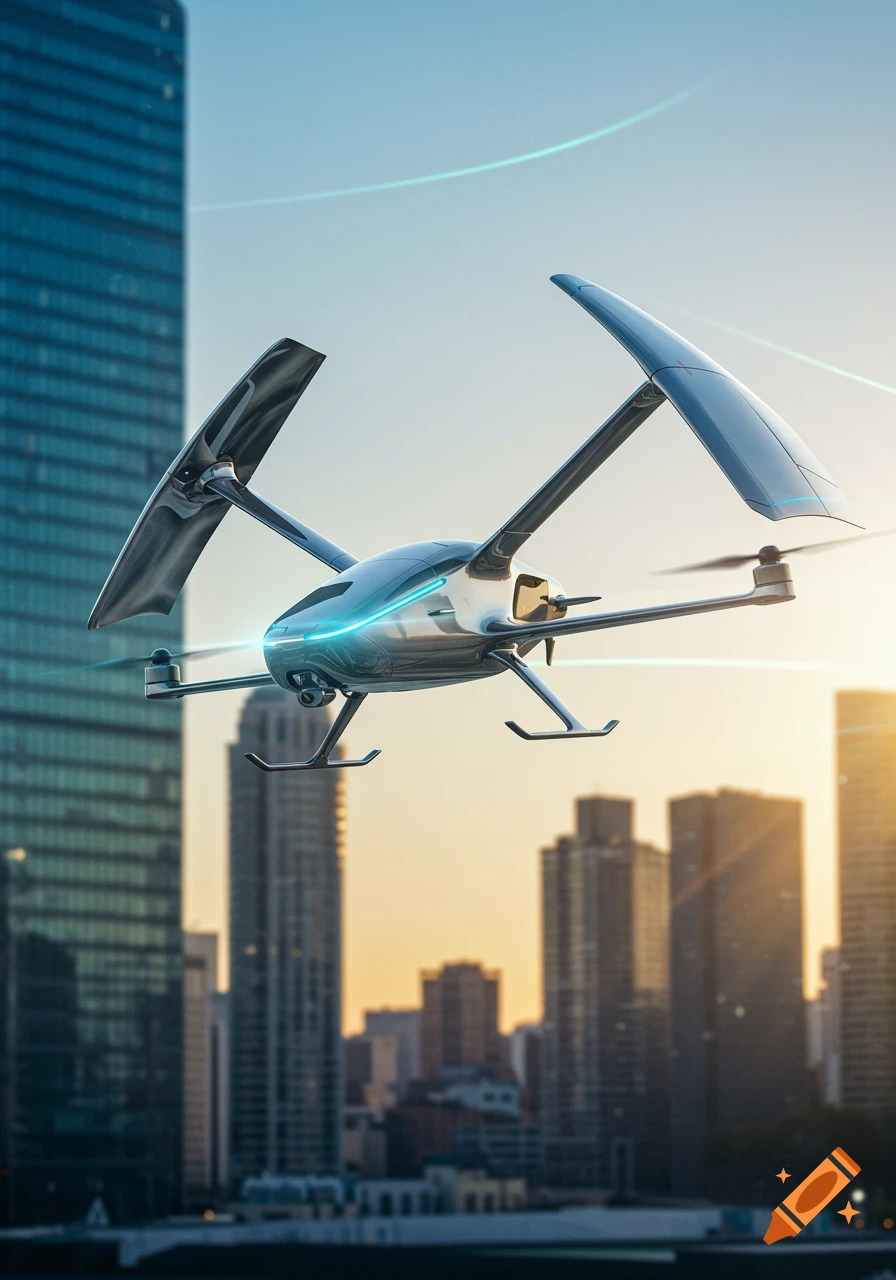
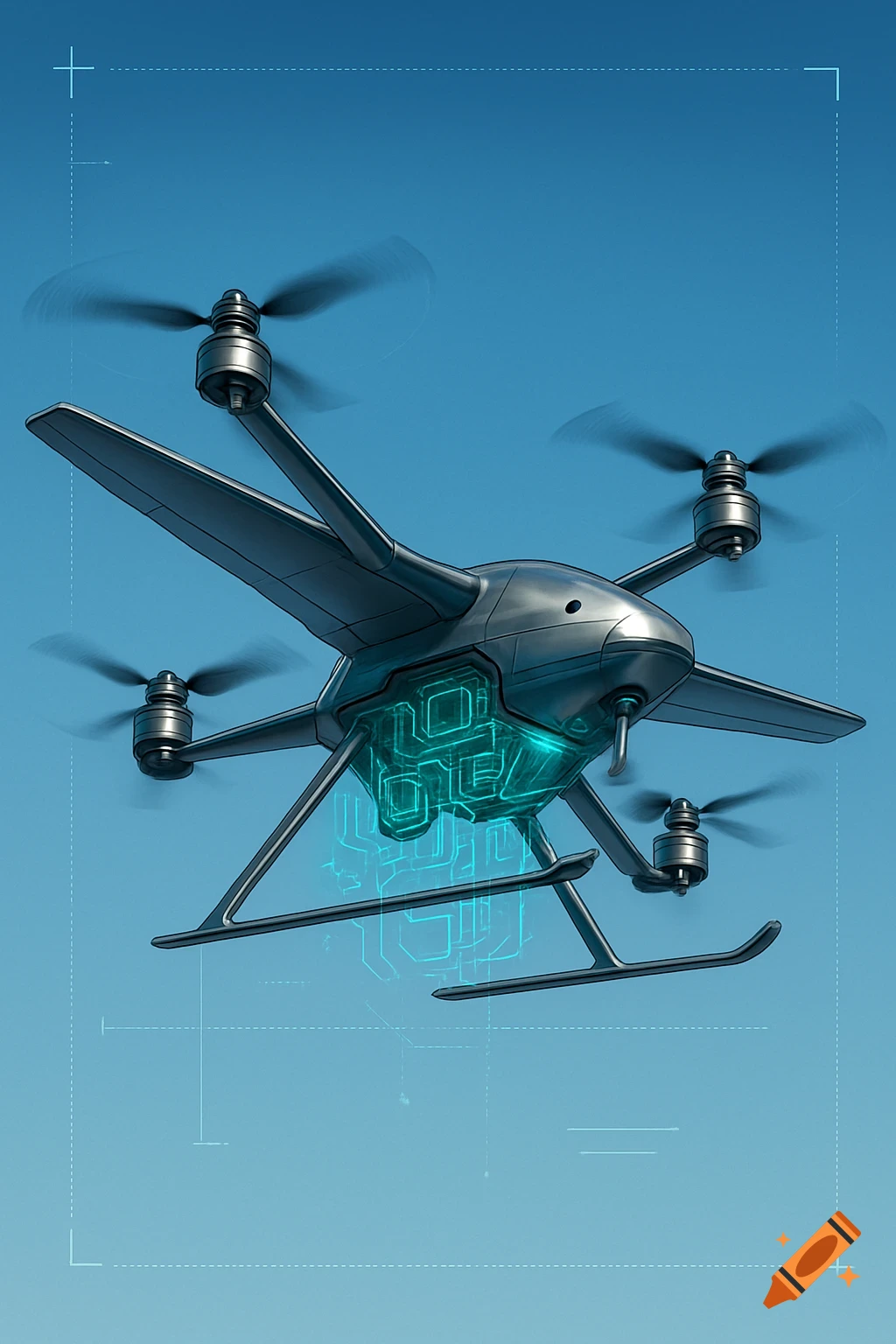
writing prompt: "Should cameras on drones watch all public spaces to prevent crime, or is that a violation of privacy?" The rise of drone tech has brought us to a digital crossroads: do we prioritize absolute crime prevention, or do we protect individual privacy? While a "crime-free" city with aerial monitoring sounds like a good idea, the reality is a significant violation of human rights. Constant drone surveillance is an overreach that sacrifices the very freedom that laws are meant to protect. The main argument for drone surveillance is public safety. Proponents say that if a drone is always overhead, a mugger is less likely to strike and a missing child can be found in minutes. However, this logic ignores the "chilling effect" on society. When citizens know they are being recorded from the sky, their behavior changes. People are less likely to attend a protest, speak to a stranger, or express unconventional ideas. Public spaces, which should be the heart of democracy and interaction, instead become a stage where everyone is "performing" for an invisible judge. Furthermore, the potential for mission creep is terrifying. A system implemented today to stop grand theft auto could be used tomorrow to track political dissidents or monitor religious gatherings. In a world where facial recognition is becoming flawless, a network of drones means that "anonymity in a crowd" disappears. Once we lose the right to move through the world without being logged in a database, we lose a Mehr sehen
More images like this