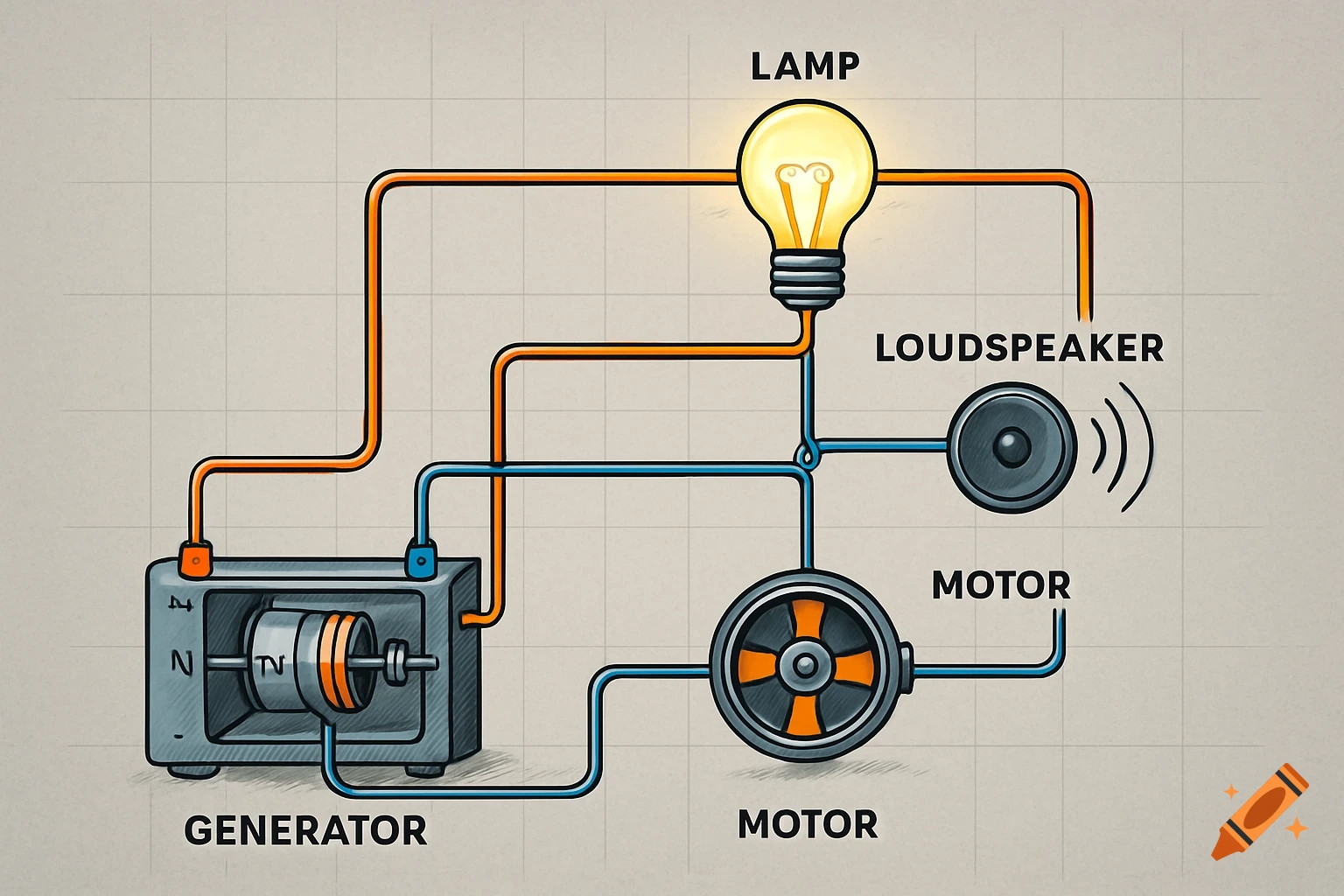
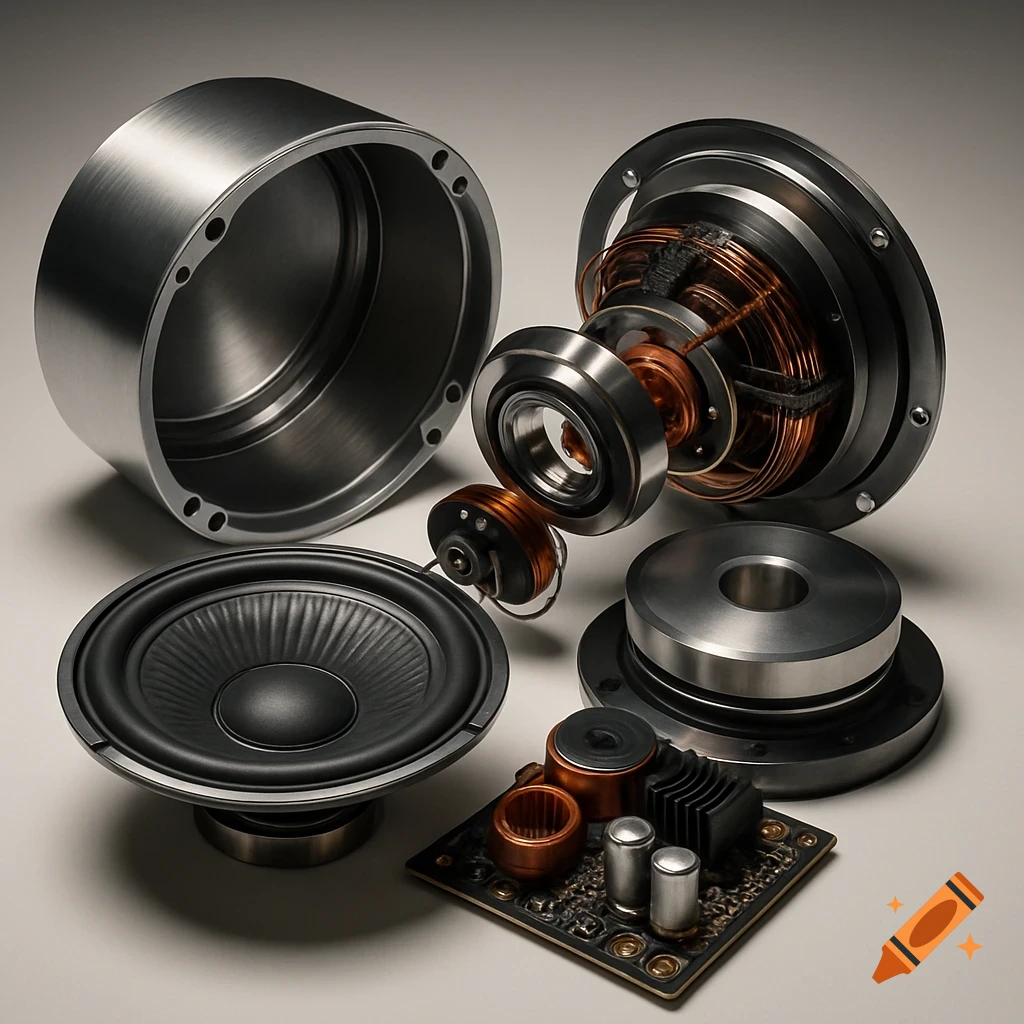
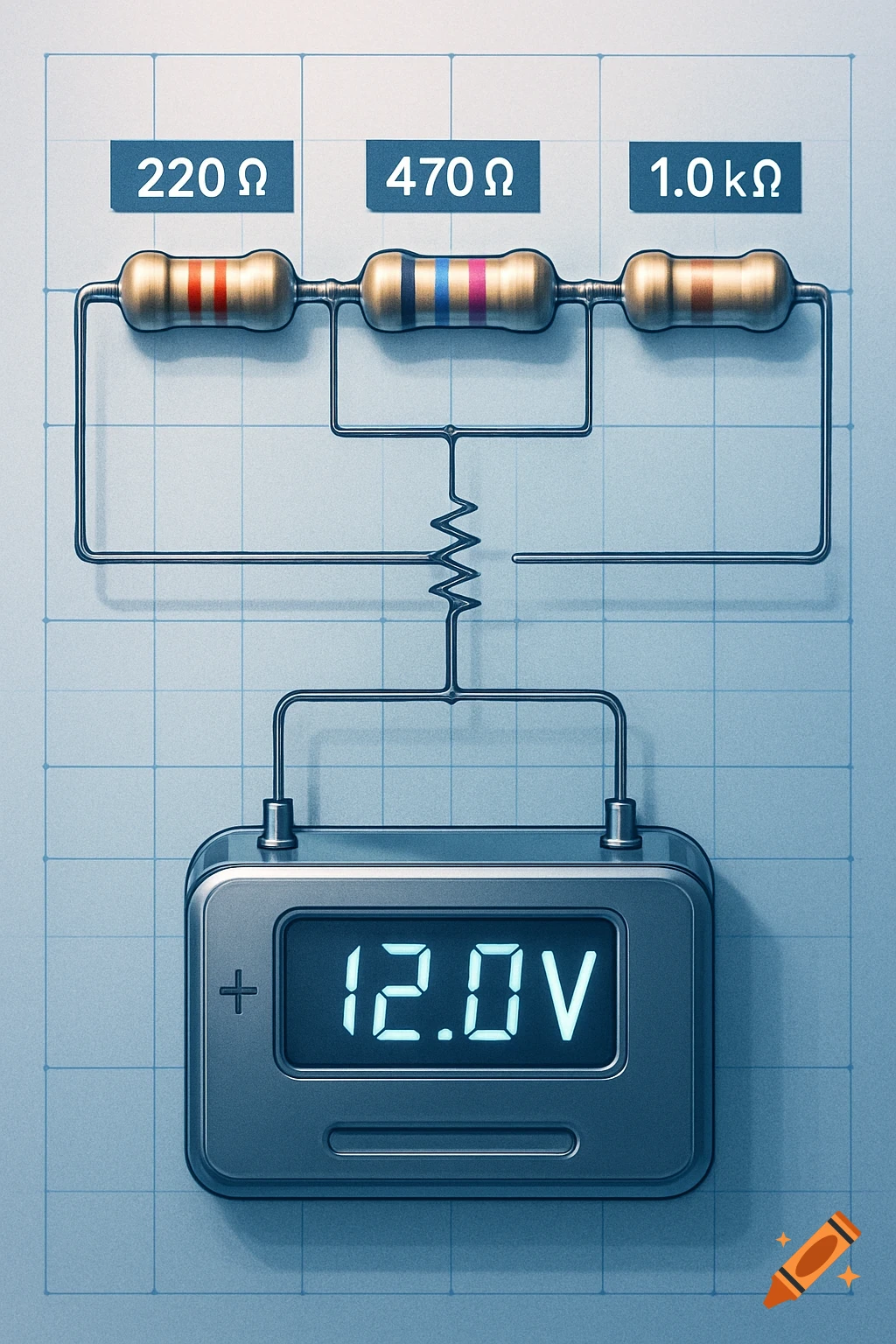
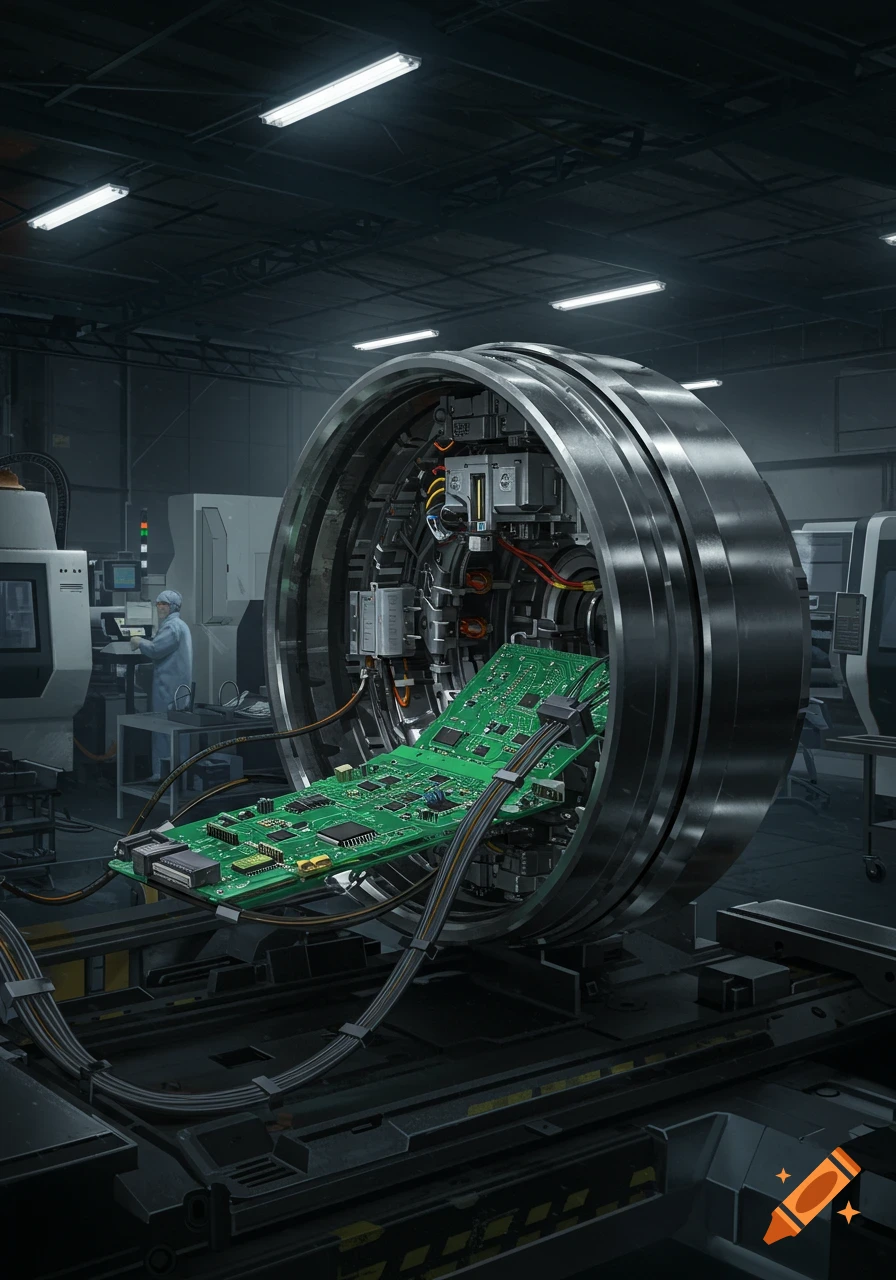
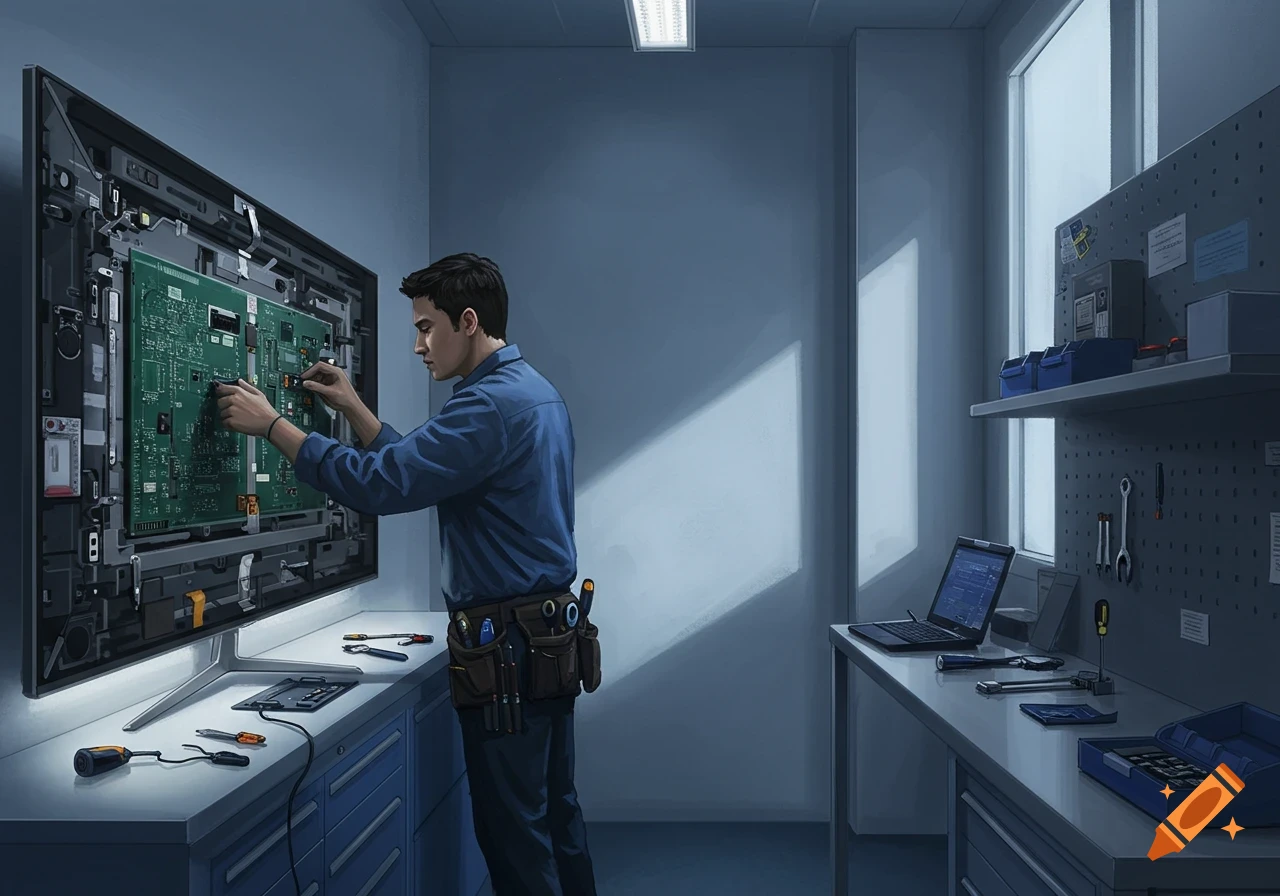
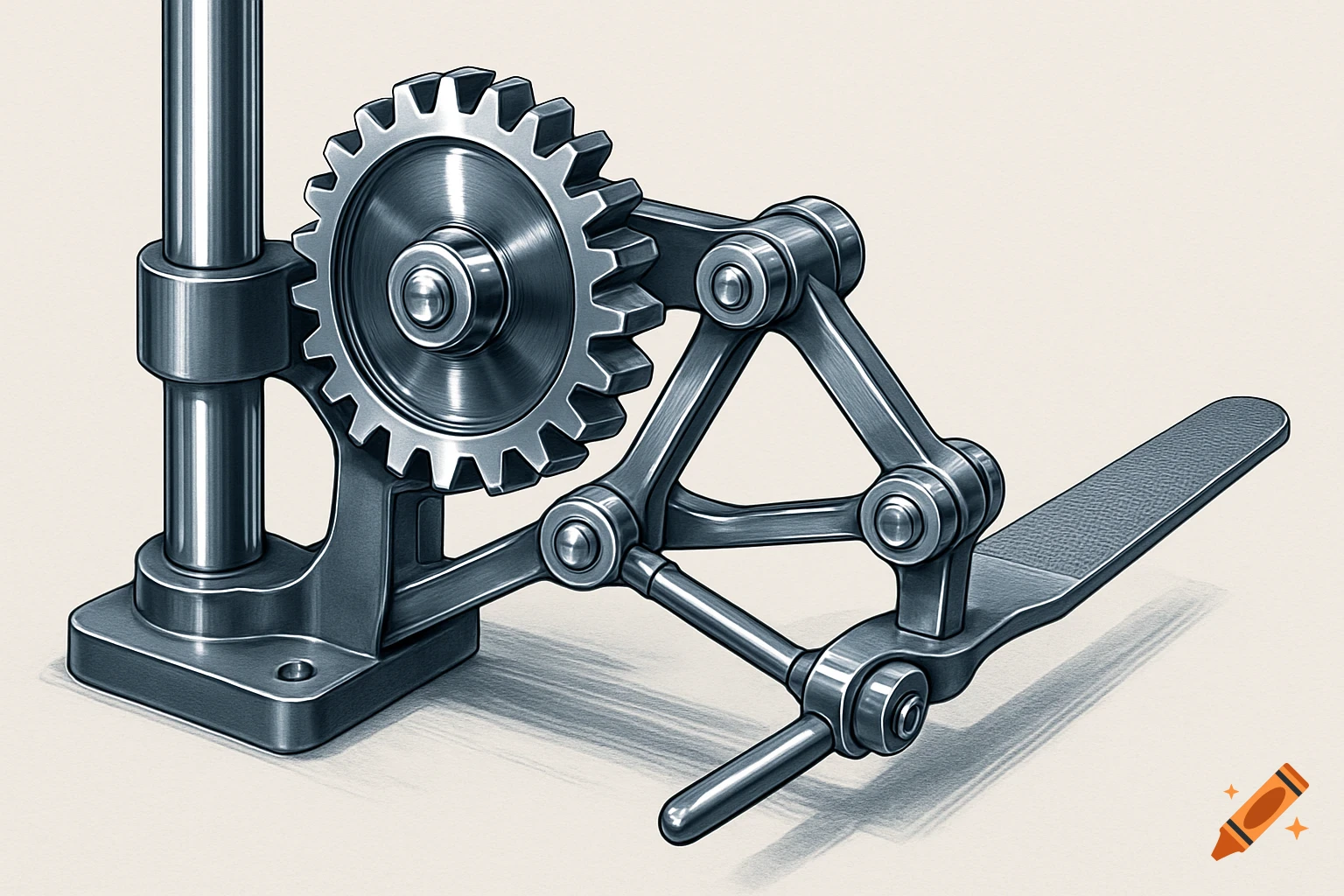
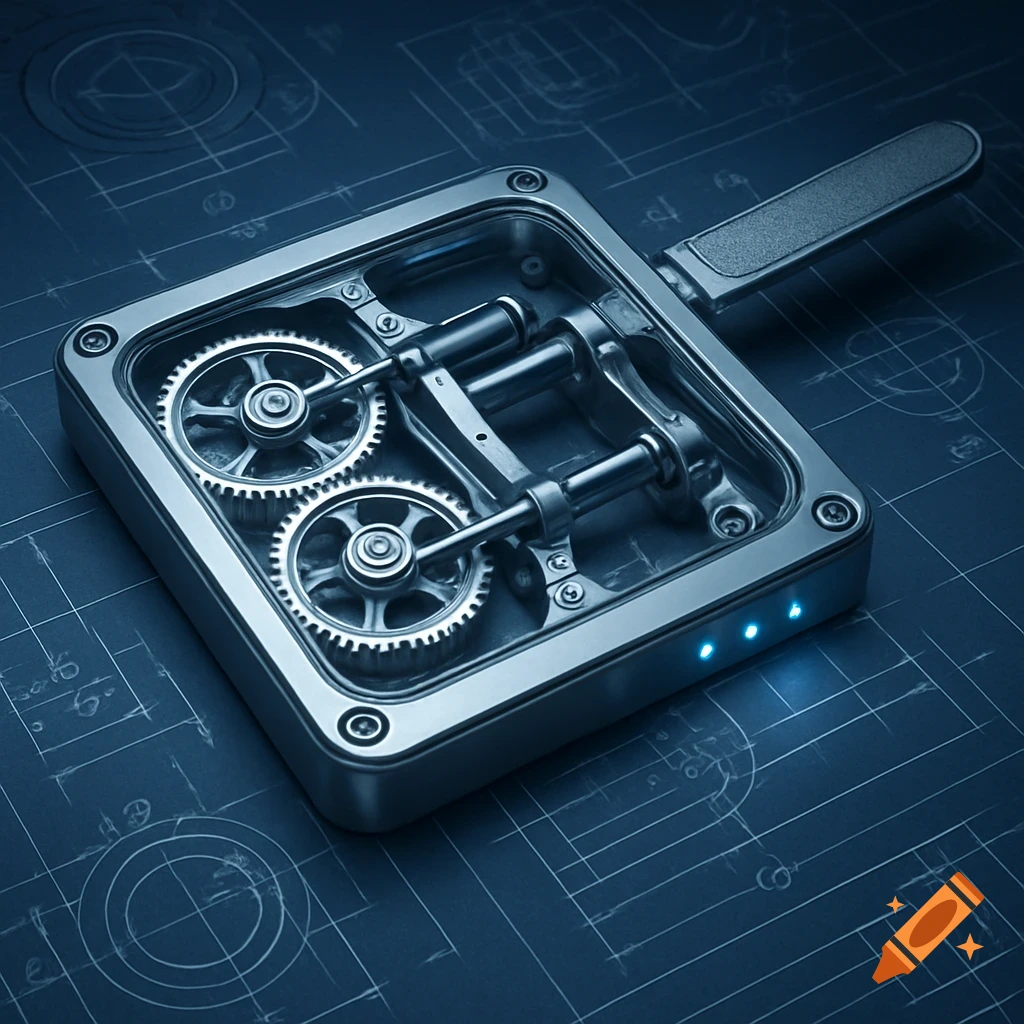
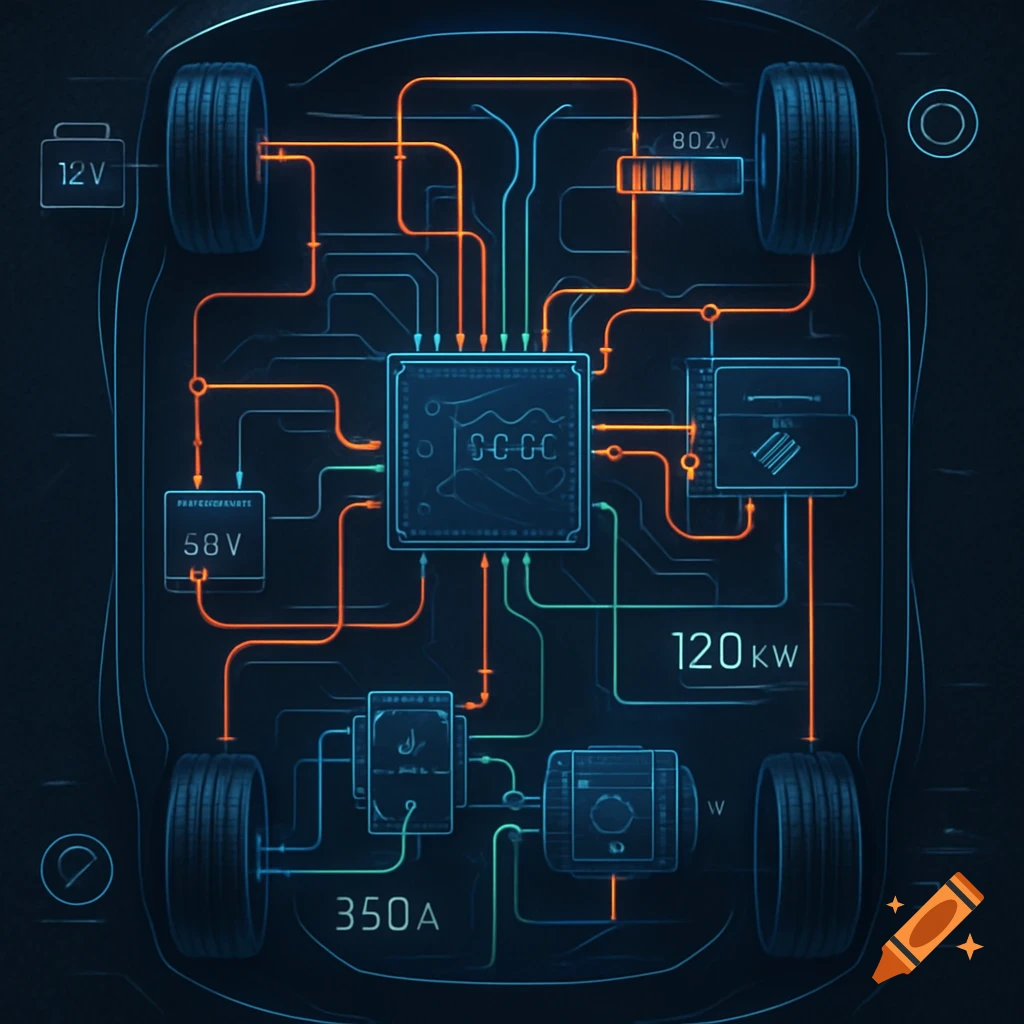
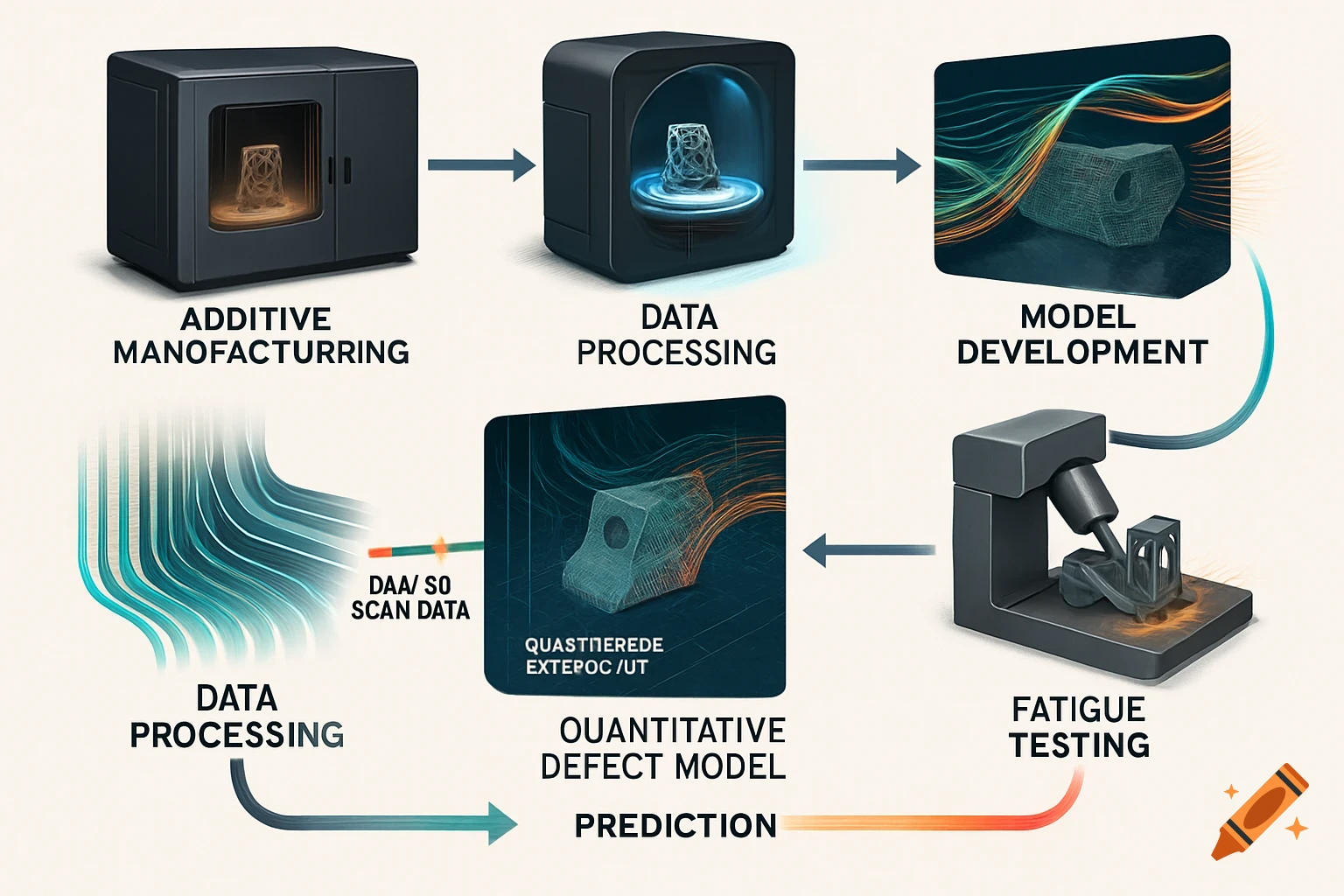
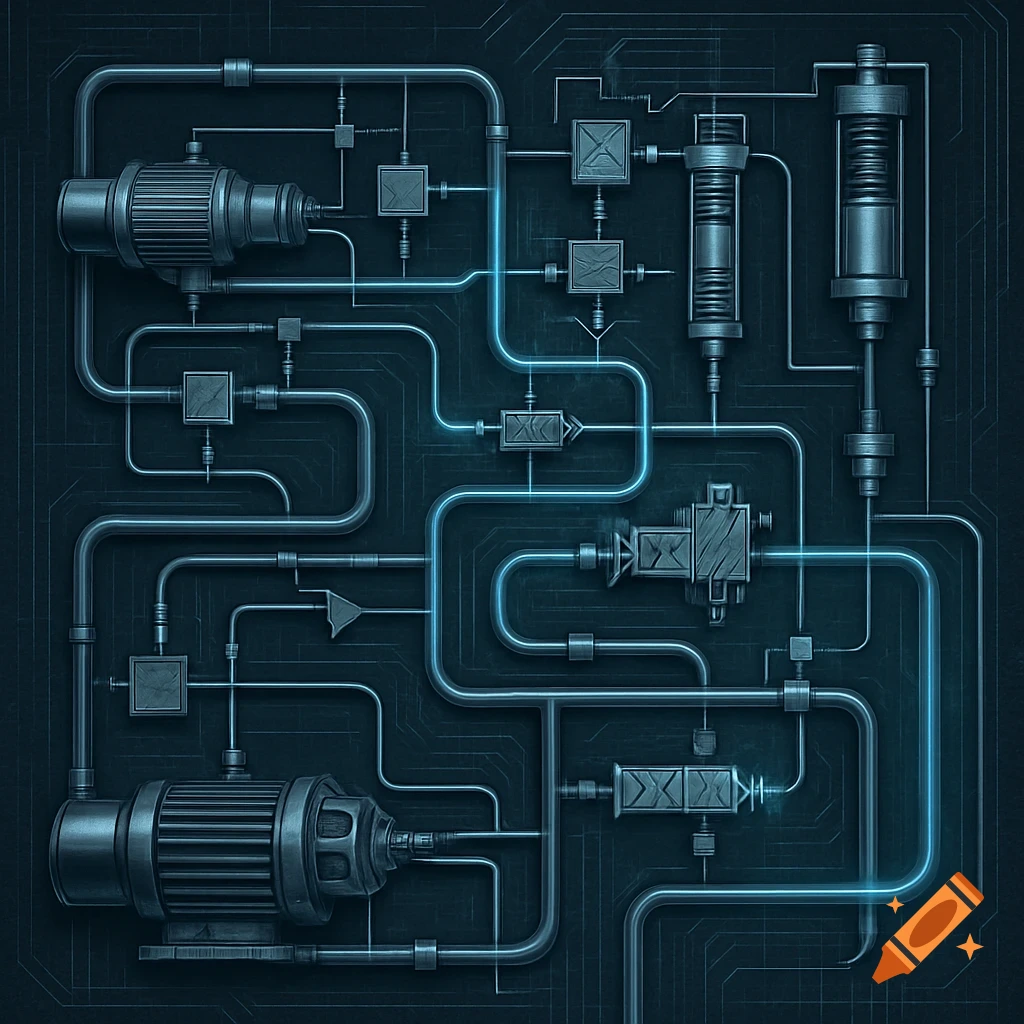
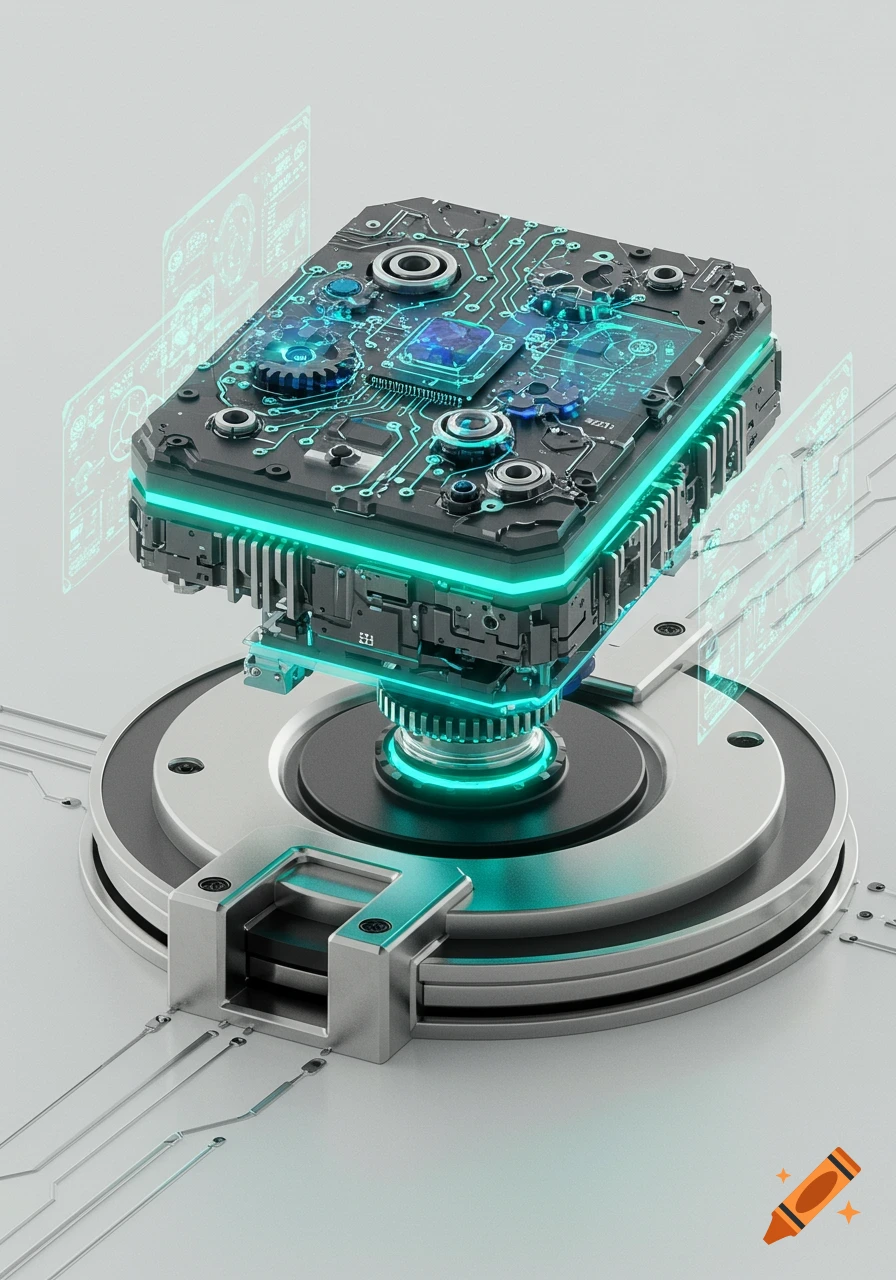
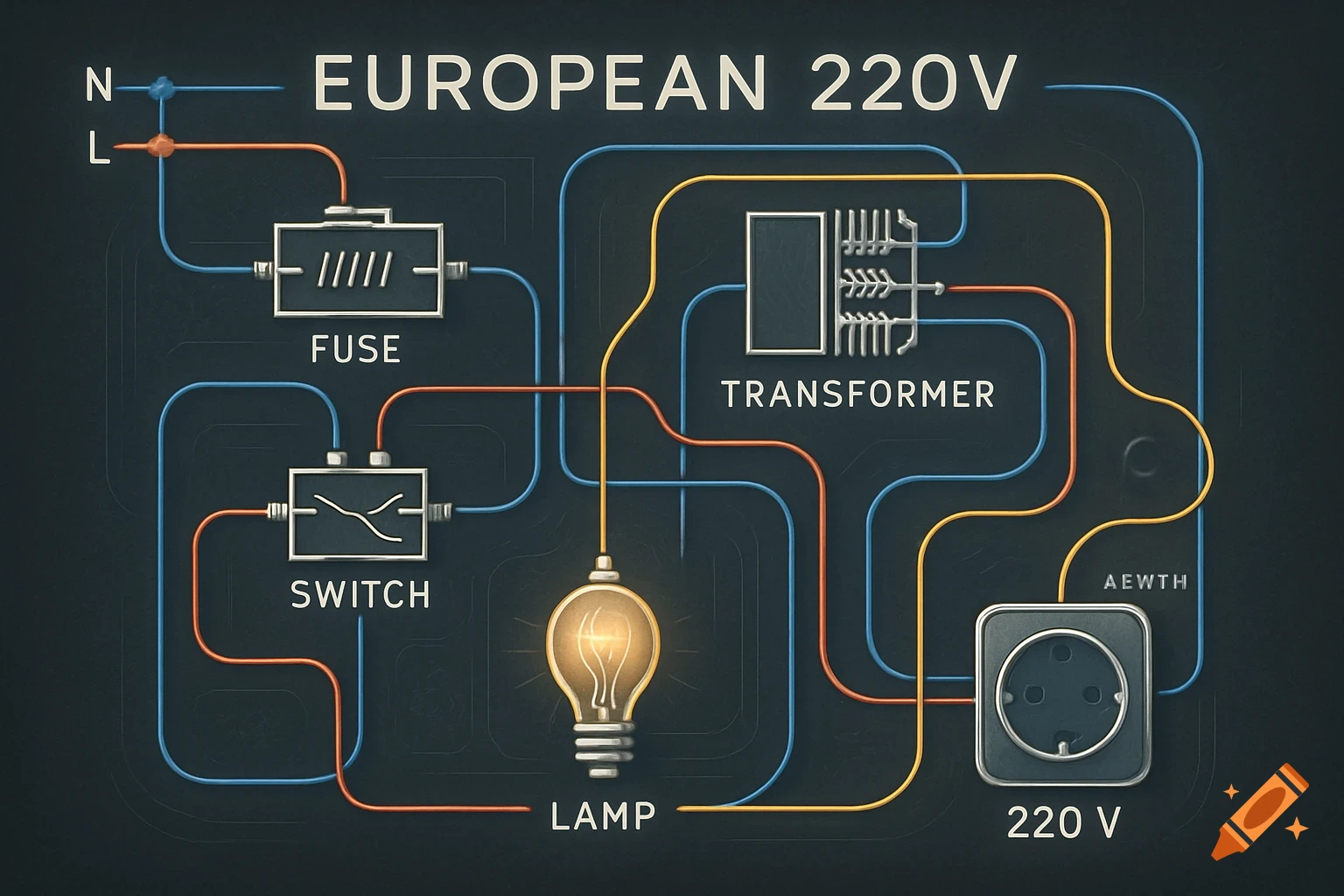
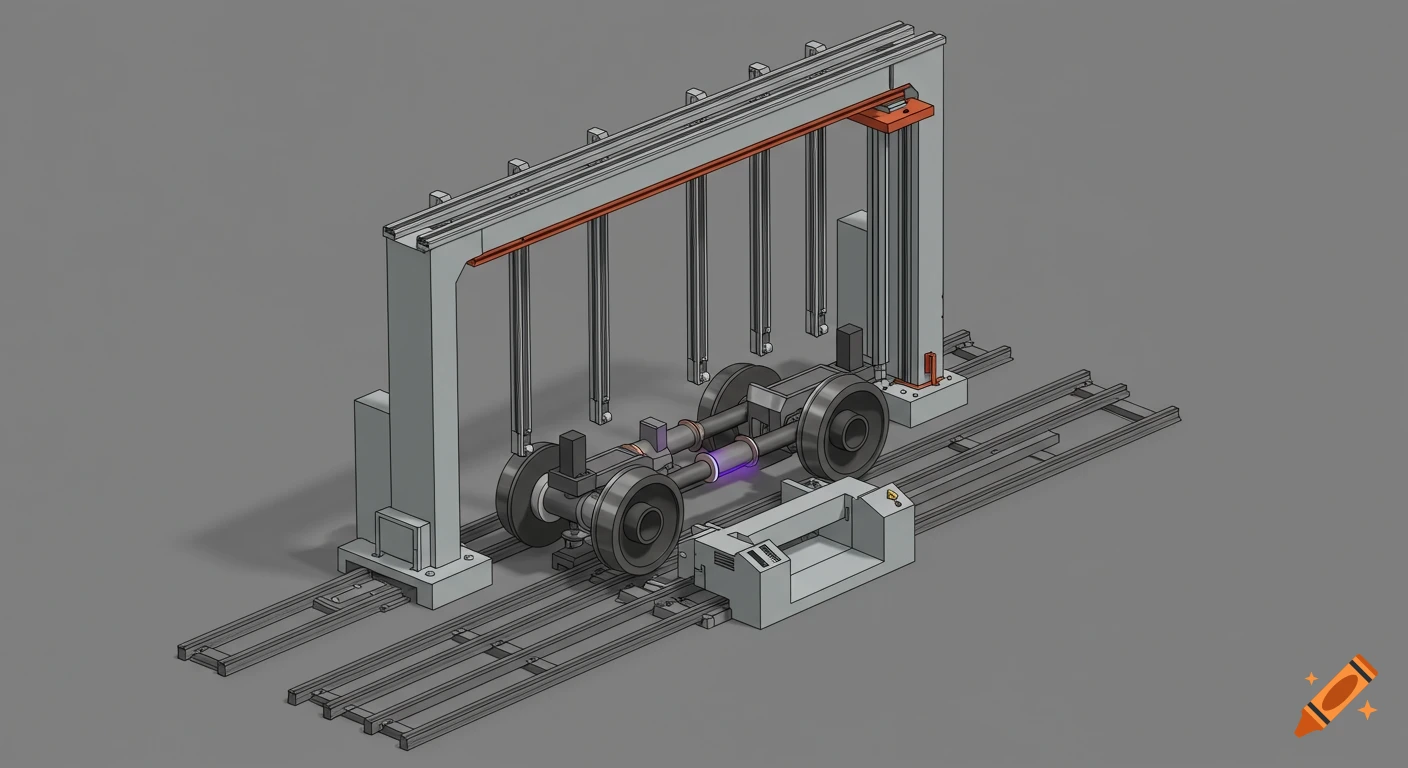
Detailed technical illustration of a labeled mechanical system with gears, springs, a flywheel, and electrical connections to a generator.

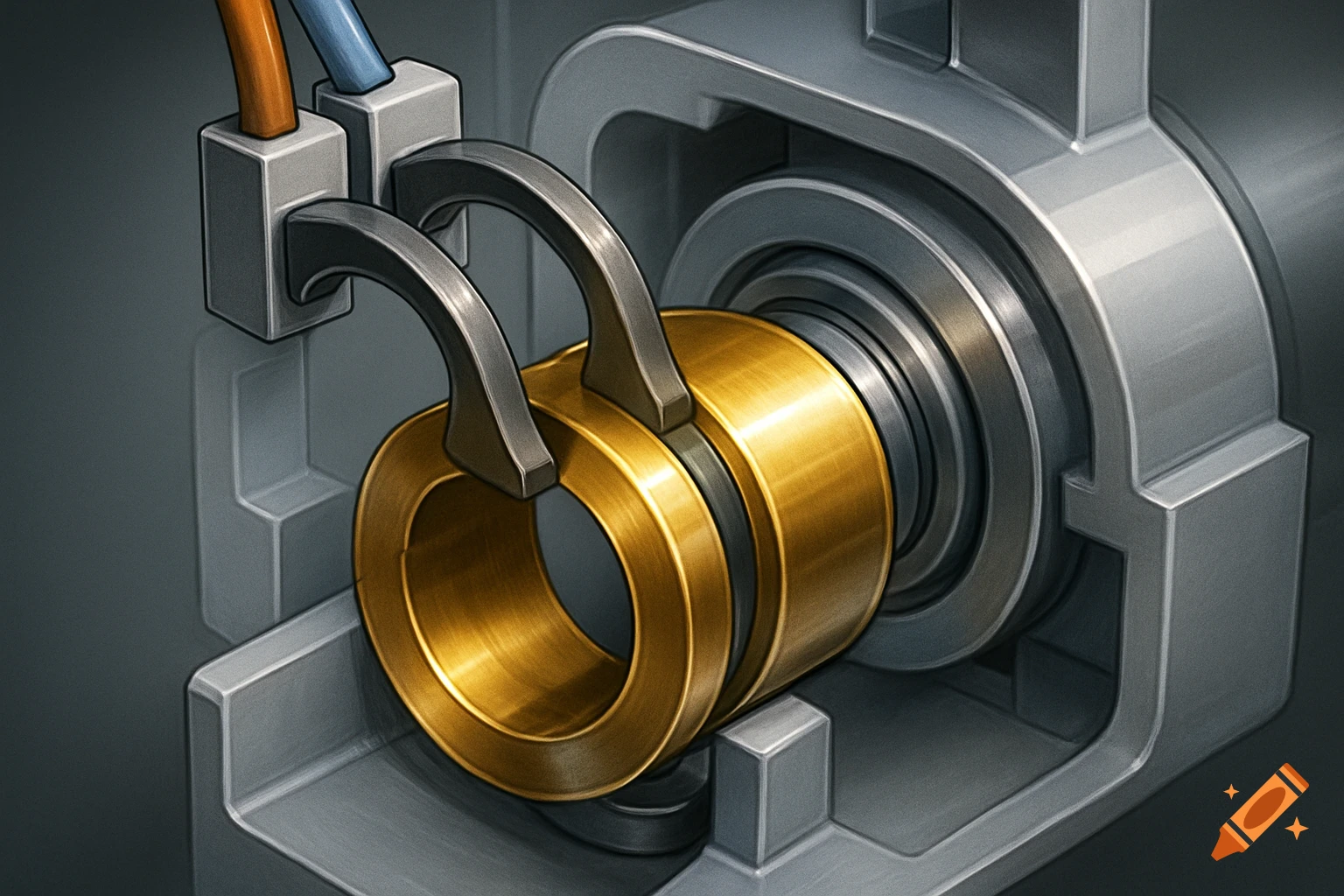
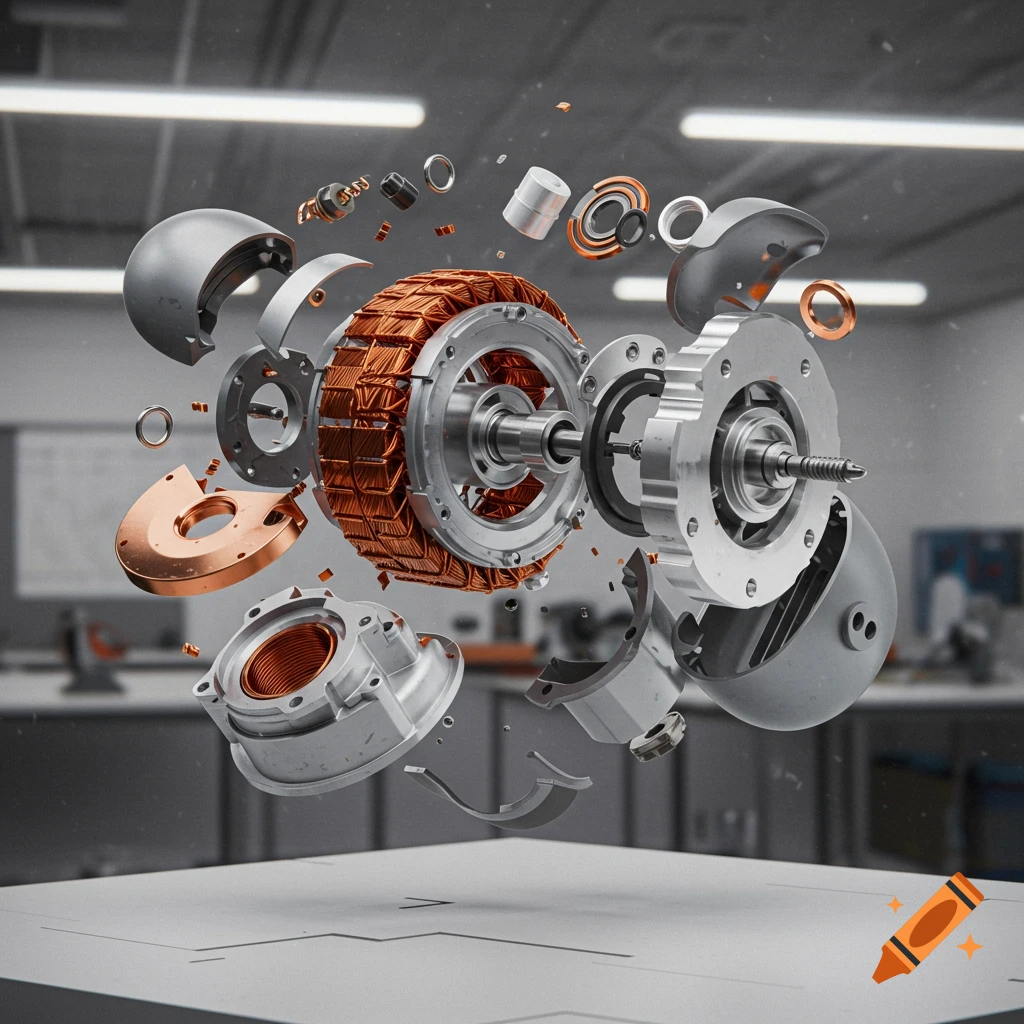
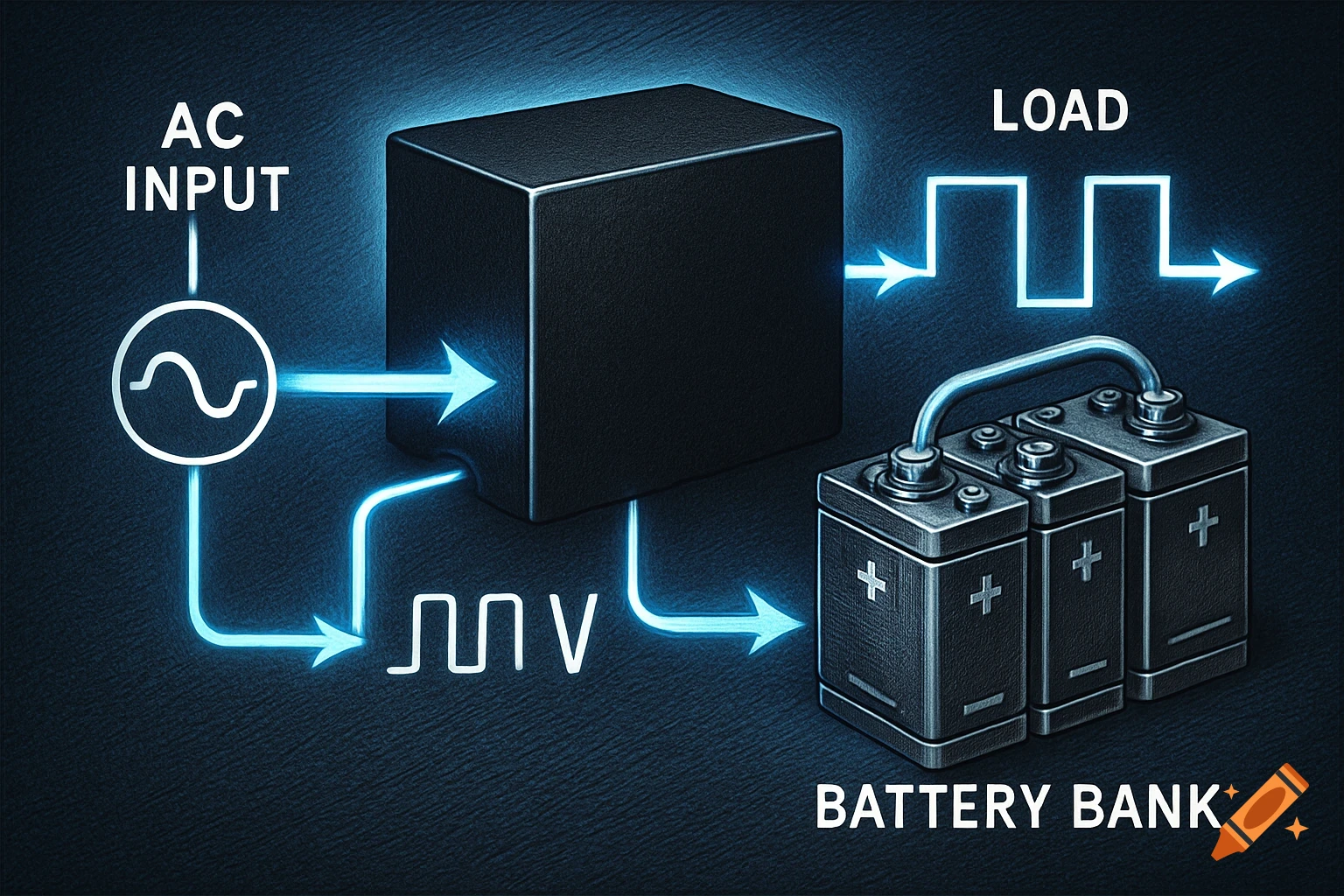
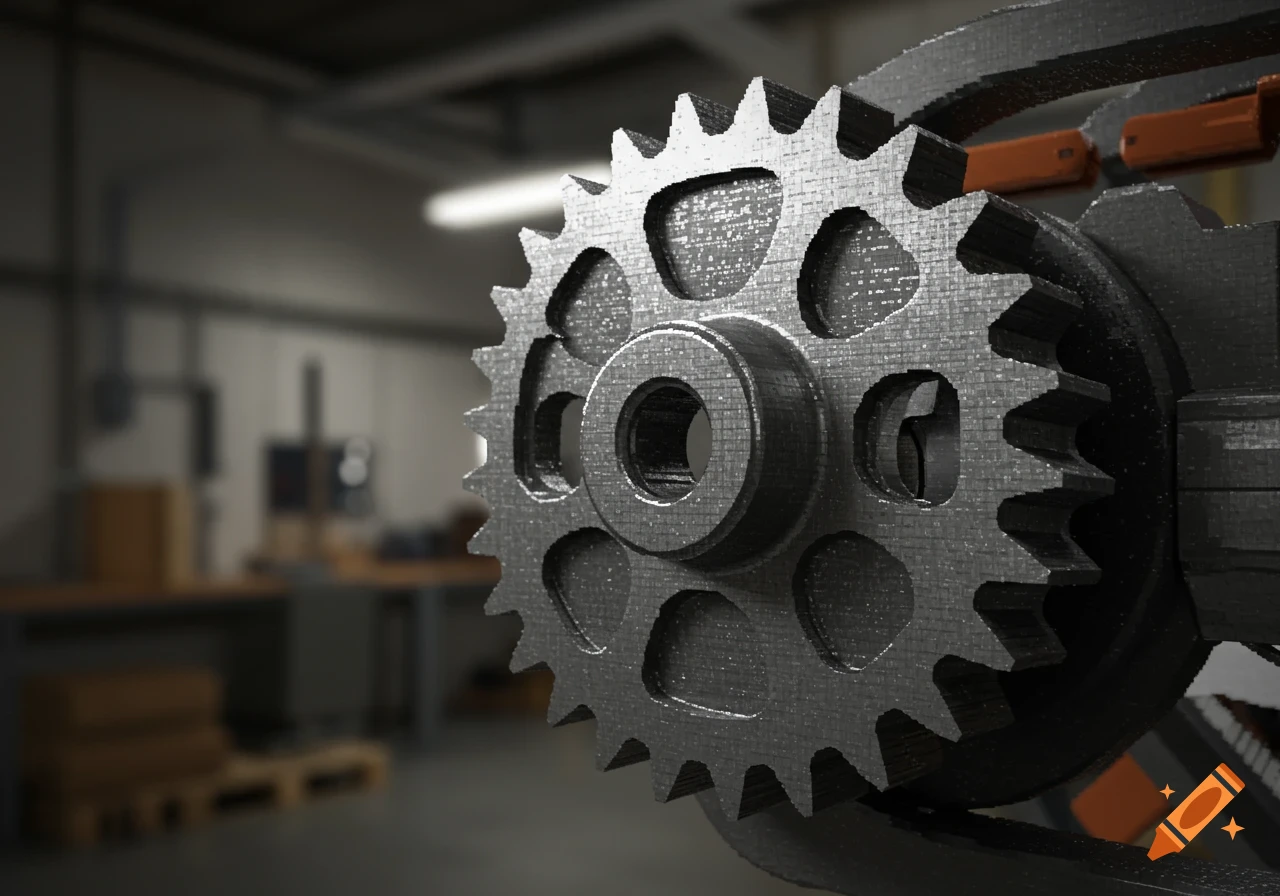
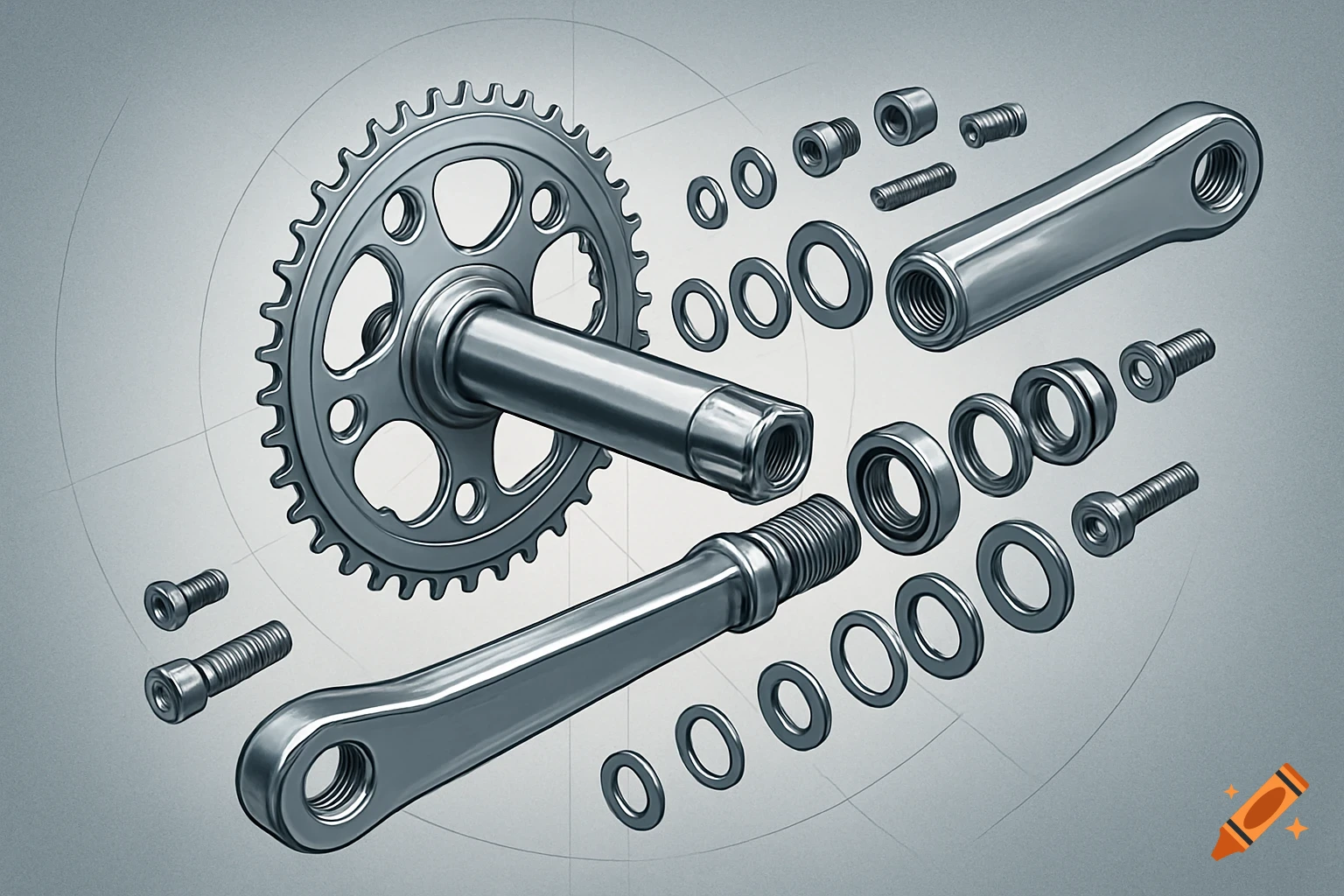
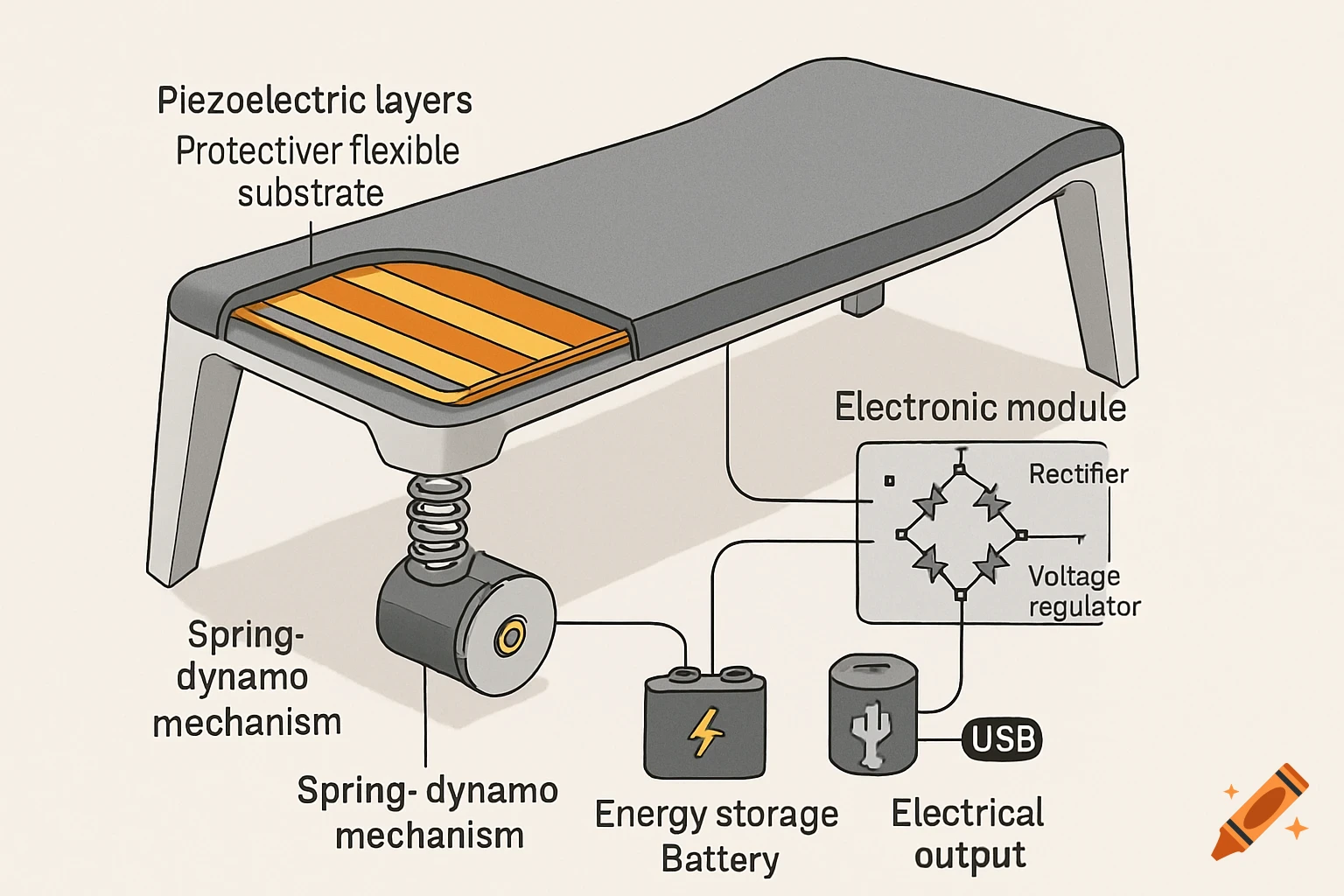
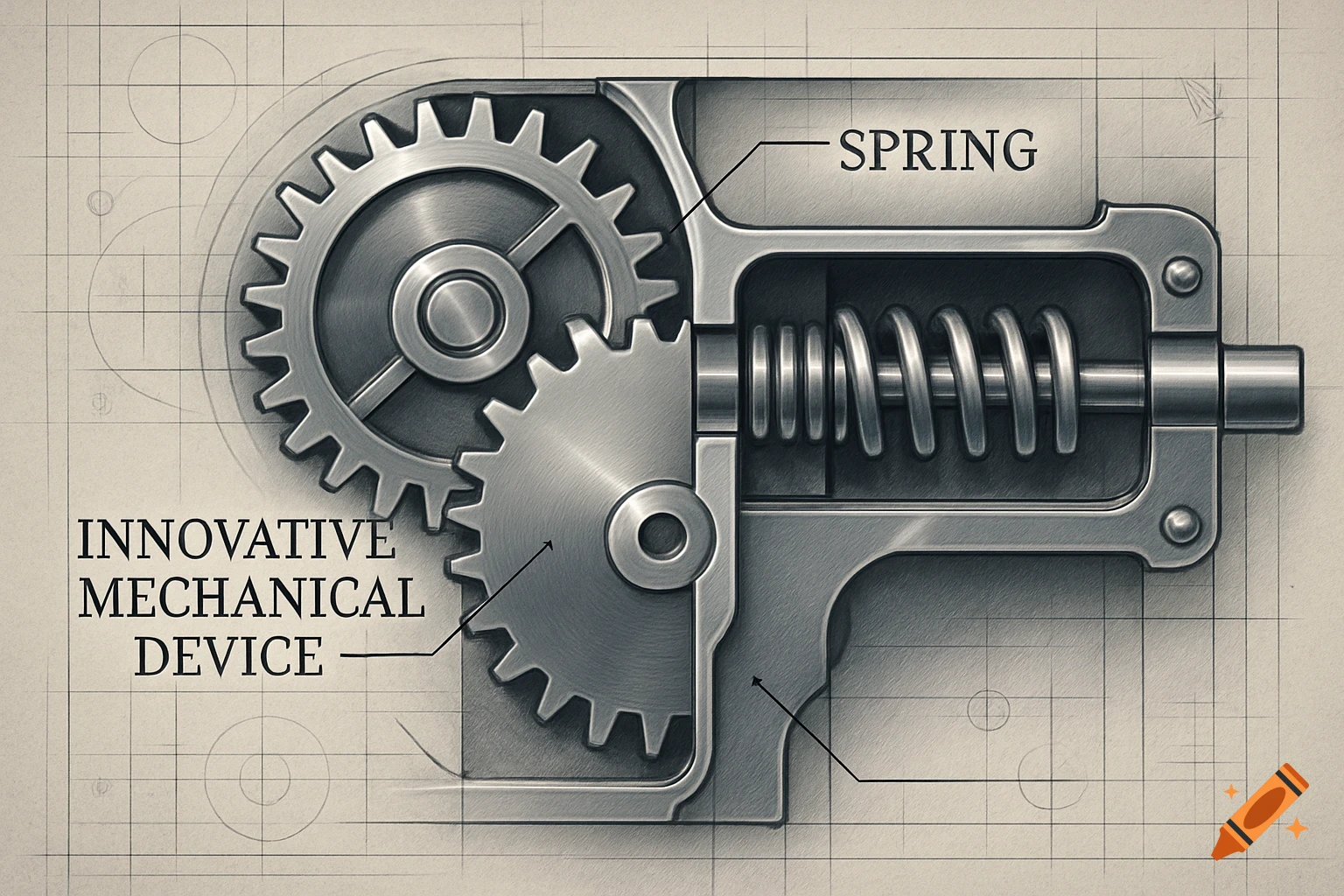
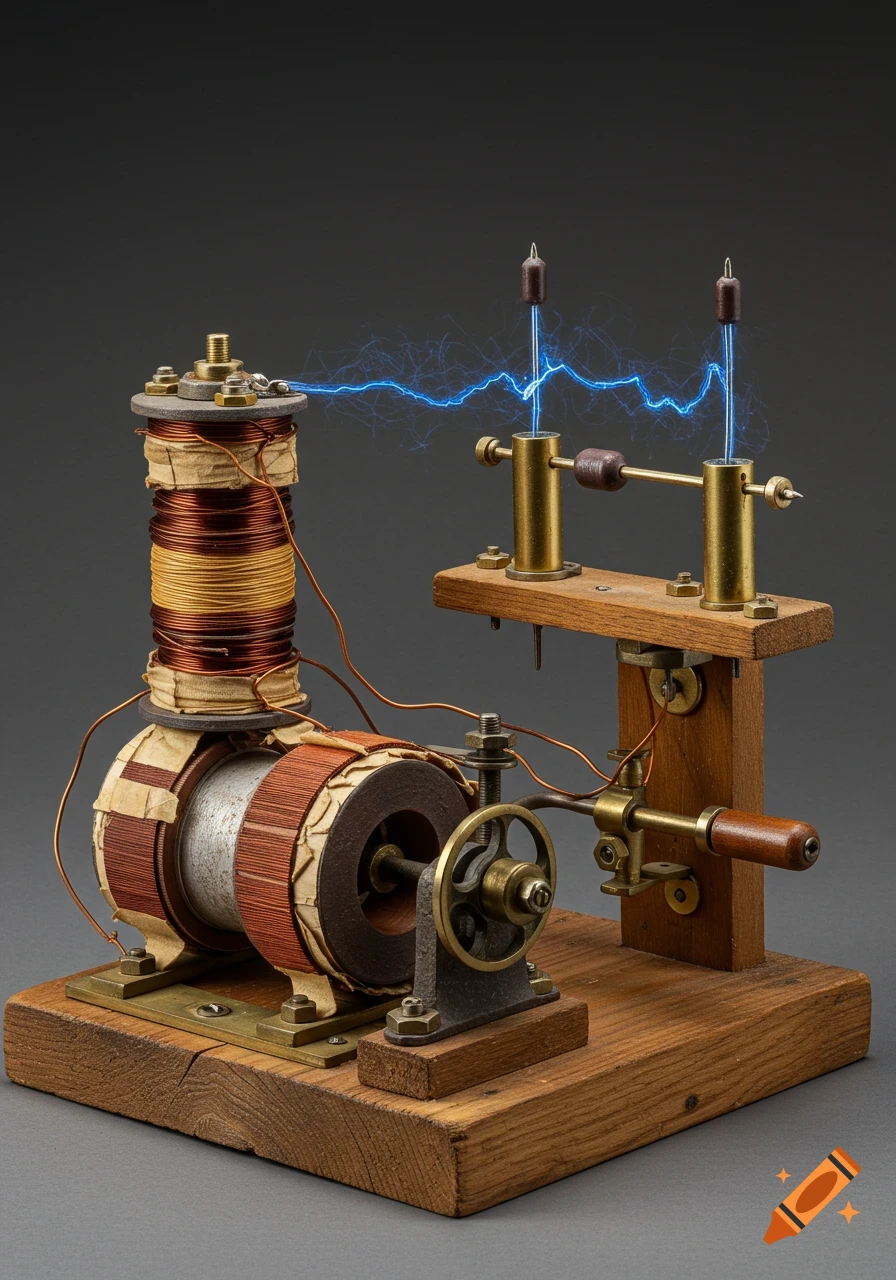
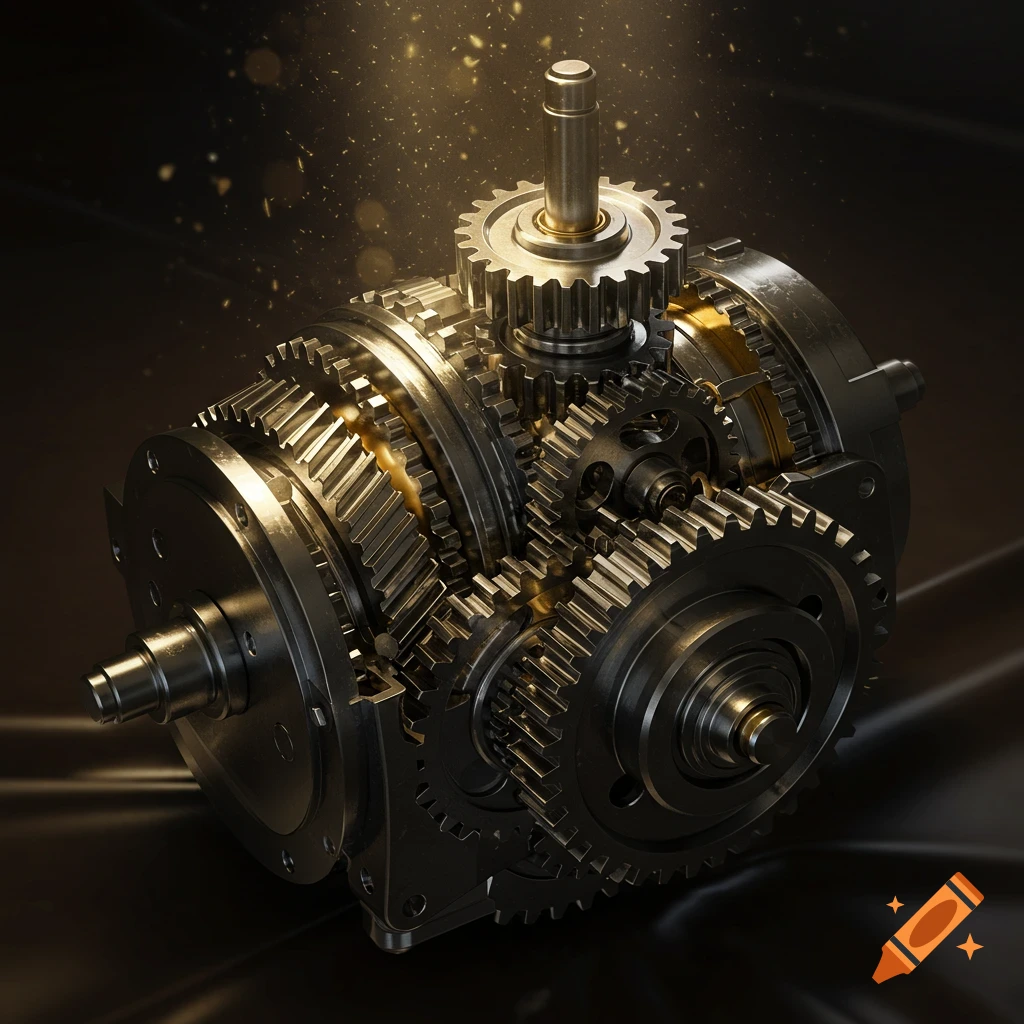
Foot plate → Spring Fix a flat plate (wood/metal) on top Under it place compression springs (bike shock / pen springs / bed spring pieces) When someone steps → plate moves down ~1–2 cm 👉 This gives controlled motion and avoids breaking gears. 2️⃣ Foot plate → Rack Attach a rack gear (straight teeth) to the bottom of the foot plate Rack moves up & down with the footstep 📌 Important: Rack must be perfectly vertical, or gears will jam. 3️⃣ Rack → Pinion Gear Place a small pinion gear so it meshes with the rack When rack moves down → pinion rotates ⚠️ Use metal gears if possible. Plastic strips easily. 4️⃣ Pinion → One-way mechanism (VERY IMPORTANT) Do NOT use a clutch. Use ONE of these: Ratchet + pawl Bicycle freewheel One-way bearing 👉 This ensures: Downward step → rotation Return motion → no reverse torque 5️⃣ Gear train (Speed increase) From the one-way output shaft: Example: Gear A (60 teeth) → Gear B (10 teeth) Gear C (50 teeth) → Gear D (10 teeth) This gives: 6 × 5 = 30× speed increase Add more stages if possible. 📌 Keep shafts aligned. Misalignment = no rotation. 6️⃣ Flywheel (Smooth rotation) Attach a heavy disc to the final gear shaft Can be metal, thick plastic, or stacked washers 👉 Stores energy between footsteps. 7️⃣ Generator connection Couple the flywheel shaft to: DC motor (6–12V) or Stepper motor Use: Rubber tube Flexible coupling Belt + pulley (best) ⚠️ Don’t hard-couple — vibration will kill the motor. ELECTRICAL CONNECTION (SIMPLE) Generator → Rectifier Mehr sehen
More images like this