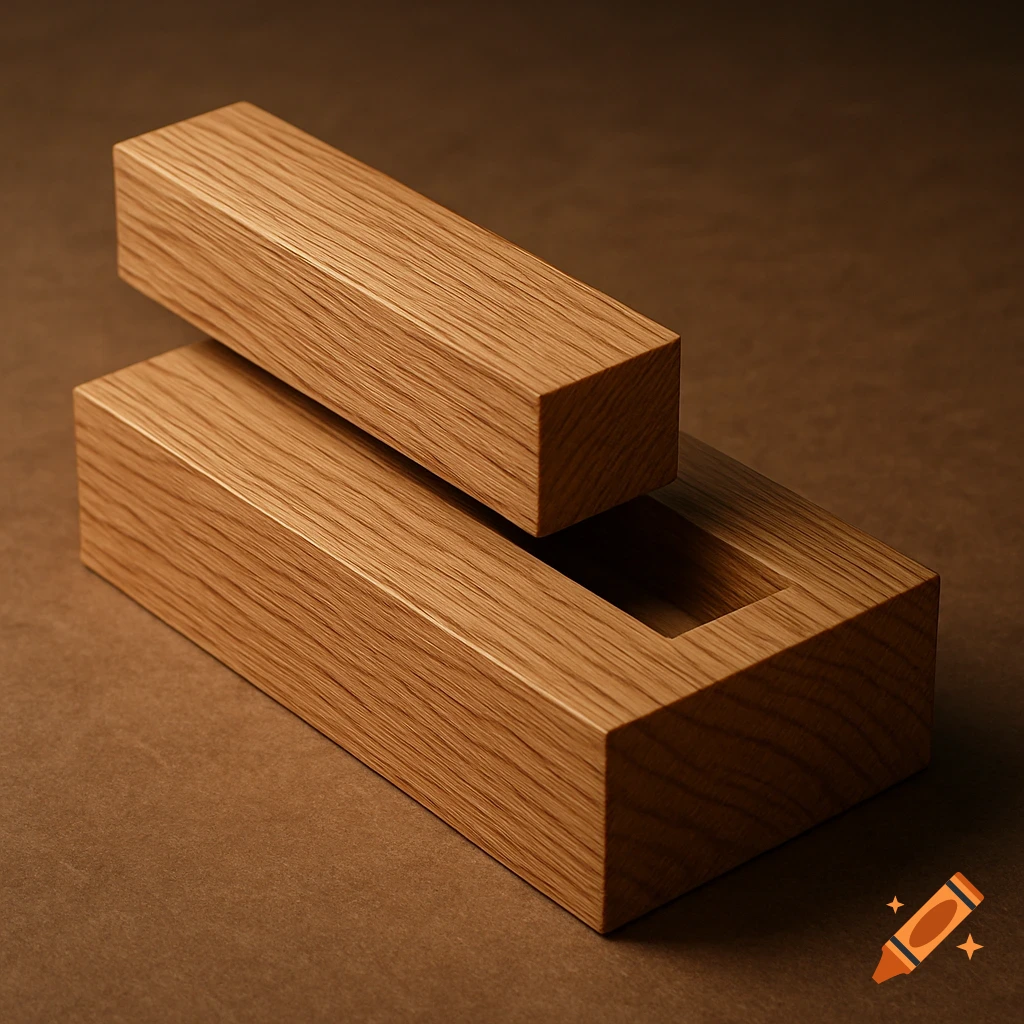
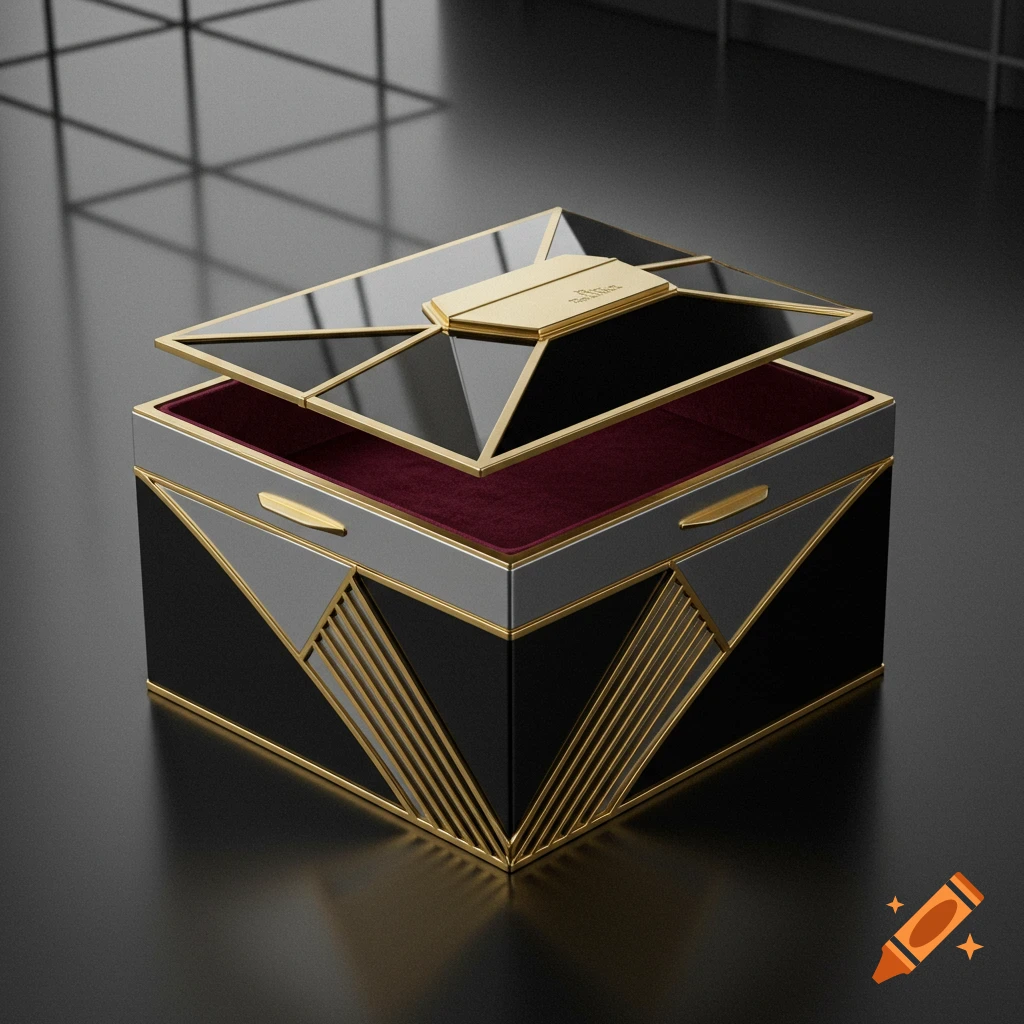
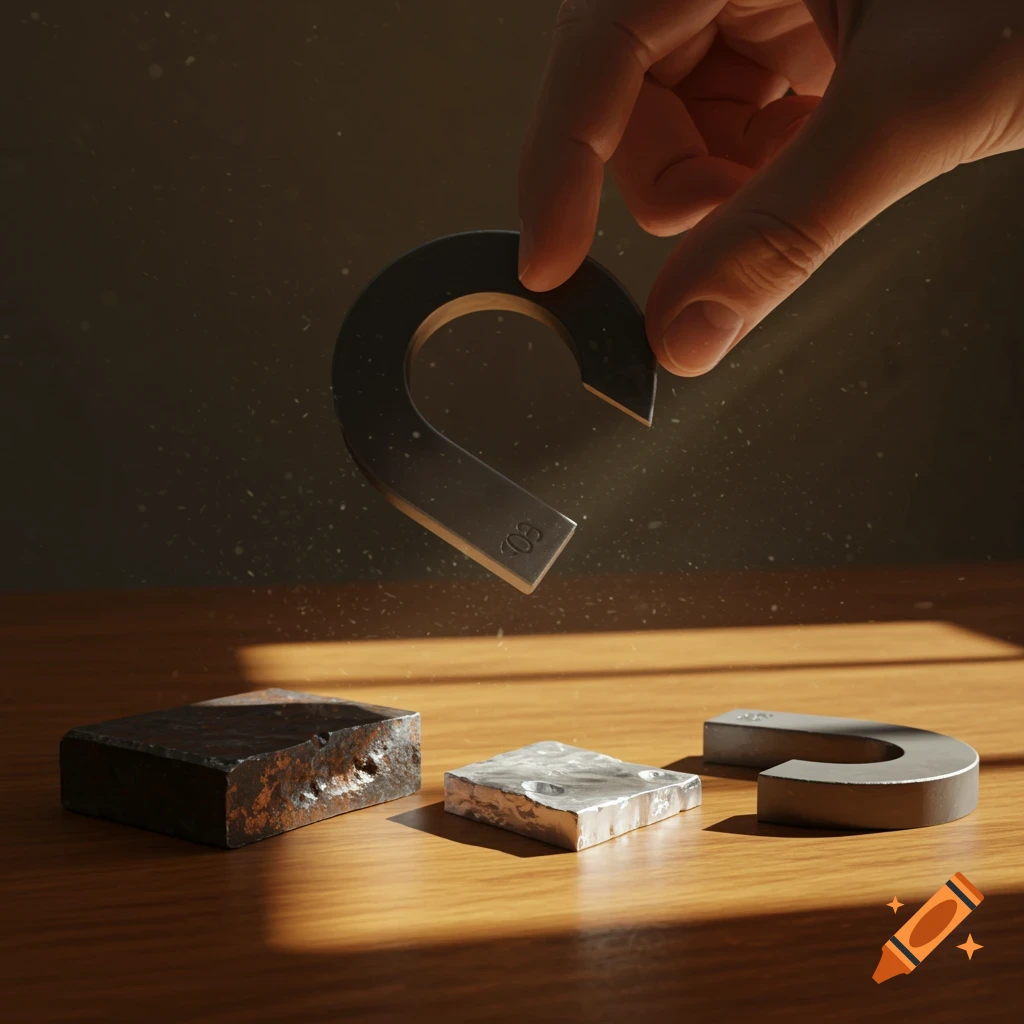
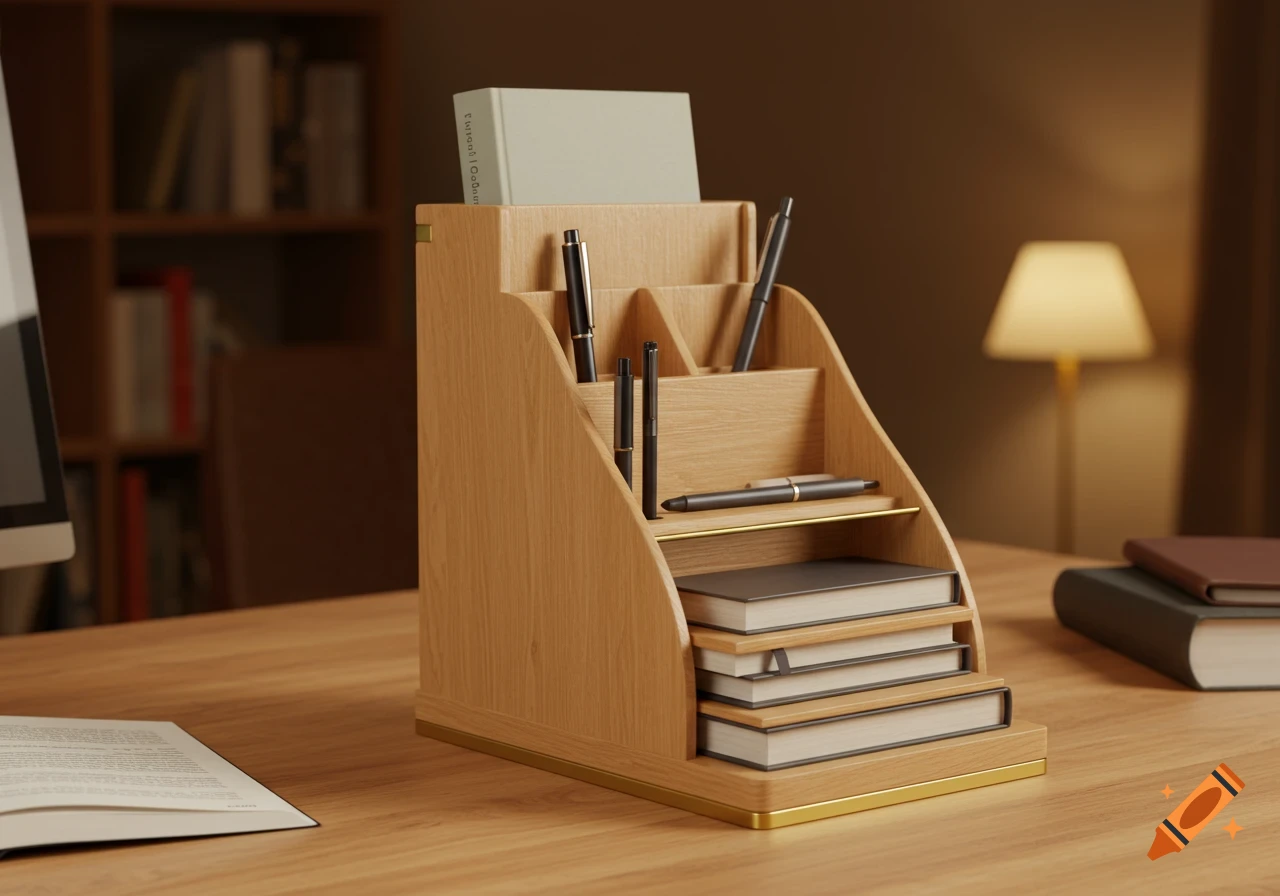
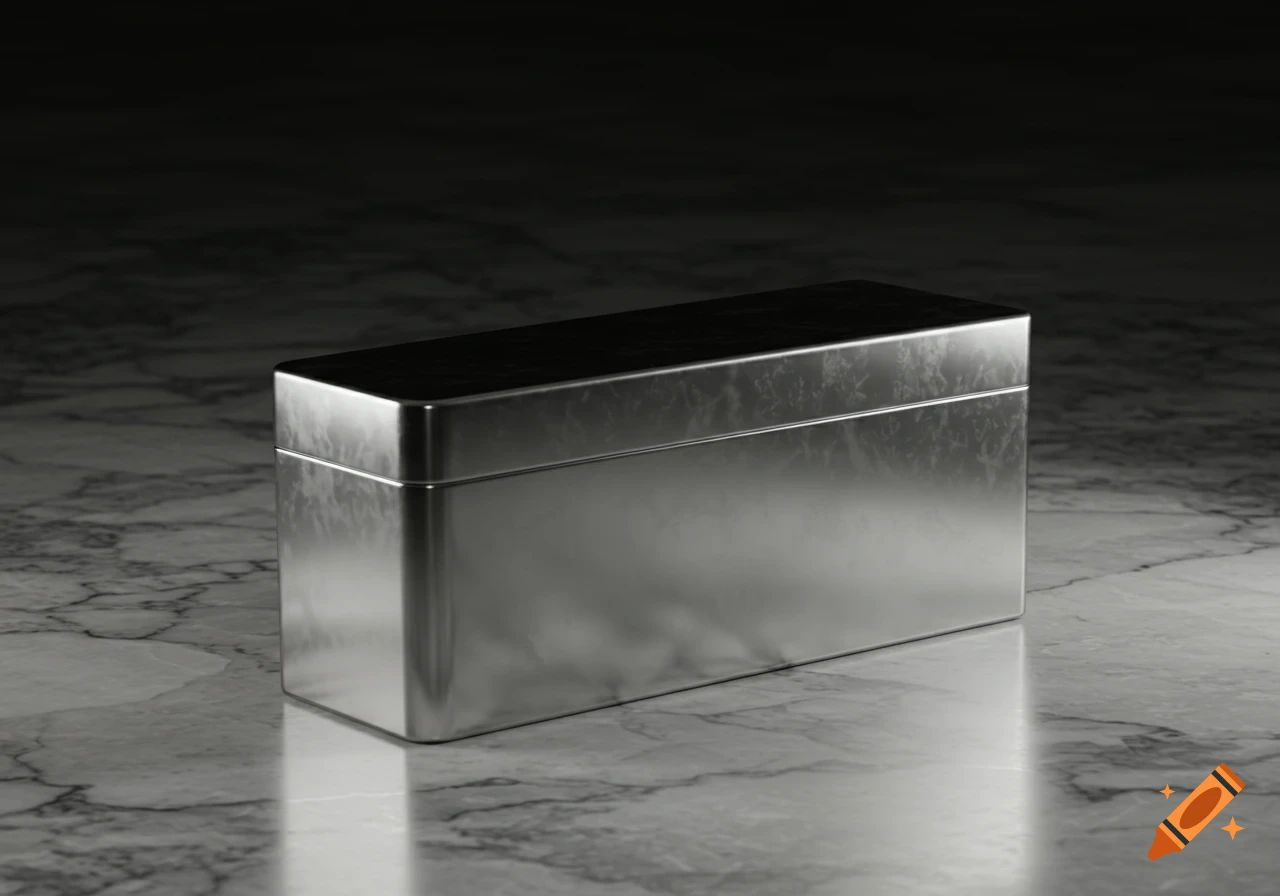
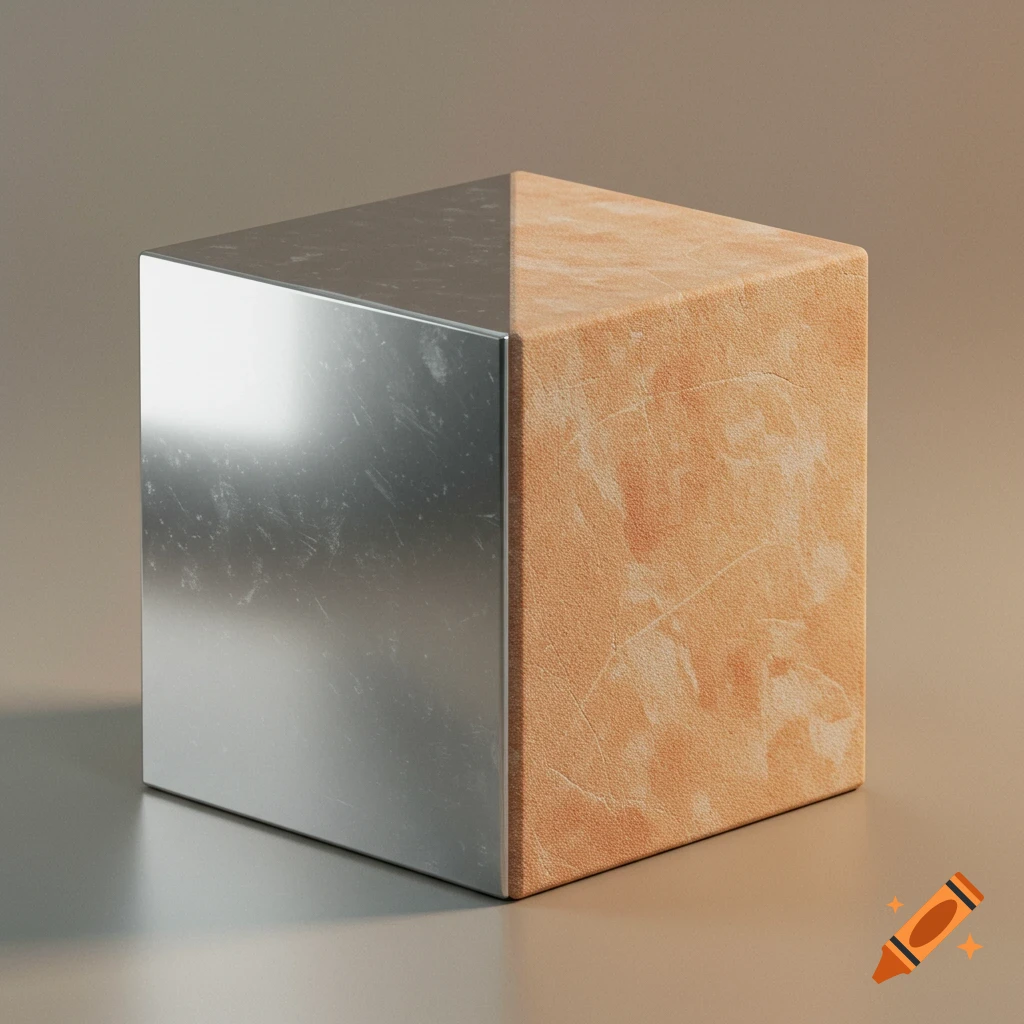
Two decorative boxes on a light grey background. One is a textured grey stone-like box with gold kintsugi-style cracks, its lid slightly askew. Next to it, a smooth wooden box holds a smaller wooden block with a small silver spoon protruding from it.

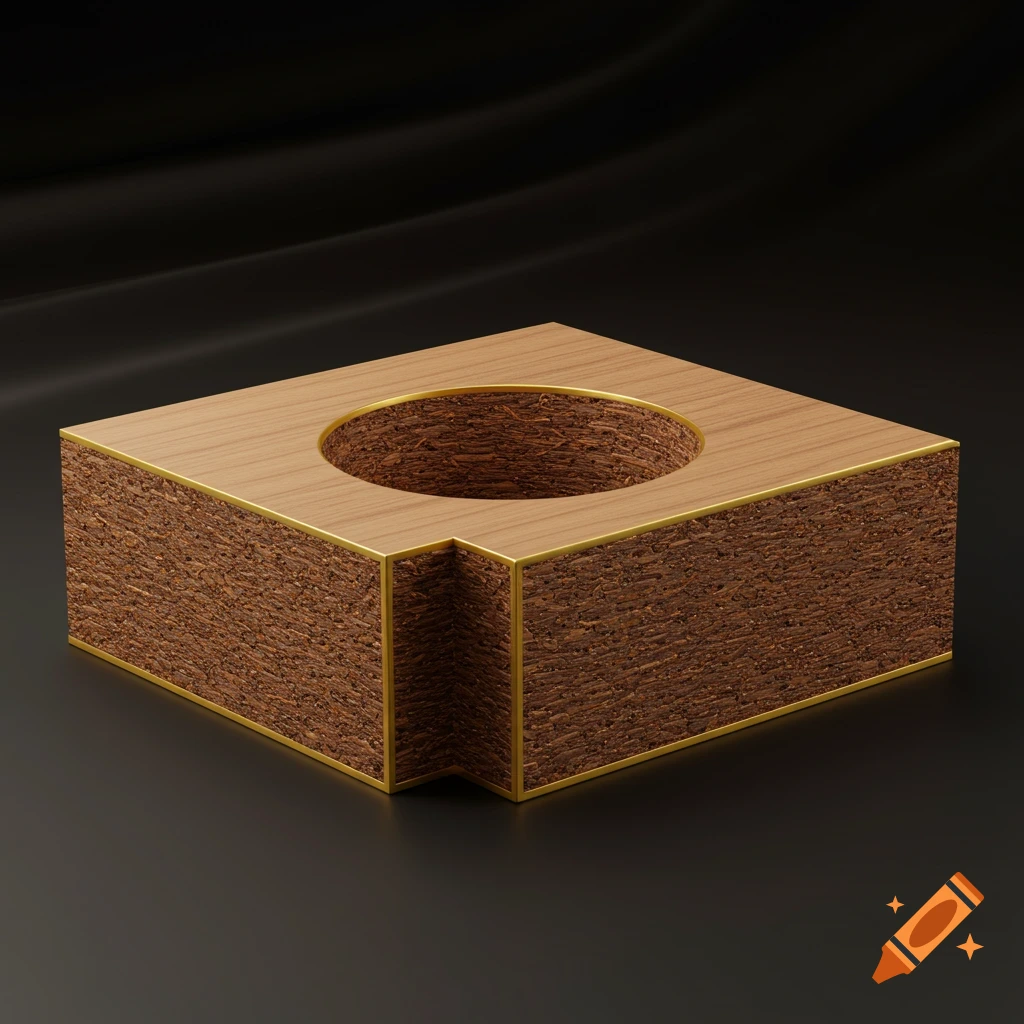
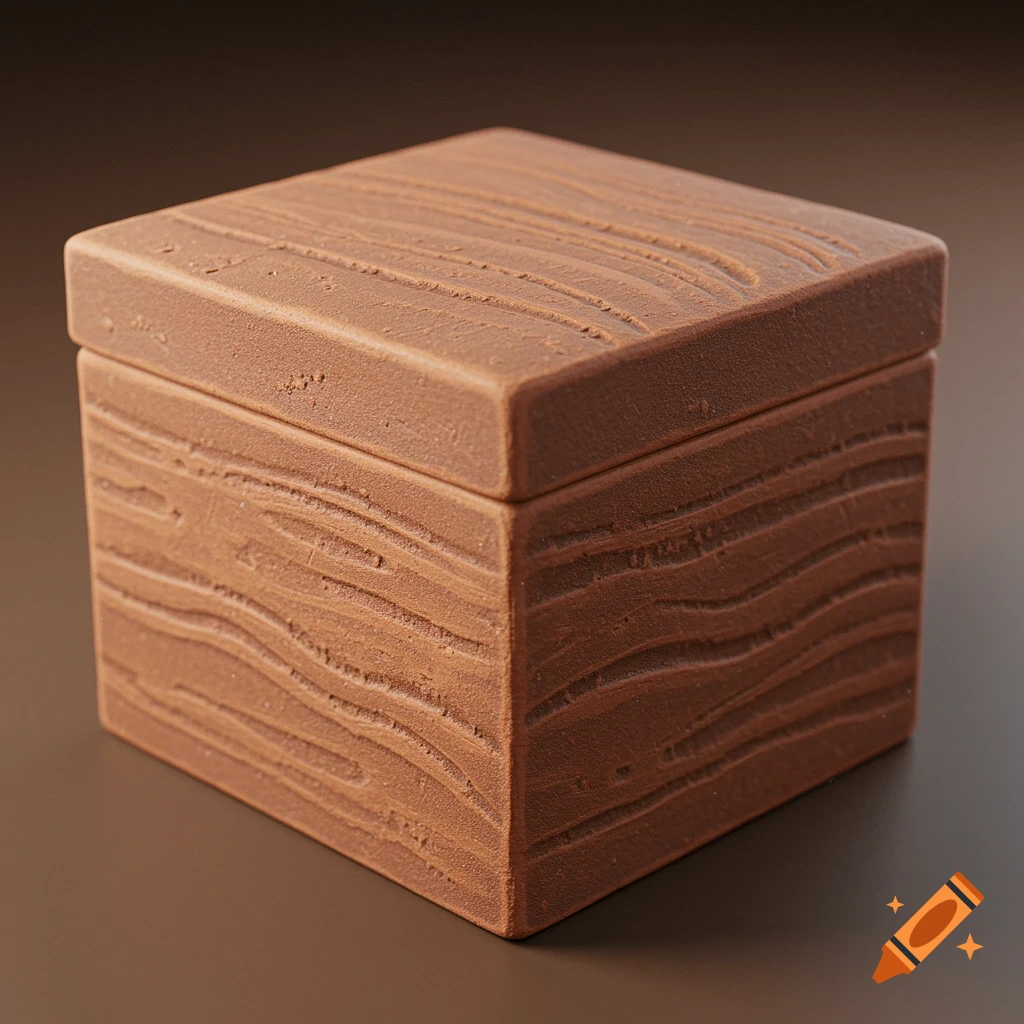
Here is a concept for a set of nesting Kumiko Spice Caddies. Instead of a flat container, this design treats the kitchen counter as a landscape in need of pacification. The Object: A set of three solid Tamo Ash vessels. The exteriors are precision-milled with a chiselled, sandblasted texture ( wabi-sabi ). The interiors are sanded to a glass-like finish. Chaos (The Outer Vessel): The largest box appears to be fracturing. Laser-cut brass “repairs”—Kintsugi-style—crack across the corners. When closed, the lid is misaligned by 2mm. This subtle imperfection creates visual tension; the eye fights to correct it. Clarity (The Inner Vessel): When the outer shell is opened, the misalignment resolves. Inside, nested perfectly, sits a second box. Its grain flows unbroken around all four sides. The lid sits flush to 0.1mm tolerance. There are no handles; it opens via a precisely cut finger groove that is invisible from the front. The Reveal: Inside the second box sits the third vessel: a single, solid cube of Ash. On its surface sits one magnetised spoon. This is the moment of absolute zero. No spice jars, no labels. The "chaos" of 20 different spices has been processed, translated, and archived elsewhere. What remains is the ritual of cooking—one spoon, one tool, ready to be used. Philosophy: This is not organization; it is alchemy. The design borrows the Japanese concept of Ma (間)—the pause between sounds. The heavy, textured exterior represents the noise. The silent, seamless Mehr sehen
More images like this