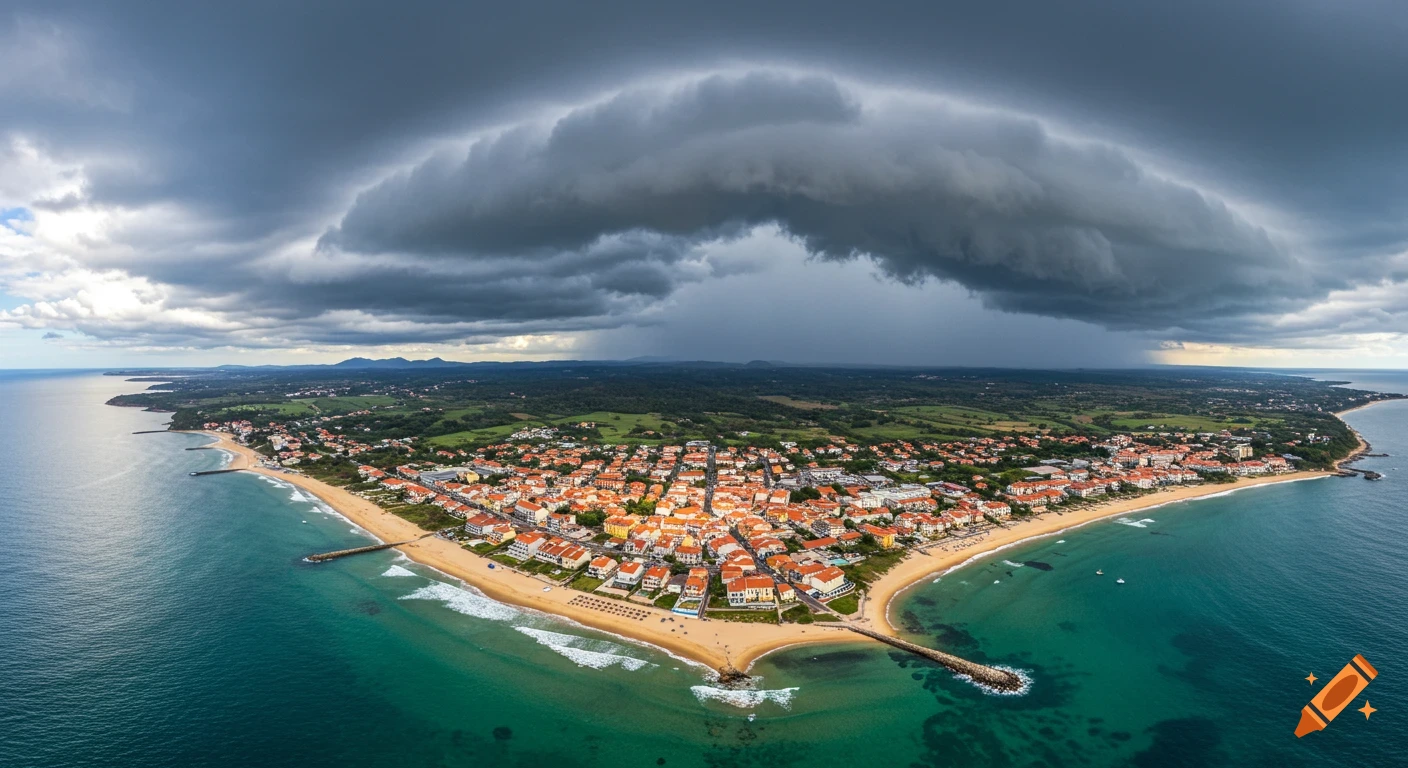
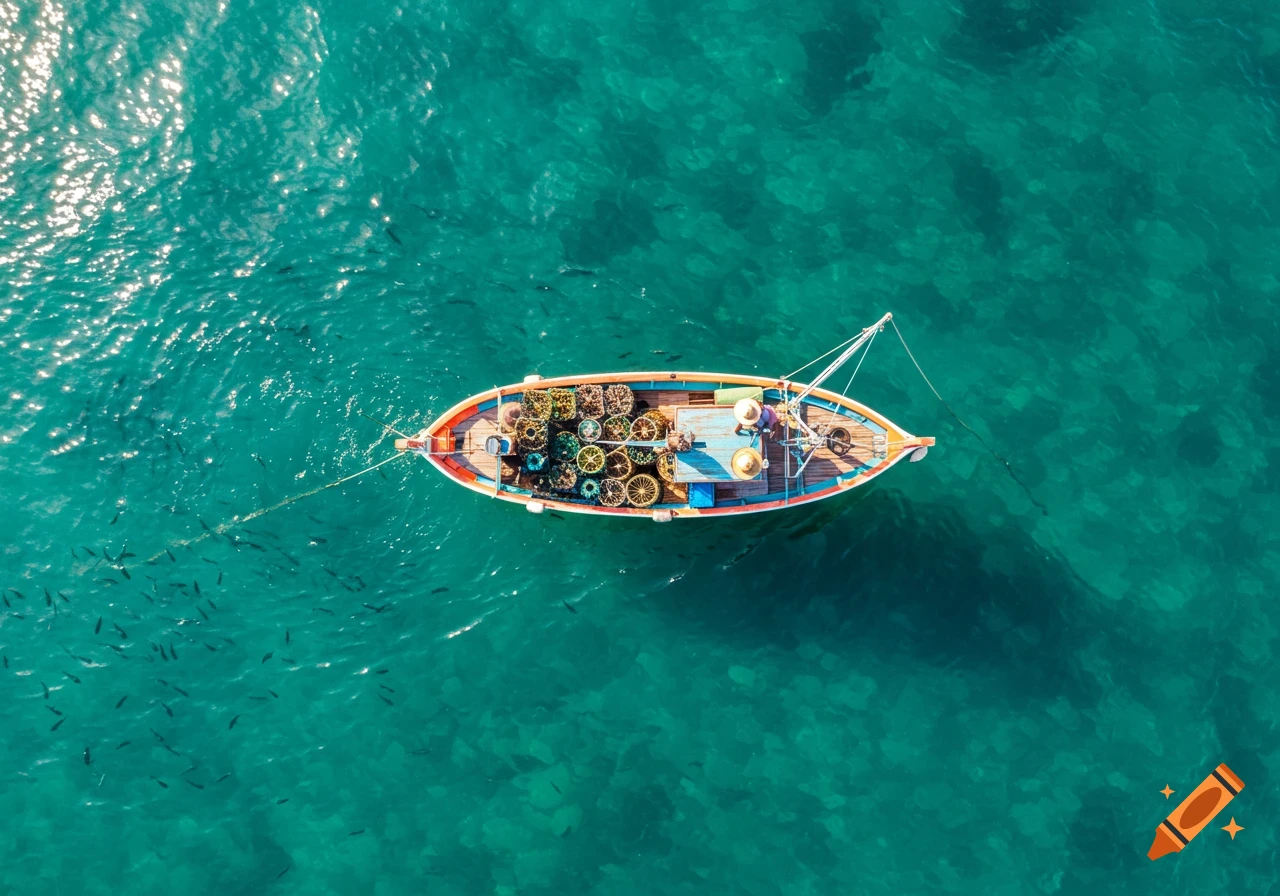
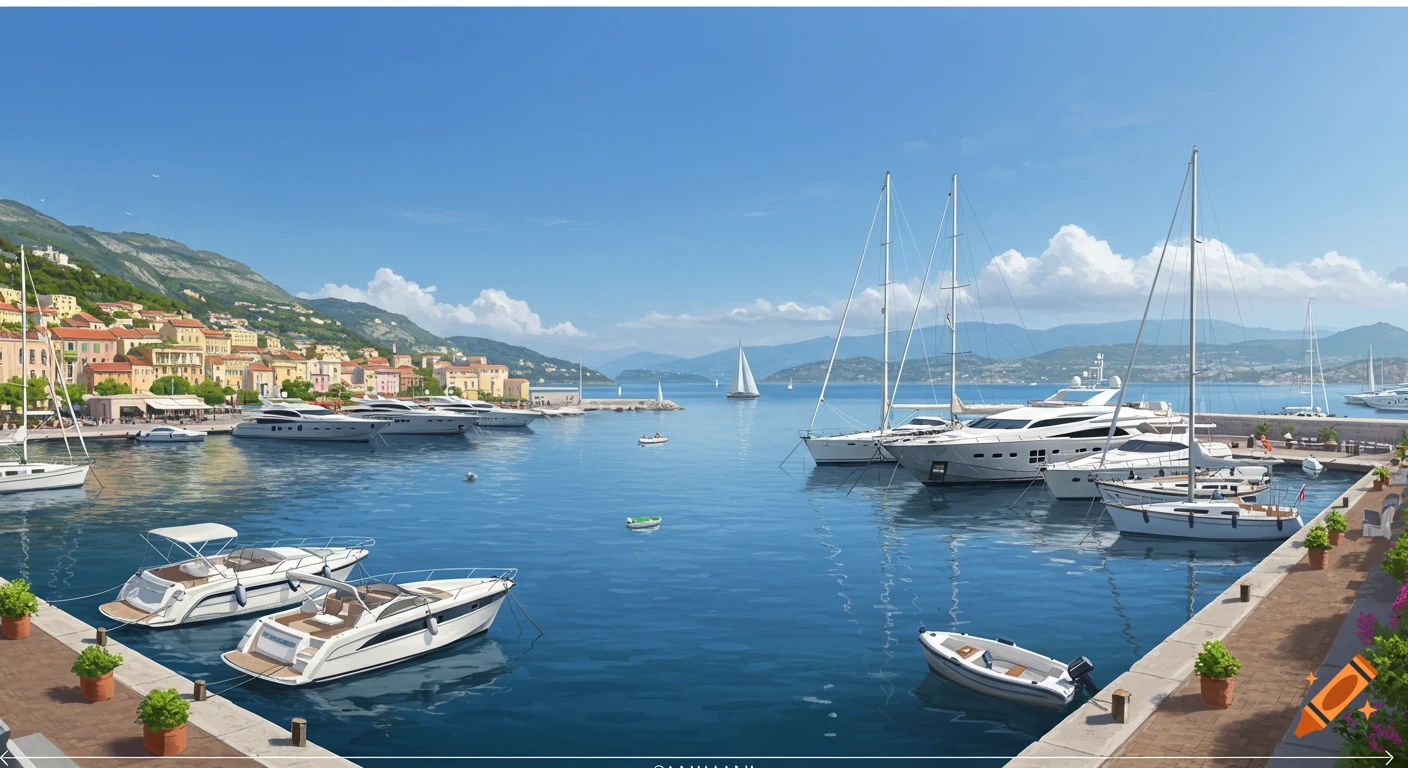
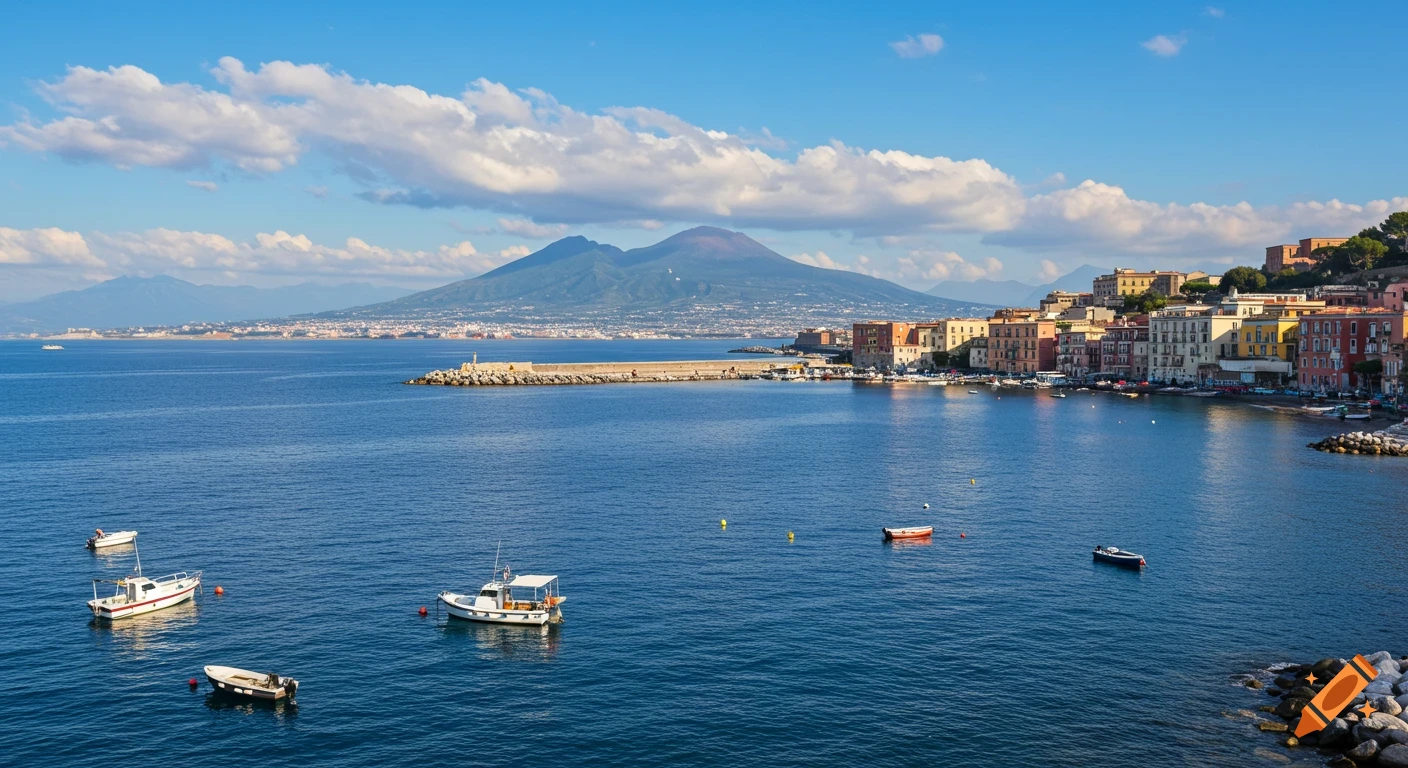
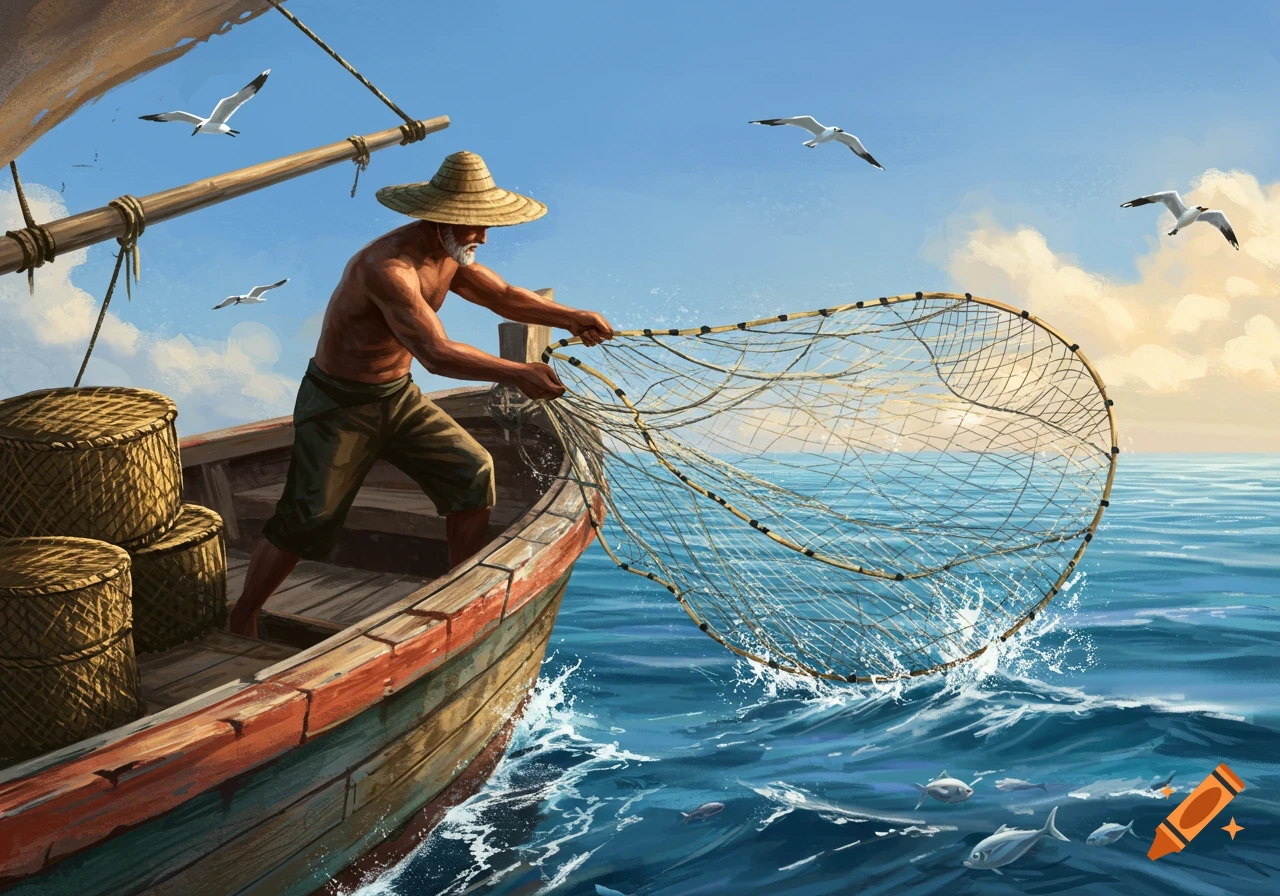
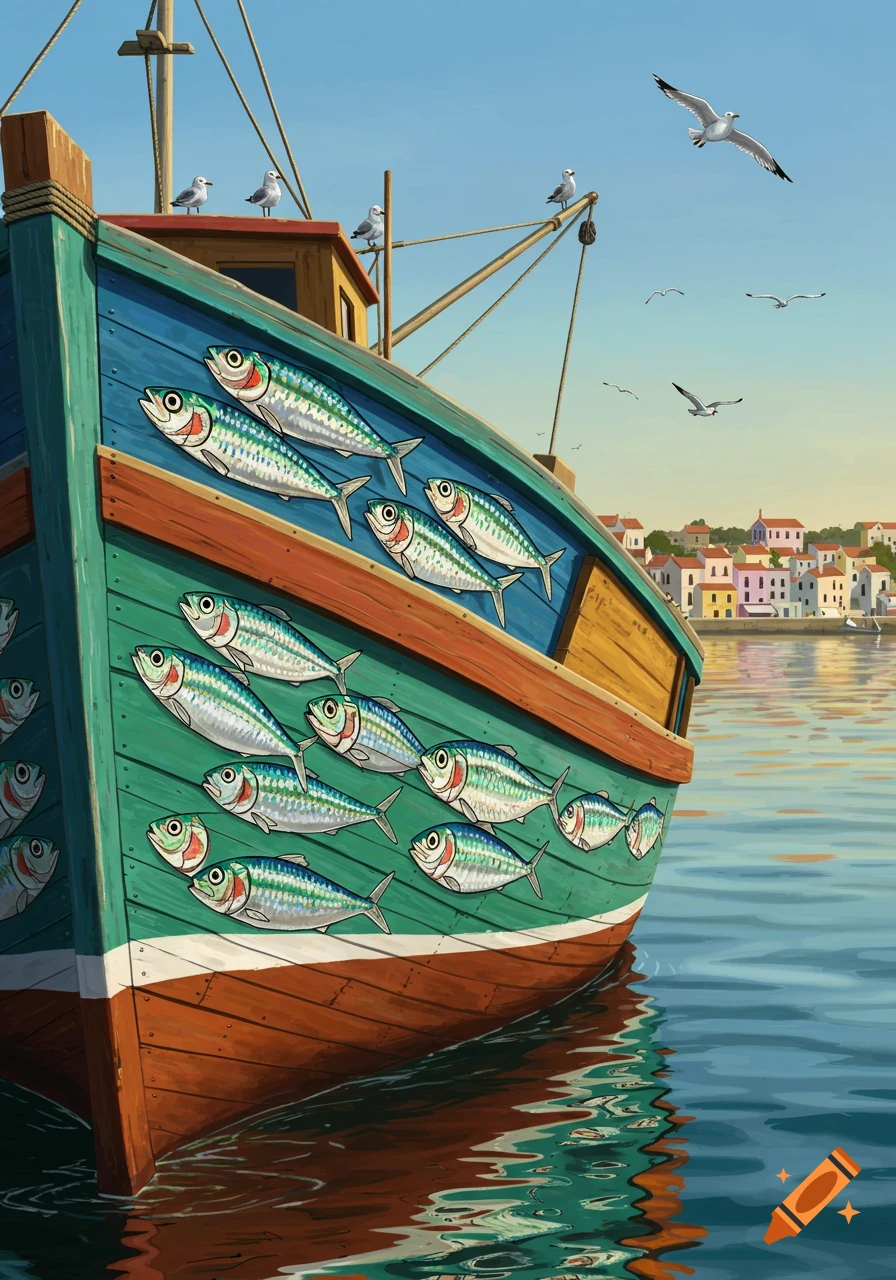
Aerial view of fishing boats in a calm blue sea, one overflowing with fish, surrounded by seagulls with a coastal town and mountains.

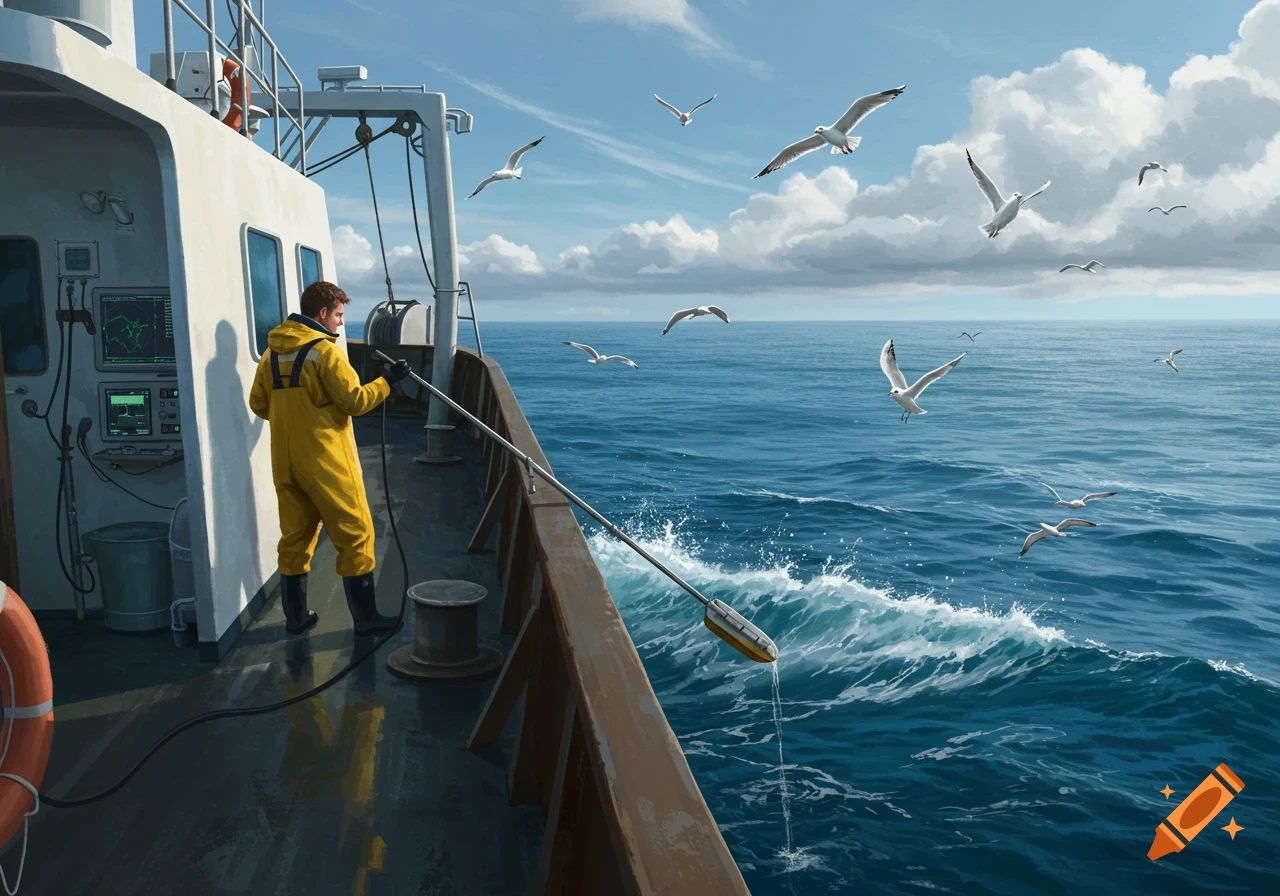
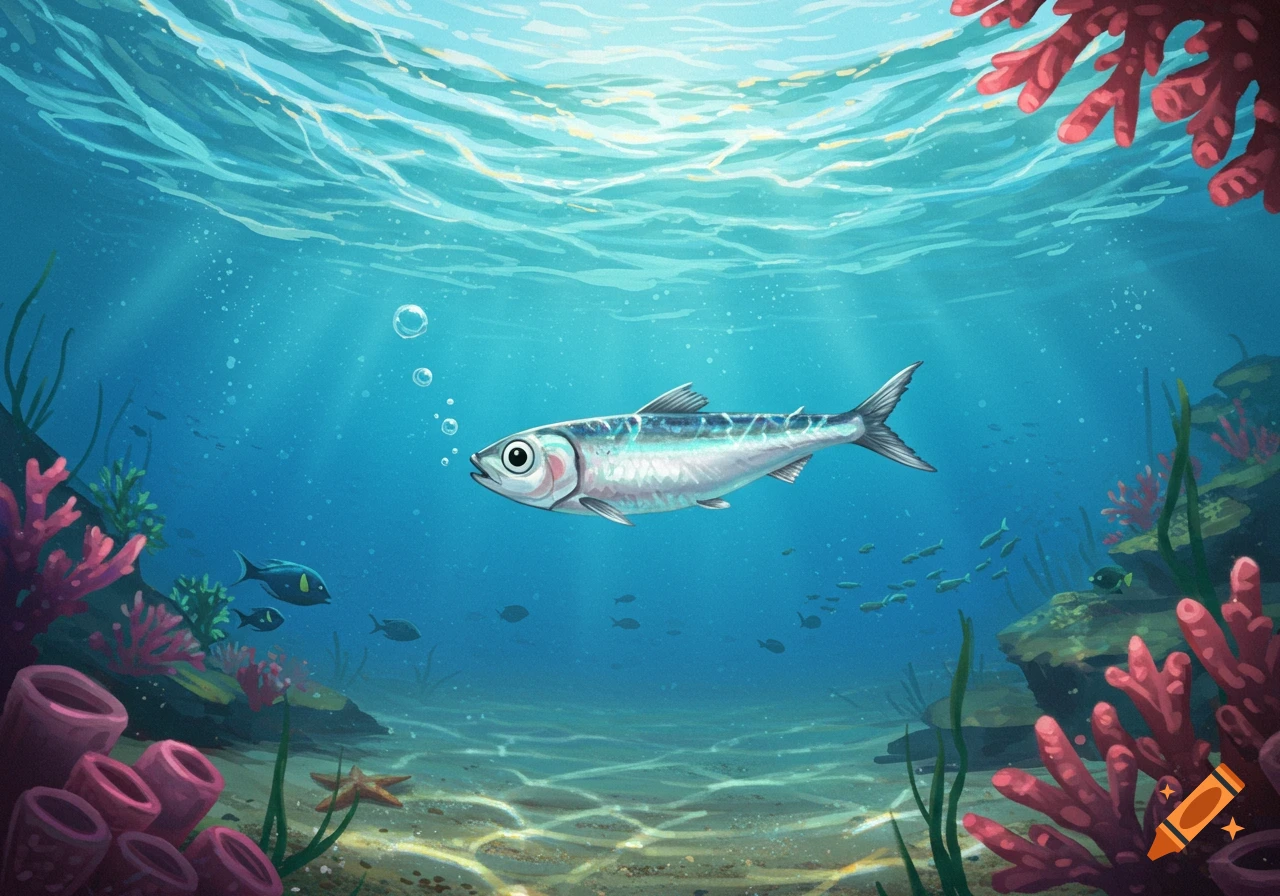
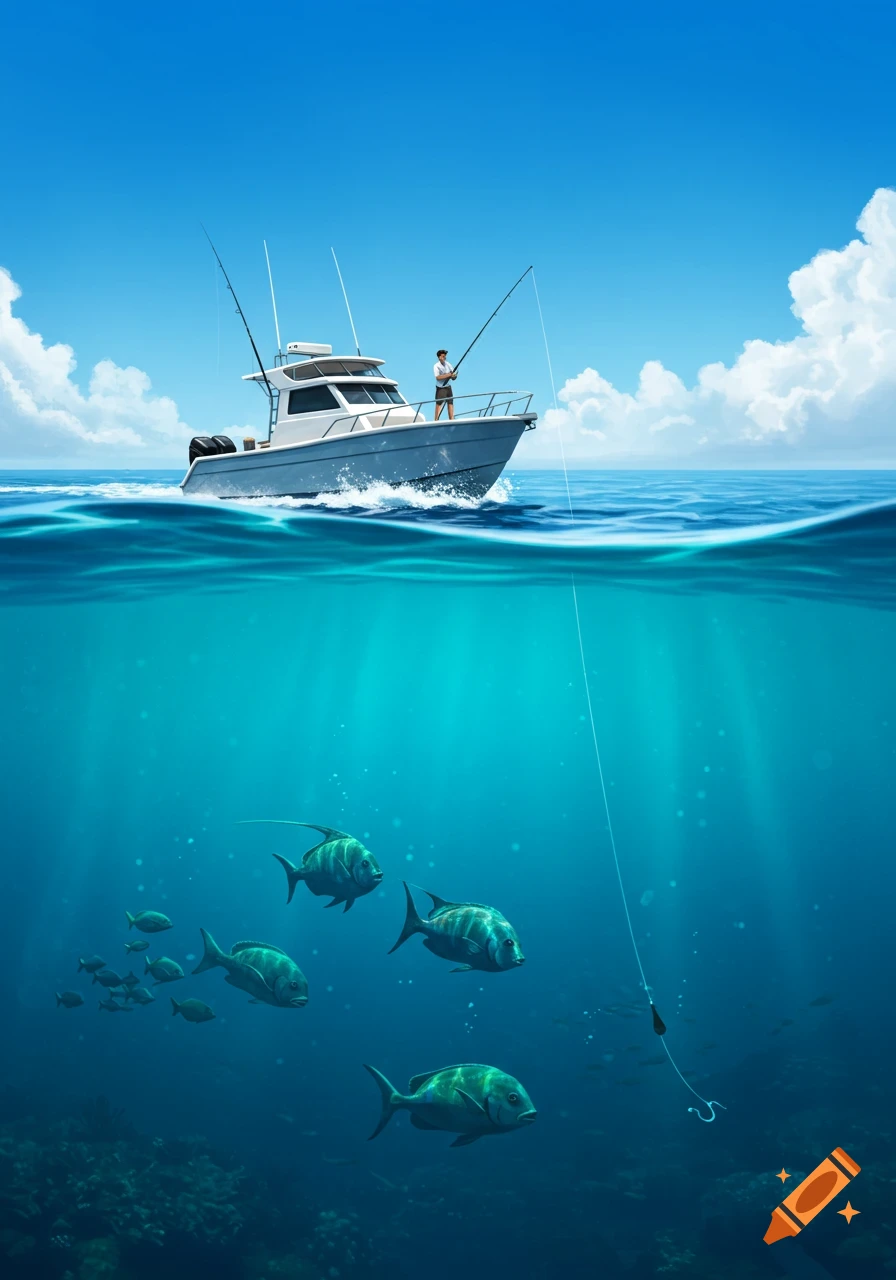
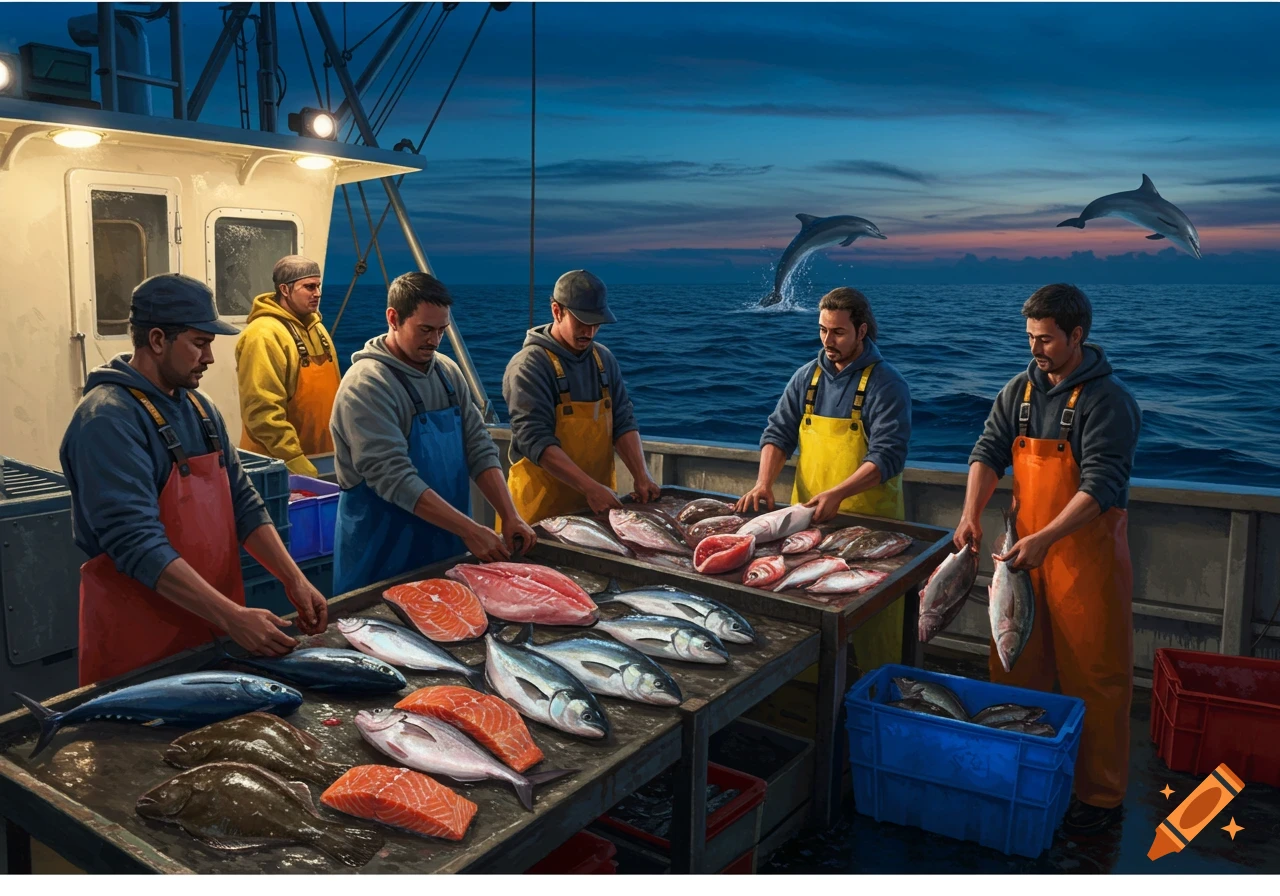
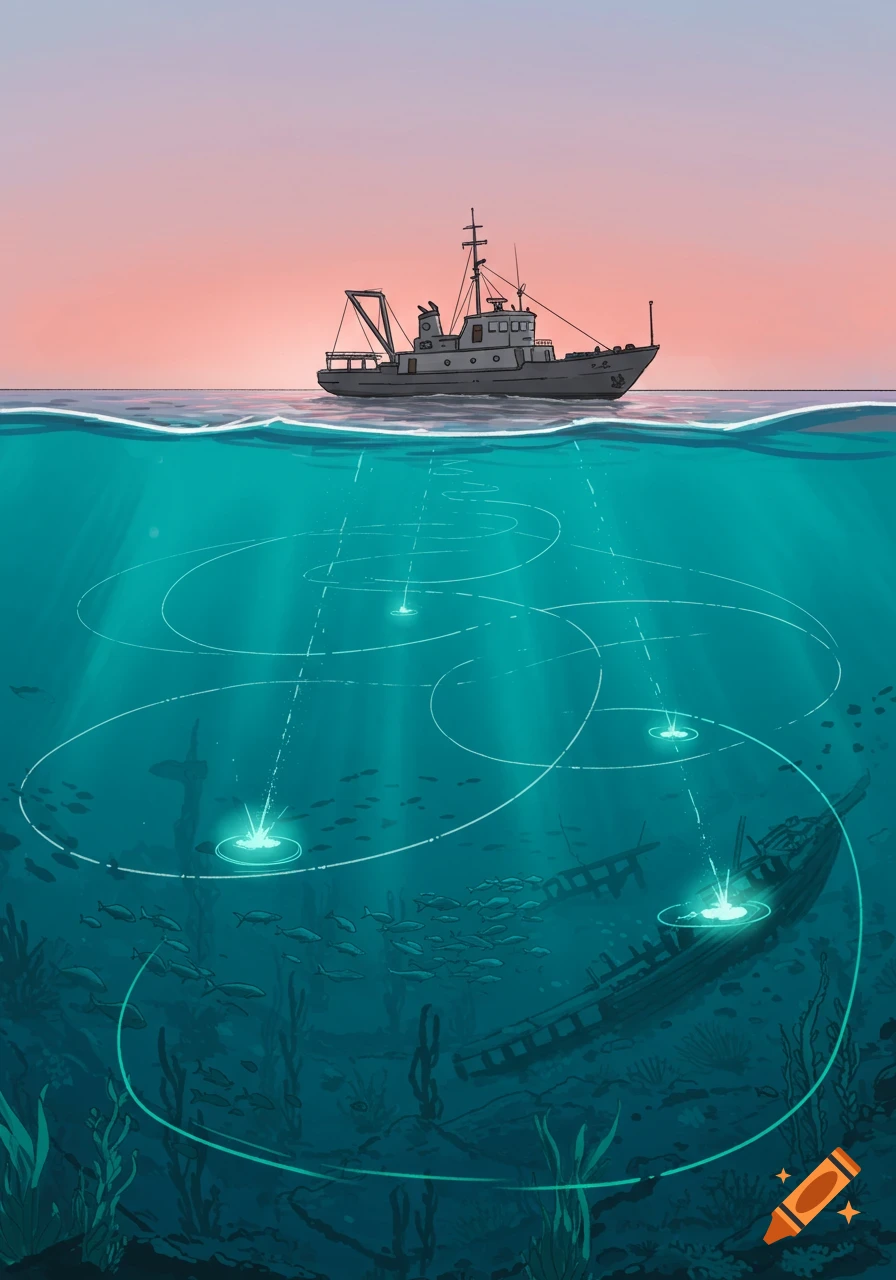
The Adriatic Sea represents one of the most productive areas of the entire Mediterranean basin, with anchovy (Engraulis encrasicolus) being among the main targets of fishery. Two decades (2003-2023) of anchovy Catch Per Unit Effort (CPUE) have been made available through continuous data collection derived from the Fishery Observing System (FOS) and the Adriatic Fishery & Oceanography Observing System infrastructure (AdriFOOS), implemented by CNR-IRBIM. These systems leverage commercial fishing vessels as Ships Of OPportunity (SOOPs) by transforming them into autonomous data-collection units capable of recording geo-referenced catch data (supplied by fishermen through a dedicated interface), along with in-situ environmental information (through sensors installed on the fishing gears). By means of Generalized Additive Models (GAMs), the influence of environmental and anthropogenic drivers on anchovy's CPUE spatio-temporal distribution in the Adriatic Sea was analysed. Temperature and fishing depth were shown to influence anchovy's CPUEs. In contrast, vessel characteristics (except for vessel power), as well as latitude, exhibited less clear effects on CPUEs. This study characterized the effect of environmental and fleets' changes, over space and time, on anchovy's CPUE in the Adriatic Sea. Furthermore, this approach provides a good example of data collection using commercial fishing vessels, demonstrating the potential of SOOPs to advance the investigation on population Mehr sehen
More images like this