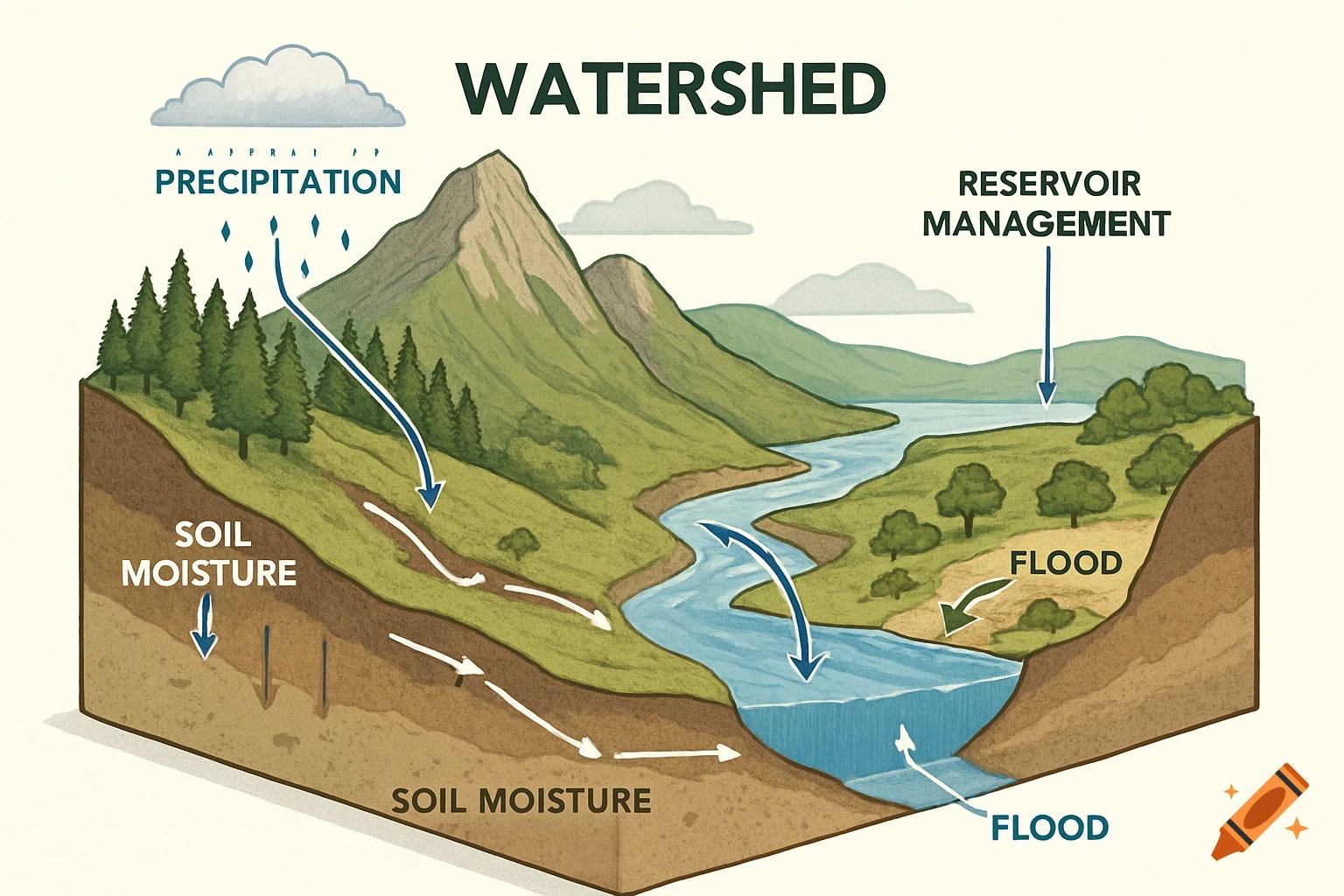
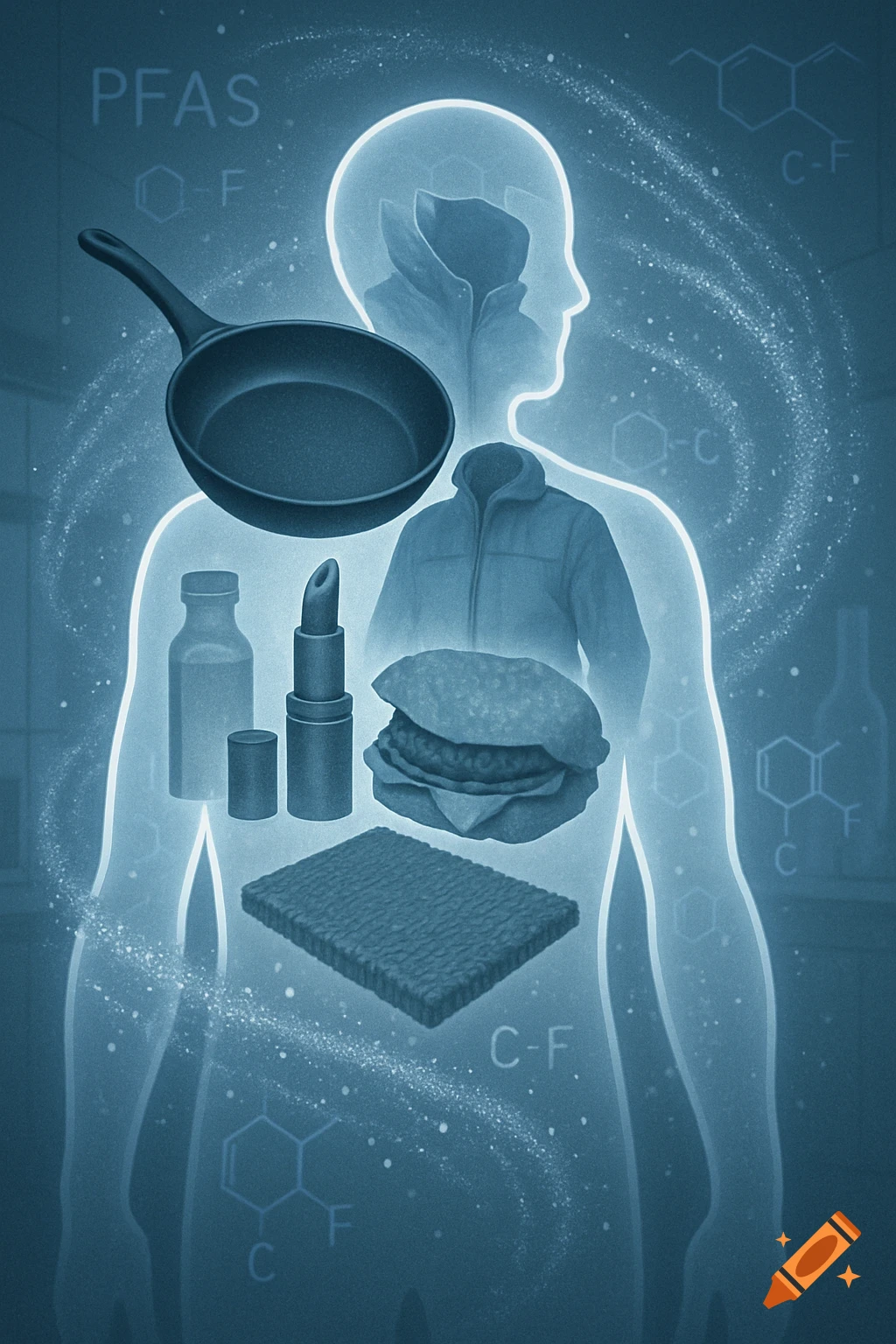
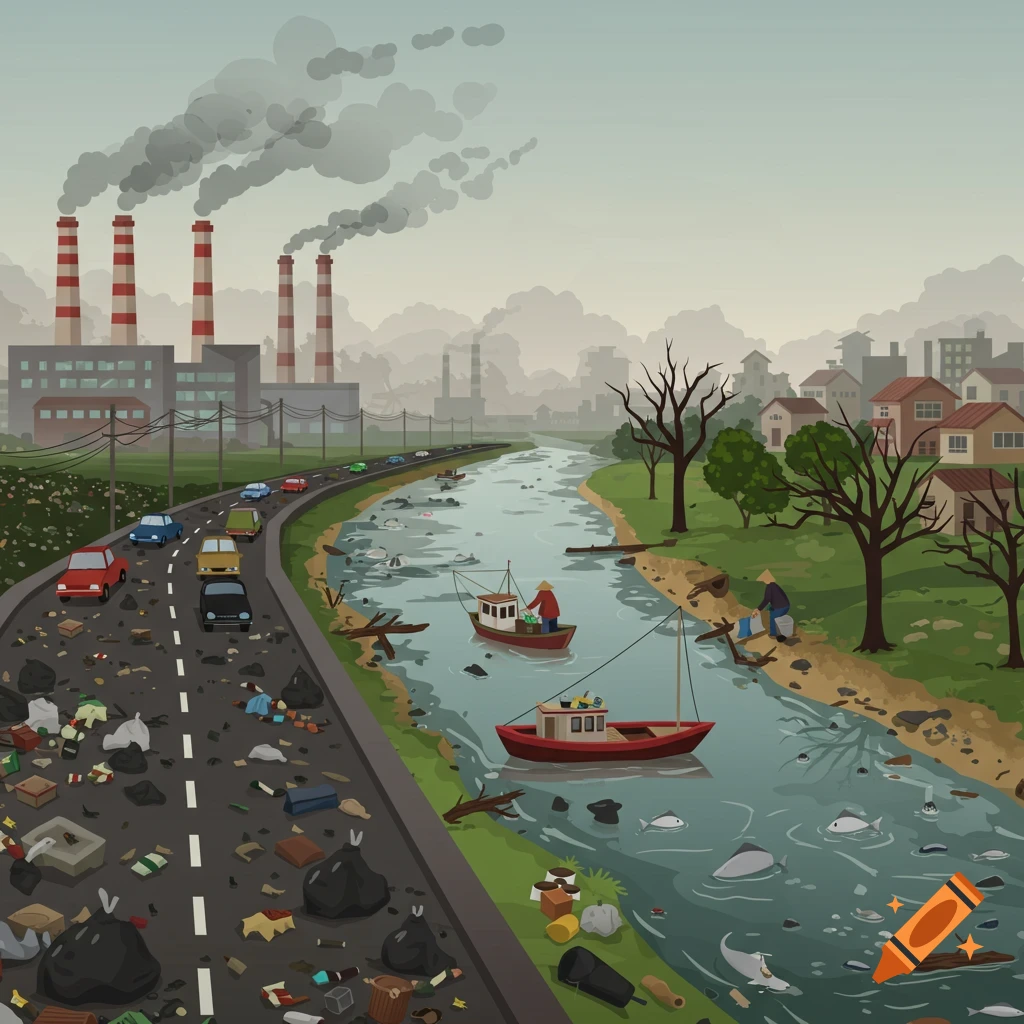
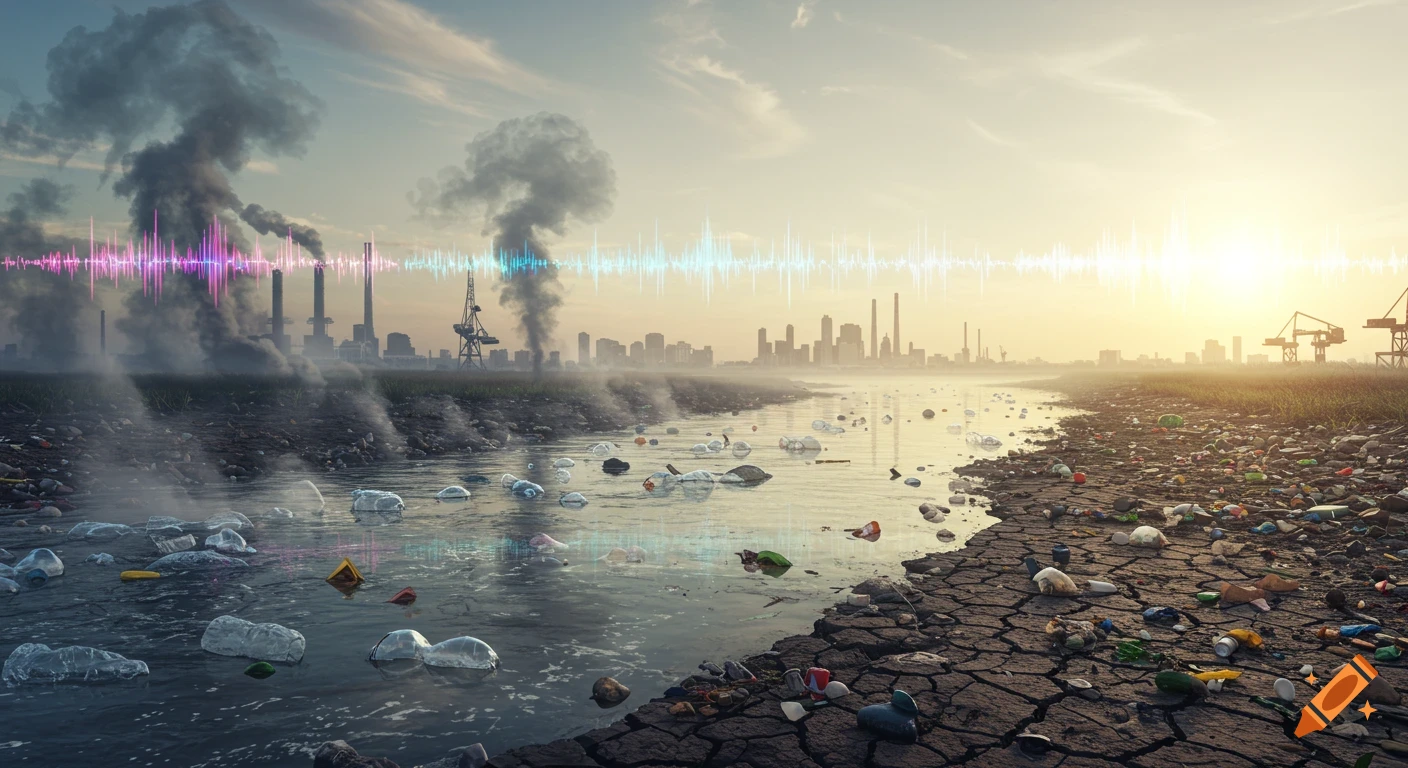
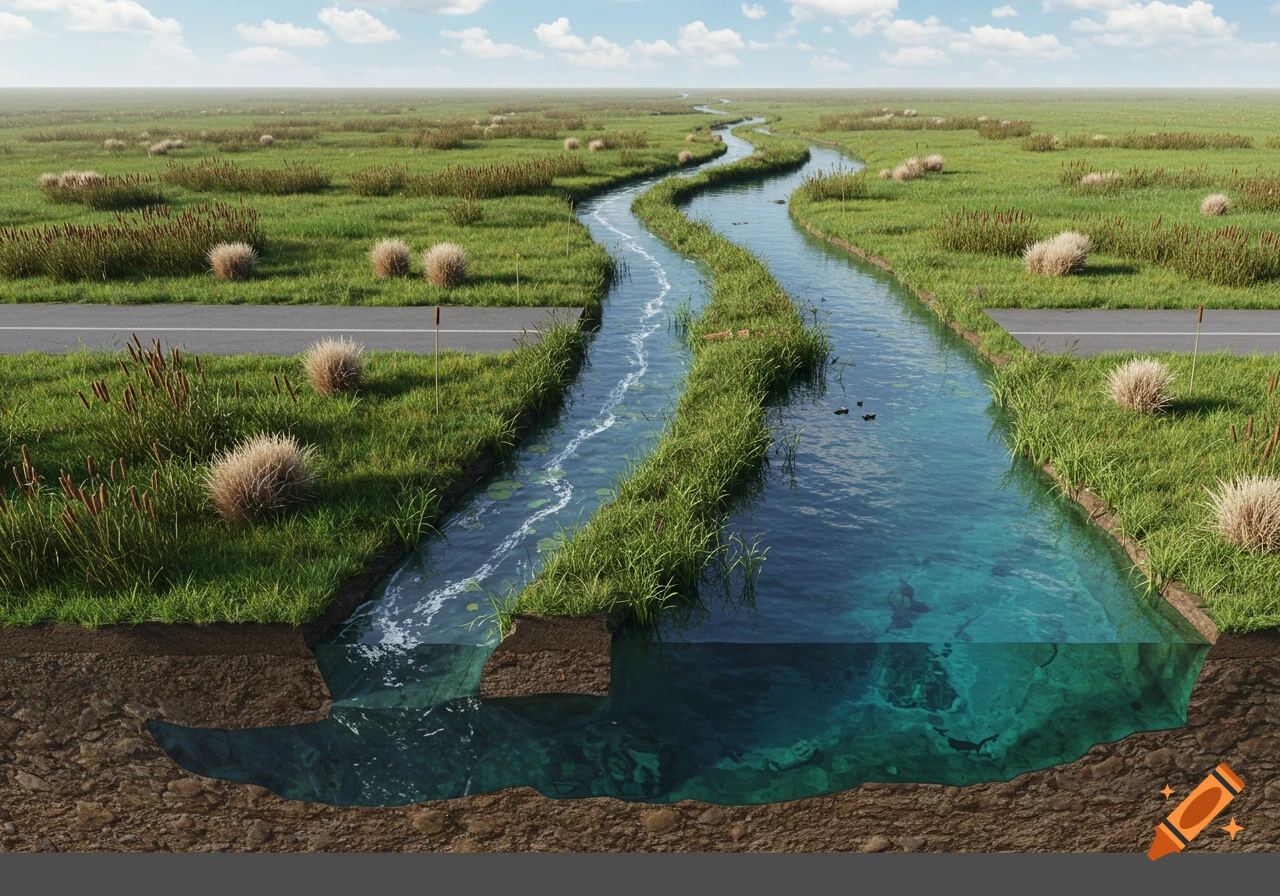
A detailed scientific infographic illustrating the sources, transport, and health effects of PFAS chemicals in the environment.

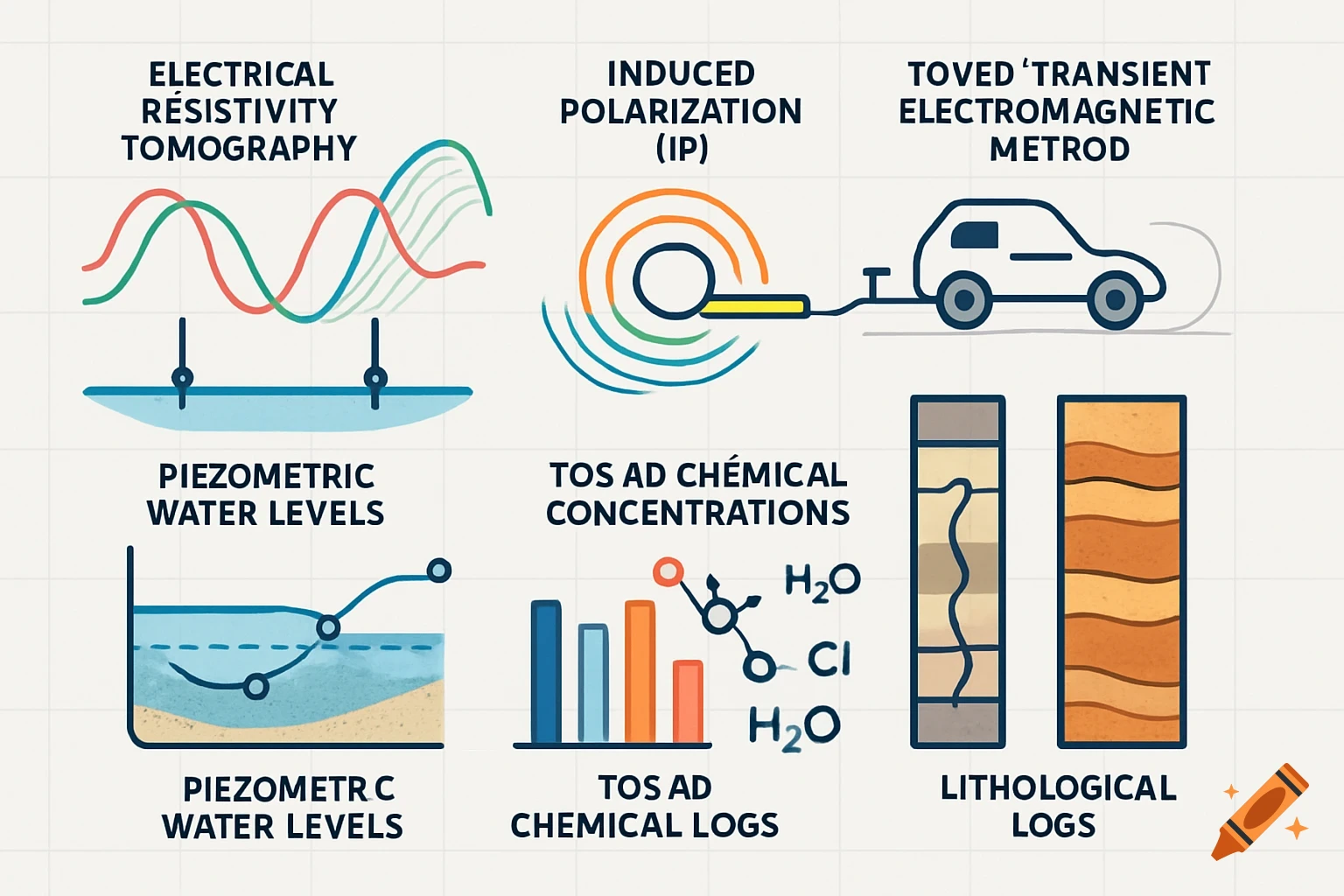
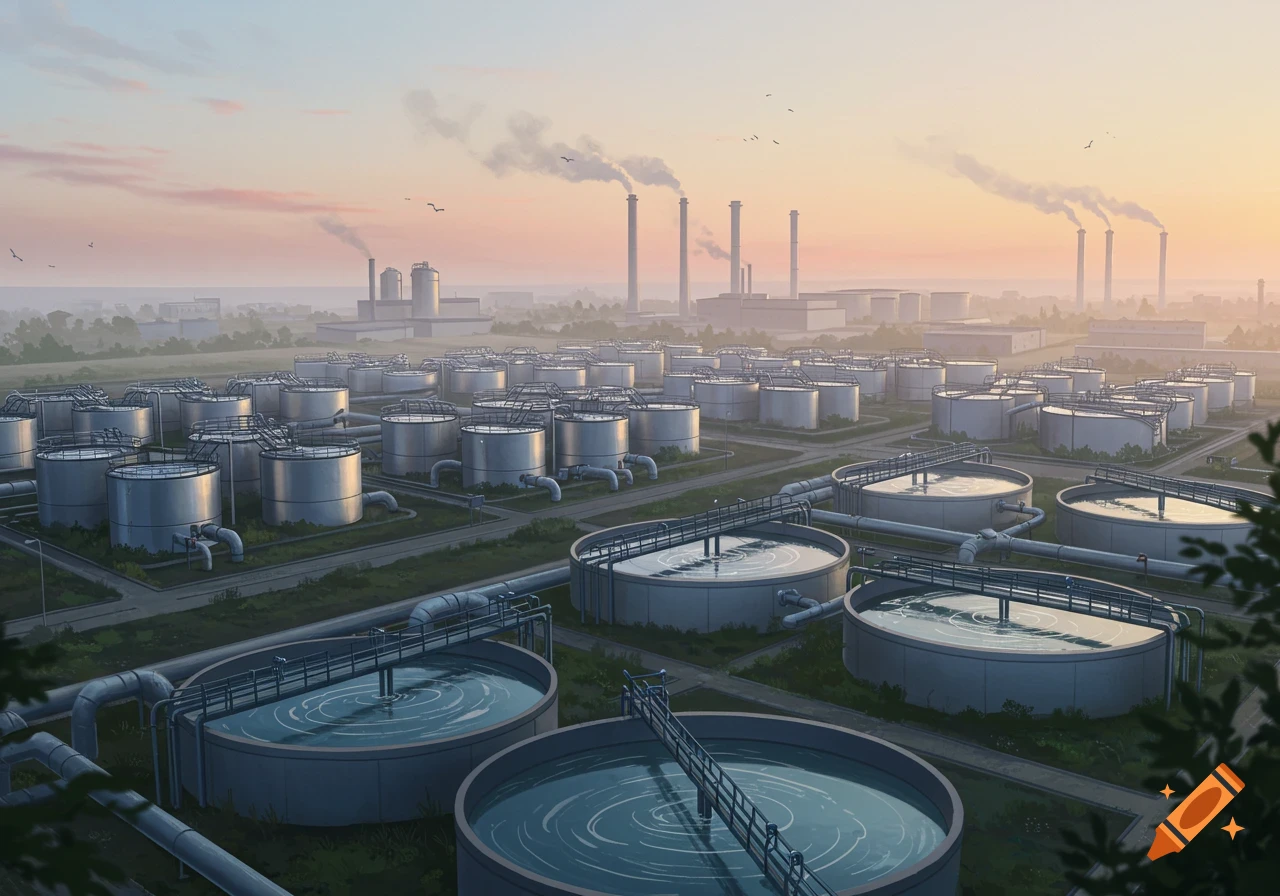
create a schematic figure for this project: Per- and polyfluoroalkyl substances (PFAS) are a large class of synthetic chemicals used in industrial and consumer products since the 1960s, and their strong carbon–fluorine bonds make them chemically stable and persistent in the environment. PFAS exhibit a wide range of water solubilities: some are highly water-soluble and readily transported through aquatic systems, whereas others preferentially partition to soils, sediments, and organic matter. As a result, PFAS contaminate drinking-water, irrigation supplies, and contribute to accumulation in crops and aquatic organisms, leading to dietary and water exposure pathways with adverse health outcomes. This study investigates PFAS sources in wastewater and compost, advances analytical detection method development, and evaluates bioaccumulation across terrestrial and aquatic systems. A targeted list of 40 PFAS and selected contaminants of concern, including Bisphenol A (BPA) and disinfection byproducts (DBPs) will be quantified by gas chromatography mass spectrometry (GC-MS) and liquid chromatography–tandem mass spectrometry (LC-MS/MS) across wastewater, drinking water, irrigation water, compost collected at multiple stages of the composting process, soil, lettuce from Southeast Florida, and paired shrimp and sediment samples from the Atacama Trench. Compost, soil and biota will be prepared using ultrasonic-assisted extraction and analyzed by LC-MS/MS with complementary non-targeted Mehr sehen
More images like this