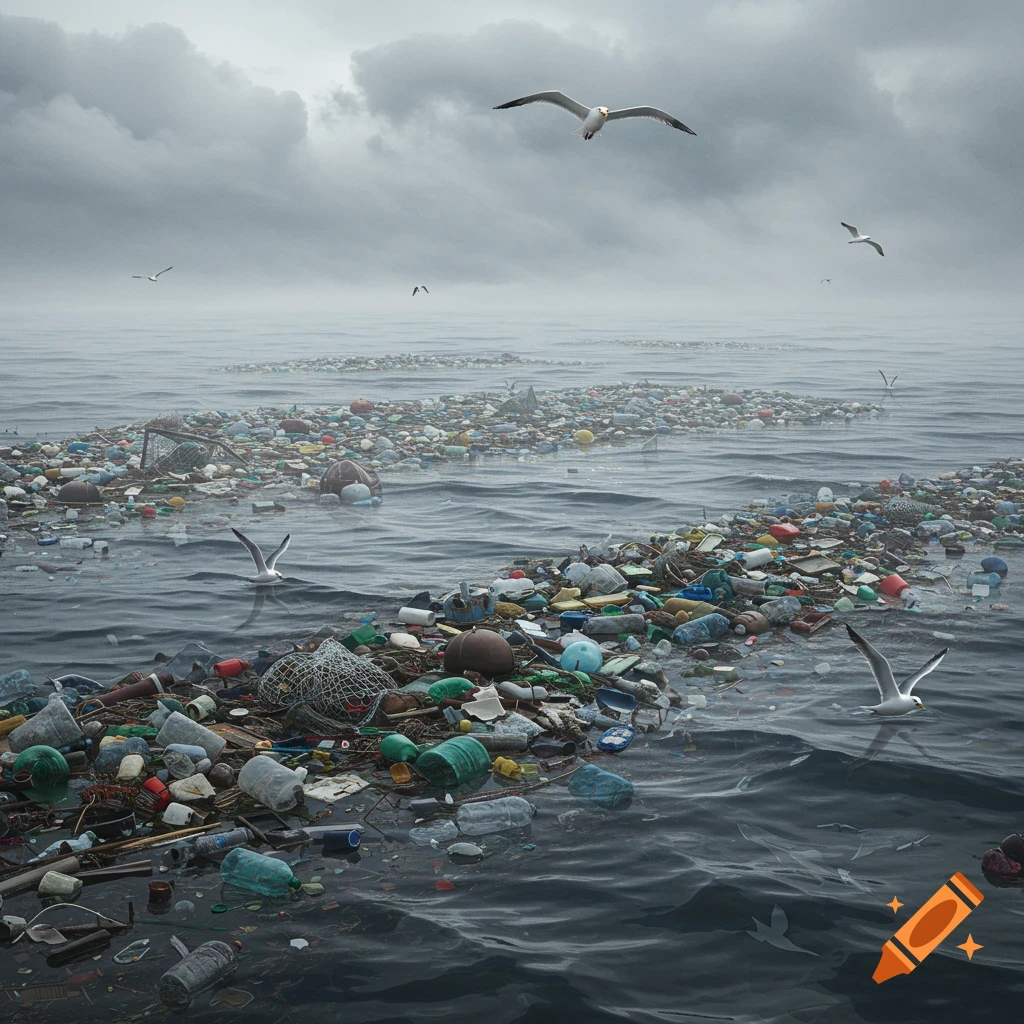
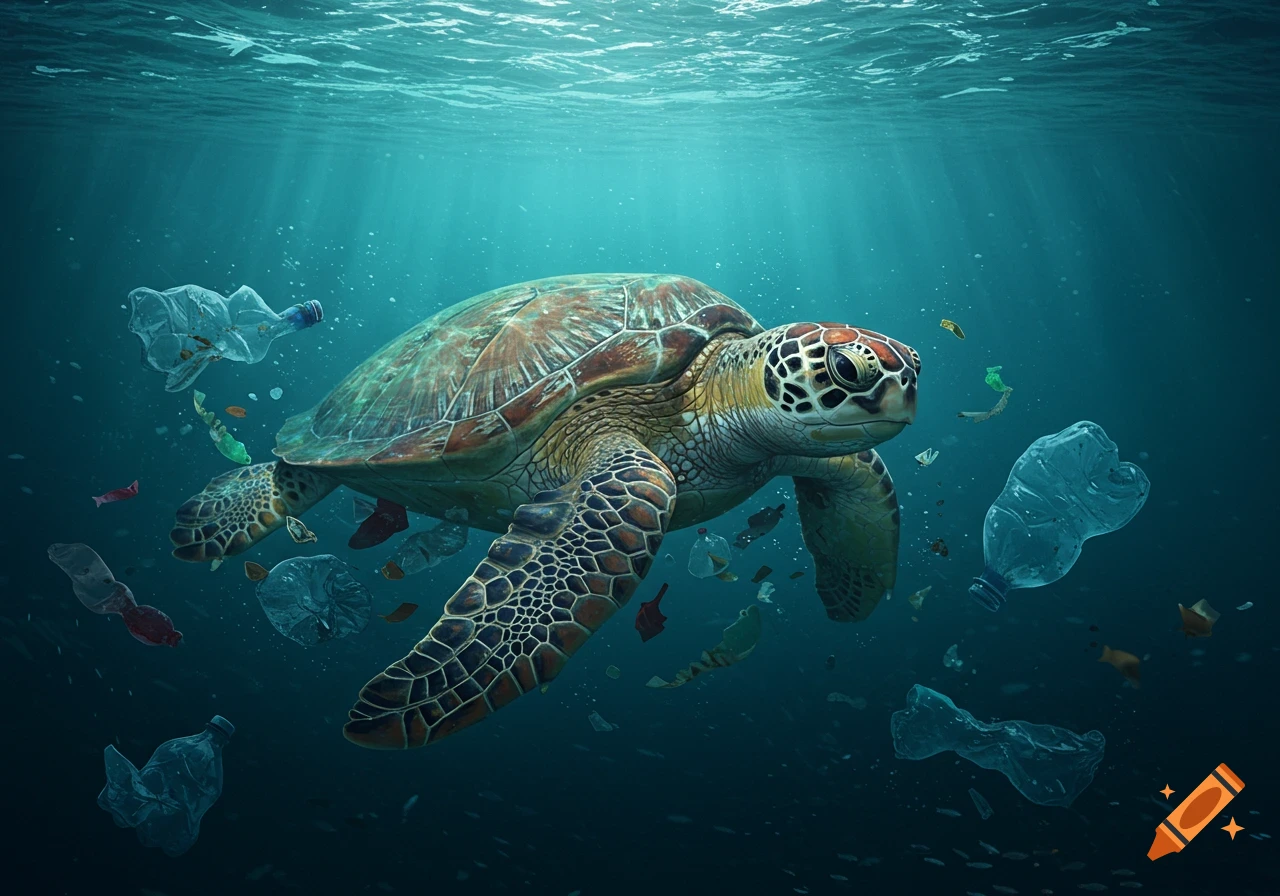
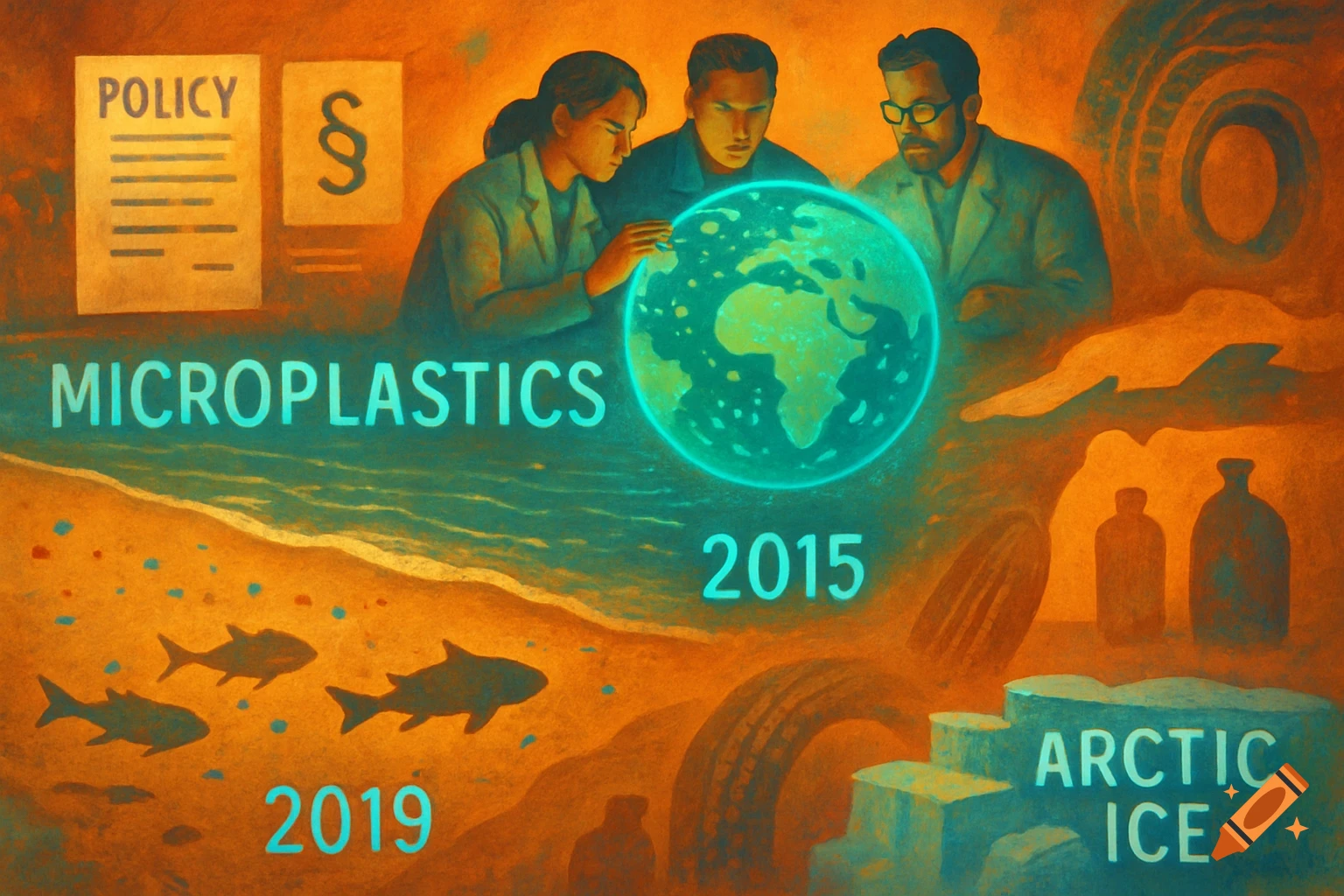
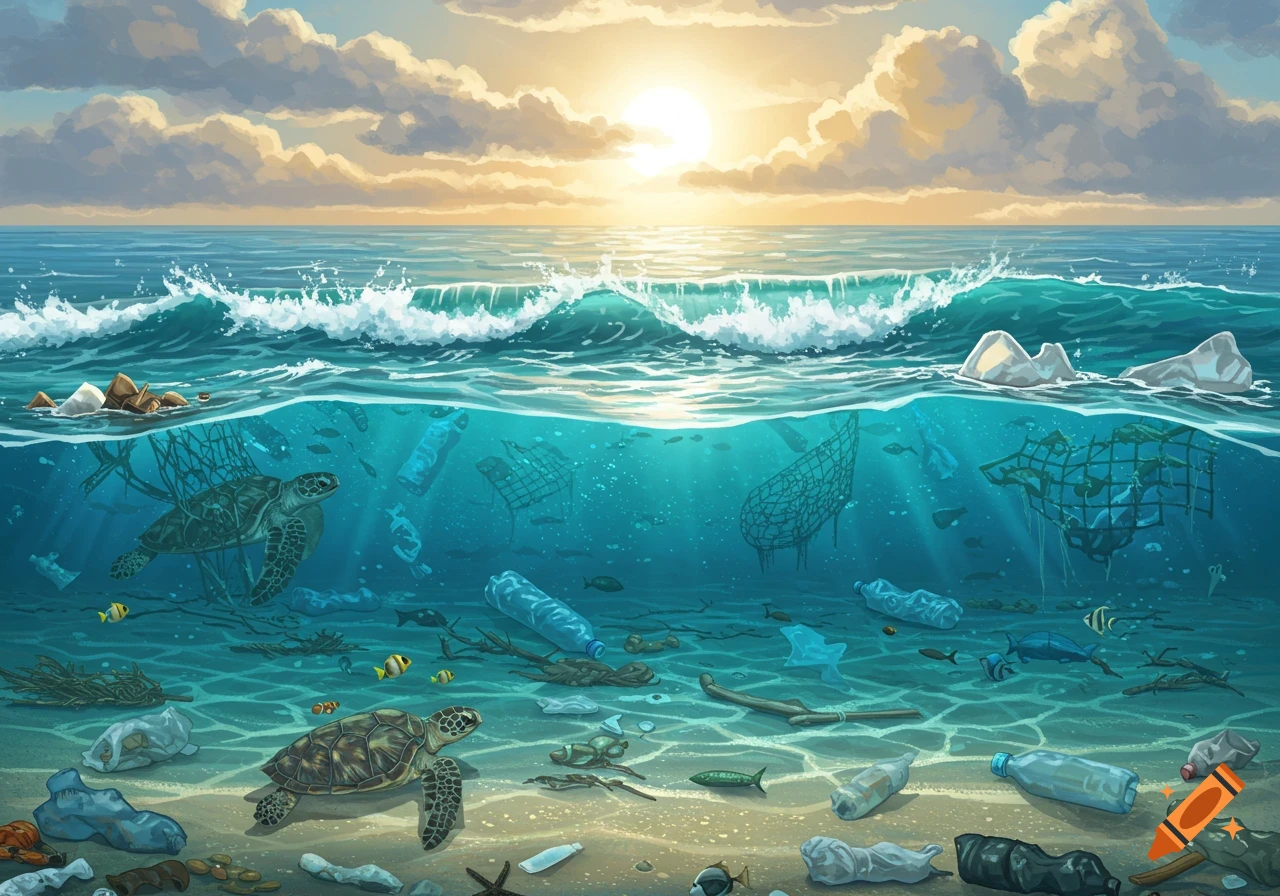
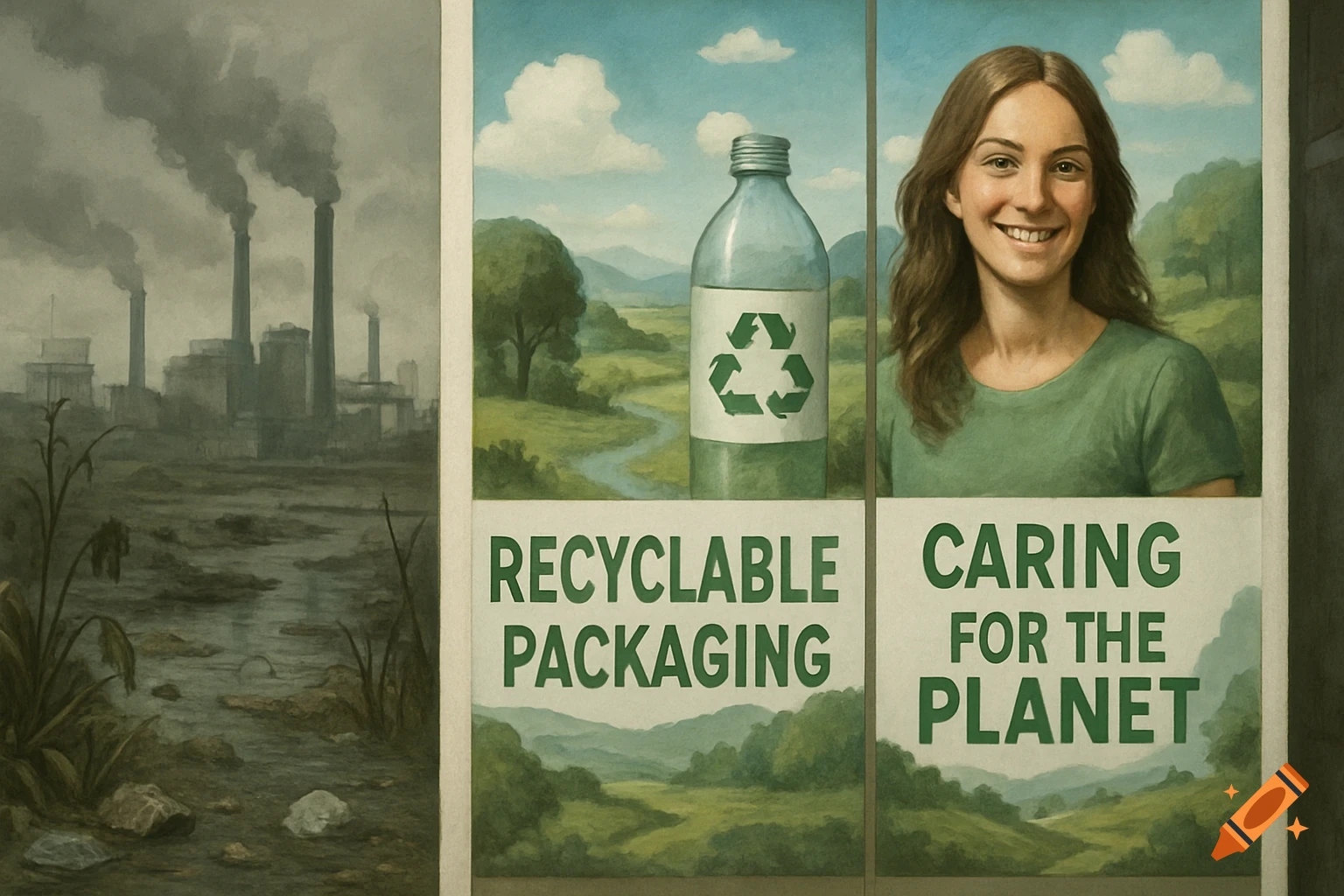
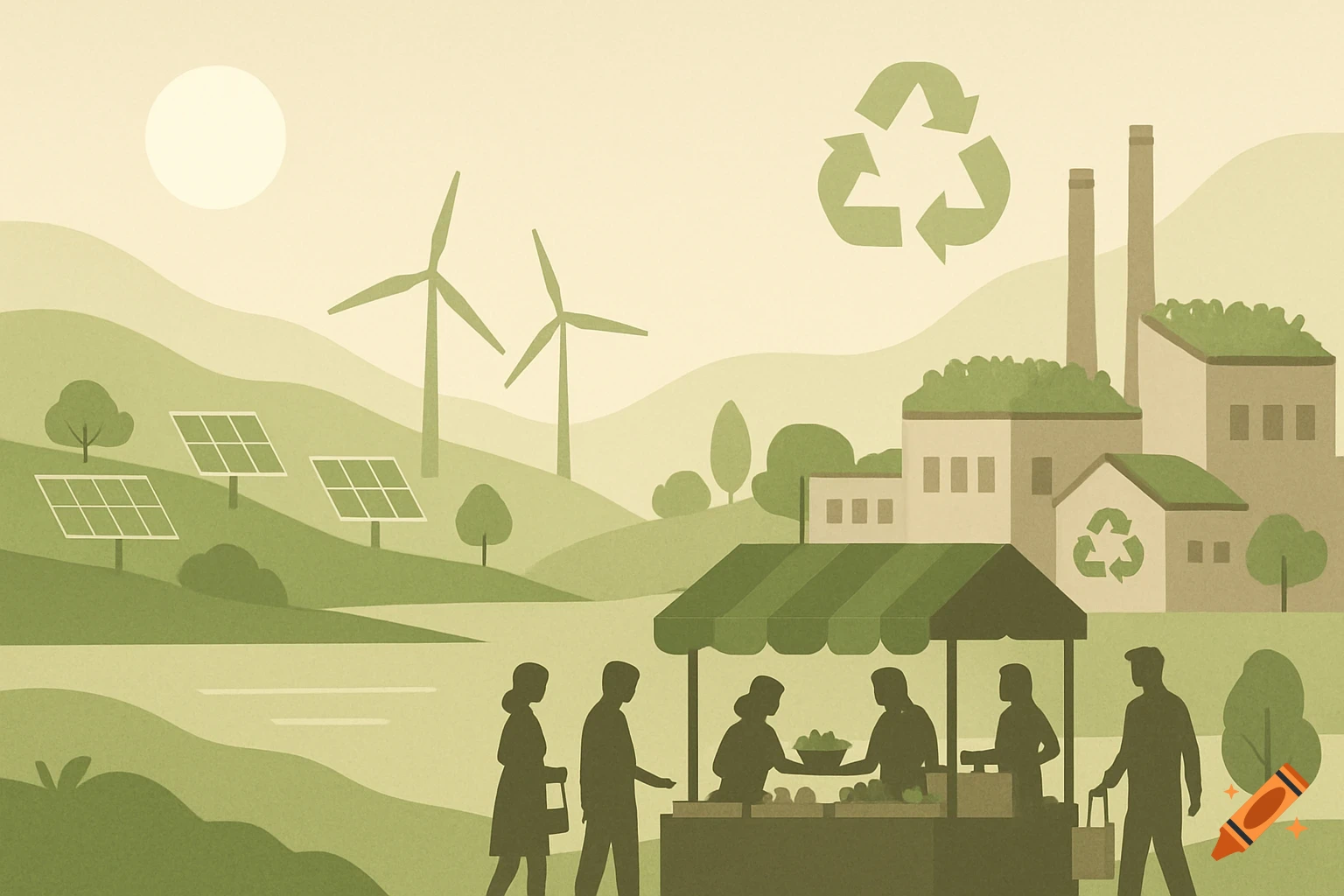
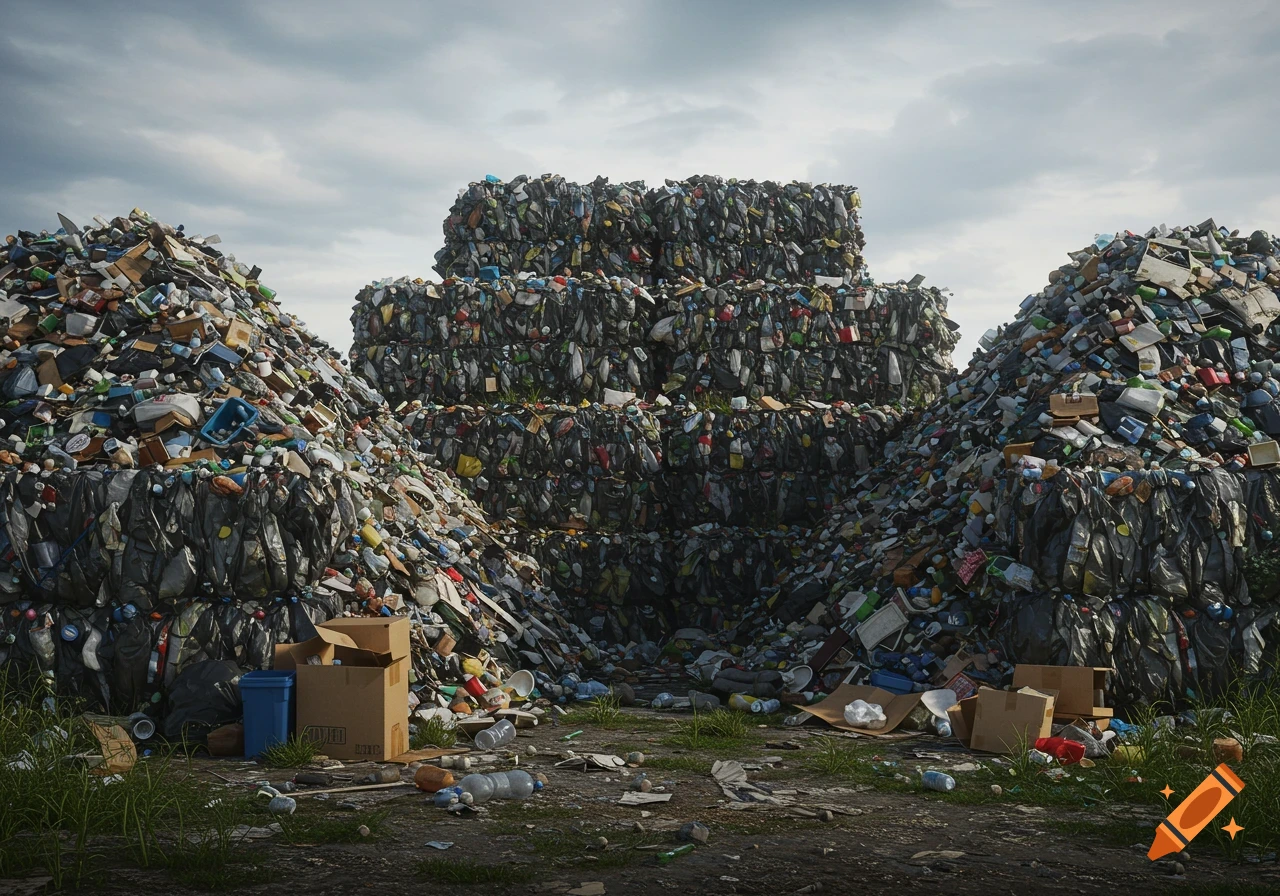
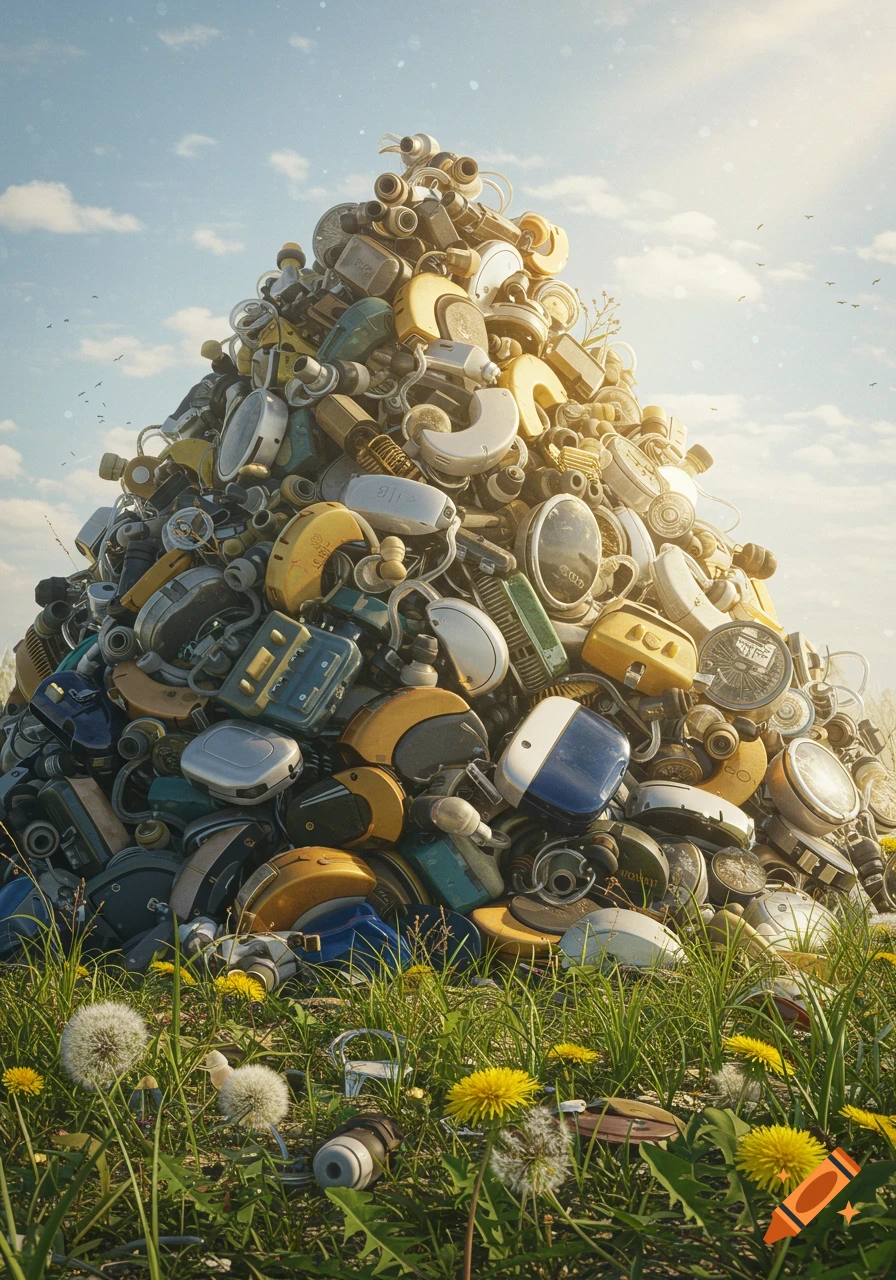
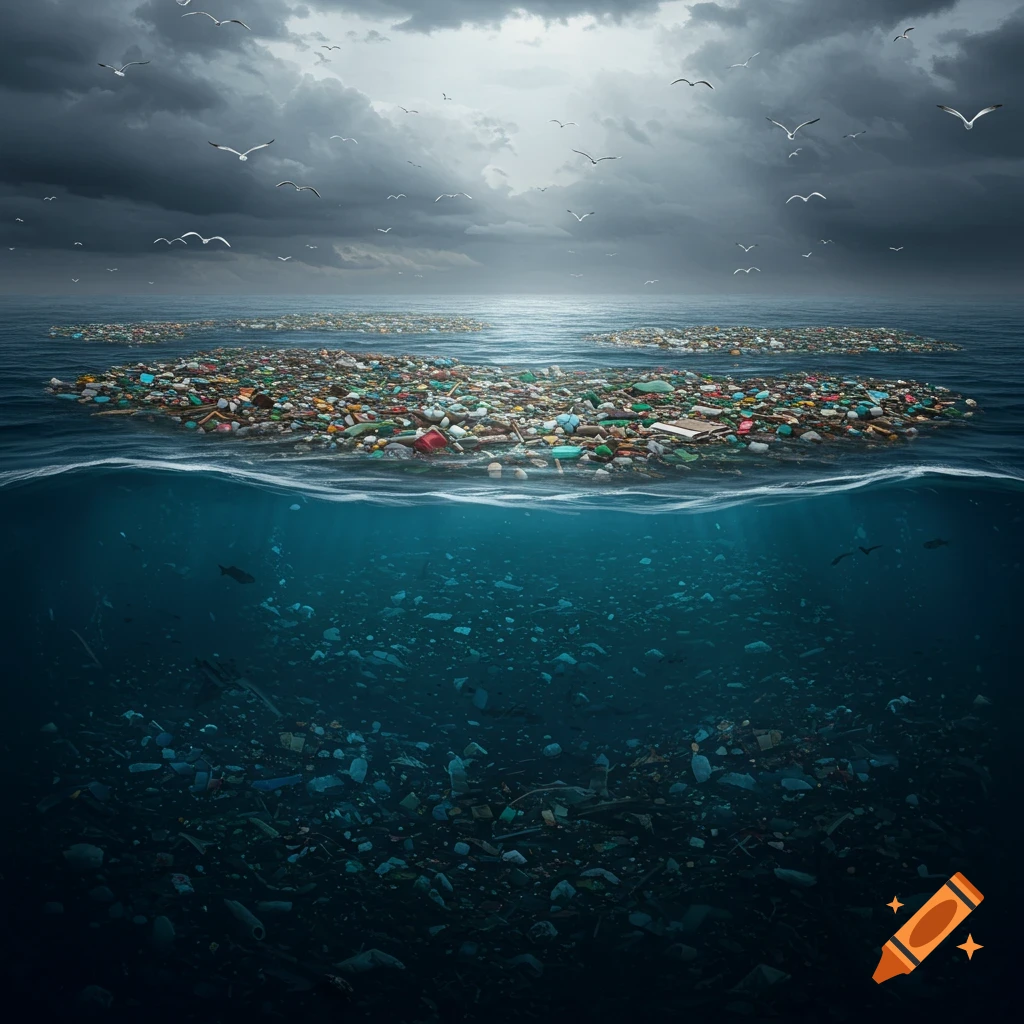
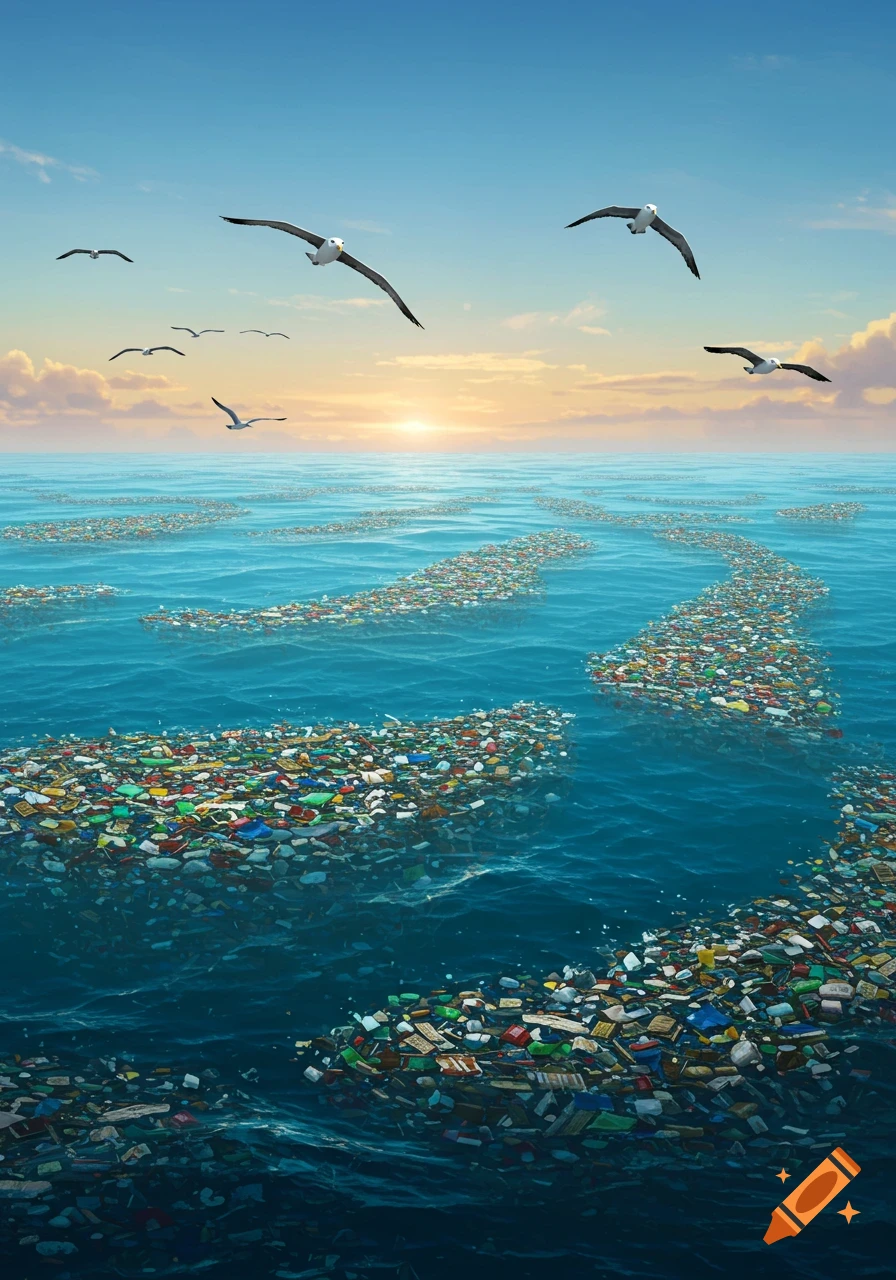
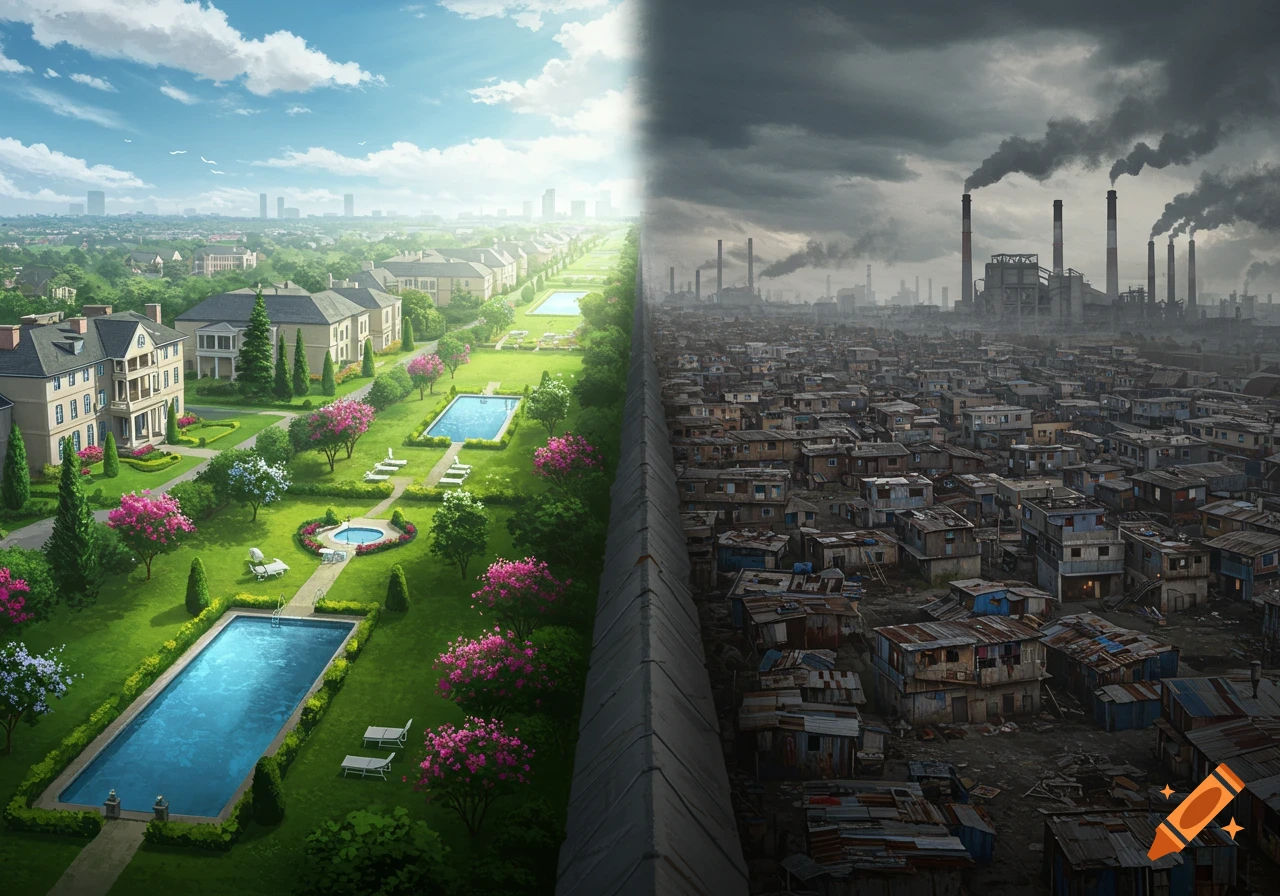
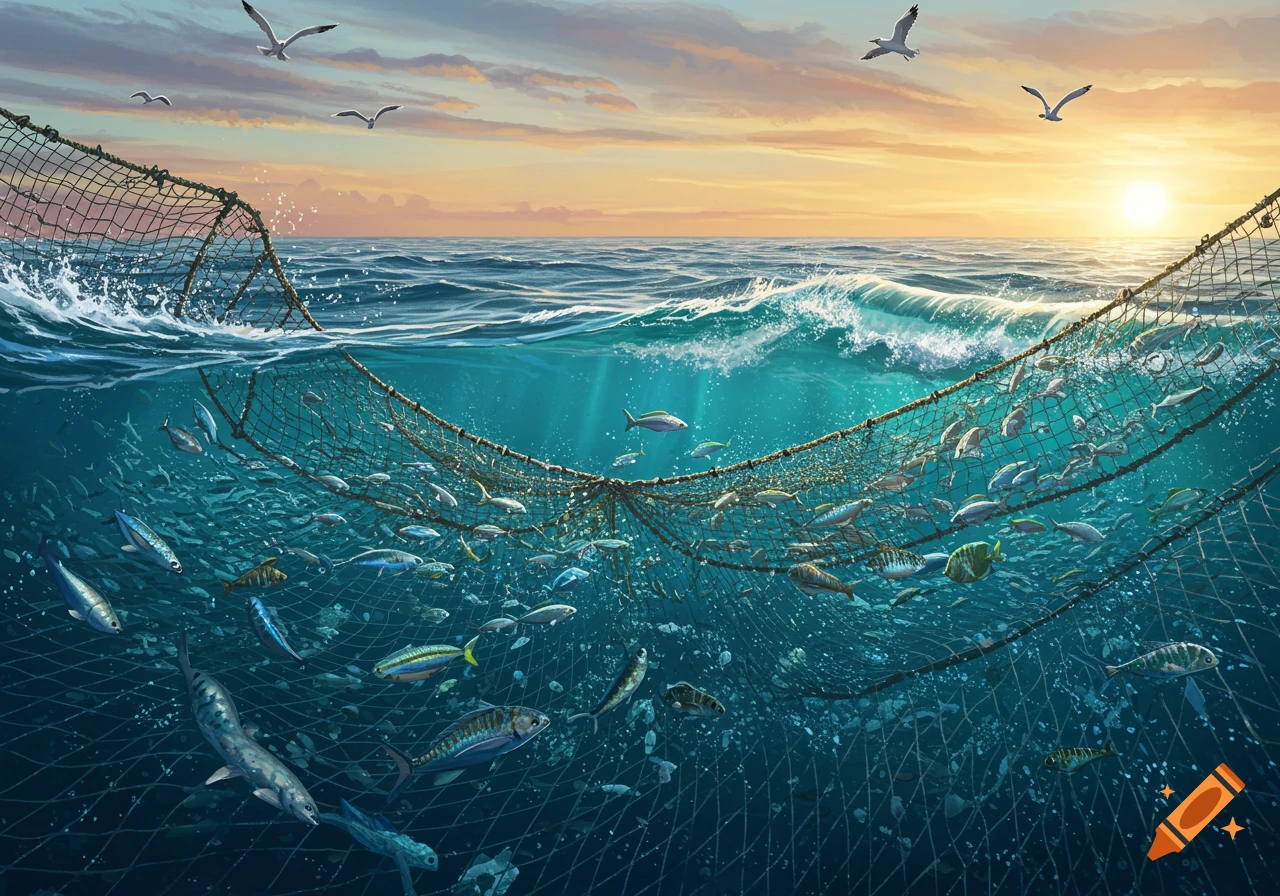
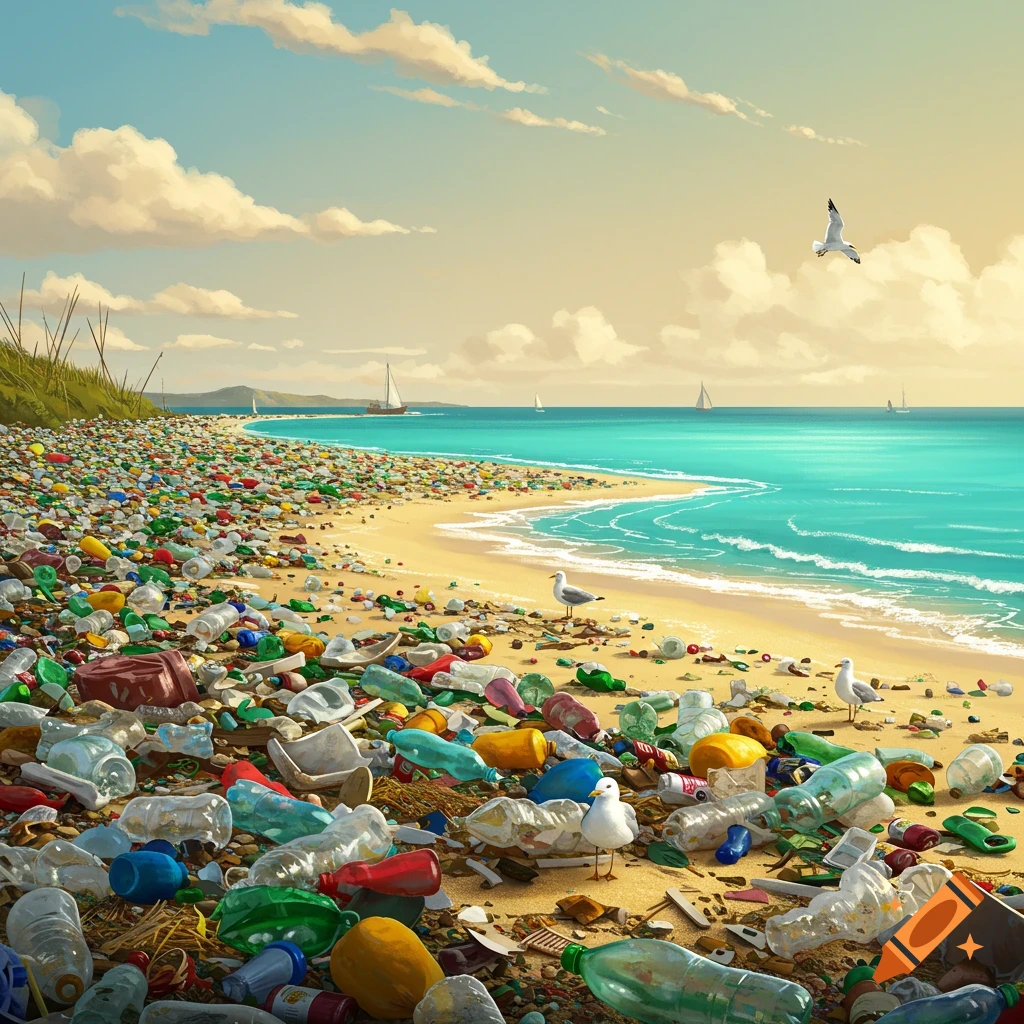
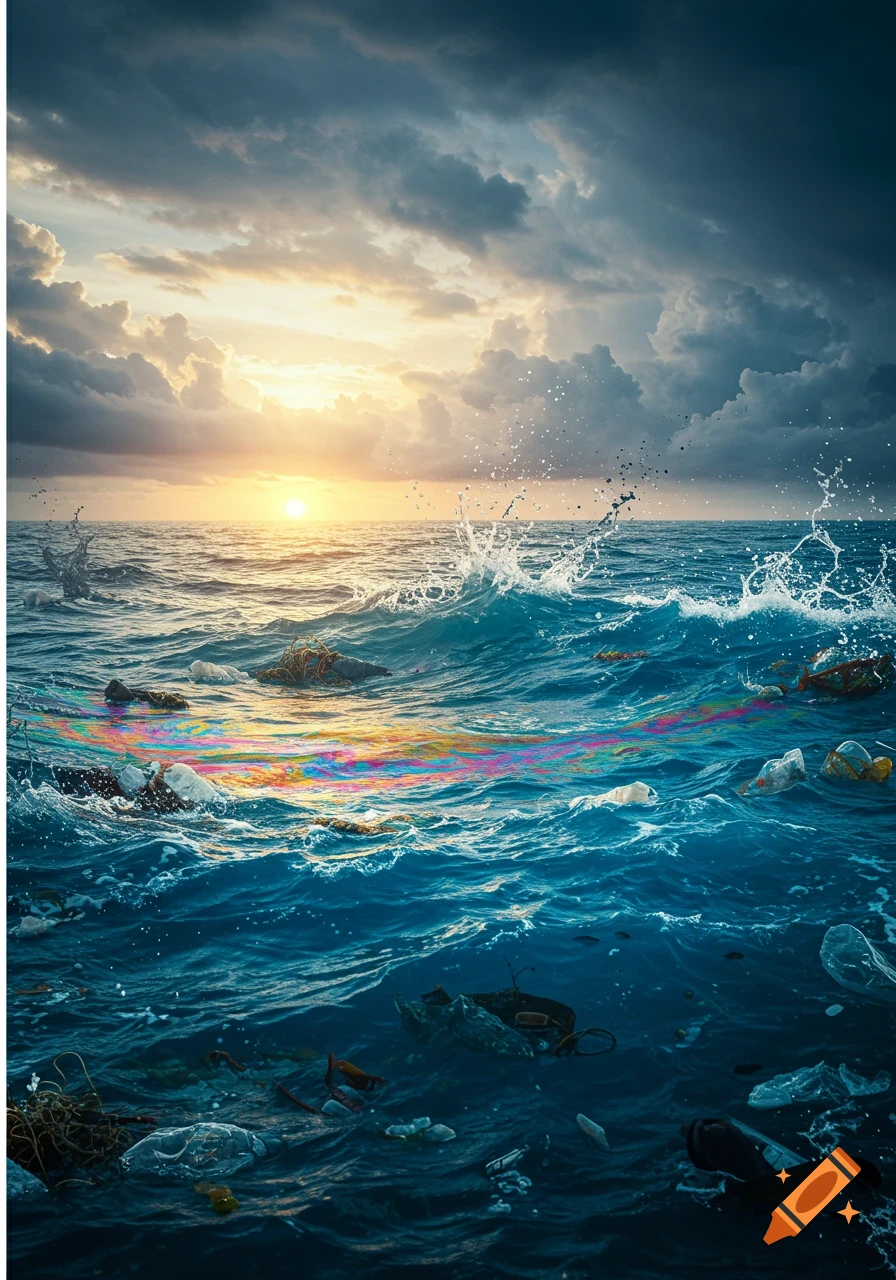
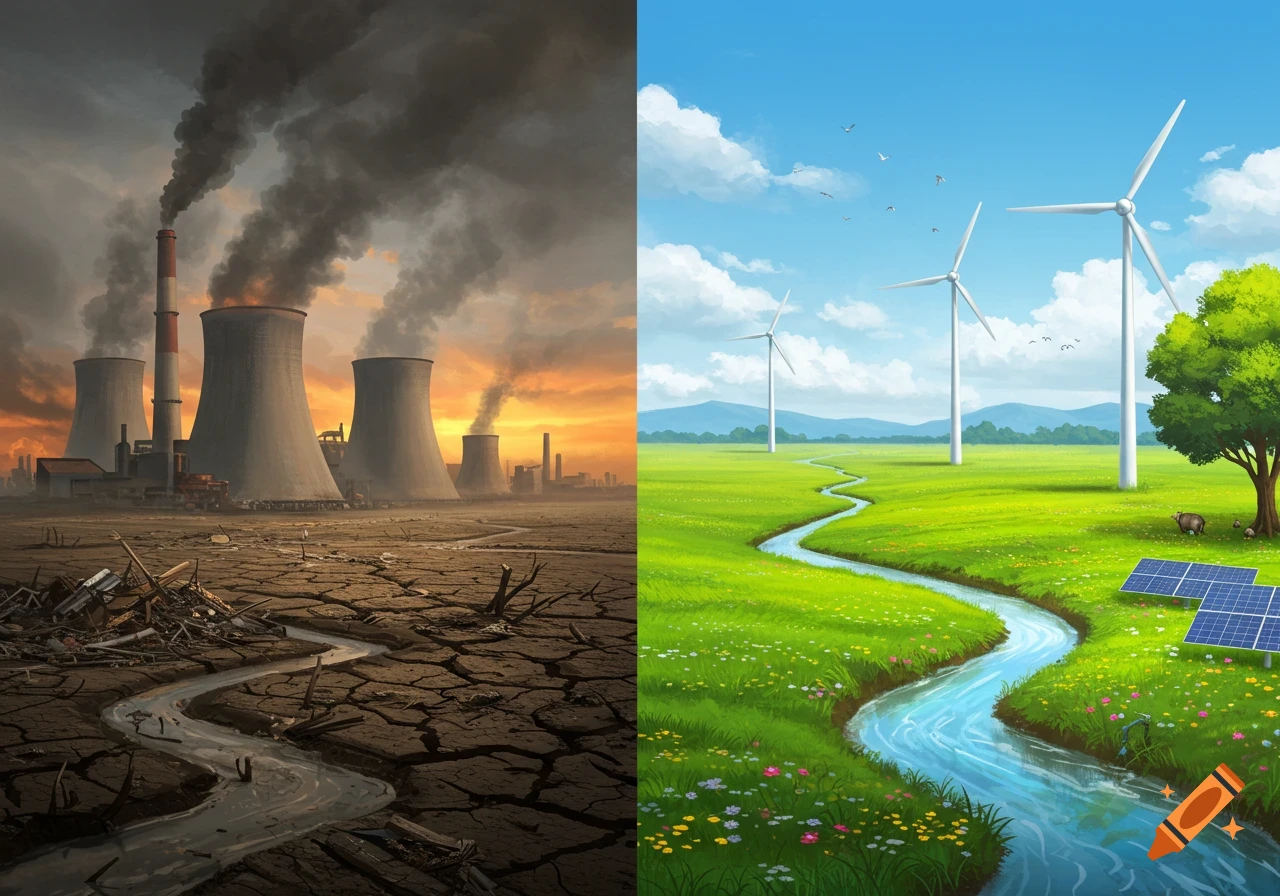
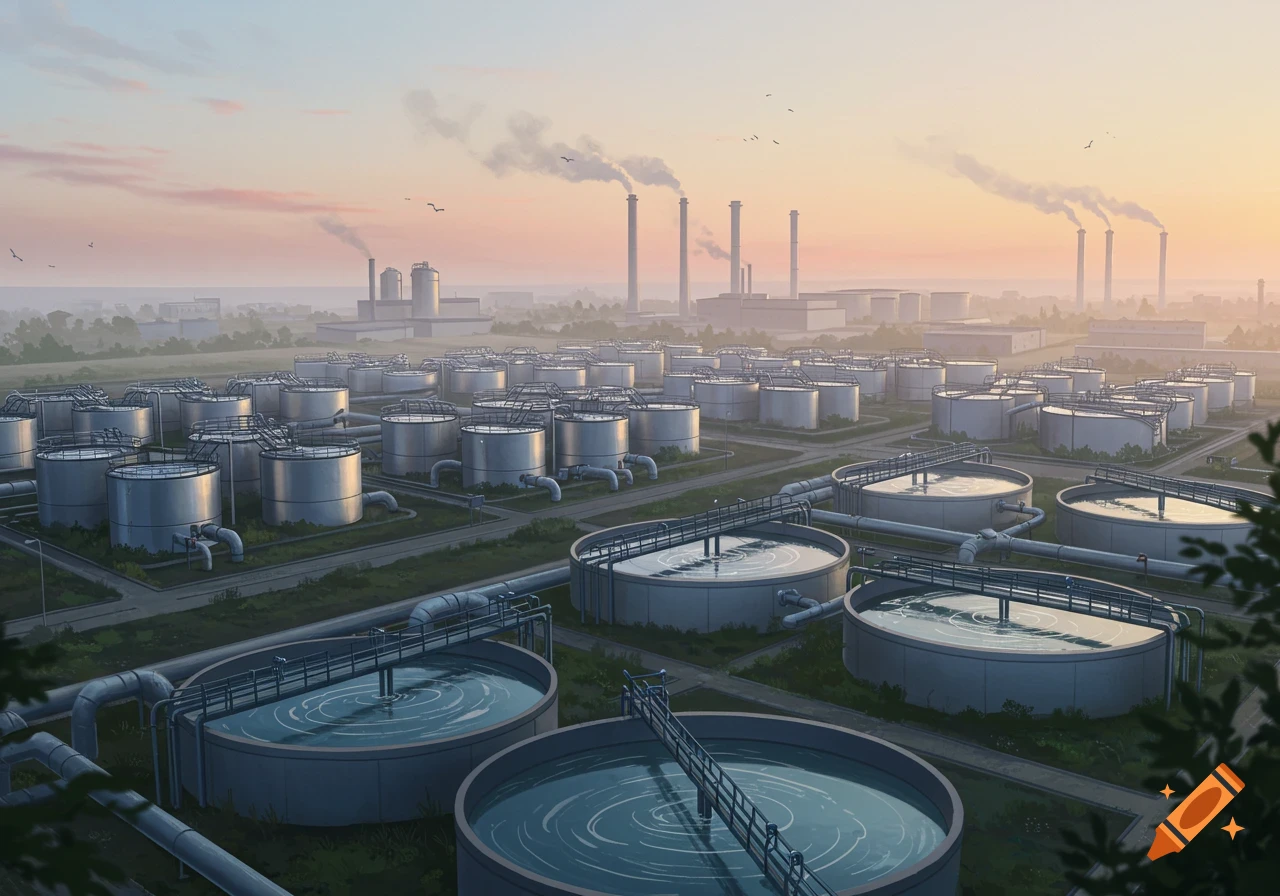
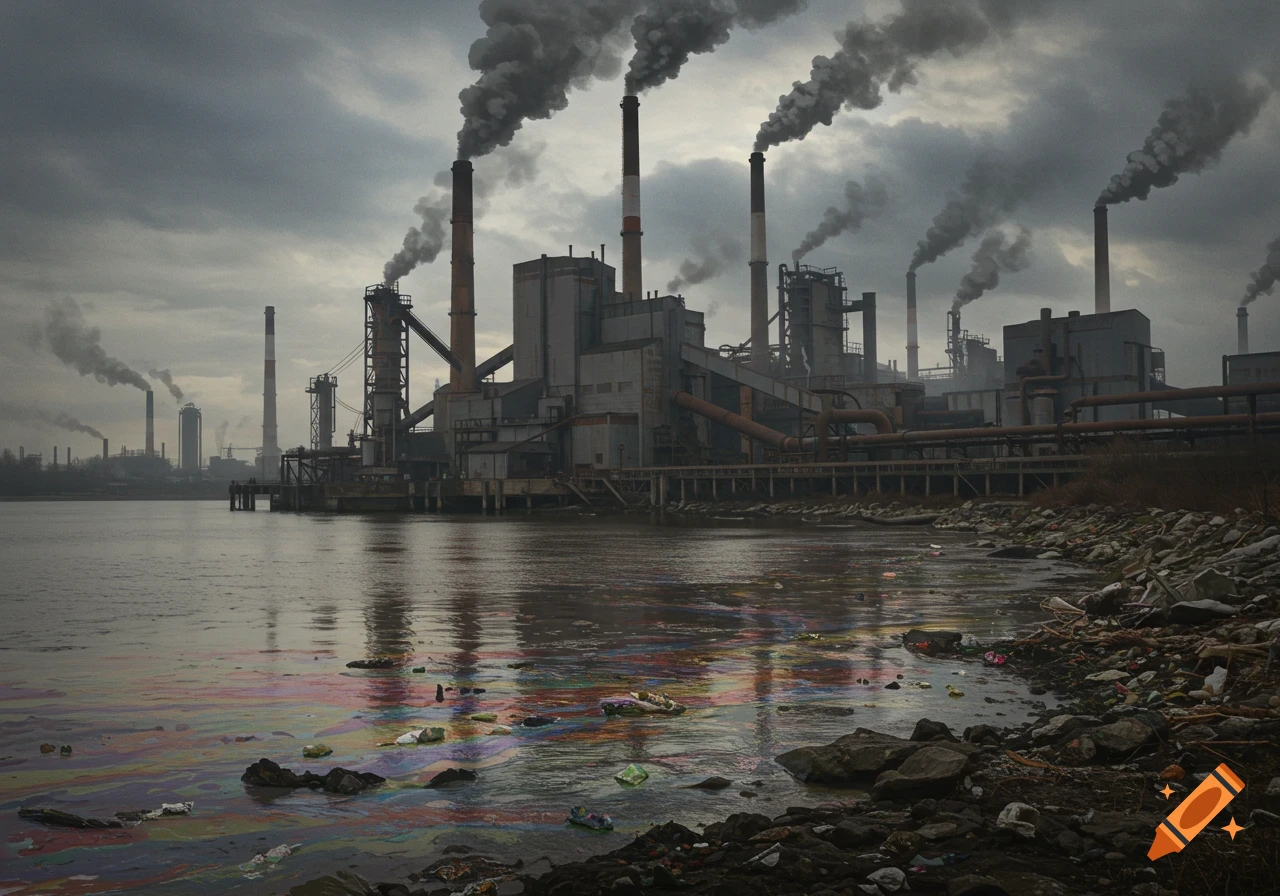
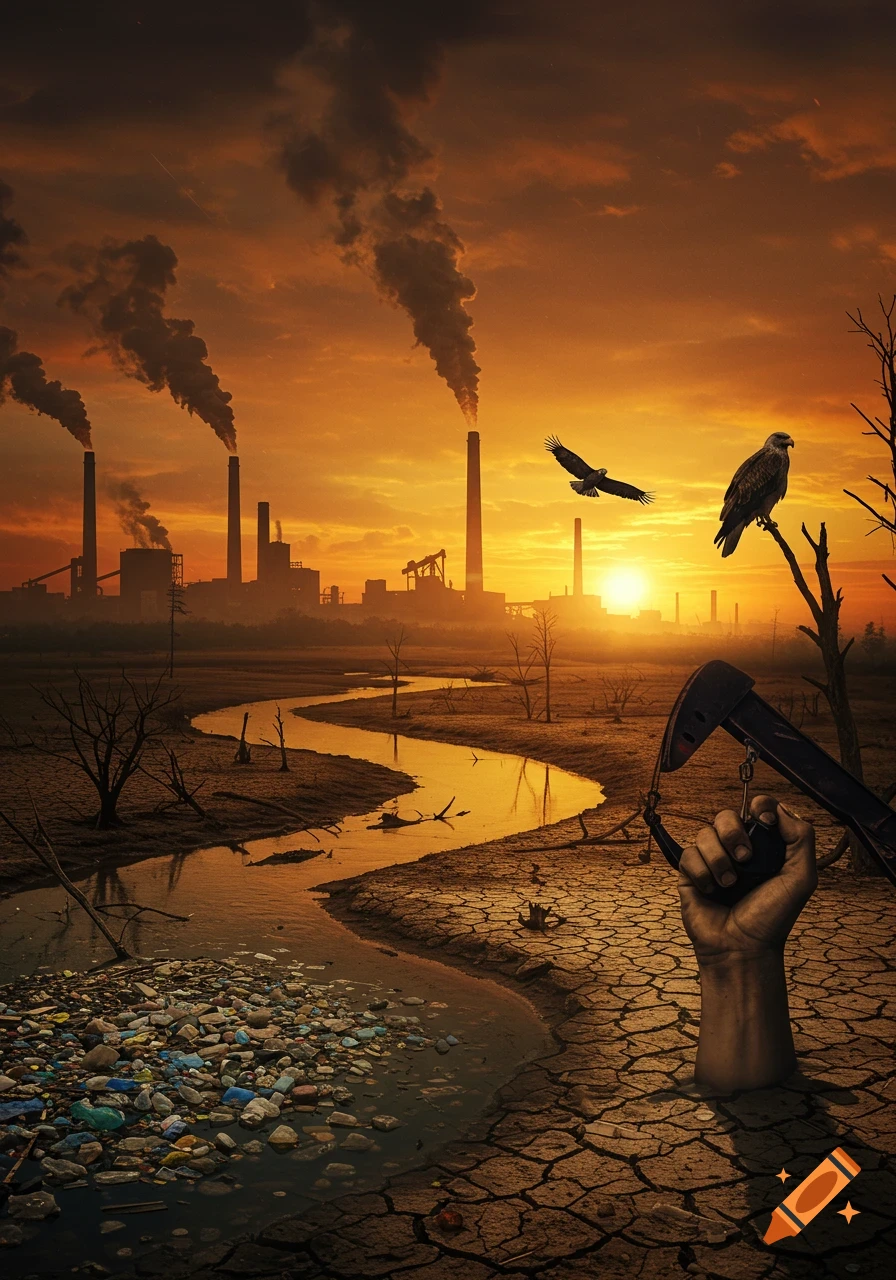
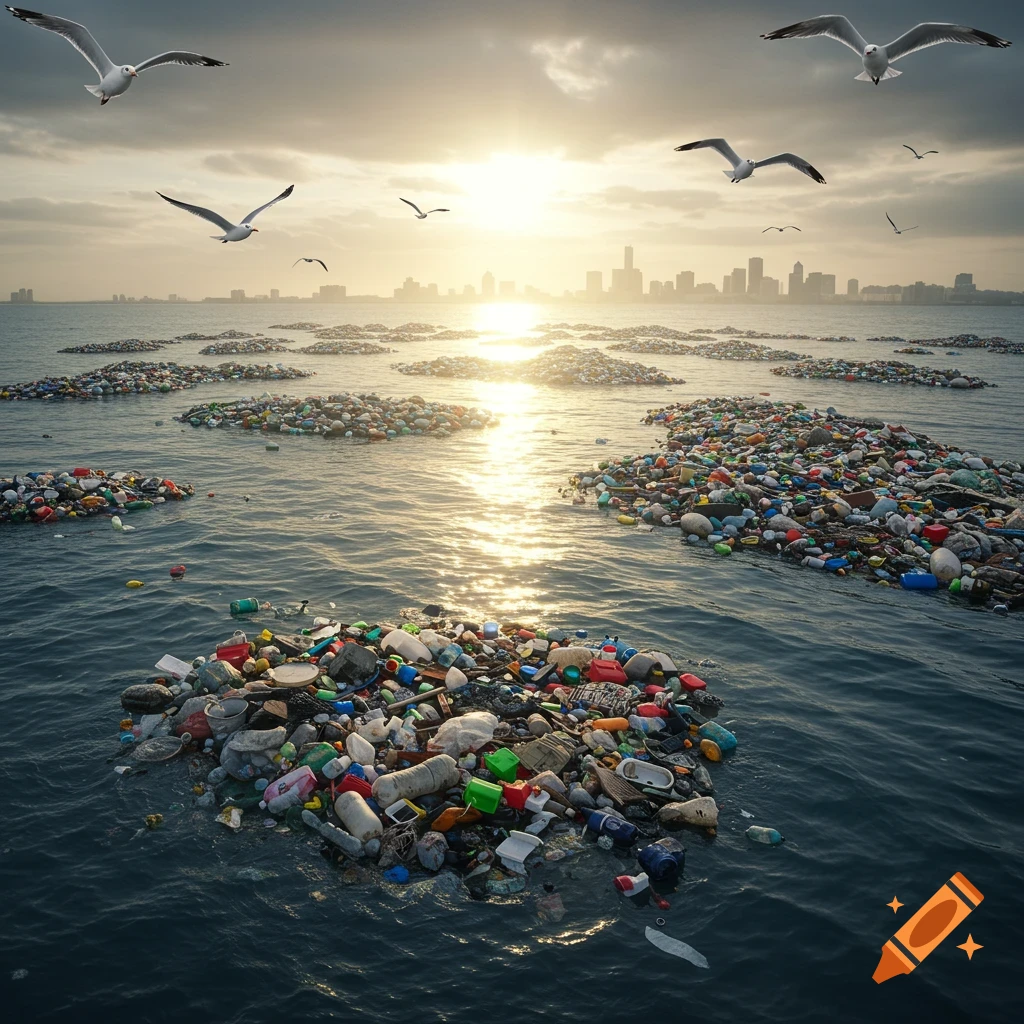
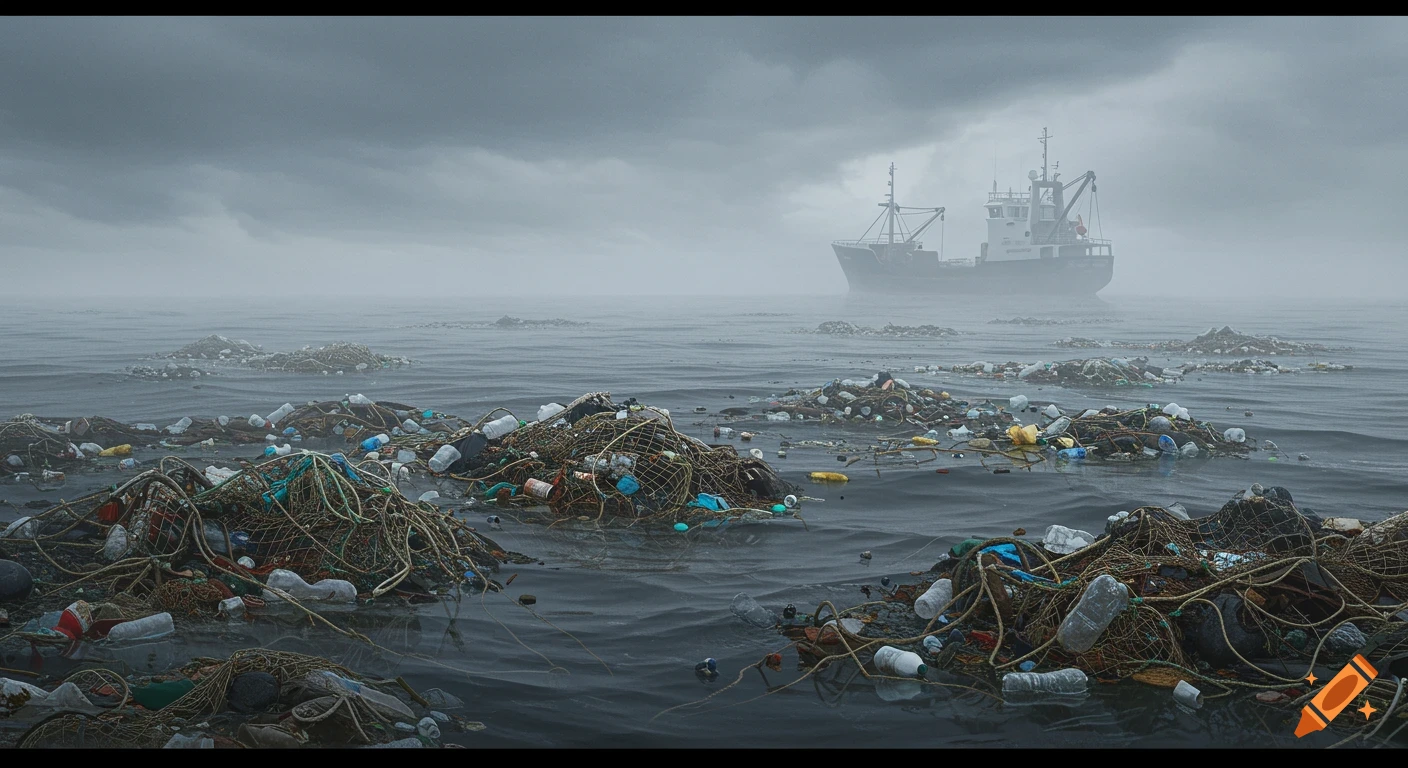
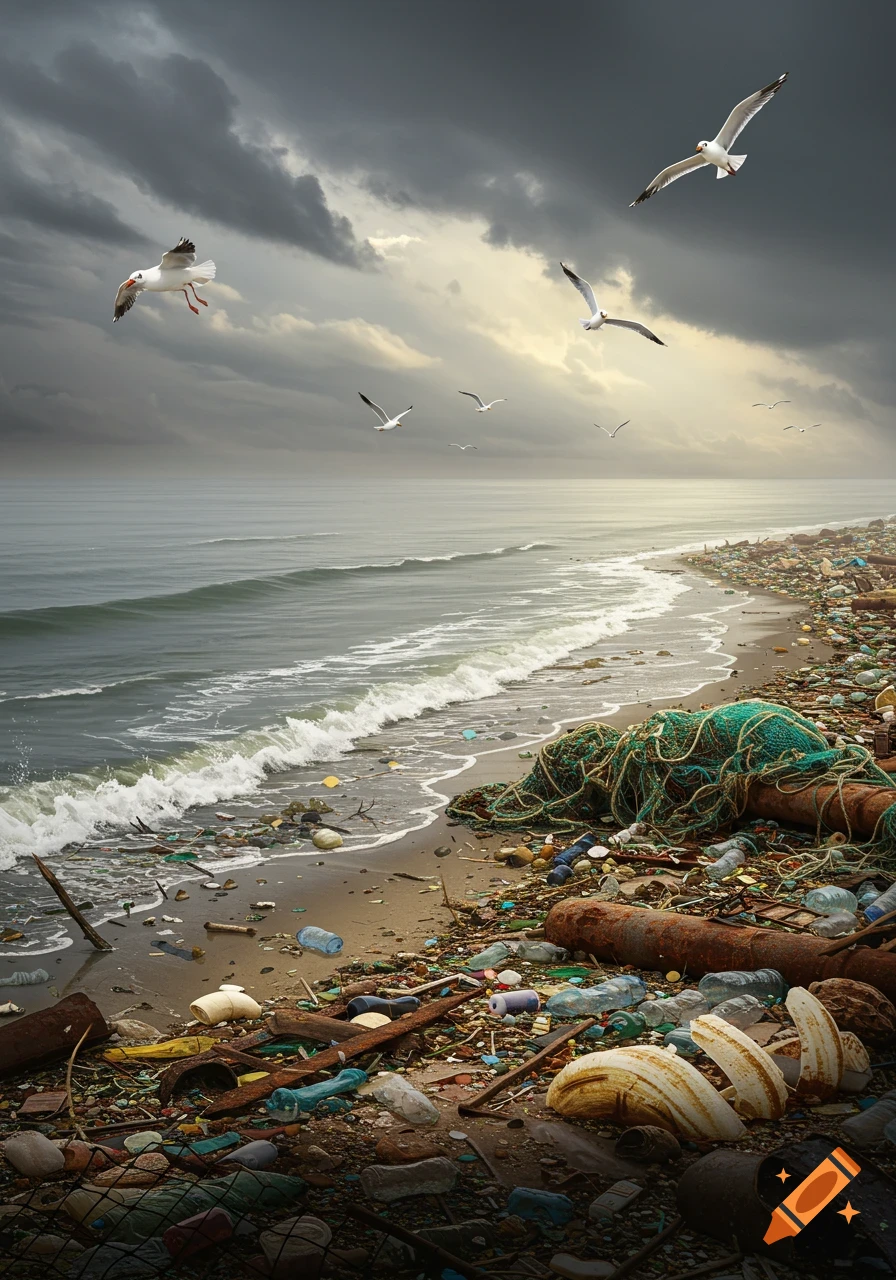
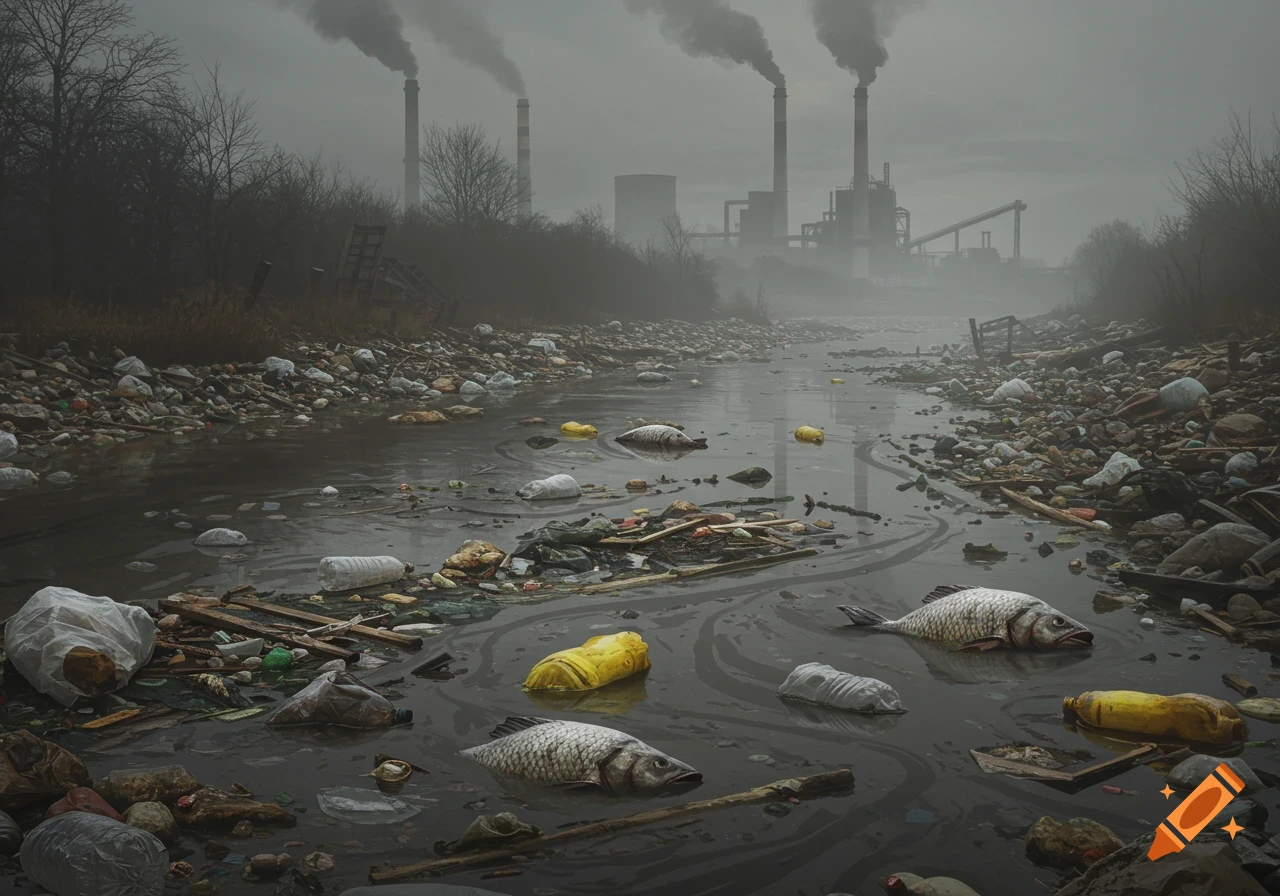
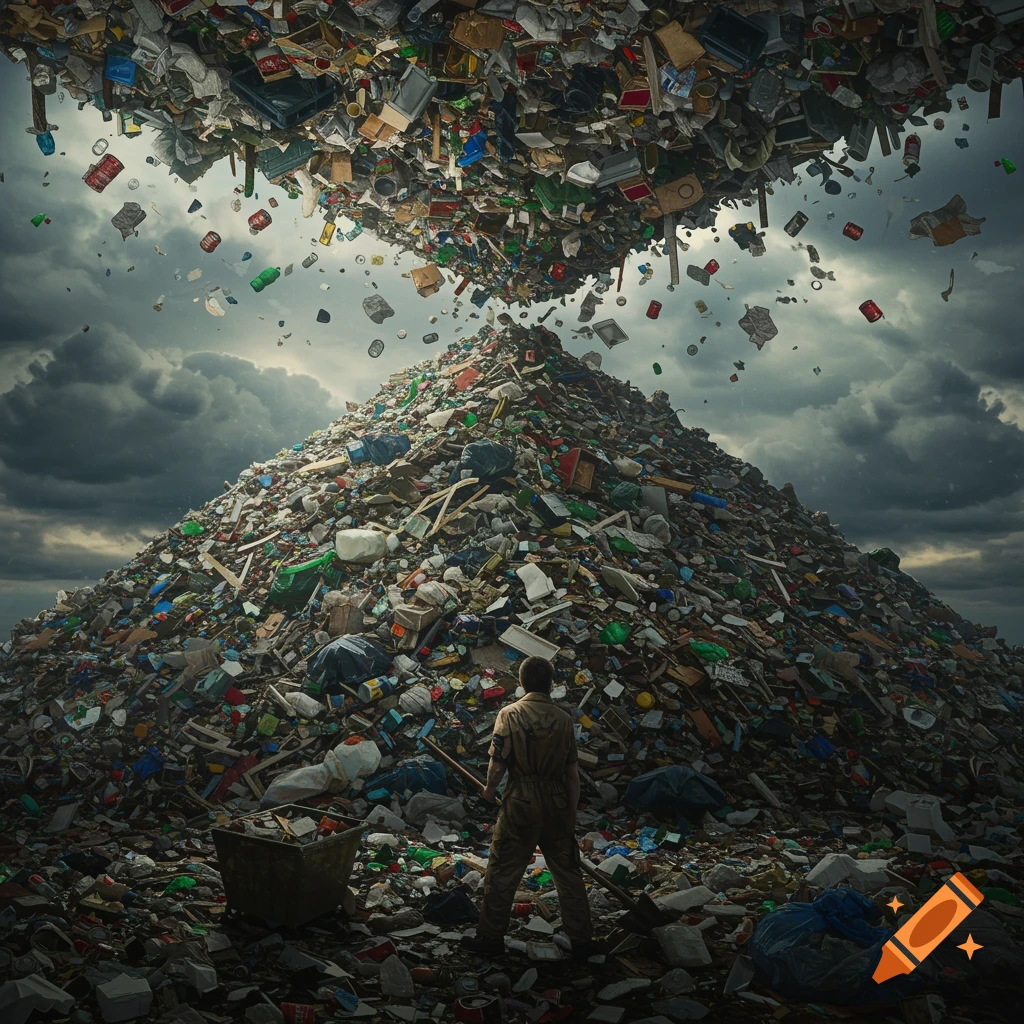
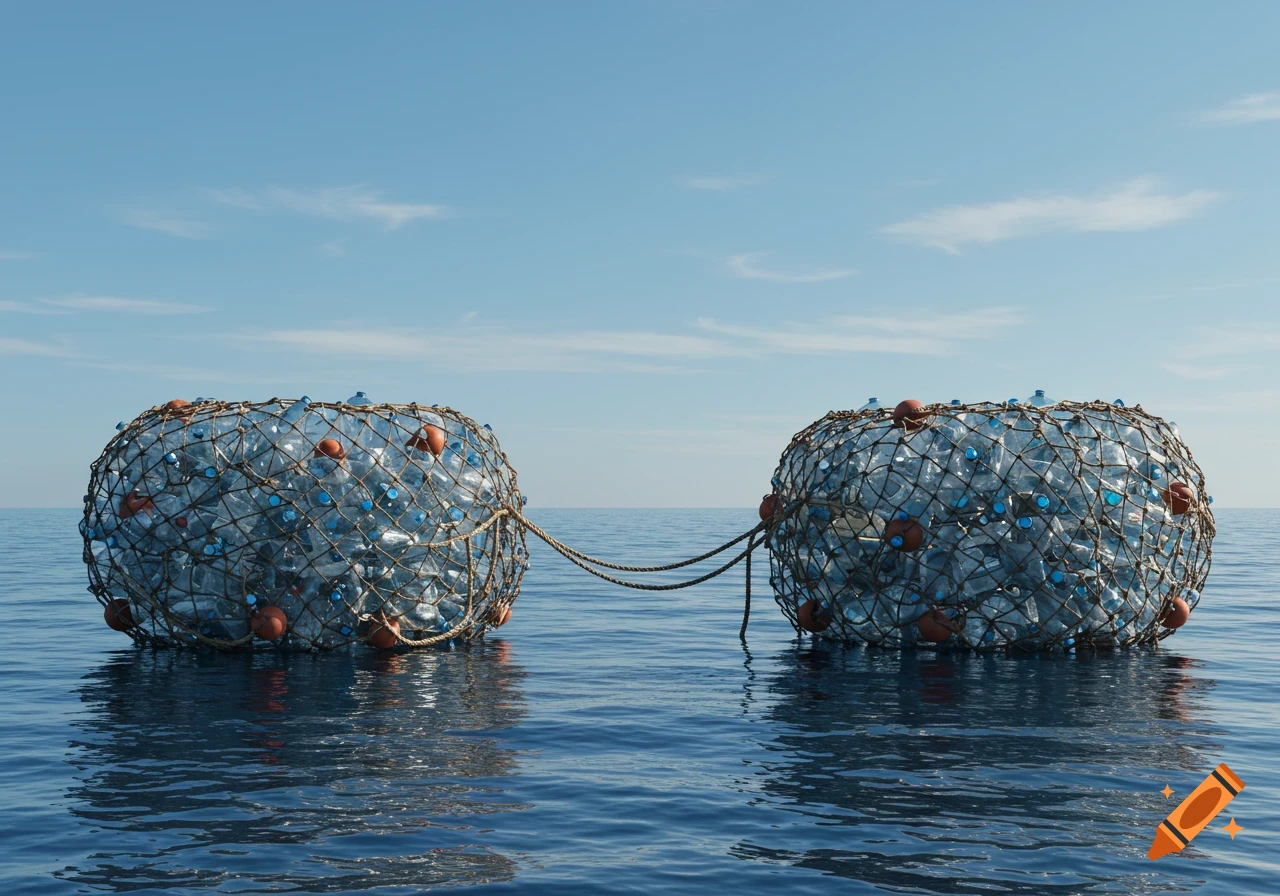
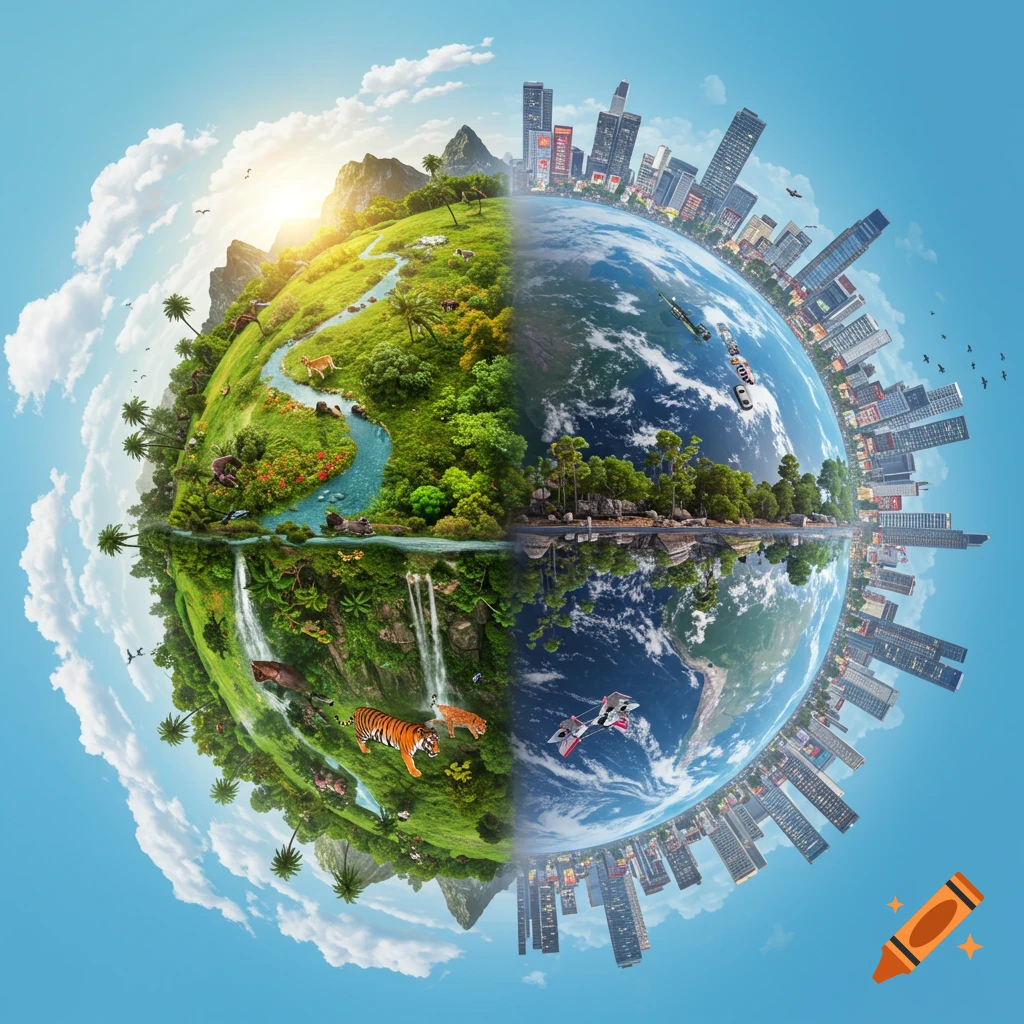
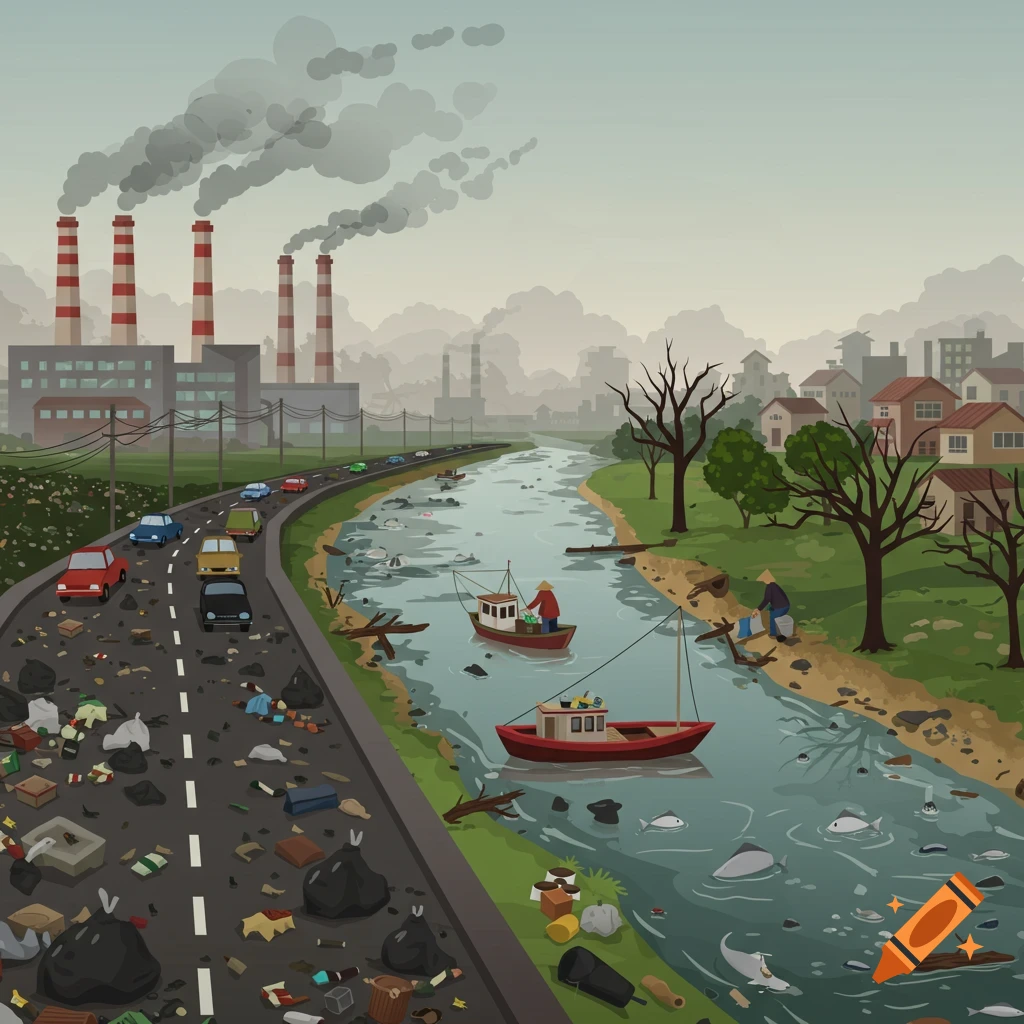
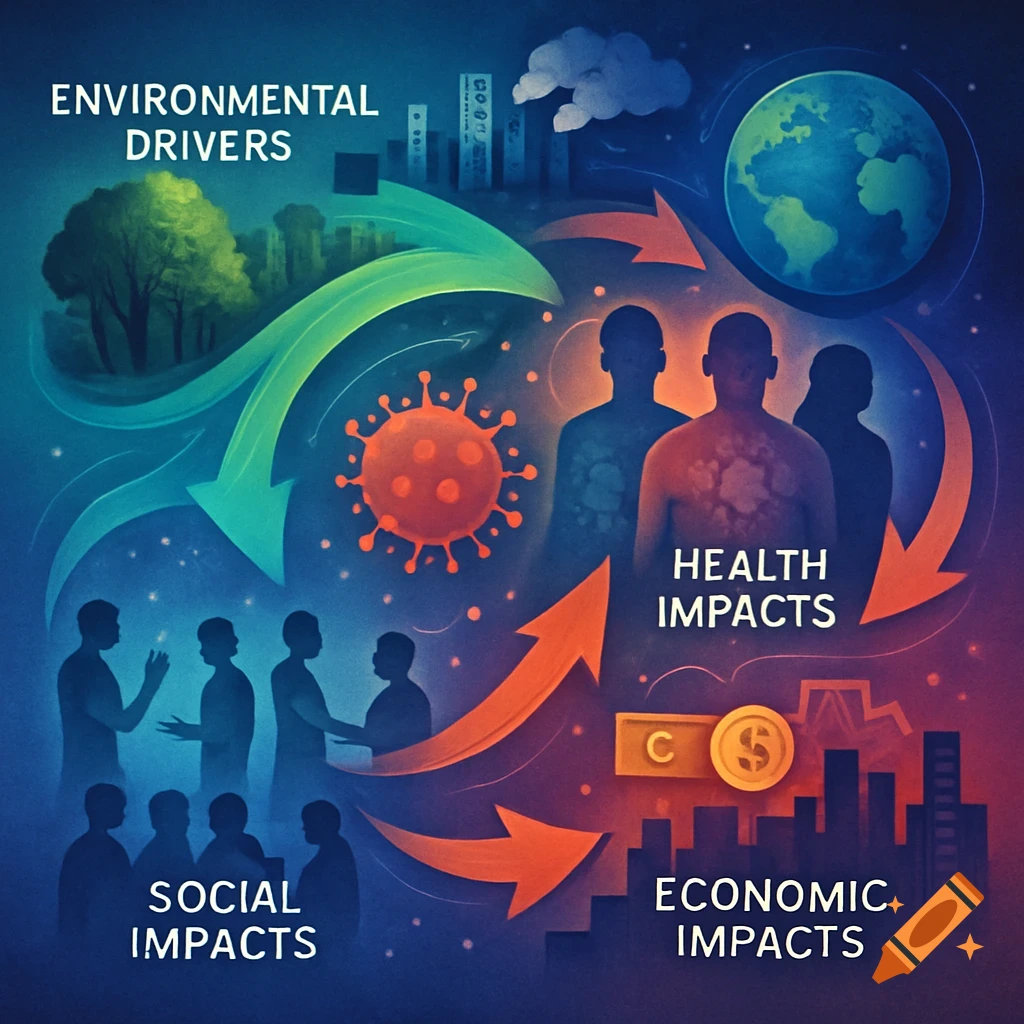
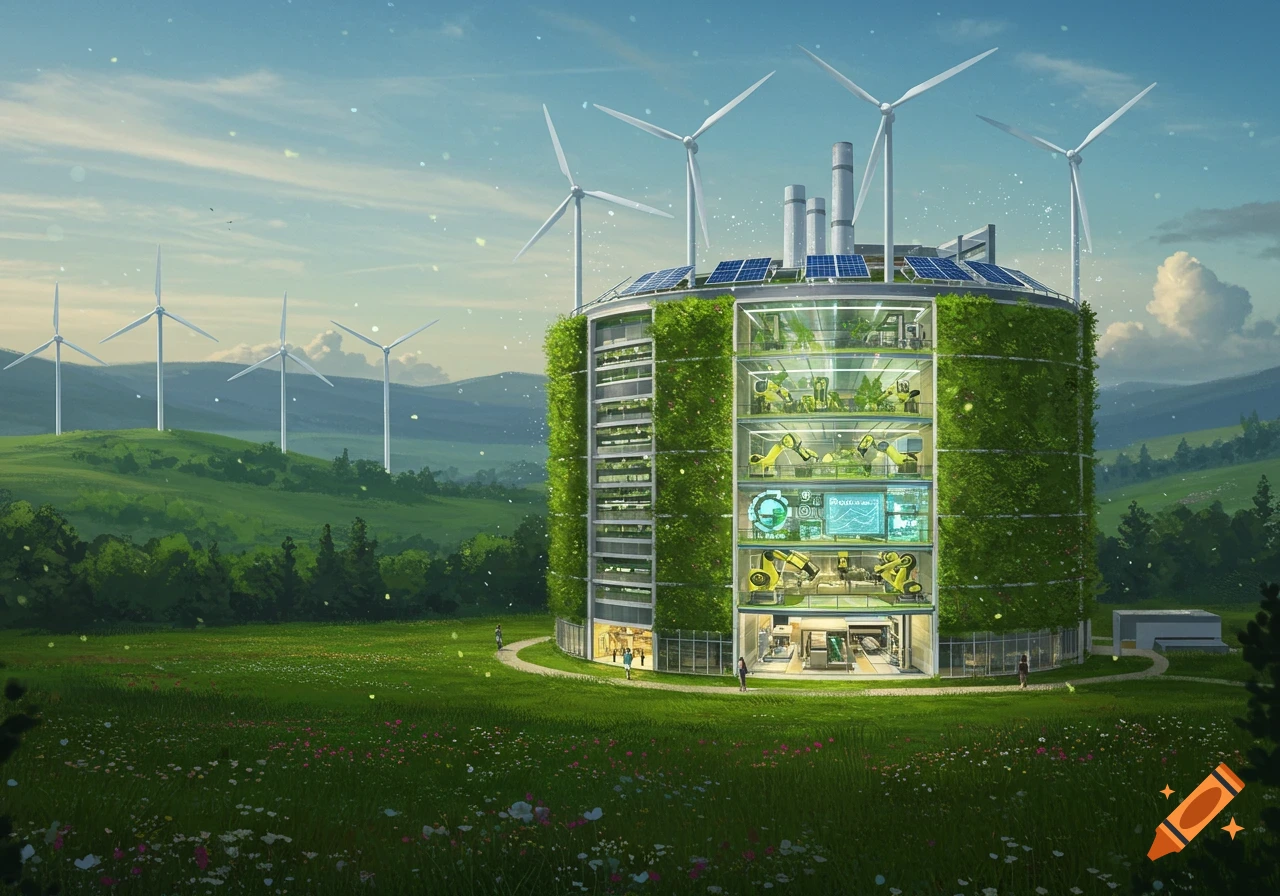
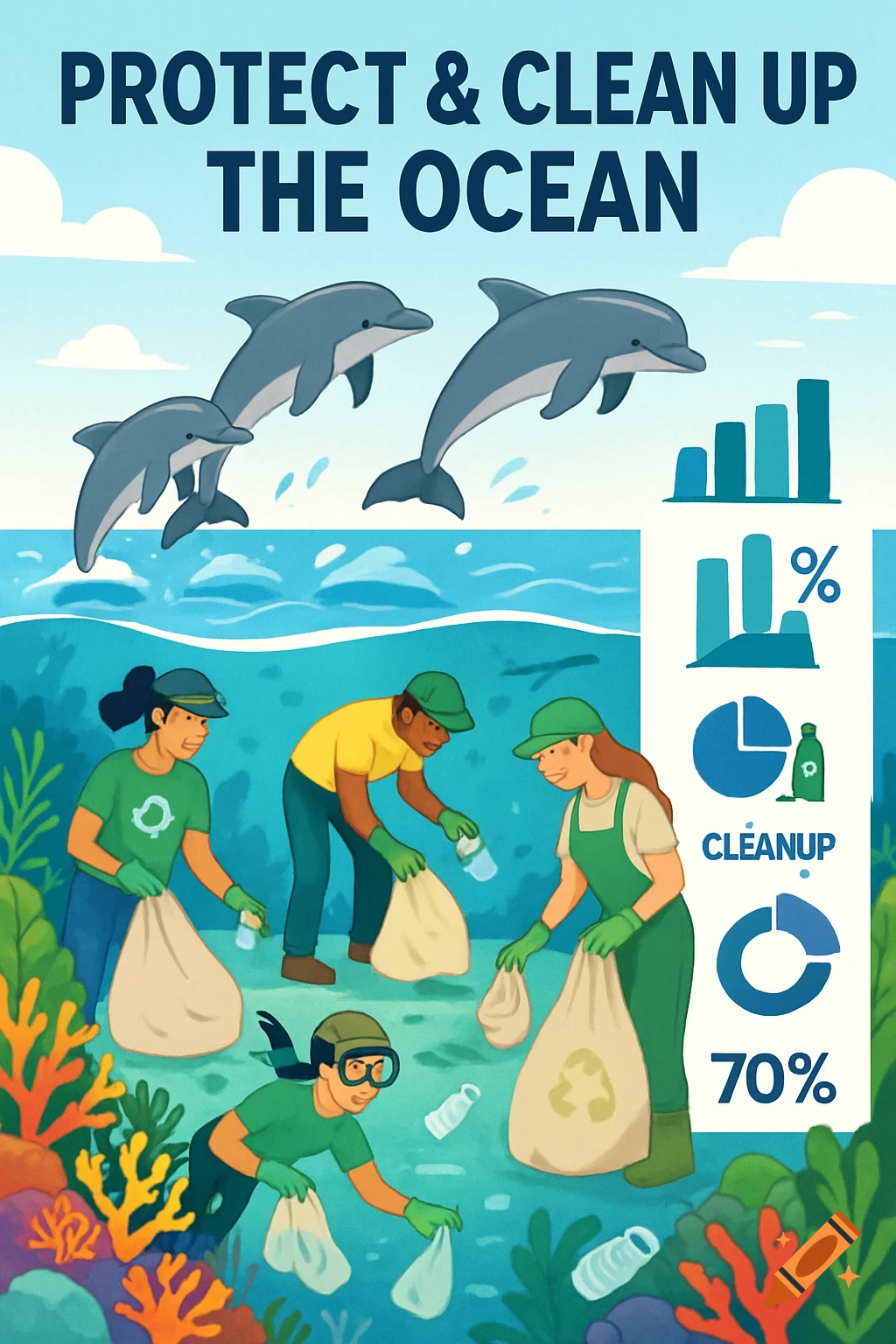
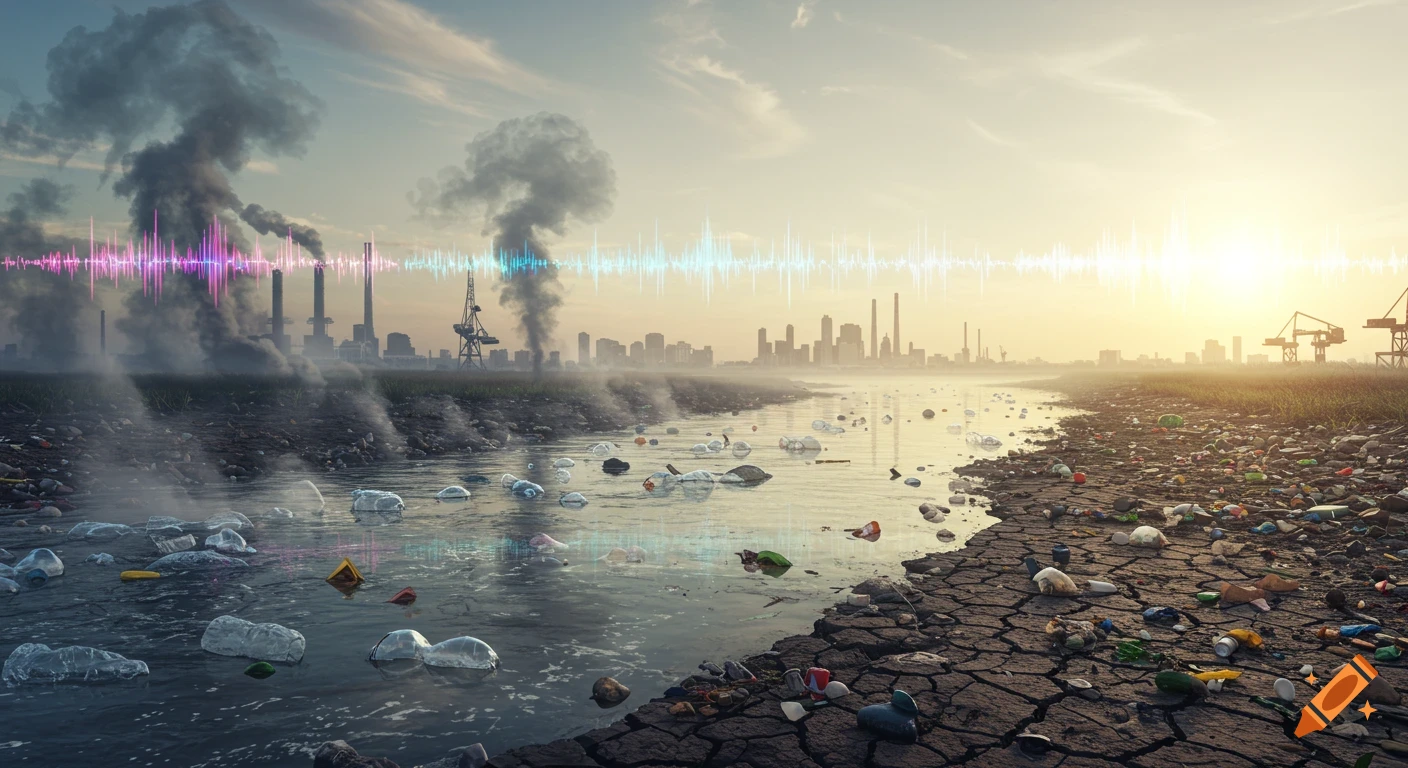
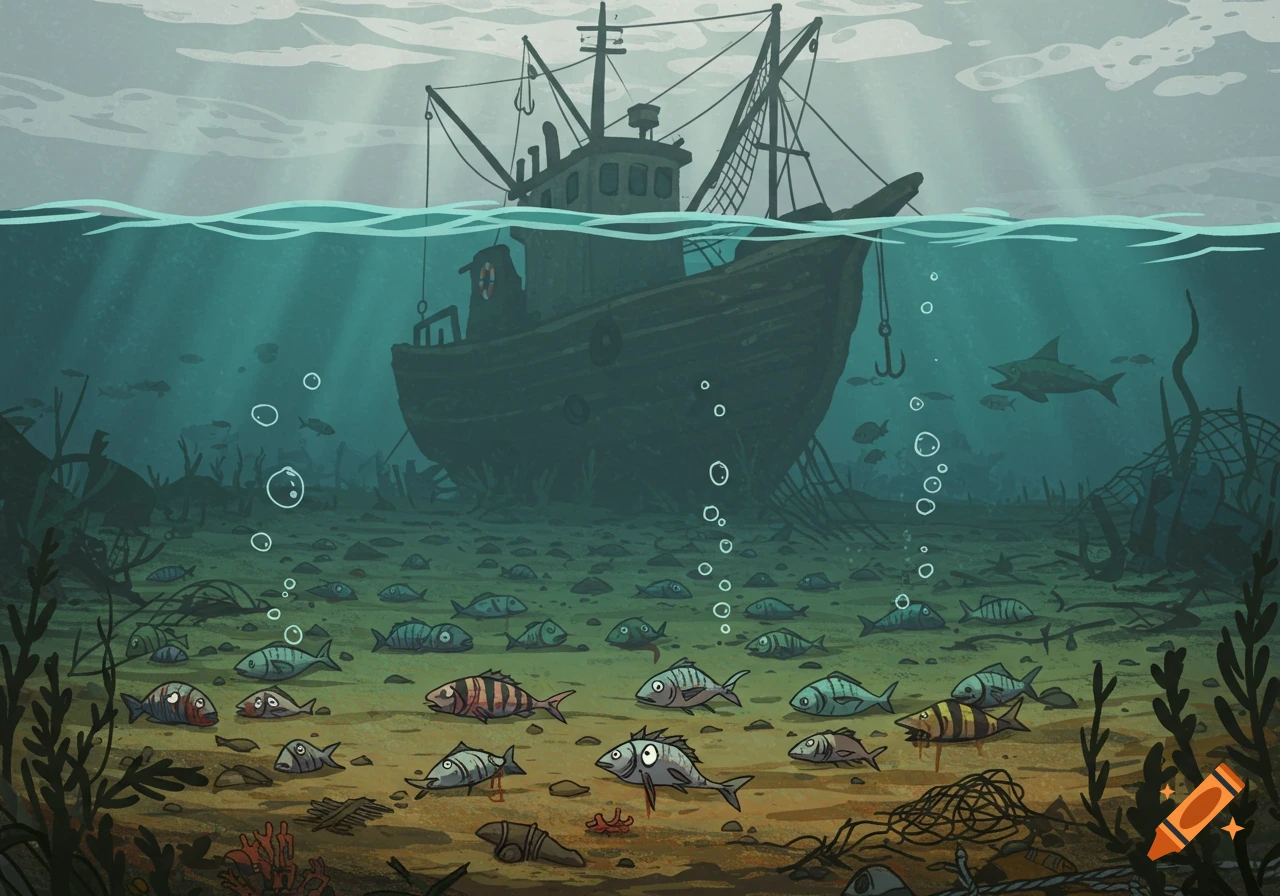
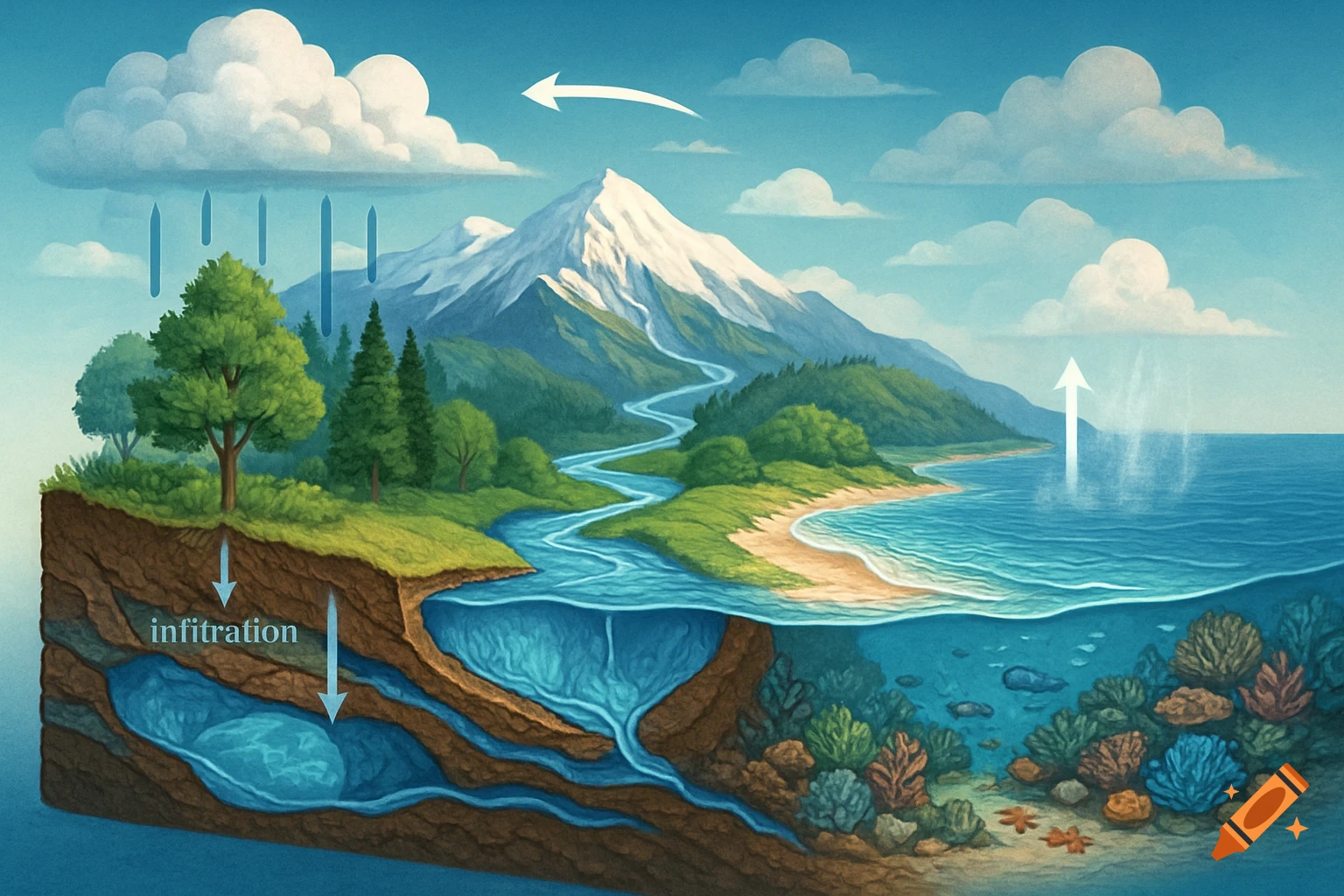
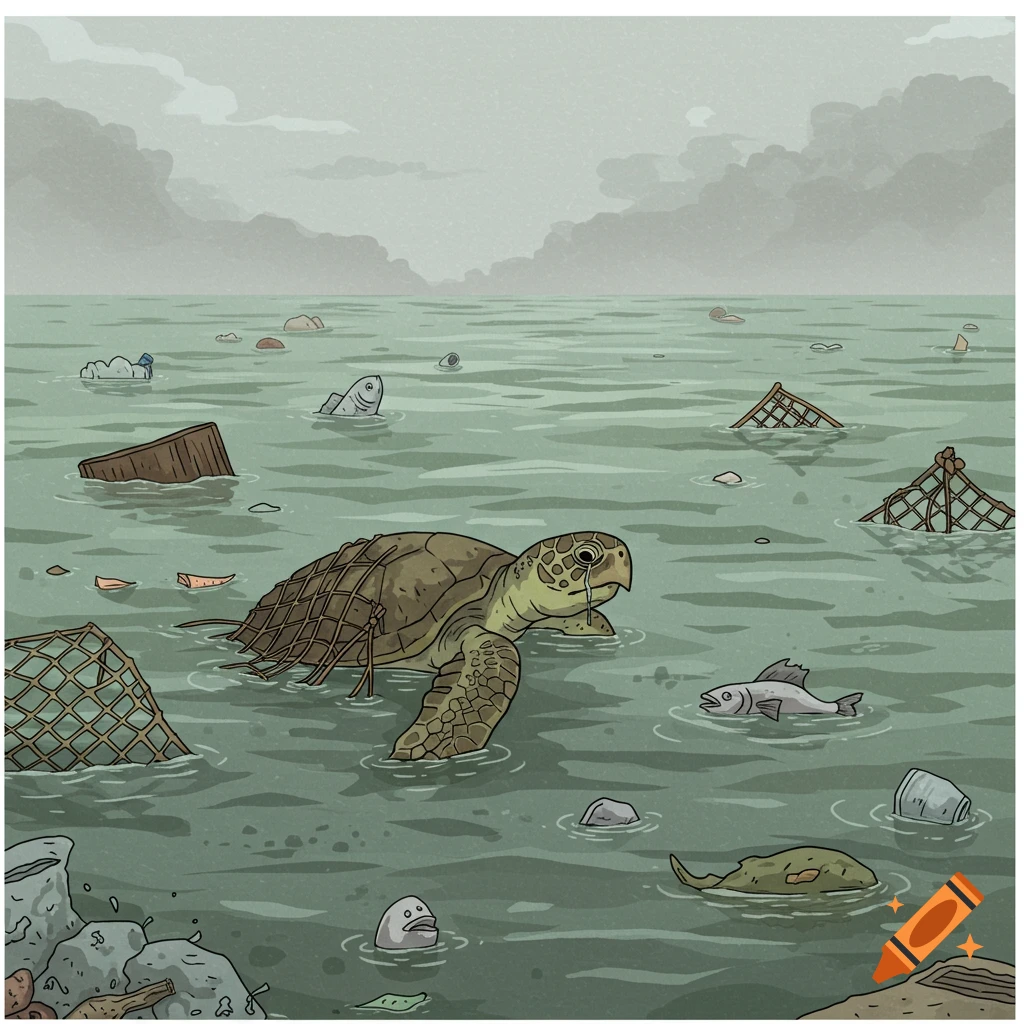
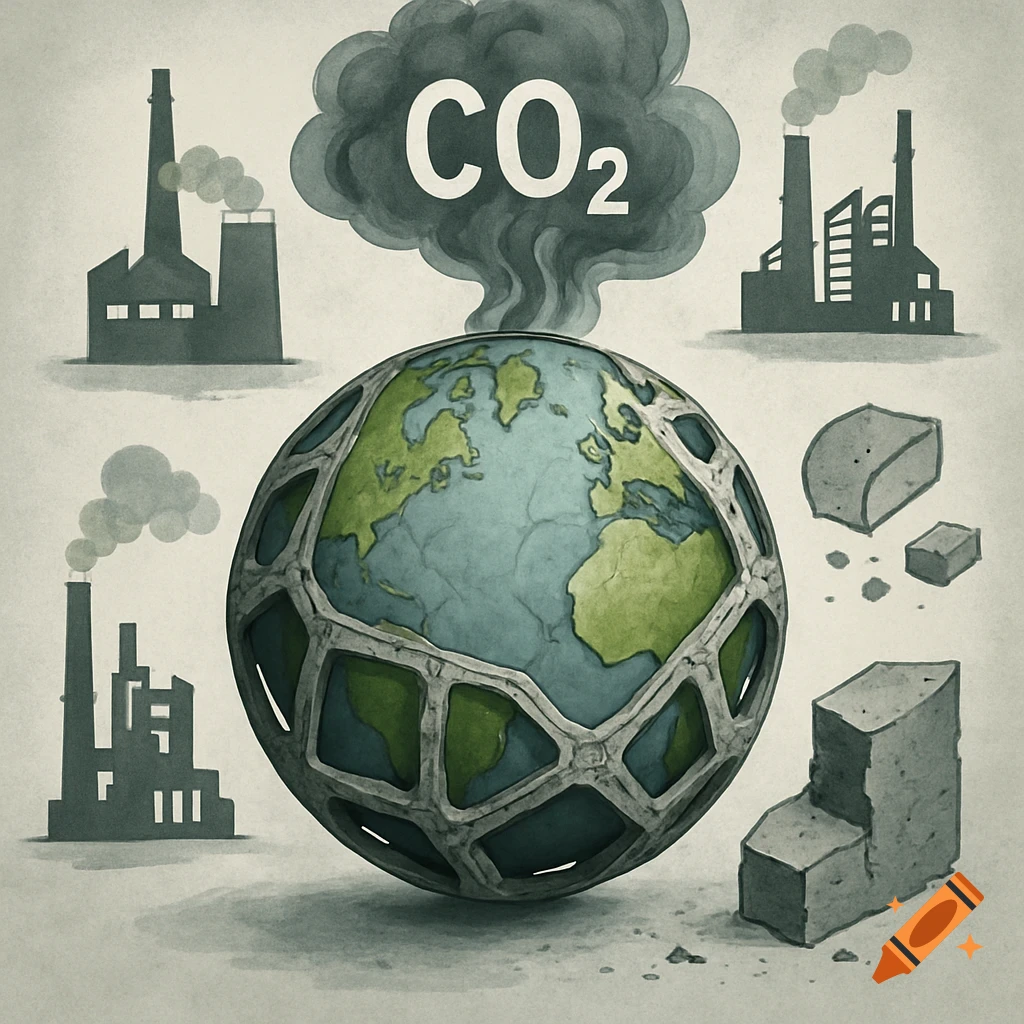
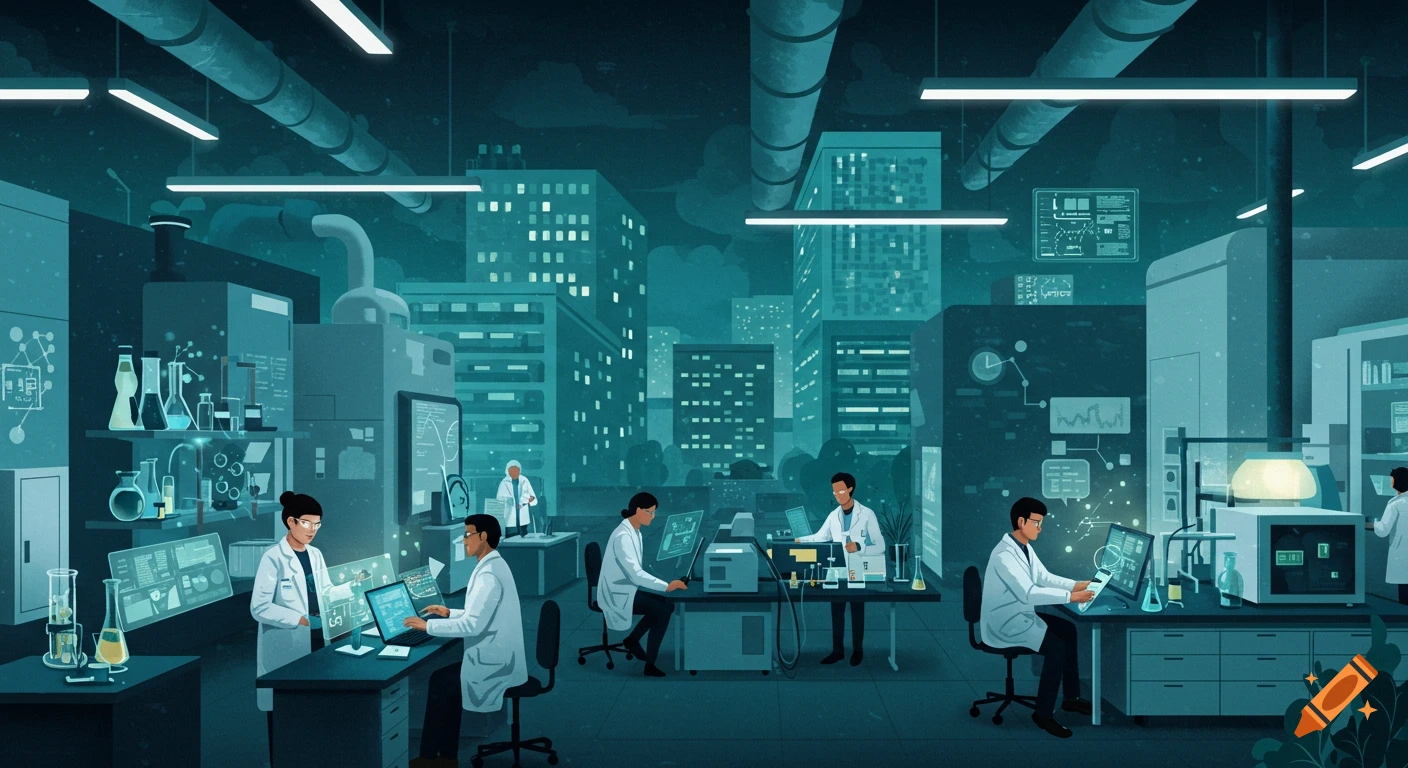
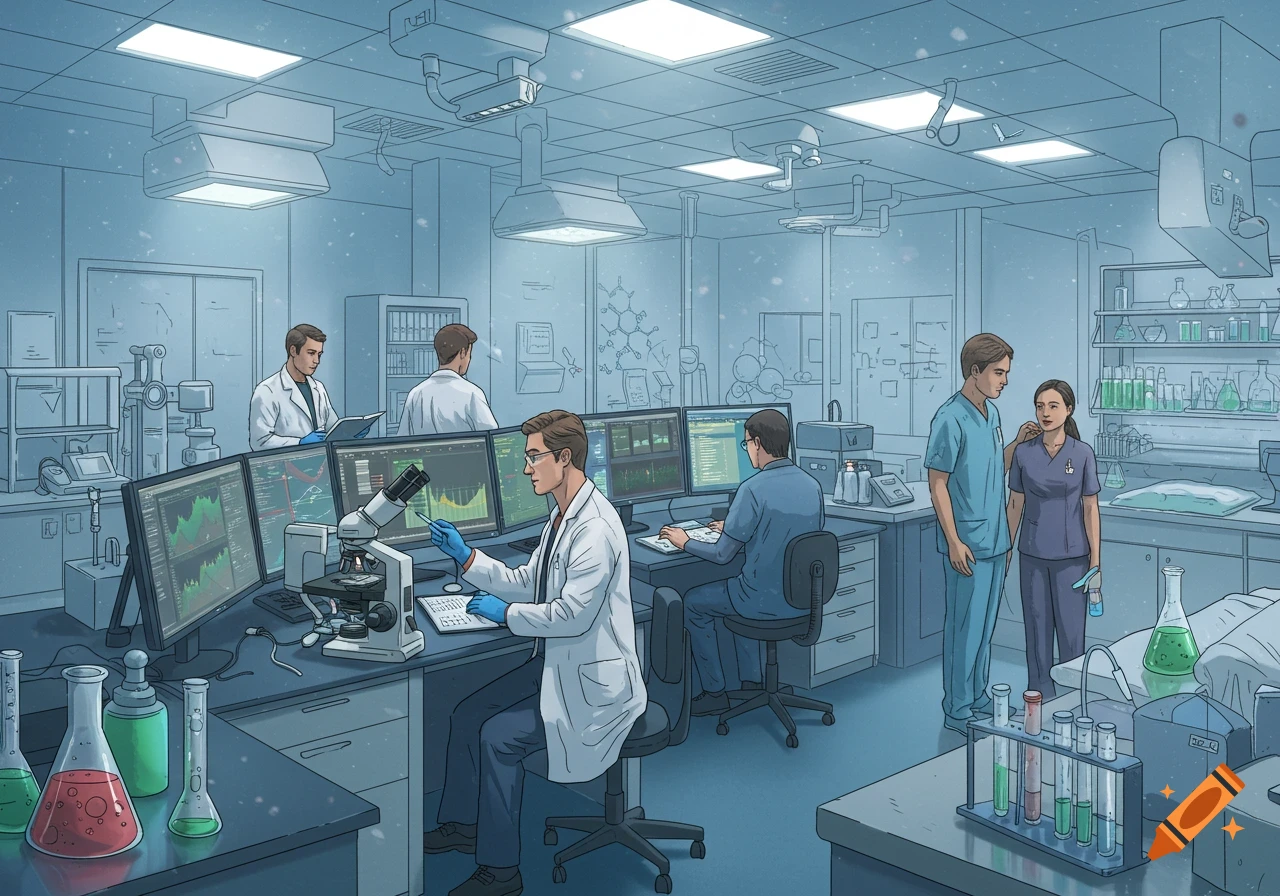
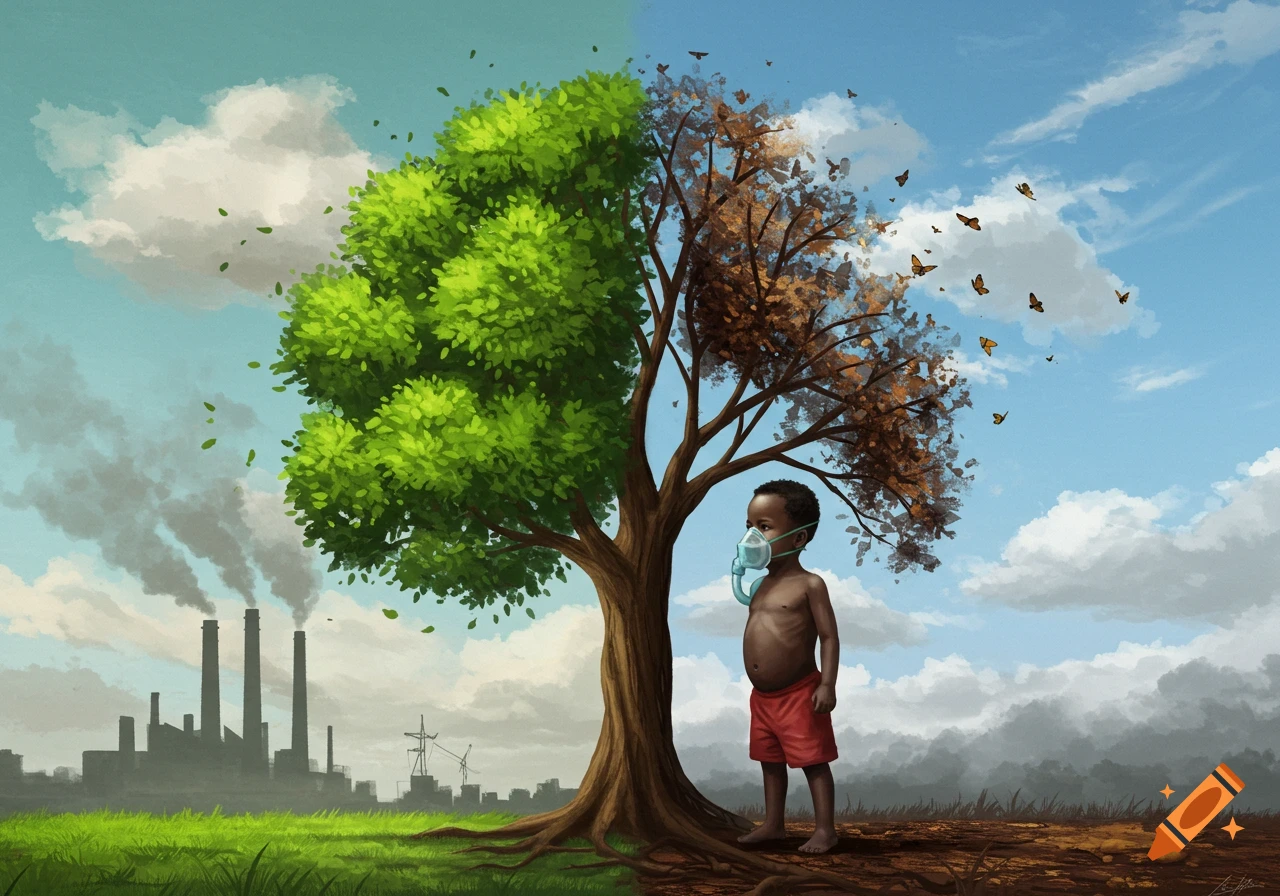
An infographic showing plastic pollution from cities flowing into the ocean, breaking down into microplastics, impacting marine life, and scientists researching solutions in a lab.
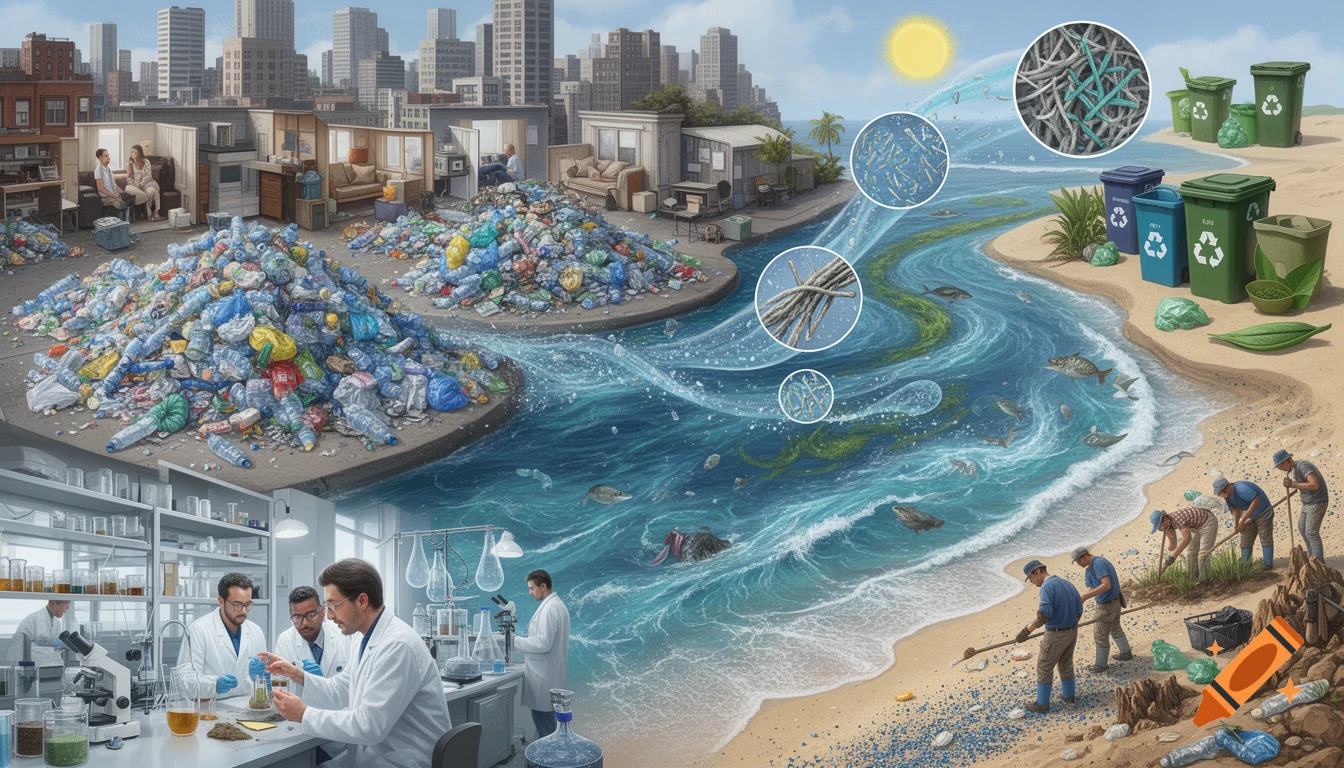
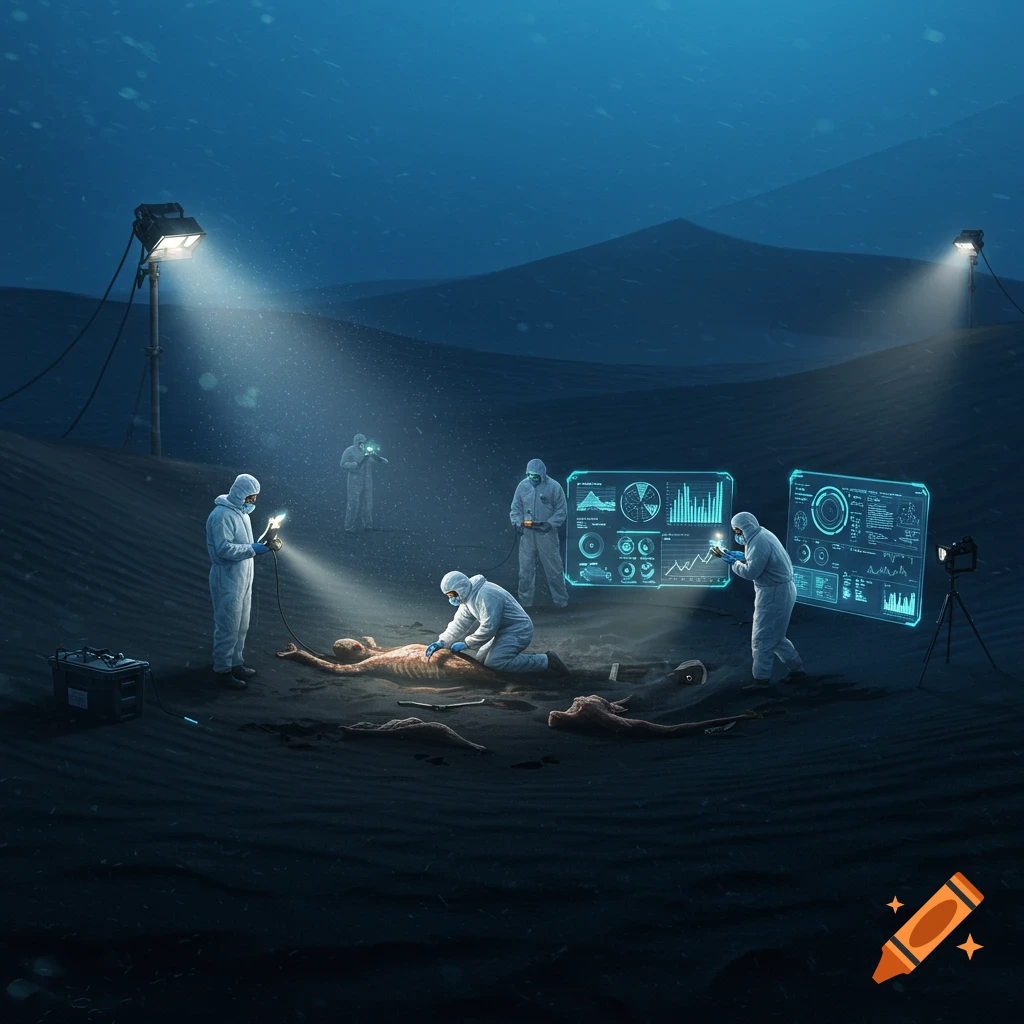
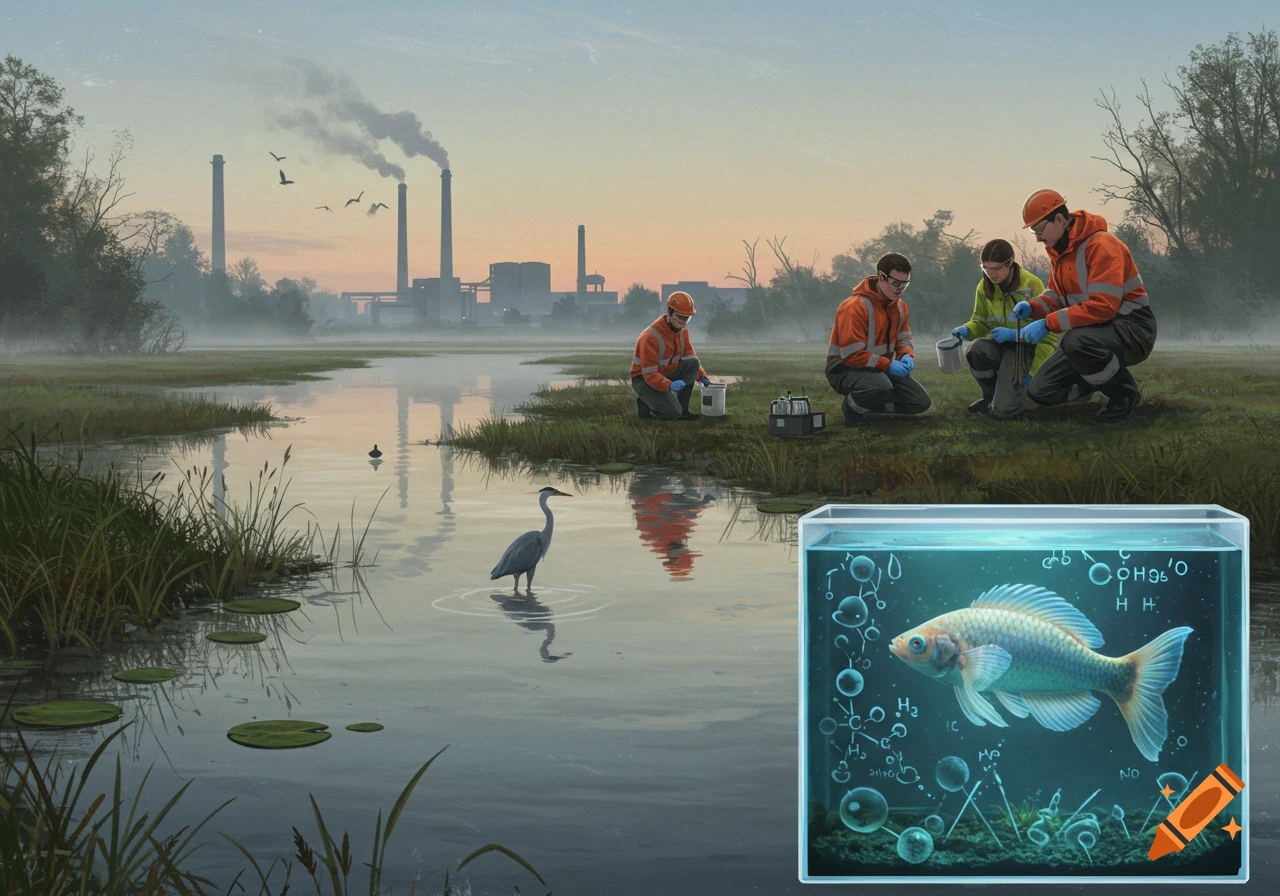
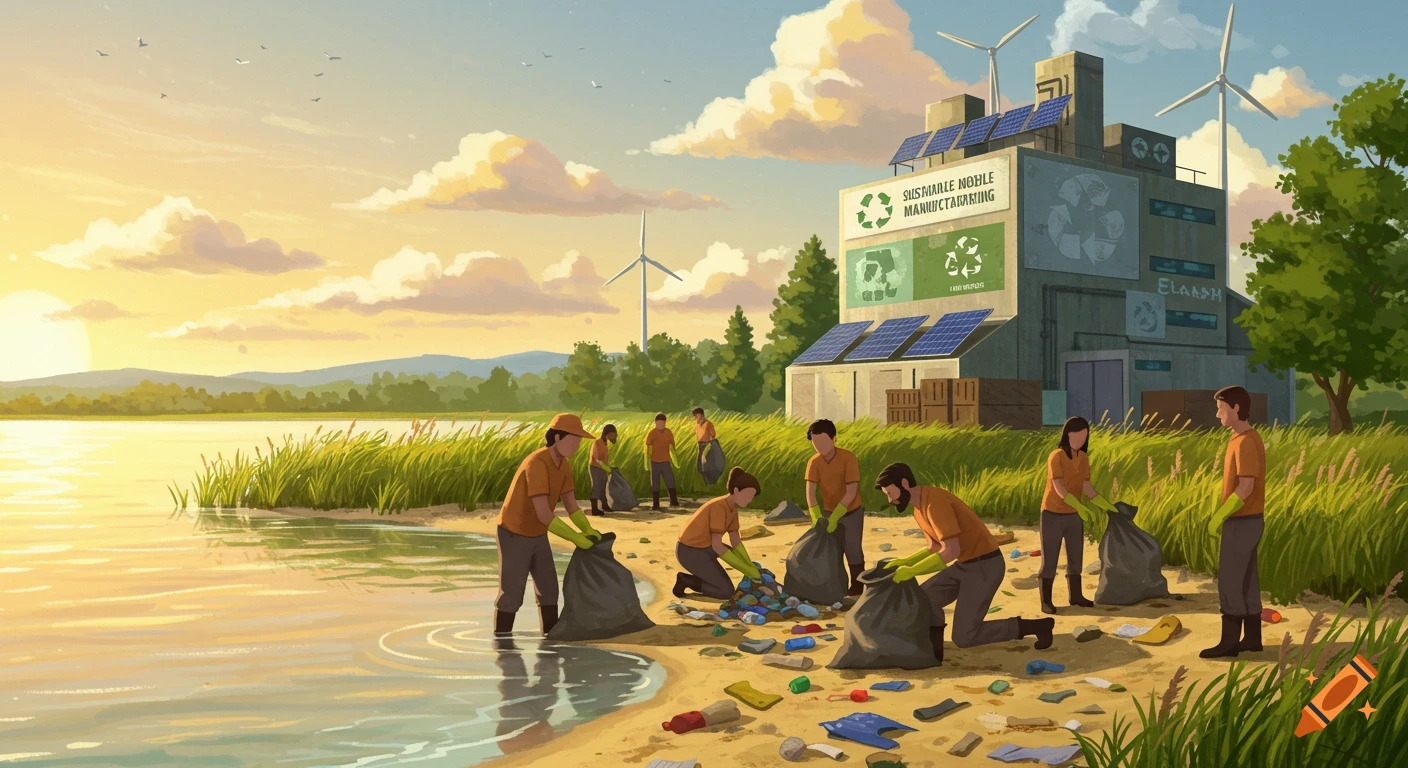
how the rapid global increase in plastic production and plastic use by humans. Include plastic bottles, bags, packaging, and consumer waste in cities and households. Show different waste management approaches: recycling bins reuse practices biodegradable plastics alternative eco-friendly materials waste management systems Show plastics exposed to natural environmental conditions such as sunlight, wind, rain, waves, and weathering. Emphasize that plastics degrade very slowly over decades. Illustrate plastics breaking into smaller particles: mesoplastics microplastics nanoplastics Use a zoom-in effect showing fragmentation into smaller and smaller particles. Show rainfall, flooding, rivers, and estuaries carrying plastic waste from land into the ocean through runoff. Show ocean waves, currents, and tides transporting plastic particles back toward coastal beaches and sediments. Show accumulation of microplastics in beach sand and coastal sediments. Highlight persistence of plastics in the environment. Show the harmful impacts: contaminated coastal ecosystems fish and marine animals ingesting microplastics microplastics entering the food chain humans affected through seafood consumption health risks and pollution Transition into the research solution: A scientist or research team studying beach sediments in a laboratory and coastal field site. Show advanced remediation methods using combined physical and chemical techniques to accelerate degradation of microplastic polymers. Mehr sehen
More images like this