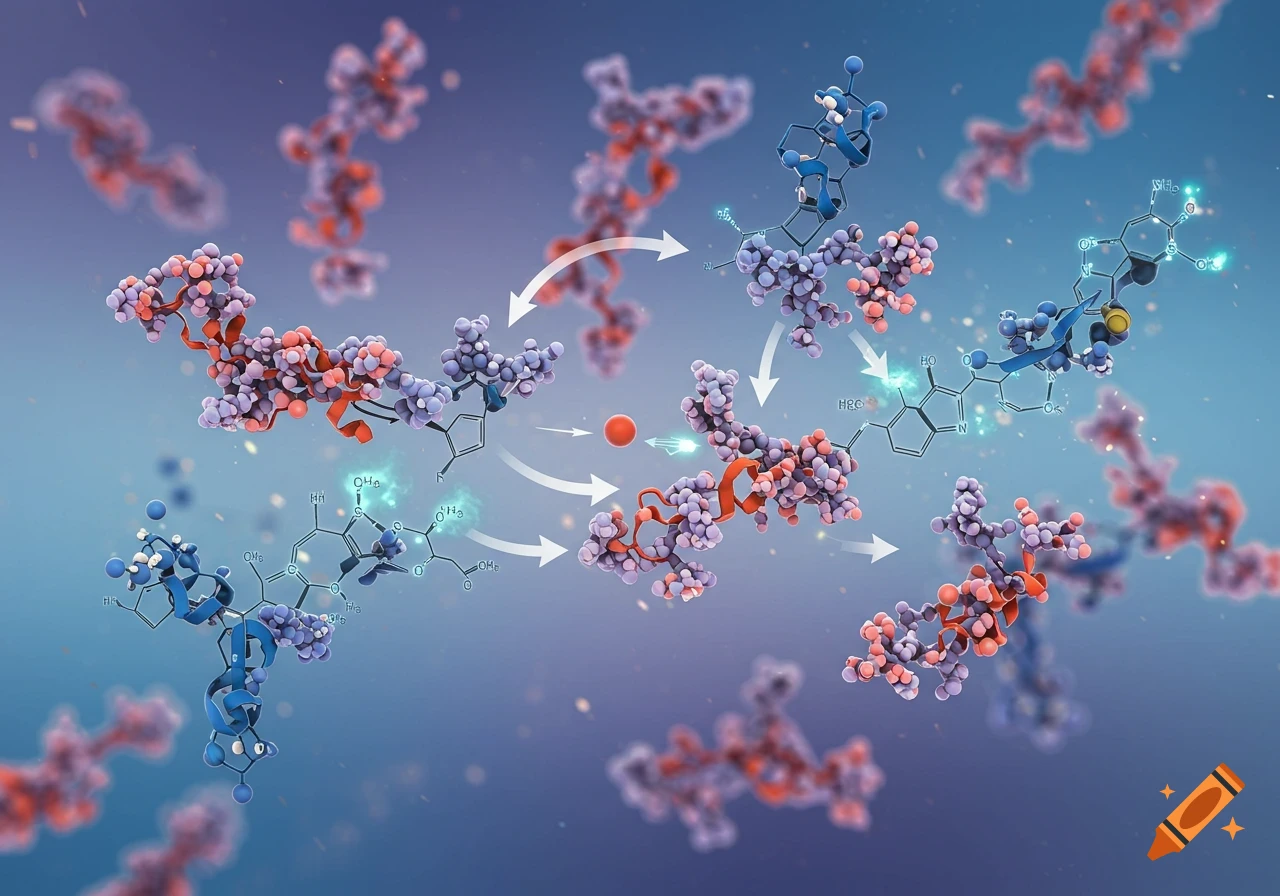
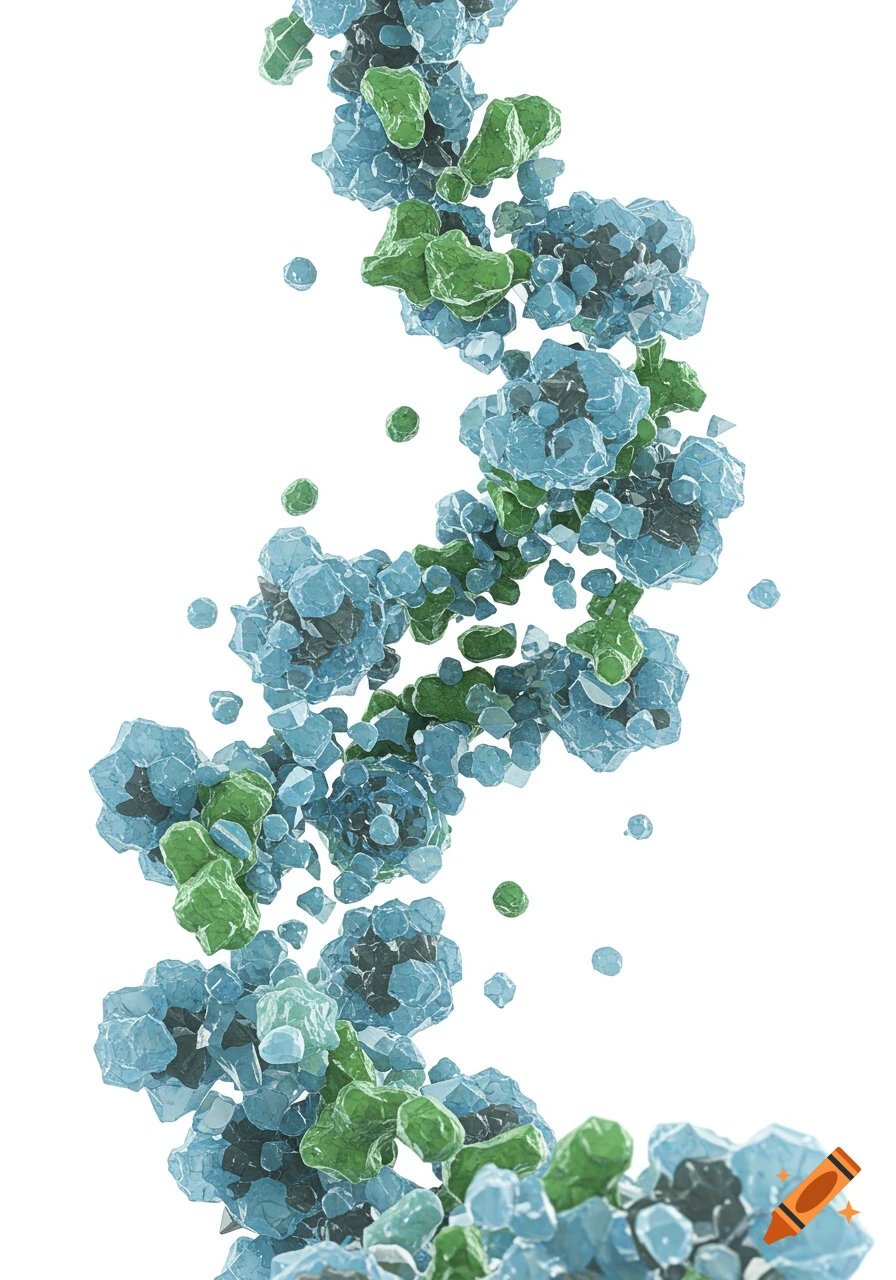
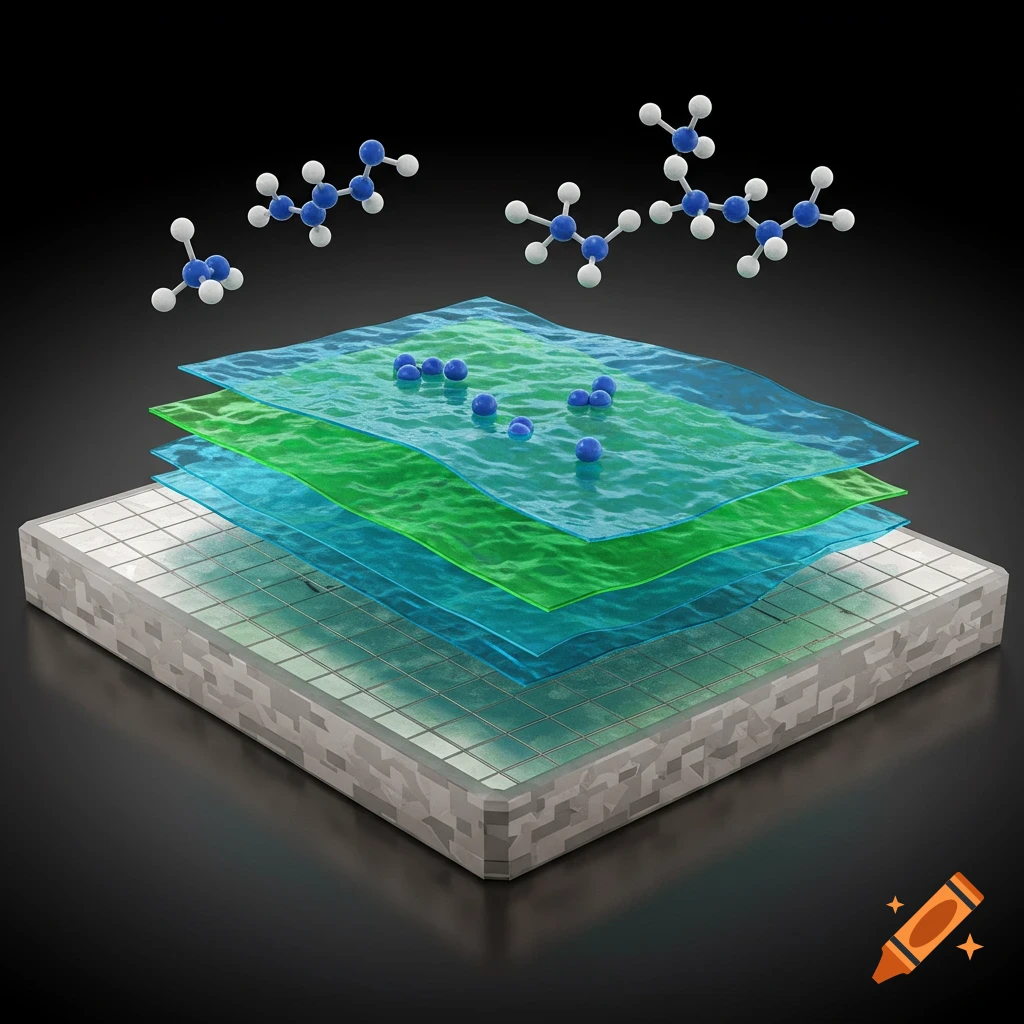
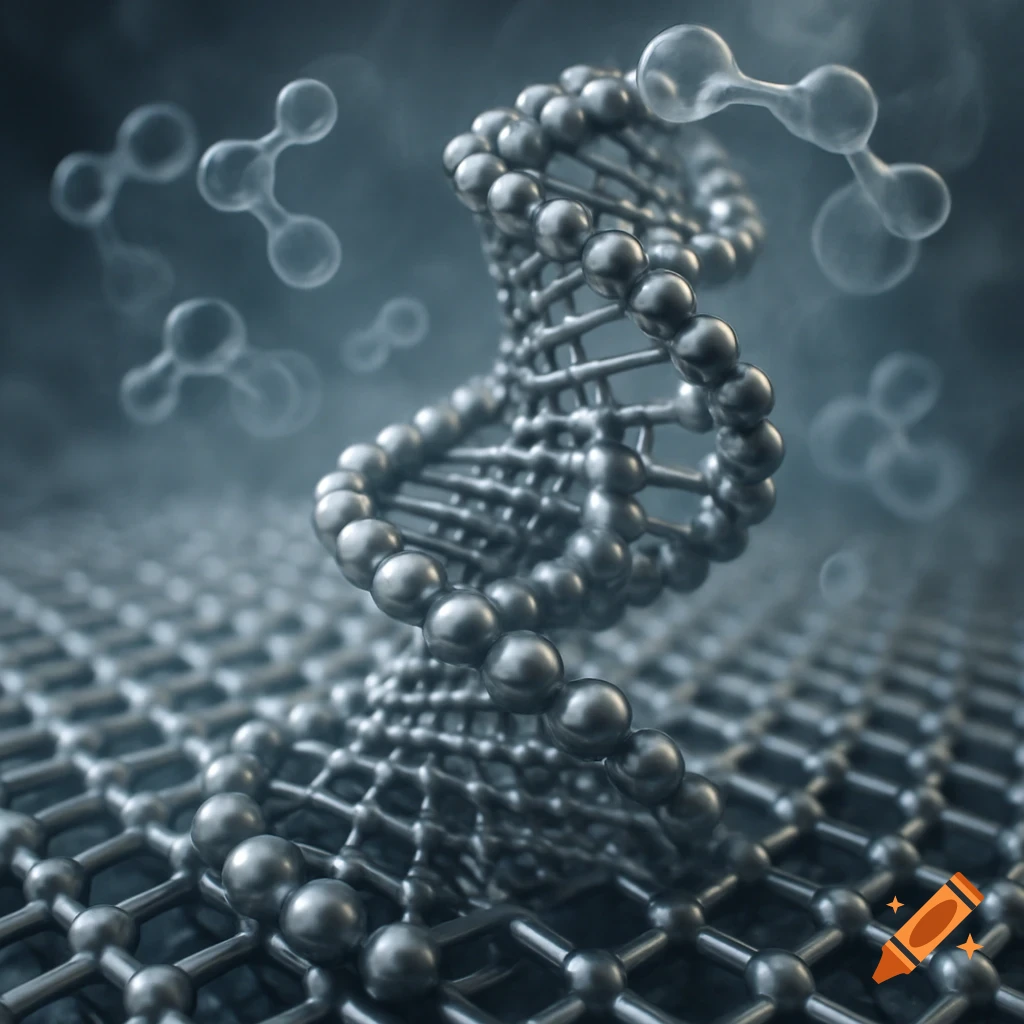
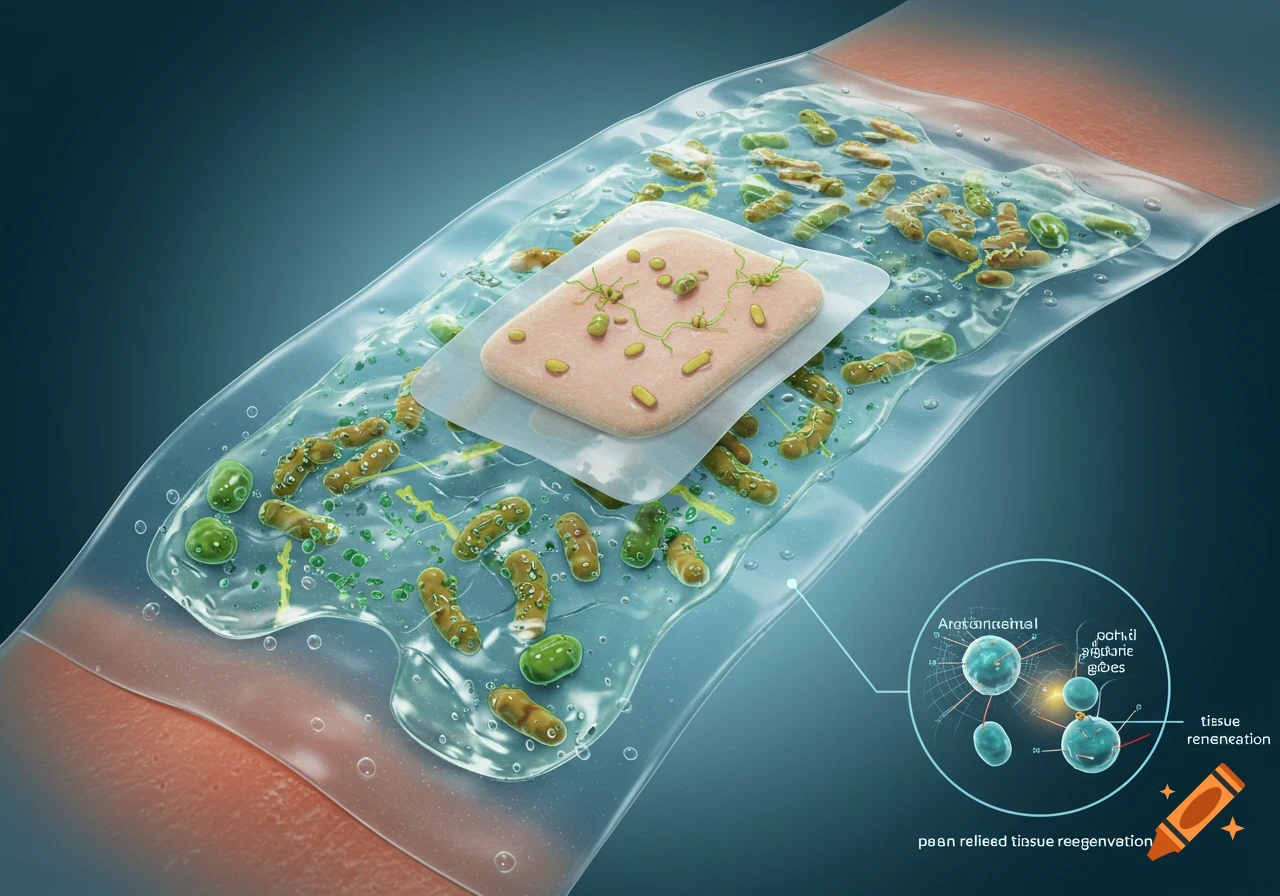
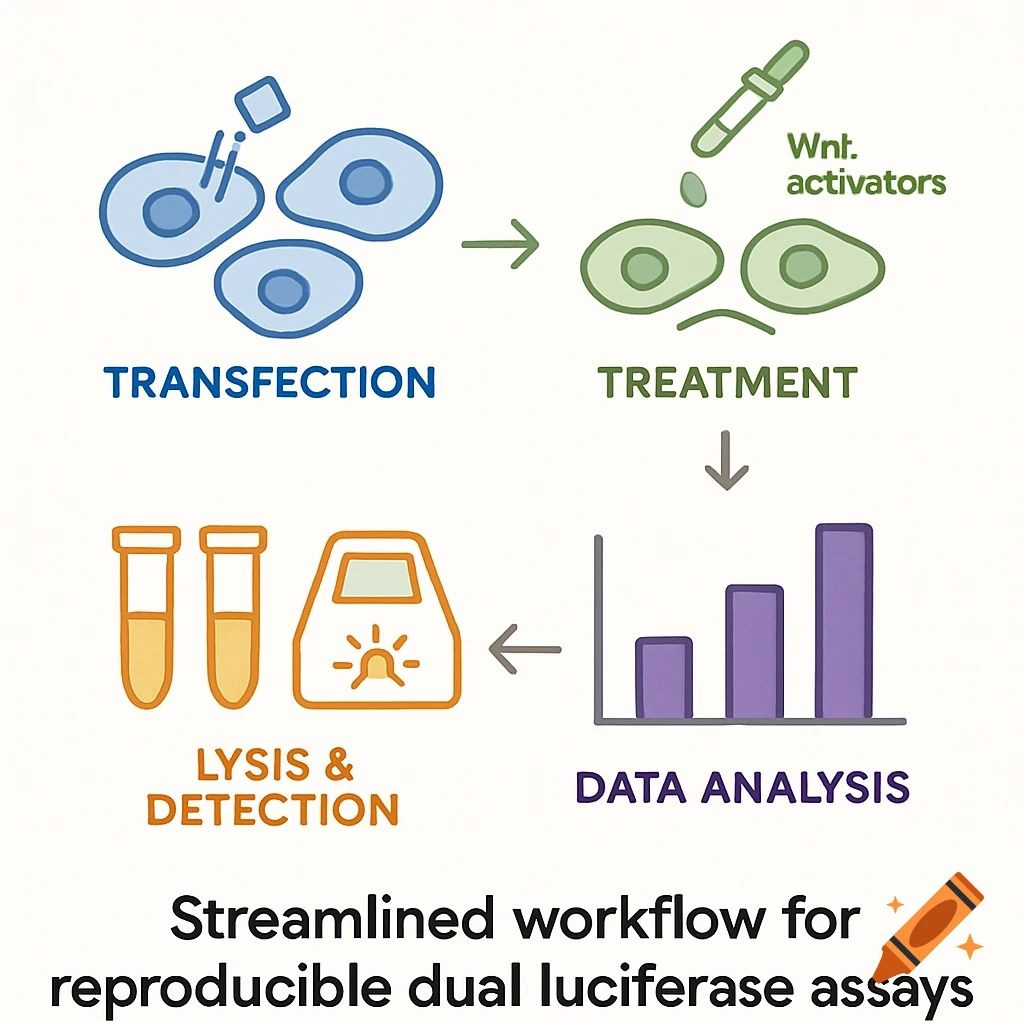
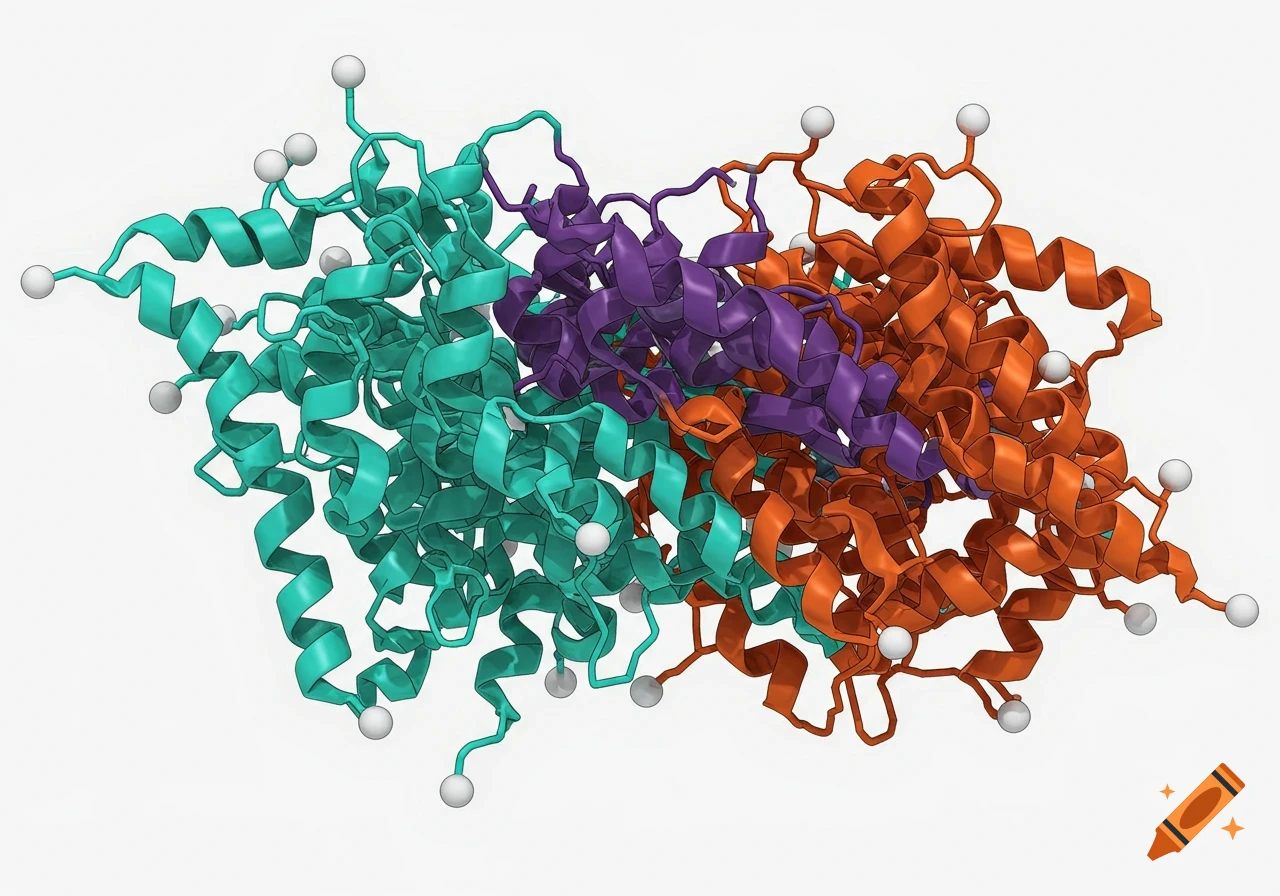
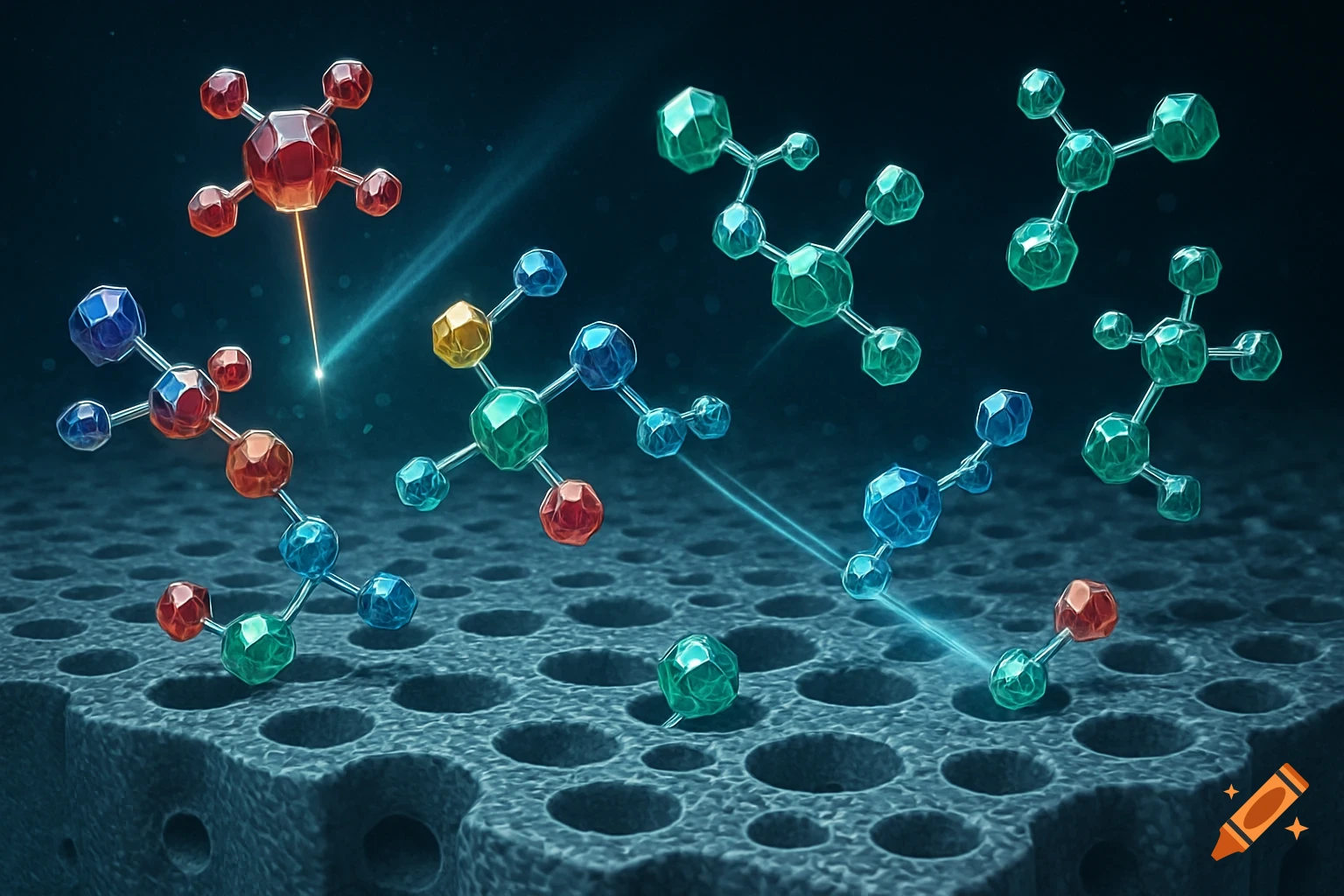
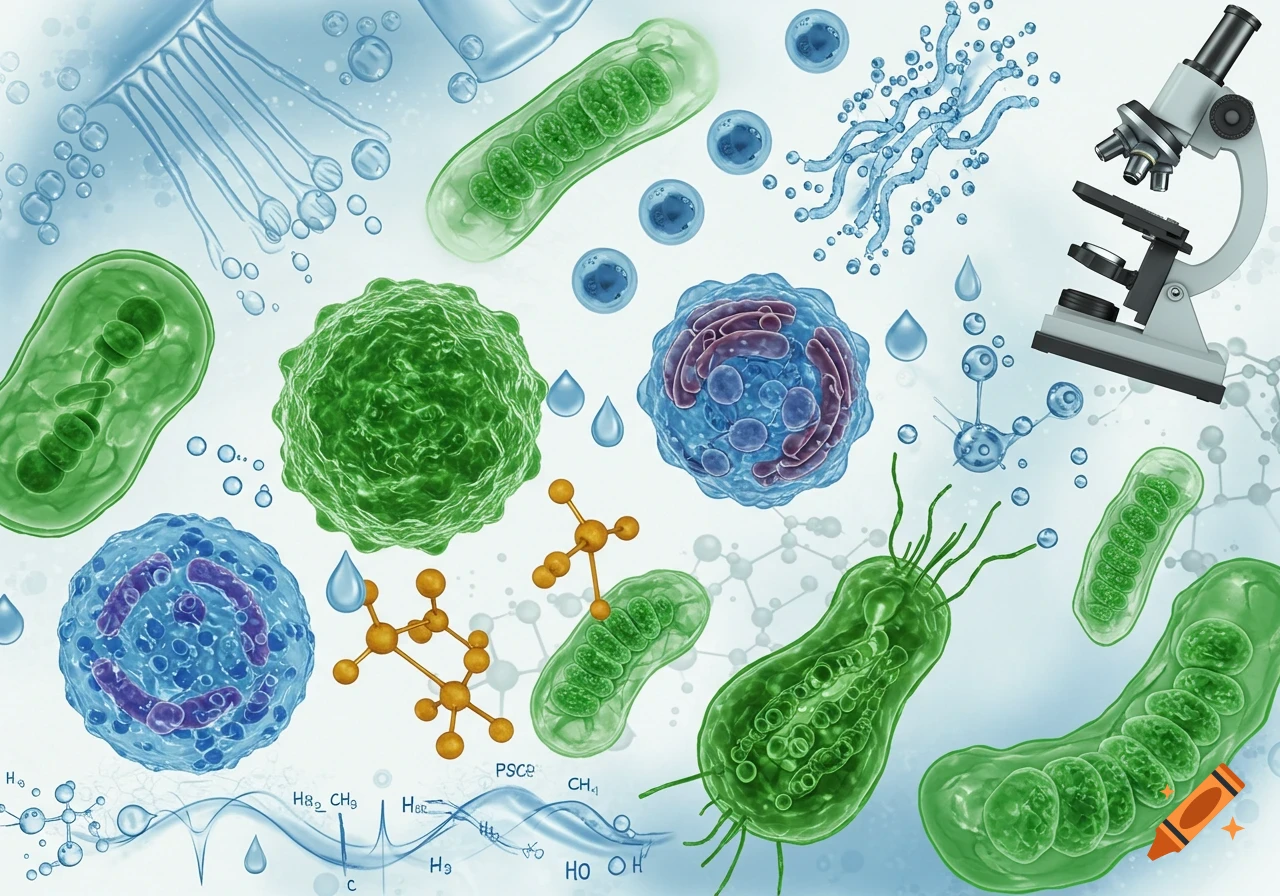
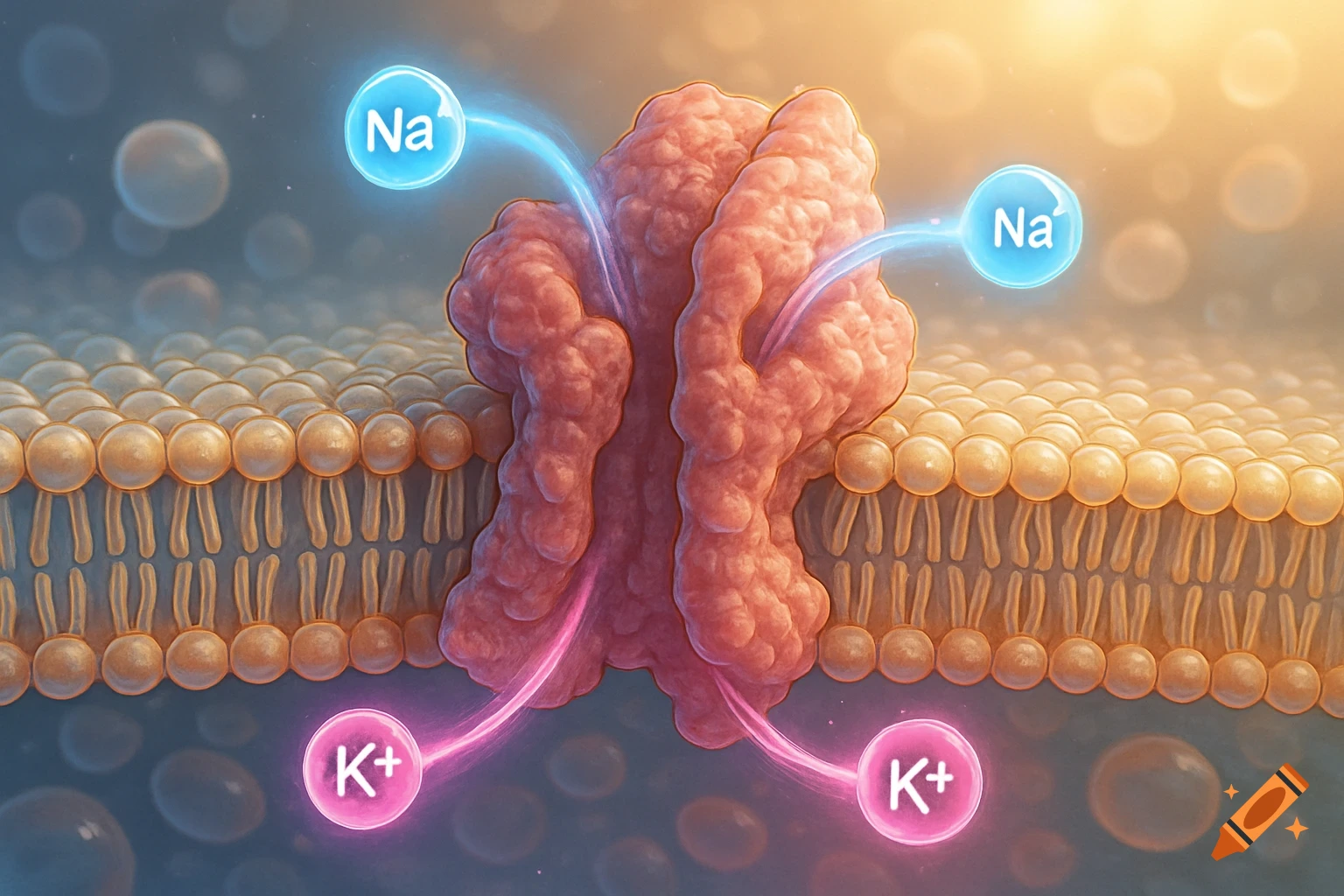
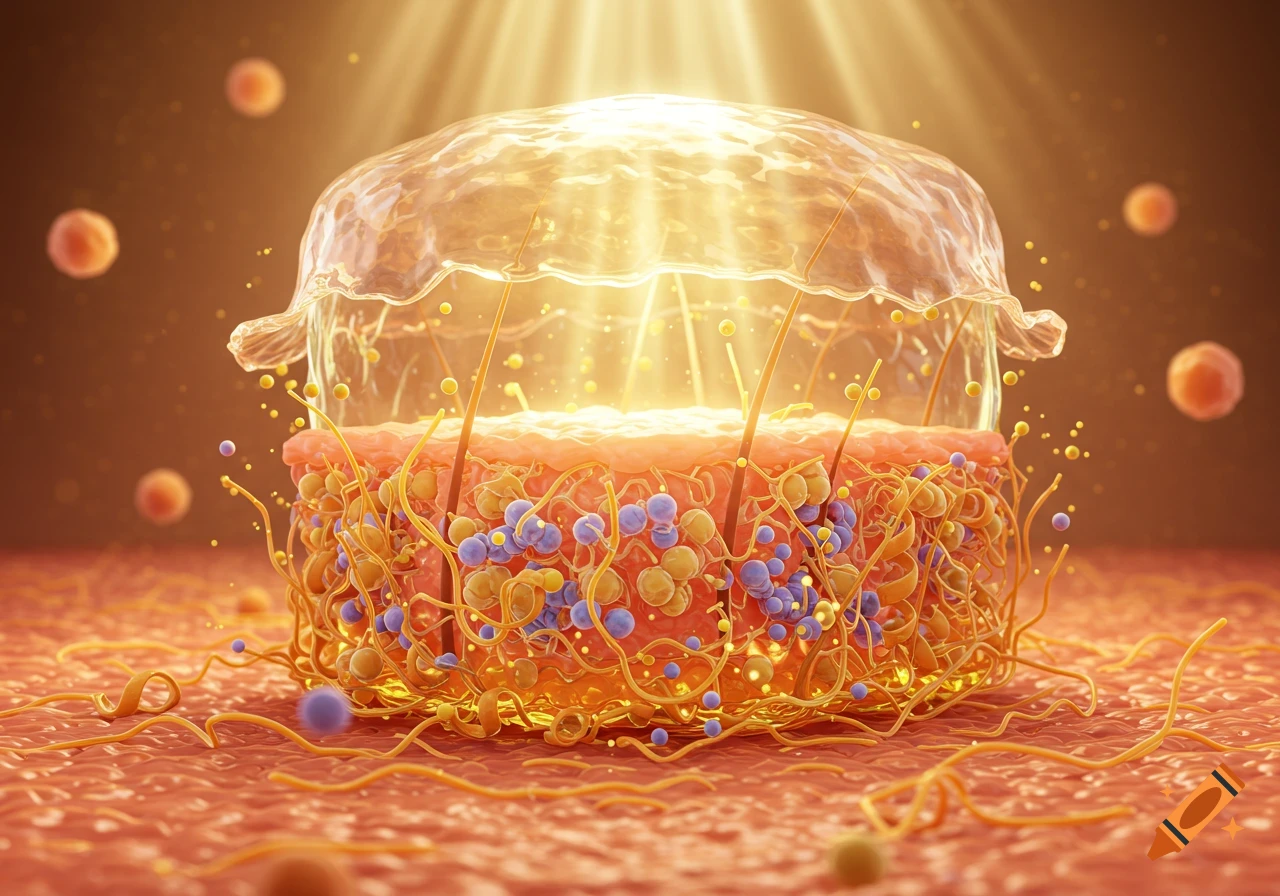
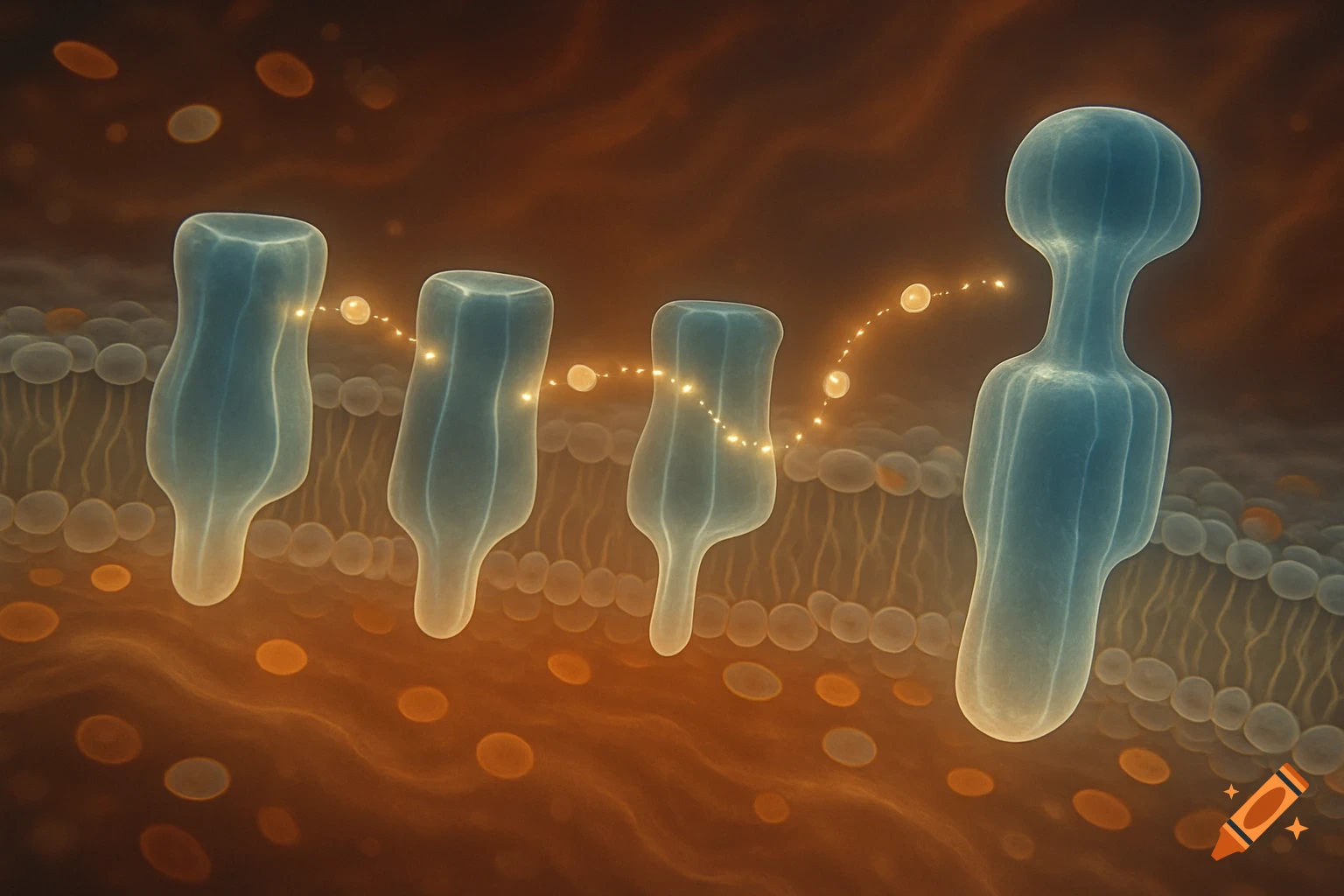
A scientific diagram illustrating the formation and properties of WP-SH complexes, showing raw materials, complex formation, structural changes, and improved properties.

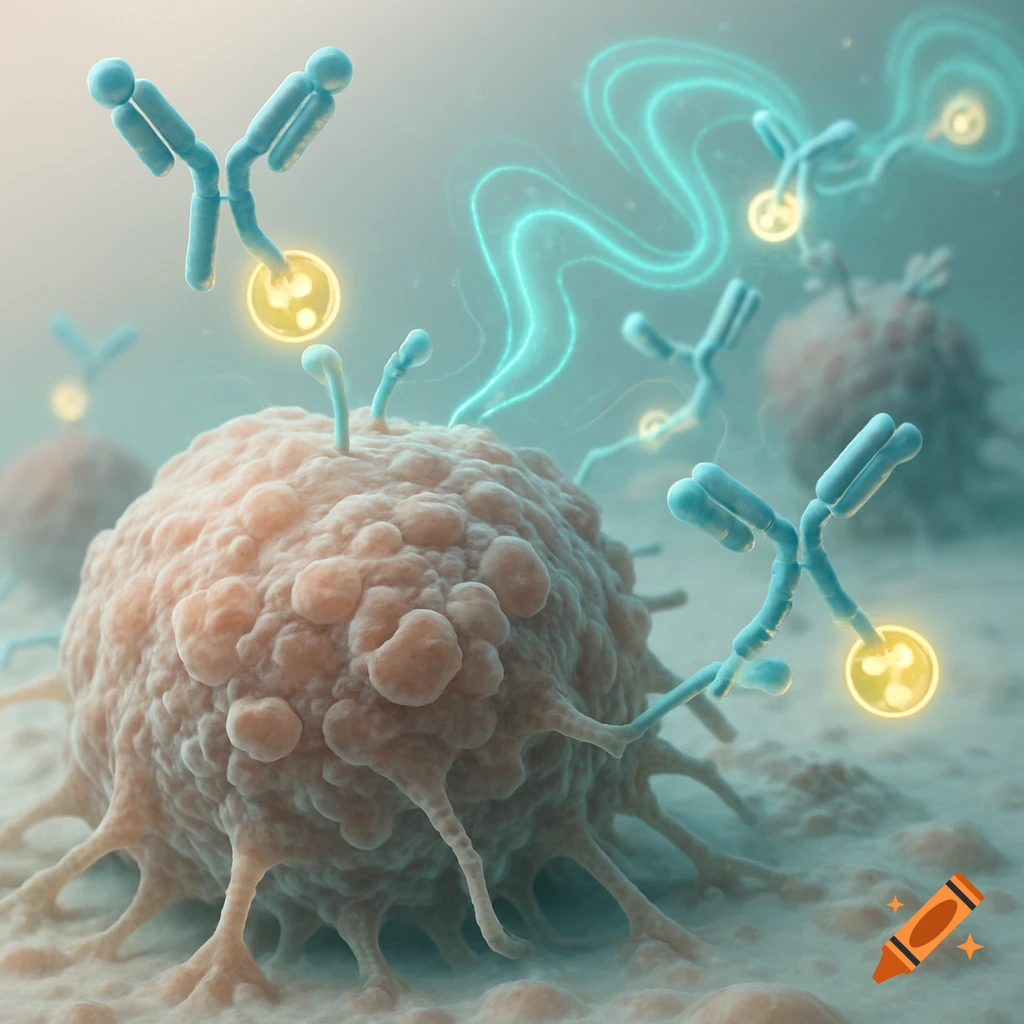
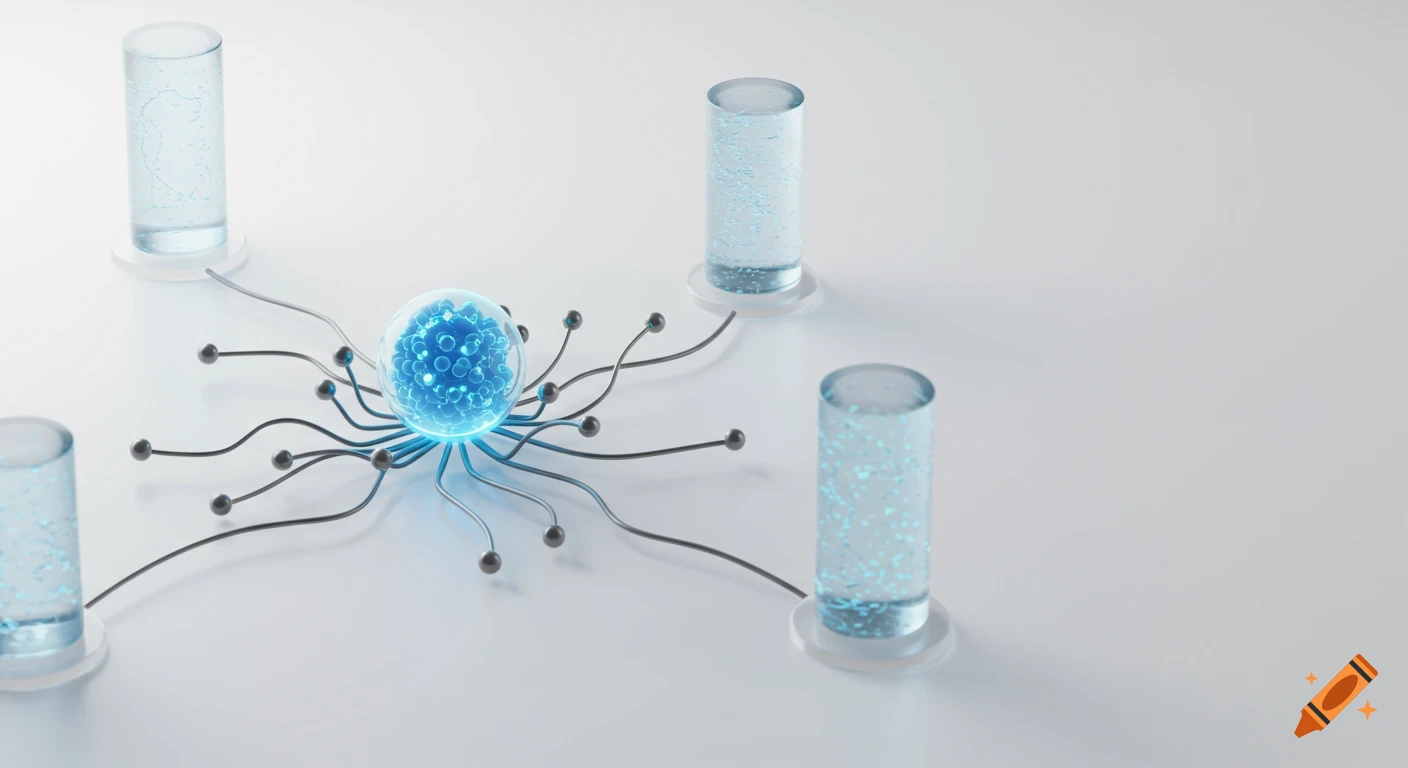
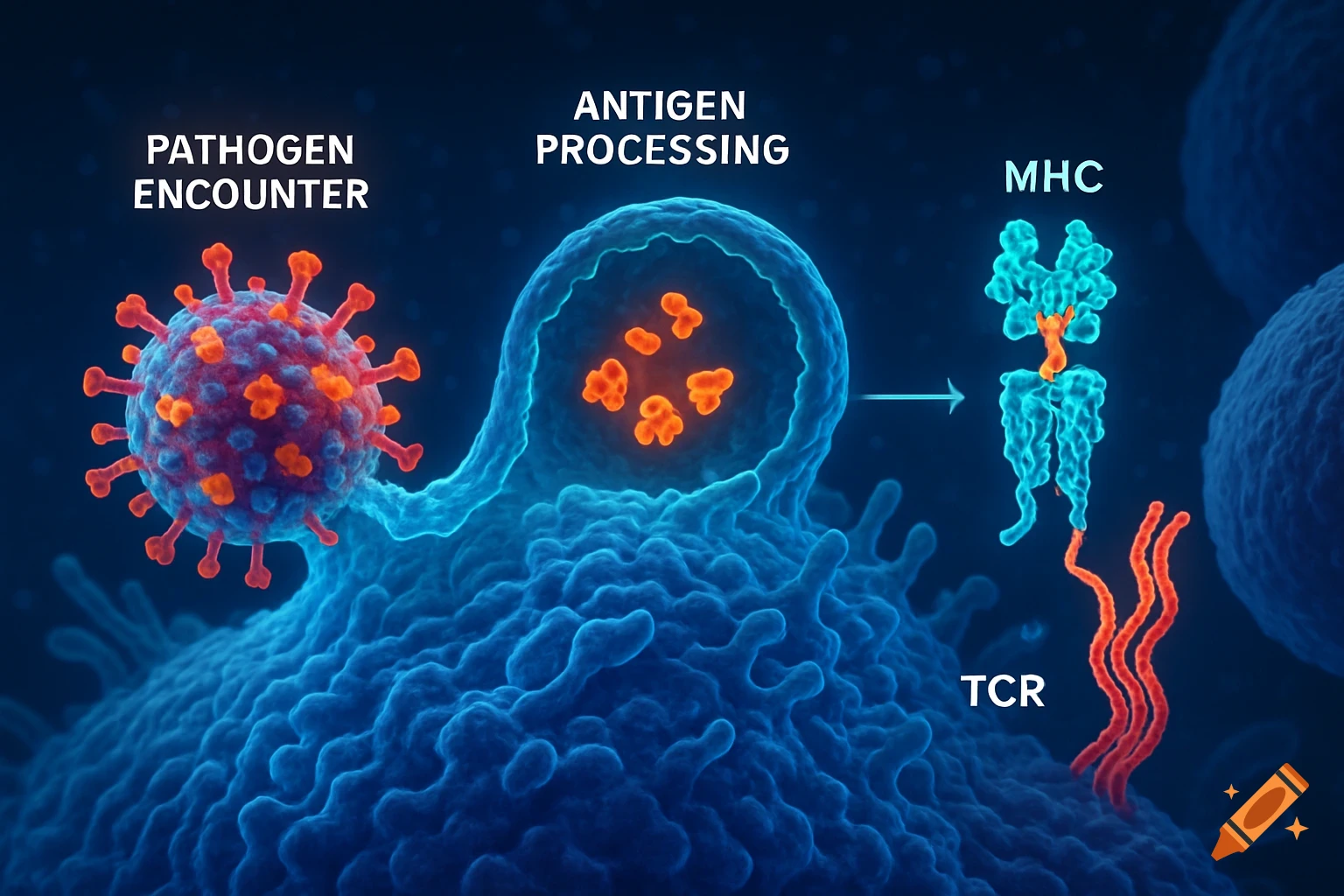
Create a SCI-style graphical abstract for a food science paper, clean white background, high-end journal layout, flat vector + semi-realistic scientific illustration, soft blue and light green color palette, concise labels, no decorative elements, publication-ready. Theme: Effect of different molecular weights of sodium hyaluronate (SH) on whey protein (WP)-SH complexes, emulsifying properties, and emulsion gel formation. Do NOT include yogurt or any fermentation/dairy application panel. Layout: horizontal left-to-right workflow with 4 connected panels and clear arrows. Panel 1: Raw materials and formulation - Show whey protein (WP) molecules and three types of sodium hyaluronate chains with different lengths: LSH: 200–400 kDa MSH: 400–800 kDa HSH: 800–1500 kDa - Indicate SH concentration range: 0.2–1.5% (w/v) - Highlight the optimal concentration: 0.8% - Use simple molecular icons to represent protein globules and polysaccharide chains Panel 2: WP-SH complex formation mechanism - Show non-covalent interaction between WP and SH through electrostatic attraction and hydrogen bonding - Add labels: “Electrostatic interaction”, “Hydrogen bonding”, “Non-covalent complex” - Show that after complexation: particle size increases absolute zeta potential increases protein secondary structure rearranges beta-sheet content increases interfacial flexibility improves - Use mini icons or small annotation bubbles for: Larger particle size Higher |ζ-potential| FTIR/CD changes Improved Mehr sehen
More images like this