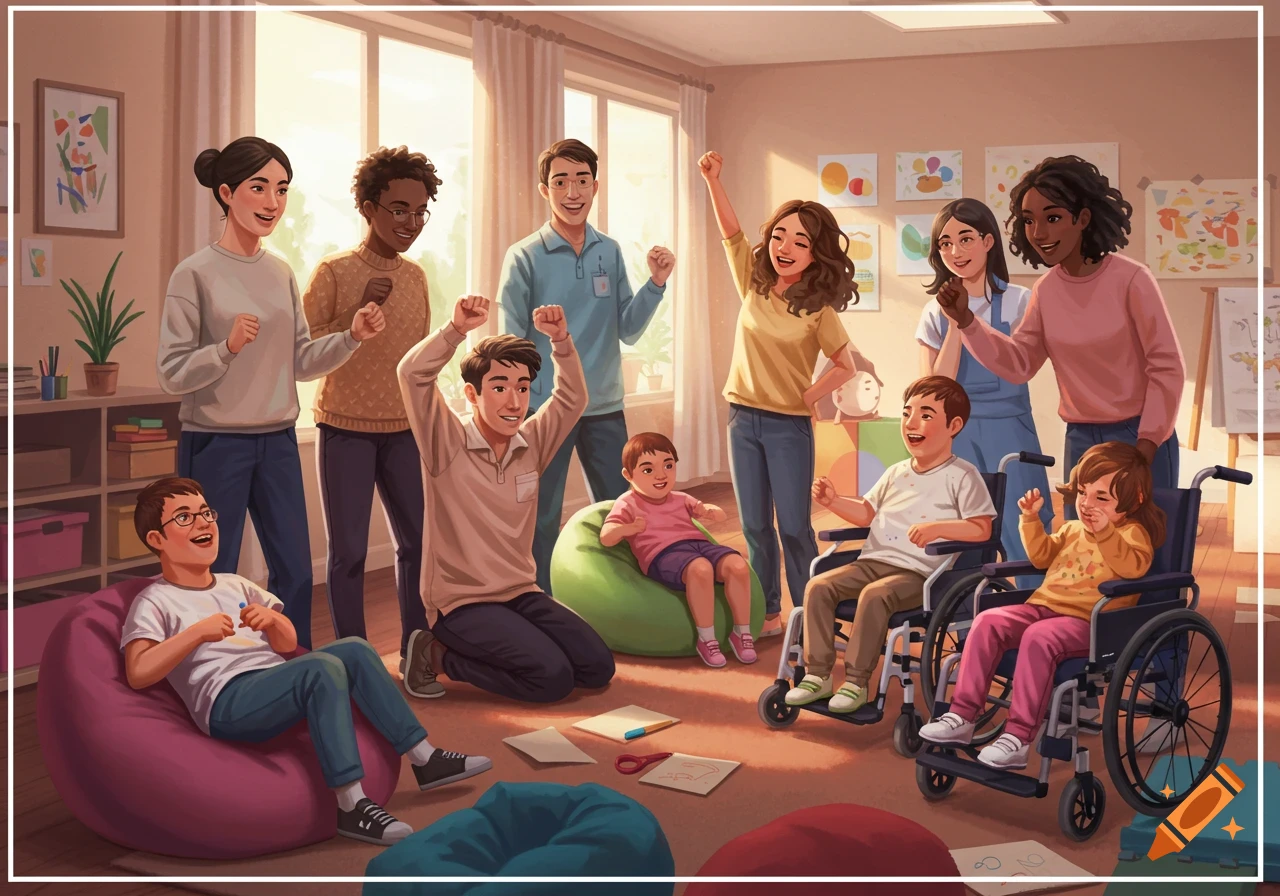
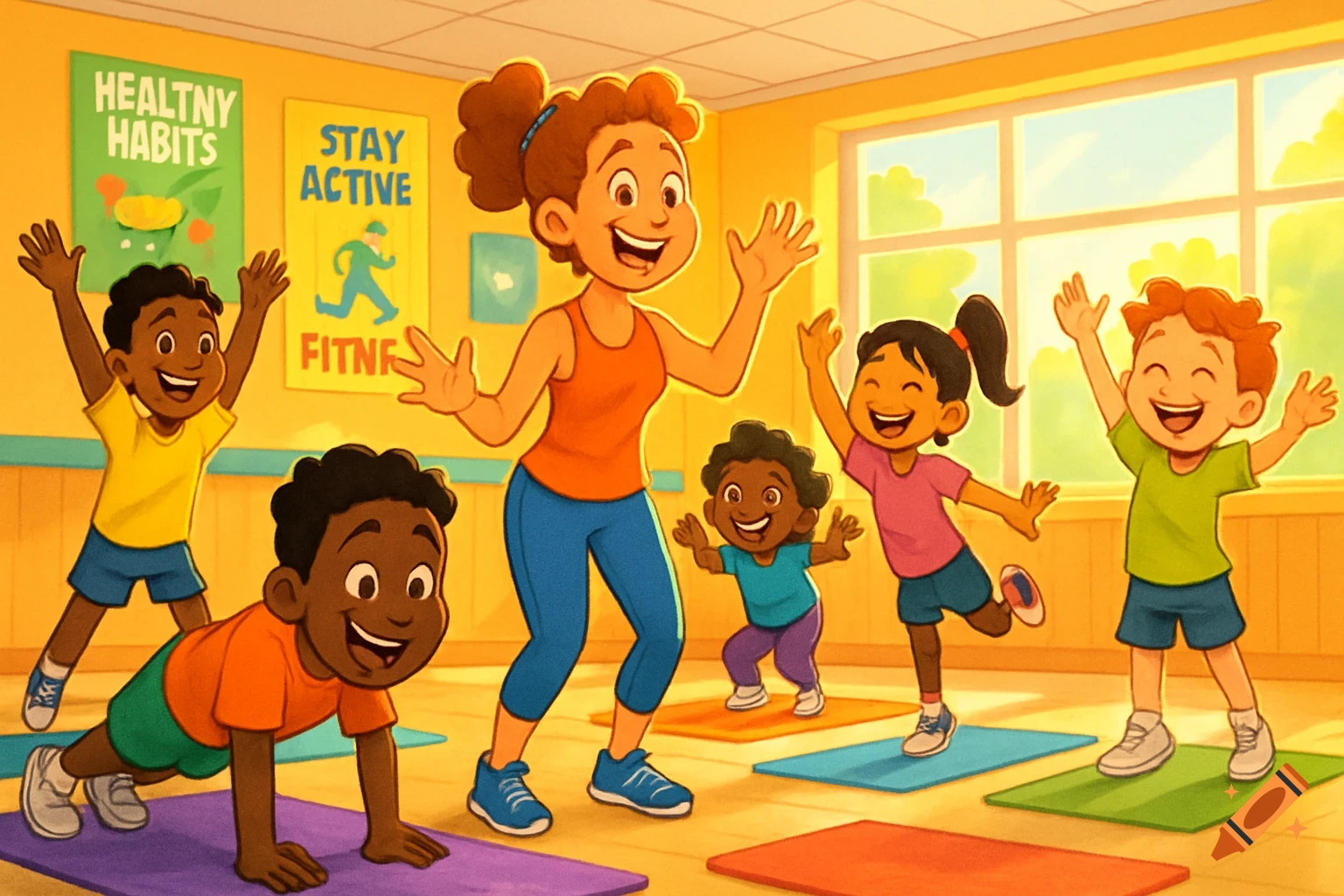
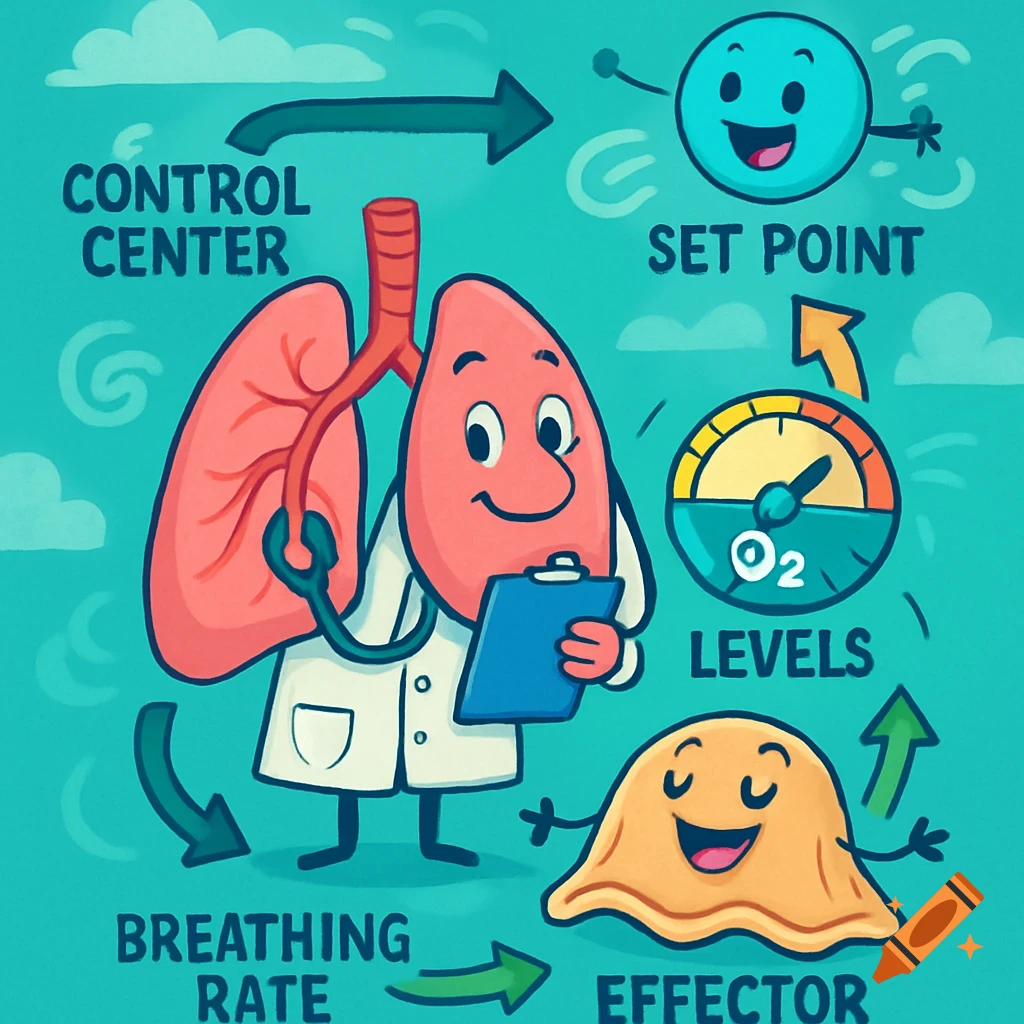
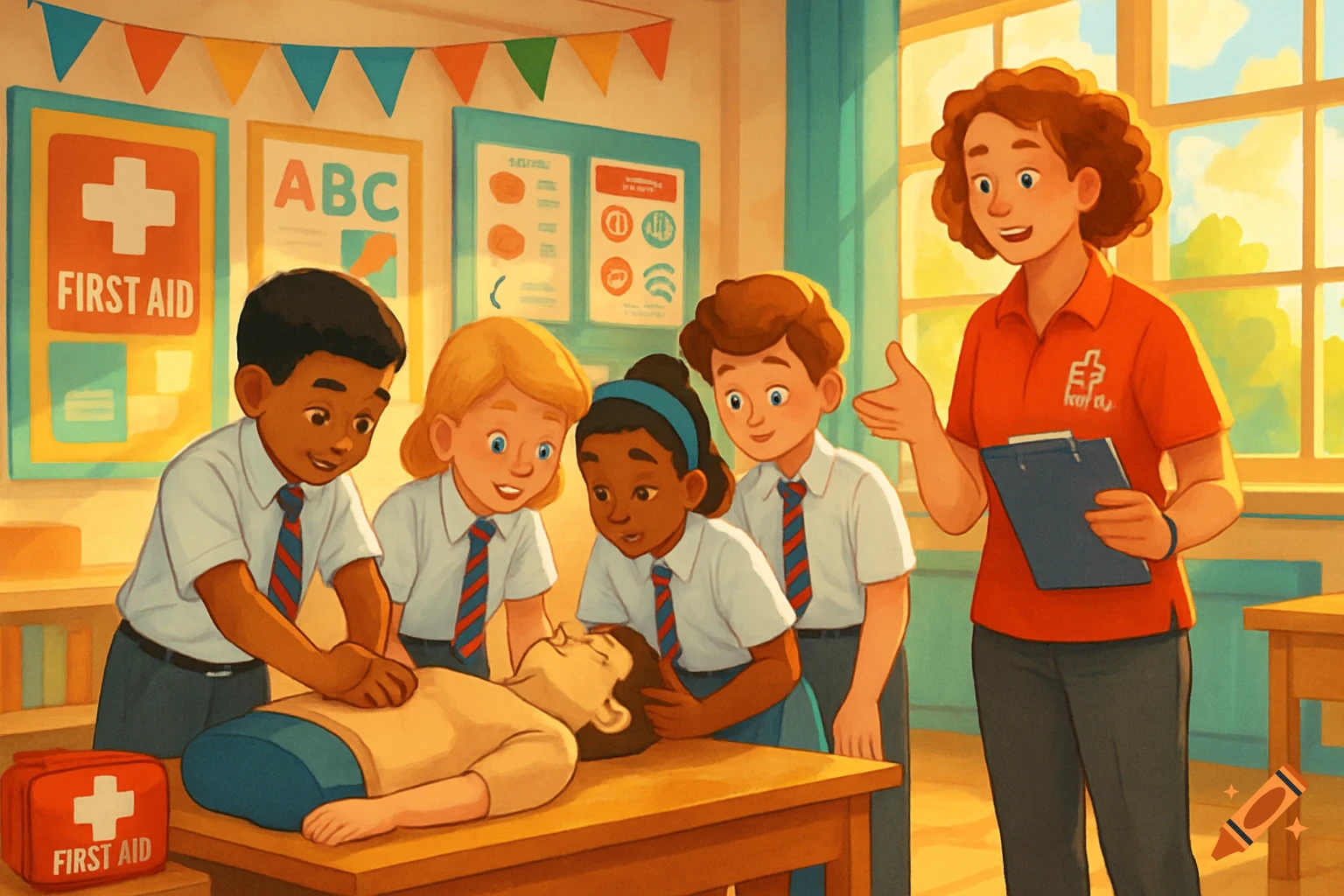
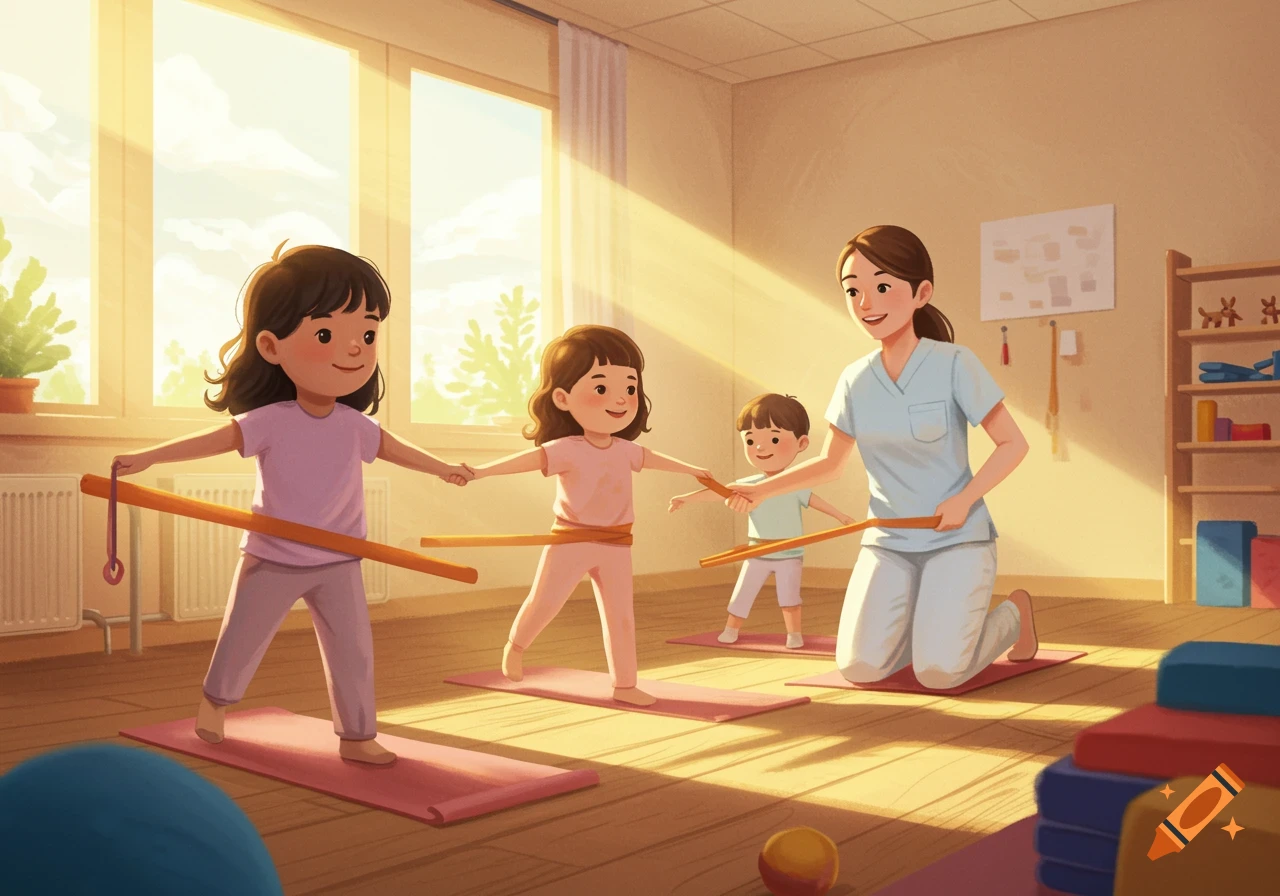
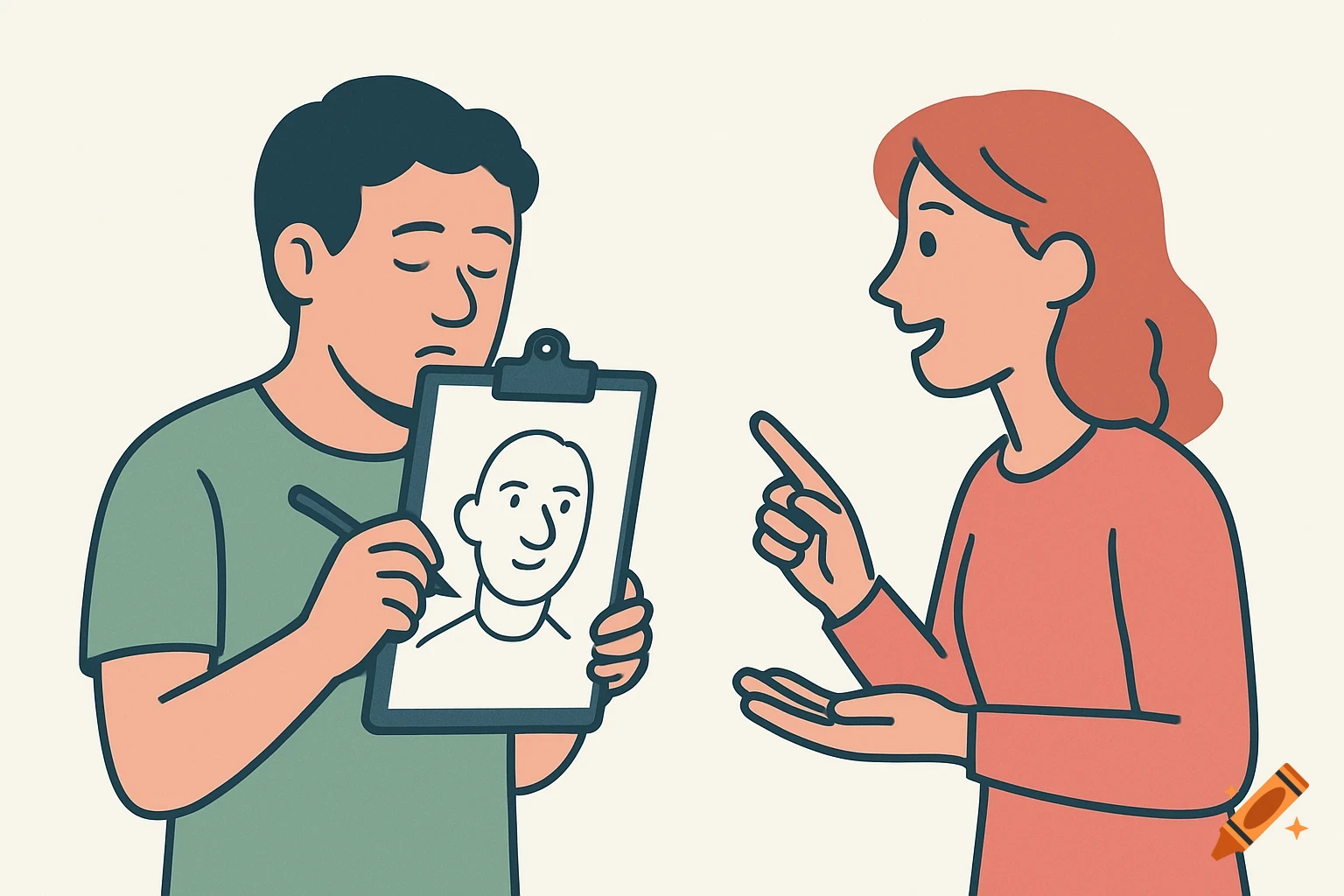
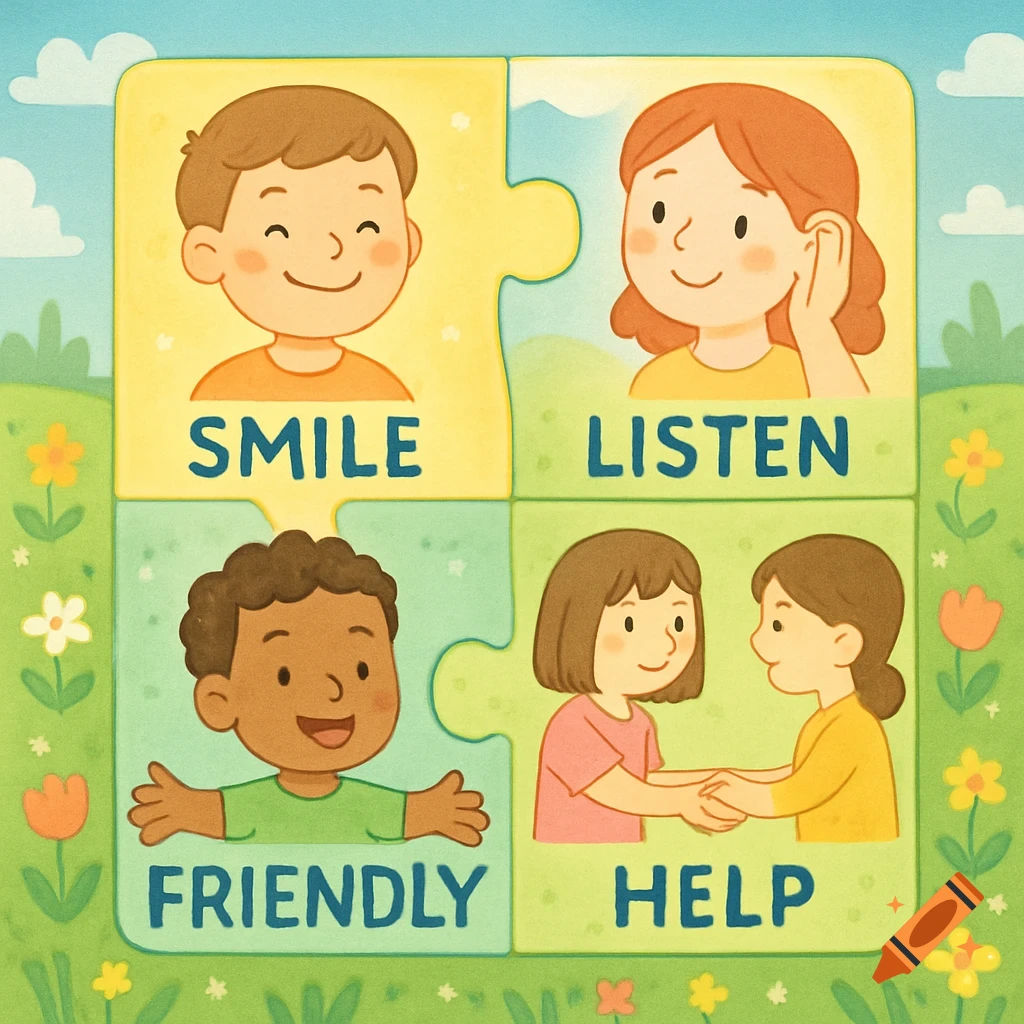
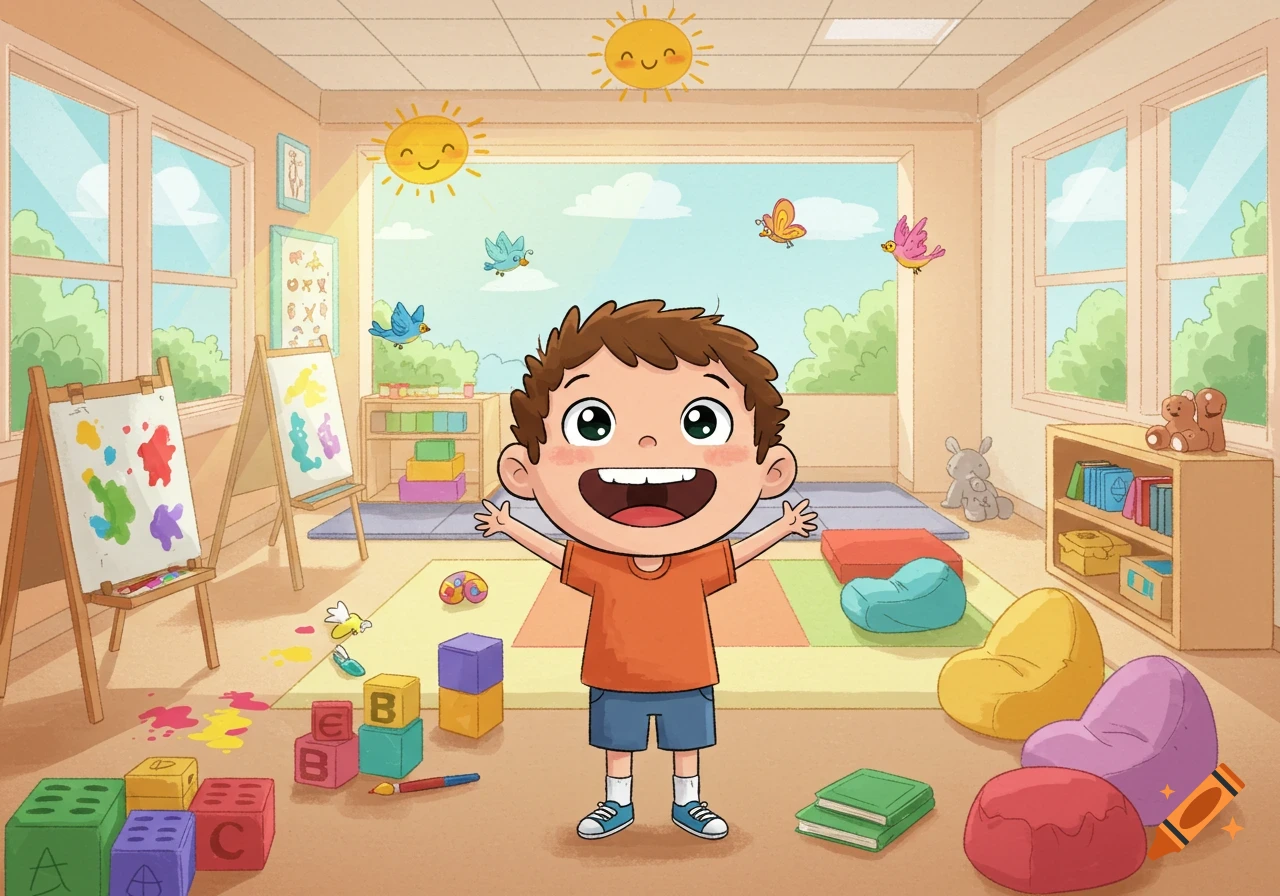
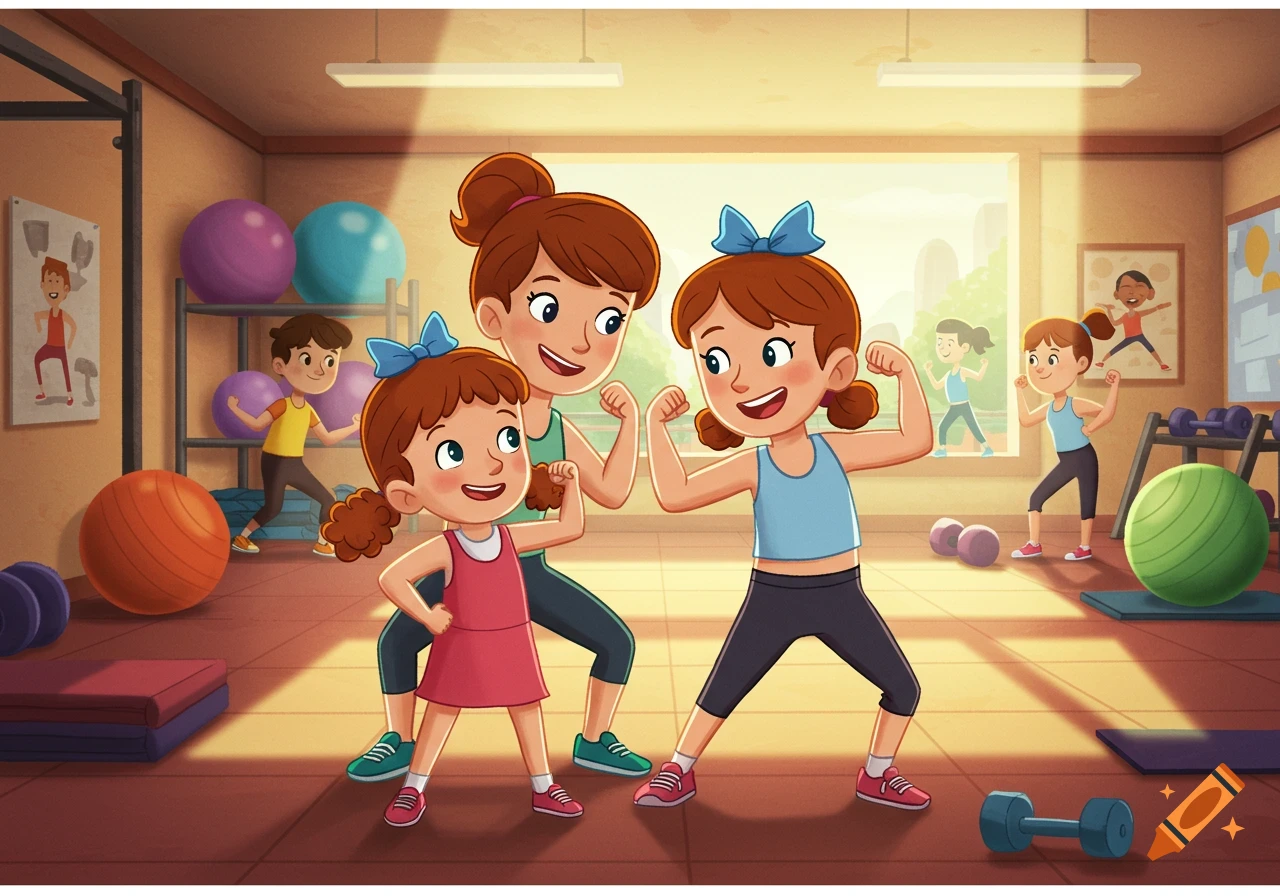
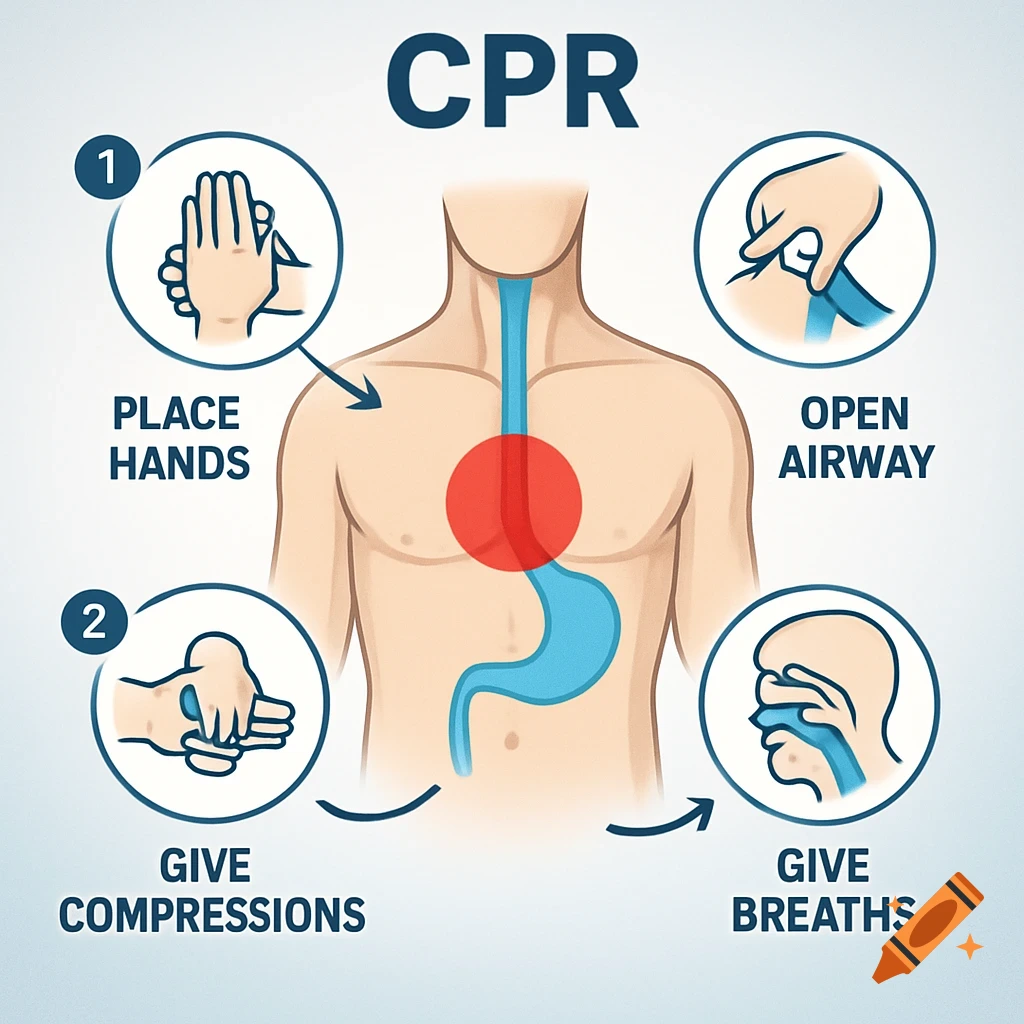
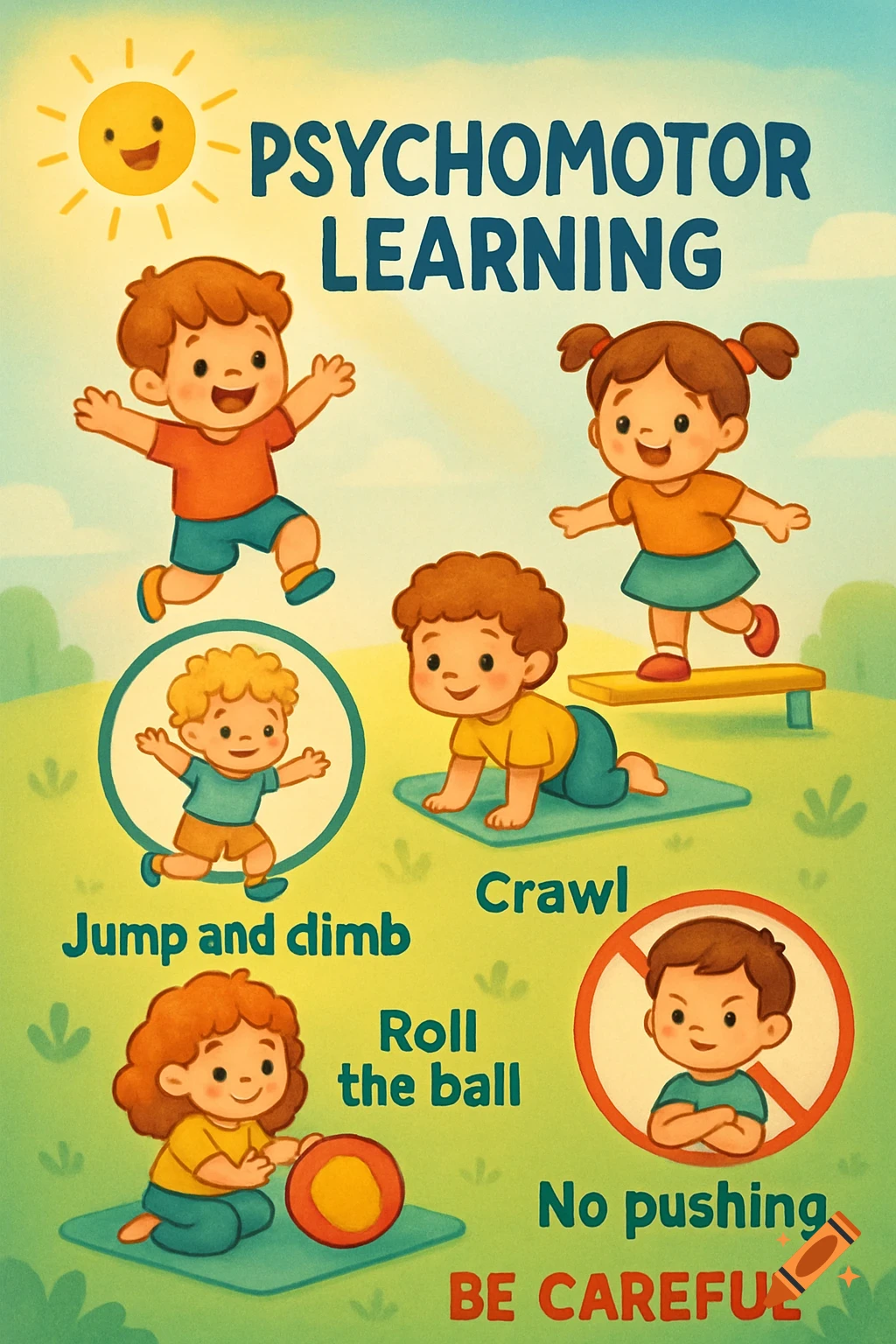
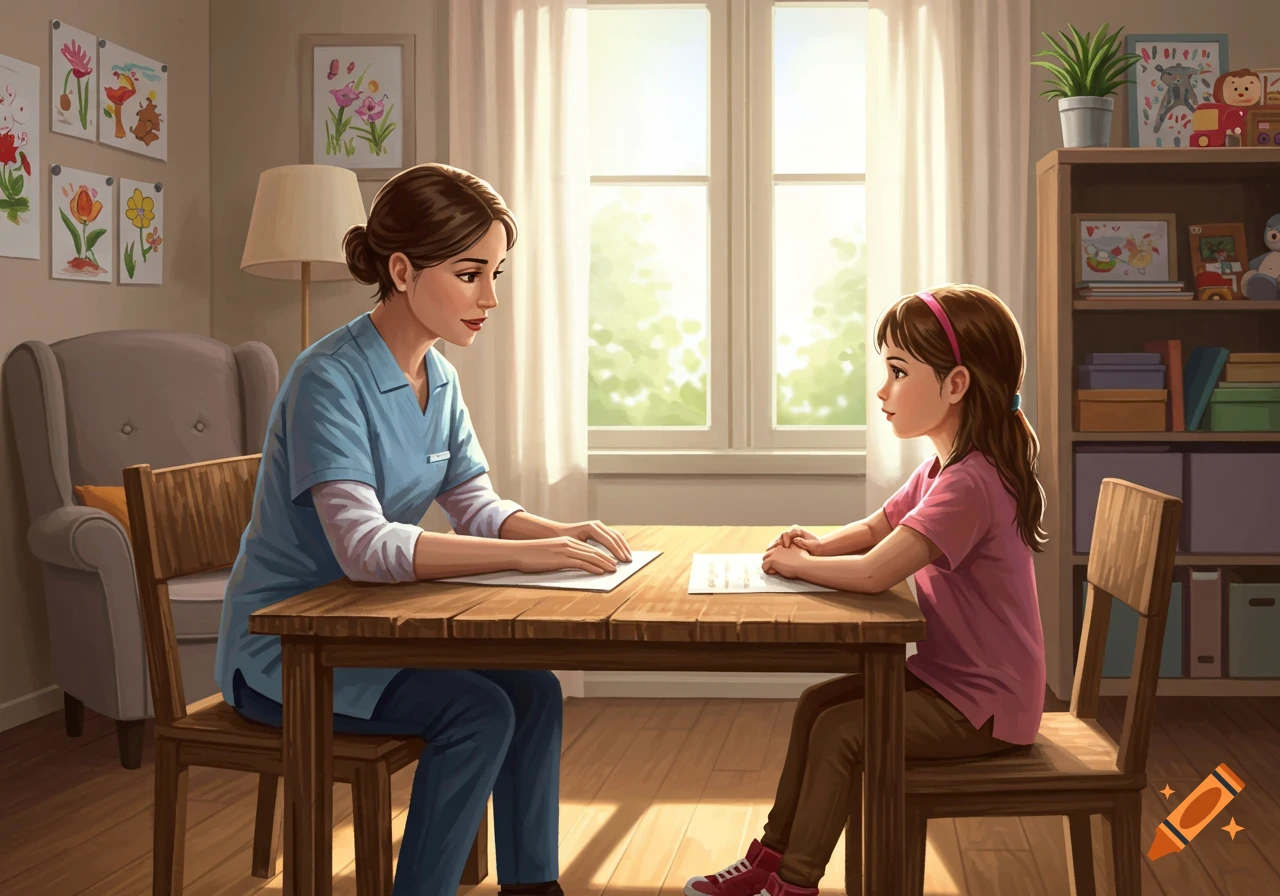
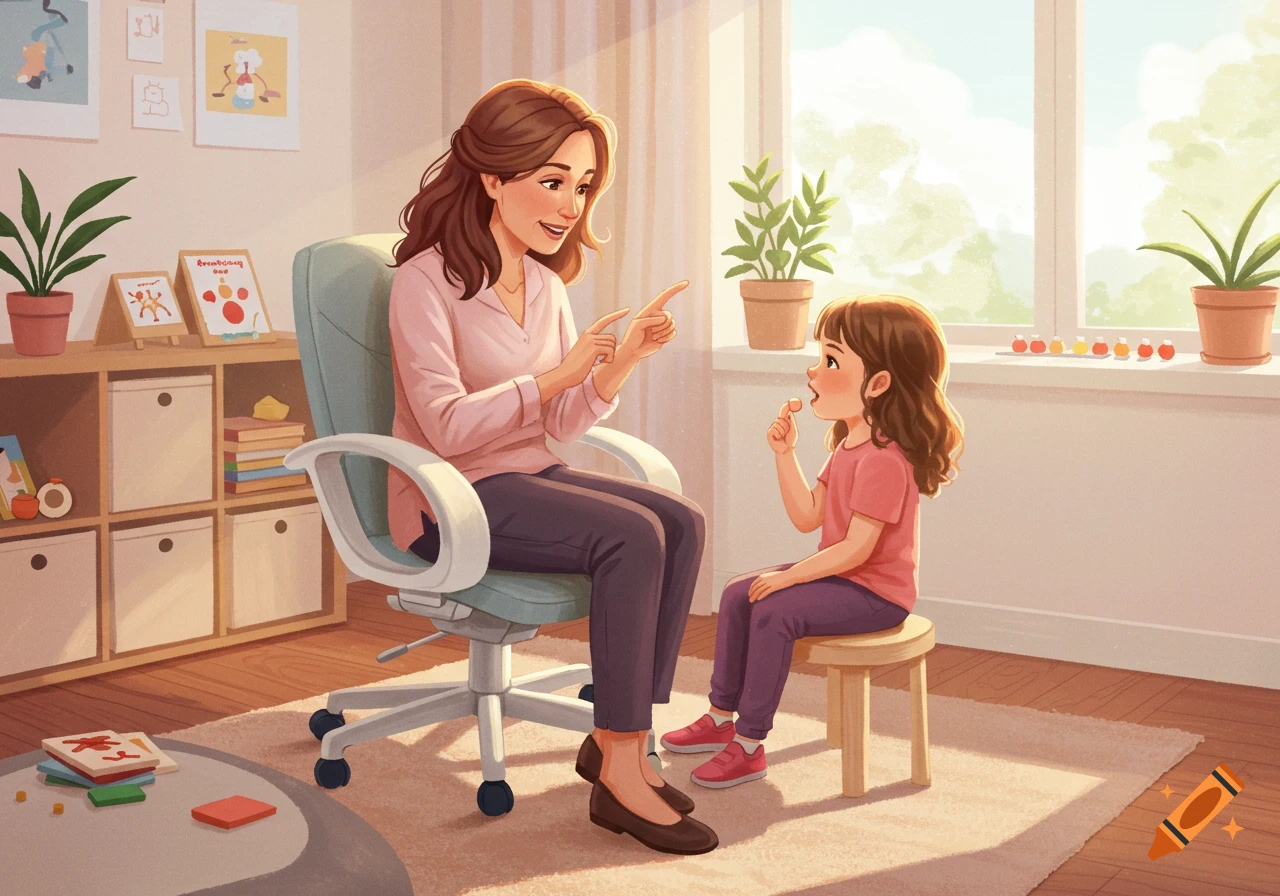
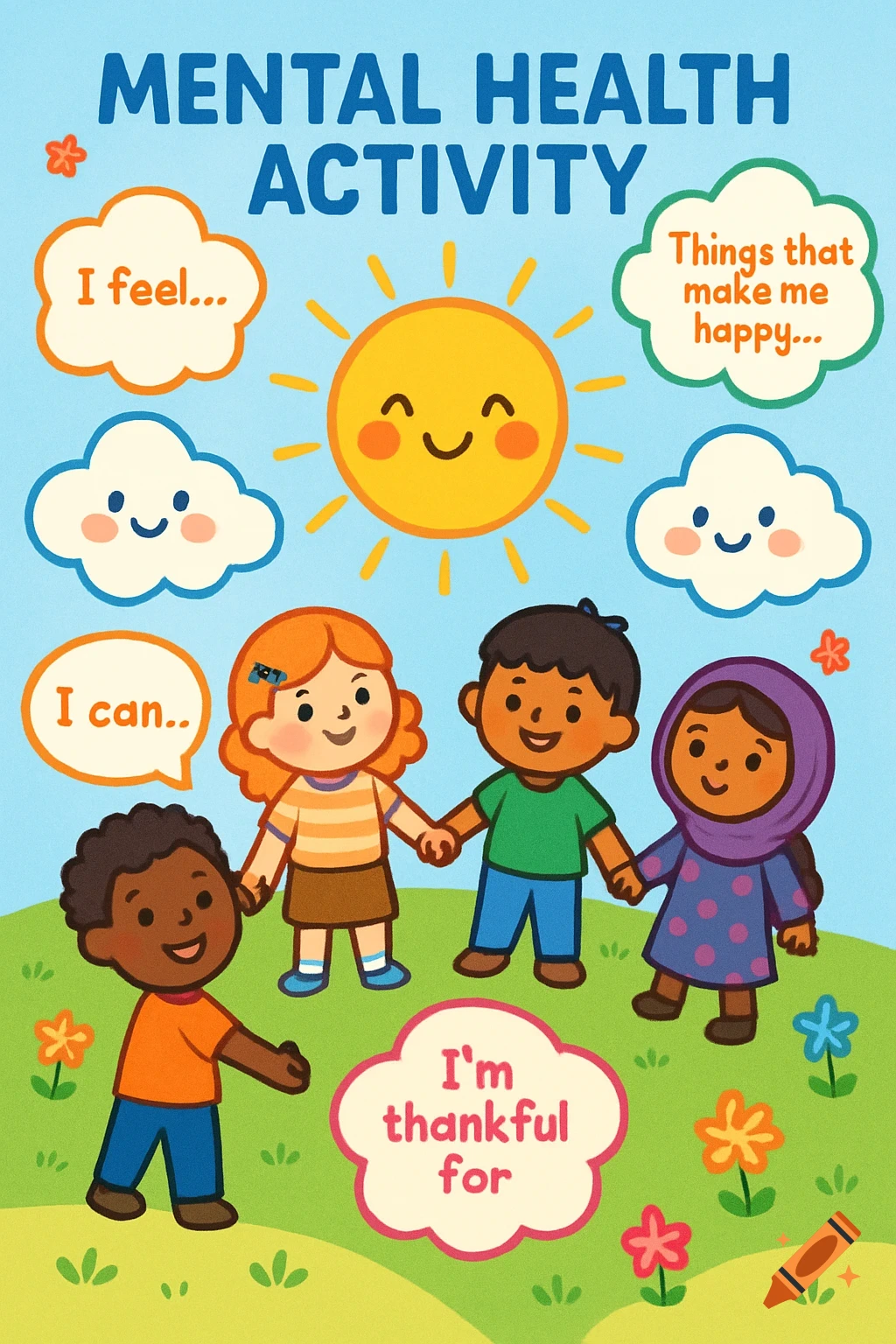
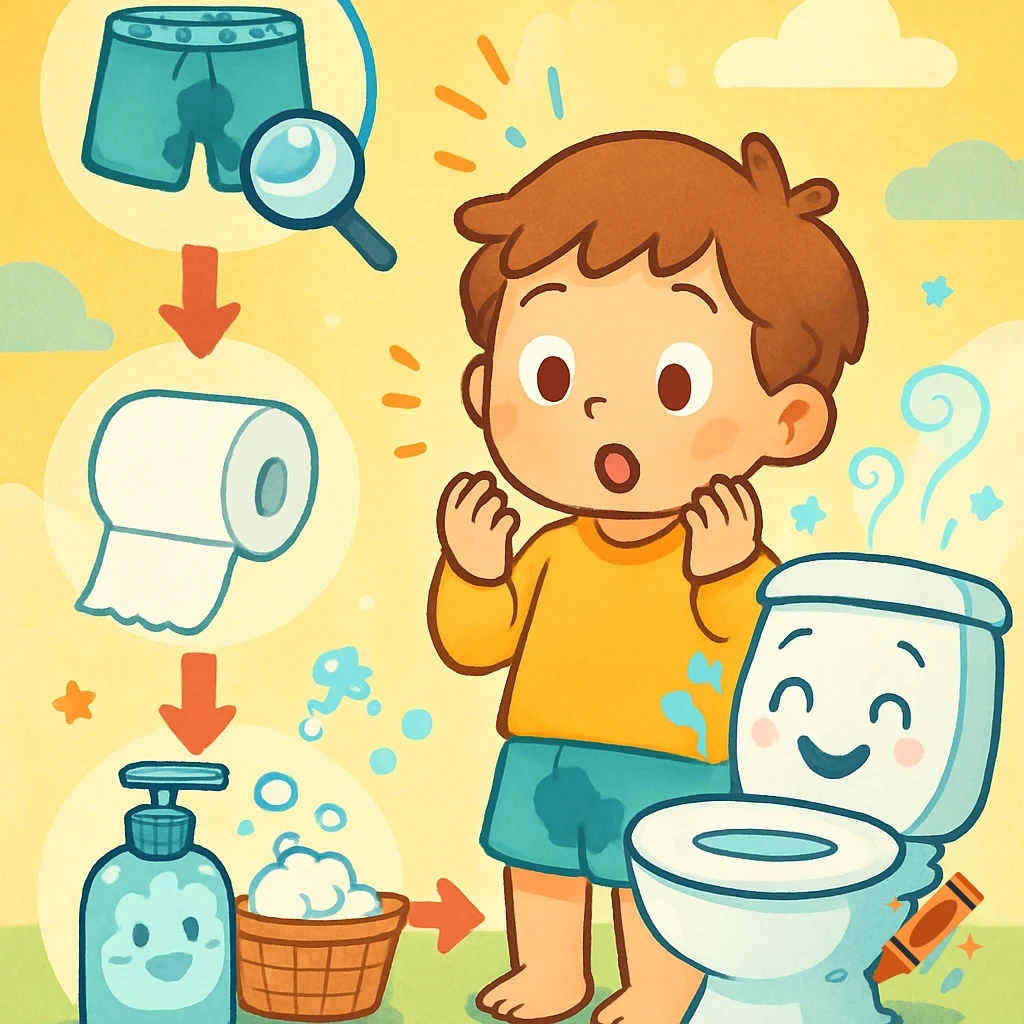
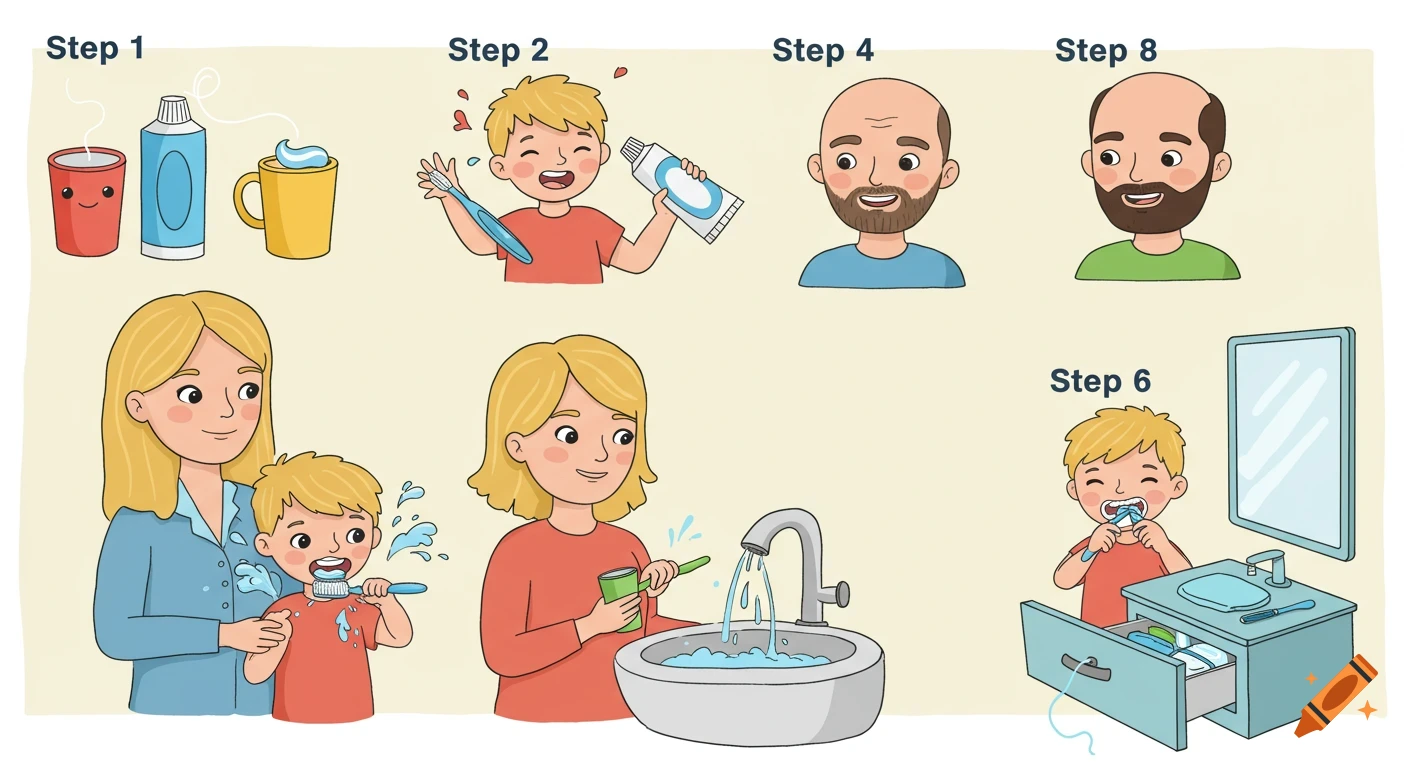
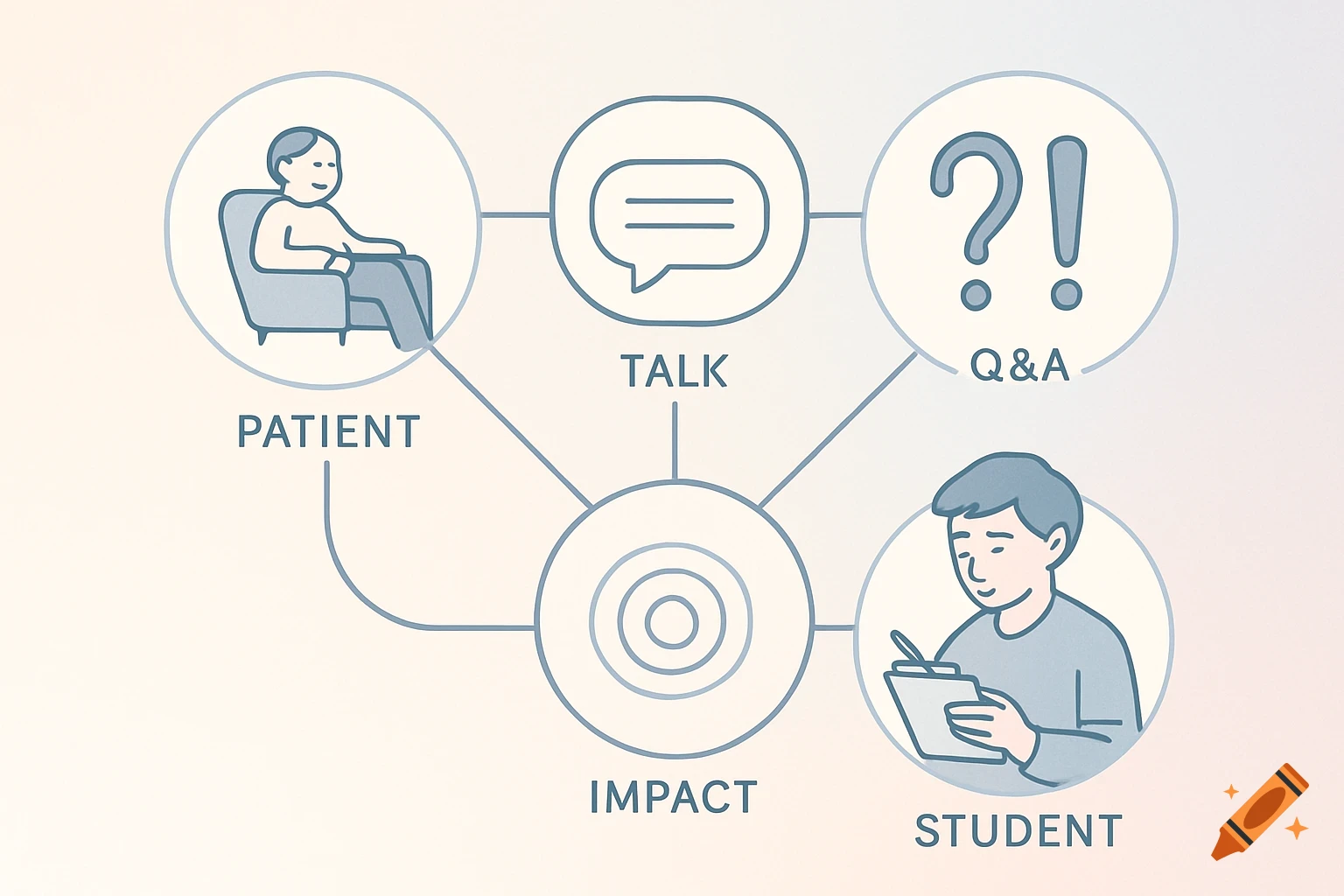
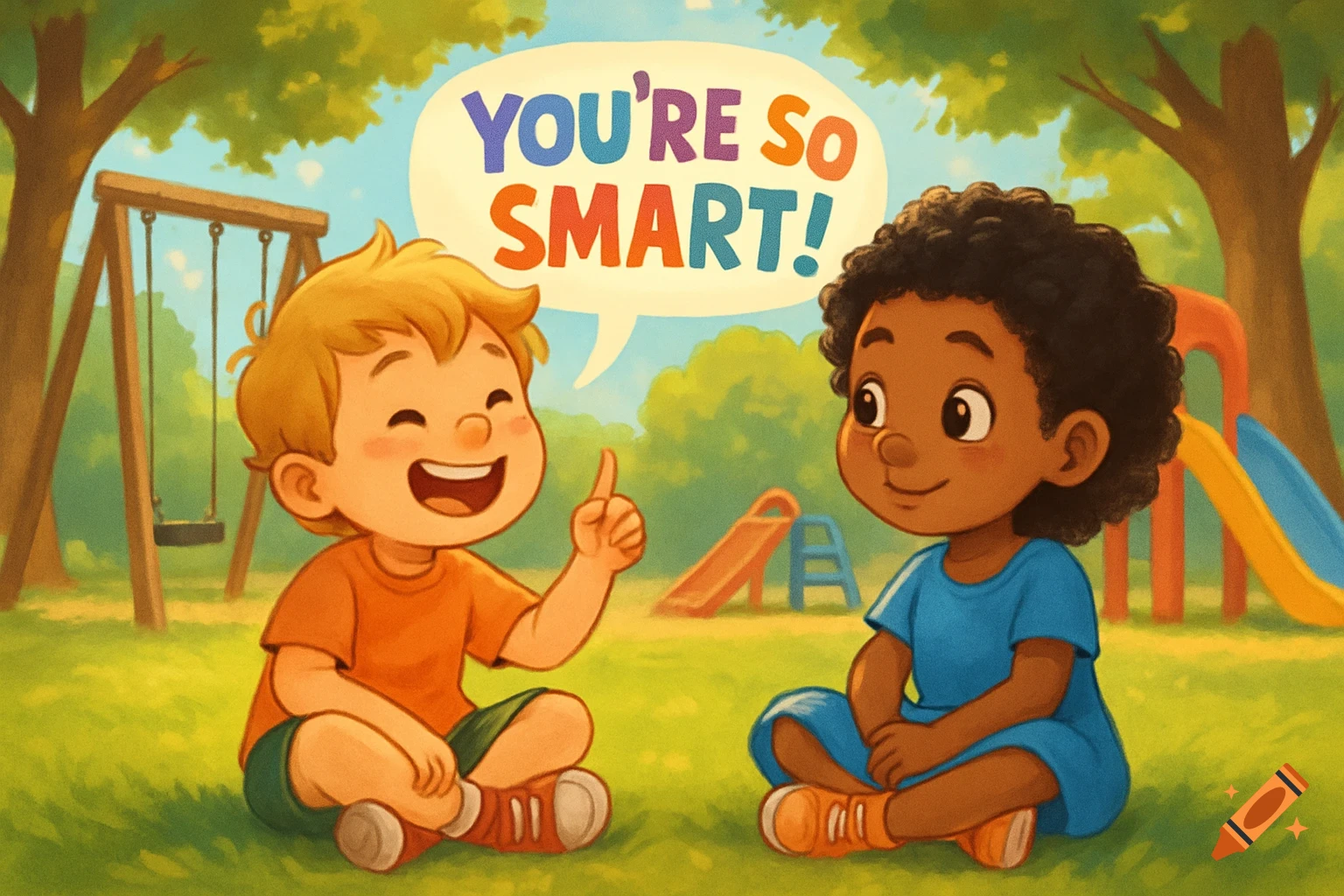
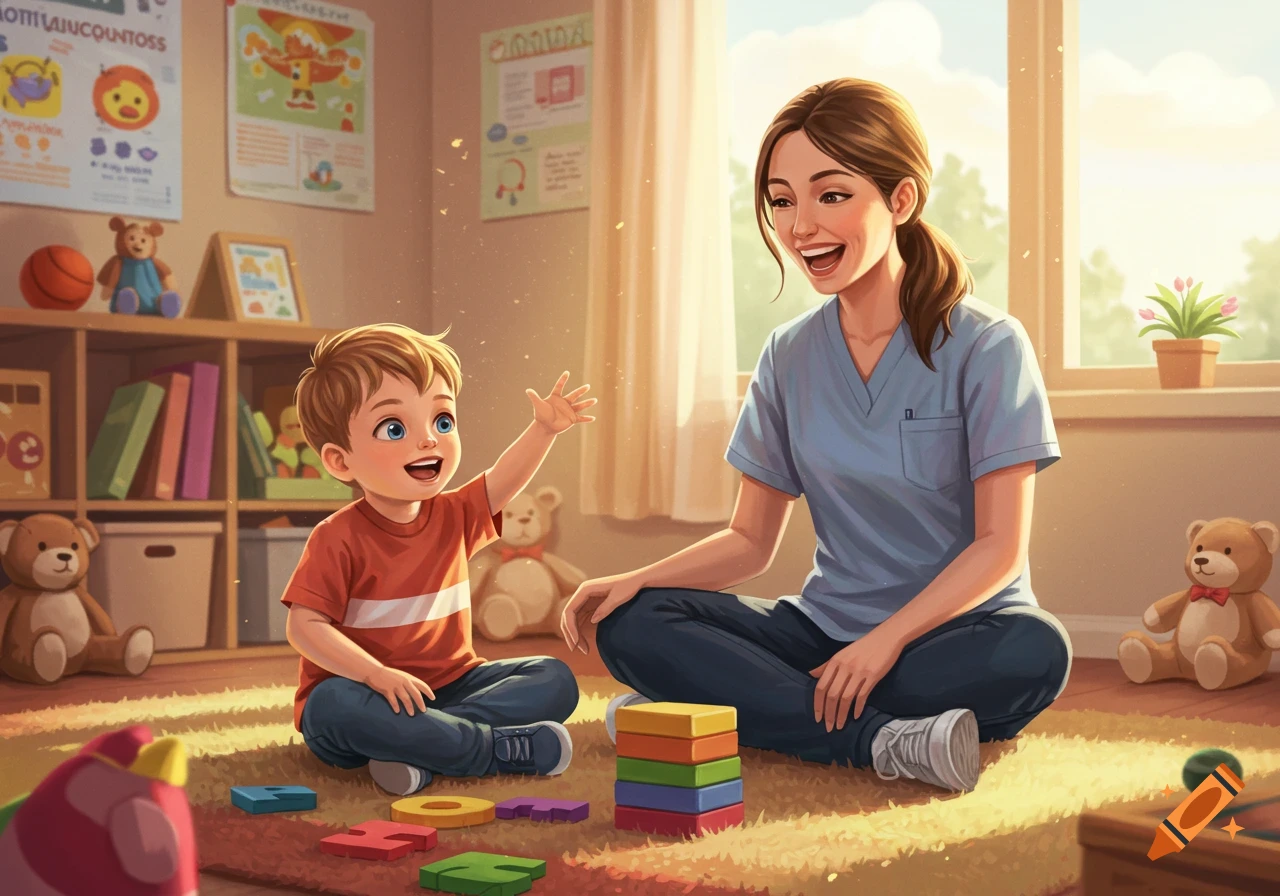
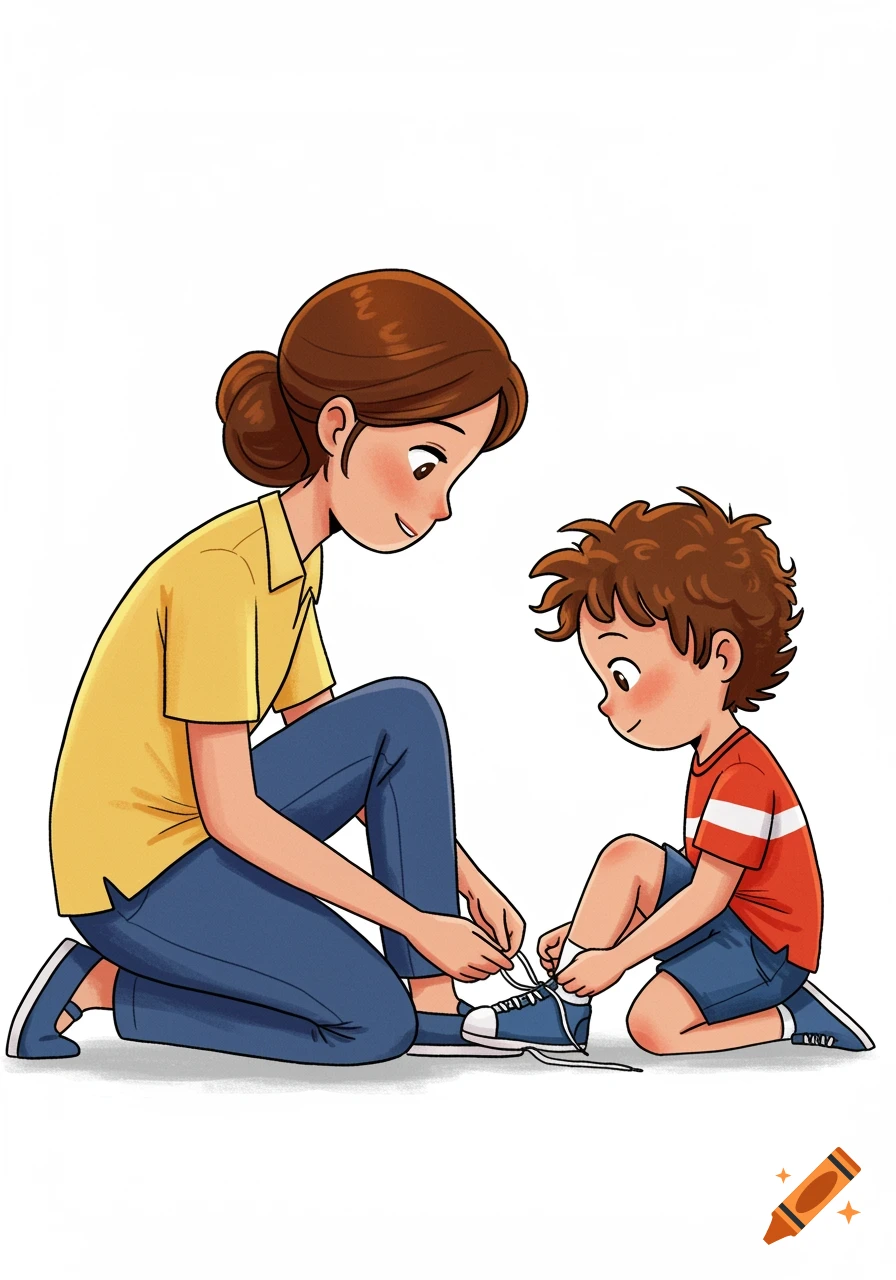
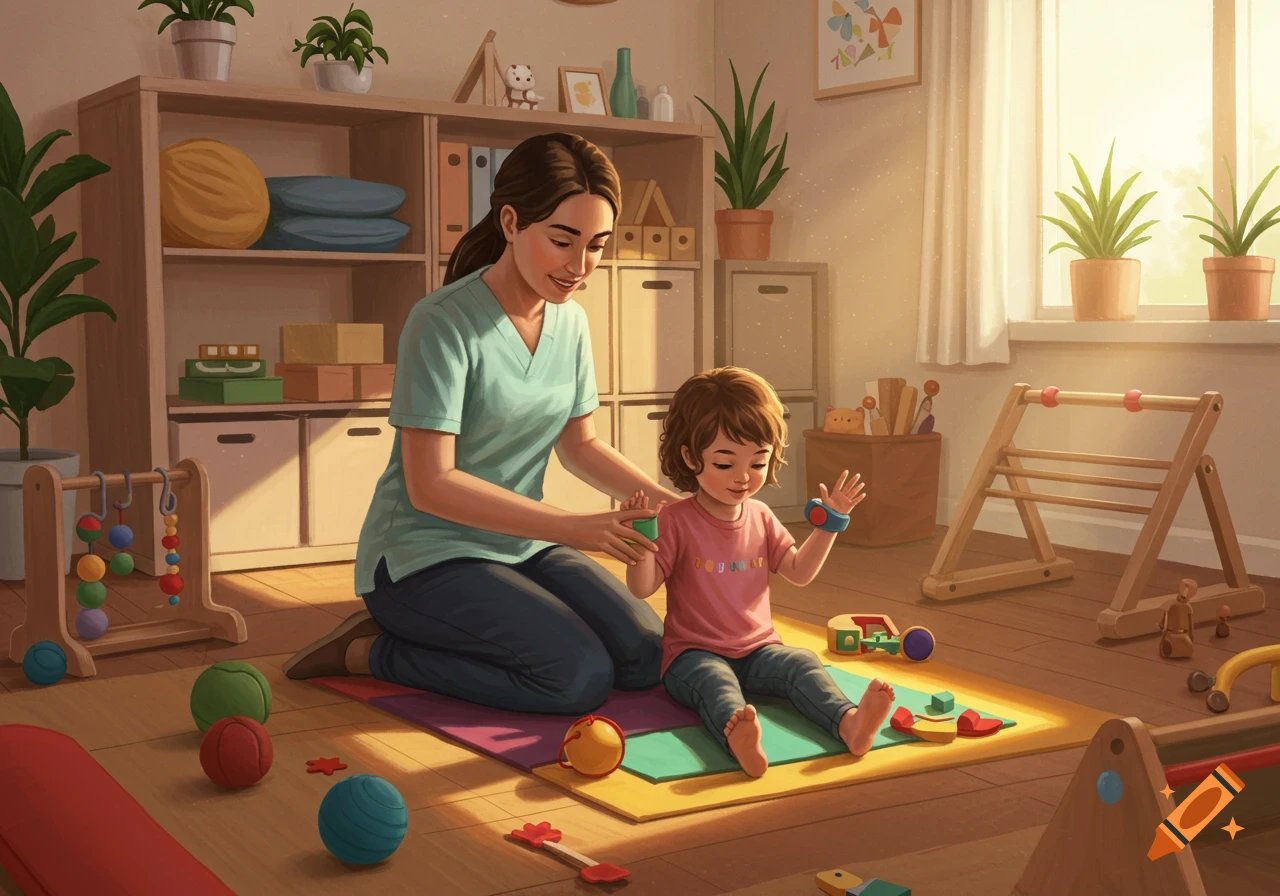
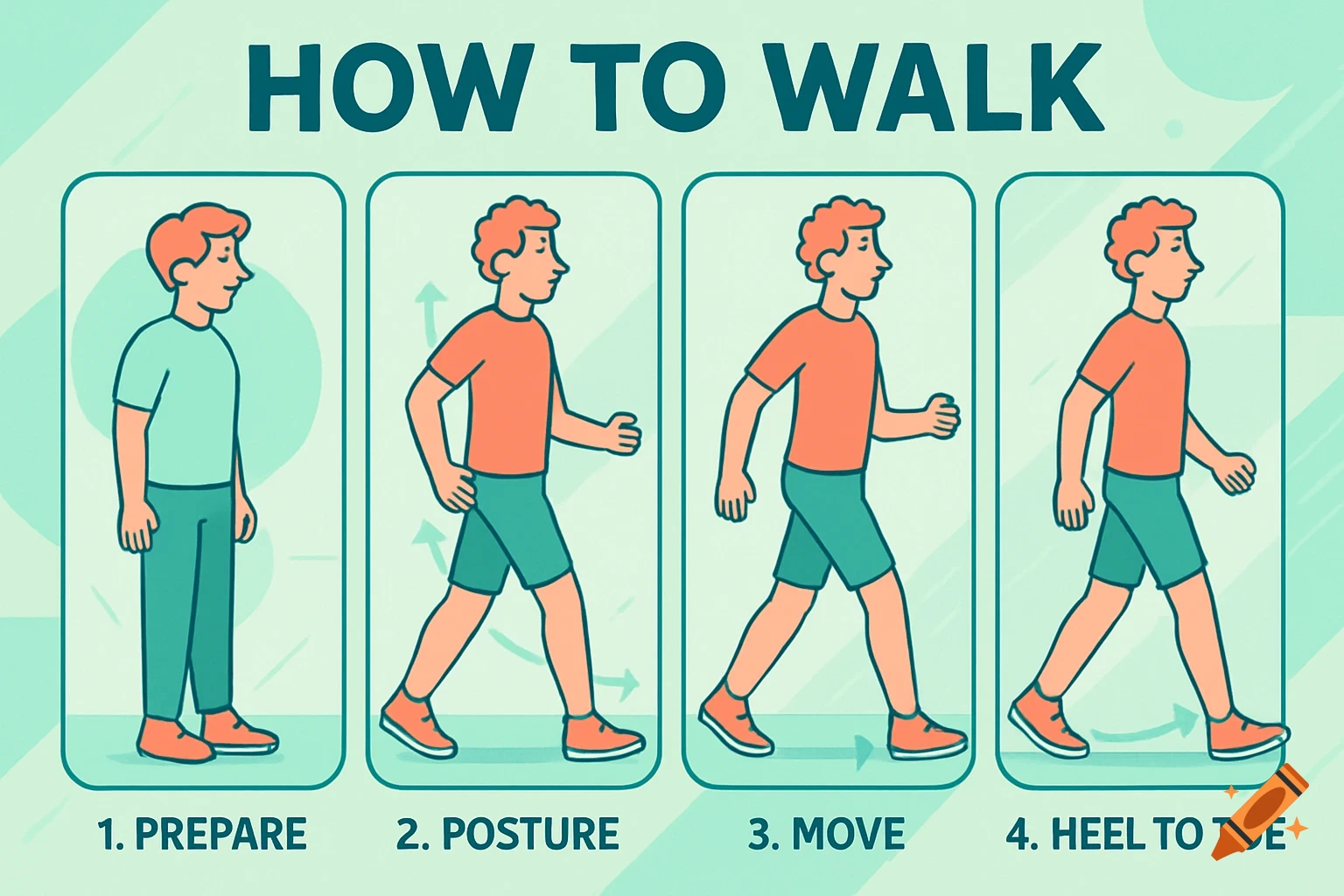
A colorful poster illustrating 10 regulation strategies for children, featuring cartoon kids demonstrating techniques like co-regulation, breathing, sensory strategies, movement, routines, emotional awareness, problem-solving, calm-down spaces, prevention, and practicing when calm.

make each one a poster Regulation strategies Connection & co-regulation — Stay calm yourself, get close, use a gentle voice, validate feelings, and help them feel safe before trying to solve the problem. Breathing & body regulation — Slow breathing, blowing bubbles, stretching, shaking out tension, or taking a short movement break. Sensory strategies — Quiet spaces, dimmer lights, headphones, a favorite comfort item, water, or other calming sensory experiences. Movement — Walking, jumping, dancing, pushing against a wall, or other physical activity can help release stress. Predictability & routine — Visual schedules, warnings before transitions, consistent routines, and knowing what comes next can prevent escalation. Emotional awareness — Teach kids to identify feelings and notice early body signals like a tight stomach, clenched fists, or a fast heartbeat. Problem-solving & choices — Once they're calmer, help them figure out what happened and offer a couple of manageable choices. Calm-down spaces/tools — Create a designated cozy spot with books, stuffed animals, coloring materials, fidgets, or other tools the child finds soothing. Prevention — Look for patterns involving hunger, tiredness, overstimulation, transitions, frustration, or difficult environments and address those before the child reaches a meltdown. Practice when calm — Teach and rehearse calming skills during peaceful moments so the child is more able to use them when upset. Mehr sehen
More images like this