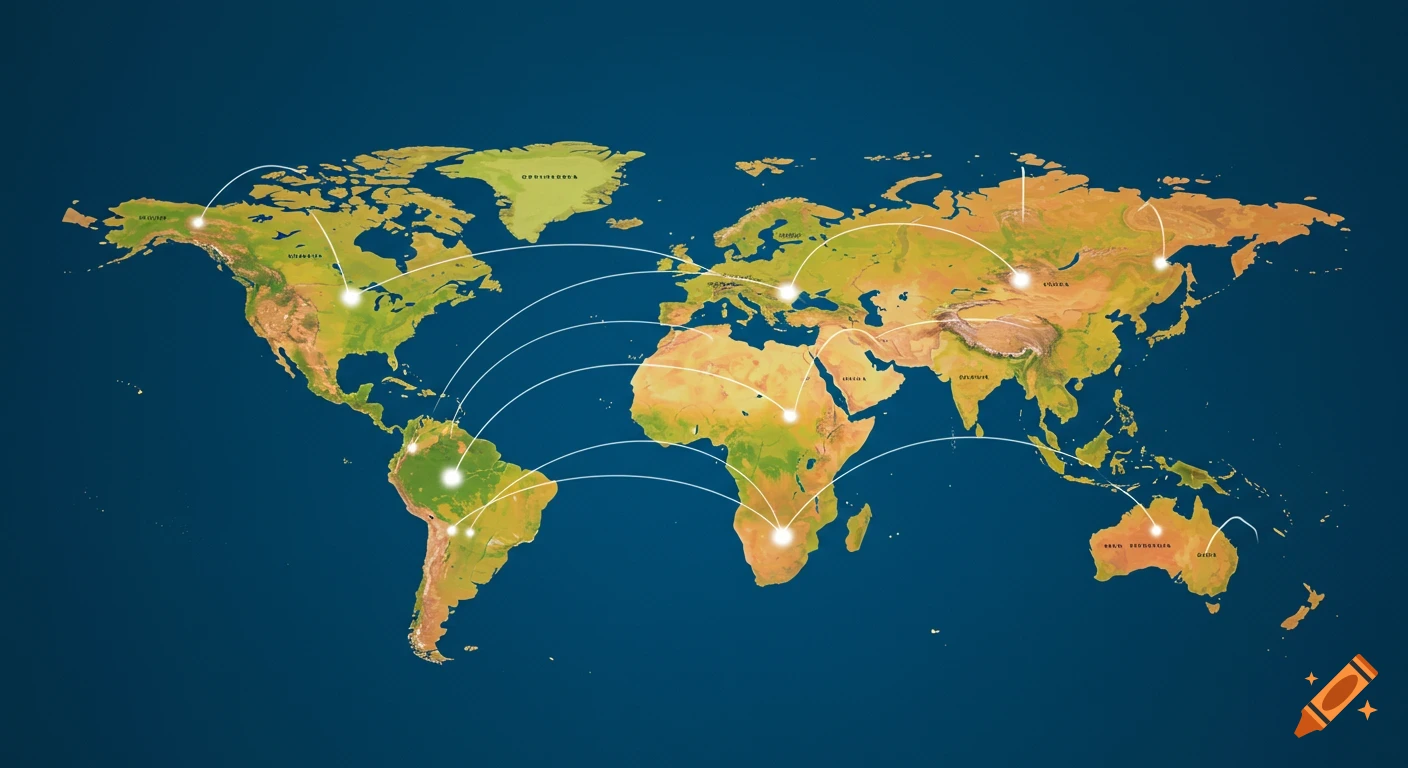
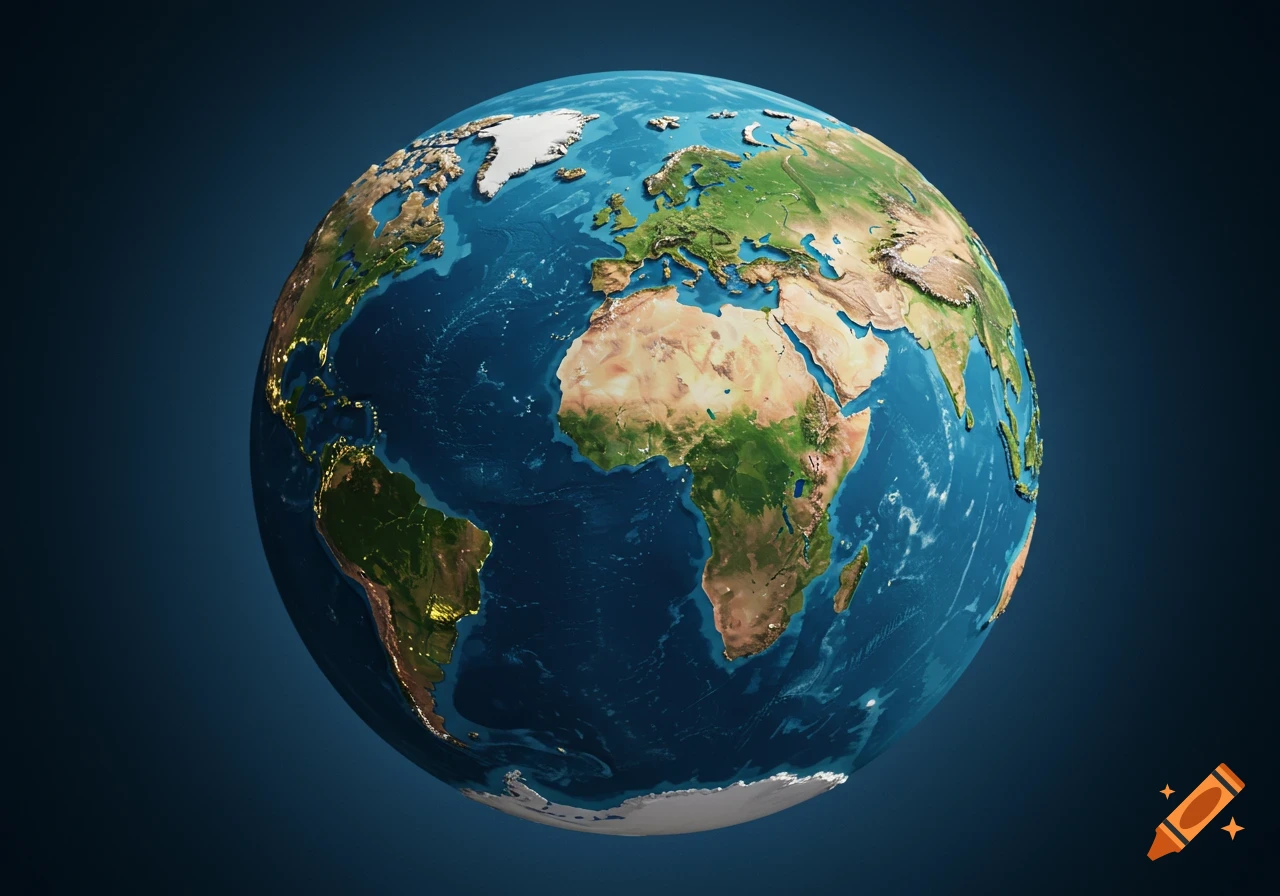
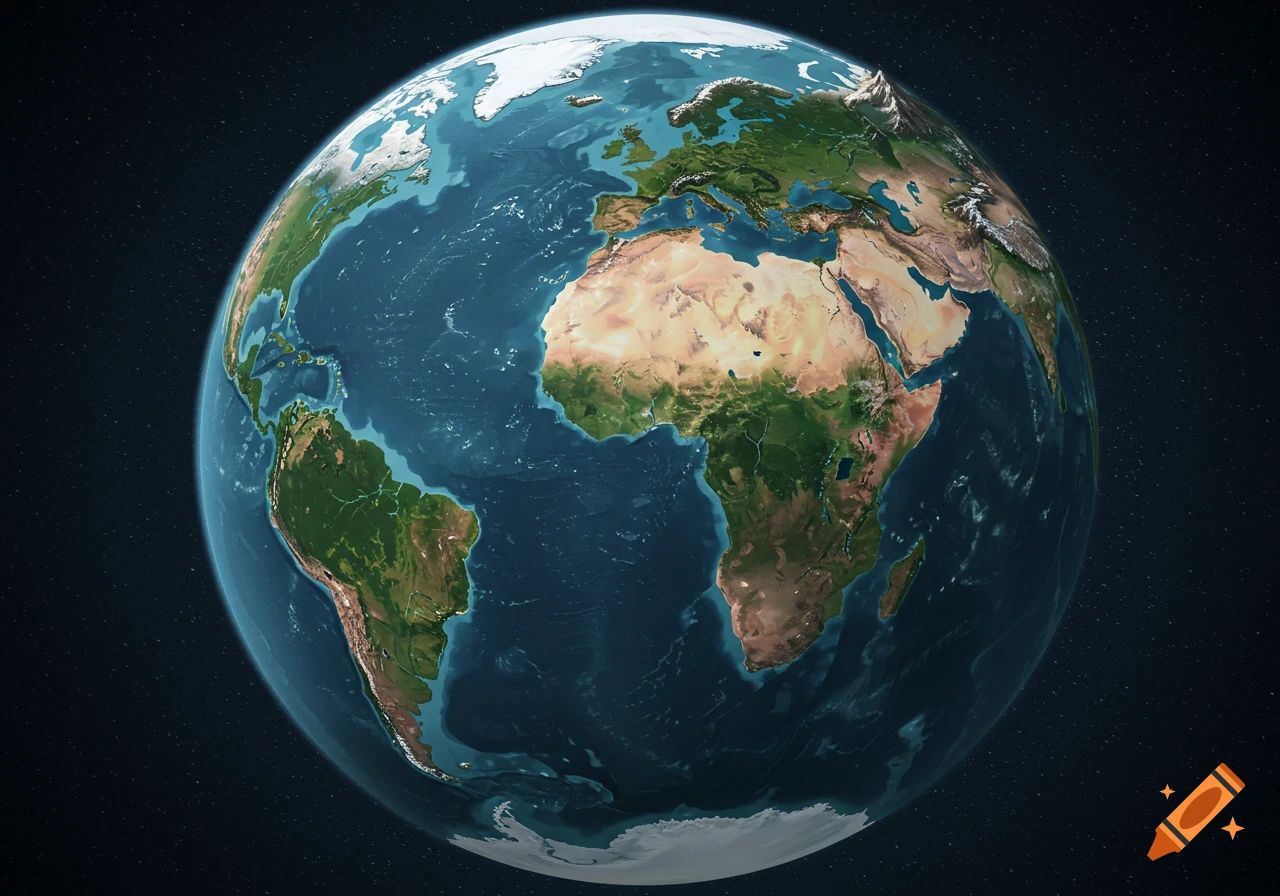
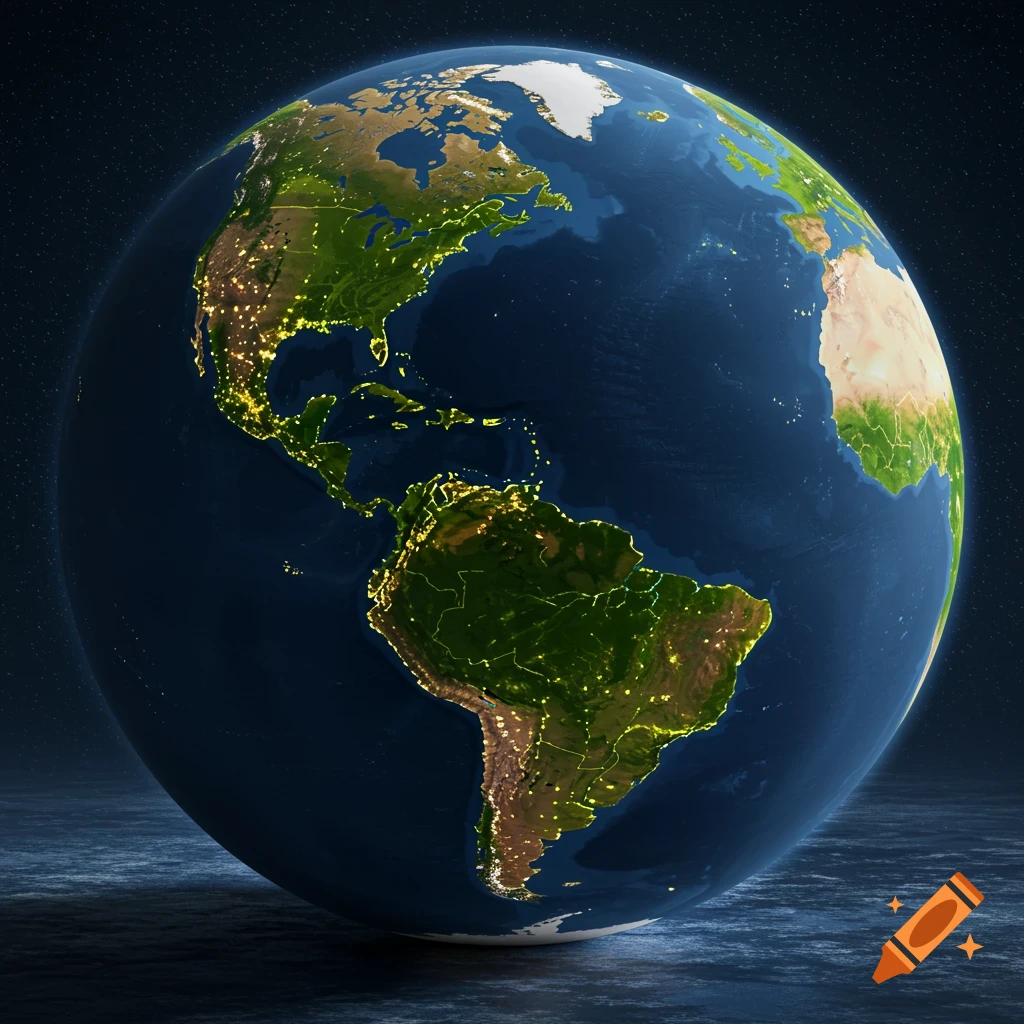
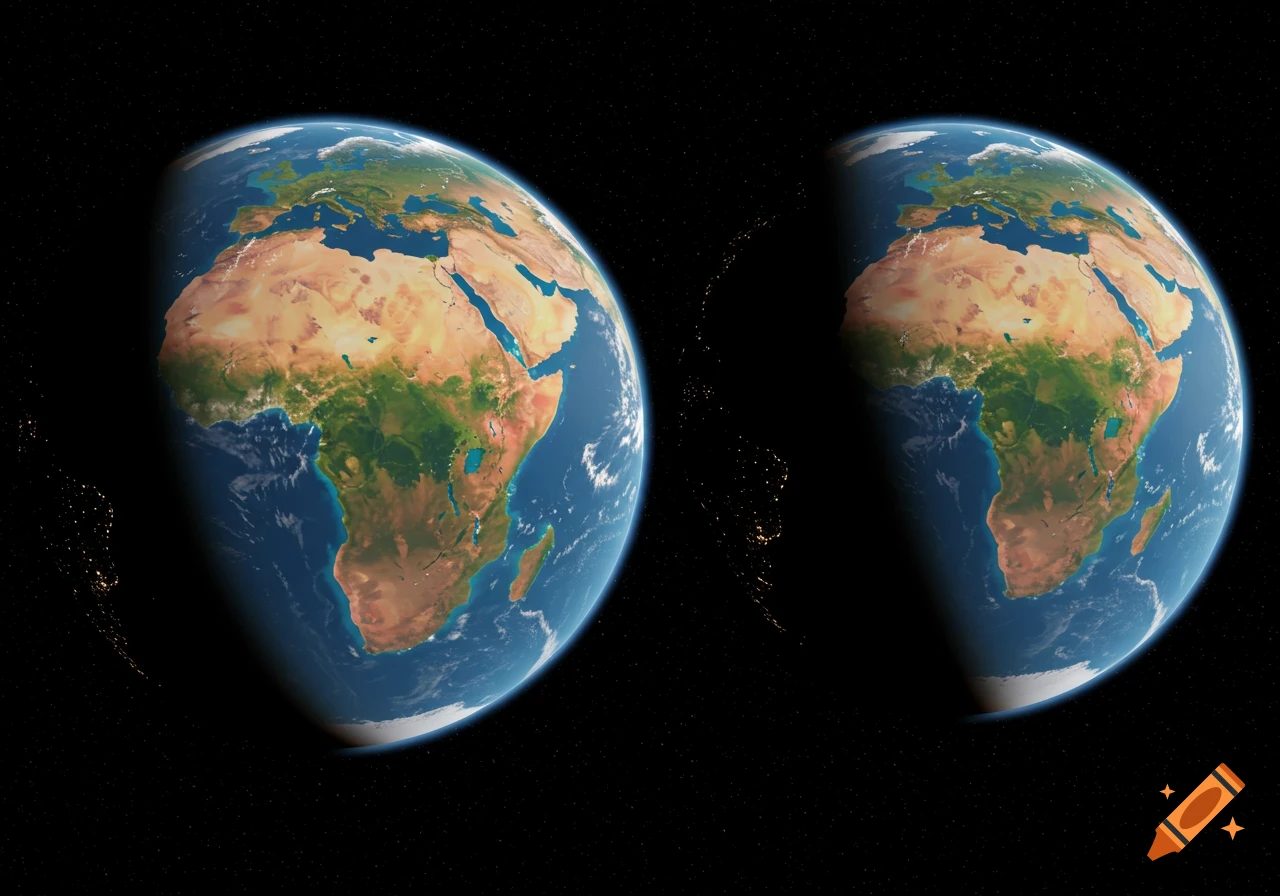
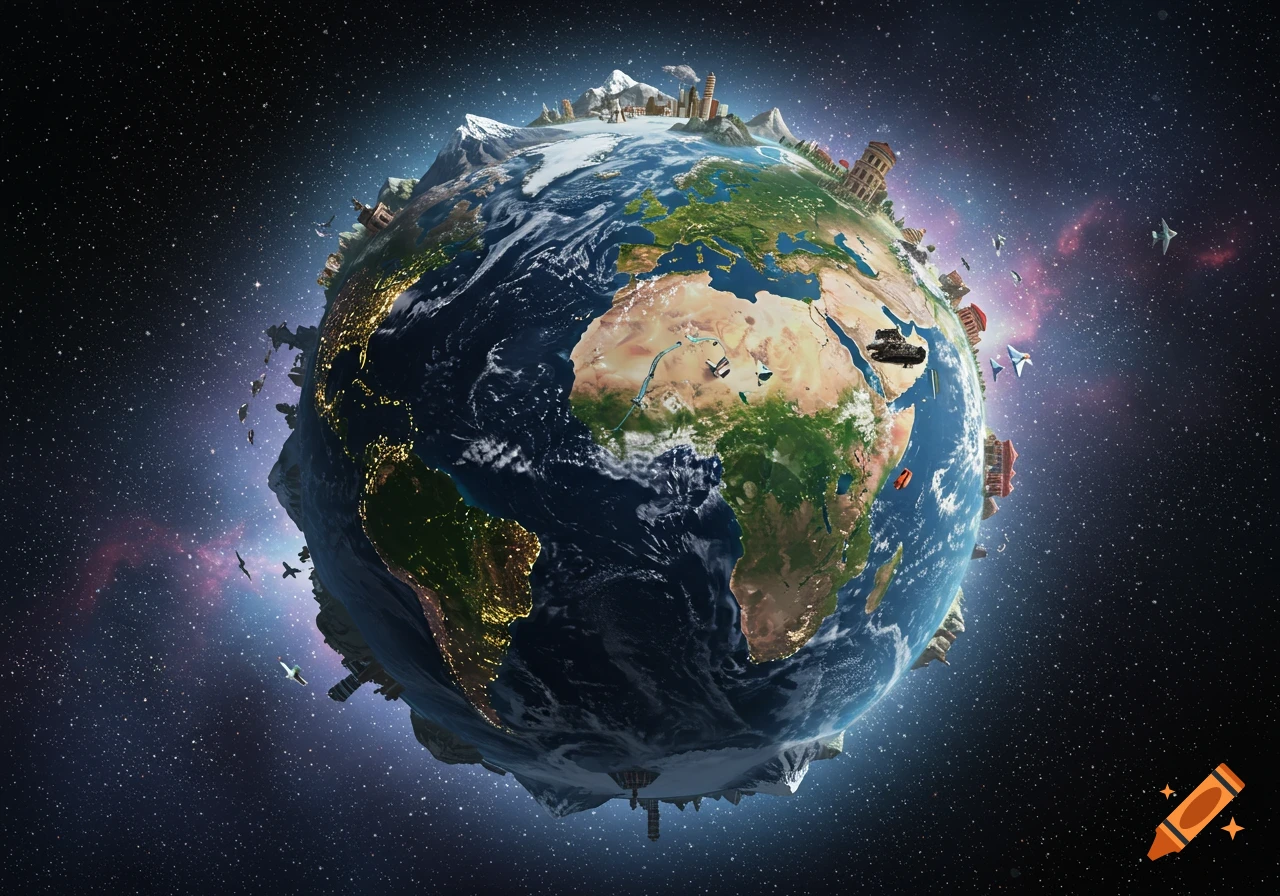
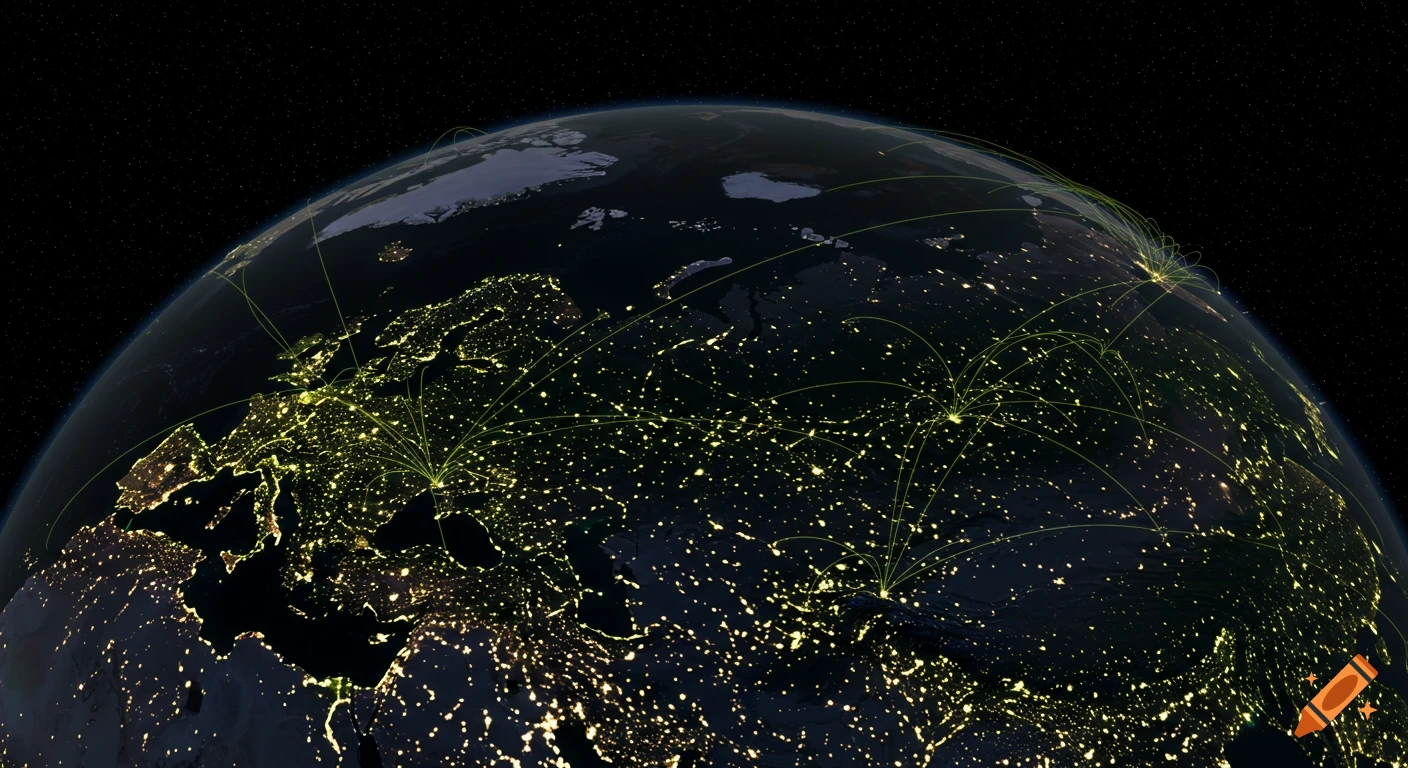
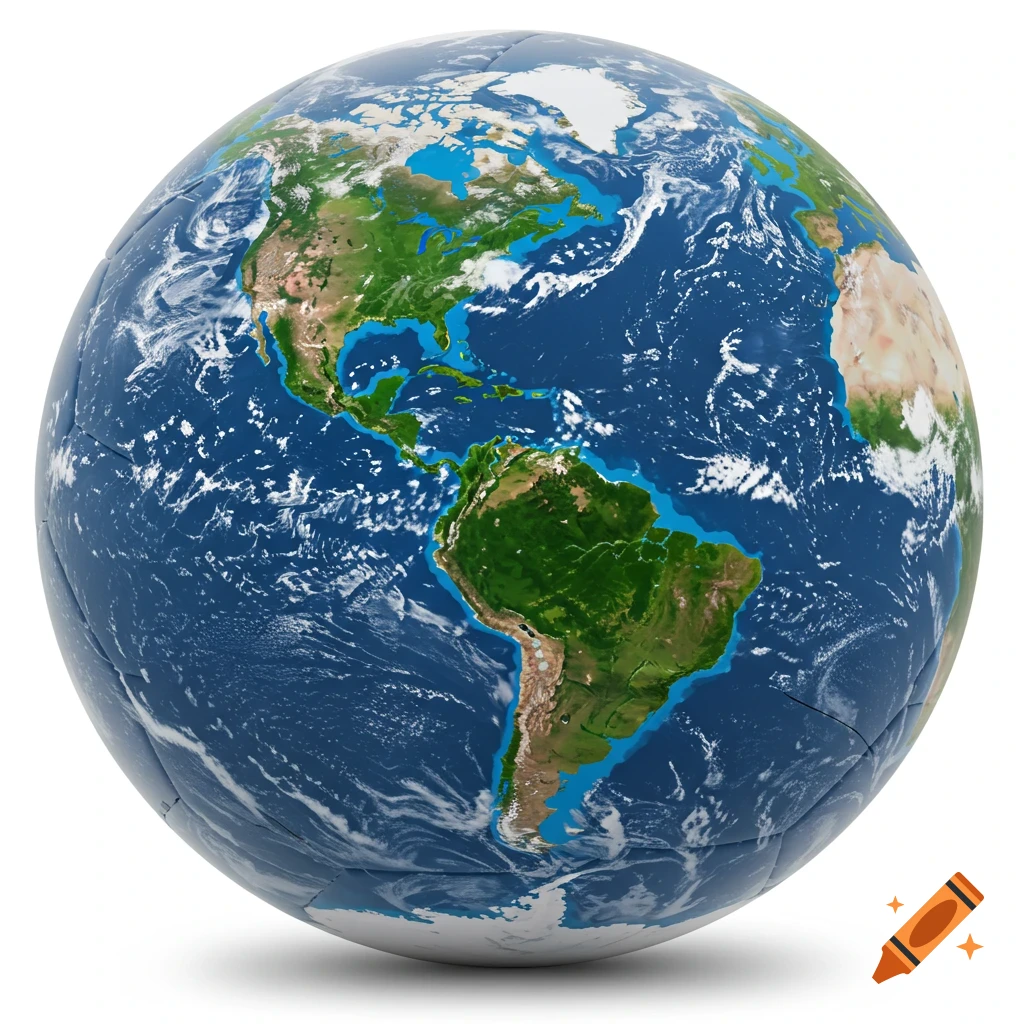
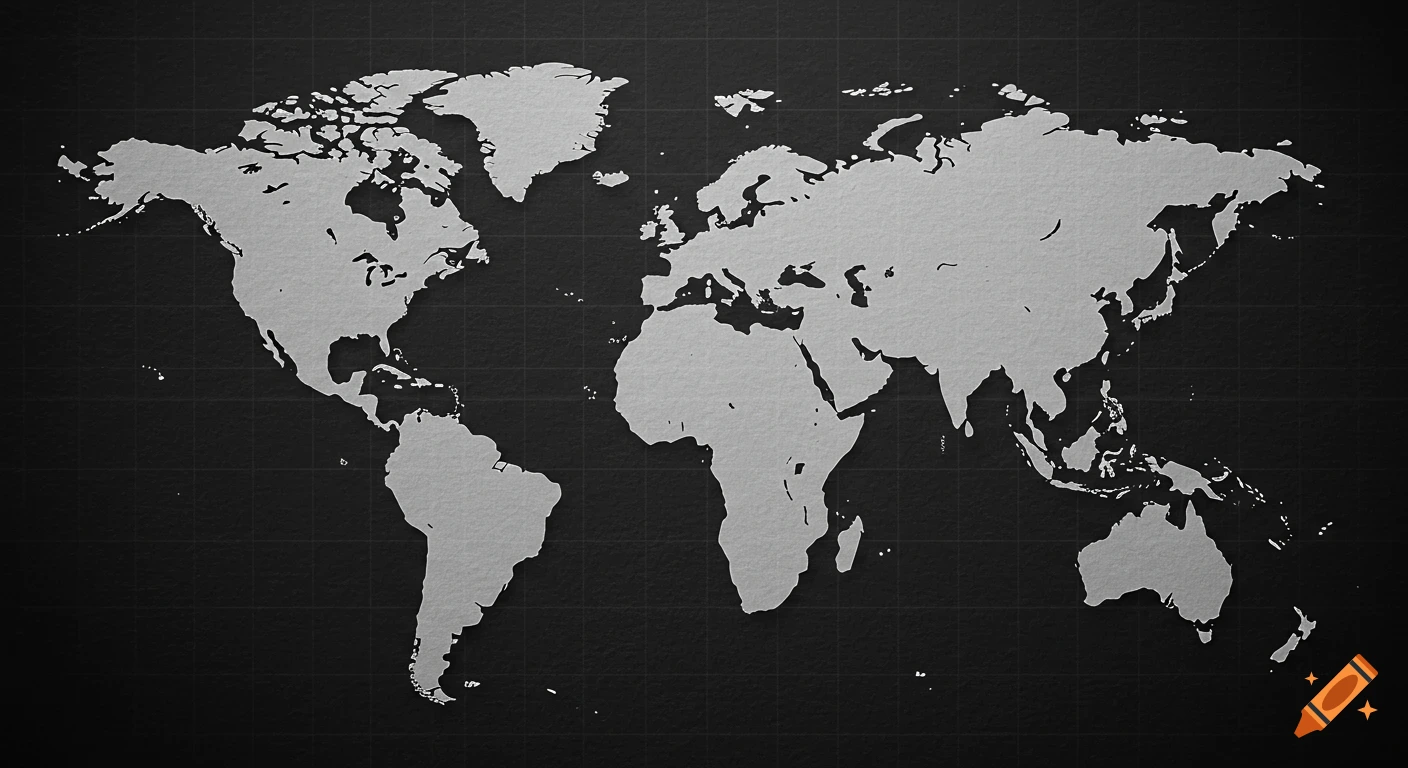
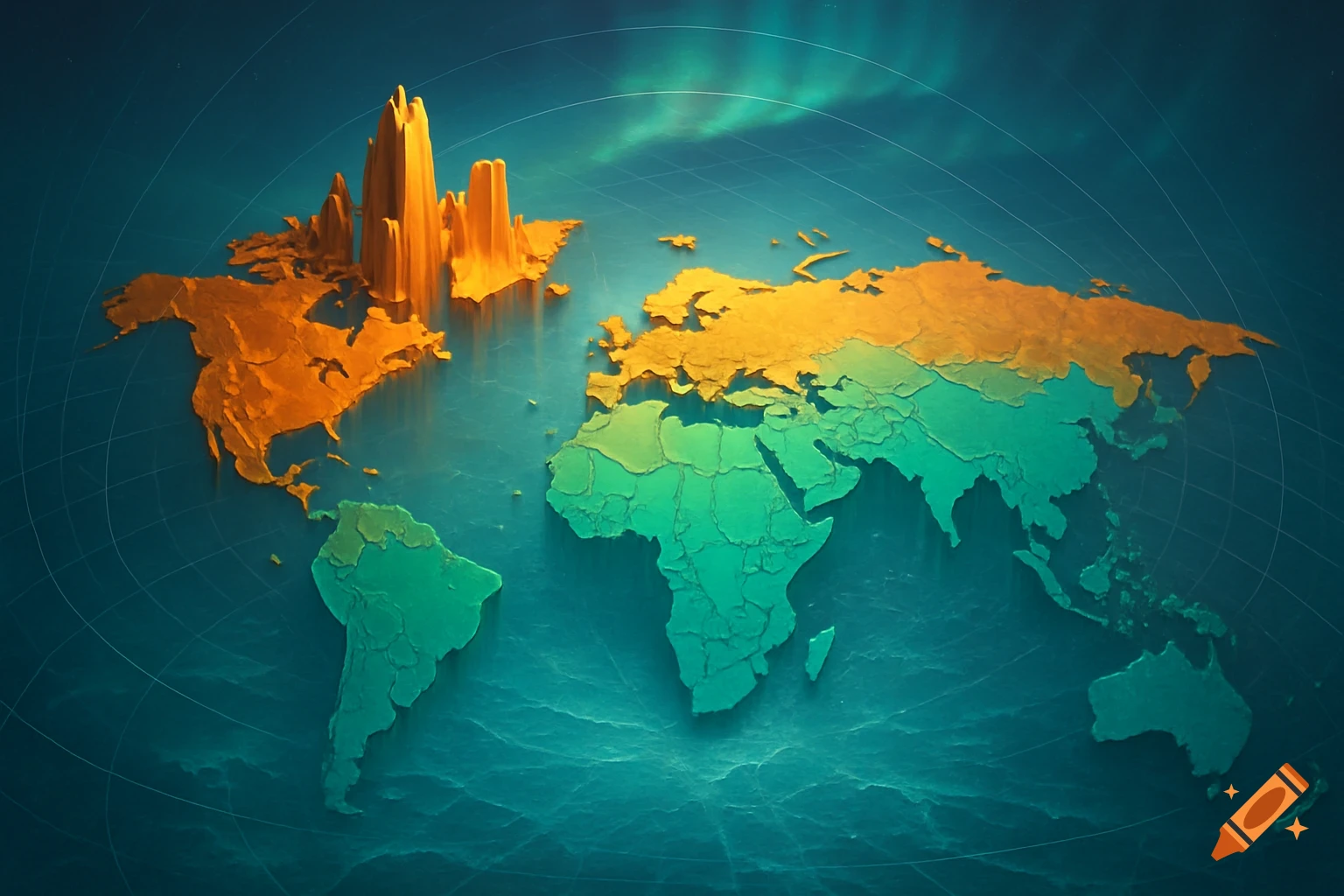
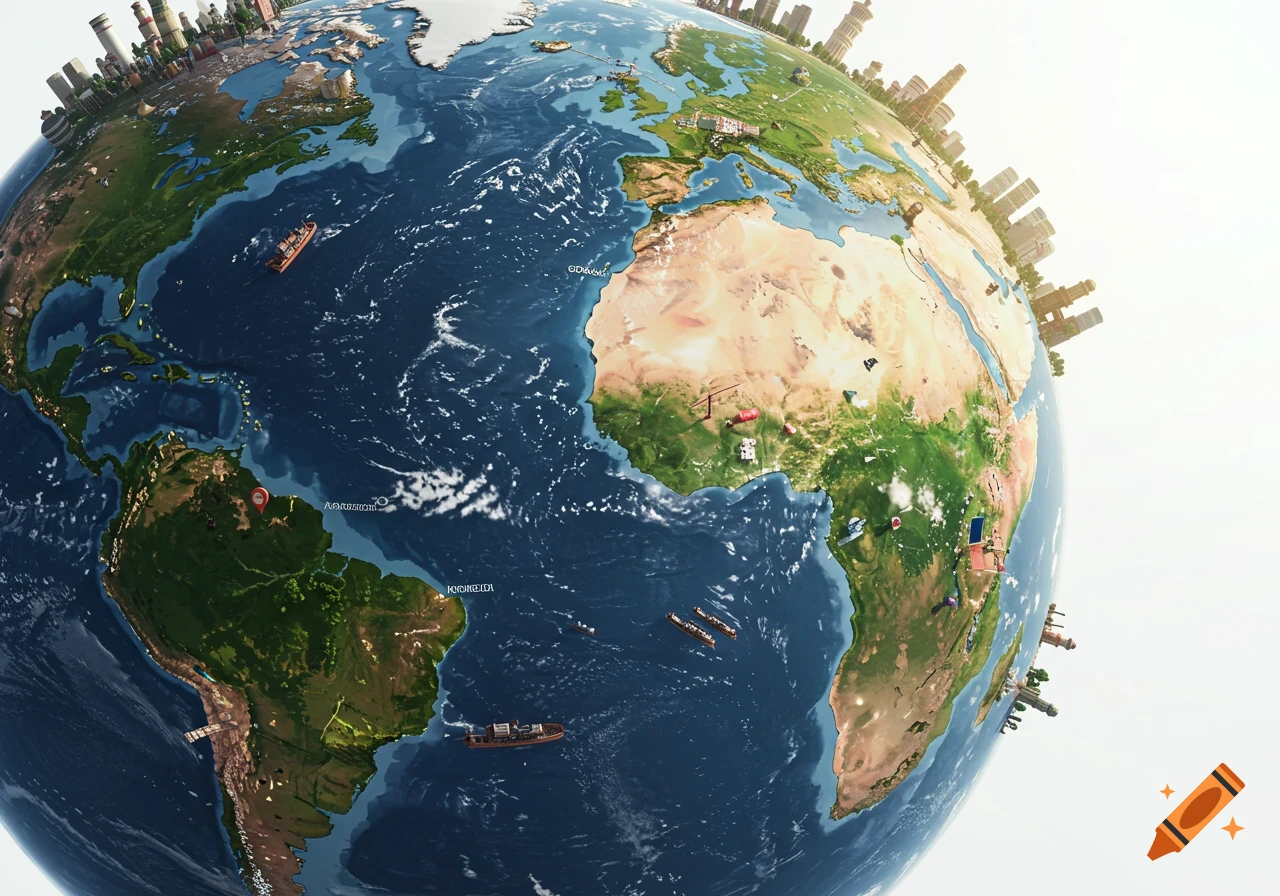
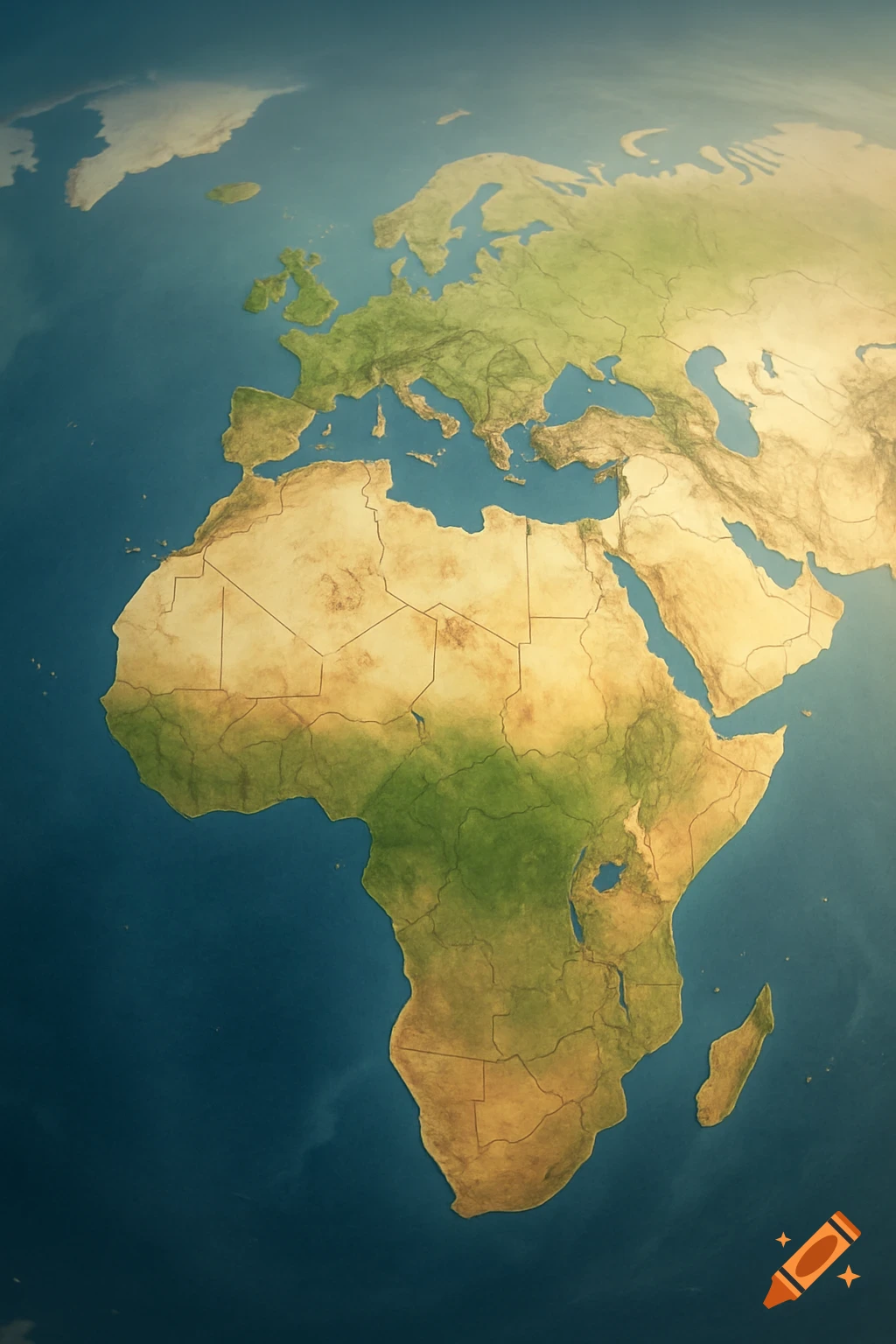
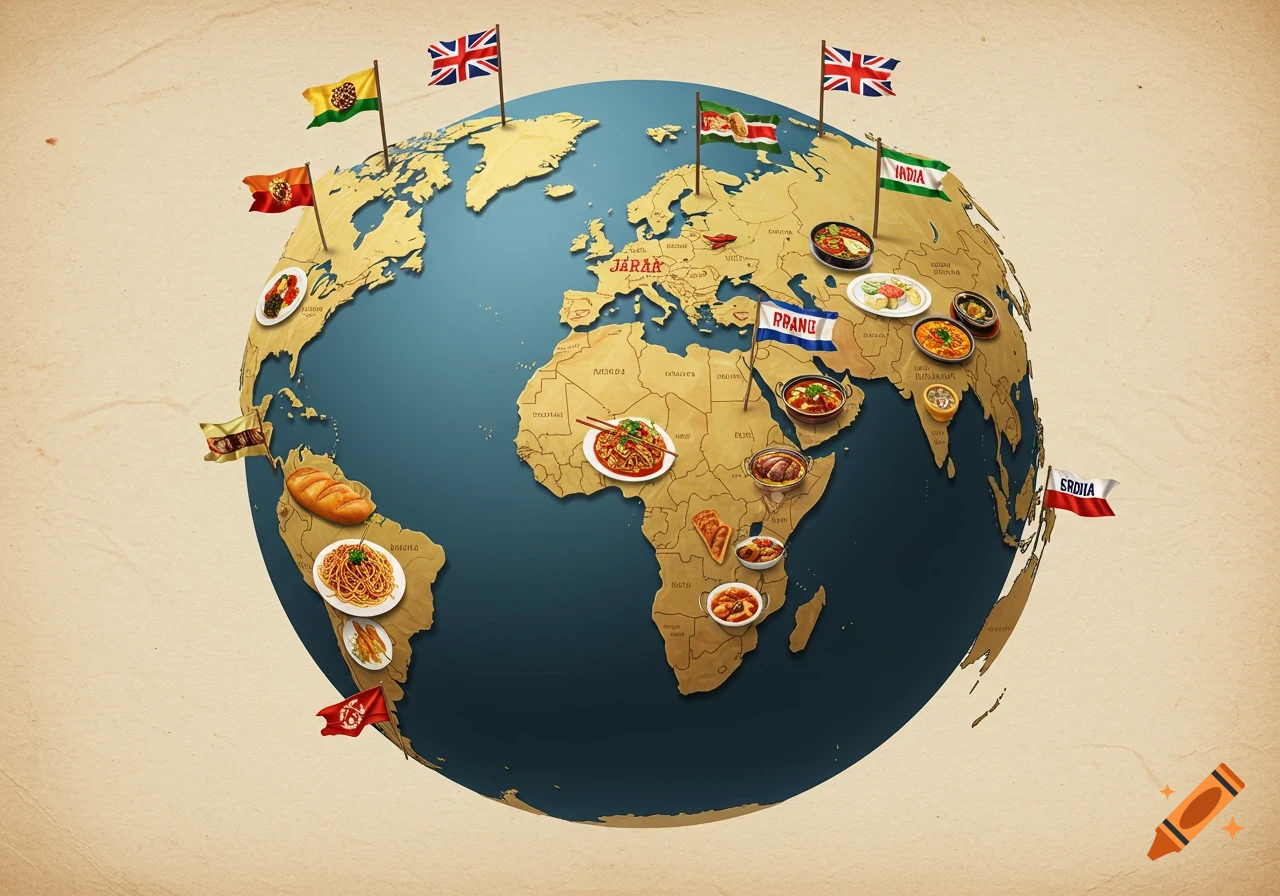
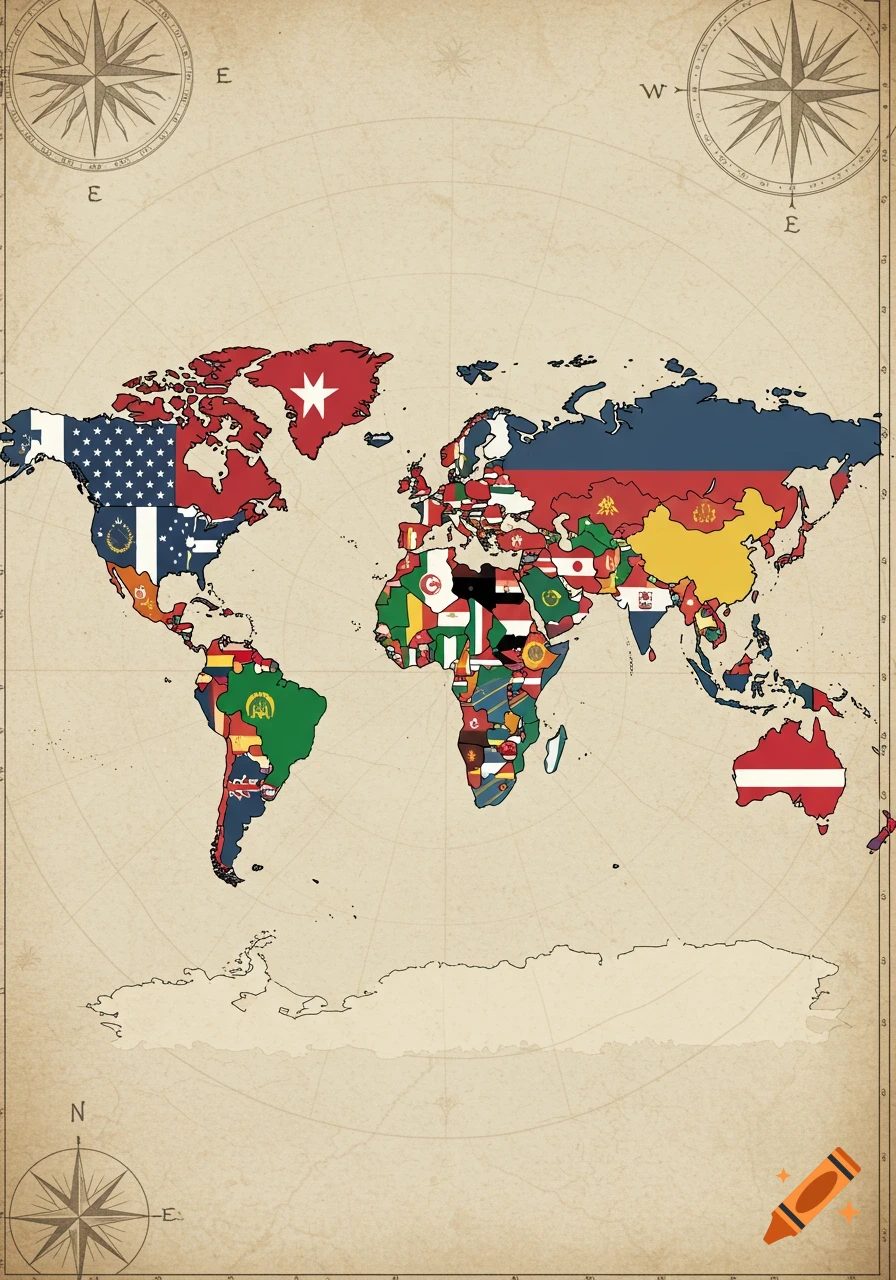
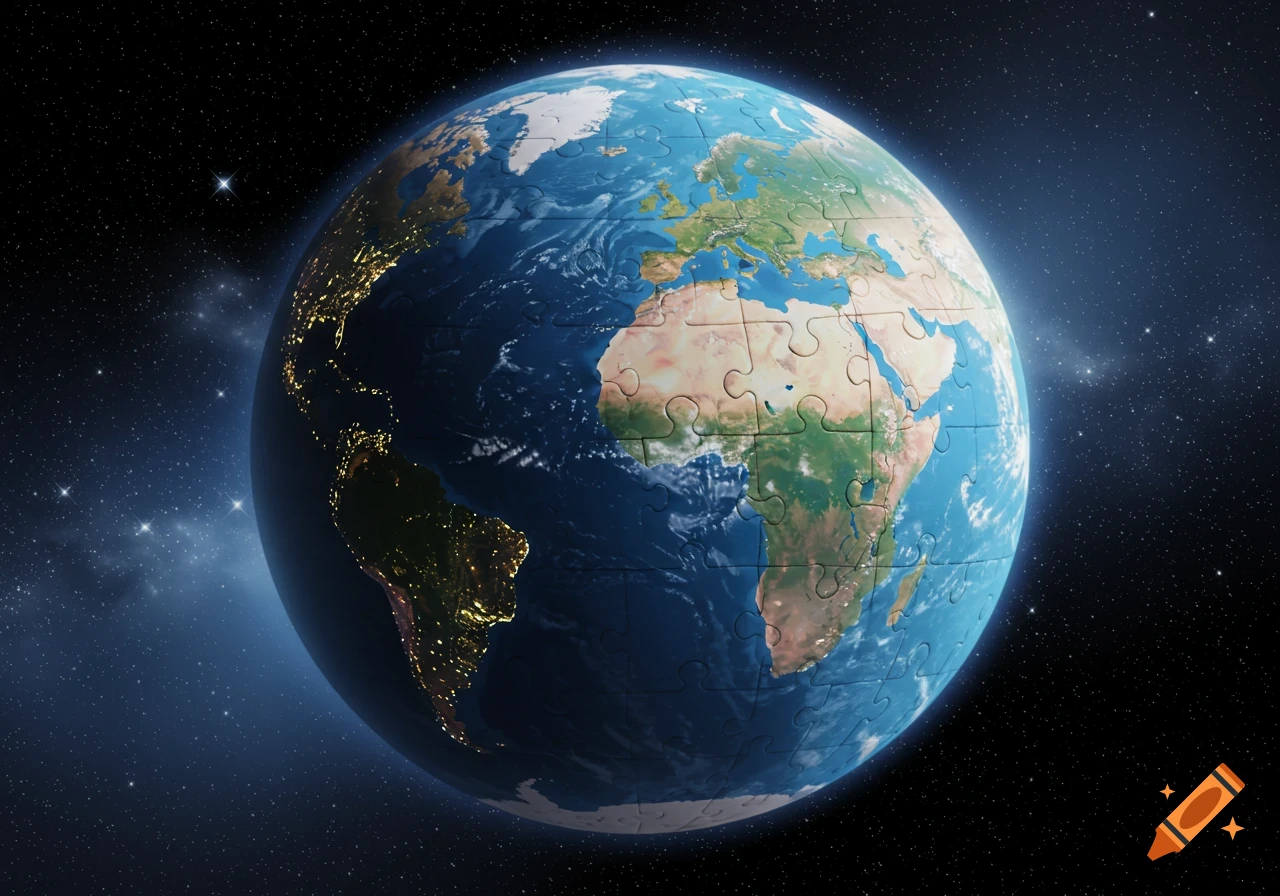
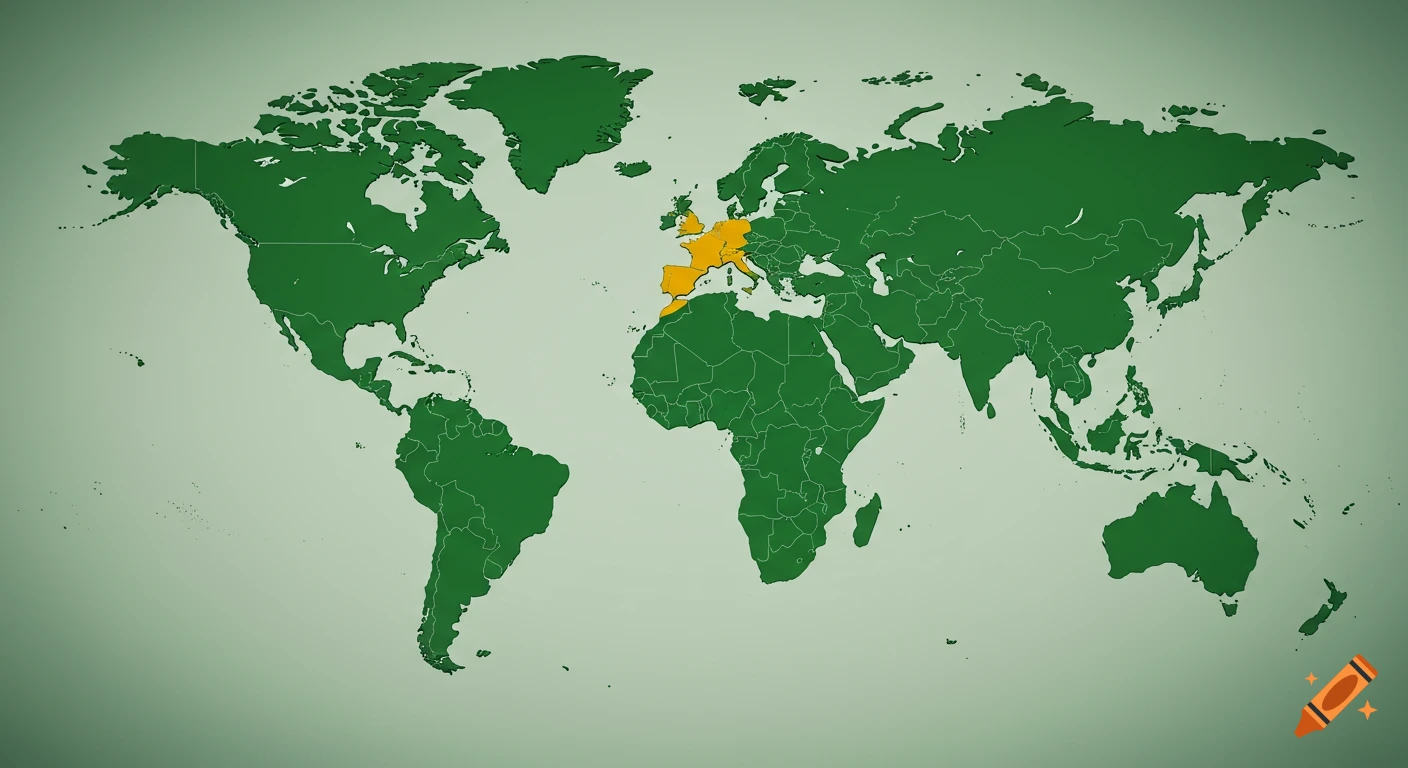
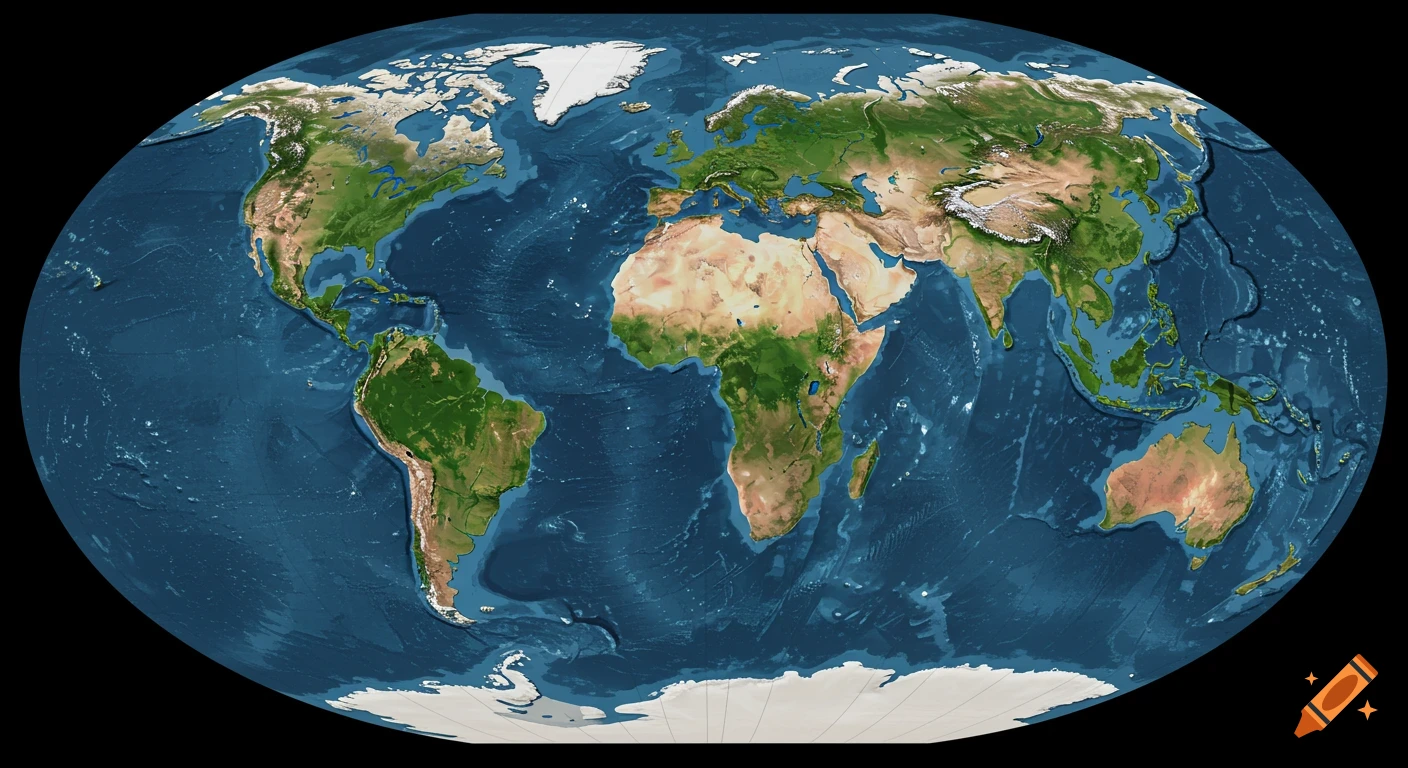
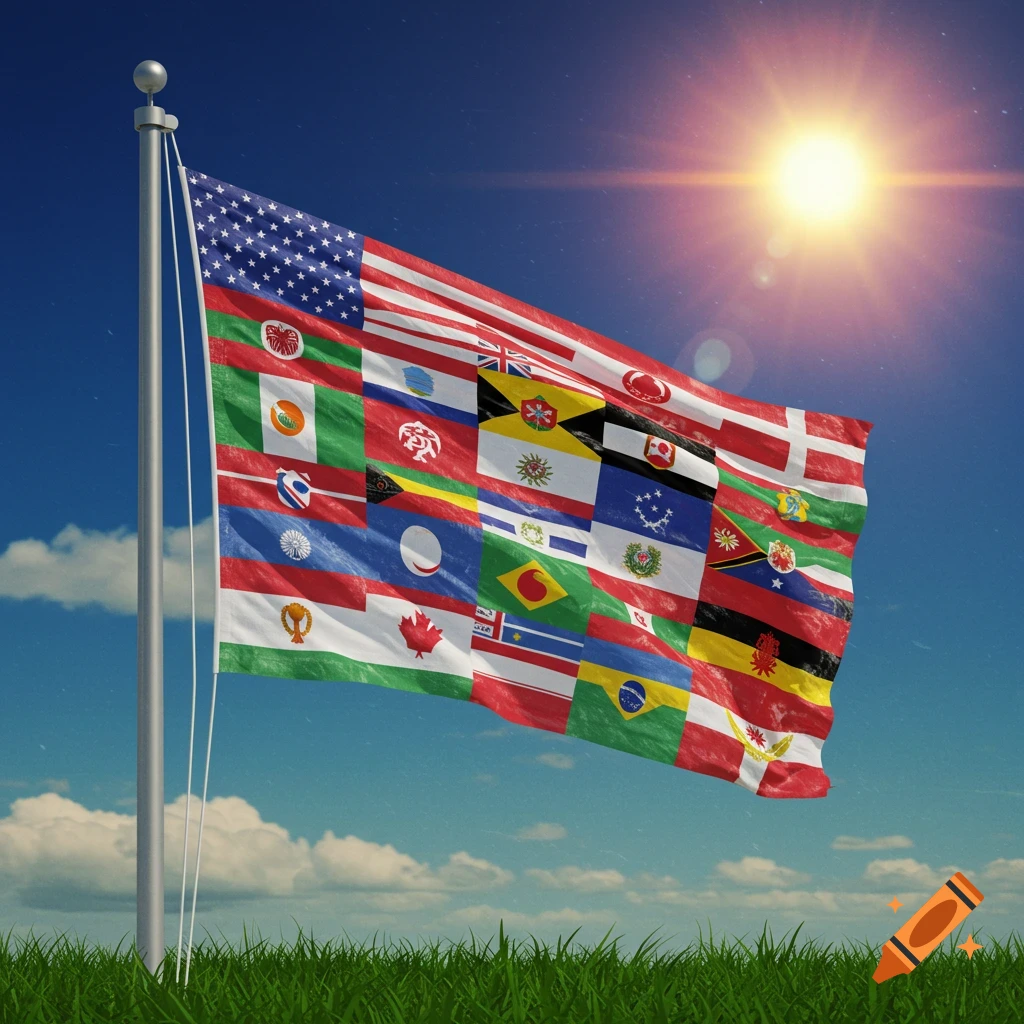
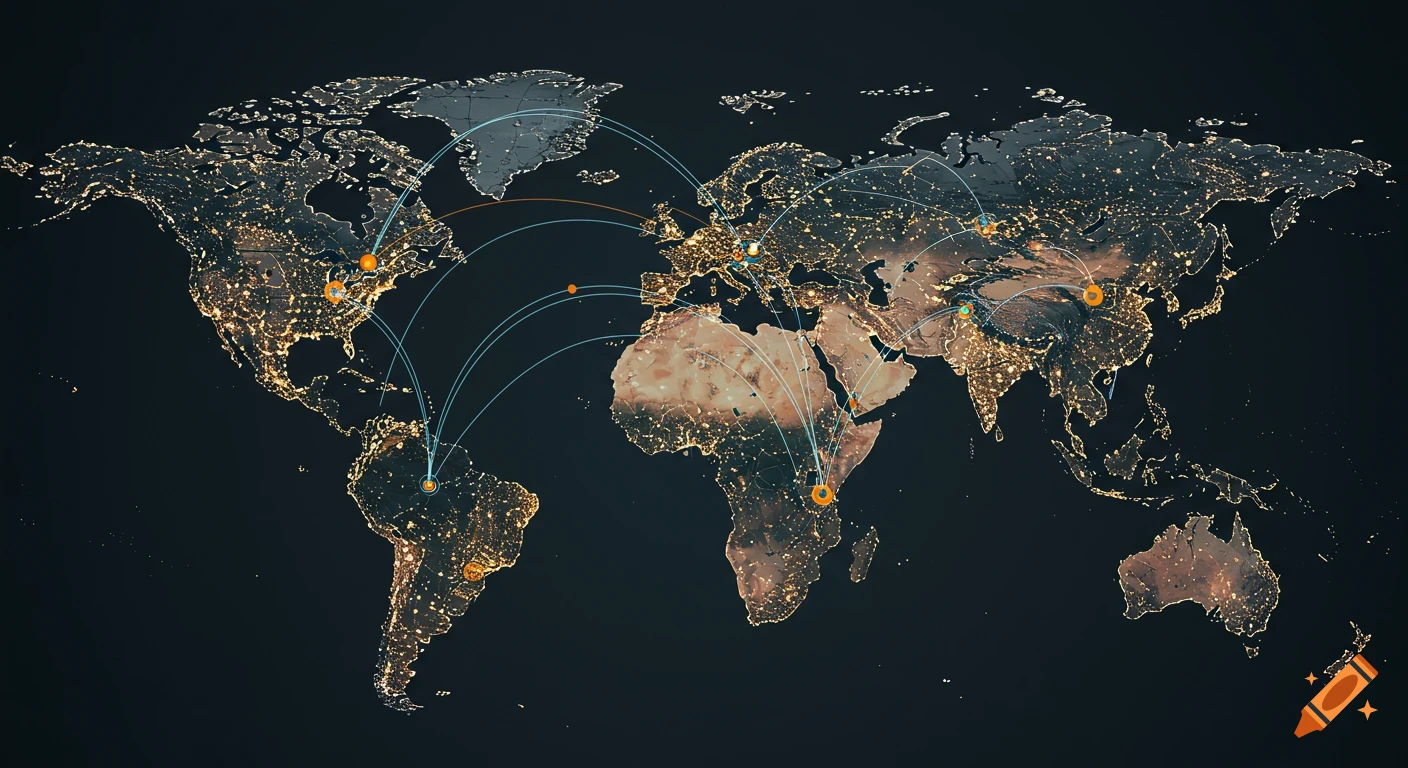
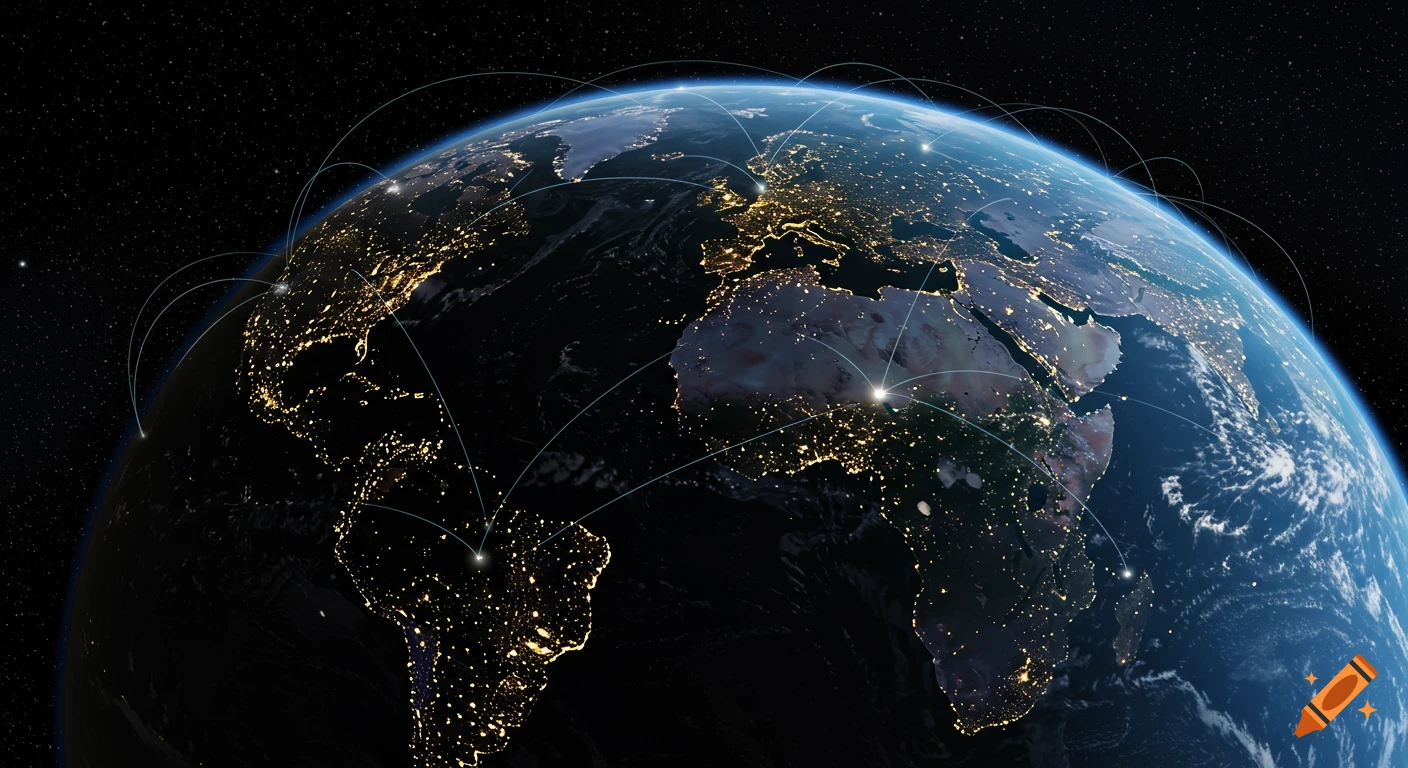
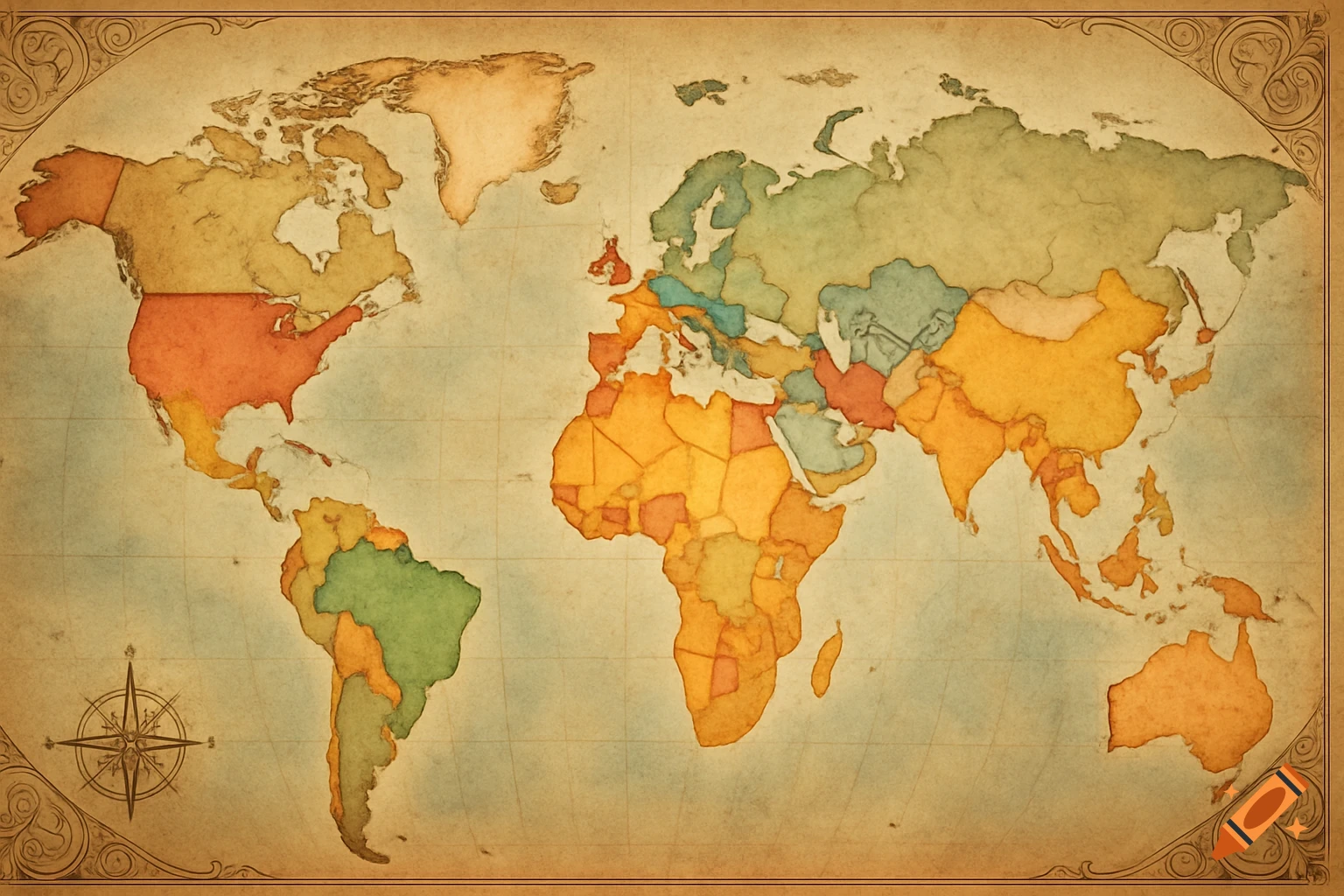
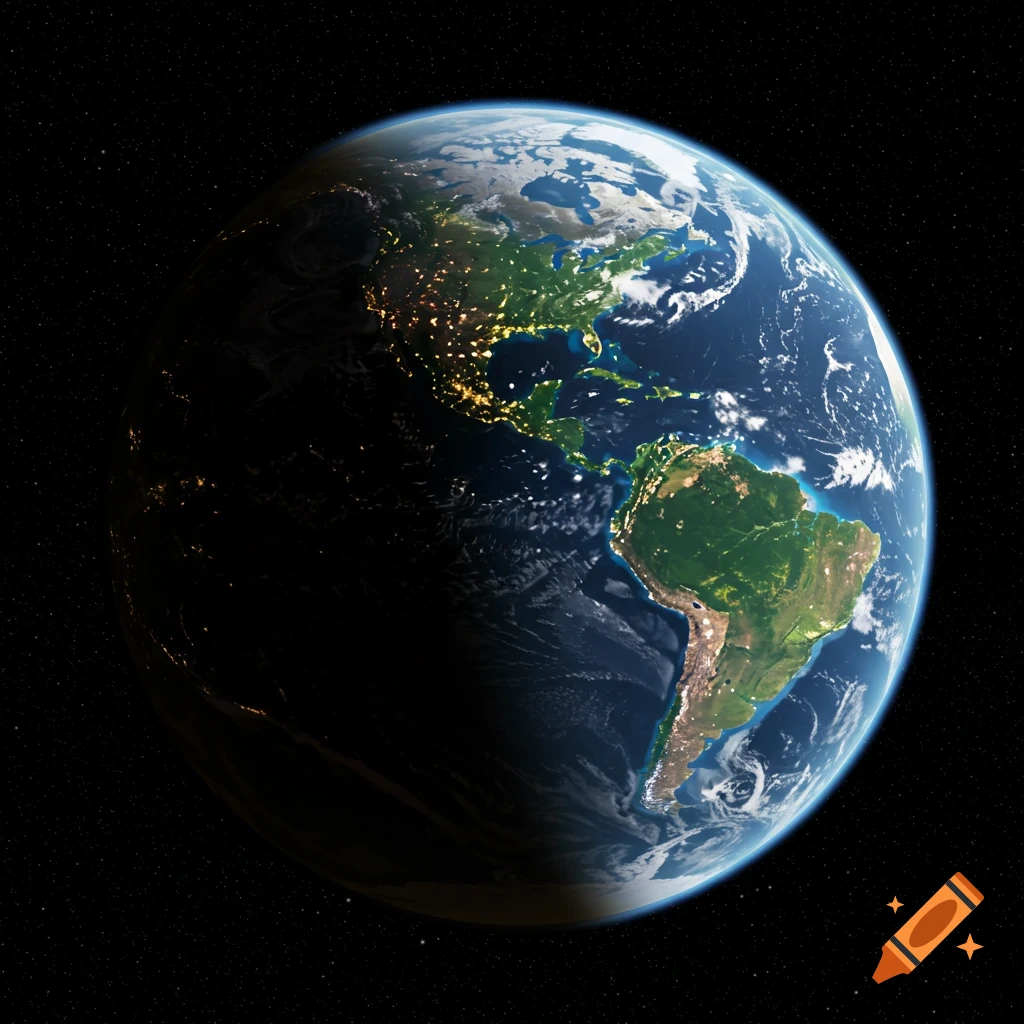
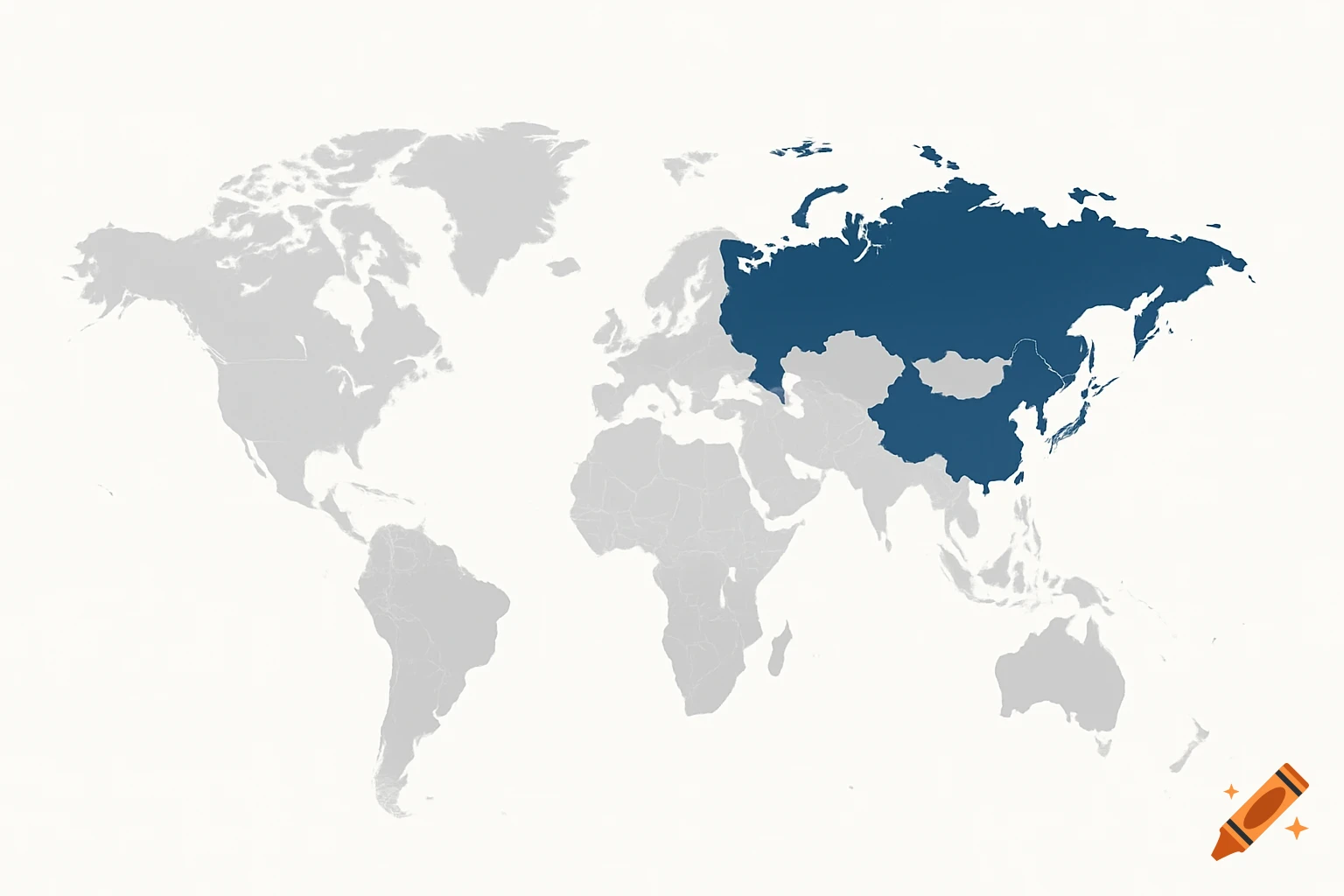
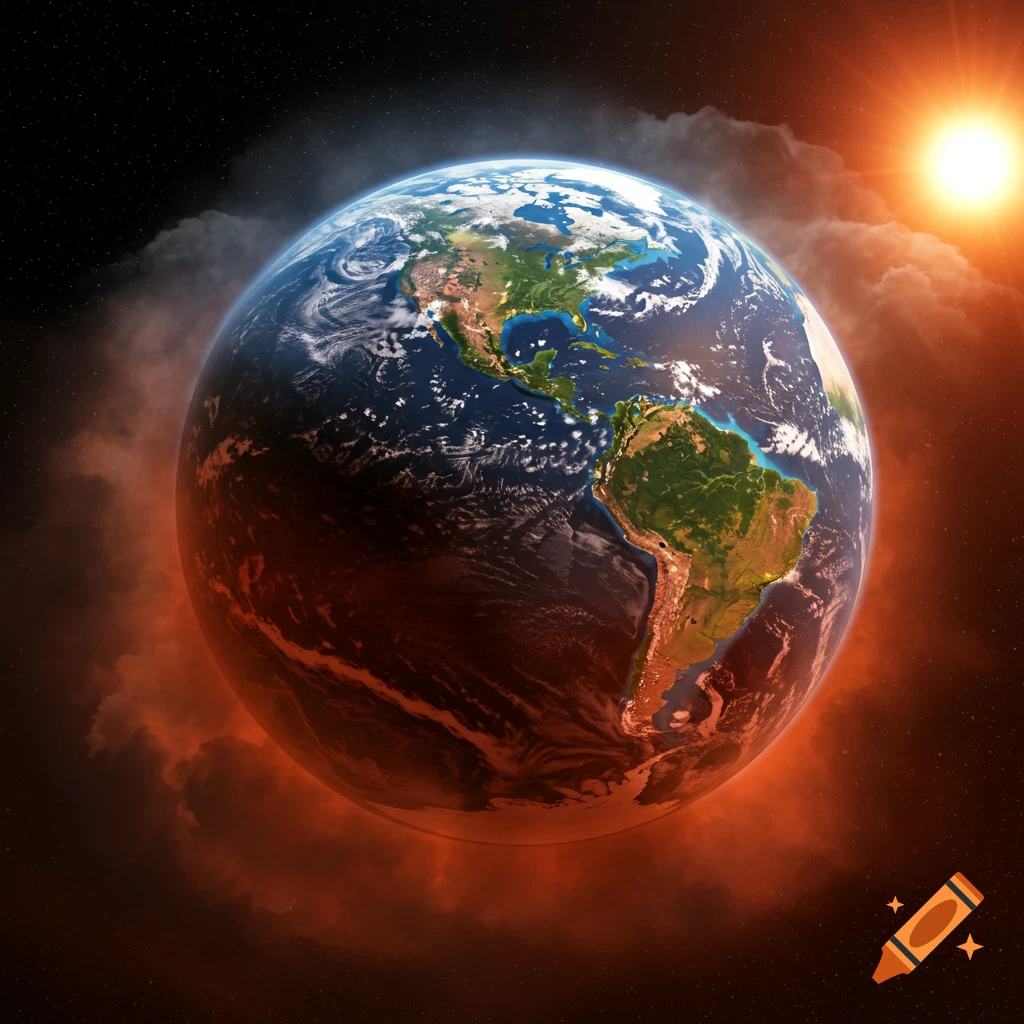
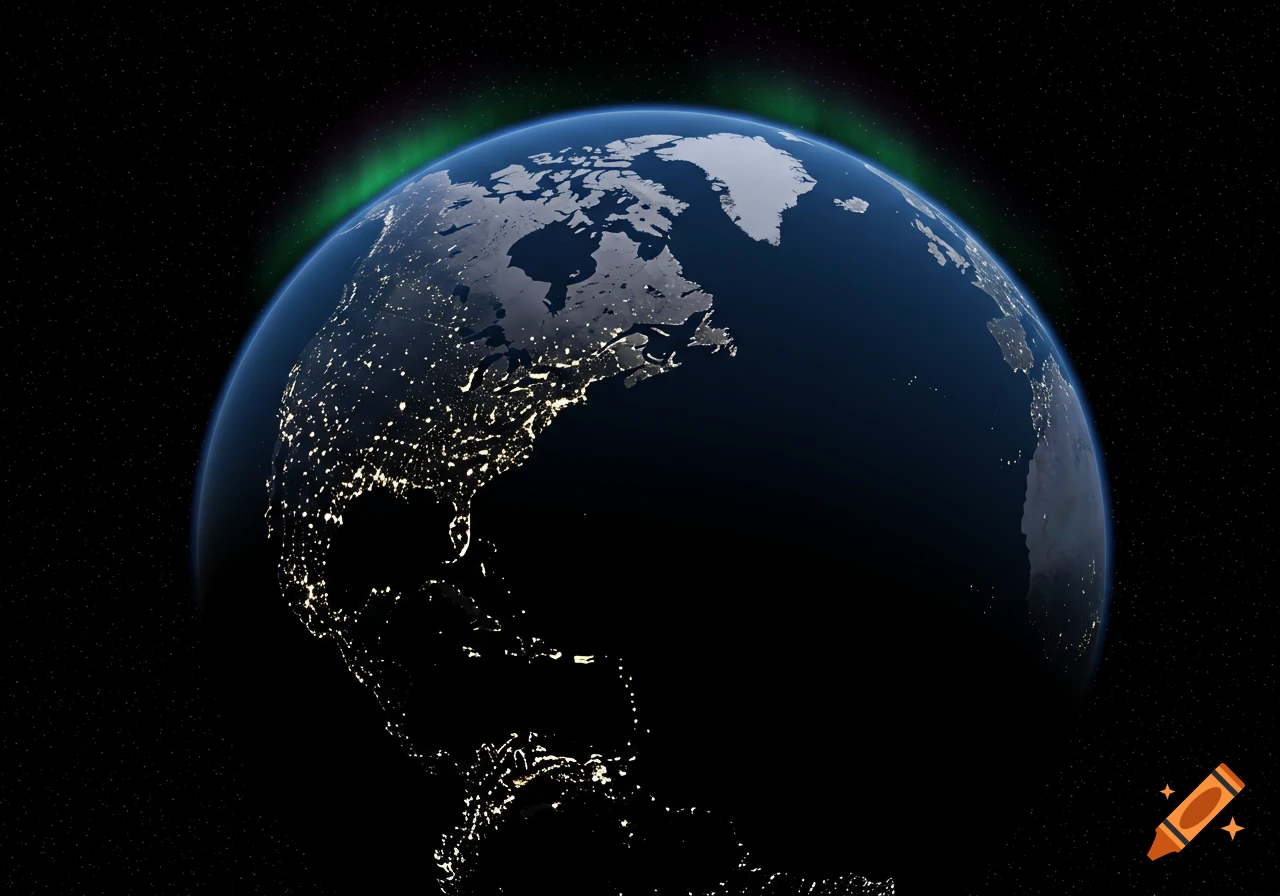
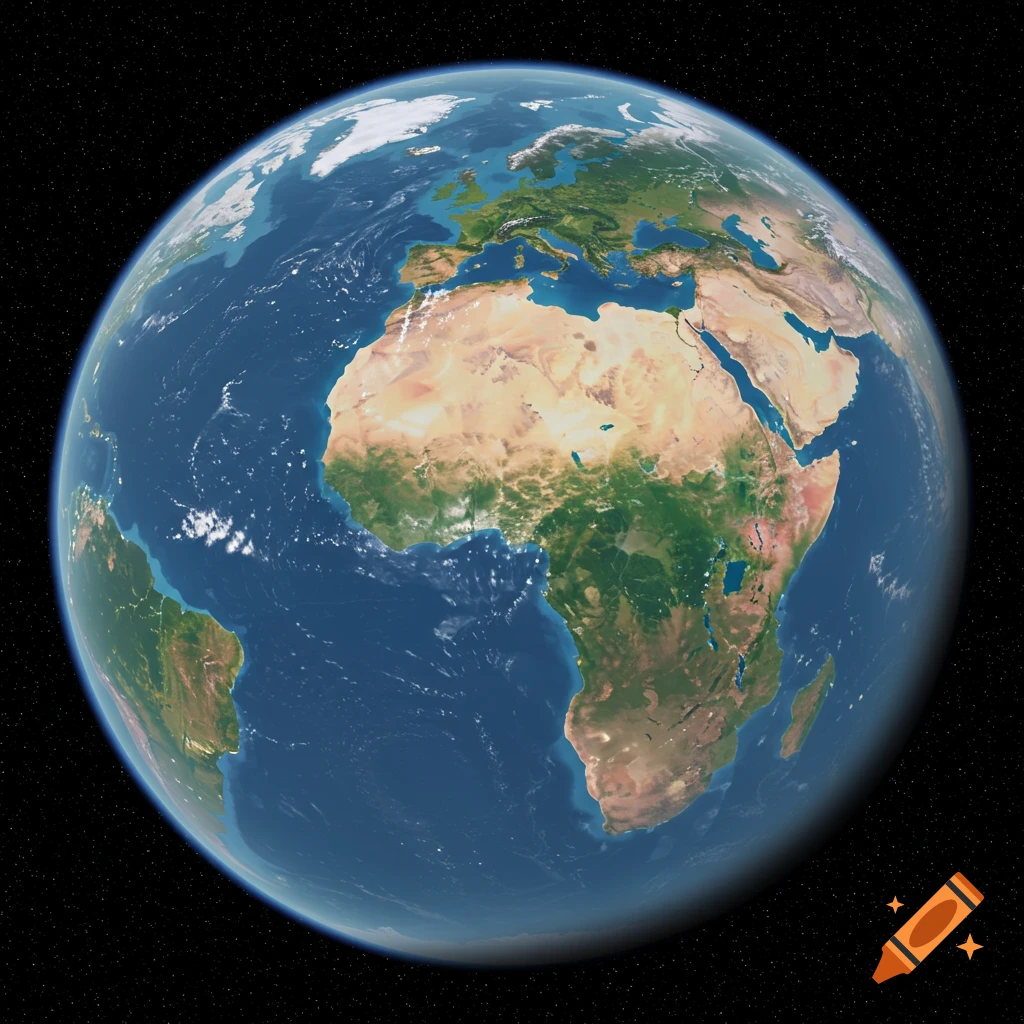
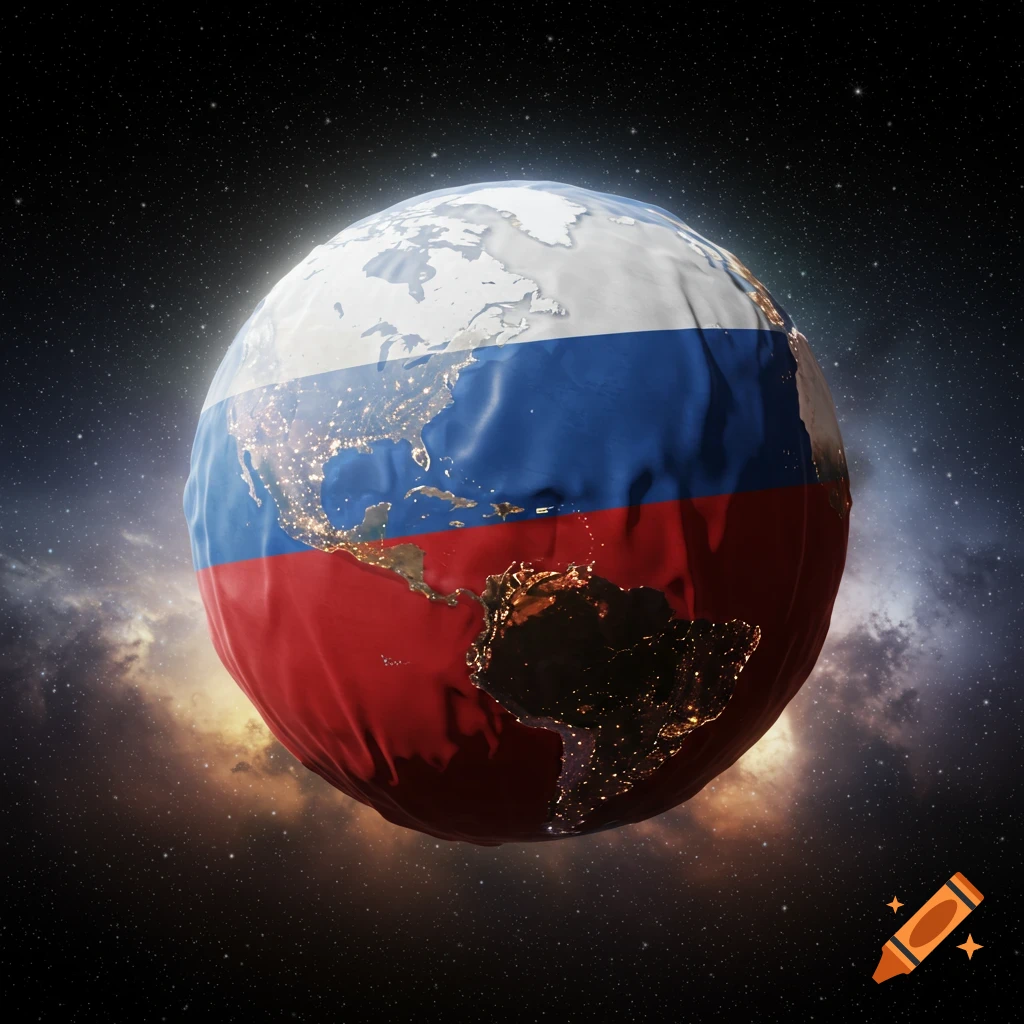
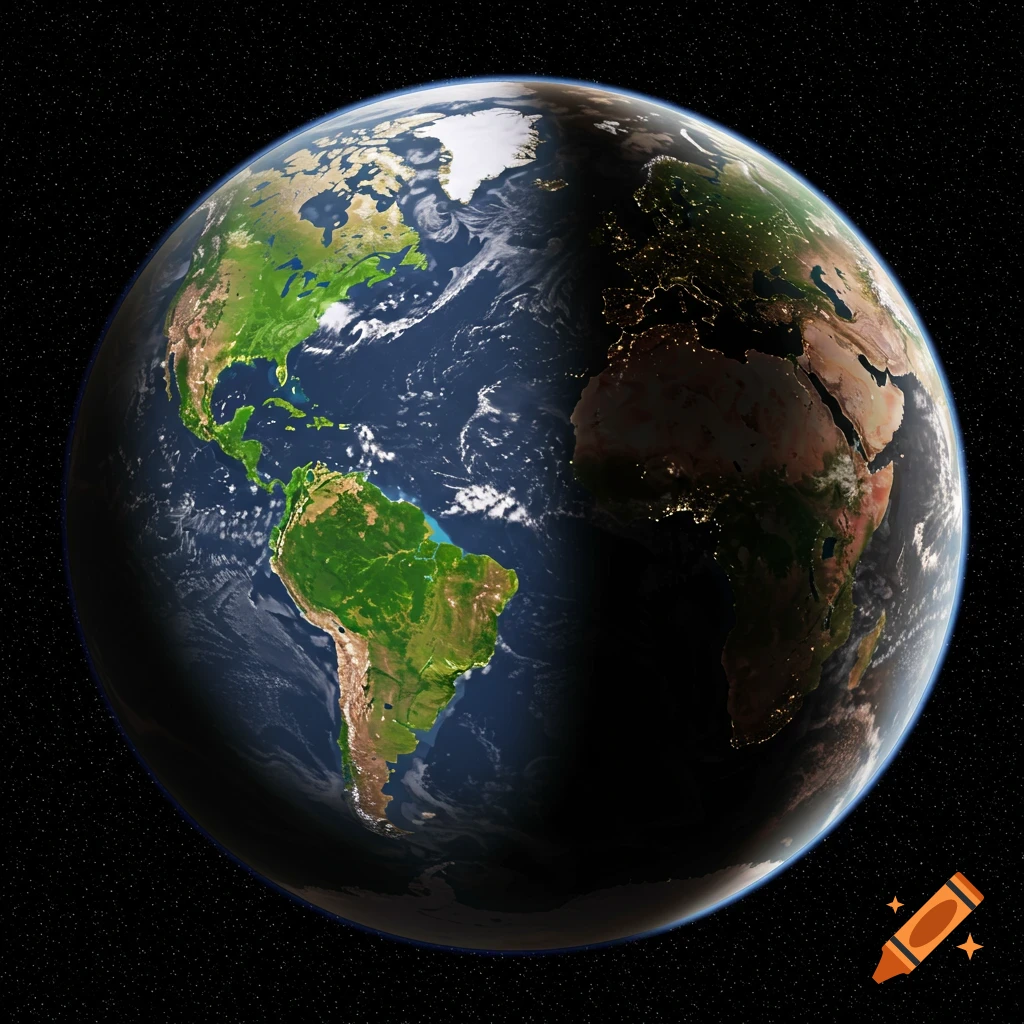
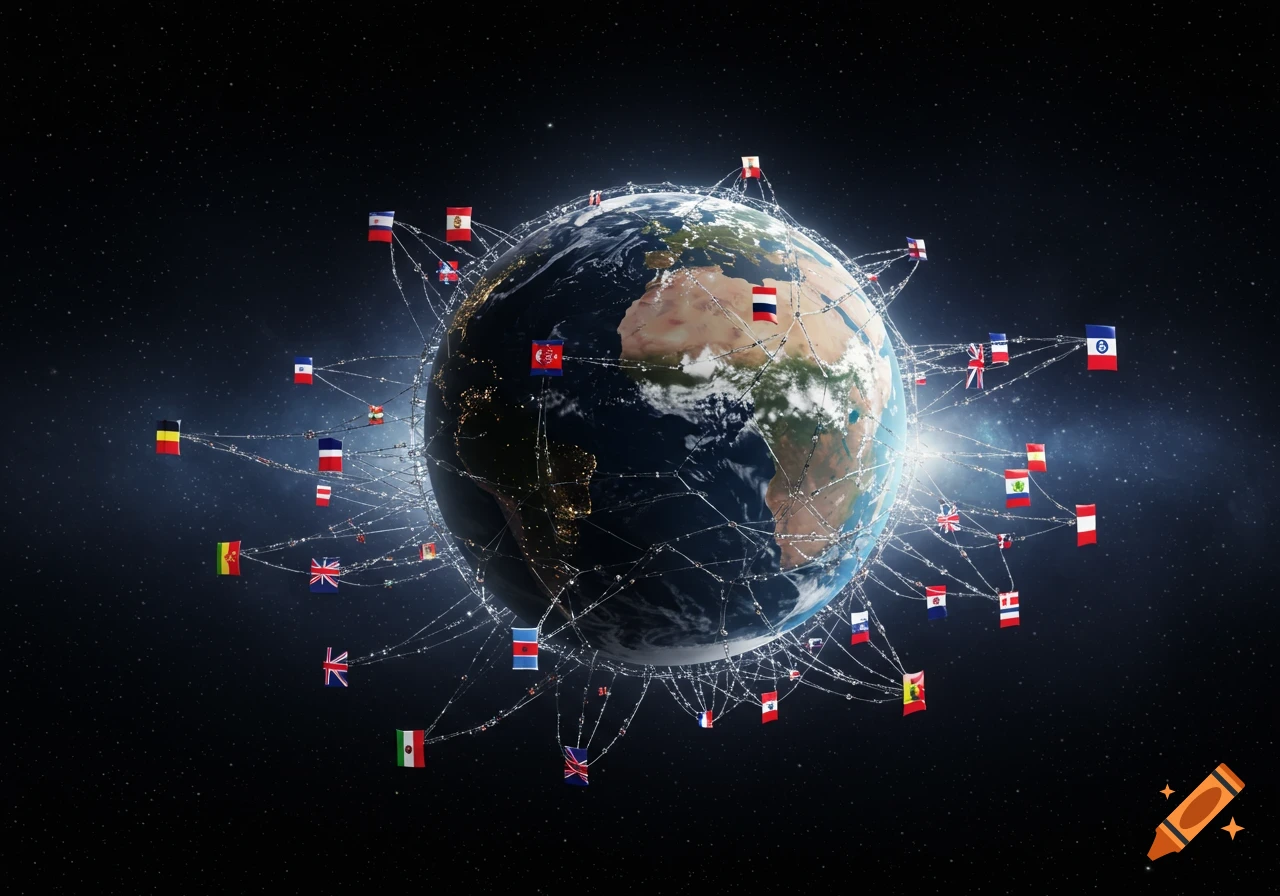
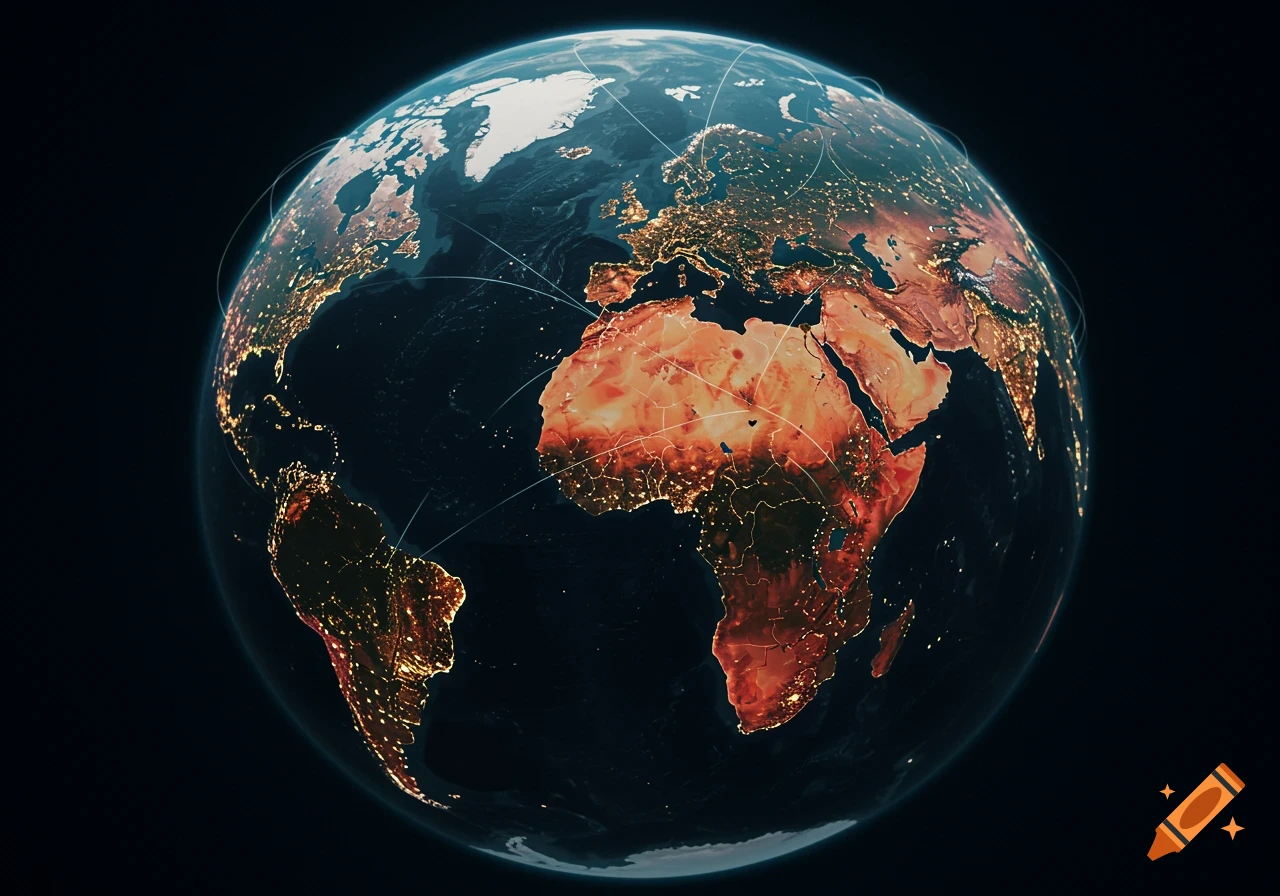
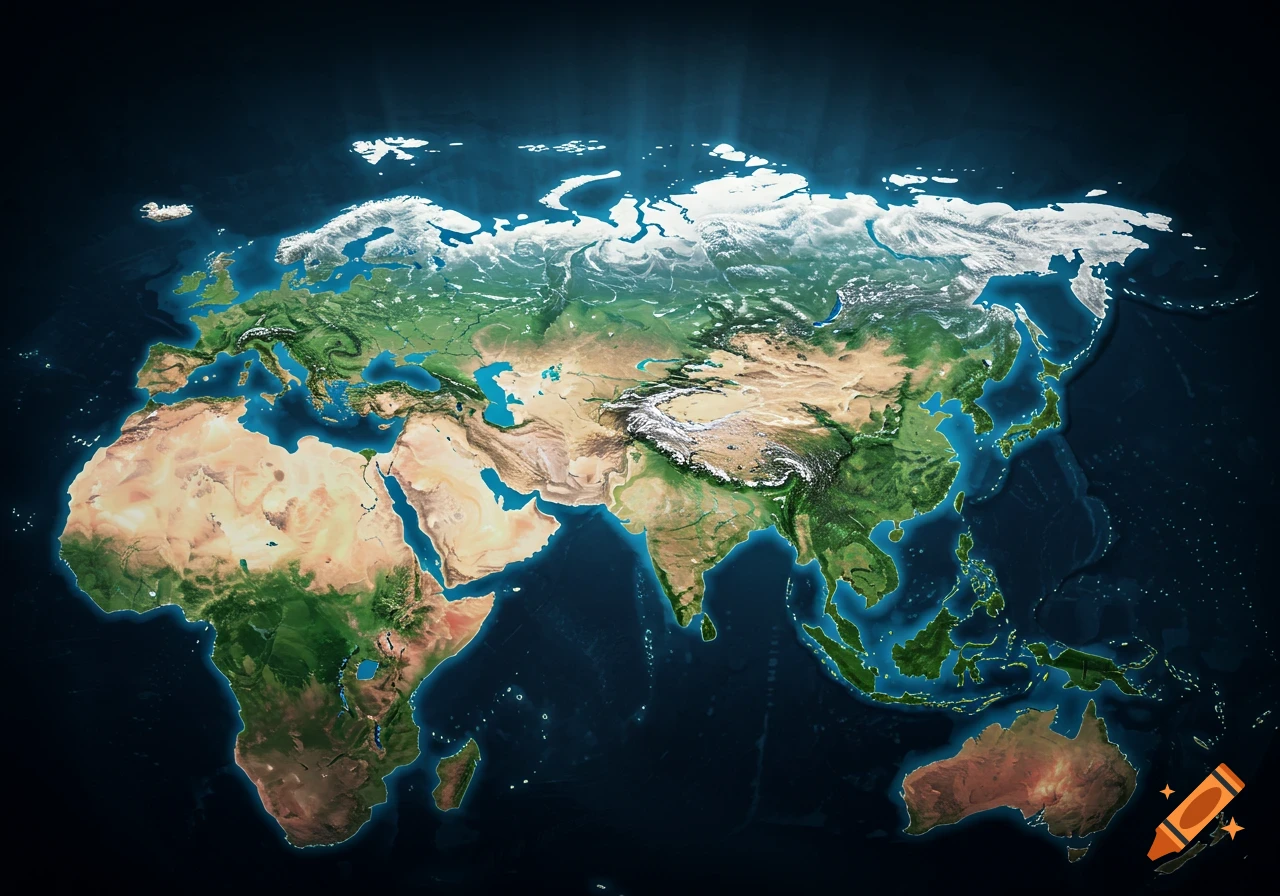
A globe centered on Africa and Europe, surrounded by flags of several major nations including the US, China, EU, Russia, India, Brazil, Namibia, and South Africa, set against a world map background.

give me a picture with countries flags to present this idea: The international system is transitioning away from U.S. unipolarity and the defunct Cold War bipolarity toward a more diffuse multipolar structure.Here's a strong visual representation of your idea: the international system transitioning from U.S. unipolarity (and the old Cold War bipolarity) toward a more diffuse multipolar structure. This concept is often illustrated by a world map or globe featuring multiple prominent national flags — especially those of major powers like the United States, China, Russia, India, Brazil, and others — shown in a balanced, distributed way rather than one flag dominating. Here are some fitting images: medium.comforeignpolicy.comcarnegieendowment.orgdreamstime.comthinkbrics.substack.com These visuals capture the shift nicely: flags of several major powers (U.S., China, Russia, India, Brazil, South Africa, EU representatives, etc.) appear together as equals or near-equals around the globe, symbolizing the emerging multipolar reality rather than one or two dominant players. The BRICS-focused ones (image 12 especially) highlight key actors driving this diffusion.Protracted conflict between US & China: technological supremacy, trade wars, global governance norms give me an animated picture to describe thíHere are some strong animated or dynamic visual representations (many as GIFs or motion-style illustrations) that capture the idea of a protracted US-China conflict across technological Mehr sehen
More images like this