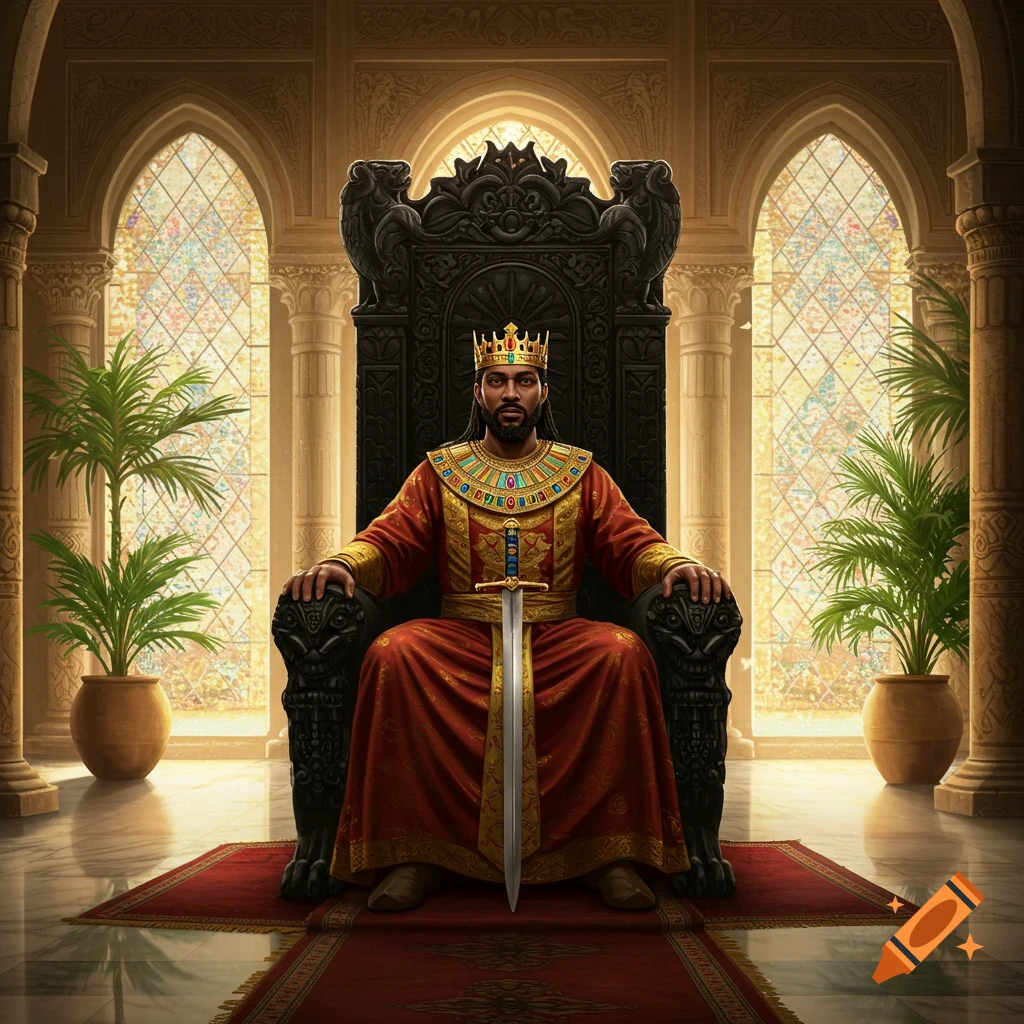
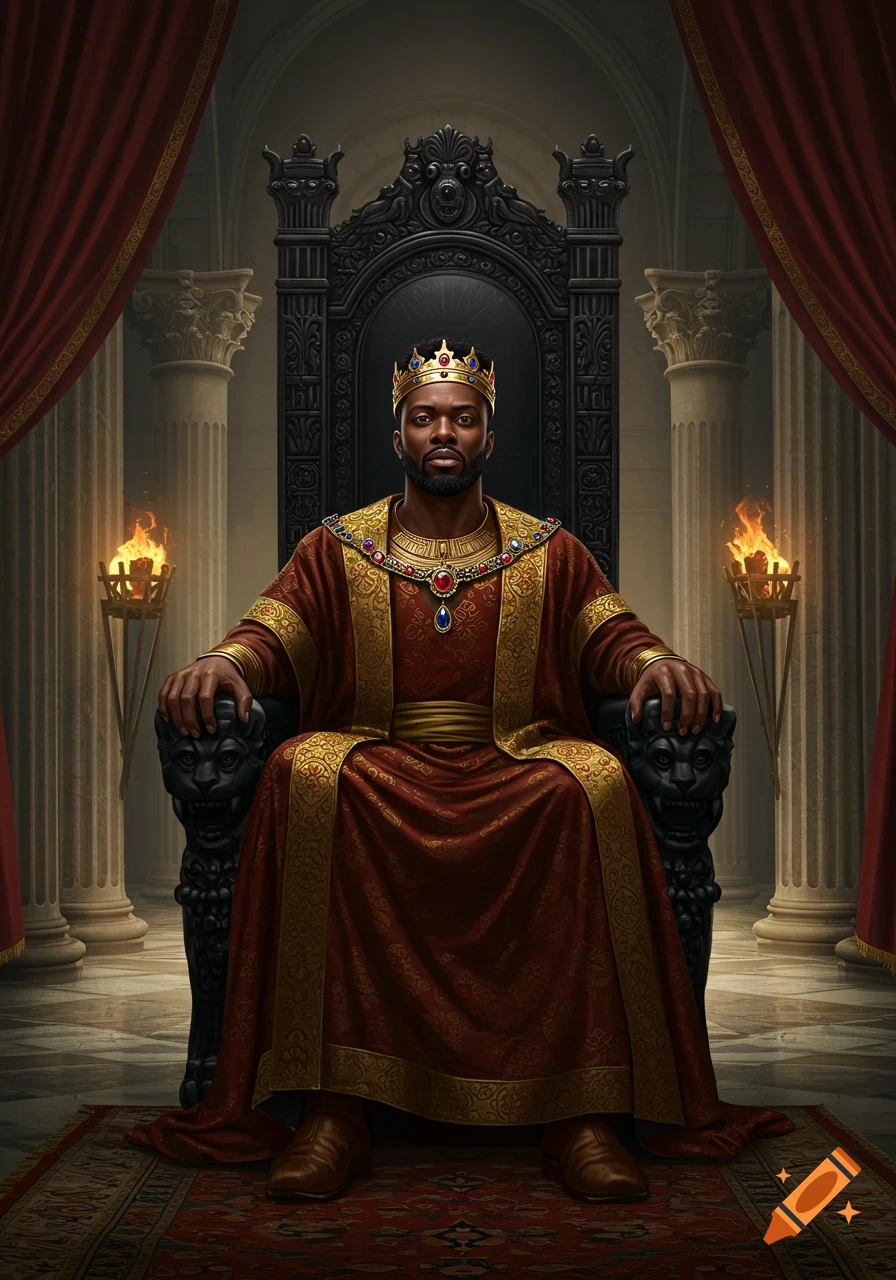
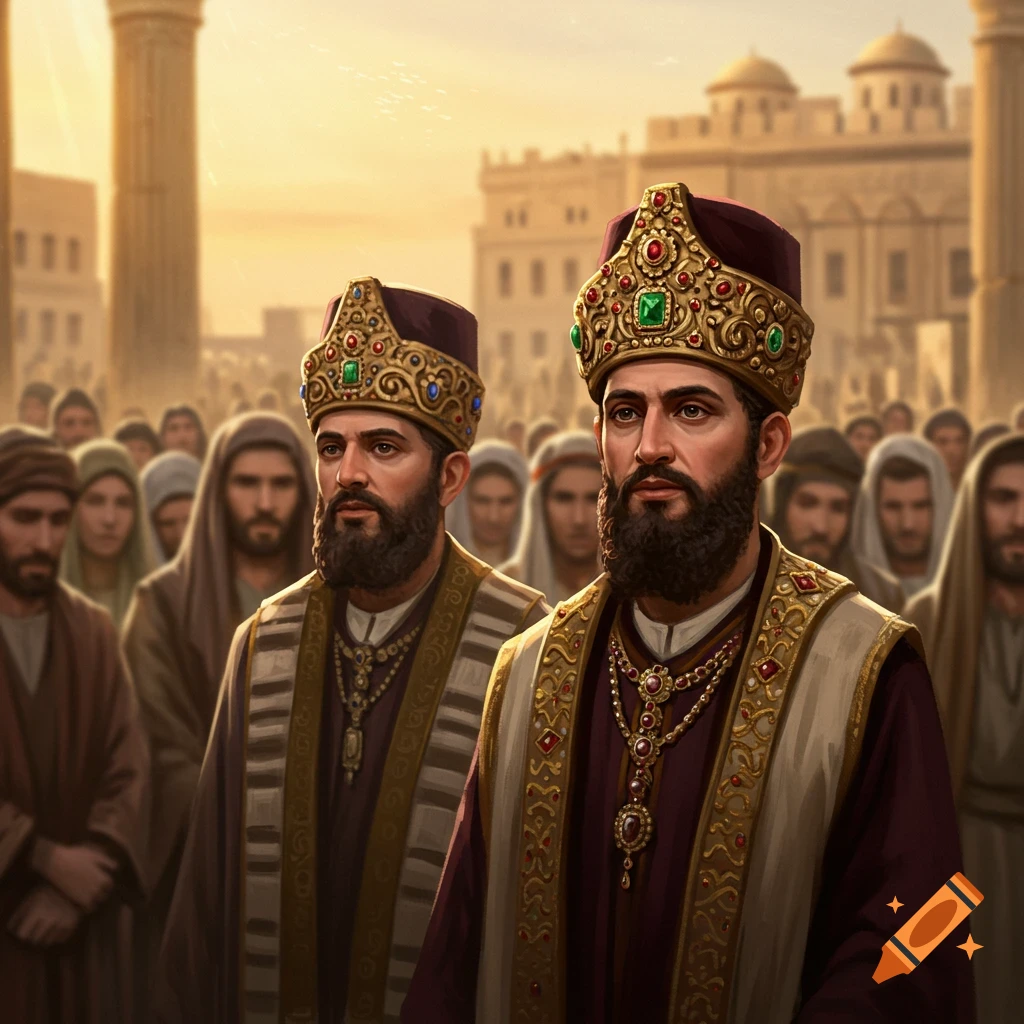
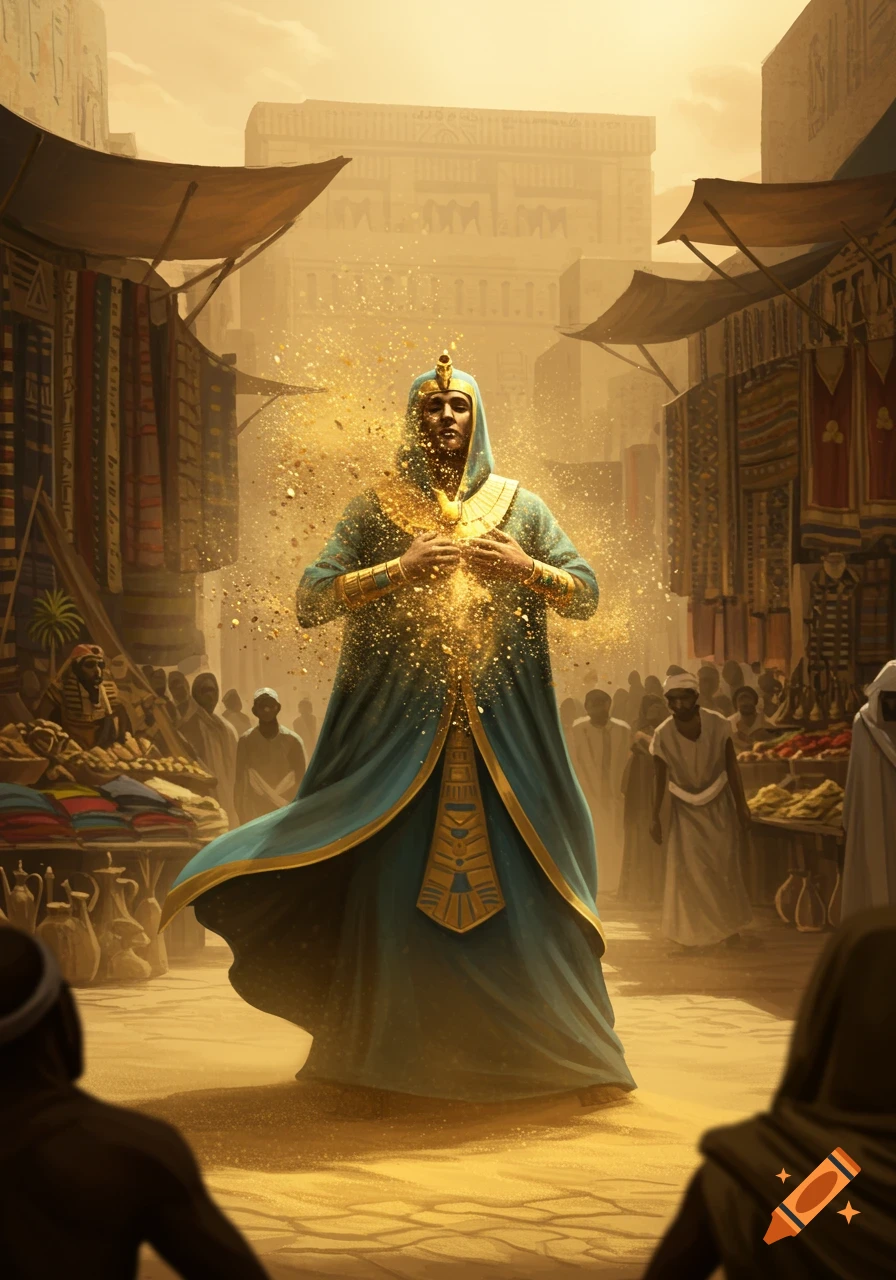
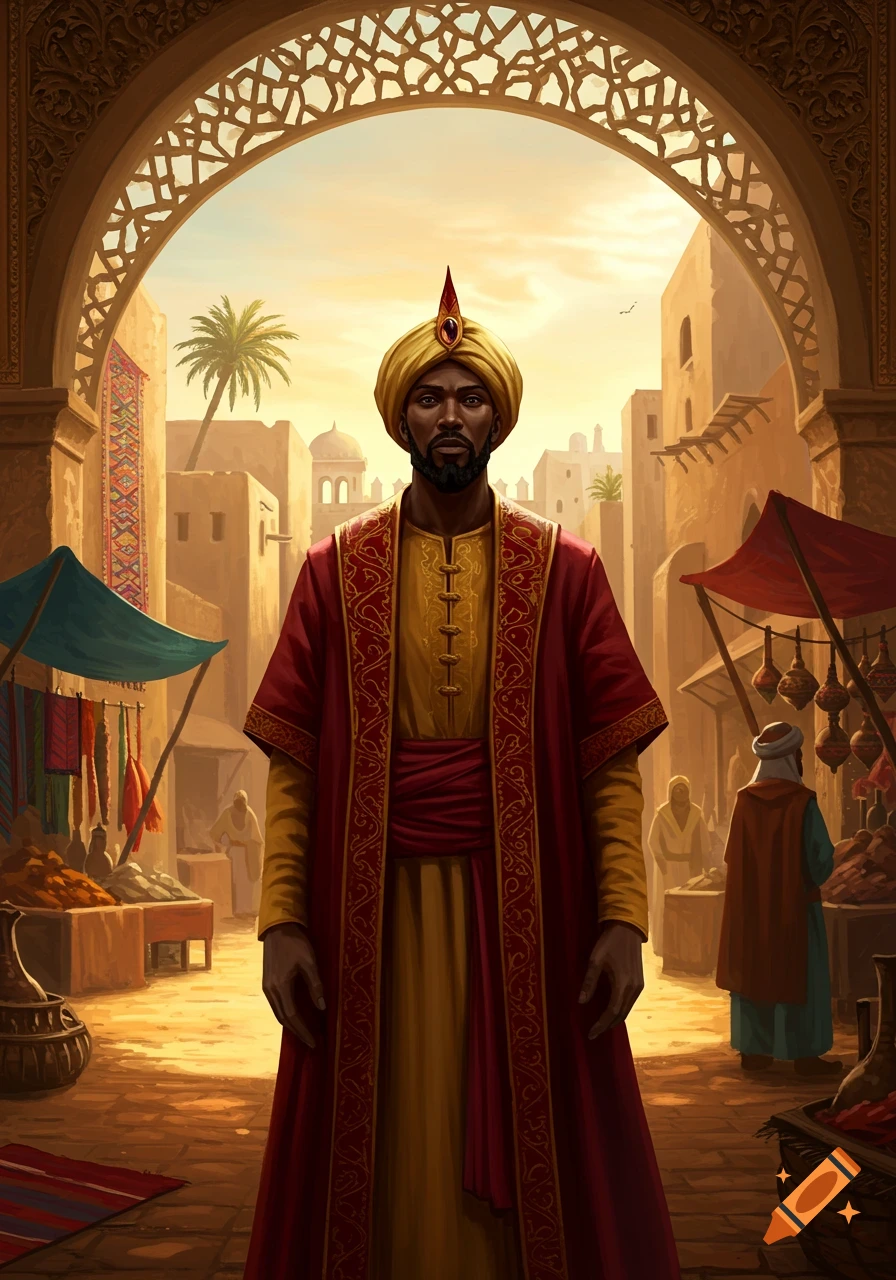
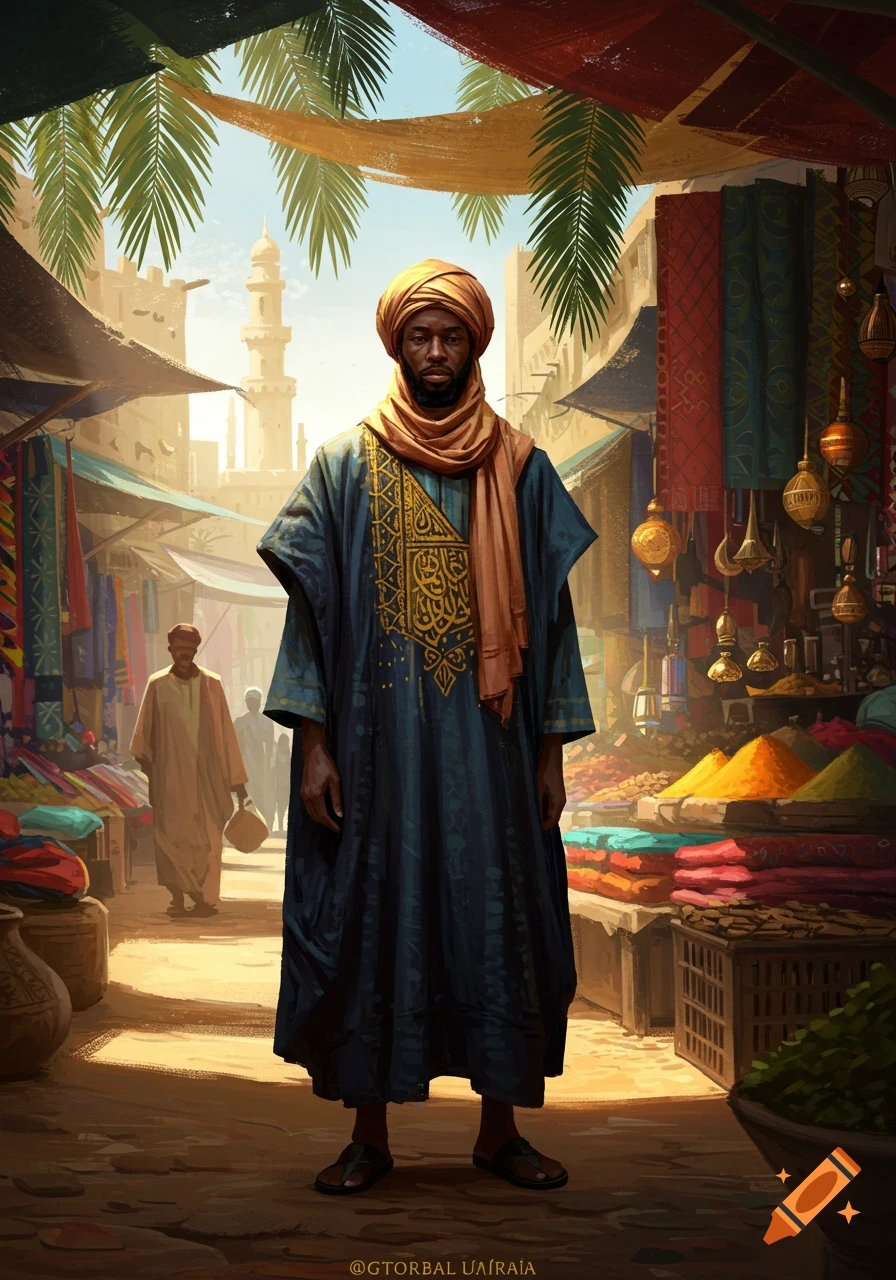
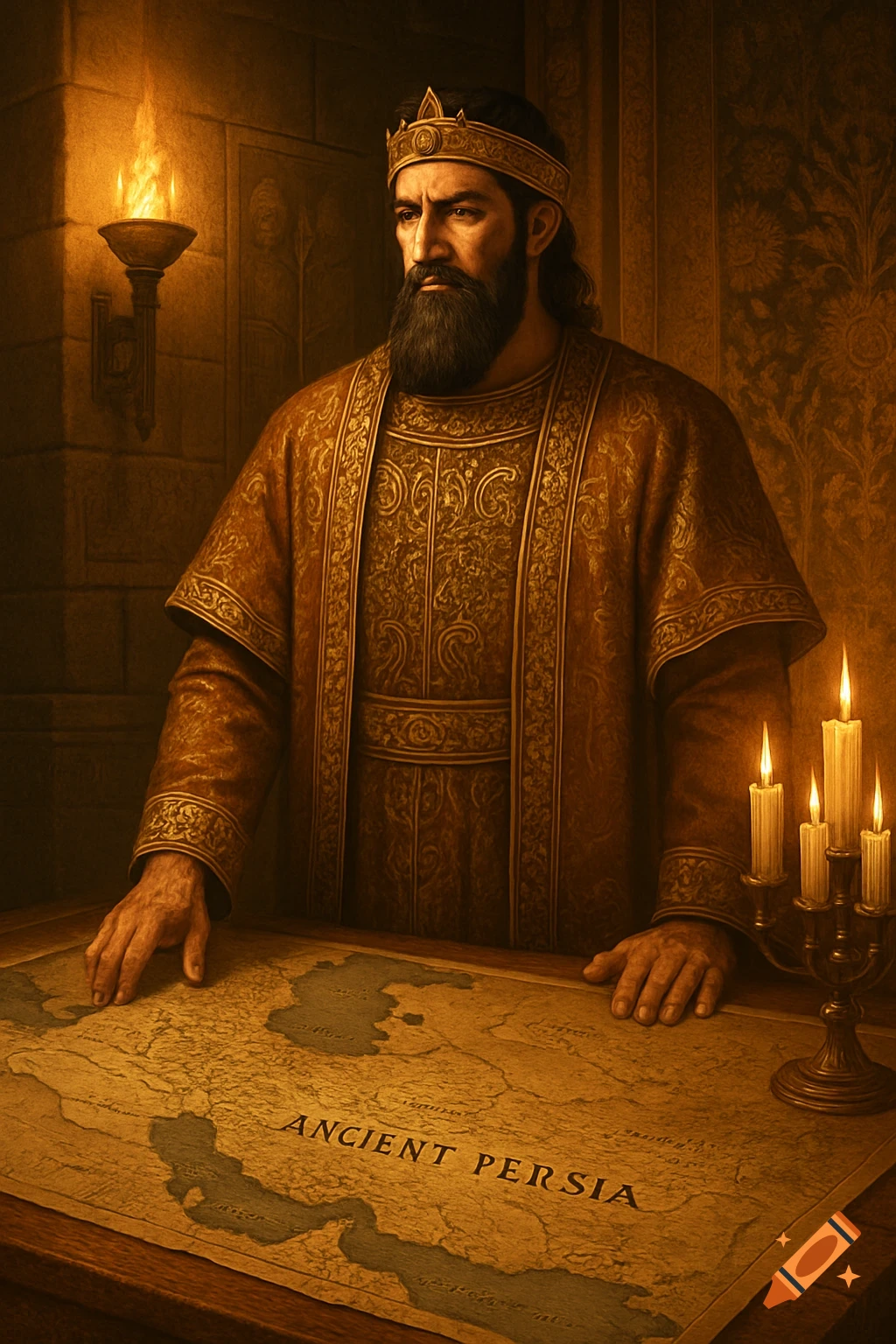
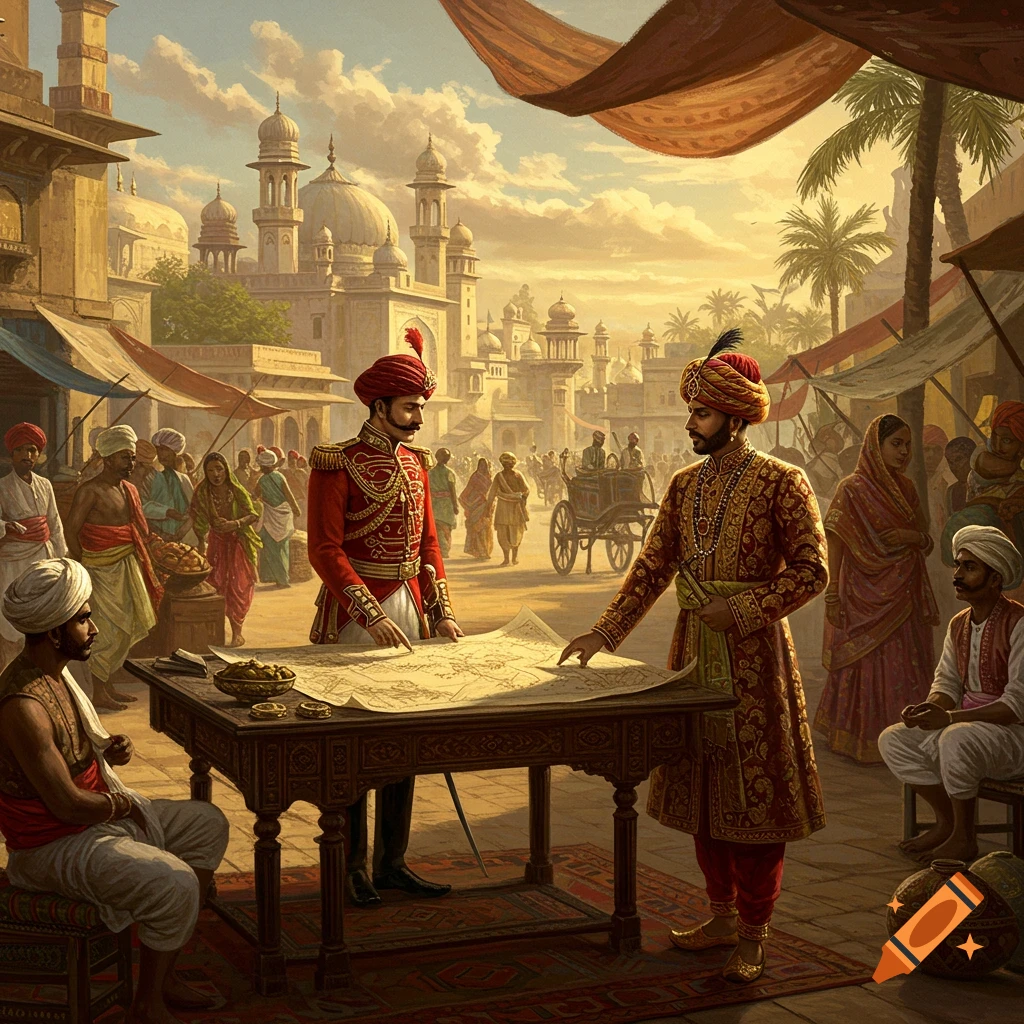
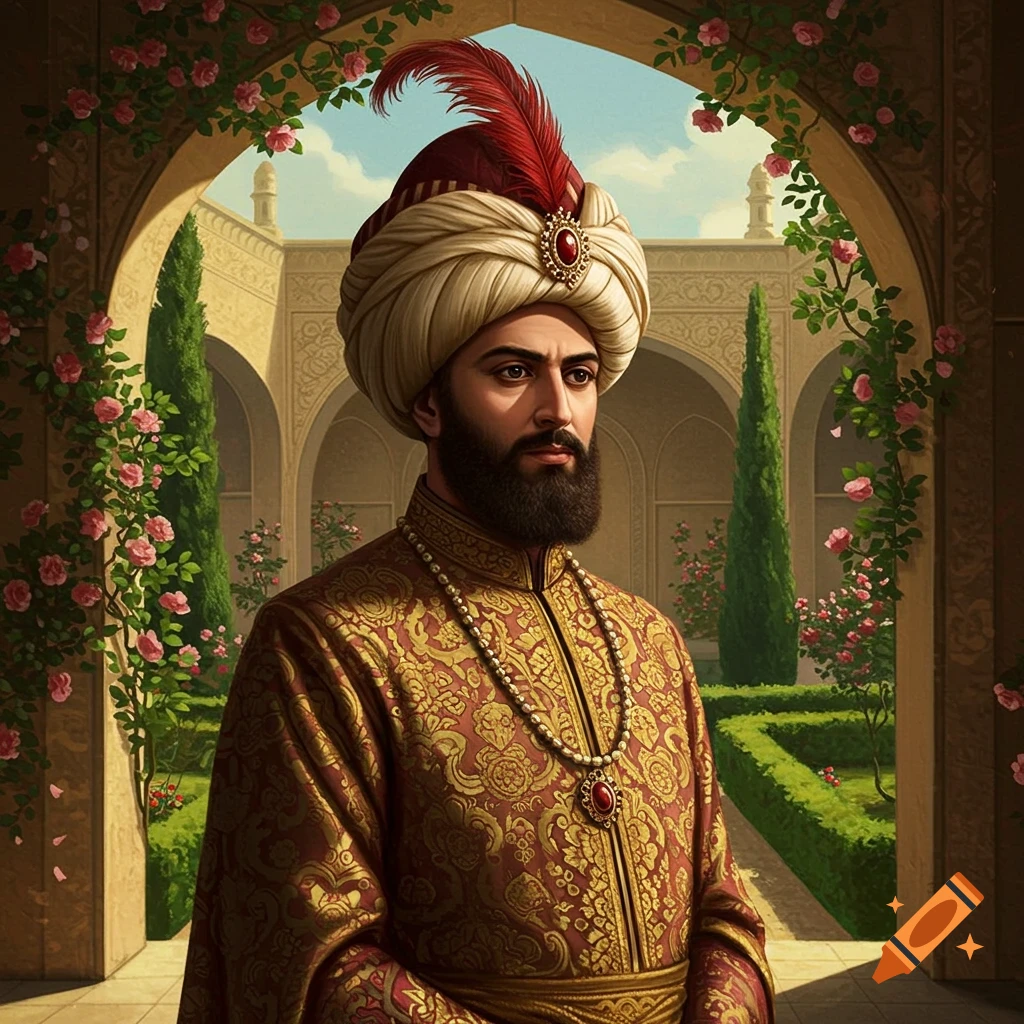
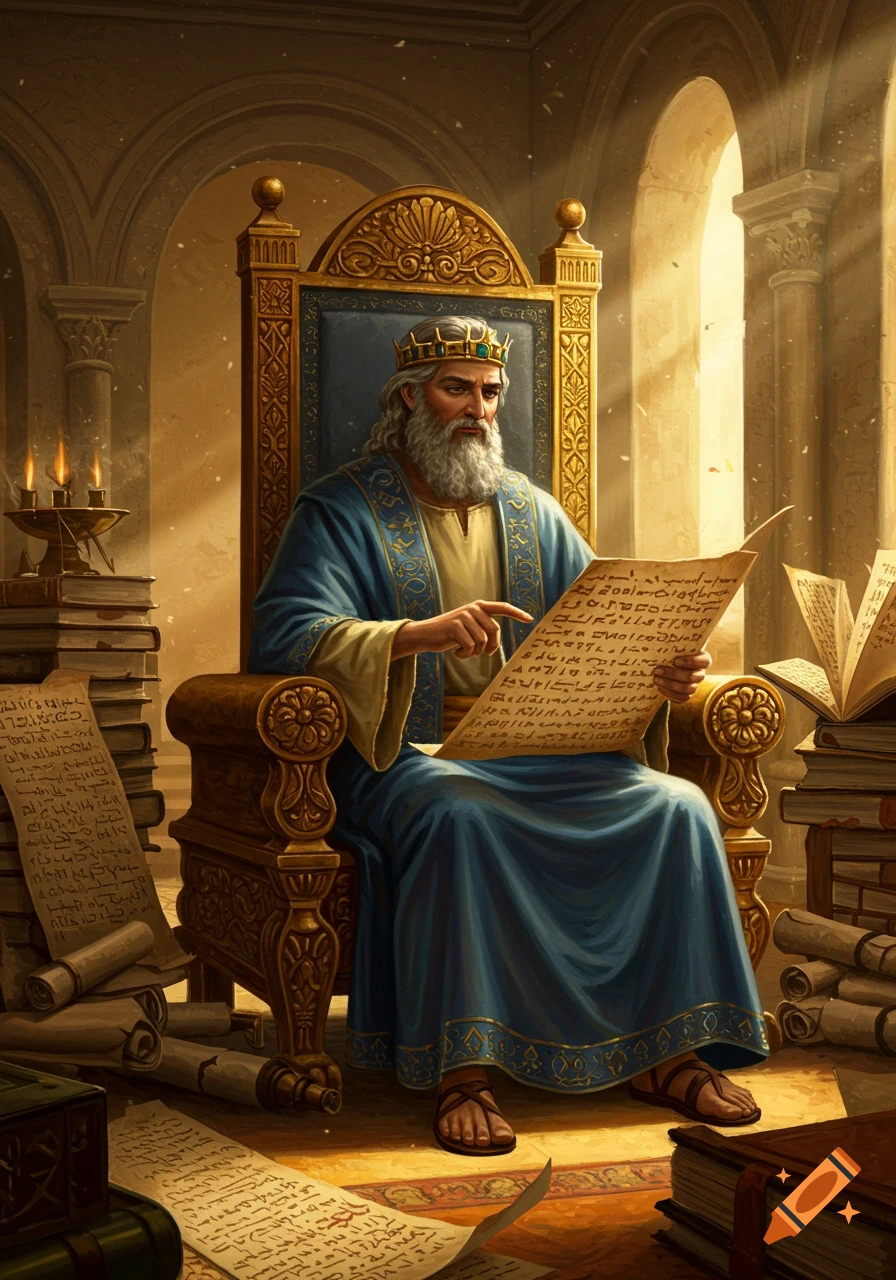
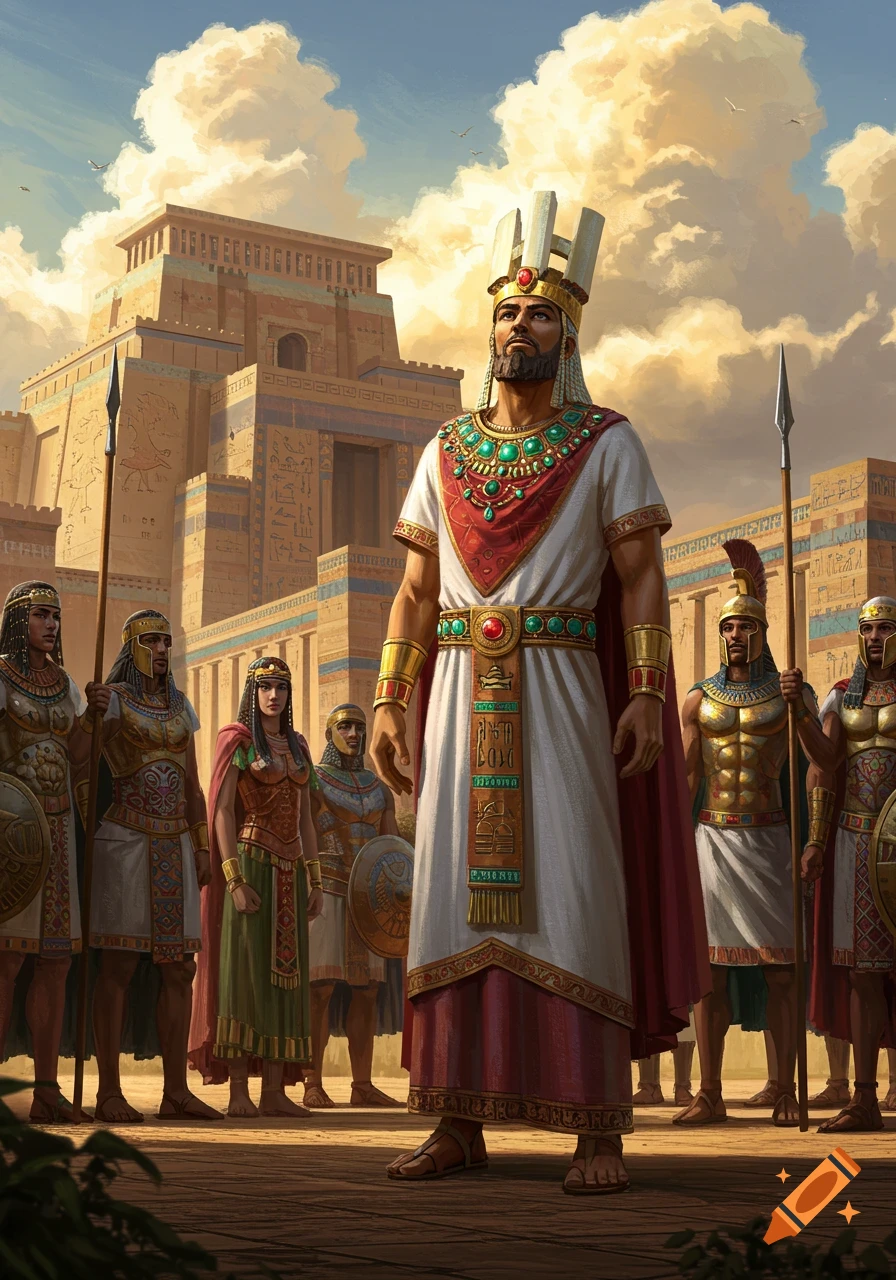
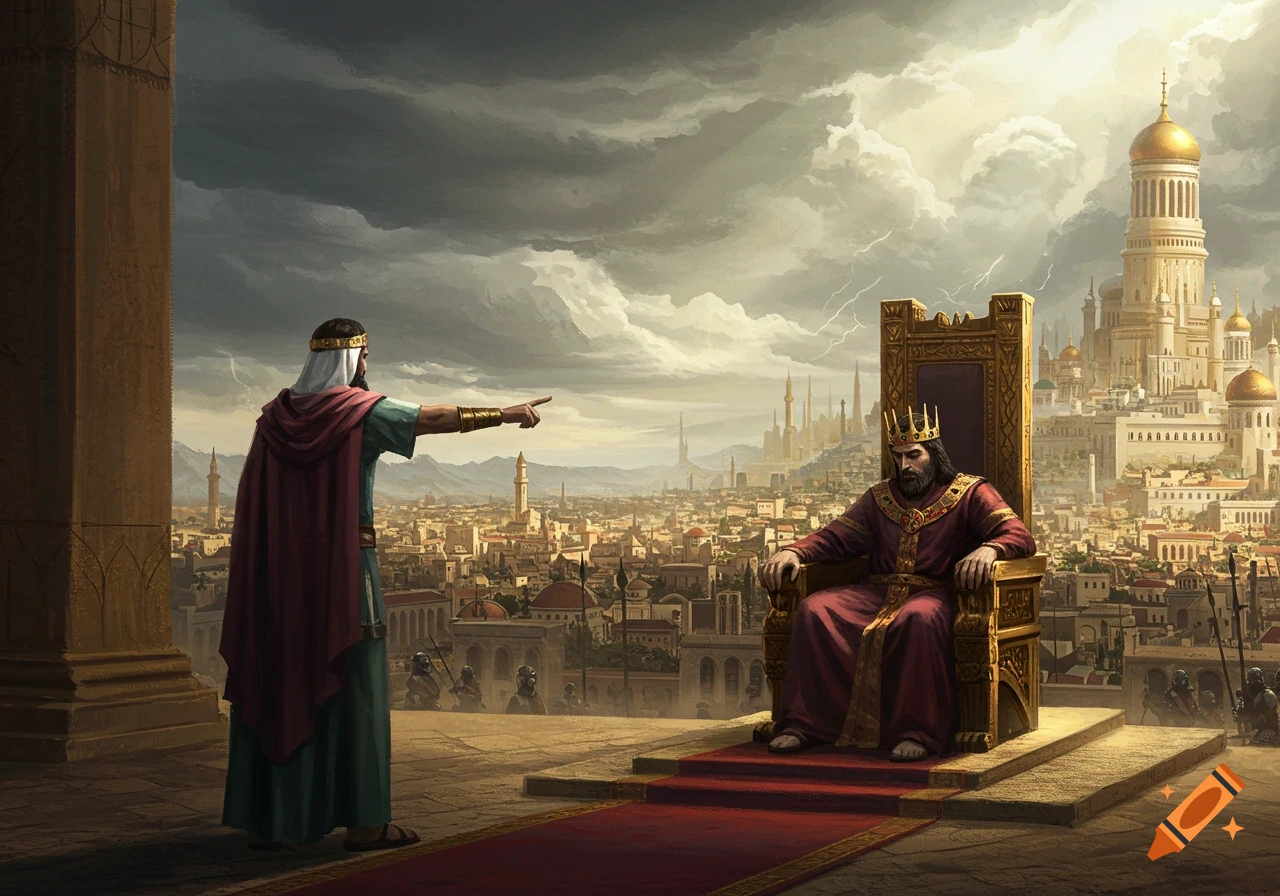
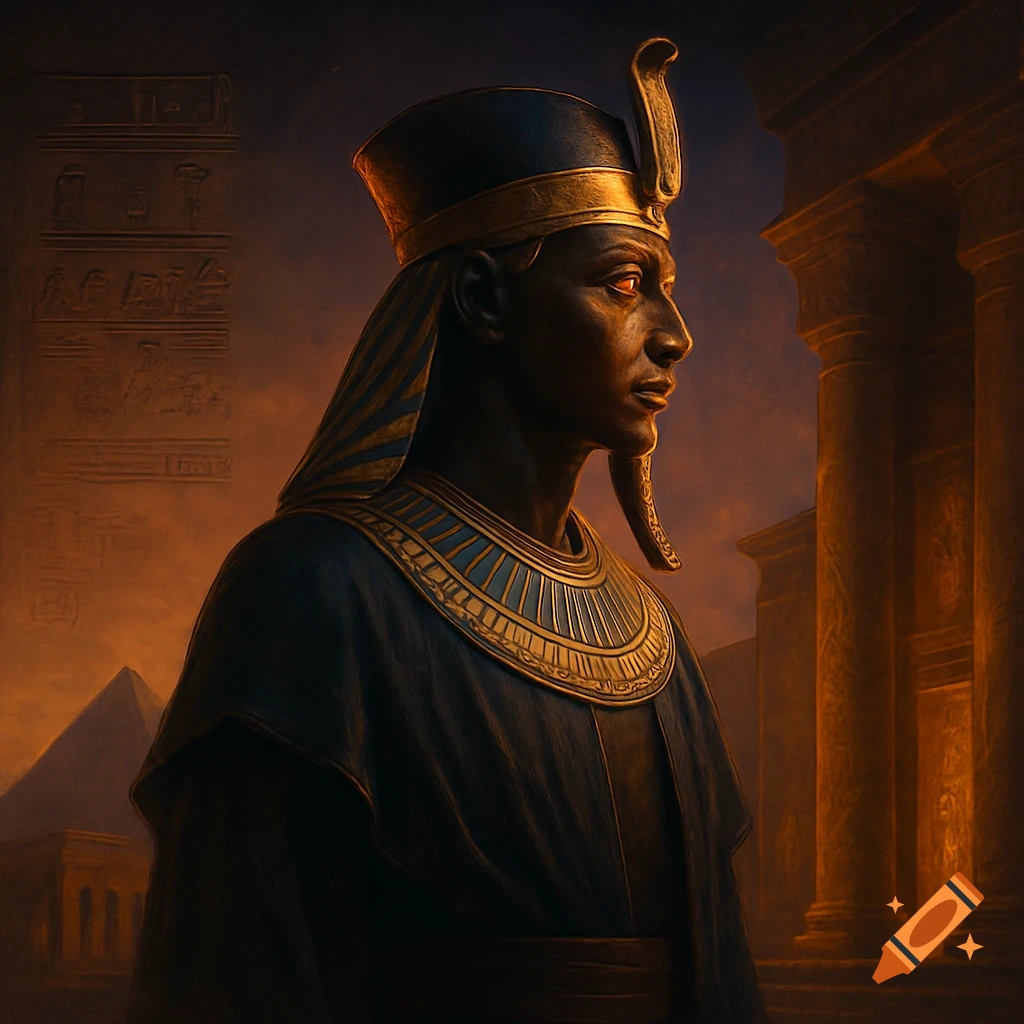
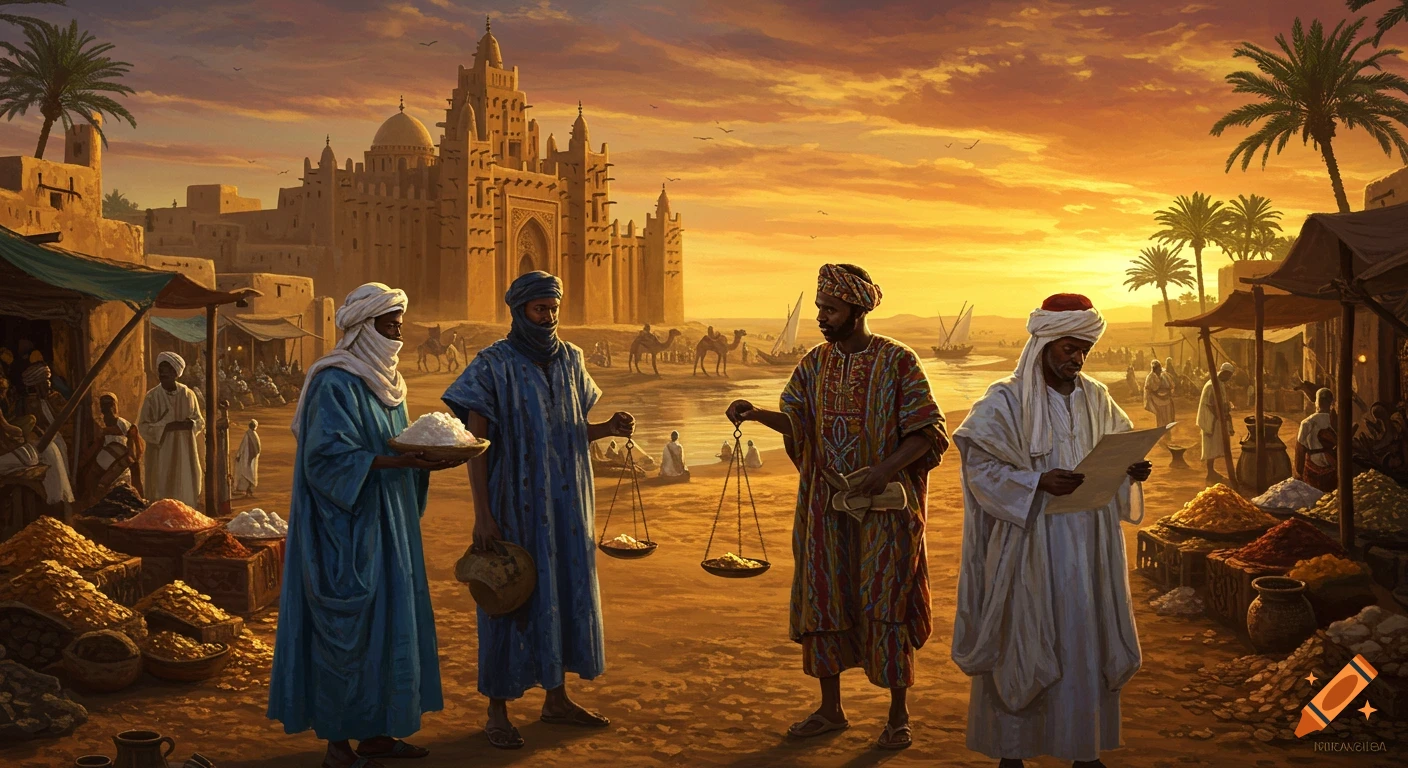
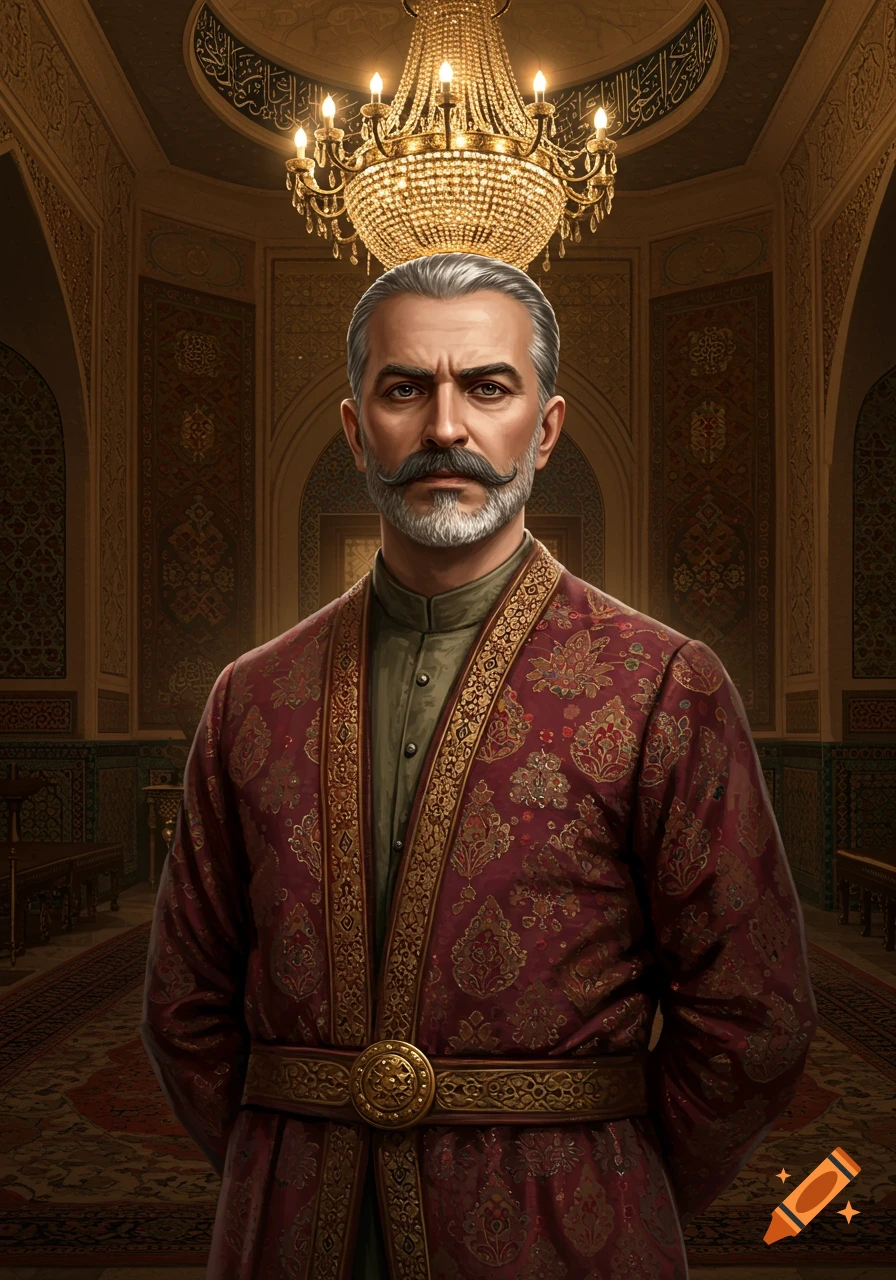
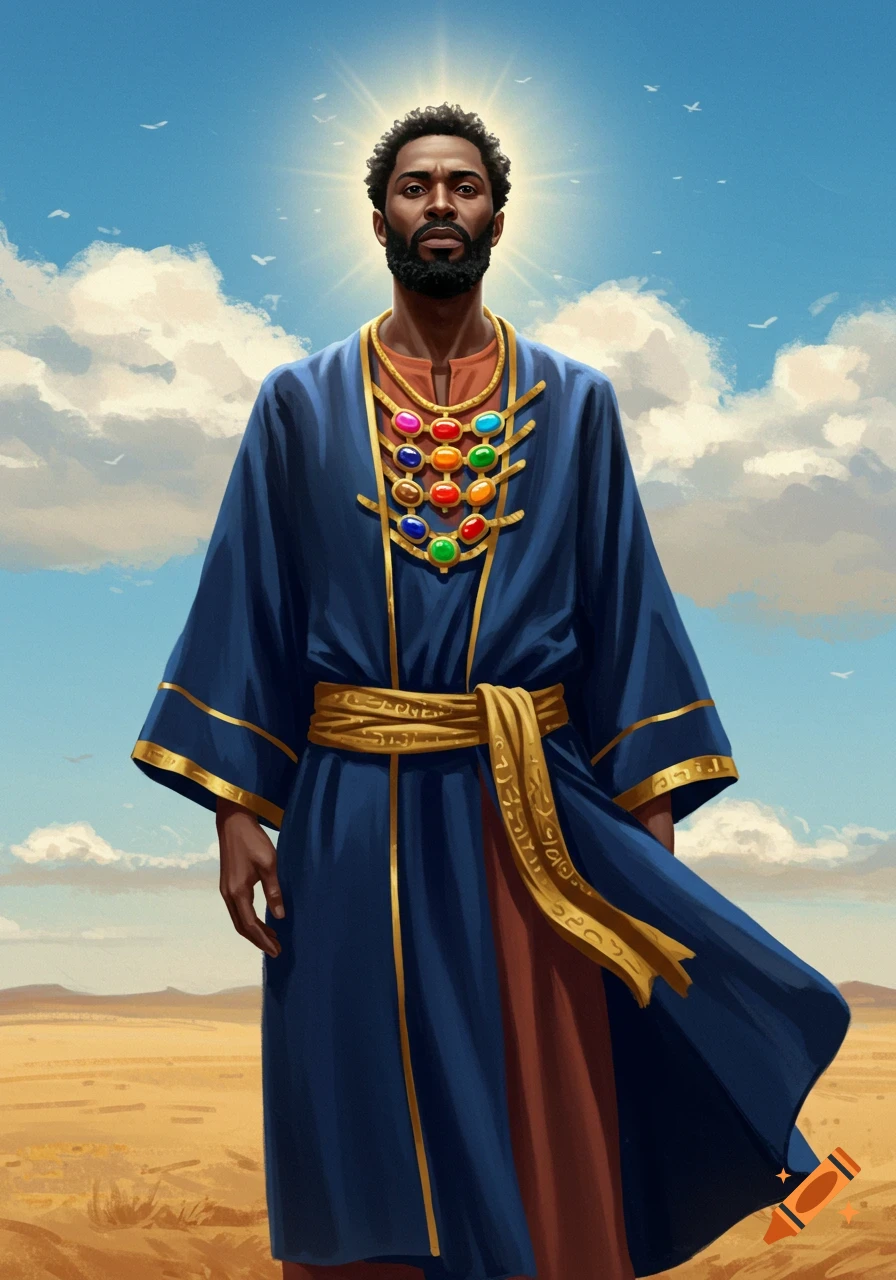
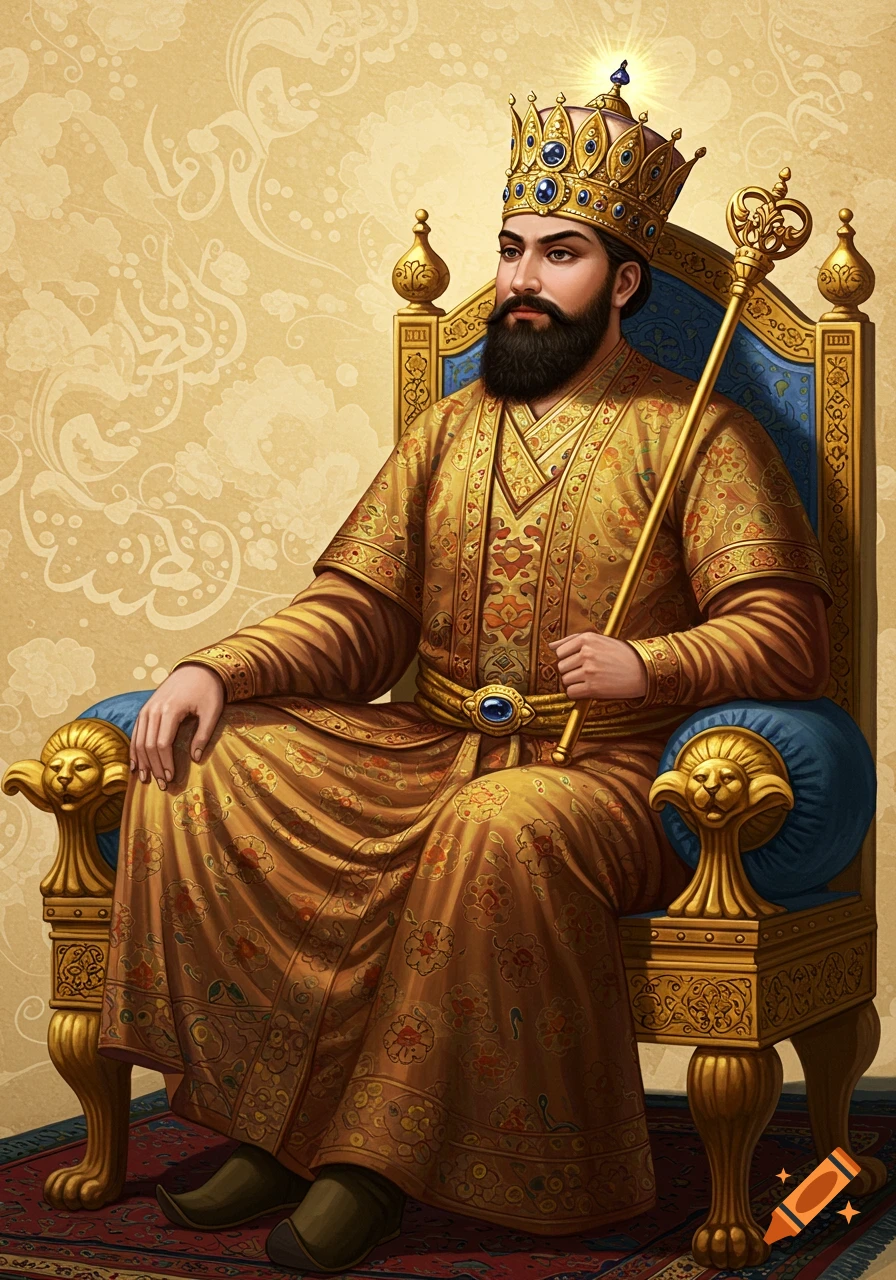
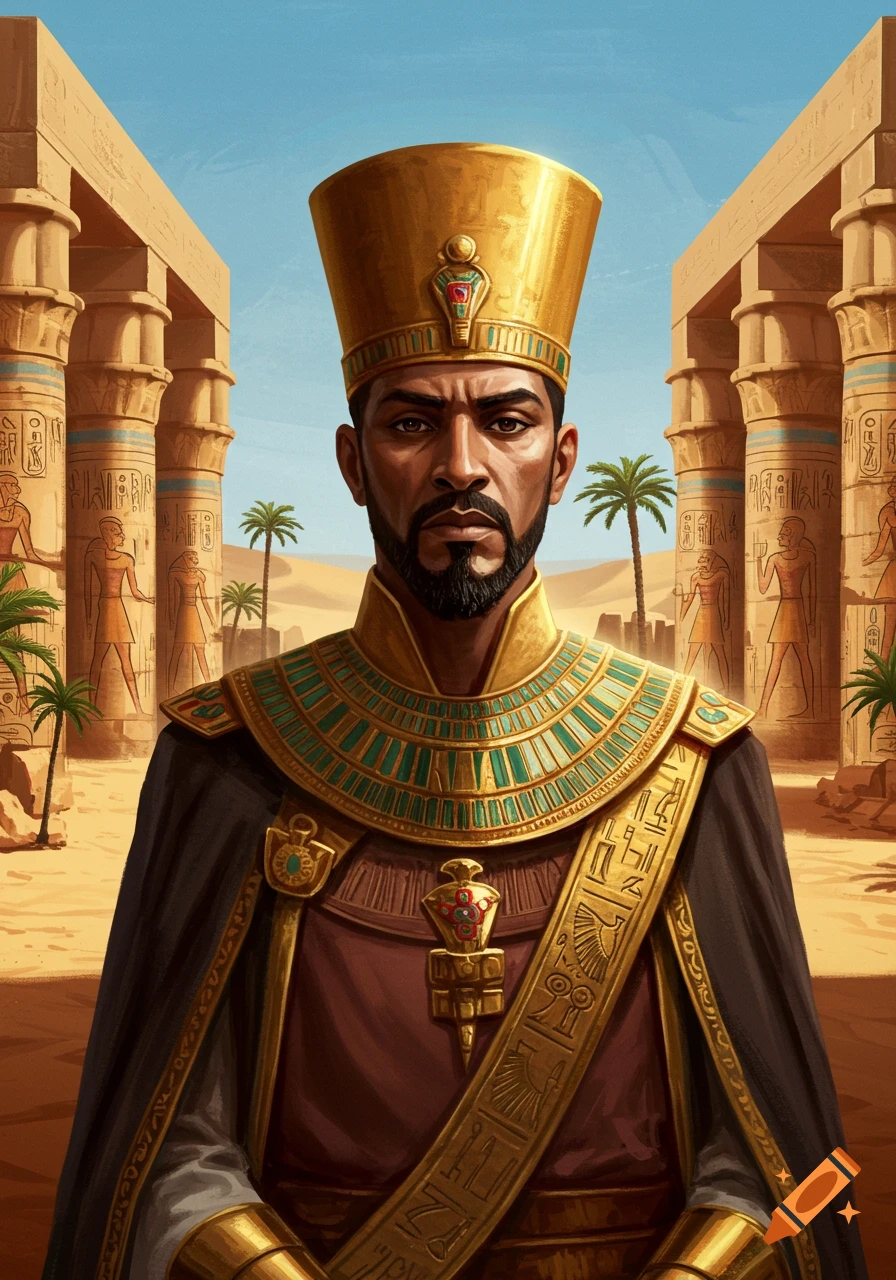
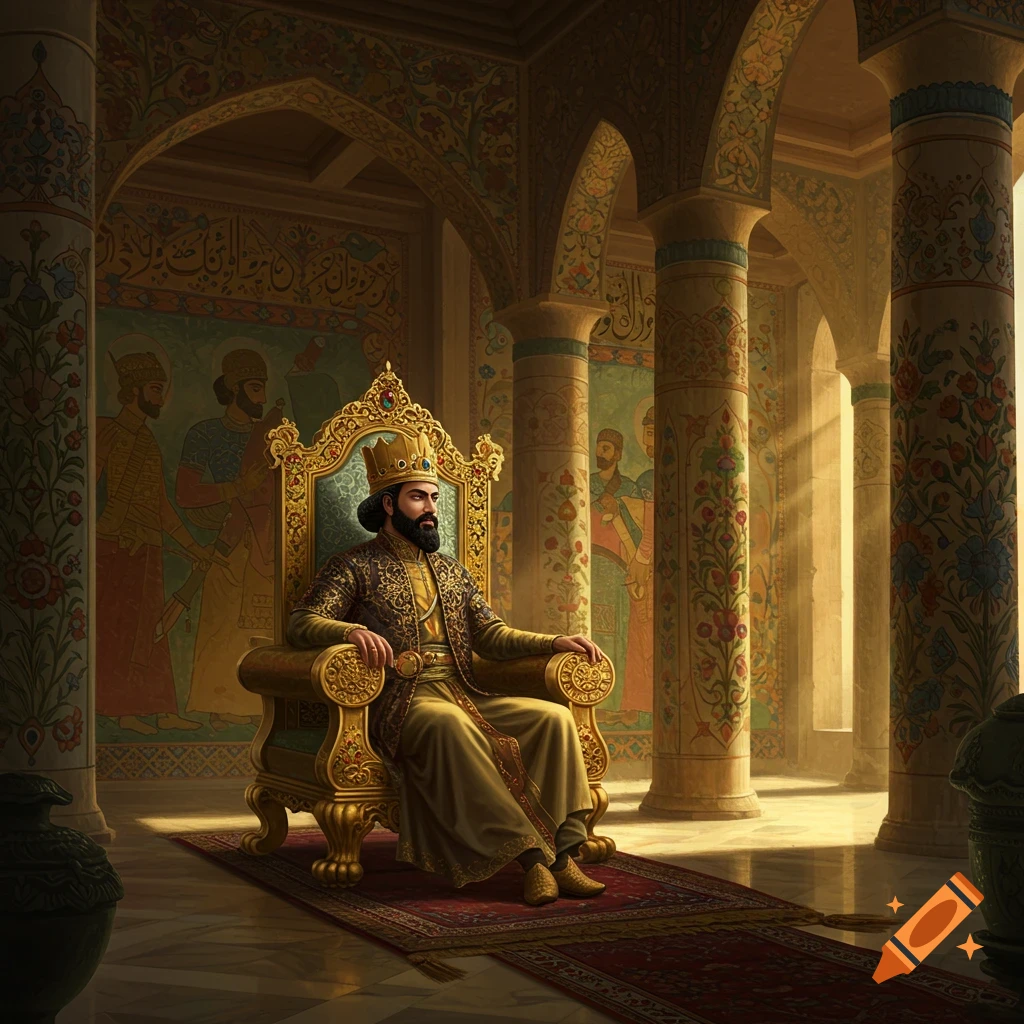
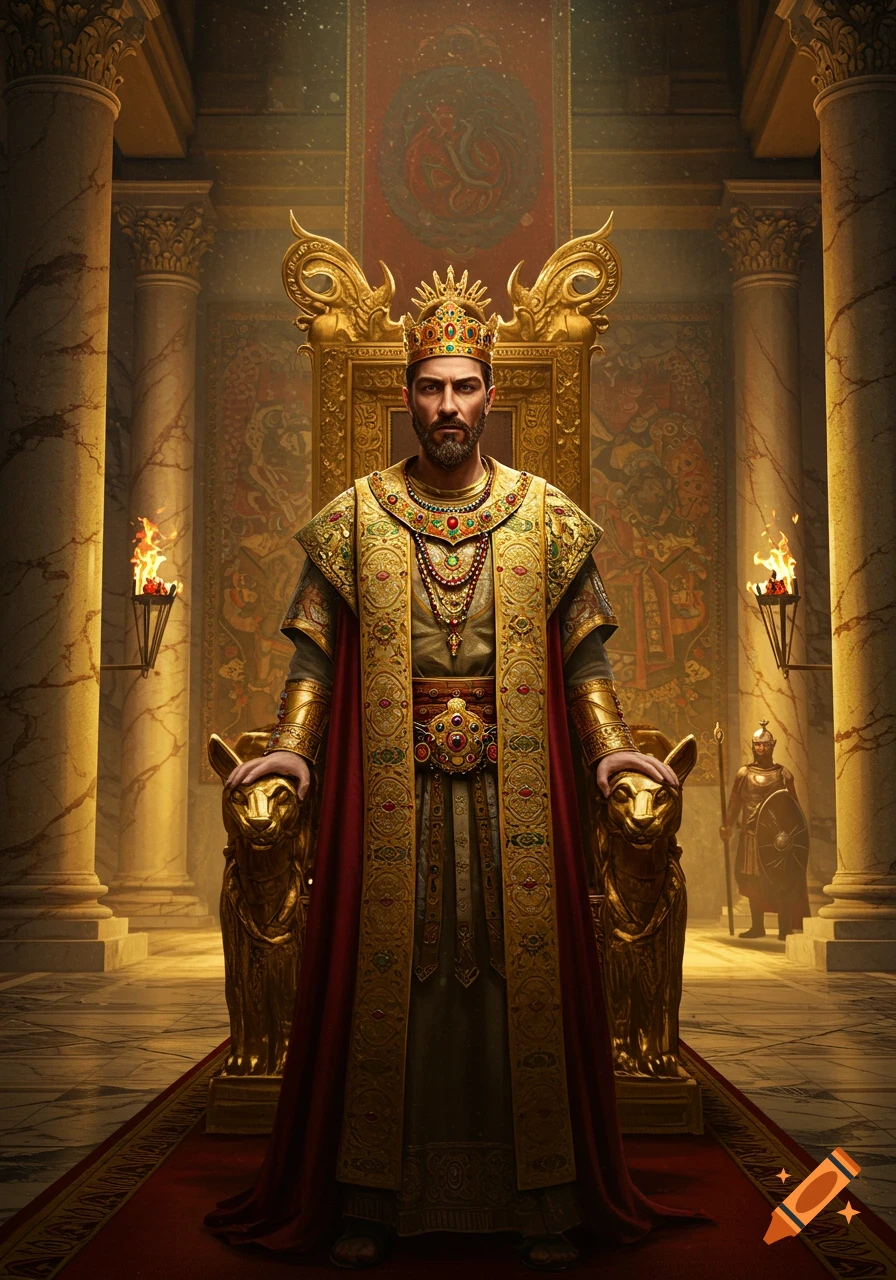
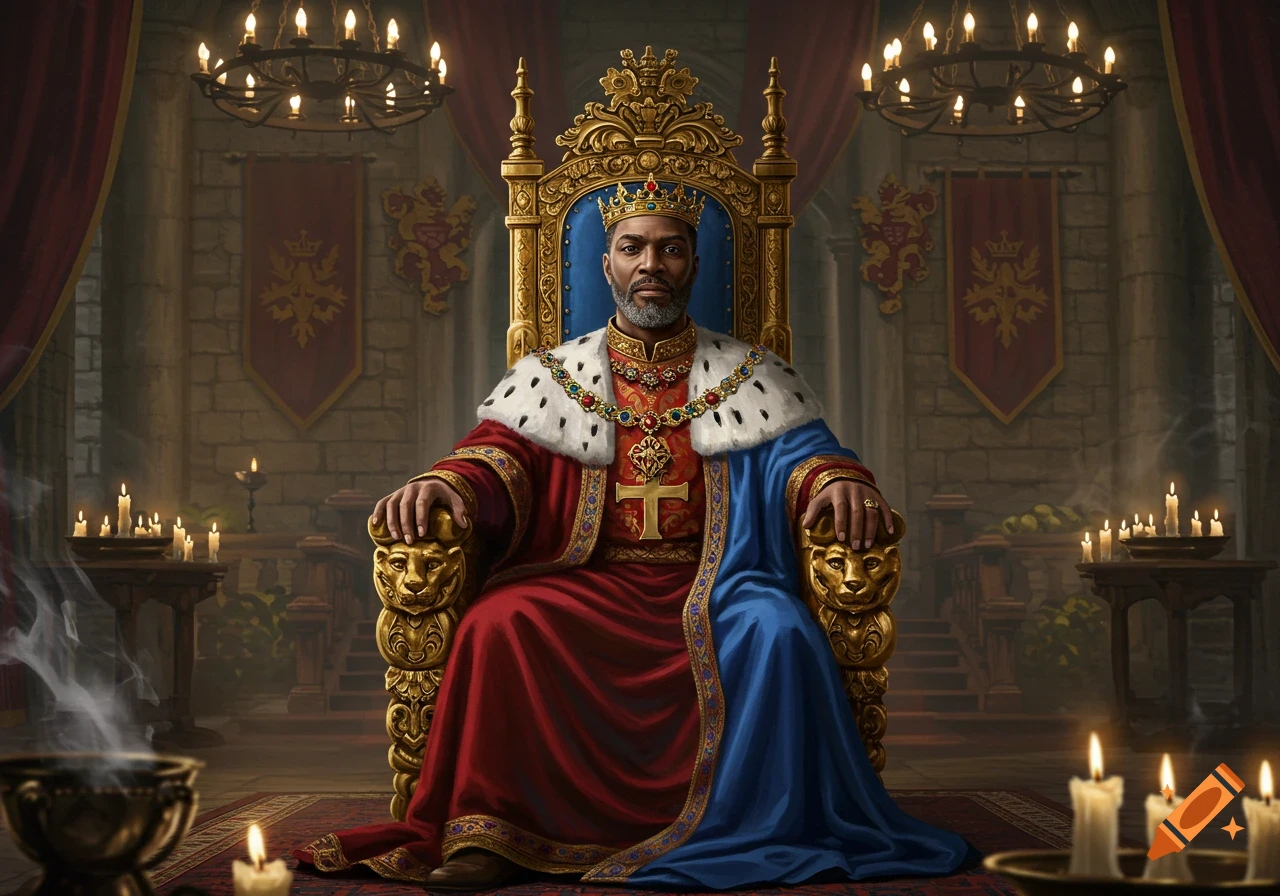
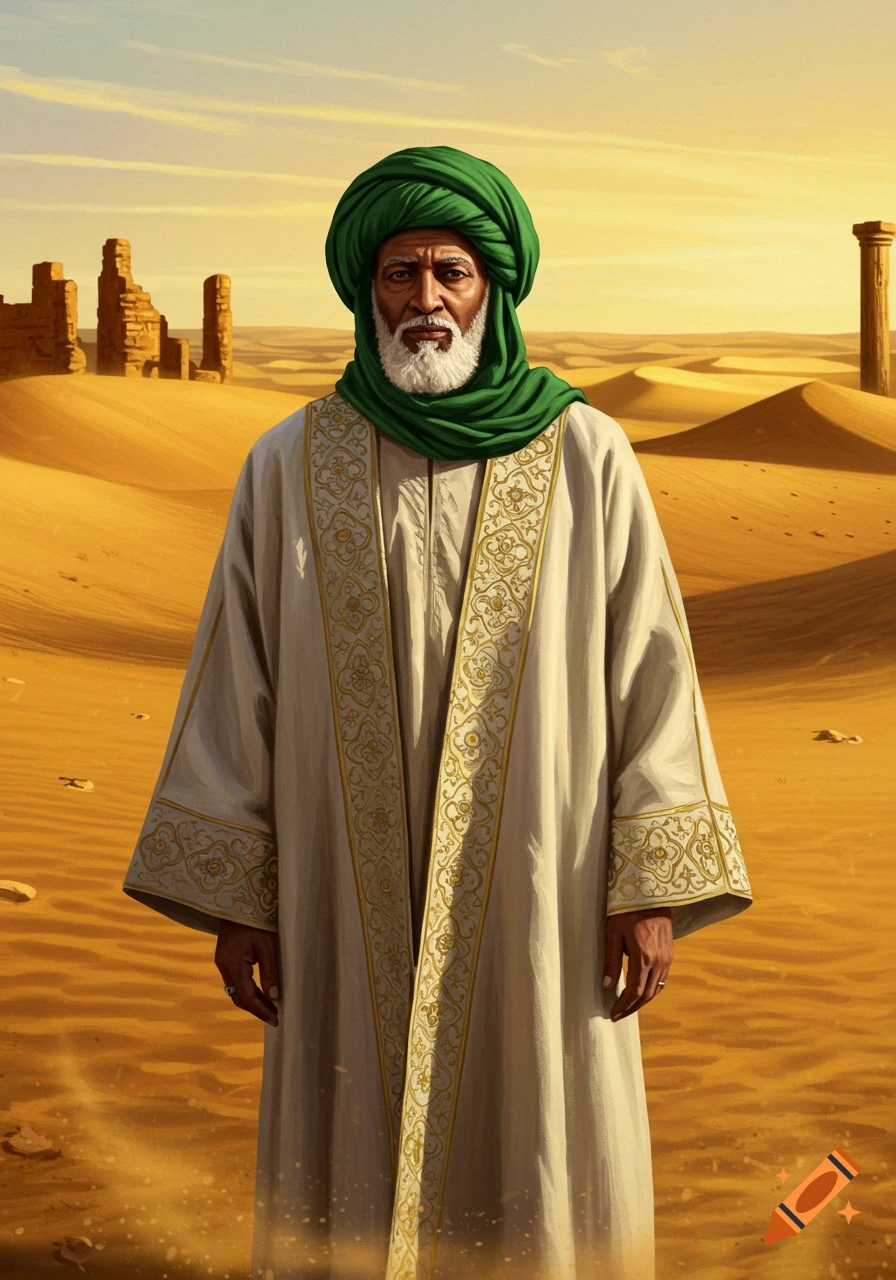
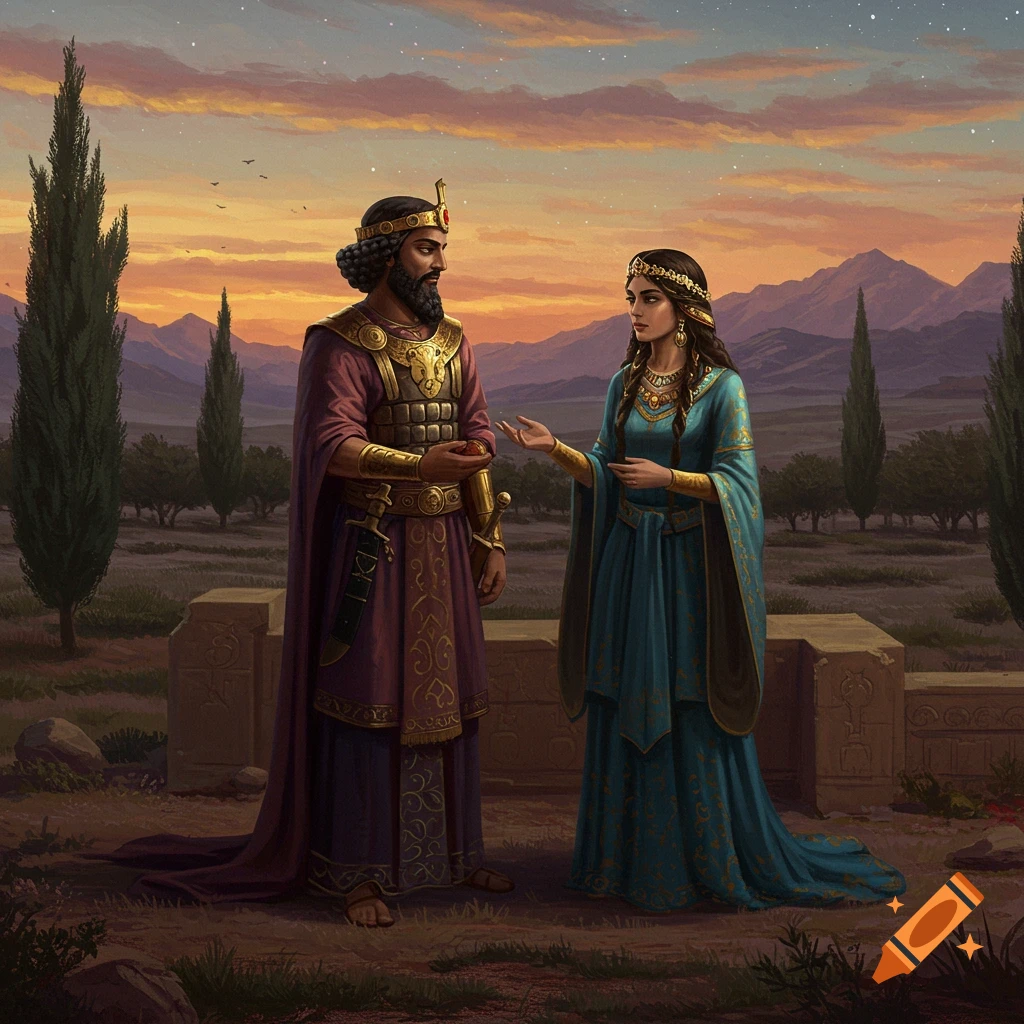
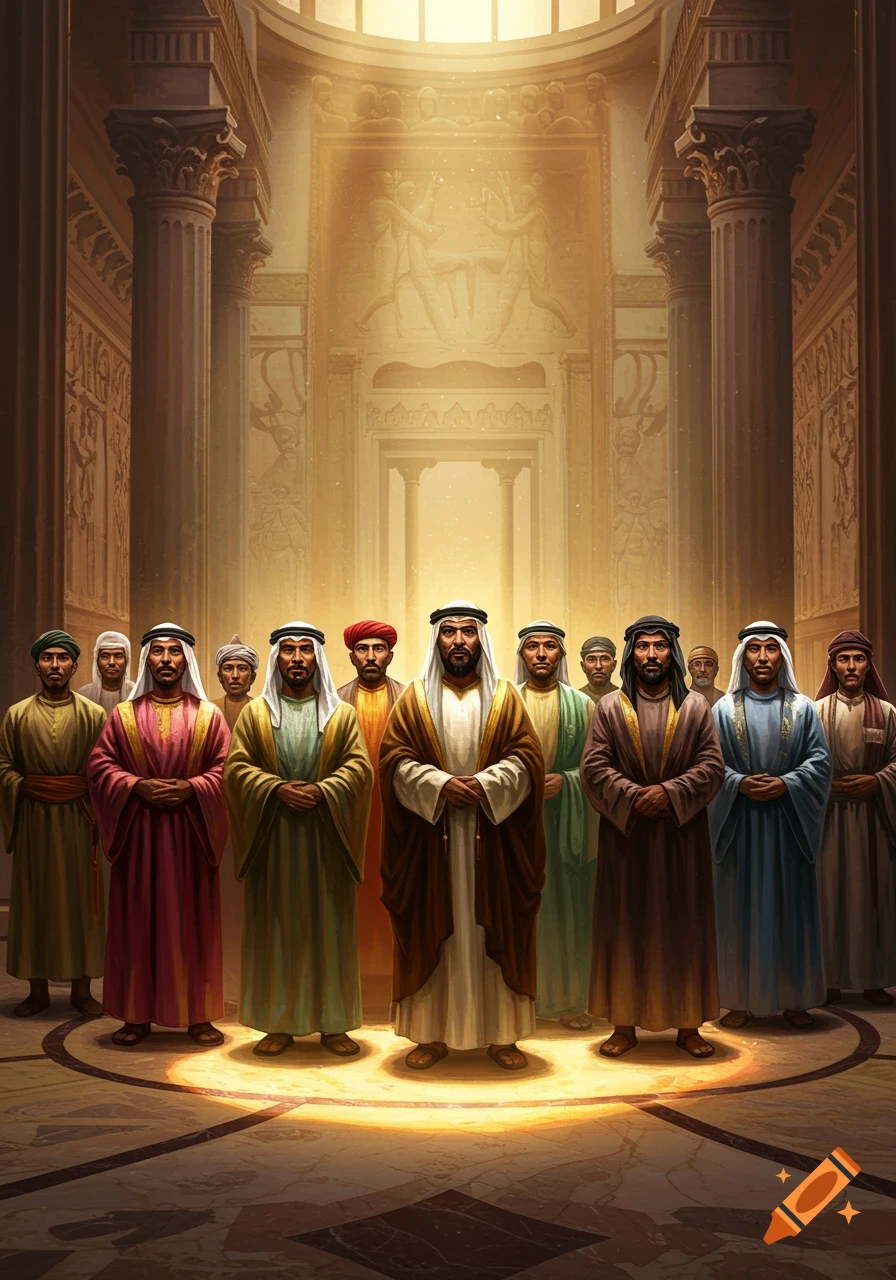
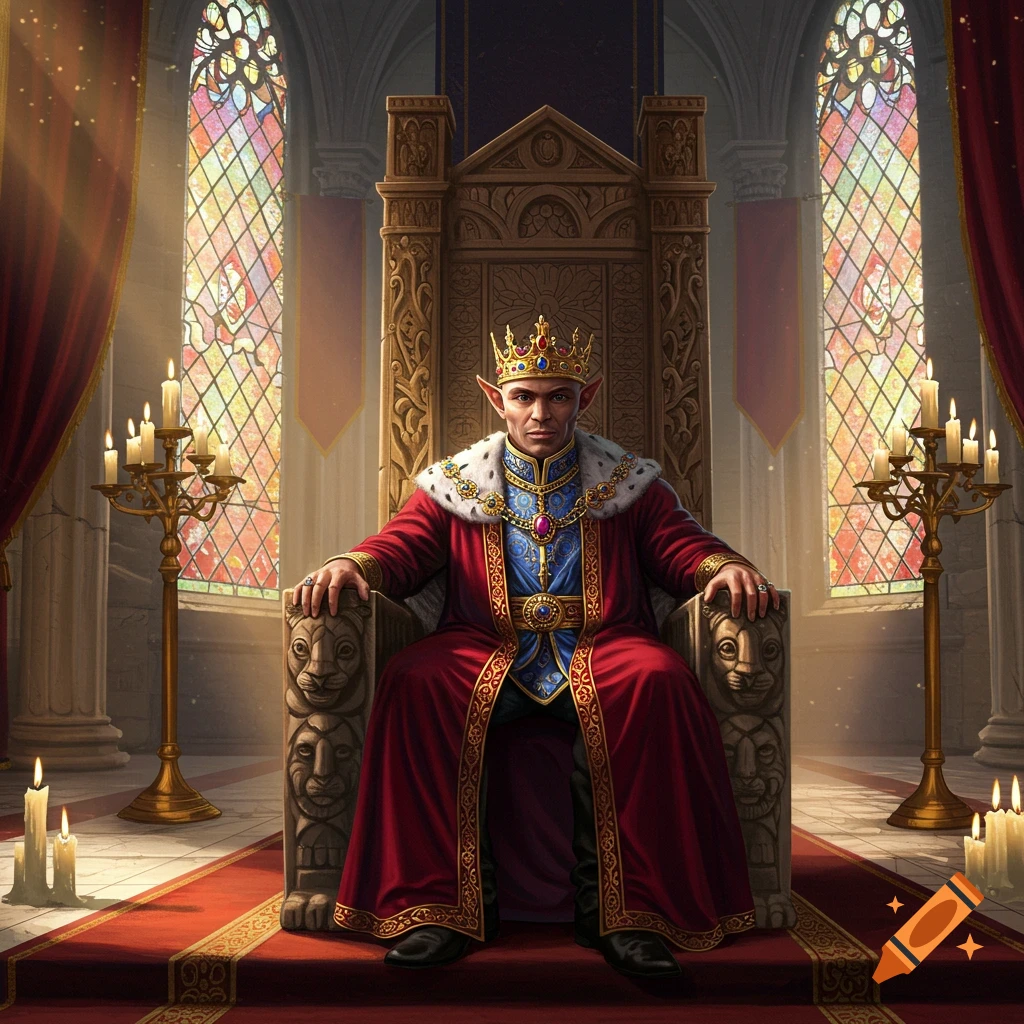
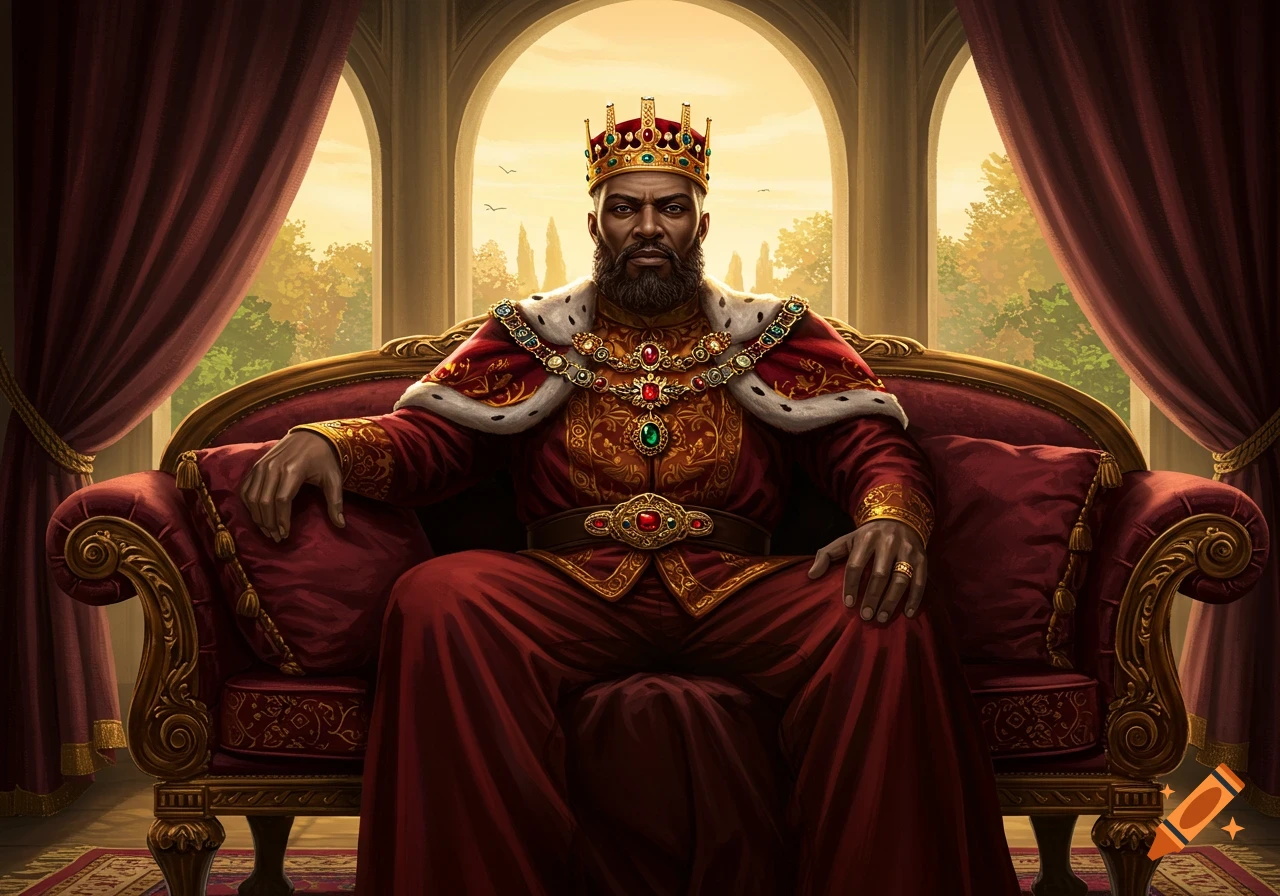
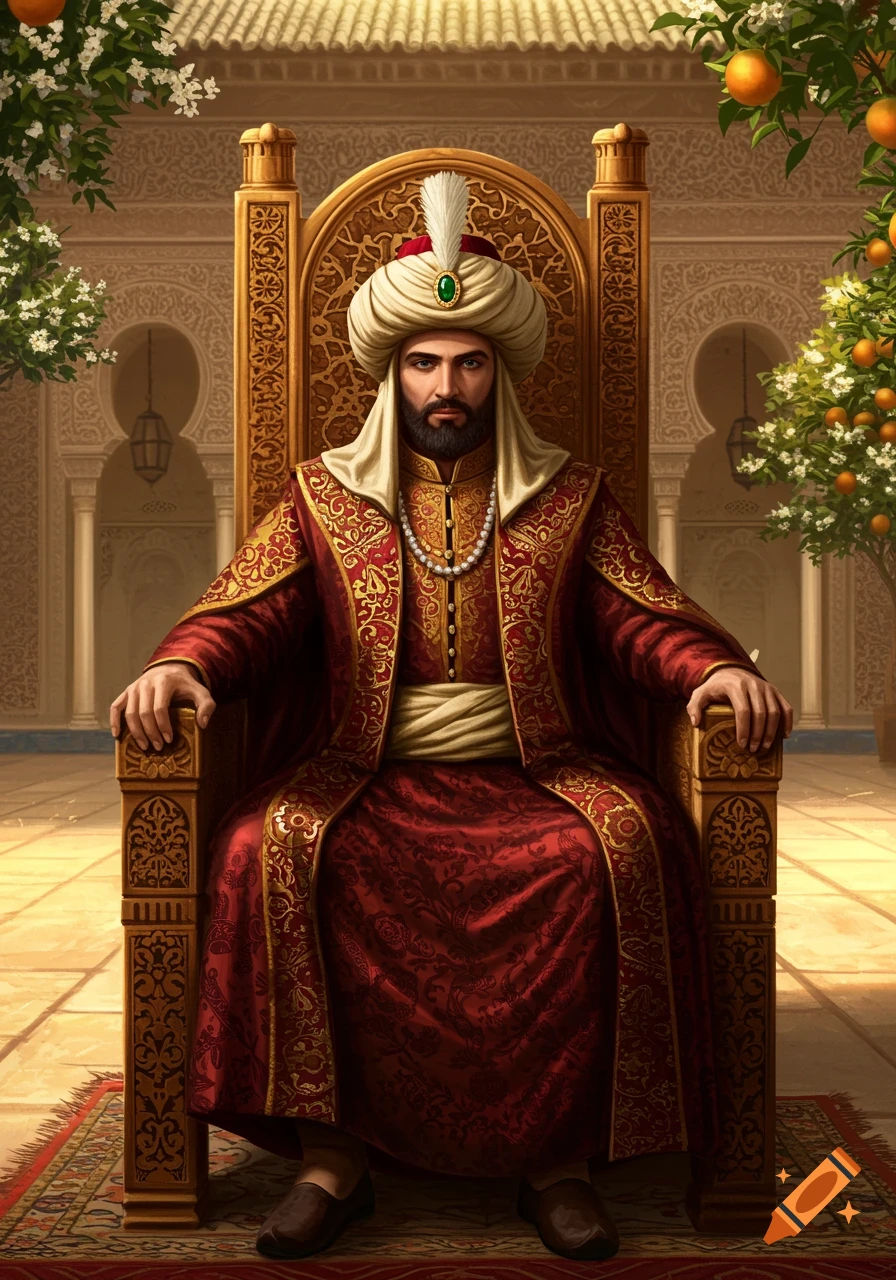
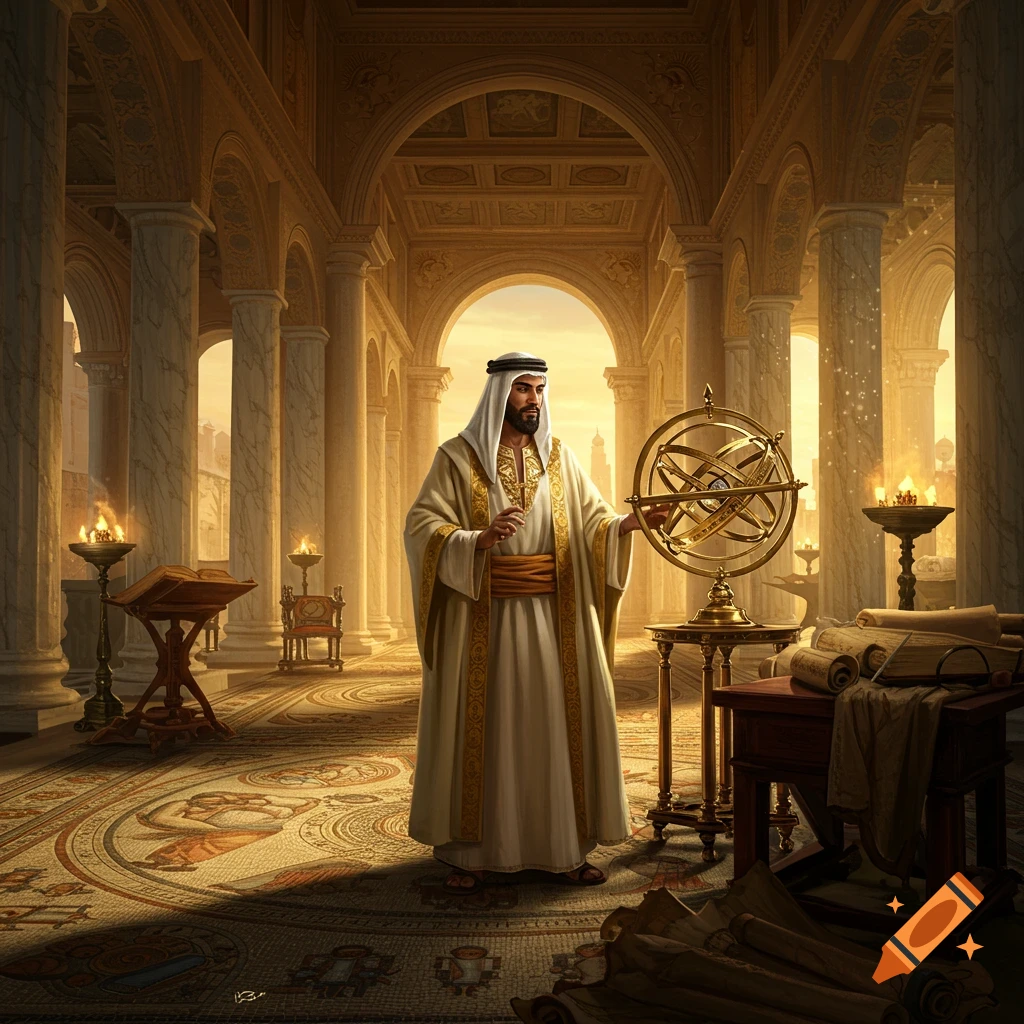
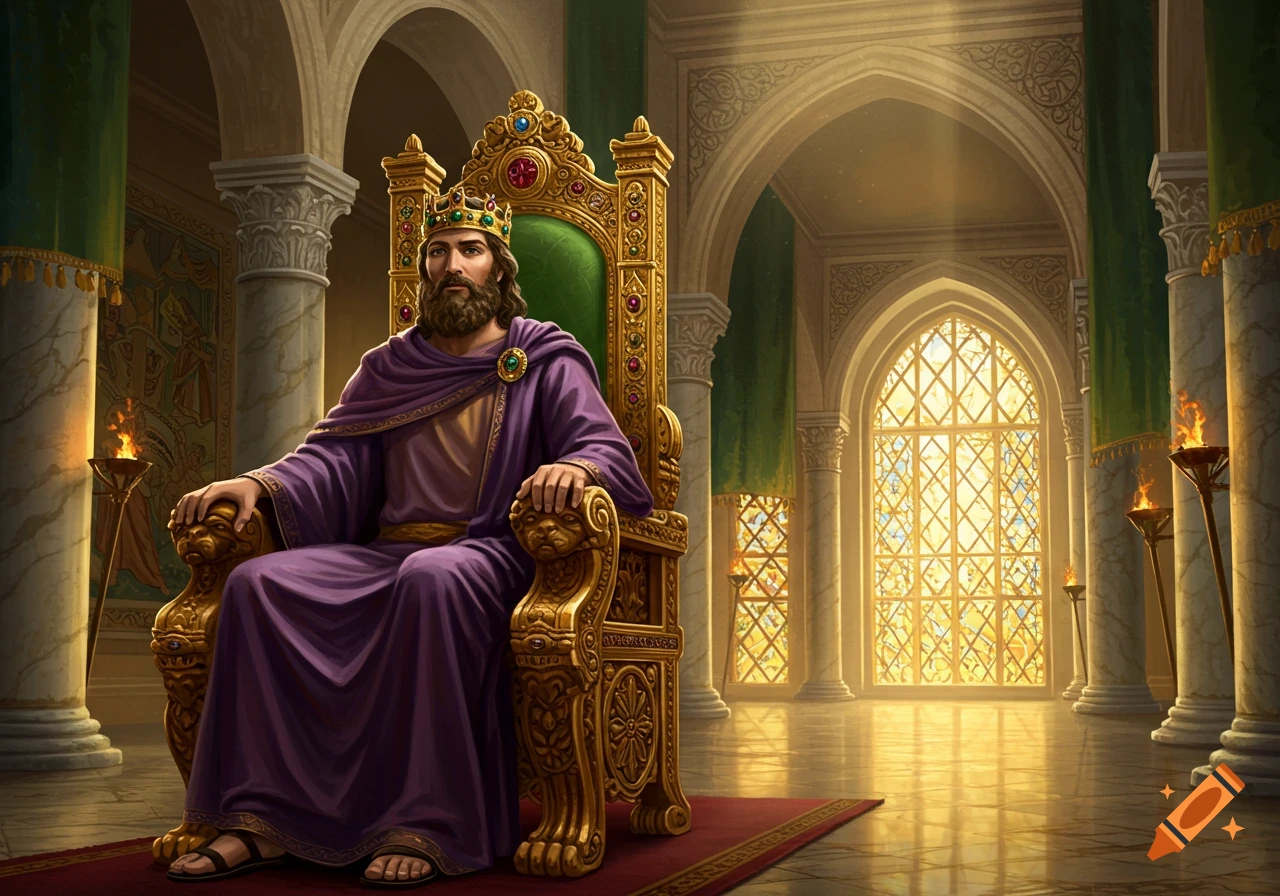
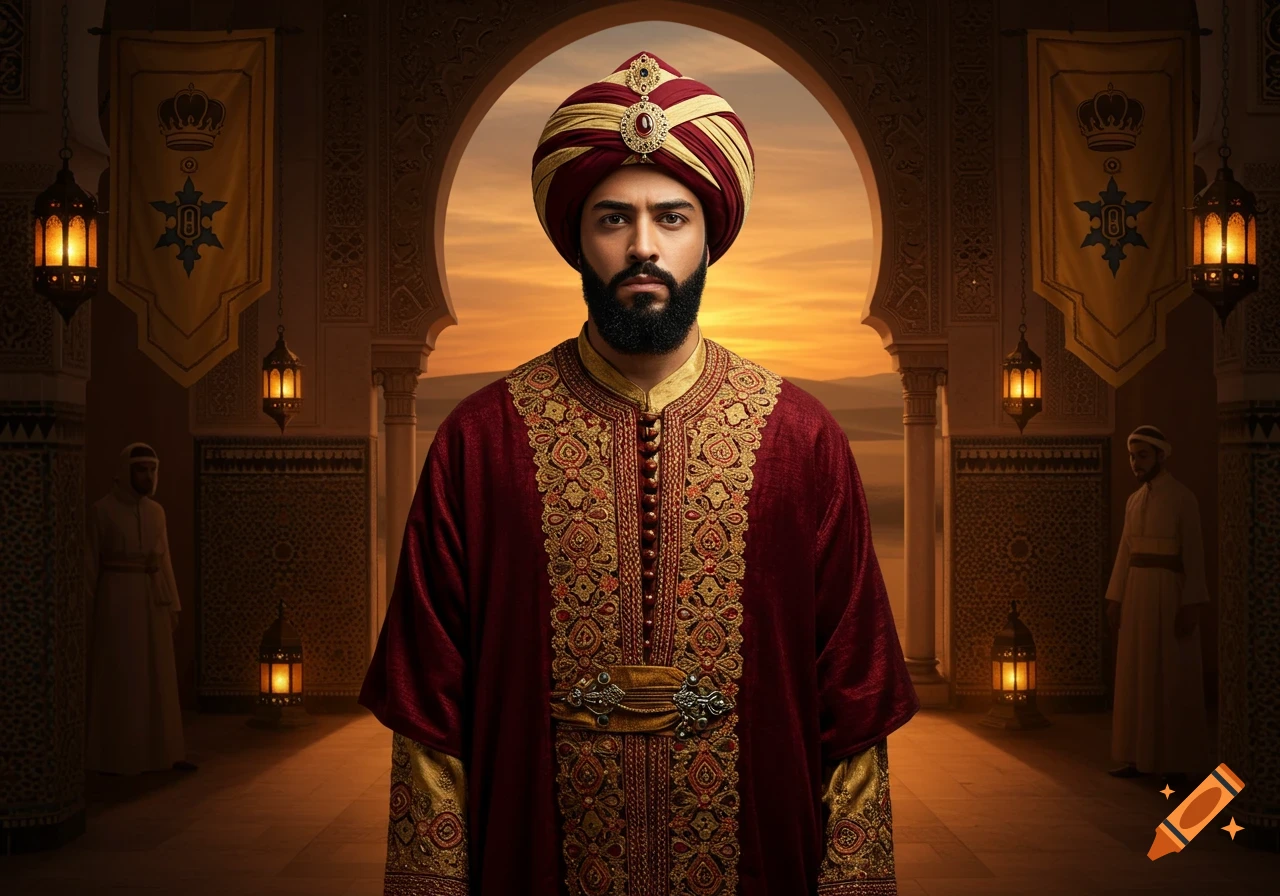
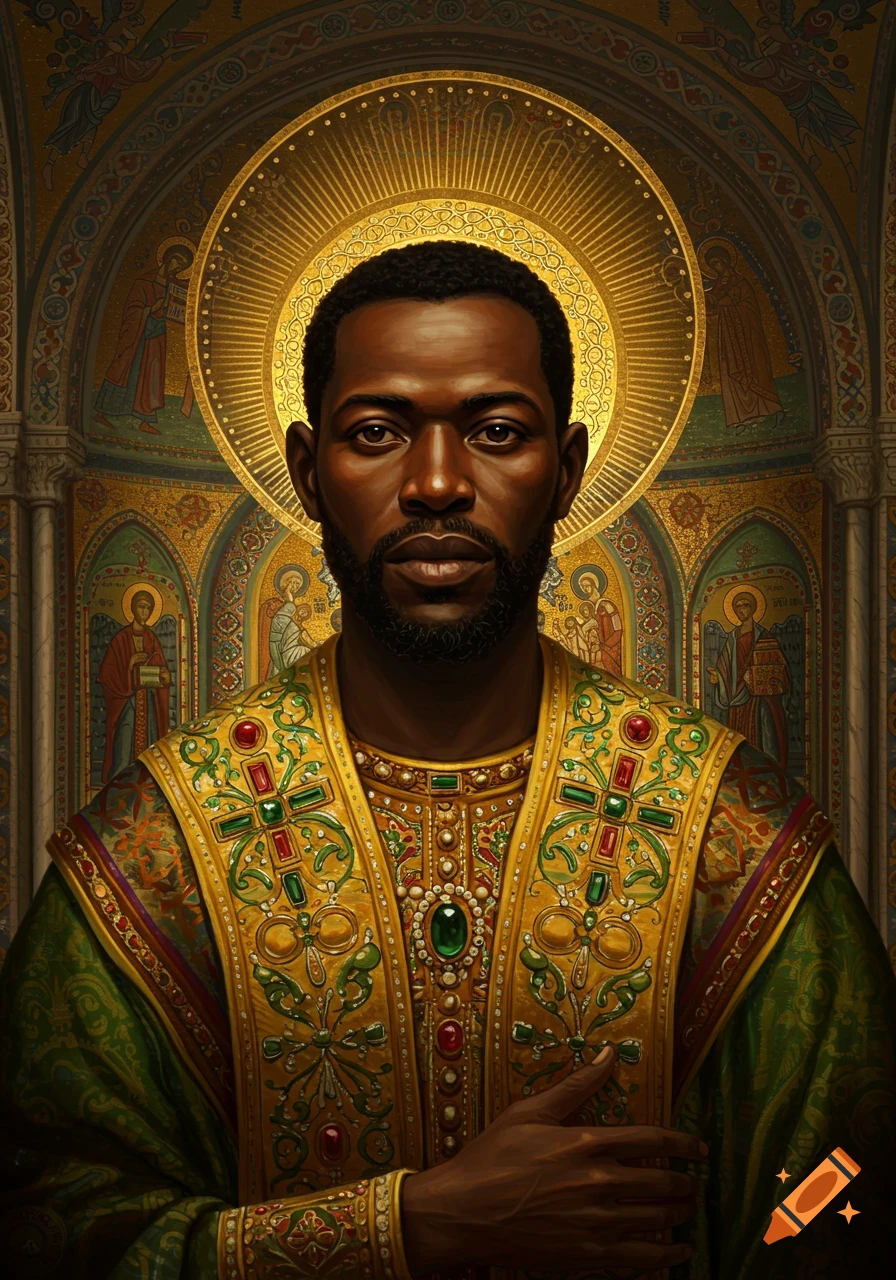
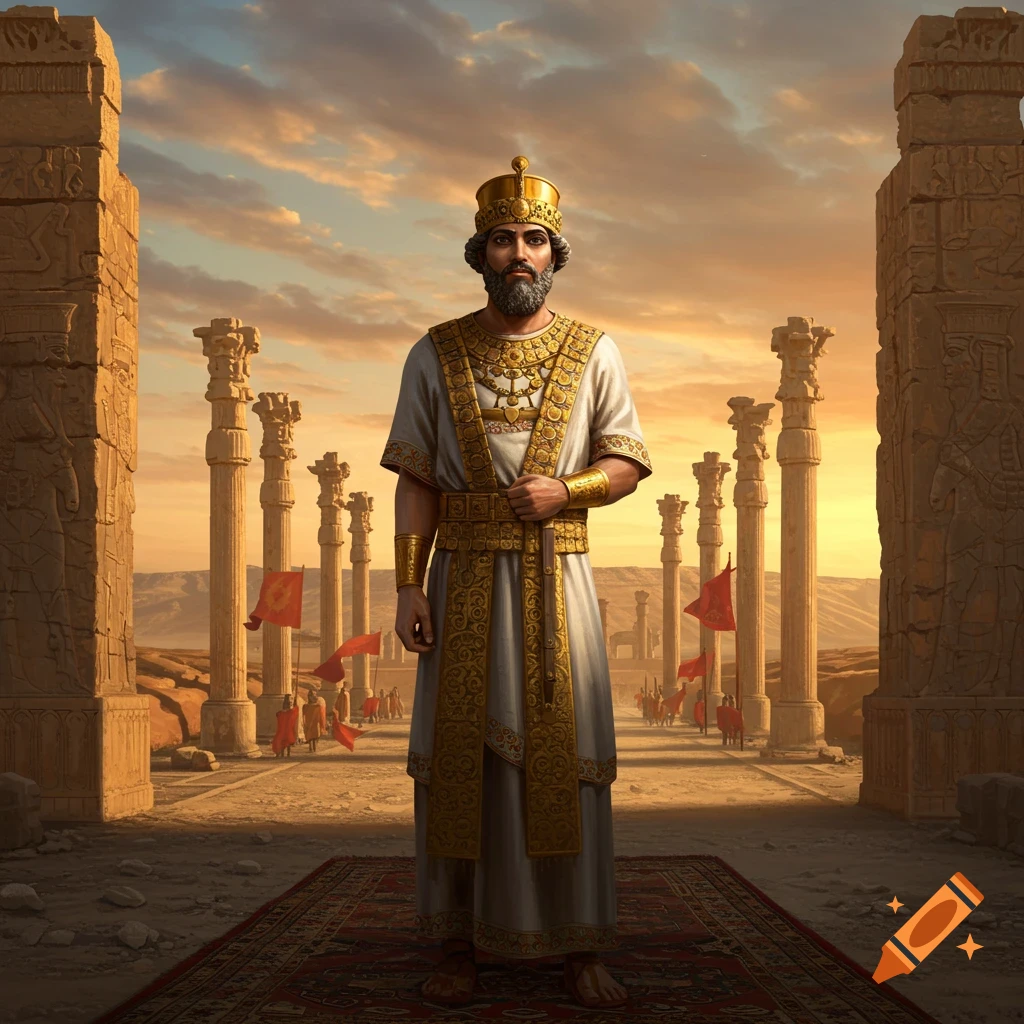
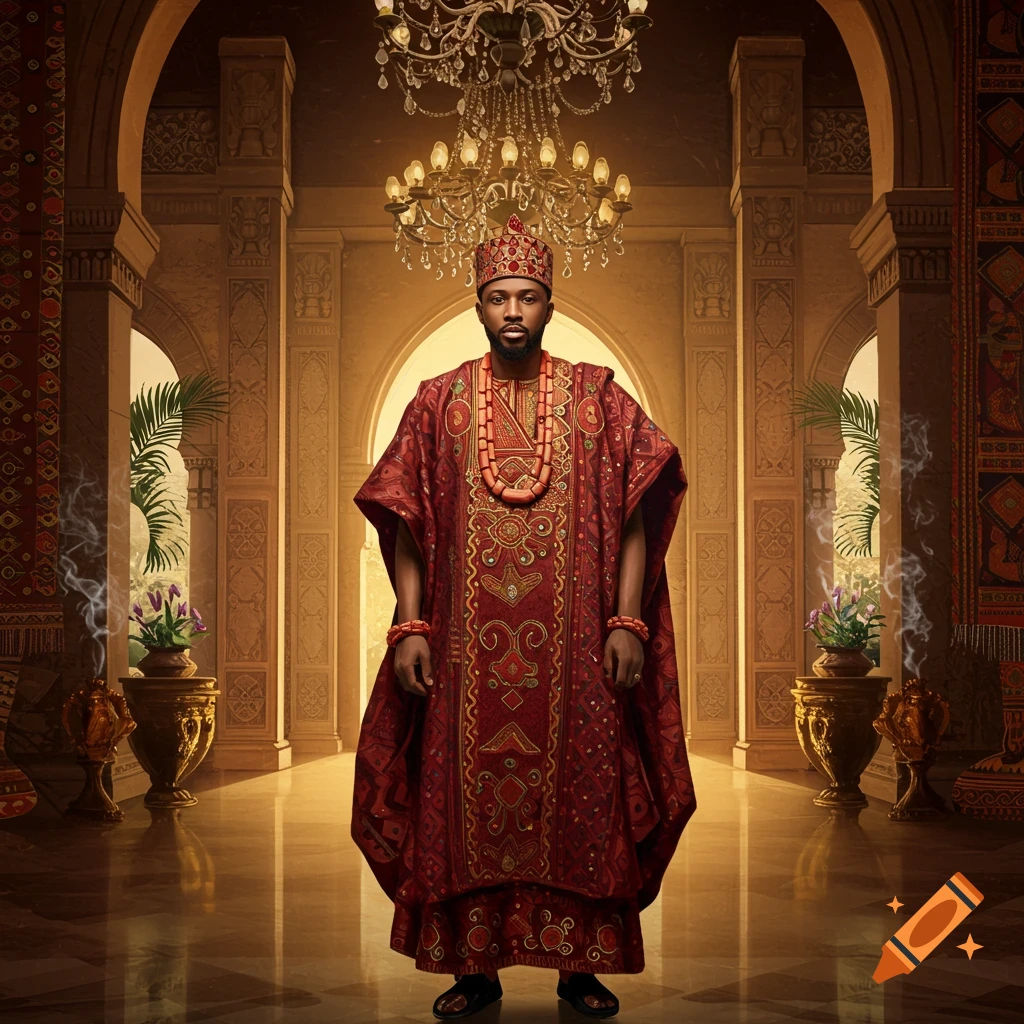
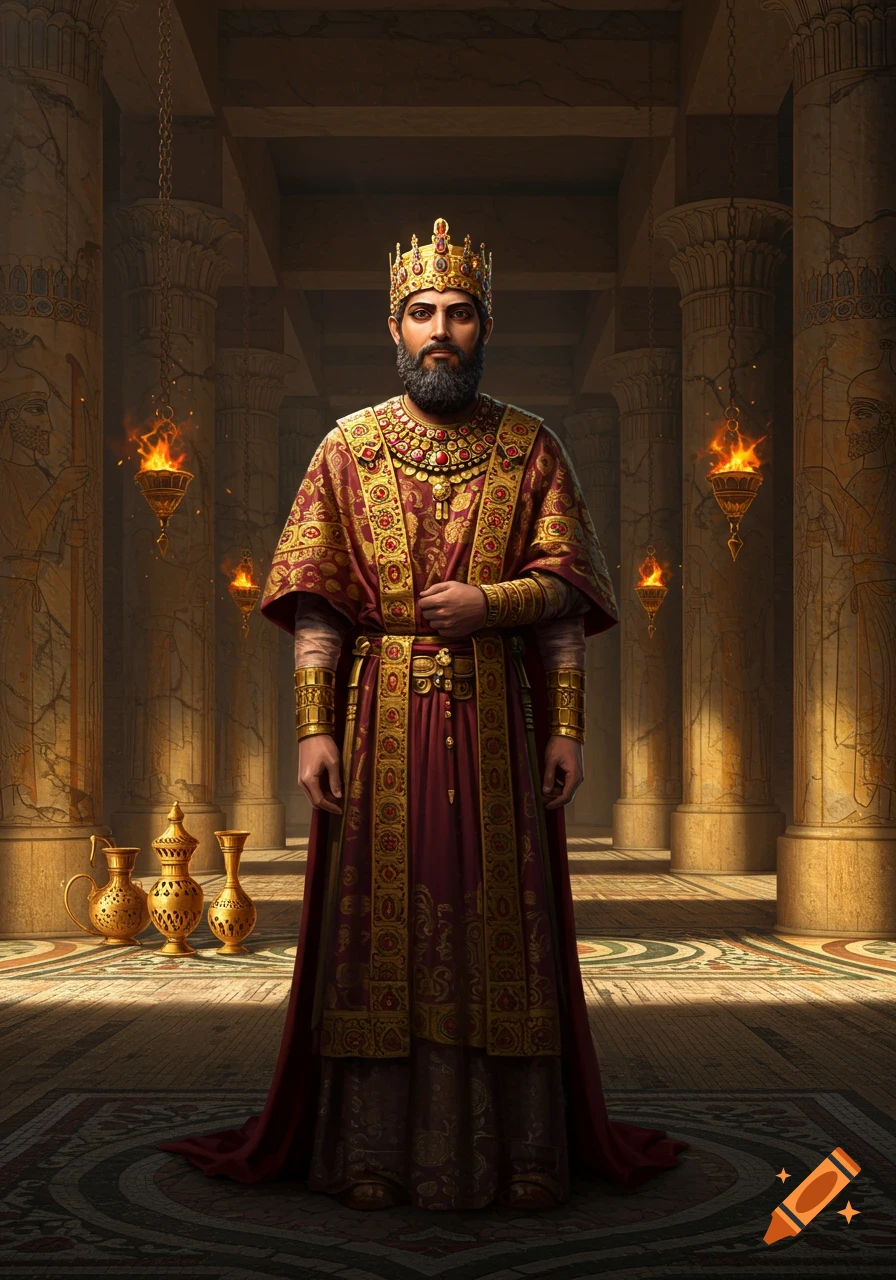
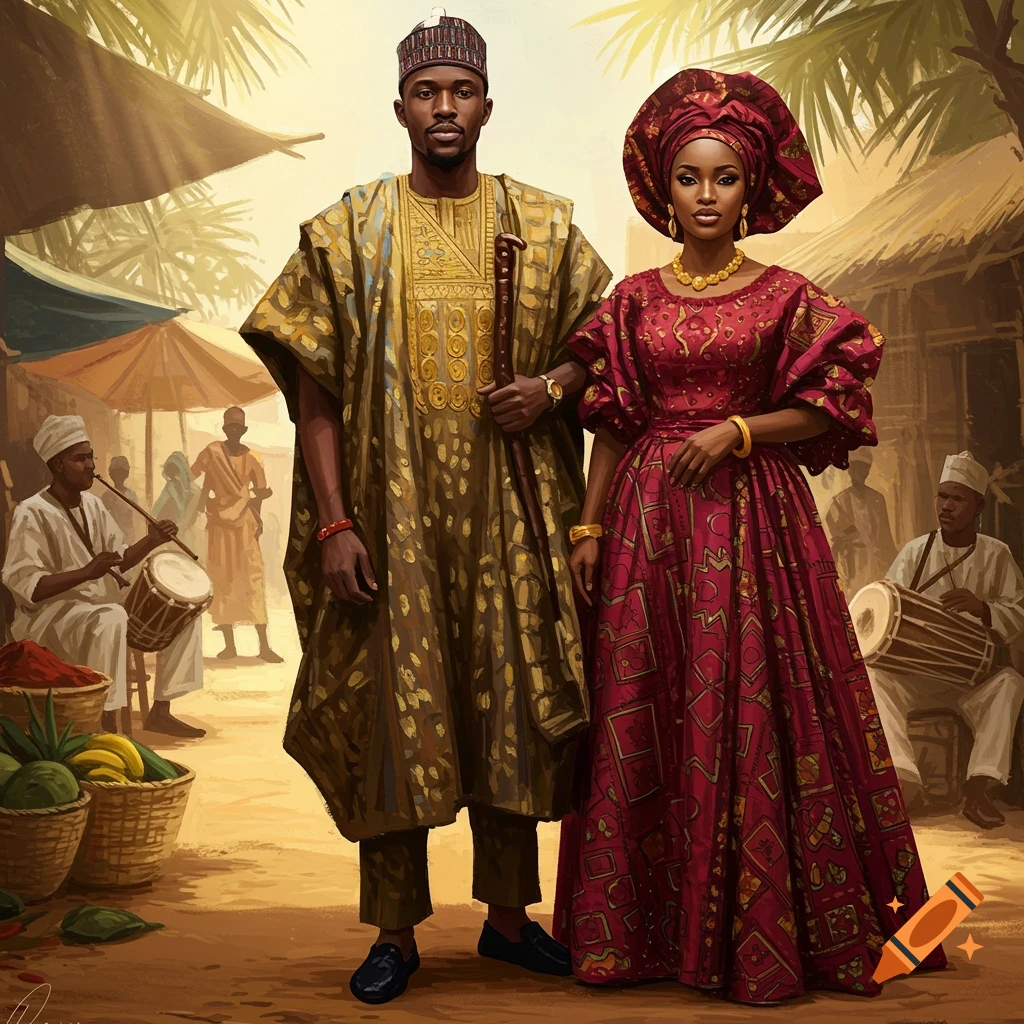
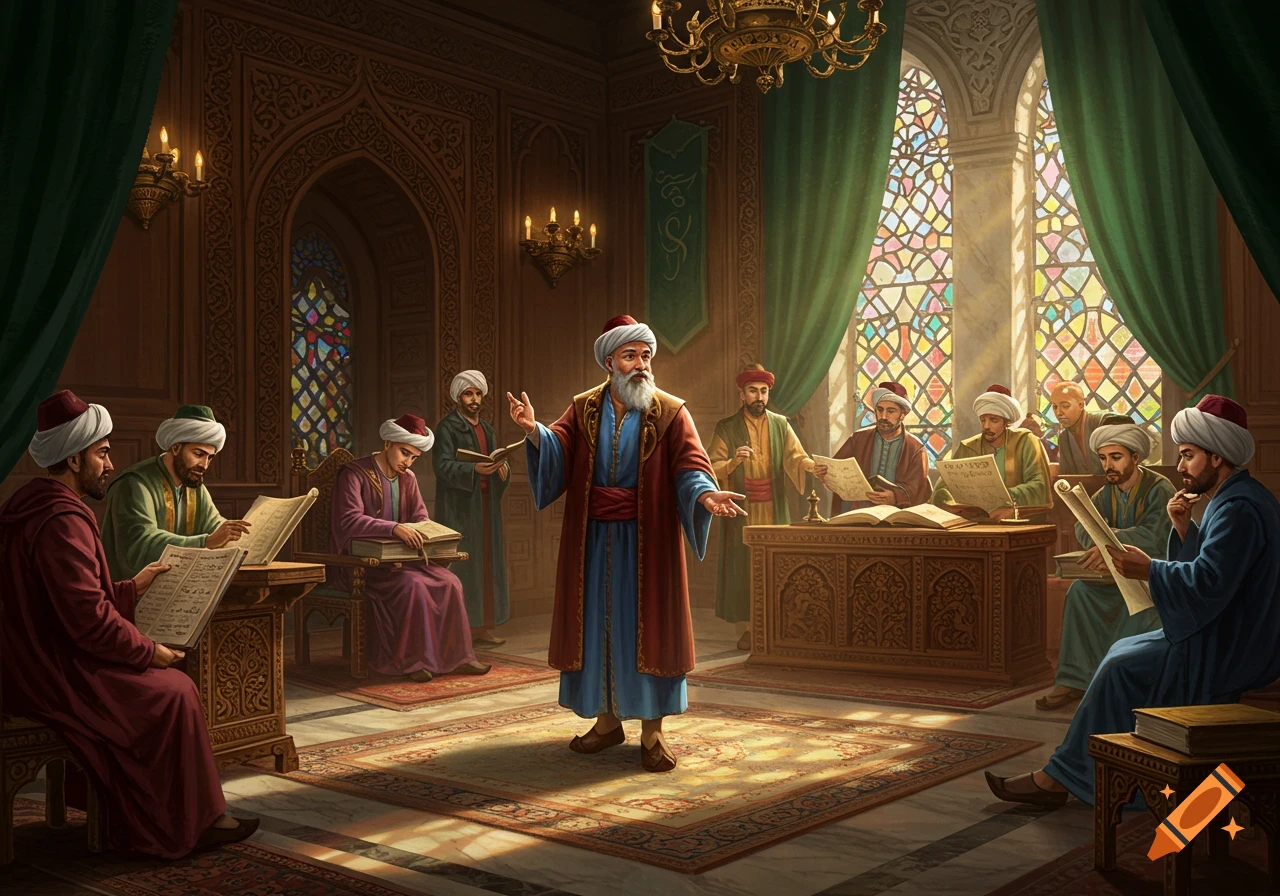
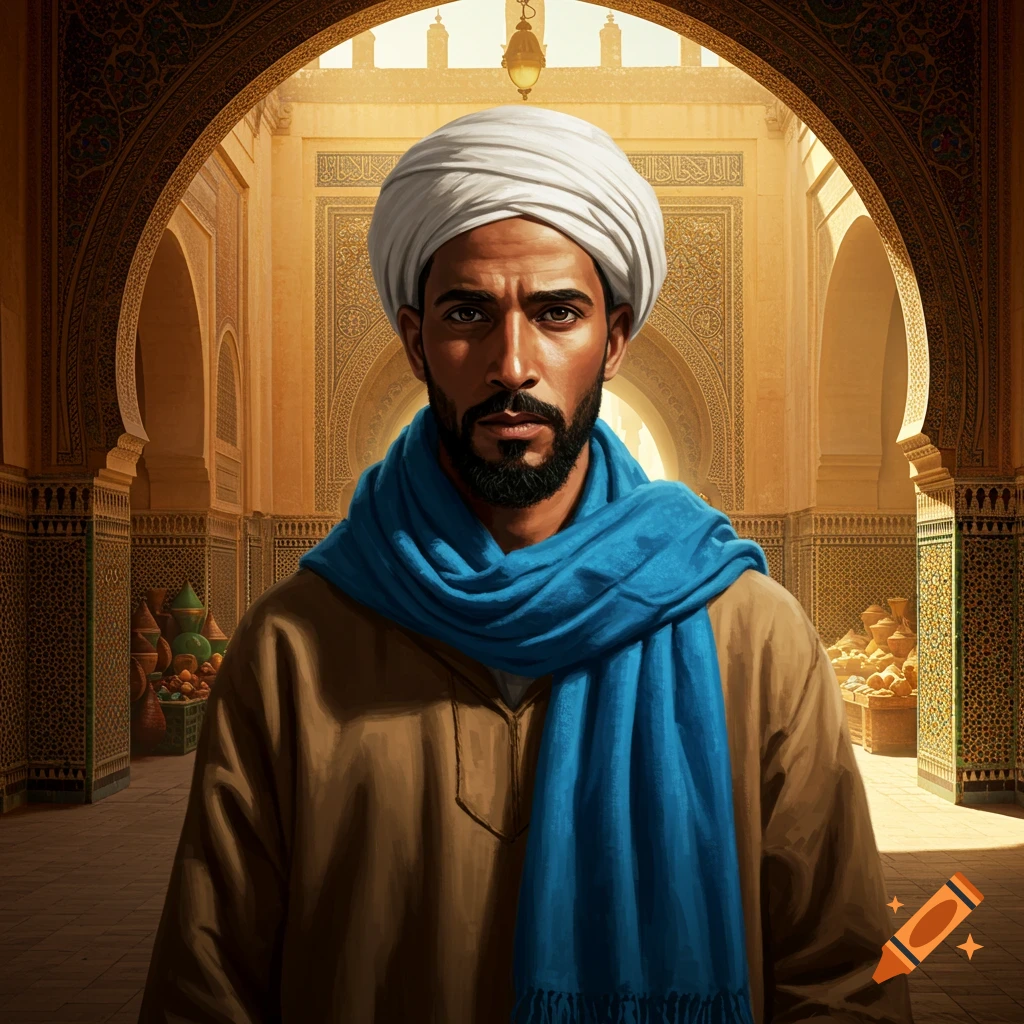
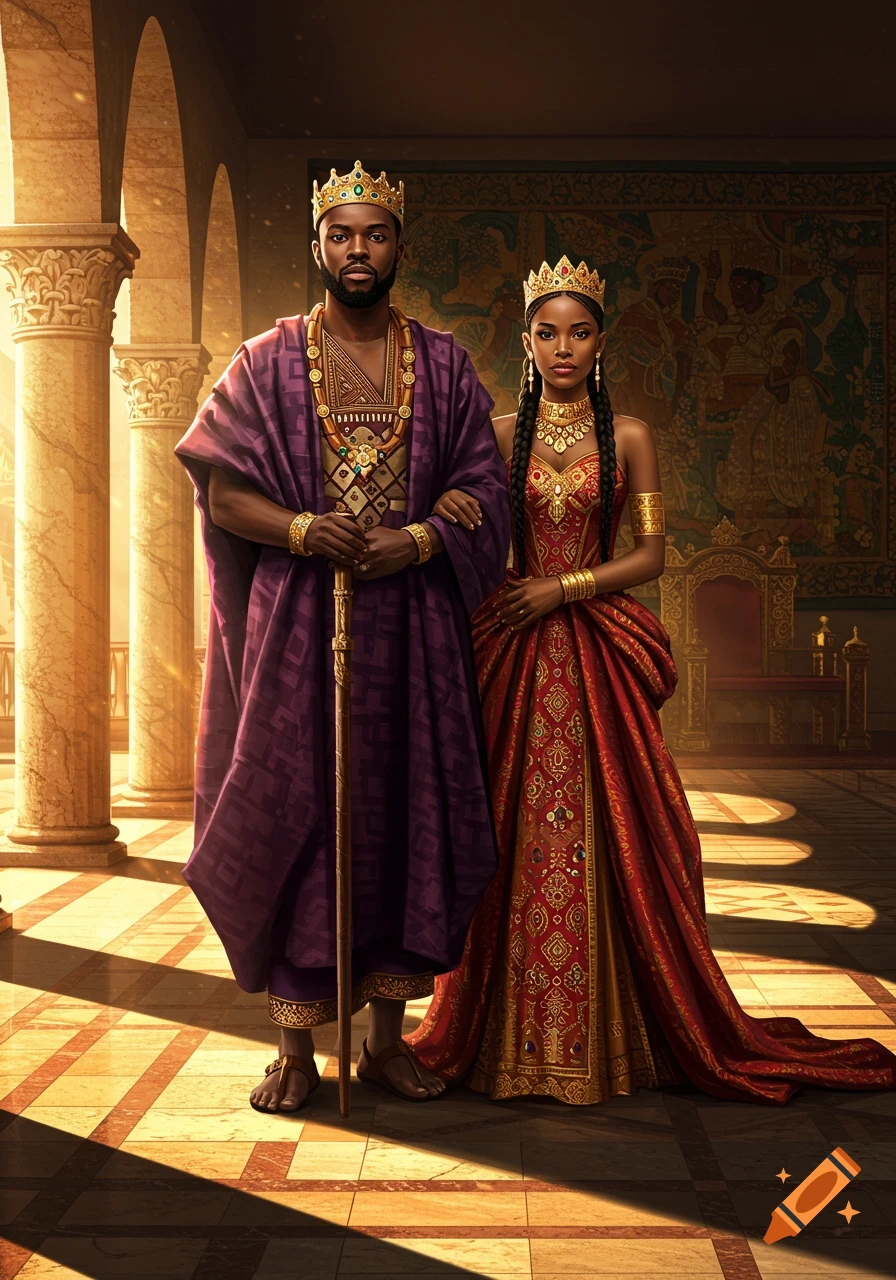
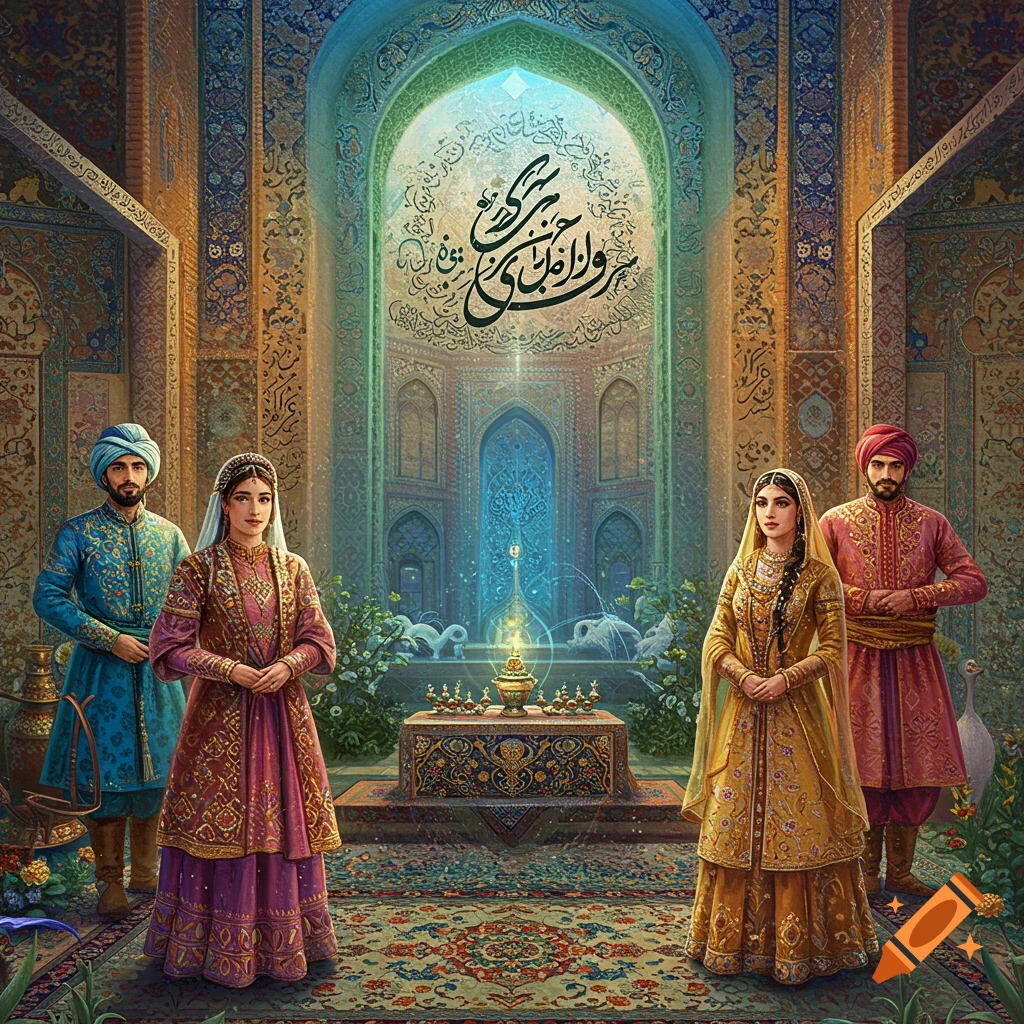
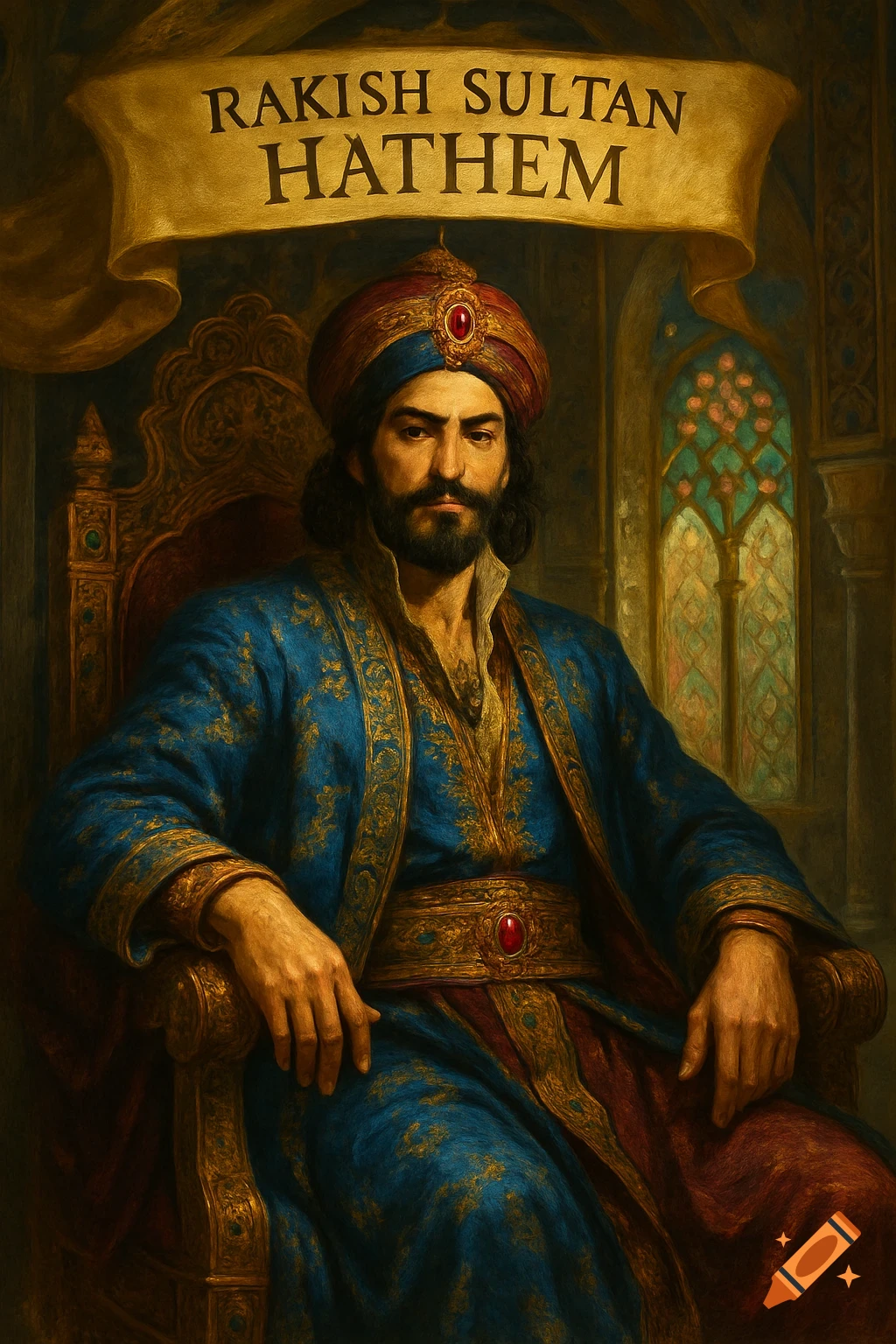
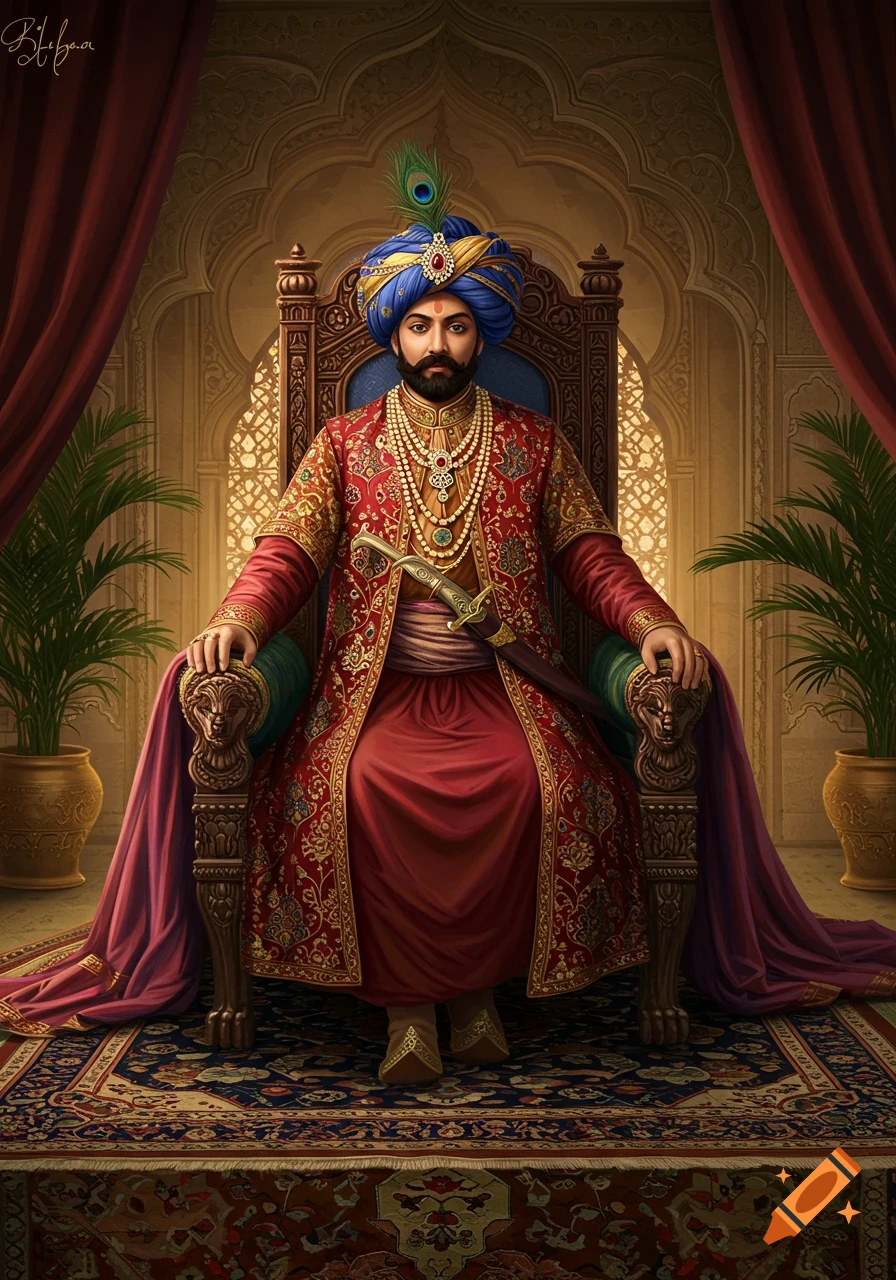
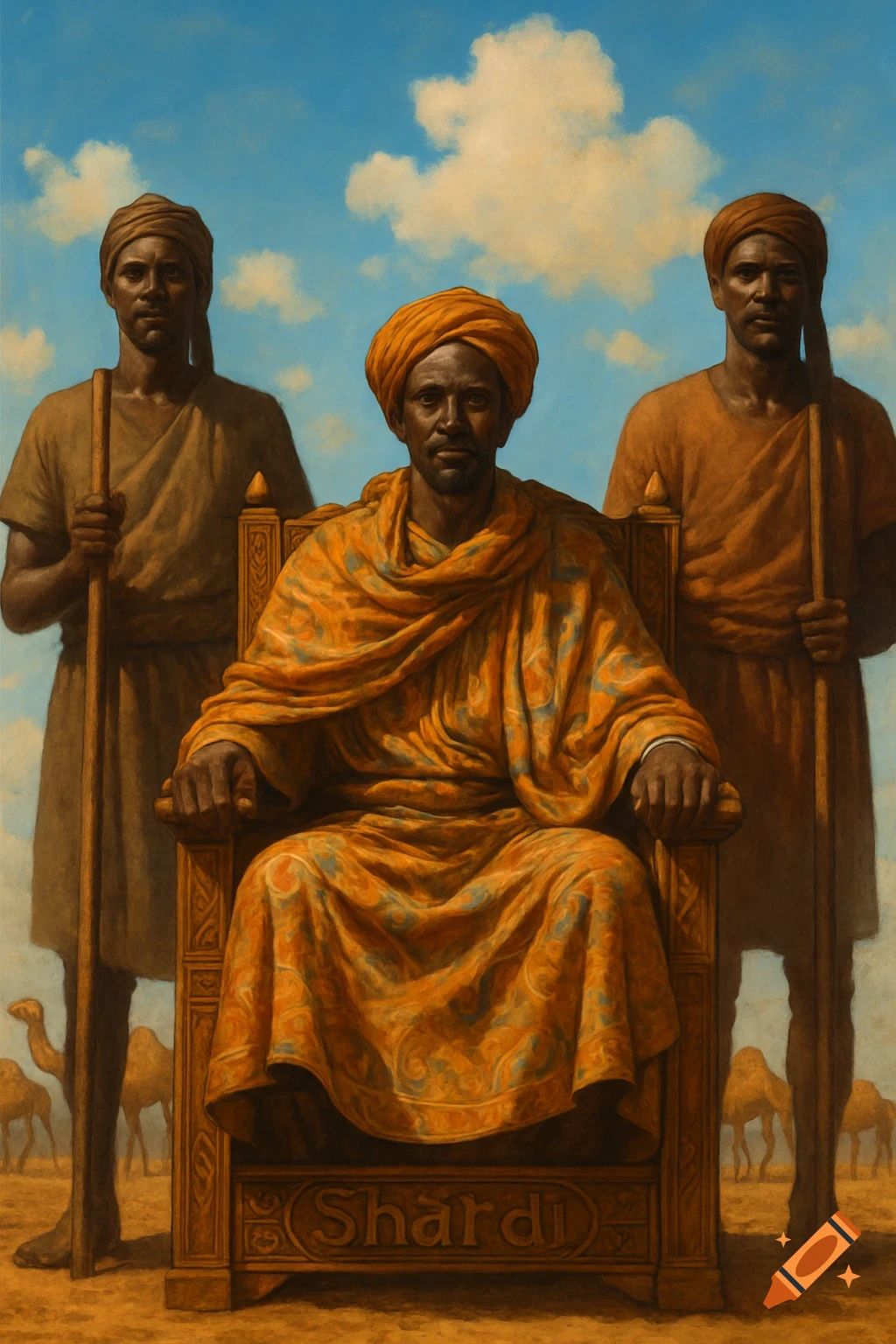
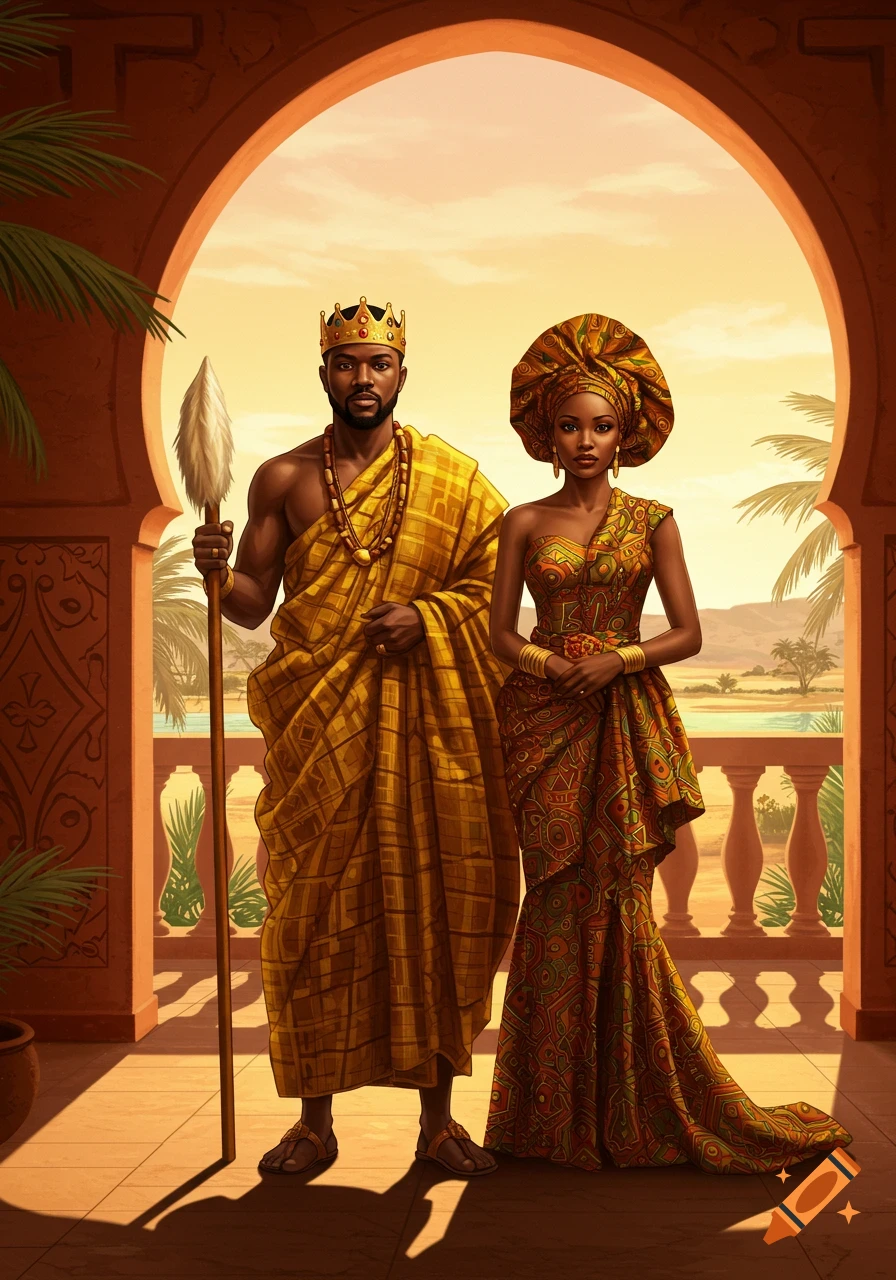
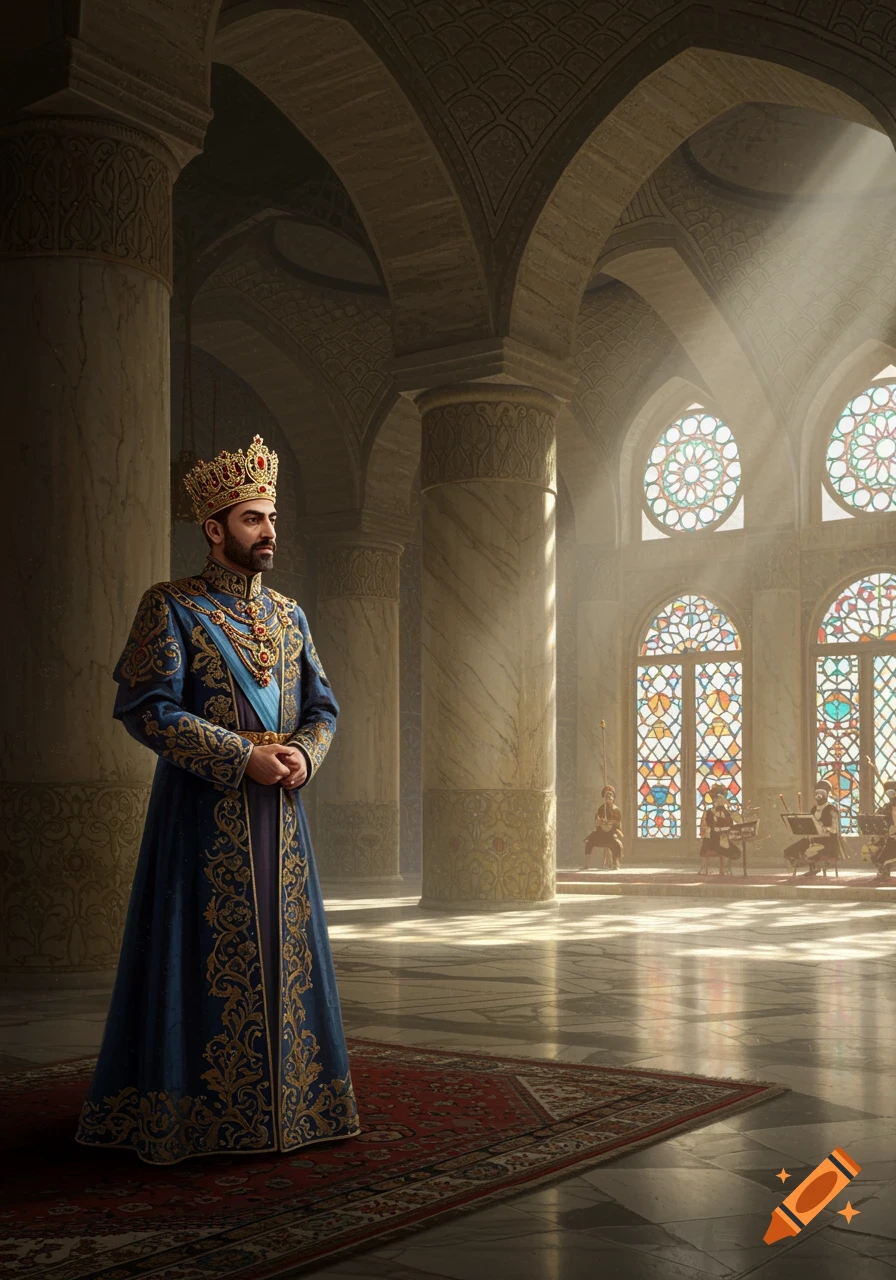
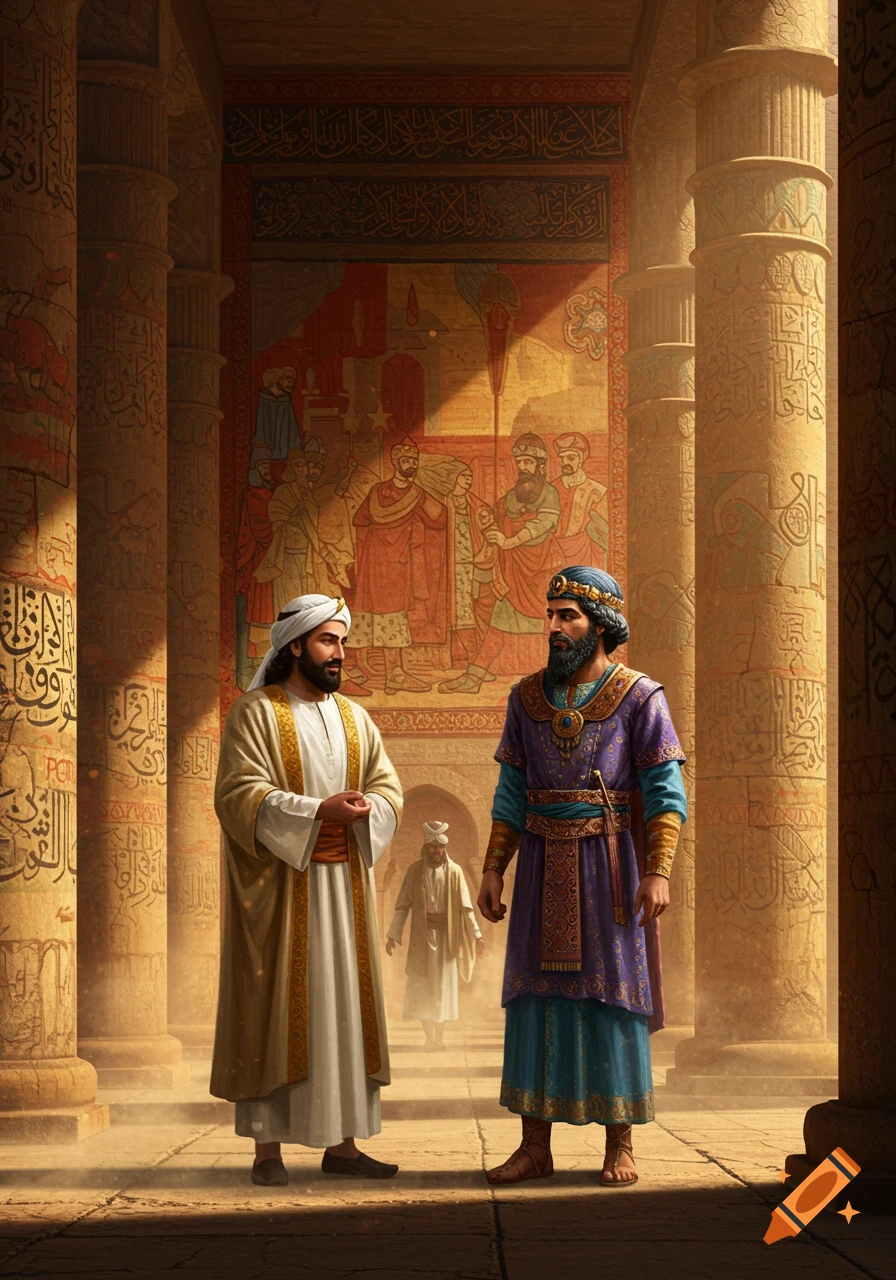
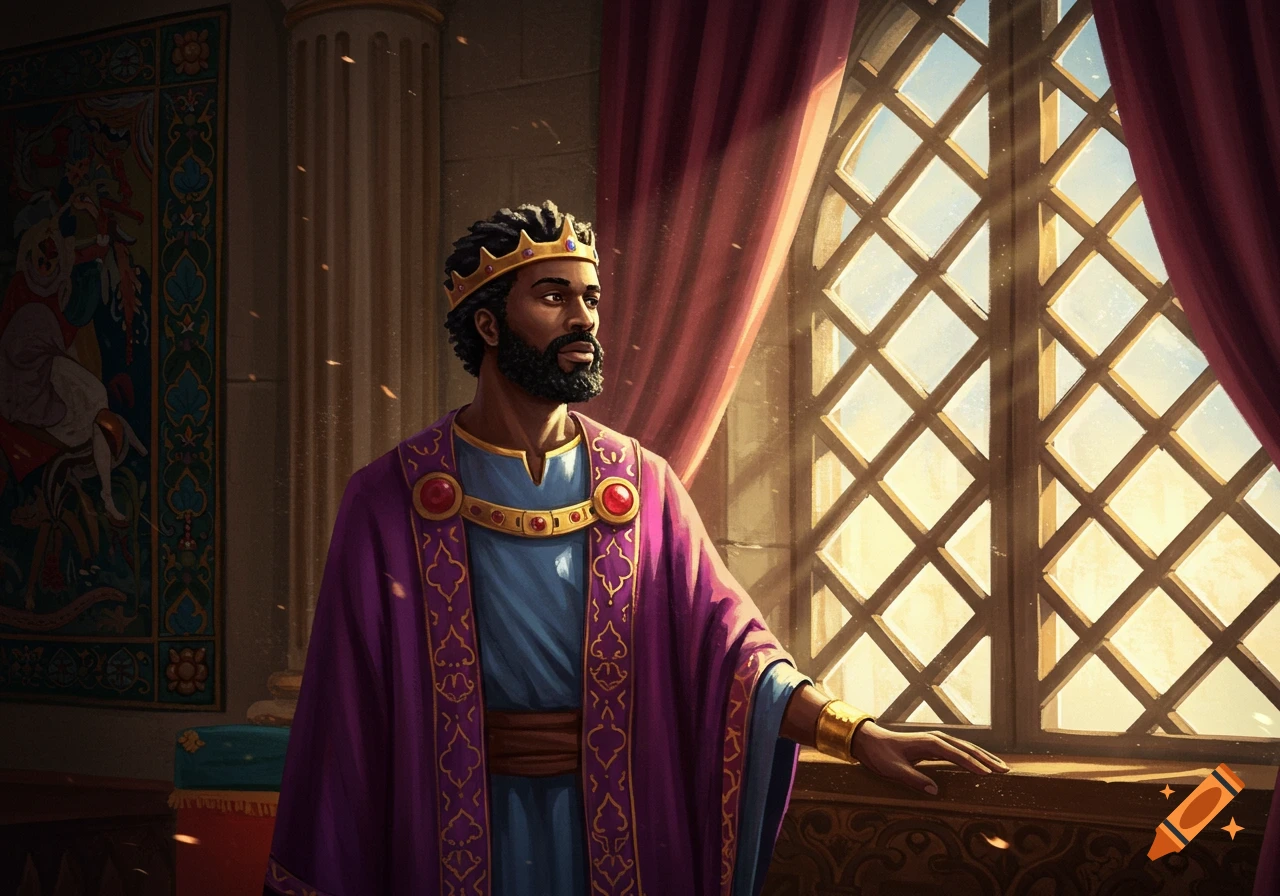
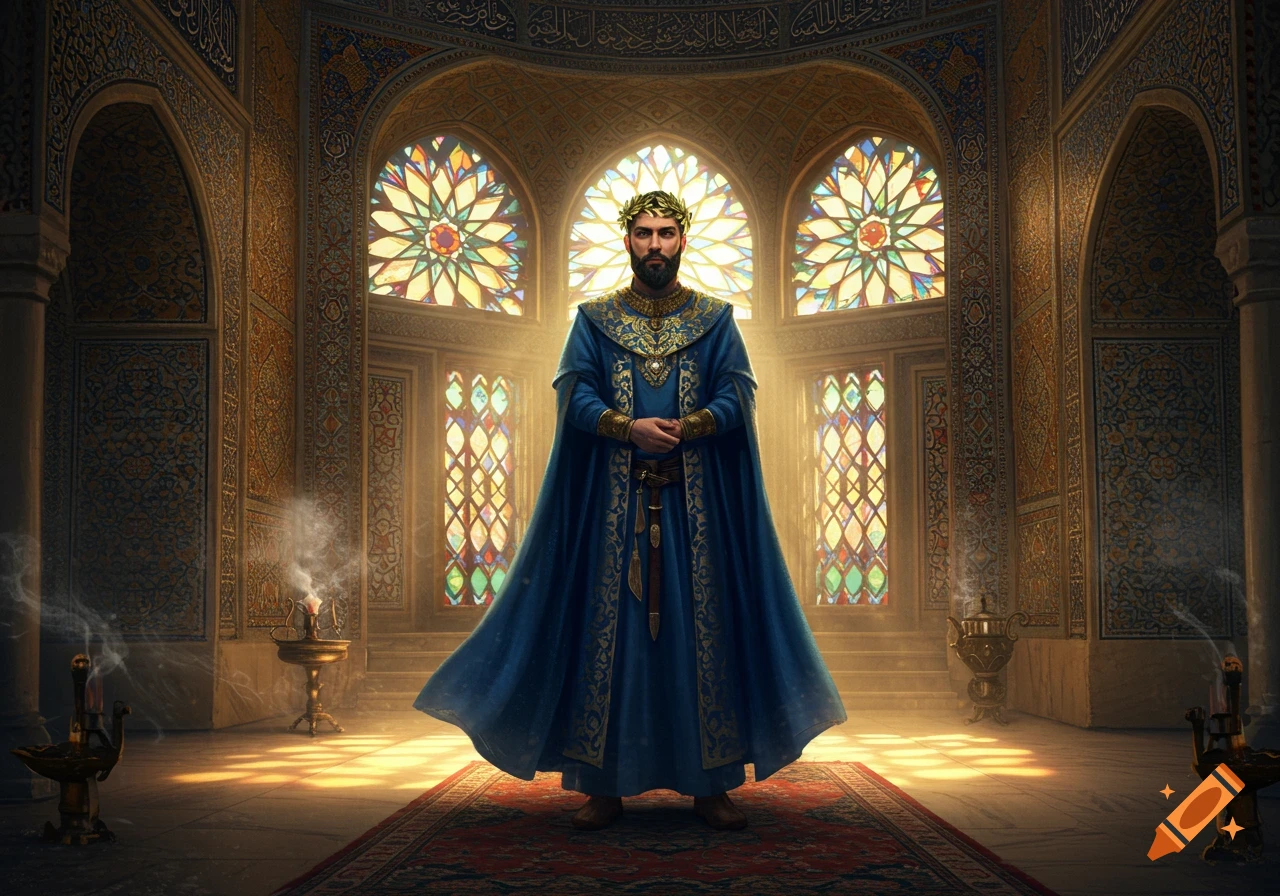
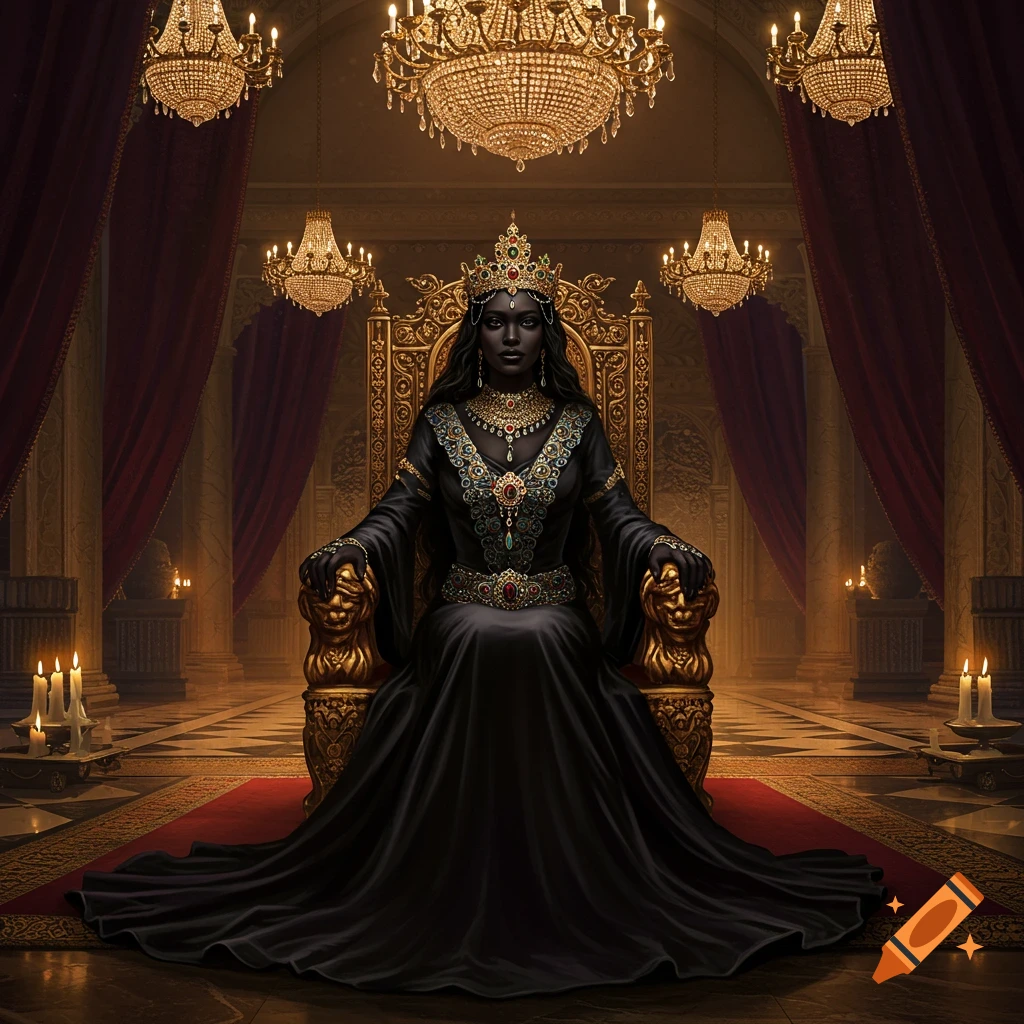
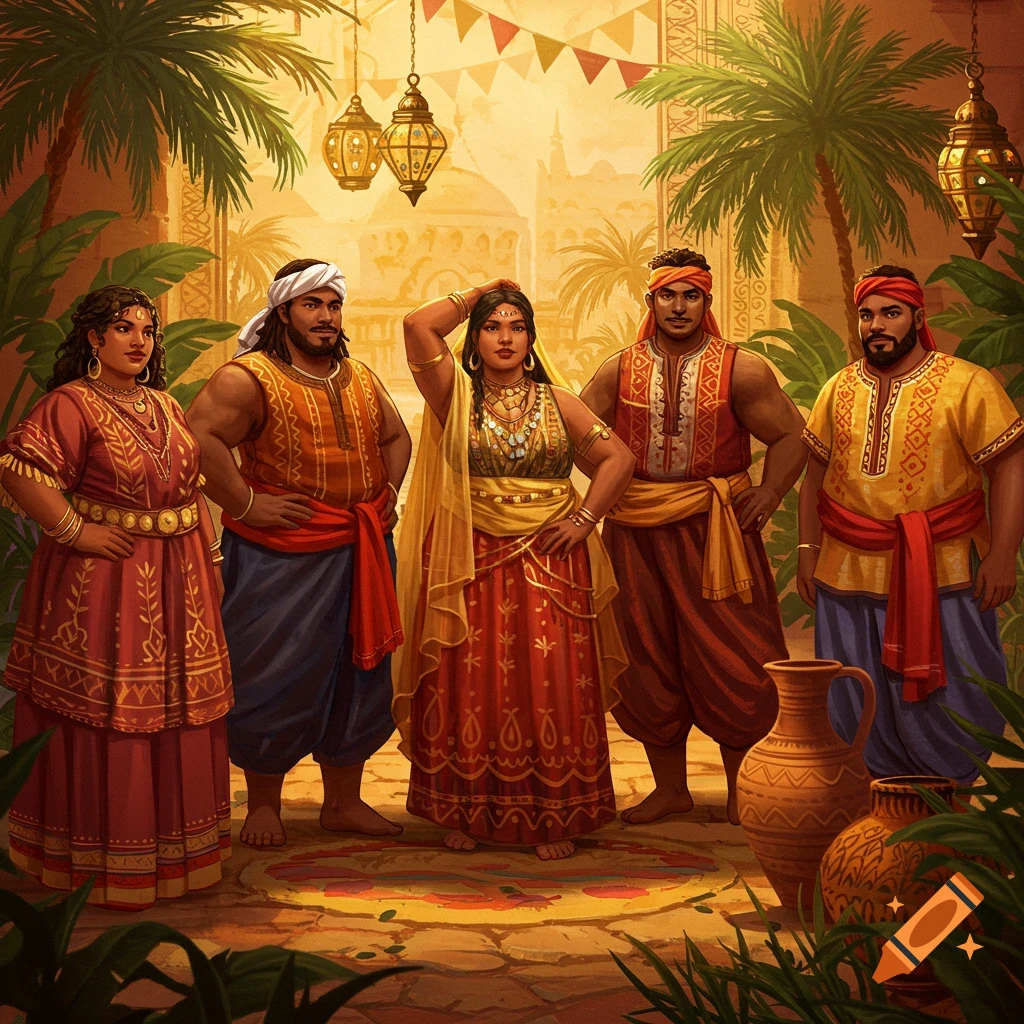
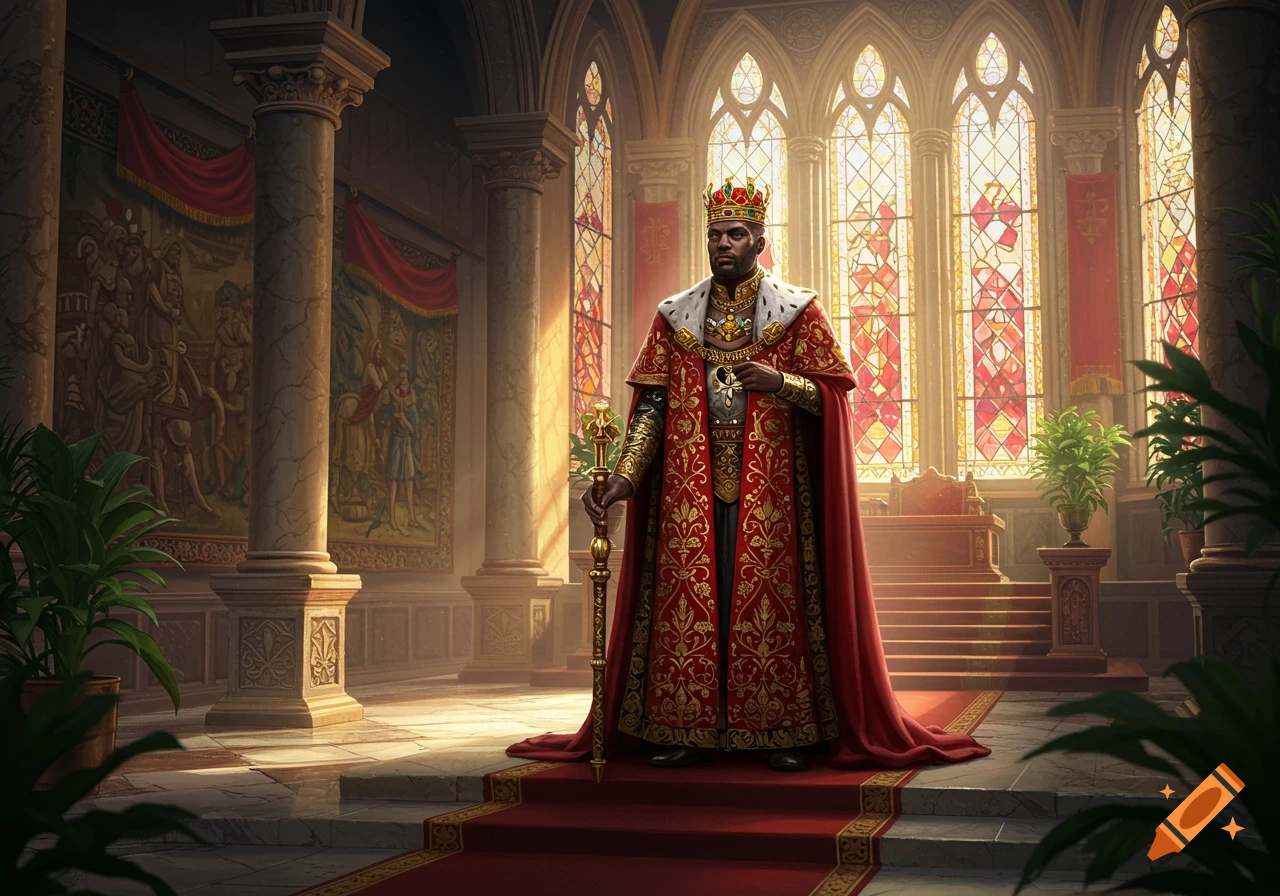
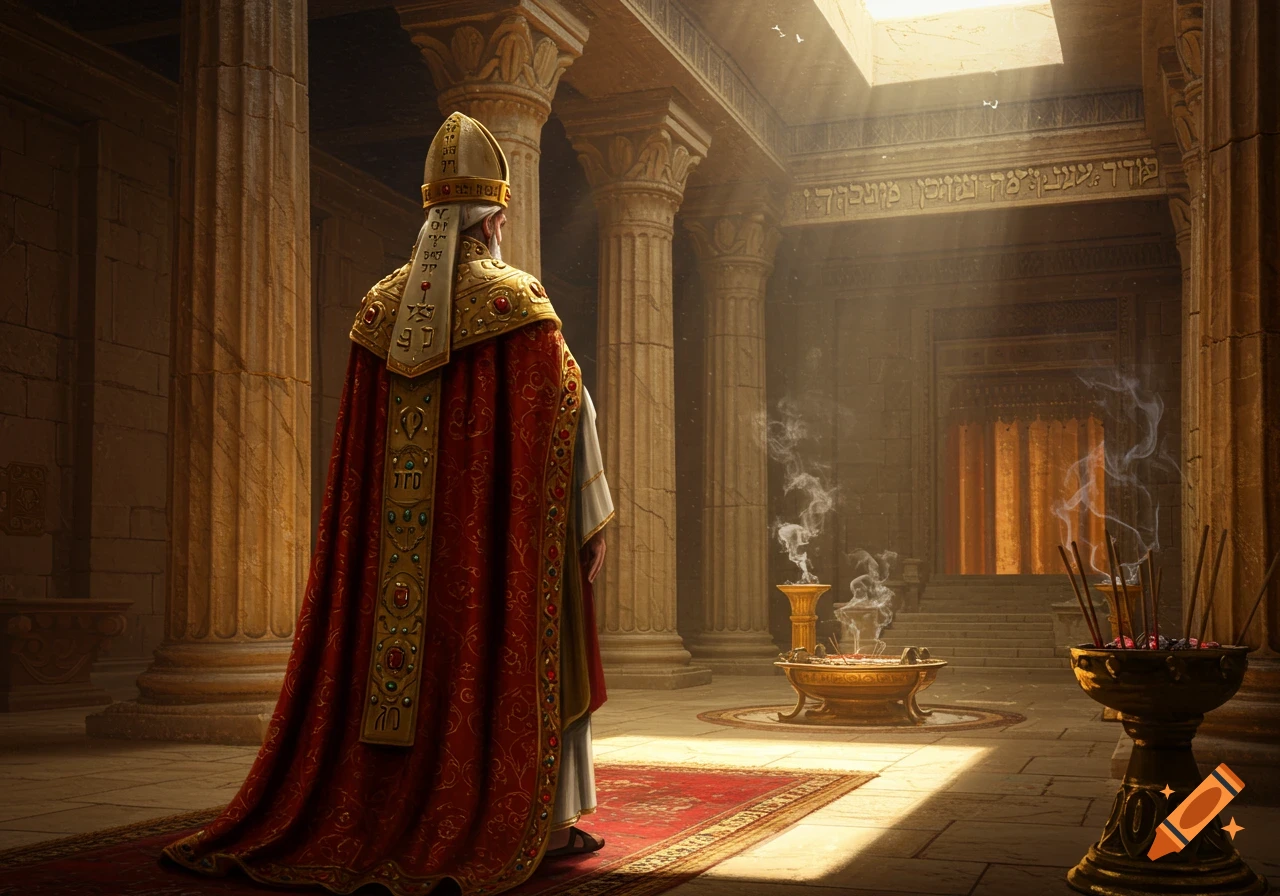
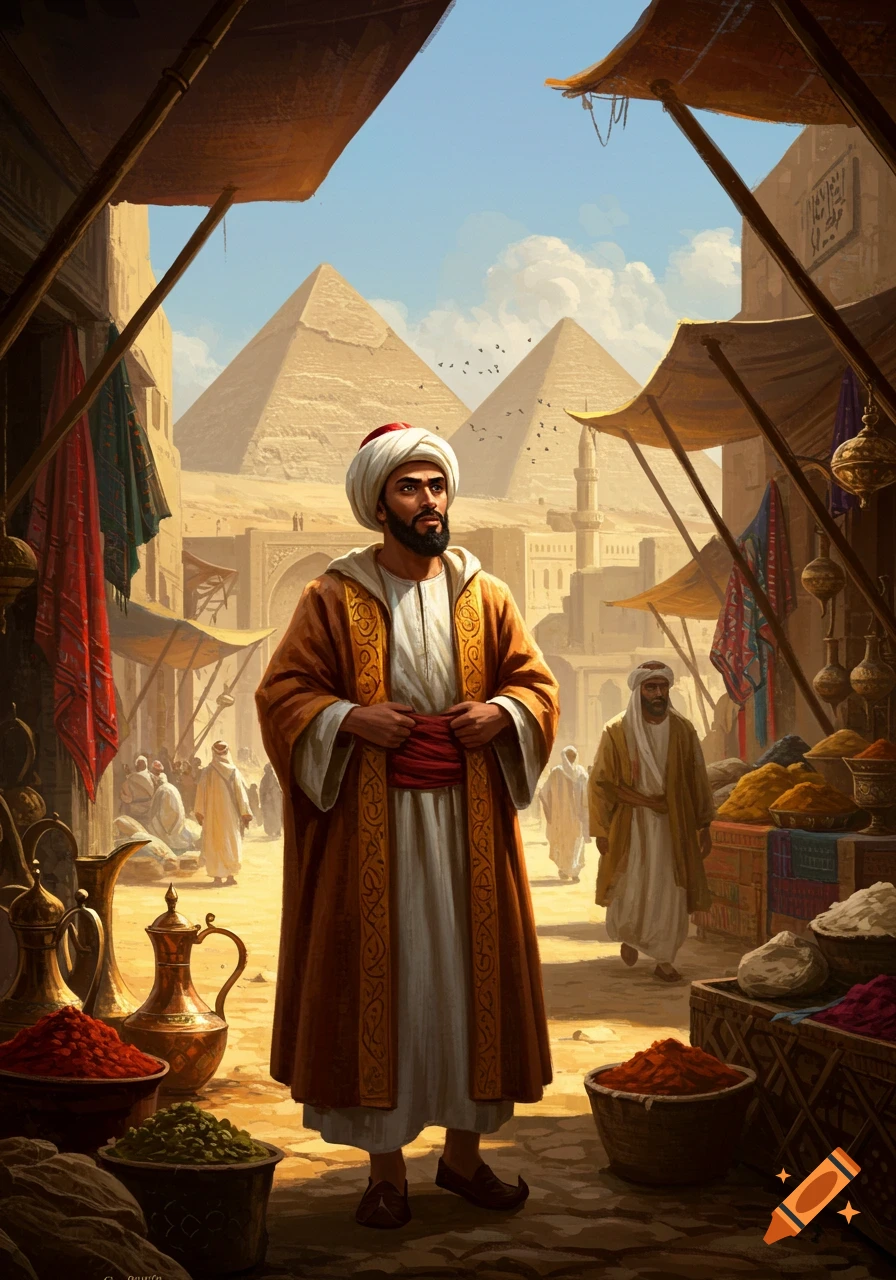
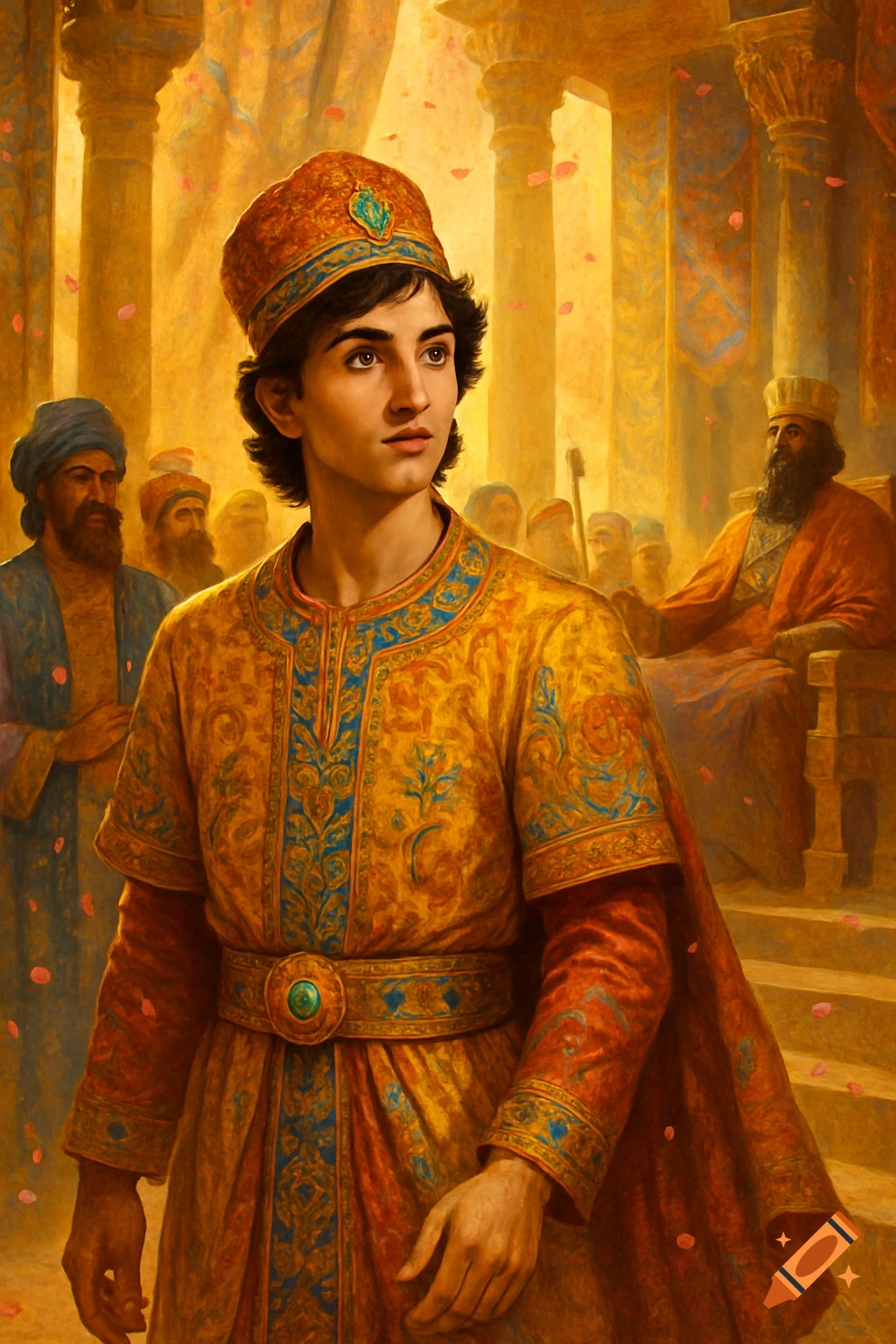
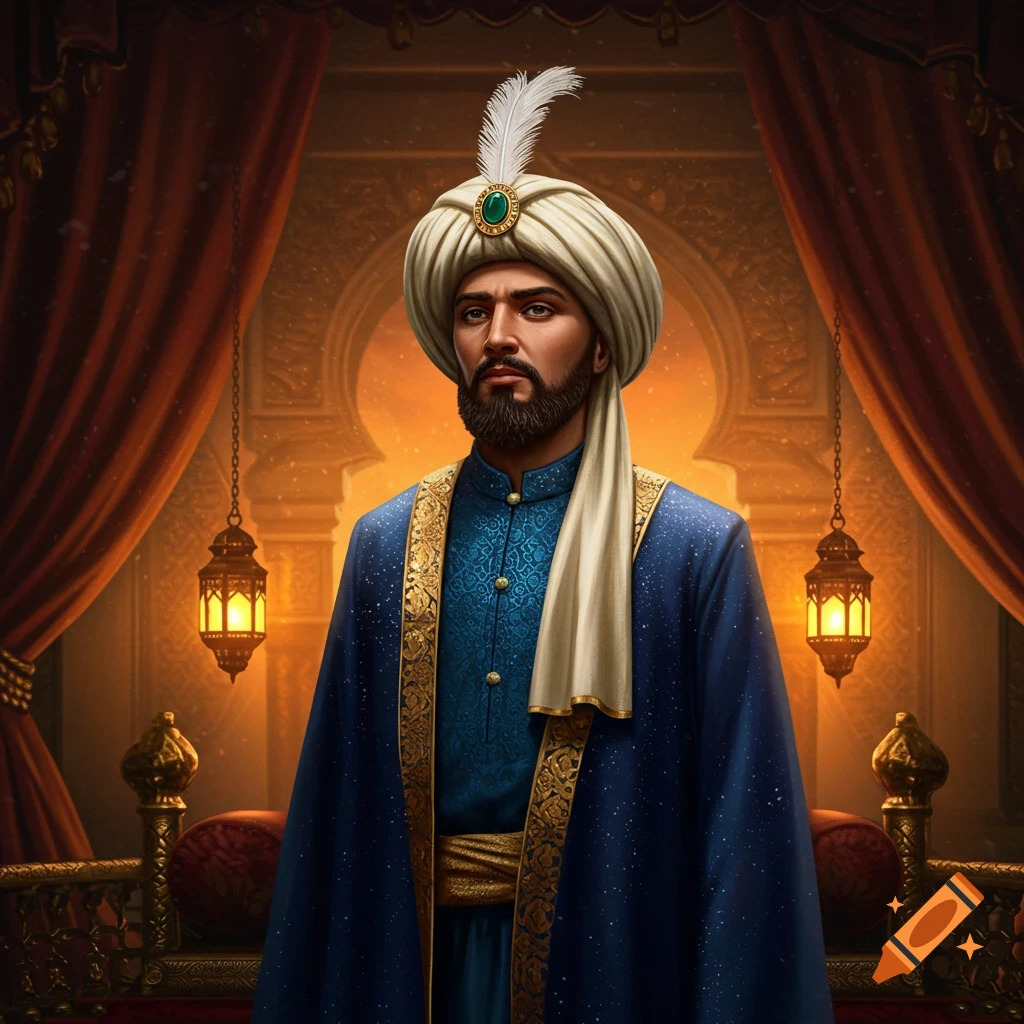
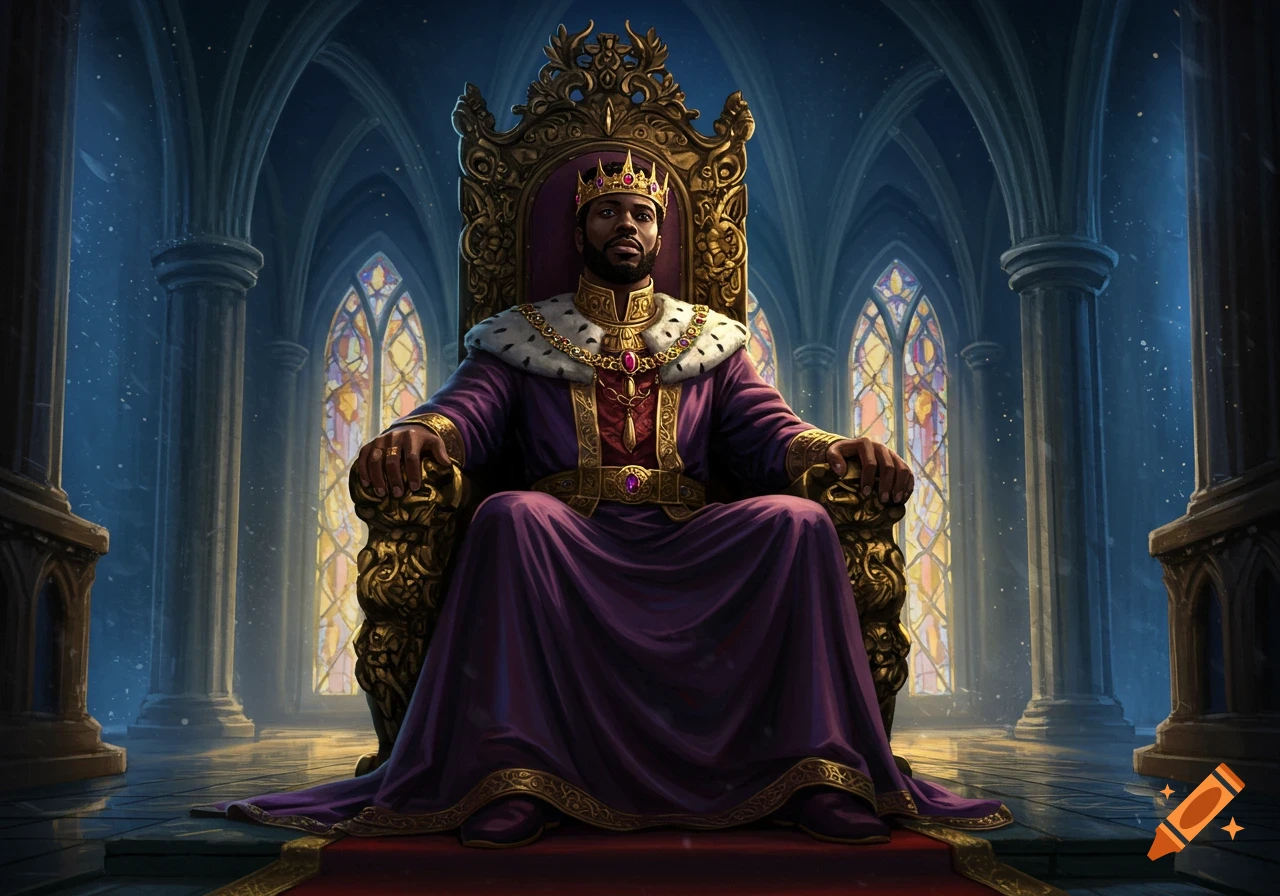
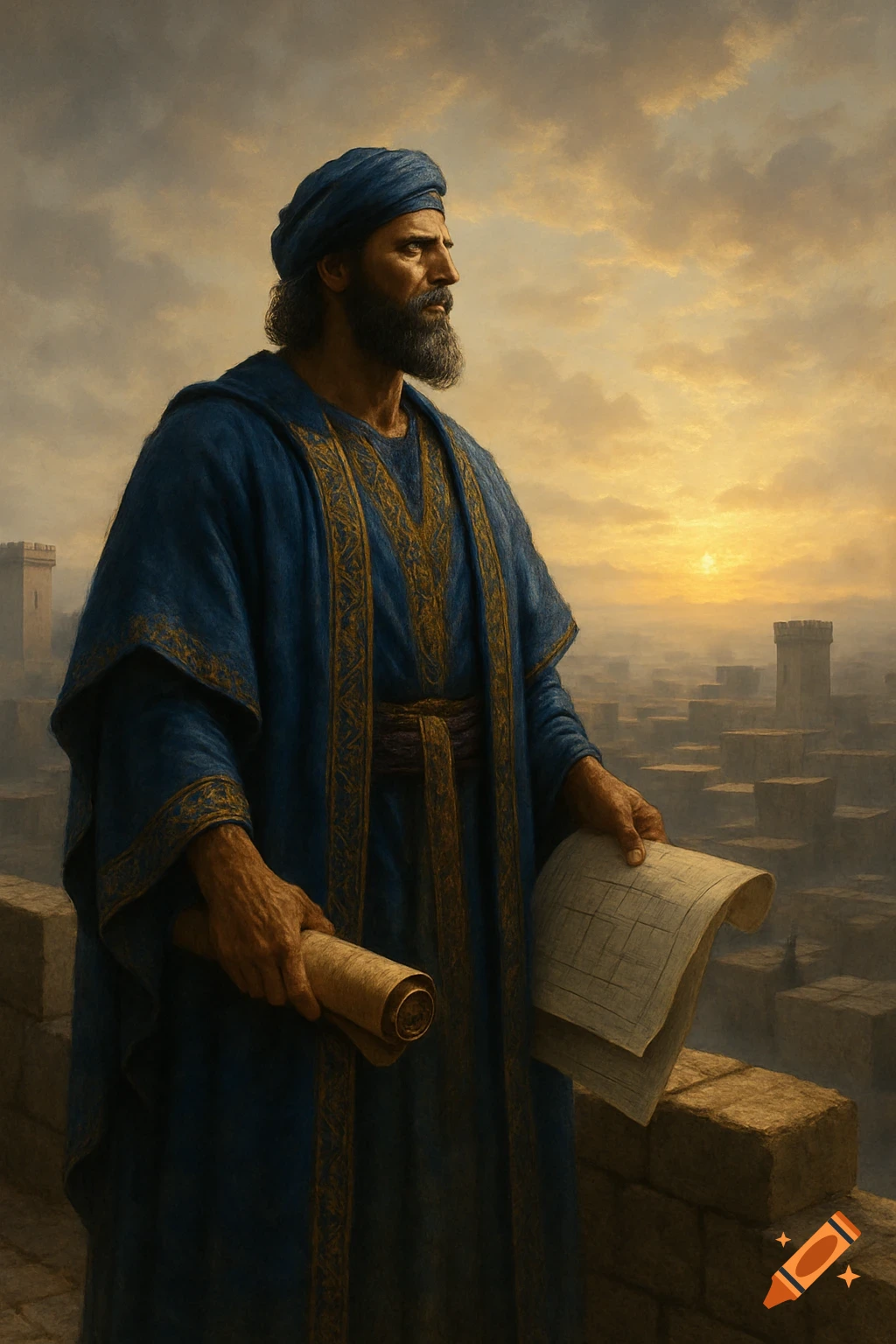
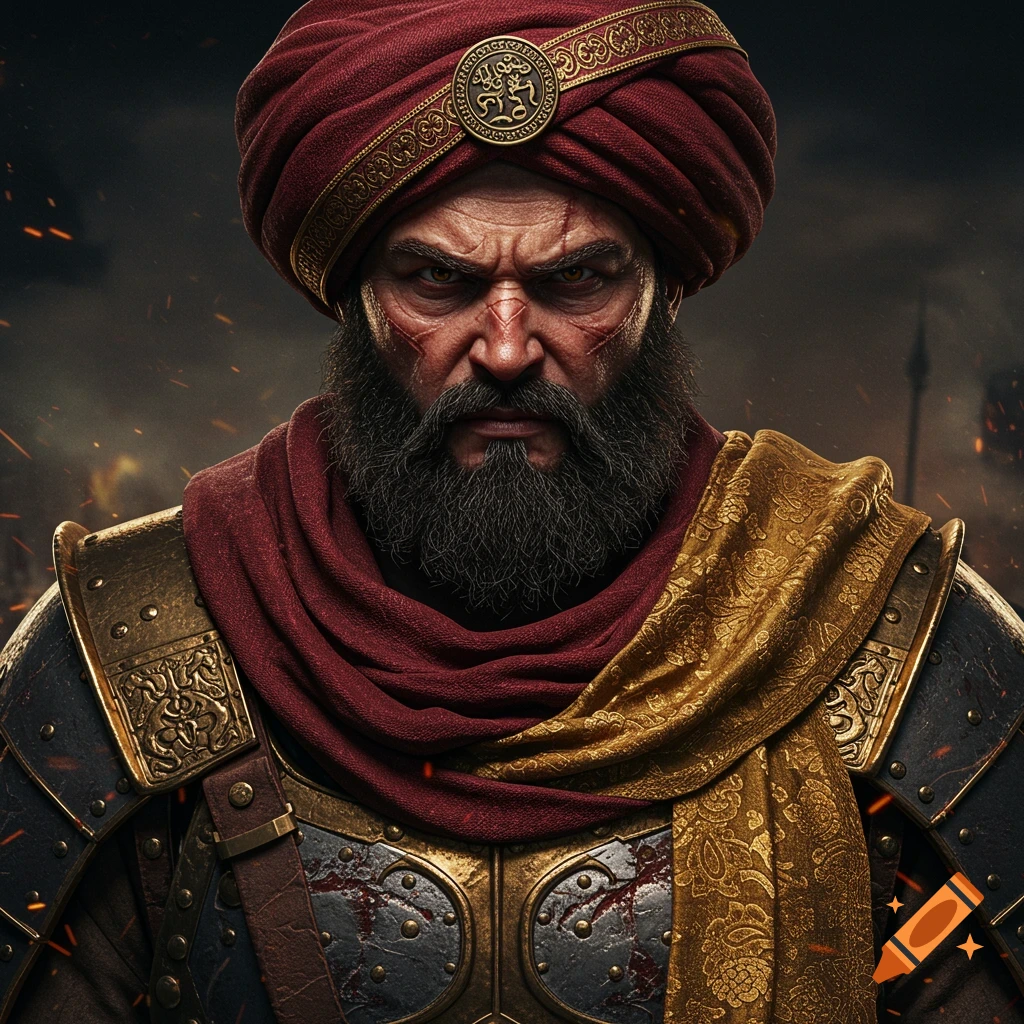
Three African kings in elaborate traditional attire stand in a bustling market, an older king larger in the background, against a warm sunset.

The history of kings and traditional rulers in Nigeria is rich and varied, reflecting the diverse cultures and ethnic groups across the country. Here are some key elements of Nigerian kingship and notable figures: ### 1. **Historical Context** - Traditional kingship in Nigeria dates back centuries and is rooted in pre-colonial societies where rulers held significant political, social, and religious authority. - These kings, known by various titles such as Oba, Emir, or Obi, often governed through a system of chiefs and councilors. Their roles involved maintaining peace, overseeing land distribution, and managing trade. ### 2. **Major Kingdoms and Their Kings** - **Oyo Empire**: One of the most powerful states in West Africa, Oyo was ruled by the Alaafin, who wielded considerable authority and was central to the Yoruba political system. - **Benin Kingdom**: The Oba of Benin is well known for the legacy of the Benin Bronzes and for establishing one of the most sophisticated political systems in pre-colonial Africa. - **Kano**: In Northern Nigeria, the Emir of Kano has been a significant figure, with the city being a major trading center in the region. - **Ijebu Kingdom**: The Awujale of Ijebu is another notable traditional ruler, known for his role in the Yoruba political landscape. ### 3. **Cultural Significance** - Kings in Nigeria play vital roles in cultural festivals, rituals, and ceremonies, which form the backbone of community identity and heritage. - They are often Mehr sehen
More images like this