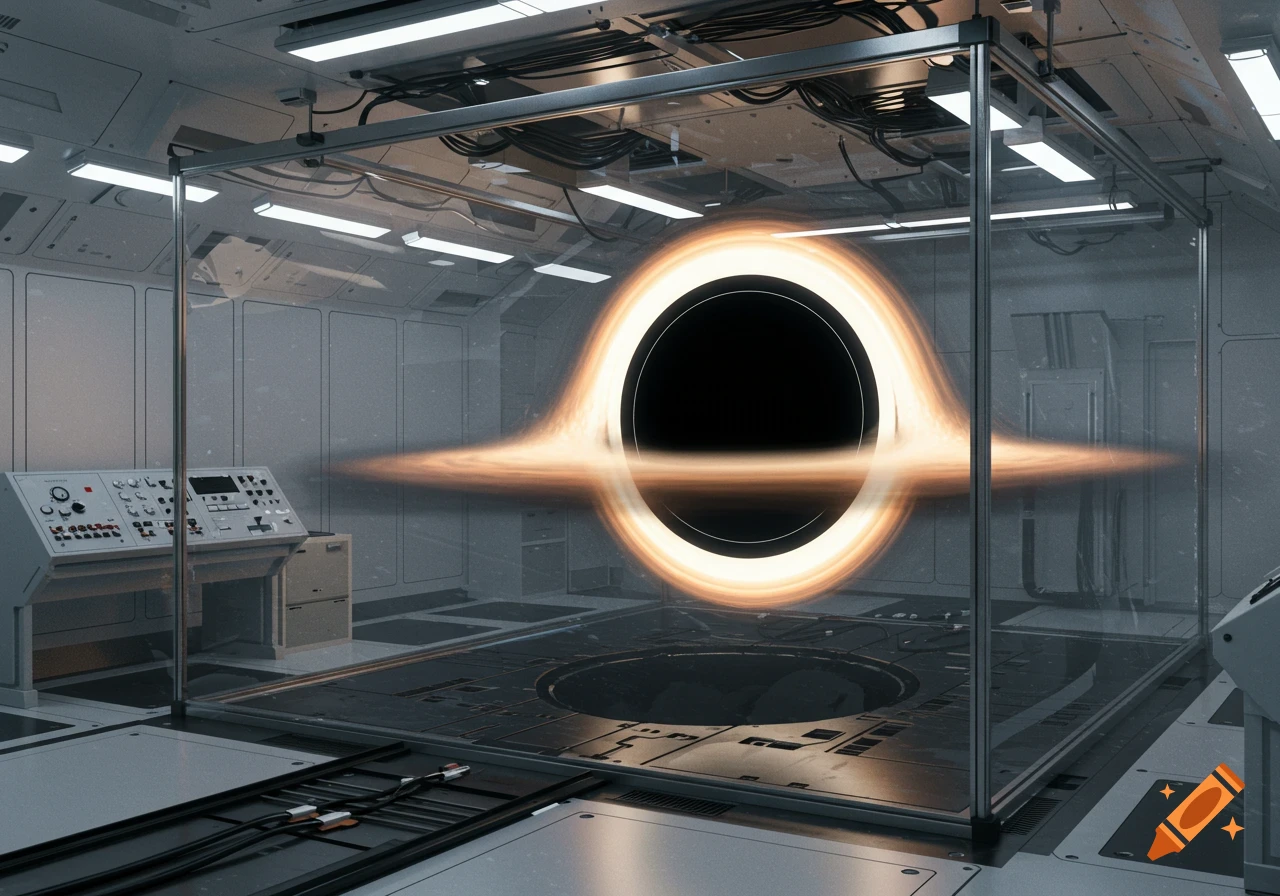
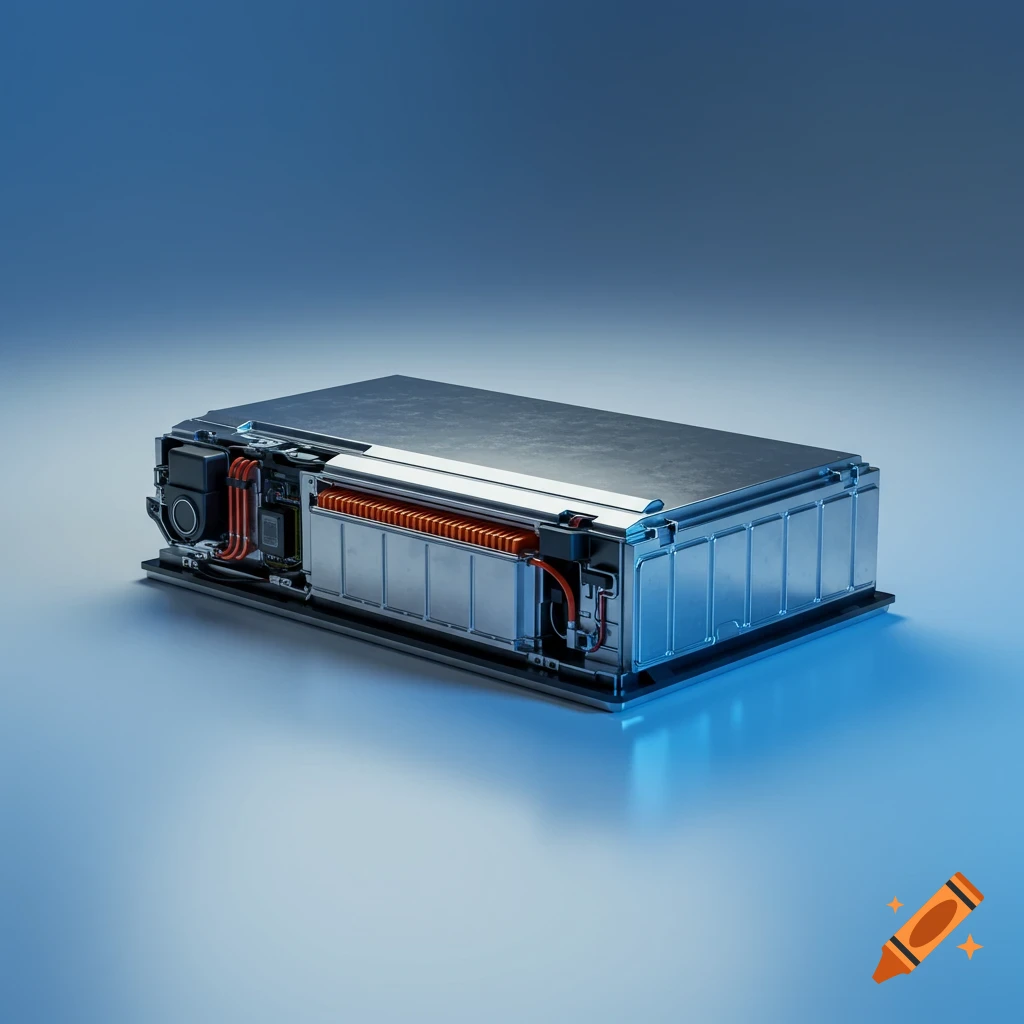
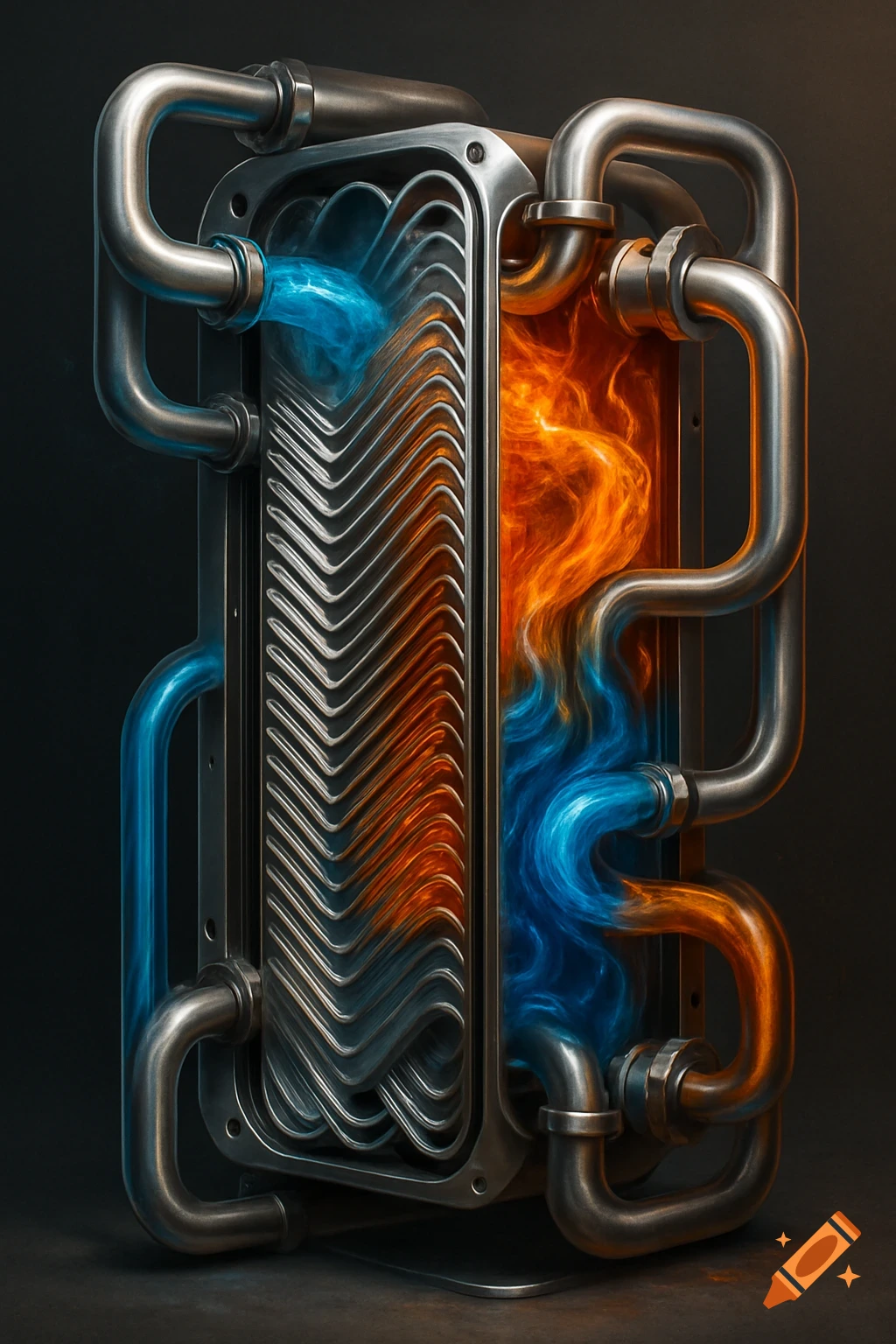
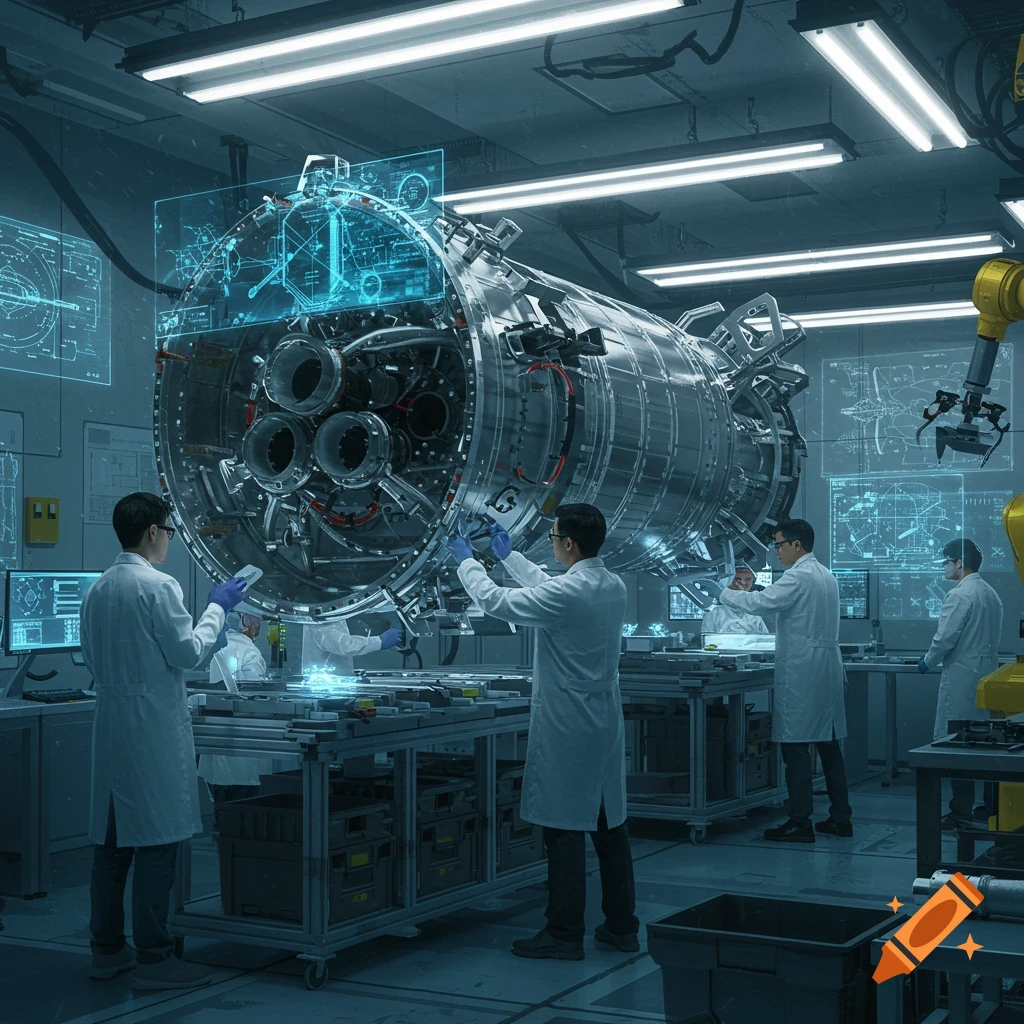
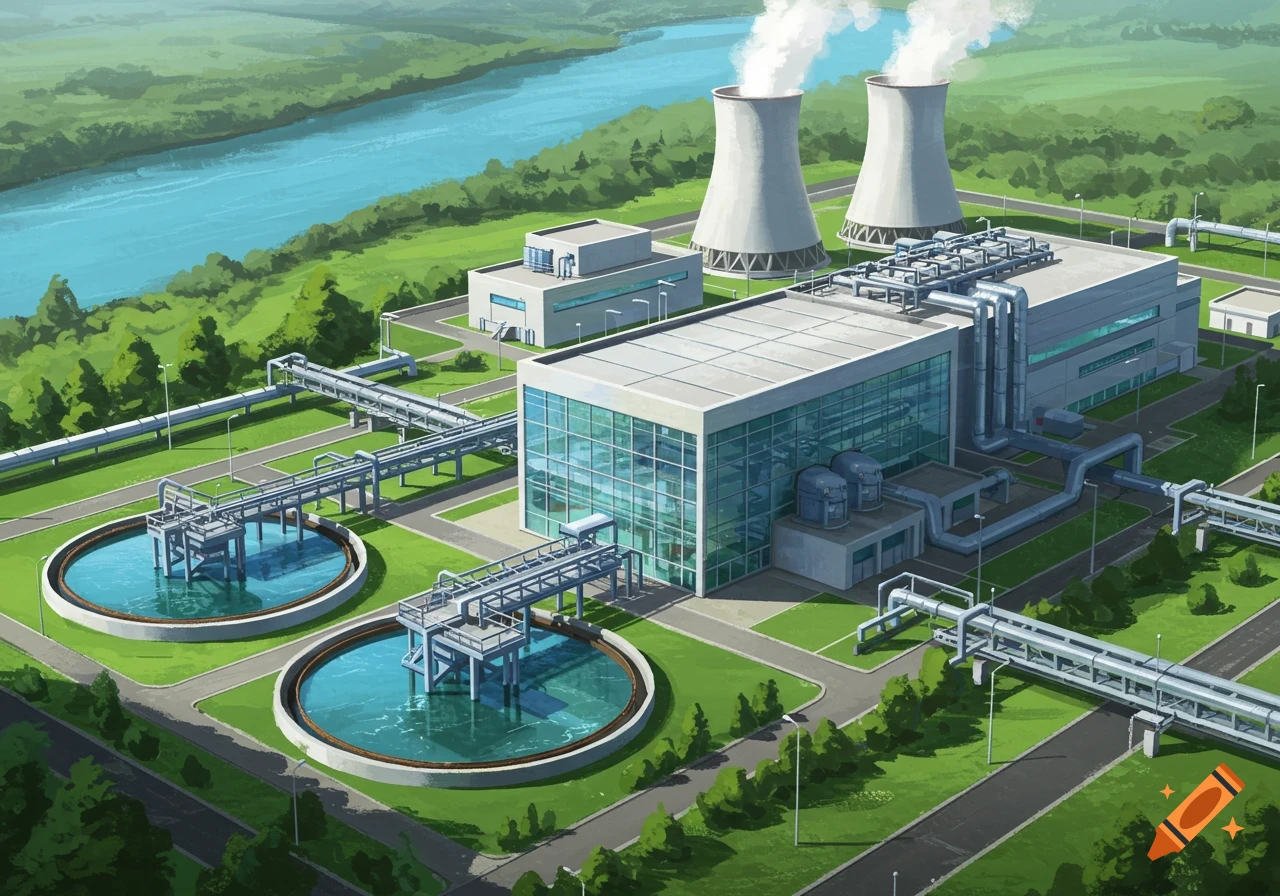
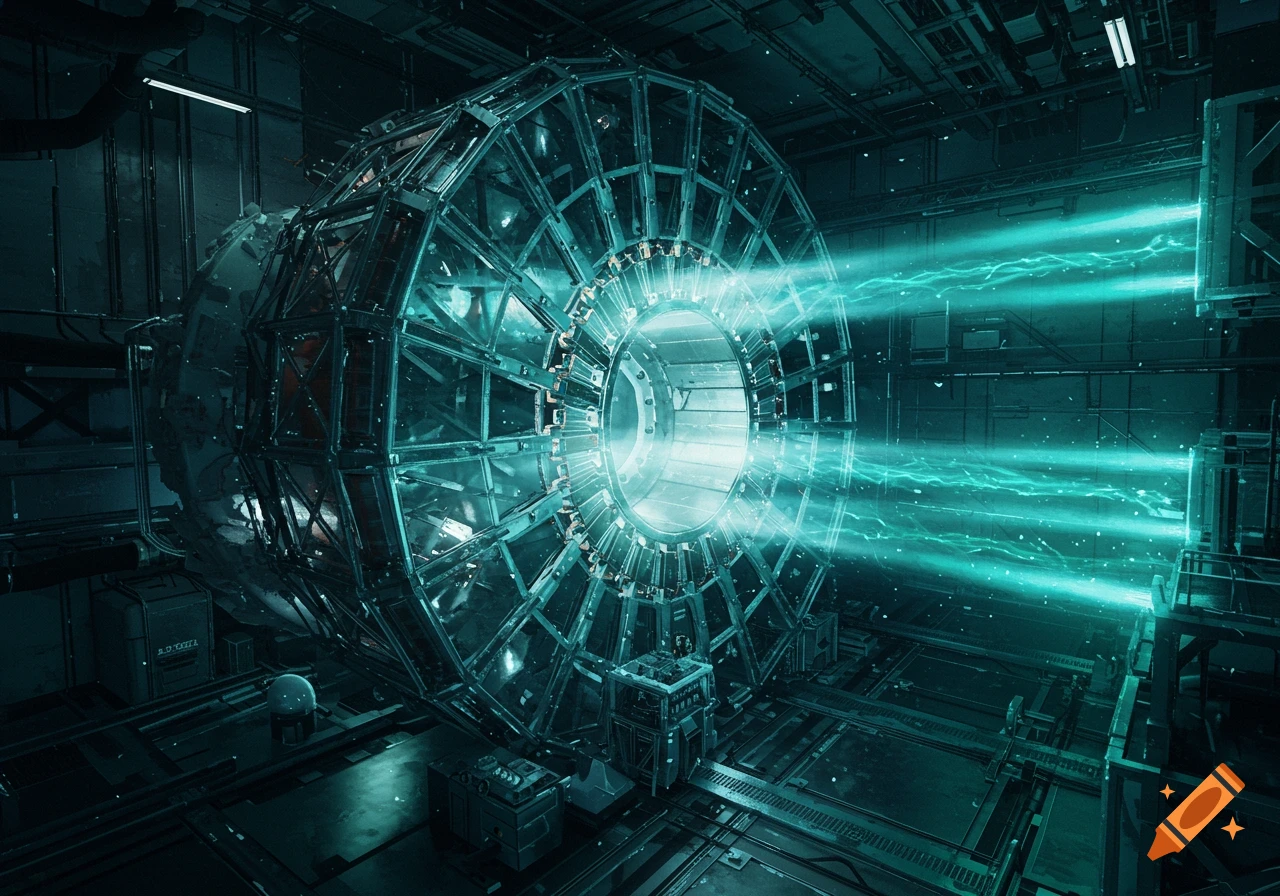
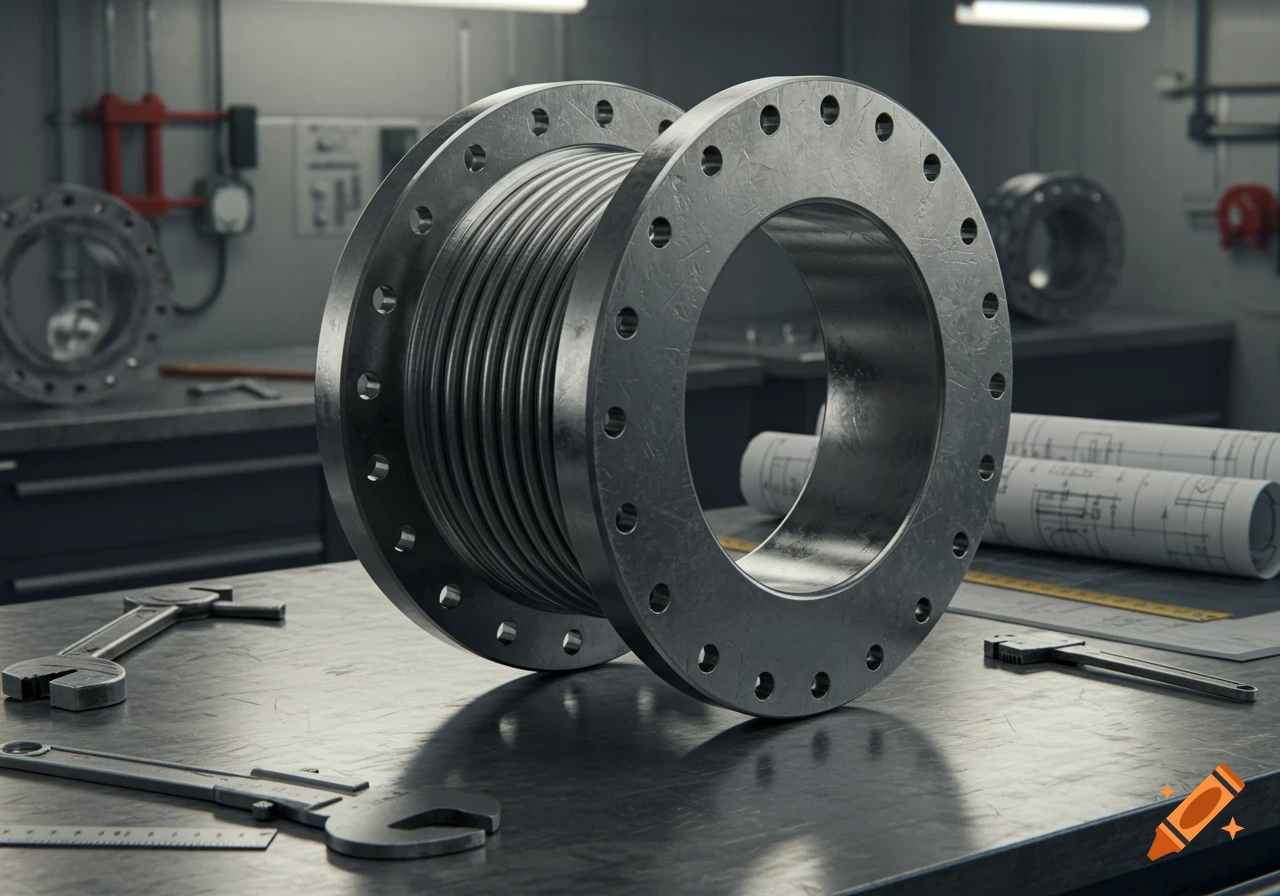
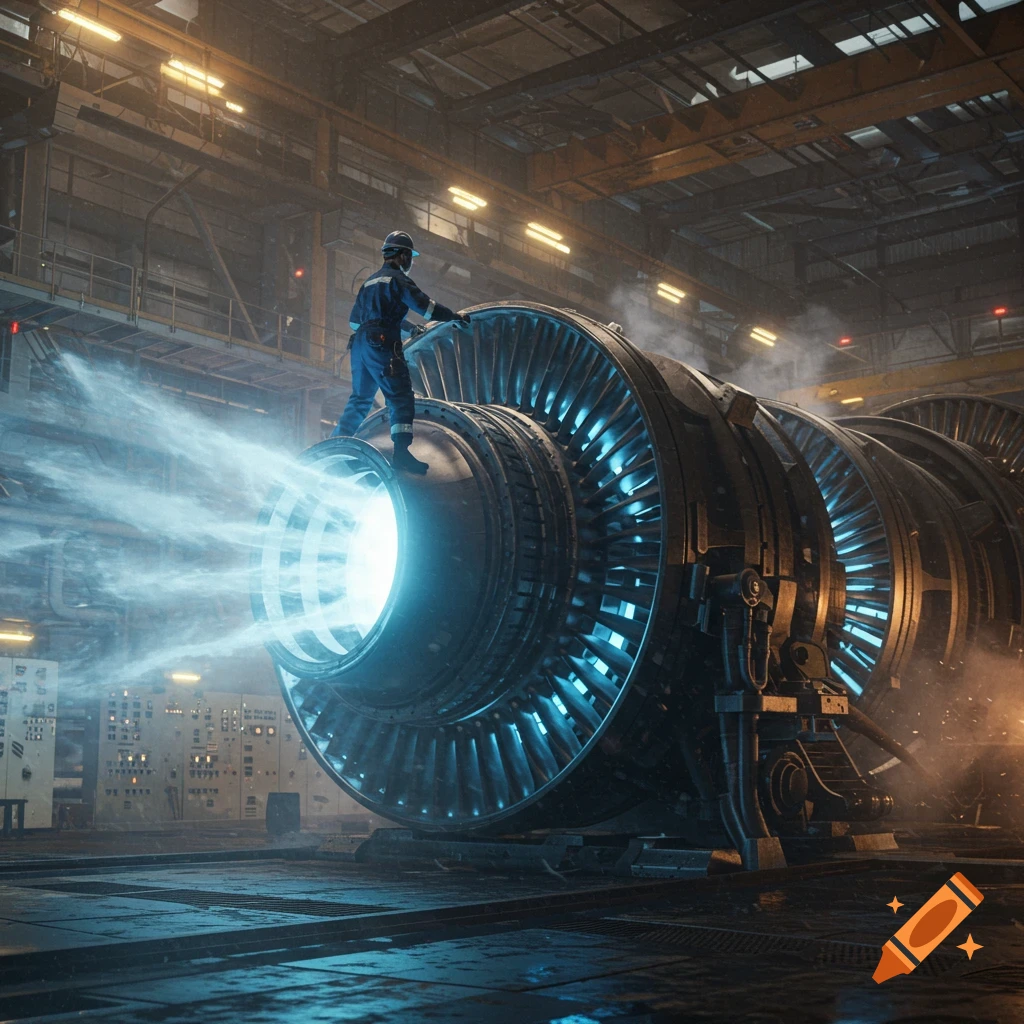
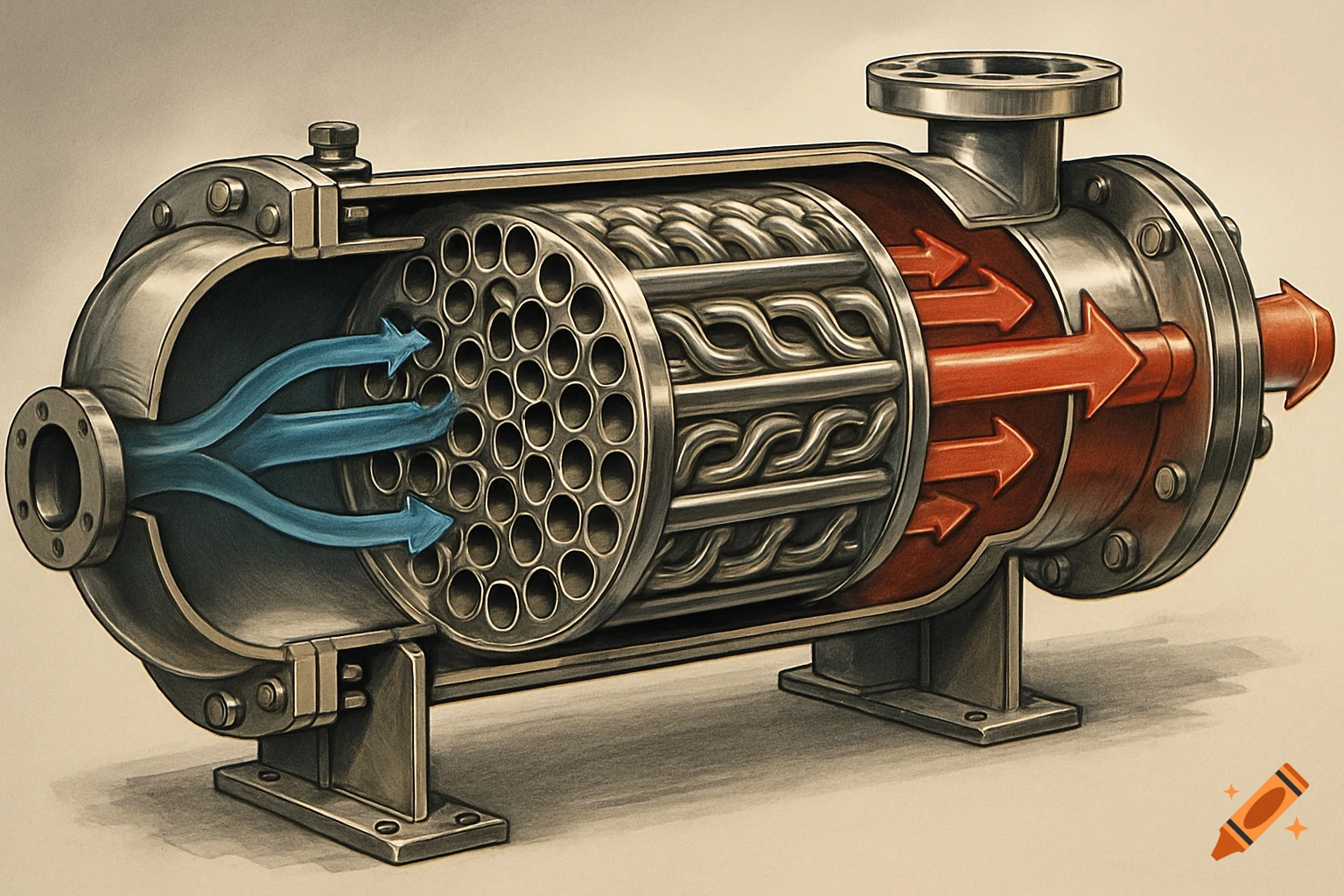
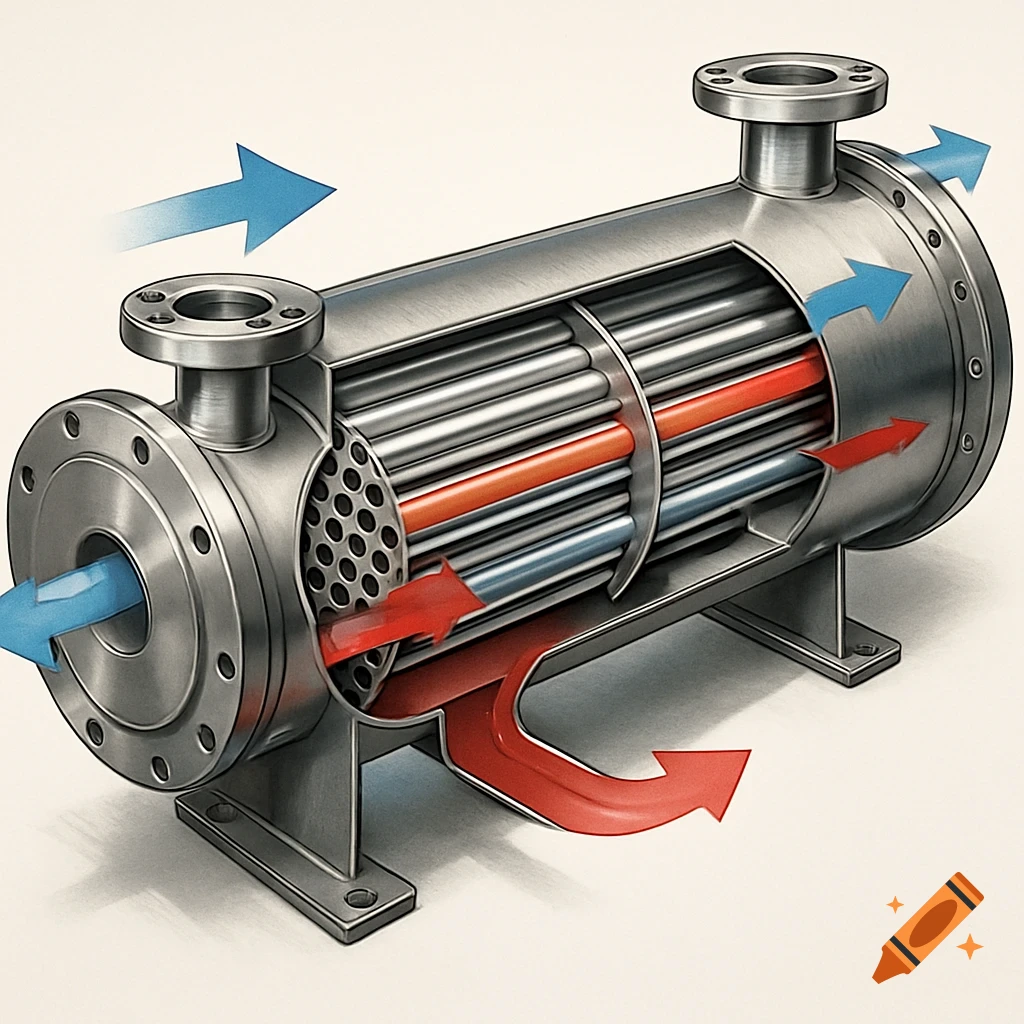
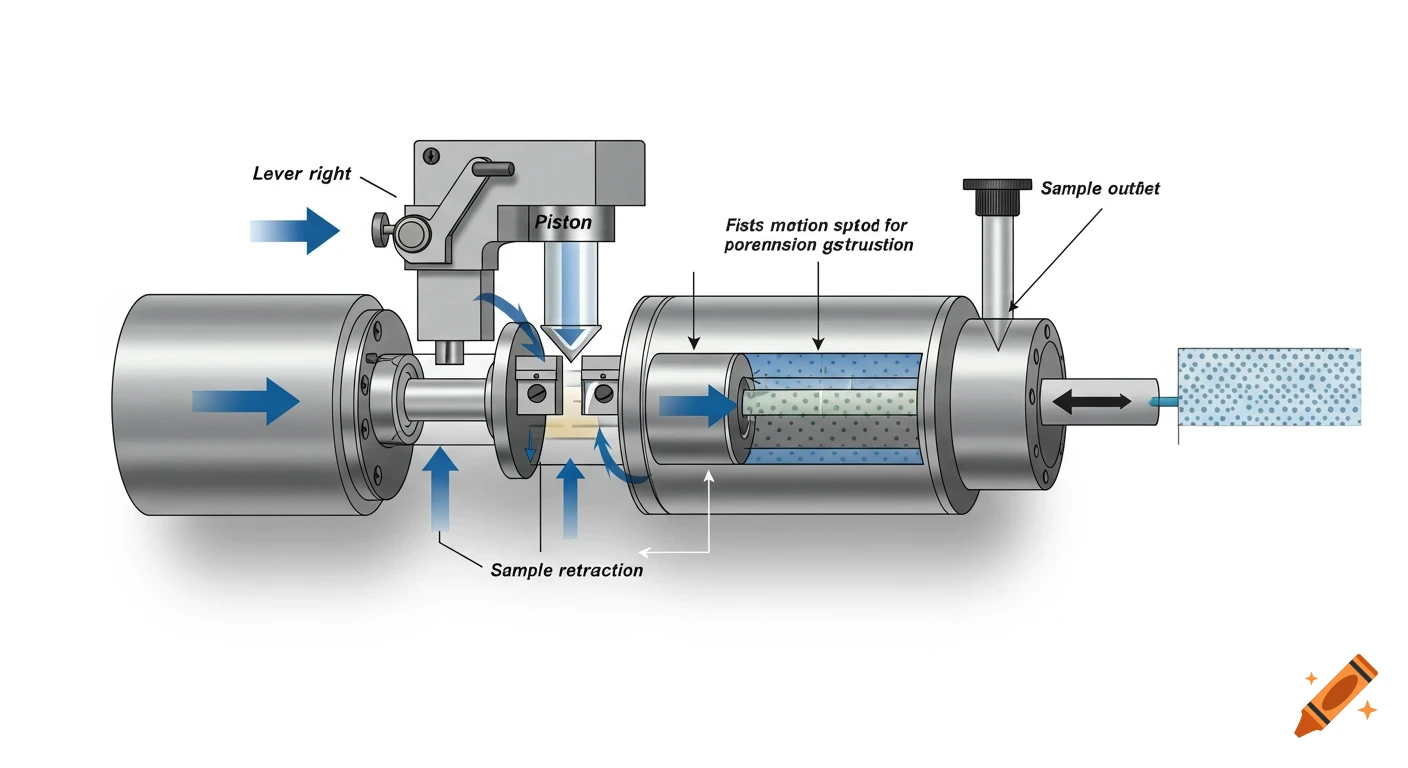
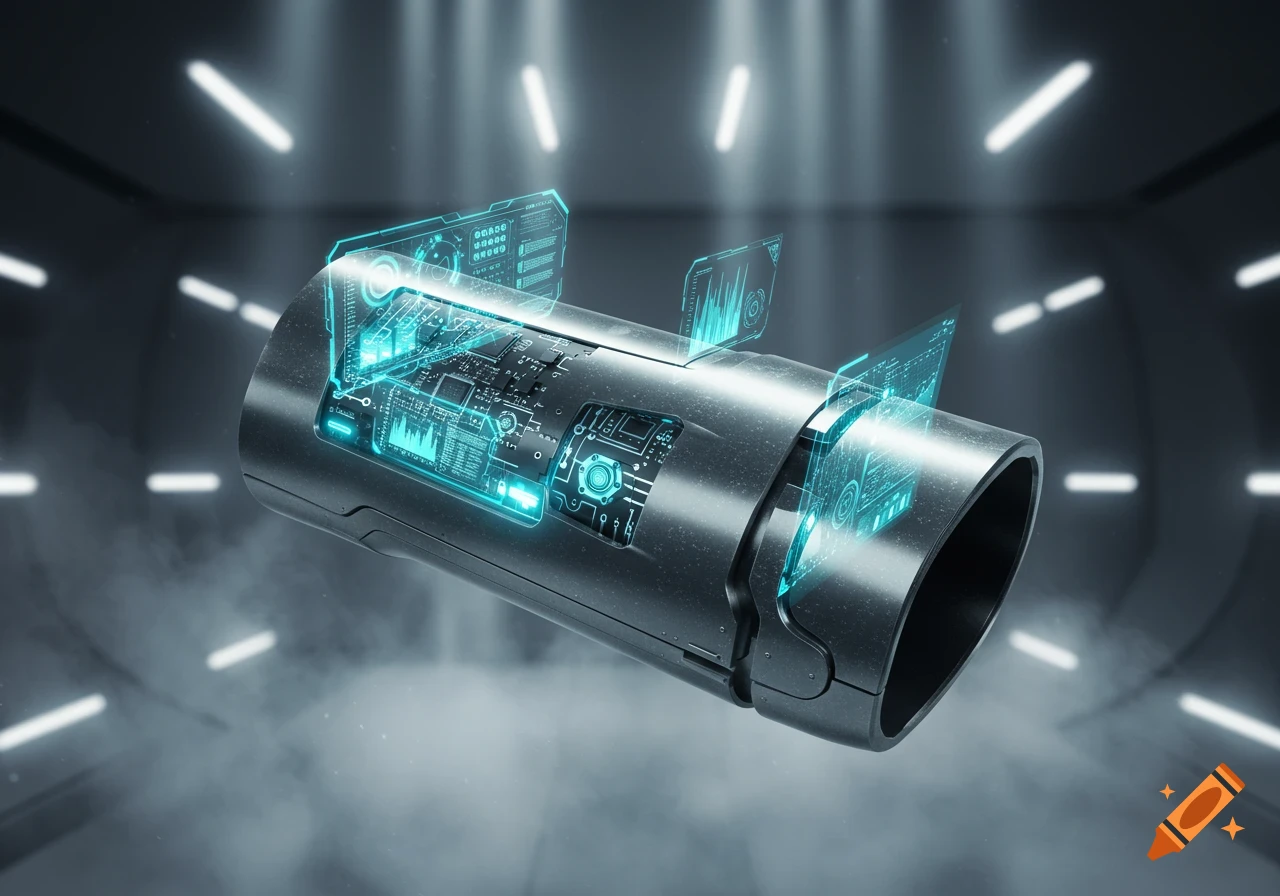
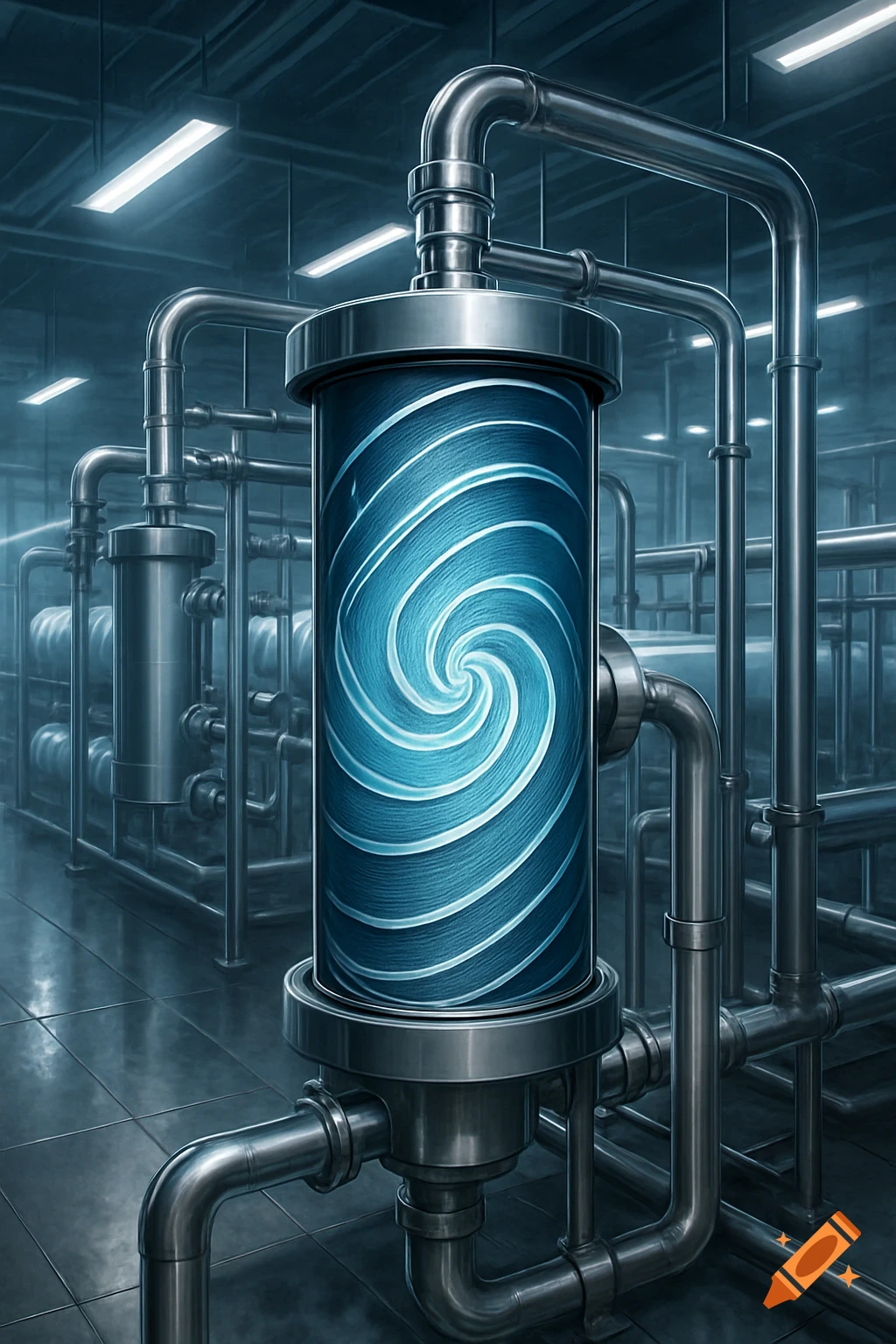
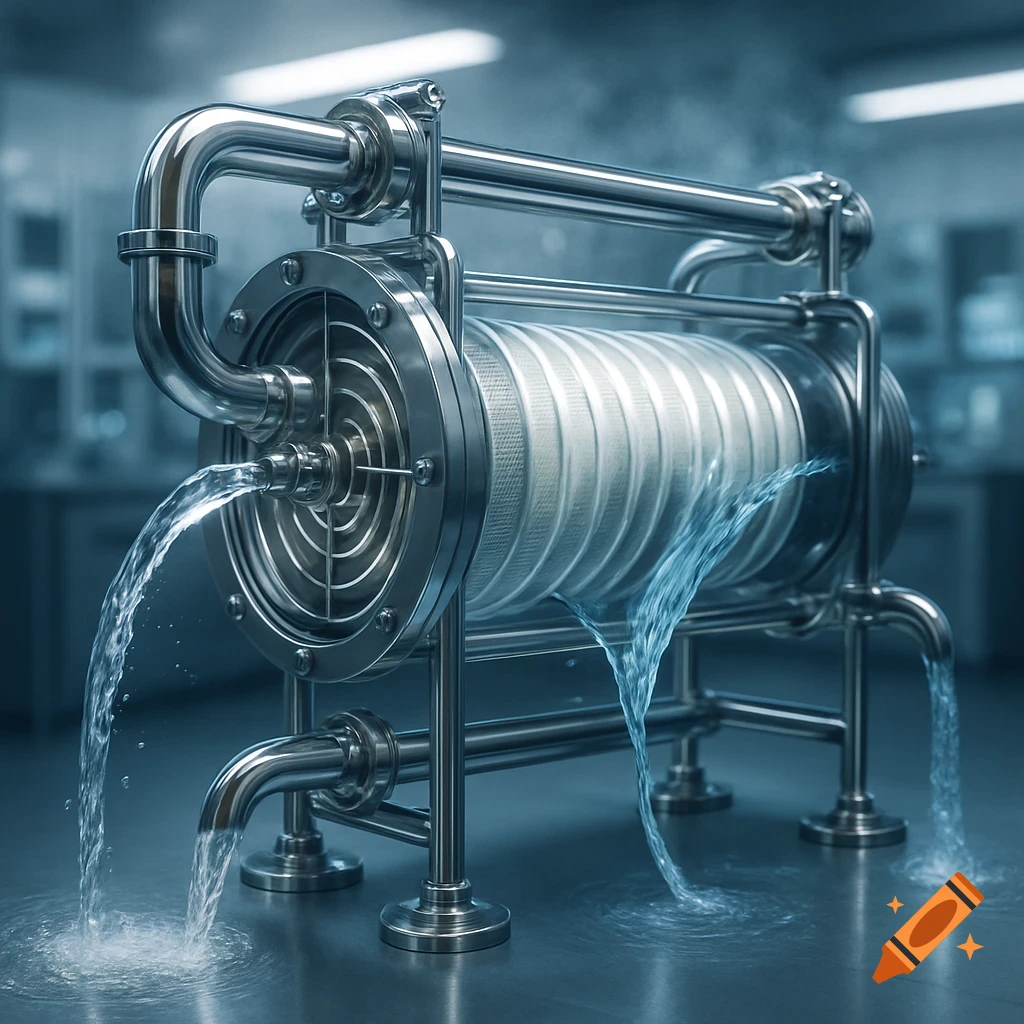
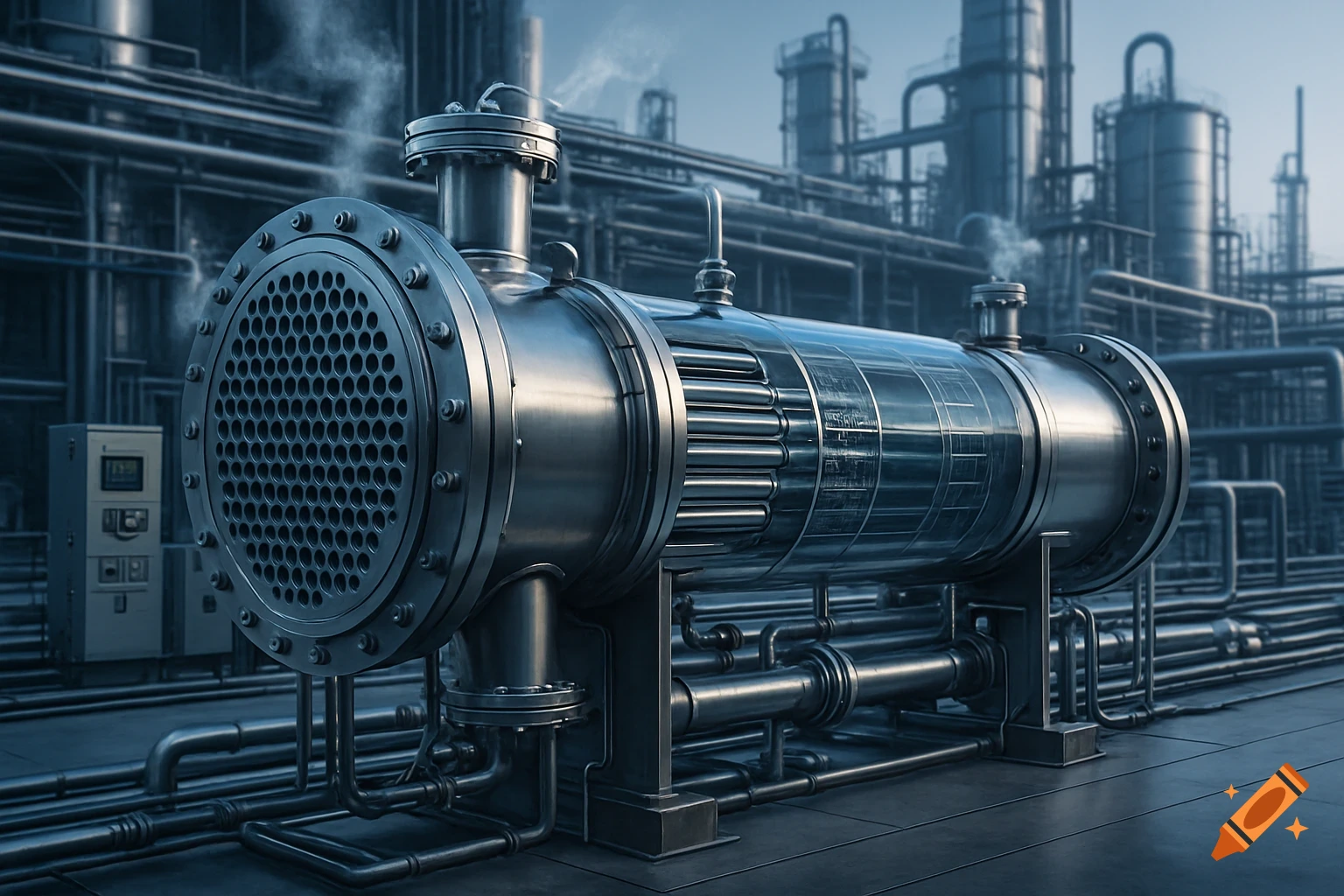
Detailed cutaway diagram of a 'Sealed Thermal Pod' in a Chartreuse-P Stellarator Cartridge, showing a compact helical heat exchanger and LQM containment.

draw: To integrate the **NUWARD-inspired compact heat exchanger** into the Chartreuse-P stellarator cartridge, we must borrow a specific architectural philosophy from the EDF NUWARD SMR: **the elimination of large external primary piping by embedding a highly compact, integral heat exchanger directly inside the primary vessel (or in our case, inside the cartridge).** In NUWARD, the steam generators are compact helical-coil units placed *inside* the reactor vessel, right above the core, to drastically reduce the plant's footprint and primary coolant volume. For a fusion TBB containing highly corrosive and tritiated Liquid Quasi-Mixture (LQM: SnLi+Pb or LiH+Pb), putting a compact HX *inside* the cartridge is a massive safety and maintenance advantage. **It means the LQM never leaves the cartridge.** The cartridge becomes a sealed, self-contained tritium boundary. The only things that cross the vacuum vessel boundary are clean Helium (He) lines and small electrical/drains. Here is the logically sound, simplified redraw of the Chartreuse-P Cartridge using this philosophy. --- ### 1. The Architectural Concept: "The Sealed Thermal Pod" Instead of sending hot LQM out of the blanket to a massive external HX (which creates massive MHD losses, tritium permeation surface area, and complex external piping), we invert it. The cartridge contains: 1. The plasma-facing breeding zone. 2. A **NUWARD-style compact helical-coil HX** located at the radial back of the cartridge (where the Mehr sehen
More images like this