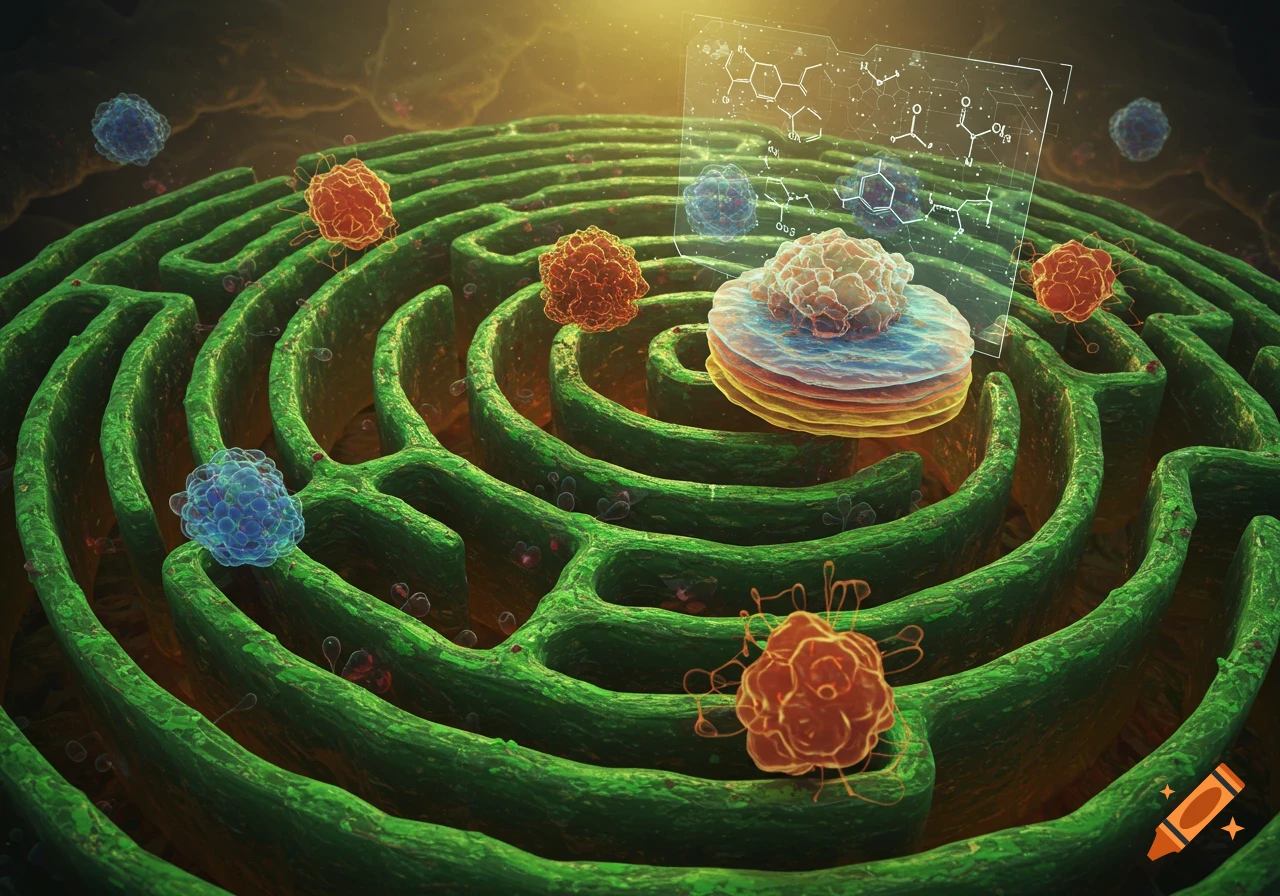
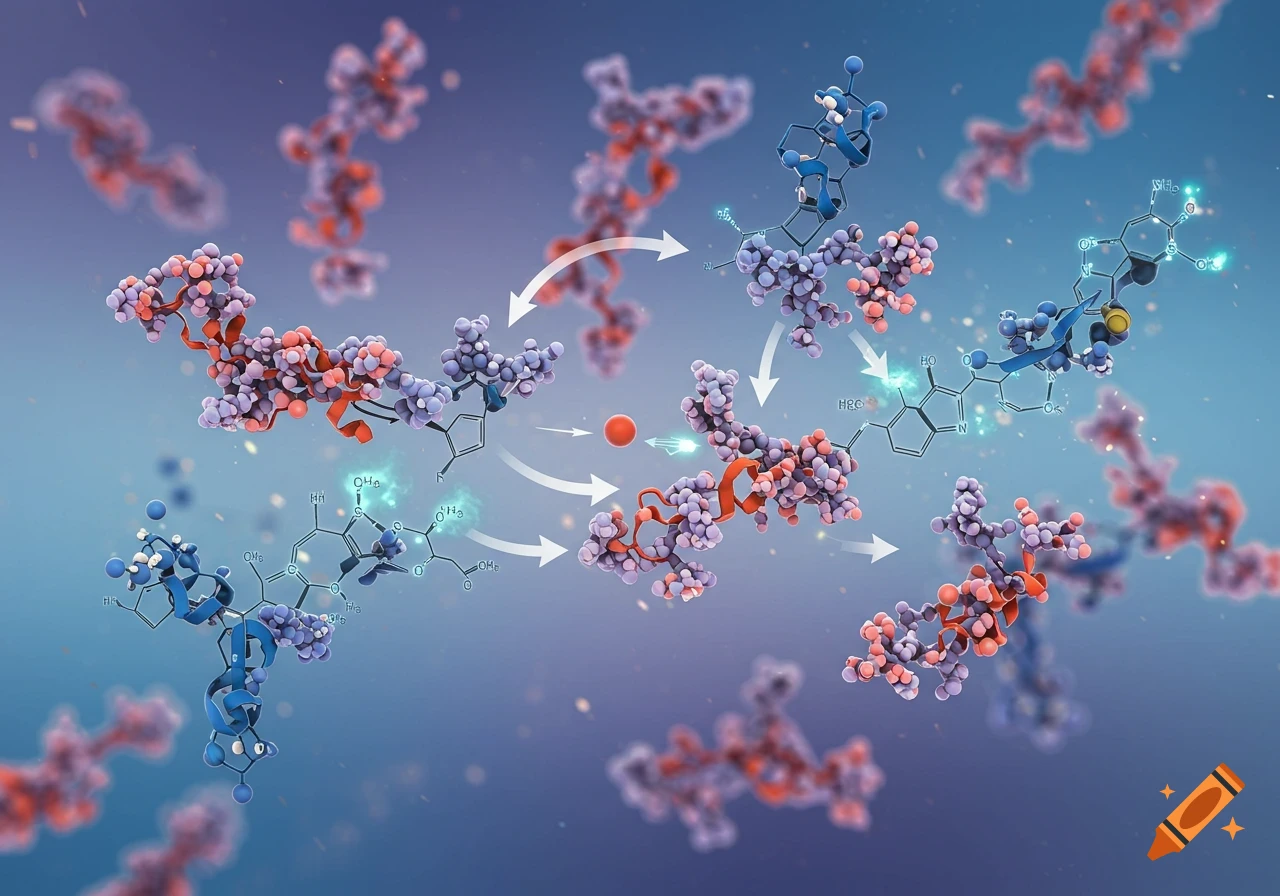
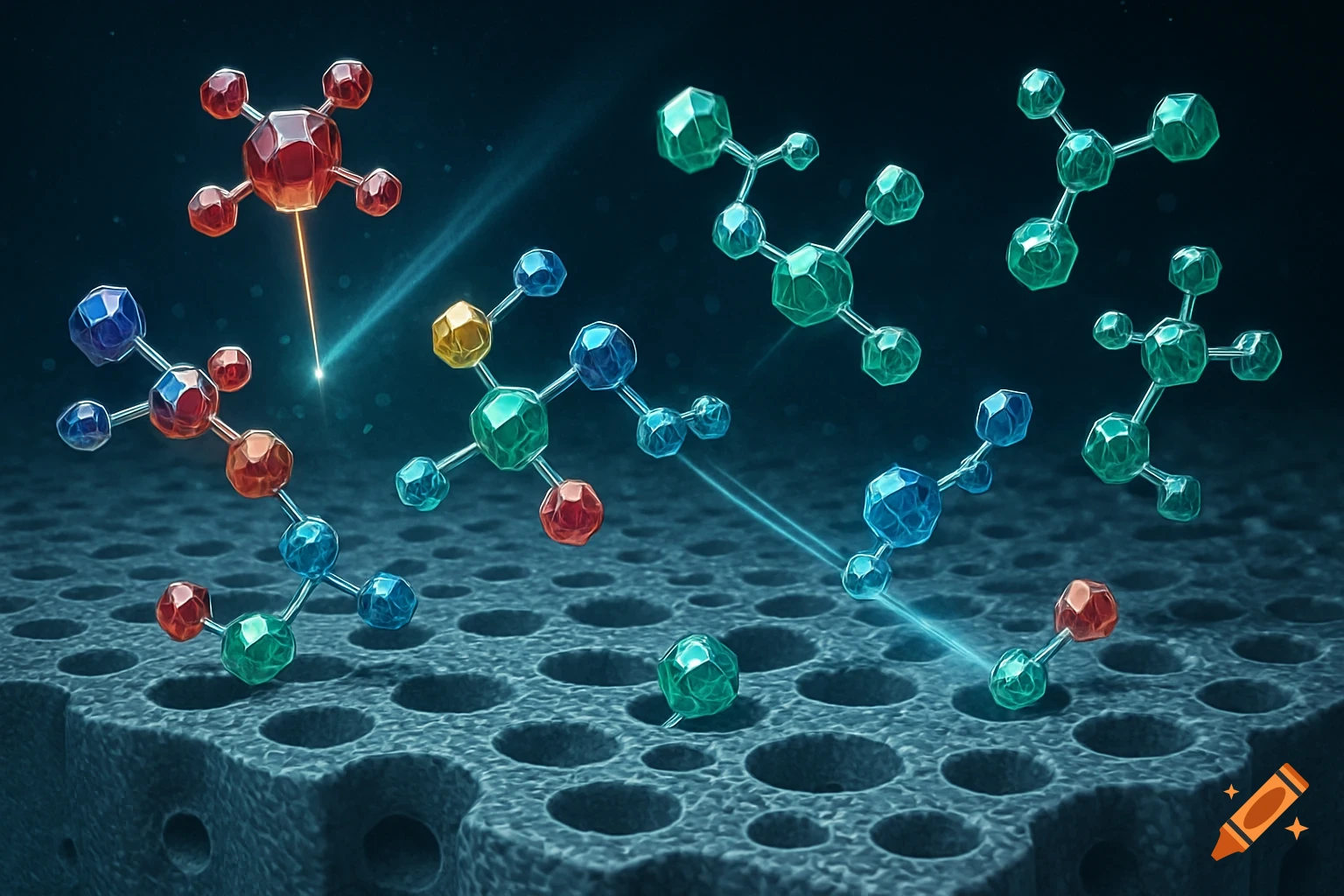
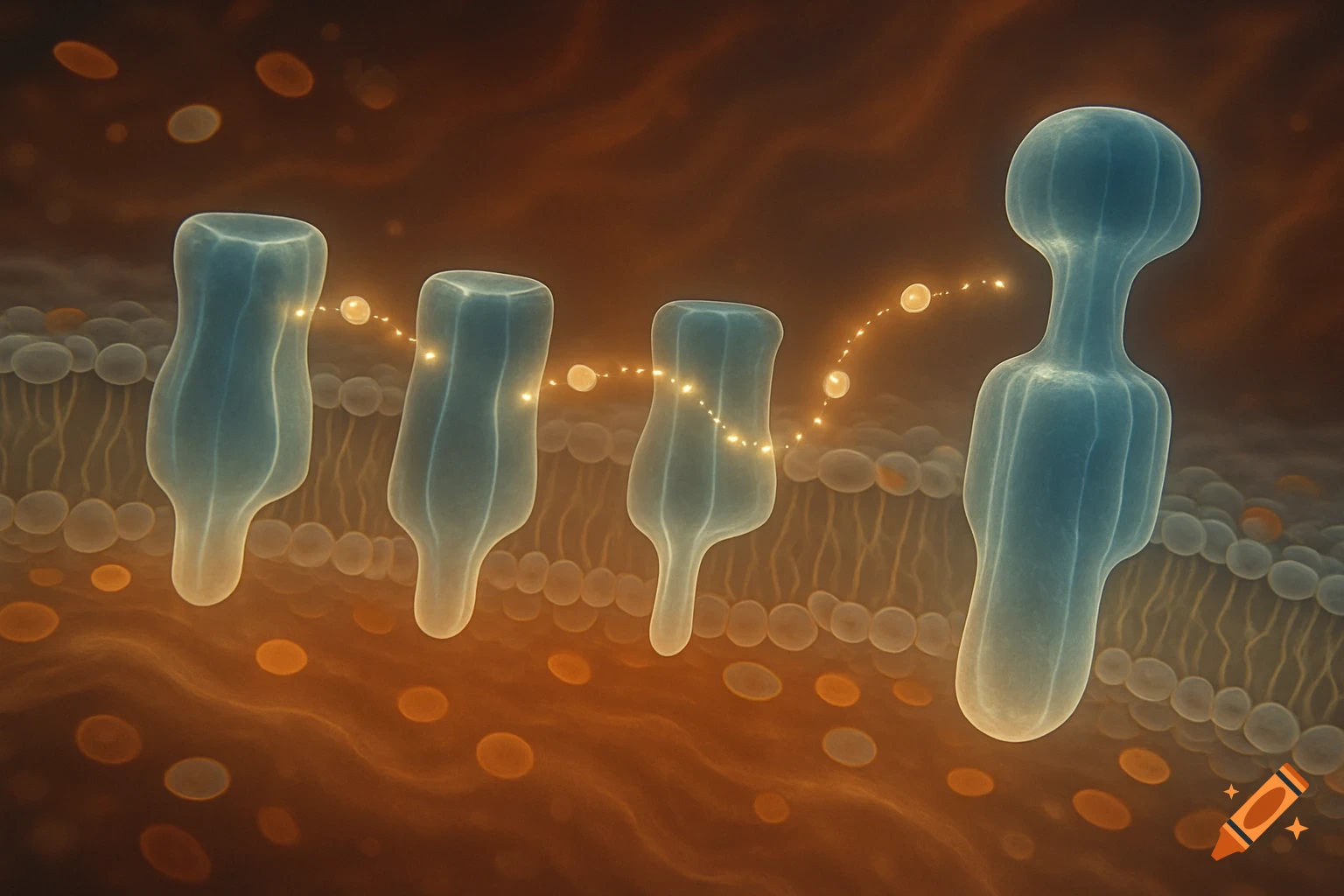
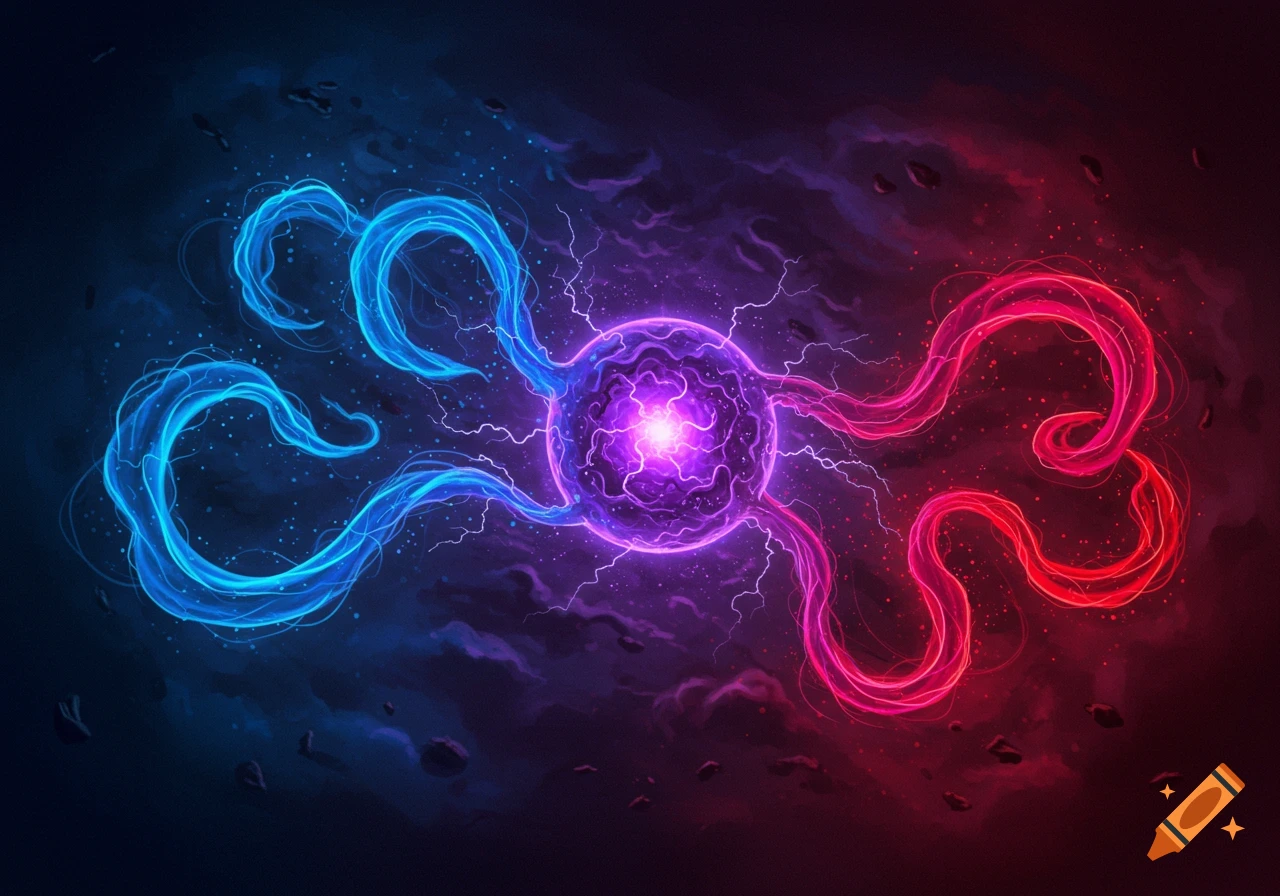
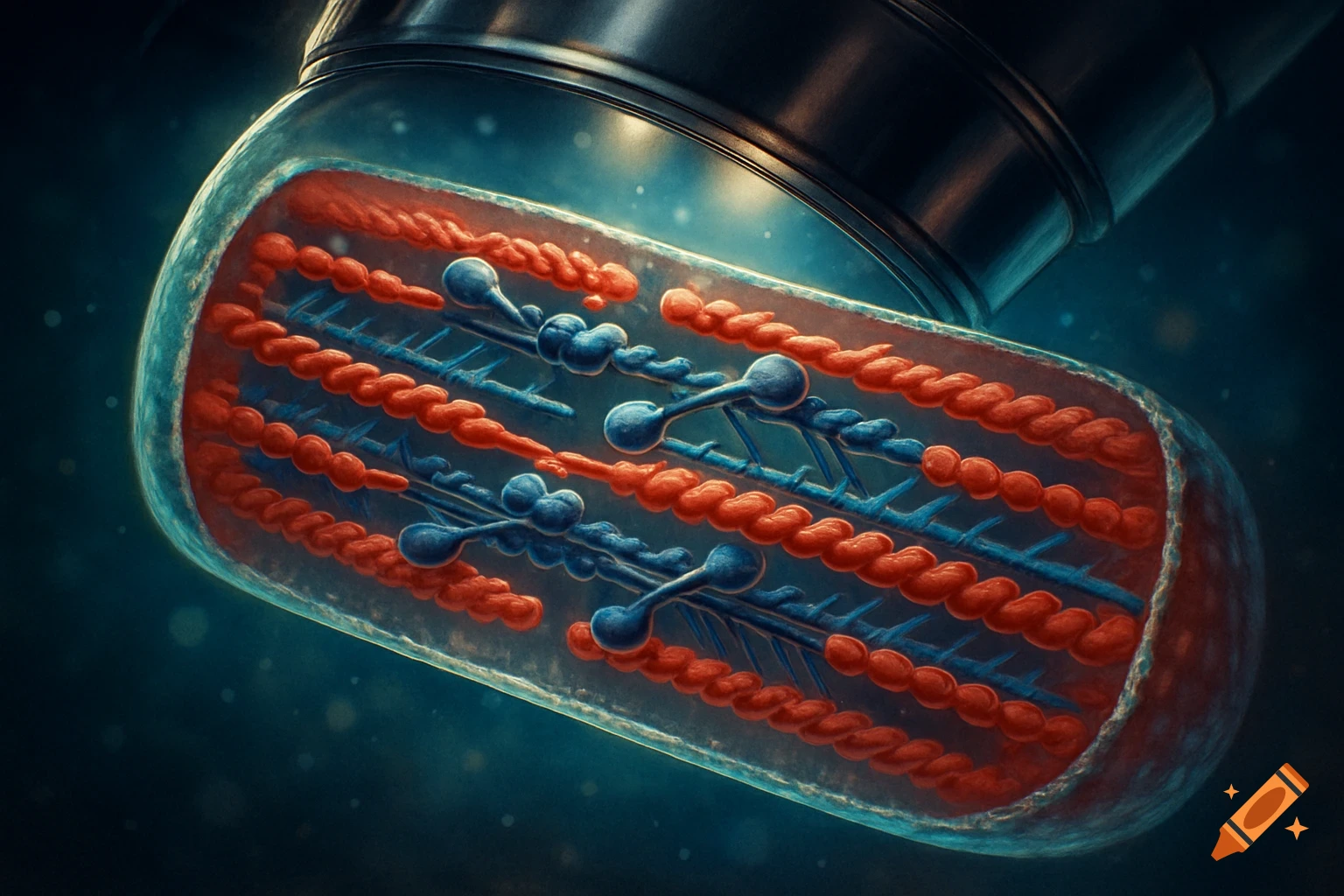
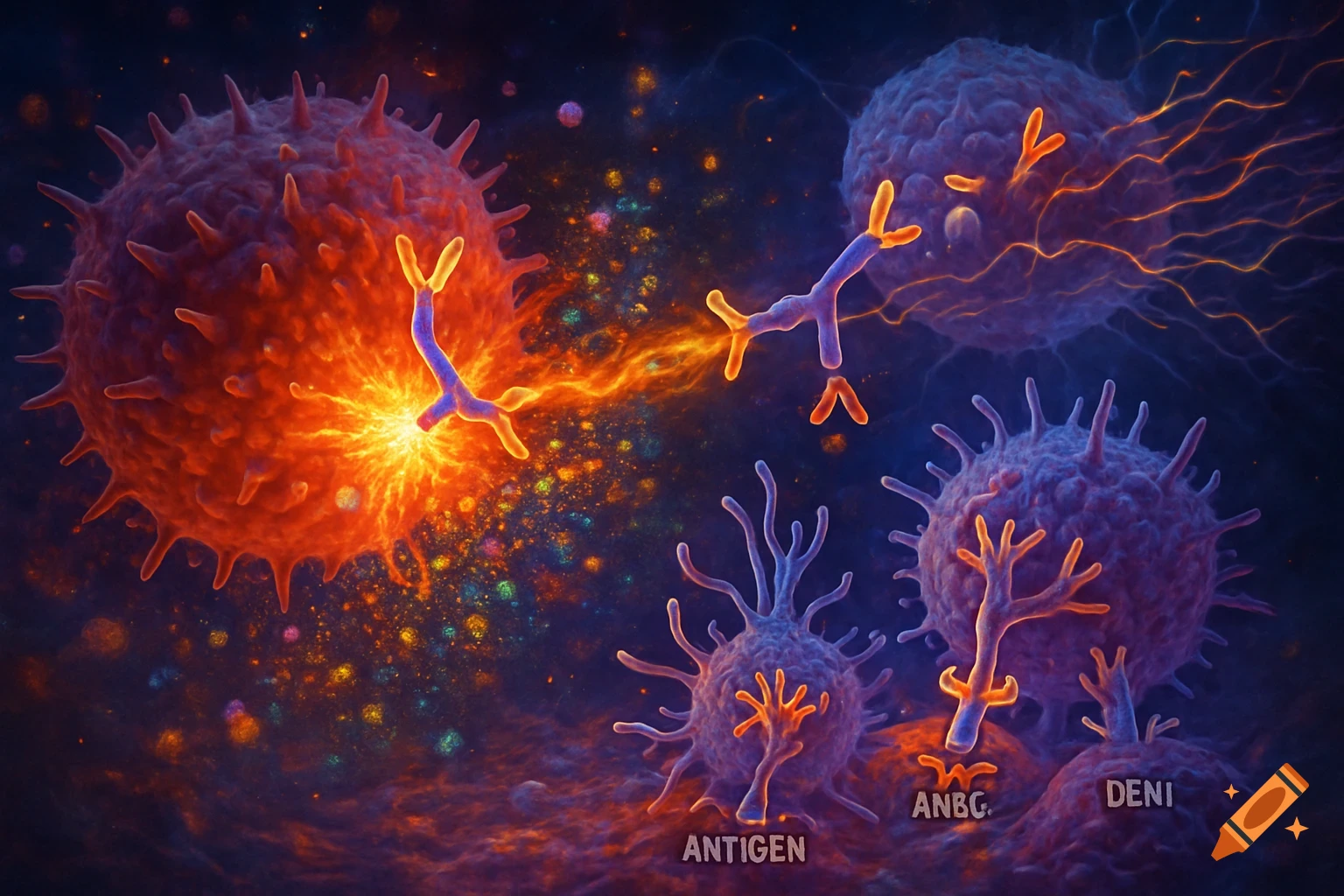
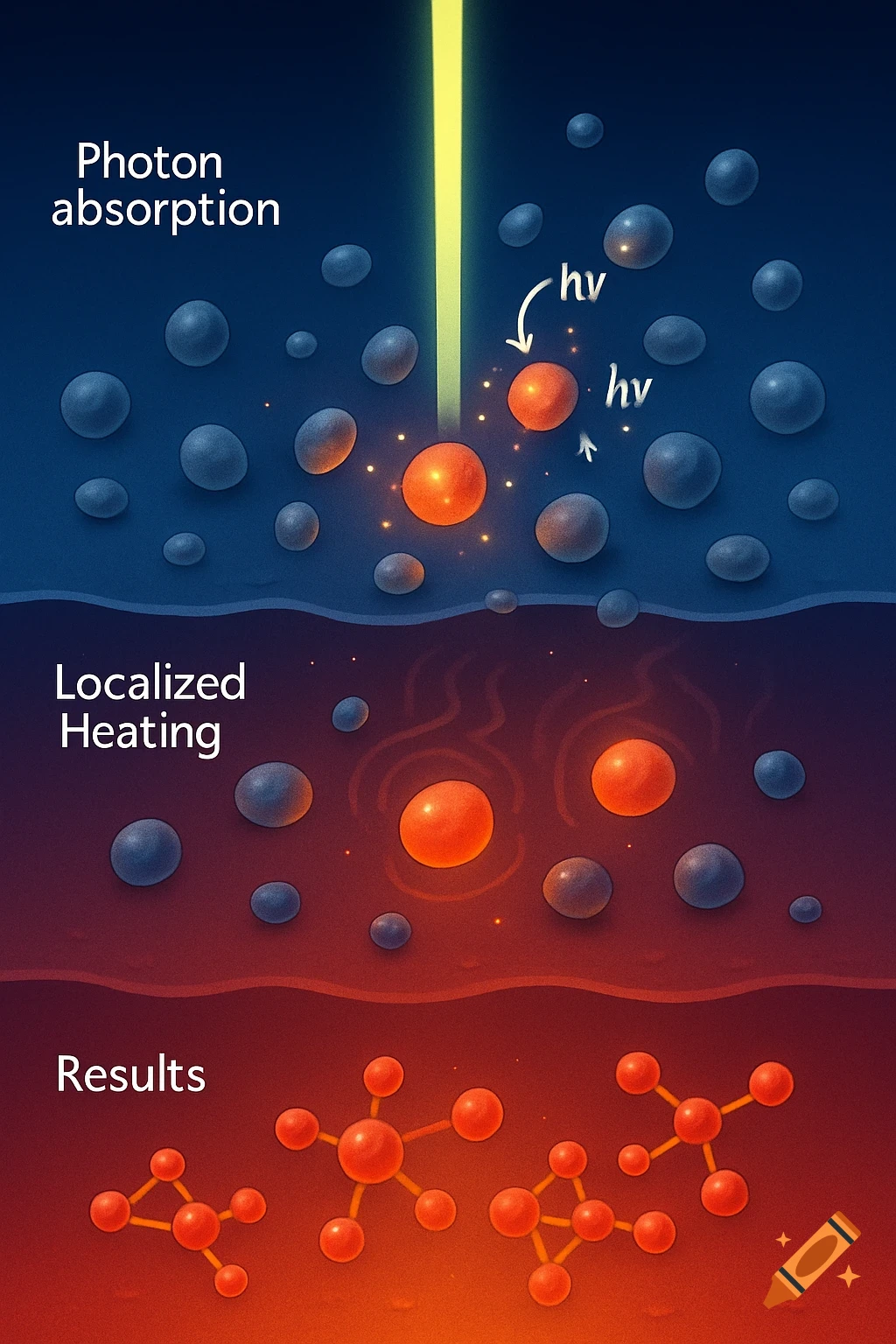
Vibrant scientific illustration: blue cells break chains, transforming into active red cells with glowing pathways.

In normal epithelial cells, hemidesmosomes keep cells firmly attached to the basement membrane and maintain tissue stability, mainly through integrin α6β4. During cancer progression, loss or disassembly of hemidesmosomes allows cells to detach and, through α6β4-linked signaling, activate pathways that support migration, invasion, survival, proliferation, and EMT. Normal cell state Hemidesmosomes act like an anchoring device that holds epithelial cells in place and preserves polarity and architecture. In this state, α6β4 is mainly structural rather than pro-migratory. Cancer transition When hemidesmosomes are disrupted, α6β4 can be released and switch to a signaling receptor that cooperates with growth factor pathways and activates PI3K, Ras/MAPK, Src/Fyn, Rac1, and ERK-related signaling. This shift promotes EMT, migration, invasion, tumor survival, and tumor progression. Mehr sehen
More images like this