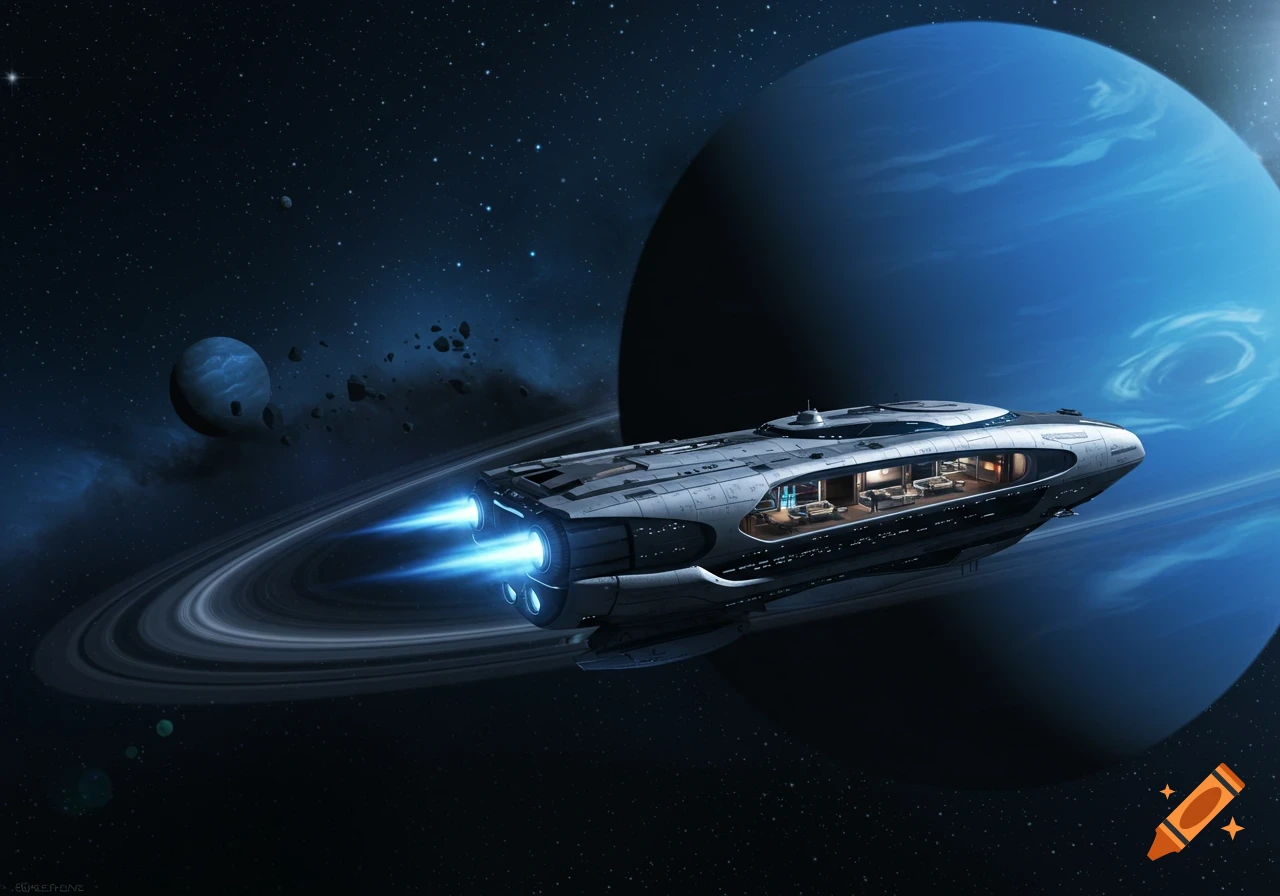
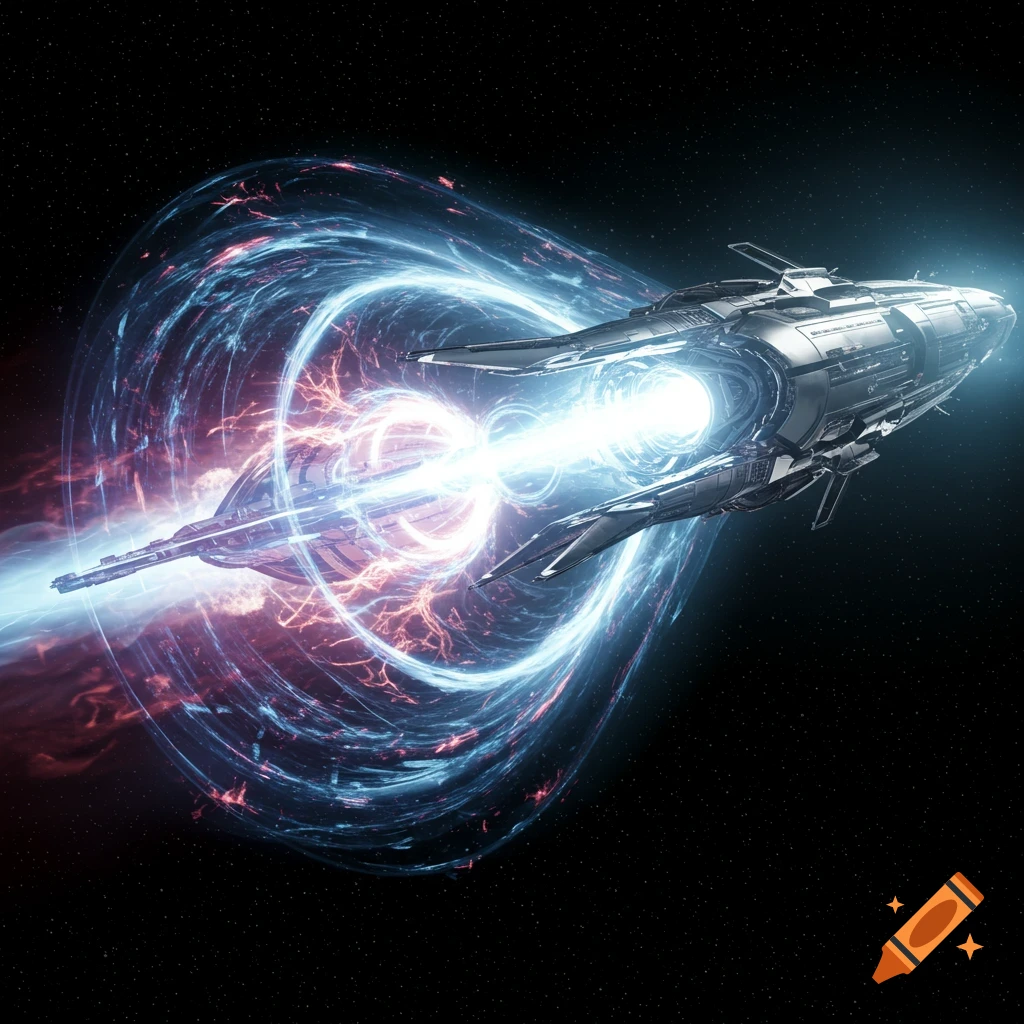
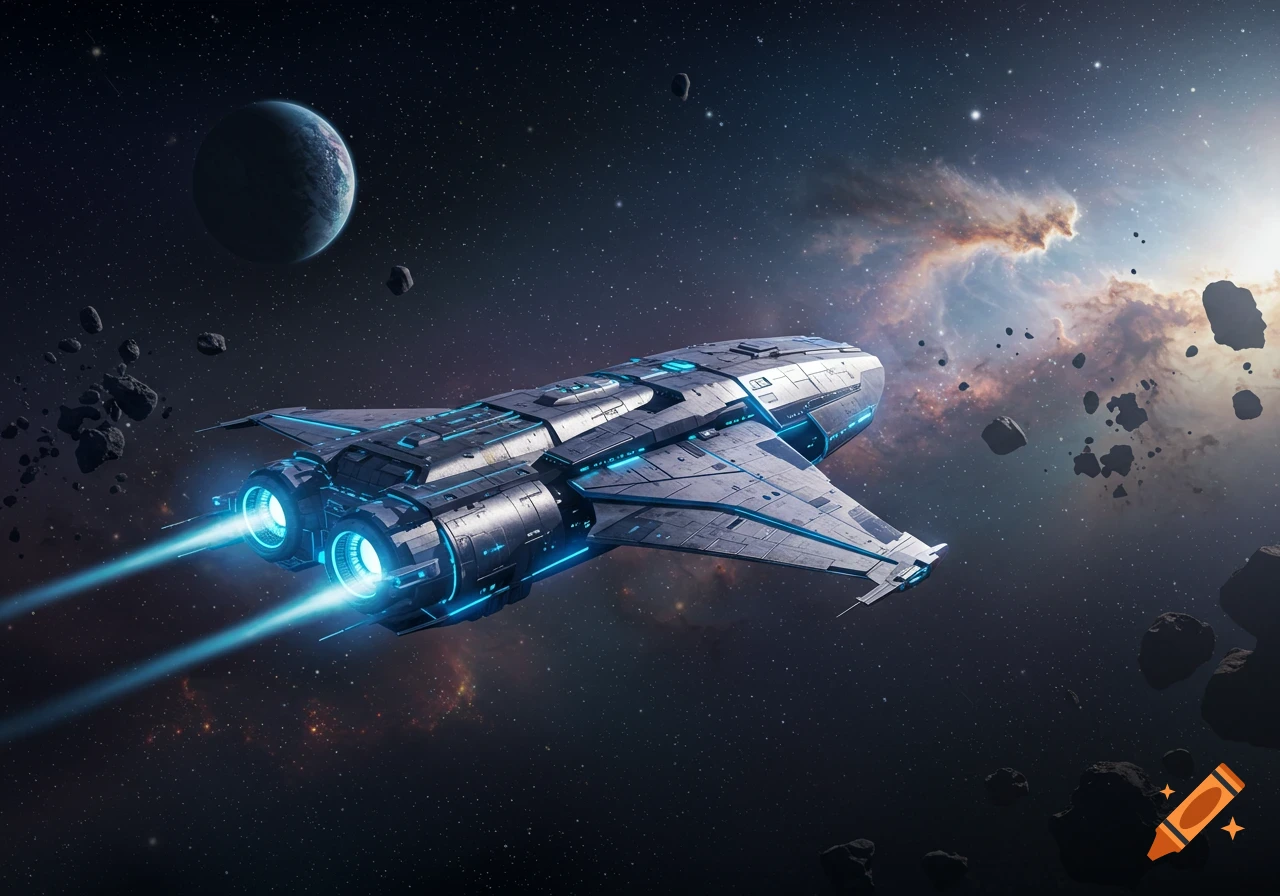
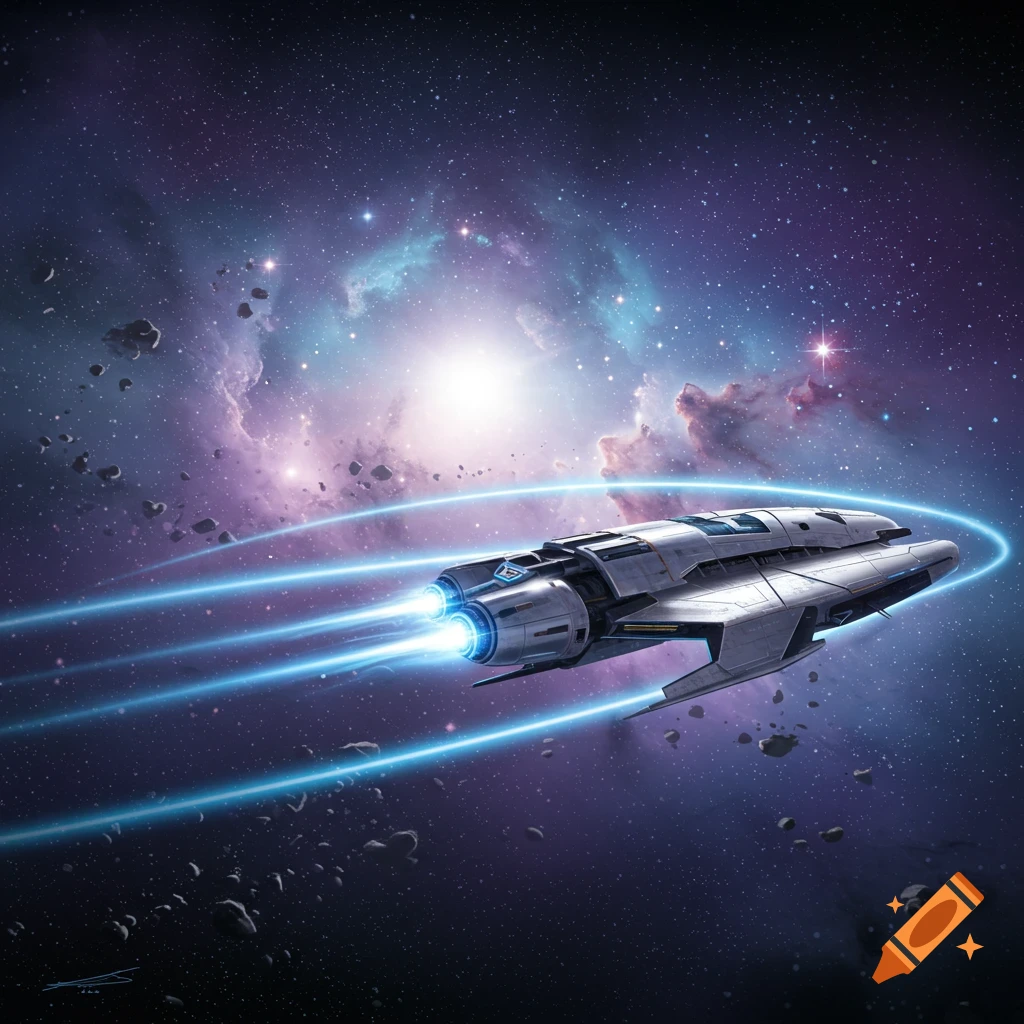
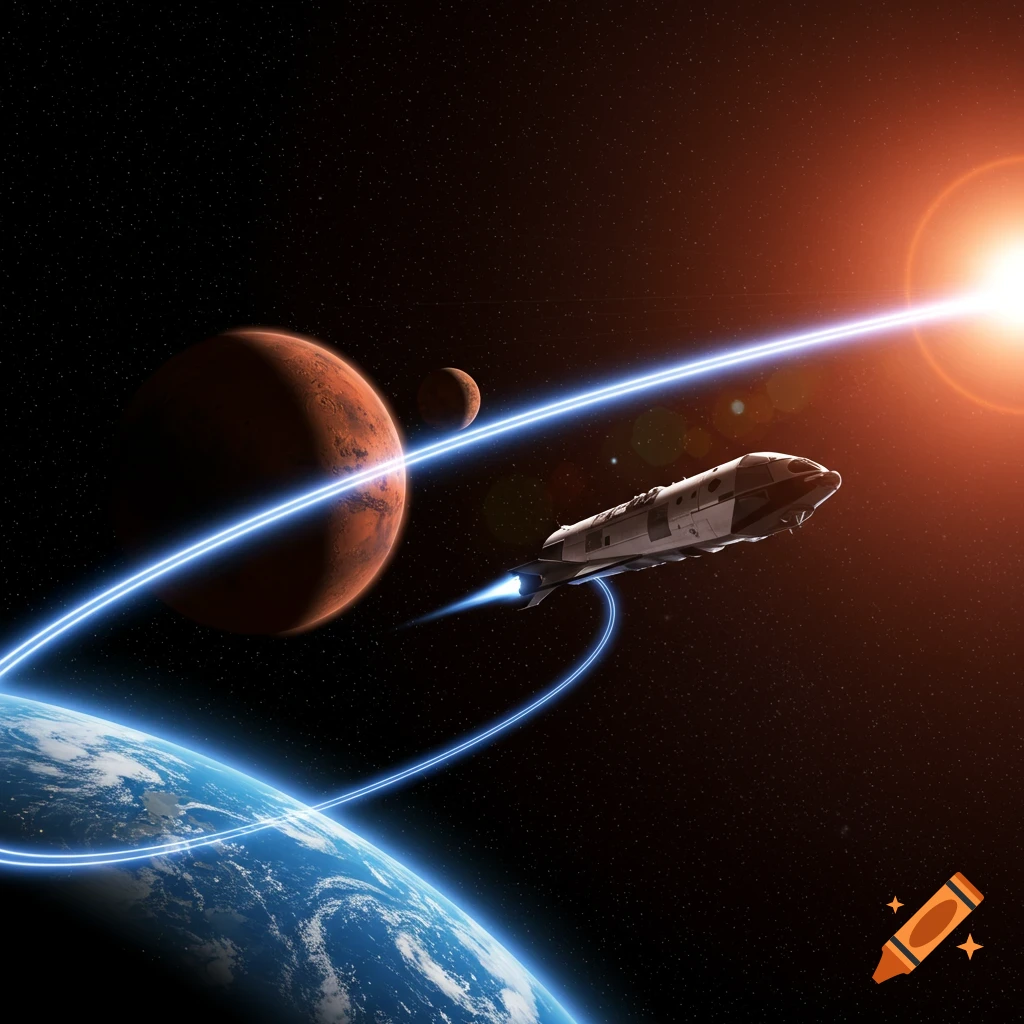
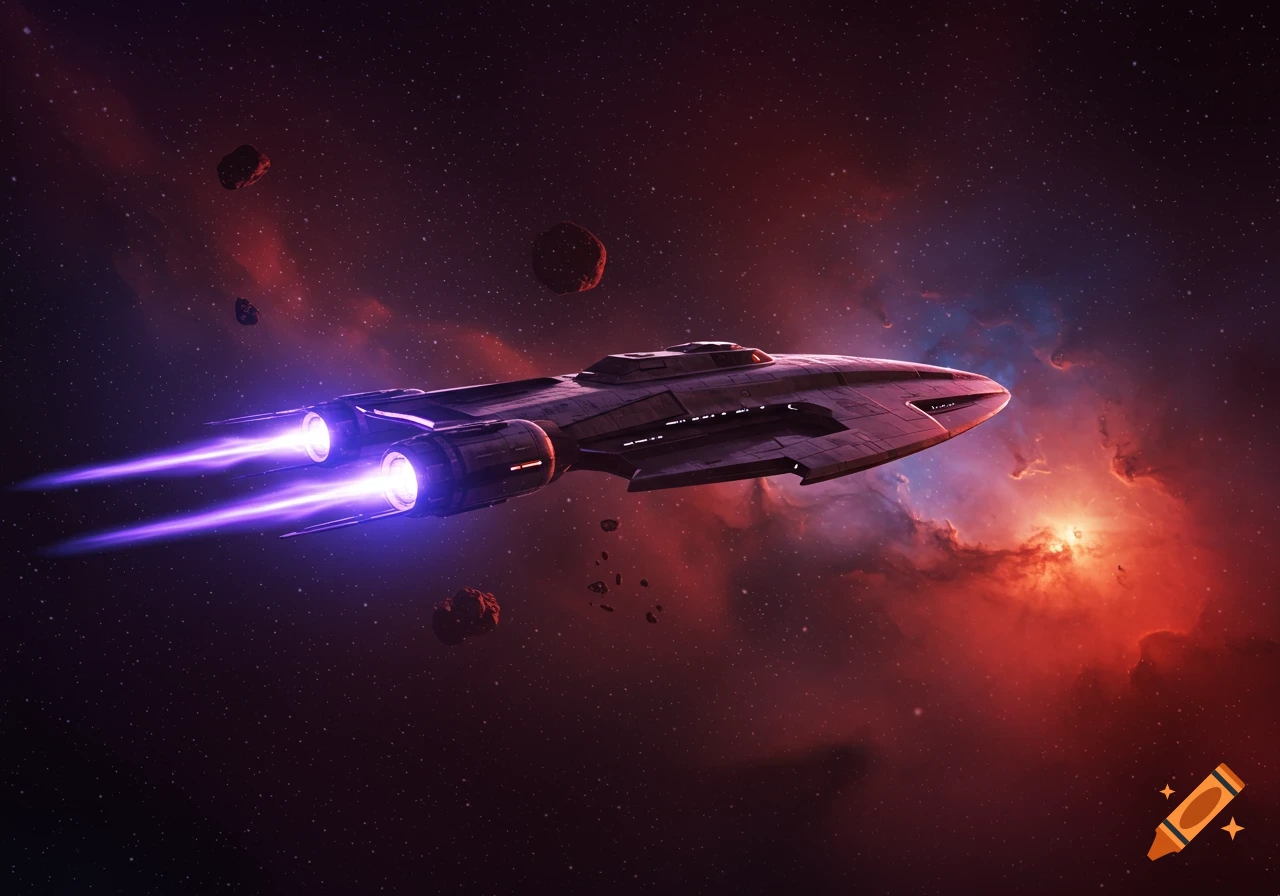
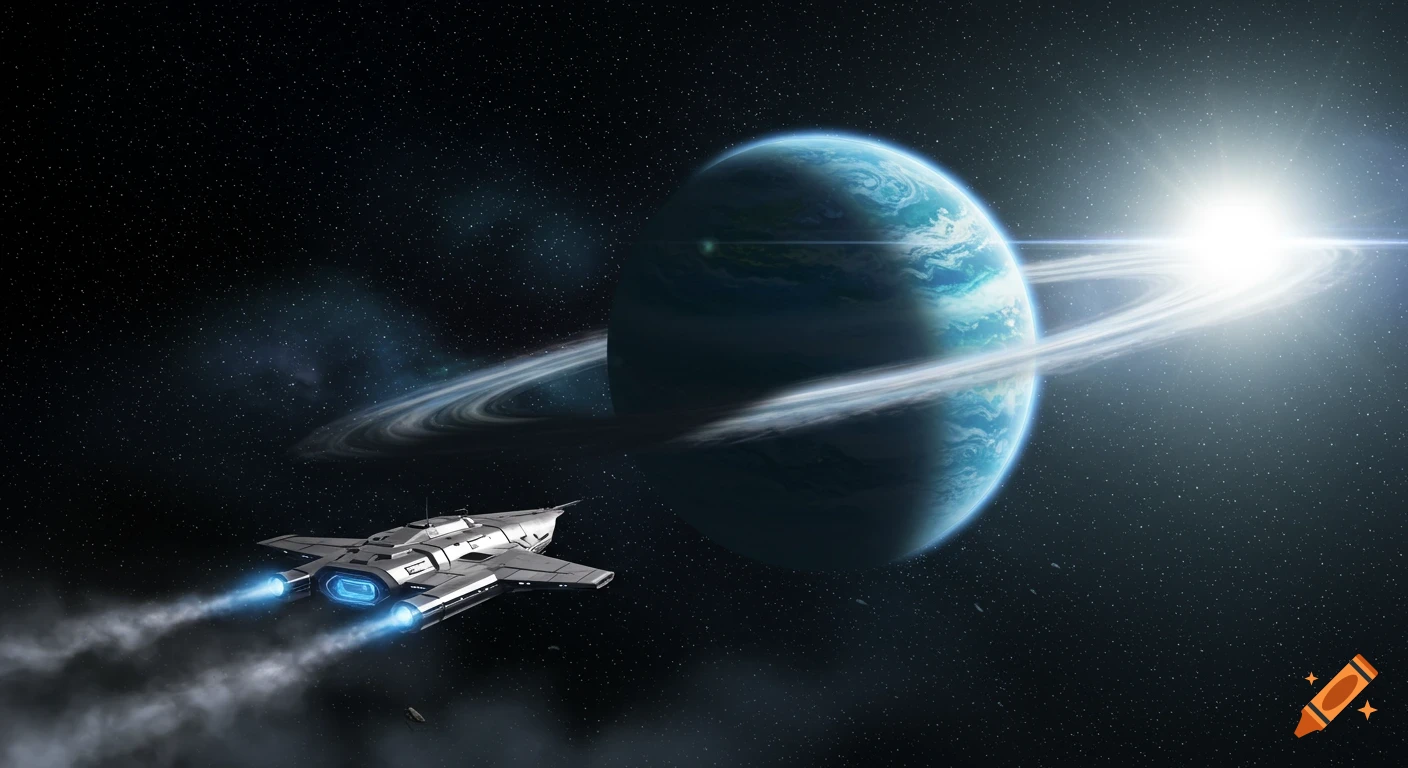
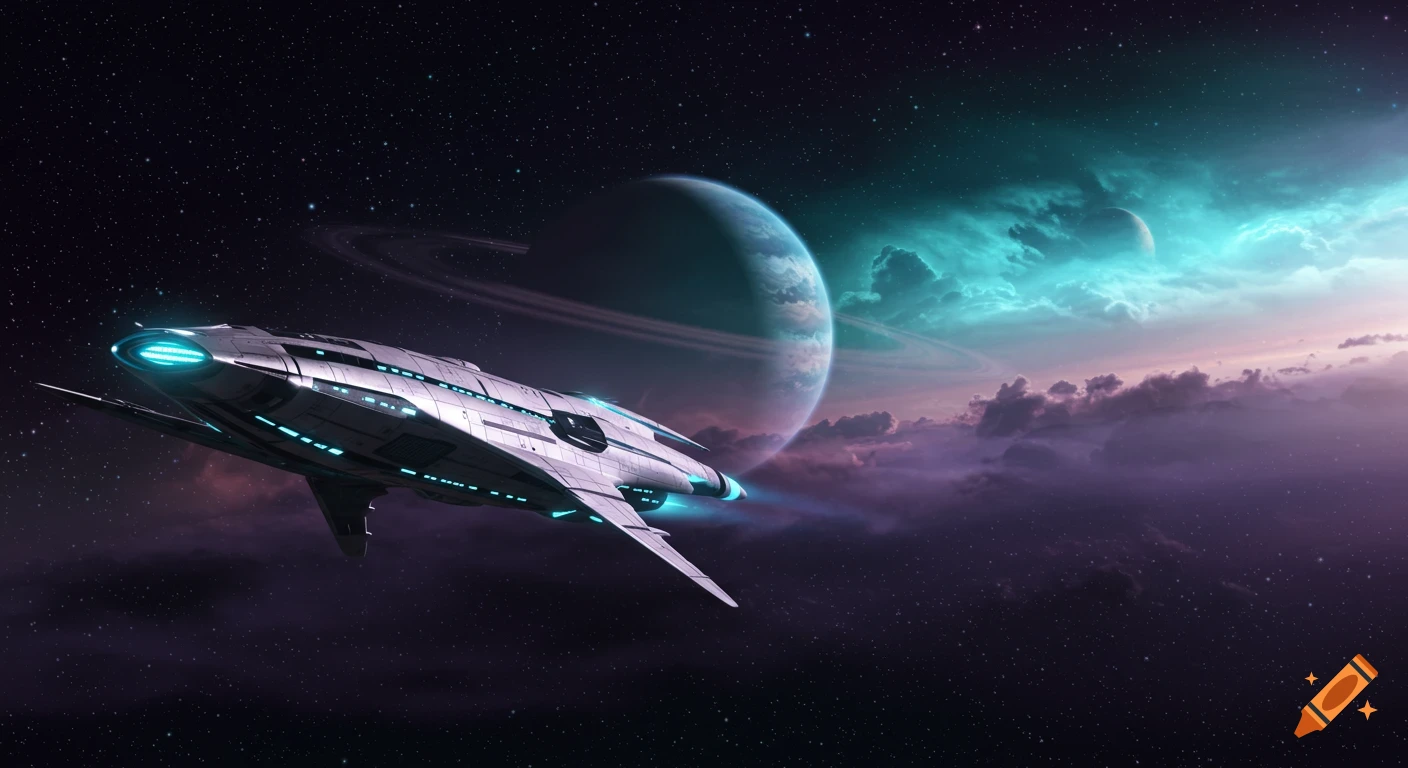
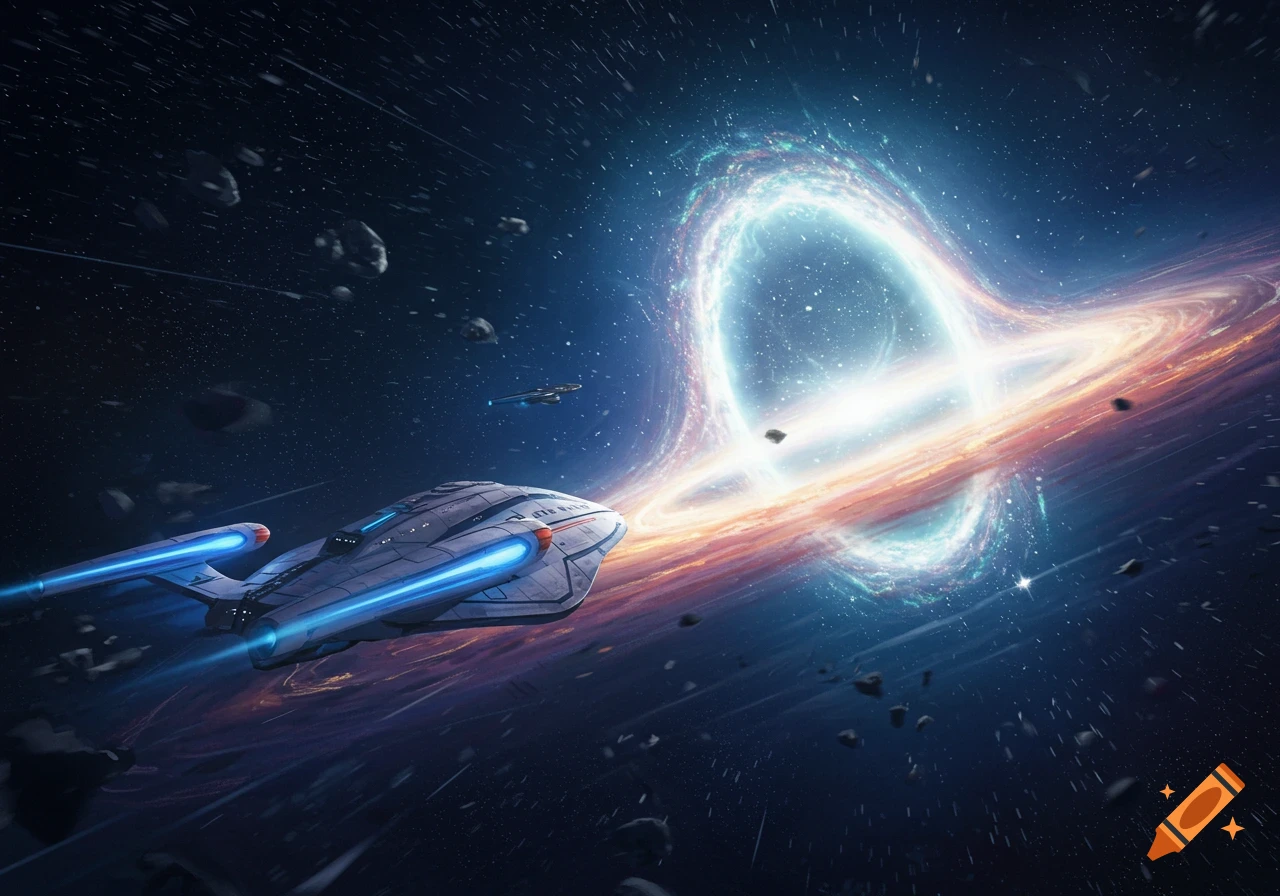
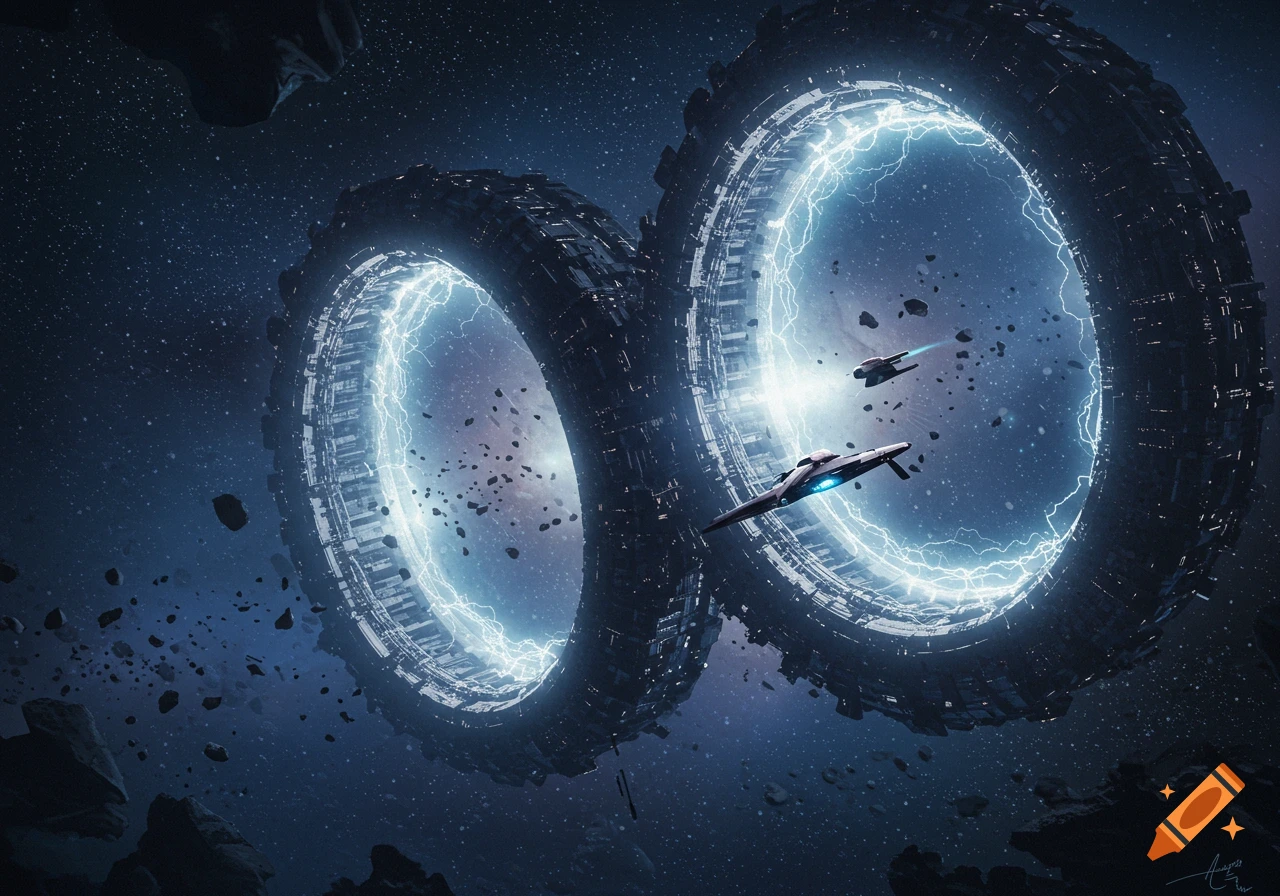
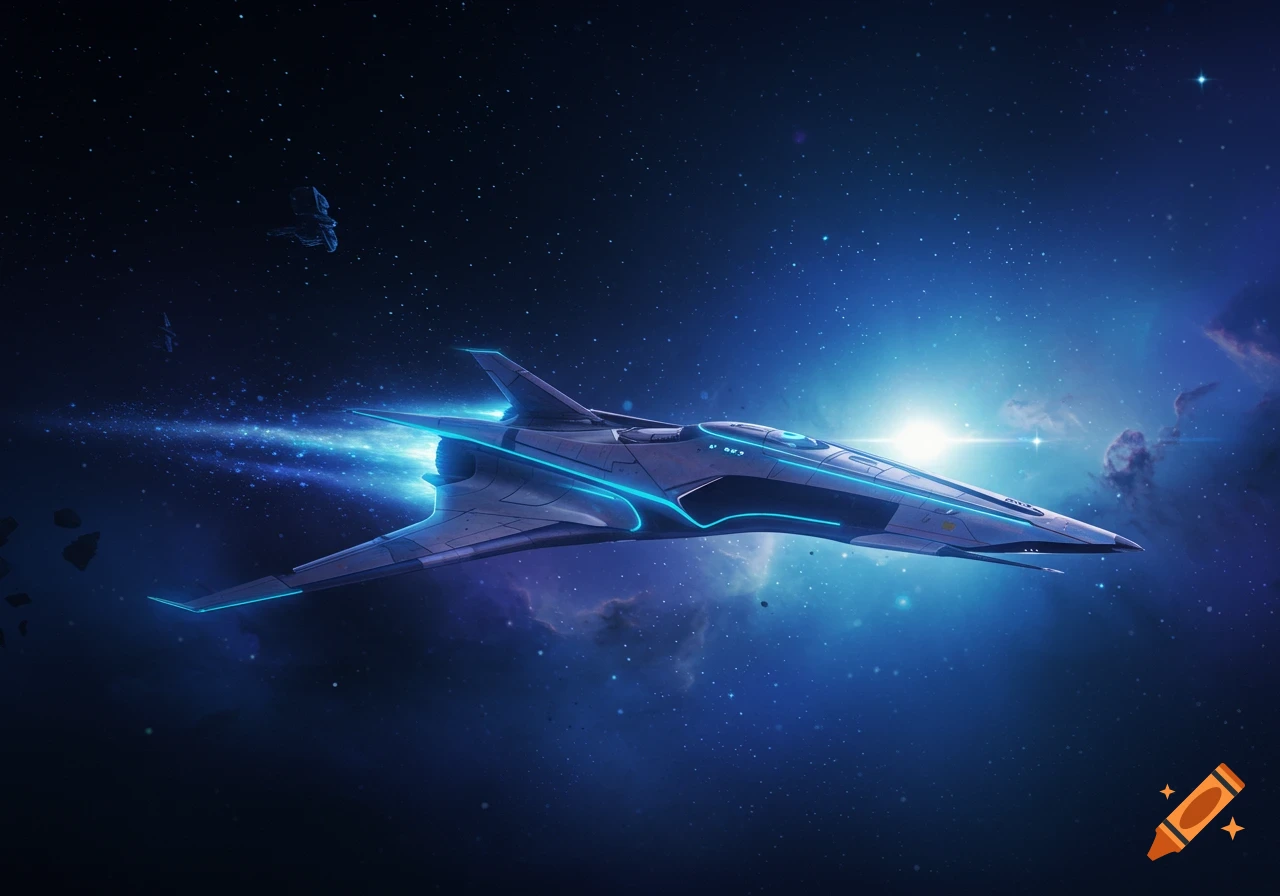
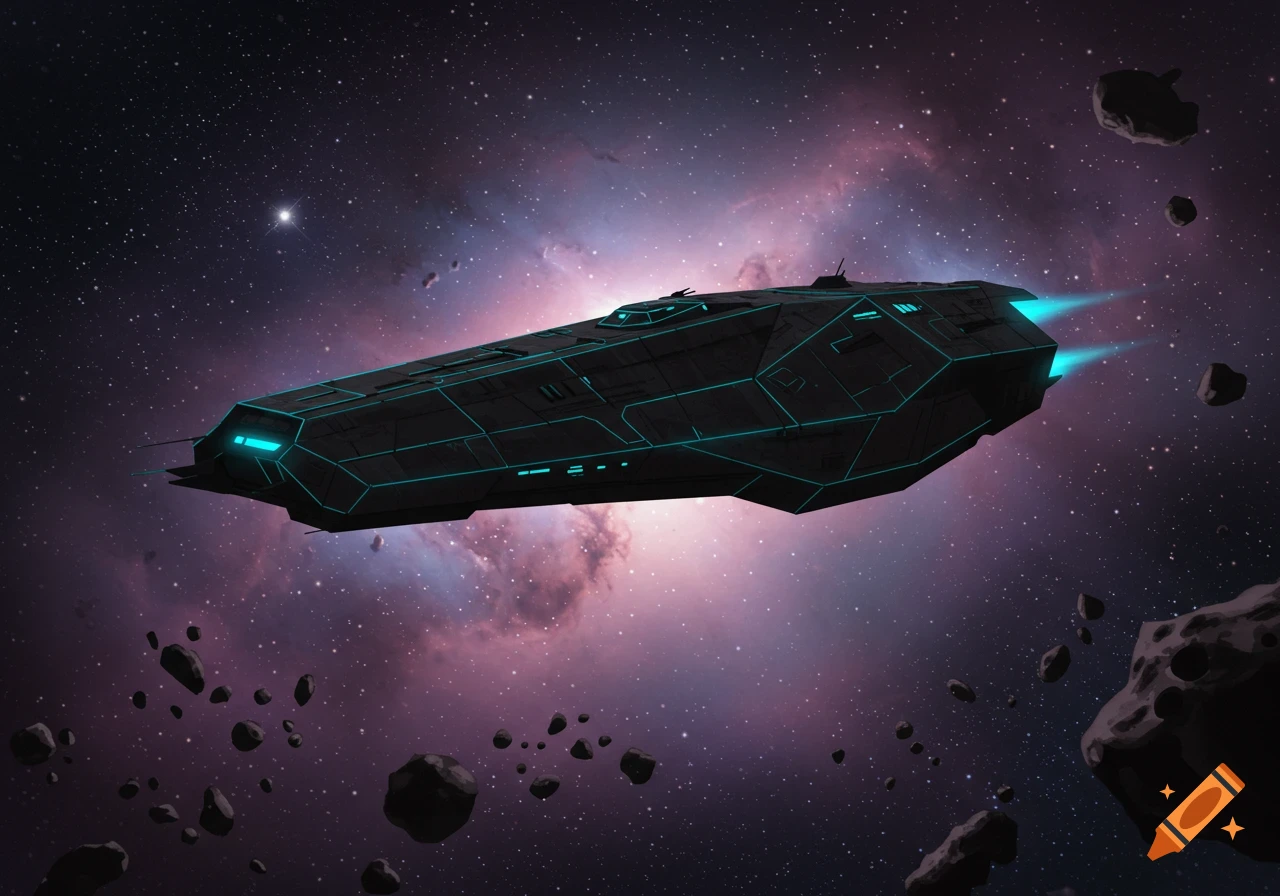
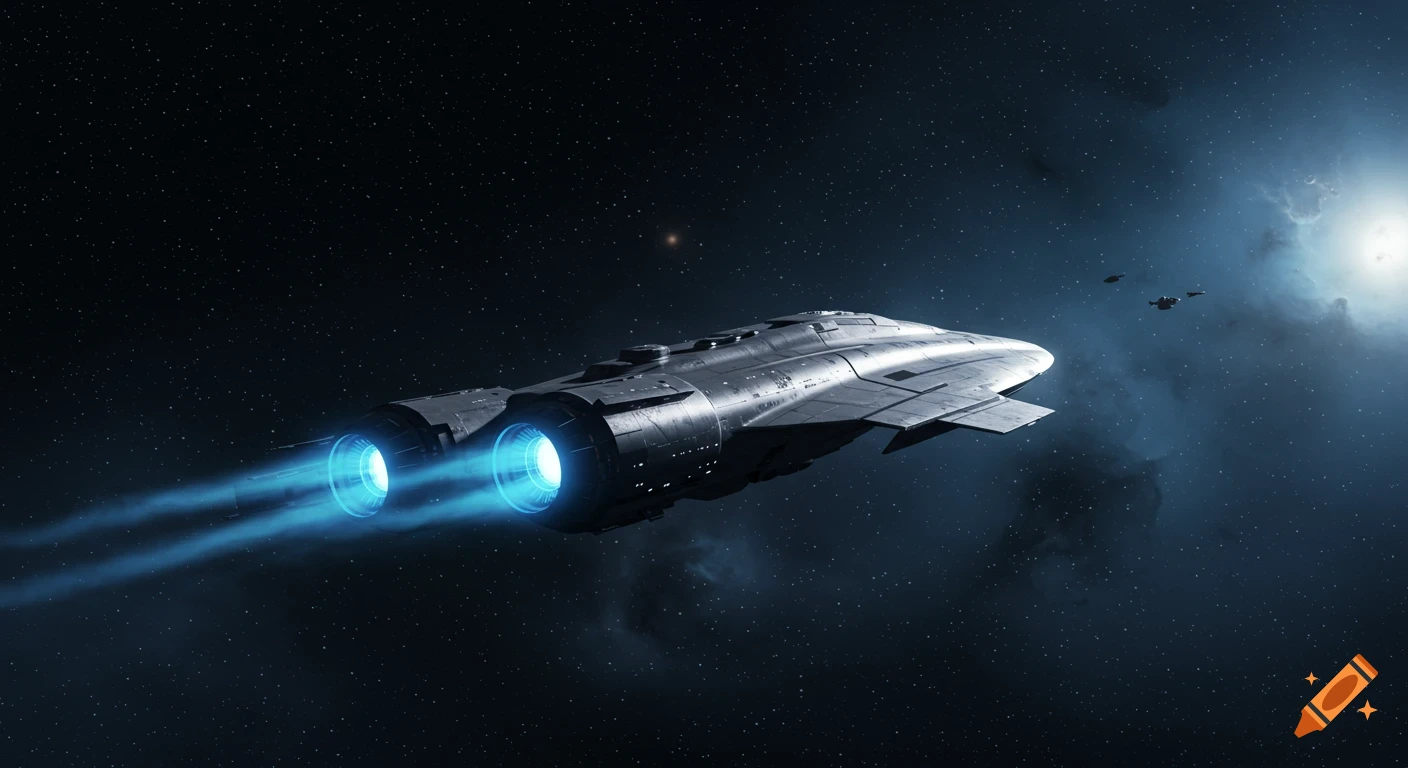
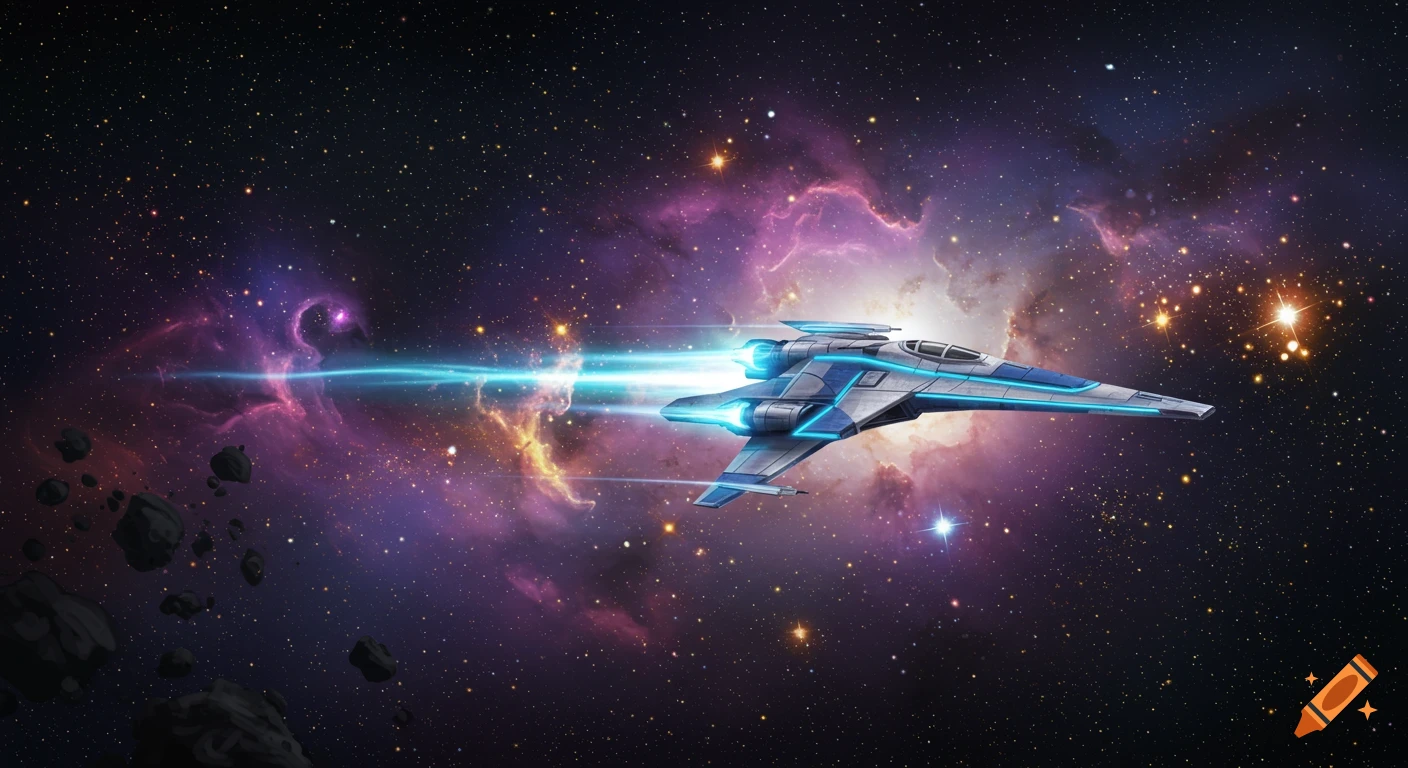
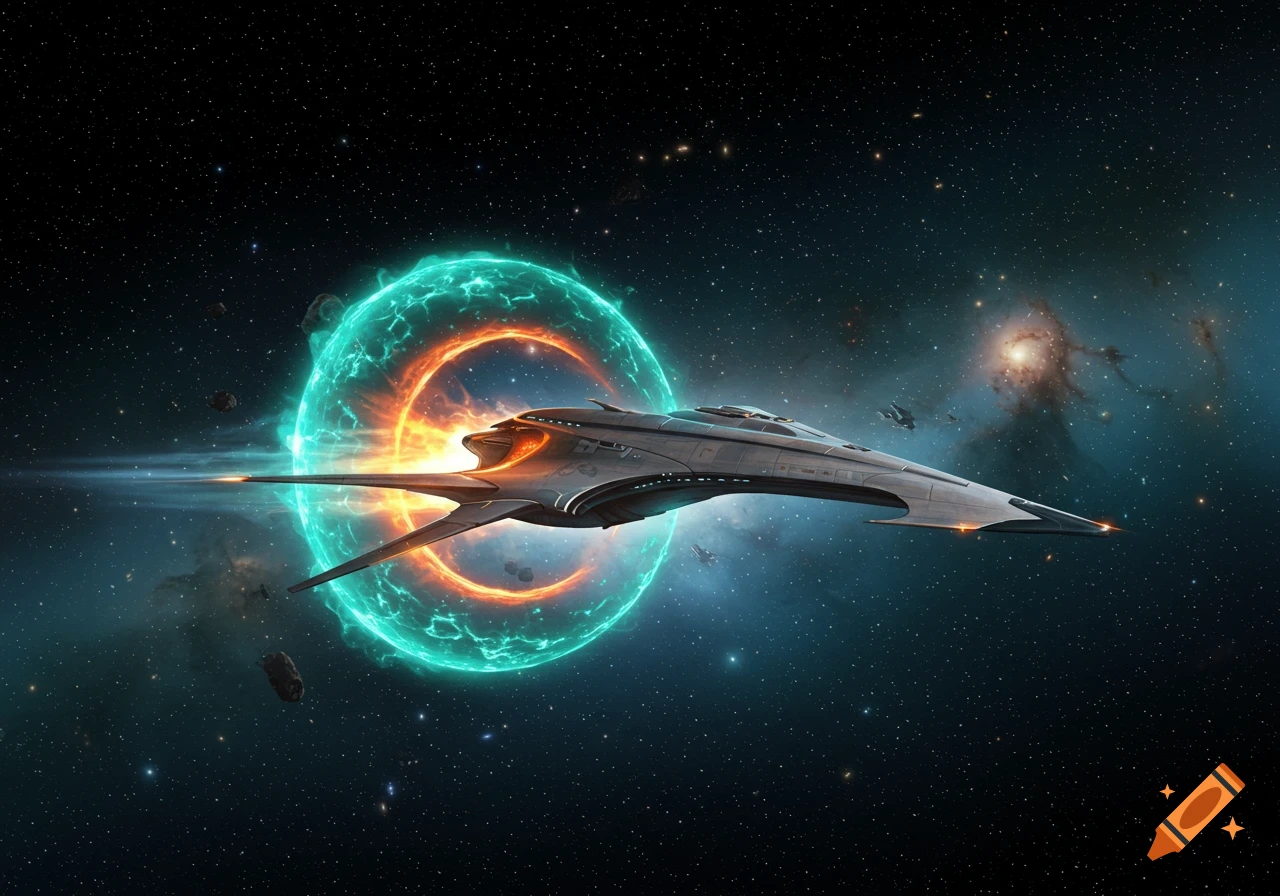
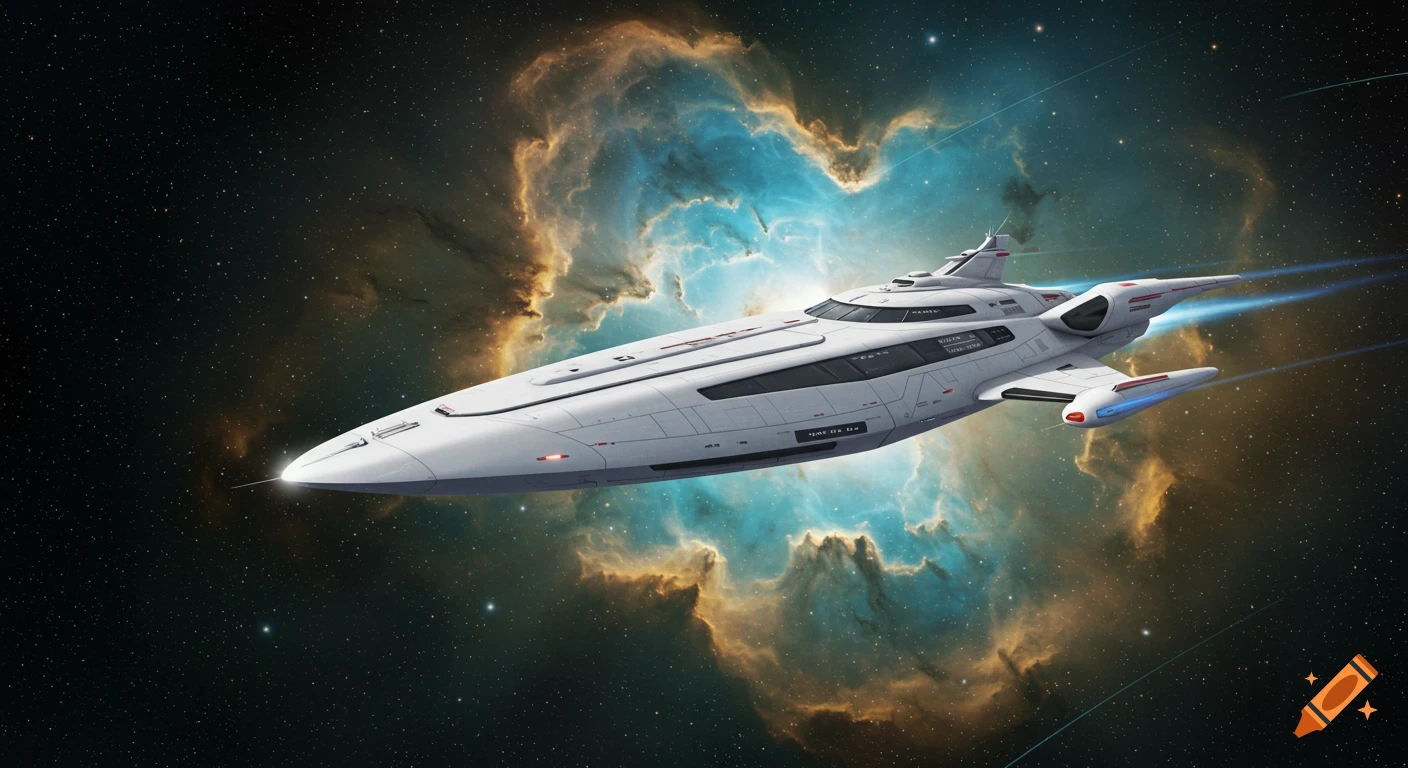
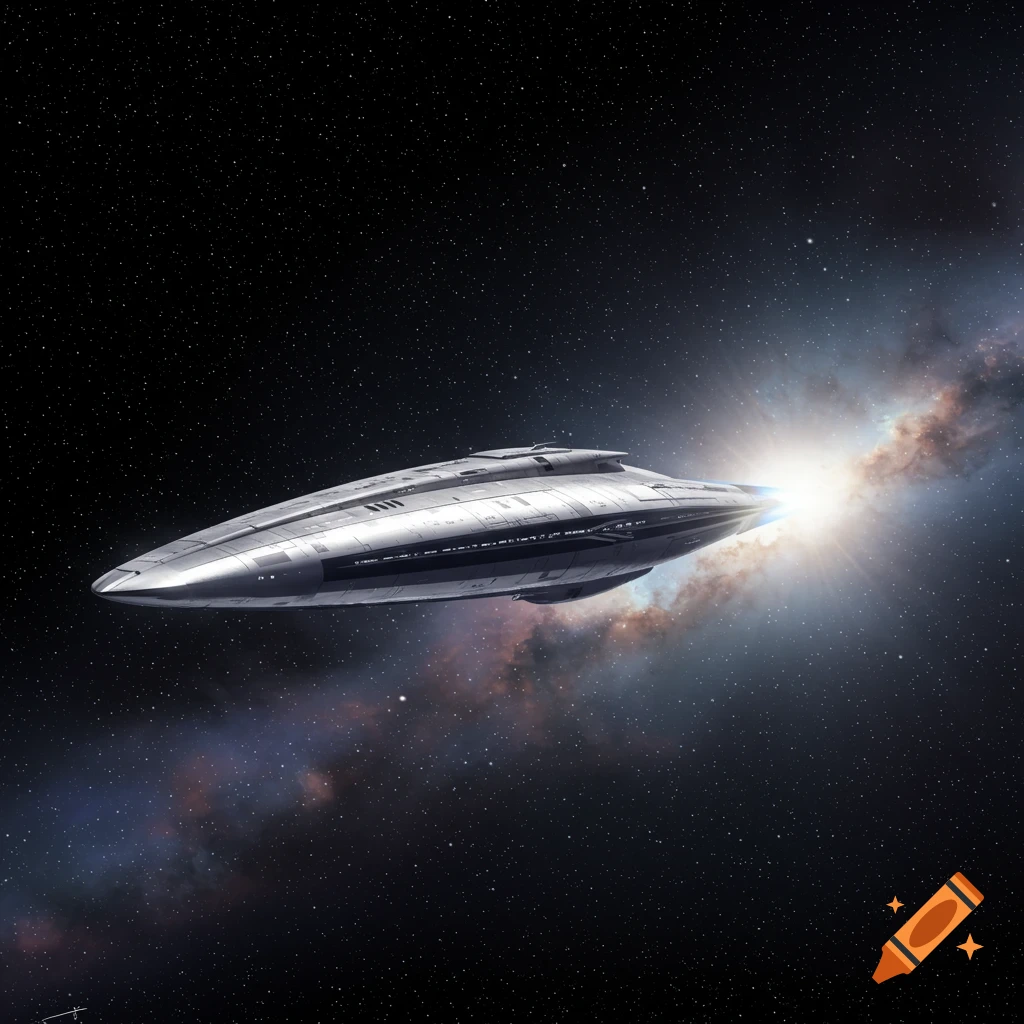
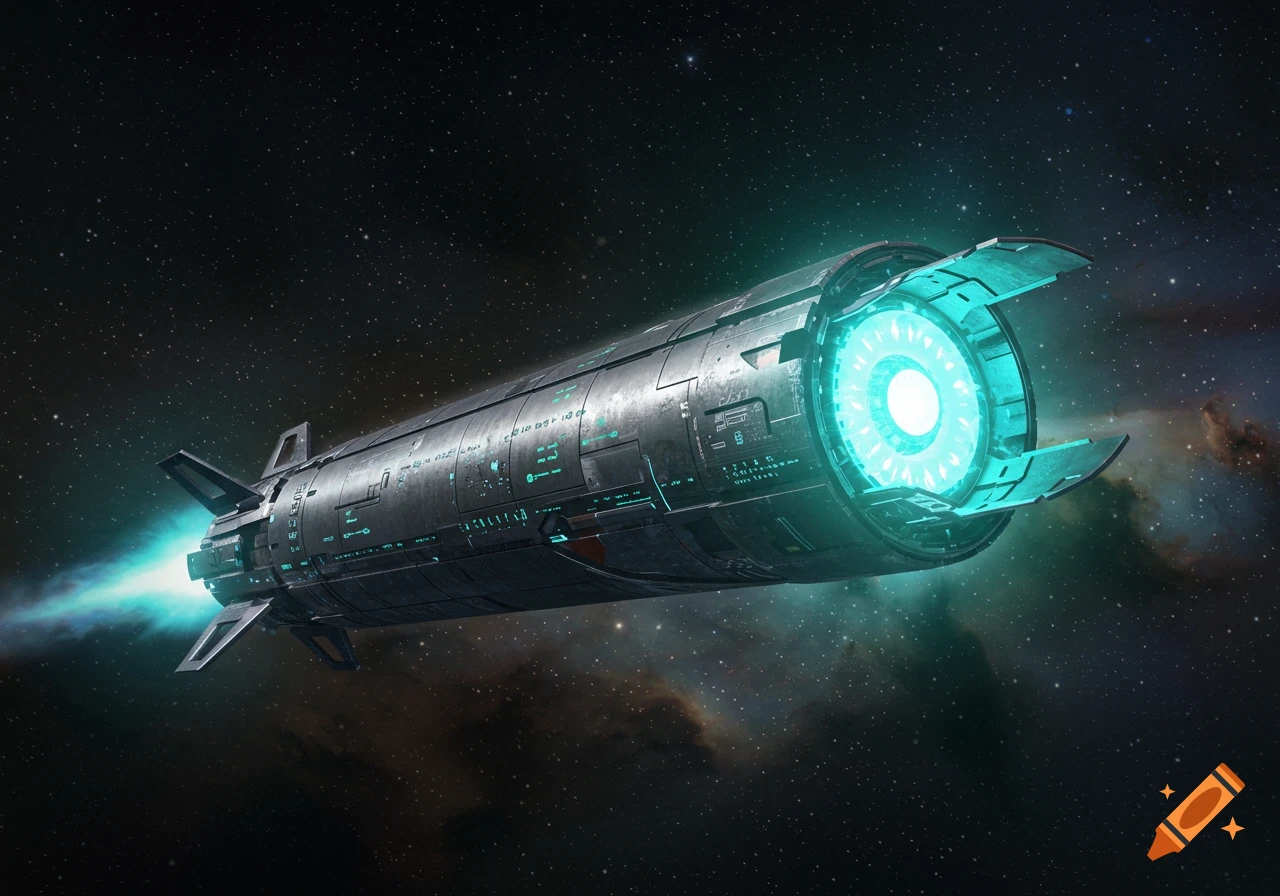
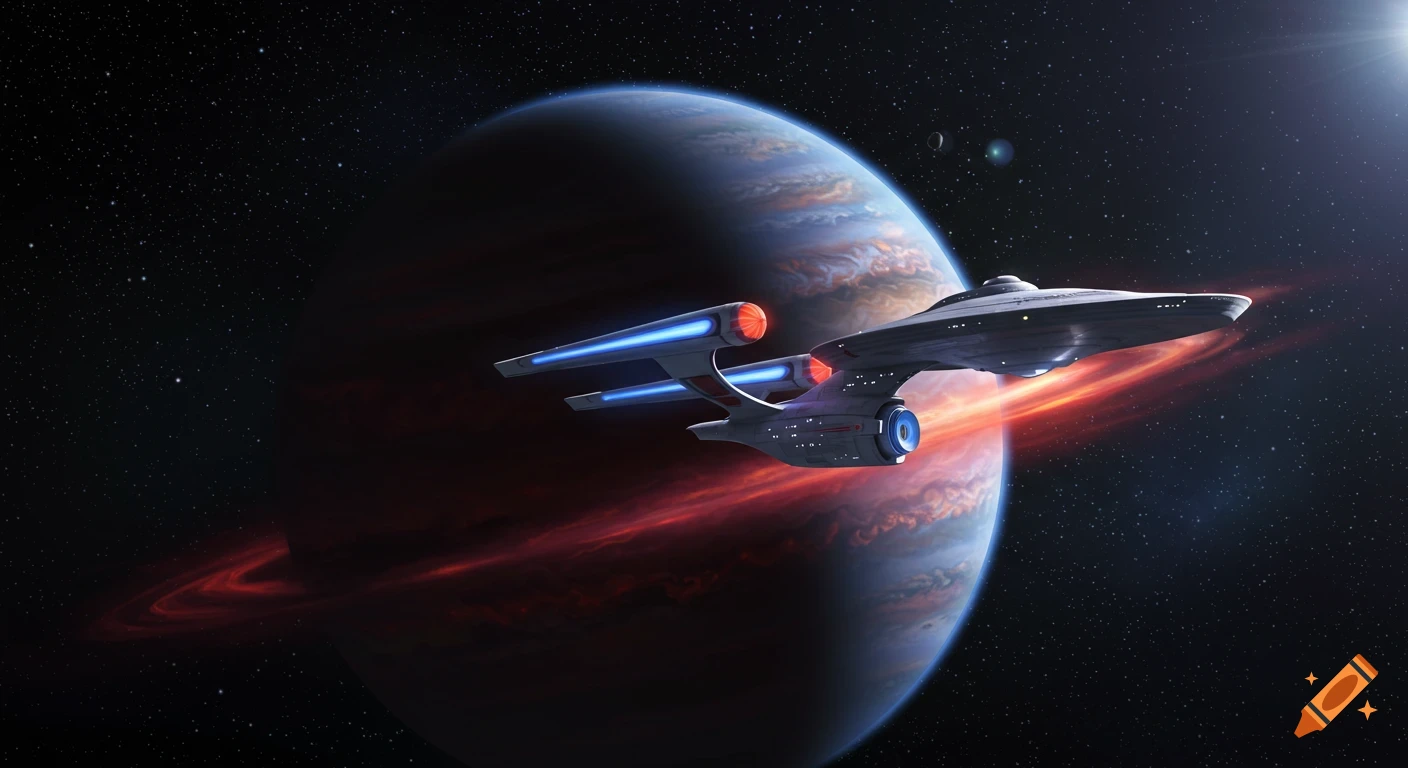
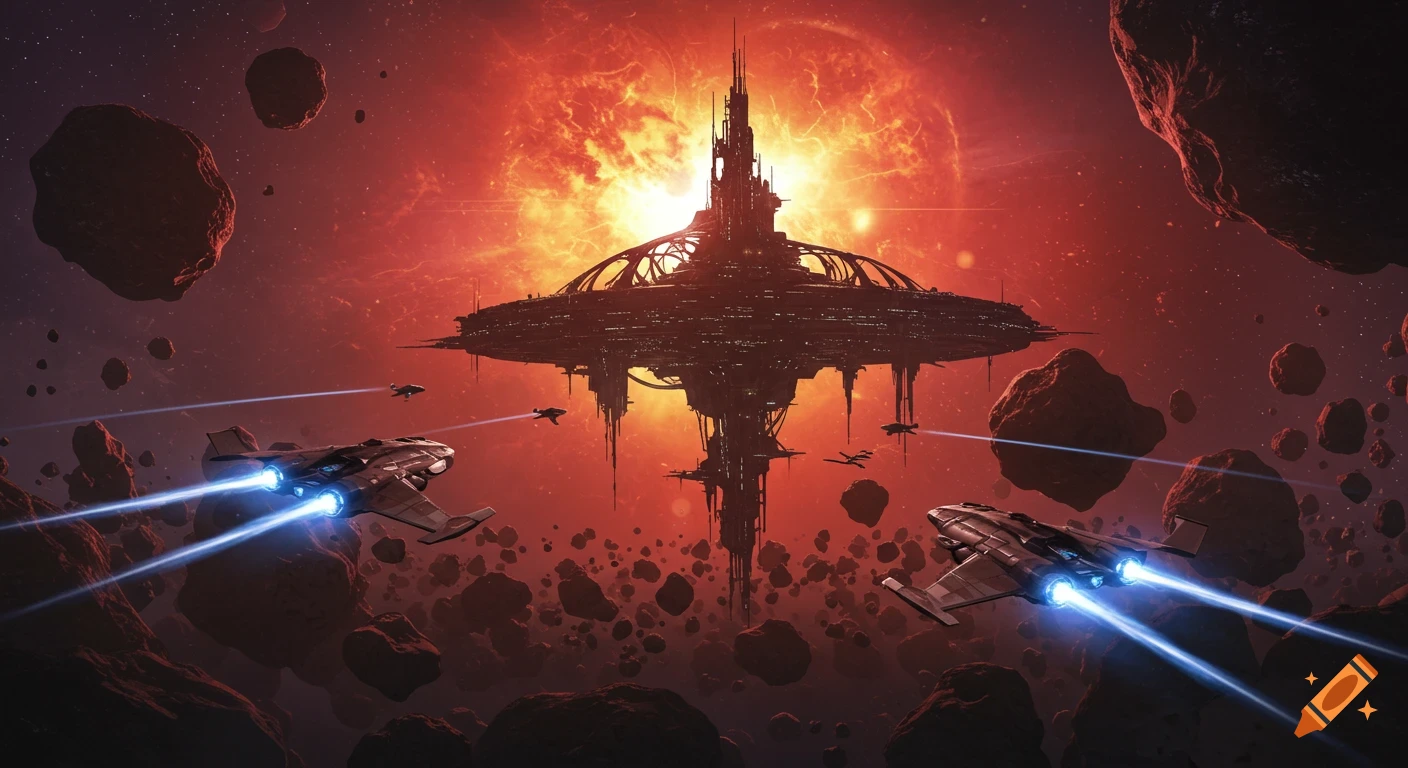
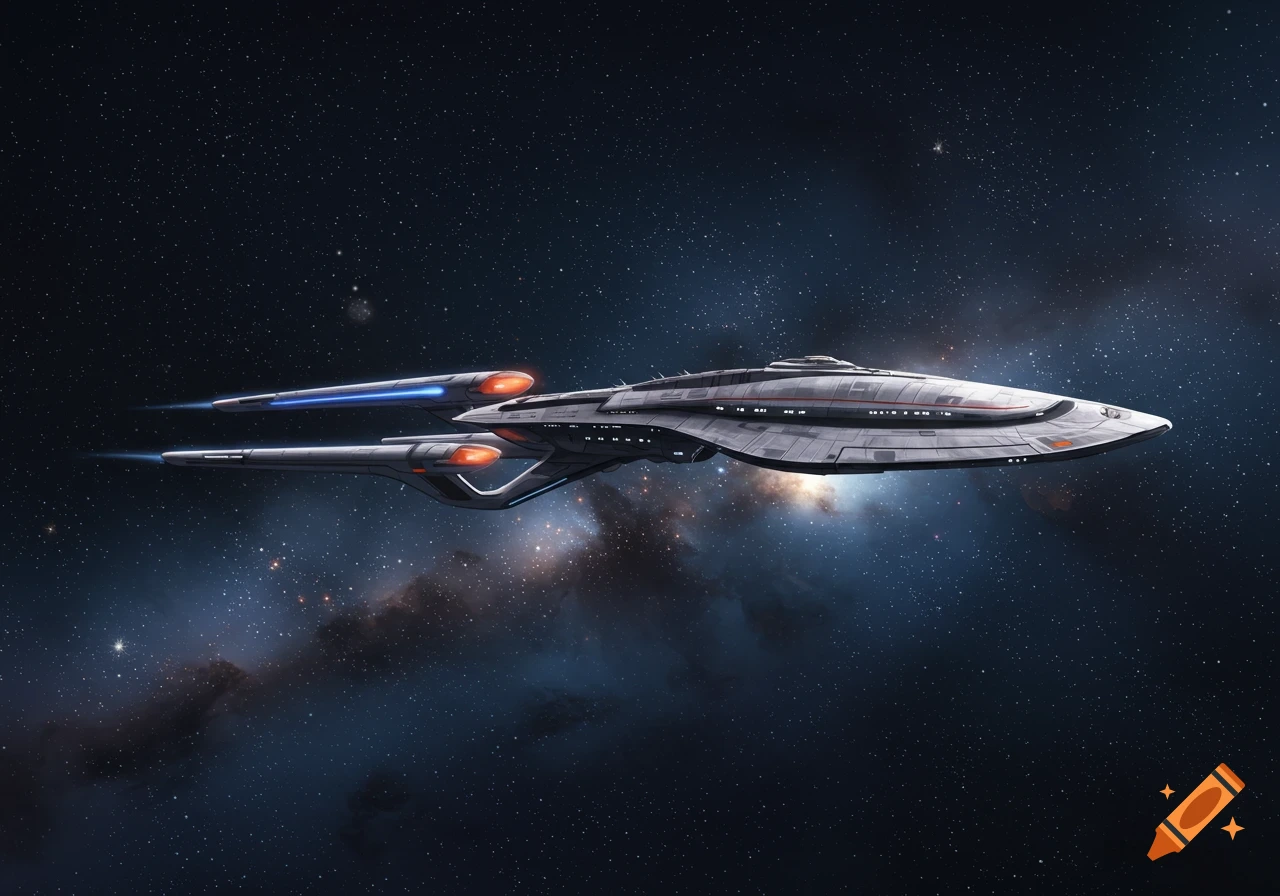
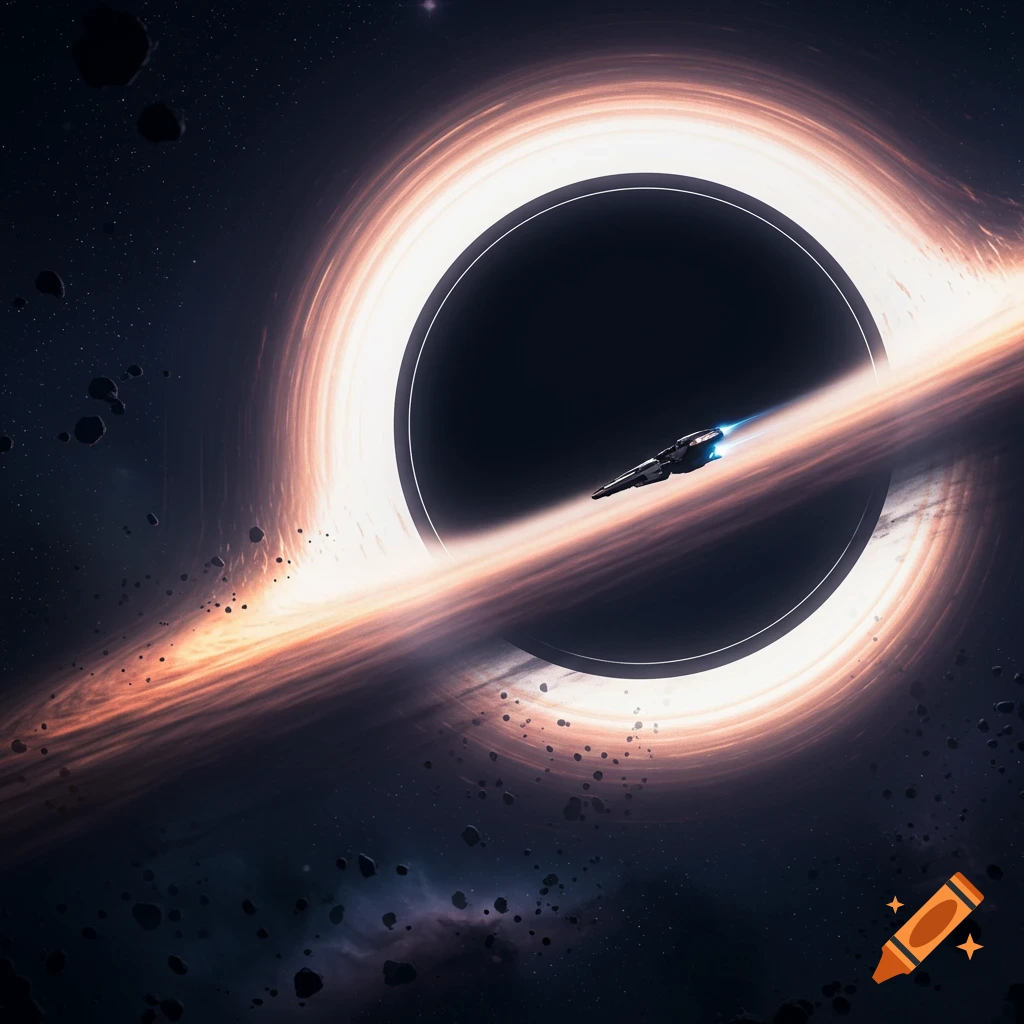
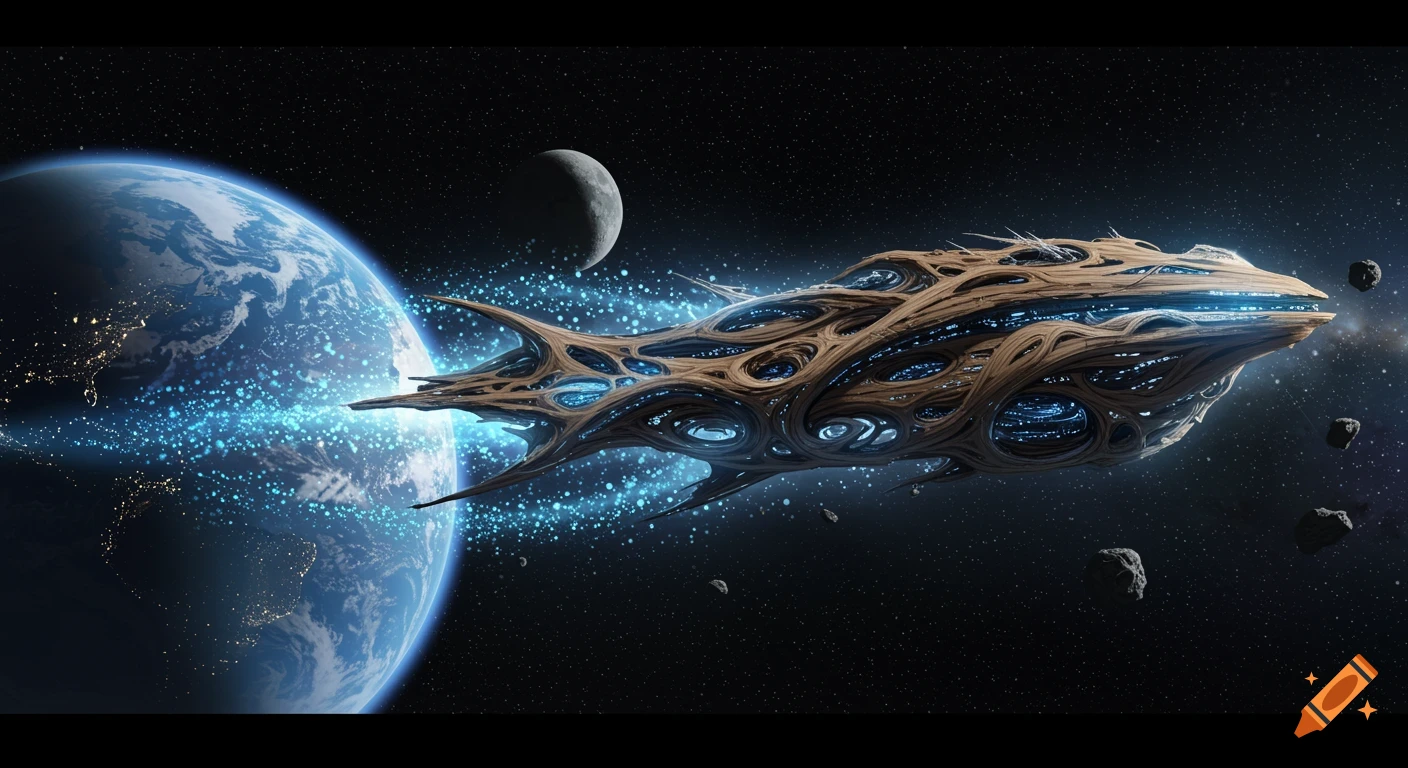
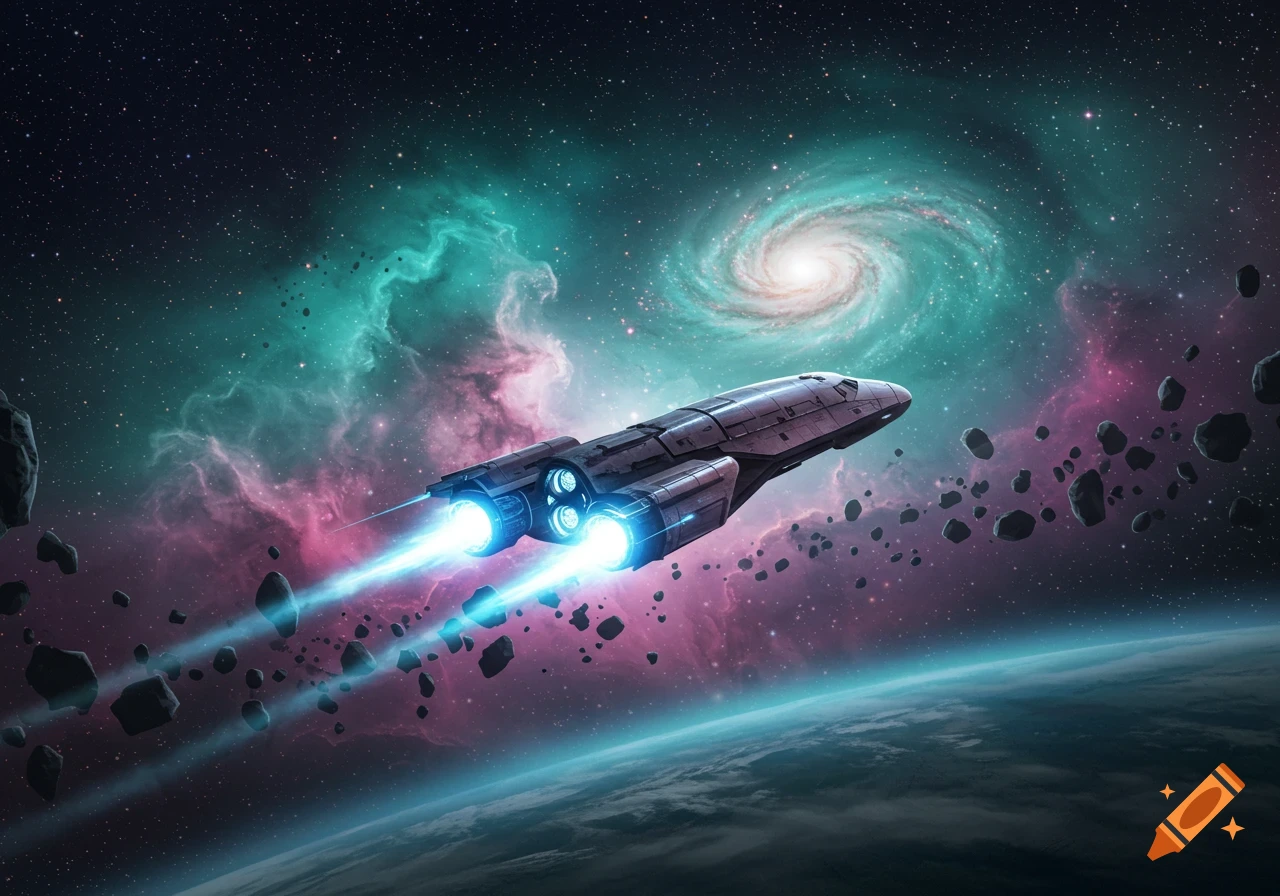
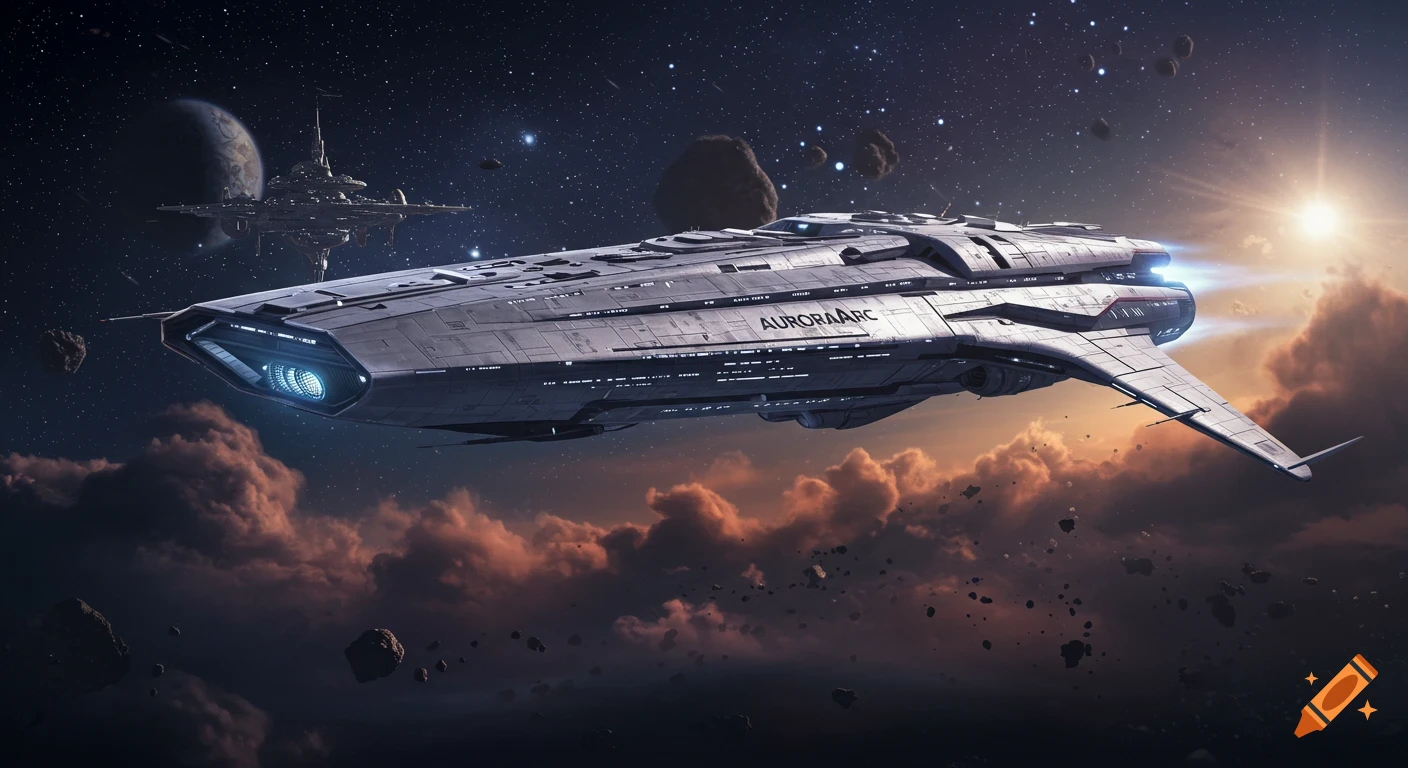
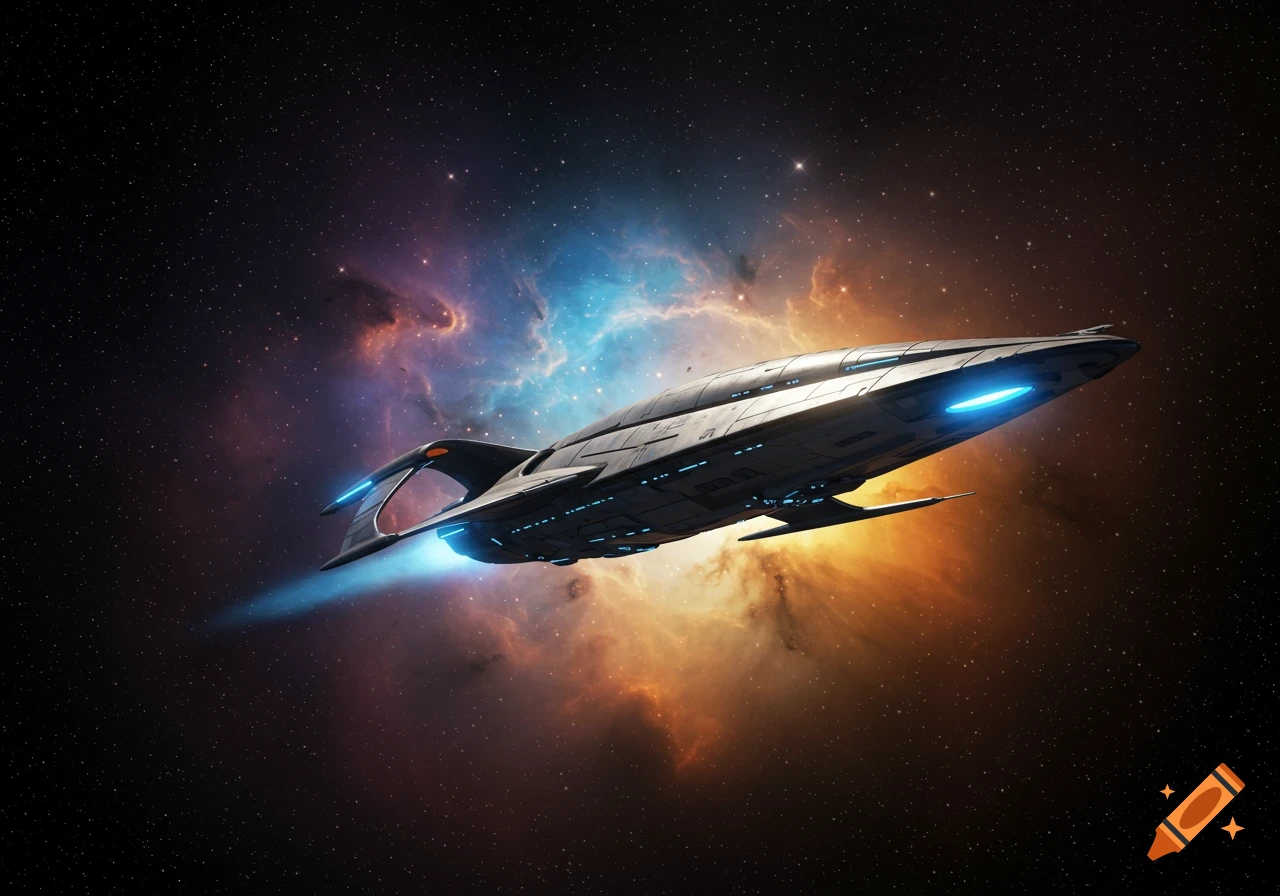
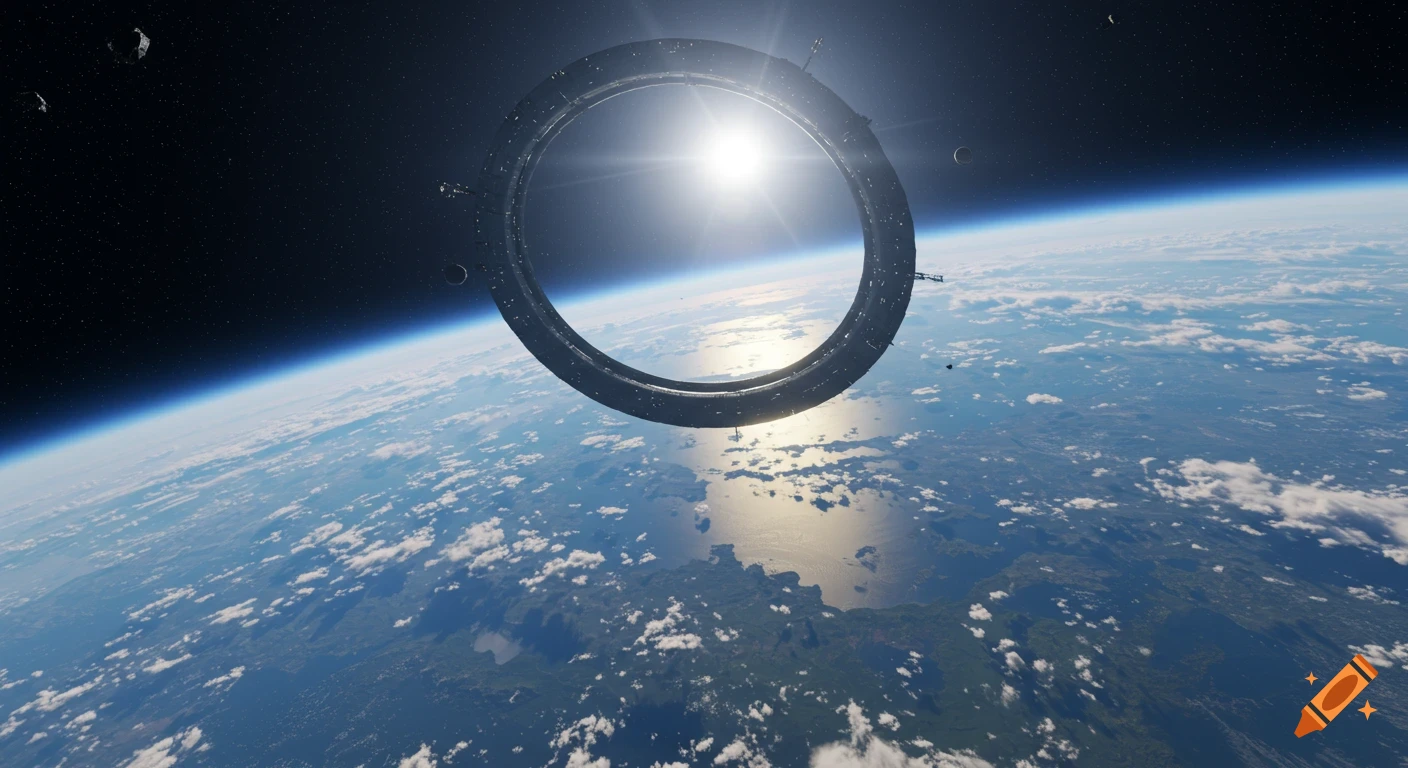
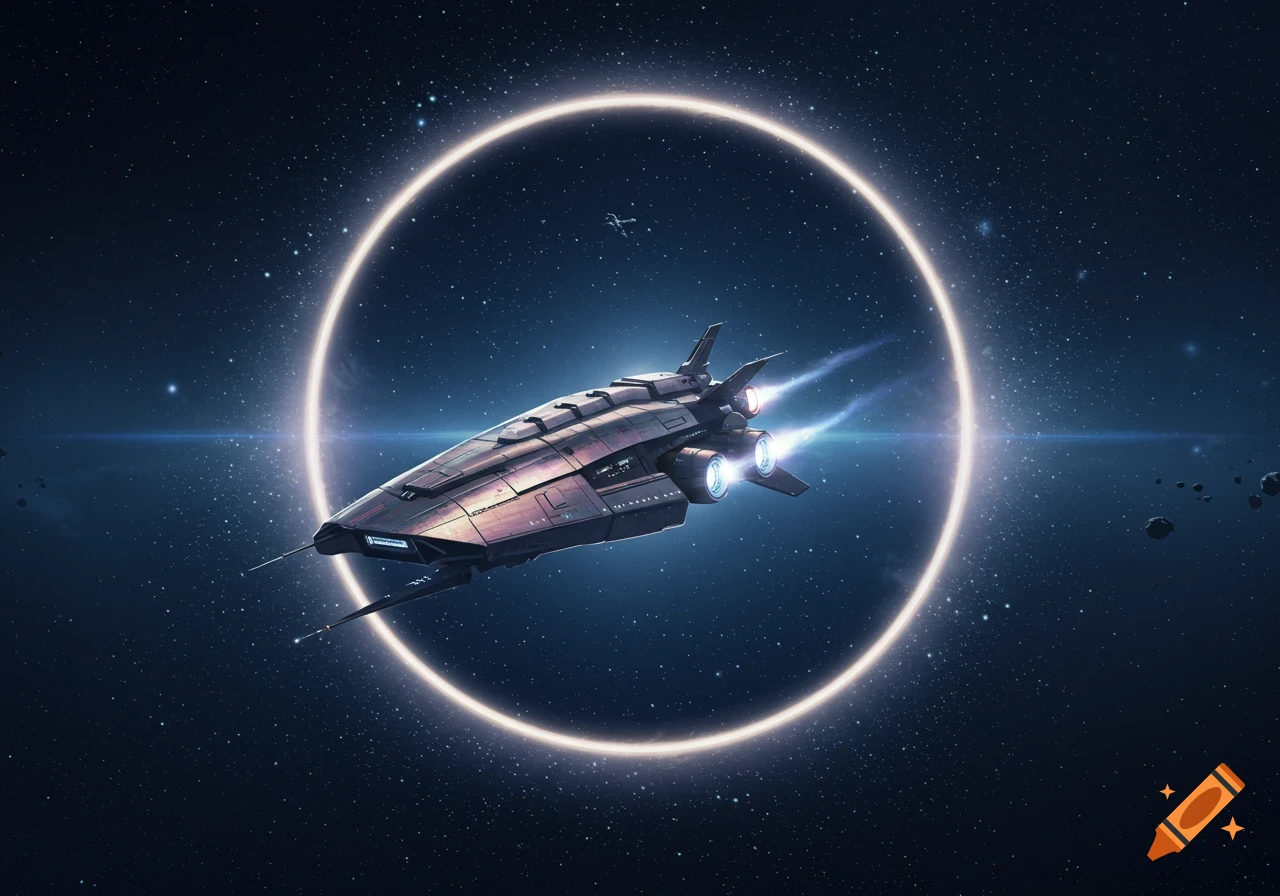
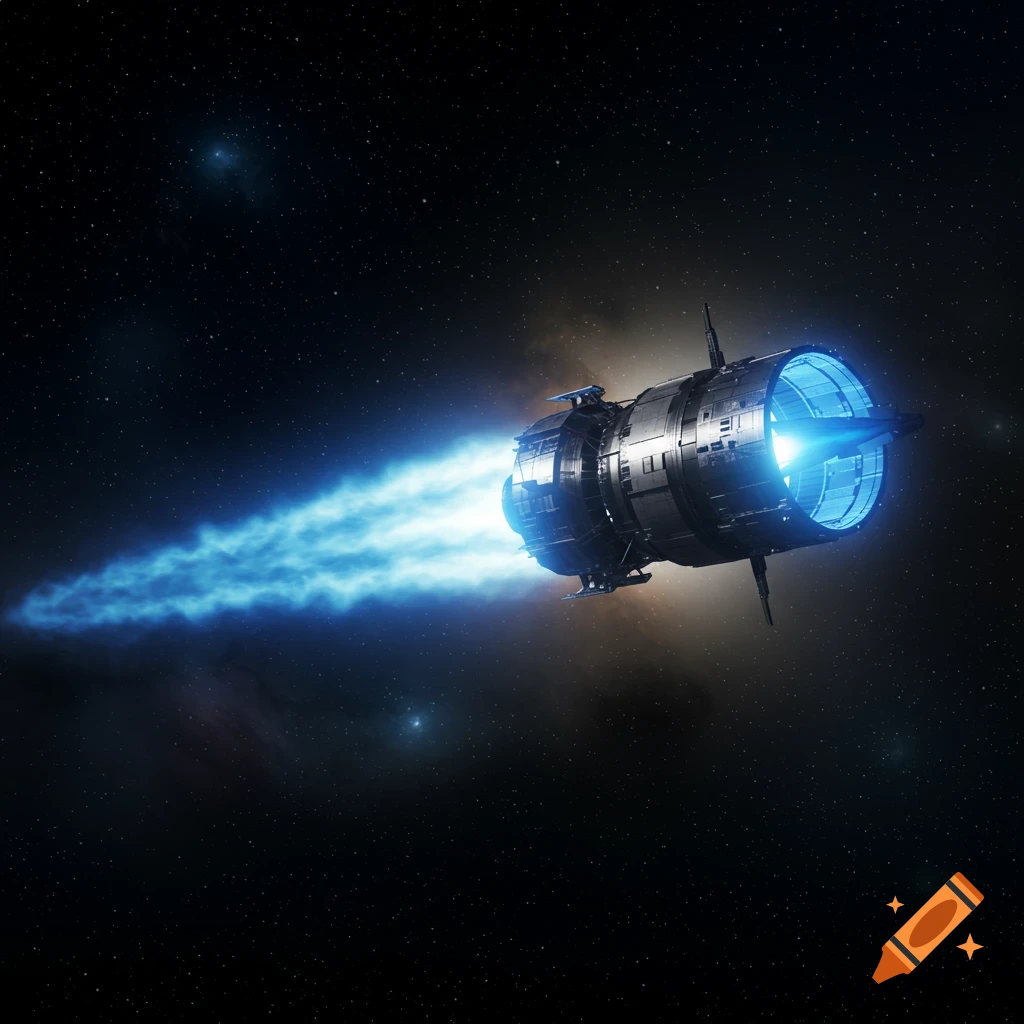
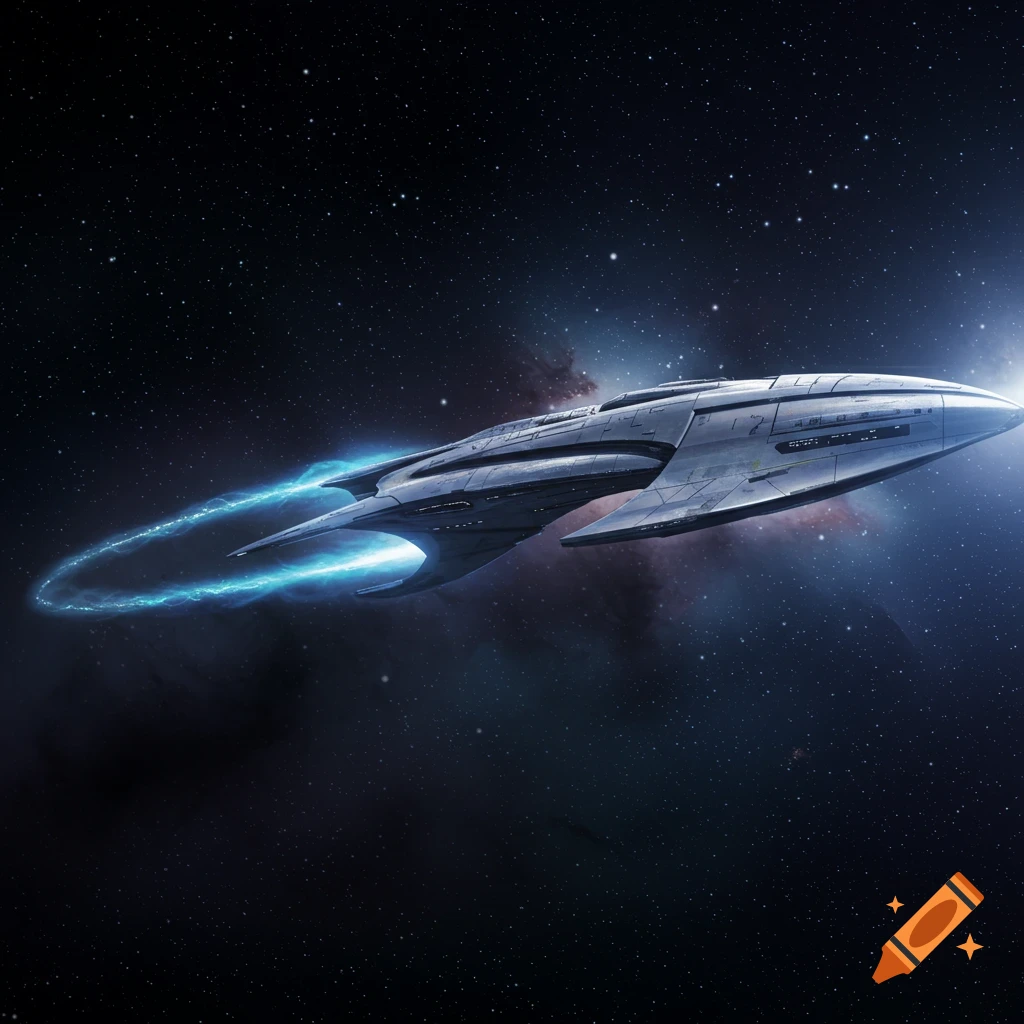
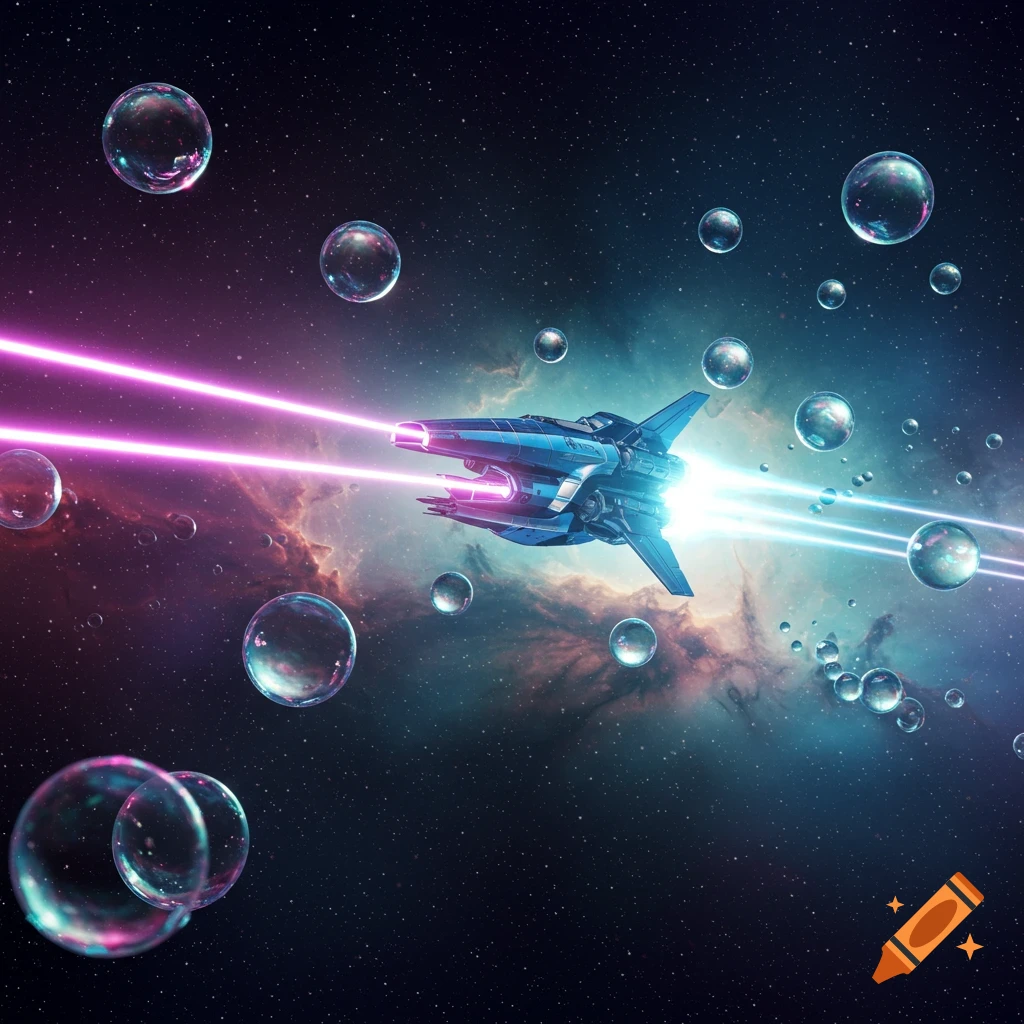
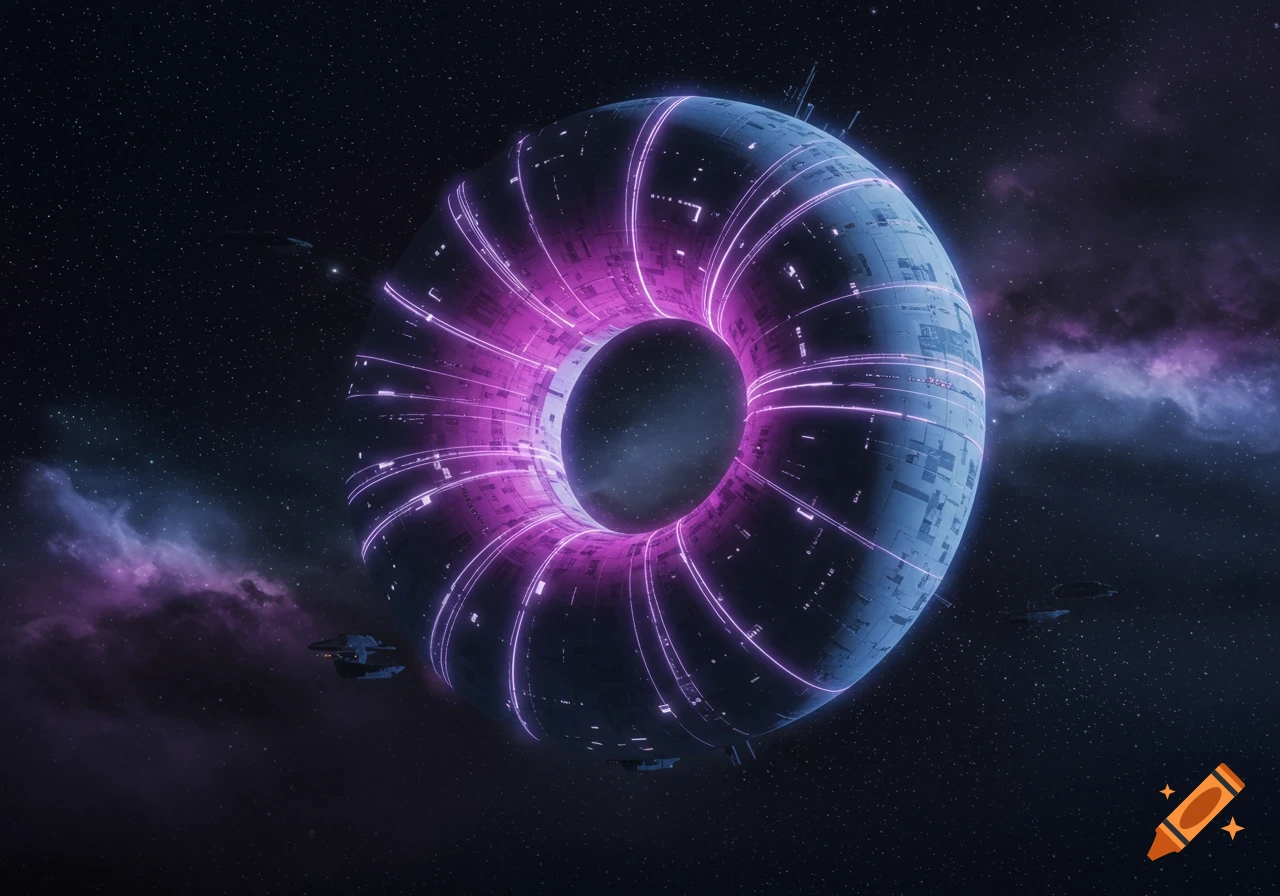
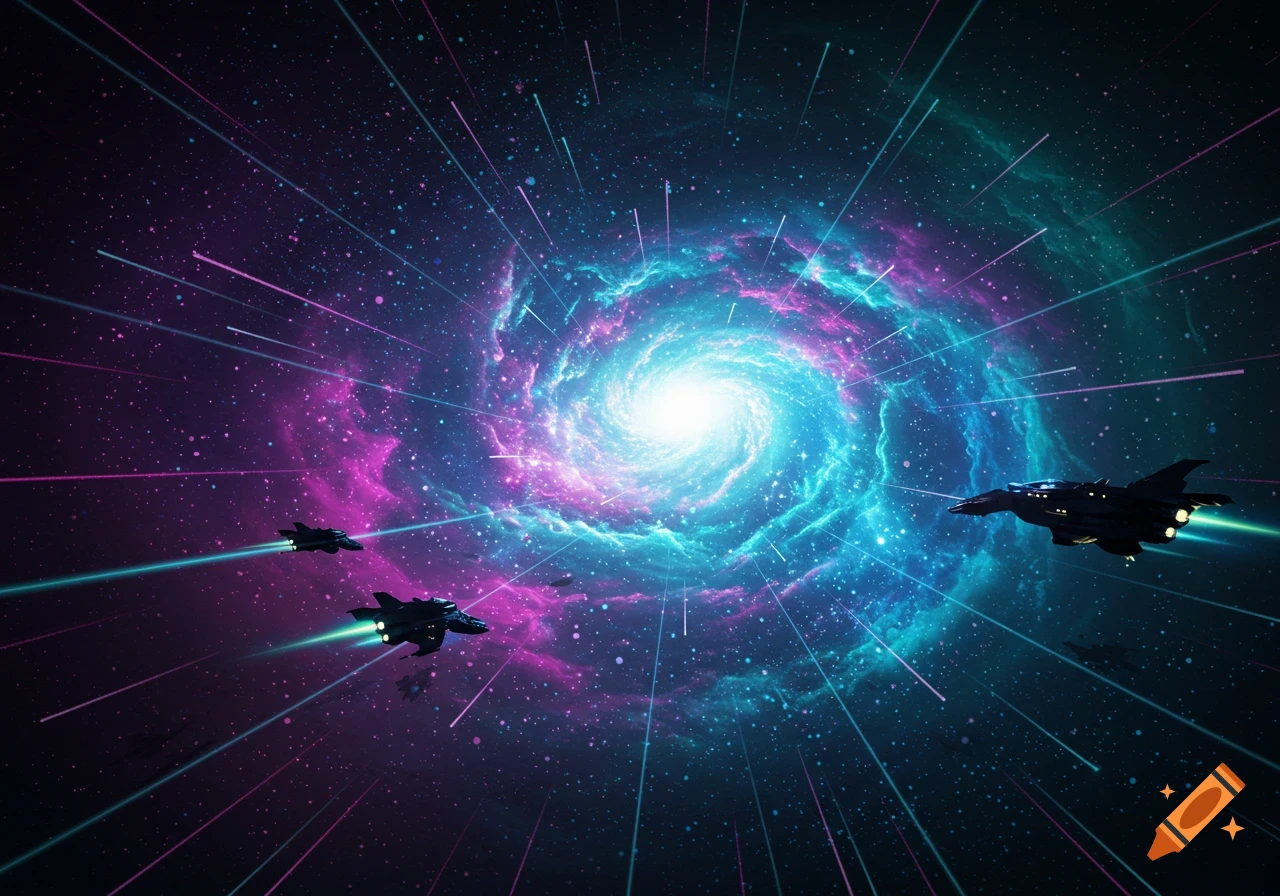
A futuristic spaceship with a sleek design and blue glowing core travels through a shimmering circular warp tunnel in deep space, surrounded by stars and streaking light.
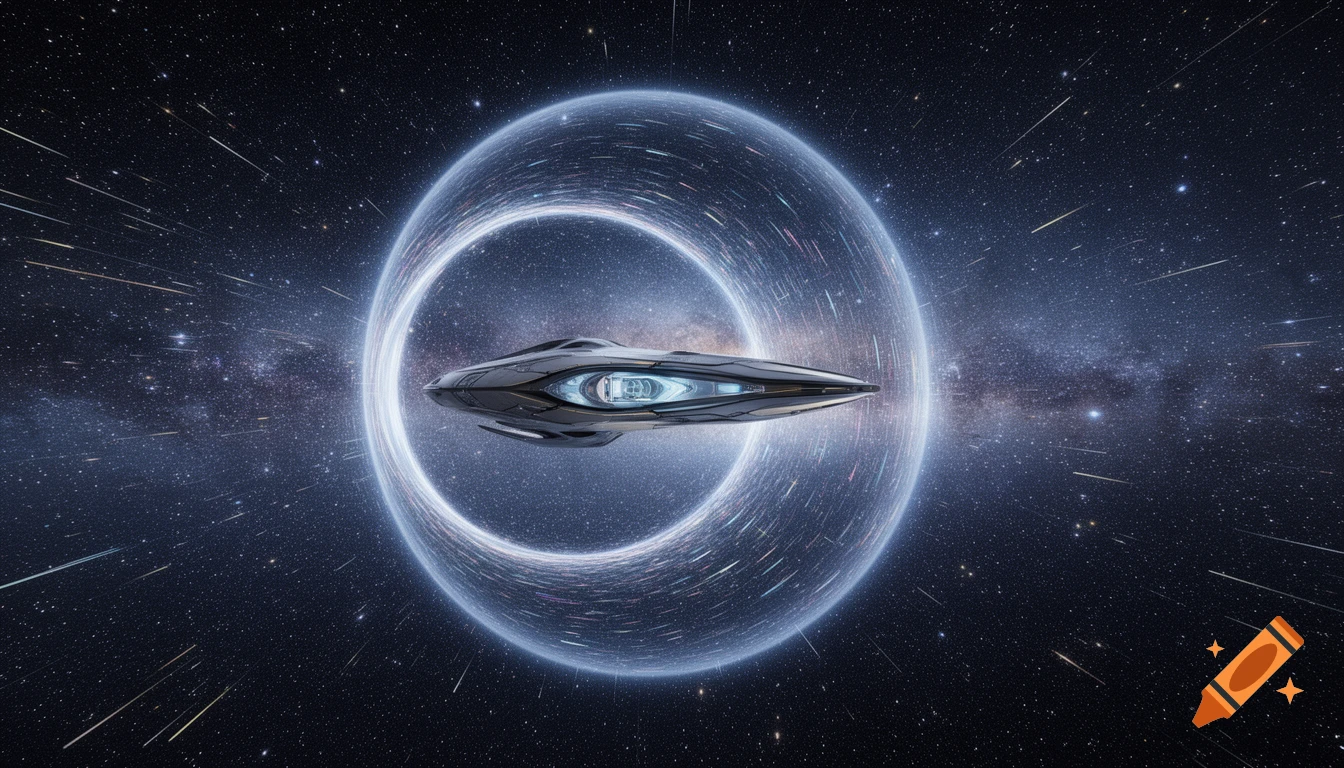
Traveling at one million times the speed of light ($10^6 \ c$) is fundamentally impossible according to Einstein's special relativity, which dictates that objects with mass cannot reach or exceed the speed of light ($c = 299,792,458 \ m/s$) in normal space. However, in theoretical physics, a "viable system" to achieve this requires abandoning direct acceleration and utilizing a,,Alcubierre-style space-time manipulation (Warp Drive), where the ship remains stationary while the space around it moves. 1. Velocity Calculations & "Speed Limits" • Target Velocity: $10^6 \times 299,792.458 \ km/s \approx 299,792,458,000 \ km/s$ (roughly 1 billion times the distance to the sun in one second). • The "Speed Limit": The speed of light $c$ is the absolute speed limit in normal space. • Relativistic Mass: As speed approaches $c$, energy required approaches infinity. • FTL Mechanics: To hit $10^6 c$, the system must produce a spacetime expansion rate behind the ship 1 million times faster than the speed of light. 2. Viable System: Optimized Alcubierre Drive Instead of conventional propulsion, the system uses a Metric Engineering Drive (a modified Alcubierre drive). • Mechanism: Contracts space in front of the ship and expands it behind, riding a "wave" of space-time. • Ship State: The ship sits inside a "warp bubble" of flat, un-warped space-time, experiencing no time dilation or acceleration forces. • The "Reverse Calculation" - Energy Requirements: Initial estimates requiring Mehr sehen
More images like this