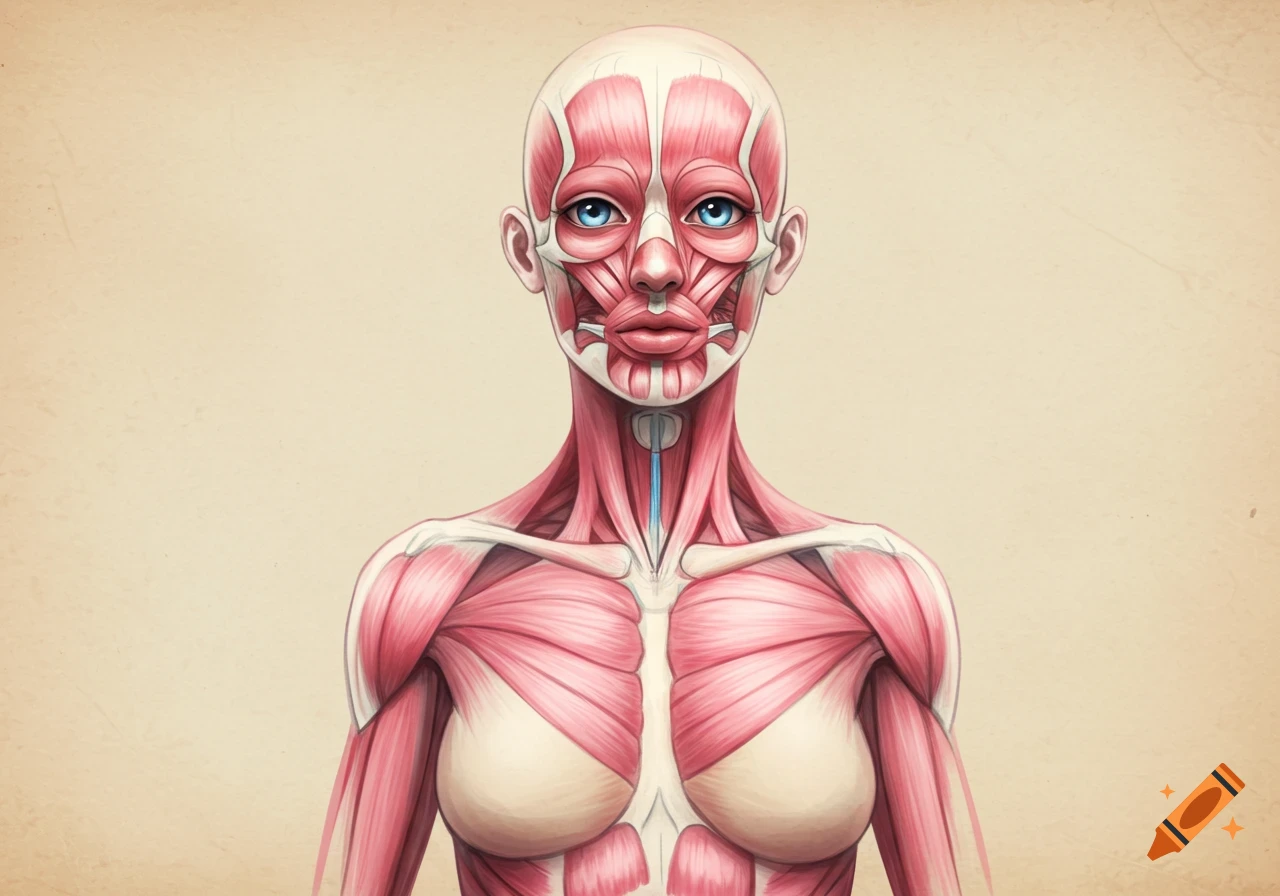
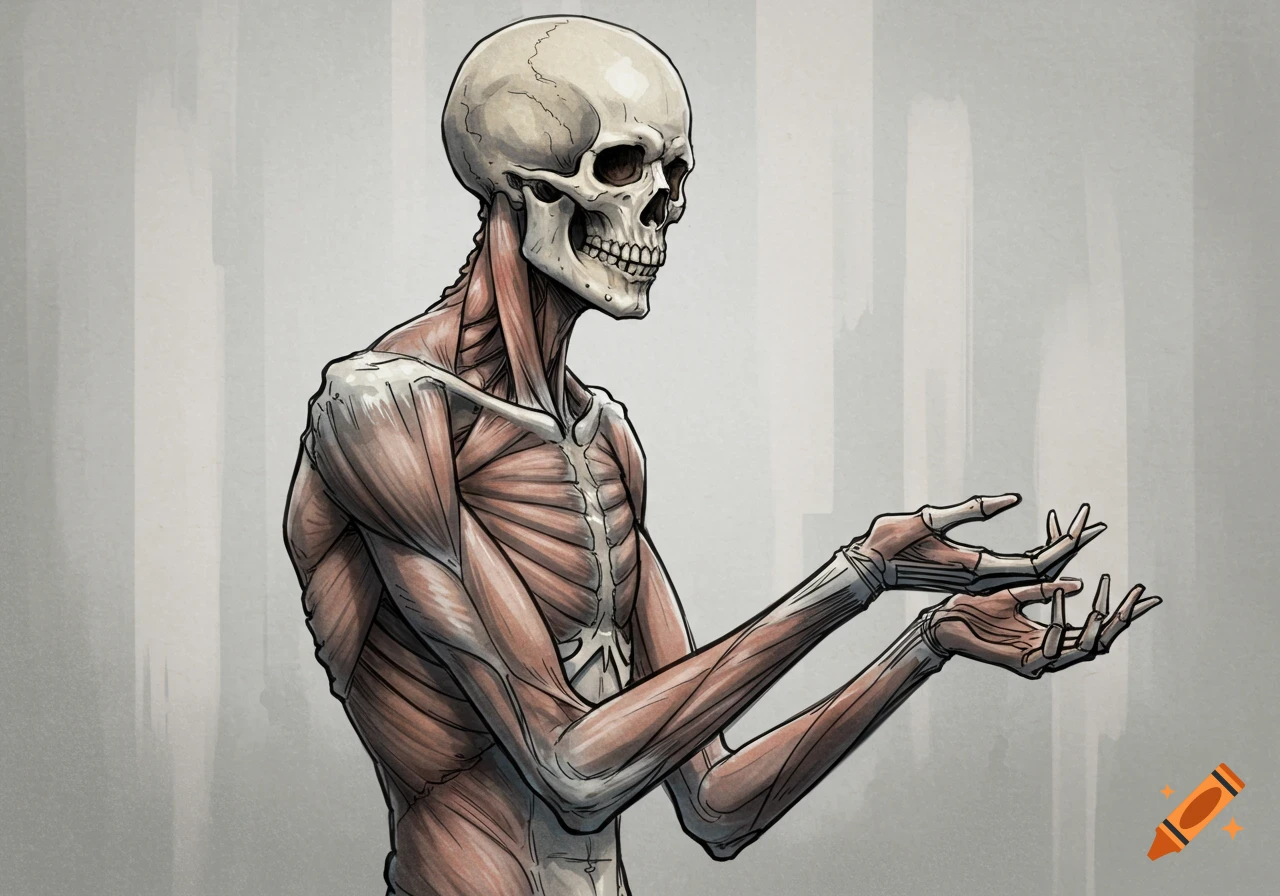
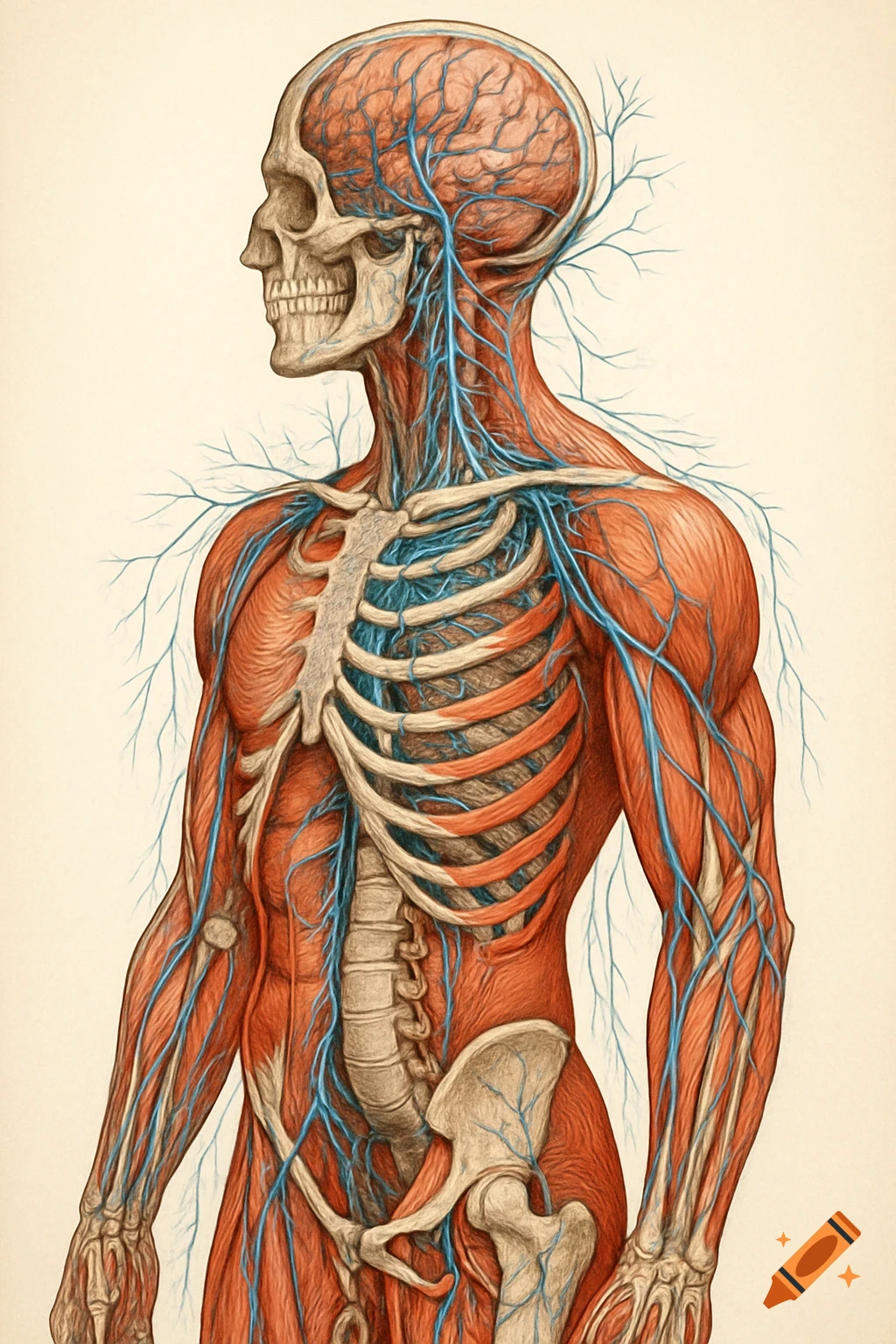
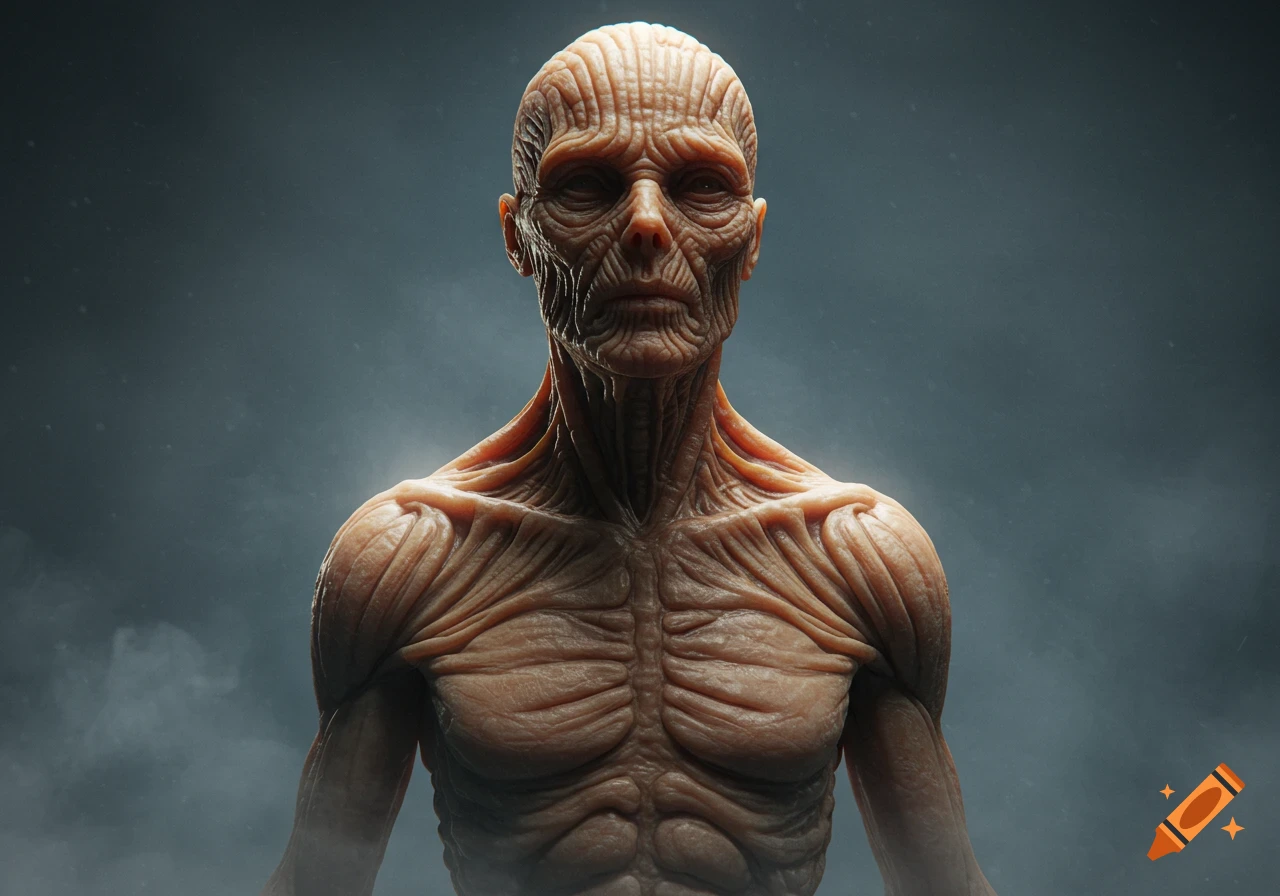
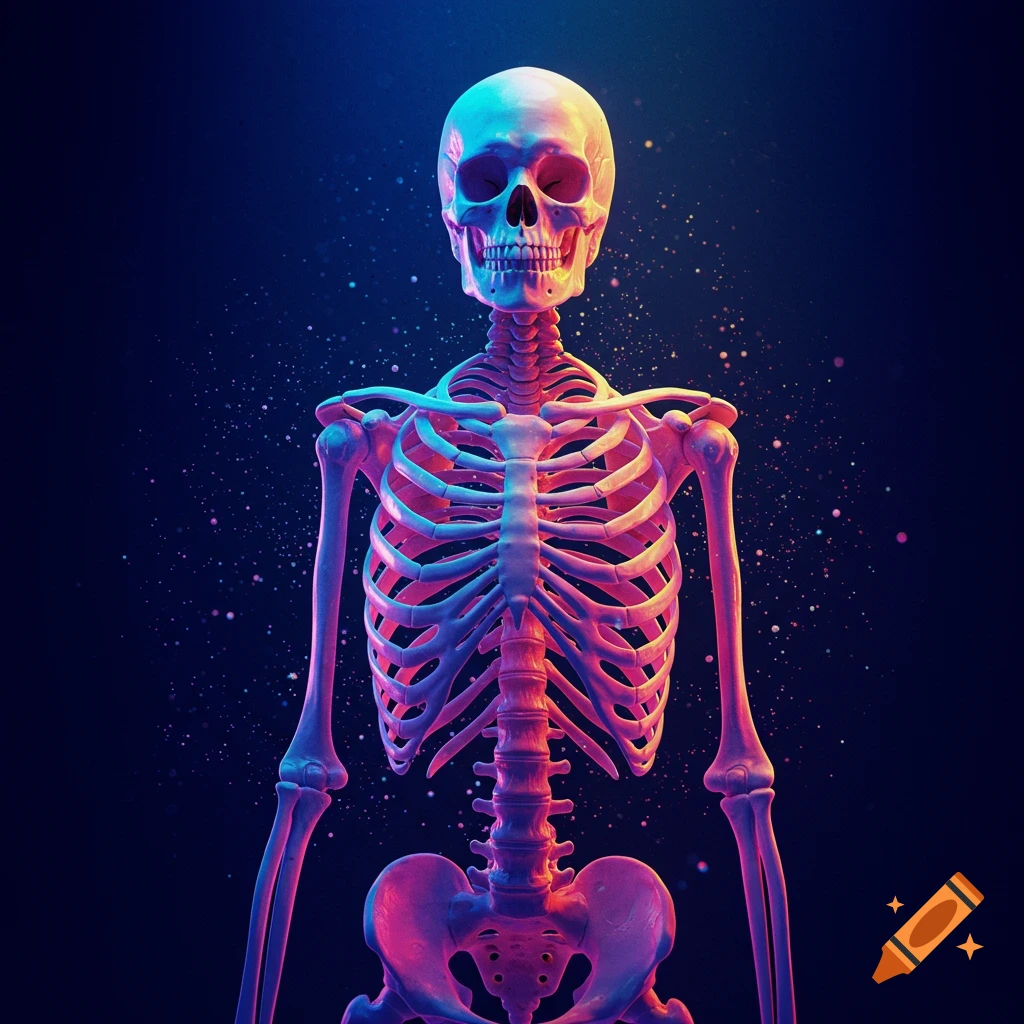
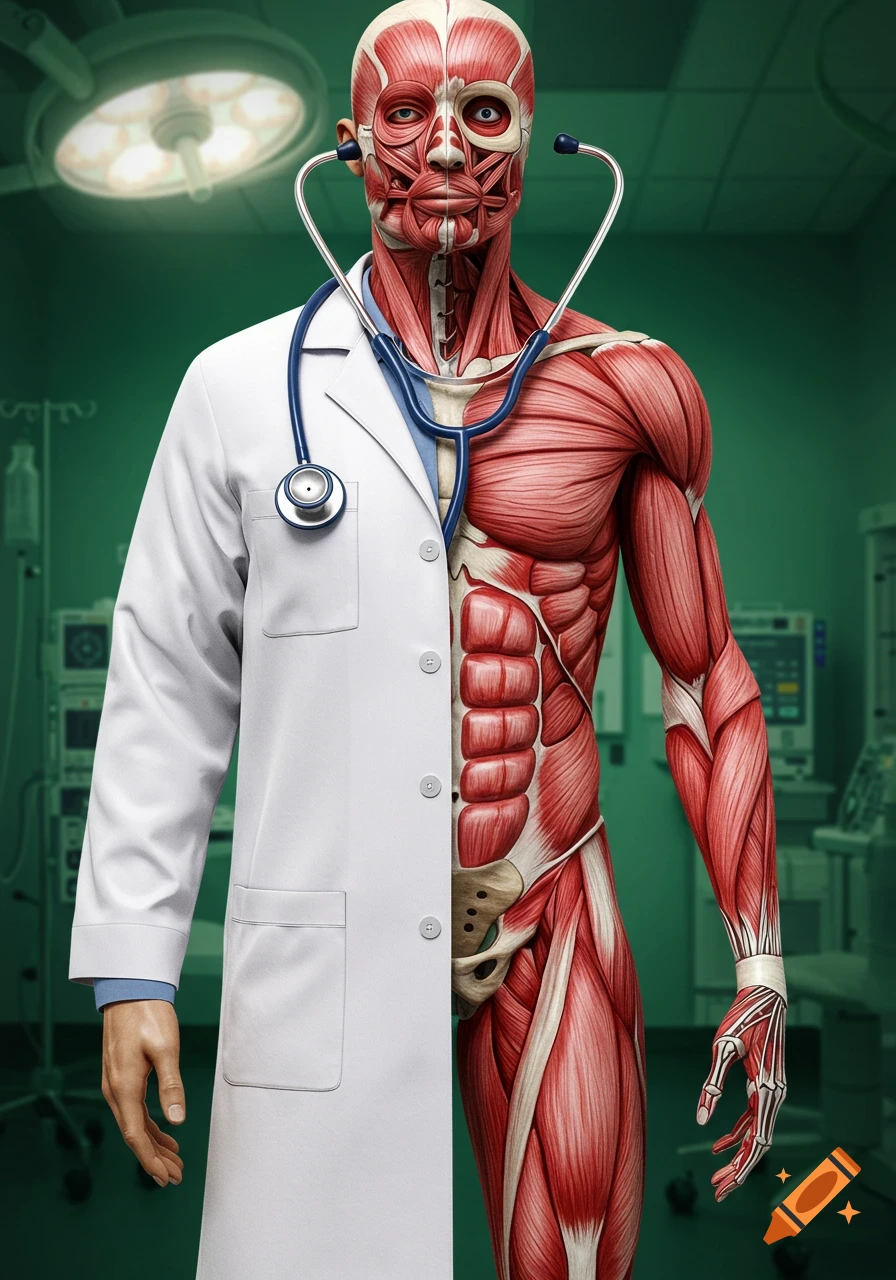
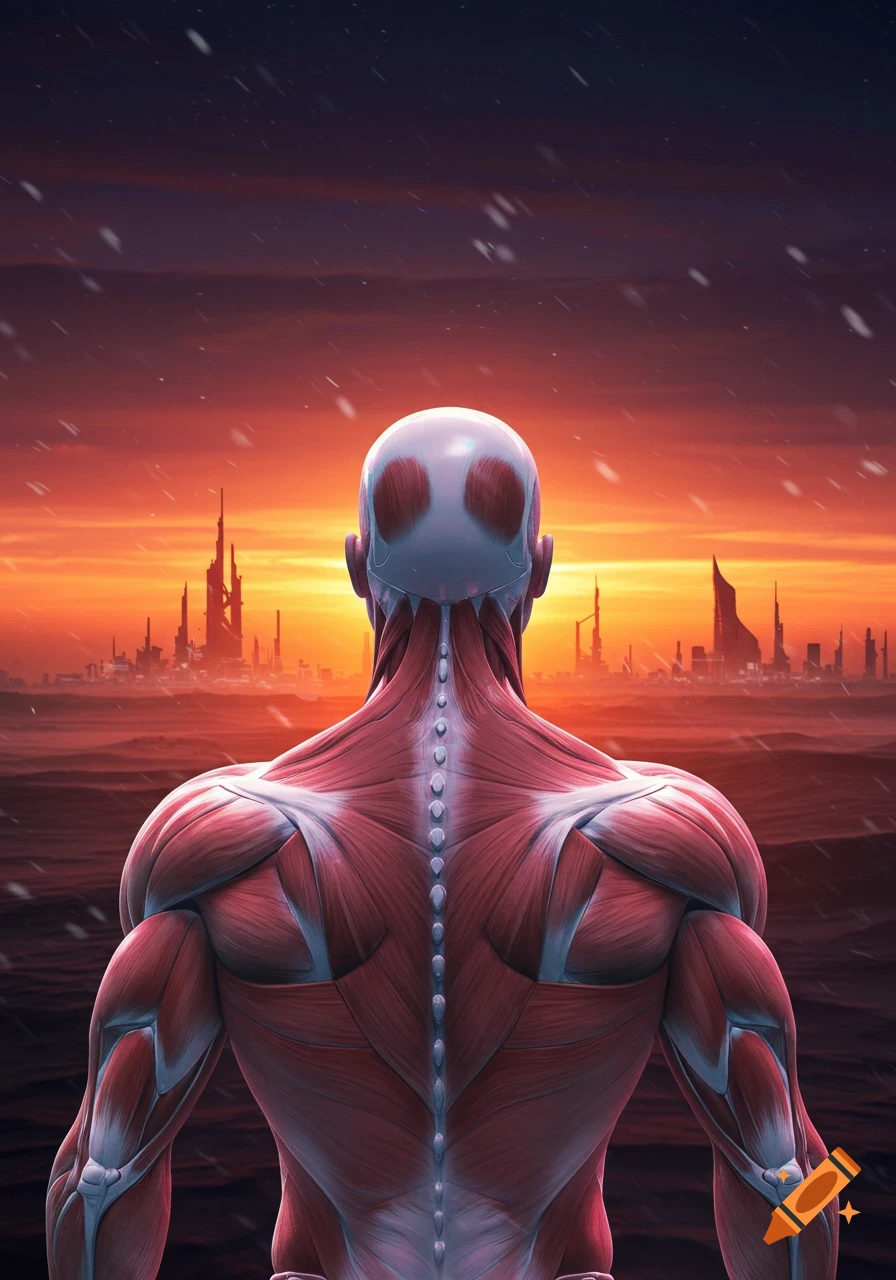
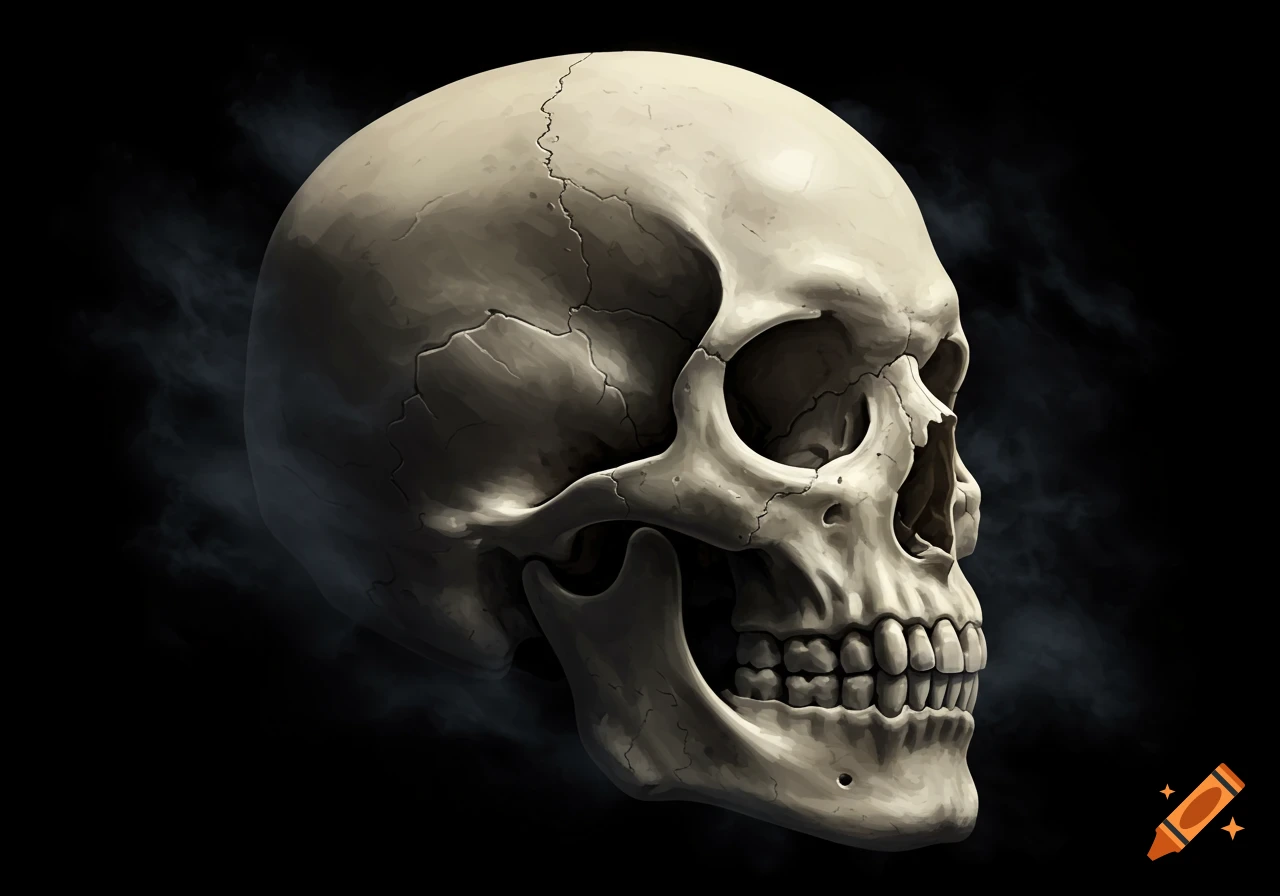
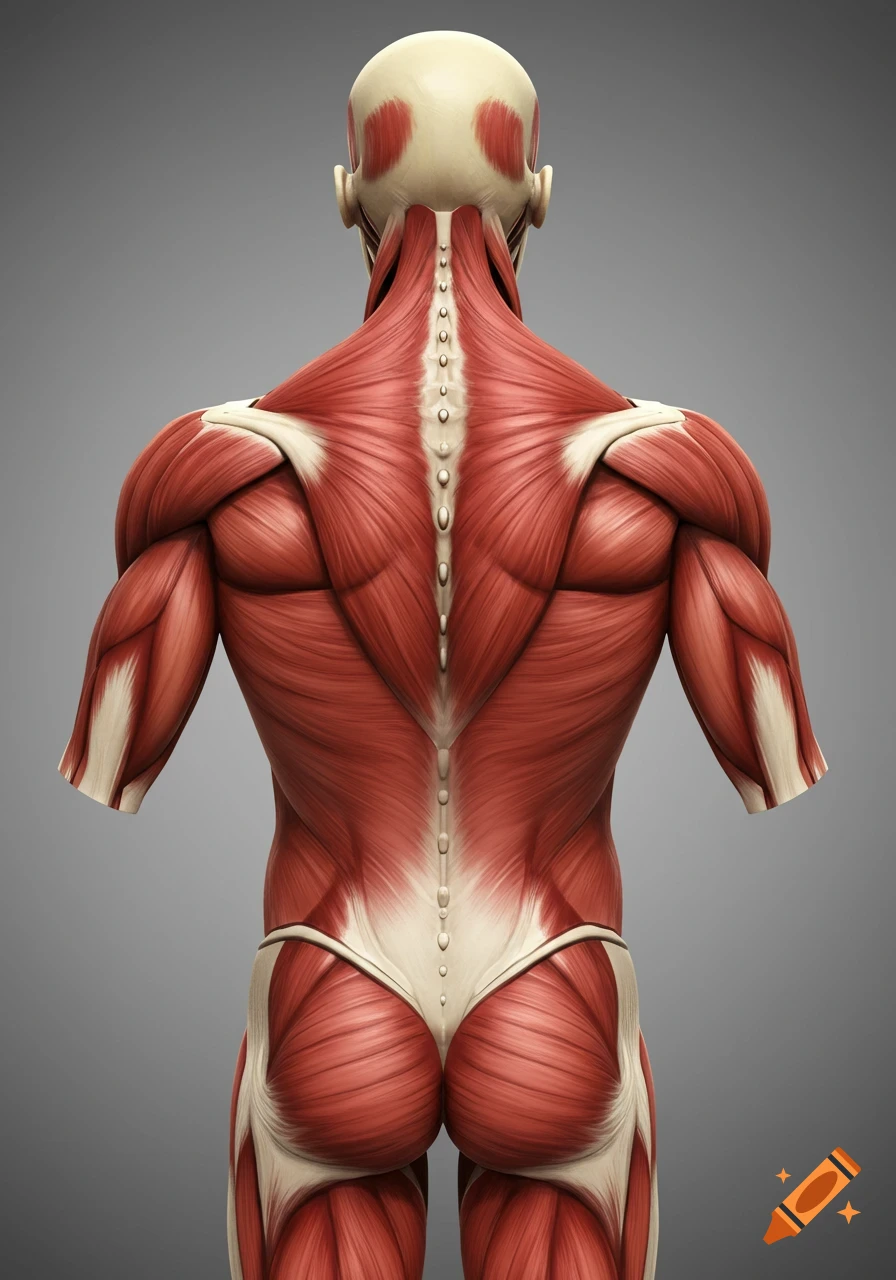
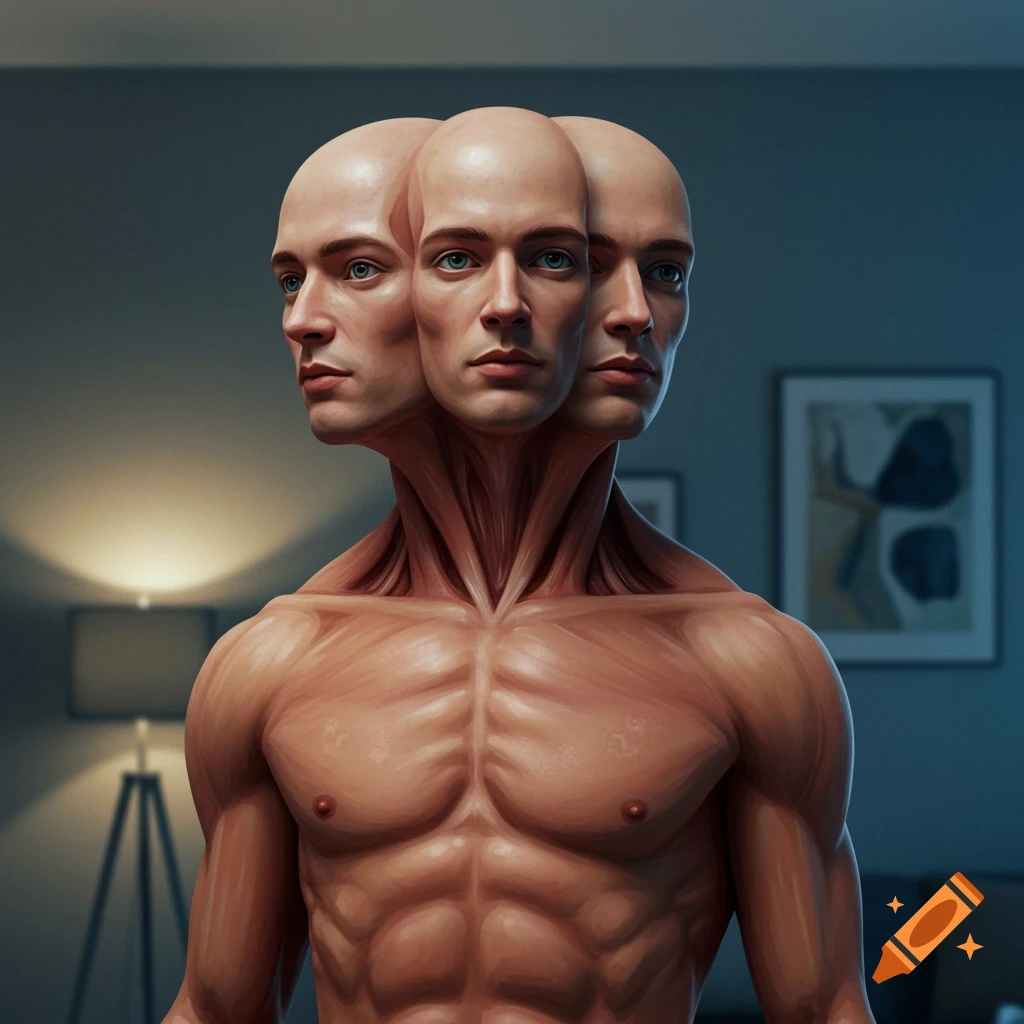
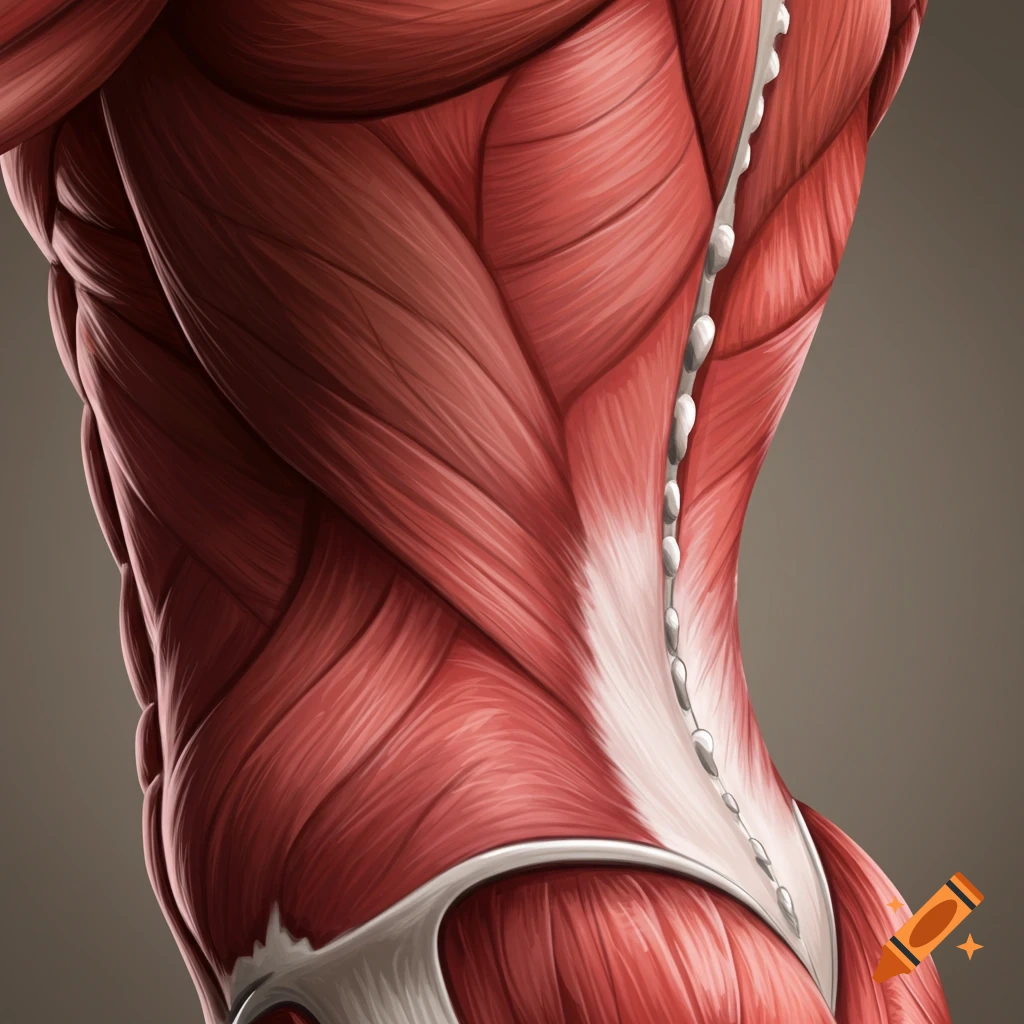
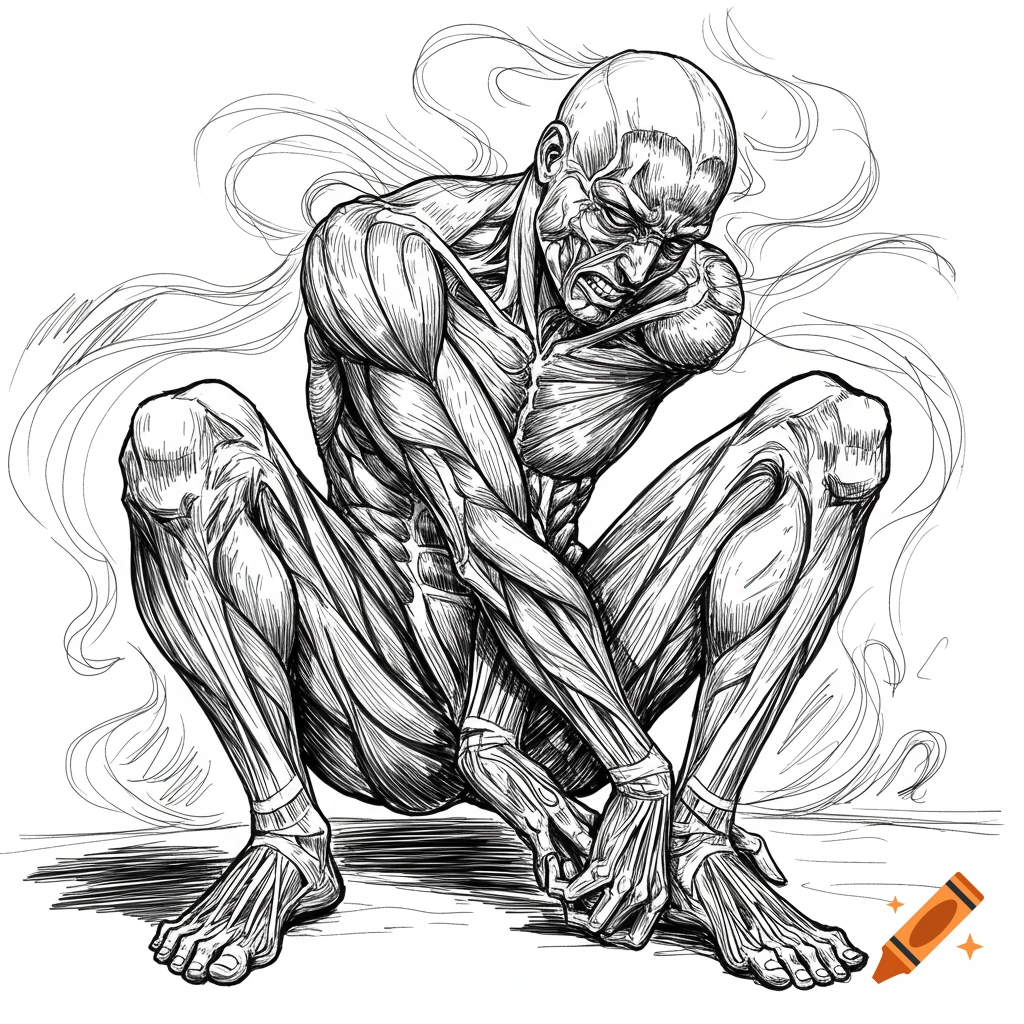
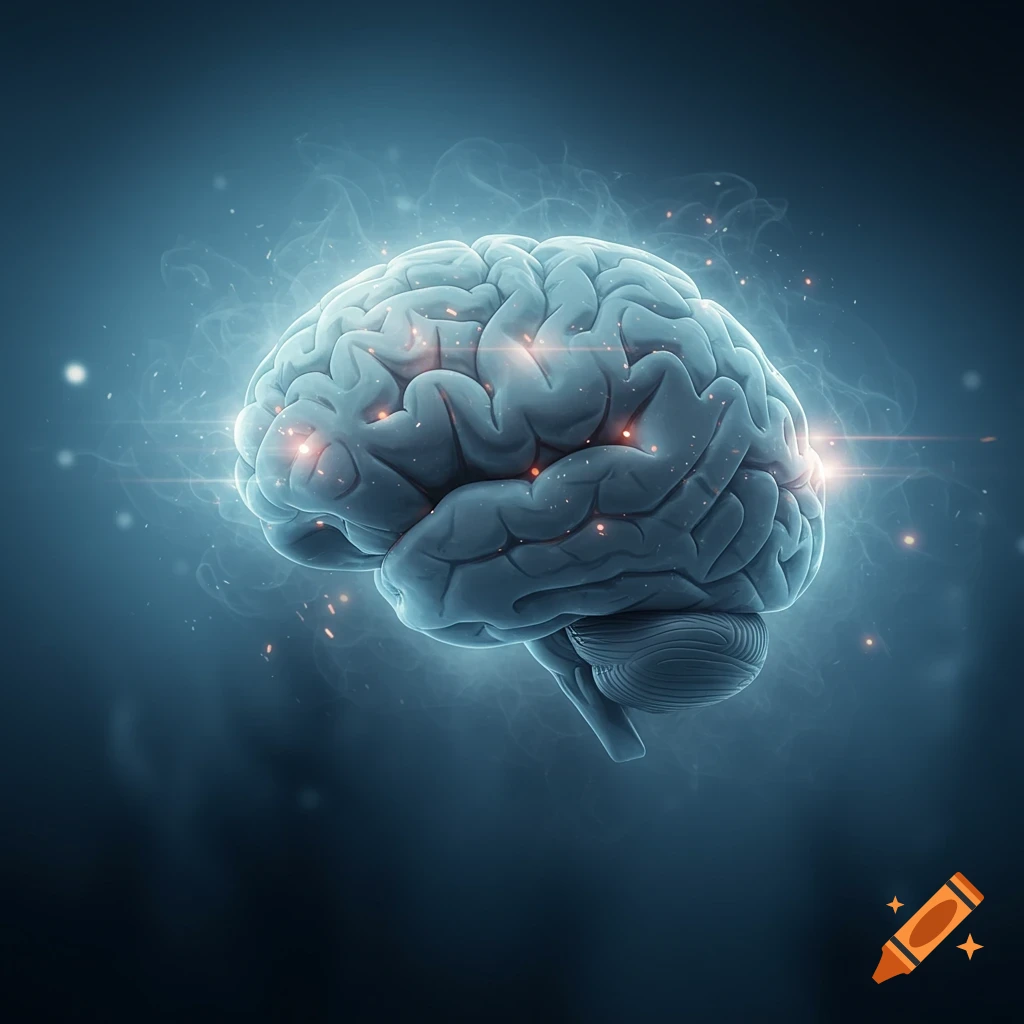
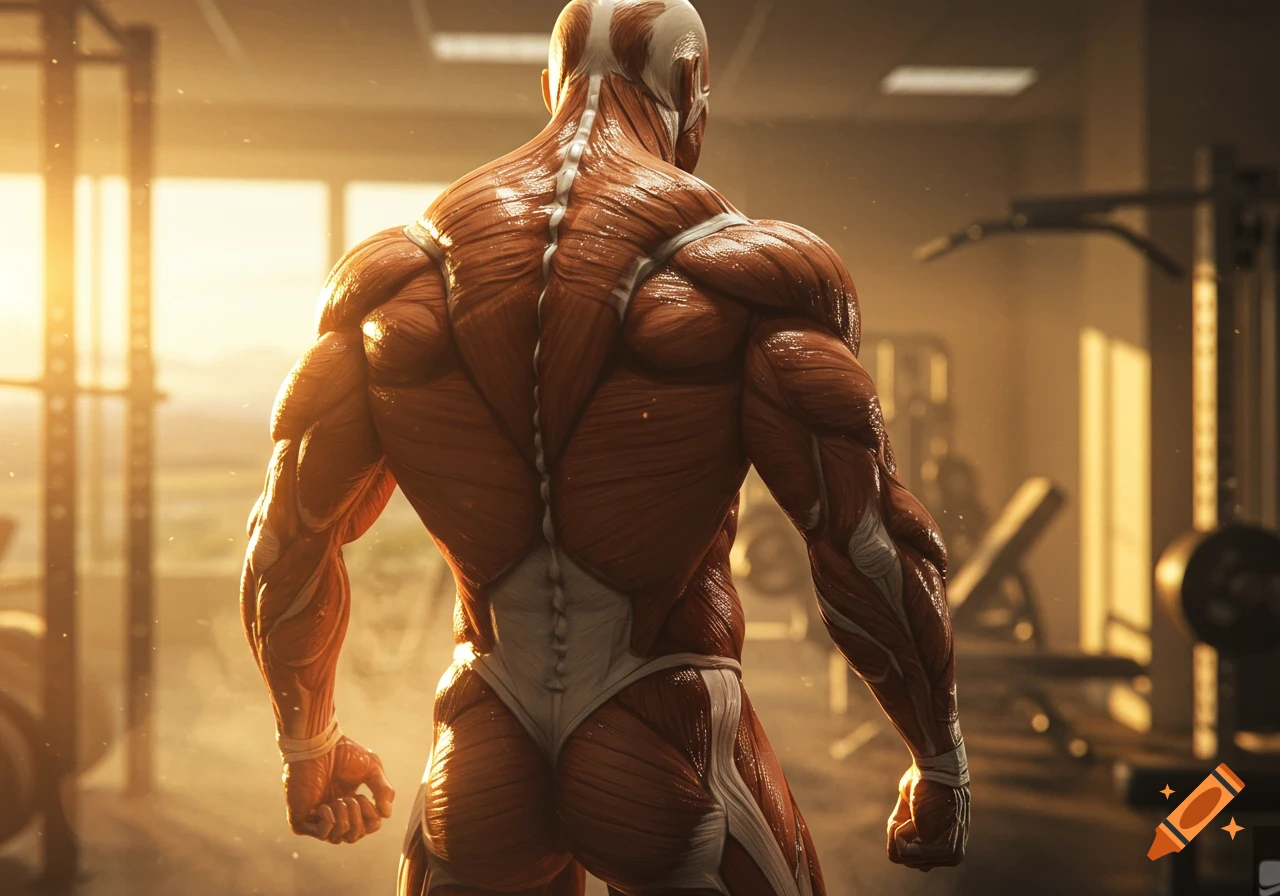
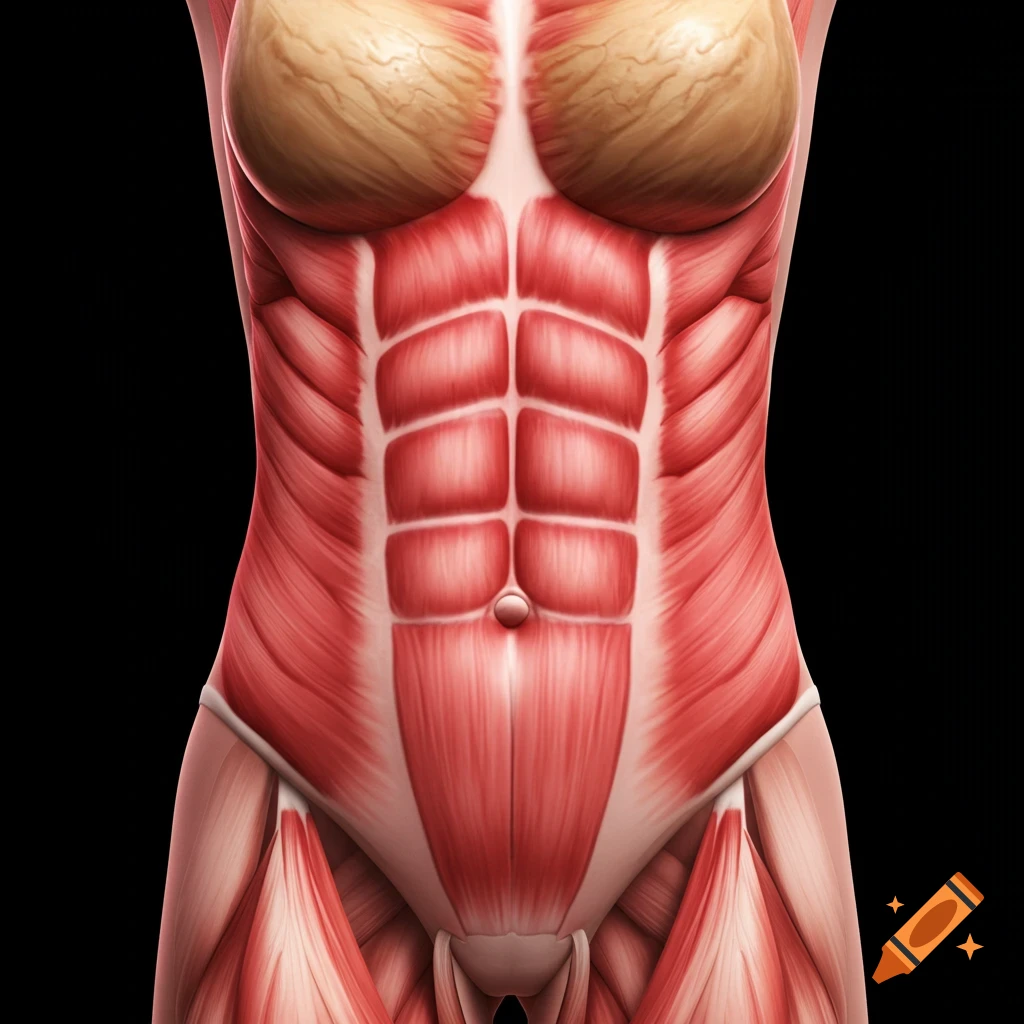
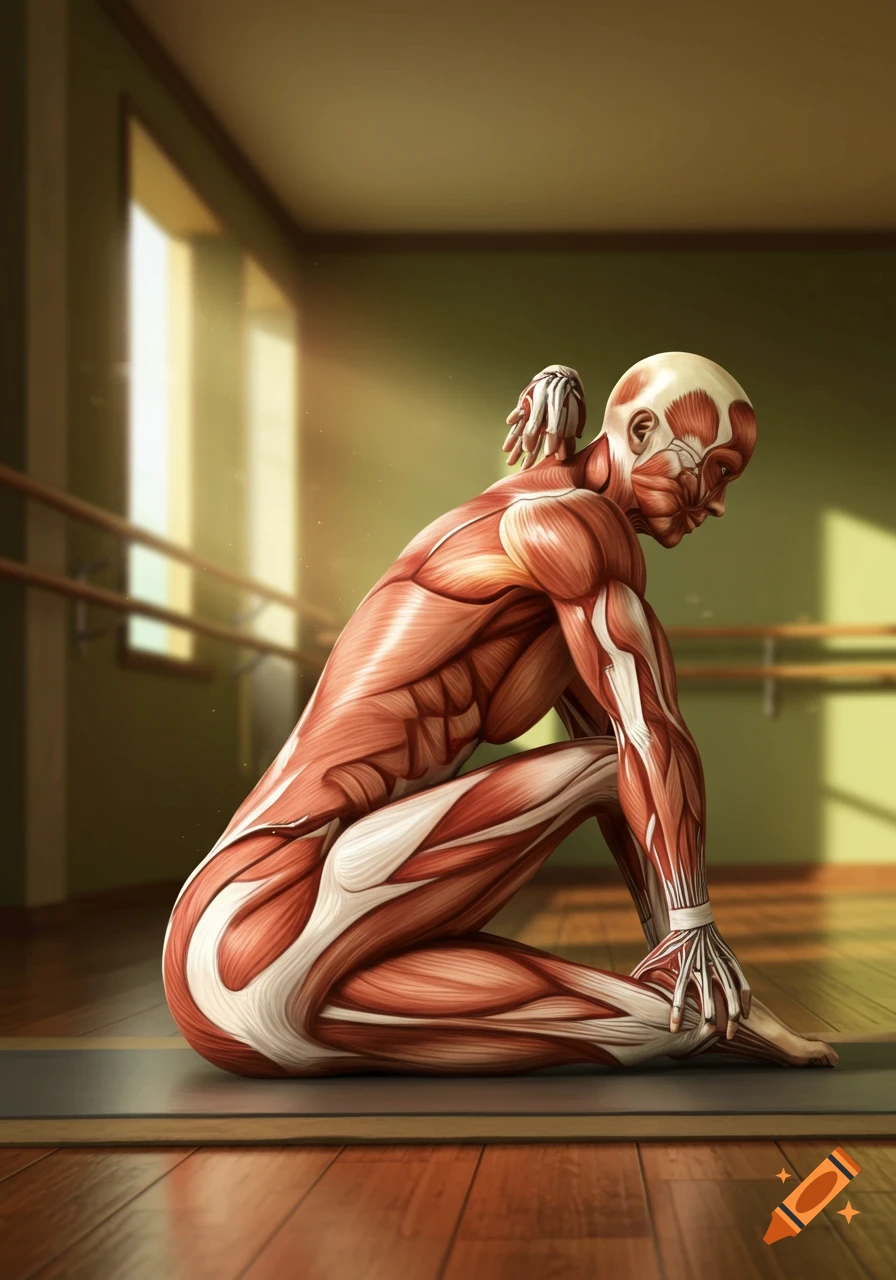
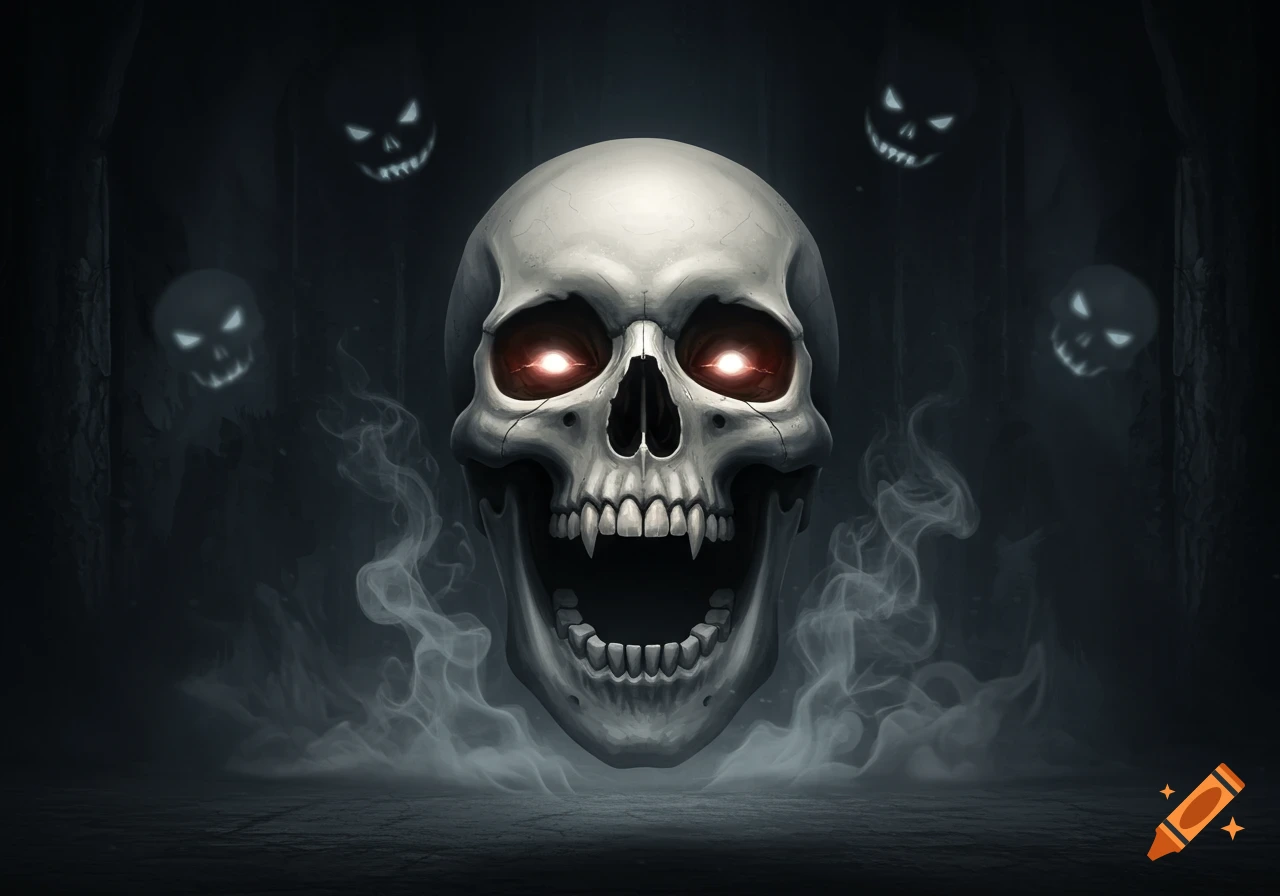
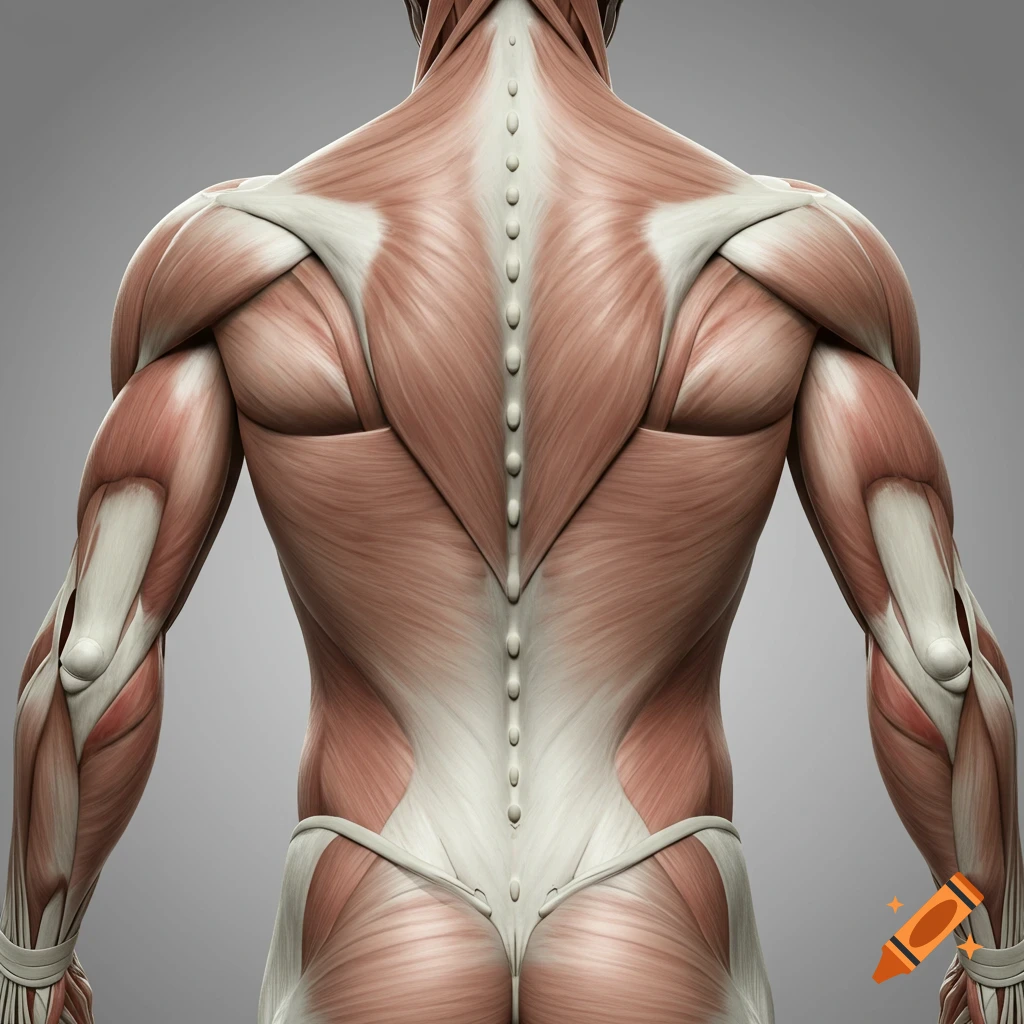
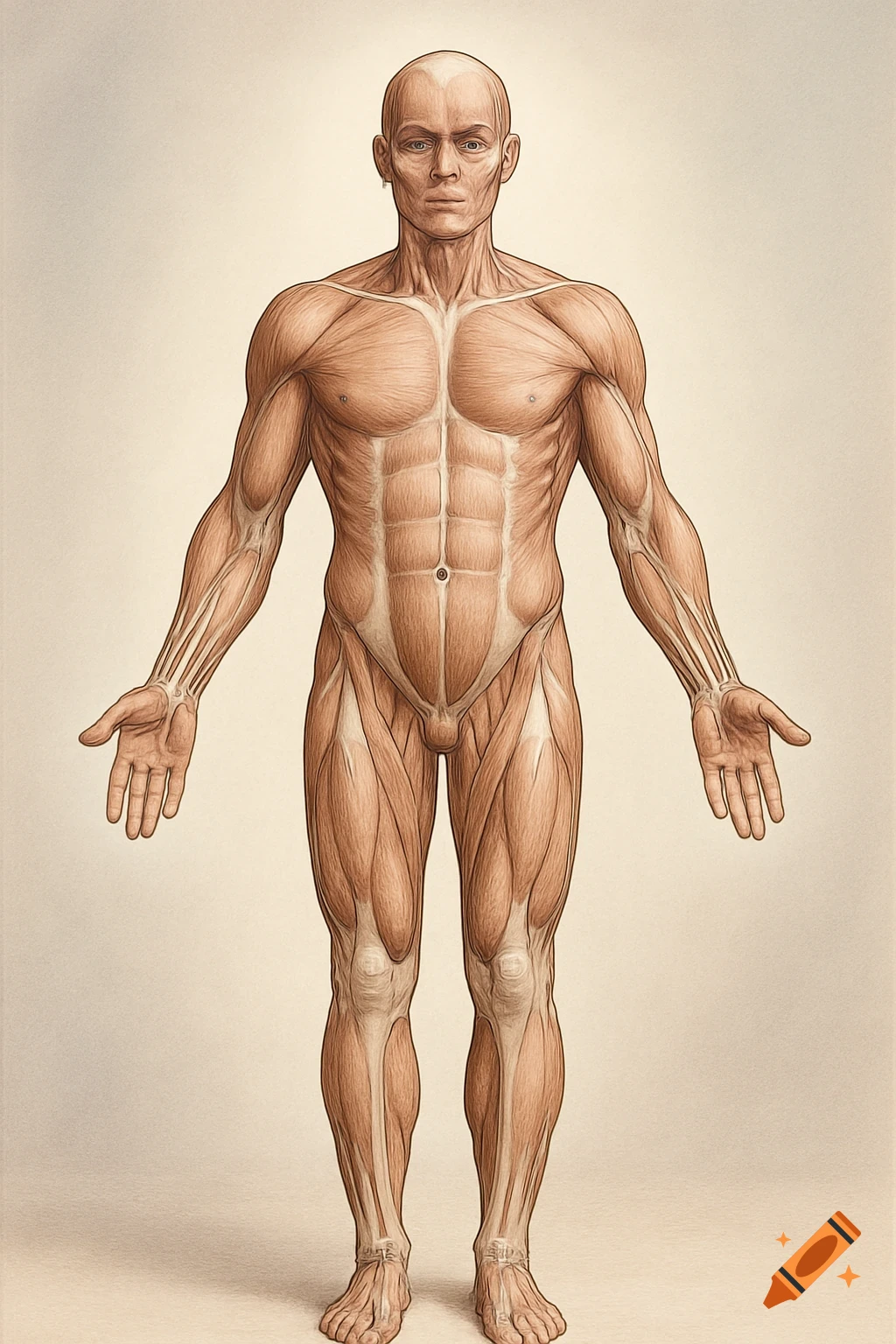
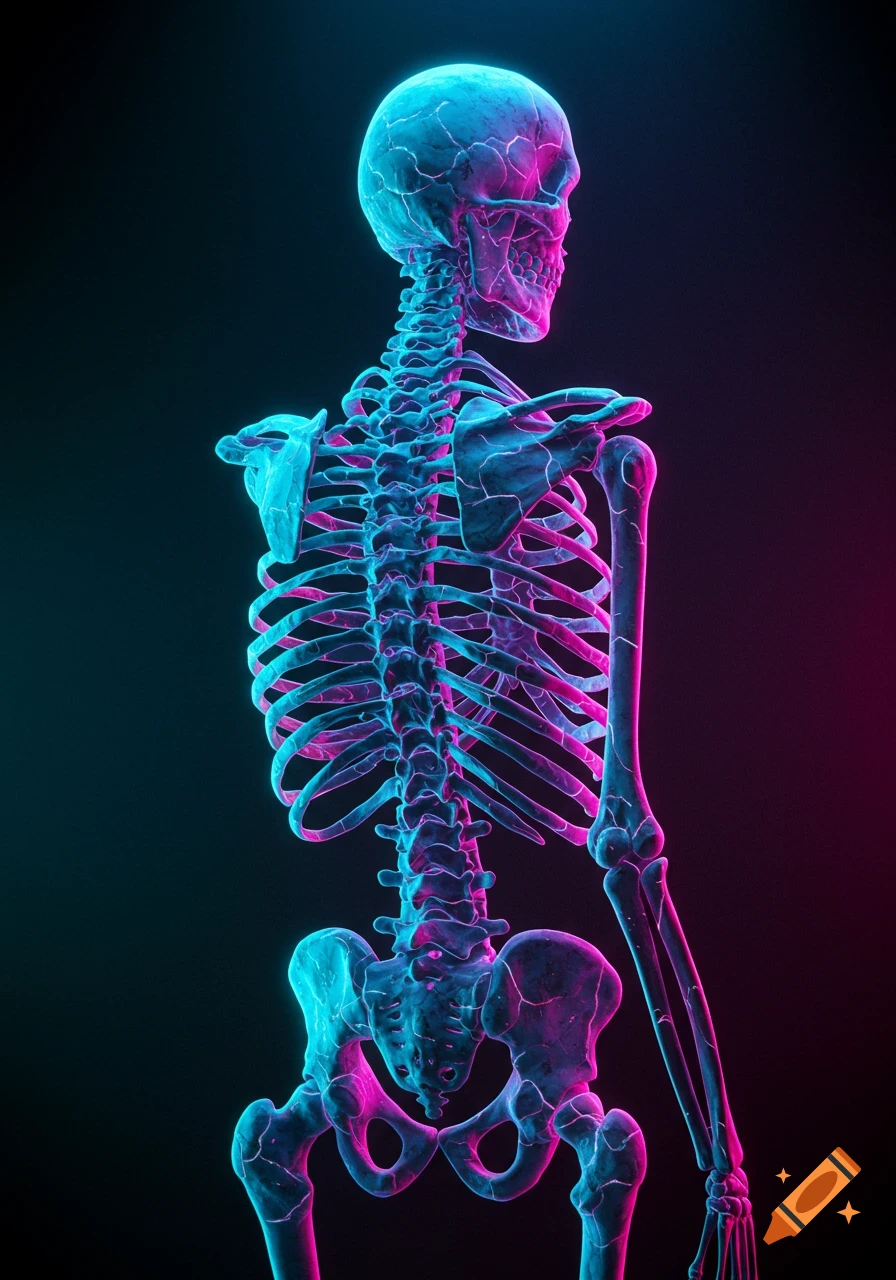
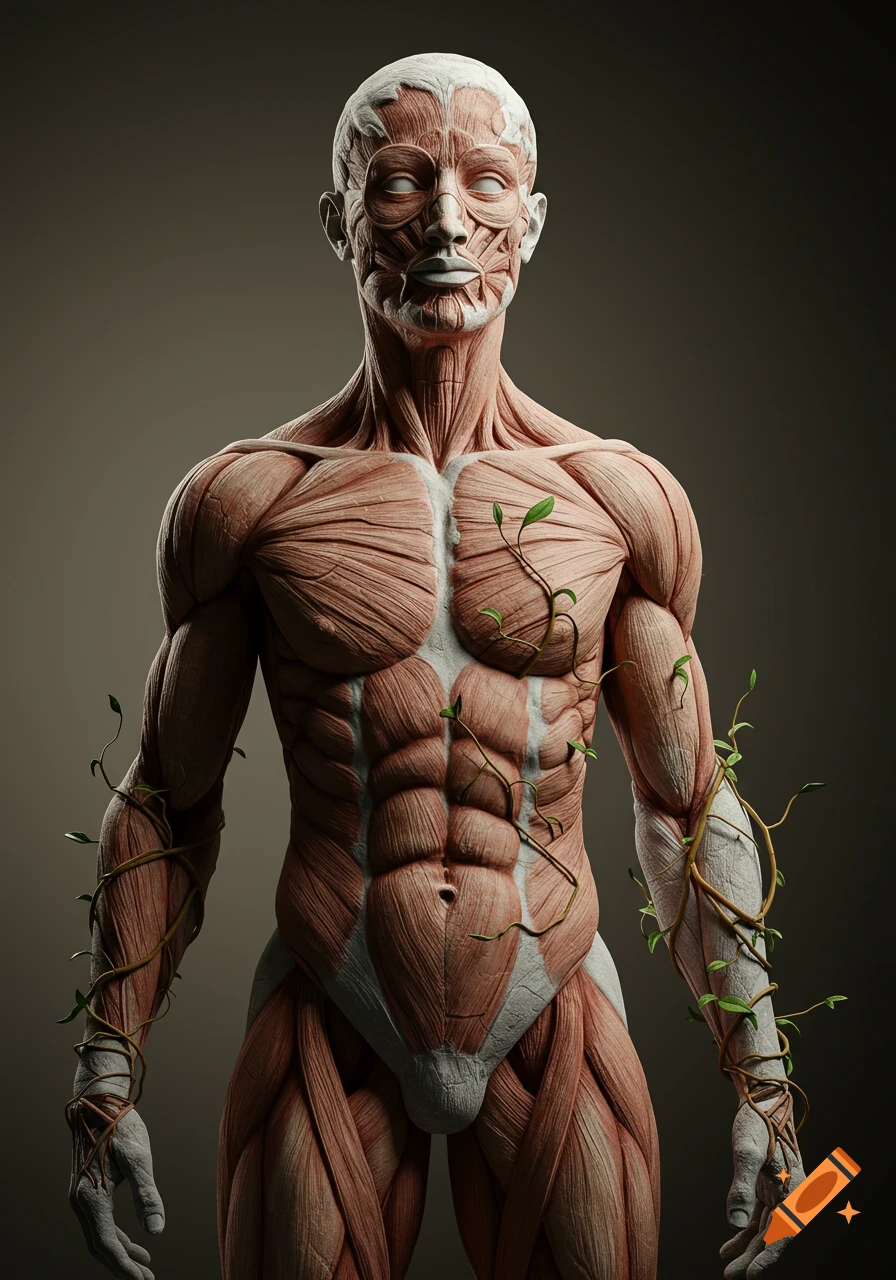
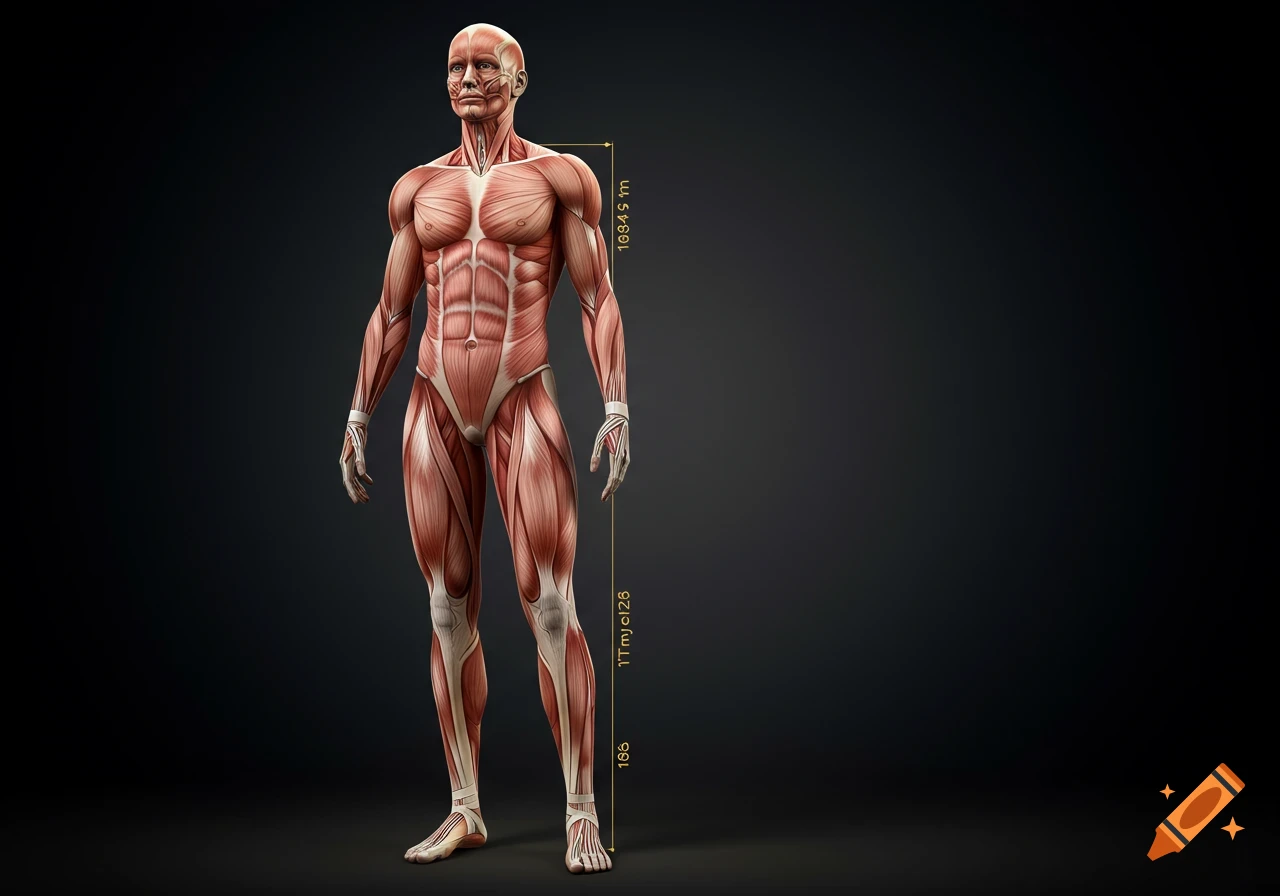
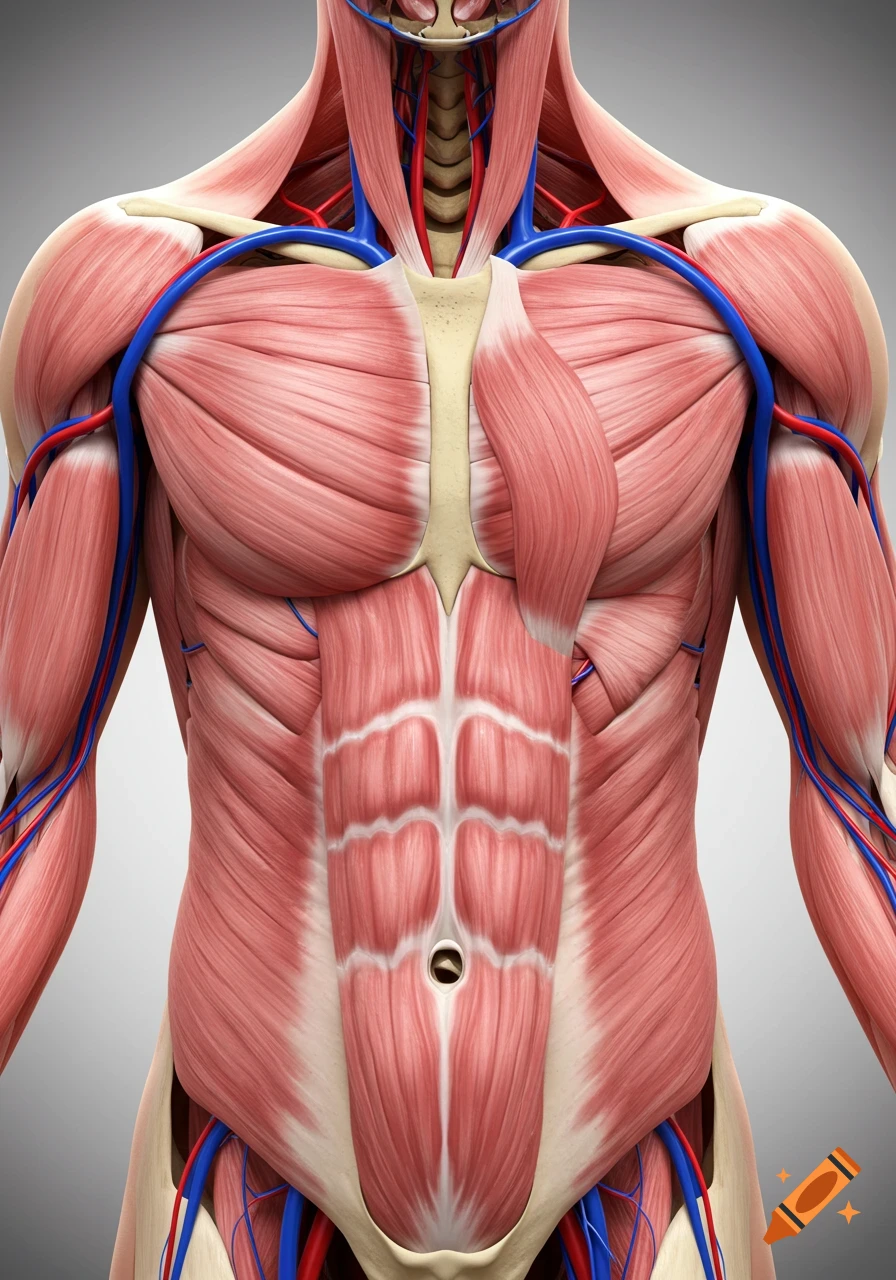
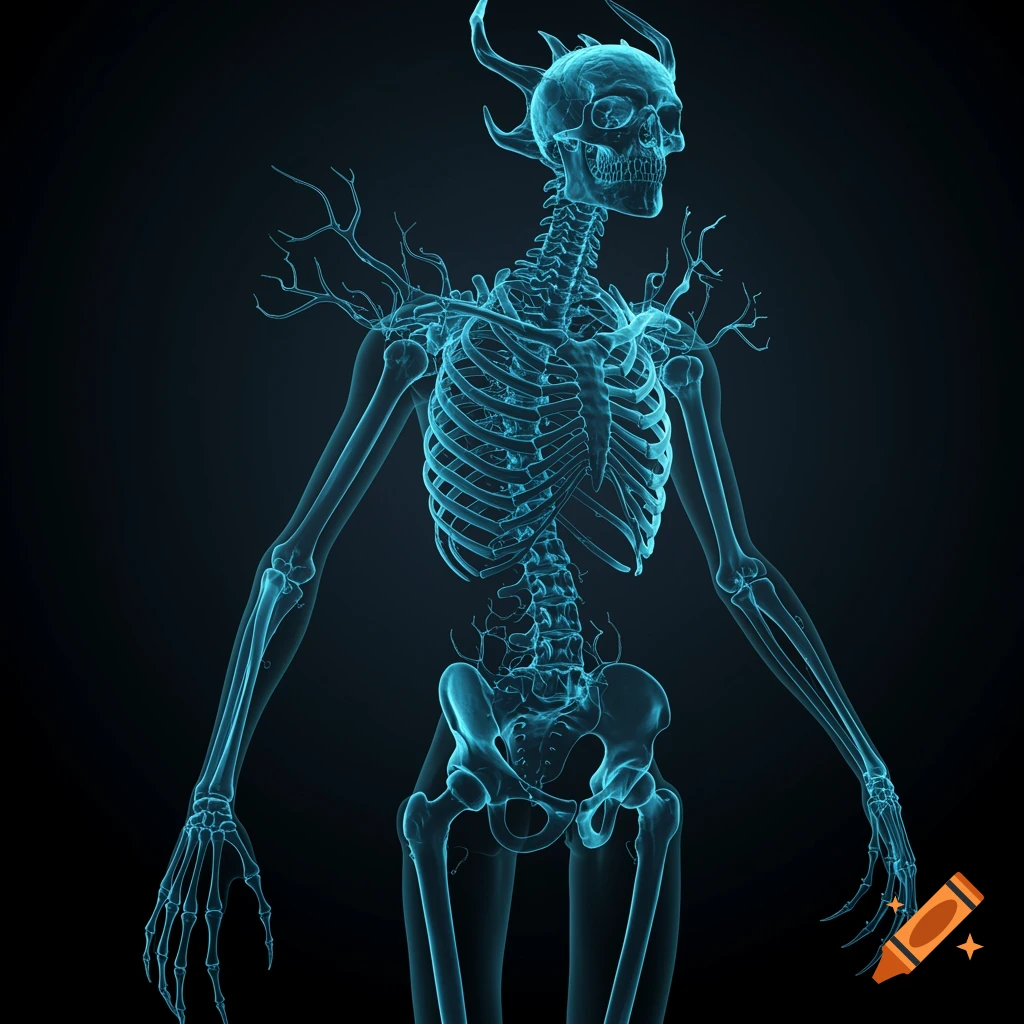
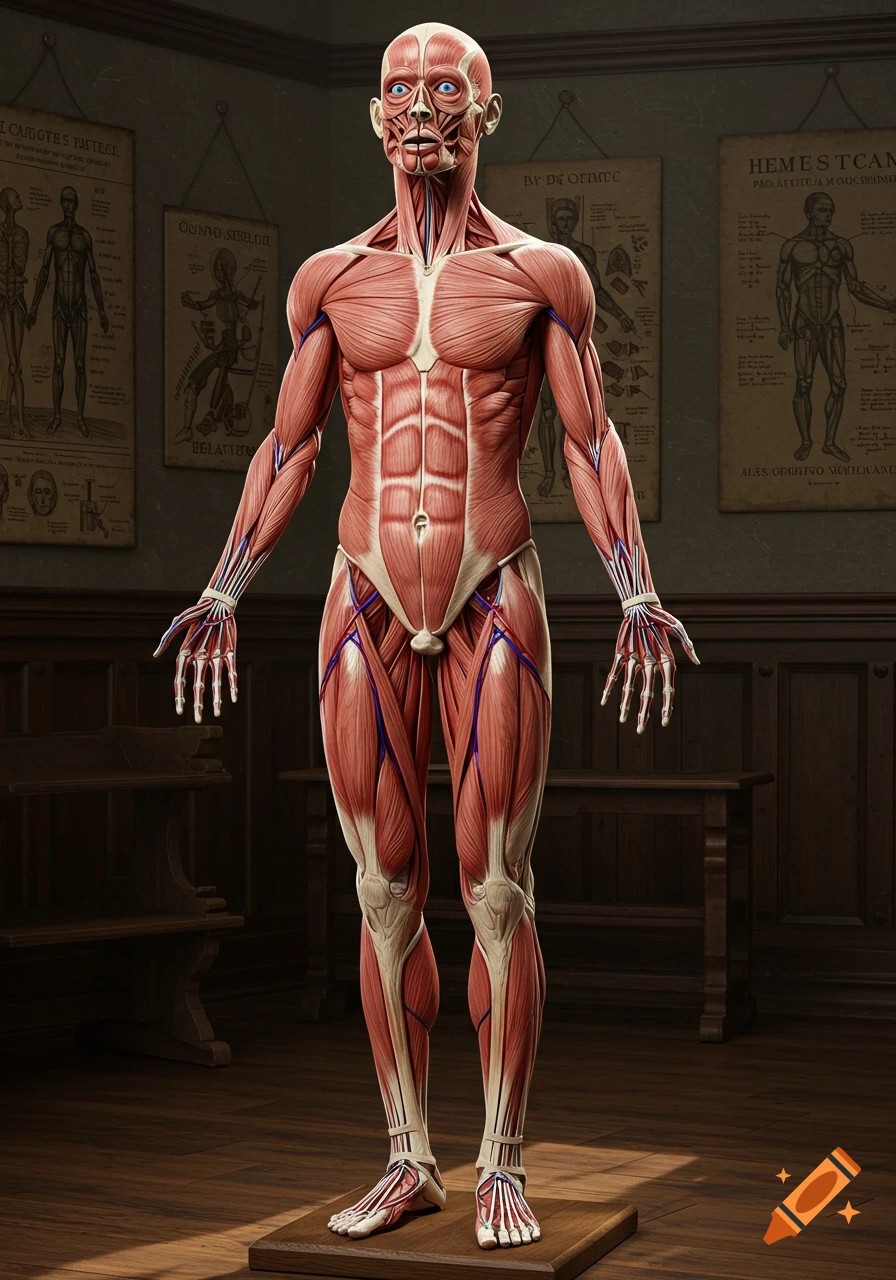
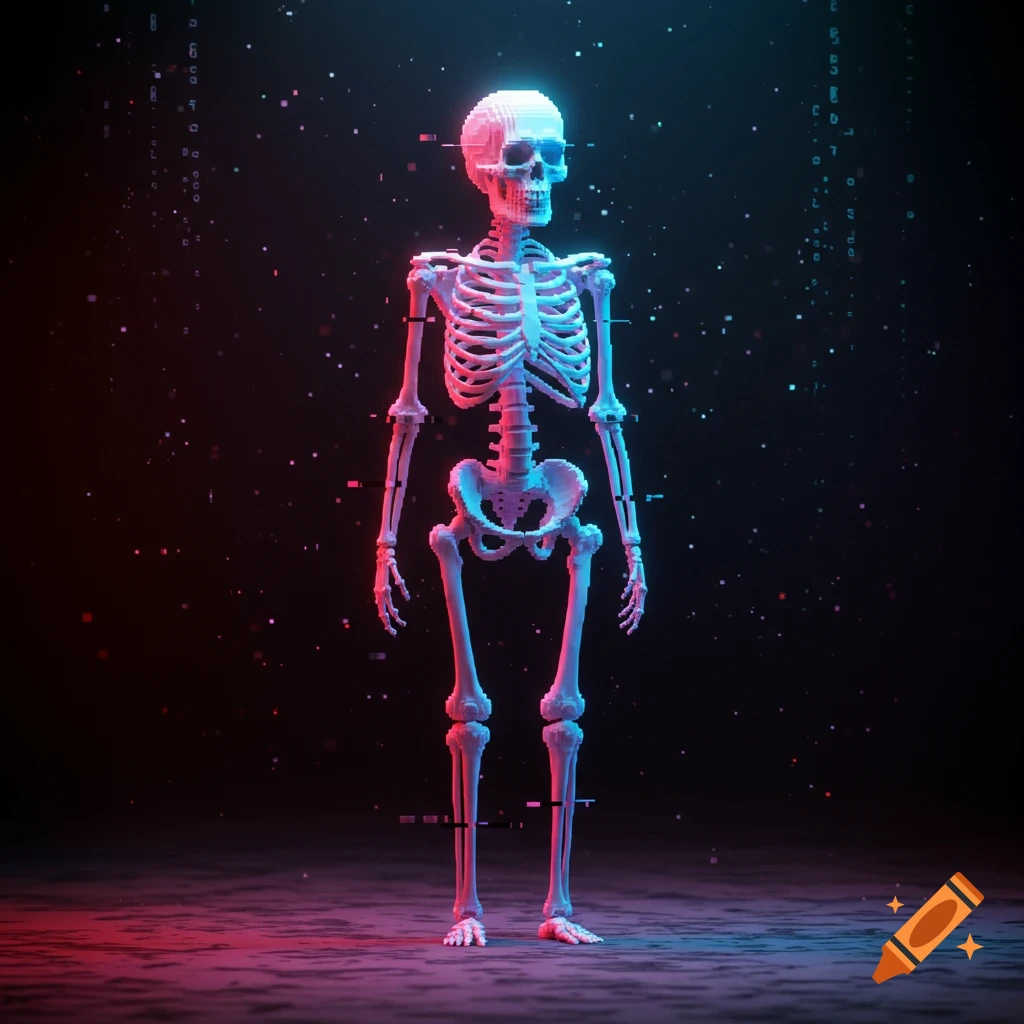
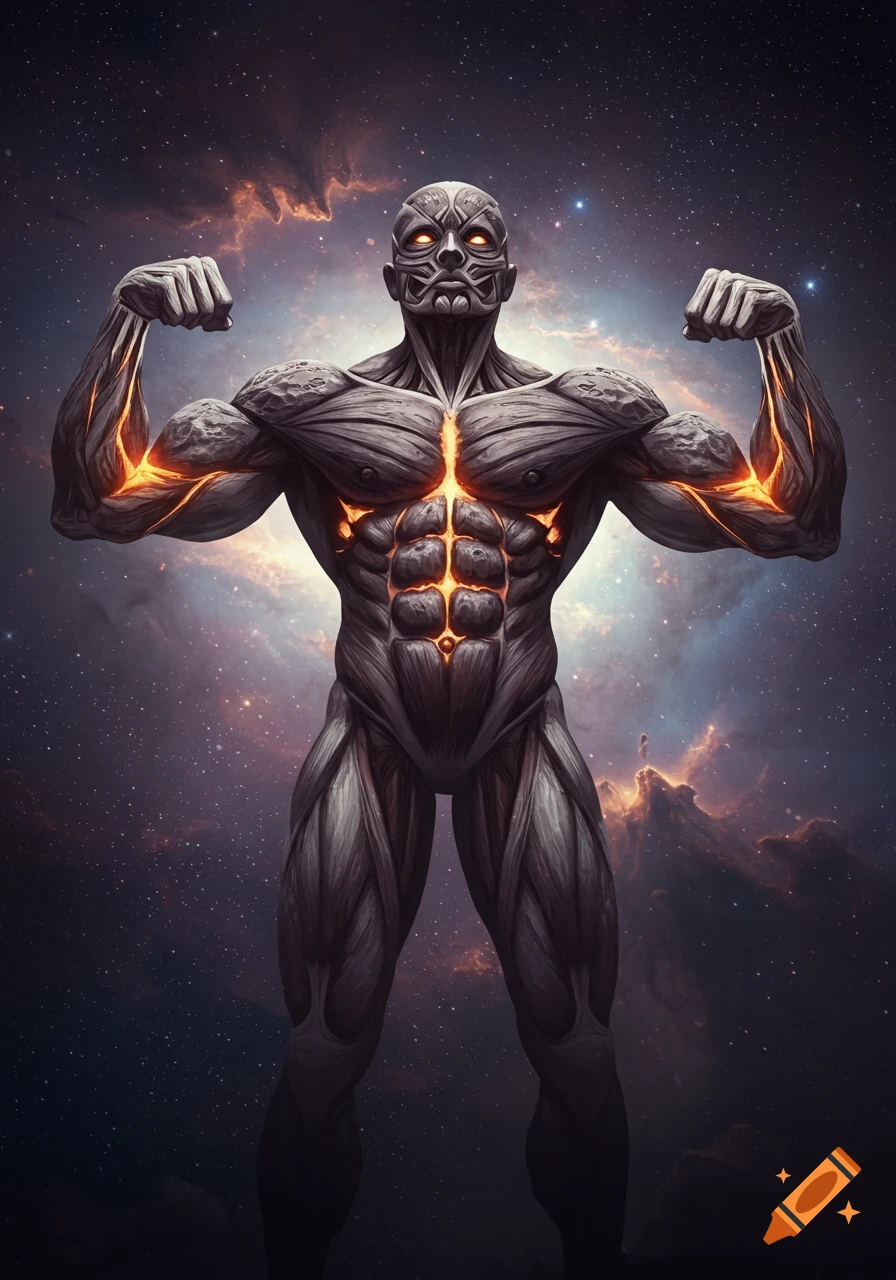
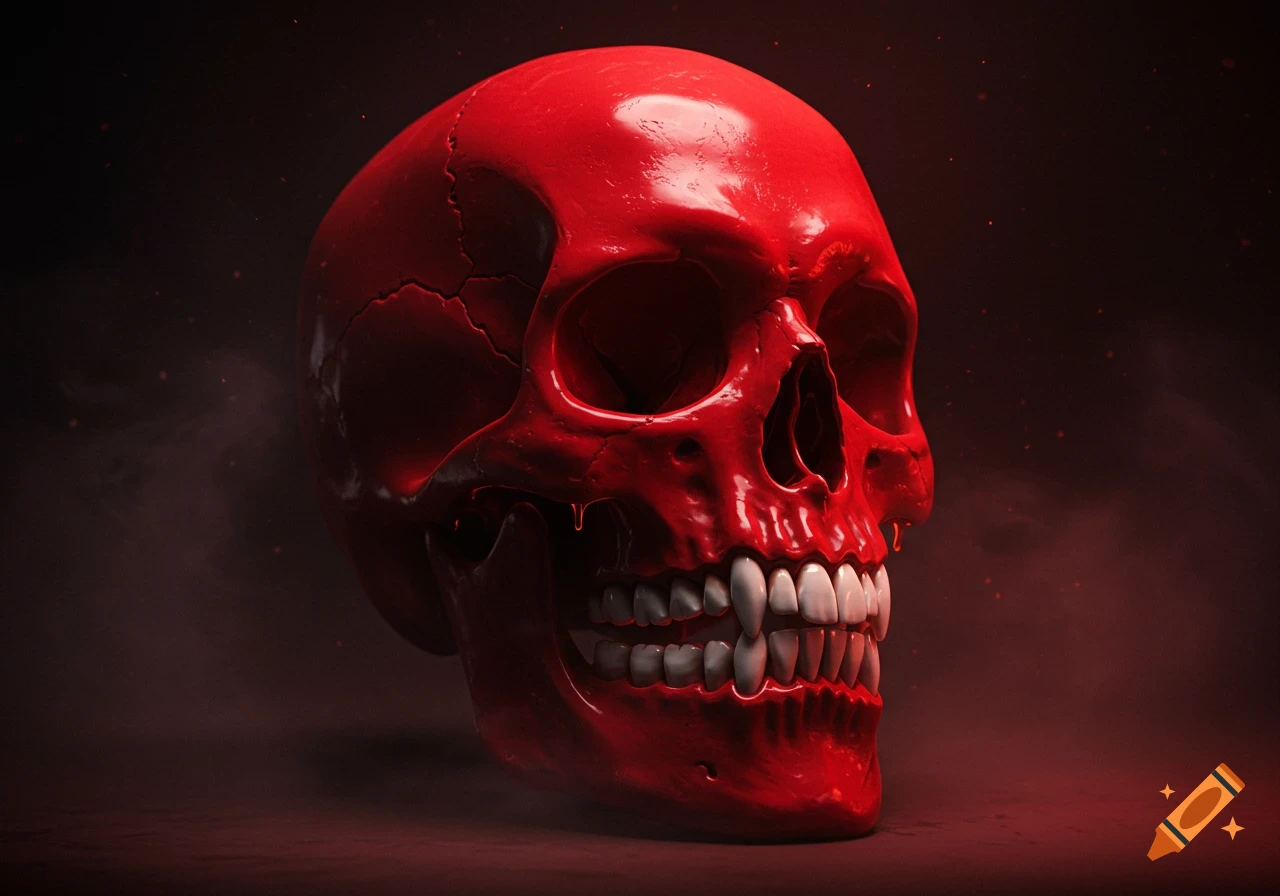
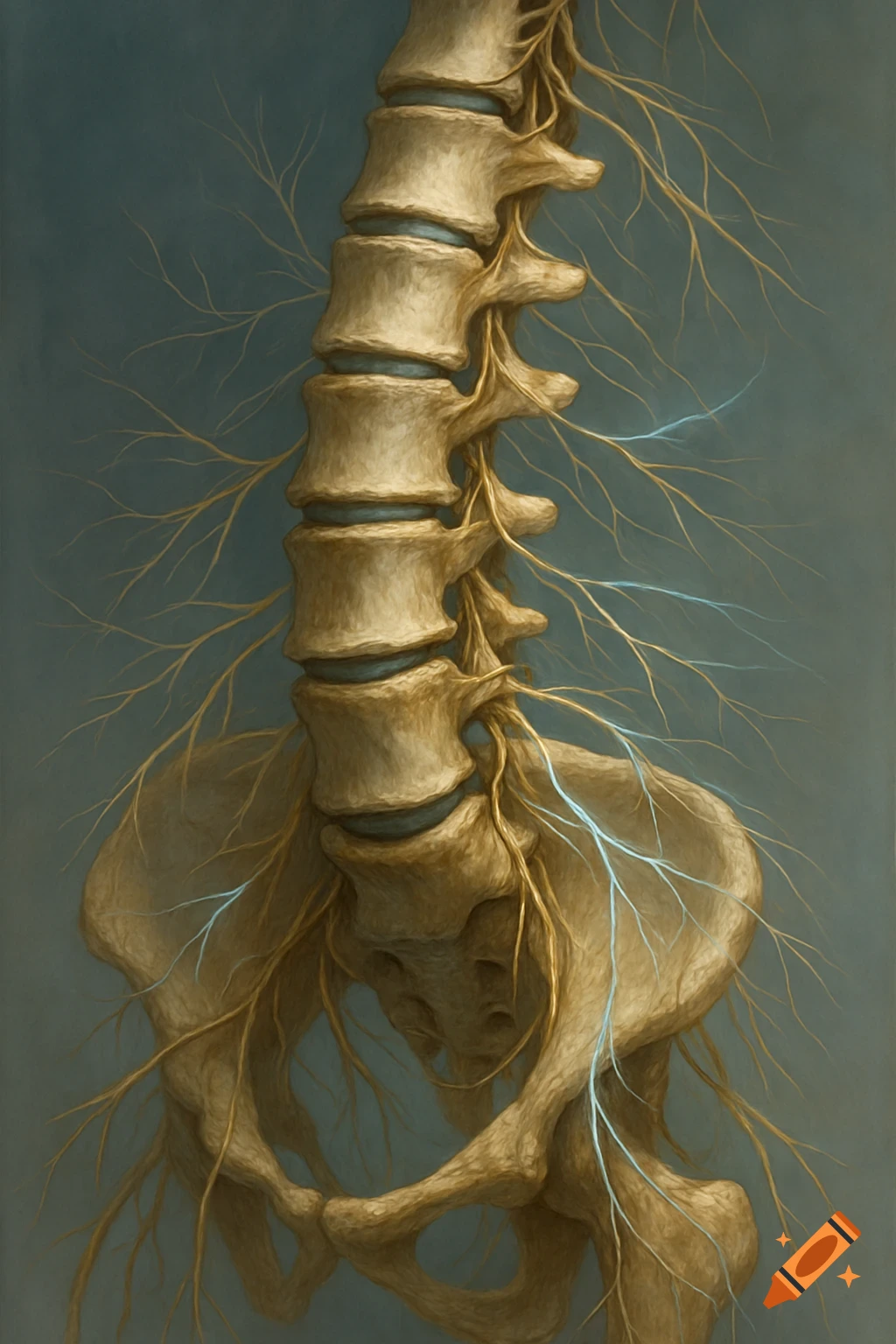
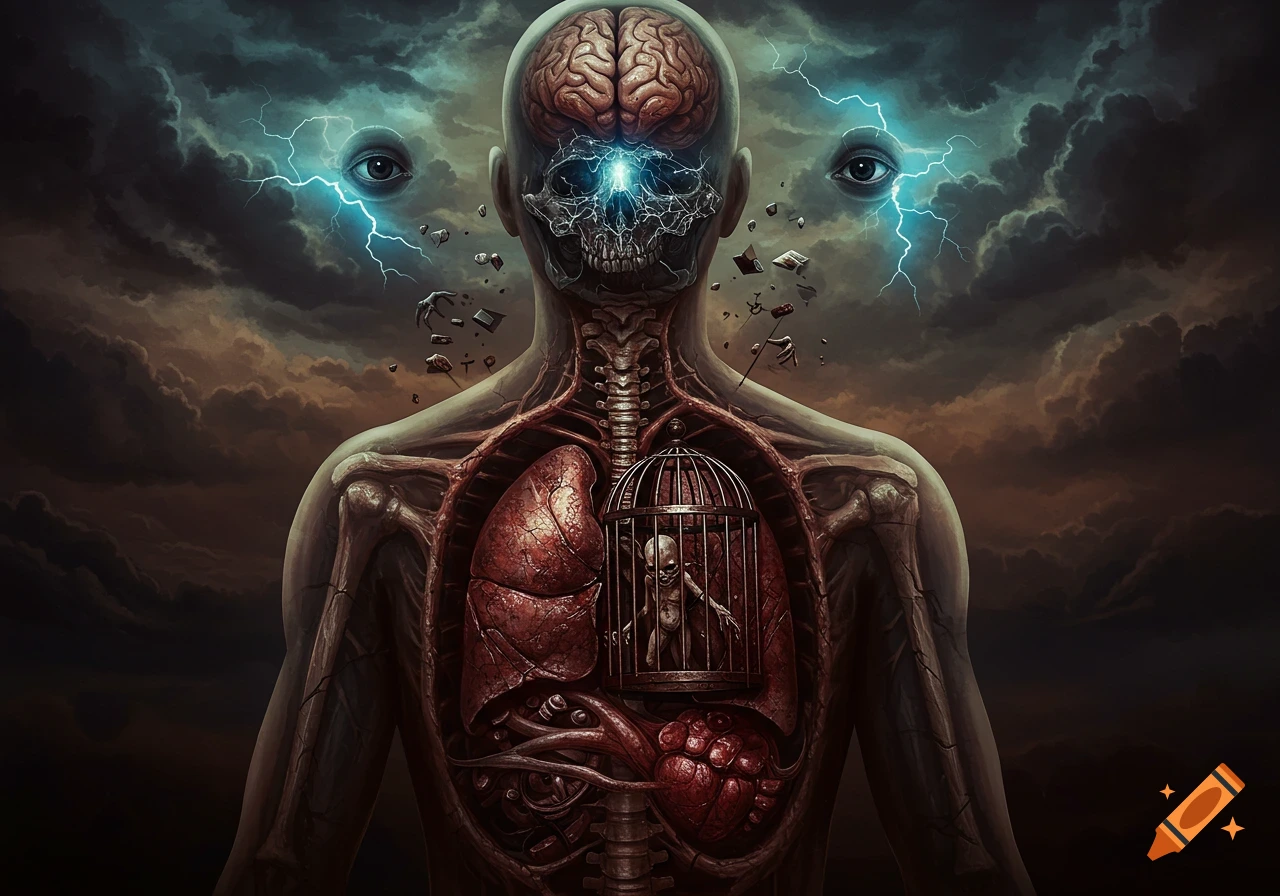
An illustration of a human torso from the back, revealing muscles, a skull, spinal column, ribs, and exposed biomechanical parts, including a secondary jaw in the chest cavity.

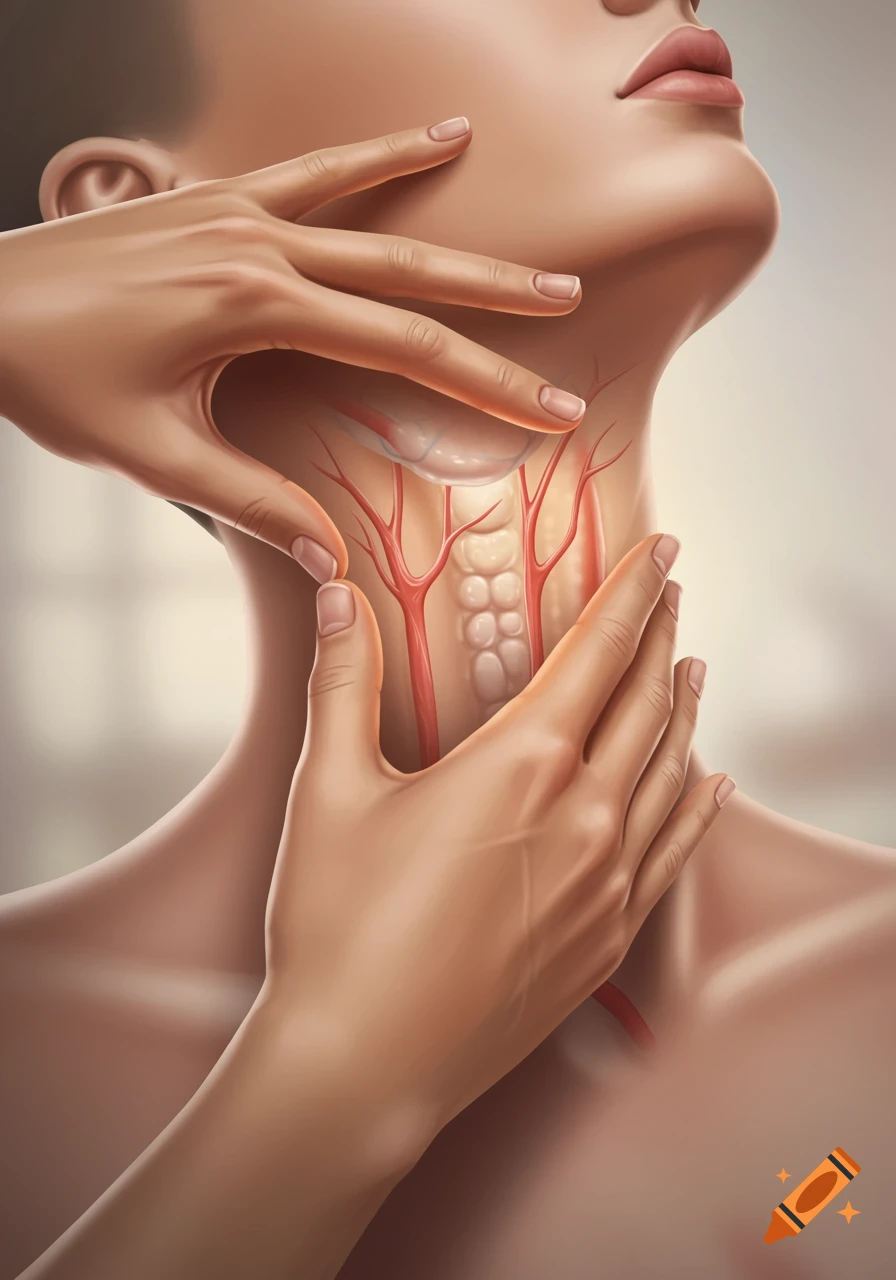
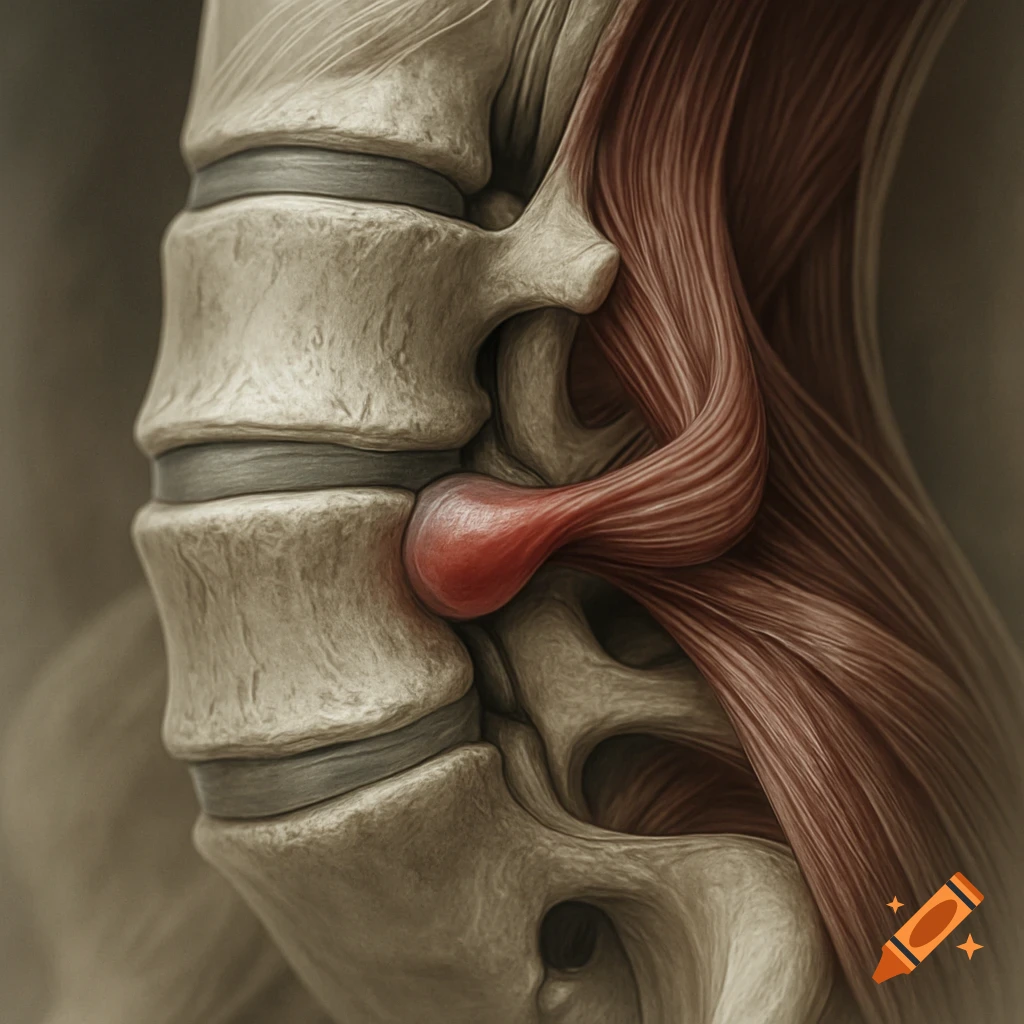
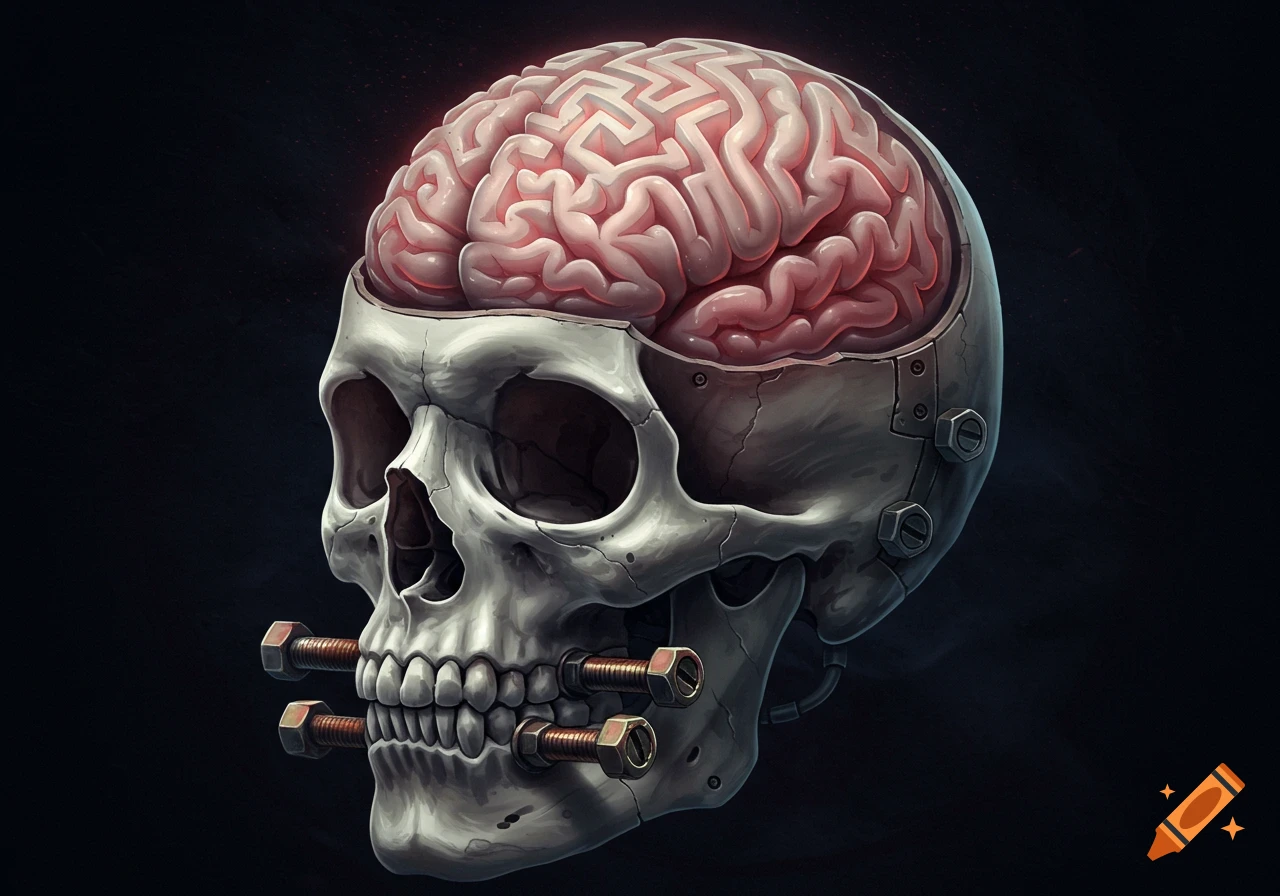
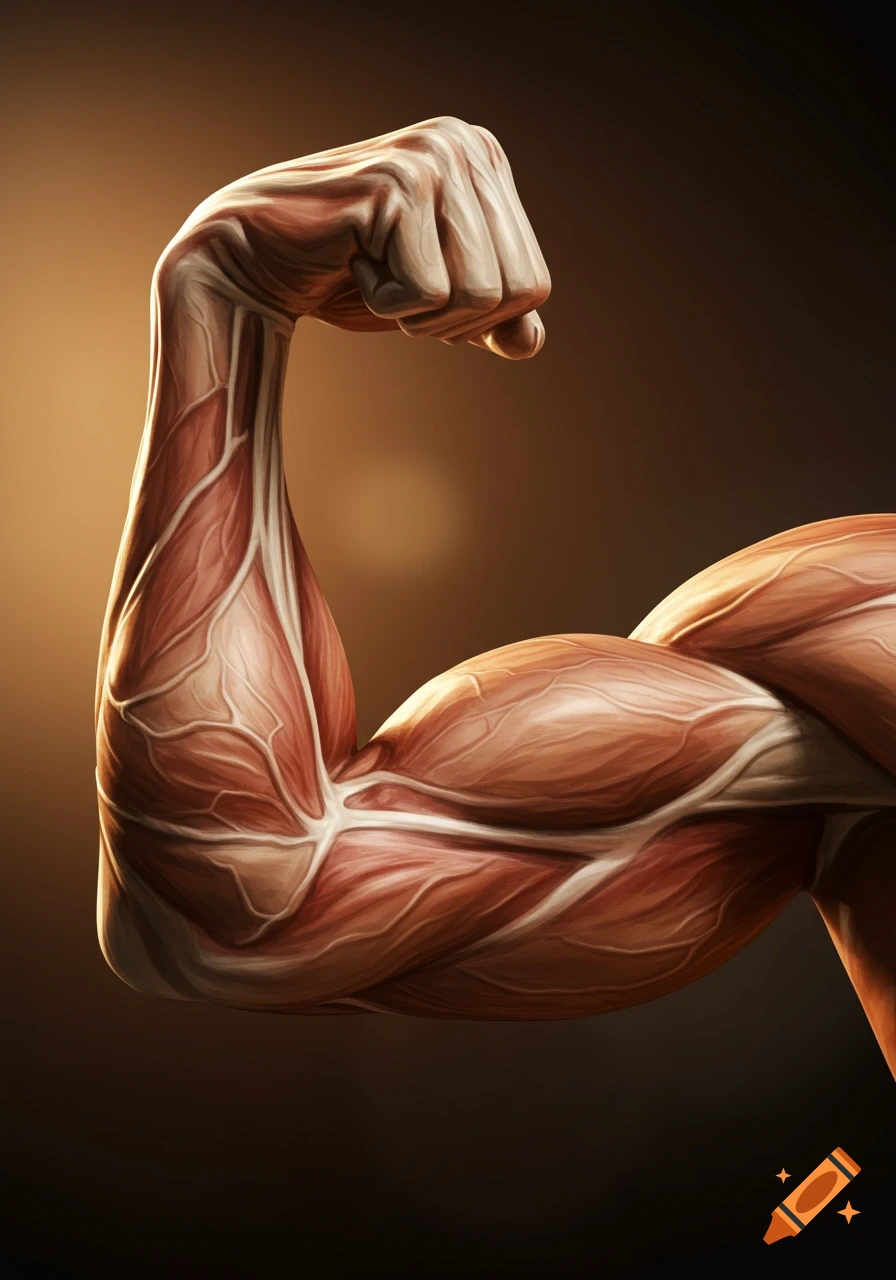
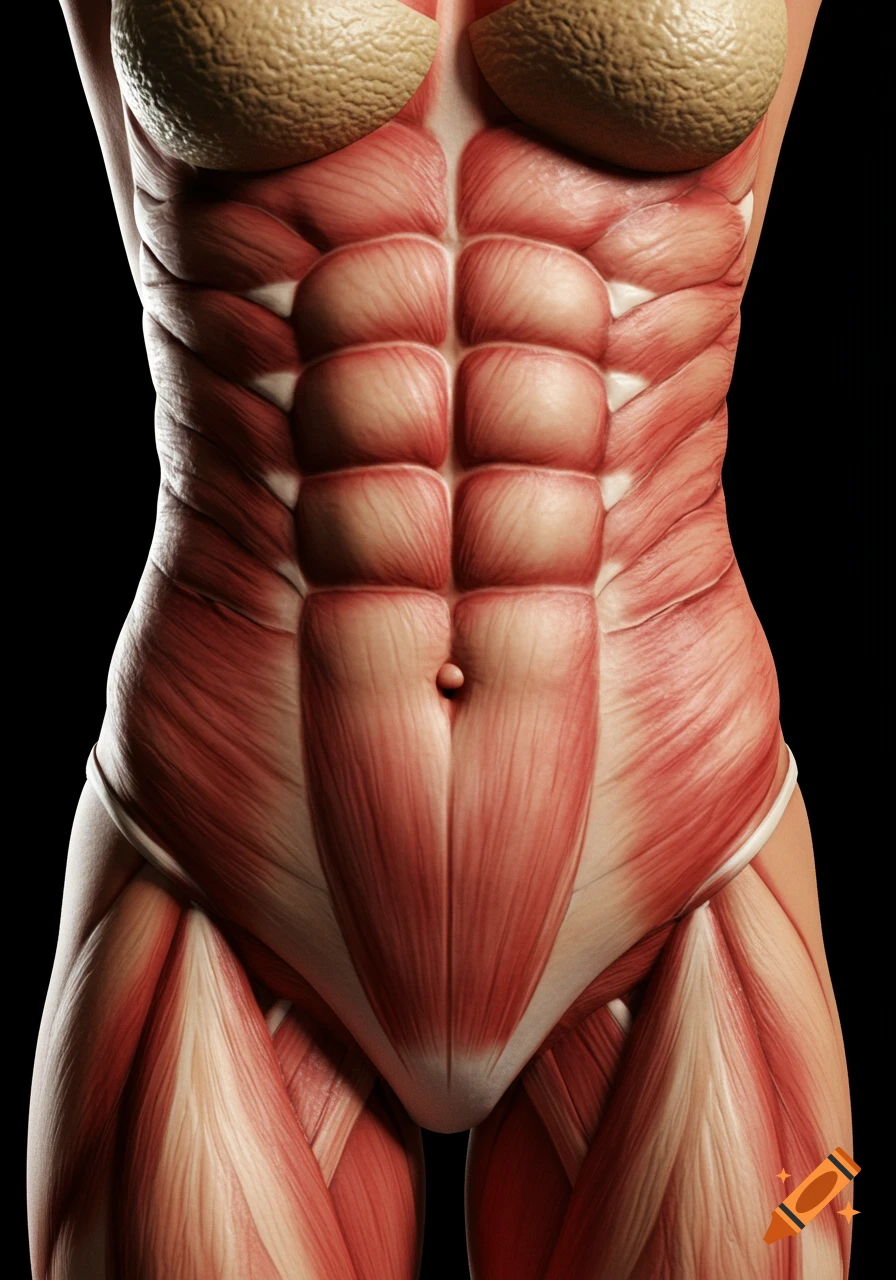
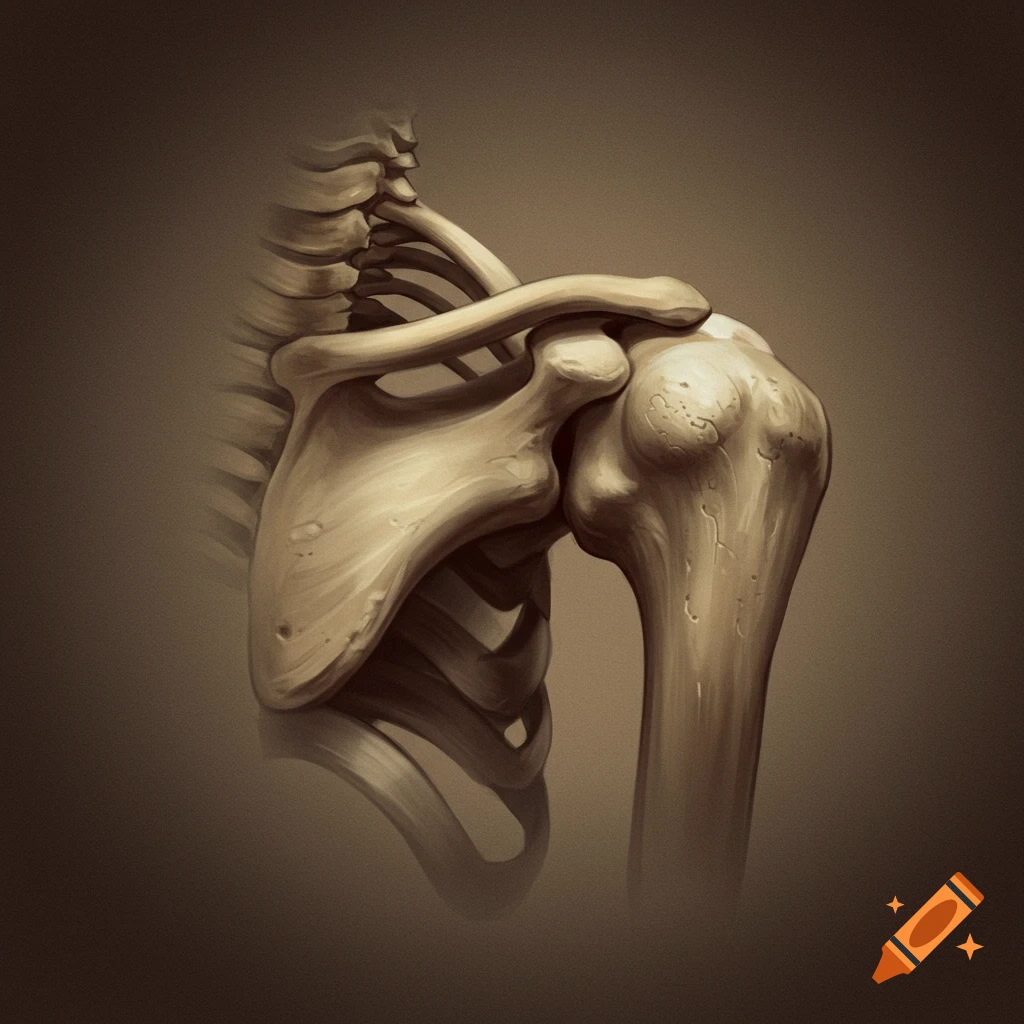
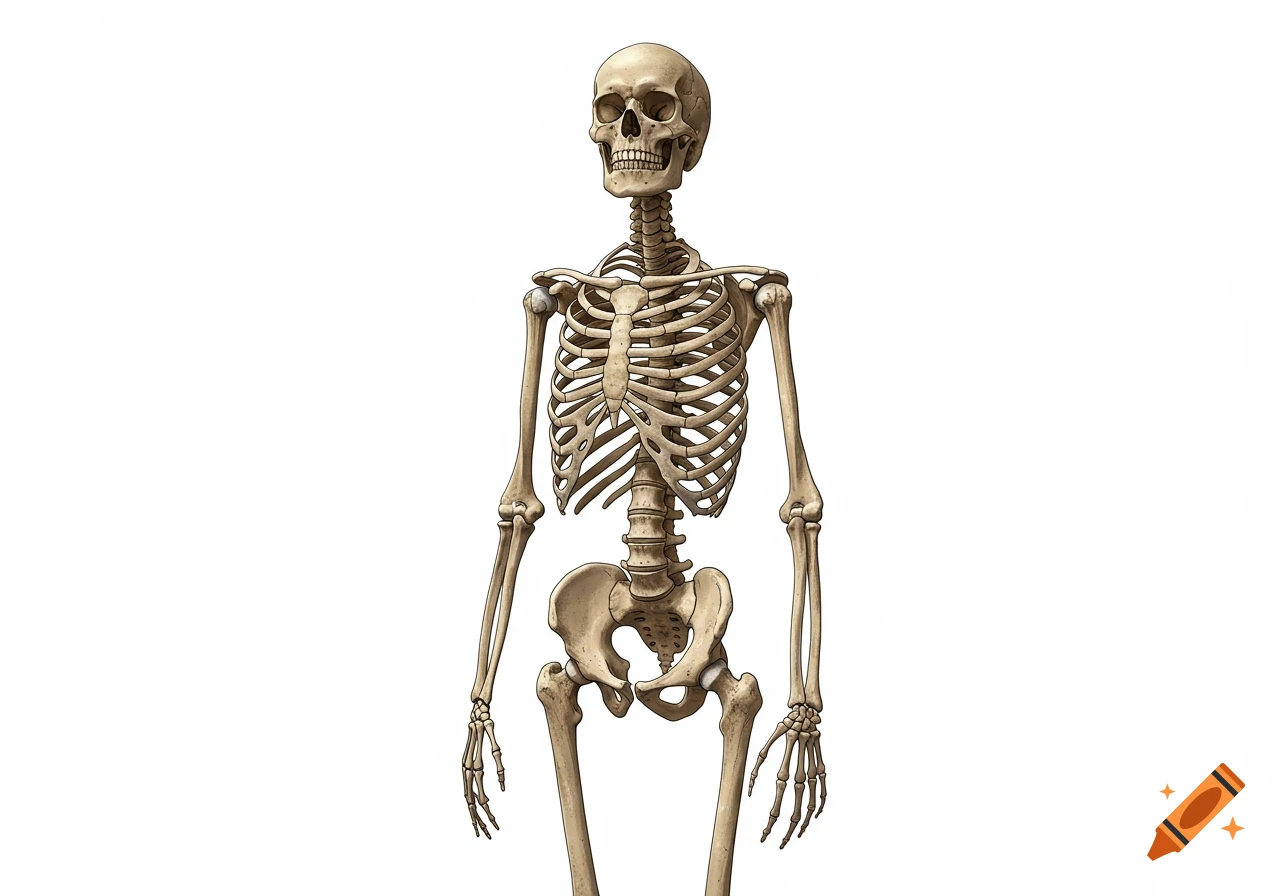
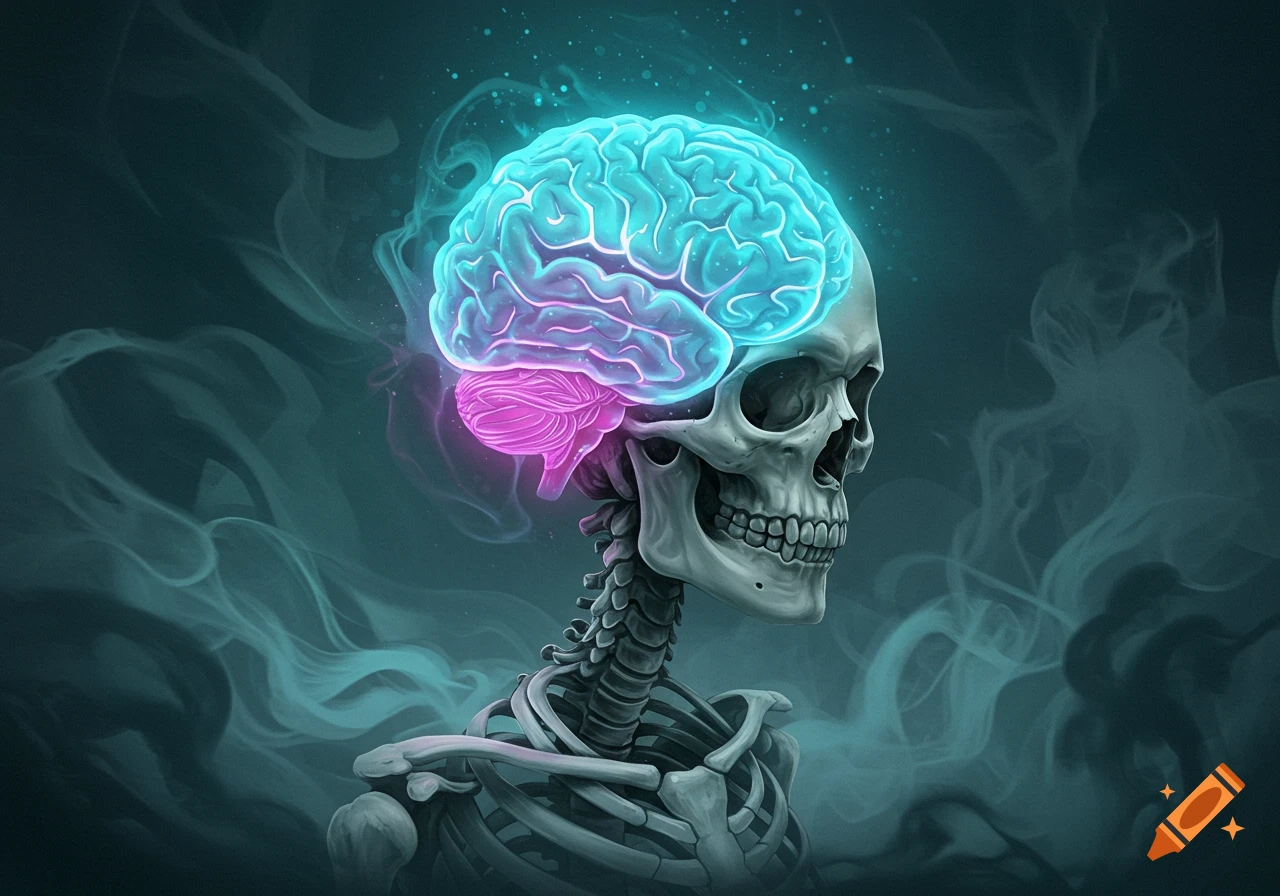
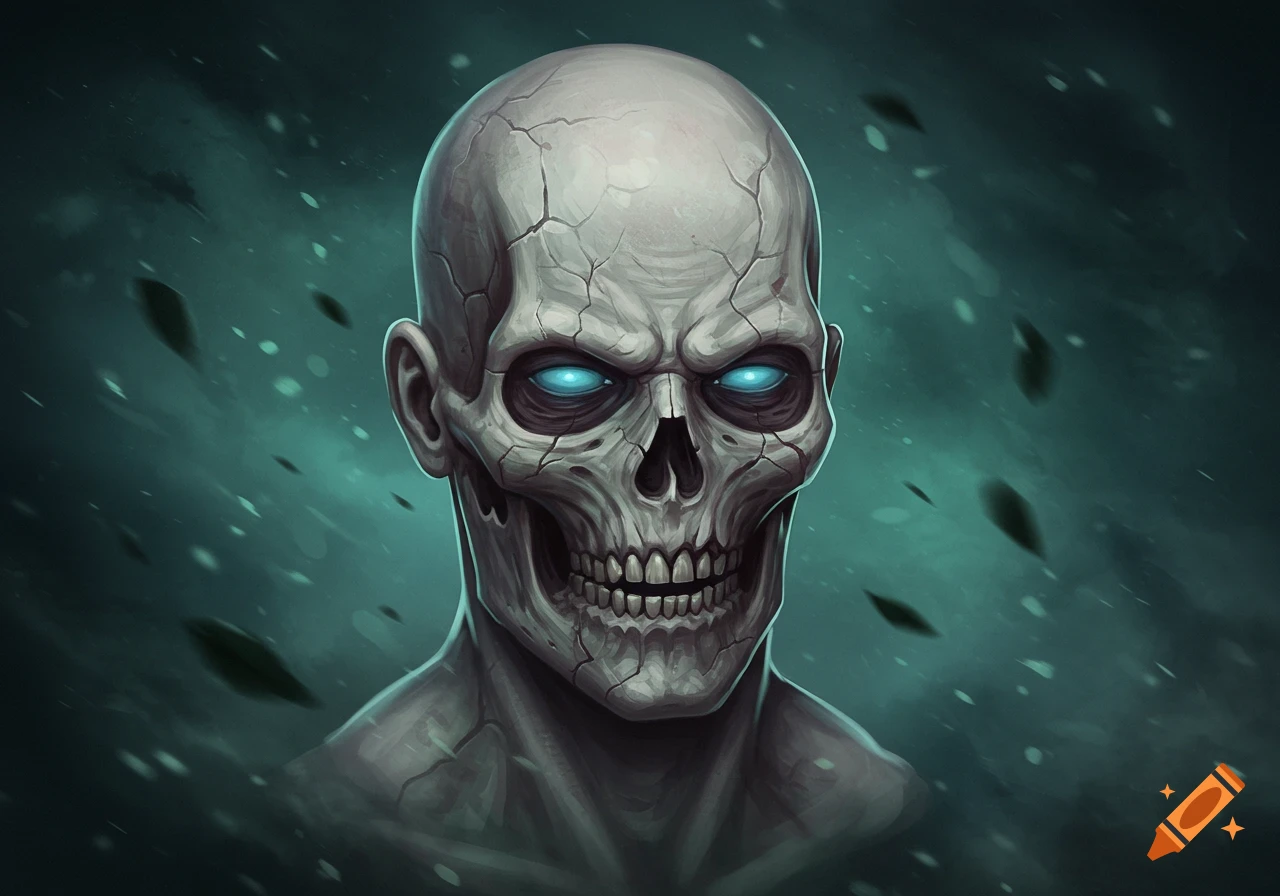
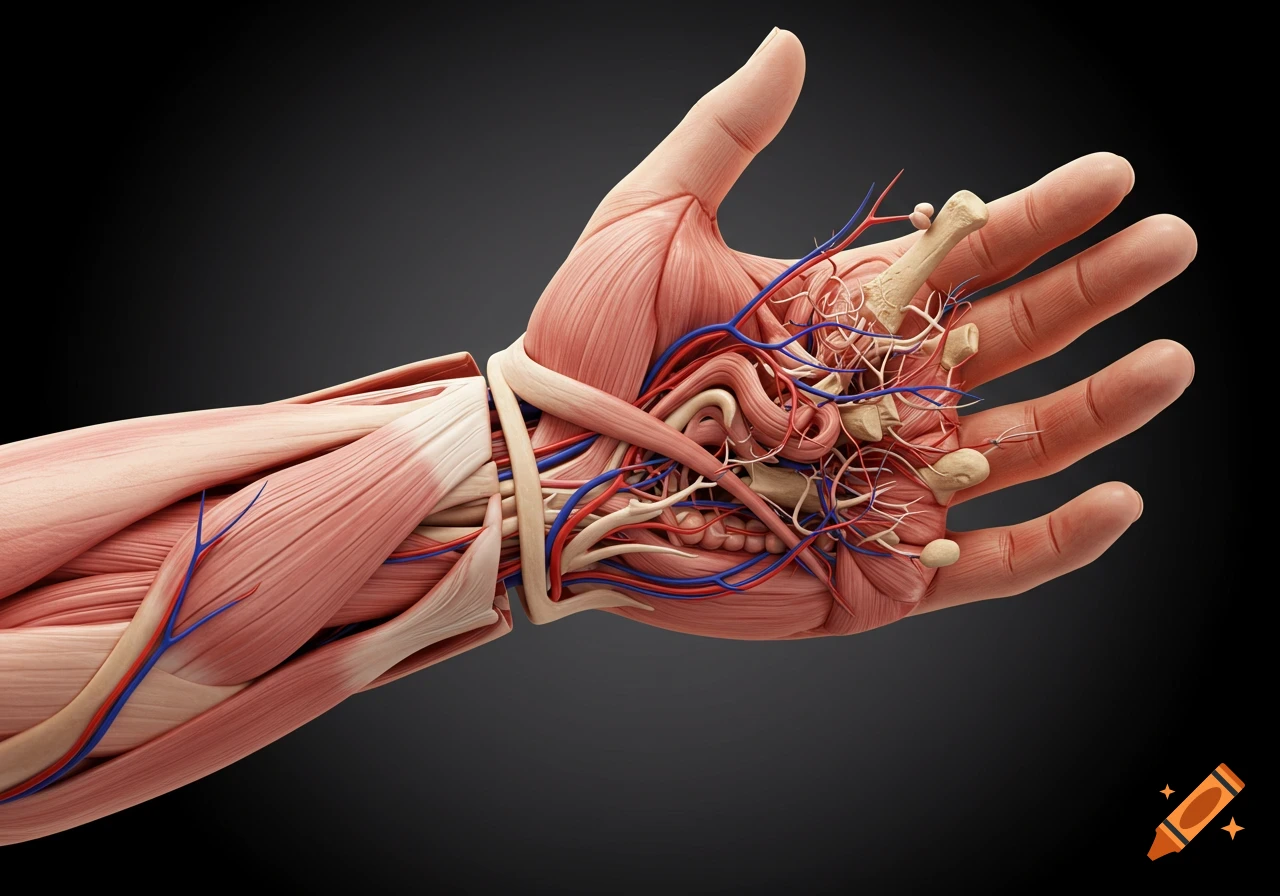
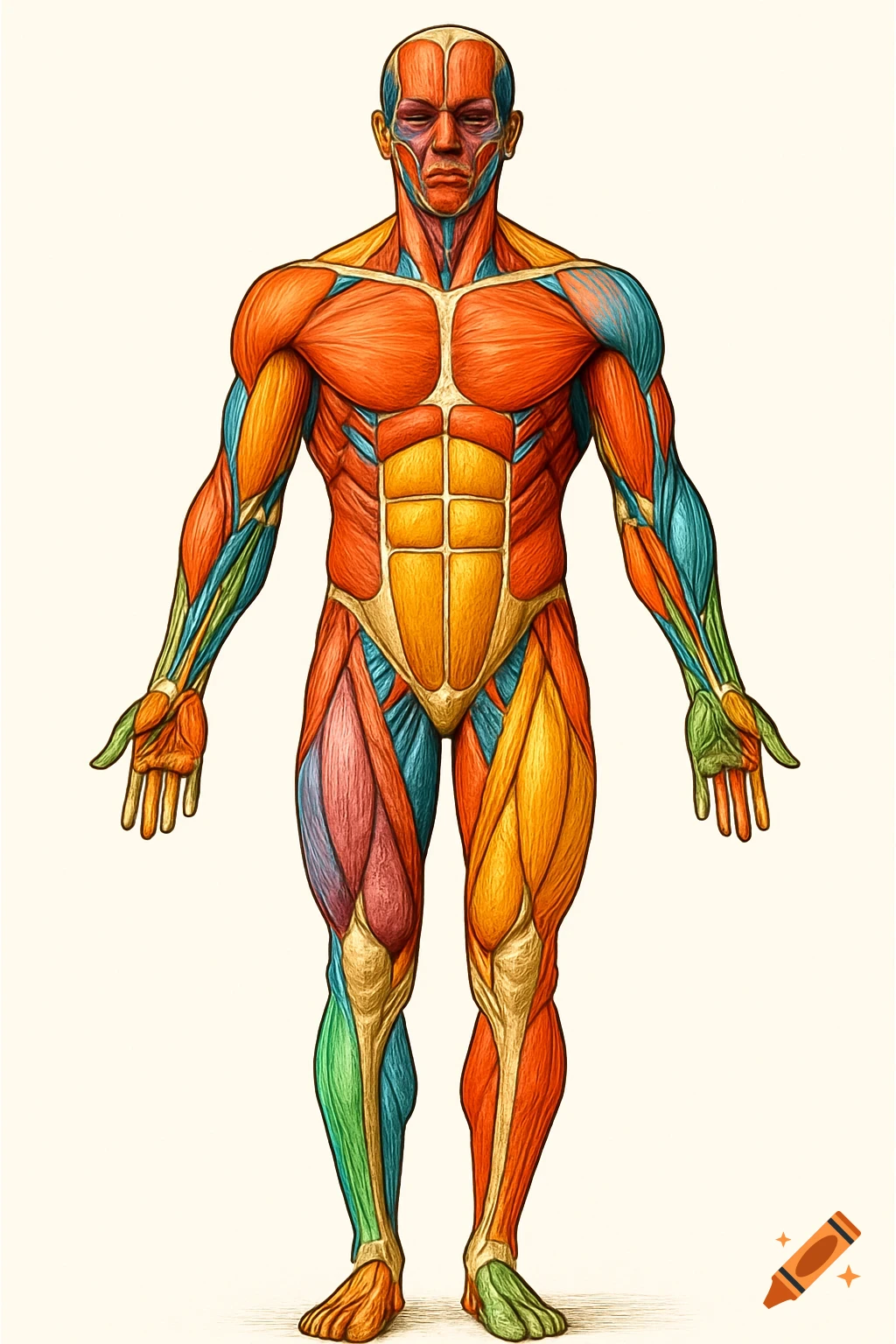
Structural Blueprint: The Pharyngeal Human 1. Skeletal Mechanics Cervical Elongation: The human neck requires an additional three to four vertebrae to house the retracted secondary jaw, fundamentally altering the posture into a forward-leaning, heavy-headed silhouette. Hyoid Mutation: The delicate human hyoid bone thickens and fuses into a rigid, track-like rail system running down the front of the cervical spine. The Inner Mandible: Nested behind the uvula, a secondary micro-skull forms. It features a narrow, elongated jawline with backward-curving human incisors designed purely for dragging material down the throat. Articulating Ribs: The upper thoracic ribs disconnect from the sternum, flaring outward on a flexible cartilage hinge to allow the inner jaw to physically drop into the chest cavity when fully retracted. 2. Musculature and Fascia The Sling System: Massive retractor muscles originate from the clavicle and attach to the base of the inner jaw, pulling the mechanism down and back with immense force. Throat Distension: The exterior throat profile bulges unnaturally at rest, resembling a severe goiter to accommodate the hidden bone mass and heavily coiled muscle tissue. Tension Lines: When the inner jaw strikes, the sternocleidomastoid muscles bow outward. The skin of the neck stretches to its absolute limit, revealing the harsh, jagged silhouette of the secondary bone structure shooting upward through the throat. The Esophageal Sheath: The tissue housing the inner Mehr sehen
More images like this