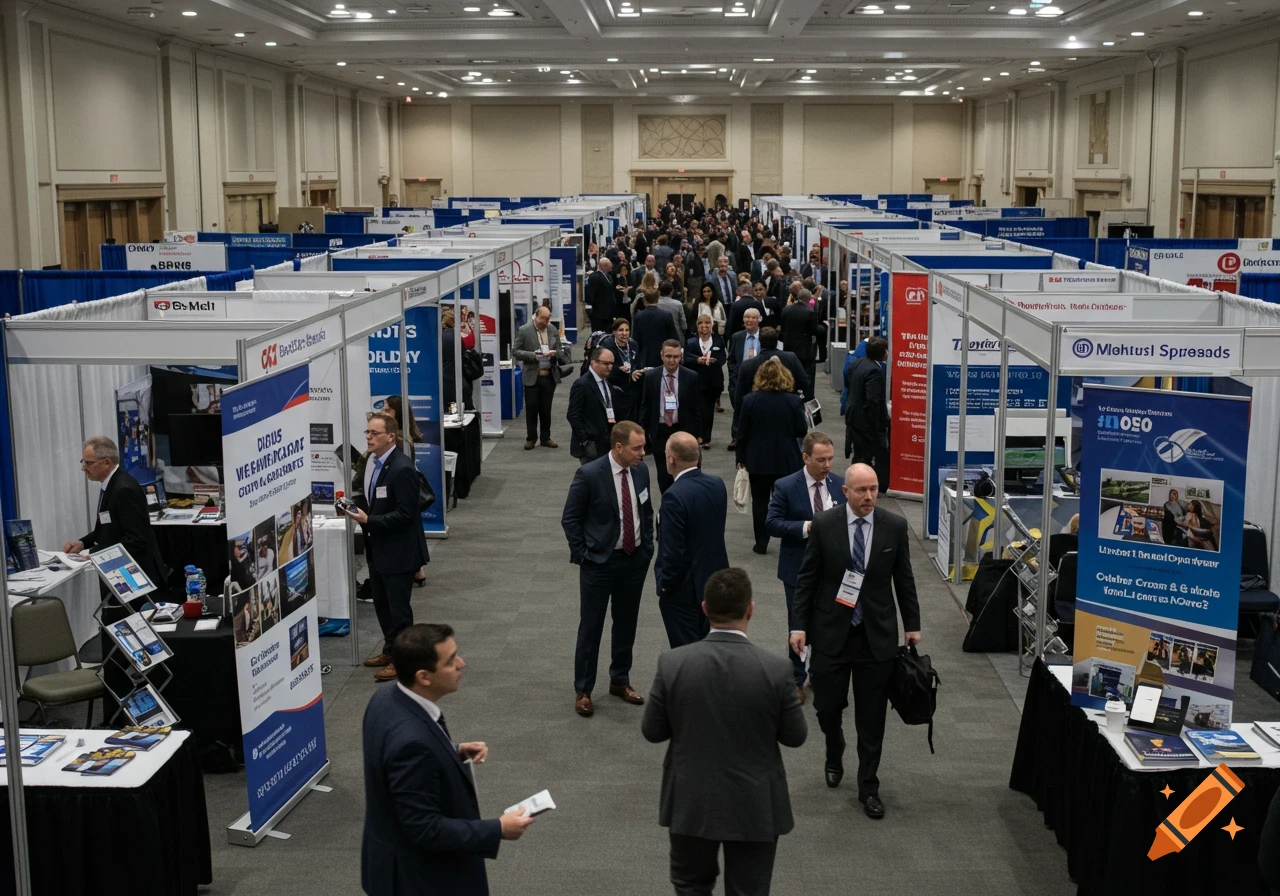
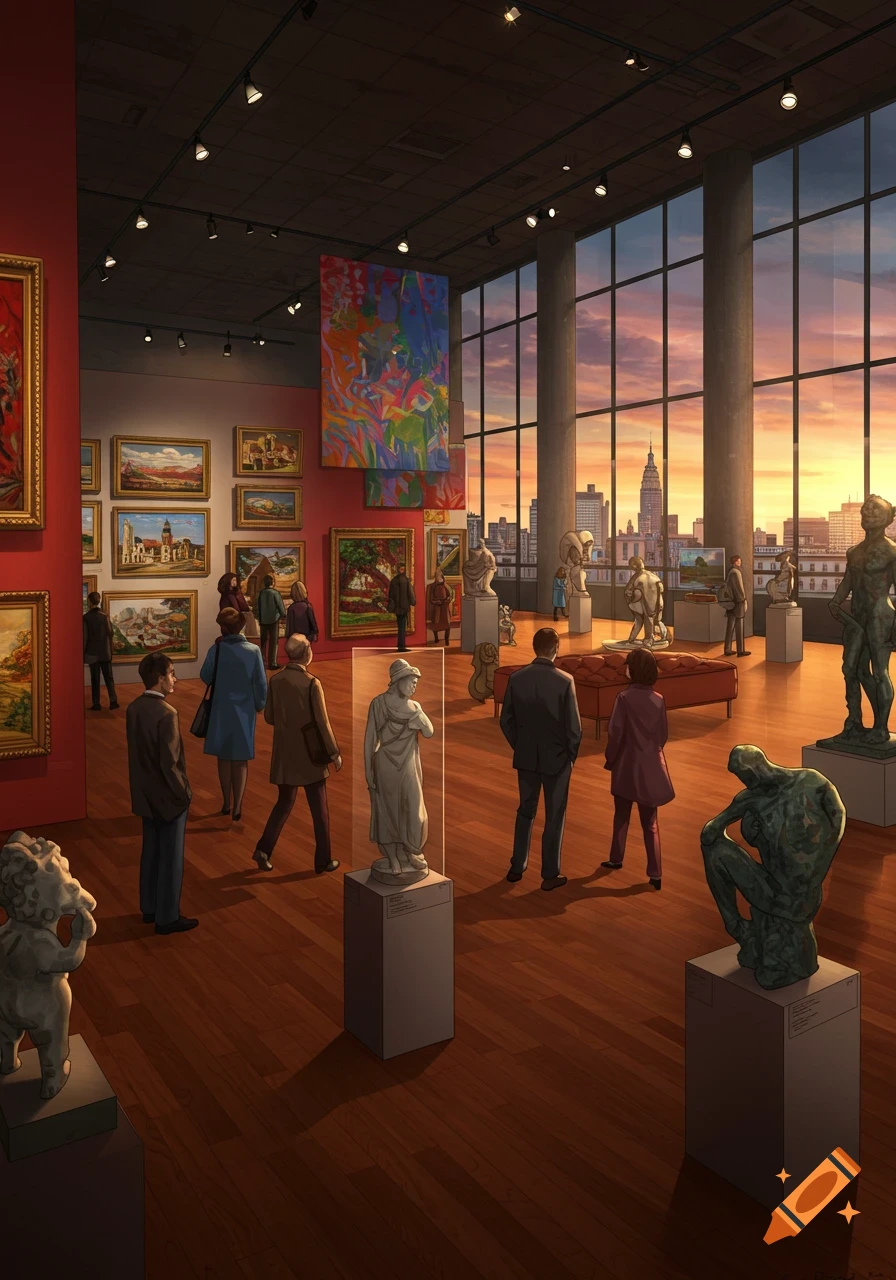
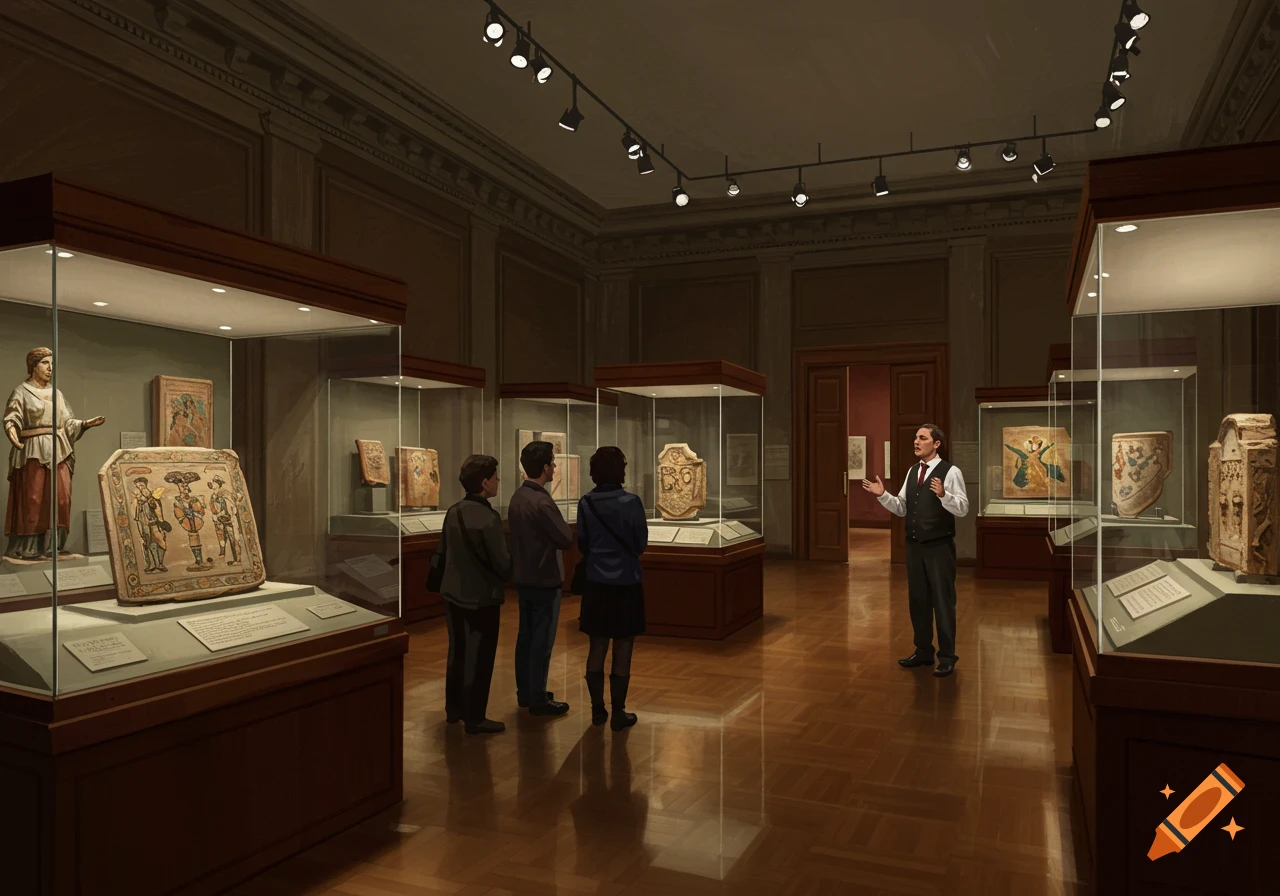
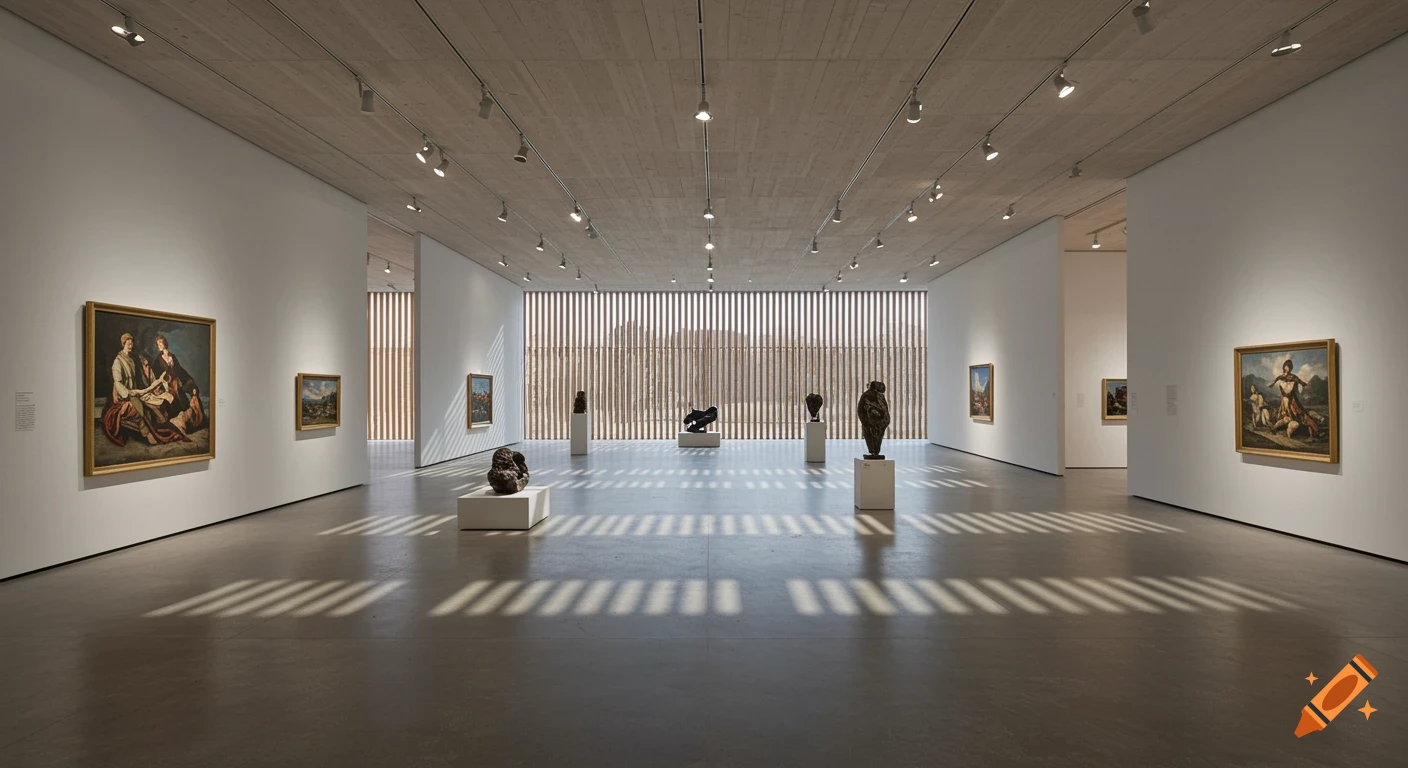
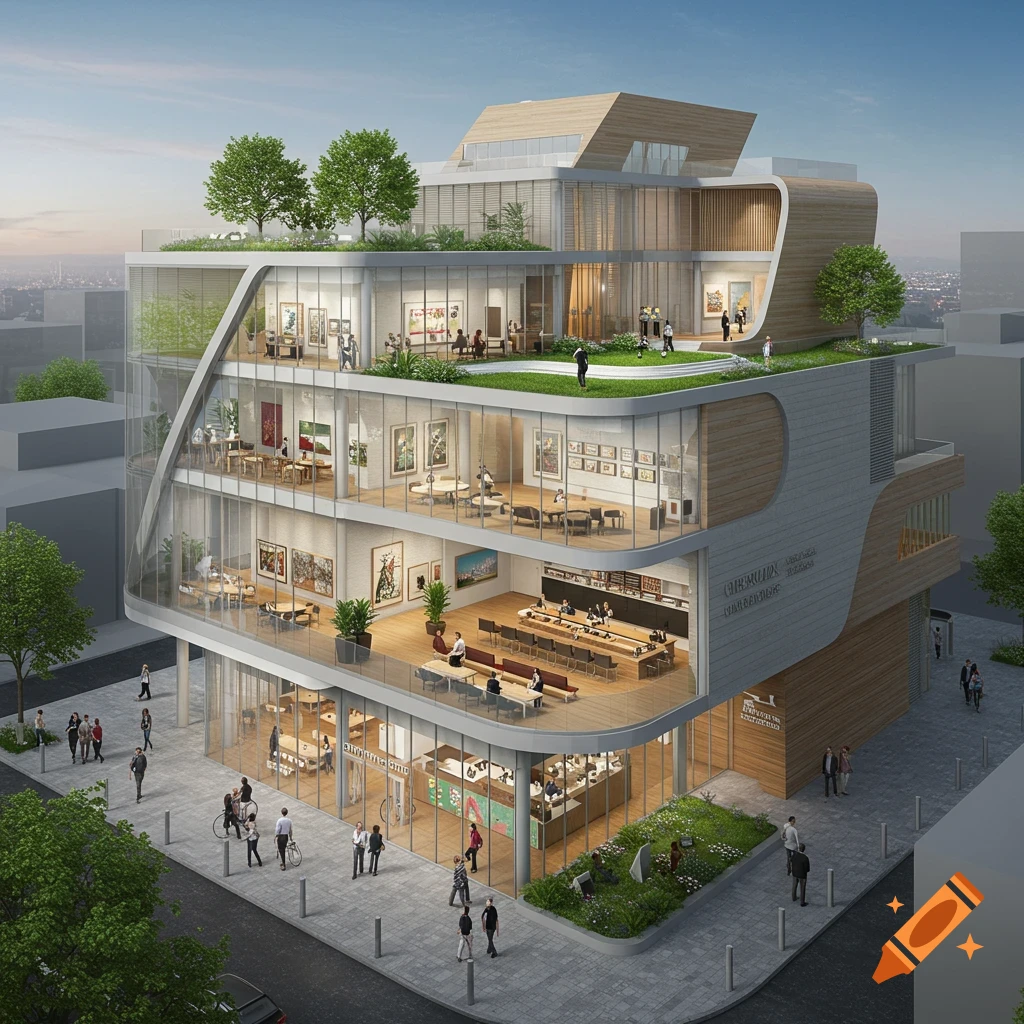
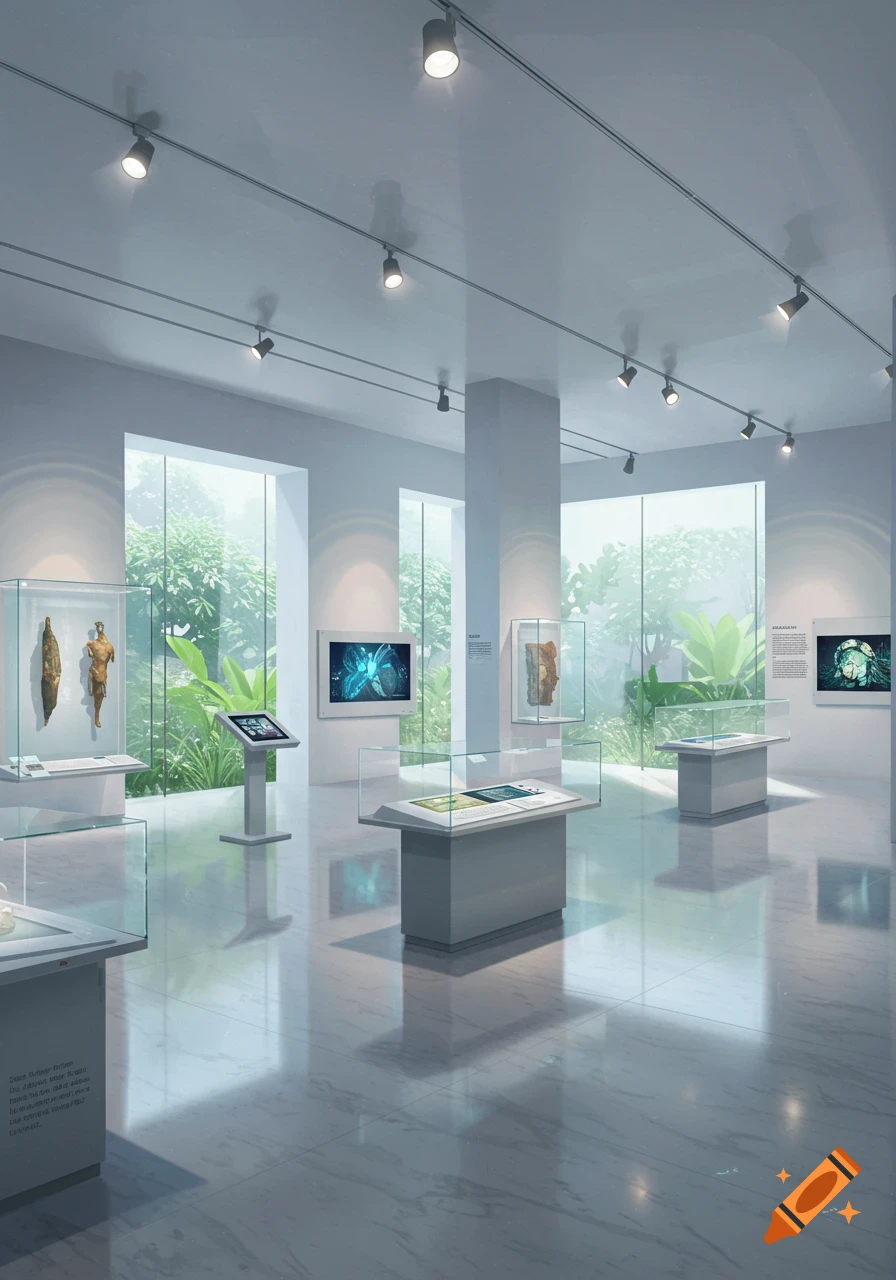
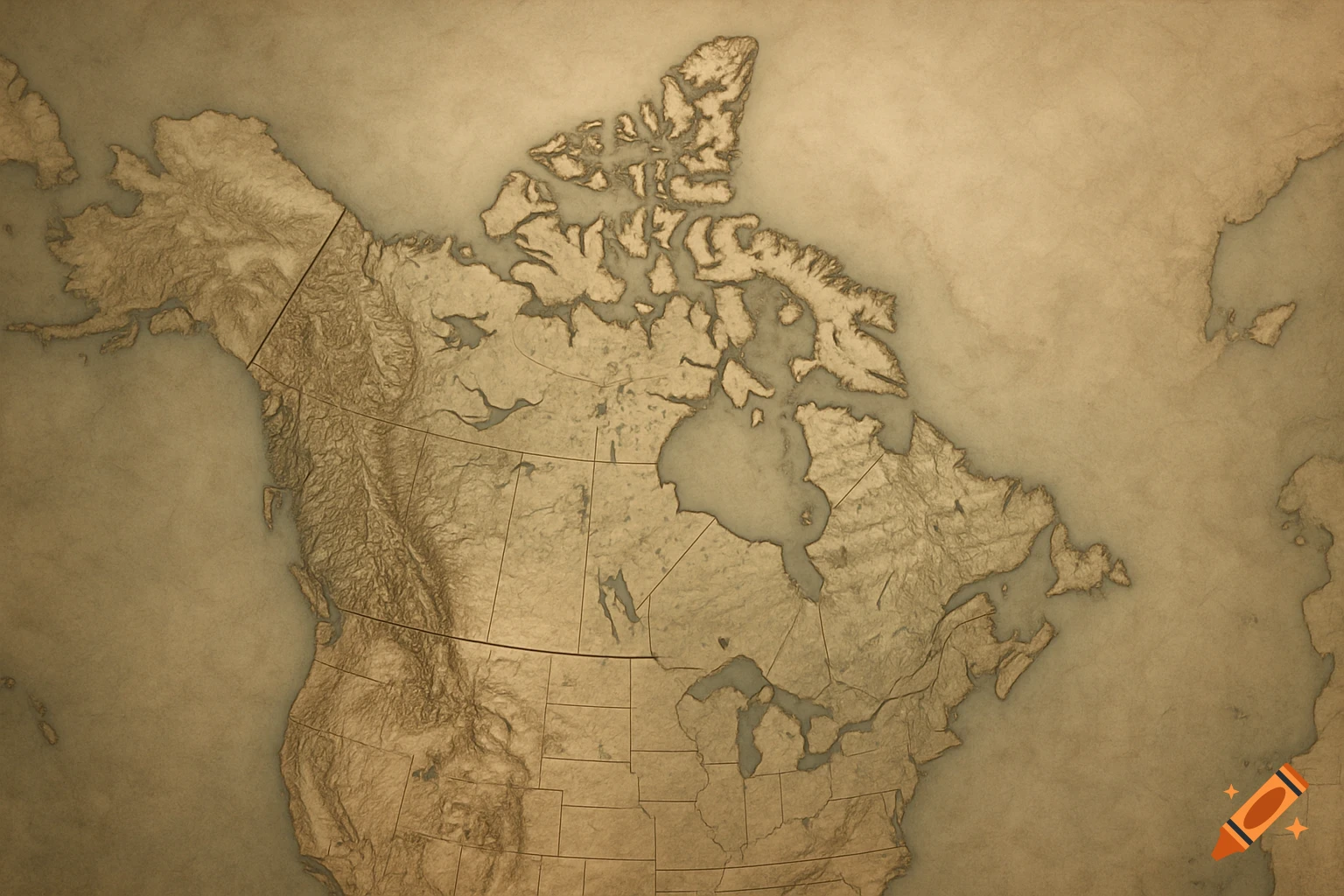
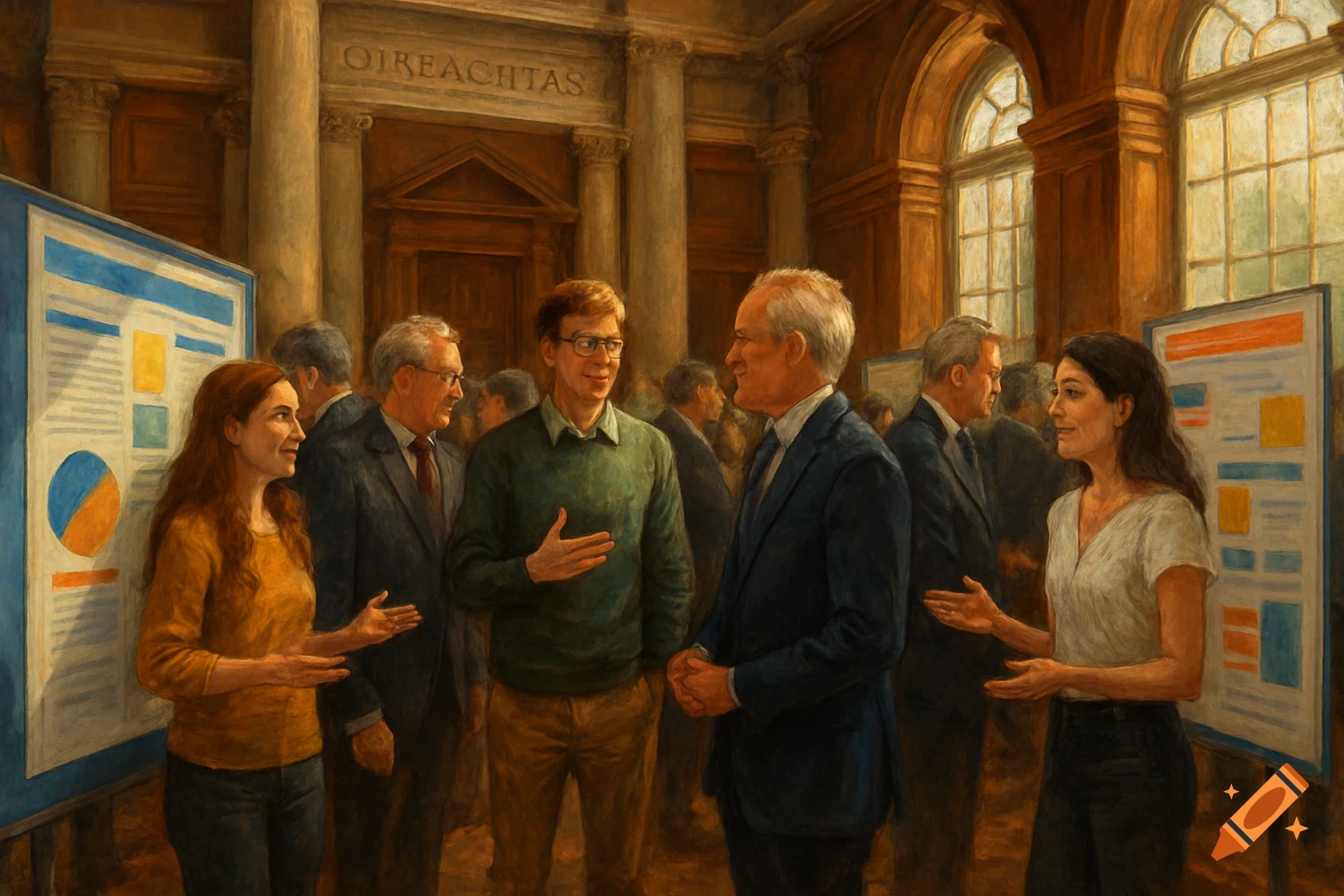
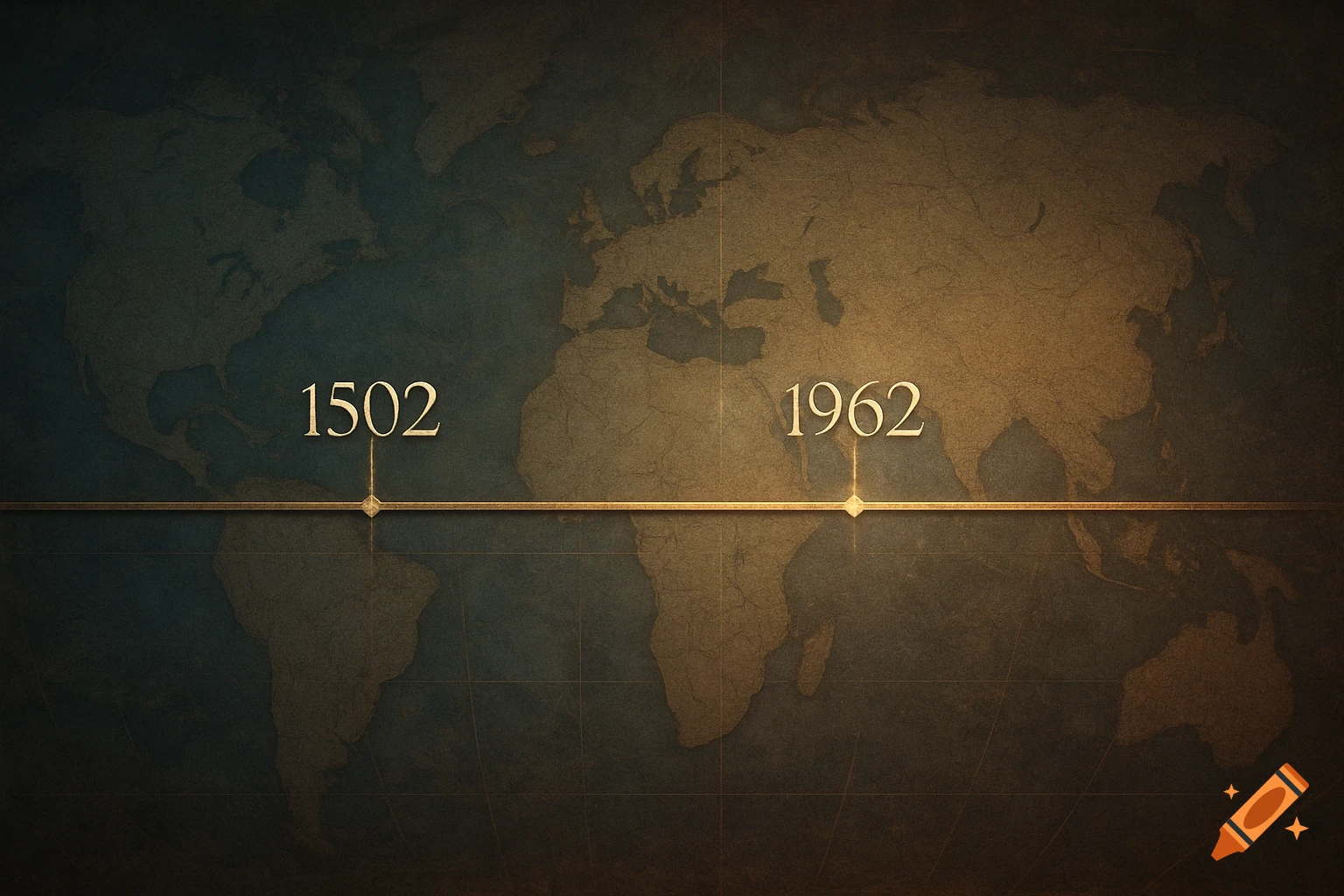
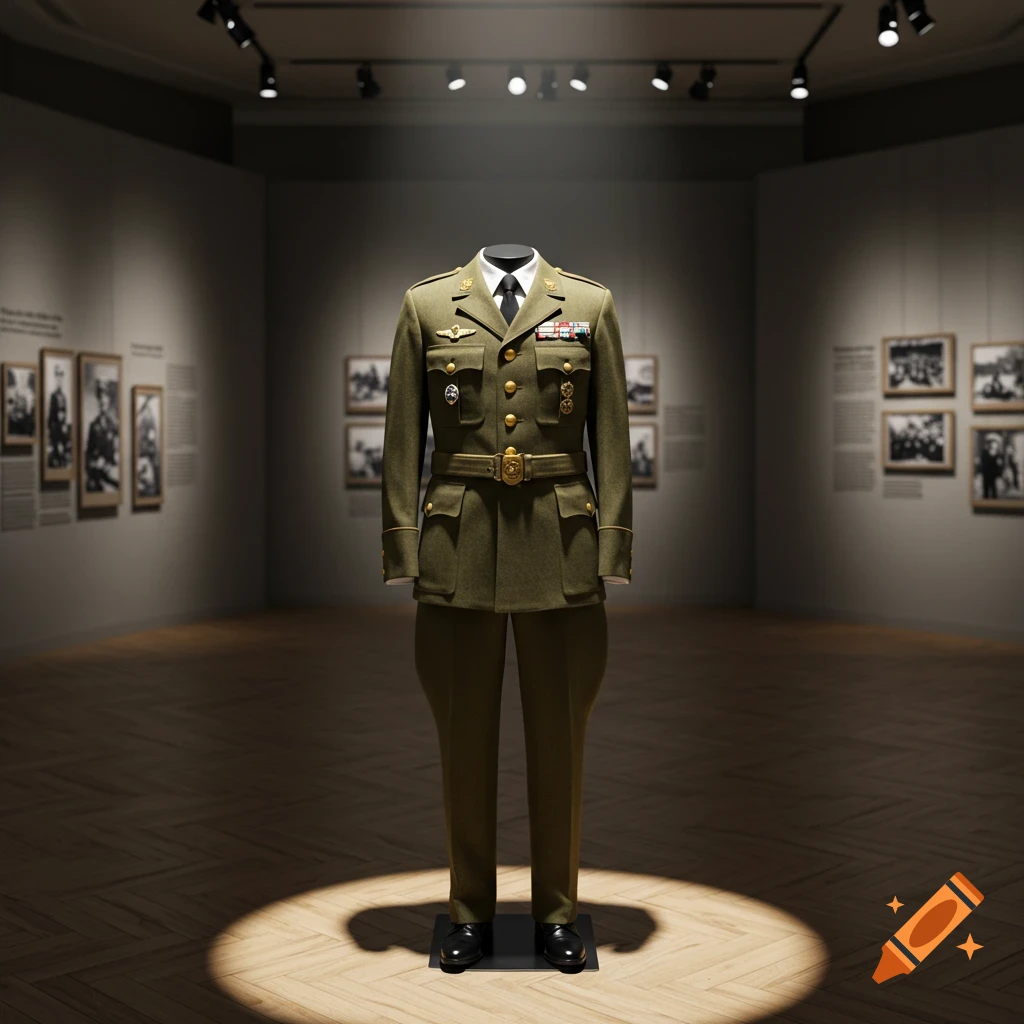
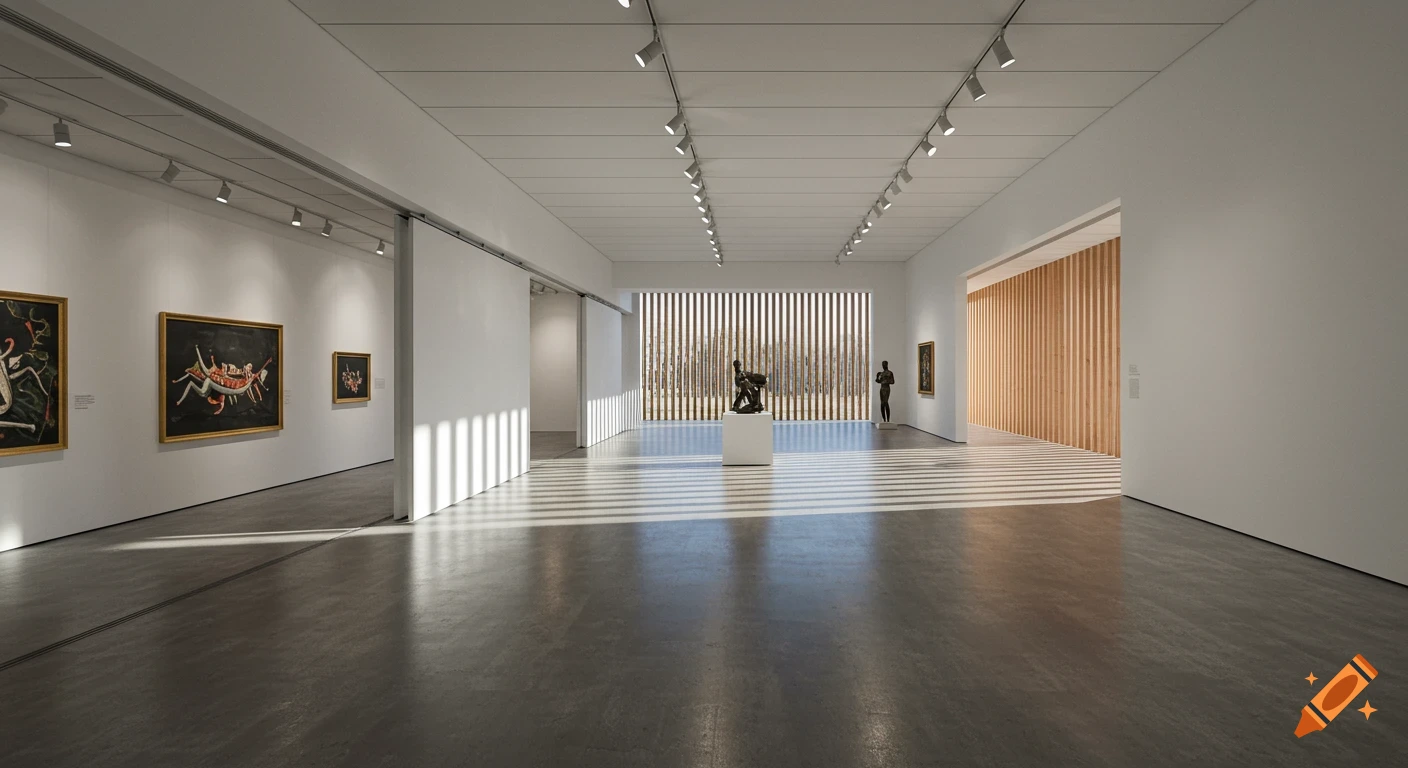
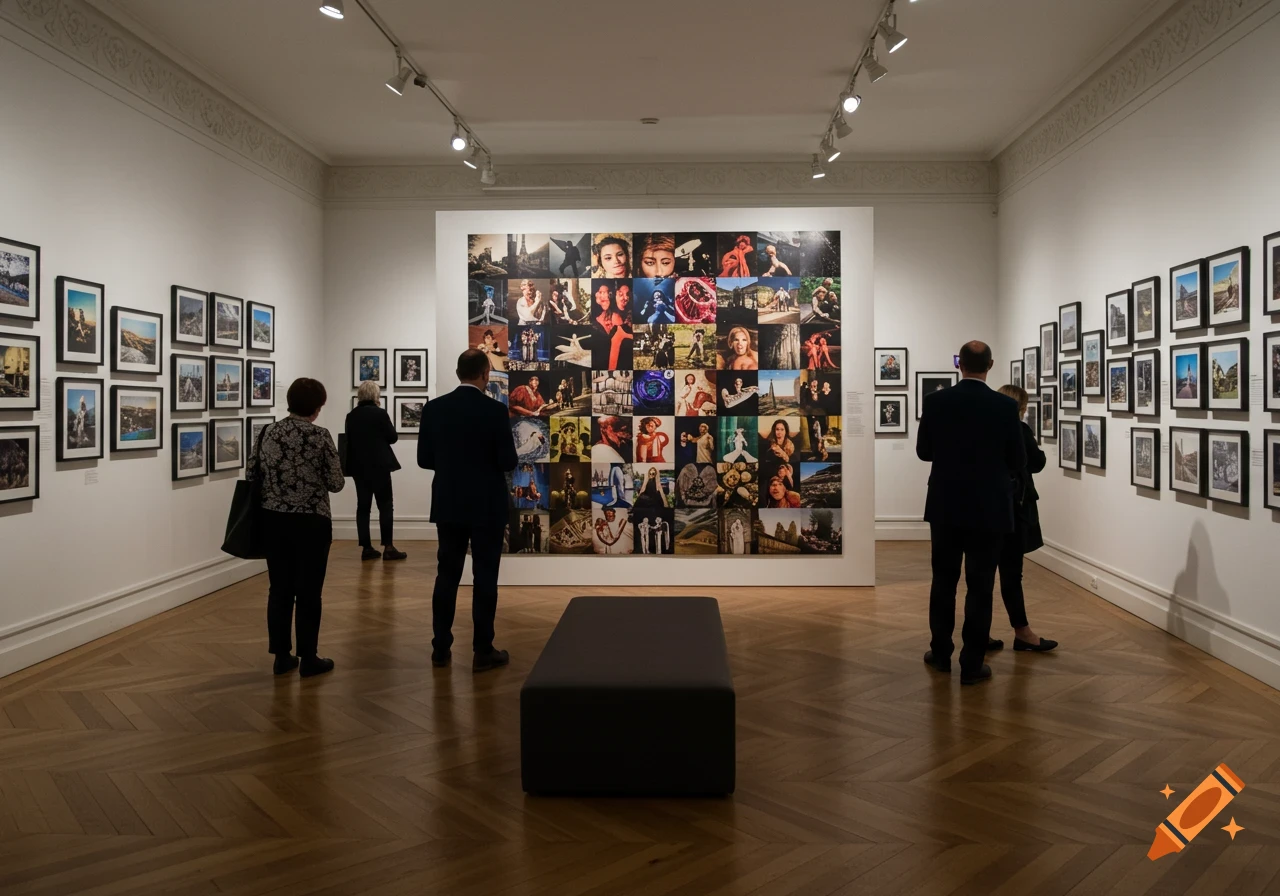
People viewing a socio-political and cultural archive museum exhibit with timelines, newspaper clippings, and screens.

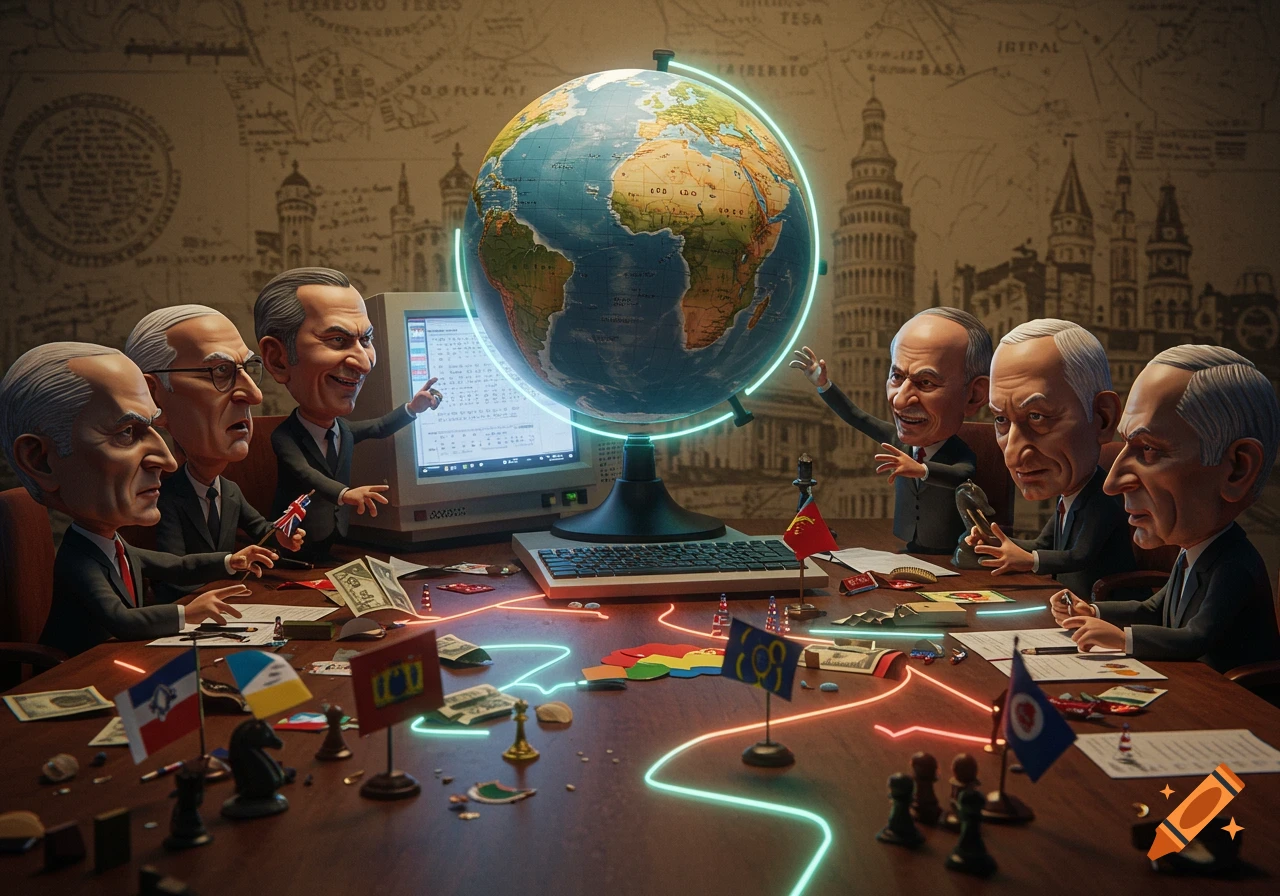
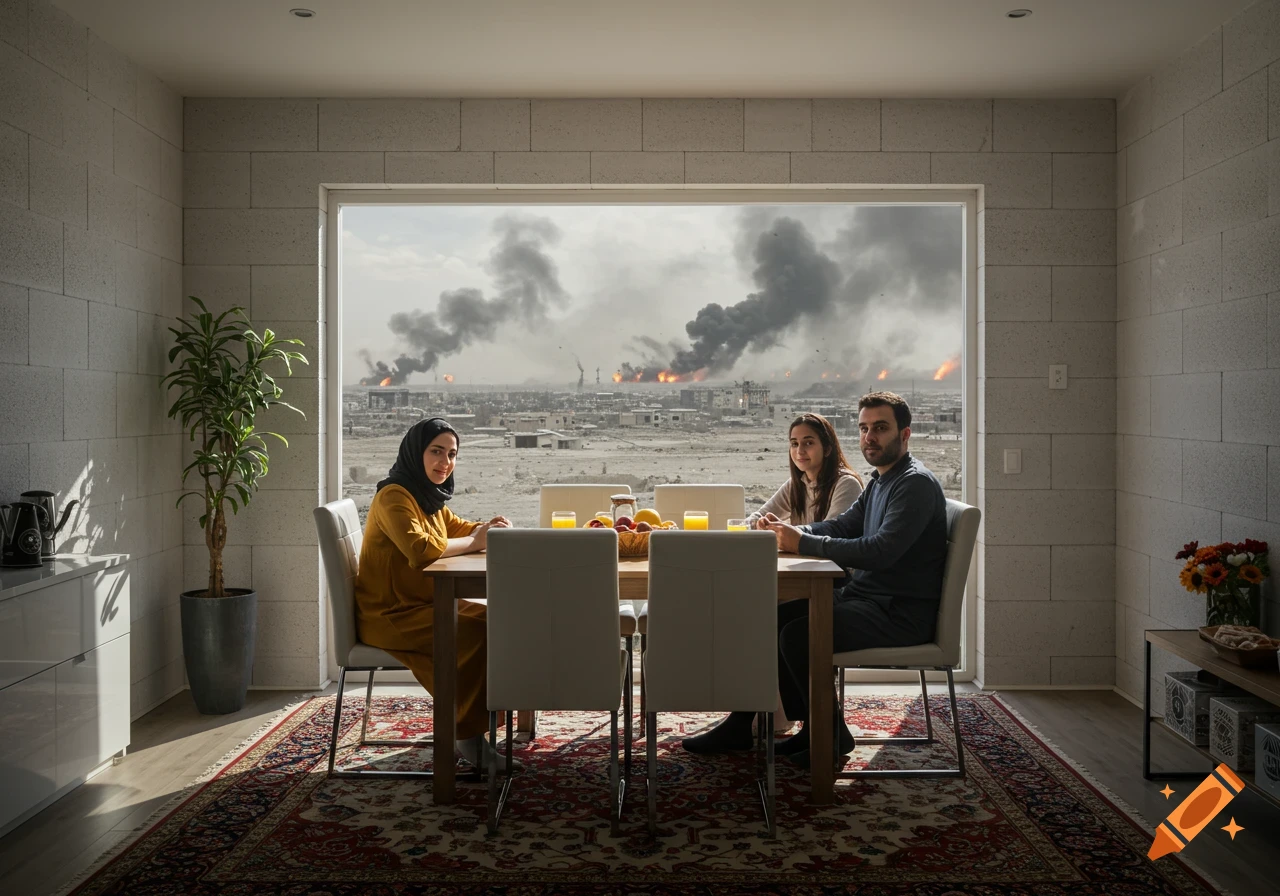
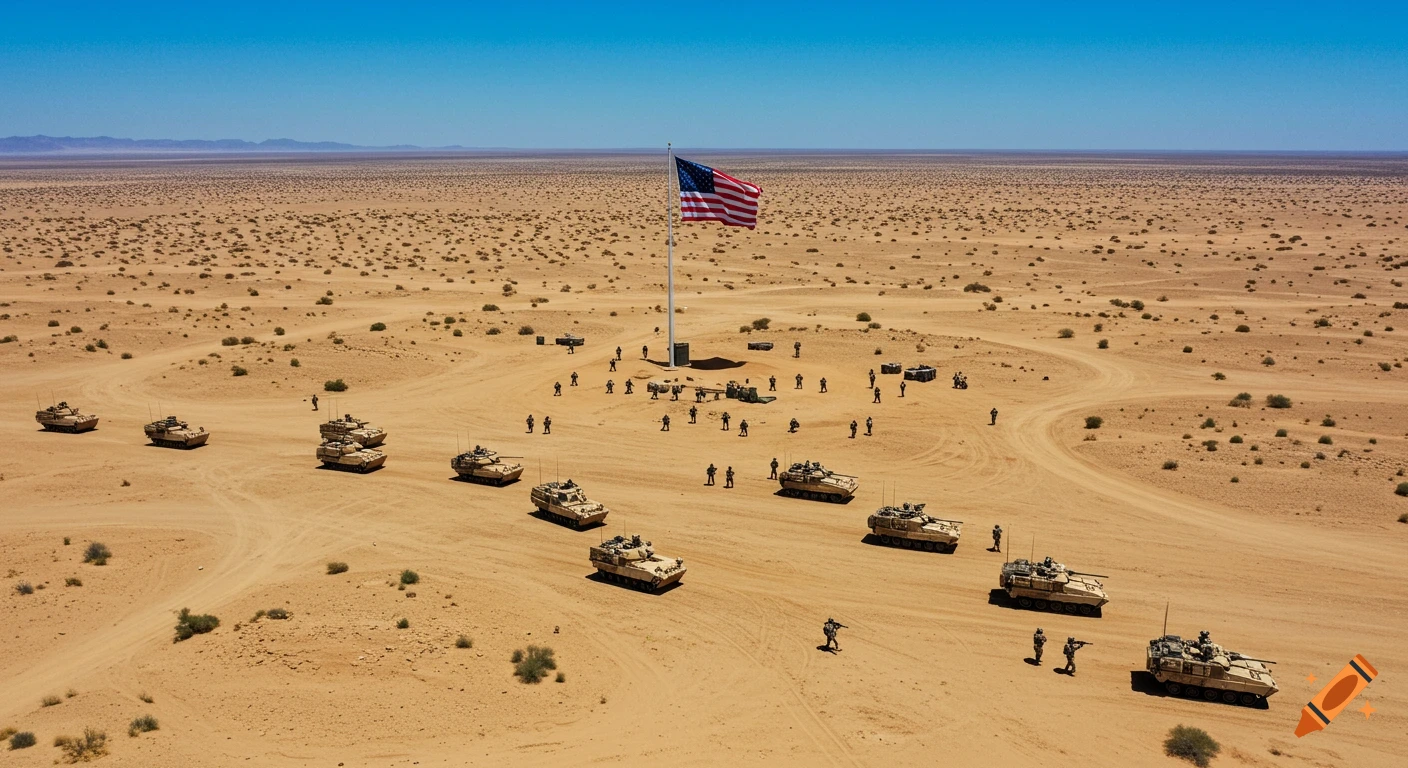
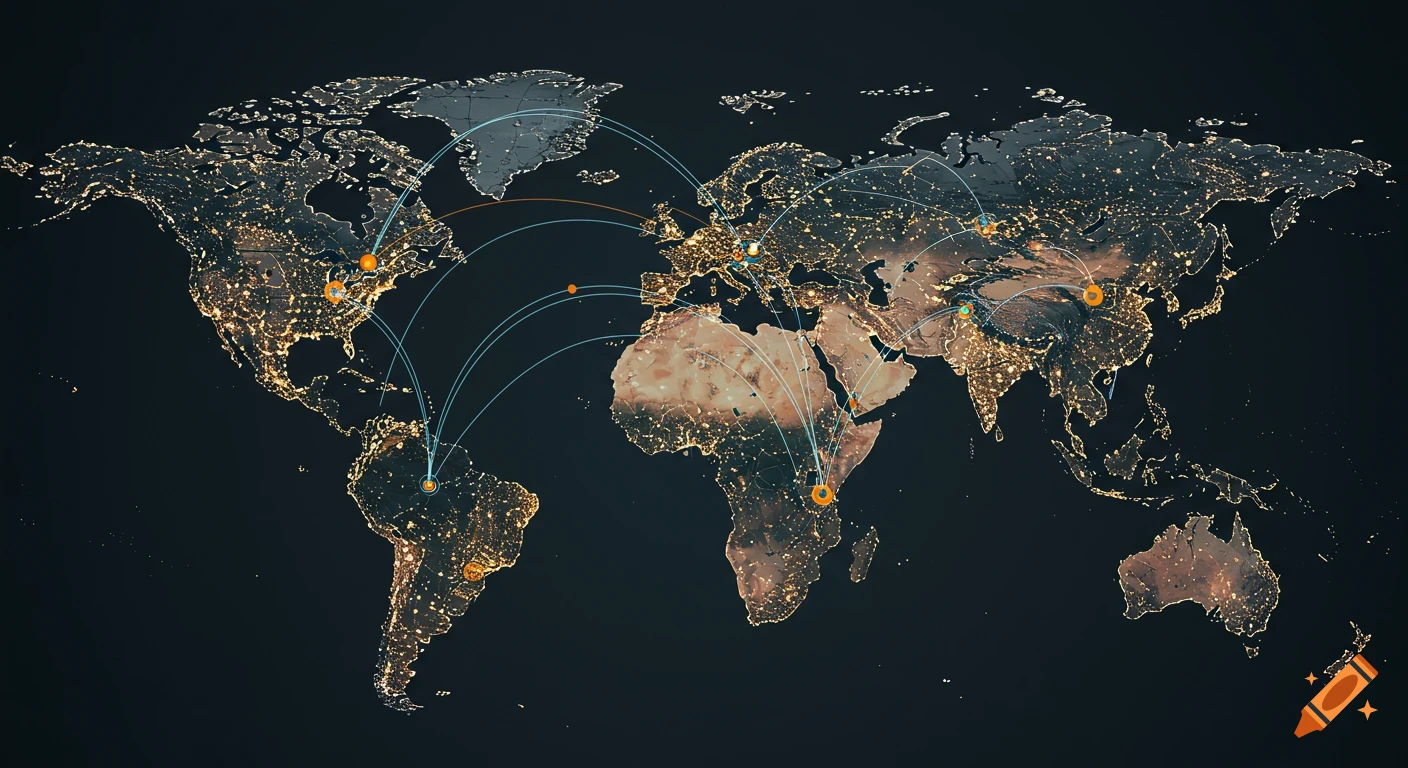
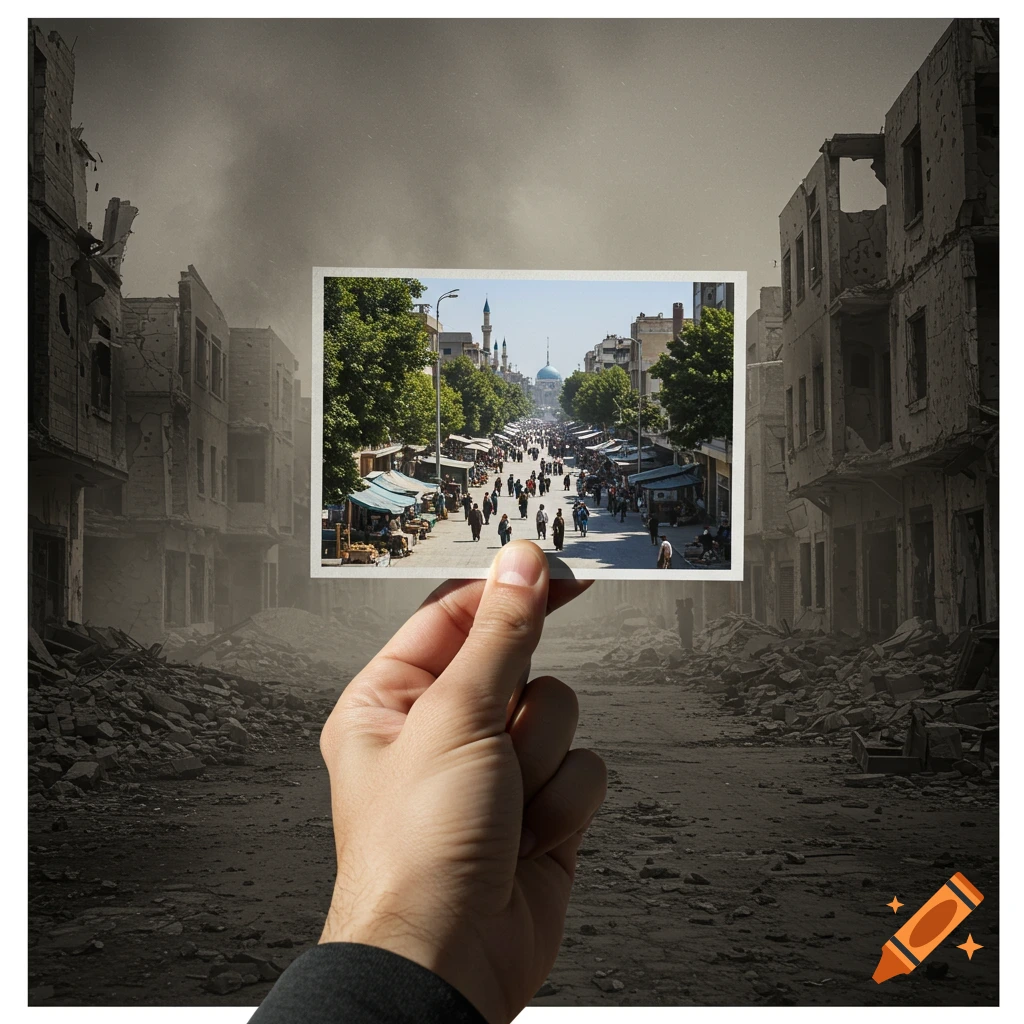
For the first time since The '60s and '70s, the political and economic climate that began to take shape in 2014–2015 came to impact the socio-cultural lens in an inescapable fashion, especially compared to the "alternative" trends of the late 90s, 2000s and early 2010s (2010–2013), with an important focus on feminism and minorities. This caused a tremendous culture shock that extended even from early 2020s, and there is a good chance that, as in the 60s, this trend will extend beyond the decade. While chronologically the 2010s ended on December 31, 2019, a number of events from 2014–2019 marked a turning point that changed the political landscape into a vastly different one compared to 2010–2013, beginning with: Putin's Russia arising as an "anti-centrist" force in 2013-14 with the Syrian and Ukrainian crises, the global rise of populism, ISIS terrorizing Europe in 2015 and the Islamic migrant crisis, all of which triggered the populist wave that elected Donald Trump and decided Brexit in 2015–16—then by the very end of the decade, the discovery of a rapidly-spreading and highly infectious airborne coronavirus in November 2019 directly sparking the COVID-19 Pandemic, welcoming 2020 and thus The New '20s by forcing almost the entire world back home and into an even more chronically-online milieu, as well as radically affecting public policy, social responses and even political beliefs around the world for public health and safety reasons. Meanwhile, there was also the Mehr sehen
More images like this