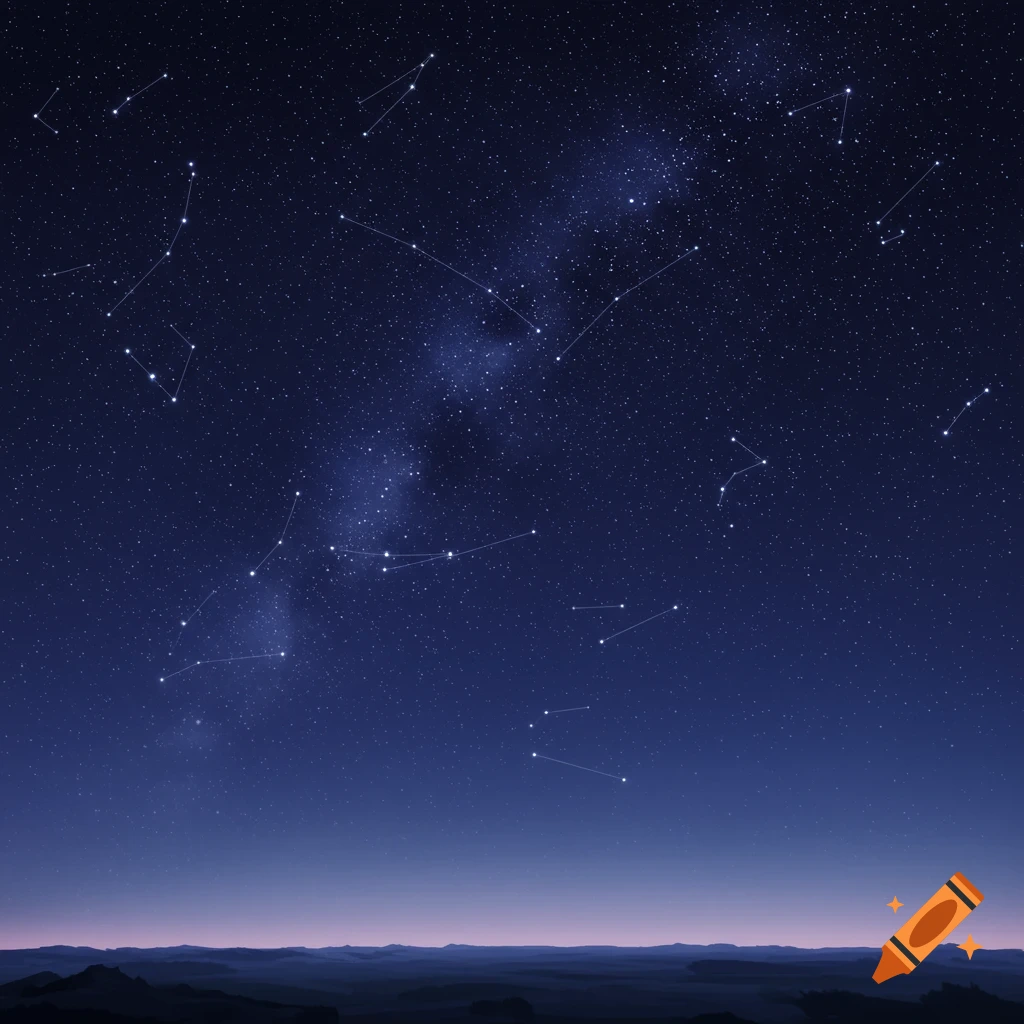
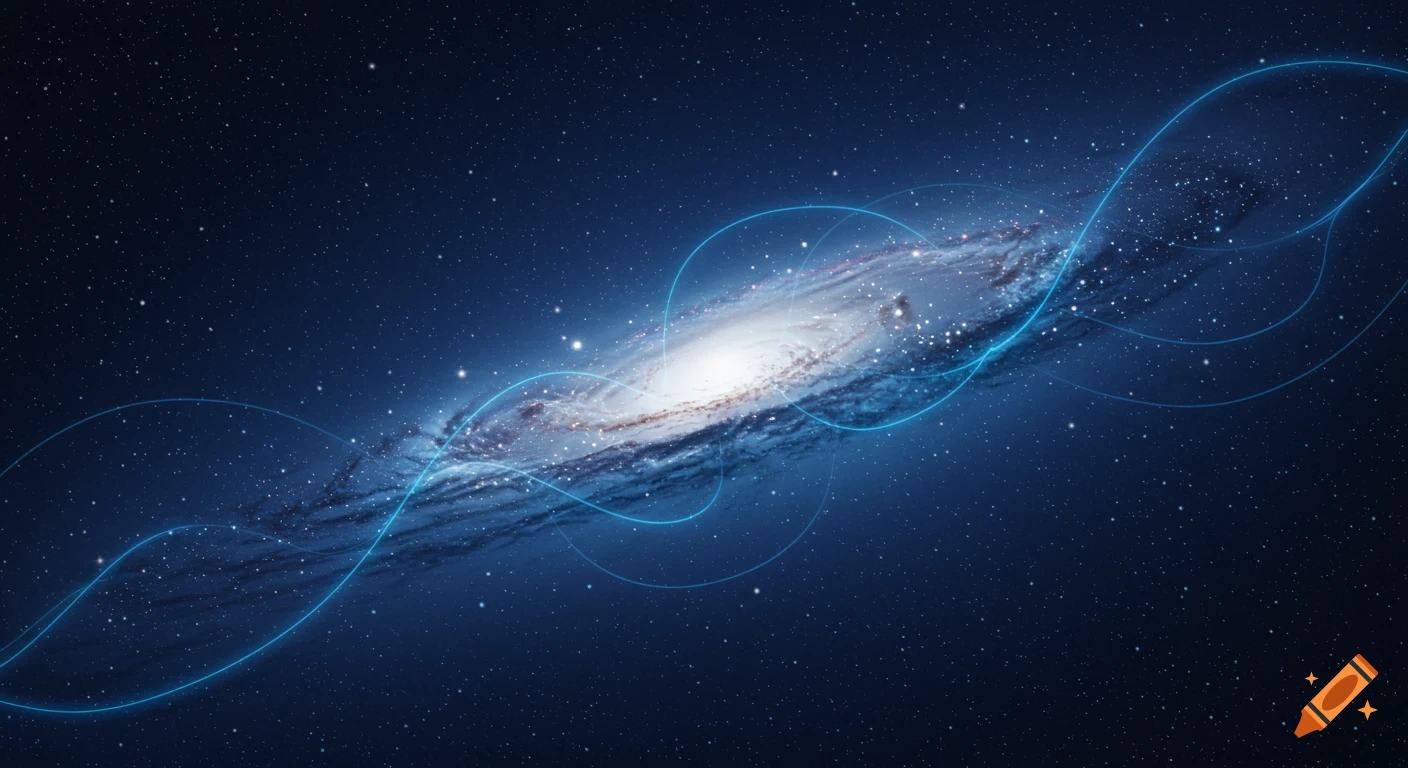
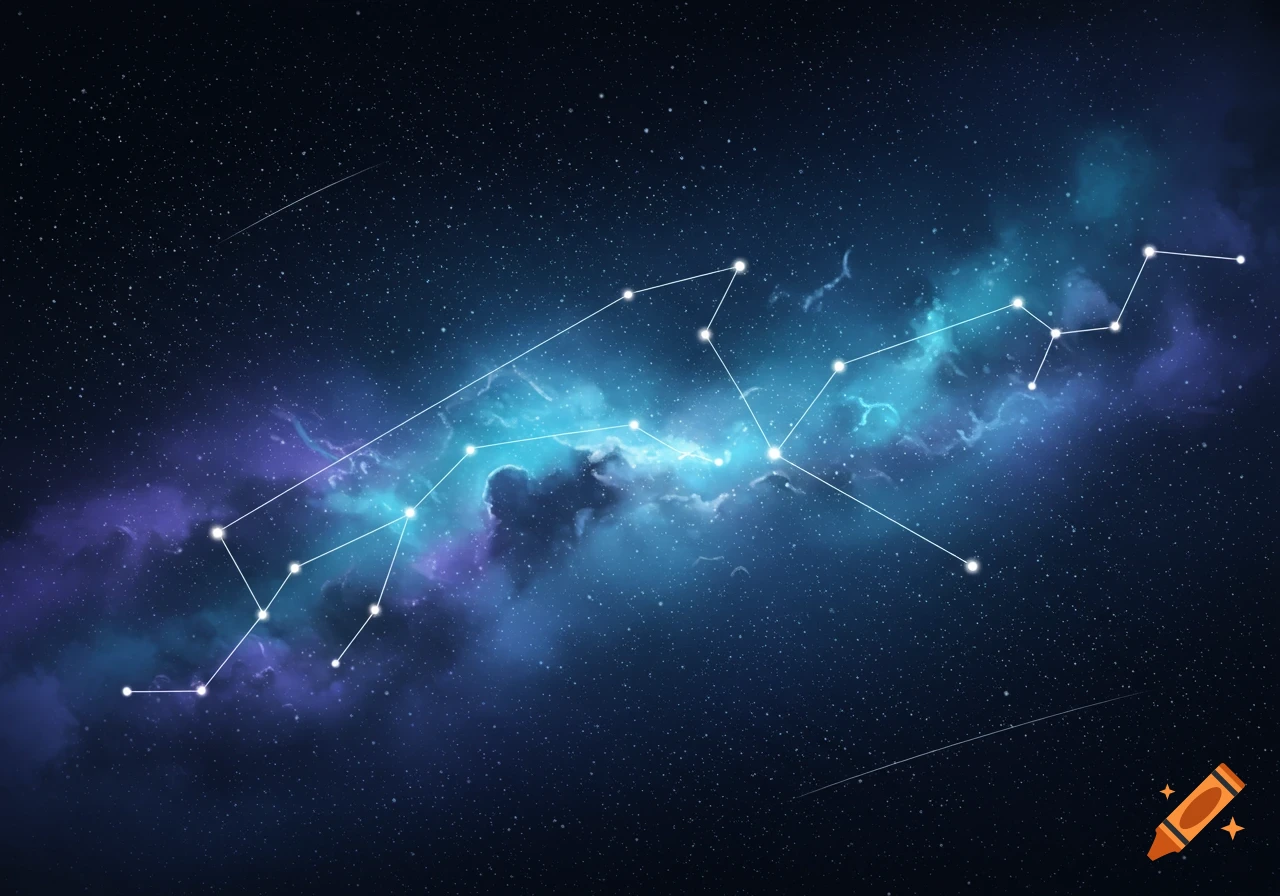
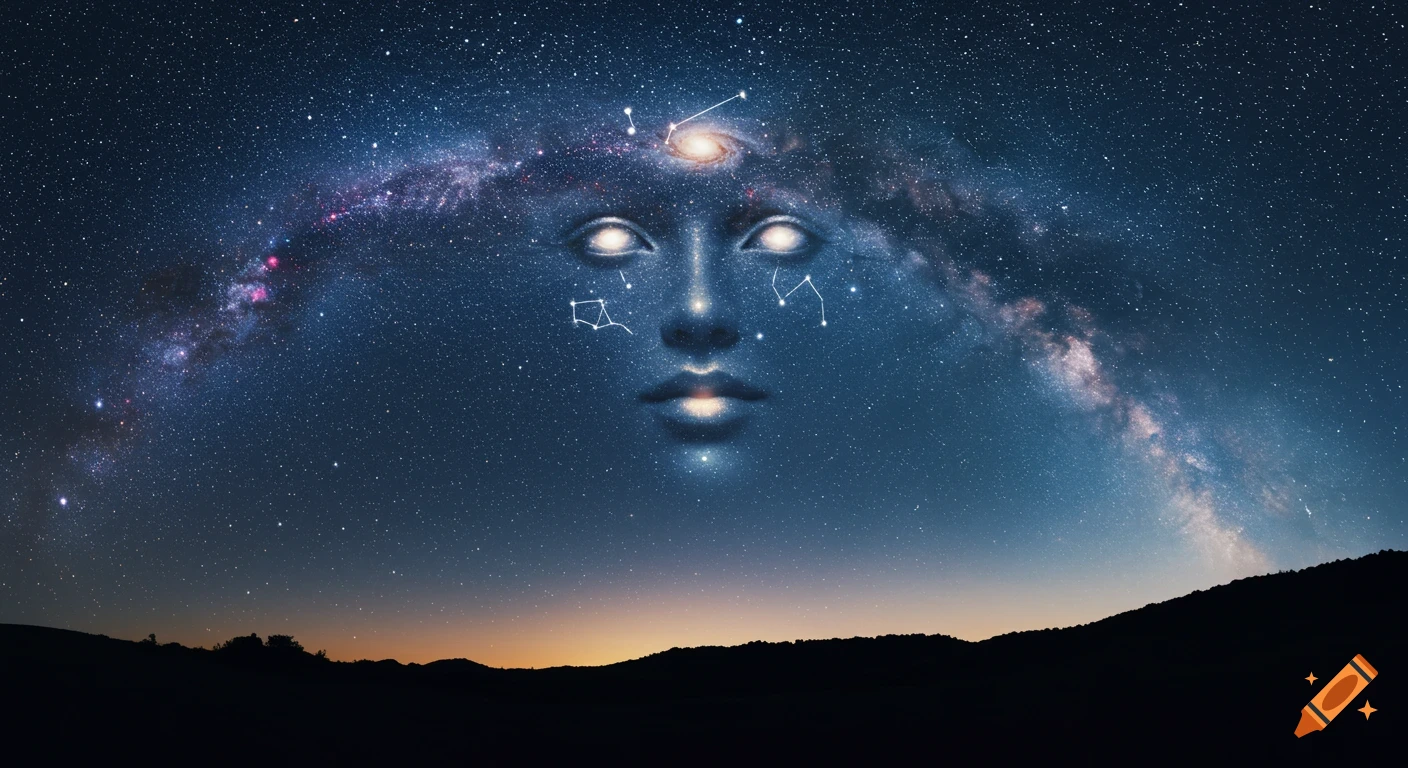
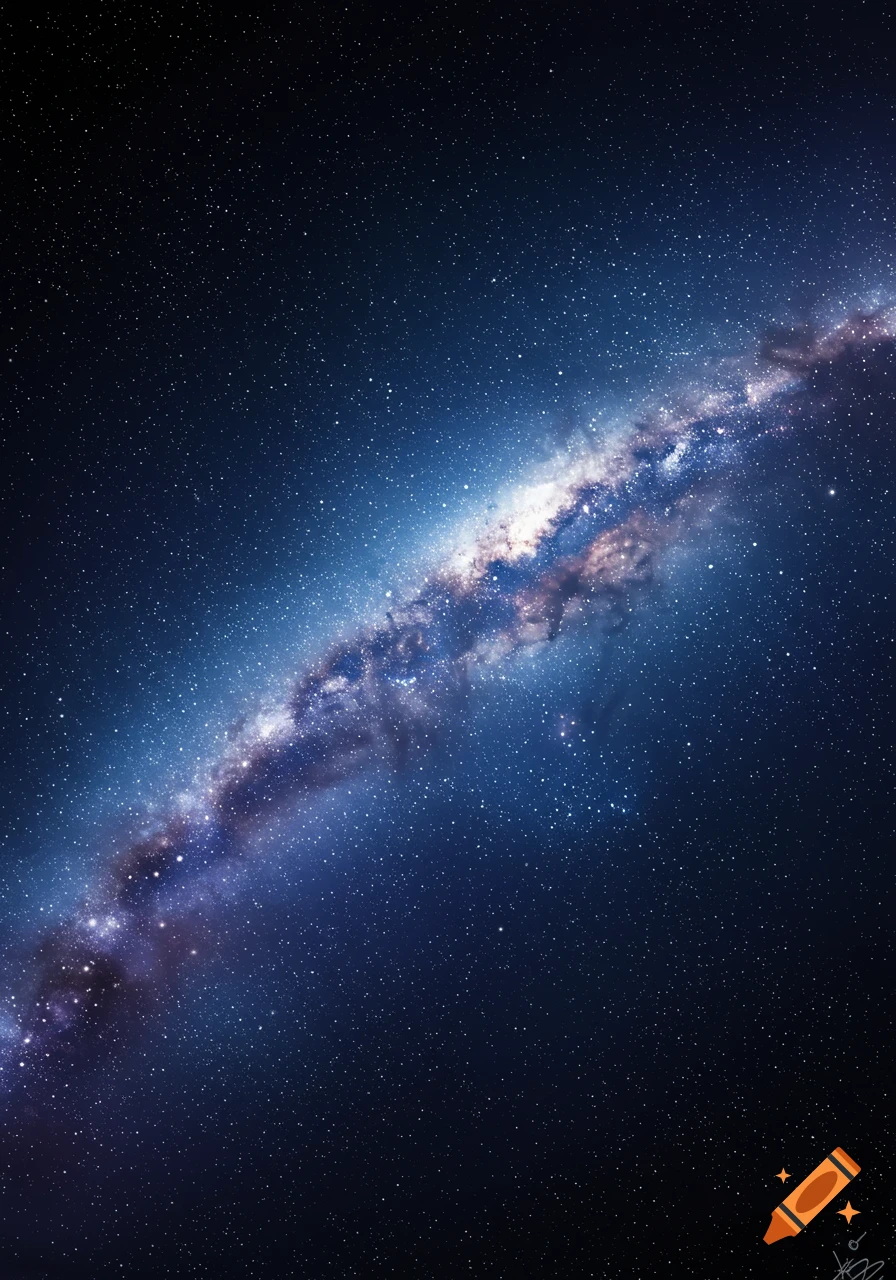
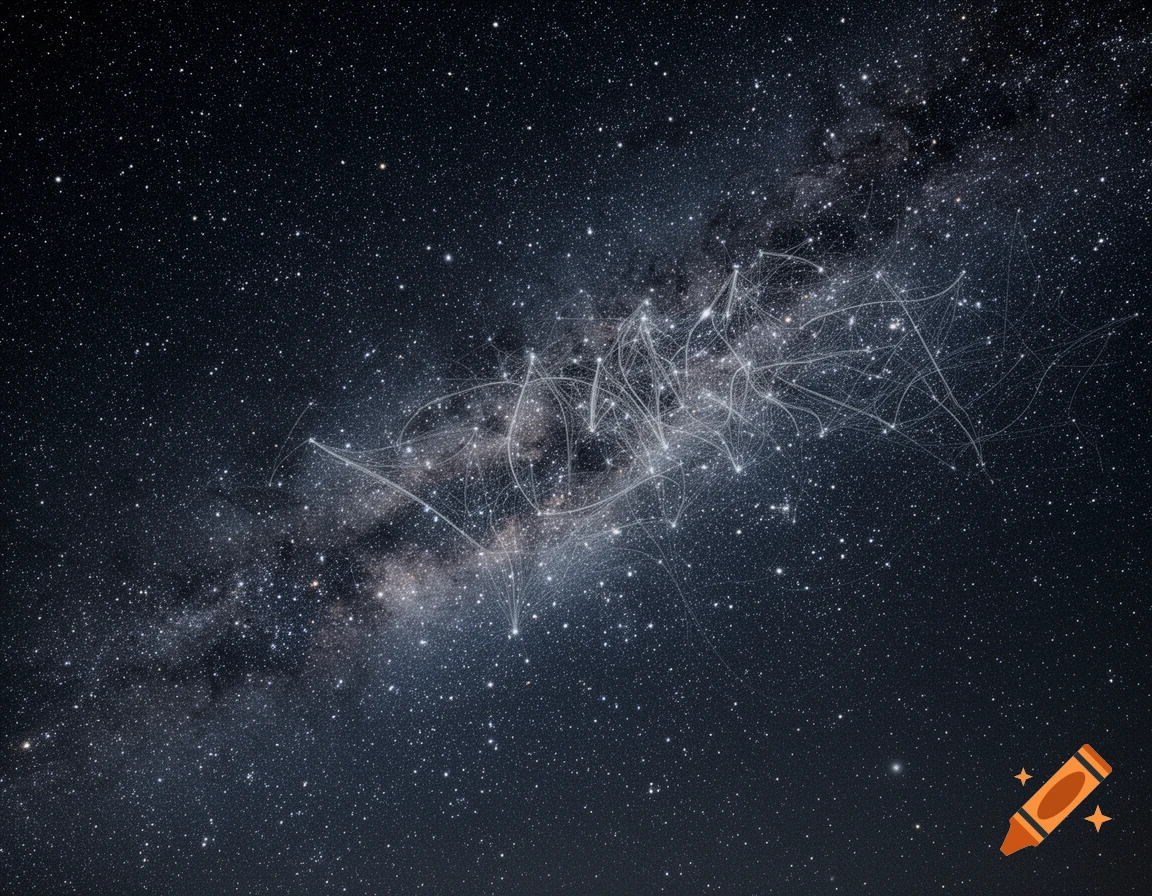
A starry night sky showing the Milky Way, overlaid with a glowing, interconnected network of white lines and dots.
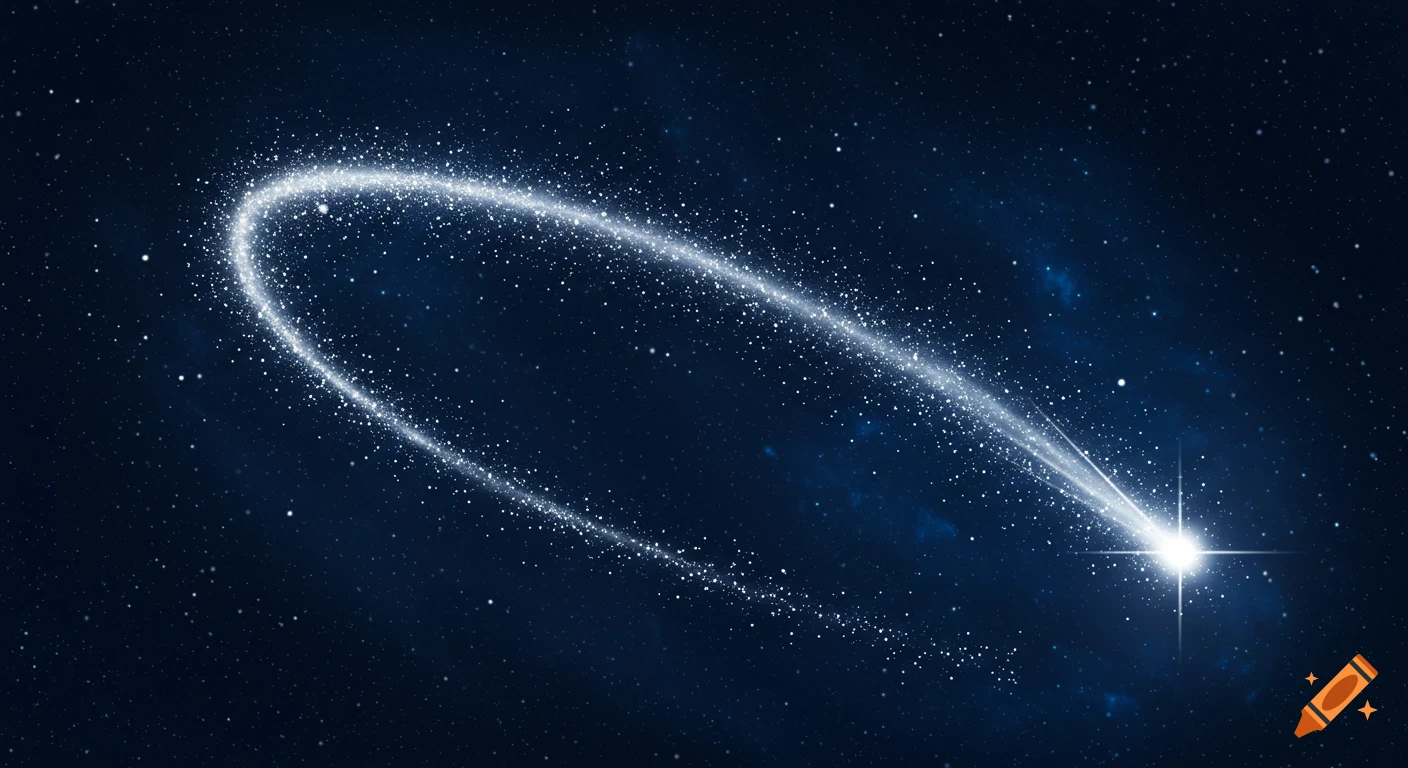
Hi everyone! Look up at the night sky. Millions of stars twinkle. But wait—hidden among the stars are planets we can’t see. How do we find them? Here comes our clever little friend: AI! Today, I’ll tell you how it discovers planets beyond our solar system. Scientists use a clever trick: the transit method. Imagine a tiny planet sneaks in front of a star. The star’s light dims just a bit—like peeking through a finger hole at a lamp. This tiny dip is called a light curve. But stars are tricky! They wobble and flare, making confusing signals. How do we know which dip is real? AI helps! We show it thousands of real and fake light curves. It learns the patterns. Like spotting the real ice cream shop among cardboard cutouts. Practice makes AI smart. Tiny dips hiding in the cosmic noise? AI can find them! Now, guess what happens if a star twinkles a lot? How can AI know which dip is real? Easy—it practices with tons of examples! That’s why our AI helper is so smart. After AI spots a planet, it helps analyze the data. Direct imaging is tricky—like photographing a firefly next to a stadium spotlight! AI enhances images, reduces noise, and even hints at atmospheres. Think of AI as super eyes humans don’t have. Thanks to AI, thousands of exoplanets are discovered, some possibly habitable! Can AI make mistakes? Sure! Sometimes it confuses clouds or starspots with planets. That’s why humans double-check. AI is a smart helper, not the boss—yet! Next time you look up at the stars, Mehr sehen
More images like this