A detailed scientific diagram illustrating the RBC metabolism pathway, including glucose, glycolysis, lactate, ATP uses, 2,3-BPG binding, and hemoglobin repair.

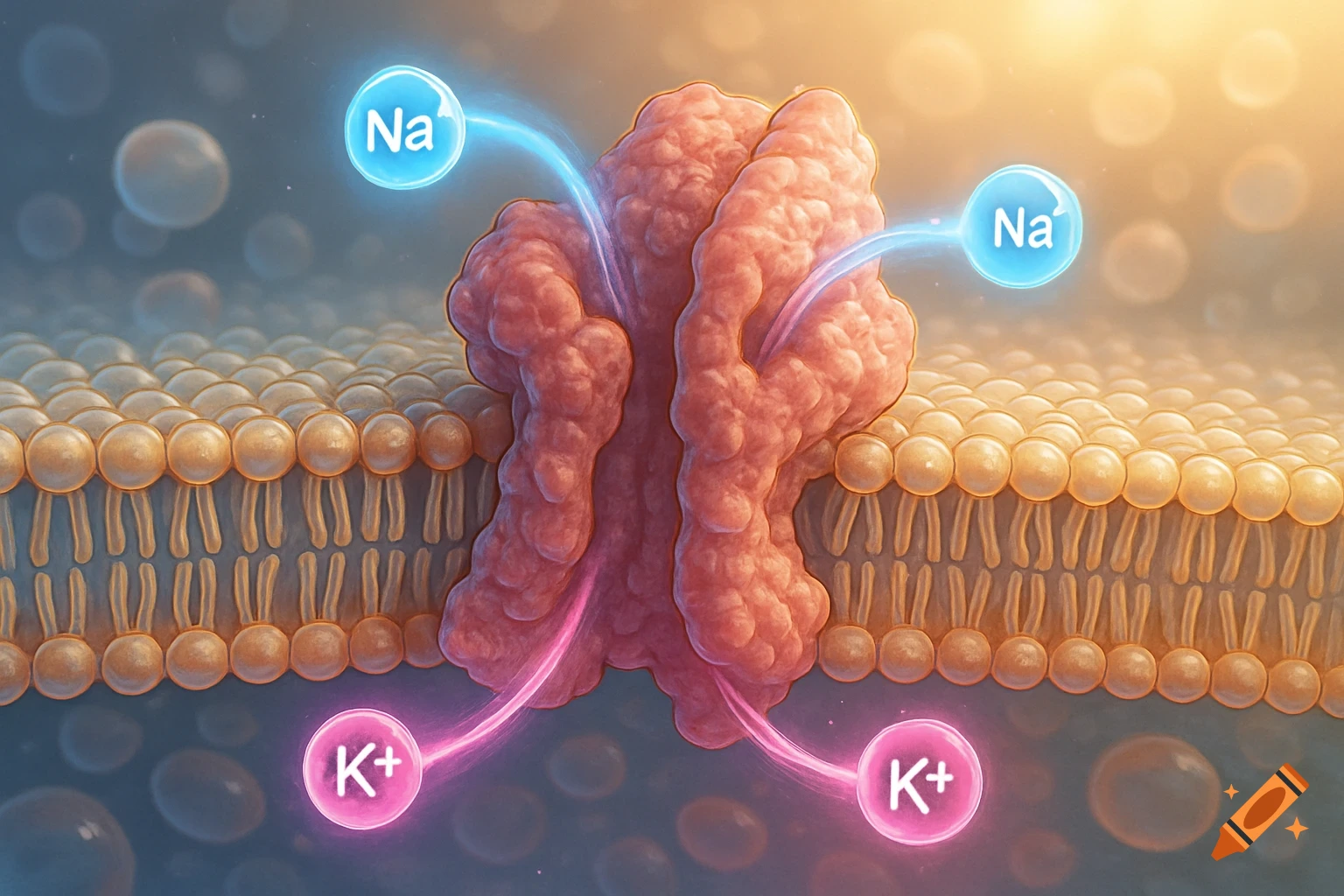
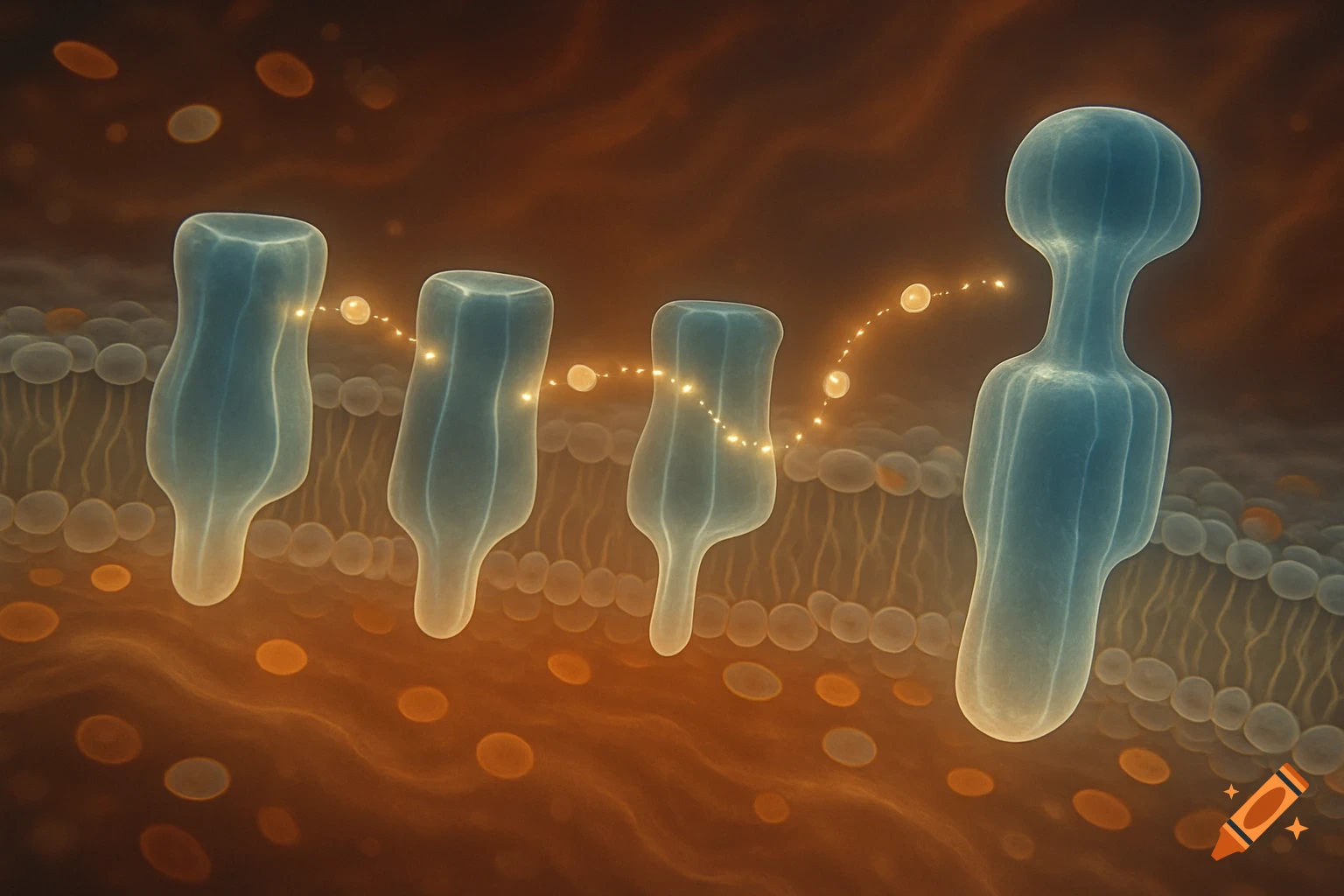
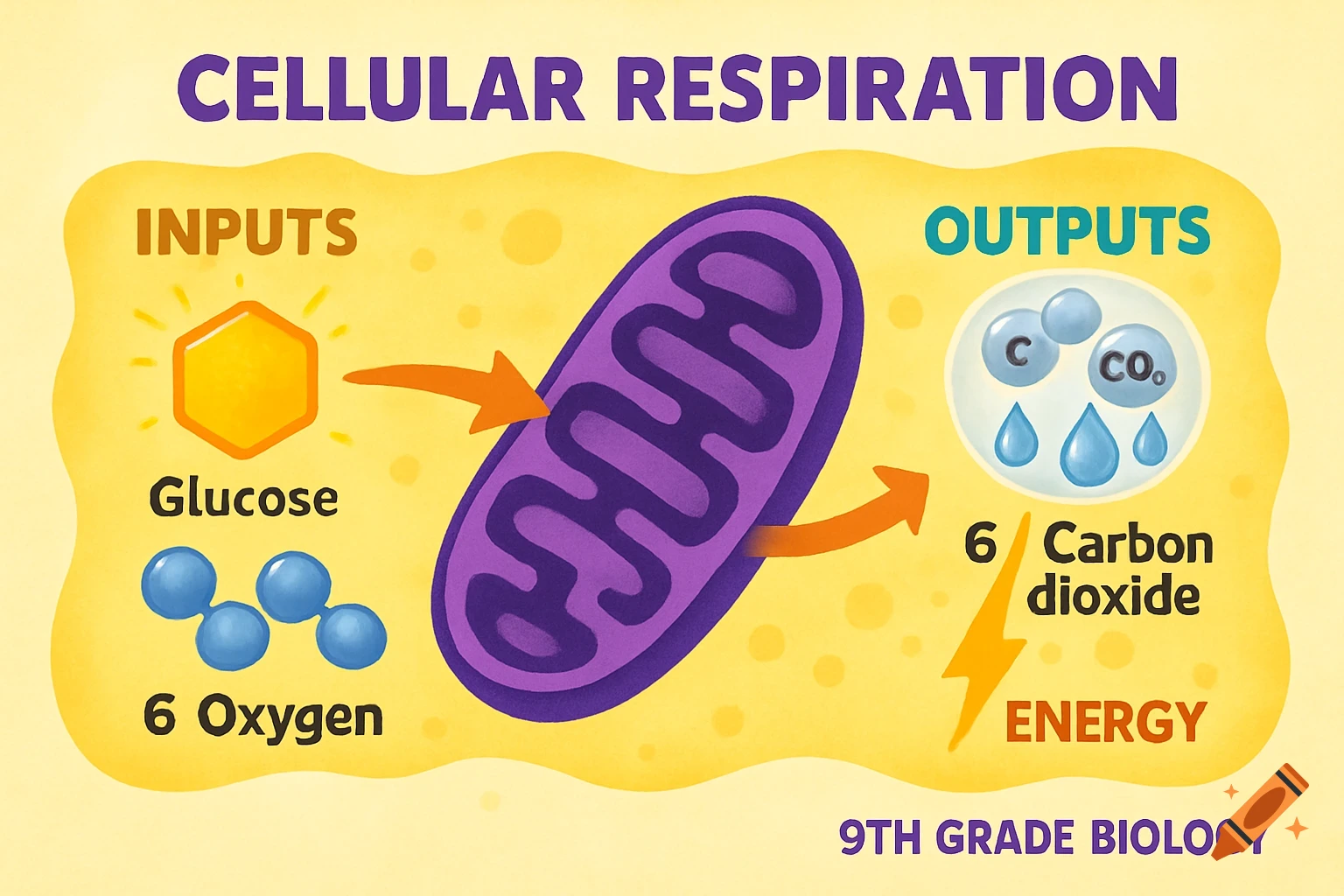
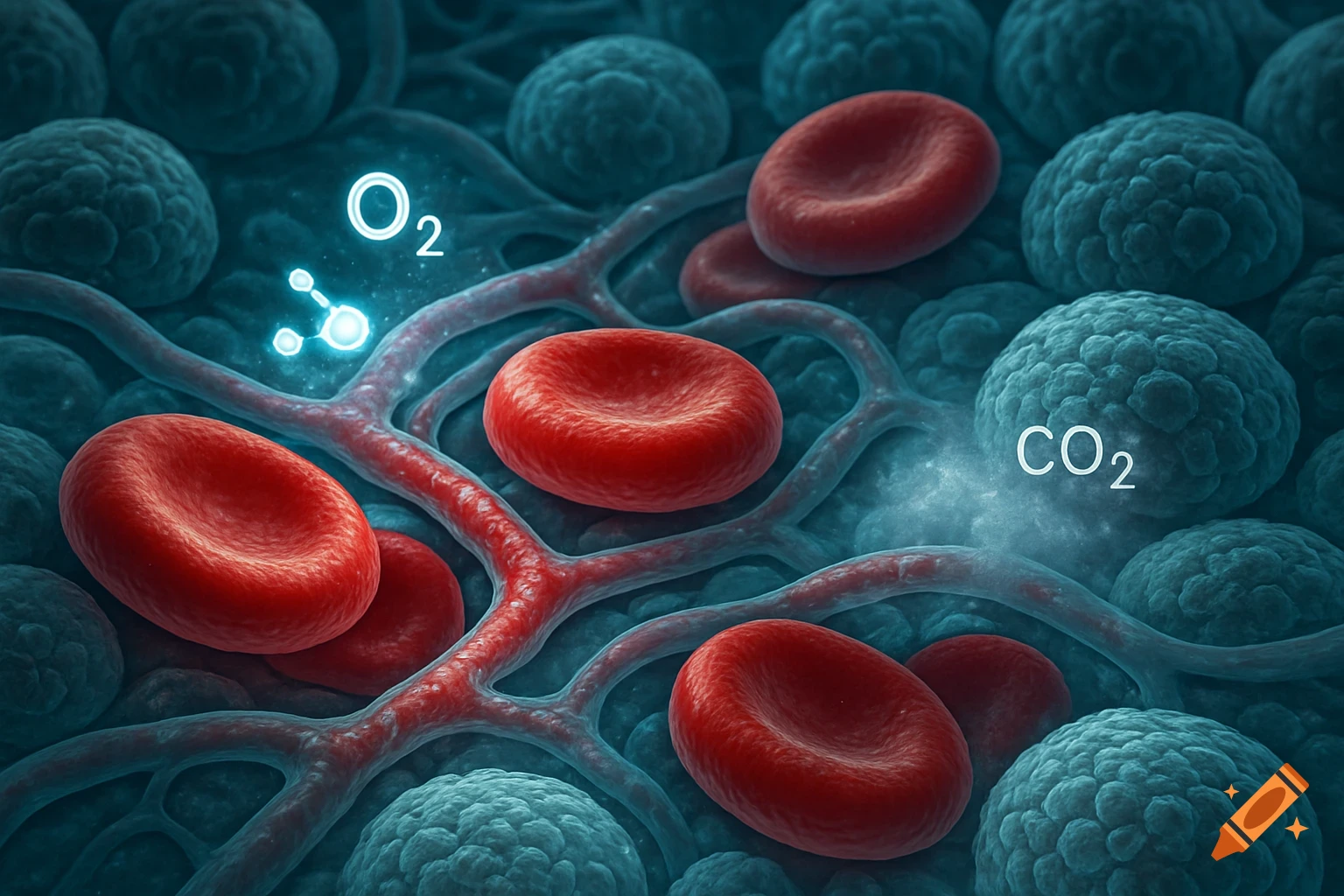
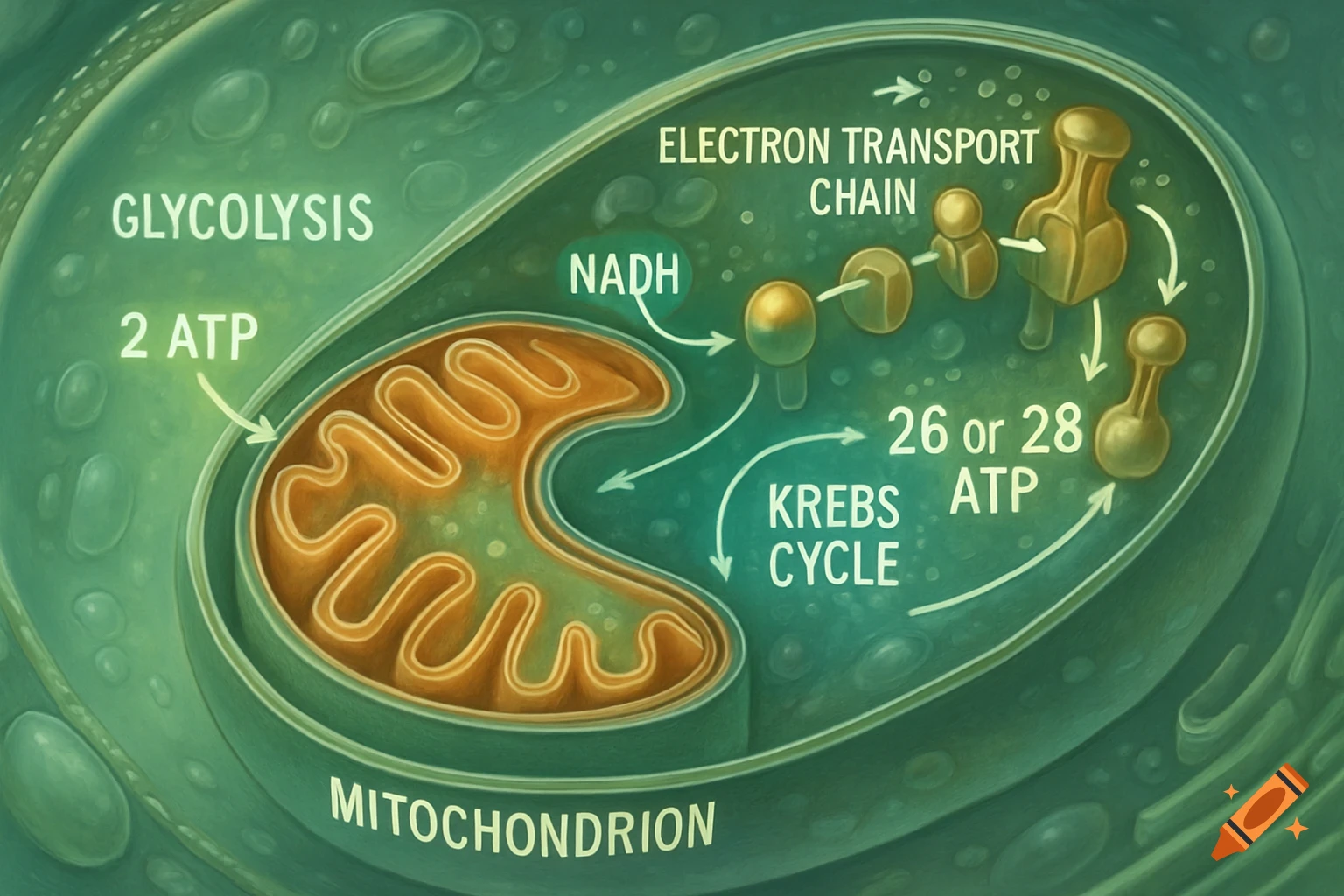
Metabolic pathways of RBC ➢ RBC is highly dependent upon glucose as its energy source ➢ Glucose enters red blood cells by facilitated diffusion, a process mediated by glucose transporter 1 (GLUT1), also known as glucose permease. ➢ Erythrocytes are completely reliant on glucose as their metabolic fuel. ➢ However, to oxidize glucose beyond pyruvate (the end product of glycolysis) requires both oxygen and mitochondrial enzyme systems (the pyruvate dehydrogenase complex, the citric acid cycle and the respiratory chain). ➢ Mature red blood cells lack mitochondria and their contents, including ATP synthase and the enzymes of the tricarboxylic acid cycle (TCA), electron transport chain, and β-oxidation pathway. ➢ are incapable of utilizing fatty acids or ketone bodies as metabolic fuel ➢ glycolysis in mature erythrocytes occurs anaerobically resulting in formation of lactate. T ➢ ATP generated is used for ion transport across the cell membrane (primarily Na+, K+ and Ca++), the phosphorylation mechanism of proteins, and the priming reactions of glycolysis. ➢ Erythrocyte’s glycolysis also generates 2,3 BPG ➢ 2,3 BPG stabilizes the deoxy form of hemoglobin, thereby facilitating the release of oxygen to the tissues. ➢ In erythrocytes, reactive oxygen species can oxidize the iron to the ferric state, producing methemoglobin. Some of the NADH produced by glycolysis is used to regenerate hemoglobin from methemoglobin by the NADH- cytochrome b5 methemoglobin reductase system Mehr sehen
More images like this