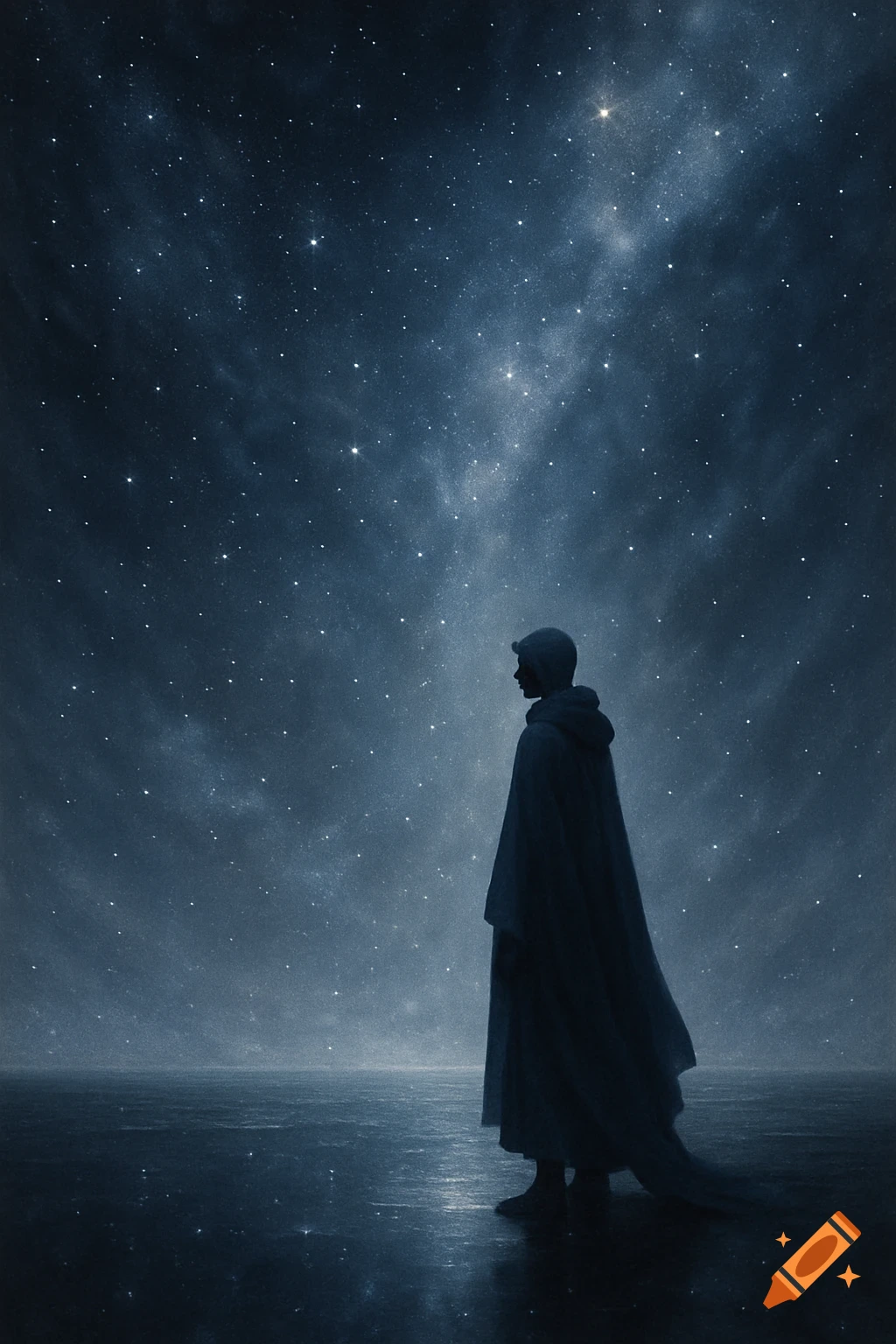
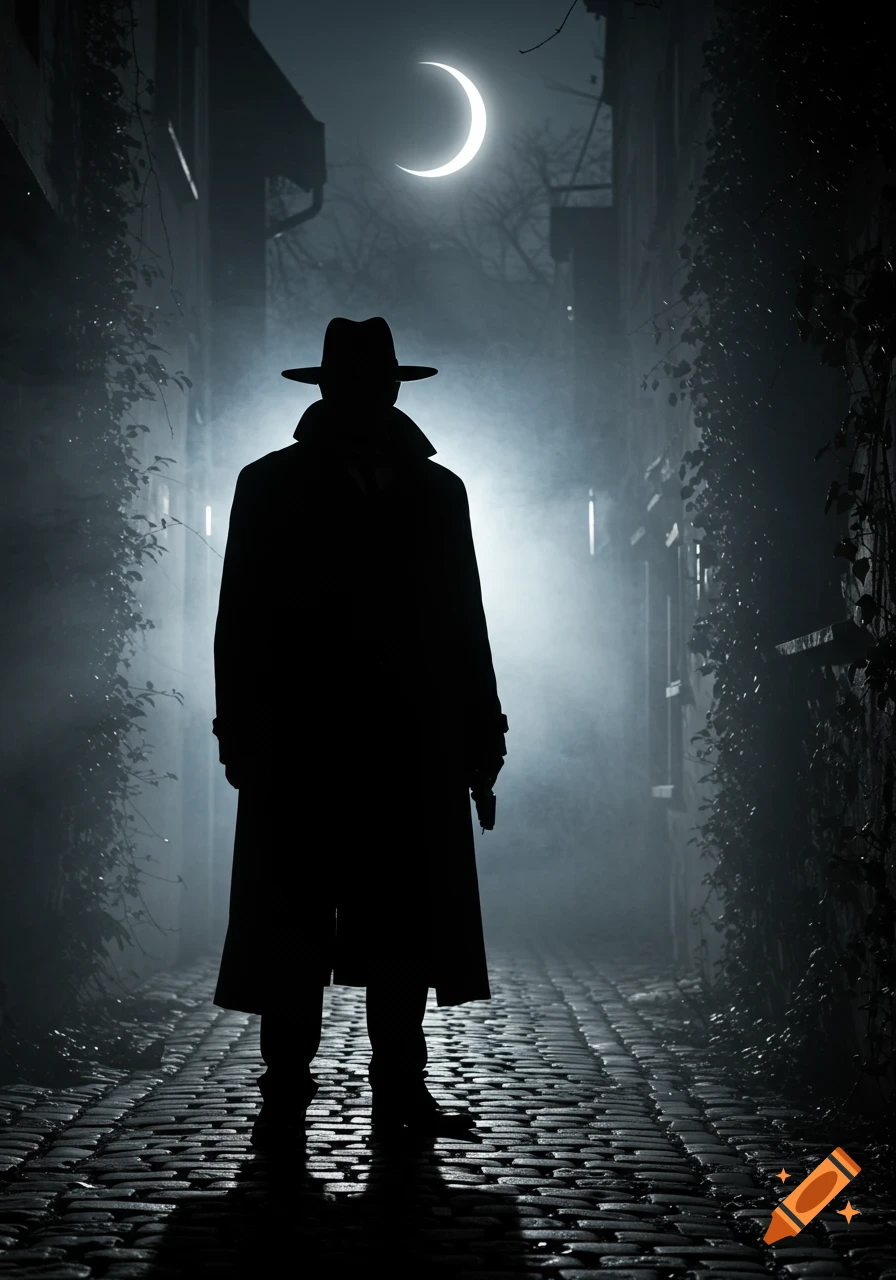
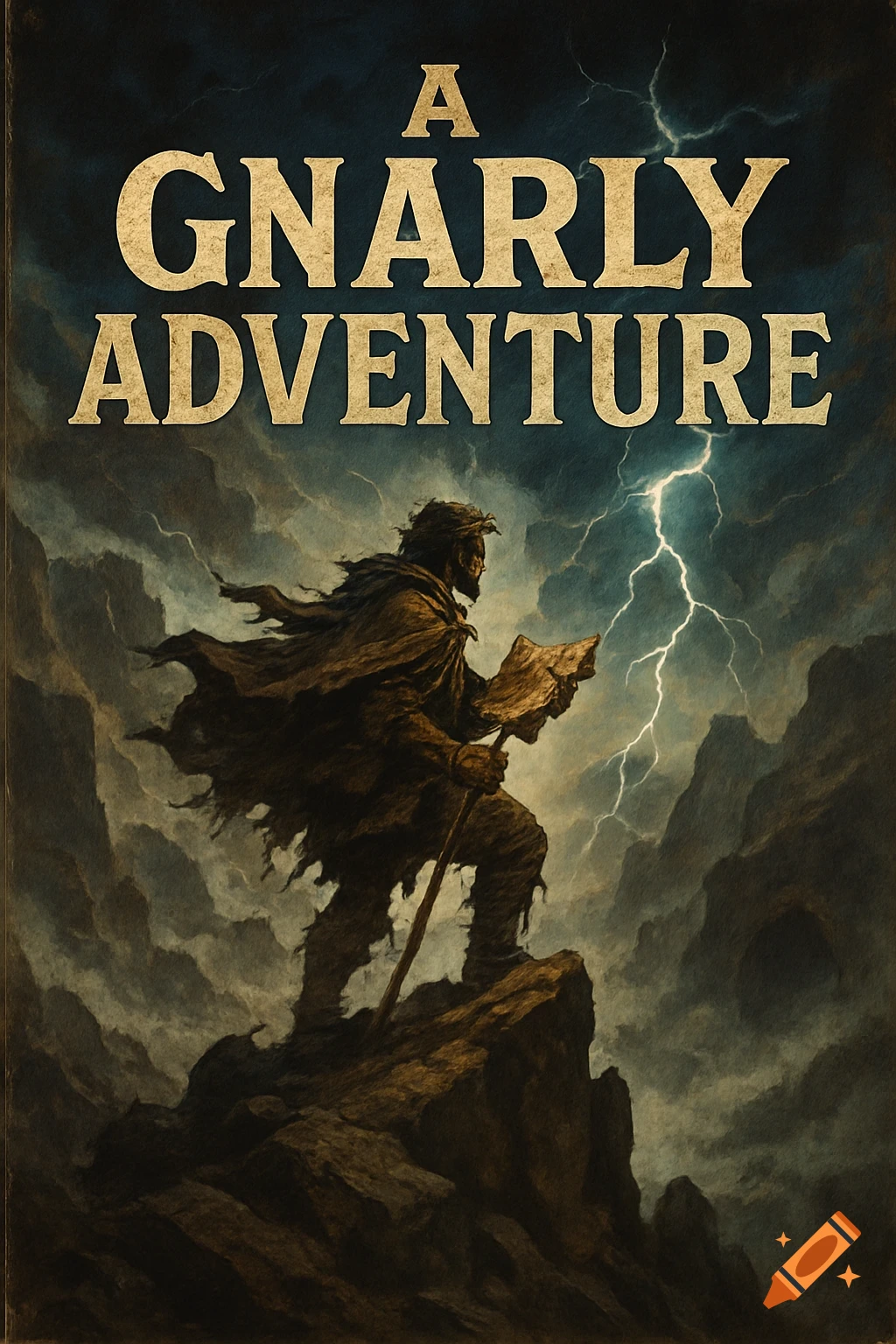
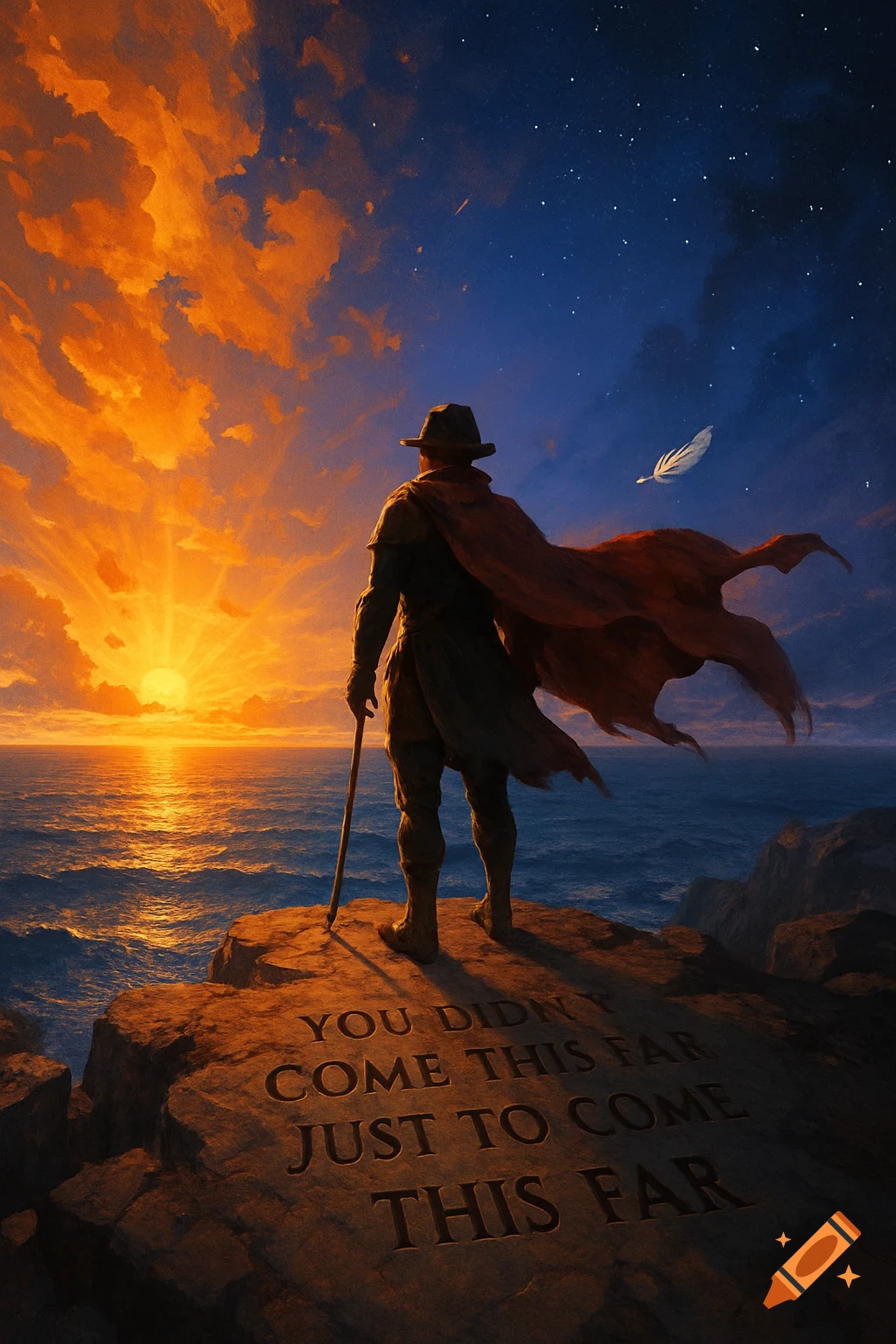
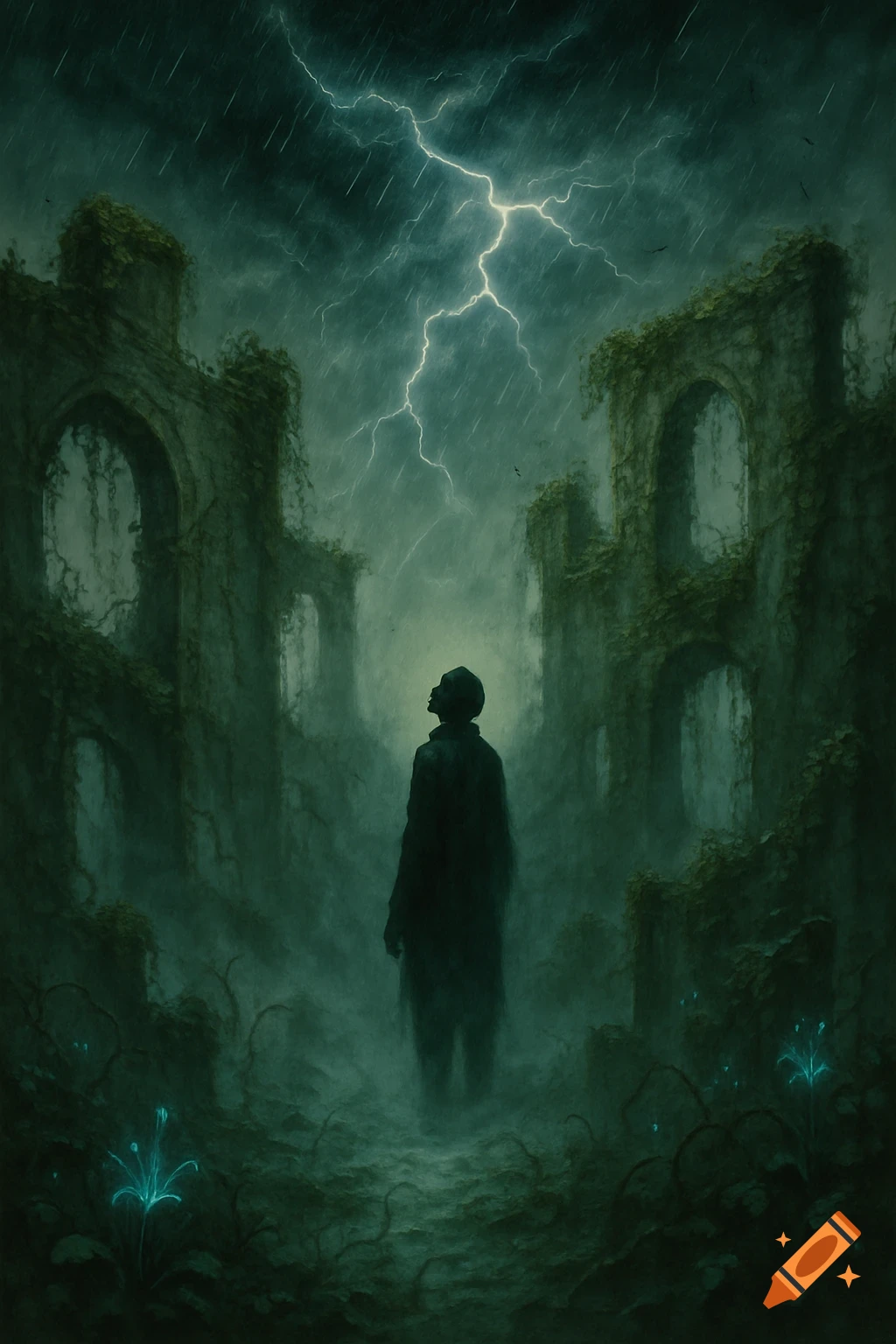
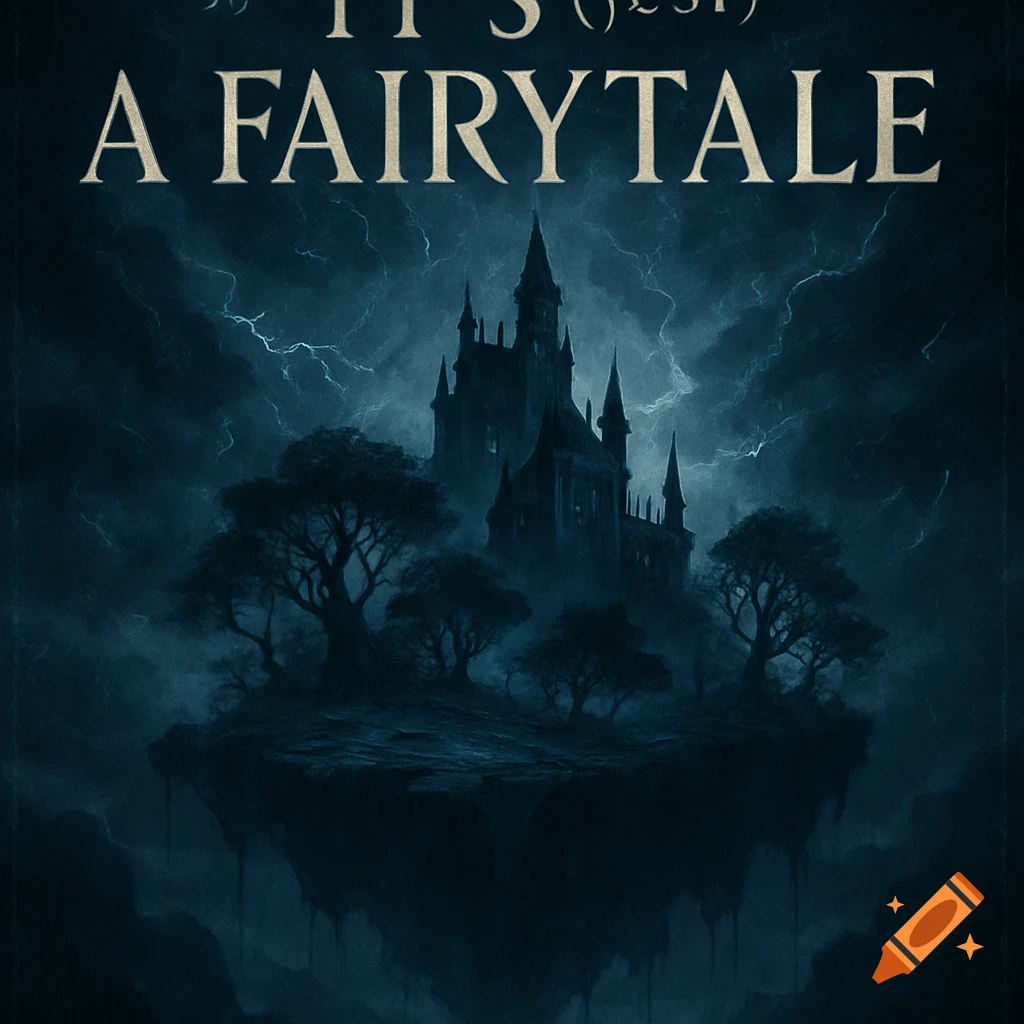
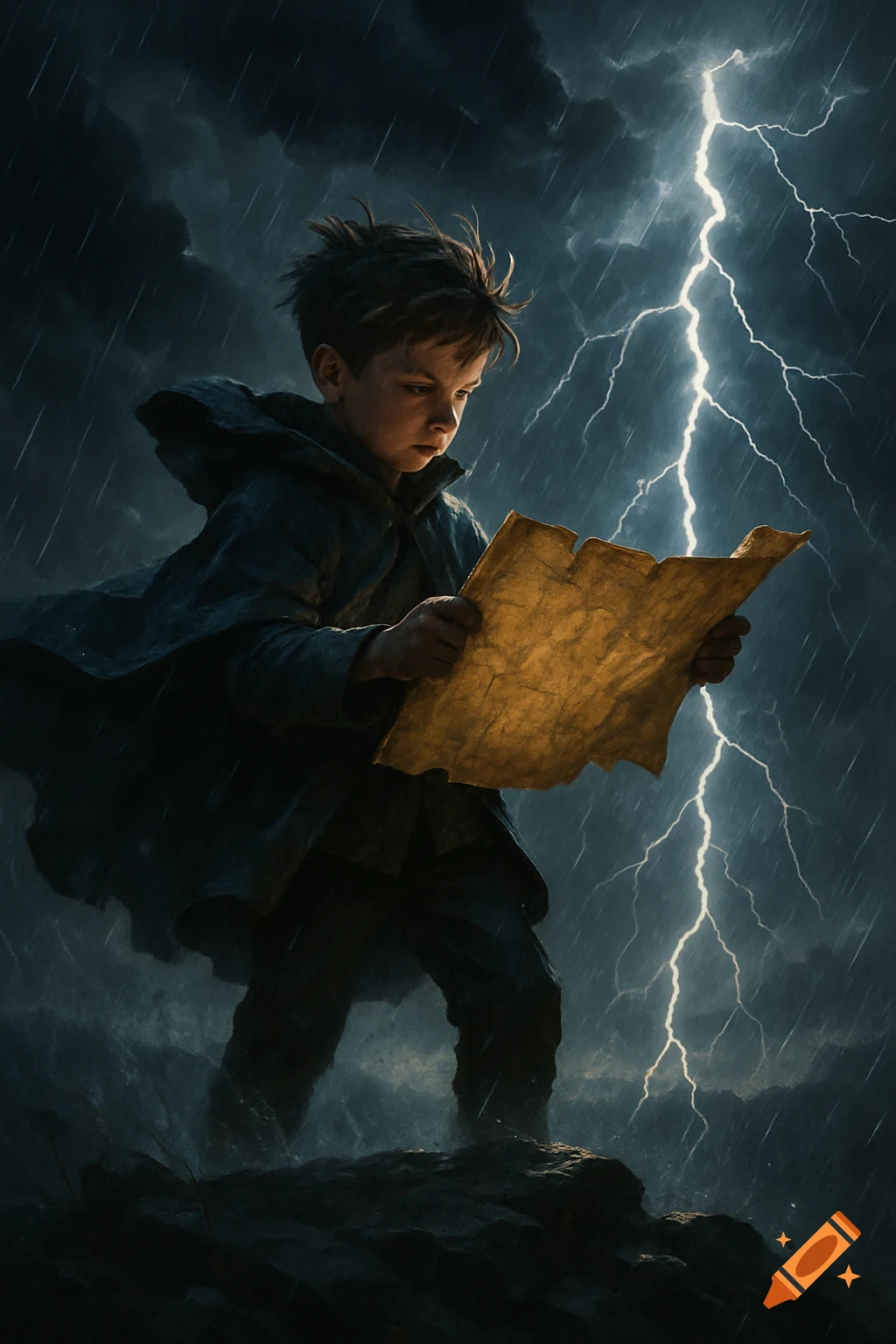
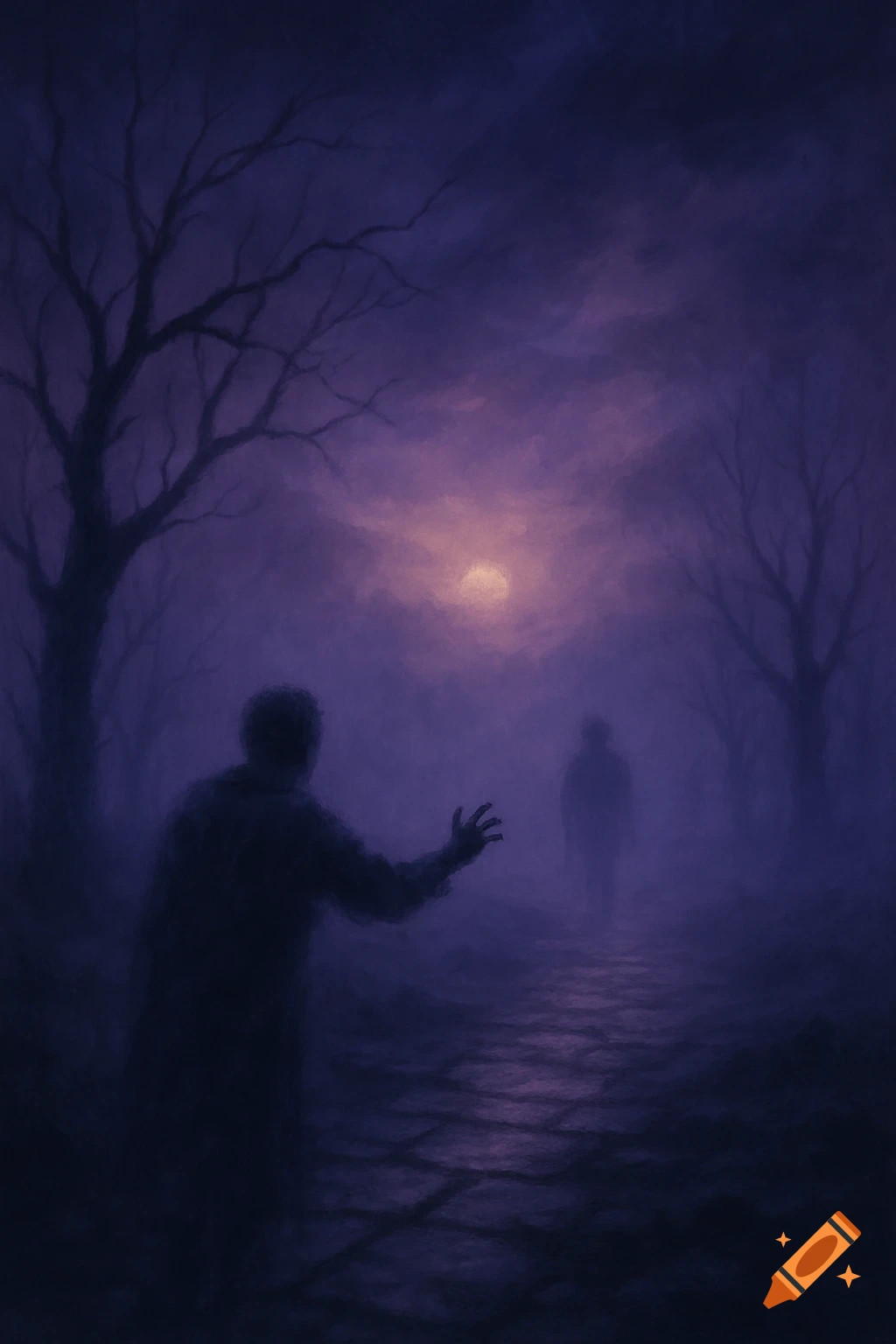
An old man in a long coat stands on a dark cliff under a stormy night sky with a full moon. Text reads: "Do Not Go Gentle Into That Good Night" and "Dylan Thomas".

Do Not Go Gentle Into That Good Night By Dylan Thomas 1952 Dylan Thomas (1914-1953) was a Welsh poet popular during his own time; his use of imagery and rhythm made his poetry widely accessible. It has been suggested that "Do Not Go Gentle Into That Good Night," one of his more famous poems, was inspired by Thomas's own dying father. As you read, take notes on how the author’s use of symbolism, tone, and repetition contribute to the message of this poem. [1] Do not go gentle into that good night, Old age should burn and rave at close of day; Rage, rage against the dying of the light. Though wise men at their end know dark is right, [5] Because their words had forked no lightning they Do not go gentle into that good night. Good men, the last wave by, crying how bright Their frail deeds might have danced in a green bay, Rage, rage against the dying of the light. [10] Wild men who caught and sang the sun in flight, And learn, too late, they grieve it on its way, Do not go gentle into that good night. [15] Grave men, near death, who see with blinding sight Blind eyes could blaze like meteors and be gay, Rage, rage against the dying of the light. And you, my father, there on the sad height, Curse, bless, me now with your fierce tears, I pray. Do not go gentle into that good night. Rage, rage against the dying of the light. "Do Not Go Gentle Into That Good Night" from The Poems of Dylan Thomas, © 1952, New Directions Publishing Corp.. Reprinted with permission, all rights Mehr sehen
More images like this