Collage of textile production's environmental impact: white T-shirt, raw cotton, factories, water pollution, and a world map.

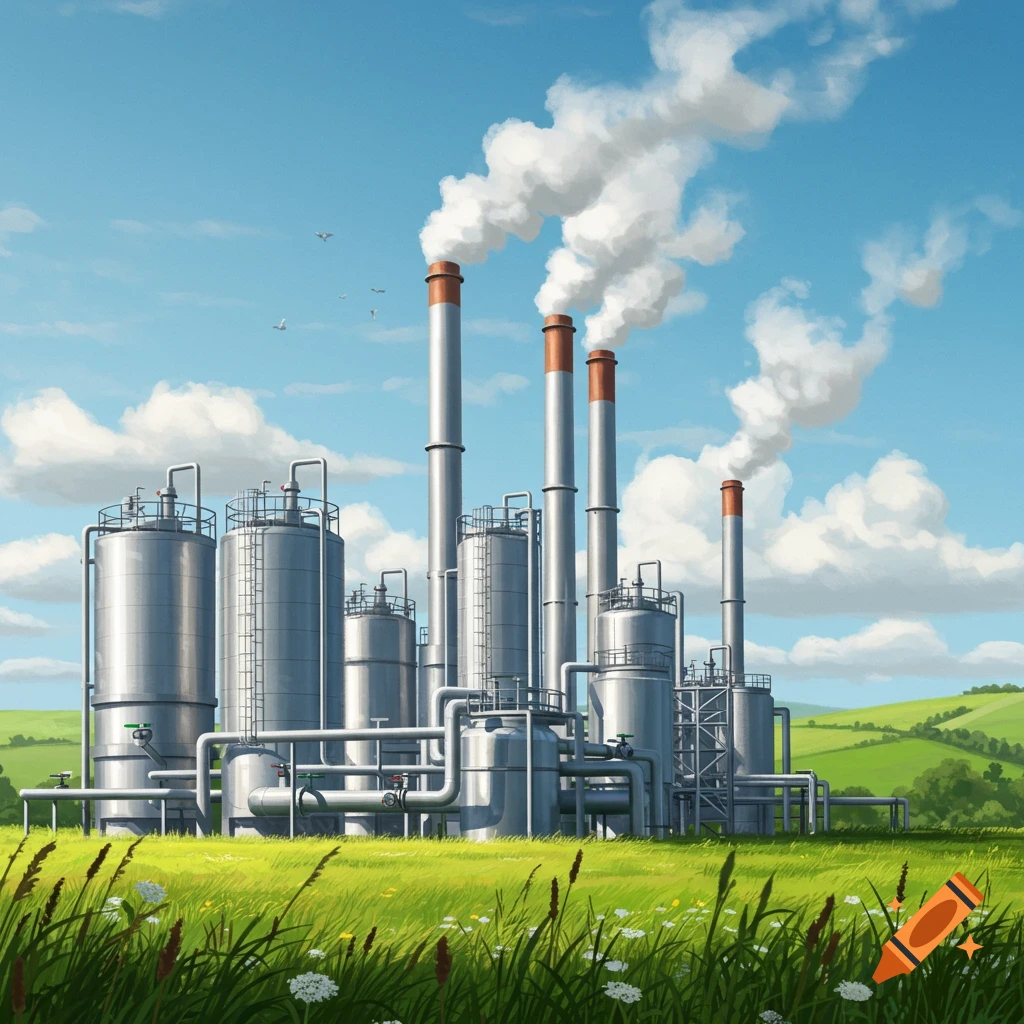
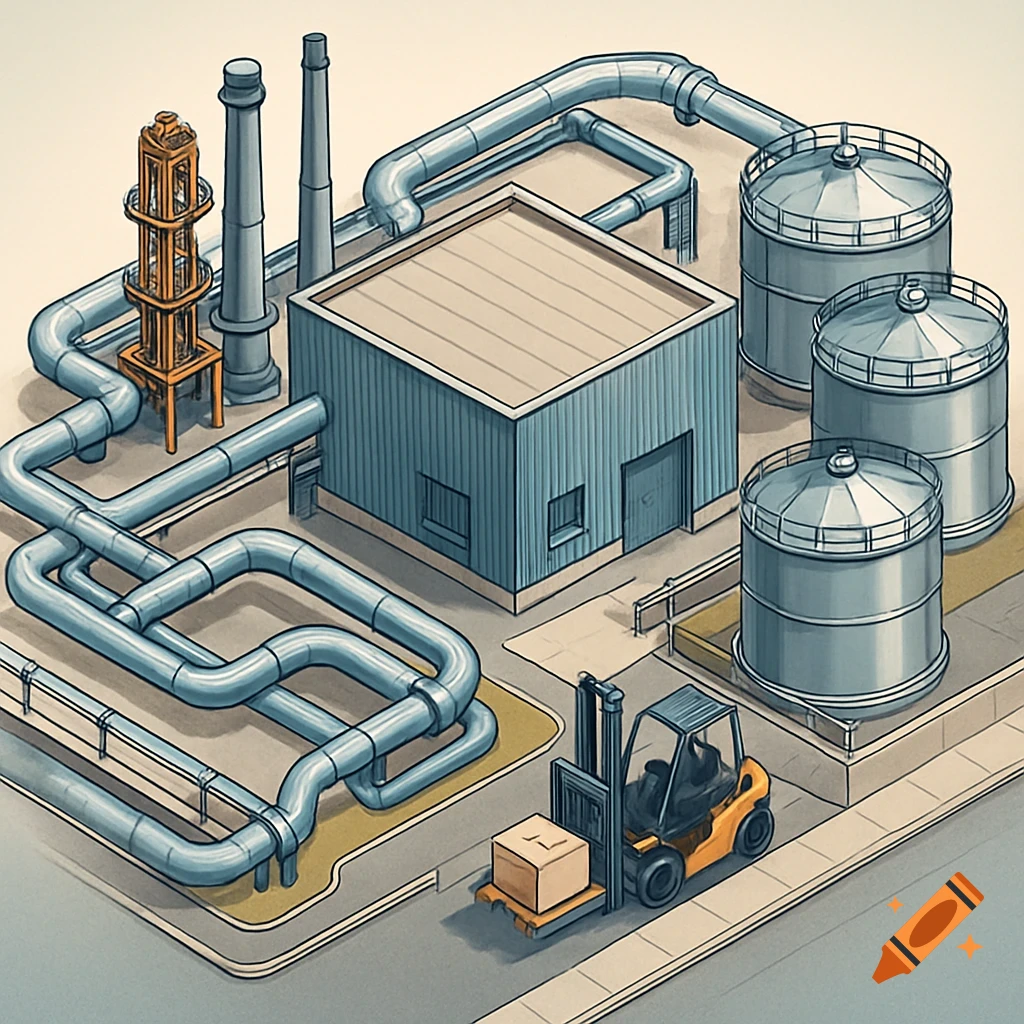
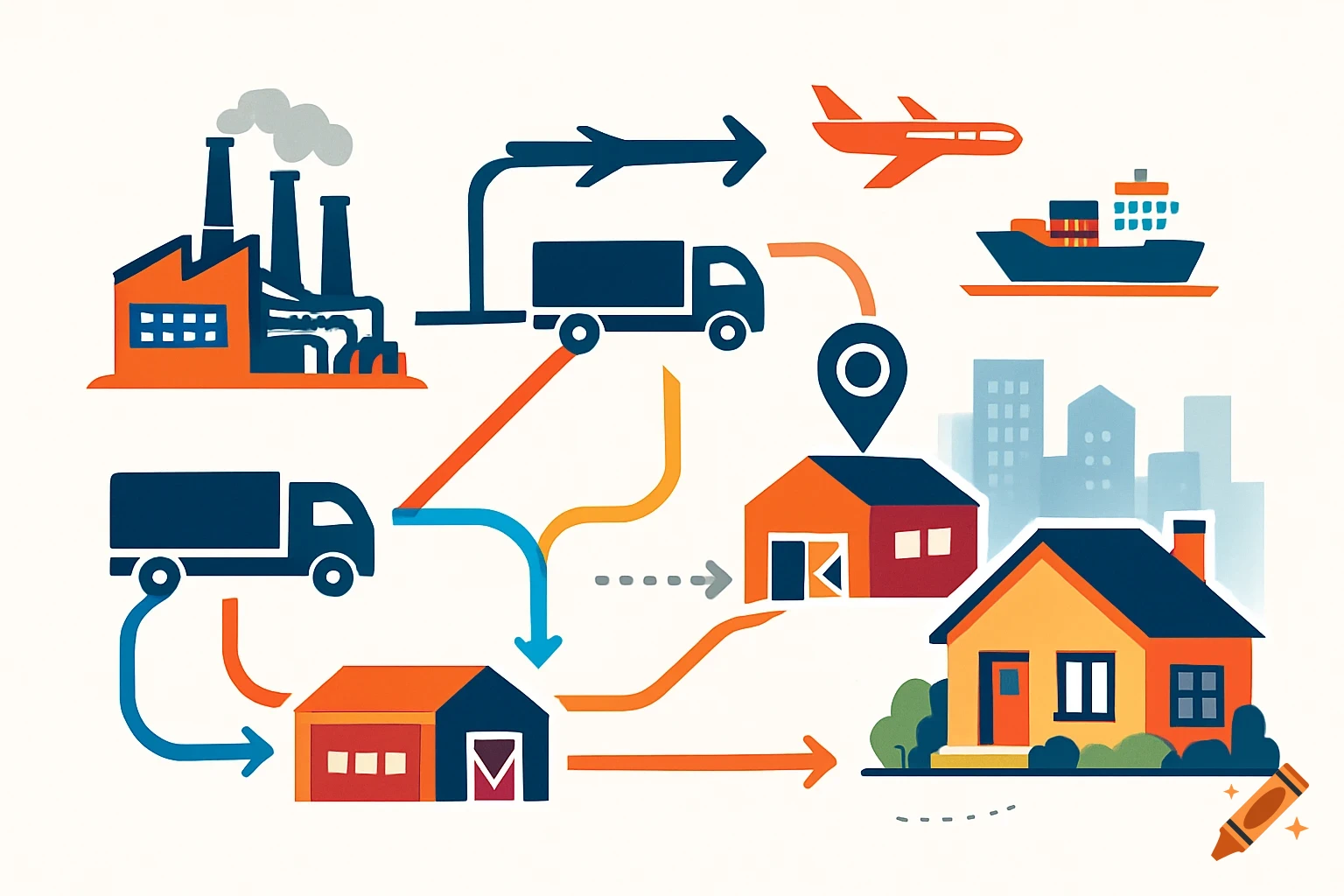
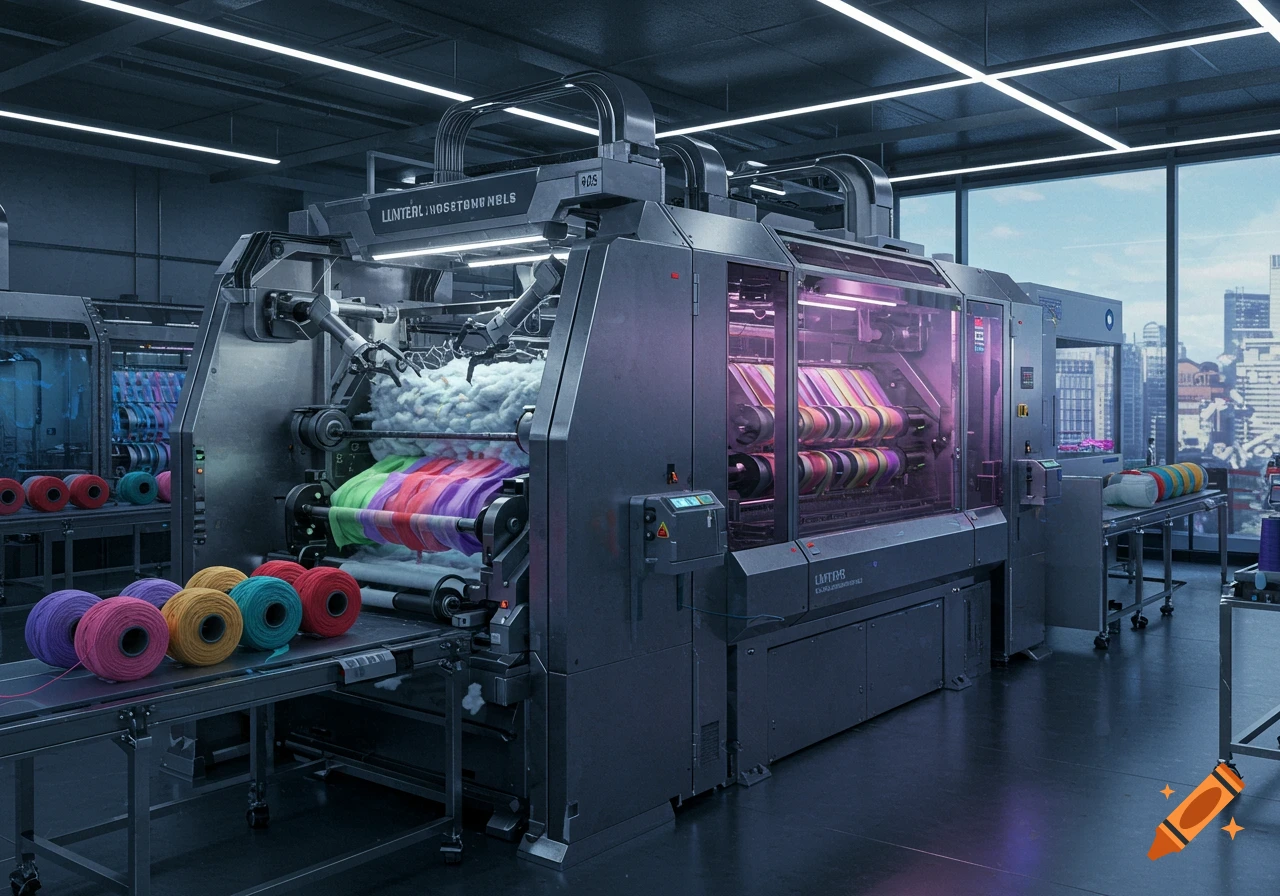
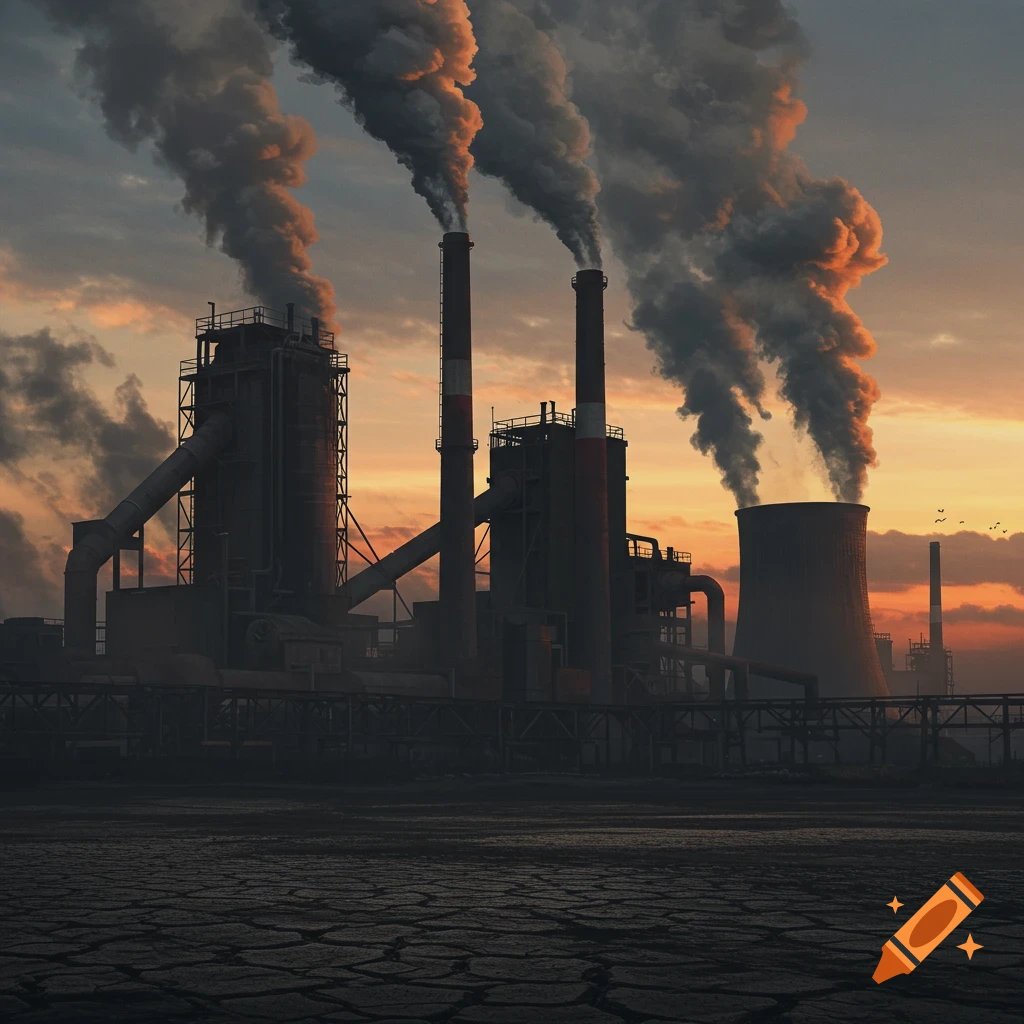
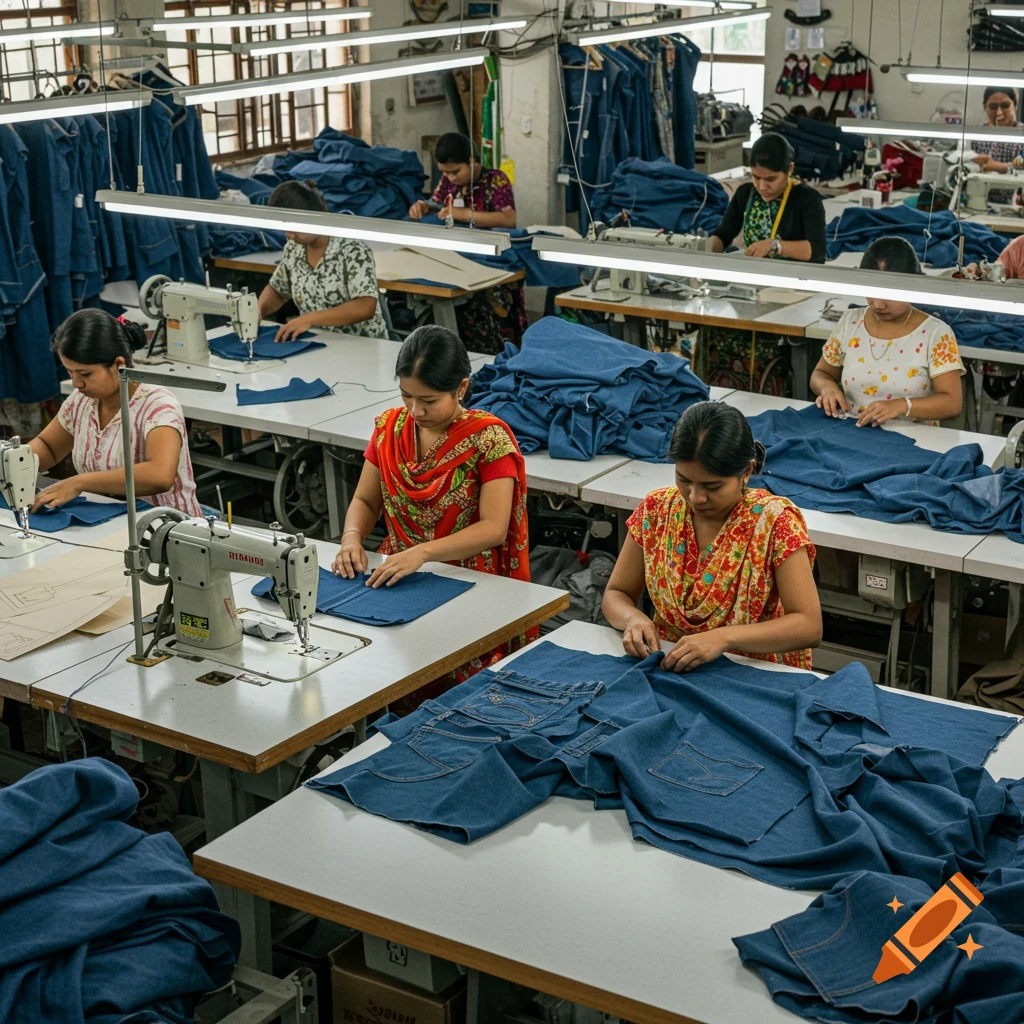
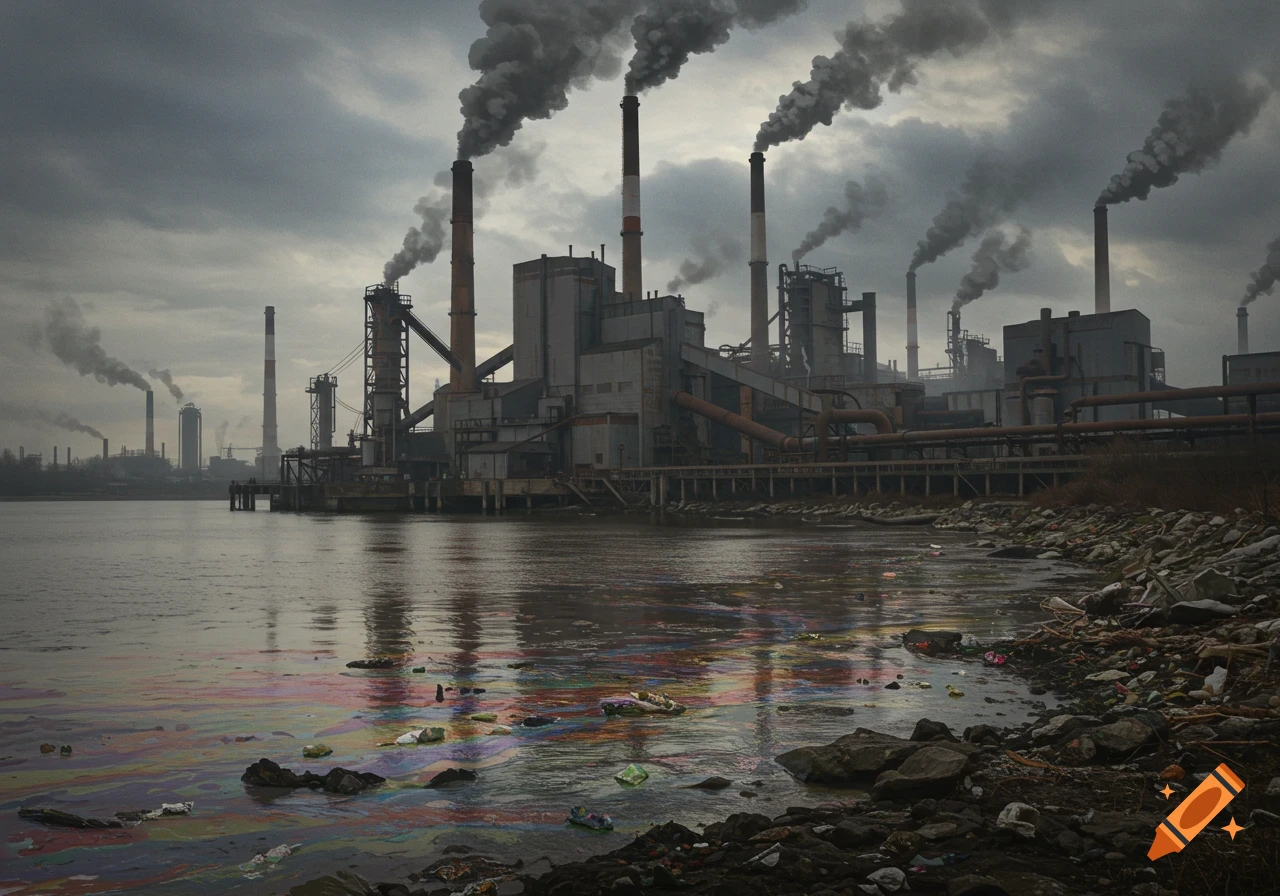
Erstelle ein passendes Bild zu folgendem Text, es soll logisch sein und gut nachvollziehbar: Causing between five and ten percent of global pollution every year, the textile industry has come into the focus of environmentalists. A study on the ecological footprint of textiles examines the five phases of the life cycle of an average white cotton T-shirt: raw materials, production, shipping, use and disposal. Often neglected, the last two phases in fact have a considerable effect on a T-shirt's ecological footprint. The raw materials needed for a T-shirt consist of more than just cotton - most importantly, water. To produce one T-shirt, more than 2,000 liters of water are used. Also, to make their fields more profitable, a lot of farmers use pesticides, making the land less fertile over time. Globally, almost 25 million tons of cotton are produced every year, but less than 1% of this is organic. Having been harvested, the raw cotton is moved to production sites. From the US, for example, the cotton could travel more than 12,000 miles to Bangladesh by plane or boat. Having arrived there, it must be spun and then made into a grayish fabric, which needs to be bleached and dyed, again using a lot of energy and water, before it can be turned into clothing. The water used becomes polluted and can harm the groundwater, nearby rivers and lakes. And while working in the factories - spinning, dyeing, cutting, and sewing, the textile workers come in close contact with the harmful Mehr sehen
More images like this