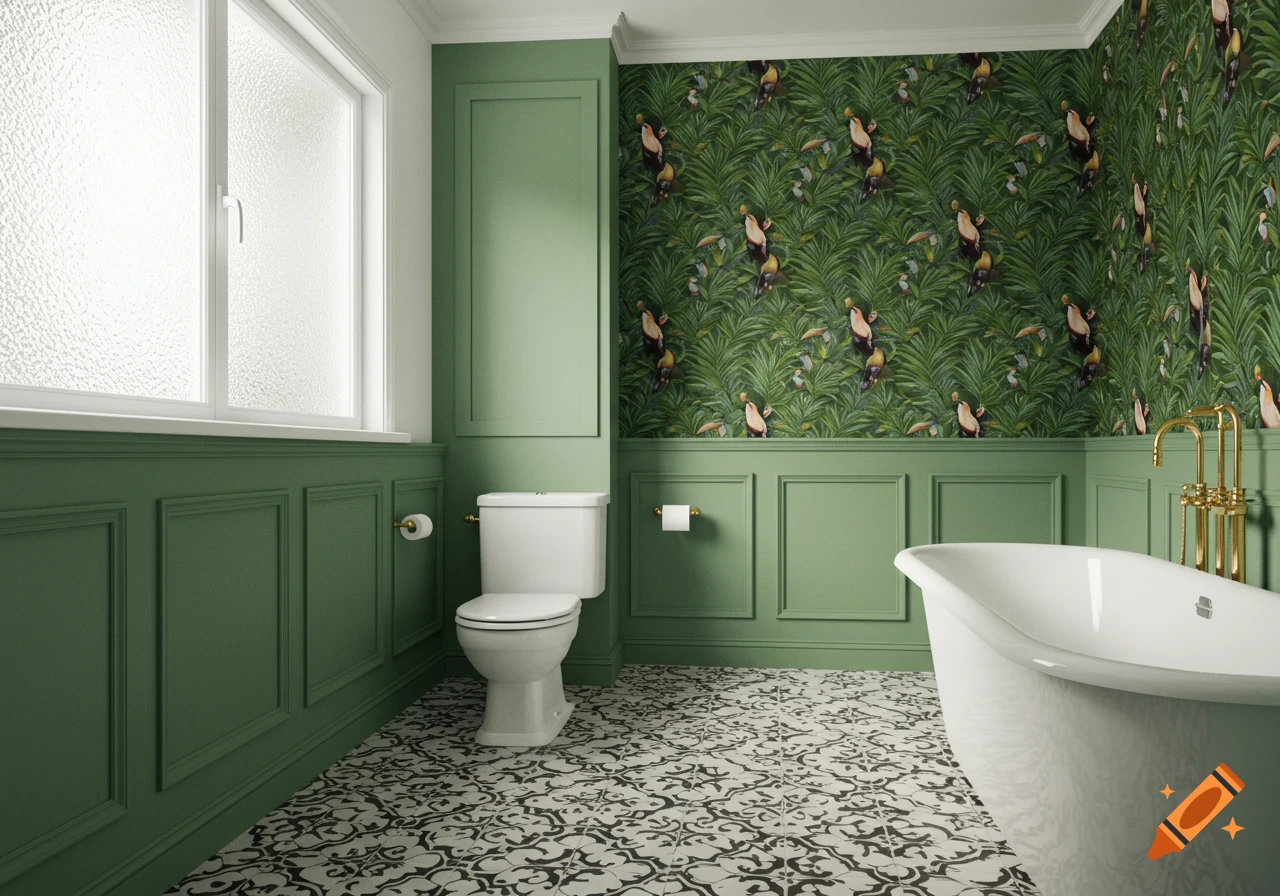
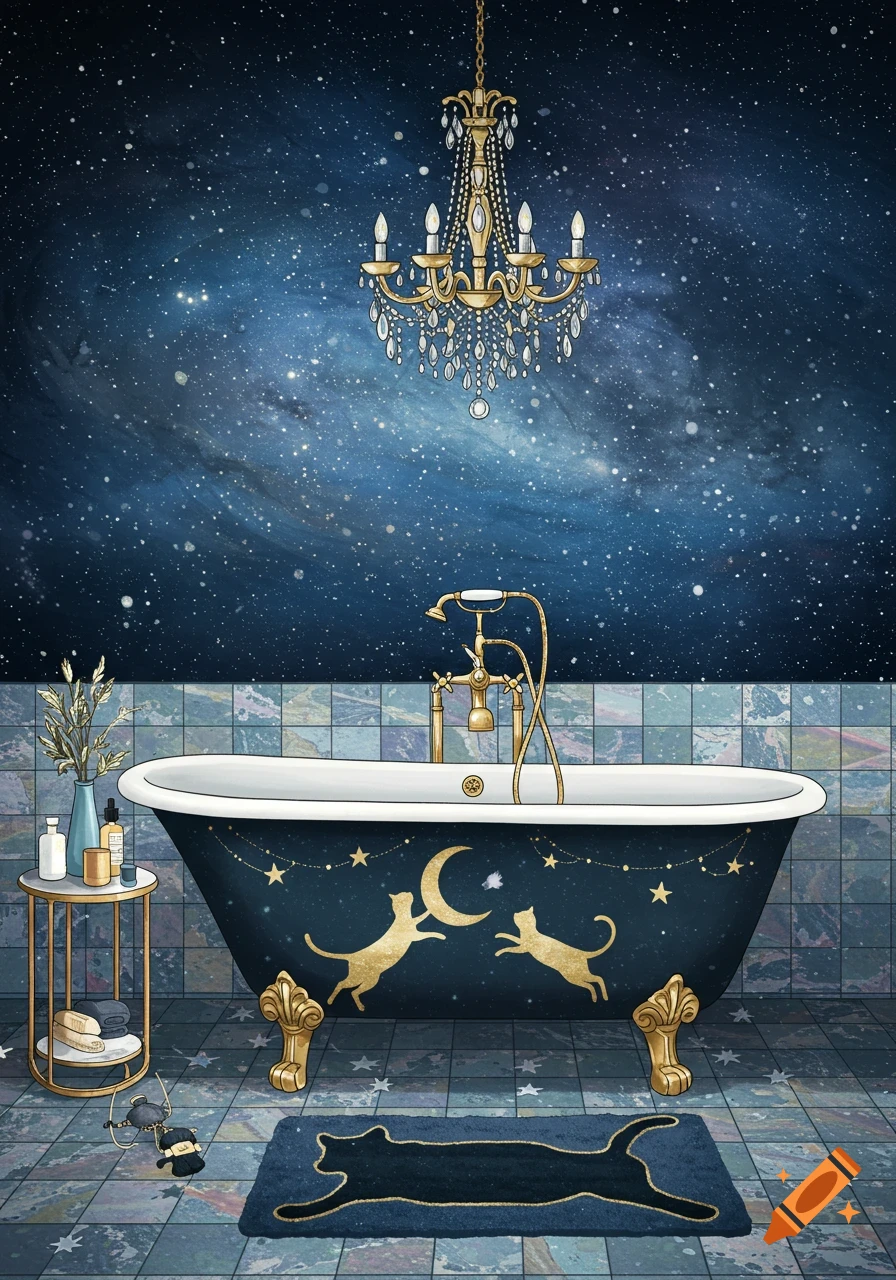
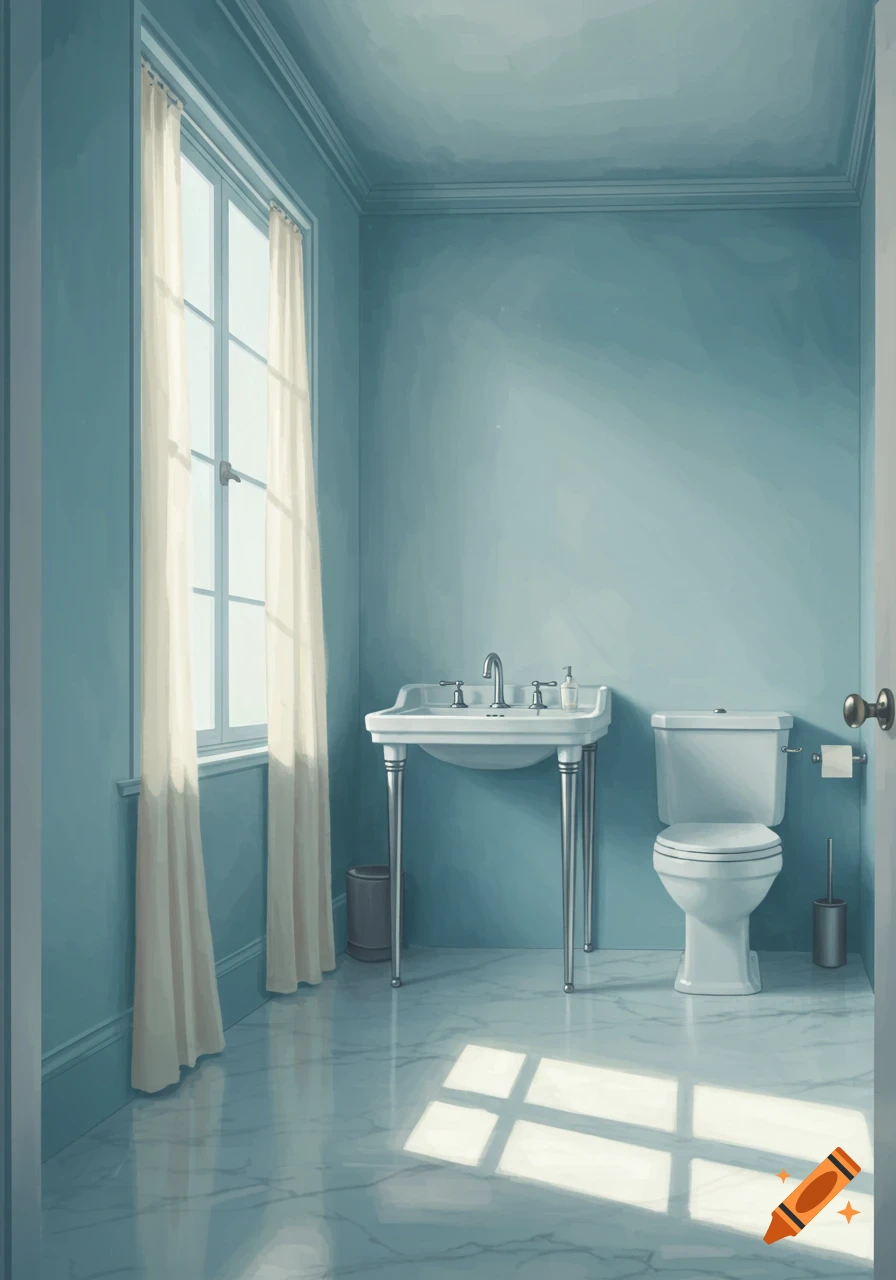
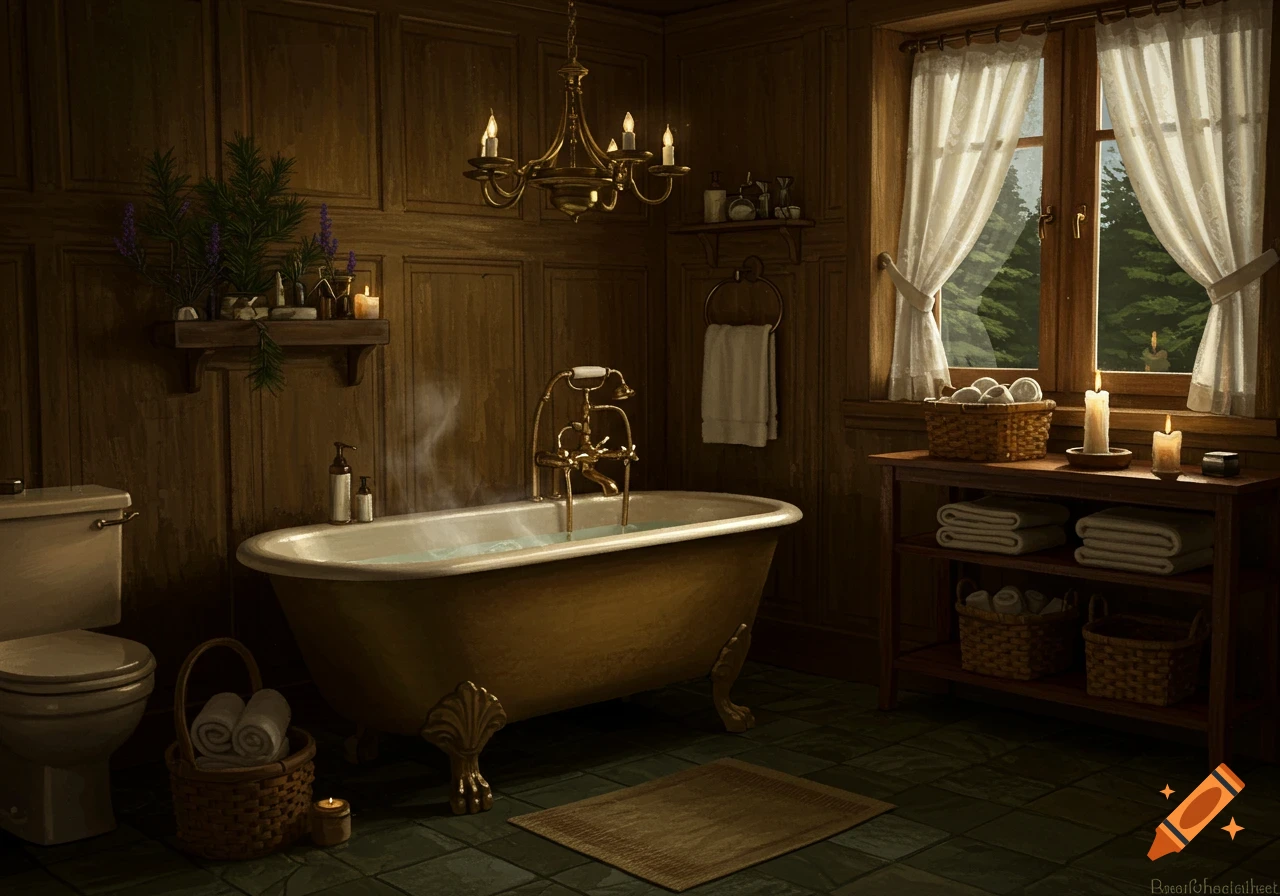
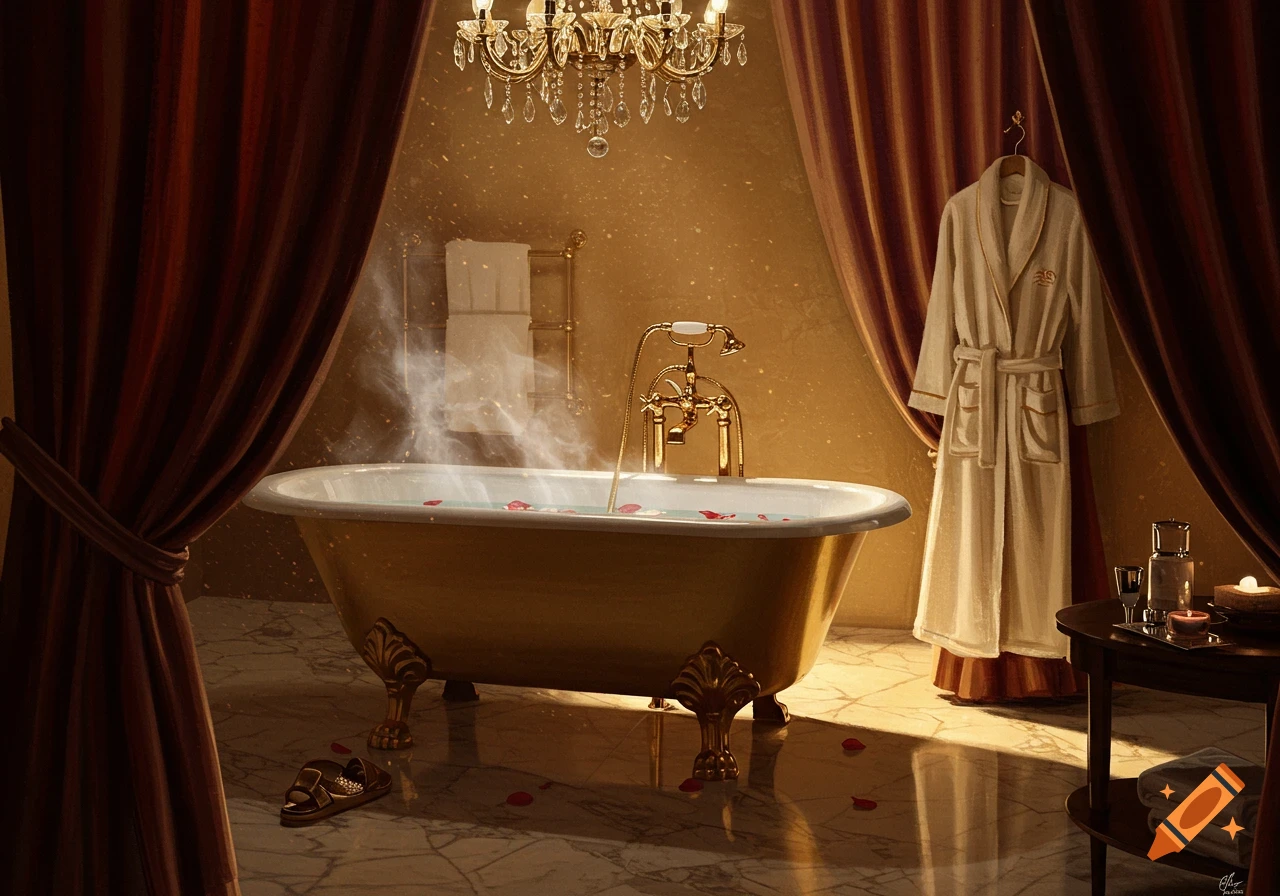
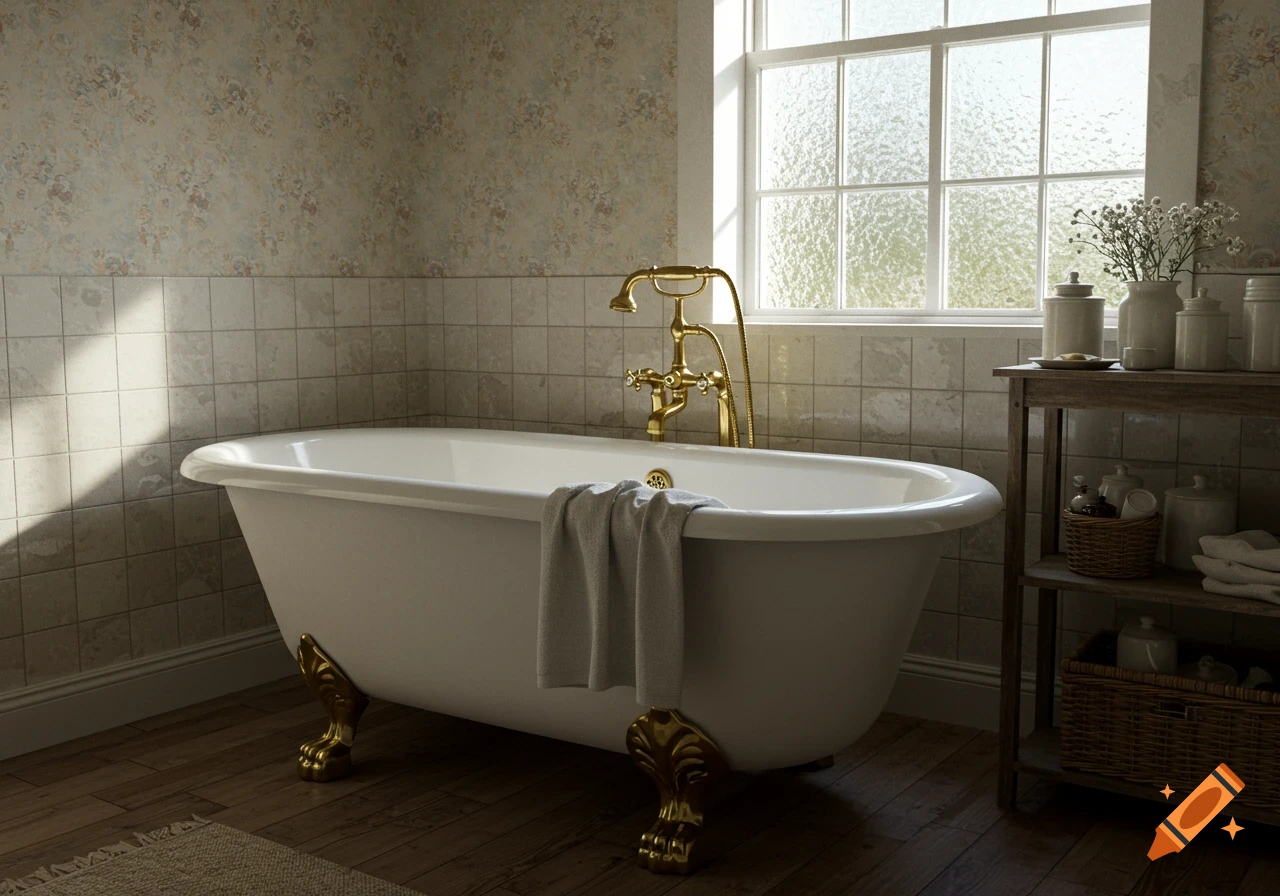
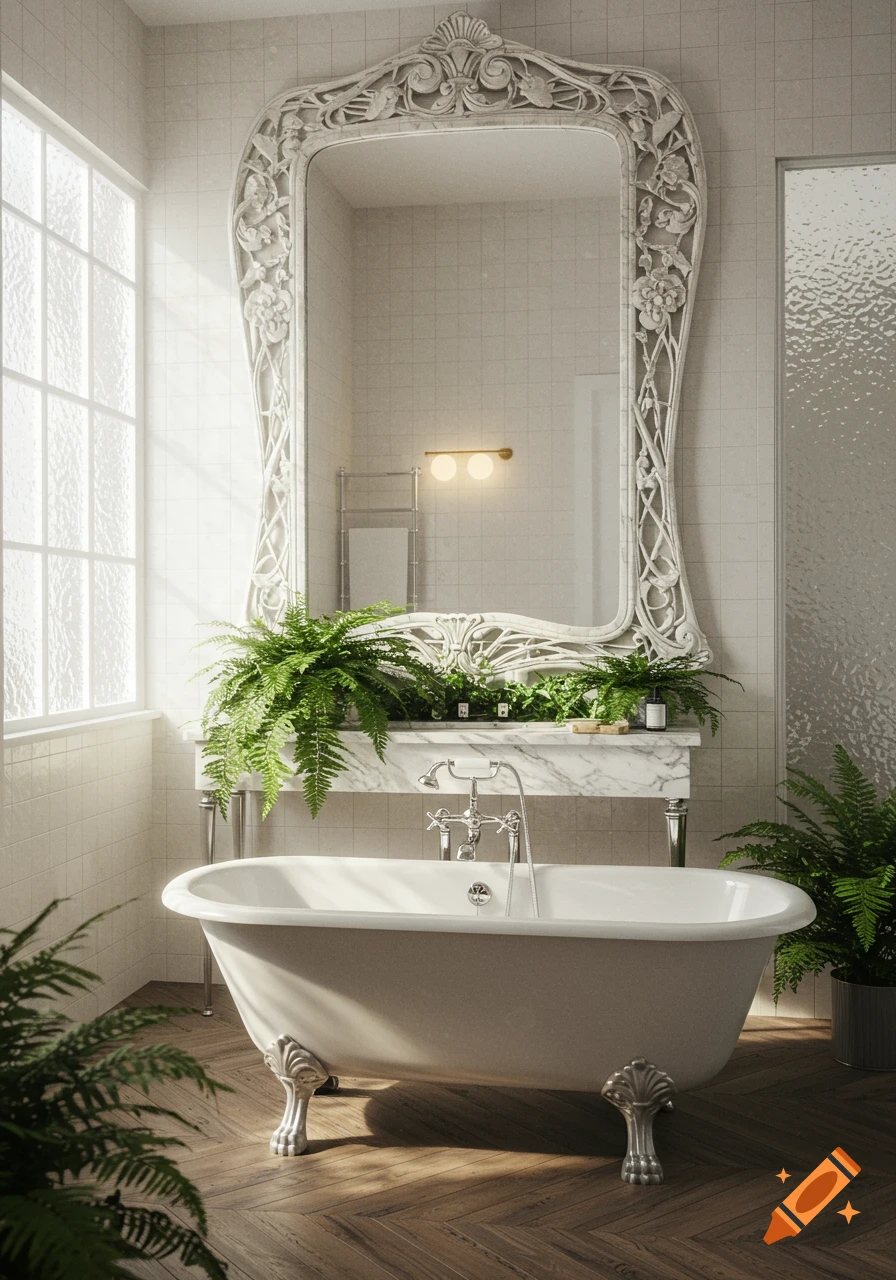
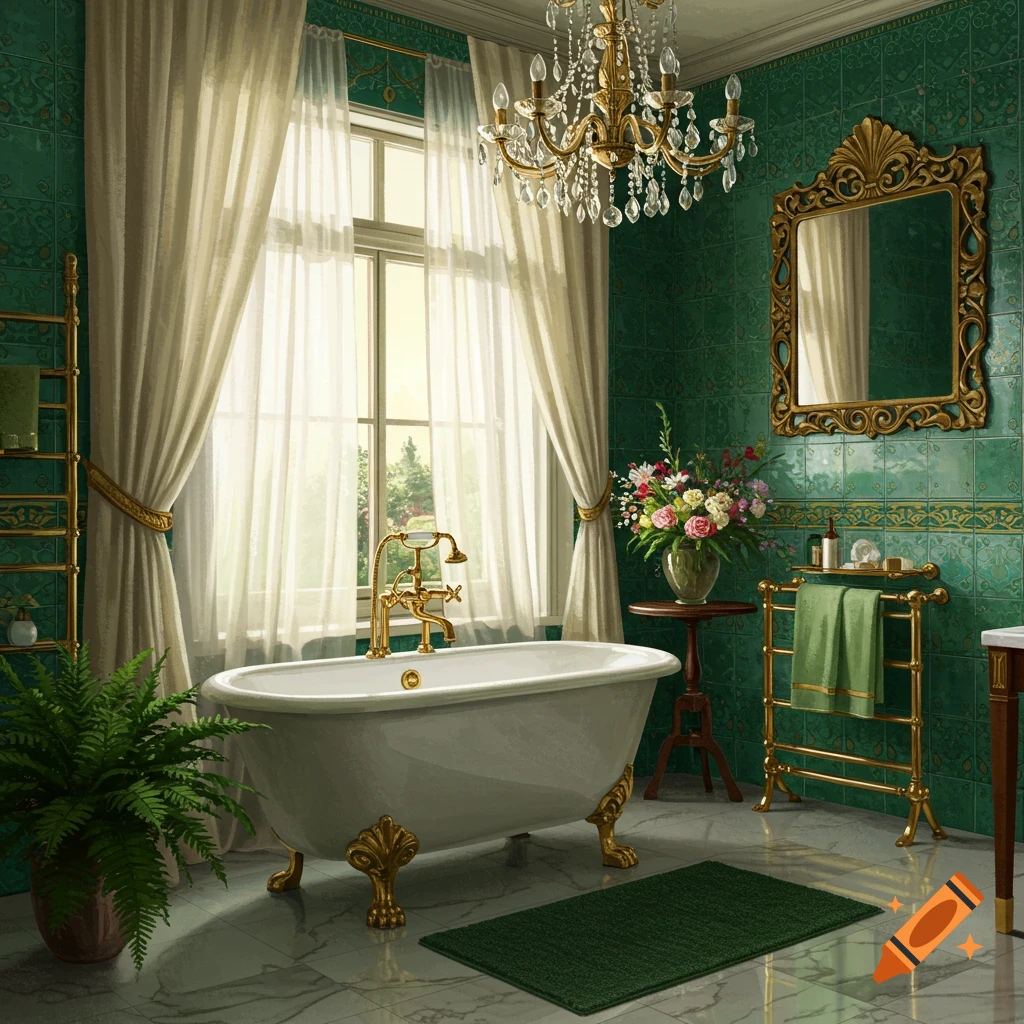
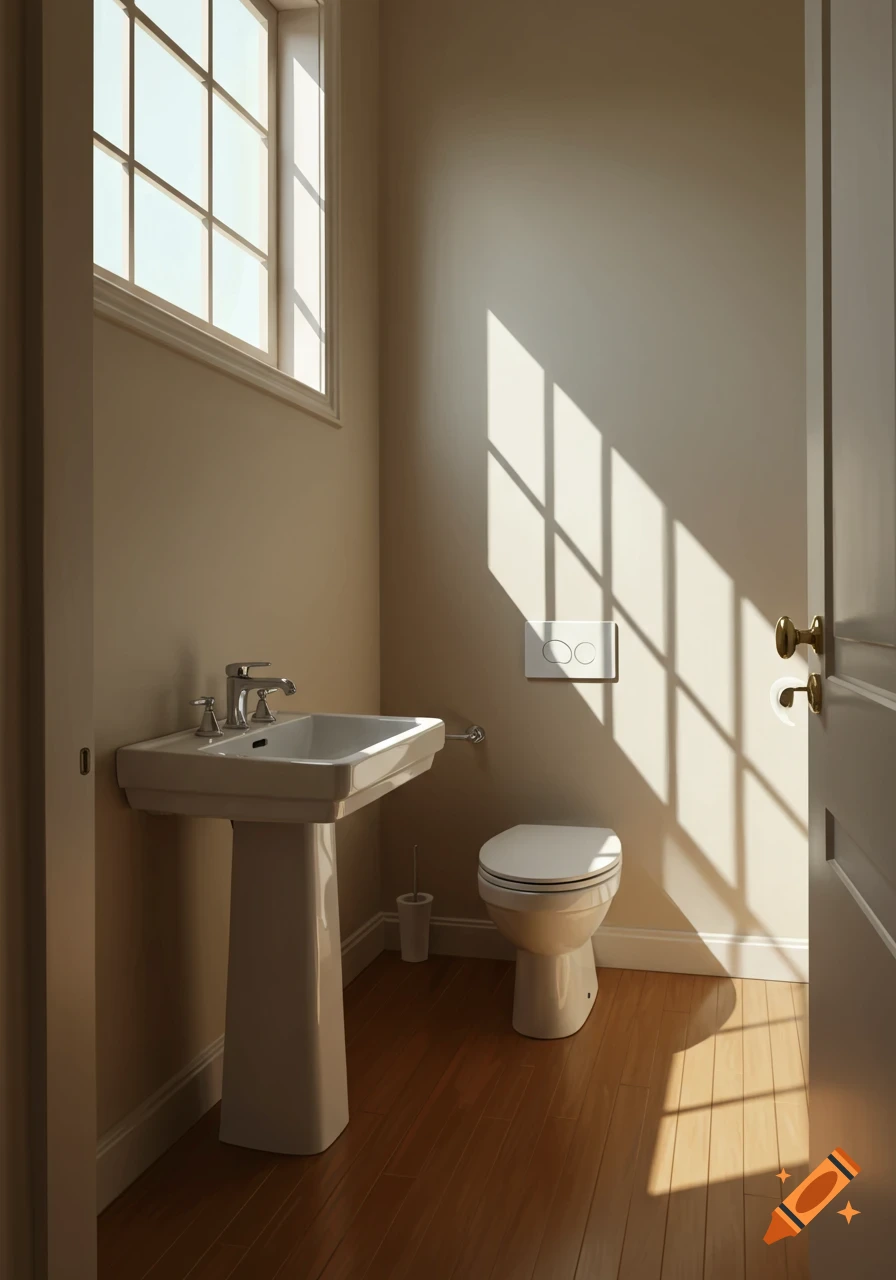
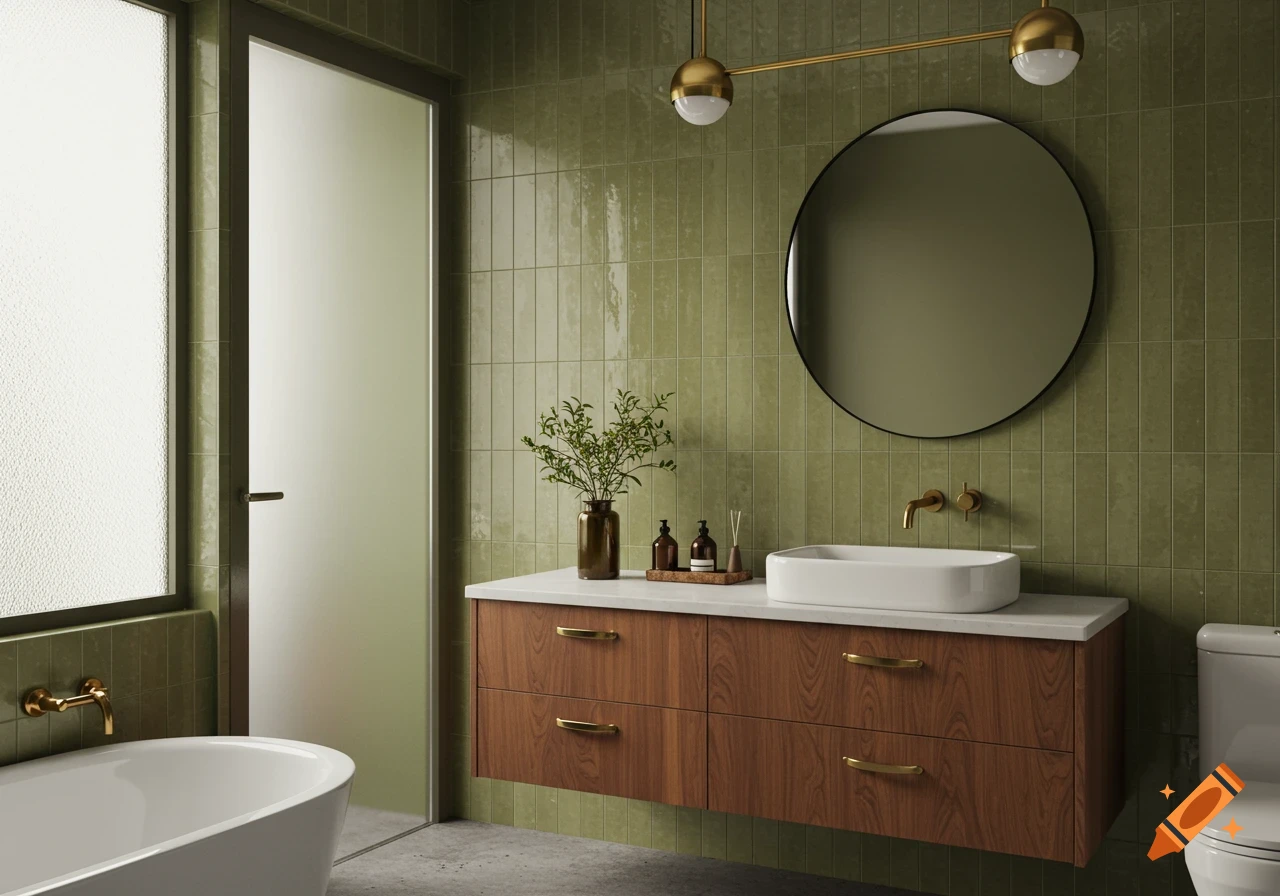
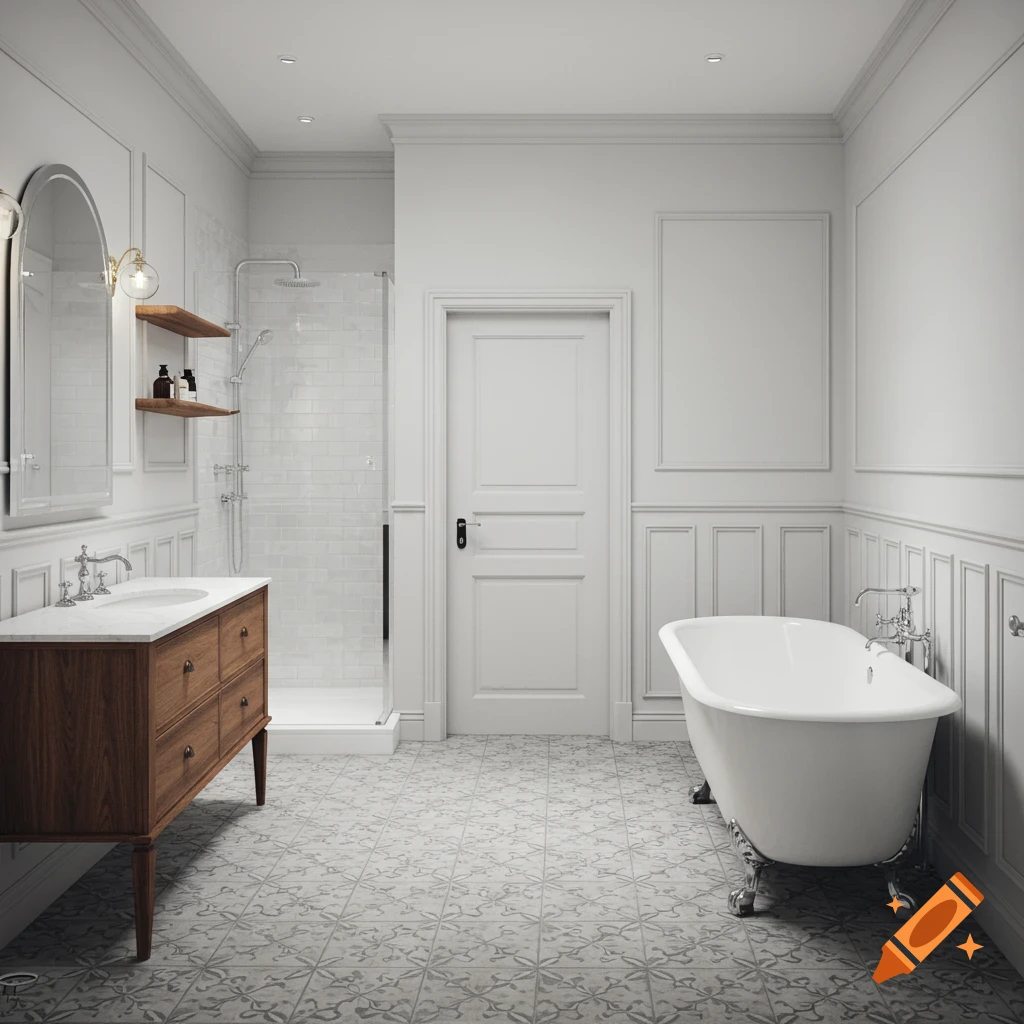
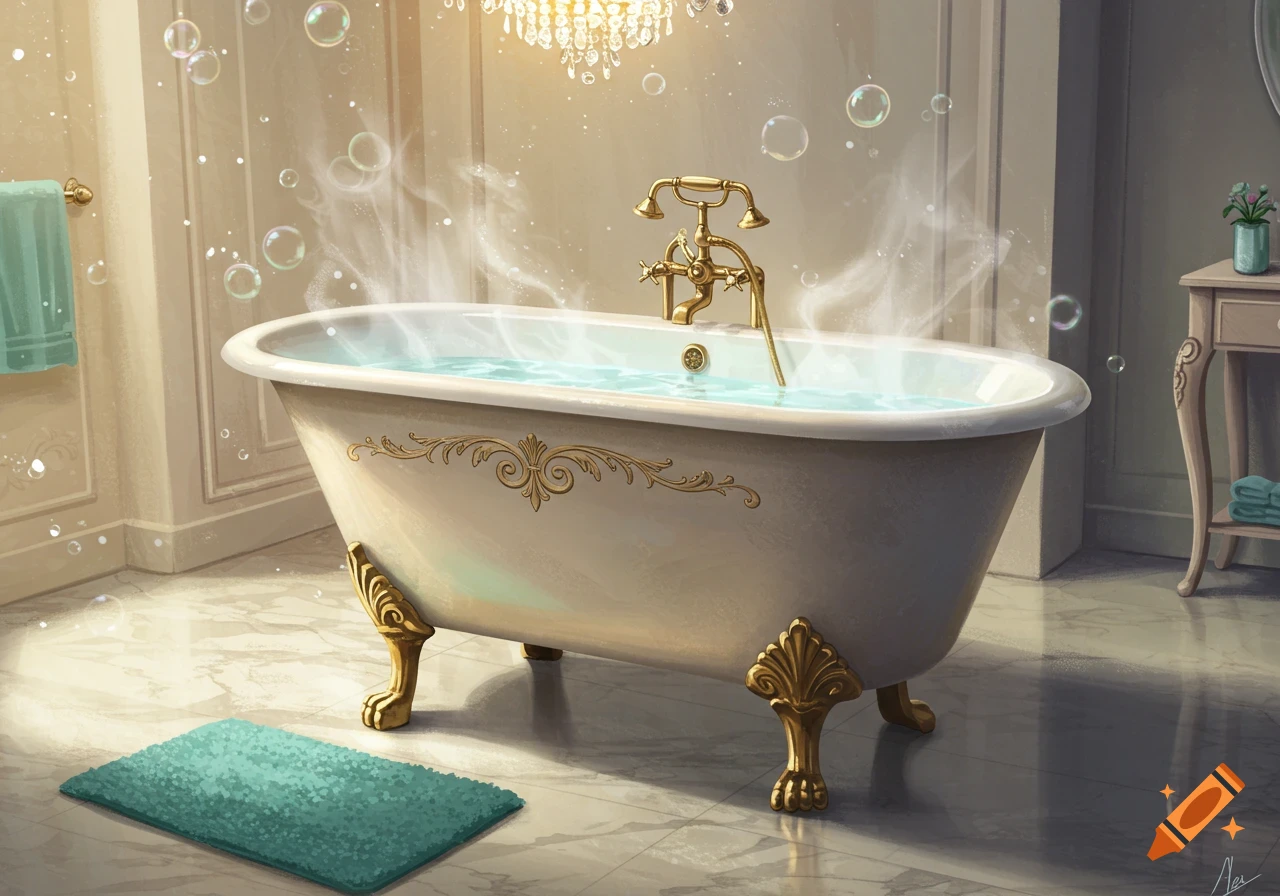
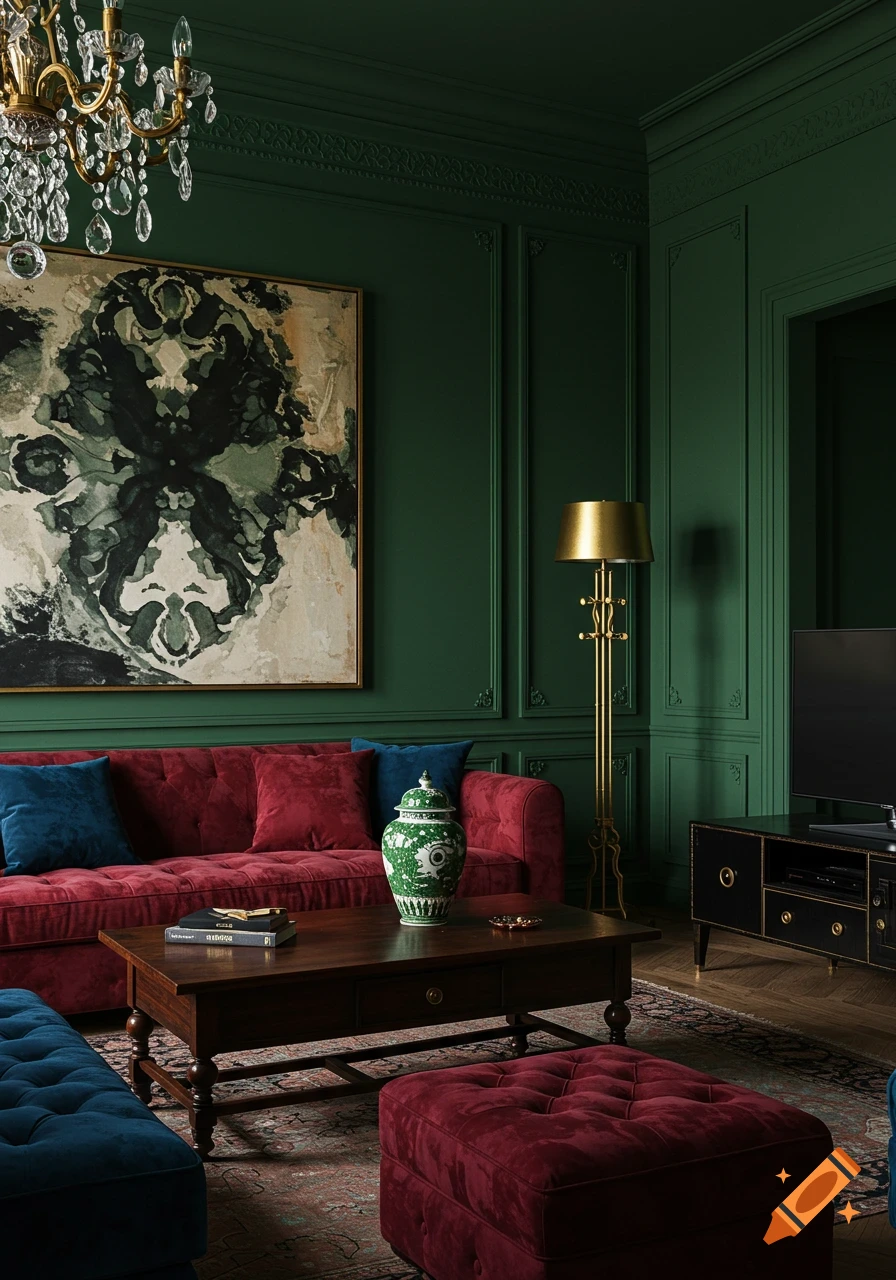
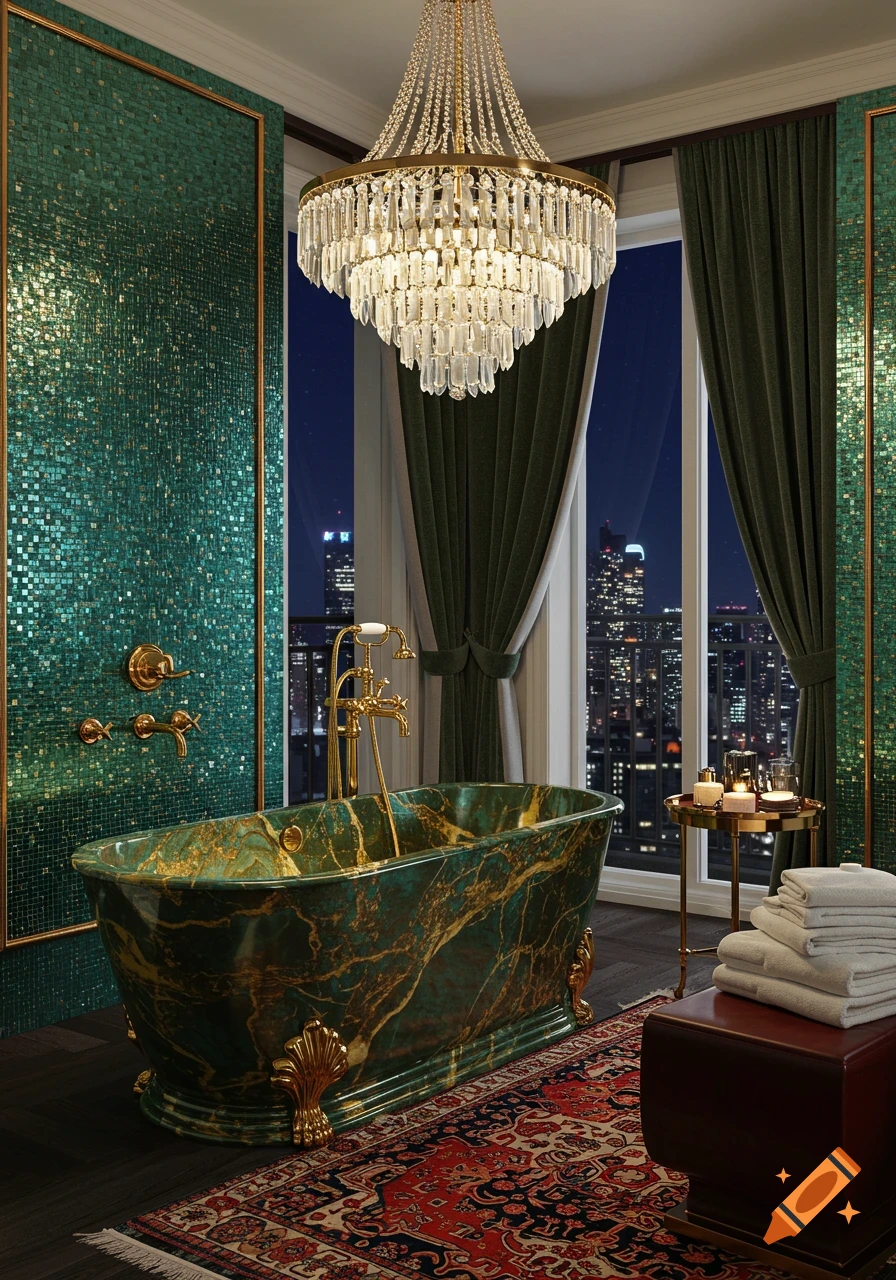
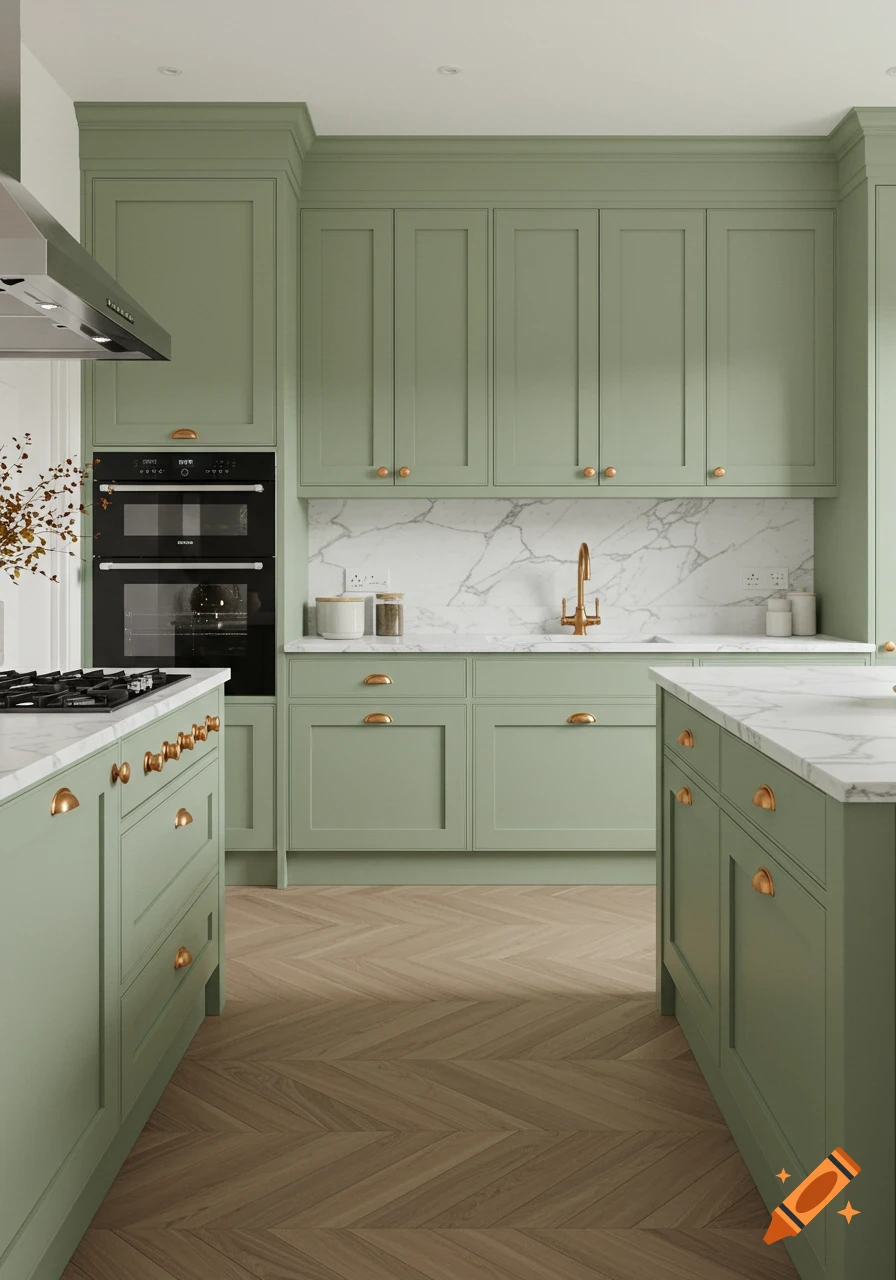
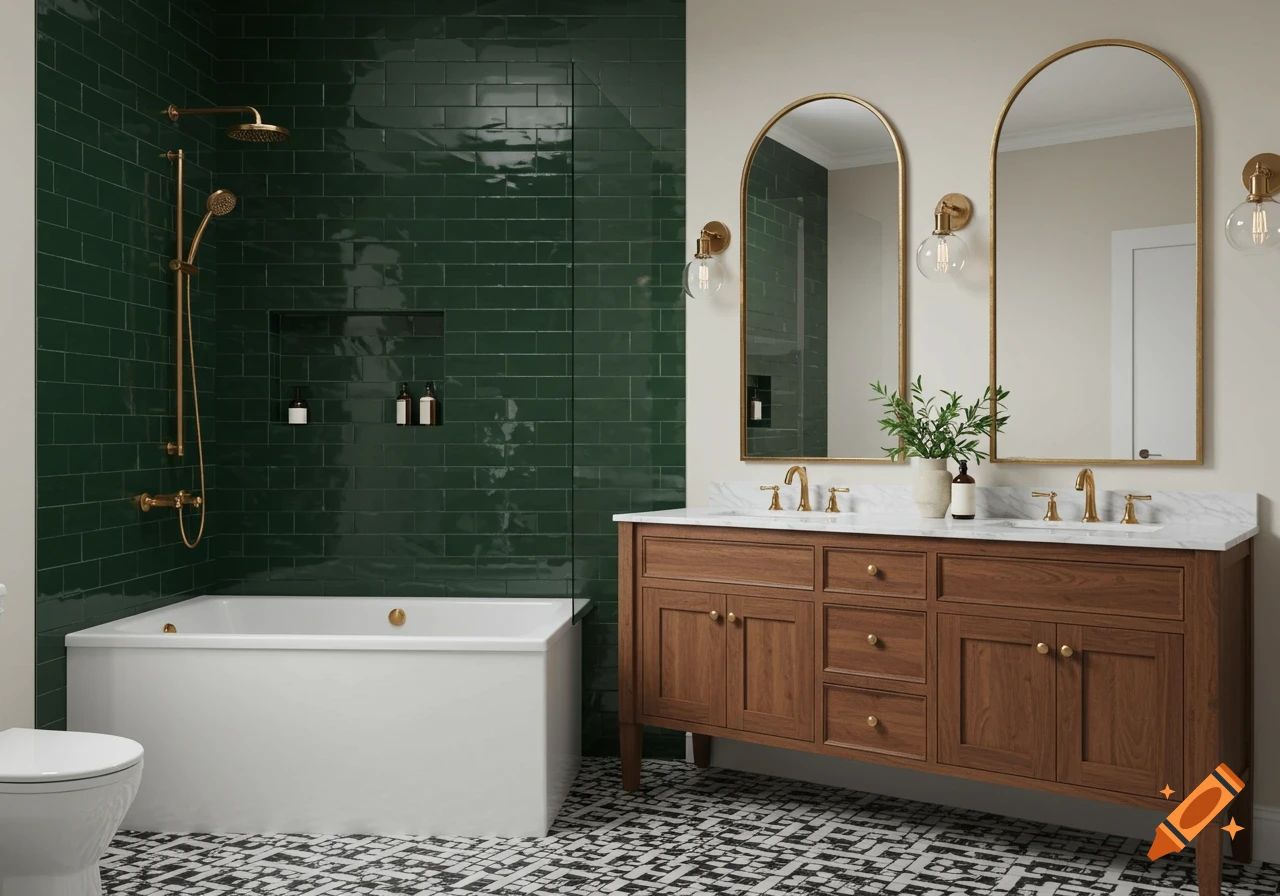
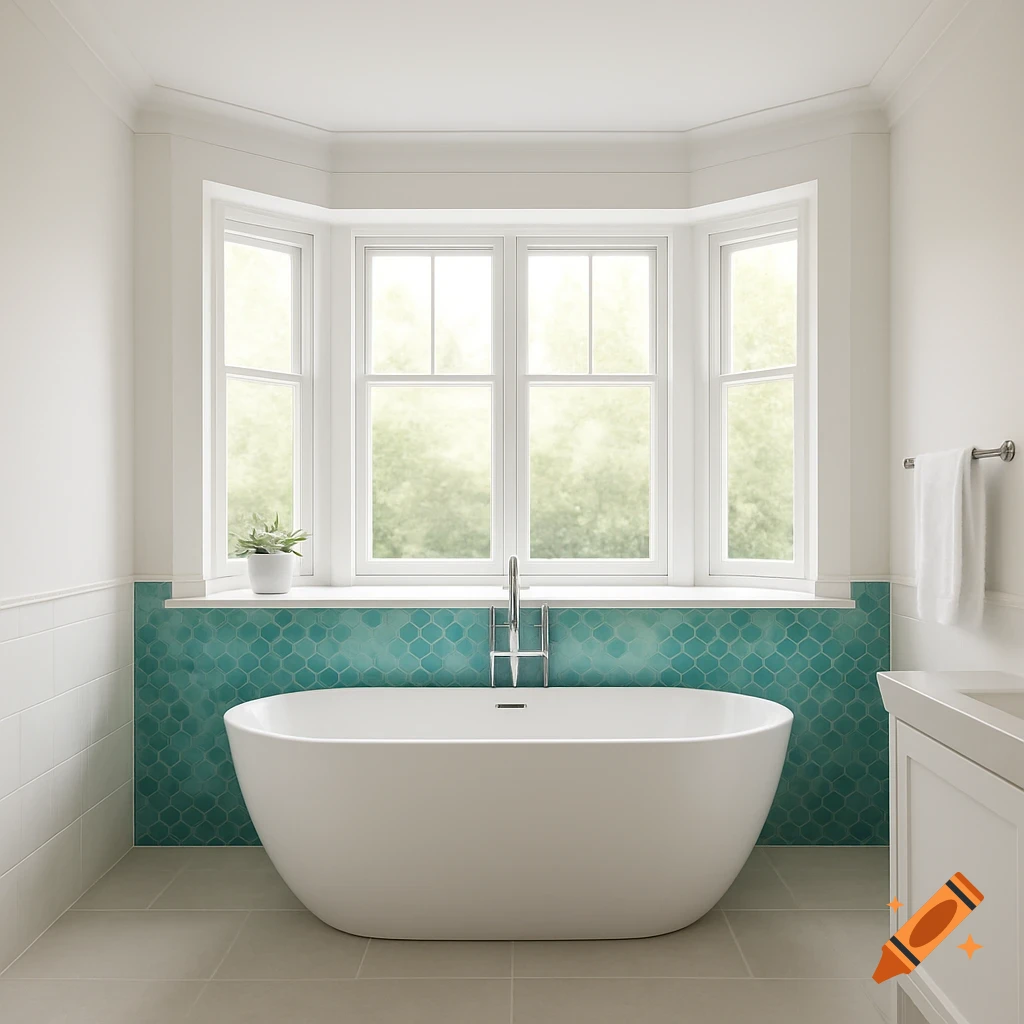
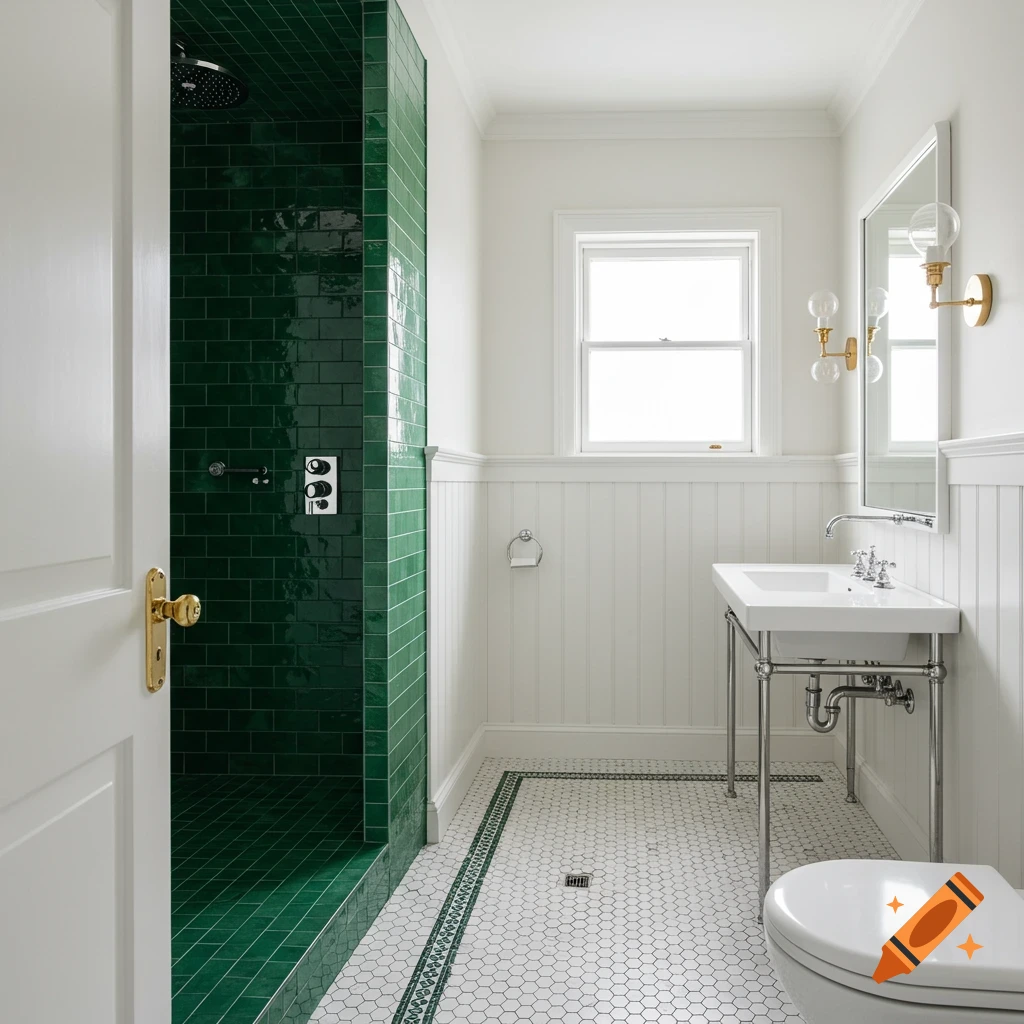
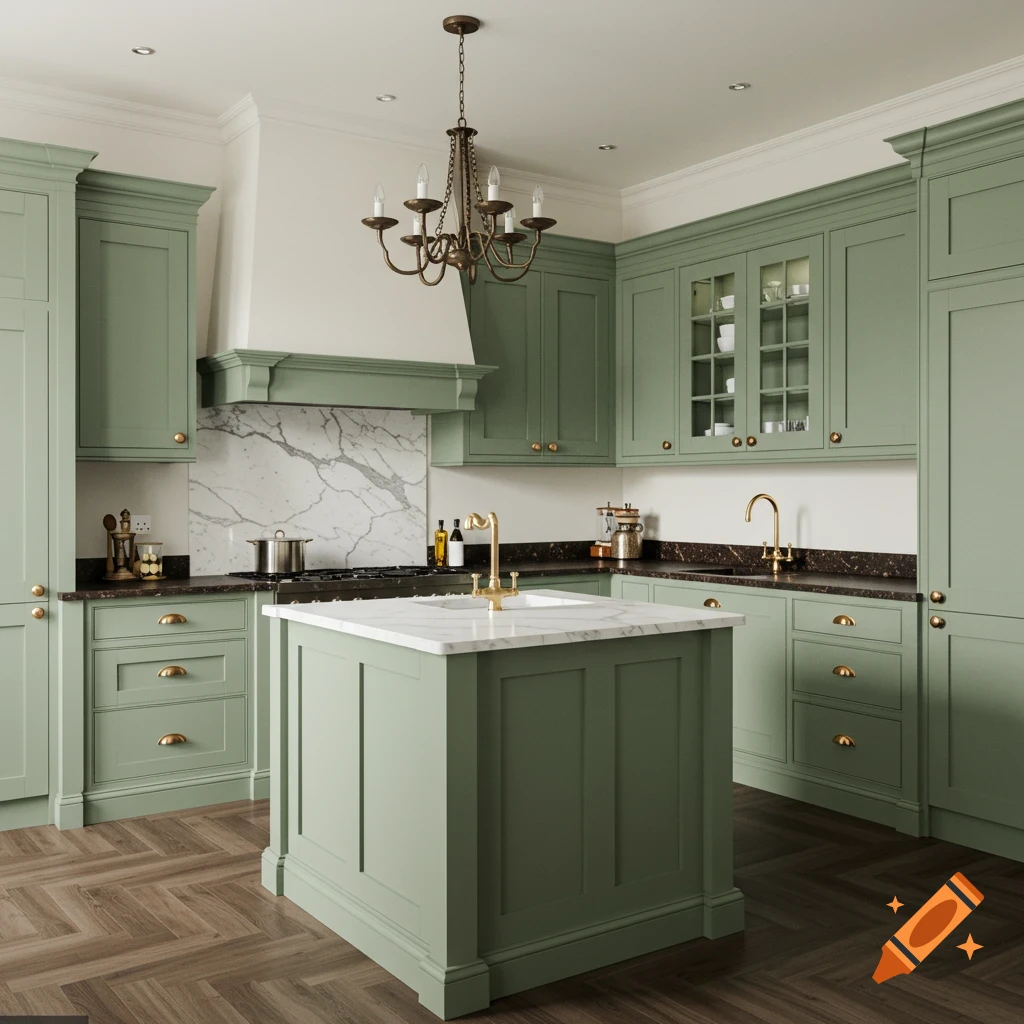
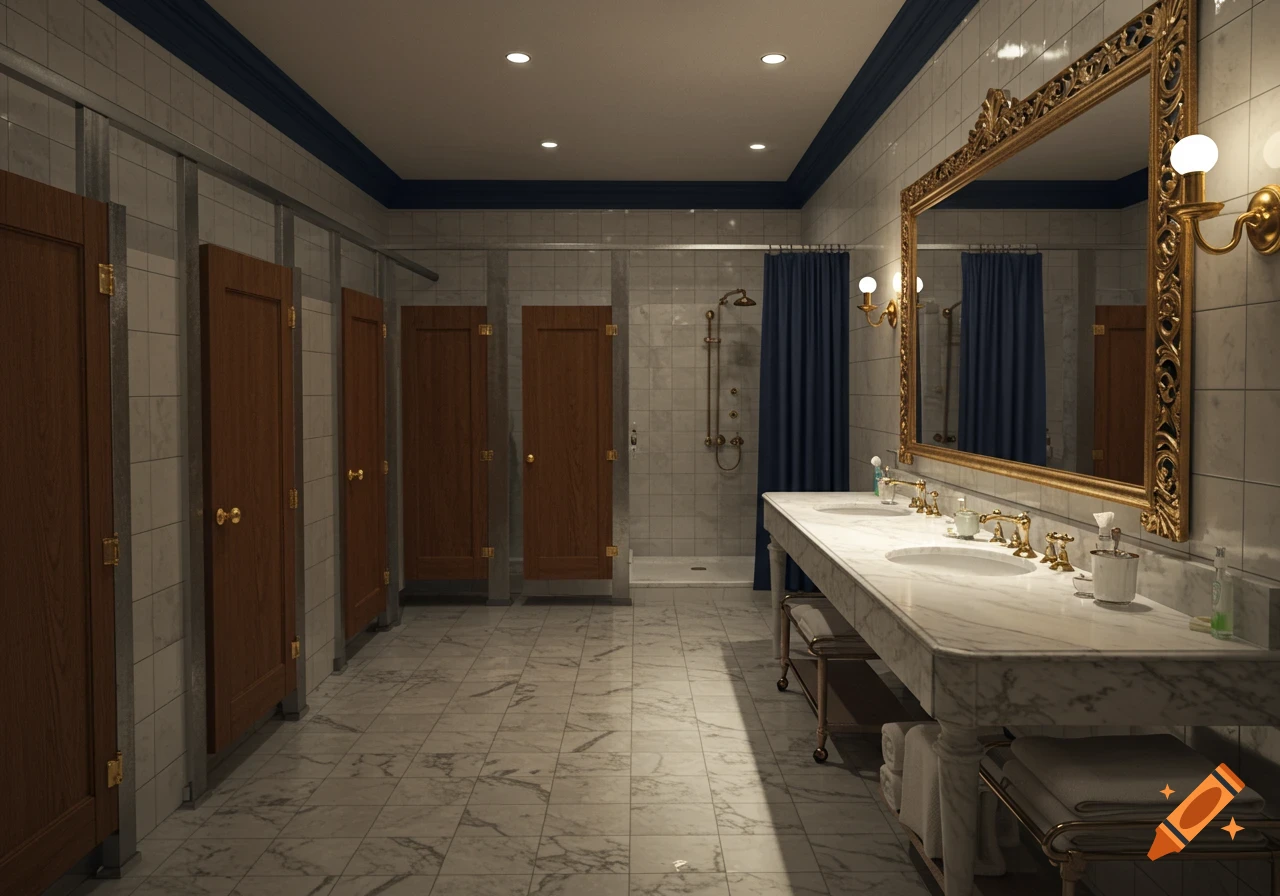
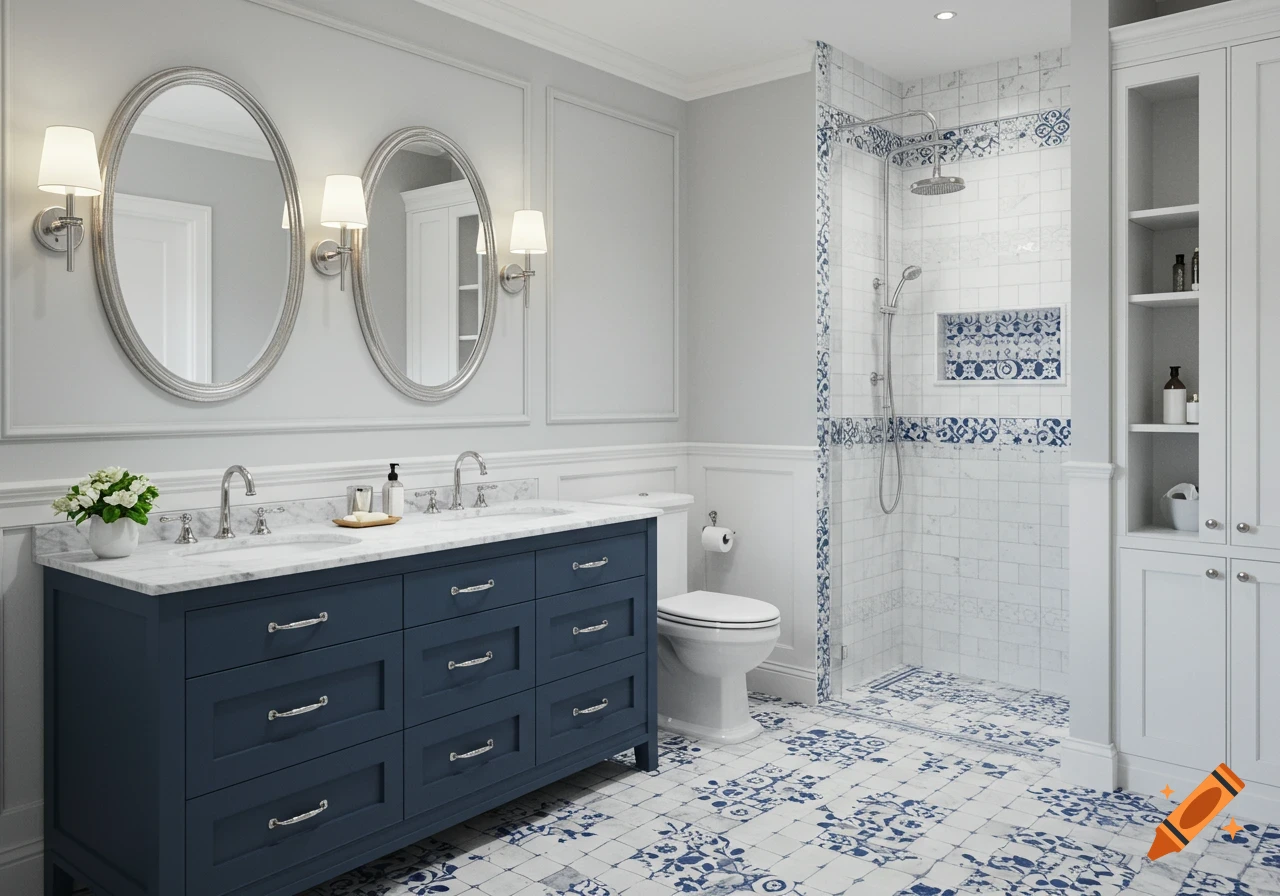
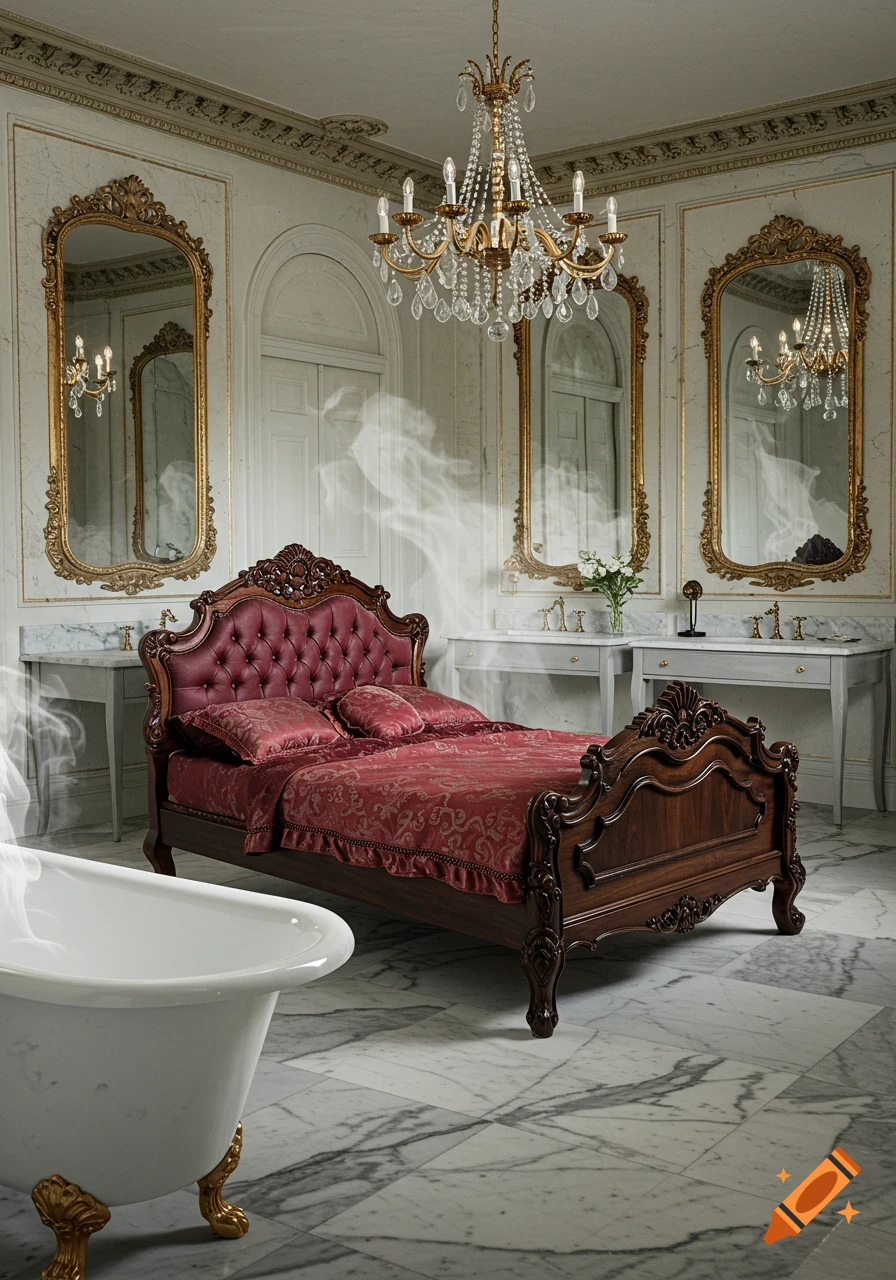
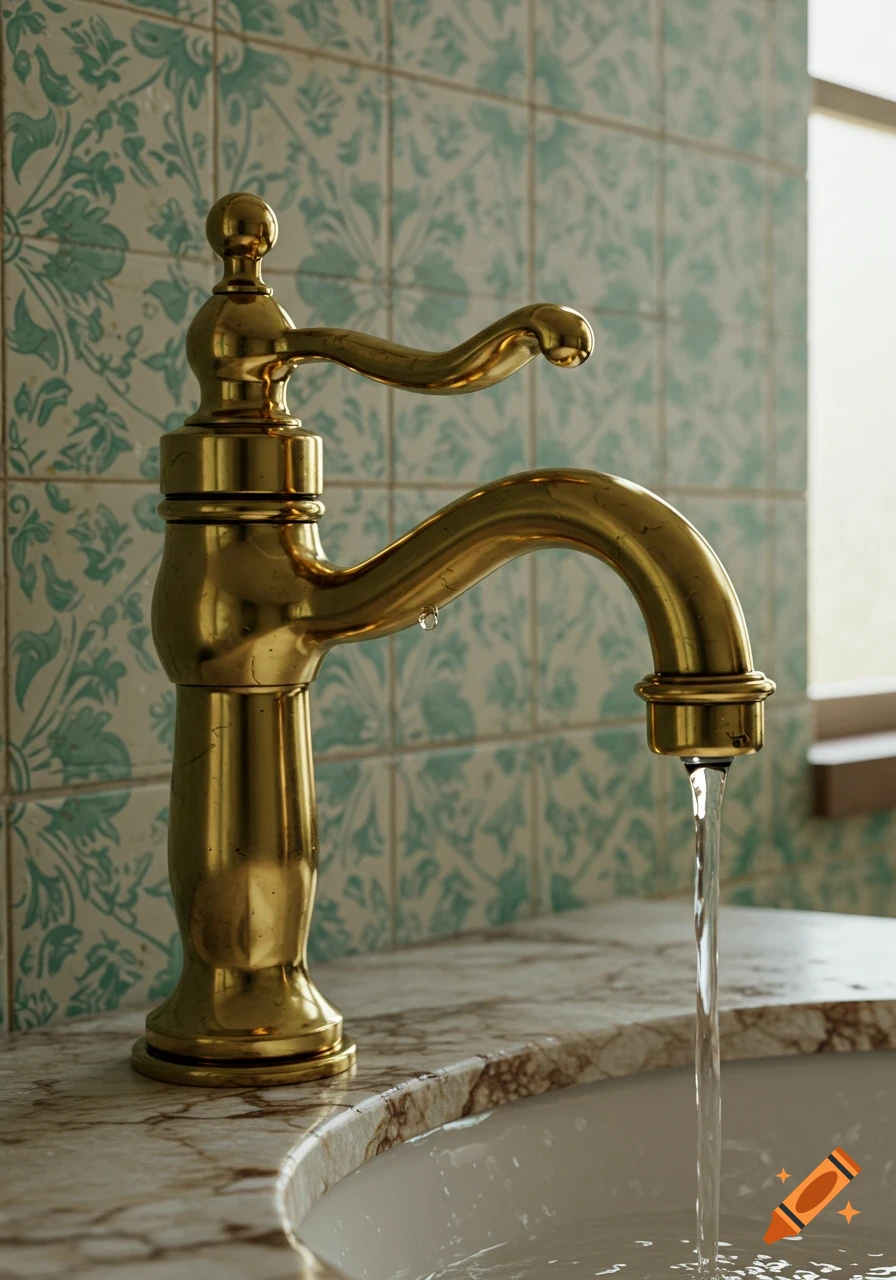
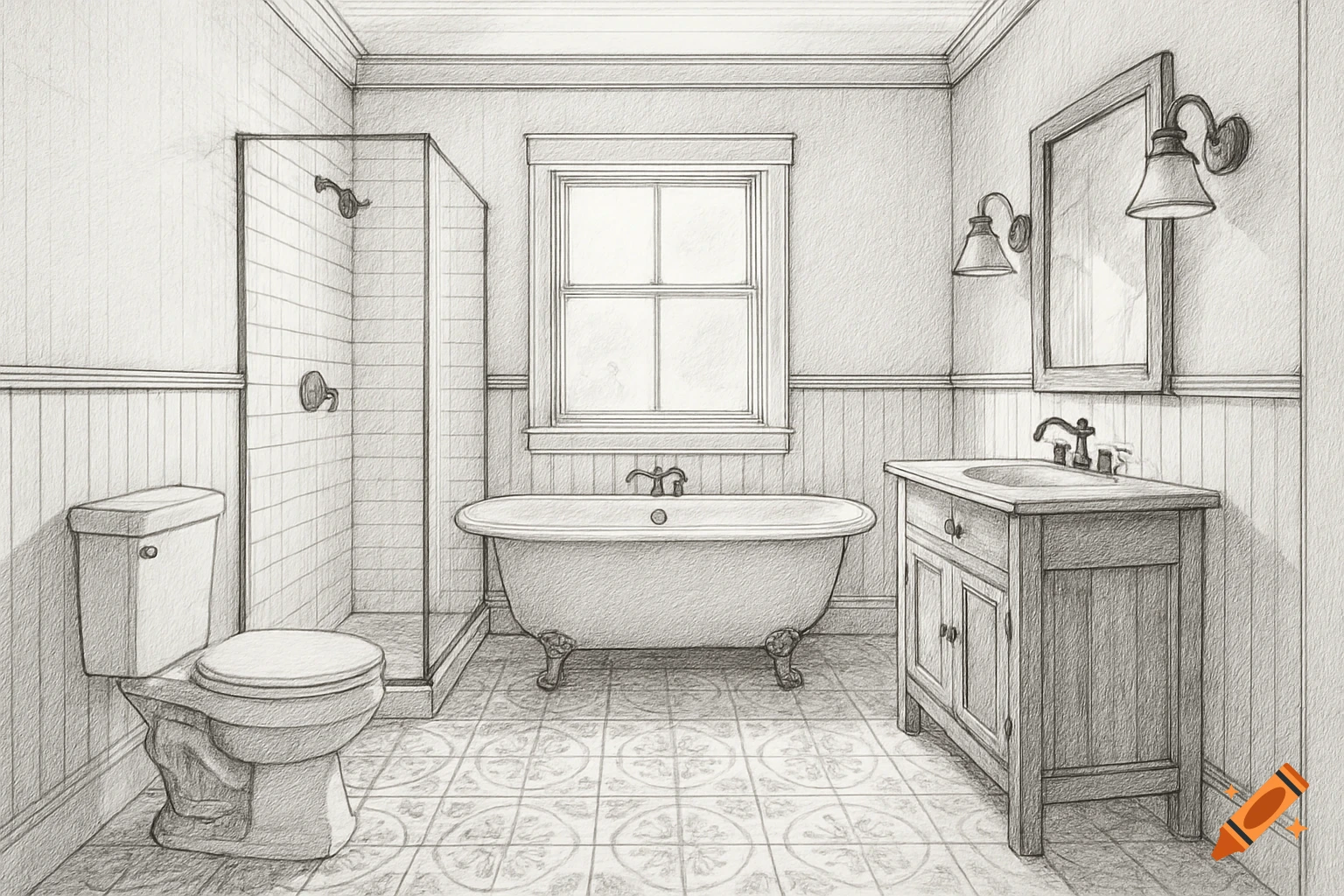
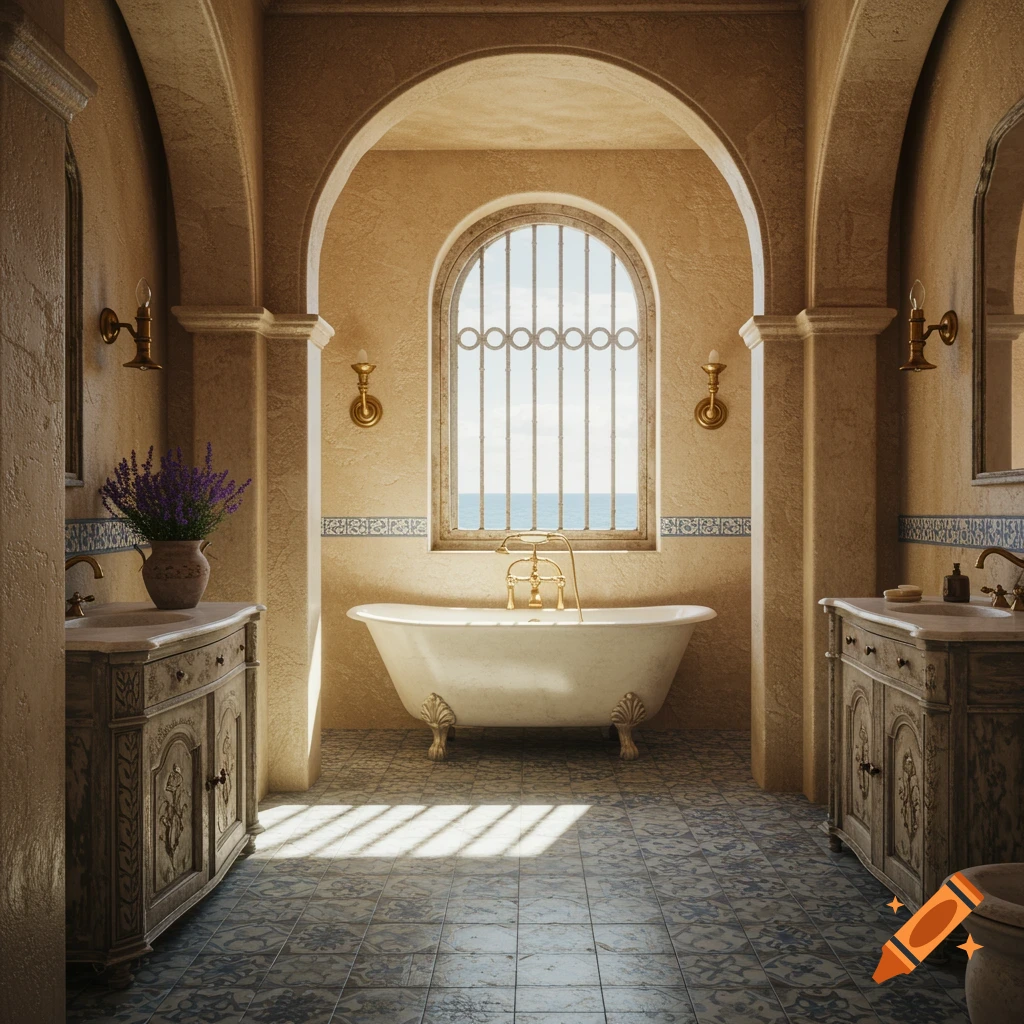
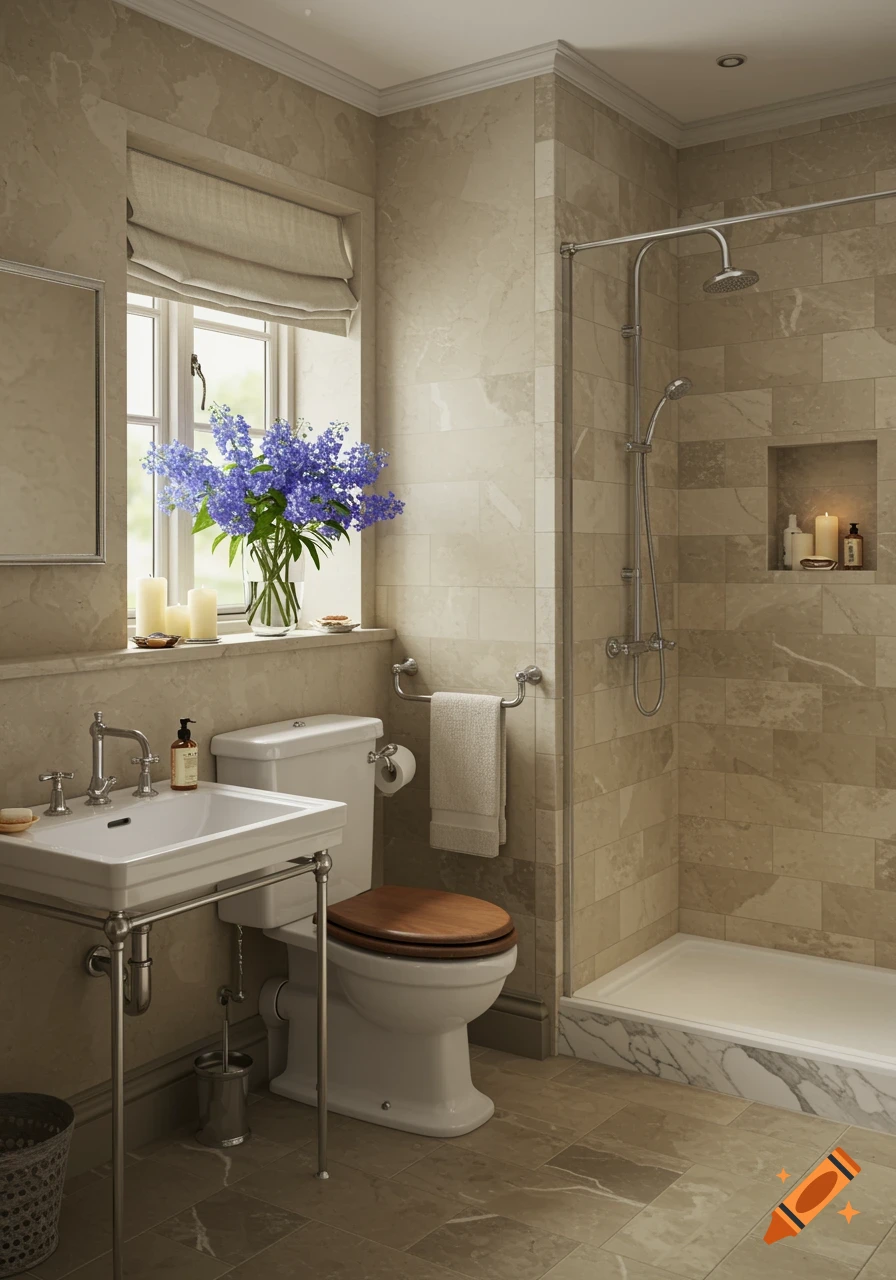
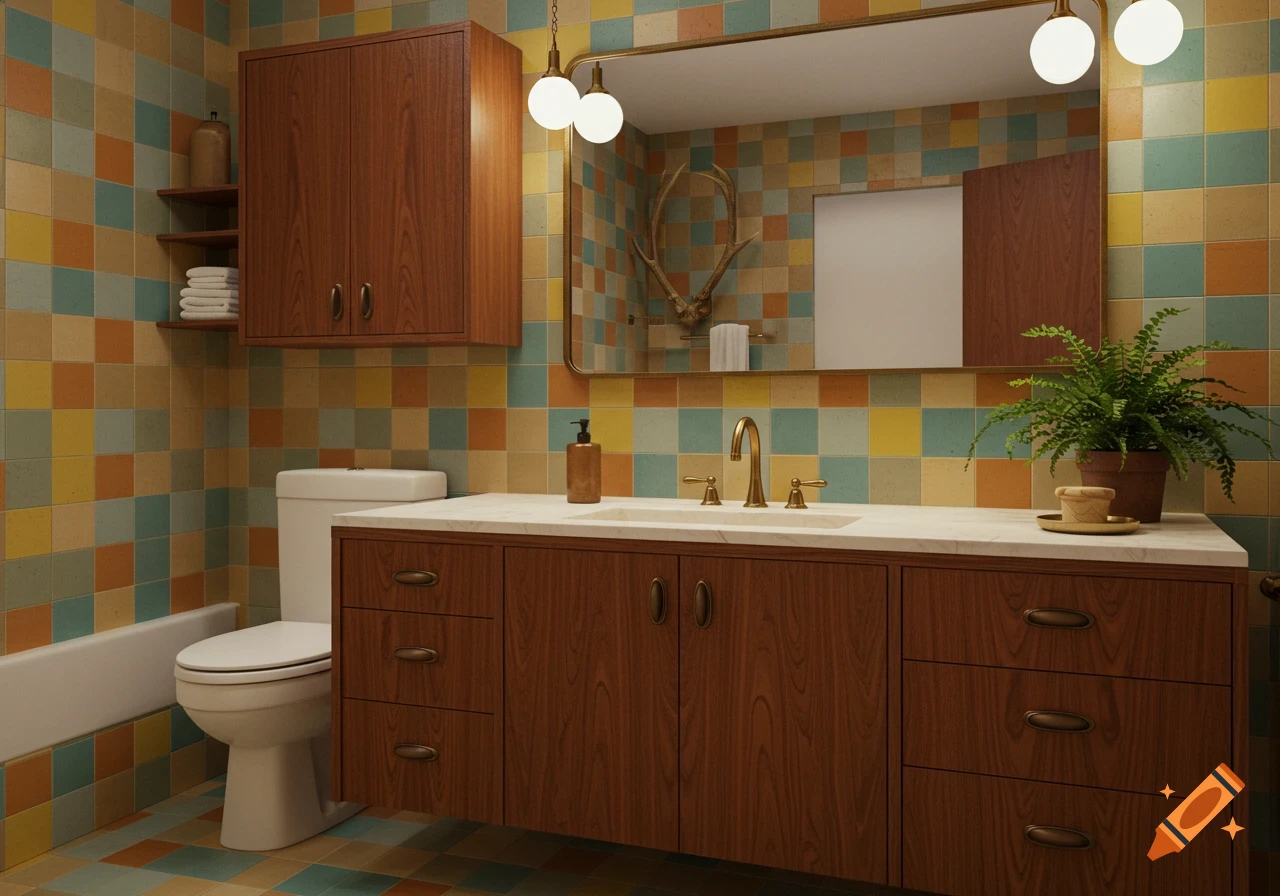
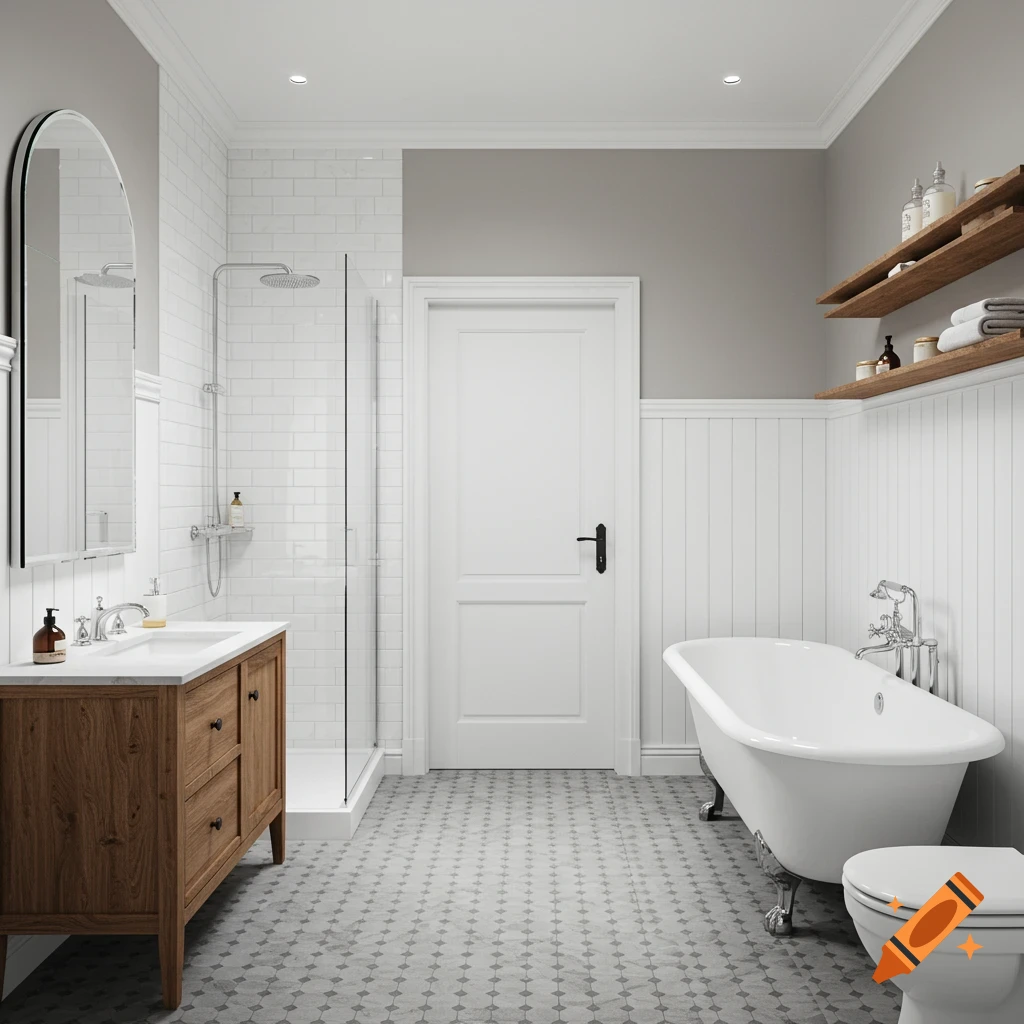
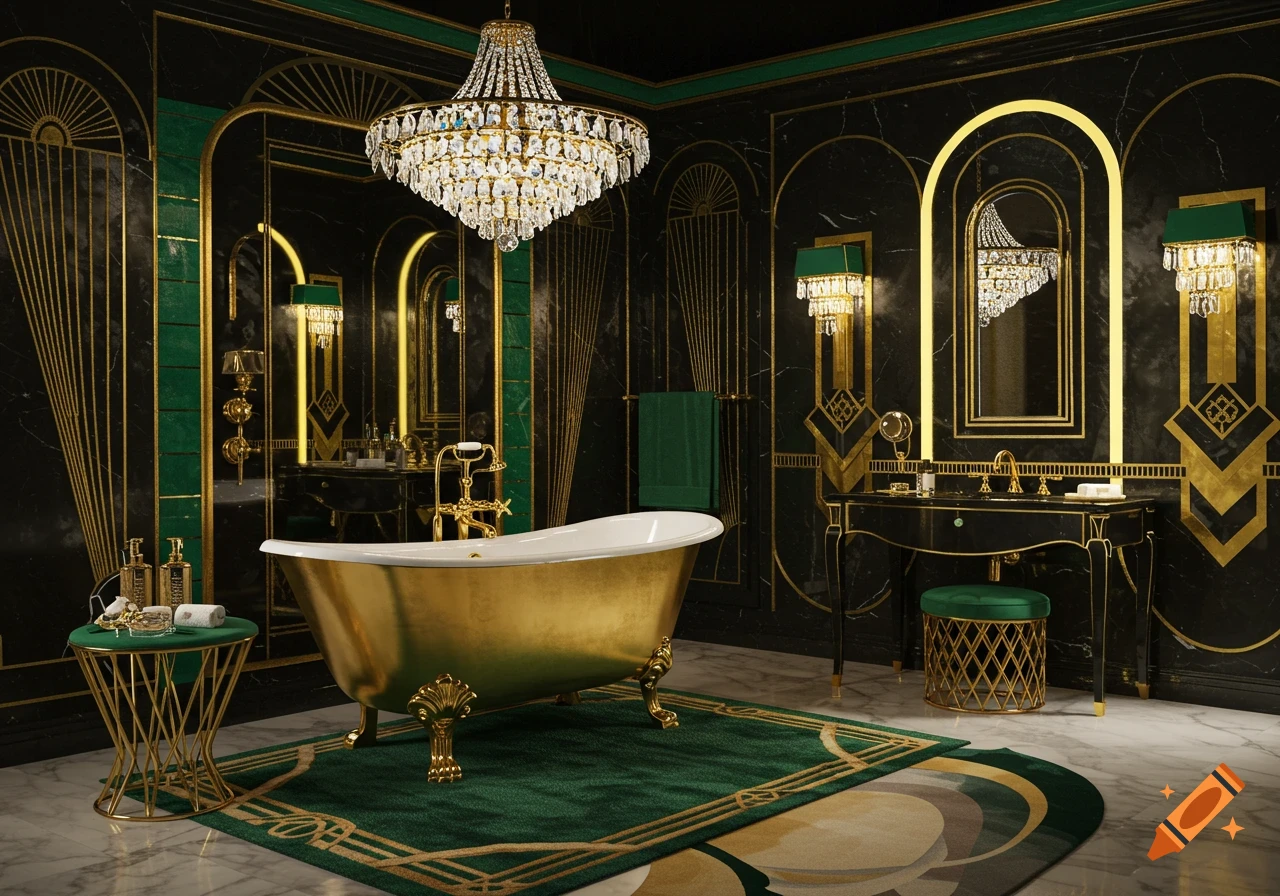
A luxurious Victorian-style bathroom featuring a navy blue clawfoot tub, a pedestal sink, and a high-cistern toilet with brass fixtures. It has black and white hexagonal floor tiles, dark green wainscoting, white subway tiles, and burgundy upper walls.
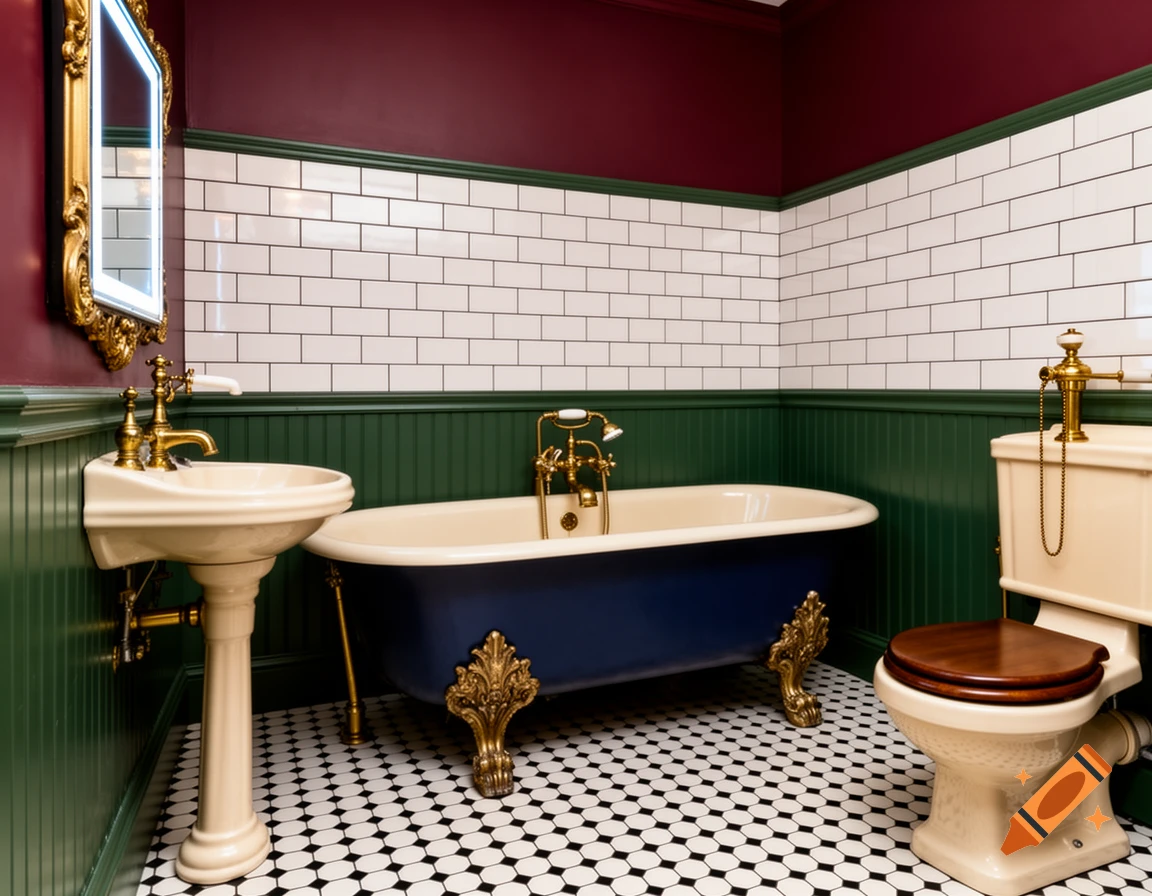
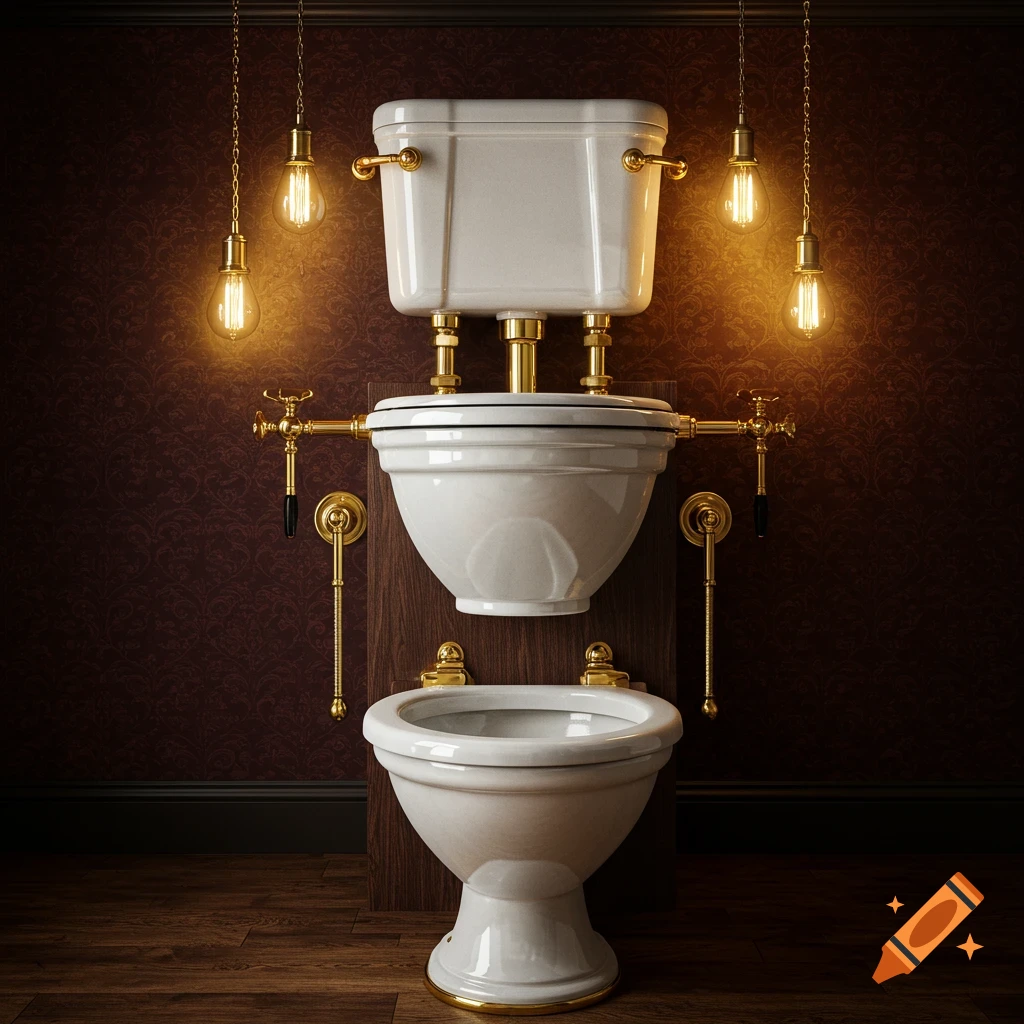
The Victorian bathroom style is the most recognized of all traditional period-style bathrooms. It comes from 19th-century Britain, specifically the reign of Queen Victoria (1837-1901), a period when indoor plumbing moved from a luxury to an expectation in upper-class homes. The style is unmistakable. Heavy, layered, and deliberately ornate. Signature Elements and Fixtures The clawfoot bathtub is the centerpiece. Cast iron, freestanding, raised on decorative feet. Nothing else signals Victorian bathroom design quite like it. Pedestal sinks come next, wall-attached with a porcelain or metal base, often in round or square profiles. Black-and-white hexagonal floor tile (the single most reproduced Victorian pattern) Beadboard or raised-panel wainscoting on lower walls High-cistern toilets with pull-chain flush mechanisms Brass or gilt-metal hardware, often with ornate carved detailing Subway tile on walls, typically white with dark grout According to the NKBA 2024 Bath Trends Report, 34% of bathroom renovation projects integrate retro or period styles with at least one modern device. Victorian cabinetry paired with smart mirror lights is one of the more common combinations showing up in high-end renovations right now. Color Palette Deep, rich, and warm. Think burgundy, forest green, navy, and ivory. These are not accidental choices. They reflect the role of color in interior design during the Victorian period, where saturated tones communicated wealth and stability. Walls were Mehr sehen
More images like this